 Kingflex
Kingflex
Kingflex
As global energy conservation requirements tighten and structural lifespans extend, the demand for highly efficient pipe insulation increases. Industrial HVAC systems, cryogenics, and urban utility infrastructures require high-performance insulation. To ensure thermal stability, prevent condensation damage, and limit energy waste, choosing the correct material class and manufacturer is essential.
This whitepaper details the raw material standards, manufacturing capacity, and cost metrics of Chinese elastomeric pipe insulation. It serves as an executive guide for industrial engineers, procurement officers, and global contractors seeking to optimize thermal systems.
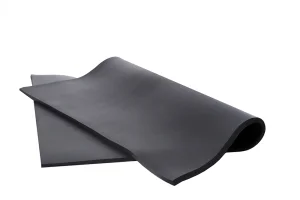
High-performance closed-cell elastomeric rubber foam sheets and pipelines built for international infrastructure standards
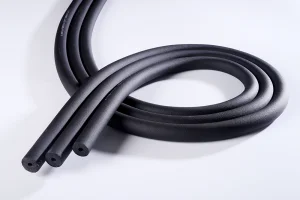
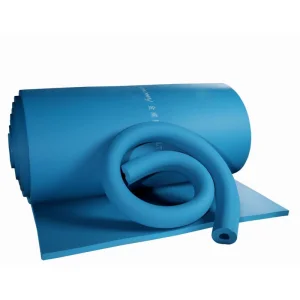
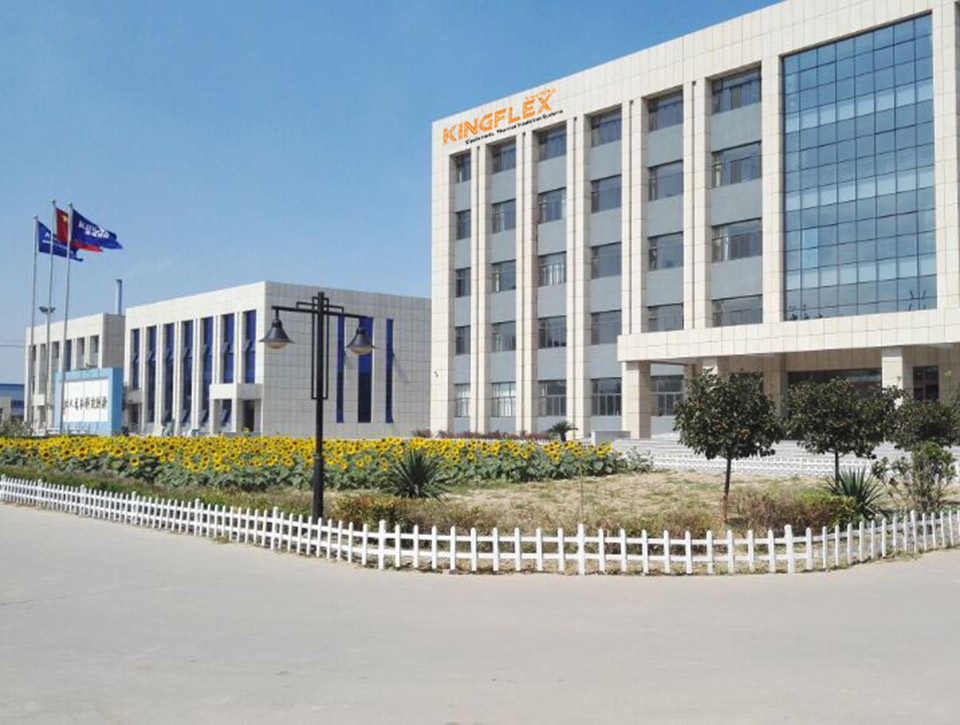
Automated manufacturing infrastructure driving down structural costs and logistics lead times
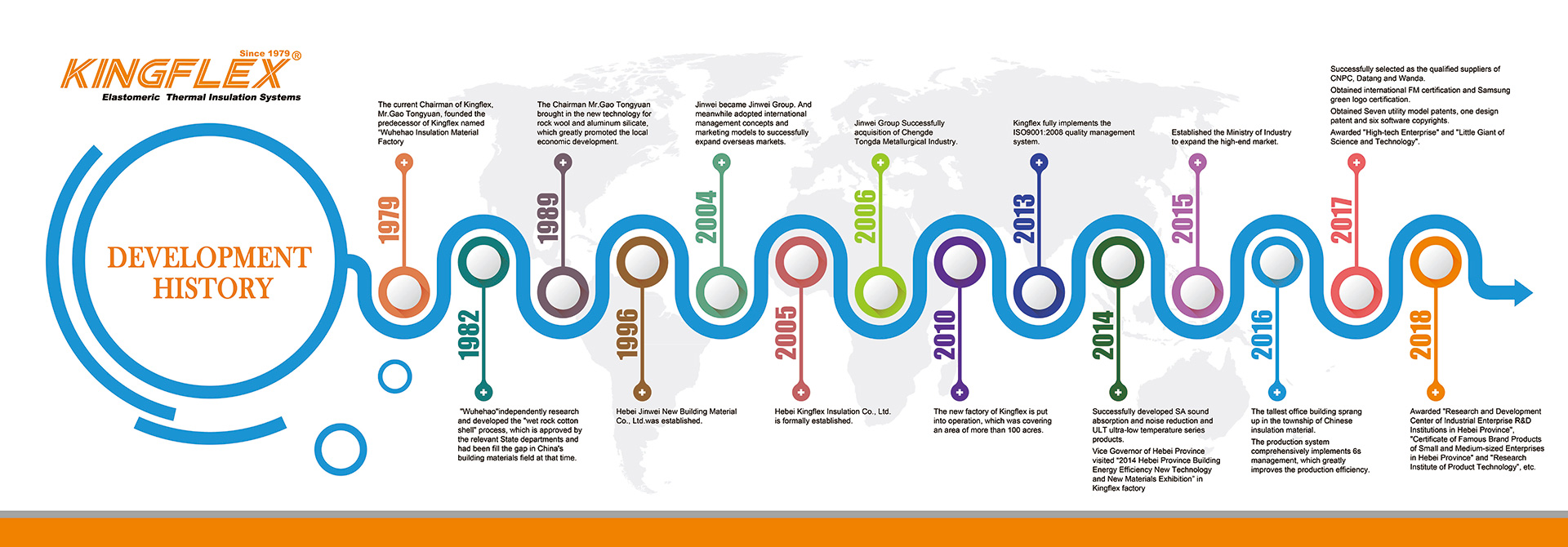
Kingflex Insulation Co., Ltd. is a combined manufacturing and trading company specializing in thermal insulation products. The research, development, and production facility is located in Dacheng, China—a hub for green building materials.
As an energy-efficient enterprise, Kingflex concentrates on R&D, manufacturing, and distribution. We target reduction in energy consumption as a key operational concept. Our team provides thermal system solutions through technical consulting, R&D production, installation guidance, and post-sale technical service.
Key benefits of raw material scaling, logistics integration, and technological manufacturing upgrades
Located in Dacheng, the green building material capital of China, factories benefit from a localized supply chain. Raw materials like Nitrile Butadiene Rubber (NBR) and Polyvinyl Chloride (PVC) are sourced nearby, reducing transport overheads.
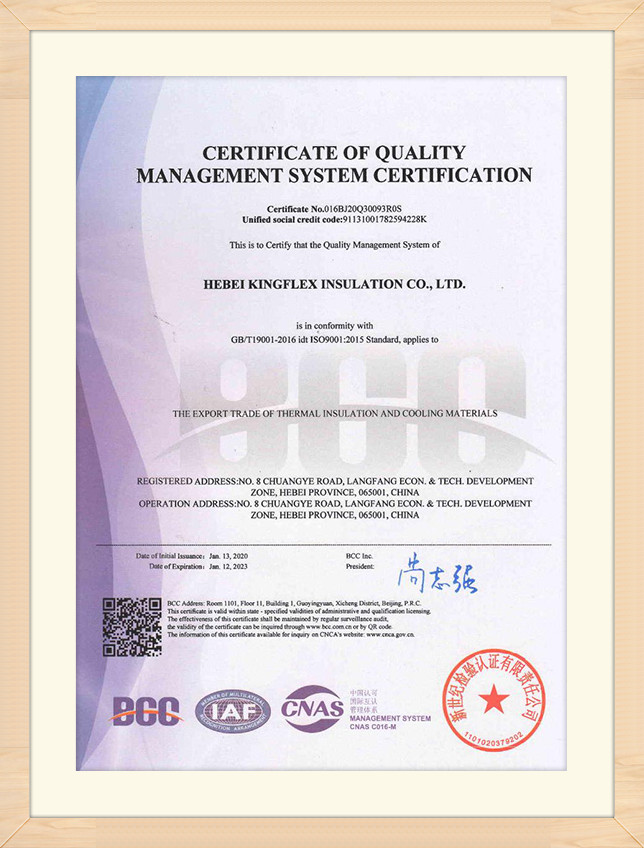
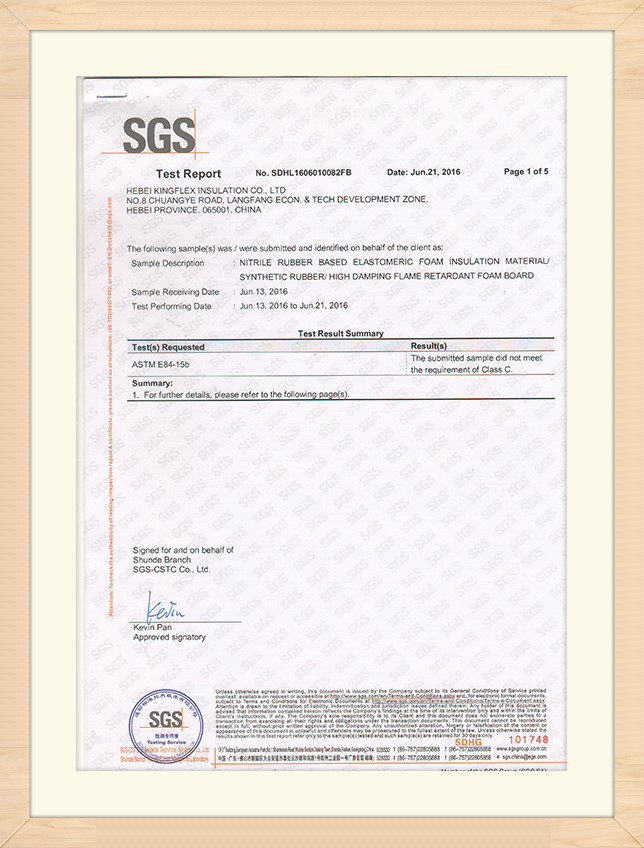
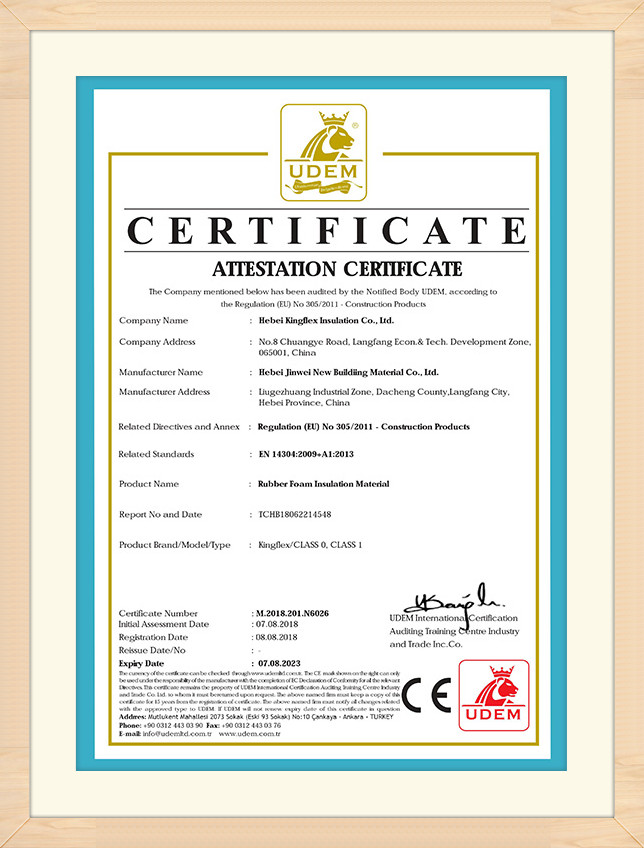
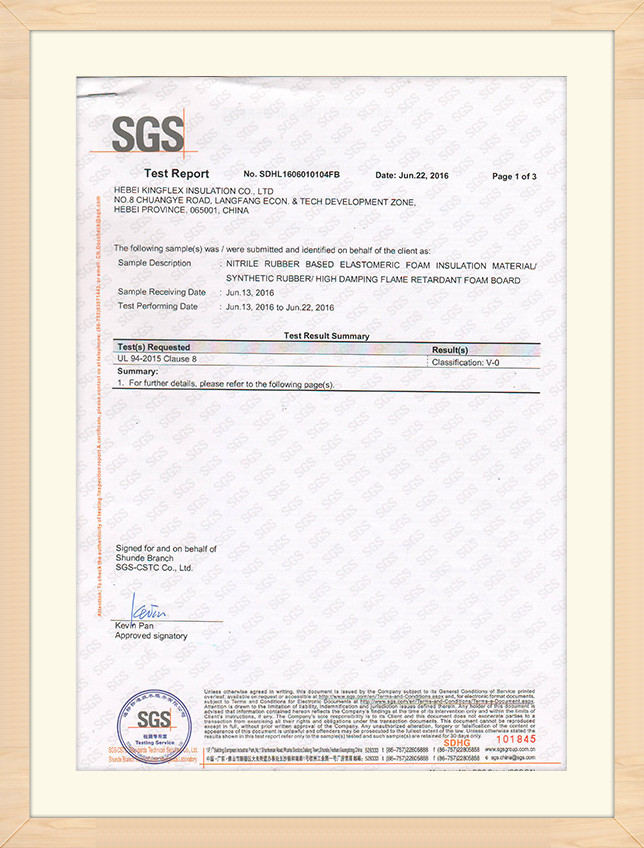
Export-focused manufacturers operate according to global test standards. Kingflex thermal insulation products hold certifications for BS 476, CE, REACH, RoHS, UL94, and ASTM. This ensures standard compliance across the European Union, Americas, and the Middle East.
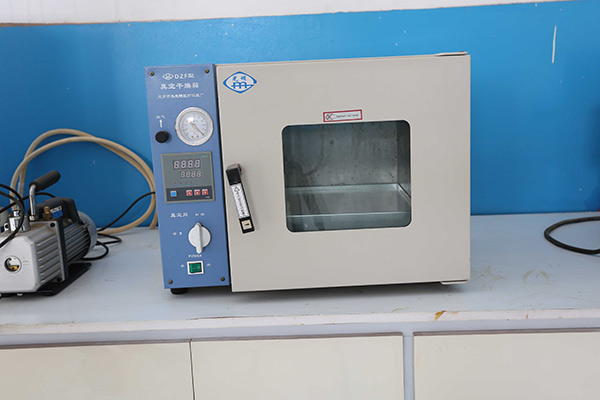
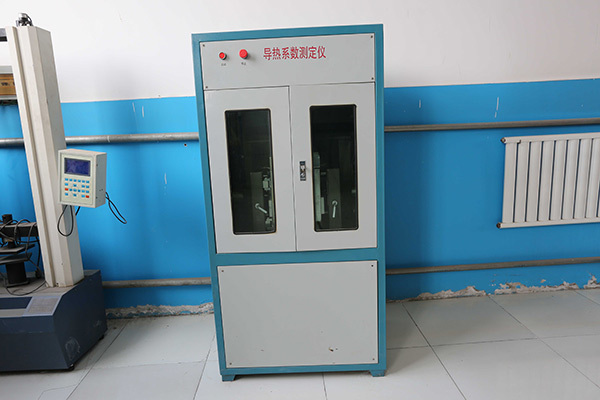
Advanced continuous vulcanization and extrusion lines reduce human error. Continuous foaming processes keep the closed-cell ratio above 98%, yielding consistent density, wall thickness, and low thermal conductivity.
Understanding Nitrile-Butadiene Rubber & Polyvinyl Chloride (NBR/PVC) closed-cell structures
Closed-cell elastomeric rubber foam insulation is constructed from a polymer matrix combining Nitrile Butadiene Rubber (NBR) for flexibility and oil resistance with Polyvinyl Chloride (PVC) for chemical durability and fire retardancy.
When heated during extrusion, chemical blowing agents generate millions of micro-cells. Because these cells are closed, they restrict the migration of air molecules, maintaining a low thermal conductivity ($\lambda \le 0.034$ W/m·K at 0°C). The closed structure also forms a continuous vapor barrier, preventing moisture from entering the insulation layer.
Moisture Intrusion Risk: In open-cell or fibrous insulation (like glass wool), water ingress rapidly increases thermal conductivity, which reduces energy savings. Closed-cell rubber foam provides moisture protection without needing an external vapor barrier jacket.
| Performance Index | Technical Reference & Standard Value | Normative Compliance Standard |
|---|---|---|
| Base Polymer Composition | Nitrile Butadiene Rubber / Polyvinyl Chloride (NBR/PVC) Blend | ASTM C534 Grade 1 |
| Foam Structure | Closed-Cell Micro-Bubble Array (>98% Closed Cell Rate) | Scanning Electron Microscopy Confirmed |
| Thermal Conductivity (λ) | ≤ 0.032 W/(m·K) at -20°C | ≤ 0.034 W/(m·K) at 0°C | ≤ 0.038 W/(m·K) at 40°C | ASTM C177 / ISO 8302 |
| Water Vapor Permeability Resistance (μ) | μ ≥ 10,000 (Vapor Barrier Built-In) | EN 12086 / ASTM E96 |
| Fire Safety Classifications | Class 0 / Class 1 / BS 476 Part 7 / UL 94 V-0 Rated | BS 476 Part 6 & 7 / UL94 |
| Temperature Operation Thresholds | From -40°C up to +105°C (For Cryogenic applications, special formulations reach lower limits) | ASTM C534 / EN 14706 |
| Density Tolerances | 40 - 55 kg/m³ for tubes and sheet rolls | ASTM D1622 |
| Elastic Resilience Index | Compression Resilience Recovery > 80% | ASTM D1056 |
System solutions for mechanical, HVAC, cryogenic, and process piping systems
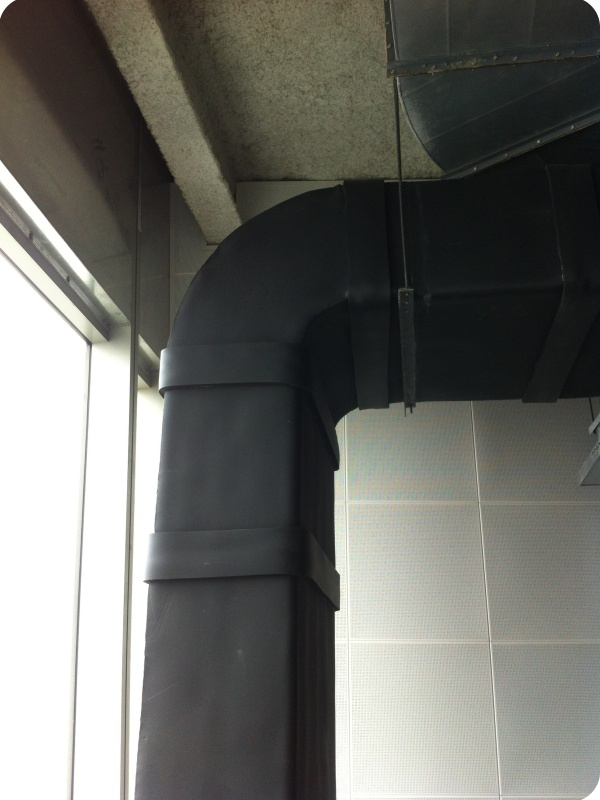
Used for chilled water pipelines and air conditioning ductwork in multi-story commercial buildings, airport terminals, and healthcare facilities. It prevents surface condensation and maintains thermal efficiency.
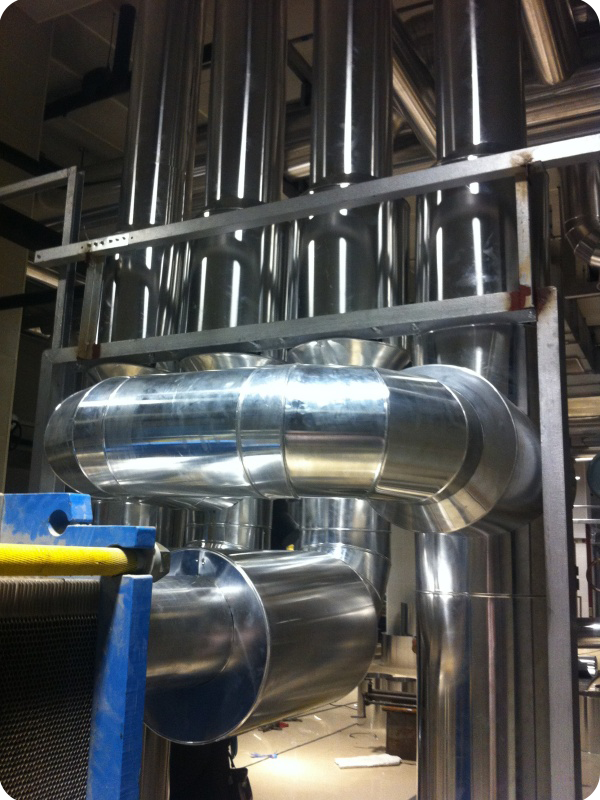
Specific formulations (like Alkadiene base systems) are used for LNG storage lines and ultra-low-temperature systems. They reduce the risk of structural micro-cracking and prevent freeze-thaw degradation.
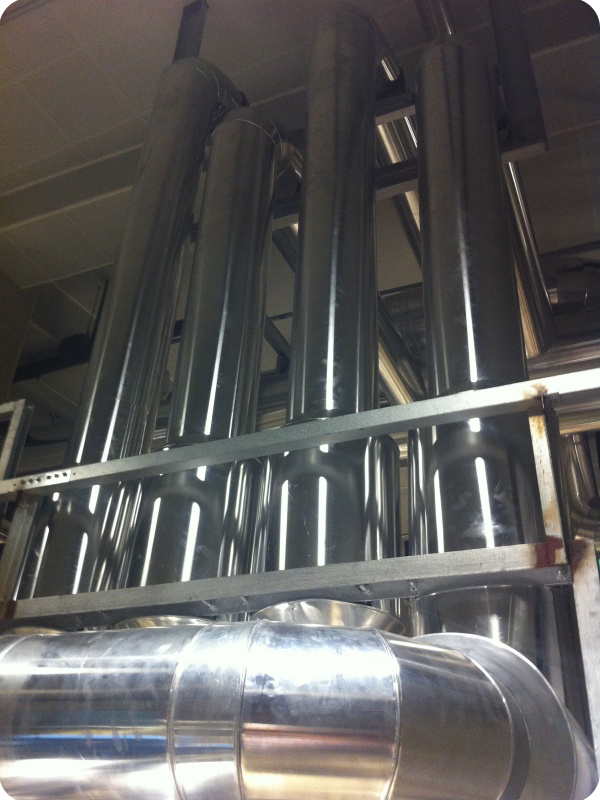
Provides insulation for steam and chemical transmission pipelines, preventing energy loss and protecting personnel from high operational surface temperatures.
Backed by 40+ years of manufacturing experience under the Jinwei Group
Established by the Jinwei Group—which holds more than 40 years of history since its founding in 1979—Kingflex was the first manufacturer of thermal insulation materials north of the Yangtze River. This history provides us with extensive experience in cold chain, construction, and HVAC application engineering.
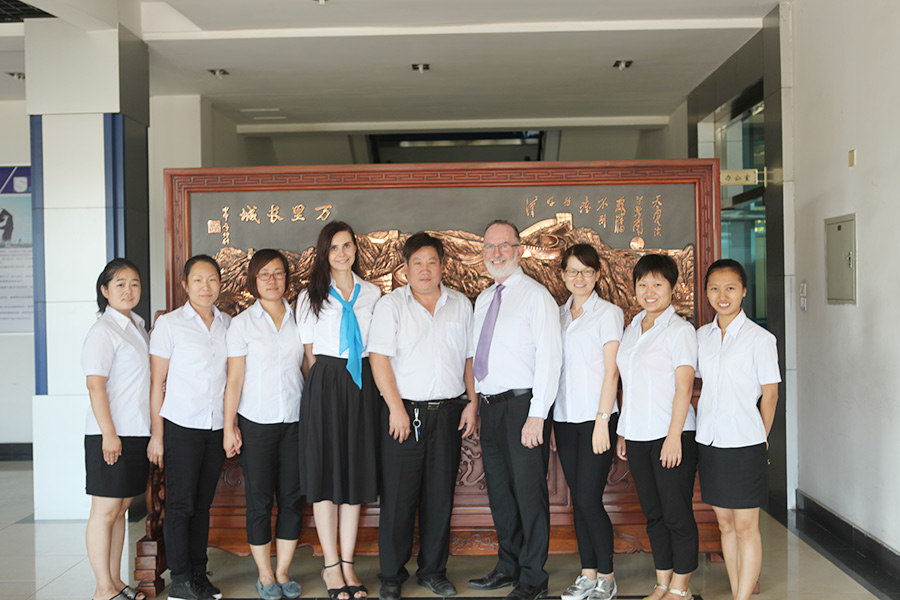
Our current staff features 8 professional R&D engineers, 6 international sales consultants, and 230 production workers. Our engineering team continuously refines polymer formulations, focusing on fire behavior (Class 0 smoke development limitations) and low-temperature flexibility for cryogenic gas processing.
Kingflex is a designated supplier for the Ministry of Energy, the Ministry of Electric Power, and the Ministry of Chemical Industry, supporting municipal infrastructure projects across Asia and Europe.


Factors influencing price structures and custom configuration choices
When requesting a pricelist from a Chinese pipe insulation manufacturer, quote calculations are determined by raw material grades, density, thickness requirements, and structural treatments:
Thicker insulation prevents heat transfer in hot systems and condensation in cold systems. Prices scale with the volume of polymer content per linear meter.
Adding pressure-sensitive adhesive backing simplifies installation on flat ducts or large pipes, reducing labor times but increasing material unit costs.
For outdoor installations, adding aluminum foil or fiberglass mesh cladding protects the core NBR structure from UV radiation and mechanical impacts.
To assist with procurement budgeting, the following table details estimated price ranges based on thickness, dimensions, and density specifications. Contact our sales department with your specific project requirements for a formal commercial quote.
| Insulation Type / Format | Dimensions (Thickness & Inner Diameters) | Common Density | Application Focus |
|---|---|---|---|
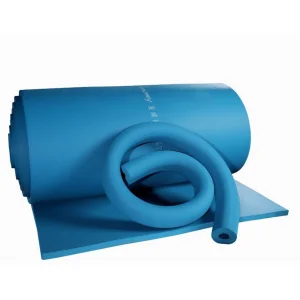
| NBR Standard Hose (Tubes) | Thickness: 9mm - 40mm | ID: 6mm - 114mm | 40 - 55 kg/m³ | HVAC Copper Piping, Domestic Water Supply lines |
| Adhesive Backed Sheets | Thickness: 6mm - 50mm | Roll Width: 1m / 1.2m / 1.5m | 45 - 50 kg/m³ | Air Duct cladding, large vessels and tanks |
| Open-Cell Sound Absorbing Foam | Thickness: 10mm - 50mm | Sheets / Rolls | 35 - 45 kg/m³ | Acoustic liners, machine rooms and generator hoods |
| Cryogenic ULT System Formulation | Thickness: 13mm - 25mm | Multilayered configuration | 55 - 65 kg/m³ | LNG pipelines, Ethylene systems, Cryogenic processing |
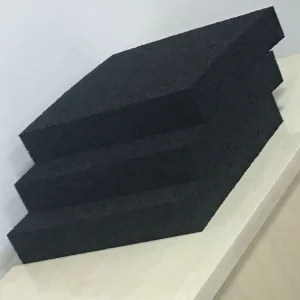
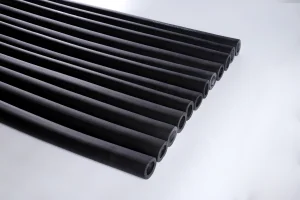
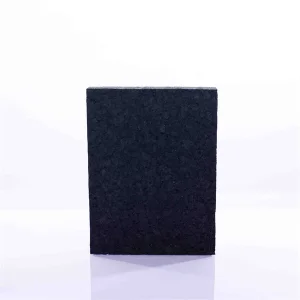
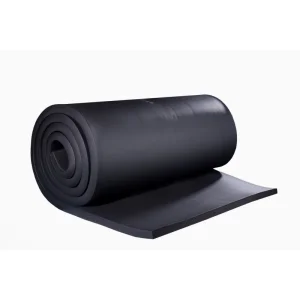
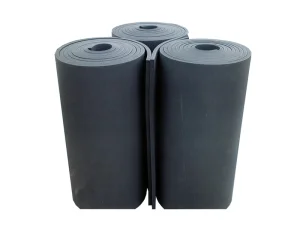
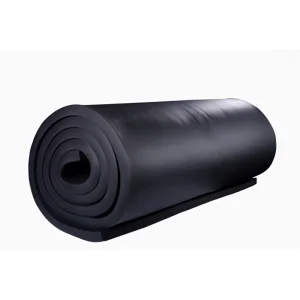
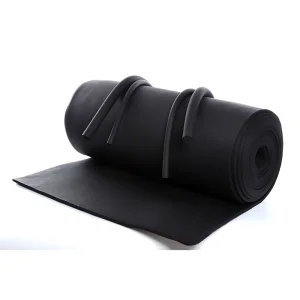
Technical reference specifications for black NBR/PVC elastomeric foam sheets and pipe insulation
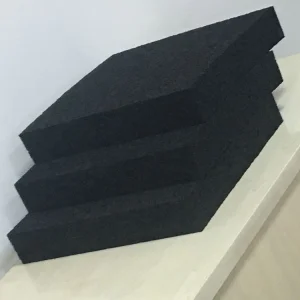
Kingflex Standard Dimension: Material: NBR/PVC | Thickness: 6mm-50mm | Density: 40-55kg/m3 | Service Temperature Range: -40℃ to 105℃
Central air conditioning air ducts and pipes; wall, roof, and basement thermal and sound insulation; HVAC & water supply piping anti-condensation and anti-freezing; industrial equipment, steam pipes, and storage tanks; hotels, malls, and hospitals machine rooms; rail transit and cold storage installations; chemical and petrochemical process pipes.

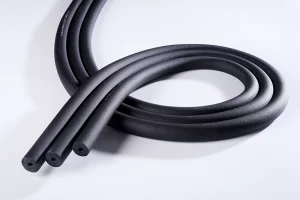
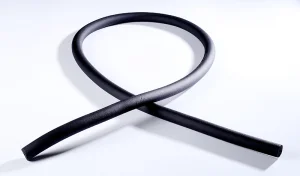
Kingflex Standard Dimension: Material: NBR/PVC | Thickness: 9mm-40mm | ID: 6mm-114mm | Density: 40-55kg/m3 | Service Temperature Range: -40℃ to 105℃
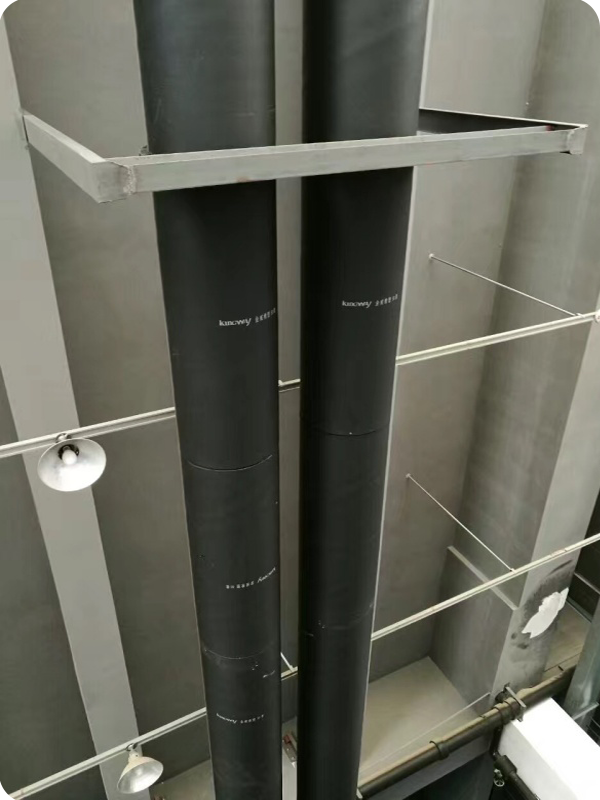
Central air conditioning chilled/hot water pipes and condensate pipes; building HVAC and water supply pipes (antifreeze and anti-condensation); ventilation and equipment room pipes for commercial projects; industrial steam and process pipelines; cold storage and cold chain system piping; chemical process piping; solar and hot water system pipelines.
Frequently asked questions regarding materials selection, certification compliance, and application engineering
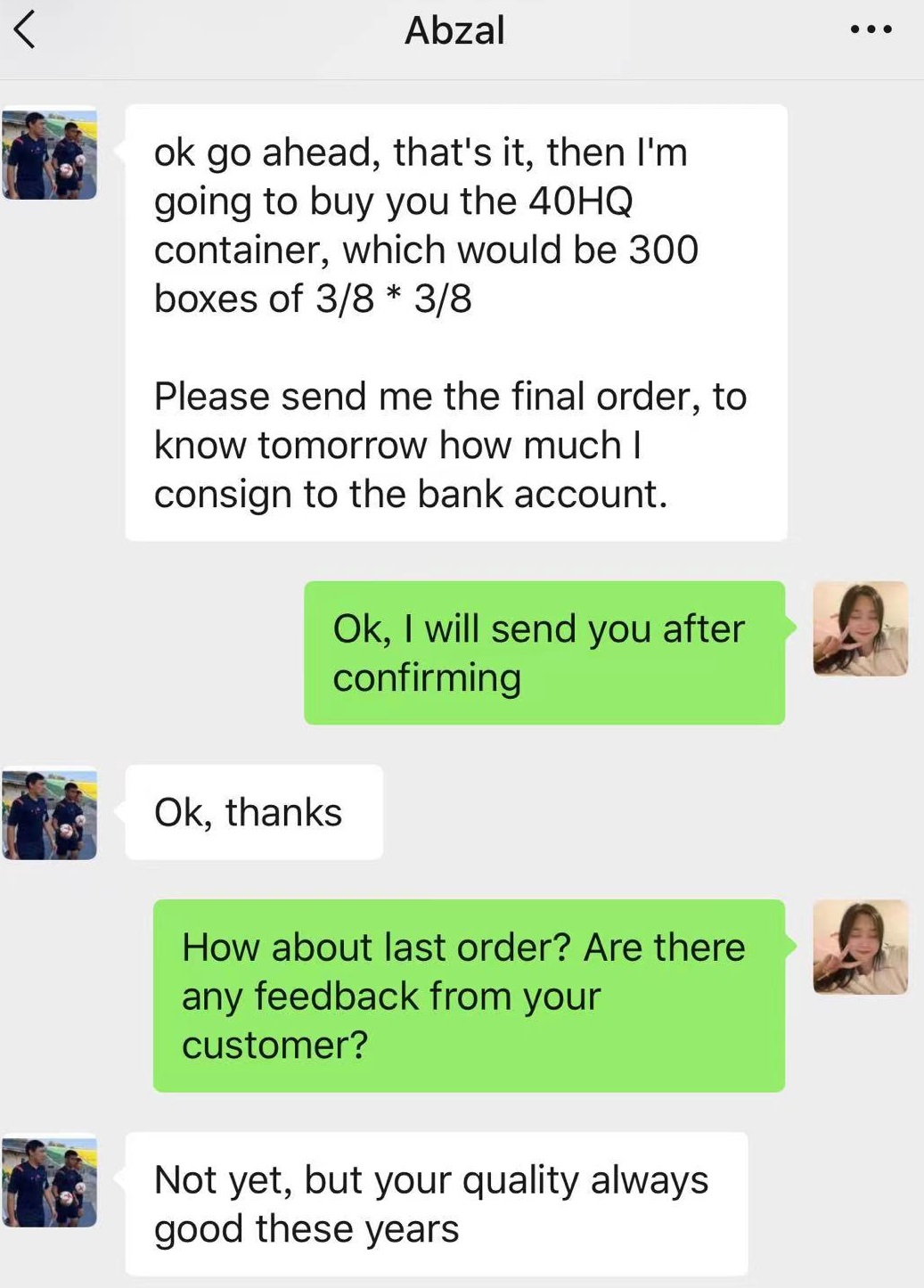
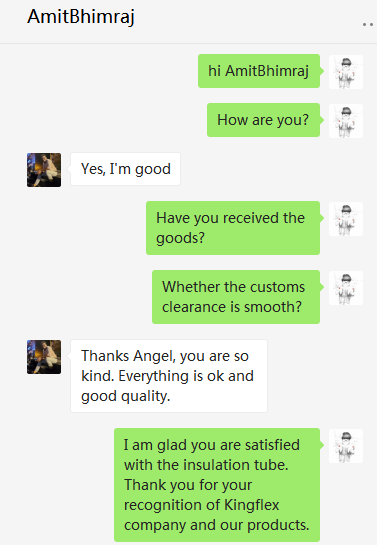
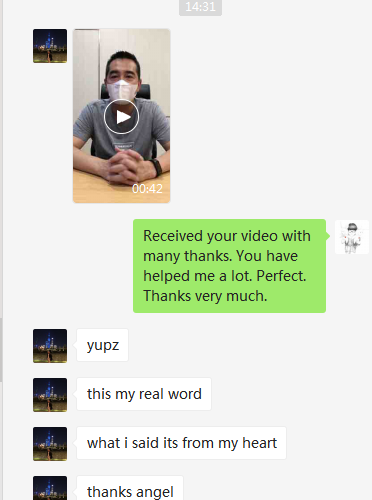
Verified records of communication with international contractors and engineering partners

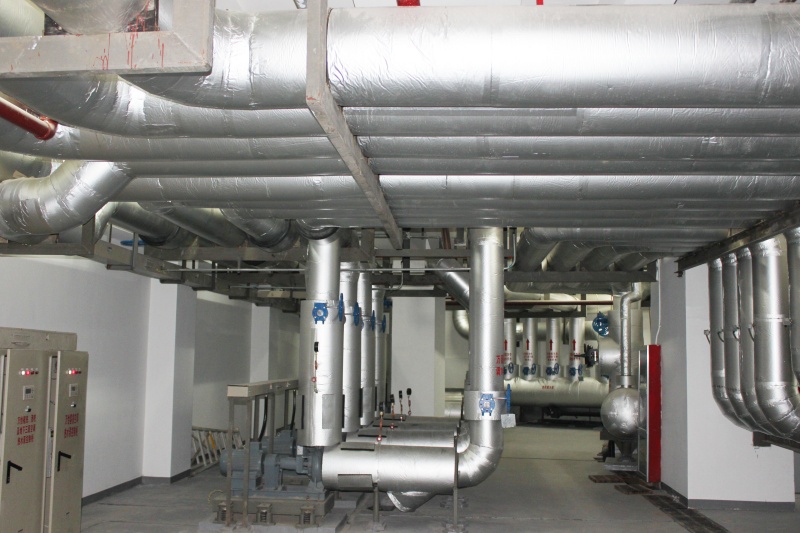
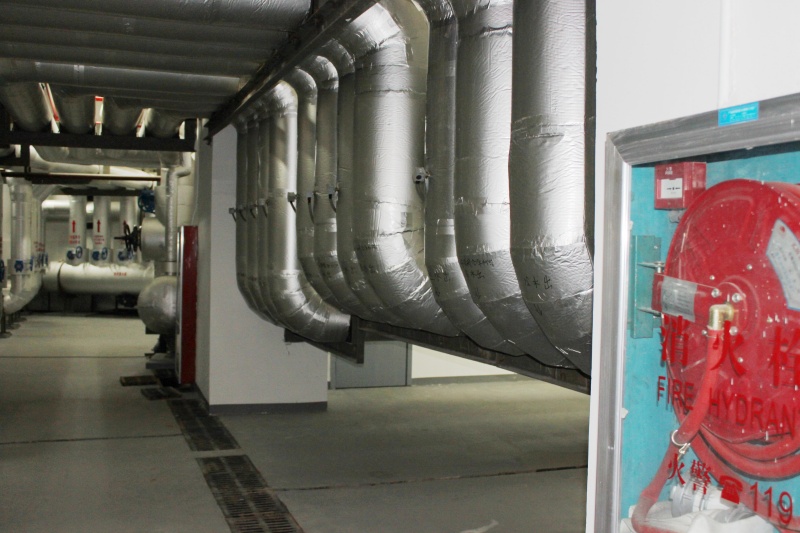
Detailed component configurations and materials for HVAC systems, cryogenic plants, and commercial buildings