 Kingflex
Kingflex
Kingflex
Select factory-direct thermal insulation components with certified global standards.
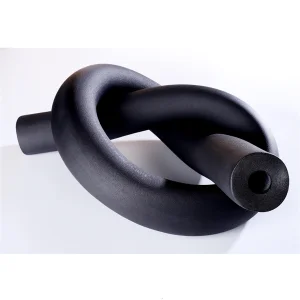
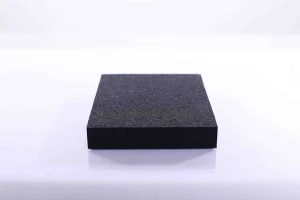
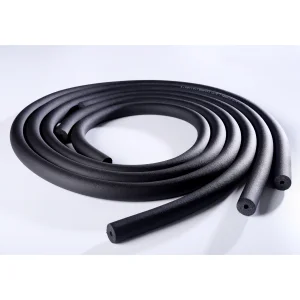
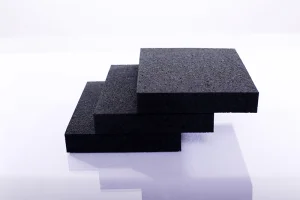
As the global energy infrastructure transitions rapidly toward deep decarbonization, industrial insulation systems emerge as key players in carbon reduction. Rigorous engineering specifications for polyurethane and closed-cell elastomeric structures provide thermal protection across a wide temperature range, significantly reducing energy expenditure and CO2 emissions.
Modern pipe insulation maintains precise thermal levels in hot and cold process piping. By utilizing high-density polymer matrices, industrial plants achieve up to a 45% reduction in latent heat leakage compared to aging, non-standard insulation systems.
With standardizations shifting to strict carbon accountability, Kingflex products conform to LEED v4, REACH, and RoHS protocols. Zero ODP (Ozone Depletion Potential) and Low GWP (Global Warming Potential) blowing agents ensure your plant complies with regional environmental regulations.
Unchecked condensation underneath outer layers triggers severe structural pipe degradation. Our closed-cell matrices exhibit excellent resistance to moisture ingress, preventing moisture absorption and securing the long-term integrity of underlying metal systems.
Correct pipe insulation selection requires evaluating thermal conductivity, density, mechanical resistance, and temperature limits. The specification table below details these parameters for Kingflex elastomeric materials.
| Property Parameter | Polyurethane (PU) Rigid Foam Specs | Kingflex Elastomeric Rubber (NBR/PVC) | Test Methods & Standards |
|---|---|---|---|
| Thermal Conductivity (λ) | ≤ 0.022 W/(m·K) at 10°C | ≤ 0.034 W/(m·K) at 0°C | ASTM C518 / ISO 8301 |
| Closed-Cell Content | ≥ 92% | ≥ 98% | ASTM D2856 |
| Density range | 40 - 80 kg/m³ | 40 - 55 kg/m³ | ASTM D1622 / GB/T 6343 |
| Service Temperature Limit | -196°C to +120°C | -40°C to +105°C | ASTM C411 |
| Water Vapor Permeability | ≤ 4.5 ng/(Pa·s·m) | μ ≥ 10,000 (Moisture factor) | ASTM E96 / BS EN 12086 |
| Flame Spread / Fire Rating | Class B1 / B2 | Class 0 / Class 1 / Fire Retardant | BS 476 Part 7, UL94 V-0, ASTM E84 |
Kingflex Insulation Co., Ltd. operates in Dacheng, China, a global capital of energy-efficient green-building materials. Backed by Jinwei Group's 40+ year heritage (established in 1979), we have grown to become a designated supplier for chemical, energy, and engineering sectors.
We operate five fully automated high-volume production lines with an annual capacity exceeding 600,000 cubic meters of premium elastomeric insulation.
Eight senior research engineers develop custom formulations for extreme temperatures, cryogenic projects, and harsh outdoor environments.
Full product traceability connects finished batches back to raw material inputs, ensuring consistent mechanical strength and safety performance.
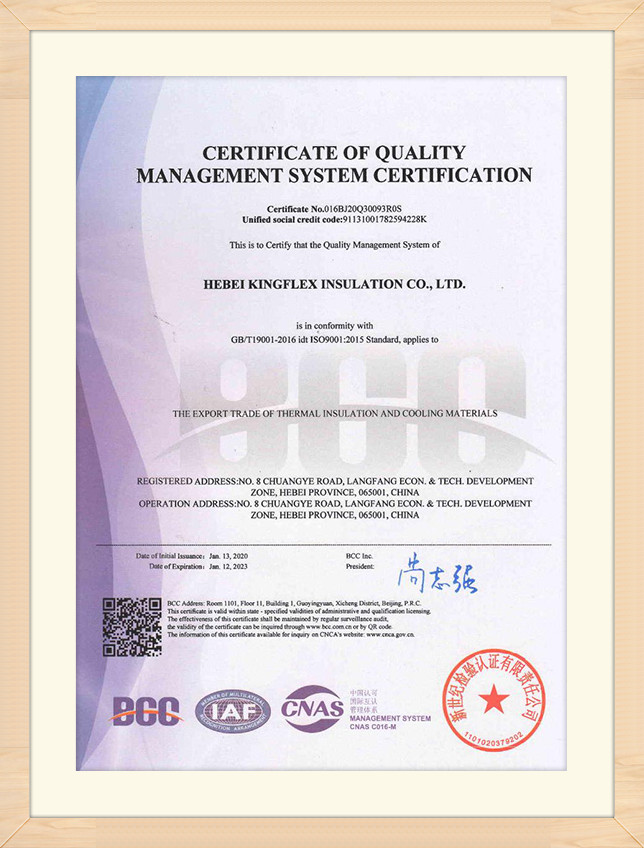
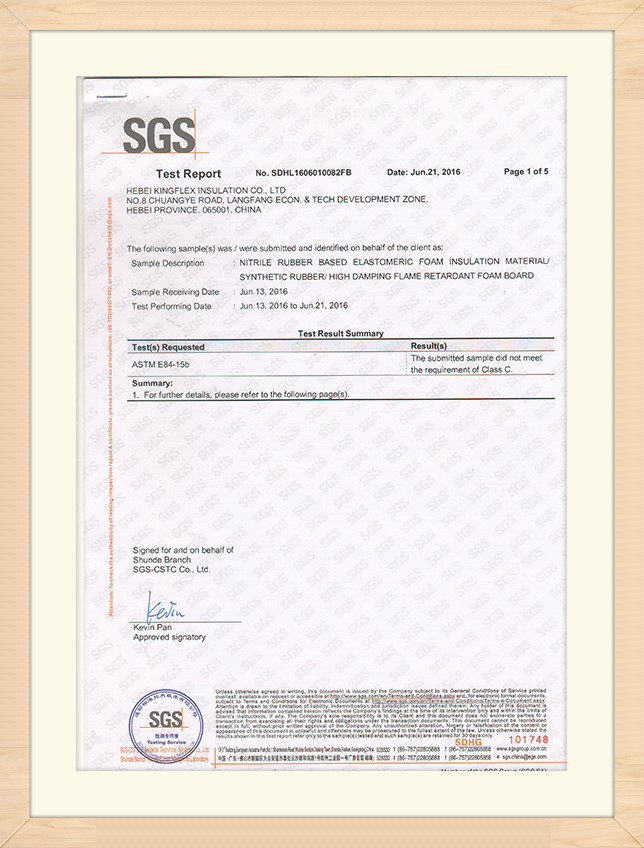
Visual proof of our manufacturing lines, technical research laboratories, and certifications.
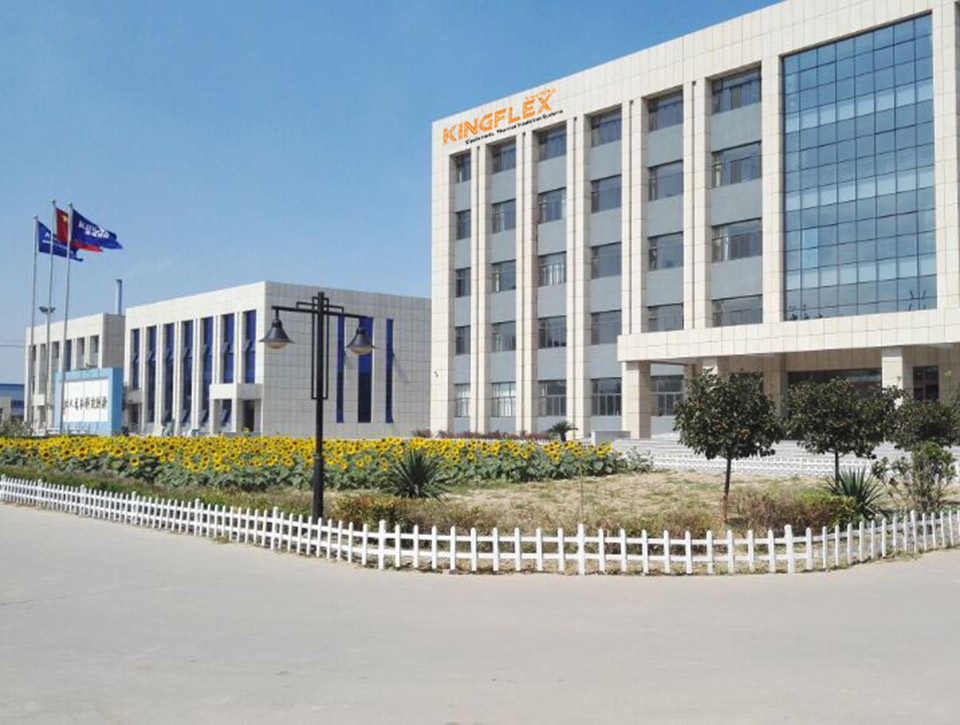
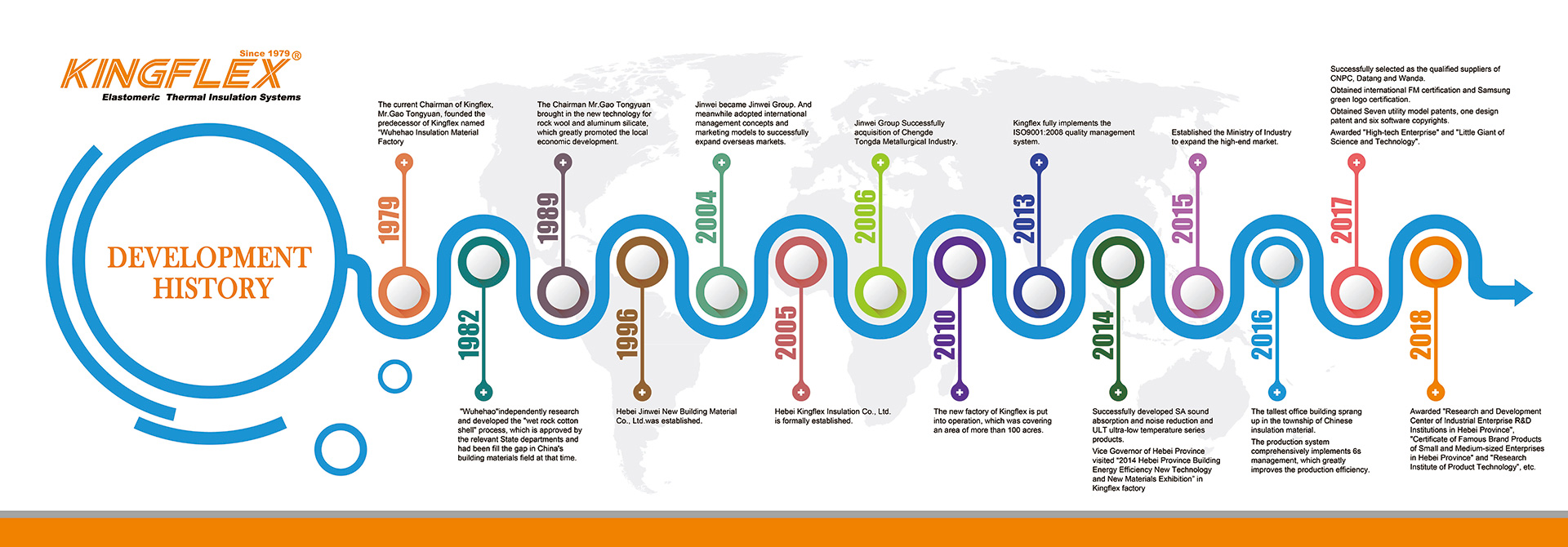
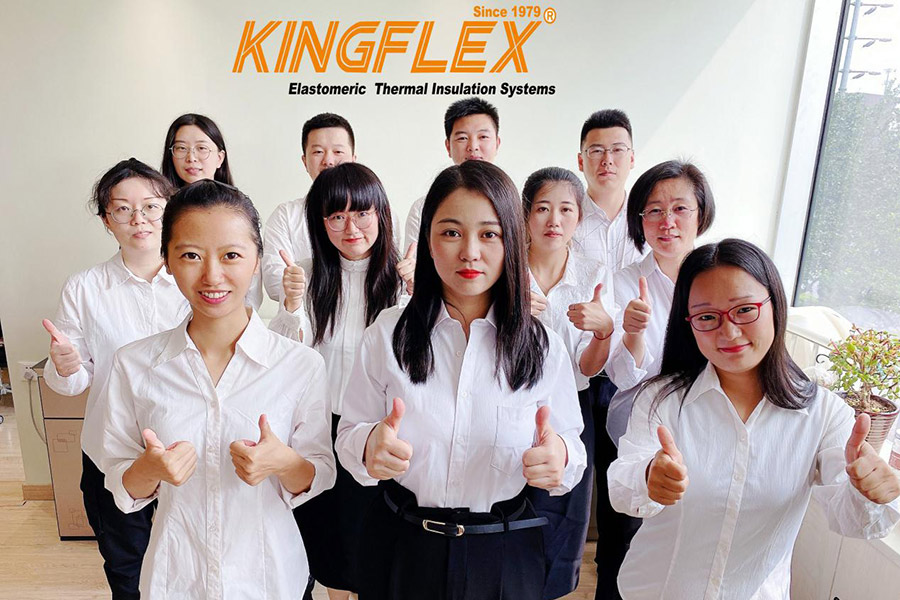

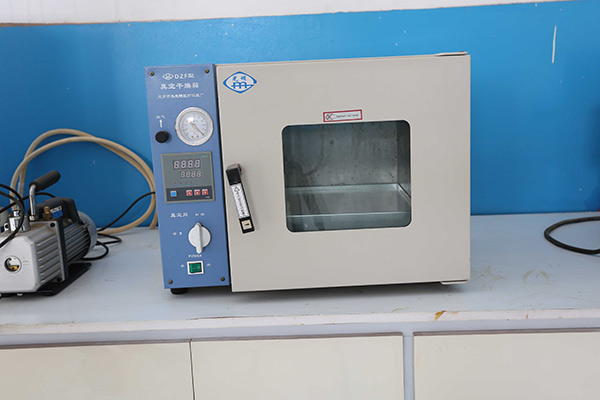
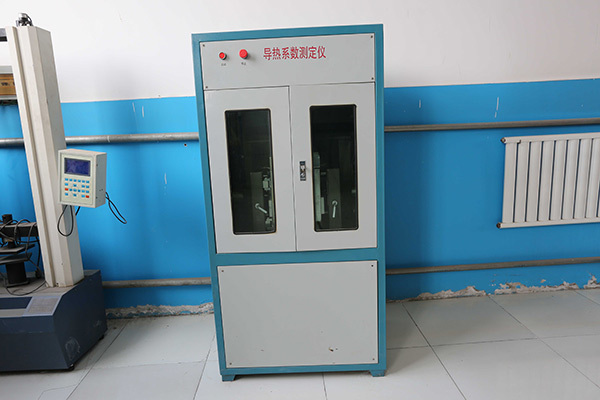
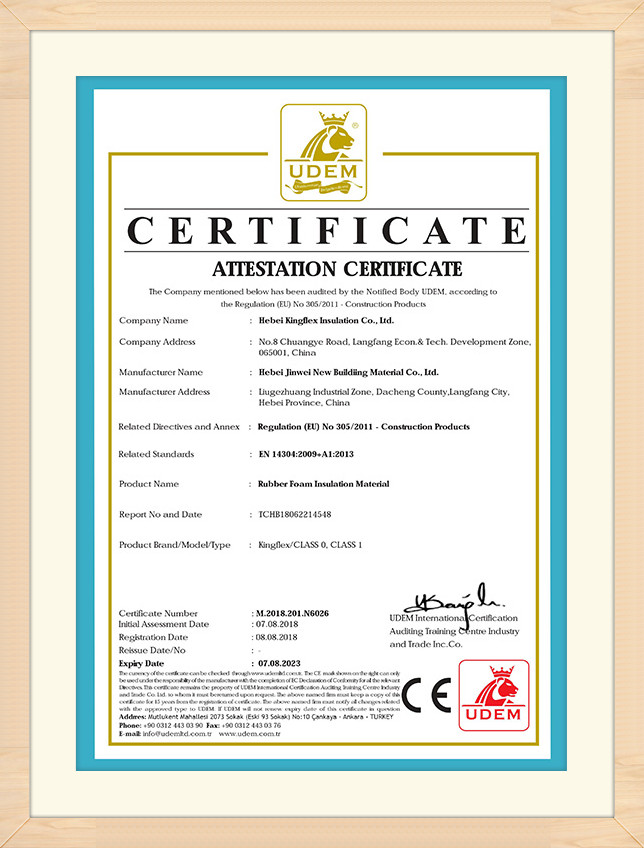
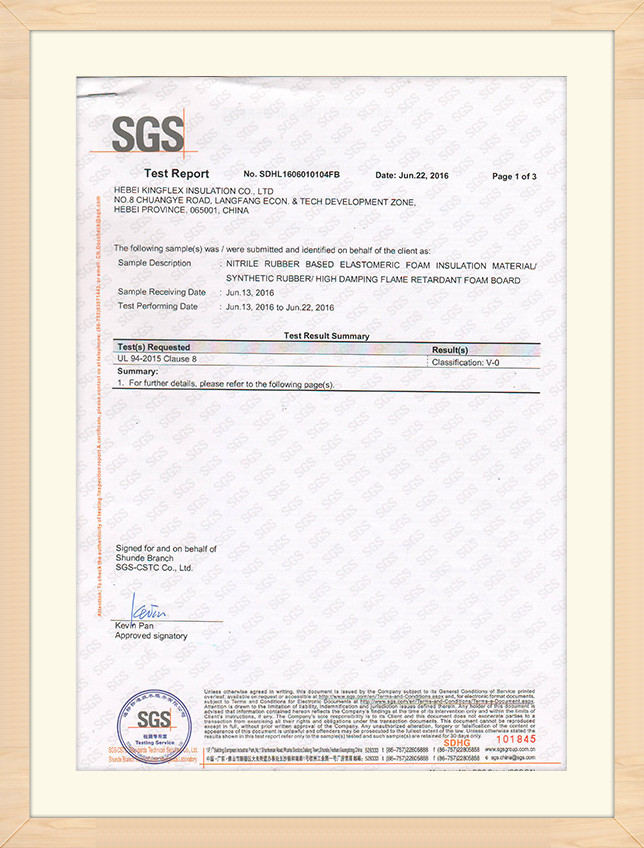
Our materials undergo rigorous testing by third-party laboratories. Kingflex complies with certifications such as BS 476, CE, REACH, ROHS, UL94, and ASTM.
To achieve maximum thermal performance and avoid failures like condensation or localized heat bridge loops, installers must follow precise procedures. Below is our engineering application checklist for industrial systems.
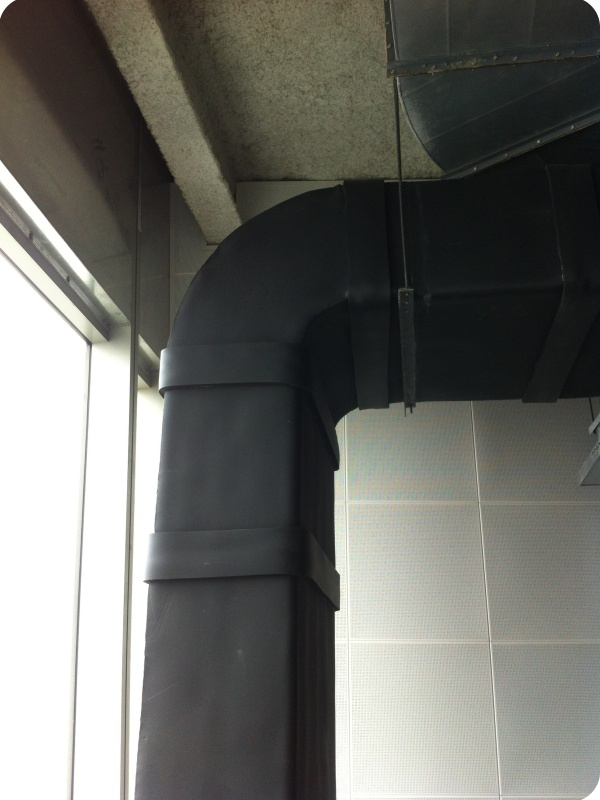
When insulation sheets are wrapped around rectangular or circular air-conditioning duct systems, ensure the sheet is fully adhered to the metal surface. Any air pocket between the sheet and duct might collect moisture, leading to mold or metal corrosion.
For extreme chilled water systems (temperature levels down to 4°C or below), thickness calculations must account for the local relative humidity. Standard specifications recommend a minimum thickness of 19mm to 25mm in high-humidity zones.
Adhesives must be applied evenly to both mating edges. Never stretch the foam tubes during joint bonding. Stretched insulation undergoes mechanical stress, which can cause micro-tears and lead to water vapor infiltration.
This guideline helps engineers determine the thickness needed to prevent condensation on cold piping lines based on ambient relative humidity:
| Fluid Temperature | Ambient Temperature | RH 70% (Min Thickness) | RH 80% (Min Thickness) | RH 90% (Min Thickness) |
|---|---|---|---|---|
| +10°C (Process Line) | 25°C | 9 mm | 13 mm | 25 mm |
| +5°C (Chilled Water) | 30°C | 13 mm | 19 mm | 32 mm |
| -10°C (Refrigeration) | 32°C | 19 mm | 25 mm | 40 mm |
| -50°C (Cryogenic Line) | 28°C | 32 mm | 40 mm | 50 mm + Double Layer |
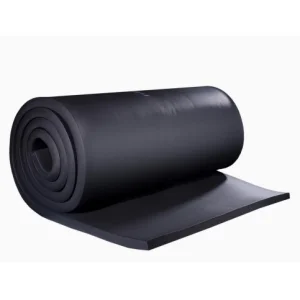
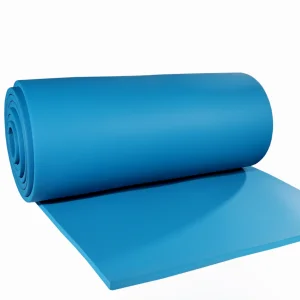
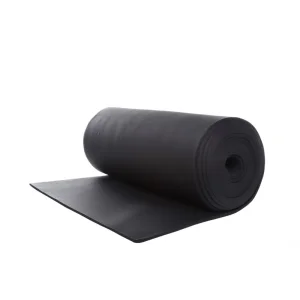
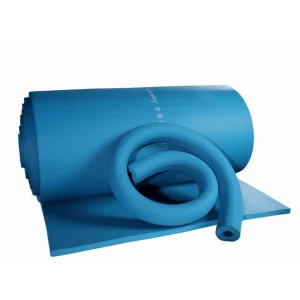
Here are the standard specifications and properties for our core NBR/PVC elastomeric rubber foam sheets and pre-formed tubes.
Material: NBR/PVC Blend
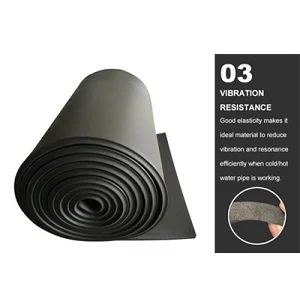
Designed for large flat surfaces, ductwork, and broad pipelines. Offers high-strength resistance and prevents condensation.
Thickness: 6mm - 50mm
Density: 40 - 55 kg/m³
Temp. Range: -40℃ to 105℃
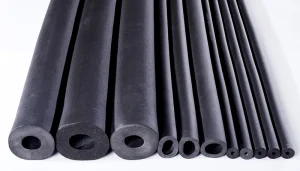
Material: NBR/PVC Blend
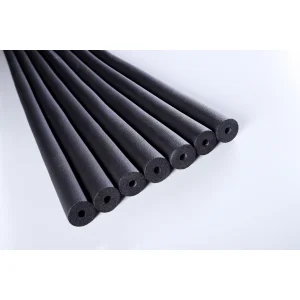
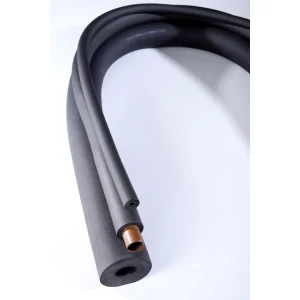
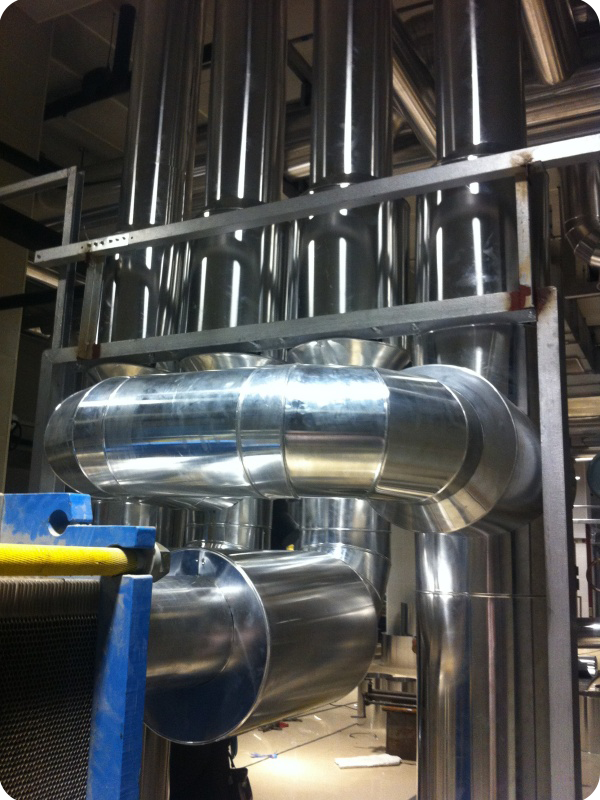
Pre-slit or seamless tubes designed to slide easily onto pipelines. Specially designed to prevent pipe freezing and cracking.
Thickness: 9mm - 40mm
Inner Diameter: 6mm - 114mm
Temp. Range: -40℃ to 105℃
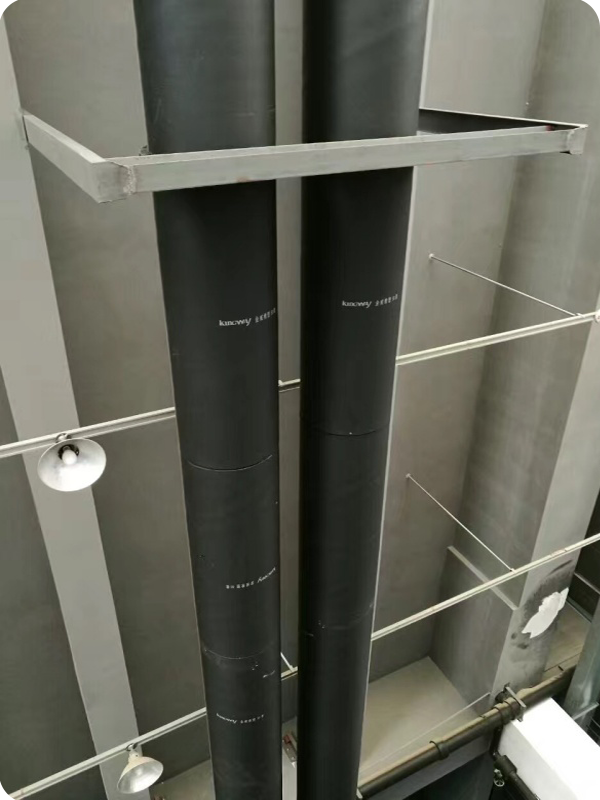
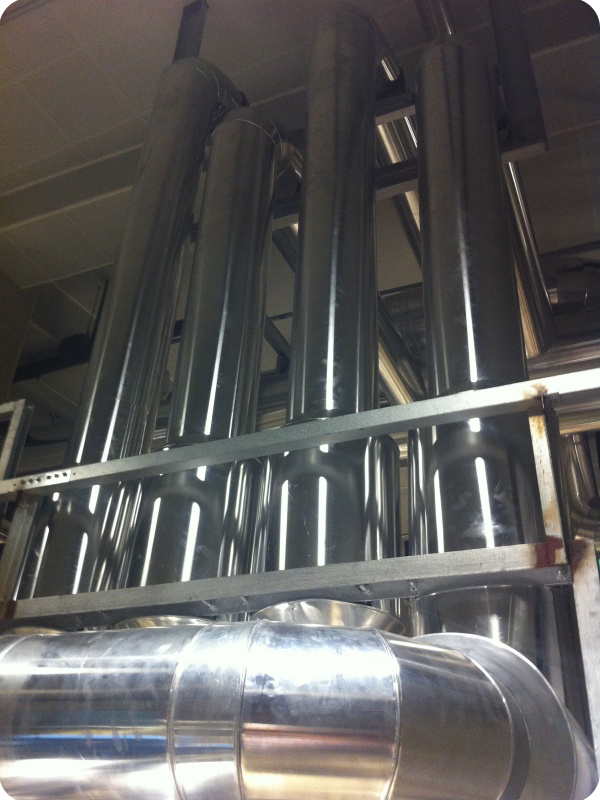
Designed for HVAC systems, industrial process pipes, chemical lines, hotels, hospitals, and cold chain logistics storage installations.
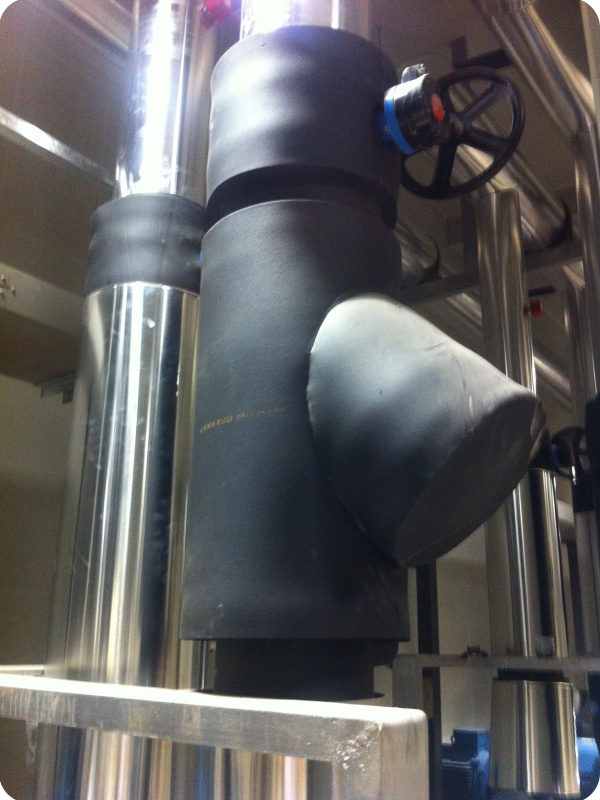
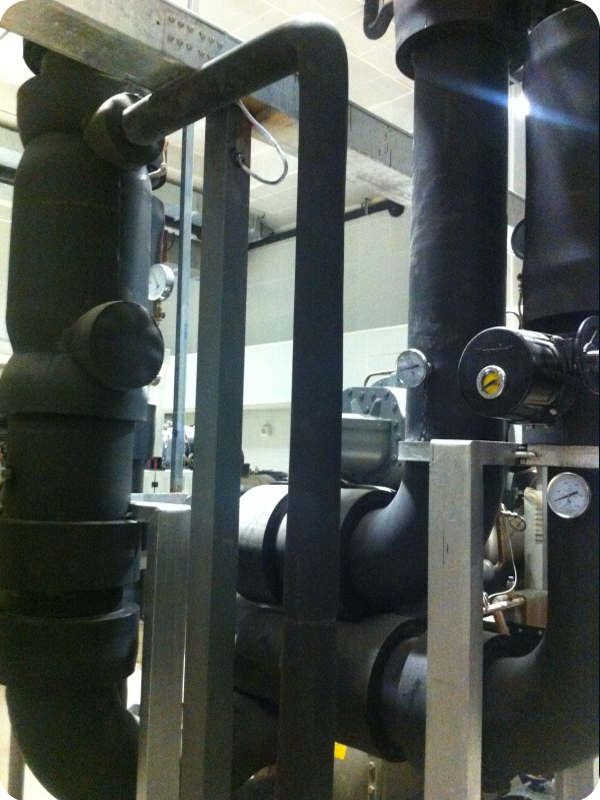
Select your product configuration to get a fast factory quote.
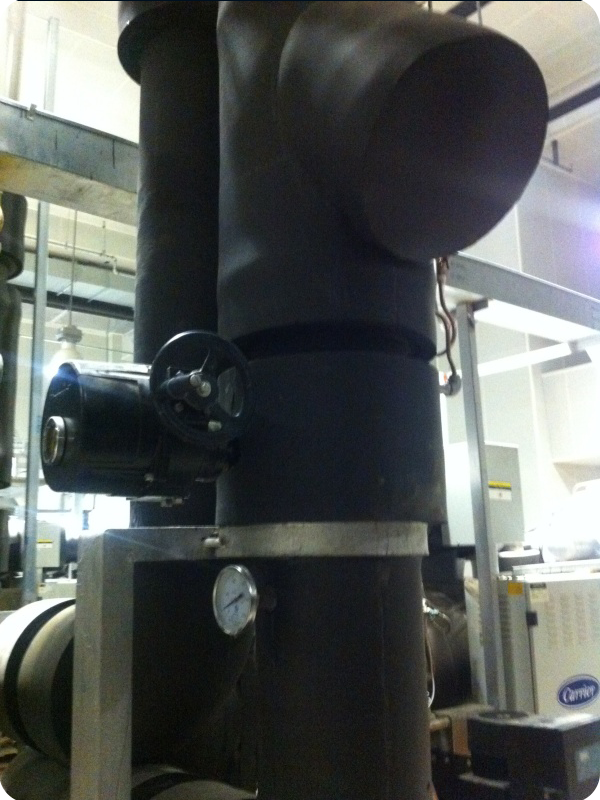
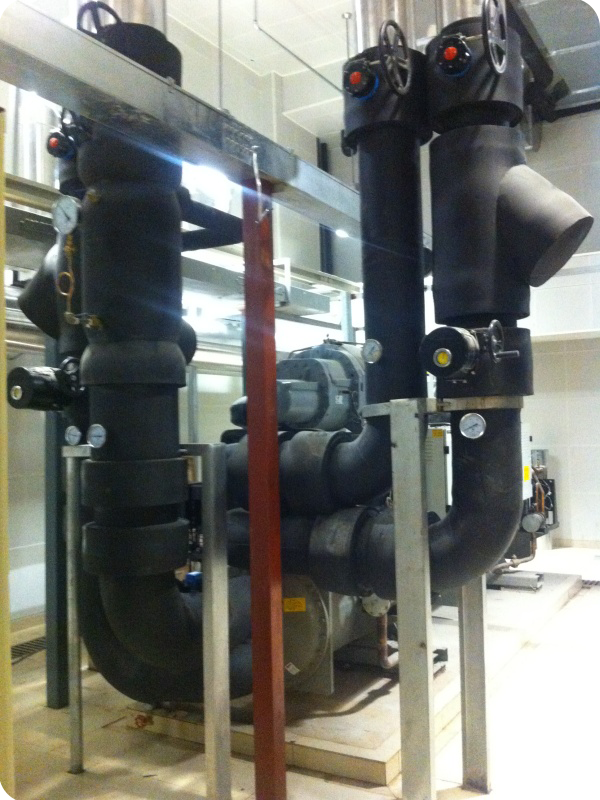
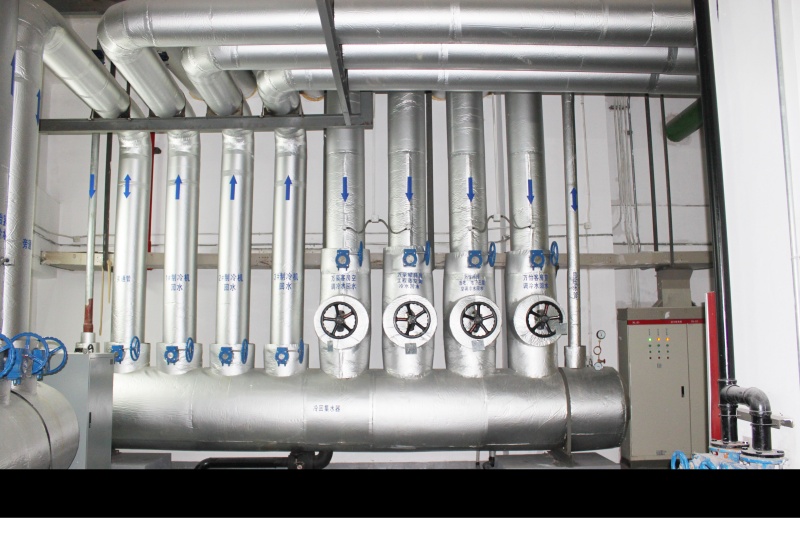
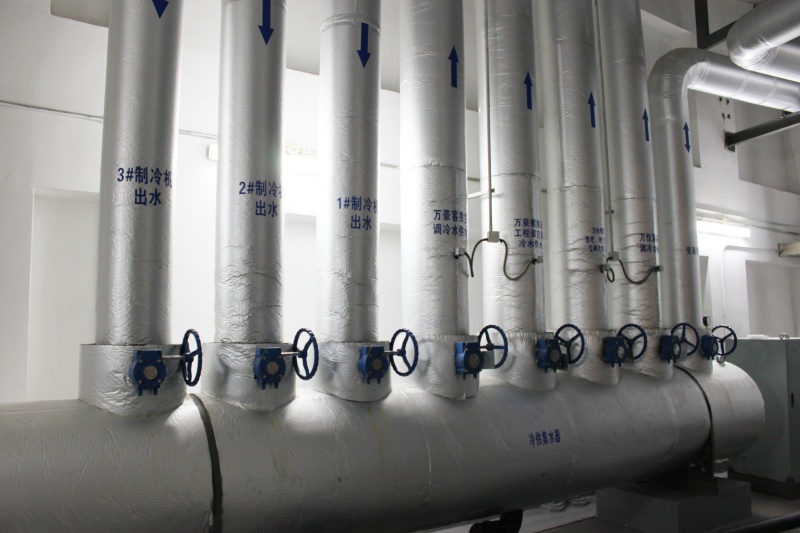
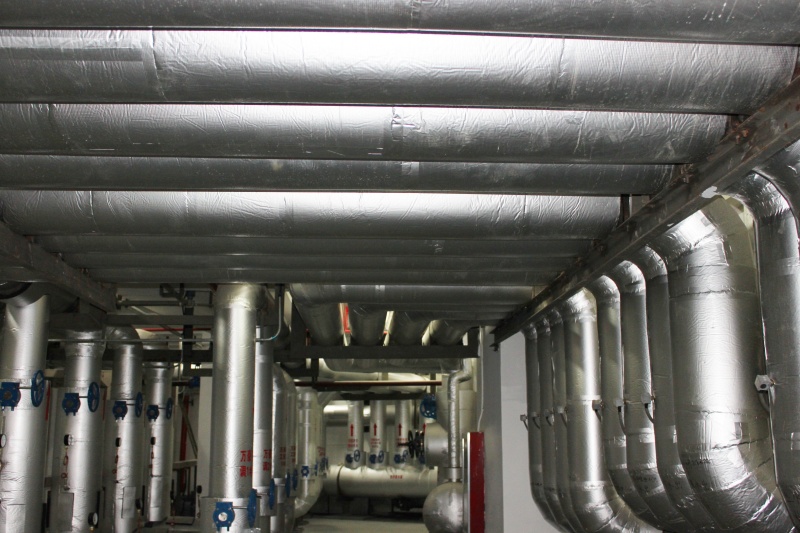
Photos from industrial projects, central commercial developments, and large-scale plant installations using our insulation products.

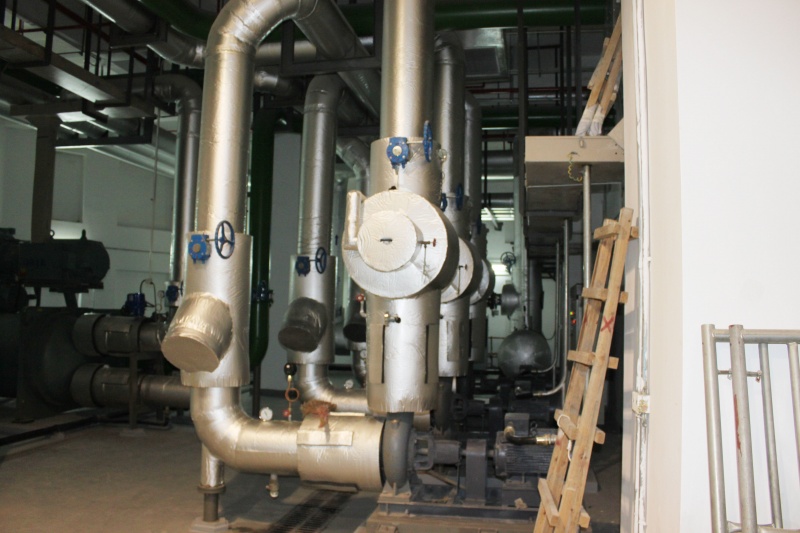
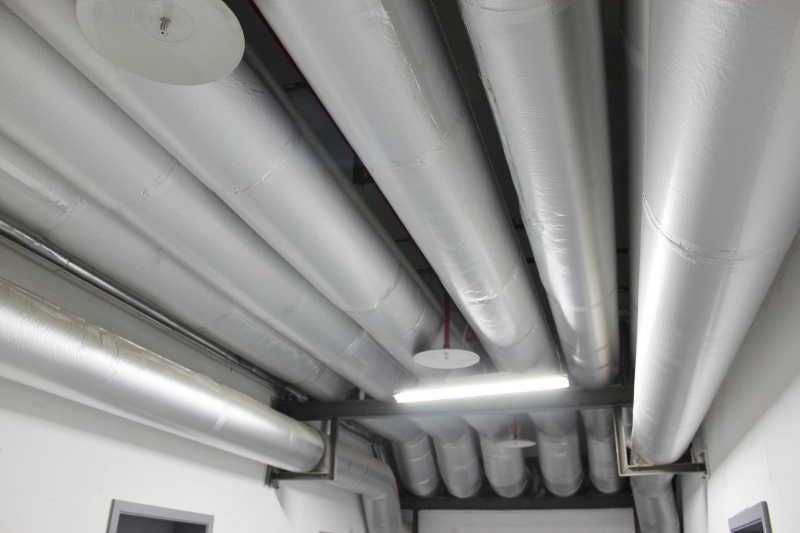
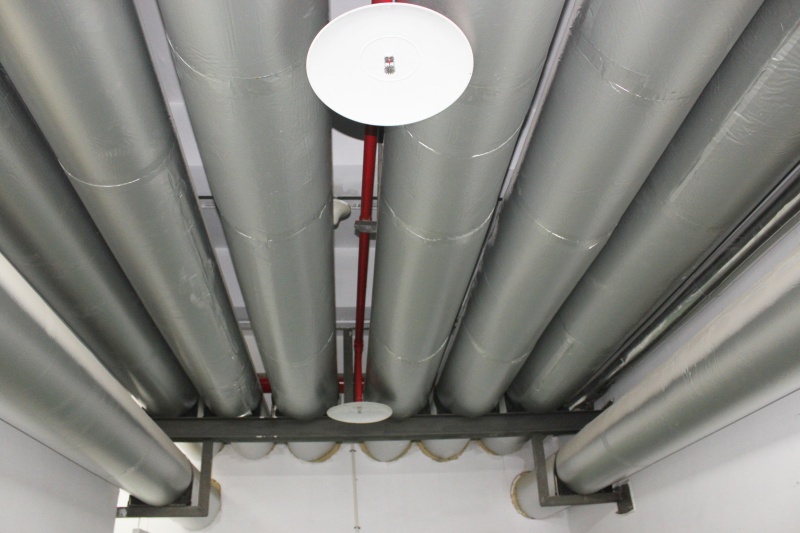
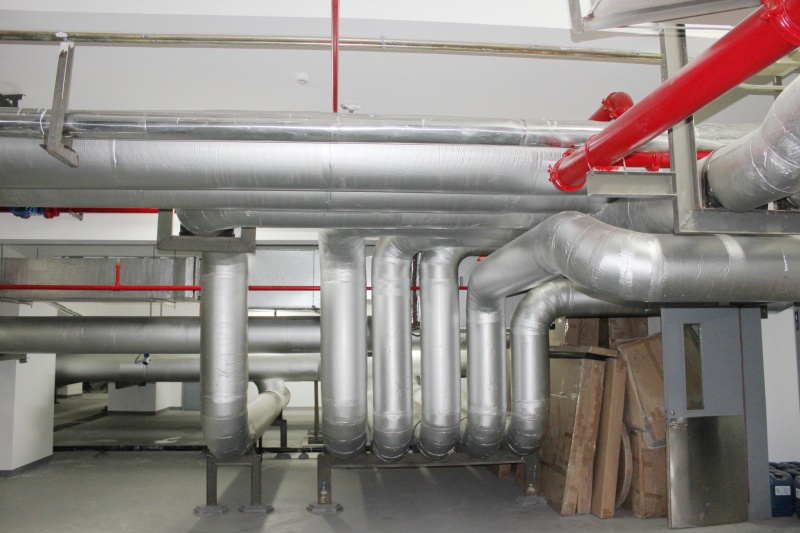
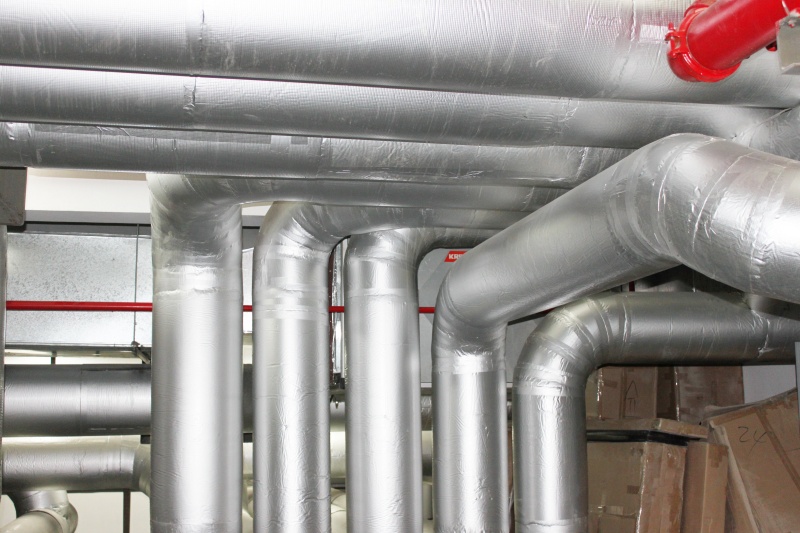
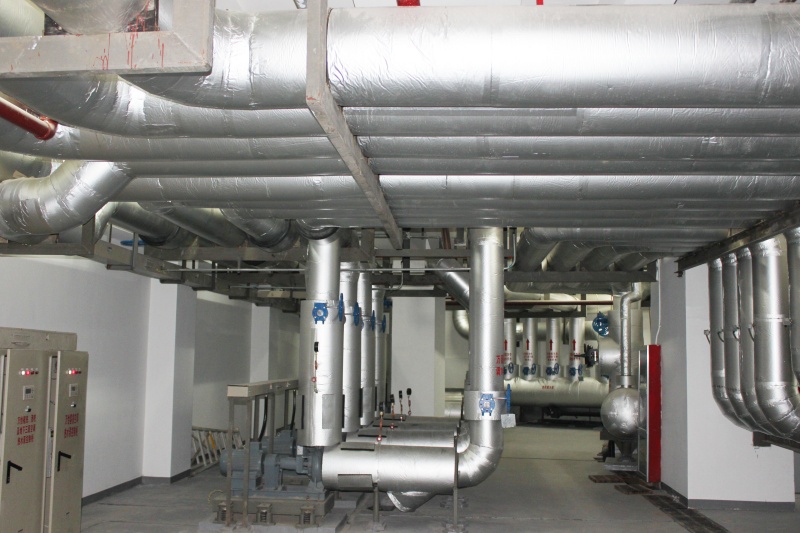
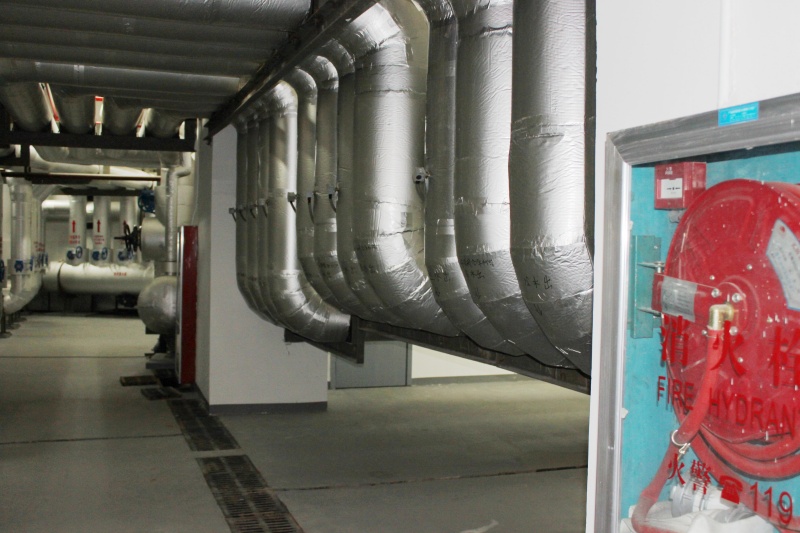
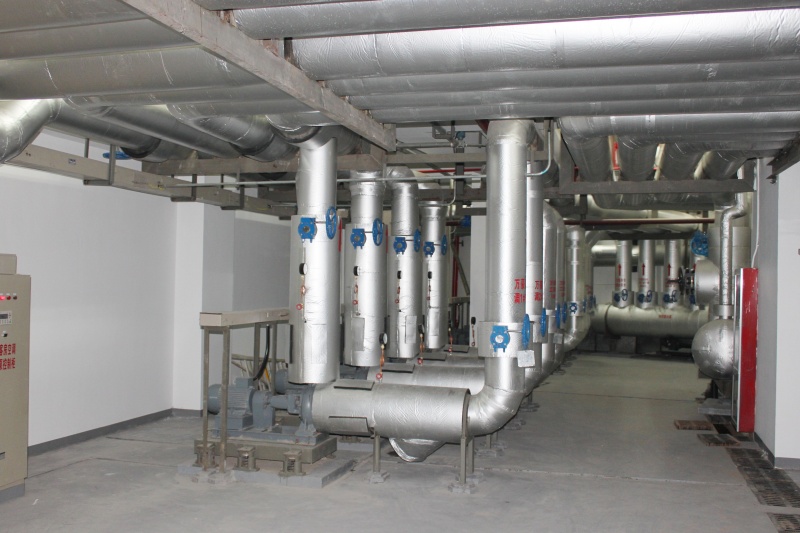
Navigating the complex global market for thermal insulation materials requires a clear understanding of what drives manufacturing costs. This section breaks down the factors that influence factory quotes for both NBR/PVC elastomeric foam and rigid polyurethane insulation.
Pricelist fluctuations are directly tied to the cost of raw chemical inputs (nitrile rubber, PVC resins, isocyanates, and polyols). Bulk purchasing contracts can lock in material costs, helping shield larger projects from sudden market shifts.
Higher densities (e.g., 55 kg/m³ vs 40 kg/m³) consume more raw material, increasing physical properties like mechanical strength but raising the unit price. Custom thickness runs (such as 50mm) also require specialized run times and cost adjustments.
Due to the high volume-to-weight ratio of insulation material, shipping costs can heavily impact overall pricing. Compressing rolls and using vacuum-packing helps maximize container loads, significantly reducing per-unit shipping fees.
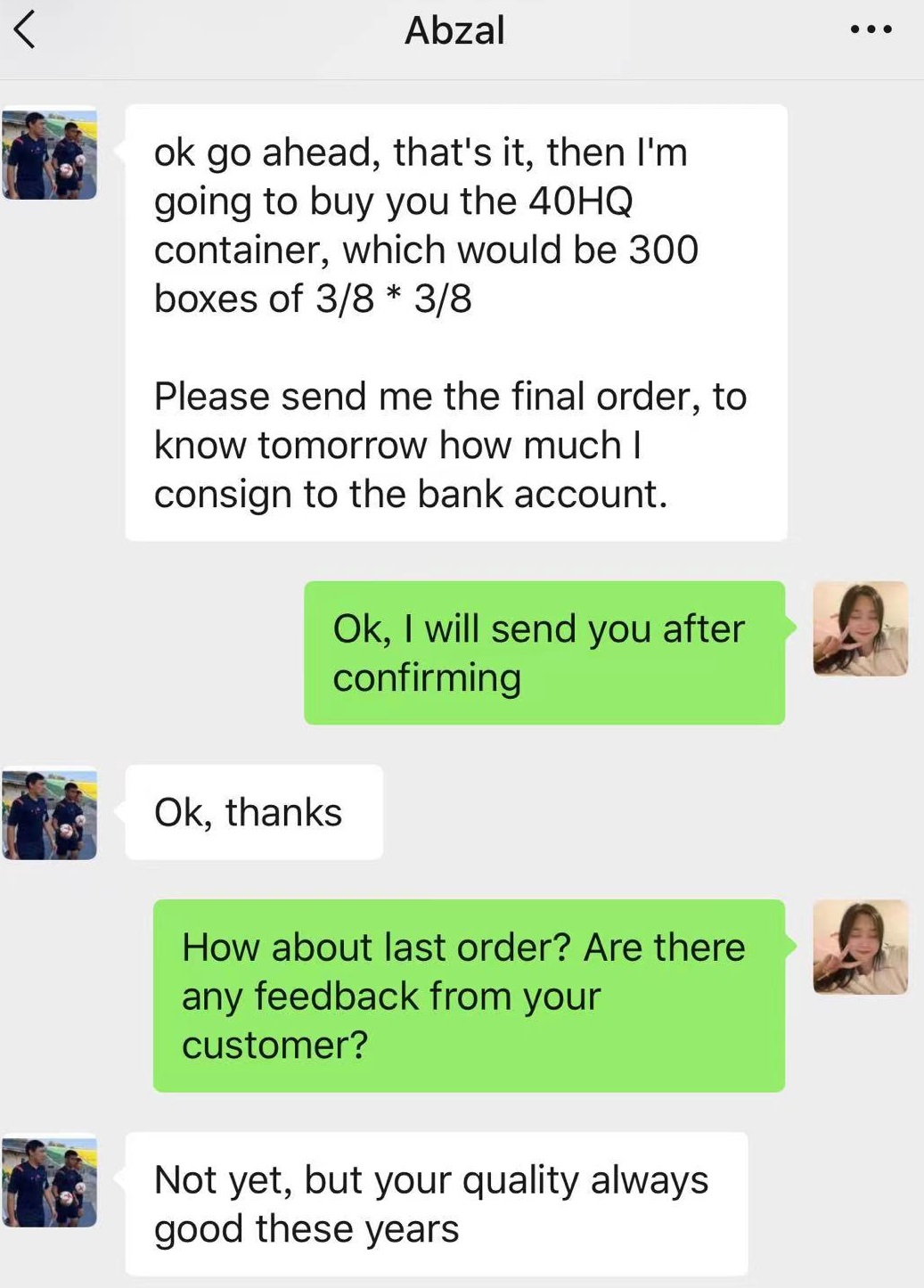
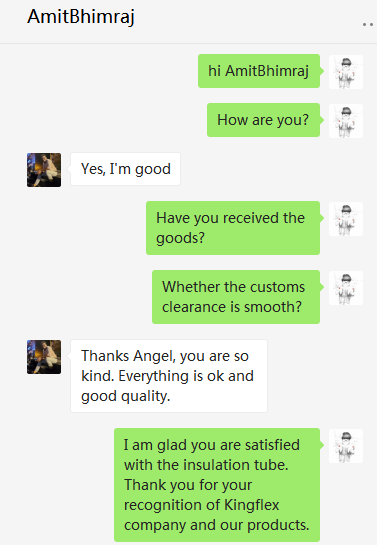
Real communication screenshots showing feedback from our global commercial clients.



To maintain our competitive edge, our R&D team continues to iterate on material performance, working toward next-generation sustainable systems.
We are researching plant-derived raw materials to replace petroleum-based polyols, helping lower the carbon footprint of our finished products without sacrificing durability.
Transitioning our production to next-generation blowing agents will lower the Global Warming Potential (GWP) of our processes to near-zero, keeping us ahead of changing environmental laws.
Integrating active antimicrobial properties directly into the foam compound helps prevent mold growth in highly humid or unventilated industrial settings.
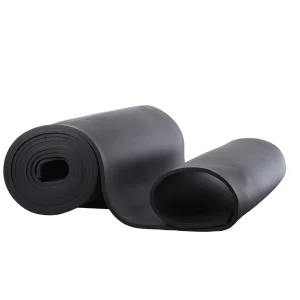
High-performance acoustic sheets, cryogenic barrier tubes, and thermal insulation rolls.
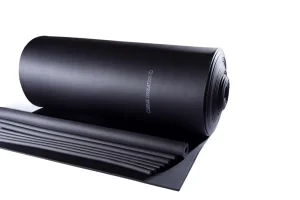
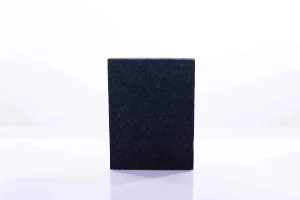
To ensure complete alignment with all design criteria, below is our secondary configuration directory. Choose the appropriate material category for your projects.
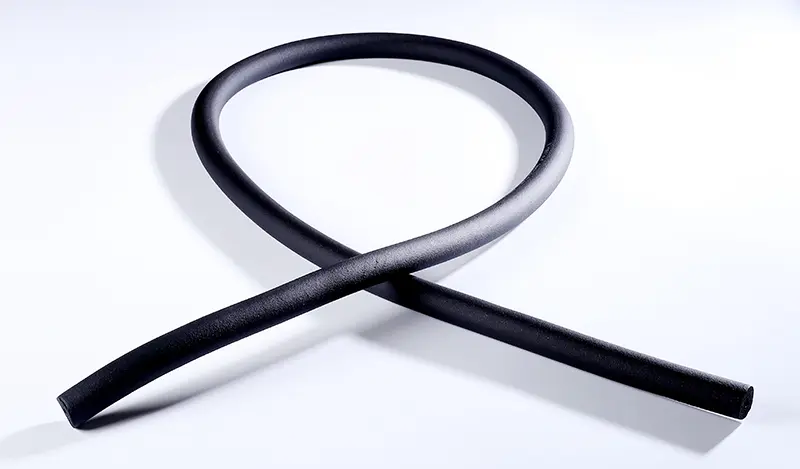
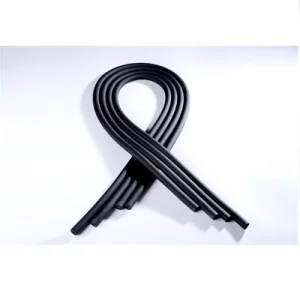
Closed-cell elastomeric pre-slit insulation tubing.
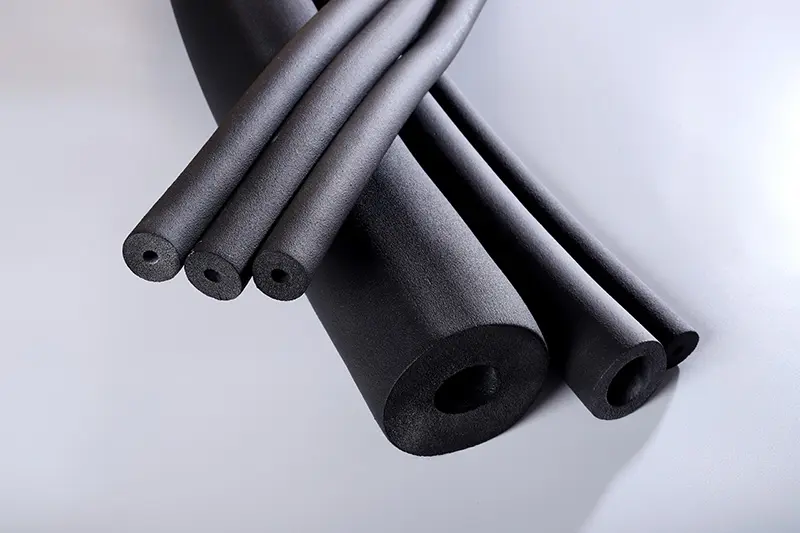
Specifically formulated to protect underlying metal lines from CUI.

Flexible insulation pipes for tight, difficult installations.
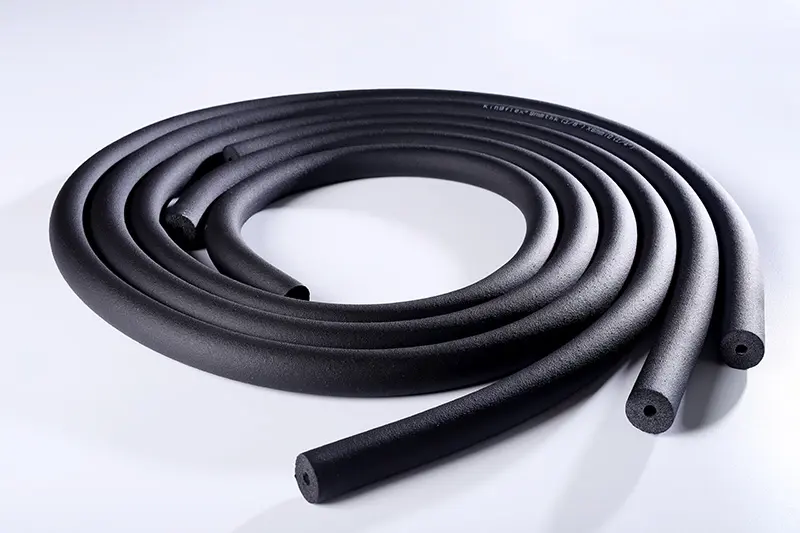
Standard thermal tubing for plumbing and HVAC projects.
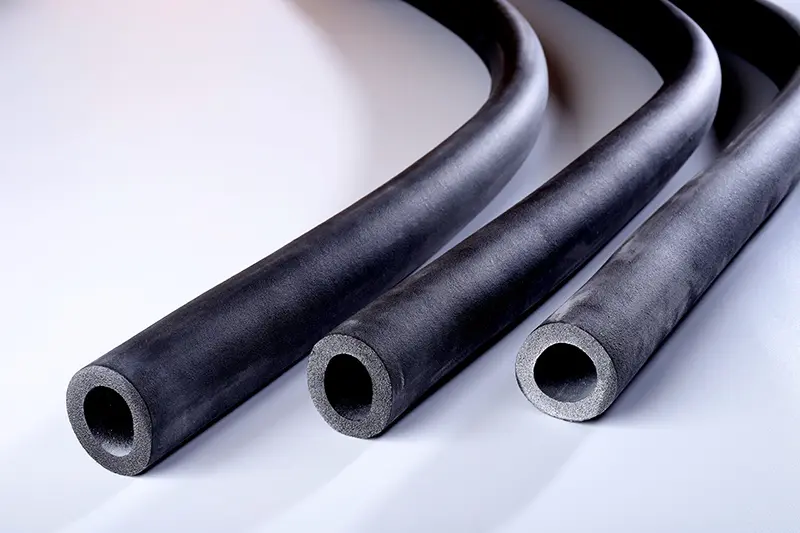
Flexible foaming compound designed to reduce heat transfer.
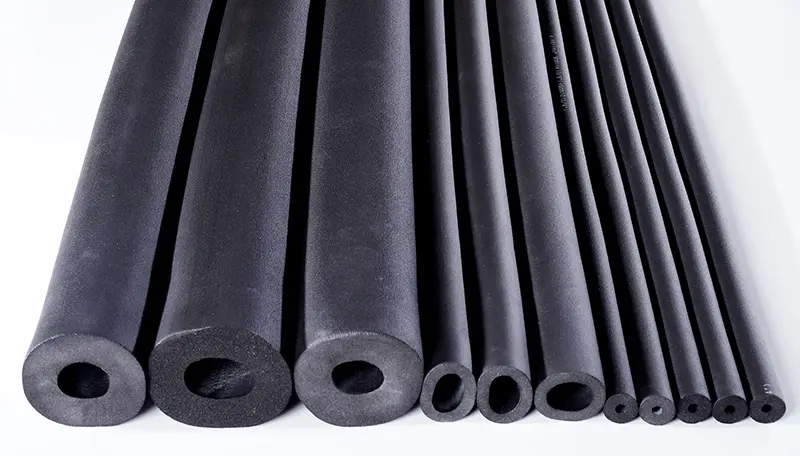
Specialized line insulation to prevent thermal loss in active ducts.
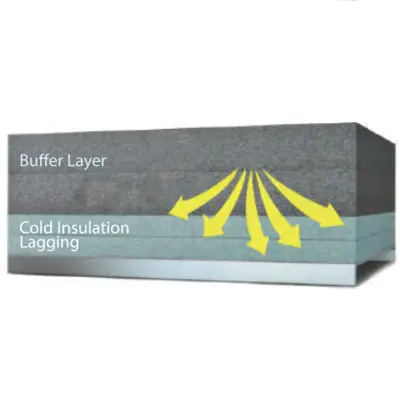
Ultra-low temperature systems designed for cryogenic environments.
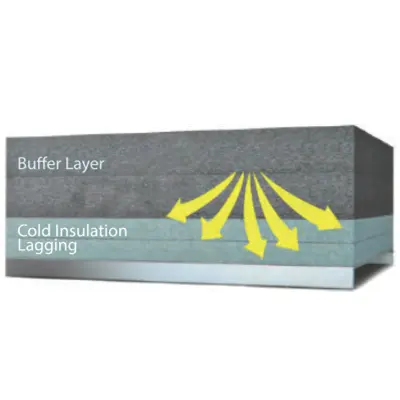
Maintains elastic properties even in cryogenic sub-zero conditions.
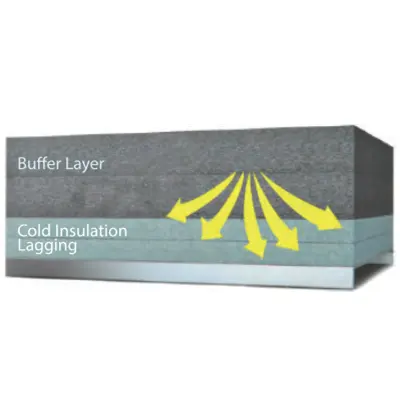
High-density cryogenic barrier designed to prevent thermal bridging.
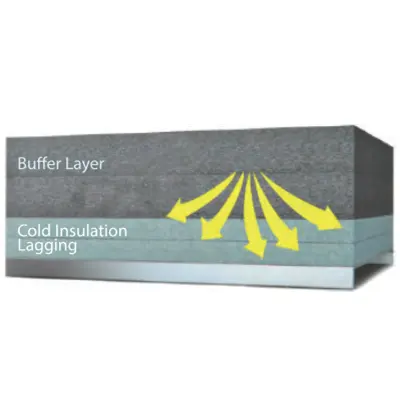
Protects low-temperature processes from environmental heat leak.
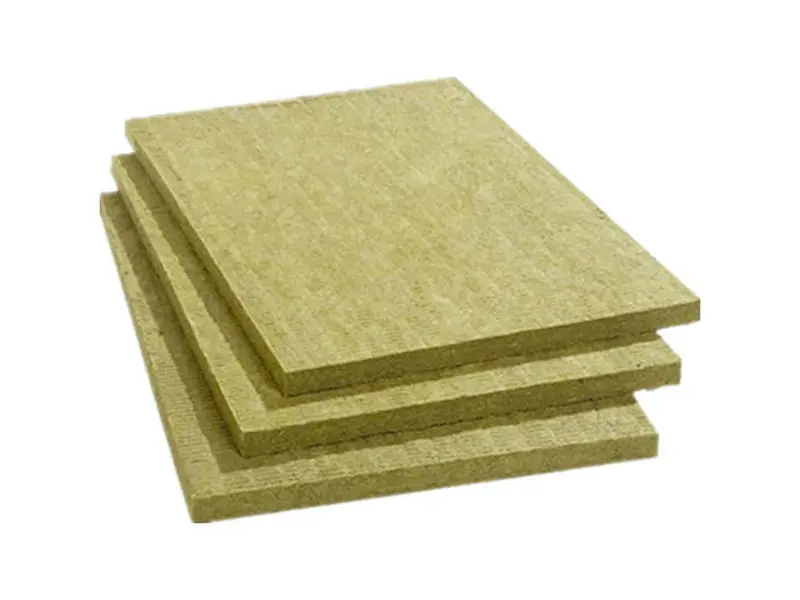
High-temperature structural panels for fire protection.
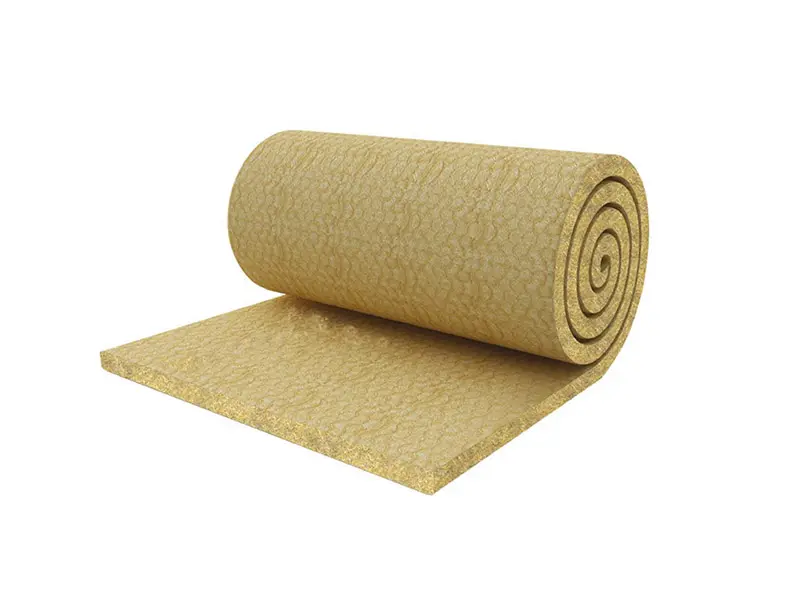
Flexible fiber wraps designed for furnace and chimney insulation.
At present, Kingflex has 5 large automatic assembly lines, with an annual production capacity of more than 600,000 cubic meters, and has become a designated production enterprise designated by the Ministry of Energy, the Ministry of Electric Power and the Ministry of Chemical Industry.
Read More →Supply customers all over the world with full set of energy saving insulation system solution. Supply integrated solution provider of thermal insulation, cold insulation and noise reduction for buildings and industries.
Read More →Established by Jinwei Group with a history of over 40 years, we trace our roots back to 1979 as a pioneer in thermal insulation materials north of the Yangtze River.
Read More →