 Kingflex
Kingflex
Kingflex
Select high-performance products manufactured to ISO standards, ideal for heavy-duty commercial and engineering projects.
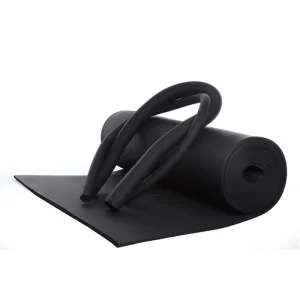
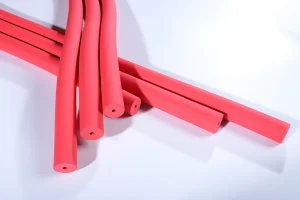
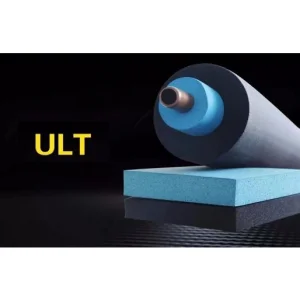
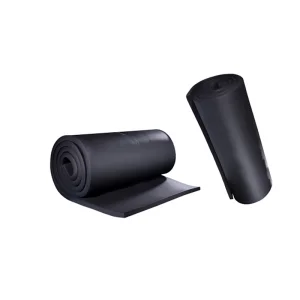
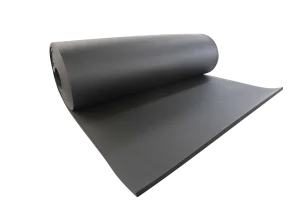
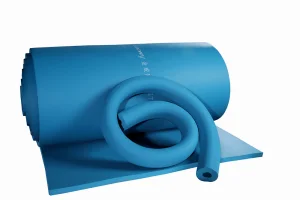
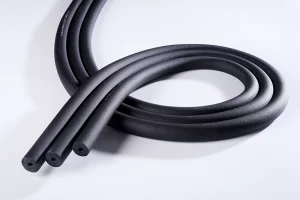
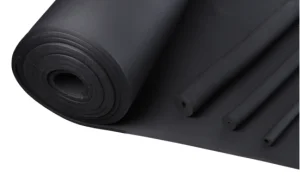
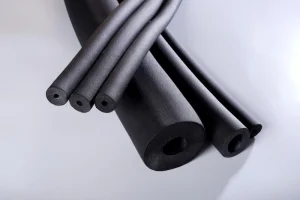
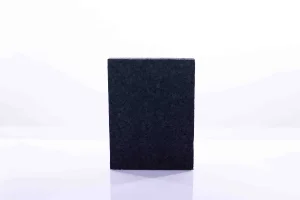
In the contemporary landscape of structural design and process engineering, the demand for energy-efficient materials is growing rapidly. Among these, black rubber foam insulation sheet rolls have emerged as a critical element. Historically valued for simple pipe wrapping, modern elastomeric technology—primarily synthesized from a precise compound of Nitrile Butadiene Rubber (NBR) and Polyvinyl Chloride (PVC)—functions as a comprehensive solution for thermal conservation, condensation control, and structural acoustics.
The global push for net-zero carbon operations is driving stricter thermal efficiency specifications in building codes. Modern projects demand materials with an exceptionally low thermal conductivity ($\lambda \le 0.034$ W/m·K at 0°C) paired with high resistance to water vapor transmission ($\mu \ge 10,000$). High-quality black rubber foam meets these demands while preventing moisture intrusion, mitigating the risk of Corrosion Under Insulation (CUI)—a major source of structural failure in industrial systems.
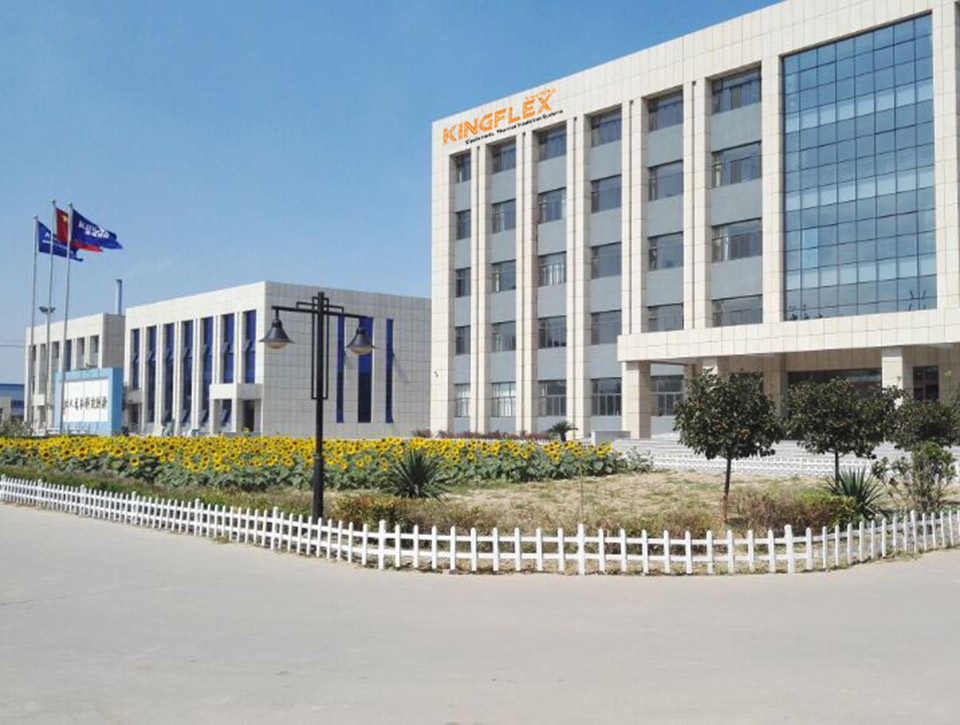
How Dacheng’s advanced thermal insulation hub leverages automated manufacturing to stabilize global procurement.
By employing 5 large automatic continuous assembly lines, our manufacturing process reduces human error and variations in density. This guarantees that every roll maintains a consistent thermal resistance and structure, even in large-volume production runs.
All batches undergo strict quality control testing from compounding to curing. Digital labeling and systematic testing logs track the raw material, curing temperatures, and final expansion metrics for reliable auditing.
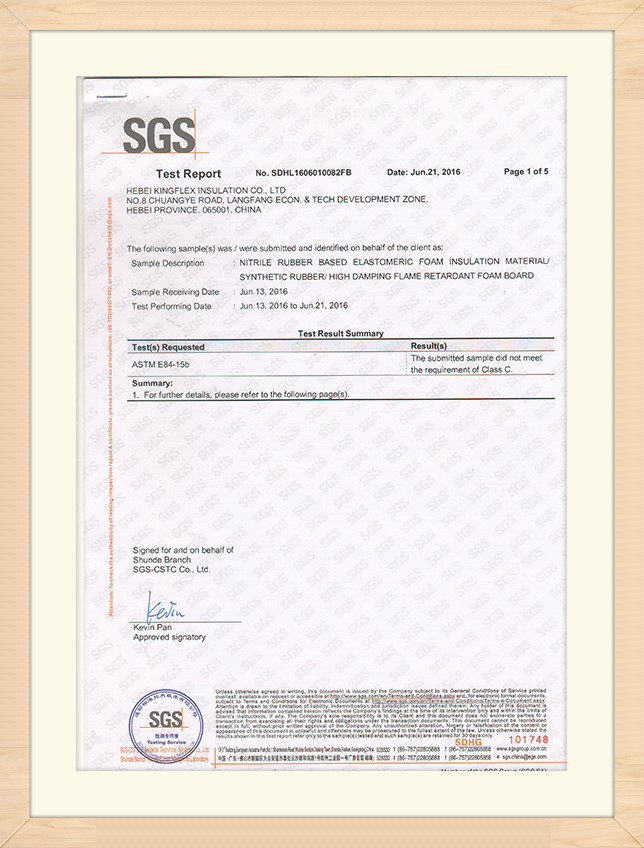
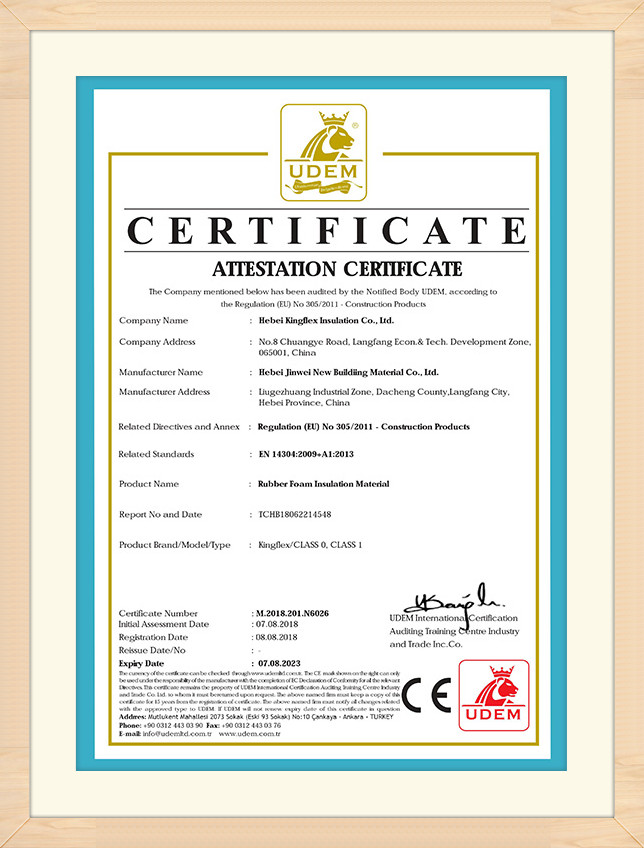
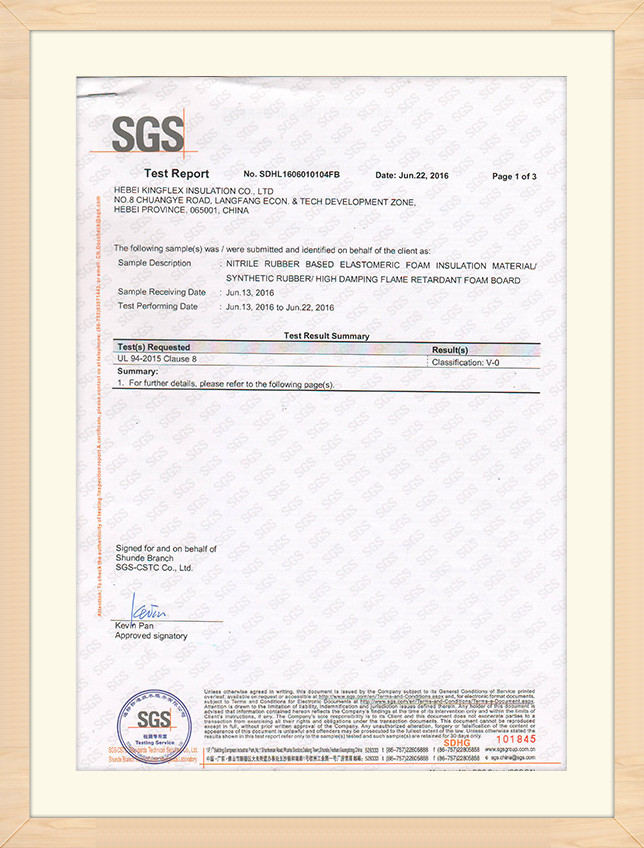
Our raw materials conform to RoHS and REACH environmental guidelines. The finished products carry certifications including BS 476, CE, UL94, and ASTM, facilitating smooth entry into demanding global markets.
Engineered to meet international building codes and industrial insulation standard requirements.
| Parameter | Nitrile Rubber Foam (NBR/PVC) | Rock Wool (Comparison) | Polyethylene Foam (PE) |
|---|---|---|---|
| Thermal Conductivity (0°C) | ≤ 0.034 W/(m·K) | ≤ 0.040 W/(m·K) | ≤ 0.038 W/(m·K) |
| Water Vapor Resistance Factor (μ) | ≥ 10,000 (Highly resistant) | ≈ 1 (Highly permeable) | ≥ 3,500 (Moderate) |
| Fire Classification | Class 0 / Class 1 (BS 476) | Class A1 Non-combustible | Class B1 / B2 |
| Operating Temp. Range | -40°C to +105°C | Up to +650°C | -40°C to +90°C |
| Mechanical Flexibility | Excellent, self-healing elasticity | Brittle, requires outer jacket | Semi-rigid, lower recovery |
| Corrosion Under Insulation (CUI) | Extremely Low Risk | High Risk without vapor barrier | Low-Moderate Risk |
Tailoring thermal barriers to demanding environments worldwide.
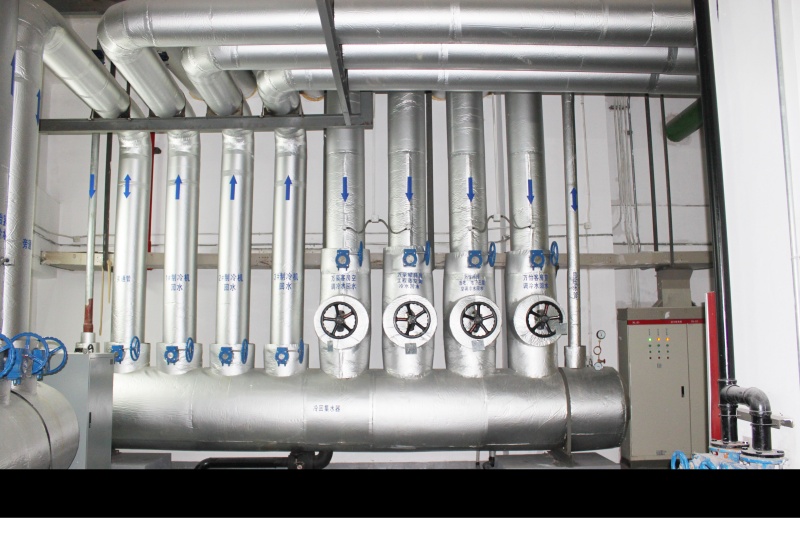
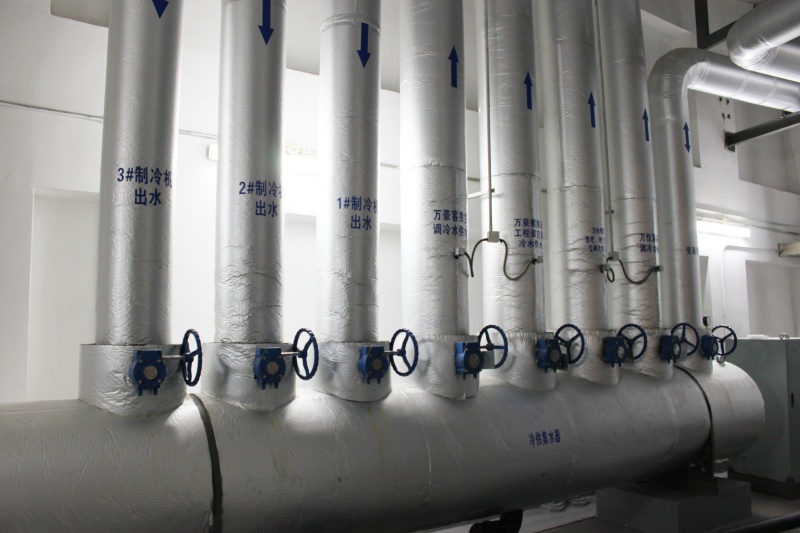
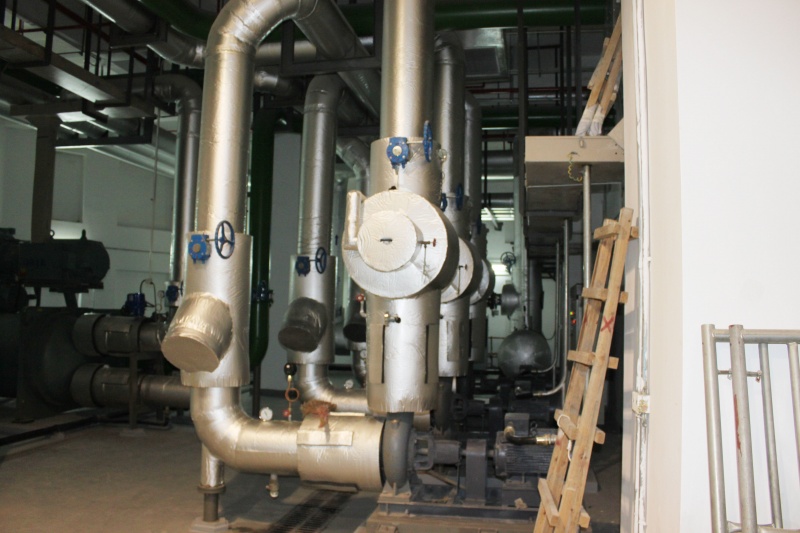
In hot, humid coastal regions, chilled water lines face constant risk of external condensation. By applying a 25mm thickness rubber foam insulation sheet roll, engineers can maintain the pipe temperature above the dew point, preventing water damage to building ceilings.
Process piping and chemical storage tanks must maintain stable temperatures to prevent raw materials from solidifying or overheating. Kingflex sheet rolls provide high insulation efficiency, chemical resistance, and corrosion prevention.
Sub-zero food storage and LNG distribution pipelines require deep cold-temperature management. Standard insulation can become brittle and fail. Our cryogenic-grade rubber foam systems maintain elasticity down to -40°C, offering a reliable barrier.
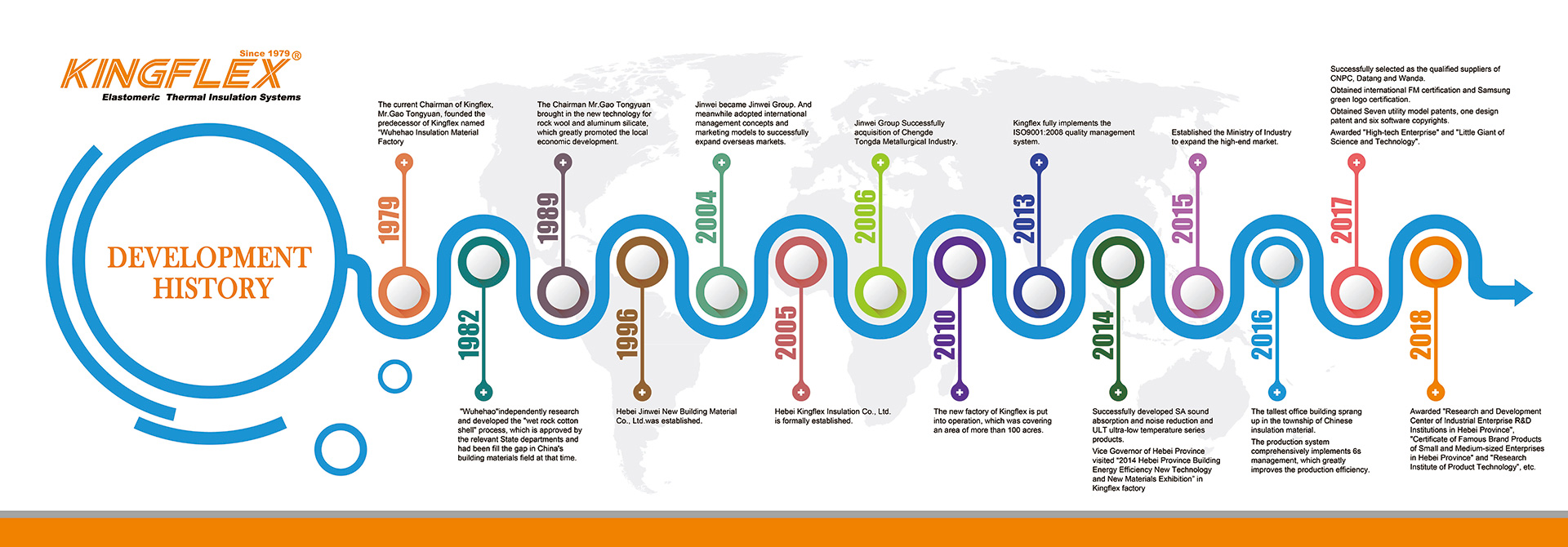
Established as part of the Jinwei Group, which holds a heritage in thermal materials dating back to 1979, Kingflex has grown into a leading manufacturer of elastomeric foam insulation. Located in Dacheng, the green-building materials hub of China, we operate as an energy-saving and environmentally friendly enterprise integrating R&D, manufacturing, and distribution.
In our operations, Kingflex prioritizes energy conservation and carbon footprint reduction as core business values. We provide comprehensive thermal insulation solutions from consultation and customized R&D to installation guidance and support, helping to drive sustainable building materials development globally.
Driving product innovation
Supporting production capacity
Managing global logistics
Our dedicated laboratory constantly evaluates new raw materials and polymer blends to improve flame retardancy, smoke suppression, and thermal resistance.

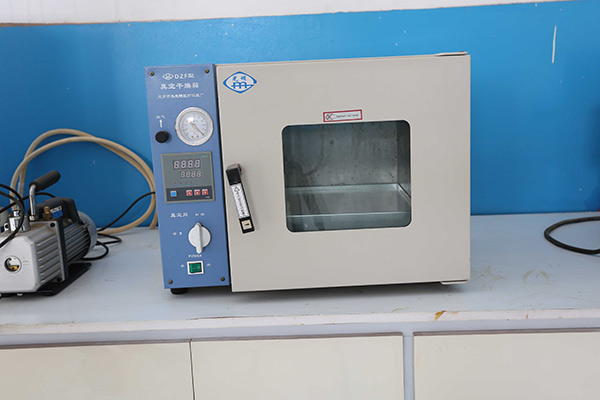
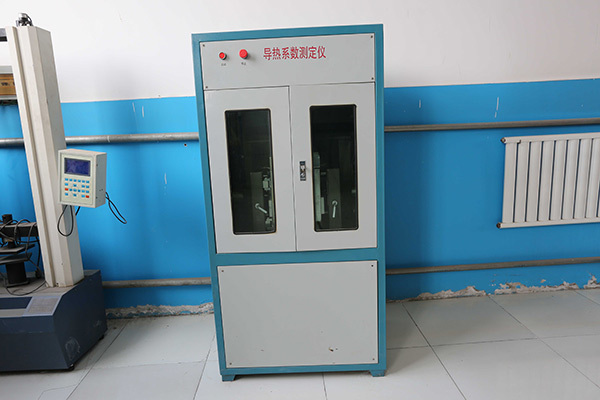
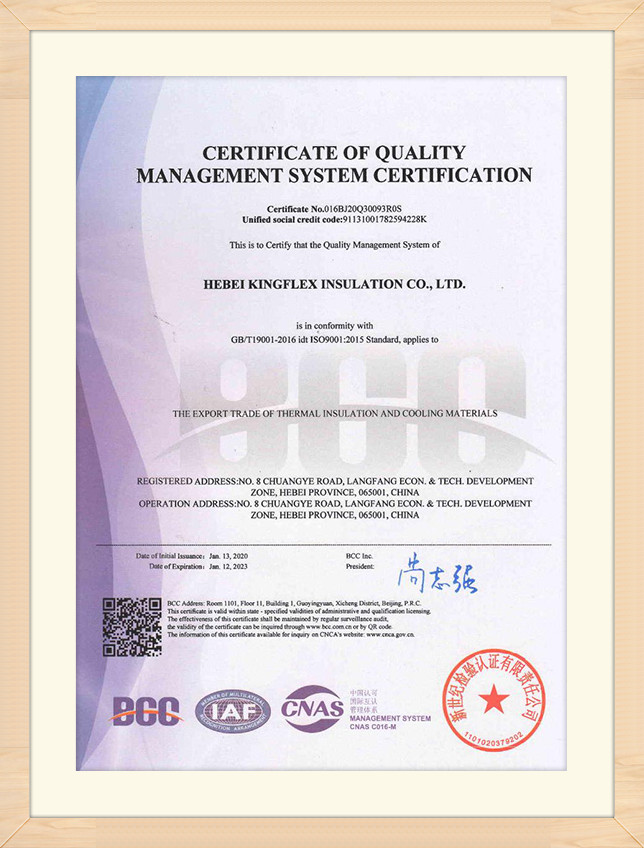
Certified compliant with leading international building material standards. Tested for low flame spread, minimal smoke toxicity, and environmental safety.
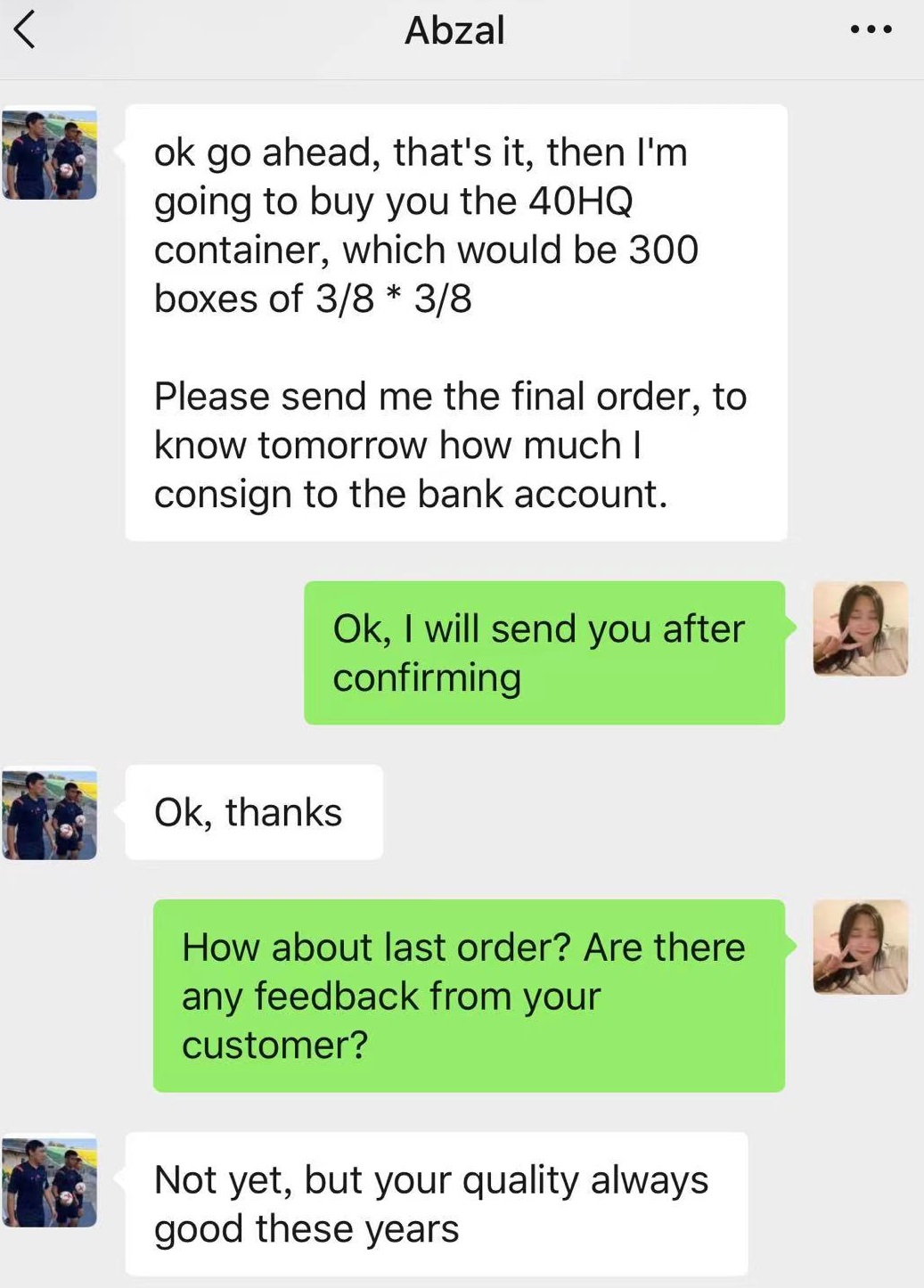
Our sales team works closely with global clients to ensure project requirements, shipping schedules, and packaging preferences are met.

Standard and custom configurations available for project requirements.
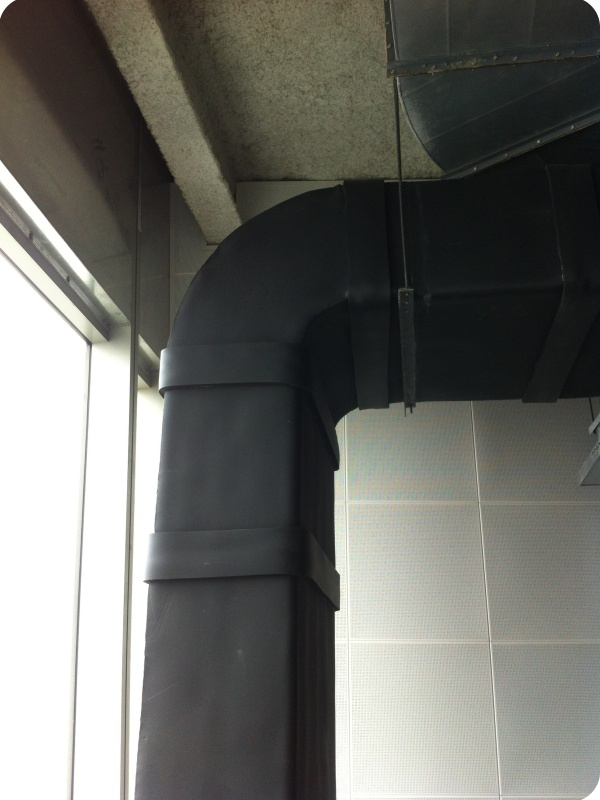
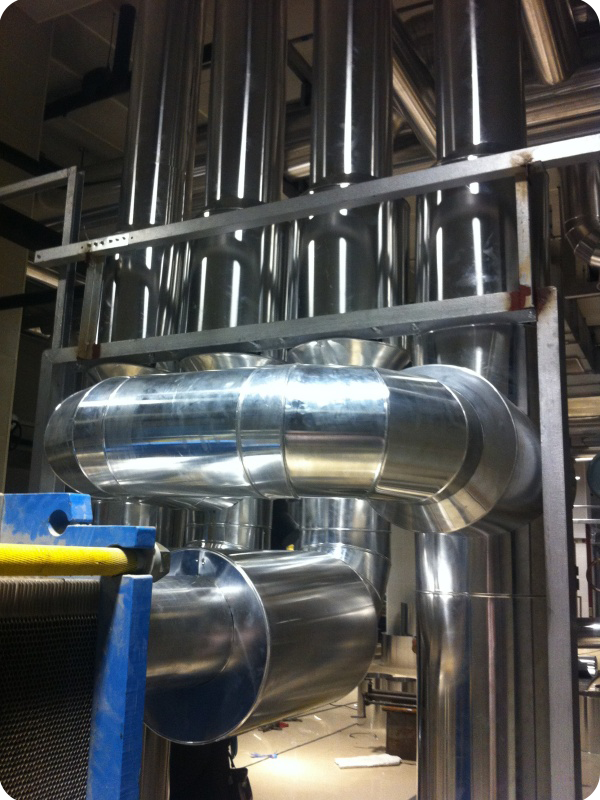
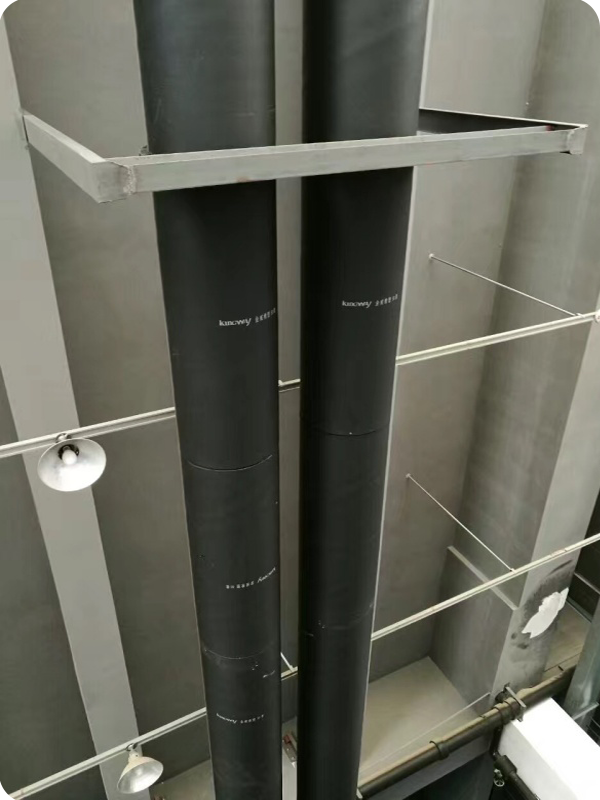
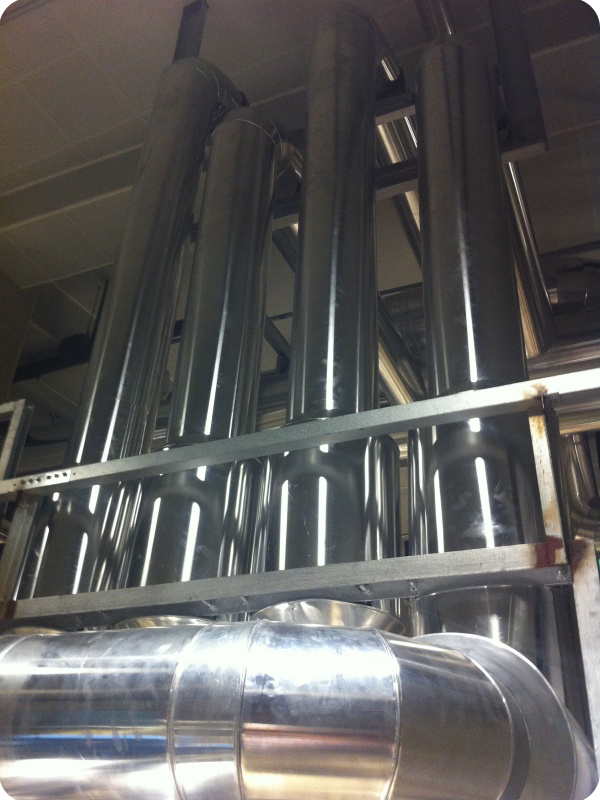
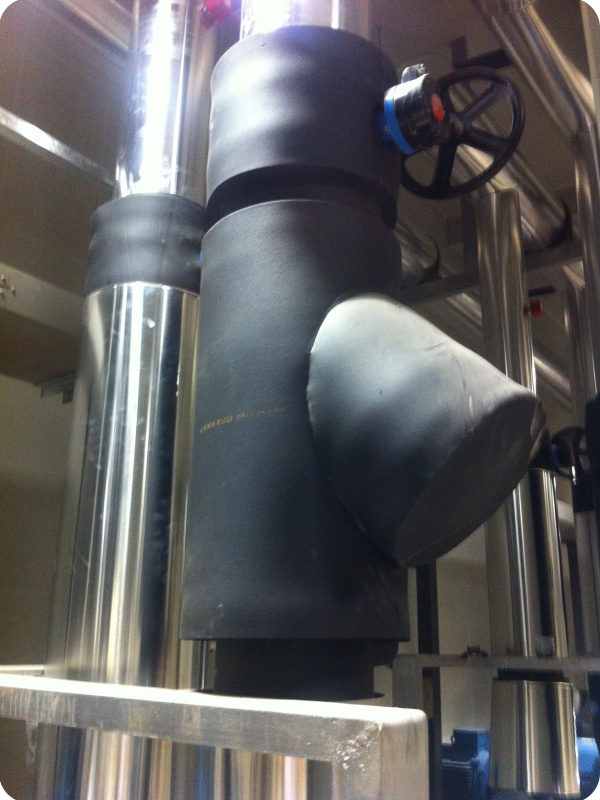
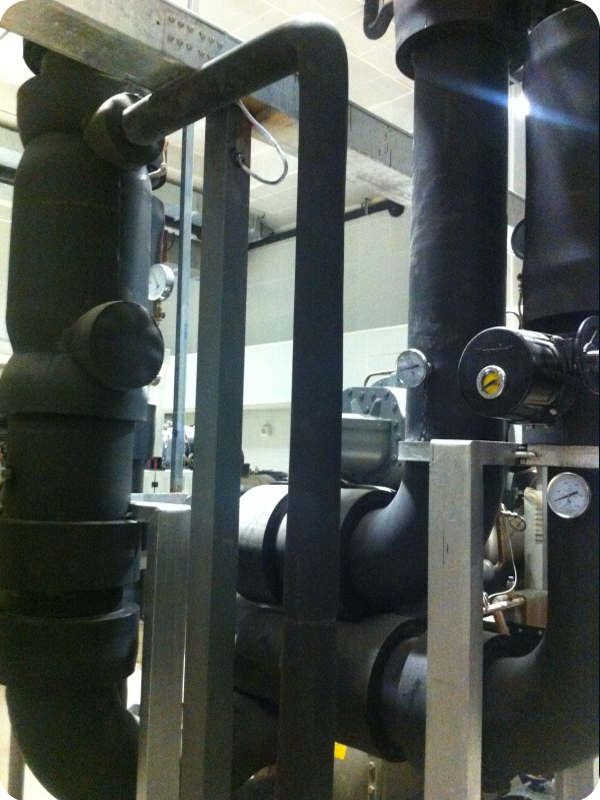
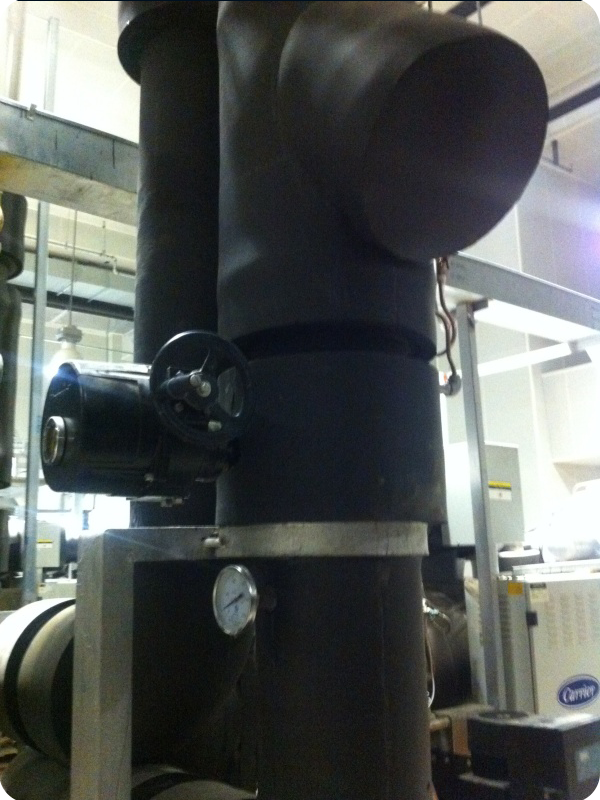
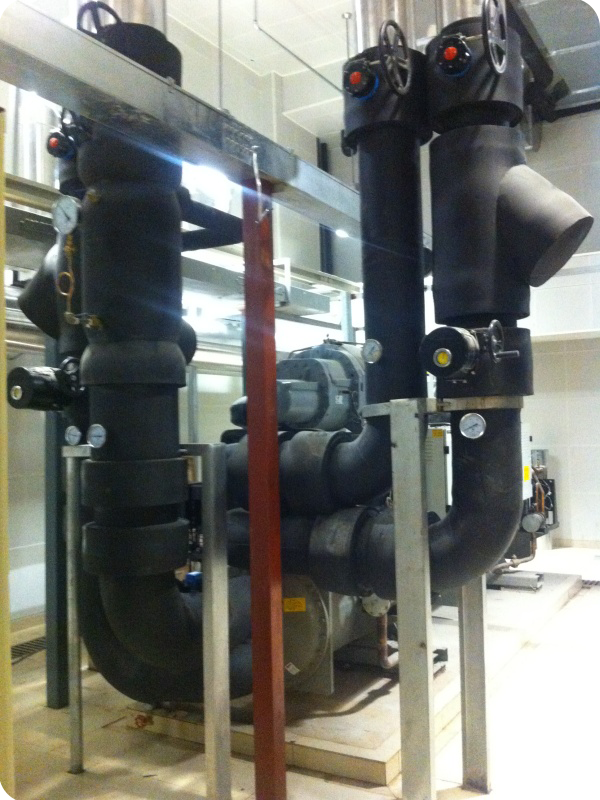

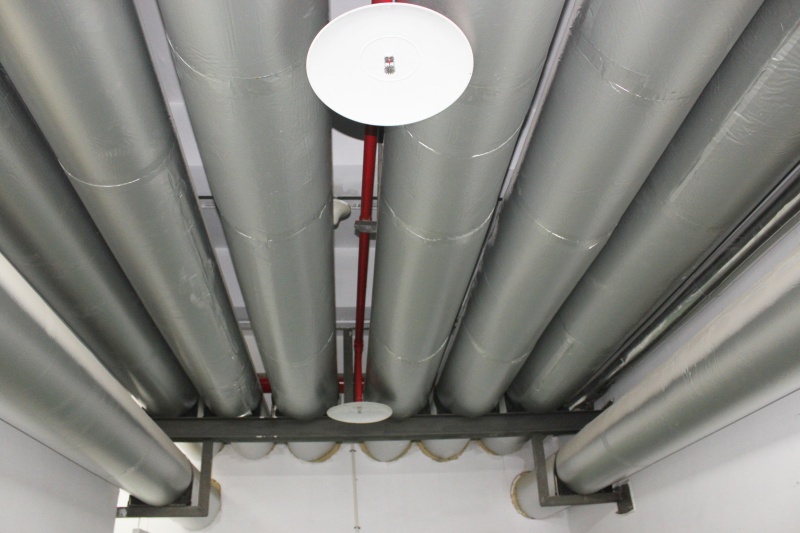
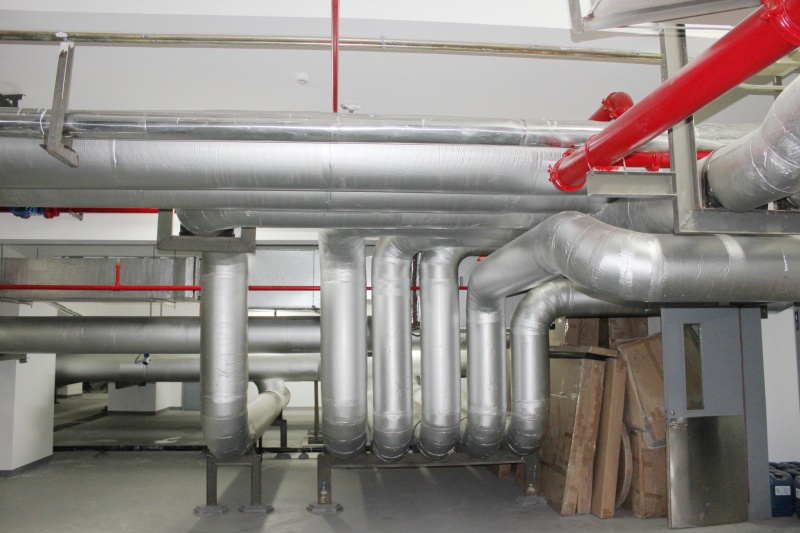
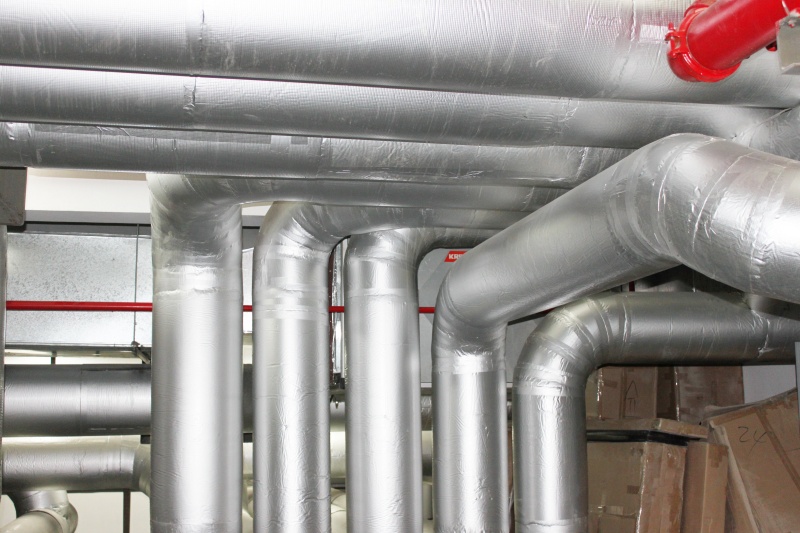
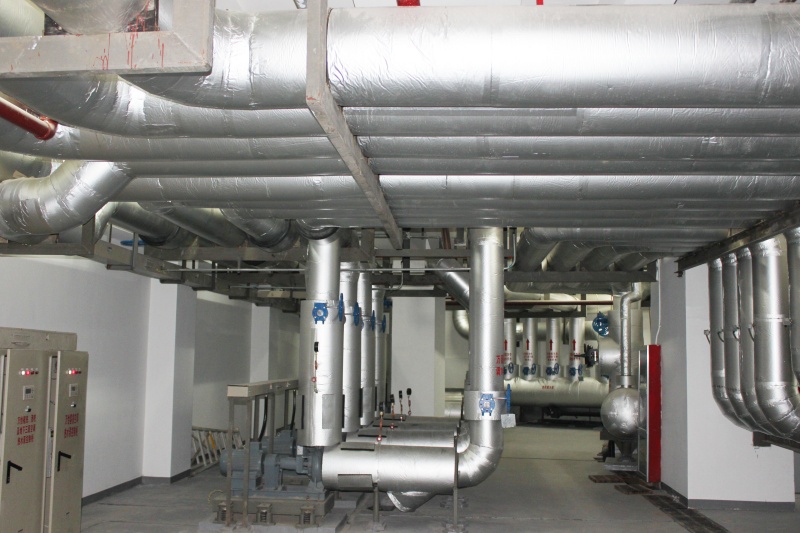
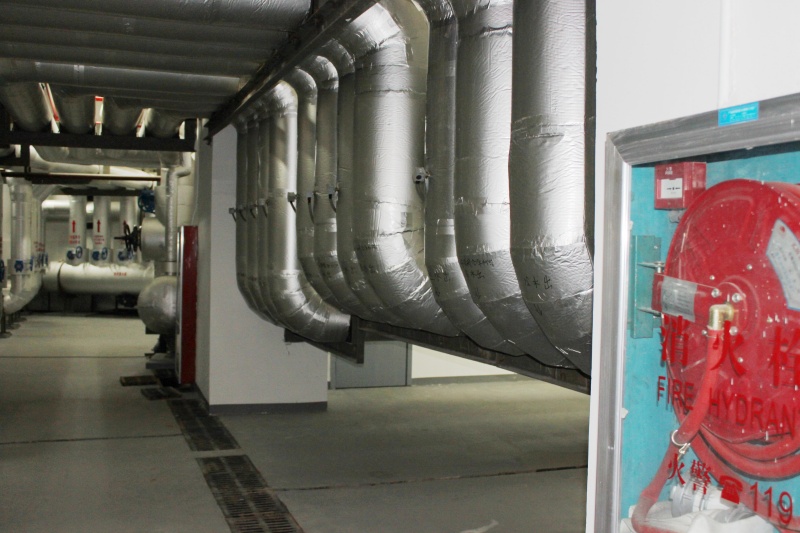
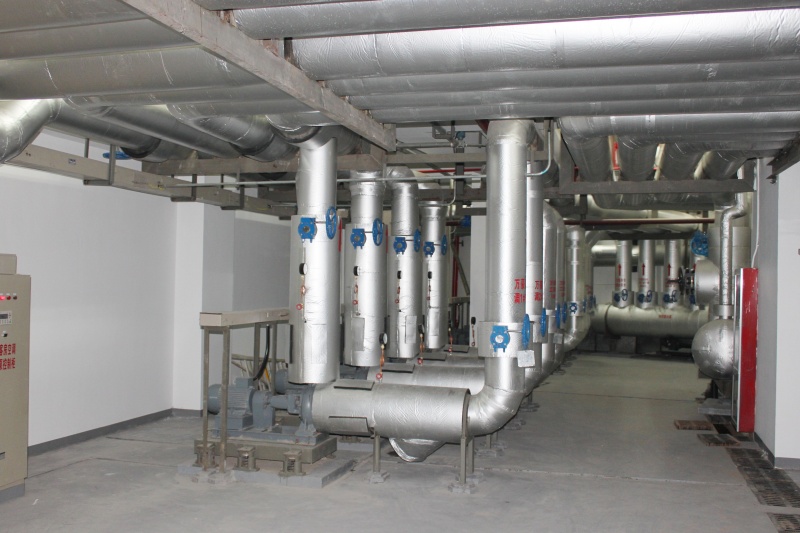
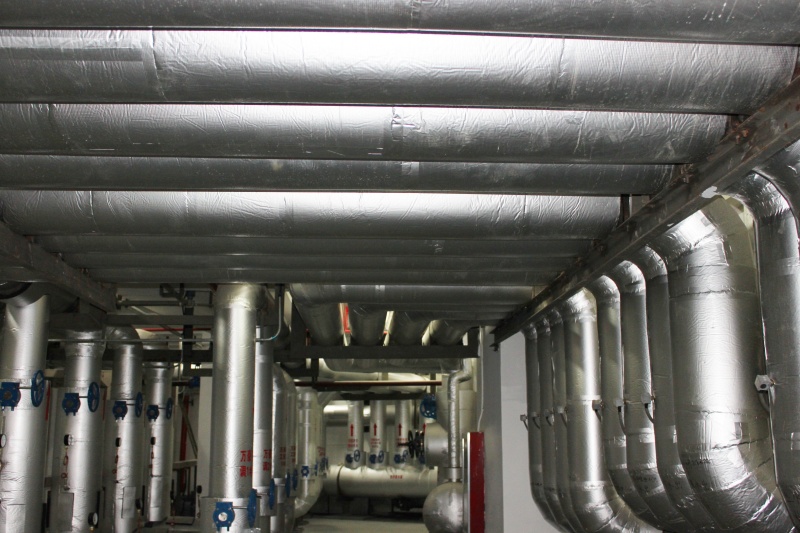
Technical and procurement inquiries addressed by our engineering support team.
Answer: Elastomeric rubber foam is a flexible, closed-cell insulation material with high moisture resistance. It is primarily used for insulating HVAC ducts, refrigeration and air conditioning piping, domestic hot/cold water pipes, and industrial process pipelines. Its closed-cell structure makes it particularly effective at preventing condensation on chilled water lines and reducing energy loss in heating systems.
Answer: Yes. Our rubber foam insulation is formulated with fire-retardant additives to meet stringent safety standards. It achieves Class 0 and Class 1 ratings under BS 476 testing, indicating low flame spread and minimal heat release. It also carries certifications like UL94 V-0 and ASTM E84, ensuring compliance with local building codes and fire safety regulations.
Answer:
Rubber Foam: A flexible, closed-cell material that is highly resistant to water vapor transmission without requiring an external vapor barrier. It is ideal for HVAC/R systems and piping operating at cold or moderate temperatures.
Rock Wool: A fibrous, open-cell material that can withstand much higher temperatures (up to 650°C), making it suitable for industrial steam pipes and furnace walls. However, rock wool is highly permeable to moisture and requires a separate vapor jacket to prevent Corrosion Under Insulation (CUI) in cold applications.
Answer: Yes, we offer full OEM and ODM services. We can customize the sheet thickness (from 6mm up to 50mm), pipe inner diameters, density, roll lengths, packaging, and self-adhesive backings or protective foils to meet the specific requirements of your project.
Answer: Our thermal insulation products have been tested and certified by recognized third-party agencies. Our certifications include BS 476 Part 6 & 7 (Class 0/1), CE EN 14304 compliance, REACH, RoHS, UL94, and ASTM. This ensures our products satisfy the regulatory standards of importing countries worldwide.
Answer: Yes. We maintain detailed digital production logs and batch tracking. Each production run has a traceable batch code linked to its raw material inspection data, processing temperatures, and QA test results, ensuring accountability and consistent quality control.
Answer: We manufacture rubber foam insulation sheet rolls in thicknesses ranging from 6mm to 50mm. Thicker sheets are typically used for heavy industrial process piping and low-temperature refrigeration systems where heat infiltration must be minimized.
Answer: Under standard operating conditions and when installed according to manufacturer guidelines, Kingflex rubber foam insulation has a service life of approximately 10 to 15 years. Using outdoor protective coatings or aluminum cladding helps shield the material from UV degradation and weathering, extending its service life in exterior applications.
Explore our specialized acoustic panels, cryogenic insulation, and high-density elastomeric tubes.
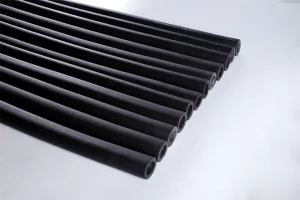
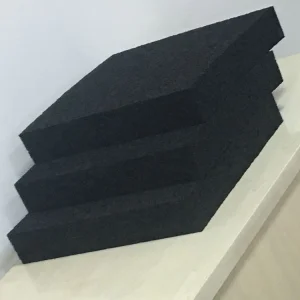
Comprehensive solutions for thermal control, cryogenic protection, and industrial insulation.
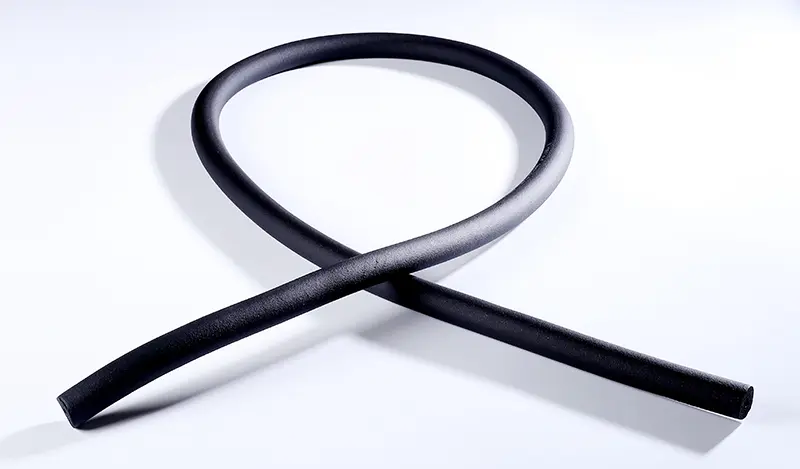
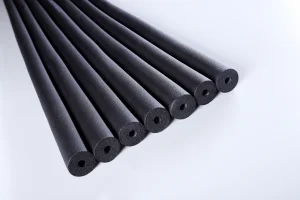
High-density thermal piping wrap designed for HVAC condensation control.
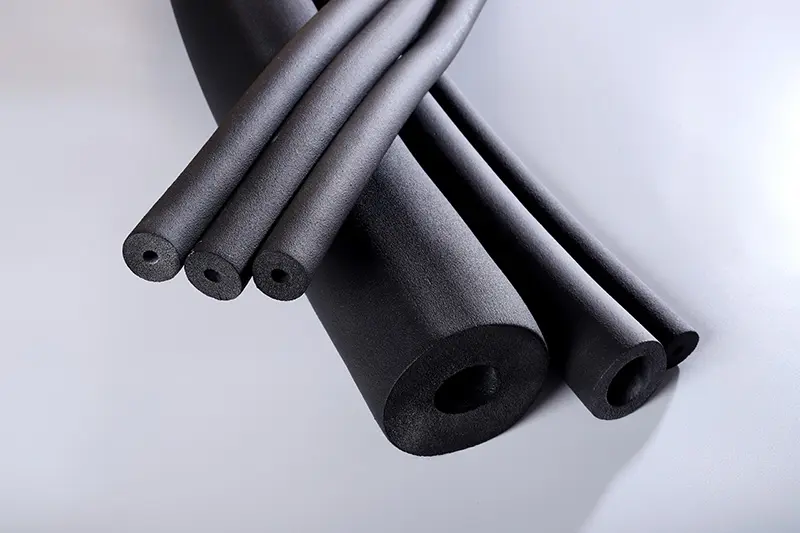
Special outer coating protects against chemical moisture and CUI.

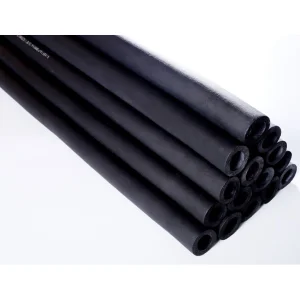
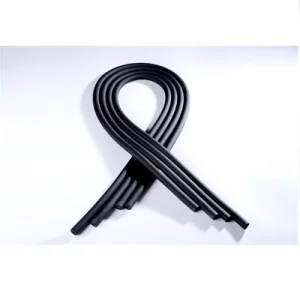
Highly flexible closed-cell tubing designed for quick installation on plumbing bends.
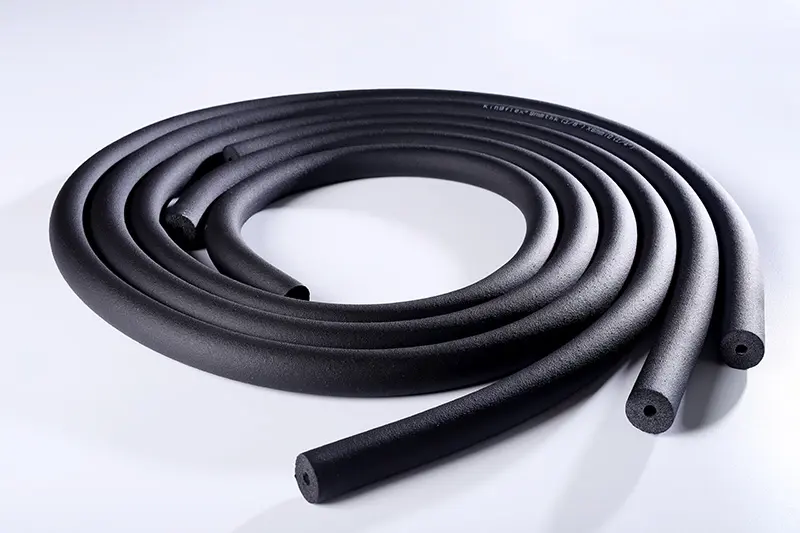
Optimized thermal insulation tubing with a high vapor barrier factor.
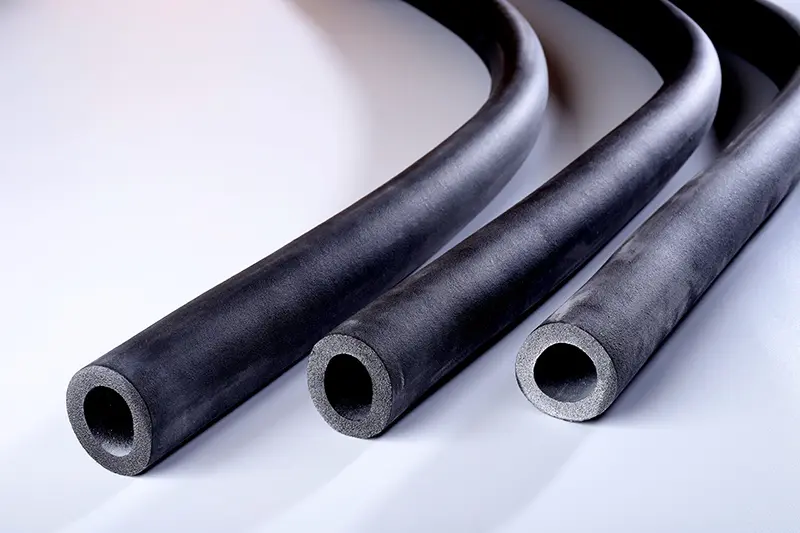
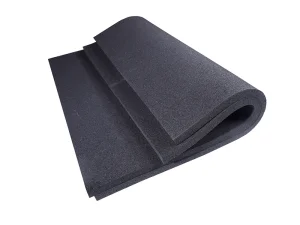
Dual-phase elastomeric formulation for vibration absorption and heat retention.
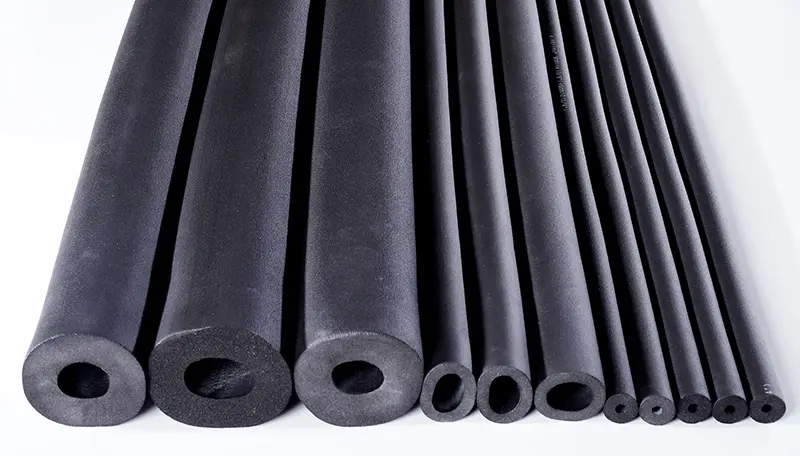
Engineered to meet building codes for air distribution and HVAC piping systems.
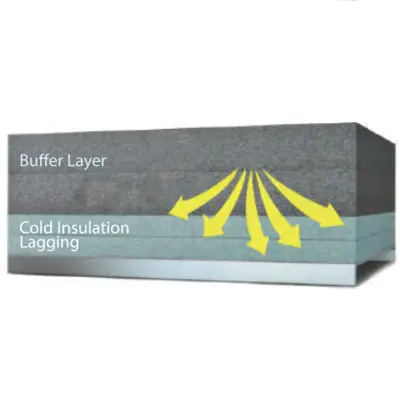
Multi-layered protective system designed for extreme low-temperature pipelines.
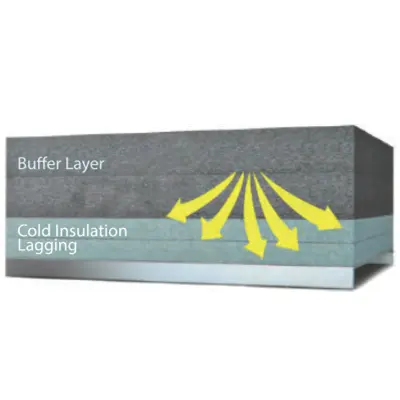
Retains flexibility and protects against thermal stress down to -40°C.
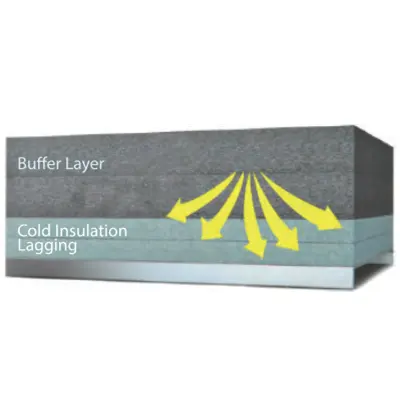
Engineered for cold storage plants and liquid gas processing facilities.
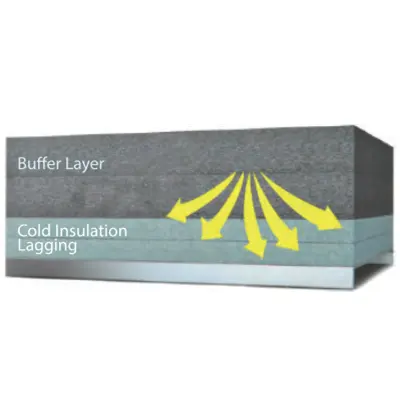
Specialized polymer structure designed to withstand severe thermal contraction.
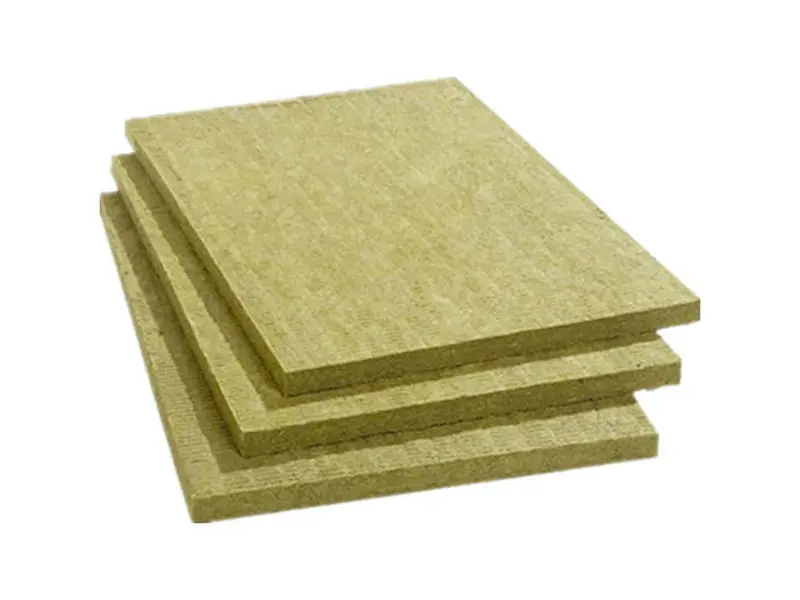
High-density mineral wool panels designed for high-temperature applications.
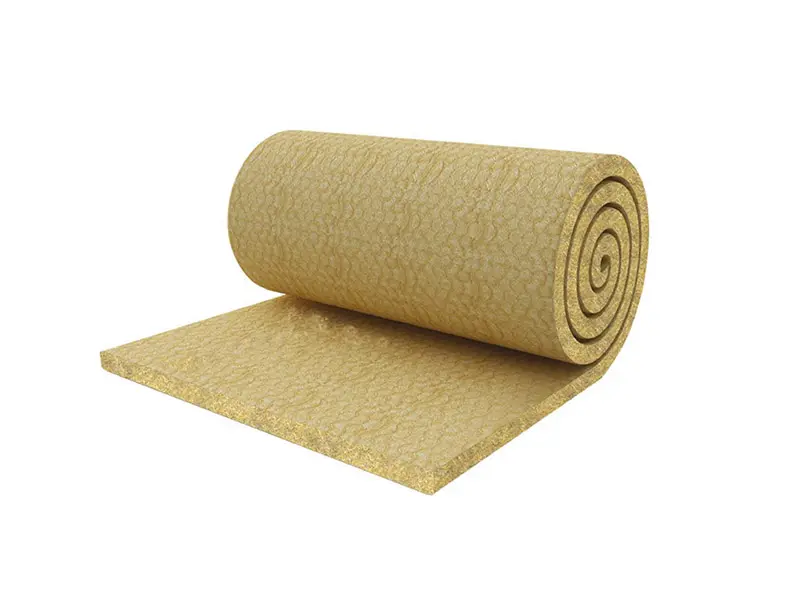
Flexible mineral fiber wraps designed for industrial furnace insulation.