 Kingflex
Kingflex
Kingflex
Discover Kingflex high-performance insulation systems, designed to address industrial noise, heat transfer, and structural vibrations simultaneously.
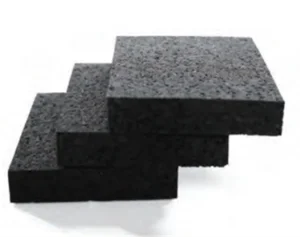
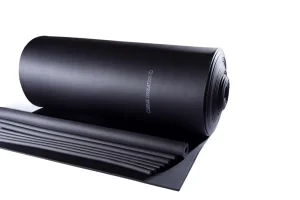
The contemporary global market for acoustic management and thermal insulation is witnessing a profound technological shift. Standard open-fiber insulation materials, such as rock wool or glass fiber, are increasingly being substituted by advanced, elastomeric nitrile-butadiene rubber (NBR) and polyvinyl chloride (PVC) co-polymer compounds. Sound absorbing rubber stands at the frontier of this shift due to its unique viscoelastic structure, which exhibits excellent sound energy dissipation and mechanical vibration isolation qualities.
From dense urban high-rises to cryogenic processing yards, sound-absorbing elastomers solve a double engineering problem: mitigating airborne acoustic propagation and absorbing structural vibration. China's manufacturing base, led by innovators like Kingflex Insulation Co., Ltd., has transformed into a critical nexus for this technology. We utilize proprietary manufacturing processes that control cell-structure geometry to strike the ideal balance between low thermal conductivity and high noise reduction coefficients (NRC).
Driven by strict environment-governance policies (such as Europe's REACH regulations, RoHS compliance, and LEED building rating systems), global buyers now demand sound-attenuation materials that are free from formaldehyde, VOCs, and heavy-fiber shedding. Elastomeric rubber structures satisfy these specifications natively.
Analyzing critical trends driving the growth, optimization, and engineering compliance of modern rubber insulation.
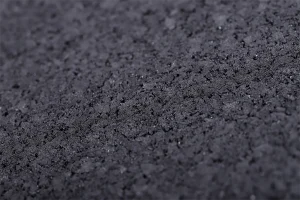
Integrating micro-cells within NBR matrices shifts sound wave vibration energy into molecular thermal energy, maximizing sound transmission loss (STL) across critical mid-to-high frequencies.
Passing strict global metrics like BS 476 Part 7 (Class 0/1), UL94 (V-0 rating), and ASTM E84, ensures that advanced sound absorbing rubber is self-extinguishing and will not spread flame or release heavy smoke.
By retaining a closed-cell ratio over 98%, materials resist moisture penetration and environmental degradation, guaranteeing a system lifespan that easily exceeds 15 years in operation.
Elastomeric sound absorbing structures are deployed across various industrial environments to protect critical assets and suppress environmental noise pollution.
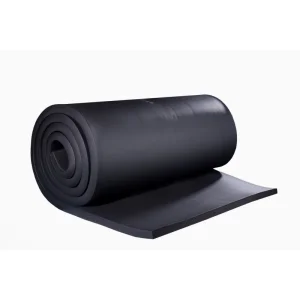
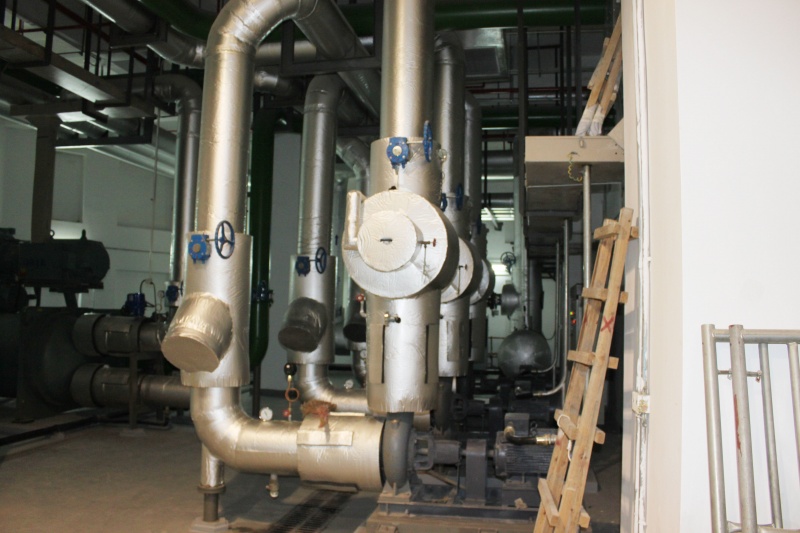
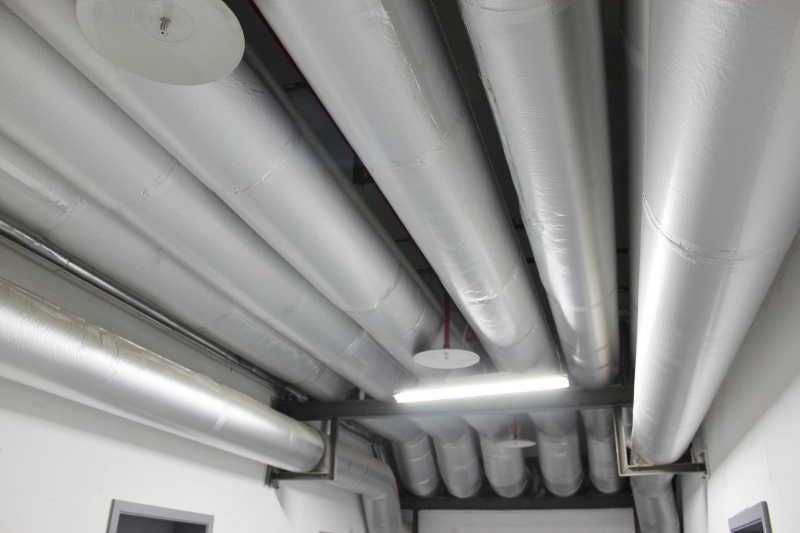
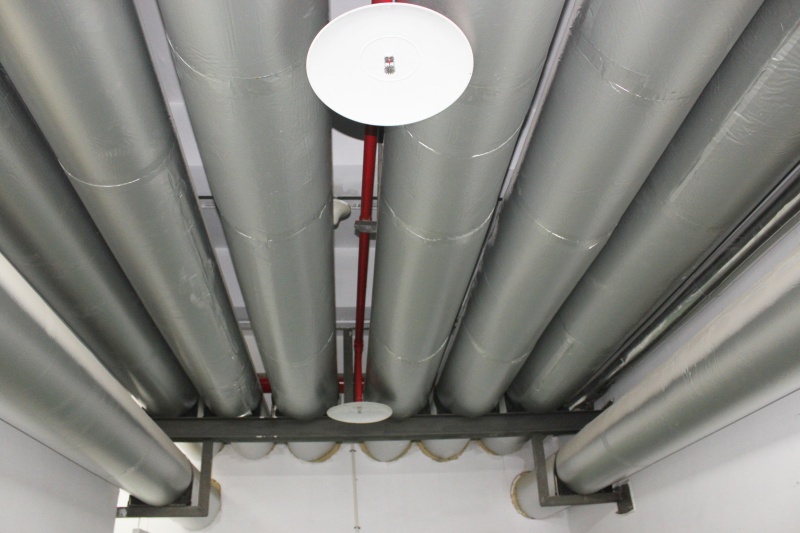
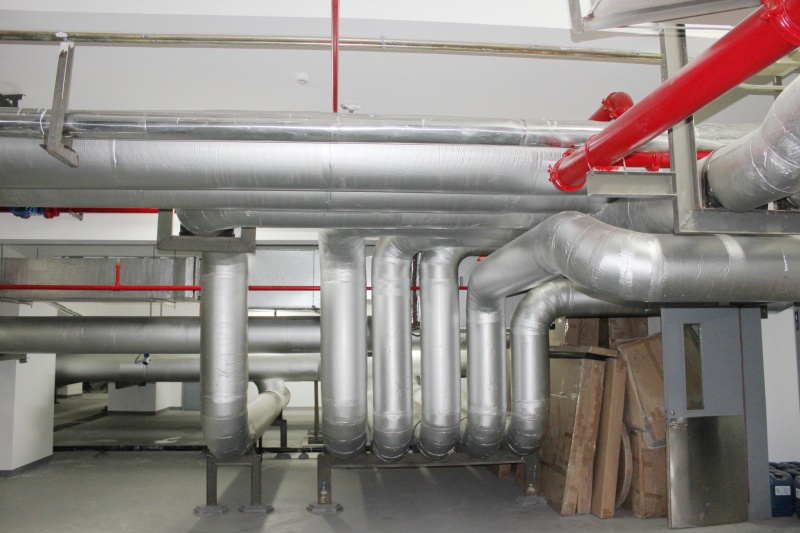
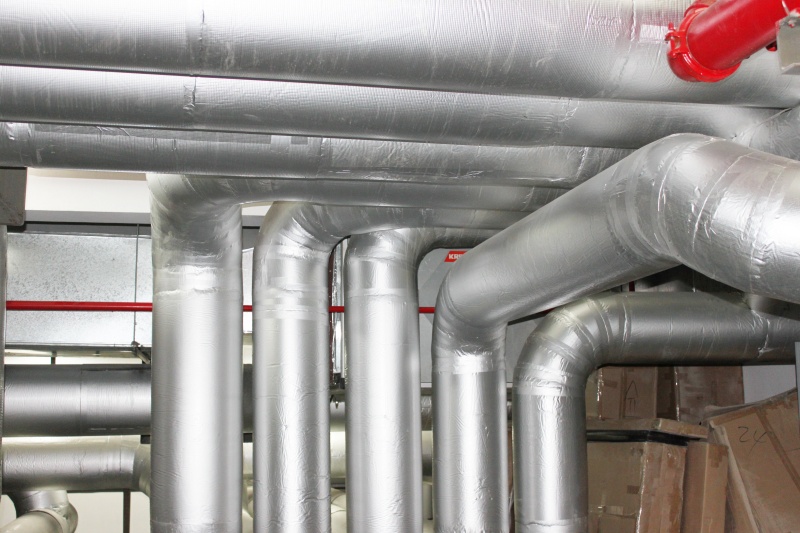
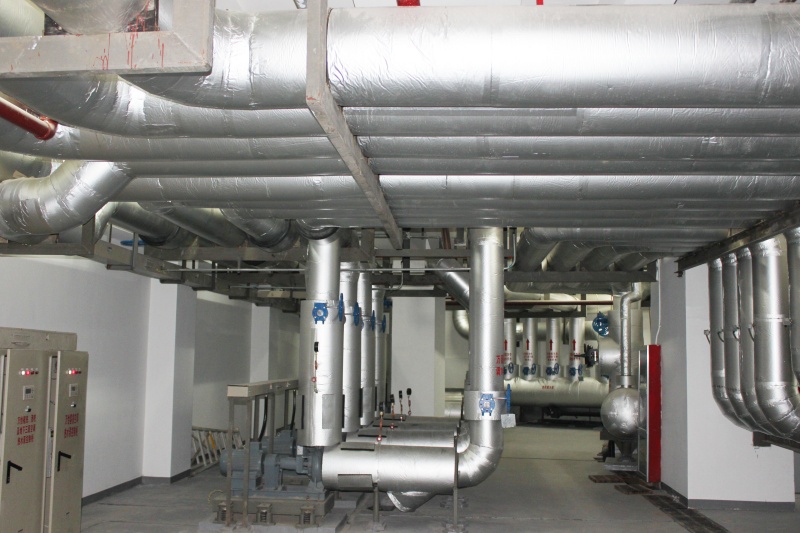
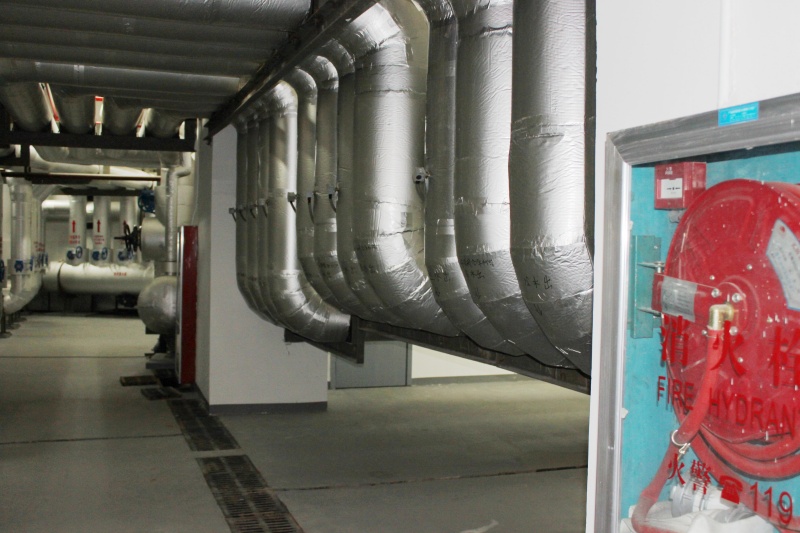
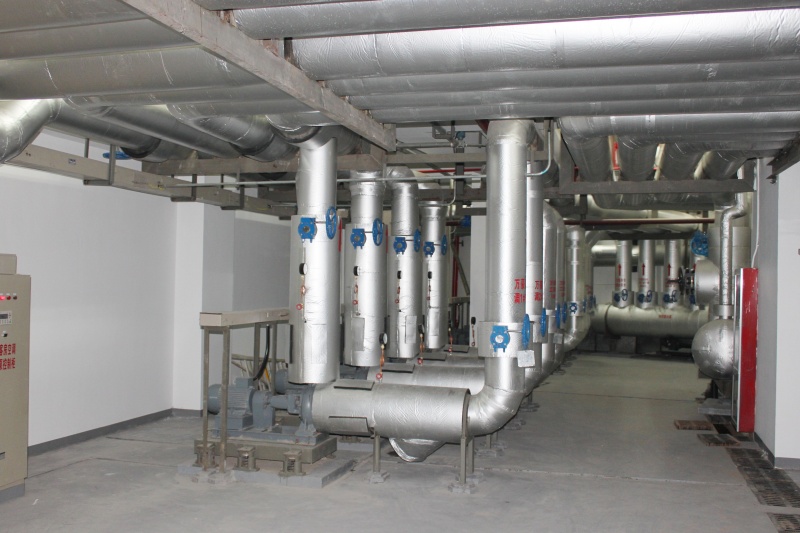
Large air conditioning ducts, process pipelines, and mechanical compressor rooms generate low-frequency vibration and high airborne noise. Kingflex elastomeric sheeting is applied to the exterior and interior duct linings to provide dual thermal and noise isolation.
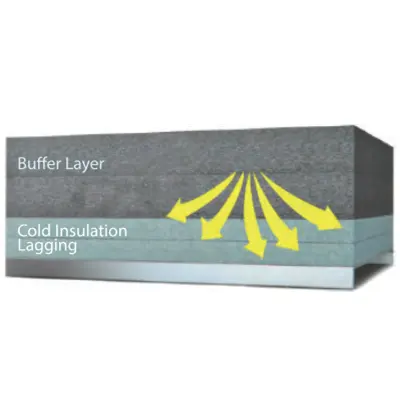
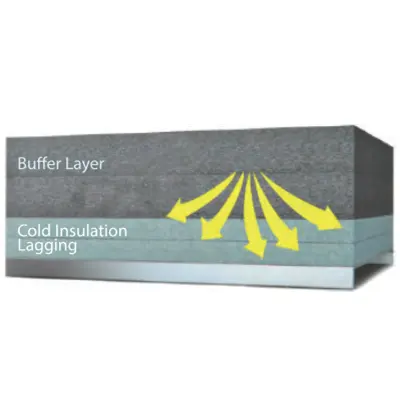
Cryogenic systems, LNG terminals, and extreme-low-temperature chemical reactors utilize specialized cold insulation rubber. It retains elasticity at temperatures as low as -200°C (-328°F), preventing thermal stress-cracking and moisture condensation while insulating plant personnel from equipment hum.
High-speed rail cabins, subway tunnels, and marine hulls rely on light, space-saving damping panels. Nitrile-based insulation limits structure-borne vibration and absorbs secondary noise, matching strict space-weight limitations.
Kingflex maintains rigorous compliance benchmarks, designing products that balance physical resiliency with superior acoustic properties.
| Performance Metric | Nitrile Elastomeric Foam Sheeting | NBR/PVC Insulating Tubing | Industrial Reference Standards |
|---|---|---|---|
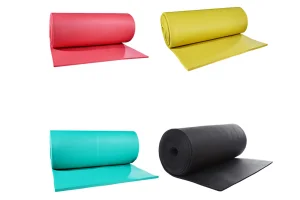
| Material Base | Nitrile-Butadiene Rubber (NBR) & Polyvinyl Chloride (PVC) | NBR / PVC Blend Co-extrusion | ASTM D1667 |
| Density Range | 40 to 55 kg/m³ | 40 to 55 kg/m³ | ASTM D1622 |
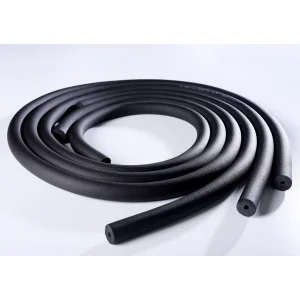
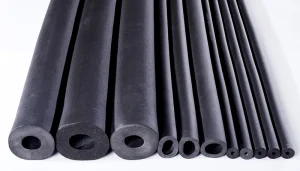
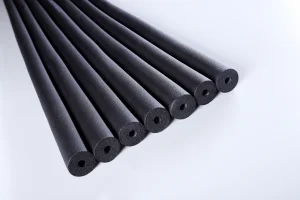
| Thickness Capability | 6mm to 50mm | 9mm to 40mm (ID: 6mm - 114mm) | Factory Precision Calibrated |
| Service Temperature Limit | -40℃ to +105℃ | -40℃ to +105℃ (Cryogenic lines up to -200℃) | ASTM C534 |
| Thermal Conductivity (λ) | ≤ 0.034 W/m·K at 0℃ | ≤ 0.034 W/m·K at 0℃ | ASTM C518 |
| Moisture Resistance Factor (μ) | ≥ 10,000 | ≥ 10,000 | BS EN 12086 |
| Fire Safety Classification | Class 0 / Class 1 / V-0 | Self-extinguishing, flame-resistant | BS 476 Part 7 / UL 94 |
Our products undergo strict quality checks in our R&D facility. Our laboratory houses modern testing equipment to verify density consistency, compression recovery, flame behavior, and sound attenuation coefficients.
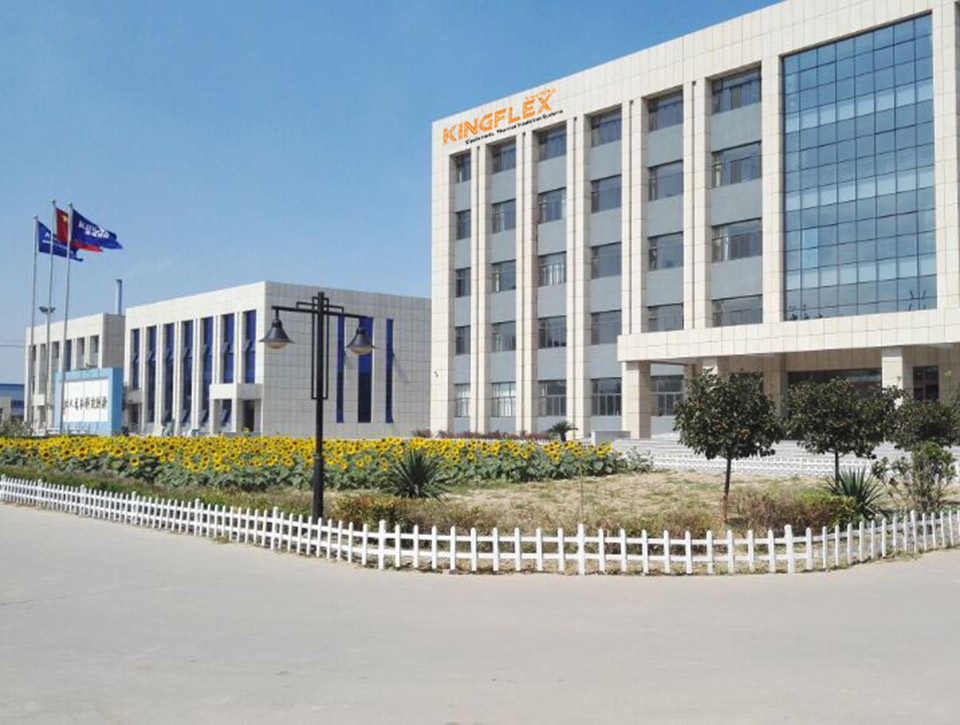
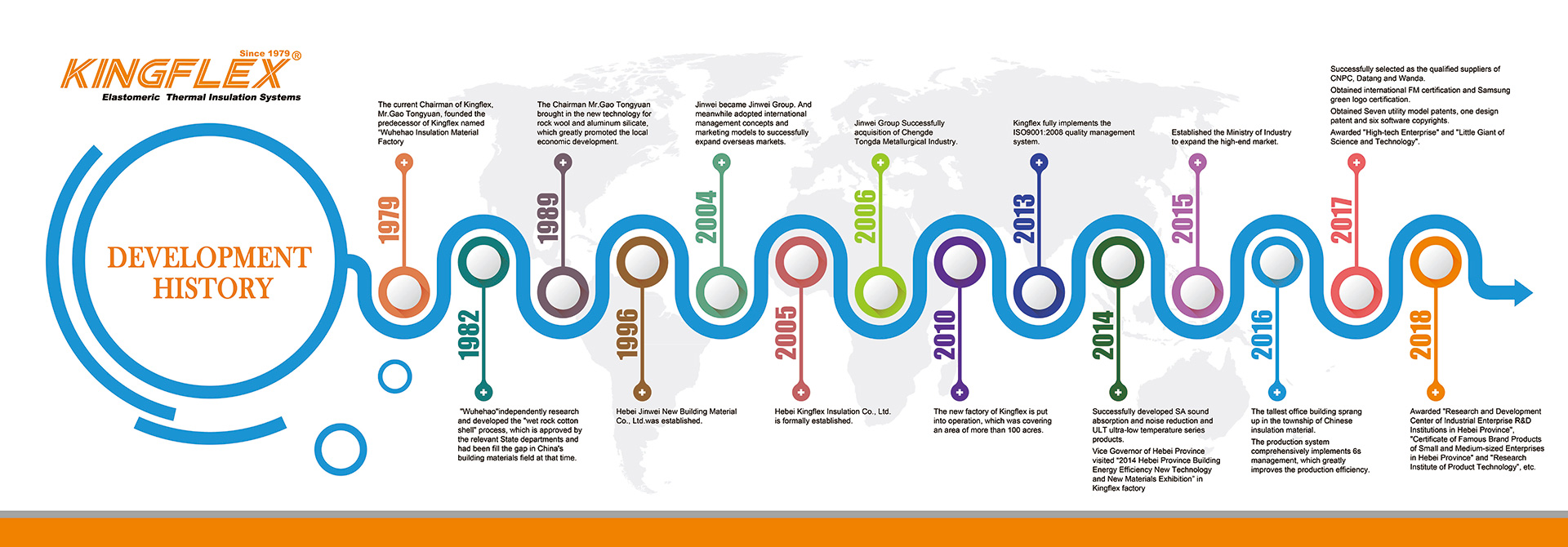
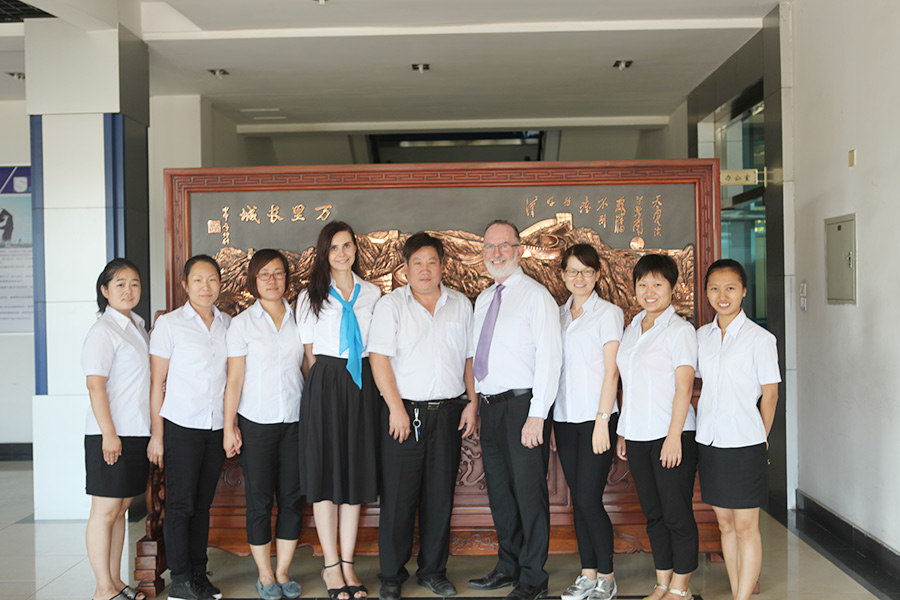
Kingflex Insulation Co., Ltd. is a professional manufacturing and trading combo for thermal and acoustic insulation products. Located in Dacheng, China—the green-building materials capital—we focus on energy conservation, emission reduction, and advanced sound dampening. Under the Jinwei Group, established in 1979 with a history spanning more than 40 years, Kingflex has operated at the forefront of China's insulation industry. Jinwei Group was the first manufacturer of thermal insulation materials north of the Yangtze River.
Today, Kingflex operates 5 large-scale automatic assembly lines, producing over 600,000 cubic meters of high-density and low-density rubber foam annually. Designated as an approved supply enterprise by China's Ministry of Energy, Ministry of Electric Power, and Ministry of Chemical Industry, our products protect industrial installations in over 66 countries globally.
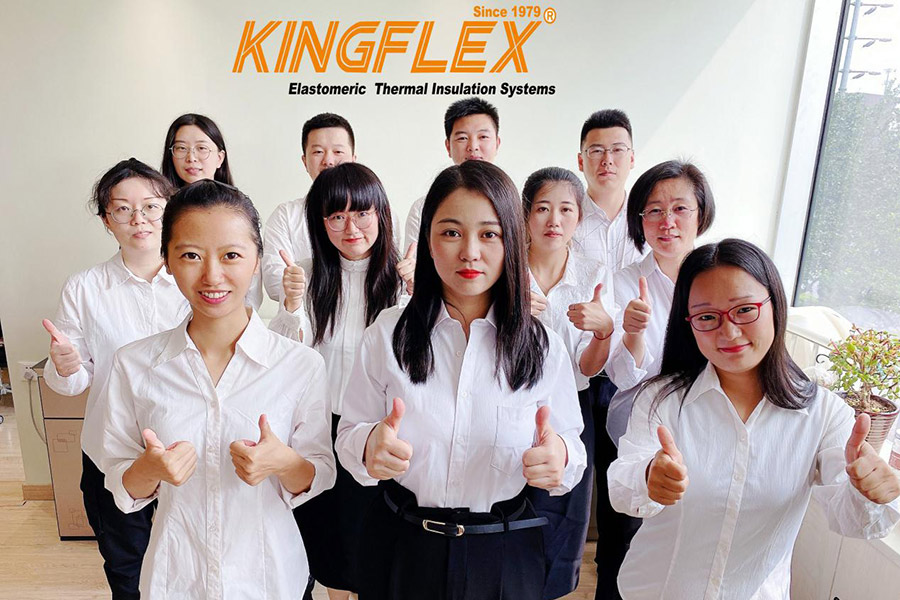
Our workforce consists of 230 production personnel, 6 dedicated international sales representatives, and 8 professional R&D engineers, ensuring every project receives custom support and optimization.


All Kingflex products conform to international quality and environmental standards, ensuring compliance on international projects.
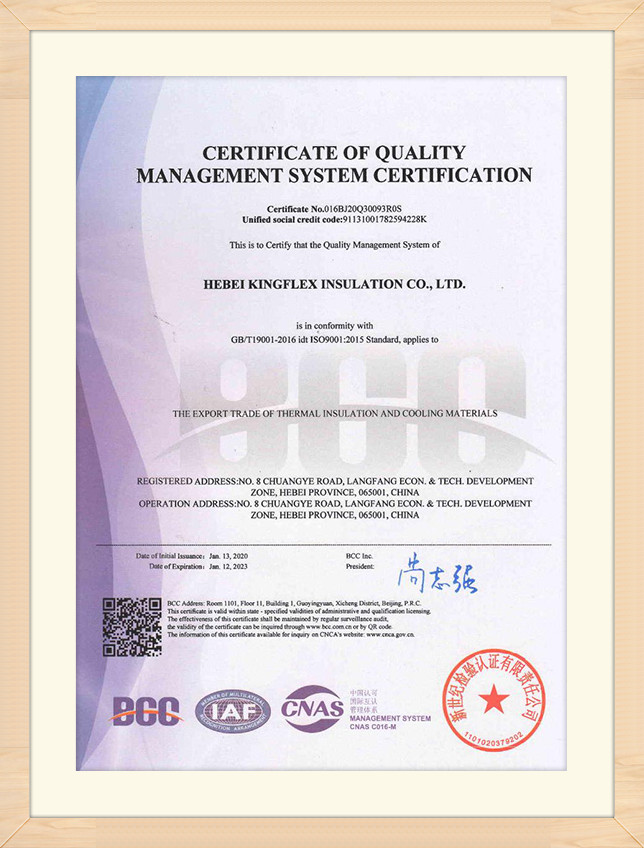
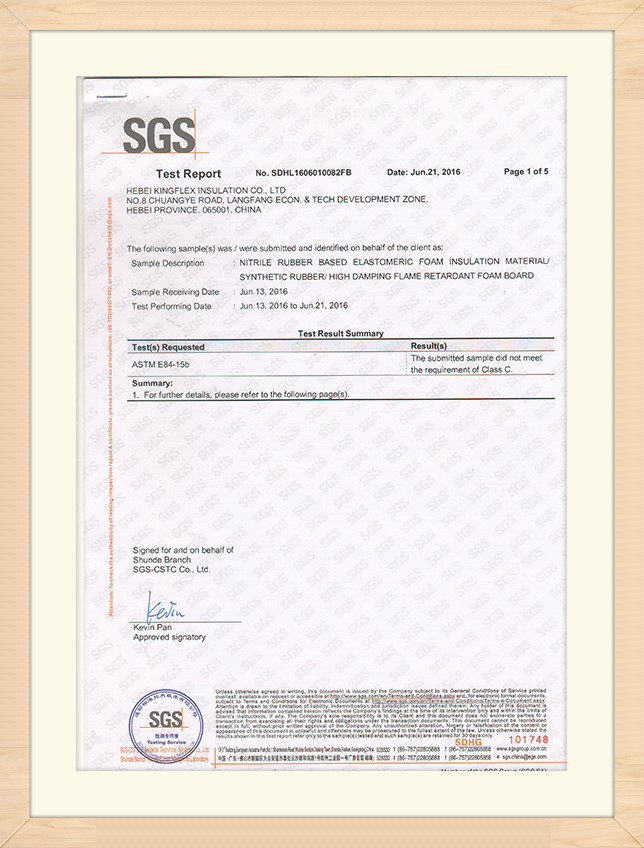
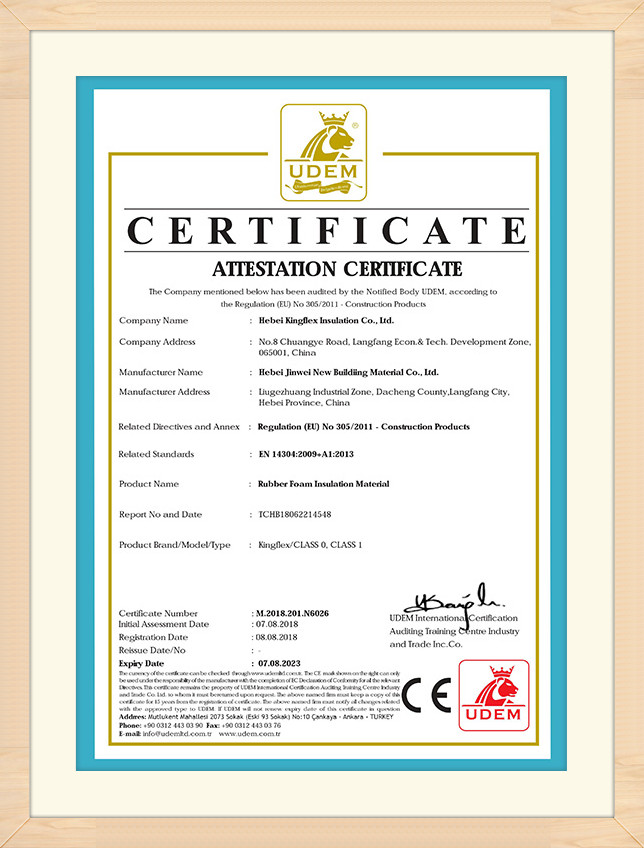
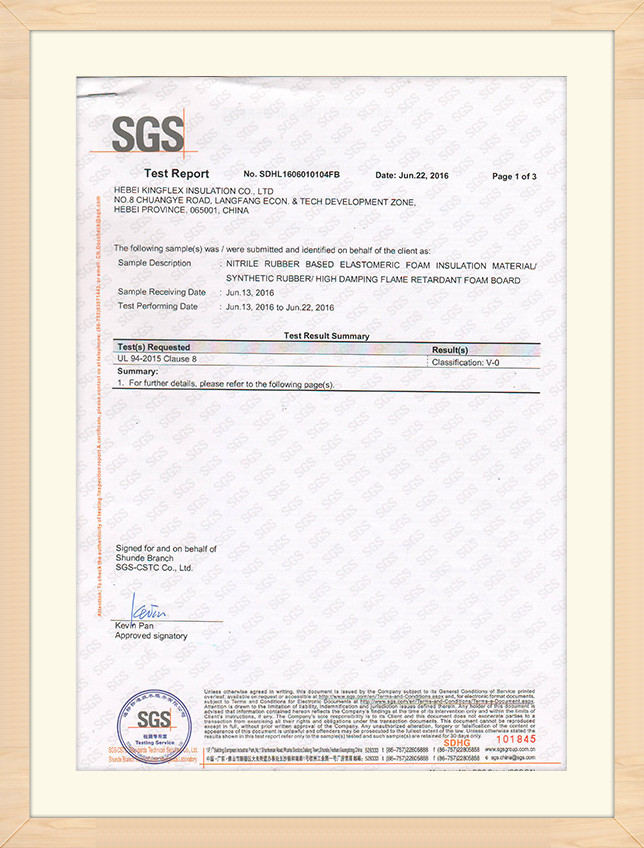
Our products carry standard batch traceability numbers. From raw polymer material feed to chemical blowing agent ratios and curing line temperatures, the entire manufacturing cycle is tracked, satisfying modern QA inspection protocols.
From structural acoustic damping in transit stations to pipeline protection in refineries, Kingflex delivers reliable performance.
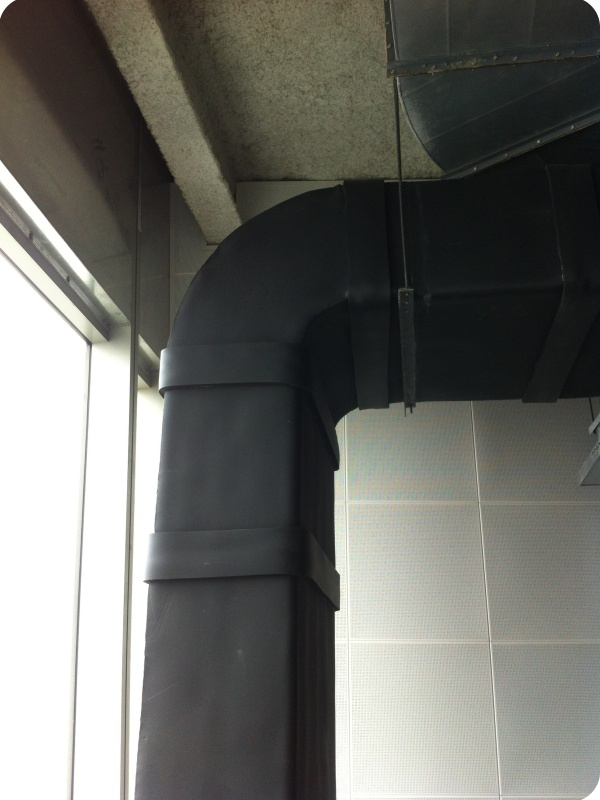
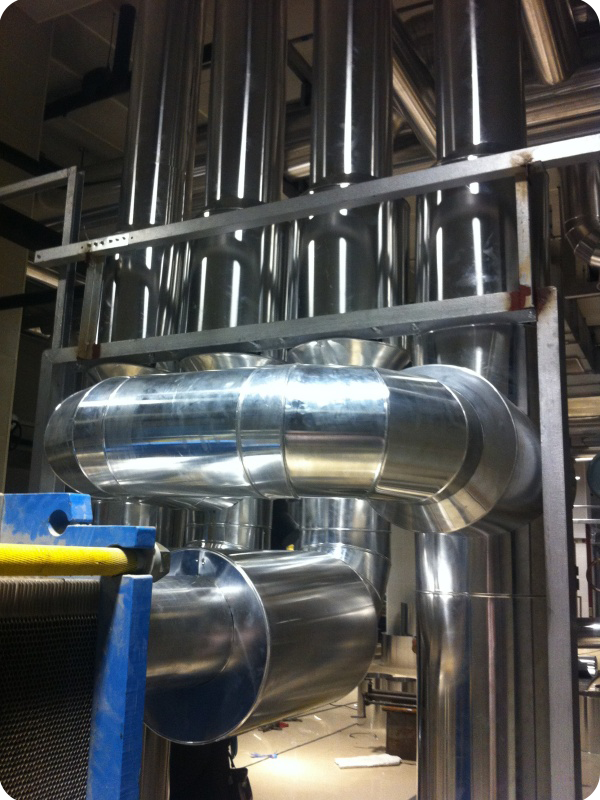
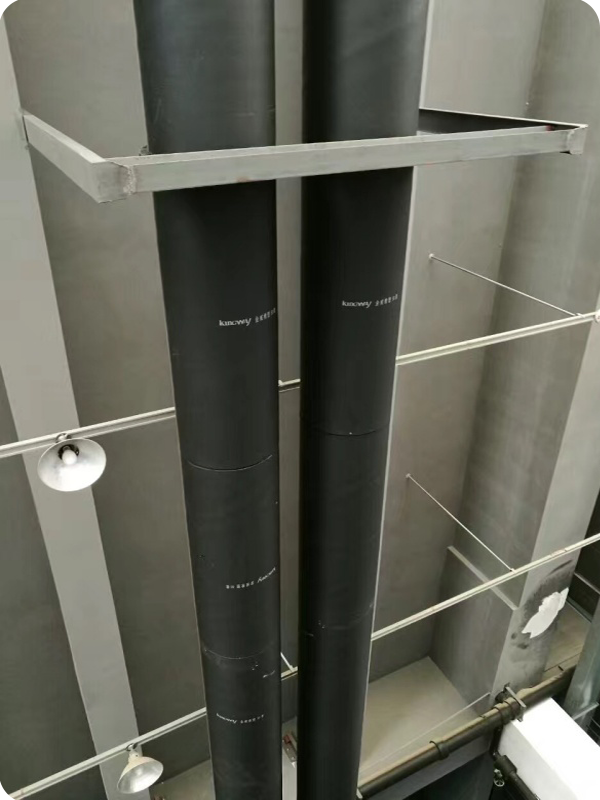
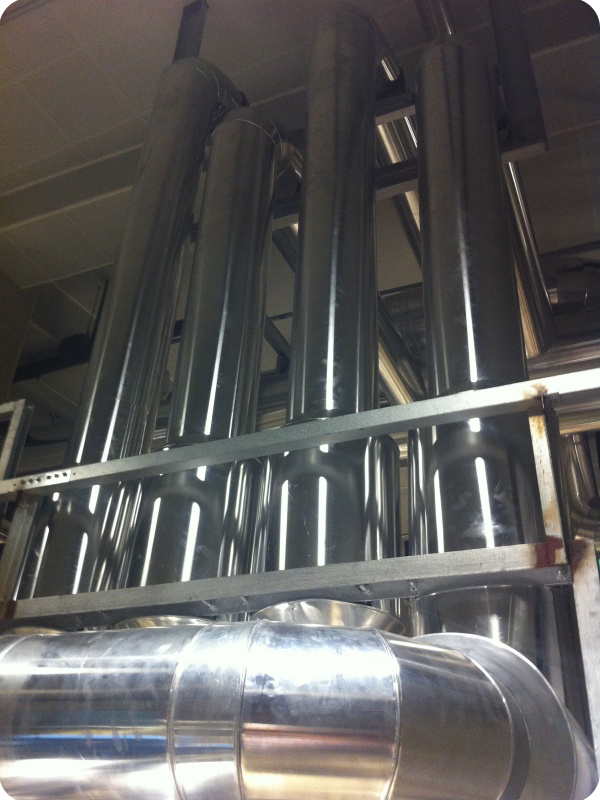
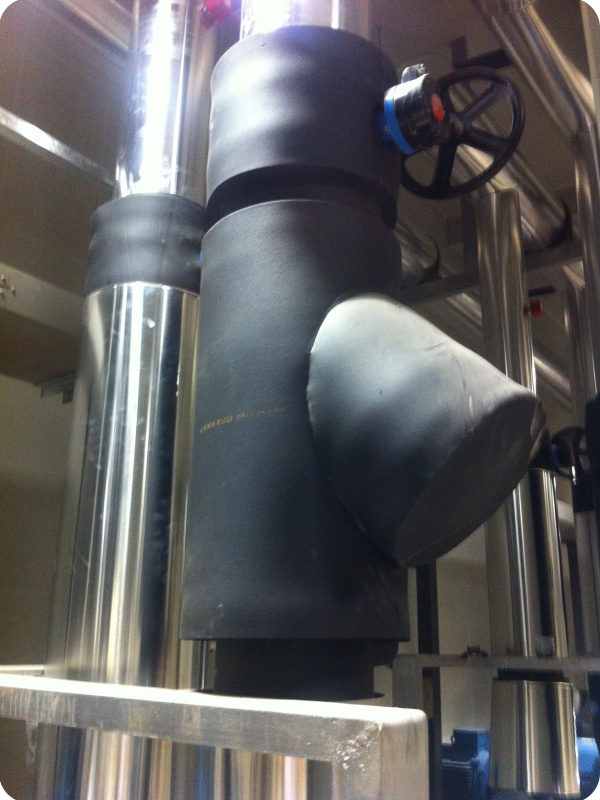
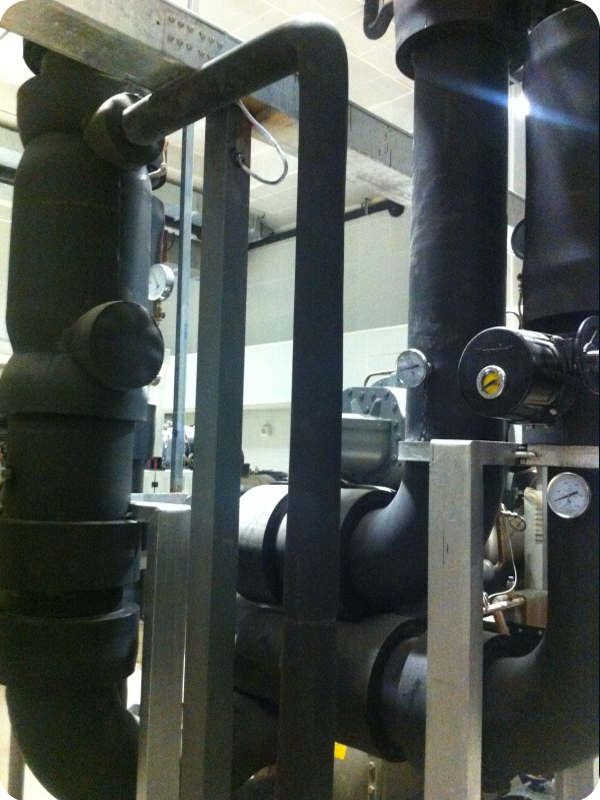
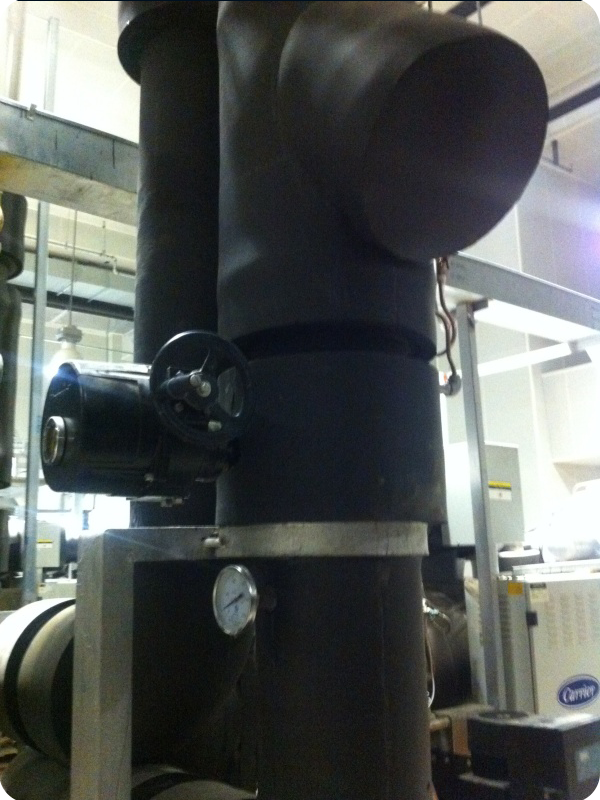
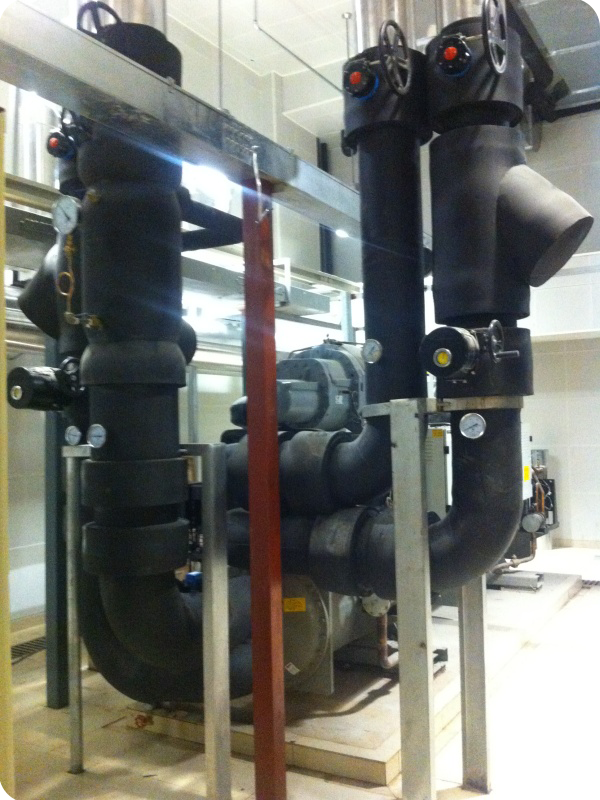




Inside our plant in Dacheng: how raw compounds are processed into finished, high-performance sound insulation panels and pipes.
We blend Nitrile-Butadiene Rubber (NBR) and Polyvinyl Chloride (PVC) with flame retardants, blowing agents, and dynamic crosslinking additives to form a homogenous raw compound.
The mixture is fed into large extrusion lines. Dedicated tooling controls wall thickness, inner diameter, and sheet width, maintaining dimensional tolerances across runs.
Passing through temperature-controlled vulcanization tunnels, the chemical foaming agents activate. This expands the material, forming a closed-cell matrix (>98% cell density) that blocks thermal flow and sound energy.
Every batch is sampled for density, dimensional accuracy, thermal conductivity, and fire rating, then labeled with traceability codes for global export.
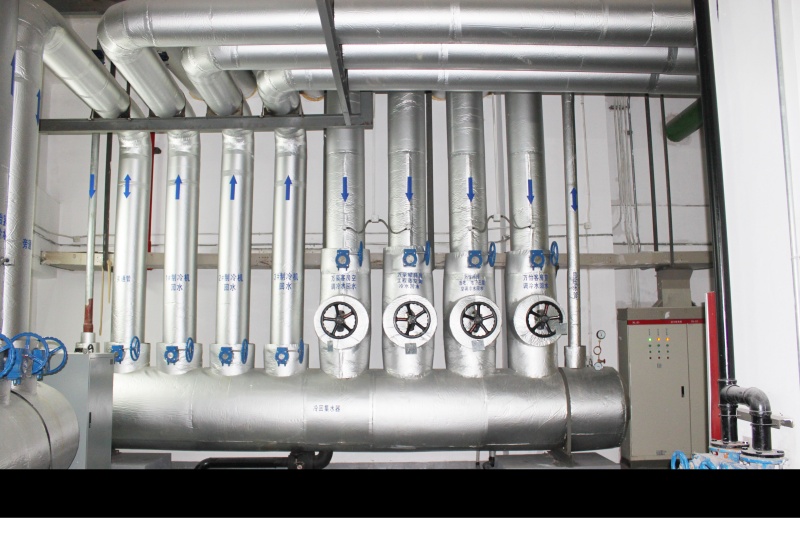
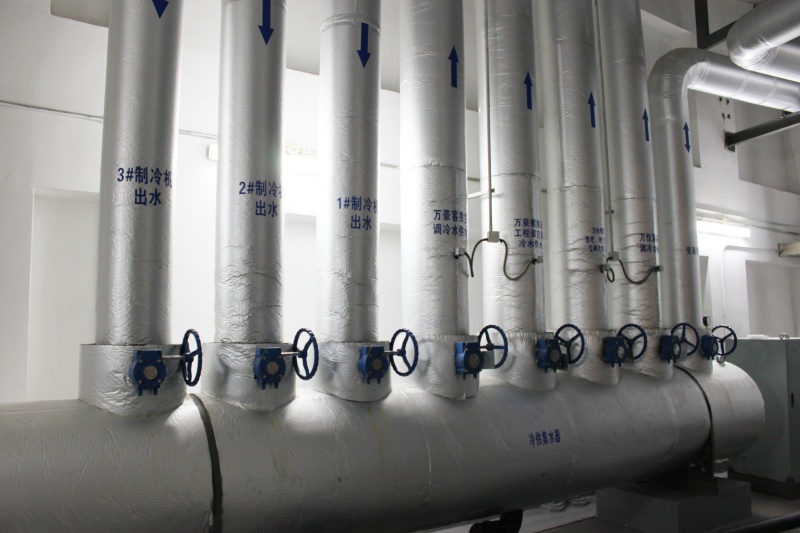

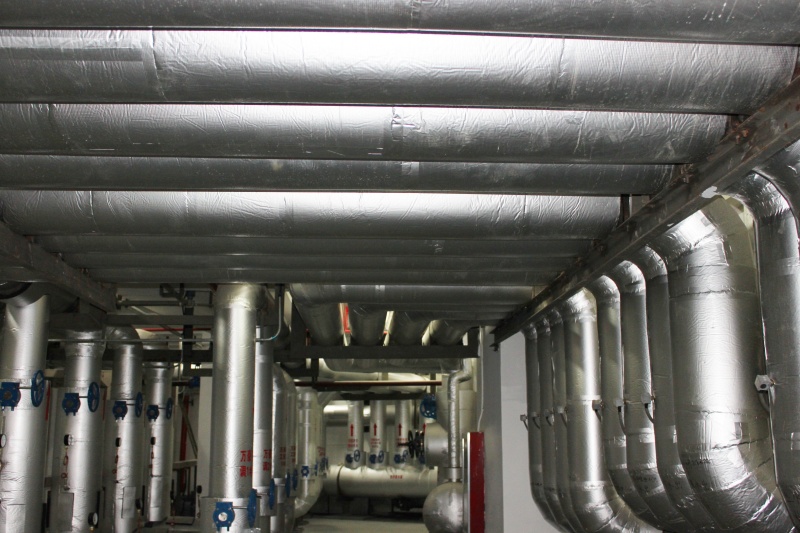
The acoustic insulation industry is advancing beyond passive damping. Emerging technologies require multifunctional materials that combine thermal, mechanical, and smart sensing profiles. Kingflex is investigating several engineering directions:
By embedding micro-engineered Helmholtz resonance chambers inside NBR cells, rubber matrices can block specific low-frequency noise bands without needing excessive thickness.
To lower embodied carbon footprints, we are testing natural oil and plant-derived polymer components to replace fossil-based PVC, supporting circular construction initiatives.
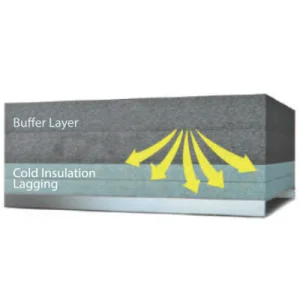
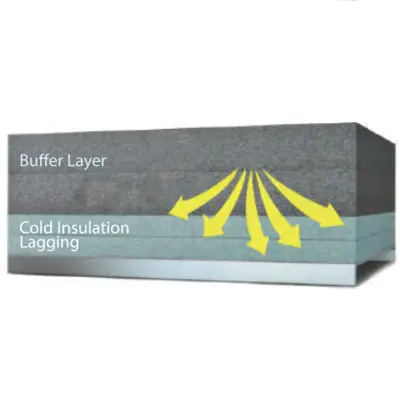
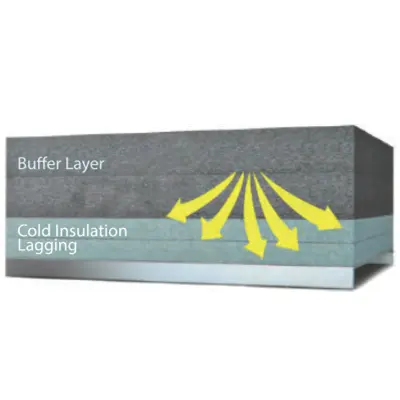
Co-extruding a dense acoustic barrier layer directly onto a flexible closed-cell thermal substrate delivers single-step installation for industrial pipelines.
This technological focus supports our goal of providing complete, energy-saving insulation systems that deliver thermal control, condensation prevention, and noise reduction for buildings and industrial projects worldwide.
Providing clear, technical answers to critical engineering, installation, and procurement questions.
Discover our complementary system components, designed to create complete, high-performance thermal and acoustic insulation barriers.
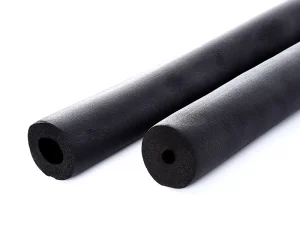
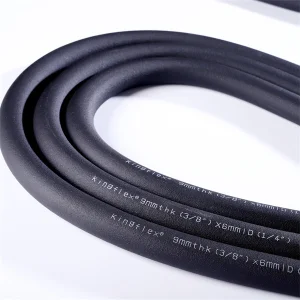
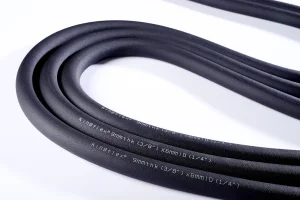
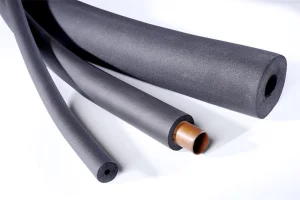
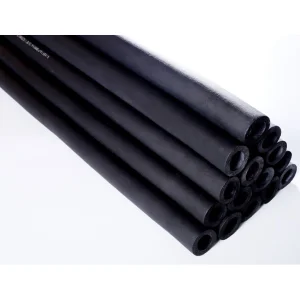
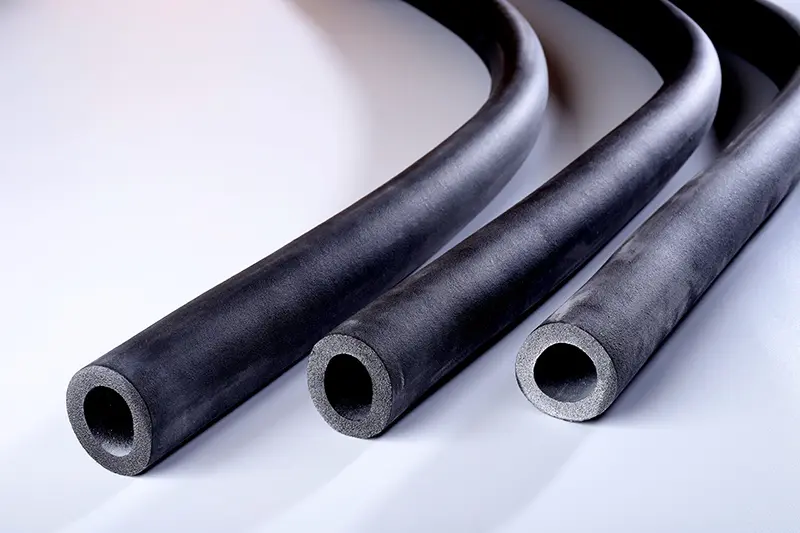
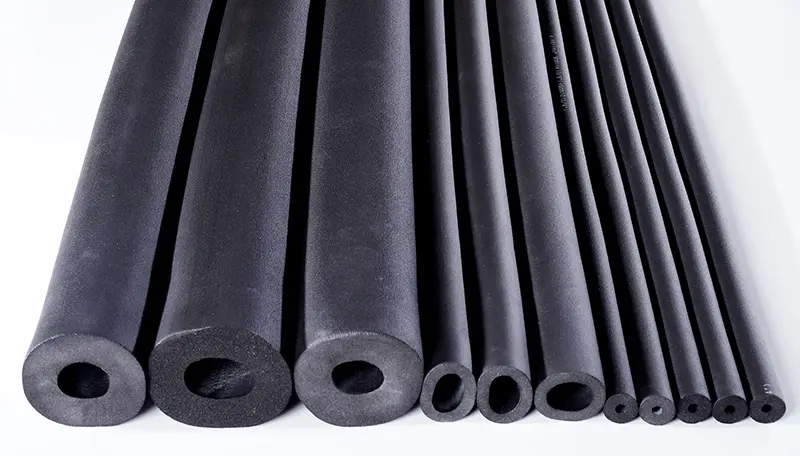
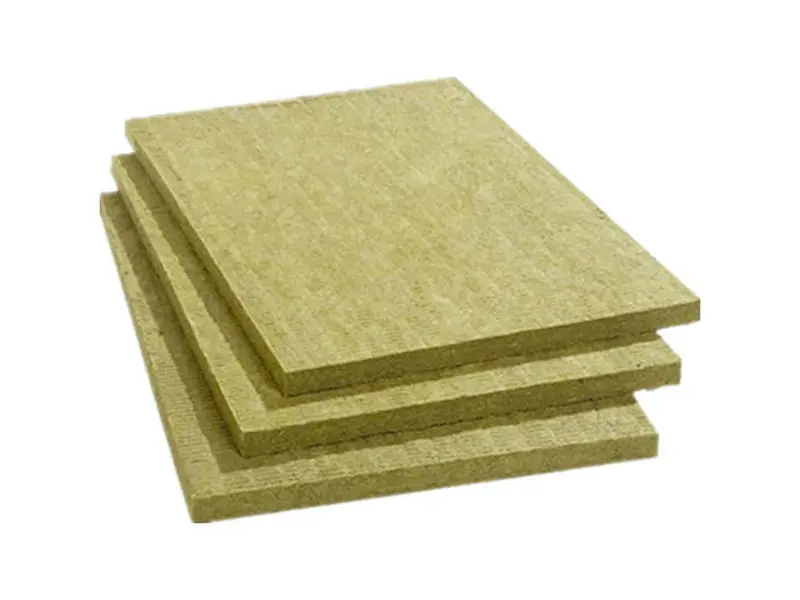
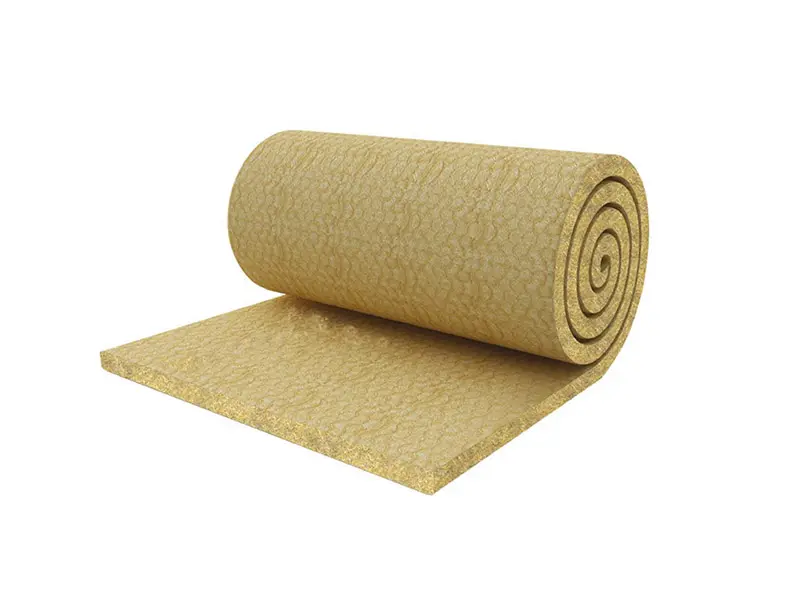
Detailed views of Kingflex elastic rubber piping, cryogenic foam rolls, and rock wool mineral boards for heavy applications.
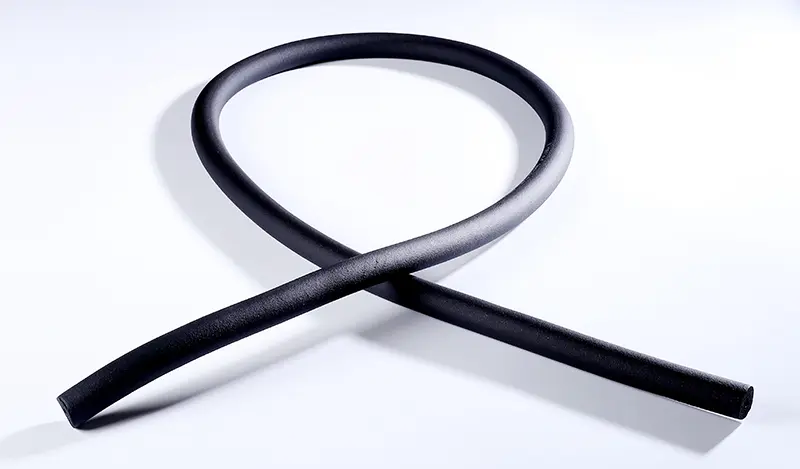
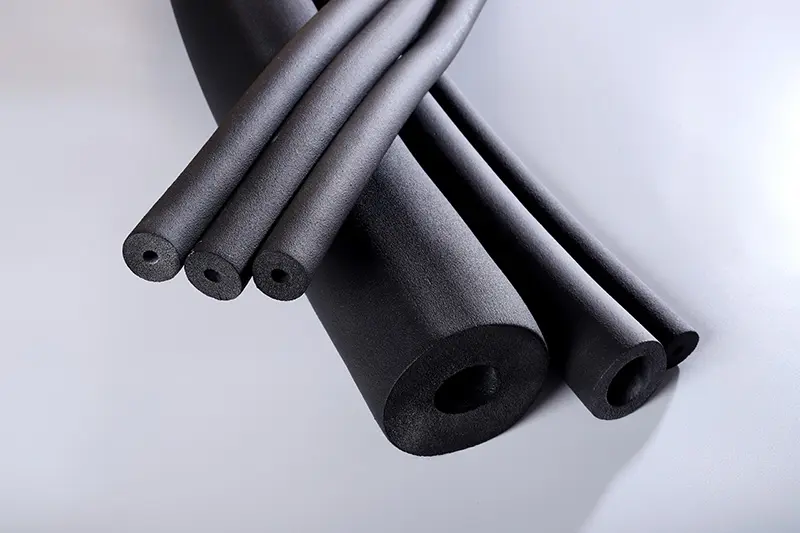

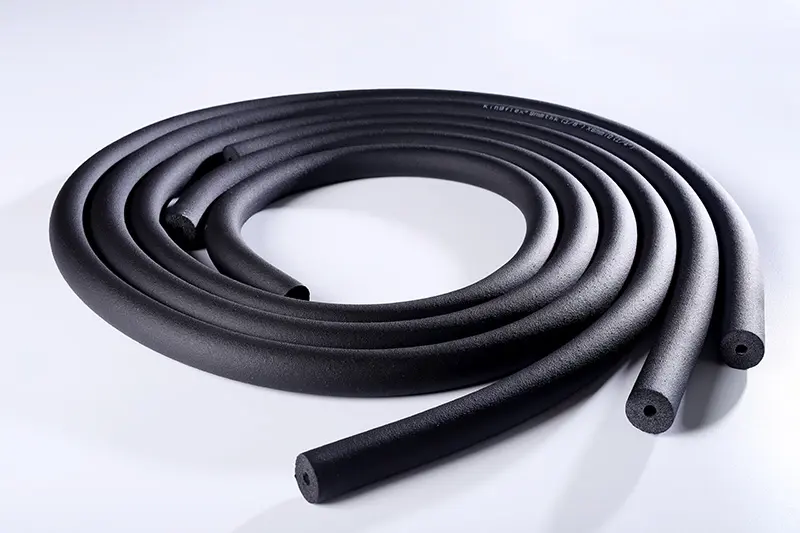
Connecting our plant in China to construction projects, marine shipyards, and industrial factories around the world.