 Kingflex
Kingflex
Kingflex
High-performance engineering structures designed for HVAC systems, low-temperature pipelines, and comprehensive building insulation.
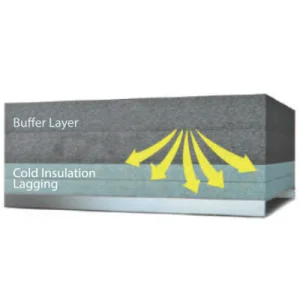
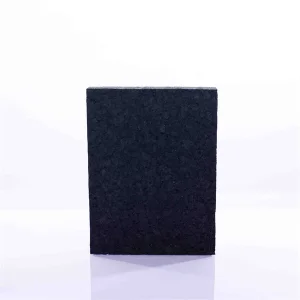
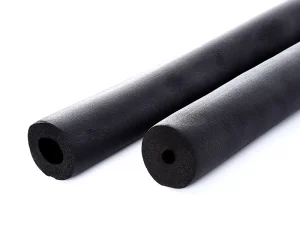
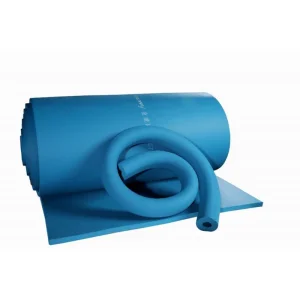
Modern architectural structures and heavy industries demand thermal safety parameters that far exceed the performance levels of conventional materials. Global climate change and aggressive net-zero emissions mandates have shifted the requirements for commercial HVAC, cryogenic installations, and piping grids. Energy conservation is no longer just a minor building design parameter; it is a primary compliance framework dictated by standards like ASHRAE 90.1, EN 14304, and the EU Green Deal.
Under these pressures, the global advanced insulation manufacturing sector has transitioned away from open fibrous matrix materials toward highly engineered, 98%+ closed-cell elastomeric structures. These materials guarantee minimal degradation of thermal conductivity (k-value) over their operational lifecycle. They prevent moisture condensation—the silent killer of structural metal pipes—via a high water vapor diffusion resistance index ($\mu \ge 10,000$).
Furthermore, standard chemical coatings must now offer dual-phase safety properties: high flame retardancy (complying with standard BS 476 Class 0 and UL94 V-0 certifications) alongside a total absence of toxic compounds. Our engineering research points directly to NBR/PVC composites, ensuring robust physical flexibility, UV degradation resistance, and acoustic attenuation—critical elements required for building and process infrastructure.
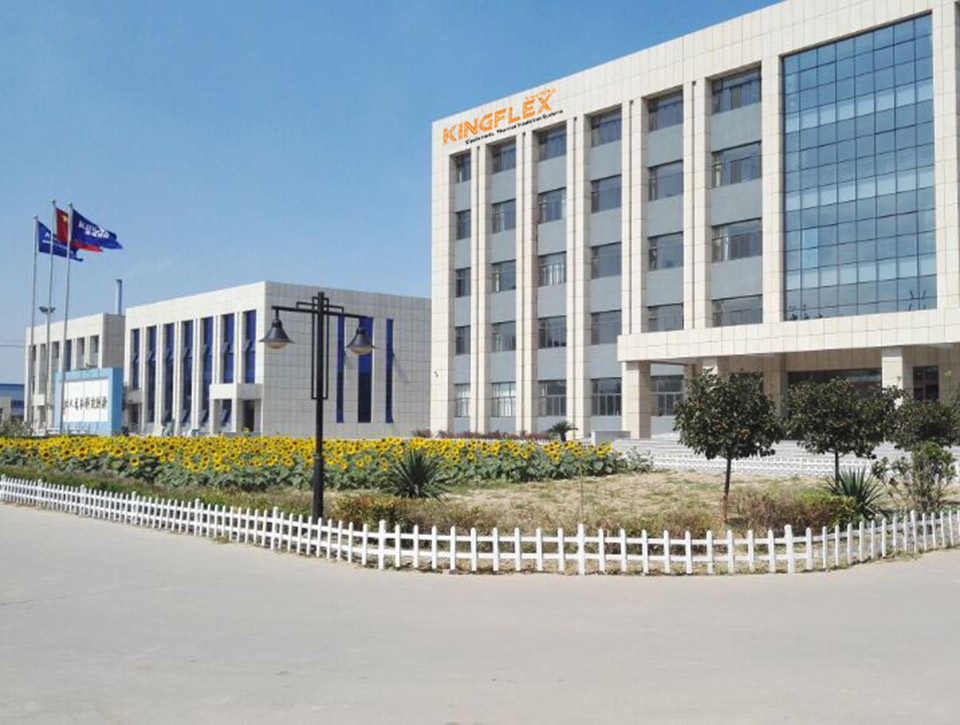
Navigating the procurement complexities of large-scale engineering projects and international distribution supply chains.
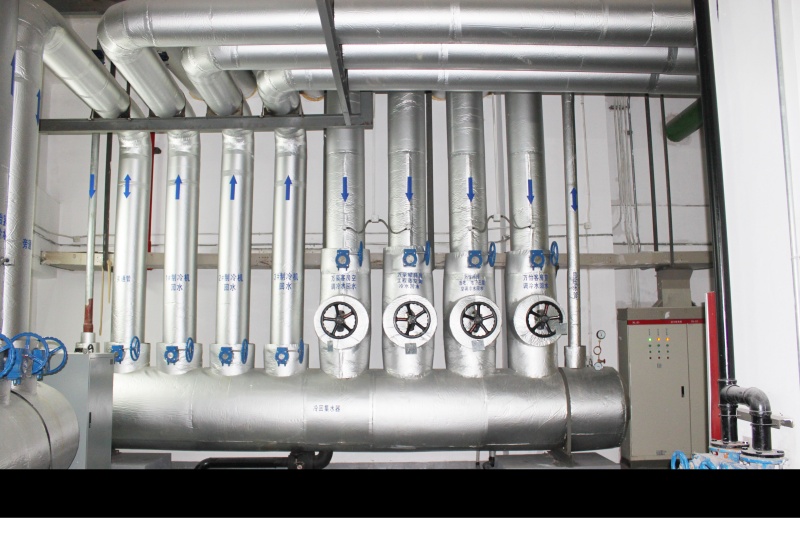
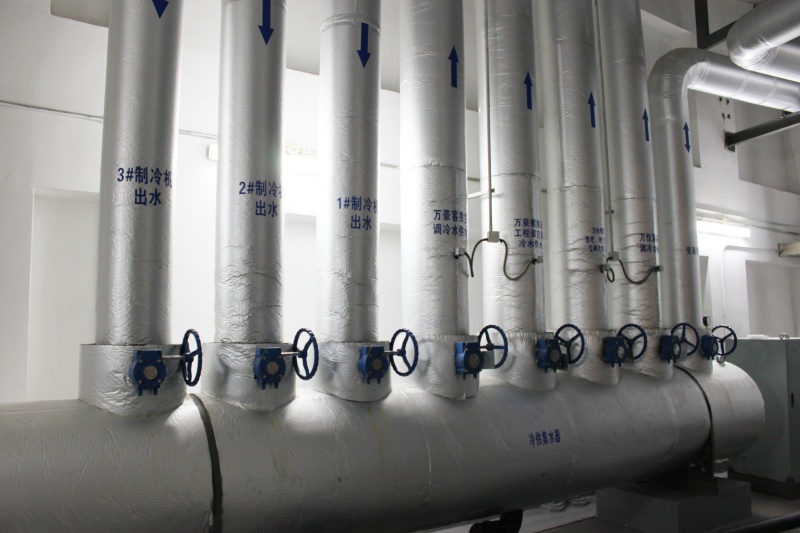
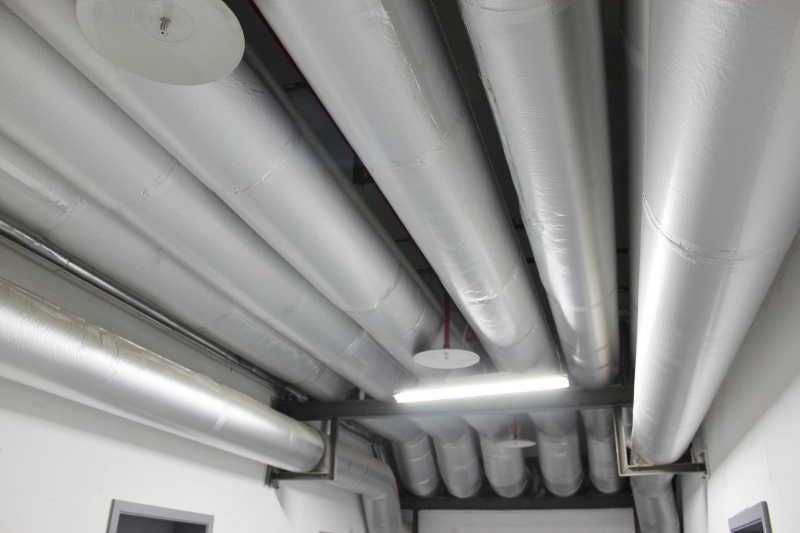
For engineering, procurement, and construction (EPC) contractors, thermal loss in centralized air conditioning systems directly affects operational costs. Our specialized NBR/PVC foam tubes and sheets mitigate condensation risks on chilled water pipes, maintaining stable thermal conductivity within -40℃ to 105℃ ranges.
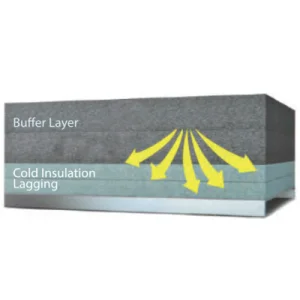
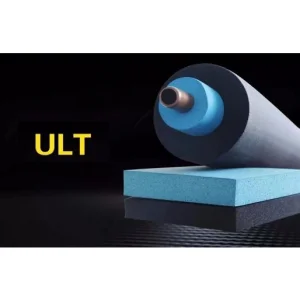
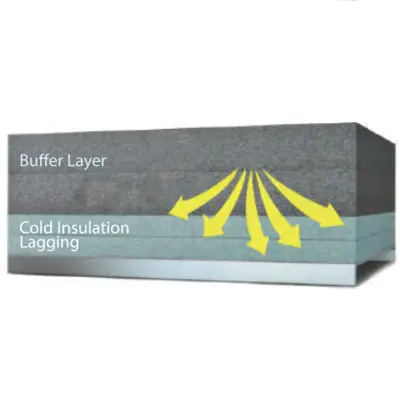
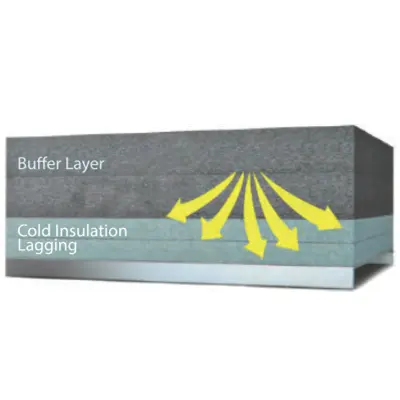
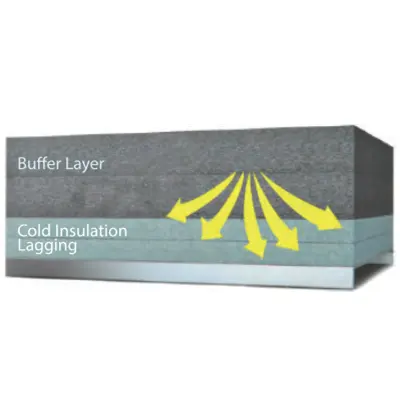
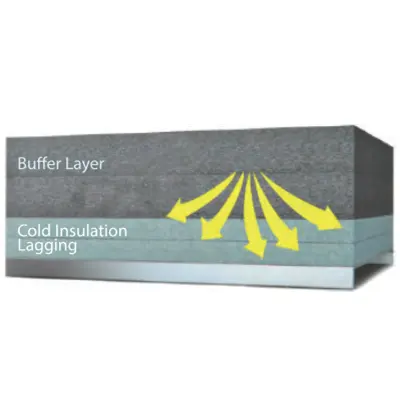
Super-low temperature engineering demands specialized, ultra-low temperature cryogenic rubber foam systems. These solutions insulate pipelines transferring liquefied gases (LNG, nitrogen) and minimize thermal stress, cracking risks, and energy consumption in sub-zero setups down to cryogenic limits.
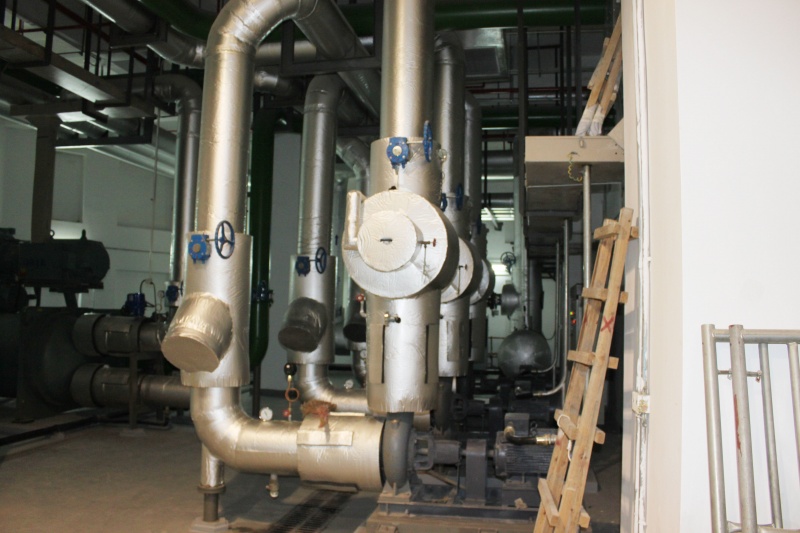
In harsh industrial plants, chemical resistance and physical durability are crucial. Our closed-cell rubber insulation prevents chemical vapor ingress, structural weathering, and mechanical abrasion. It reduces noise transmission, creating a safer environment in high-vibration engine and pump rooms.
Standard dimensions, thermal conductivity values, and physical metrics of Kingflex rubber foam insulation solutions.
| Insulation System Type | Material Composition | Thickness / Dimension Offerings | Operational Temp. Range | Density Metric | Primary Technical Advantages |
|---|---|---|---|---|---|
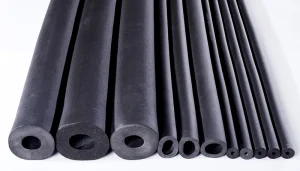
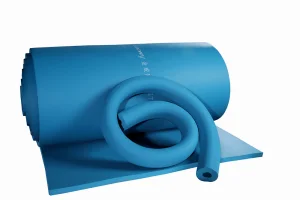
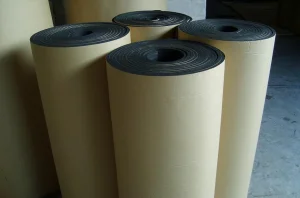
| Black Rubber Foam Sheet Roll | Elastomeric NBR/PVC | 6mm to 50mm Thickness | -40℃ to 105℃ | 40 - 55 kg/m³ | 98% closed-cell structure, high compression recovery, moisture-proof |
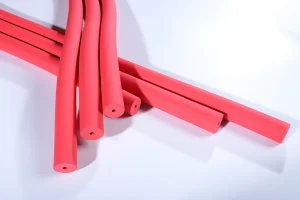
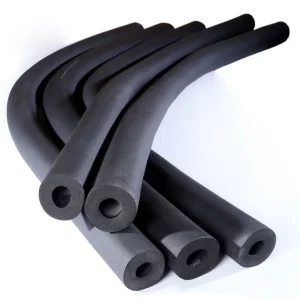
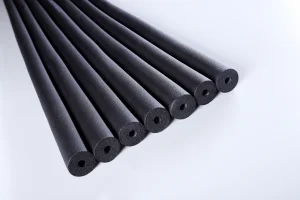
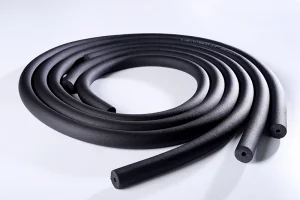
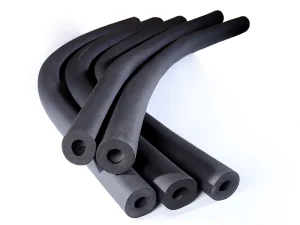
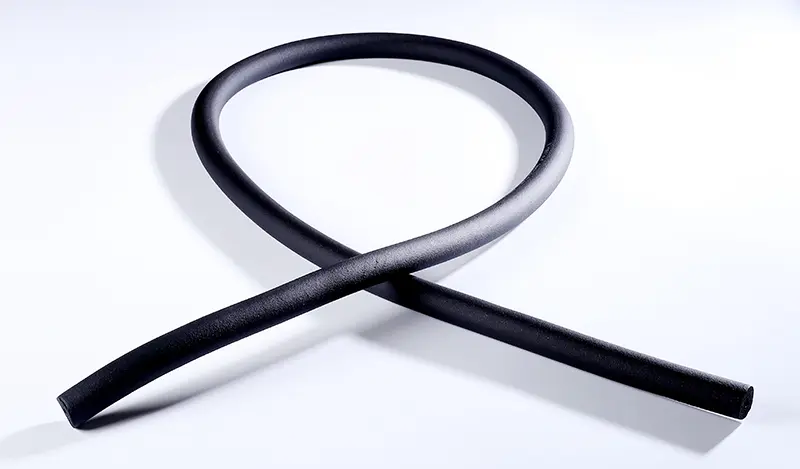
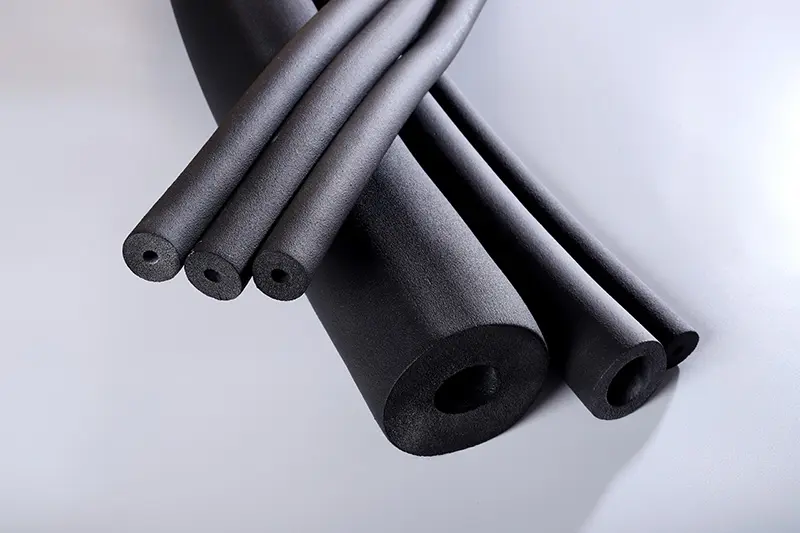
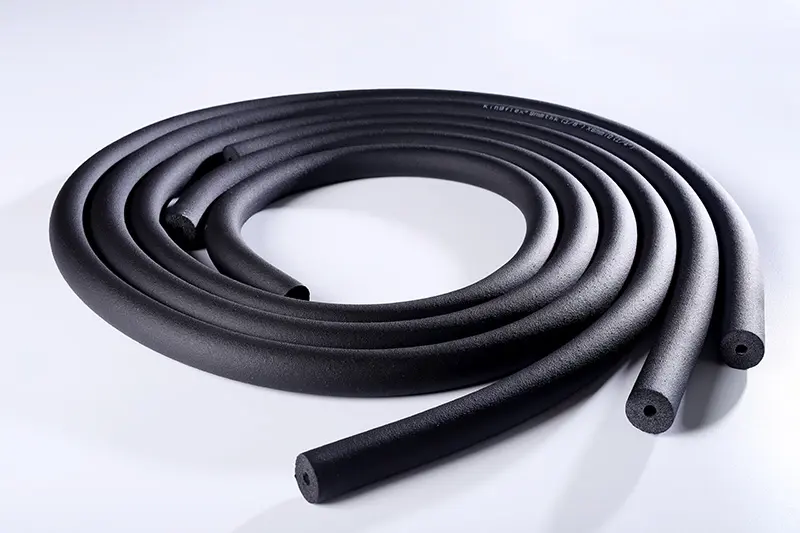
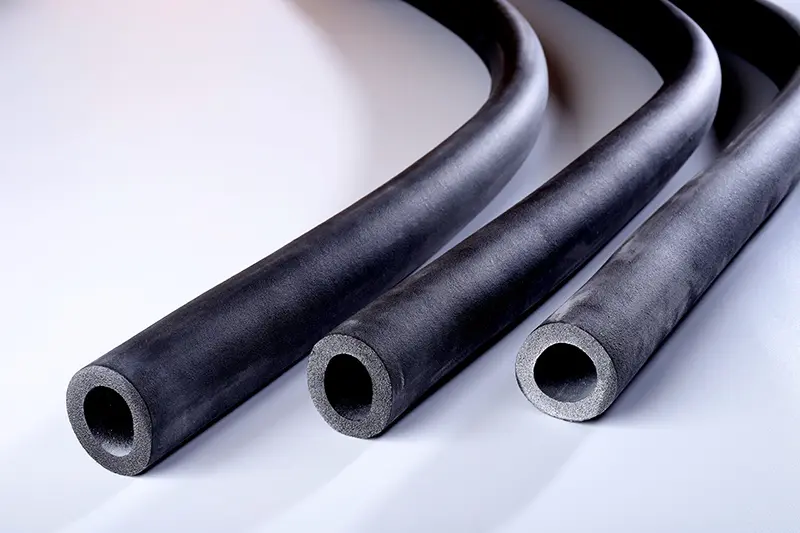
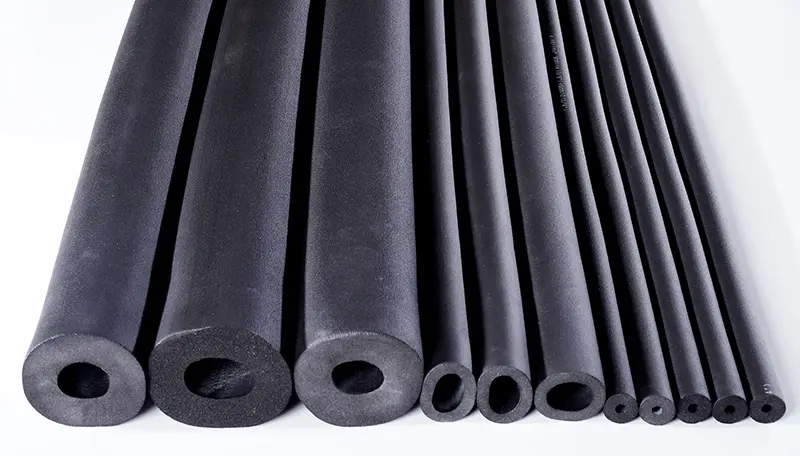
| Black Rubber Foam Tube / Pipe | Elastomeric NBR/PVC | 9mm - 40mm Wall / ID: 6mm - 114mm | -40℃ to 105℃ | 40 - 55 kg/m³ | Prevents pipe freezing, spray-coated inner core, high tensile flexibility |
| Cryogenic Insulation Systems | Elastomeric Cryogenic Foam | Custom Layered Designs | Ultra-Low Temp Range | Advanced Dense Matrix | Thermal-cracking prevention, stable sub-zero k-value maintenance |
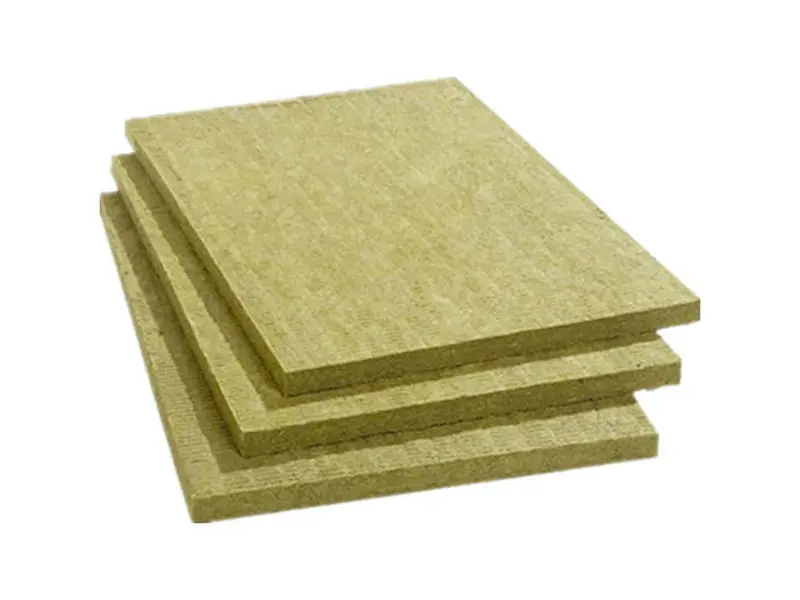
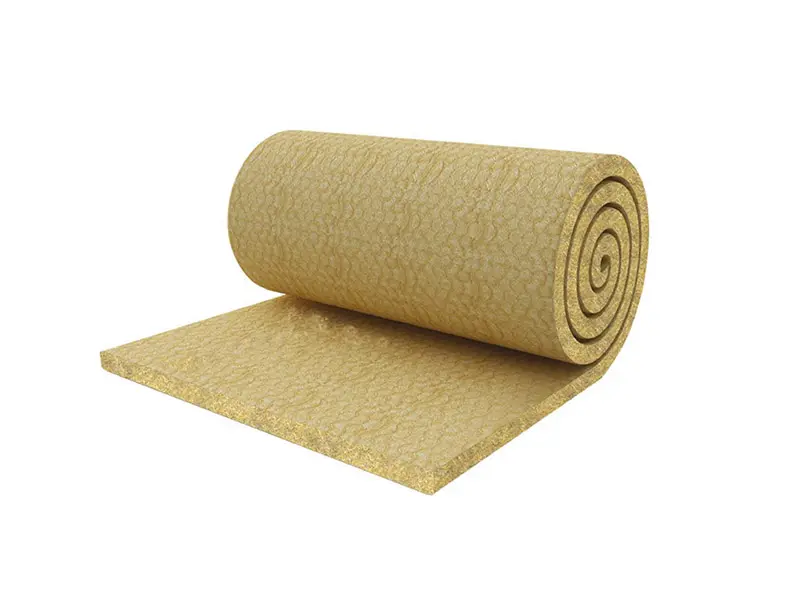
| Rock Wool Systems | Mineral Stone Fiber | Board & Blanket Custom Formats | Up to High Temperature Limit | Various Densities | Excellent structural fire prevention, high-heat pipeline stability |
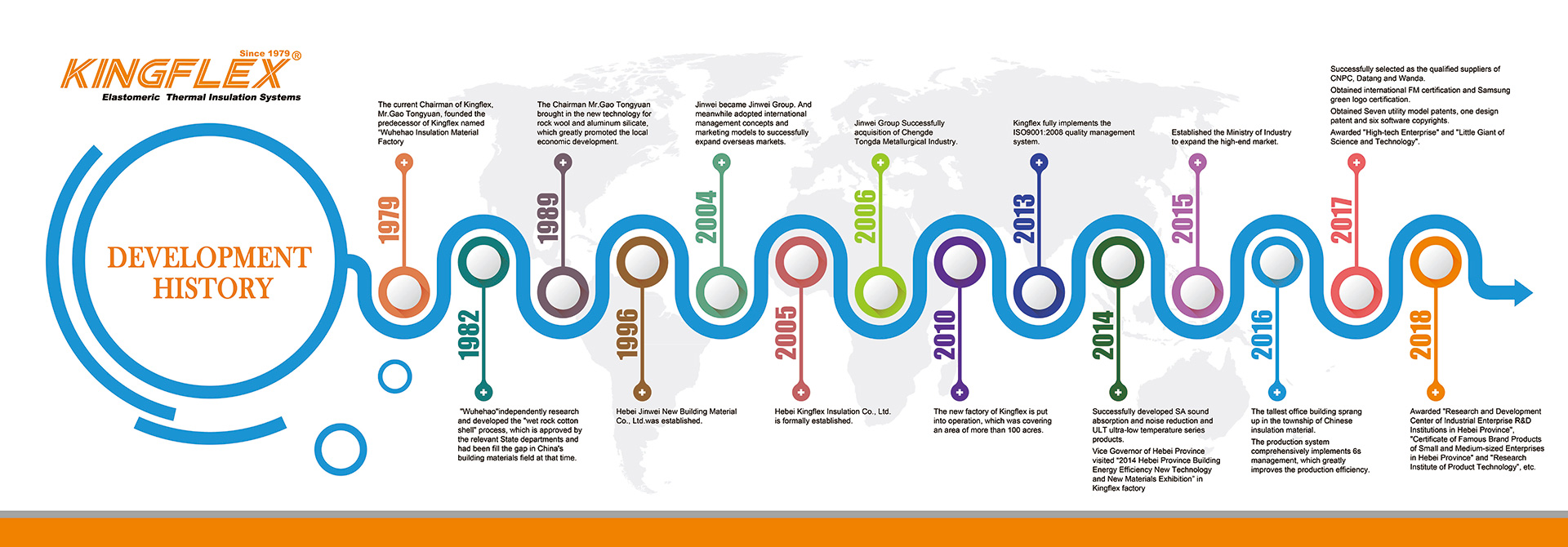
Established under the parent entity Jinwei Group (founded in 1979), Kingflex carries over 40 years of manufacturing experience. We were the pioneering manufacturer of thermal insulation systems north of the Yangtze River. Currently, our industrial facility features 5 large-scale automatic assembly lines, delivering an annual production capacity exceeding 600,000 cubic meters.
These massive operational capabilities allow us to act as designated manufacturing partners for the Ministry of Energy, the Ministry of Electric Power, and the Ministry of Chemical Industry in China, while supplying private-label and OEM goods to over 66 countries globally.
Behind every cubic meter of Kingflex insulation is a team of industry-leading experts and strict chemical control processes.
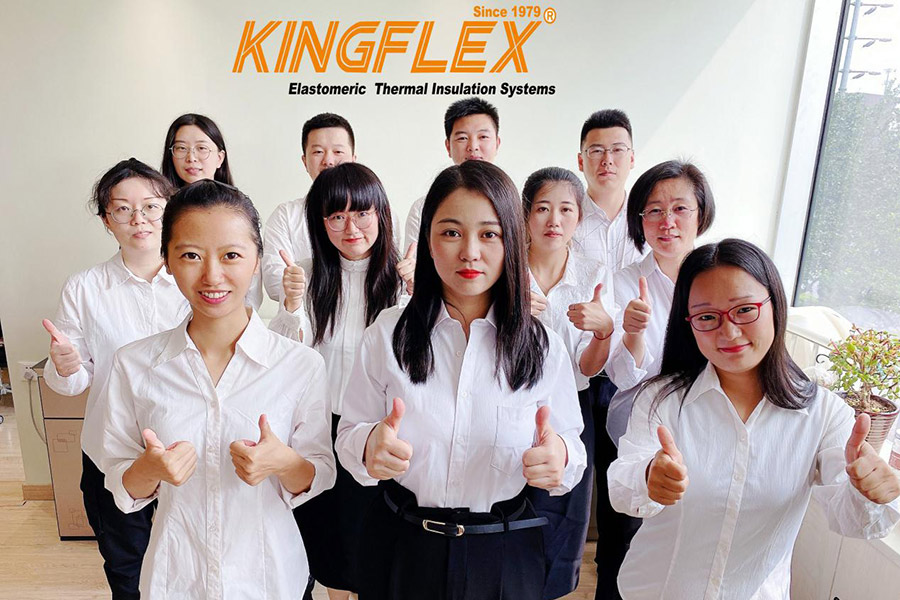
Our corporate structure houses 8 professional R&D engineers, 6 international sales specialists, and over 230 highly skilled production technicians.

Our dedicated research department continuously upgrades formula matrices, seeking optimal fire resistance ratings and reduced environmental impact.
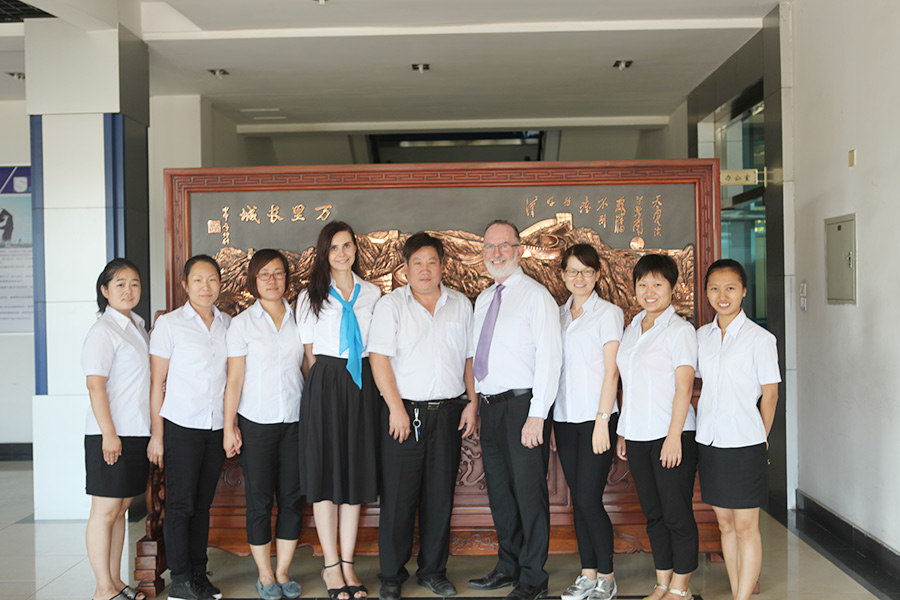
We develop complete system insulation packages, advising projects from preliminary engineering consultation to final on-site installation checks.

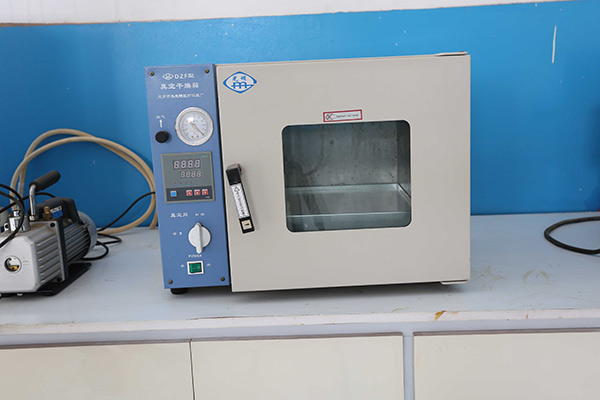
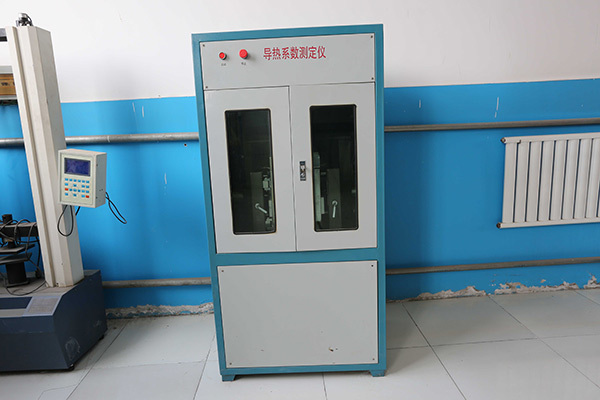
Ensuring our advanced materials align with international green building codes, toxicity restrictions, and fire safety laws.
Exporting building components globally requires satisfying diverse local codes. Whether it is the British Standard BS 476 (Part 6 & 7) for Class 0 propagation limits, European CE requirements, or strict eco-toxicity tests like REACH and RoHS, Kingflex products maintain clean validation profiles.
Our raw material compounds undergo testing to prevent heavy metals and ozone-depleting substances, allowing developers to earn points in green building rating systems like LEED, BREEAM, and DGNB. By maintaining strict control over our chemical formulations, we prevent environmental outgassing, ensuring our products are safe for sensitive applications like healthcare facilities and microelectronics cleanrooms.
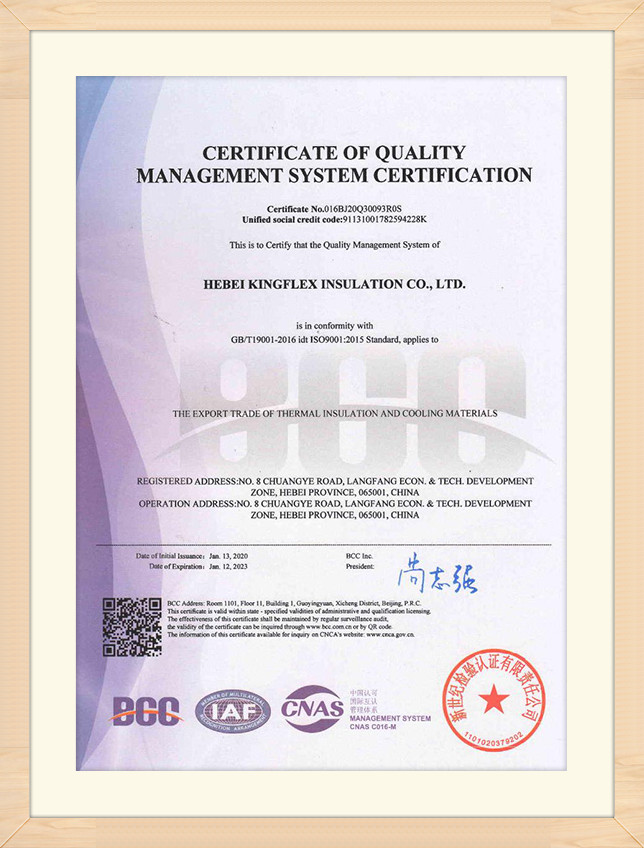
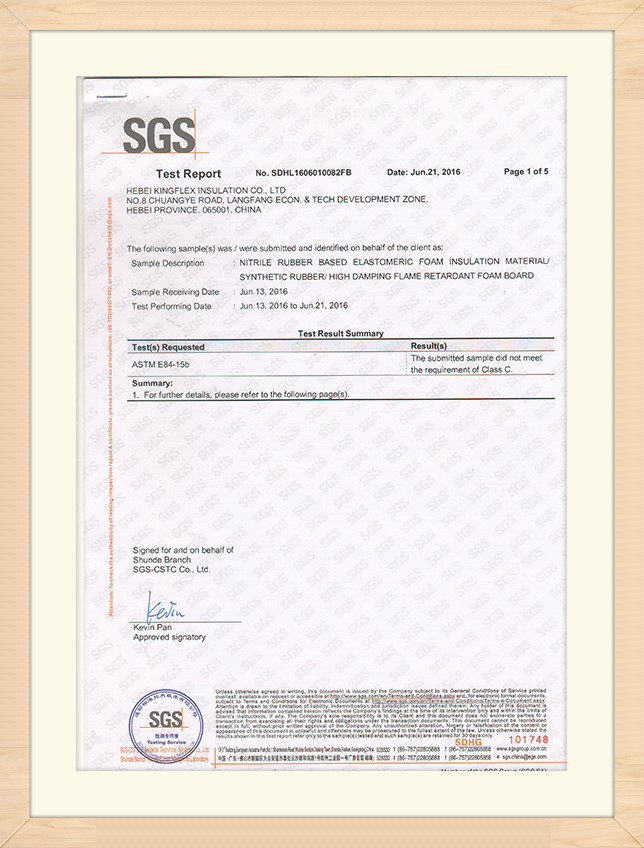
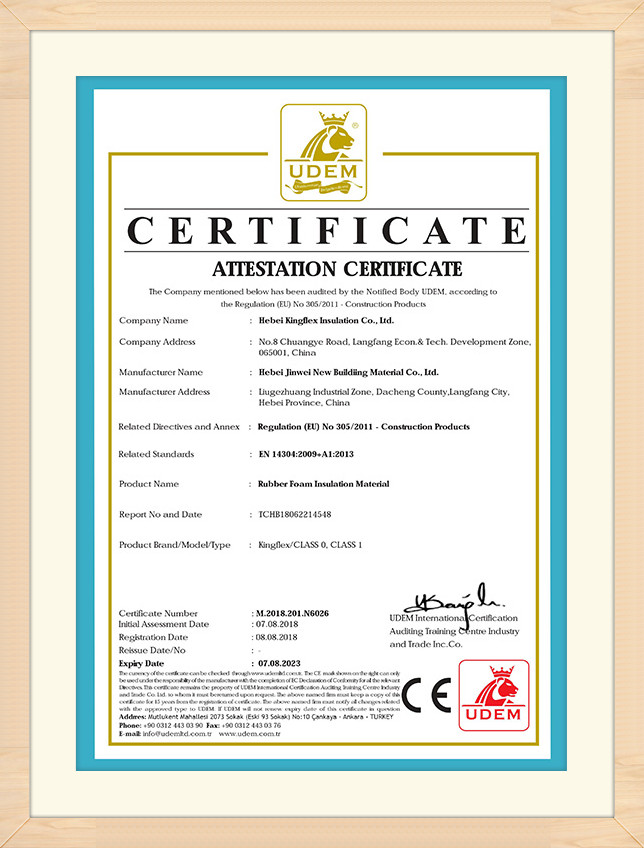
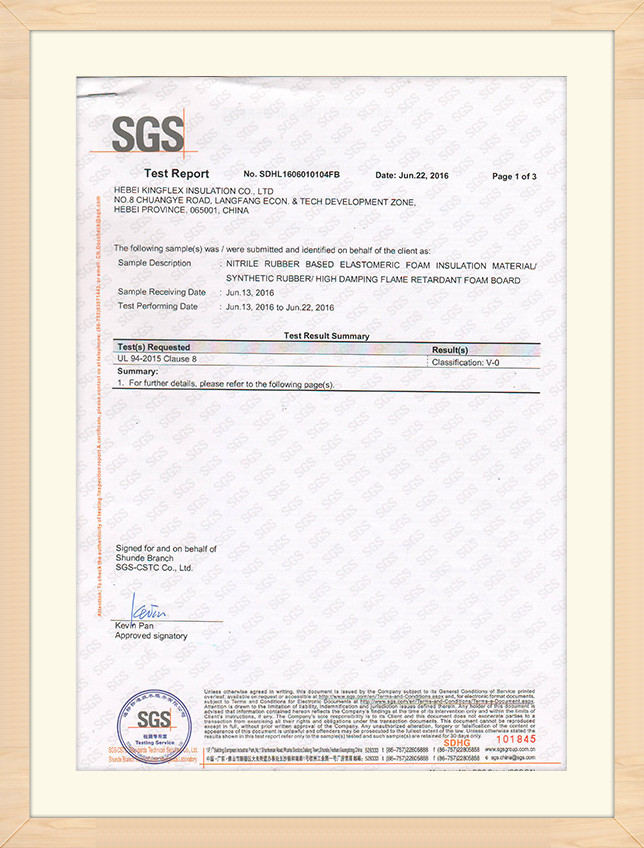
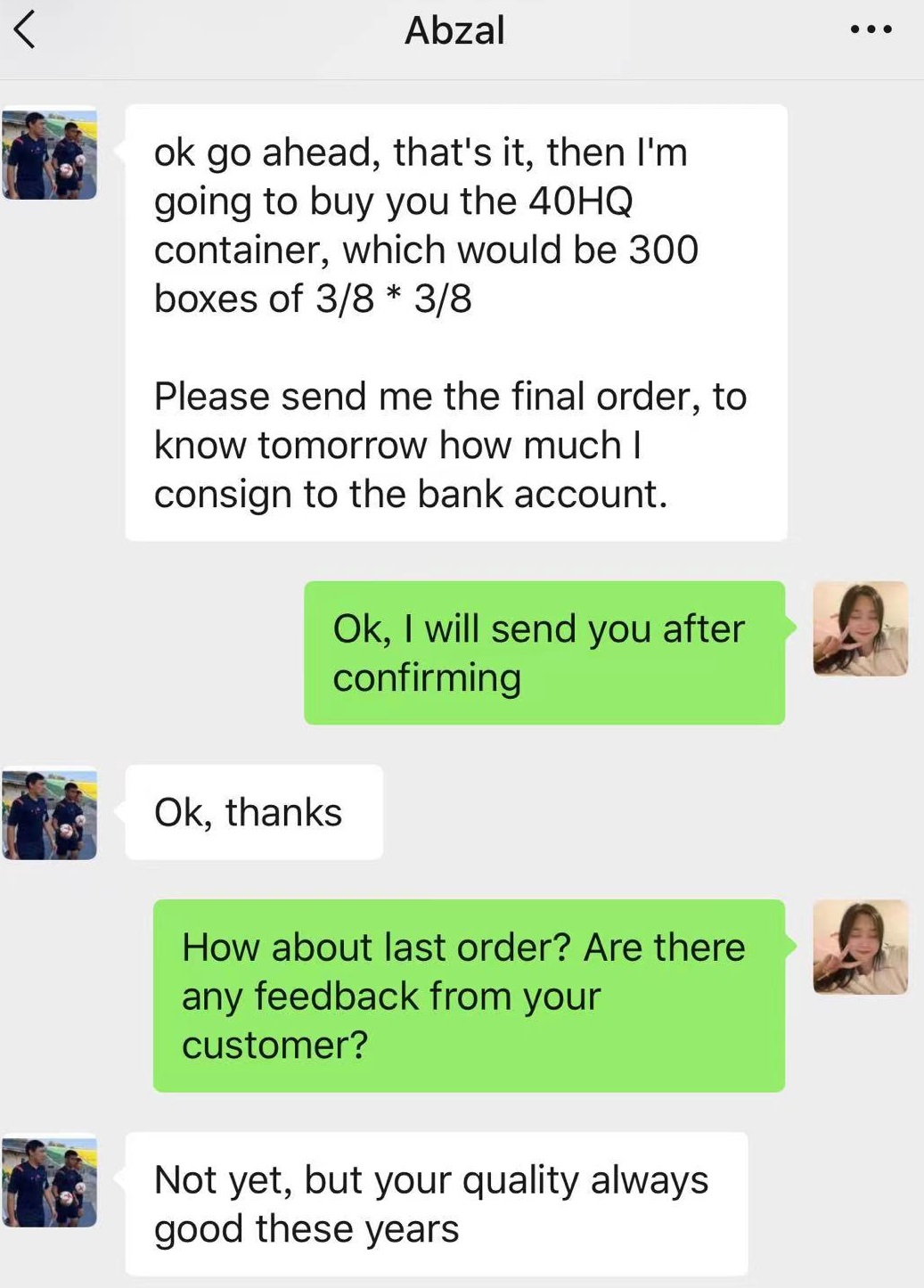
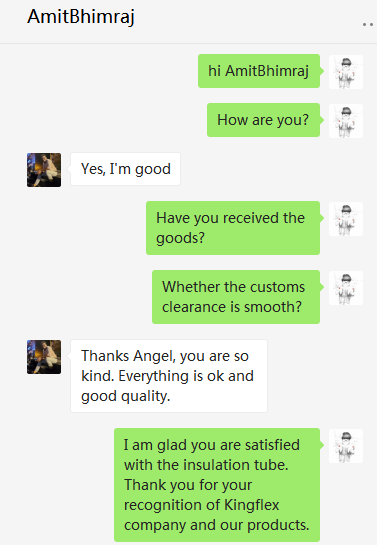
Direct feedback and project milestones with procurement officers and engineers across multiple global regions.



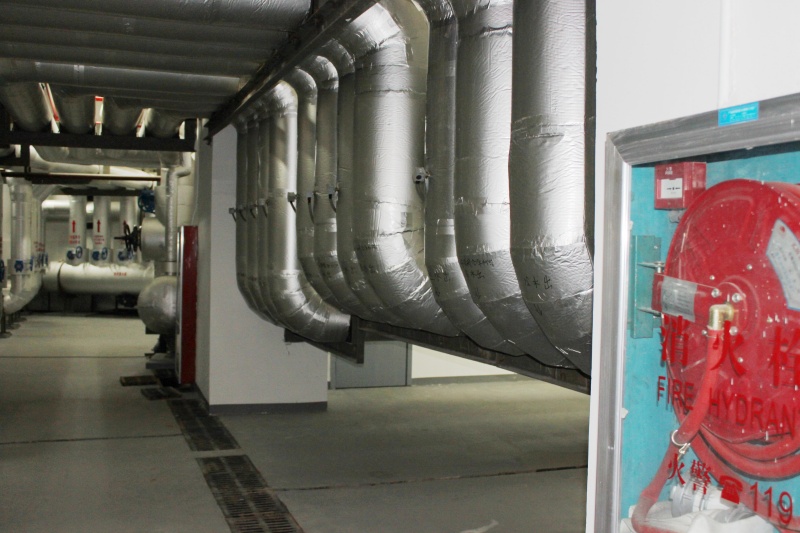
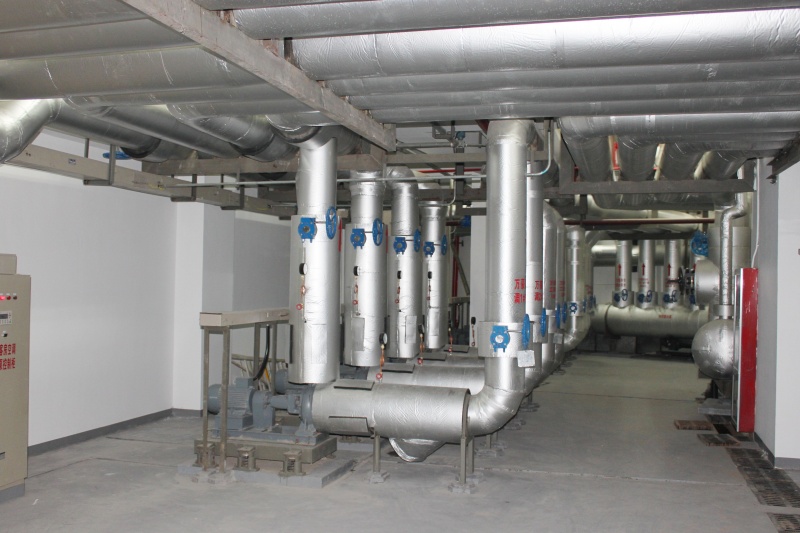
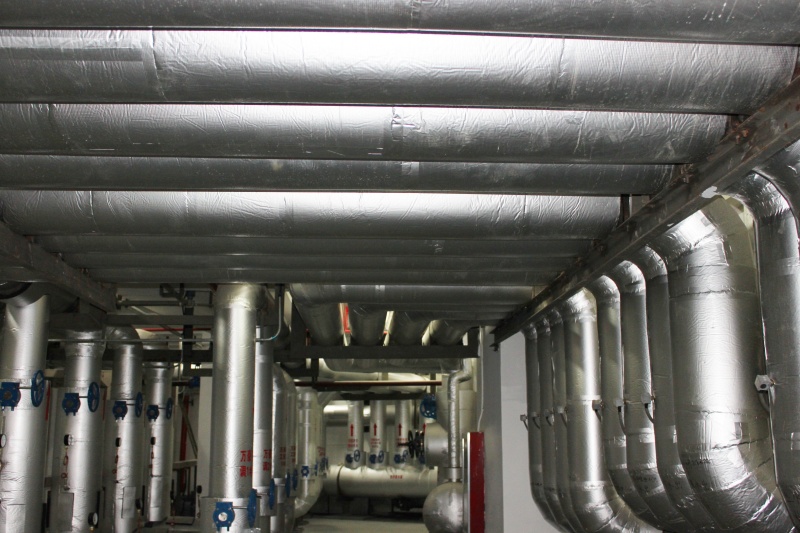
Exhibiting the durability and performance of Kingflex insulation rolls and tubes in actual construction systems.
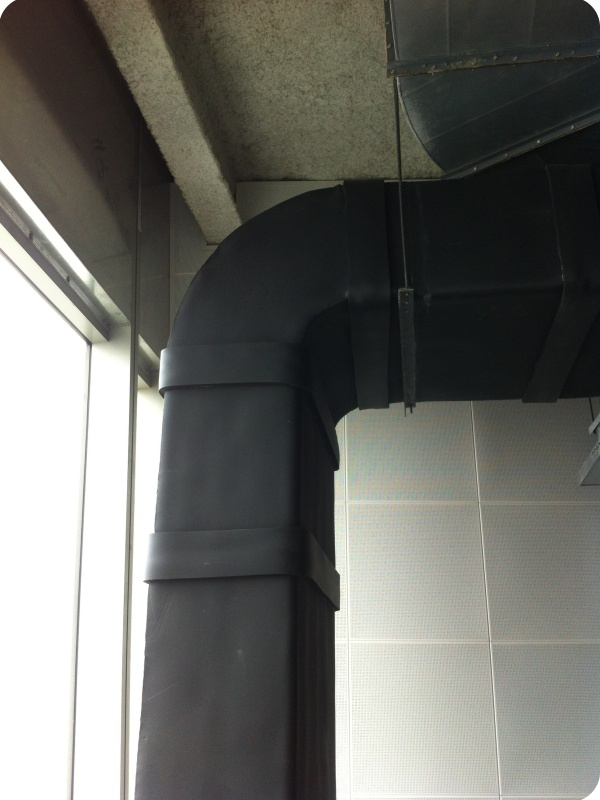
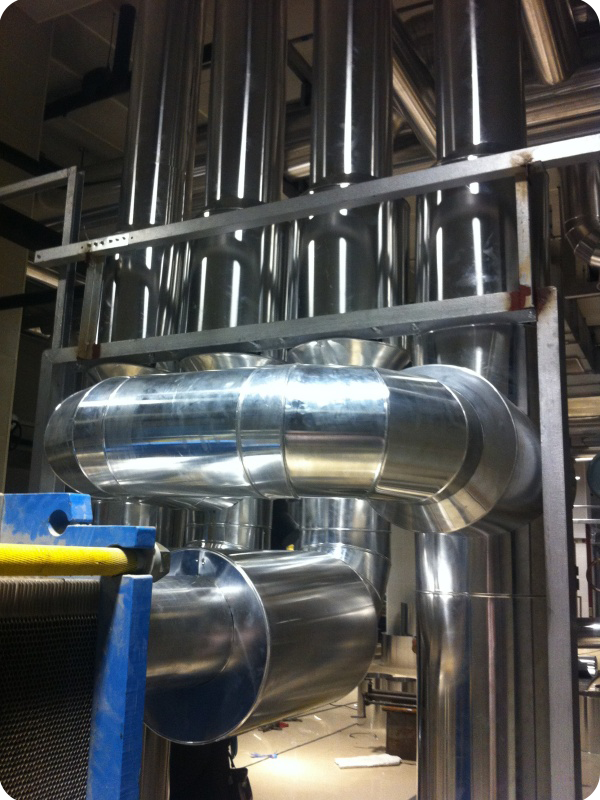
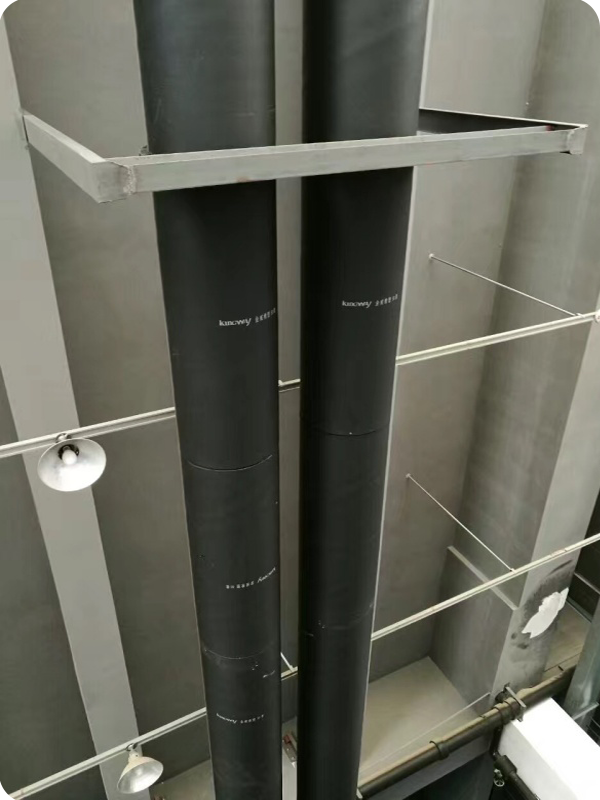
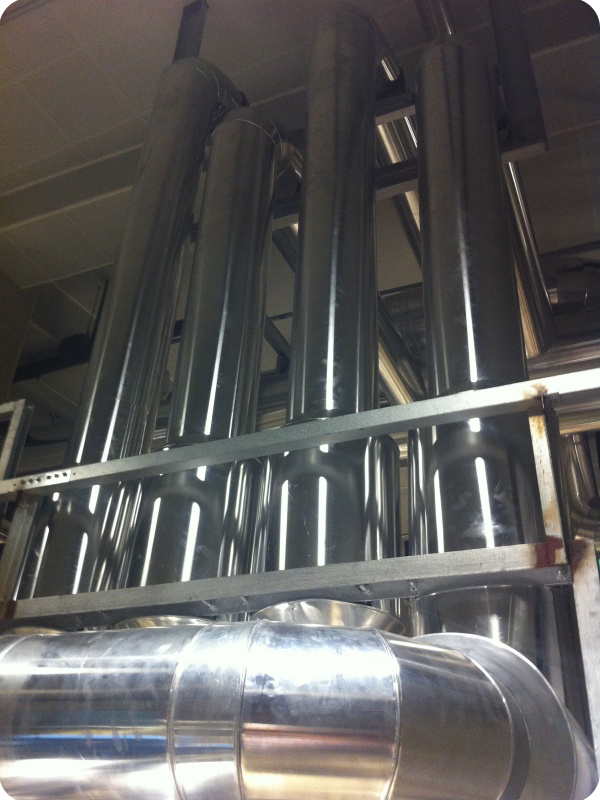
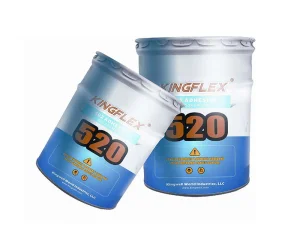
Whether choosing the Black Rubber Foam Insulation Sheet Roll or preformed Rubber Insulation Pipes, proper installation makes a significant difference. Our chemical engineers developed the Kingflex 520 Thermal Insulation Glue, ensuring clean bonding that remains stable under temperature fluctuations without degassing or cracking.
By applying a comprehensive material layer across all joints, valves, T-junctions, and bends, engineers can prevent the formation of thermal bridges. This system prevents moisture condensation, corrosion under insulation (CUI), and fungal growth within crawl spaces.
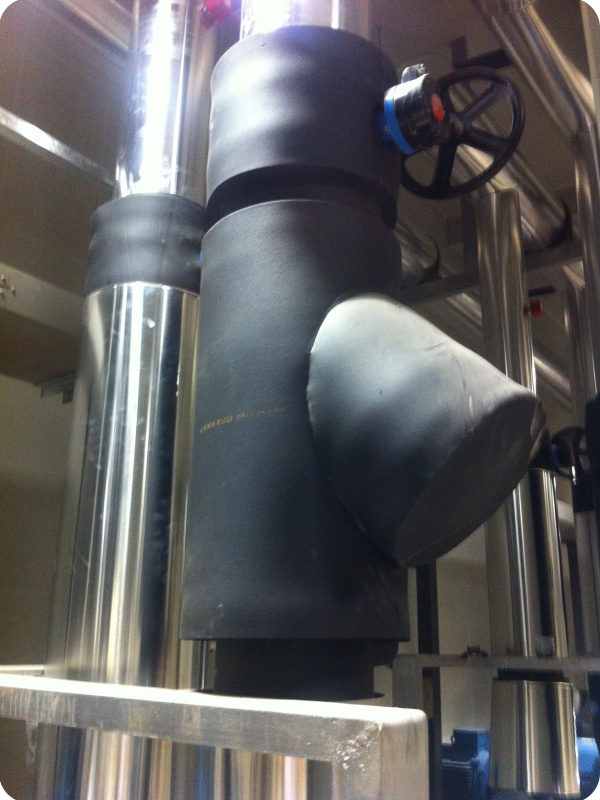
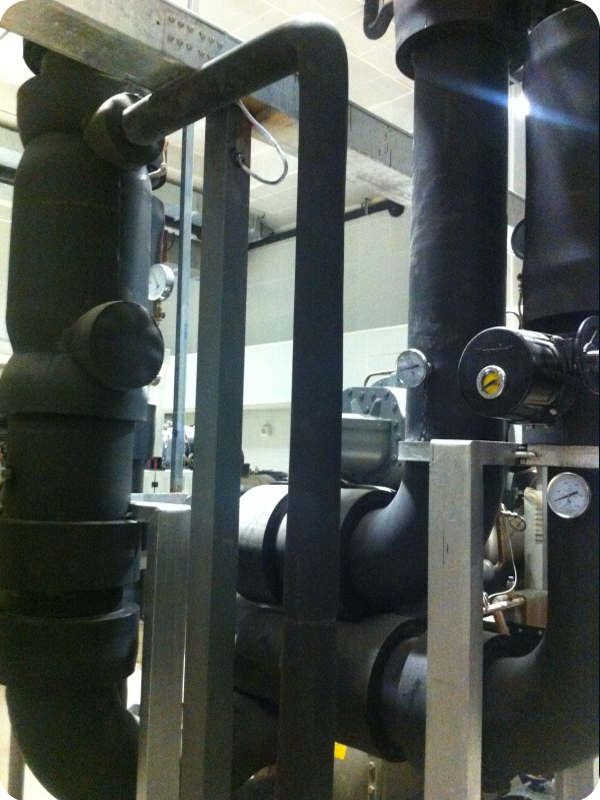
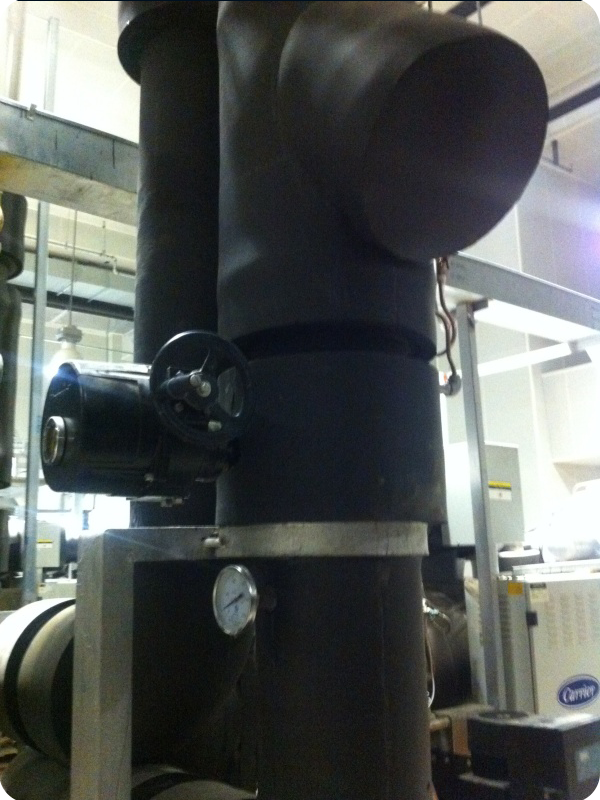
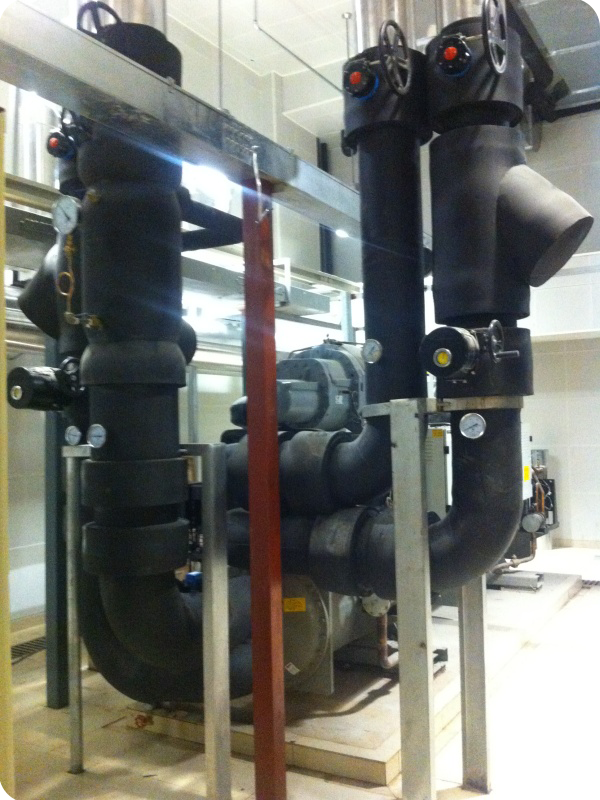
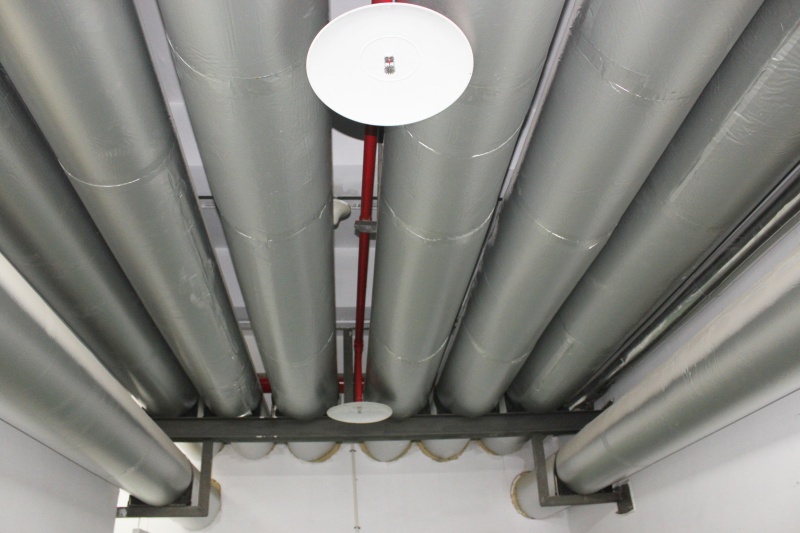
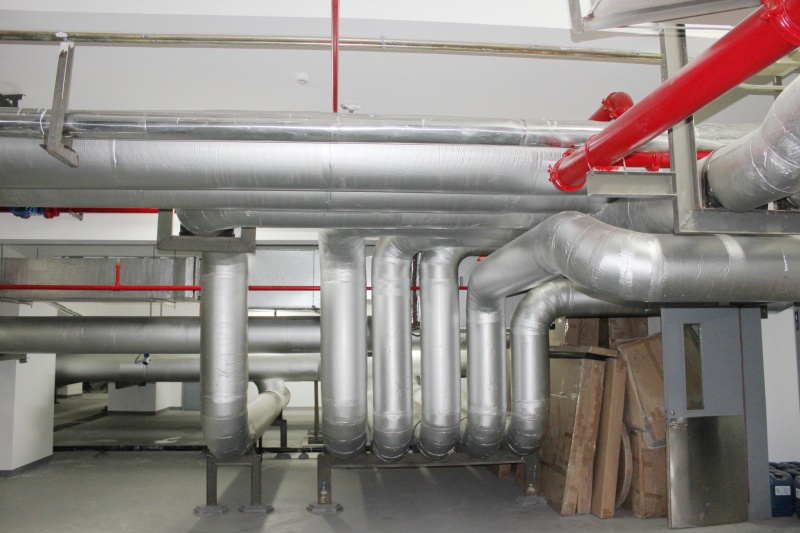
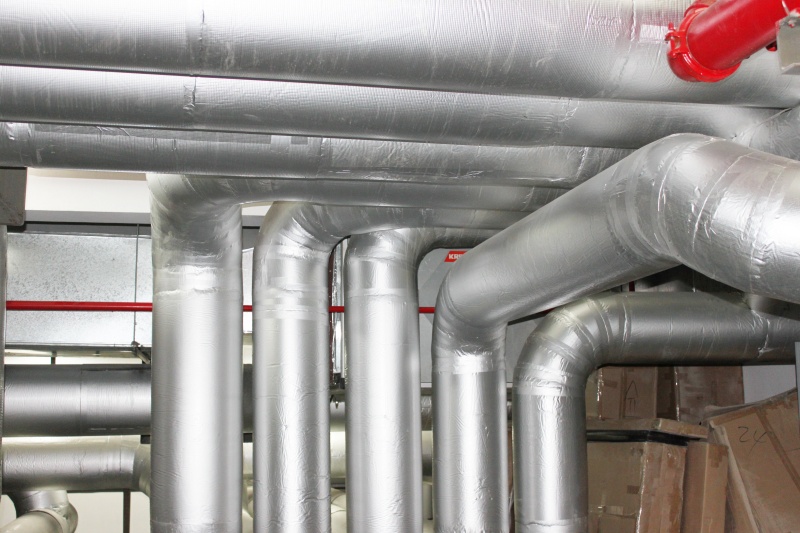
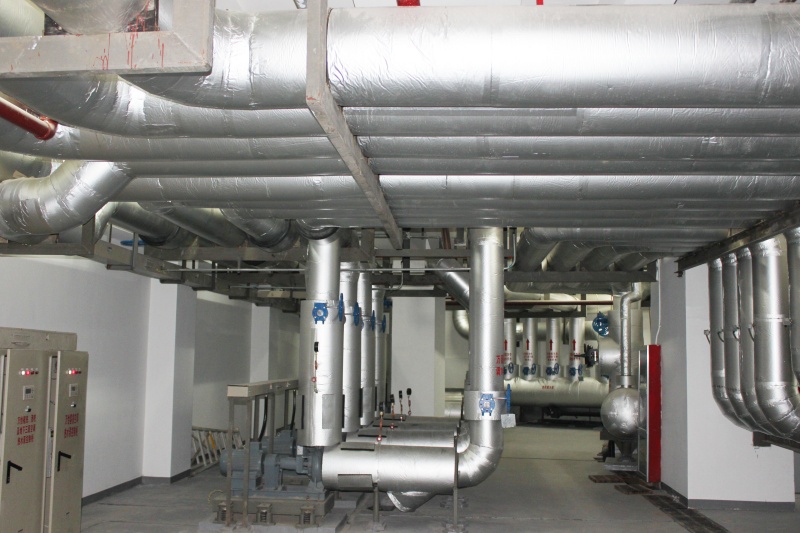
Reflecting our large-scale output capabilities and standardized quality checking processes.




Anticipating requirements for green building ratings, lower thermal limits, and advanced insulation applications.
The roadmap for elastomeric insulation points toward enhanced thermal efficiency and reduced carbon footprints. In response, Kingflex is researching bio-based polymer bases to replace traditional petroleum feedstock, aiming to cut product lifecycle global warming potential (GWP) by 30% by 2026. This allows contractors to meet strict Scope 3 decarbonization targets in structural design.
Concurrently, our engineering team is developing thinner cross-sections that maintain equivalent R-values. By refining cell structure consistency down to the sub-micron scale, we aim to reduce the thickness required for HVAC ducts by 15% without risking surface condensation, saving valuable ceiling plenum space.
Additionally, we are exploring aerogel-elastomeric composites to extend the continuous operating temperature envelope. This technology will allow our flexible insulation to remain stable at sustained heat loads up to 150℃, offering a lightweight, flexible alternative to traditional rigid materials in steam lines and high-temperature industrial processes.
Integrating aerogel compounds with elastomeric matrices to extend thermal efficiency and physical longevity.
Transitioning to plant-based rubber feedstocks to support sustainable building goals and carbon offsets.
Researching embedded moisture sensors to detect corrosion under insulation (CUI) in real-time before failure occurs.
Technical responses regarding chemical properties, fire safety, customization, and installation guidelines.
Pre-formed pipes, cryogenic insulation barriers, soundproofing systems, and accessory bonding materials.