 Kingflex
Kingflex
Kingflex
Engineered elastomeric foams, closed-cell materials, and foil-clad barrier solutions specialized for extreme sub-zero pipelines, tanks, and structural vessels.
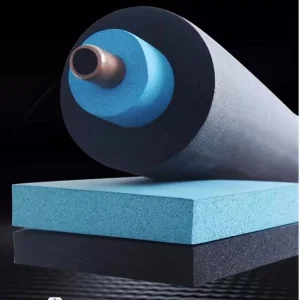
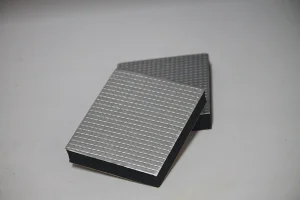
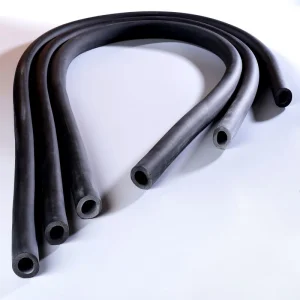
Cryogenic engineering operates in a realm where temperature differentials ($dT$) are vast and extremely demanding. Systems processing Liquefied Natural Gas (LNG at -162°C), Liquid Oxygen (LOX at -183°C), and Liquid Nitrogen (LN2 at -196°C) require strict control of heat transfer pathways. Standard insulation solutions fail under these sub-zero conditions due to moisture ingress, thermal stress fractures, and extreme contraction coefficients.
At these temperatures, water vapor in the atmosphere is drawn toward the cold pipe surface. If the insulation material is not completely moisture-resistant, water enters, freezes, and builds ice inside the structure. Ice has a thermal conductivity ($k$) of roughly $2.22 \text{ W/(m·K)}$, which is nearly 100 times higher than that of dry air. Ice accumulation ruins the system's thermal efficiency and can lead to structural failure.
This whitepaper explores the physical design characteristics, material choices, and quality standards that define modern cryogenic insulation systems.
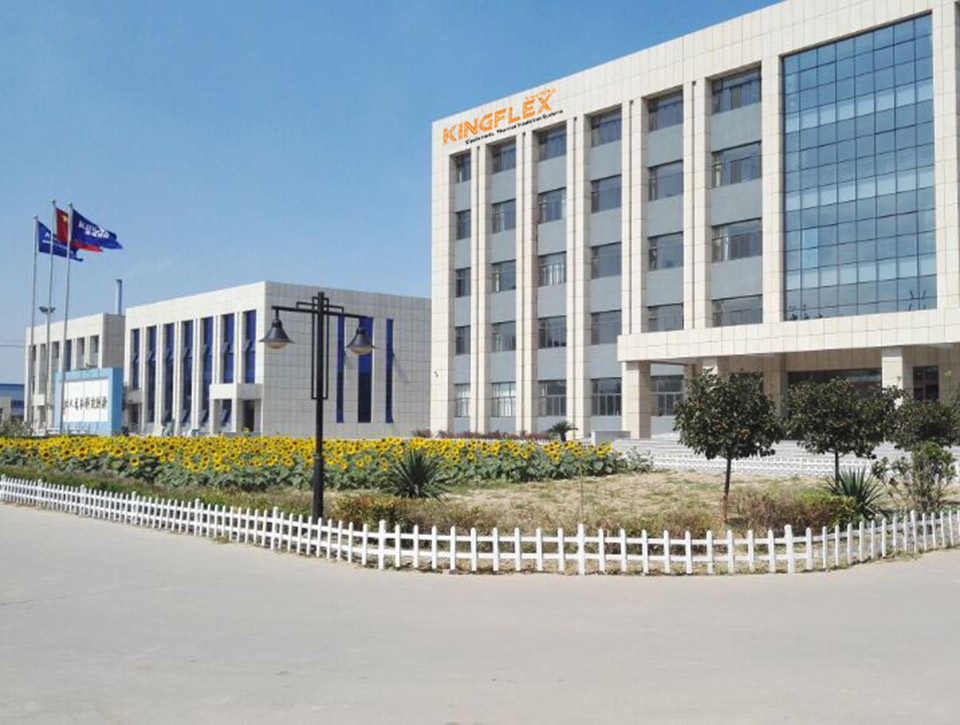 Kingflex Production & Testing Lab Facility
A comparative engineering breakdown of key insulating mediums used in sub-zero process industries.
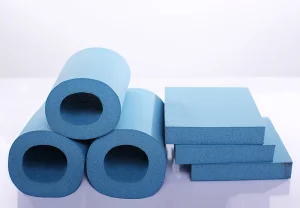
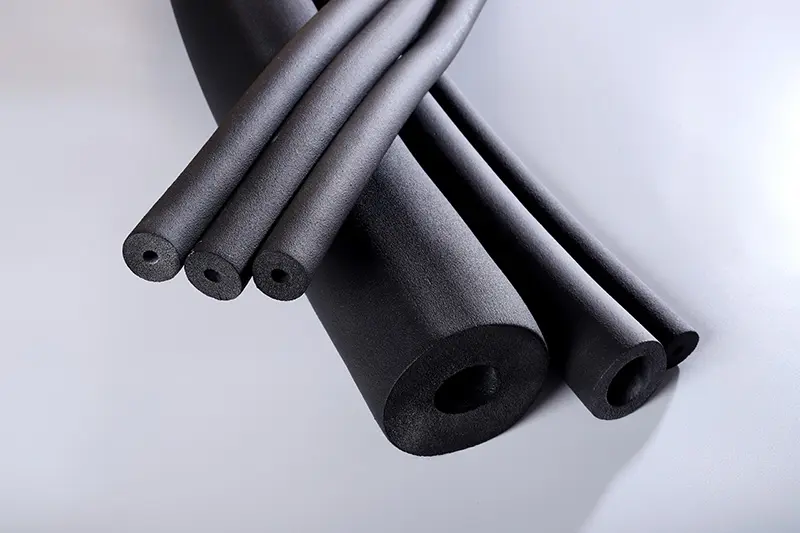
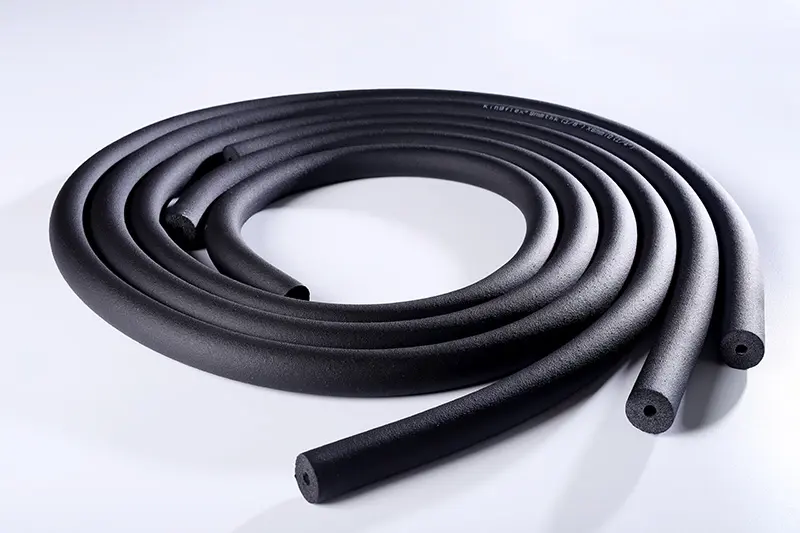
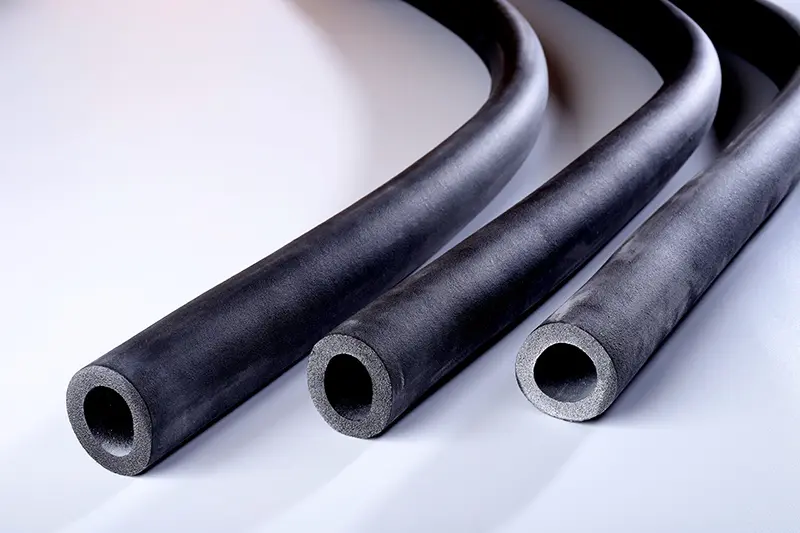
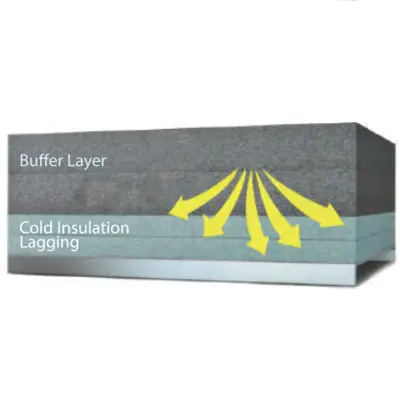
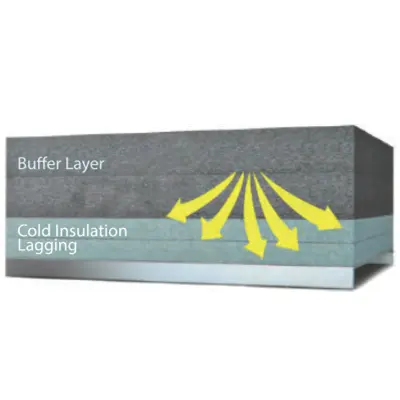
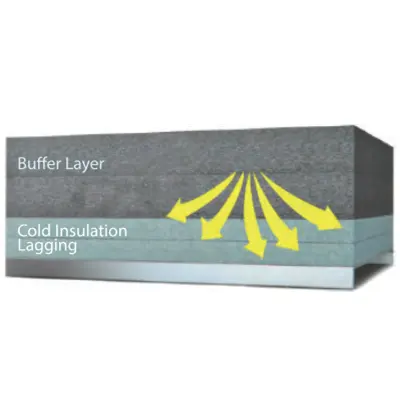
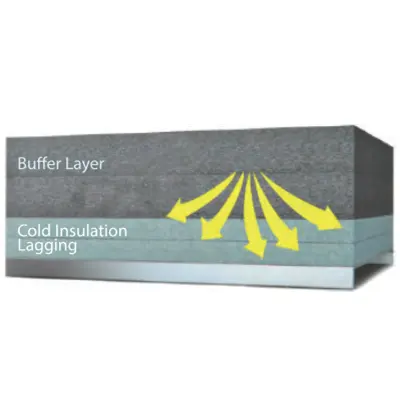
Flexible, closed-cell NBR/PVC elastomeric rubber foam provides high elasticity, low thermal conductivity, and built-in vapor resistance. Formulated with a dense closed-cell matrix (exceeding 98% closed cells), it prevents moisture ingress and stays flexible down to -40°C. For lower temperatures, it serves as an outer barrier in multi-layer composite setups.
PIR offers a rigid structural framework with low thermal conductivity. Its high compressive strength makes it suitable for pipe supports, saddles, and direct-burial applications. PIR exhibits excellent dimensional stability and low flame spread, though it requires a separate, robust vapor barrier system (like aluminum foil cladding) to prevent water vapor transmission.
Cellular glass consists of 100% sealed glass cells. It is completely impermeable to water, non-combustible, and chemical-resistant. Because it does not absorb moisture, it performs reliably in extreme cryogenic systems (down to -260°C). However, its rigidity and brittle nature require precise joint sealing and expansion-joint design to absorb mechanical vibration and thermal contraction.
Silica aerogels offer very low thermal conductivity in a thin profile. The nanoporous structure limits heat transfer, making it useful in tight spaces. Aerogels are hydrophobic but breathable, requiring careful vapor control systems in deep-freeze environments to prevent moisture accumulation.
Commonly used in space exploration and liquid helium storage, MLI uses alternating layers of reflective foil and spacer nets inside a vacuum chamber. This design eliminates gas convection and minimizes radiative heat transfer, achieving excellent thermal performance.
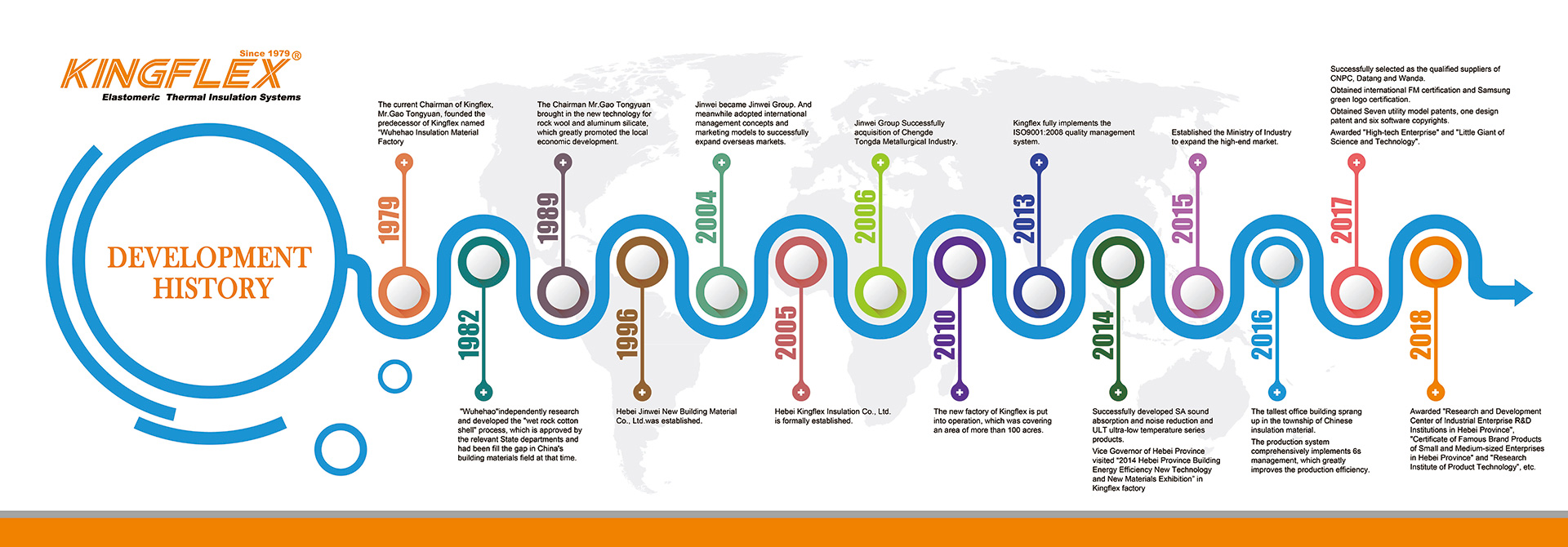
Our production facility is located in Dacheng, Hebei Province, China's largest manufacturing hub for energy-saving, green-building materials. As a specialized trade and manufacturing partnership, Kingflex Insulation Co., Ltd. provides integrated insulation solutions, offering deep technical consultation, customized R&D, product manufacturing, and post-sale technical support.
We trace our operational roots back to the Jinwei Group, established in 1979 as the first thermal insulation manufacturer north of the Yangtze River. Backed by over 40 years of industrial experience, our facility features:
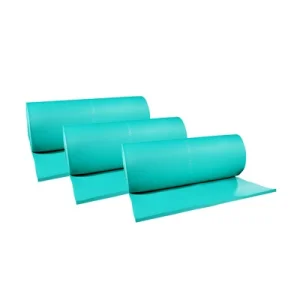
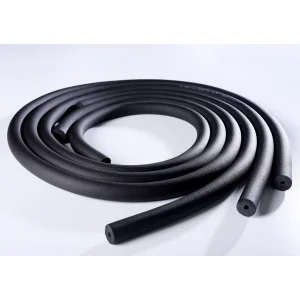
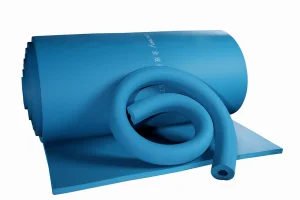
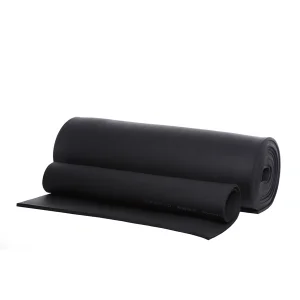
A detailed look at elastomeric sheet rolls, pre-formed piping insulation, and production quality controls.
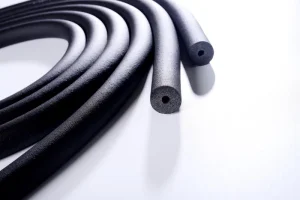
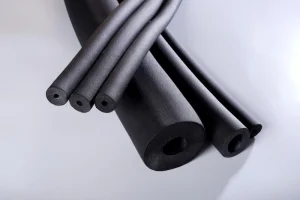
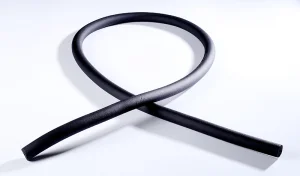
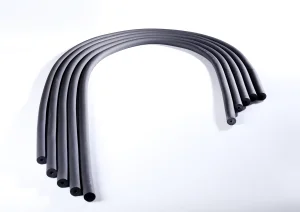
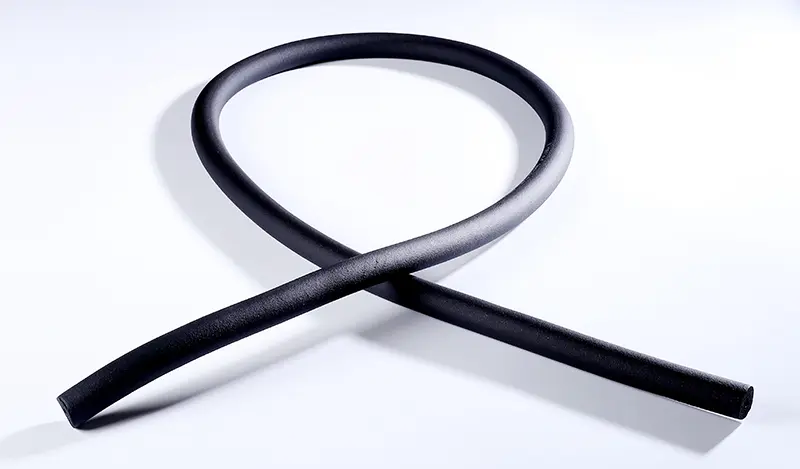
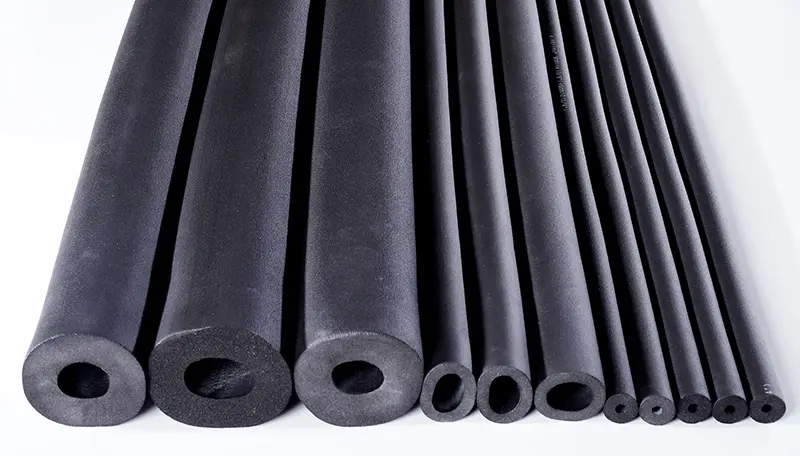
Our flexible elastomeric systems are manufactured using NBR and PVC polymer blends, resulting in a flexible closed-cell material. These products are designed for HVAC ducts, process piping, chilled water networks, and industrial equipment operating at sub-zero temperatures.
These materials feature a high water vapor diffusion resistance index ($\mu \ge 10,000$), ensuring the thermal conductivity remains stable over long service periods by preventing moisture ingress.
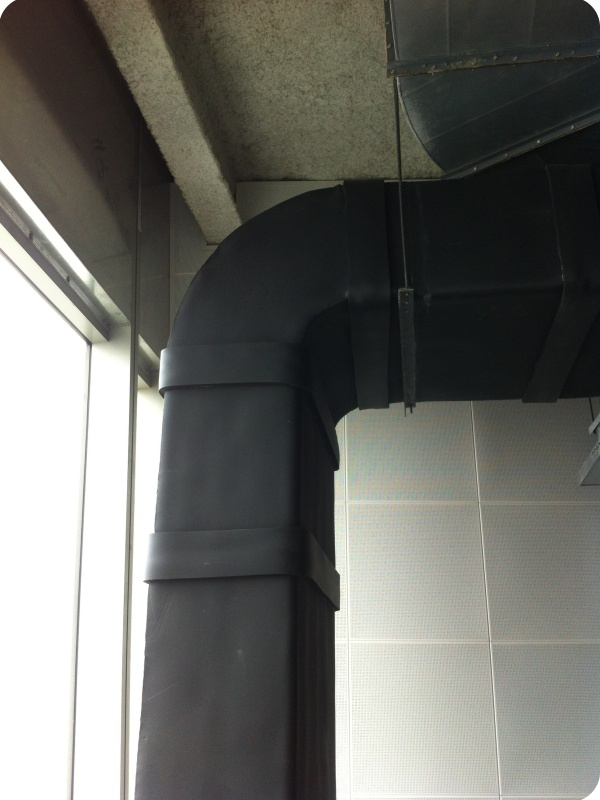
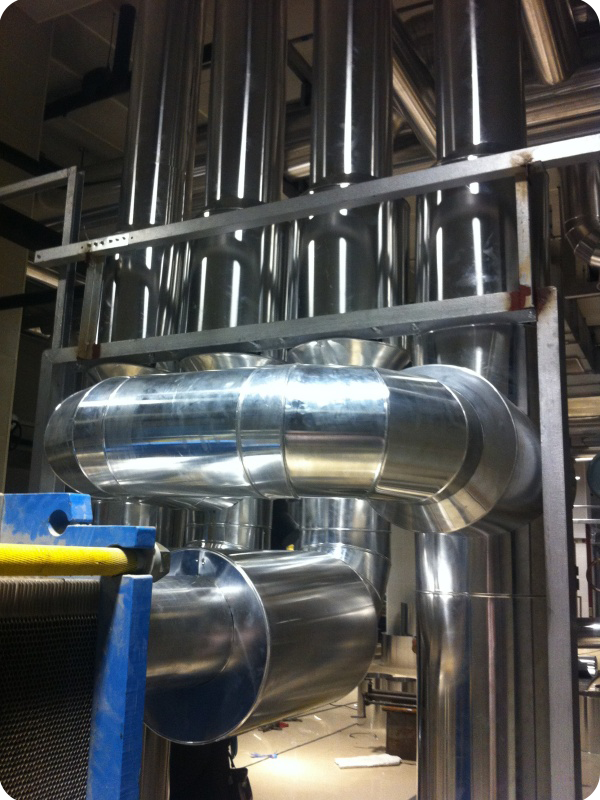
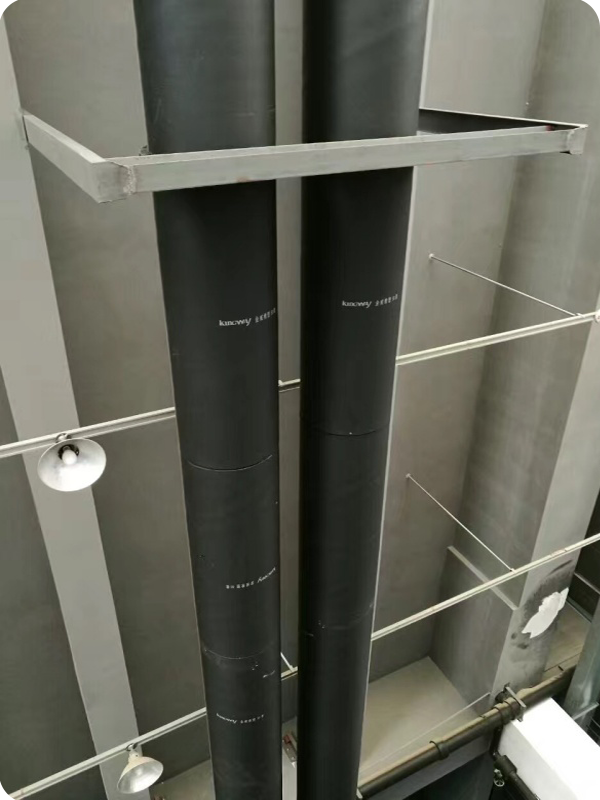
Product configurations and physical stress-strain analysis under low-temperature conditions.
Pre-cut slit tubes with self-seal adhesive options
Heavy-duty insulation for industrial steam lines
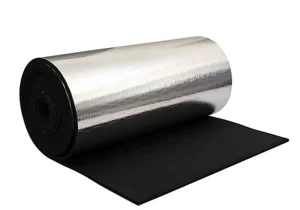
Aluminum foil-clad outer jacket for outdoor use
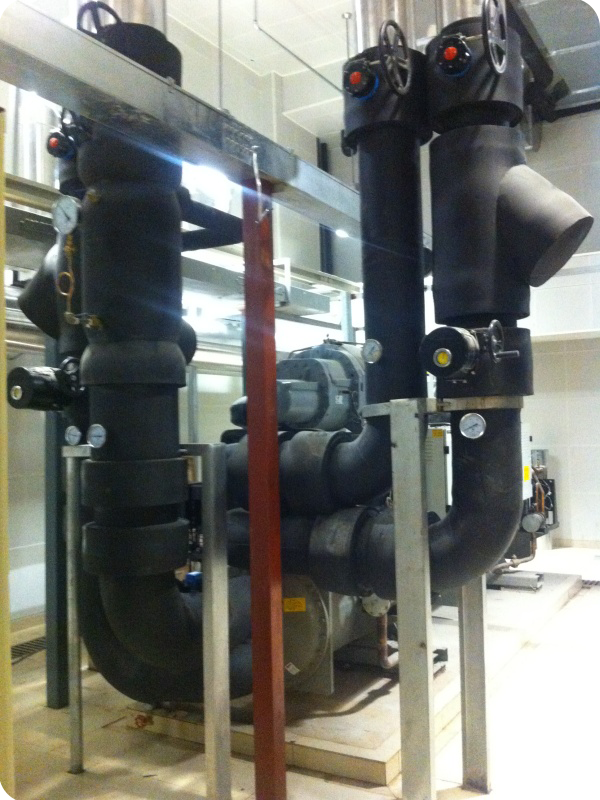
Color-coded systems for easy safety identification
Our continuous automated production lines and testing systems ensure consistent quality and traceablity for large-scale projects.
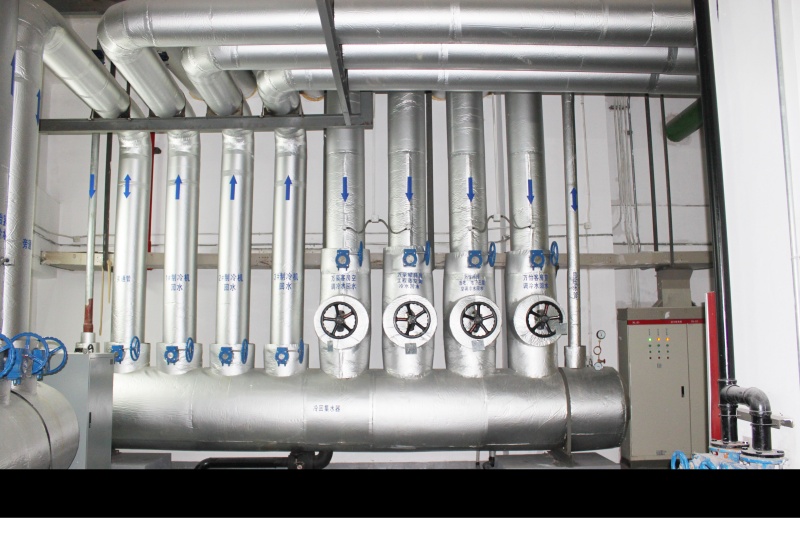
Continuous Foaming Oven
Controls heating and expansion profiles to ensure uniform micro-cell sizing.
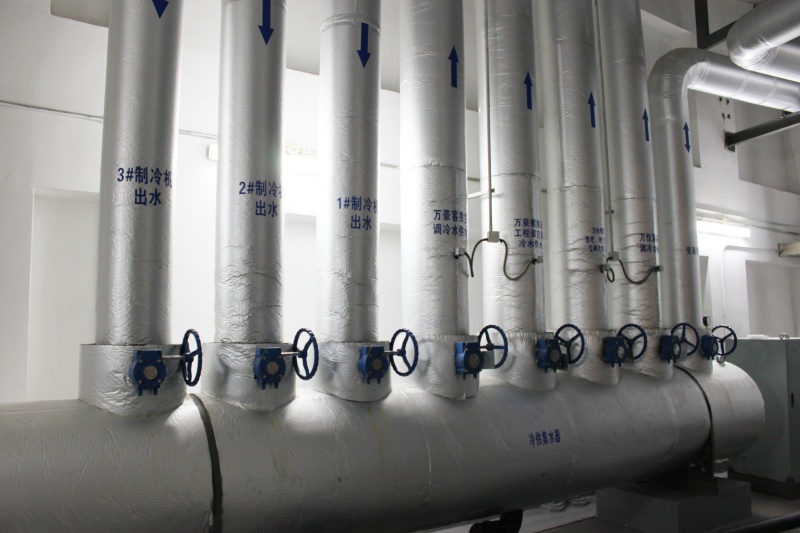
Tube Extrusion Sizing
Ensures precise control of internal and external diameters to prevent thermal gaps.

Continuous Sheet Milling
Enables high-volume output of custom sheet roll widths and thicknesses.
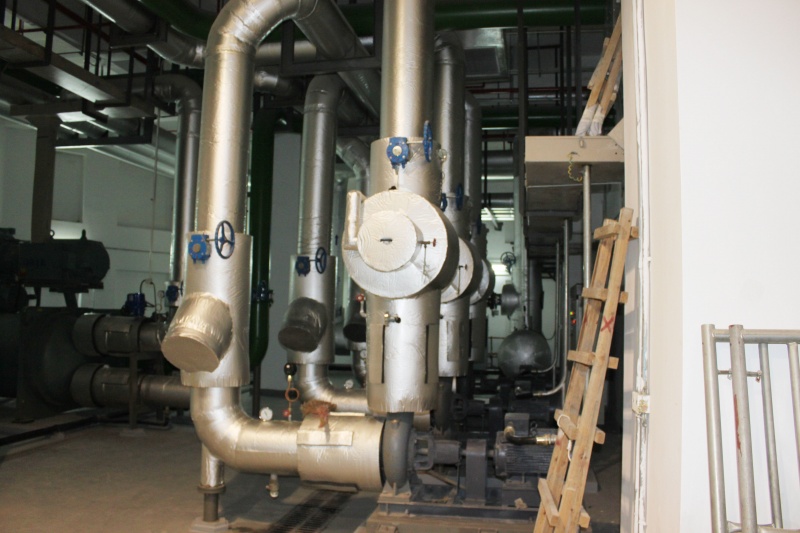
In-line Slitting Operations
Performs neat edge-trimming and slicing for clean joint connections in the field.
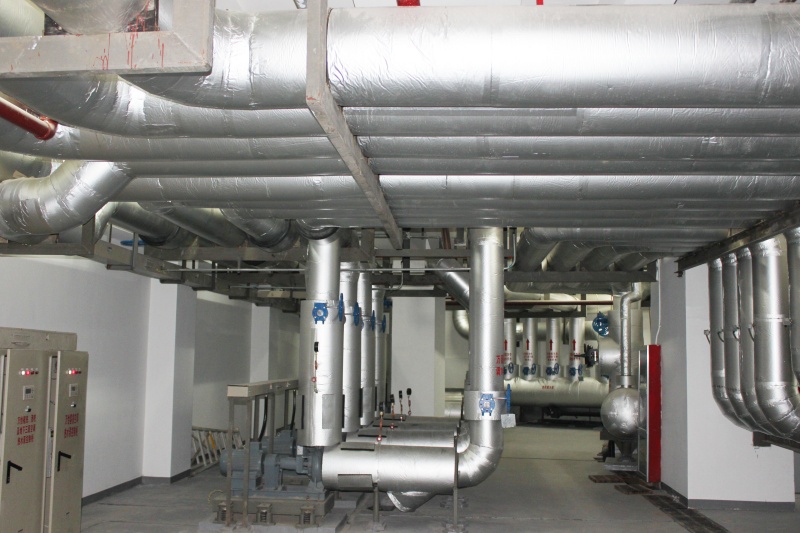
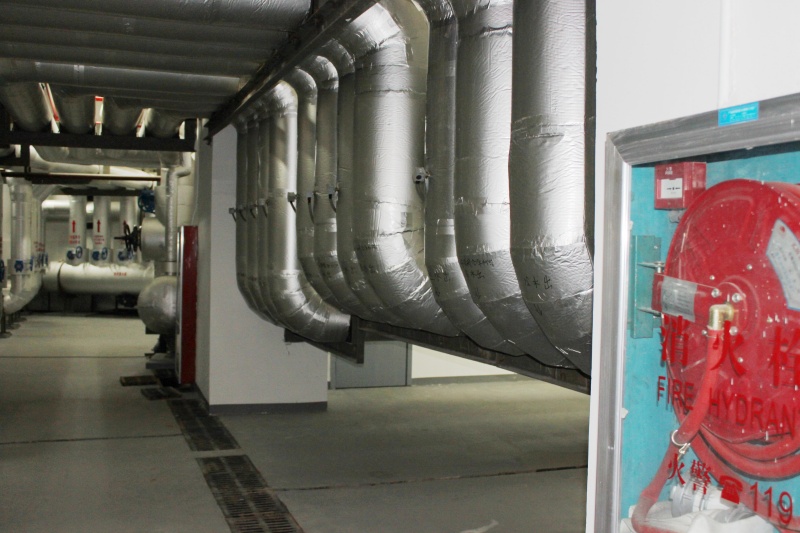
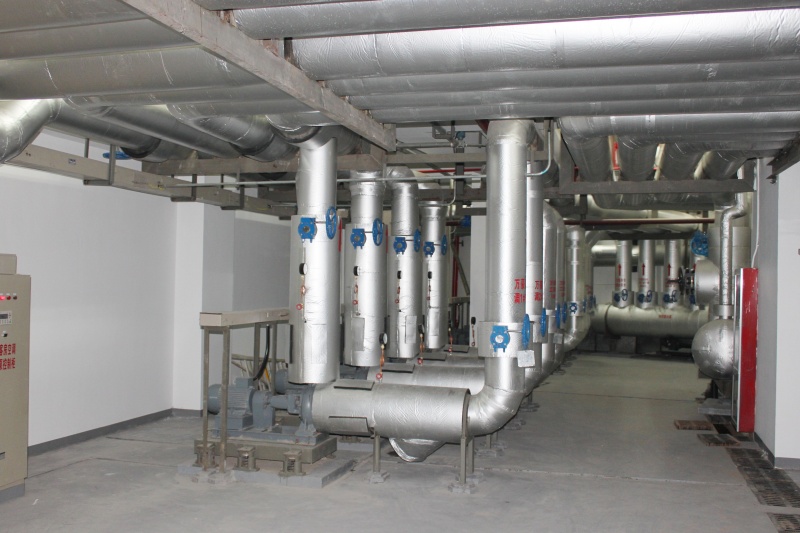
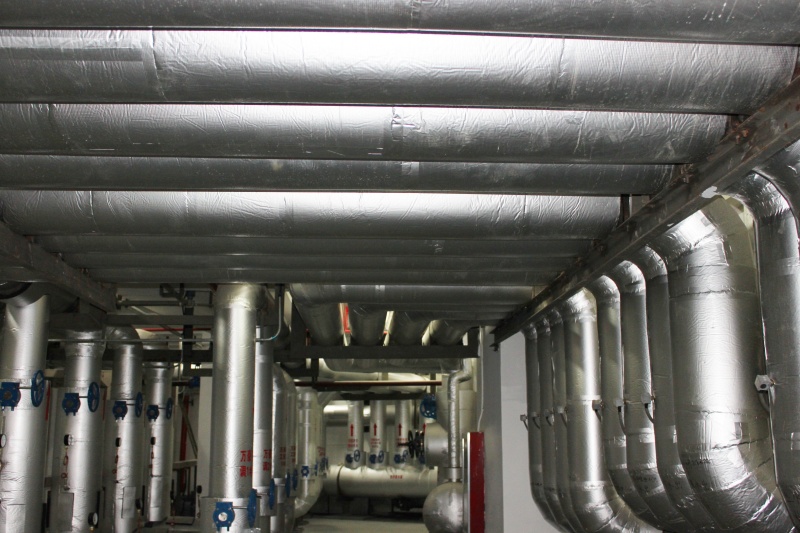
Our 8 dedicated R&D engineers develop custom low-temperature polymer formulations and run routine performance tests.

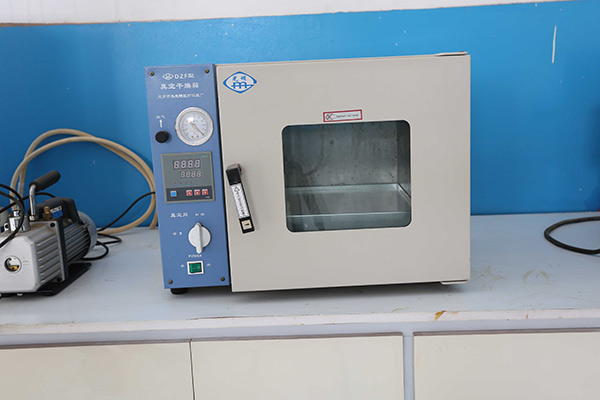
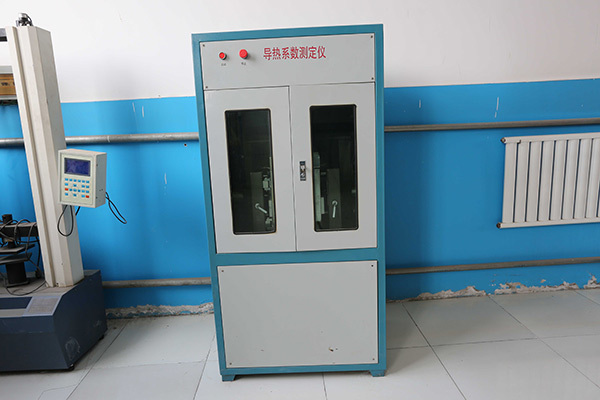
Thermal Conductivity Testing
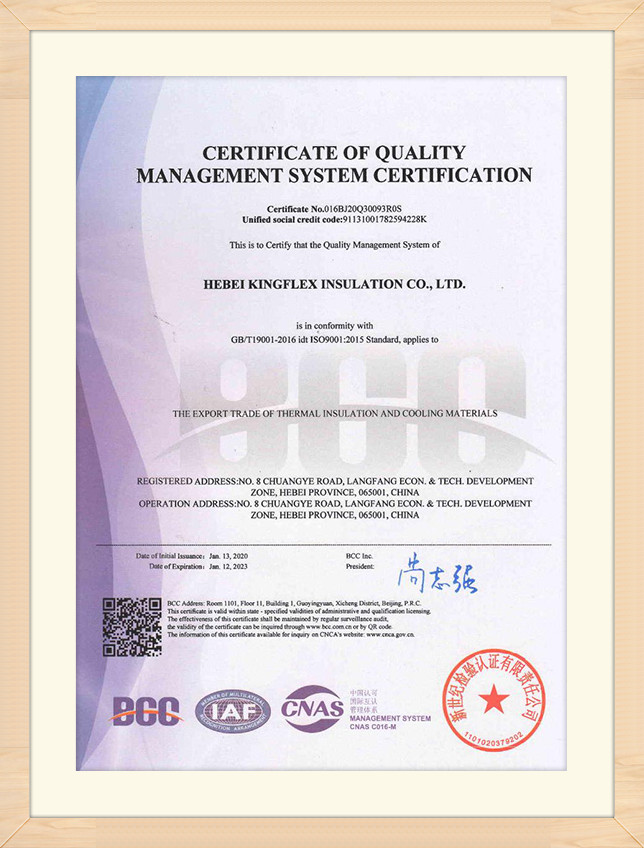
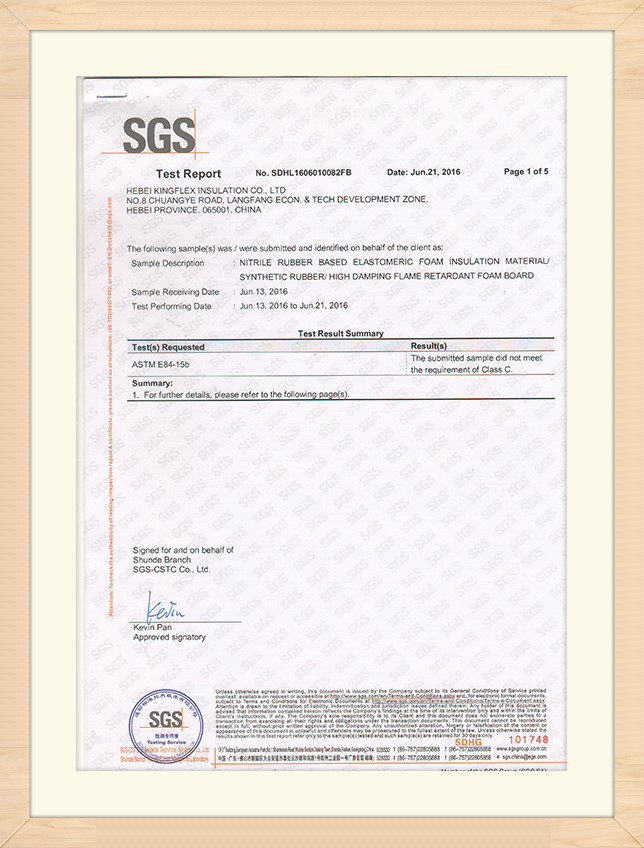
Smoke & Fire Testing
Elastomeric Compound R&D
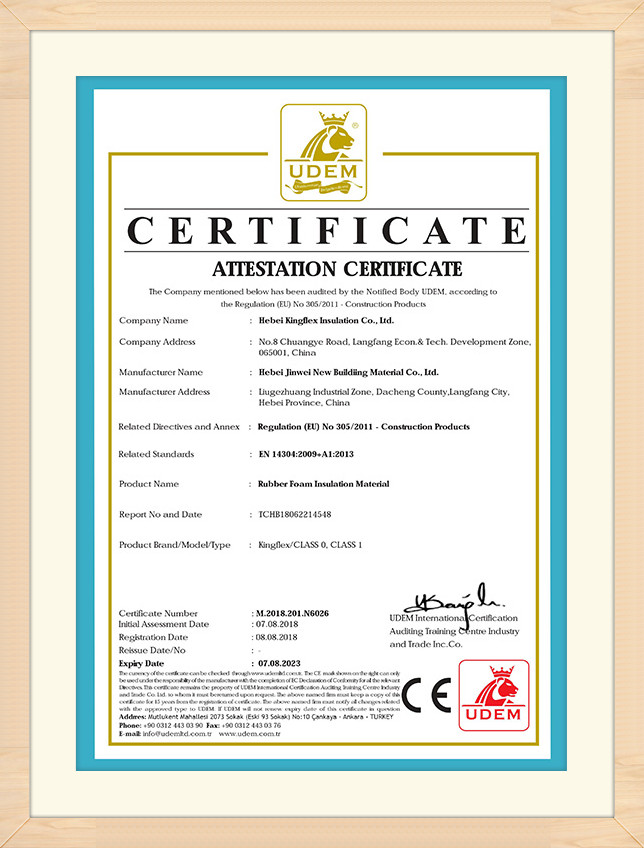
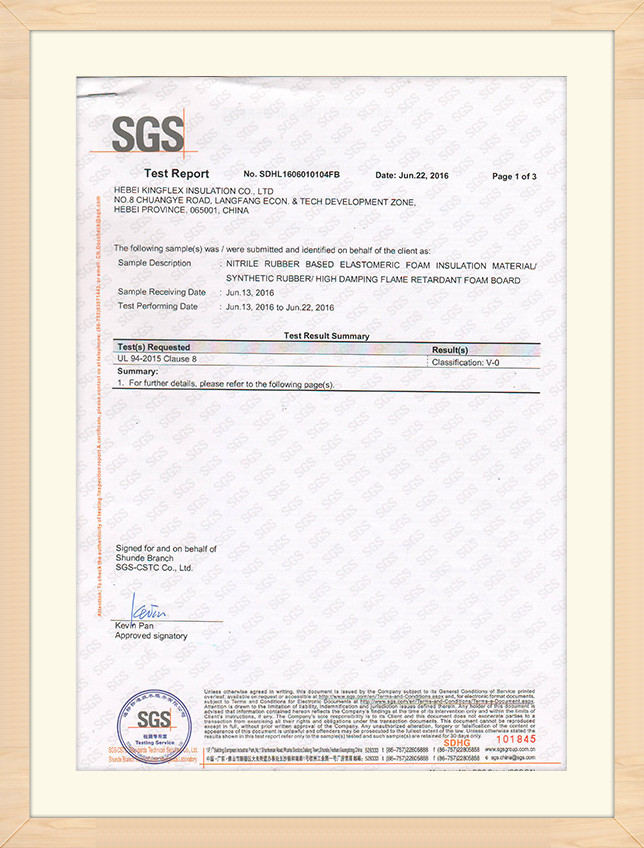
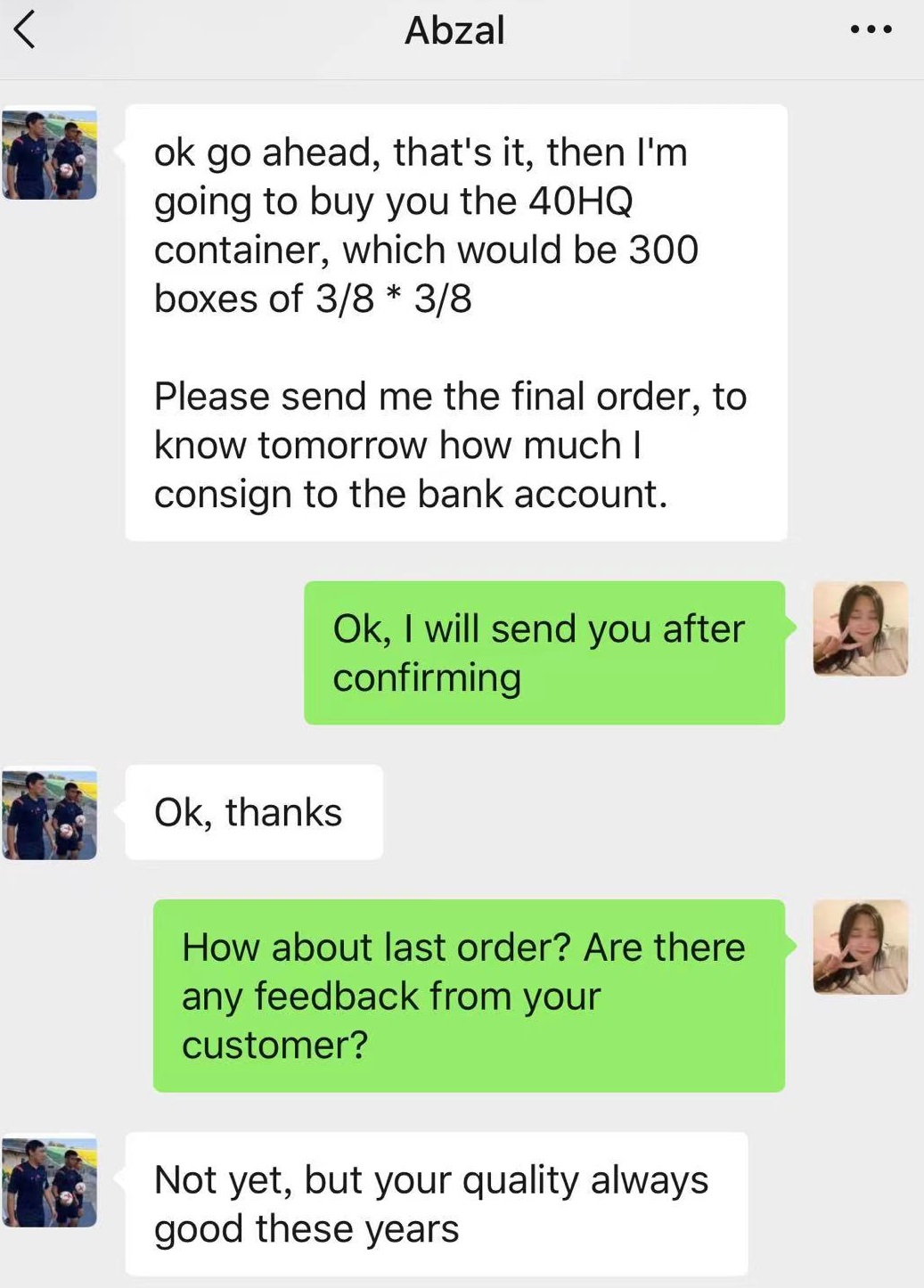
Our technical team communicates directly with procurement managers and engineers worldwide to ensure materials meet project specifications.
Engineers select cryogenic insulation materials based on system temperature, mechanical load, environment, and fire safety codes. To support this selection, we provide:

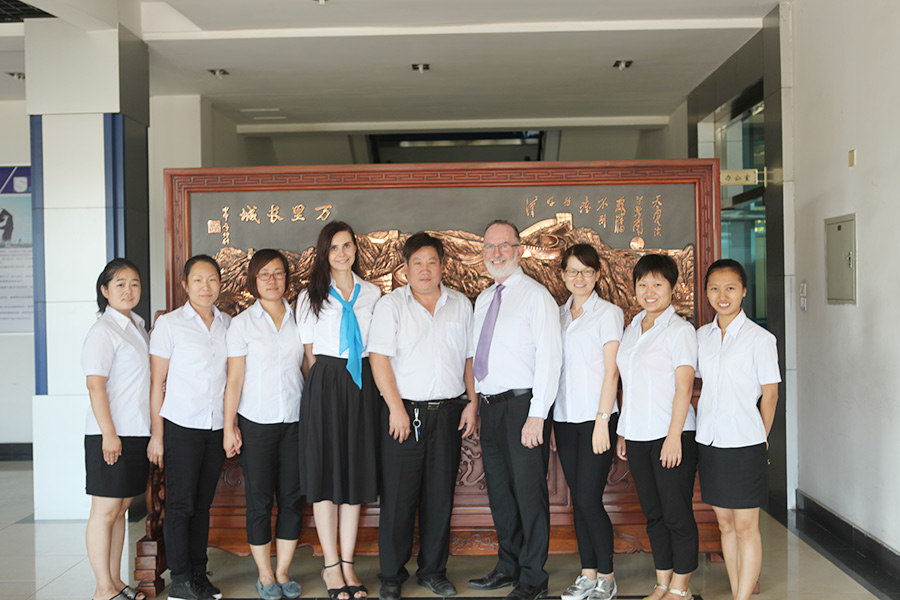

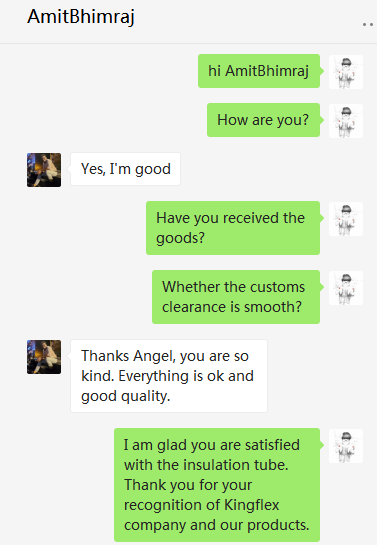

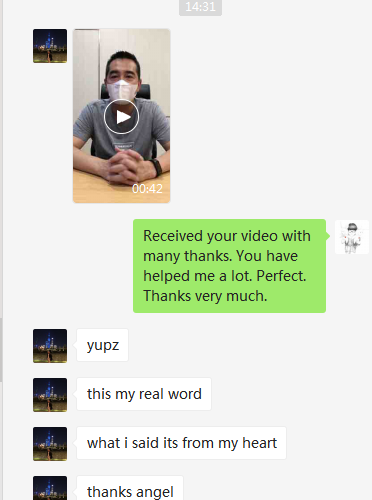
Documented client audits and technical design reviews.
Core physical properties and operating parameters to assist design engineers in material selection.
| Material Class | Normal Operating Limits | Density Range | Thermal Cond. ($k$) | Vapor Permeability | Primary Applications |
|---|---|---|---|---|---|
| NBR/PVC Elastomeric Foam | -40°C to +105°C | 40 - 55 kg/m³ | $\le 0.035 \text{ W/(m·K)}$ at 0°C | $\mu \ge 10,000$ (Highly Resistant) | Chilled Water, Condensate Lines, HVAC, Chemical Pipes |
| Polyisocyanurate (PIR) | -200°C to +120°C | 35 - 80 kg/m³ | $\le 0.024 \text{ W/(m·K)}$ at 23°C | Requires Vapor Retarder | LNG Pipelines, Tank Shells, Structural Pipe Saddles |
| Cellular Glass | -268°C to +400°C | 100 - 165 kg/m³ | $\le 0.040 \text{ W/(m·K)}$ at 0°C | $\mu = \infty$ (Completely Impermeable) | Cryogenic Tanks, High-Load Piping, Chemical Storage |
| Silica Aerogel | -200°C to +650°C | 150 - 200 kg/m³ | $\le 0.015 \text{ W/(m·K)}$ at 0°C | Permeable (Needs External Jacketing) | Offshore Refineries, Process Modules, Subsea Pipes |
Technical guidance on material selection, installation best practices, and regulatory standards.
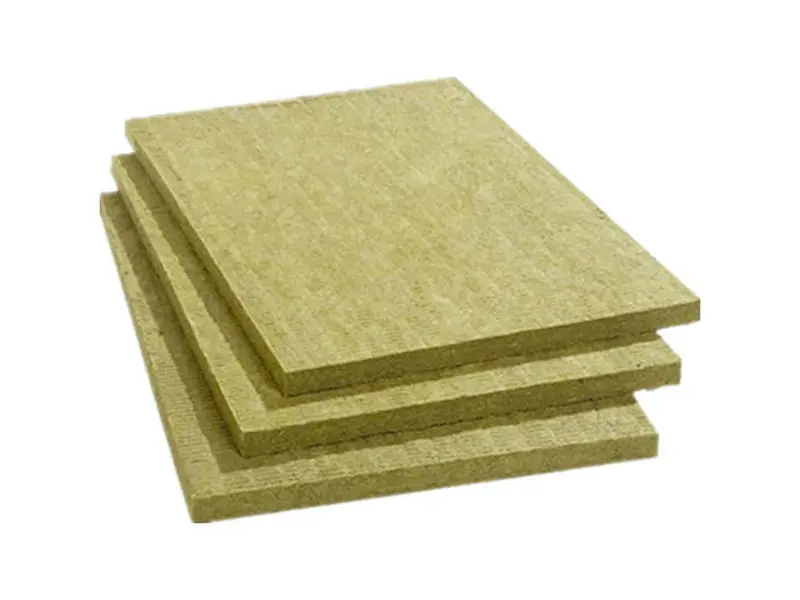
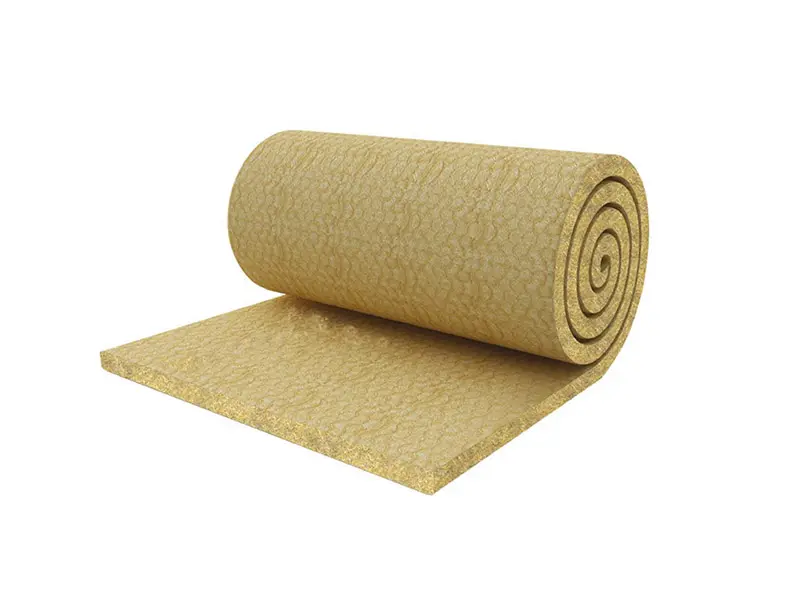
Explore our full line of closed-cell tubing, rock wool boards, and heavy-duty thermal insulation systems.
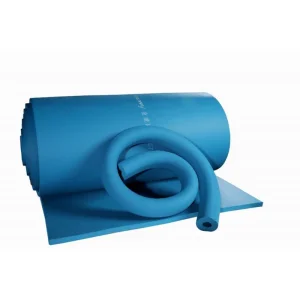
Standard pre-formed components for global commercial and industrial applications.