 Kingflex
Kingflex
Kingflex
Explore our primary thermal systems. Designed with premium elastomeric configurations to prevent condensation, guarantee energy savings, and stand up to rigorous industrial environments.
In modern industrial engineering, energy systems represent up to 60% of total operational costs. Thermal insulation is no longer a simple building utility; it is a critical strategy for energy recovery, emissions reduction, and operational life extension.
Worldwide, regulatory targets such as the European Green Deal and ASHRAE 90.1 standards in North America dictate strict limits on energy leakage. This has sparked high global demand for high-performance, closed-cell structures. By preventing heat exchange and vapor drive in pipelines, industrial equipment, and structural envelopes, these solutions protect systems from corrosion under insulation (CUI) and limit thermal performance decay over multi-decade lifespans.
Kingflex Insulation Co., Ltd. addresses these global challenges directly, serving commercial HVAC/R markets, LNG/cryogenic processing terminals, chemical networks, and cleanroom developments in over 66 countries.
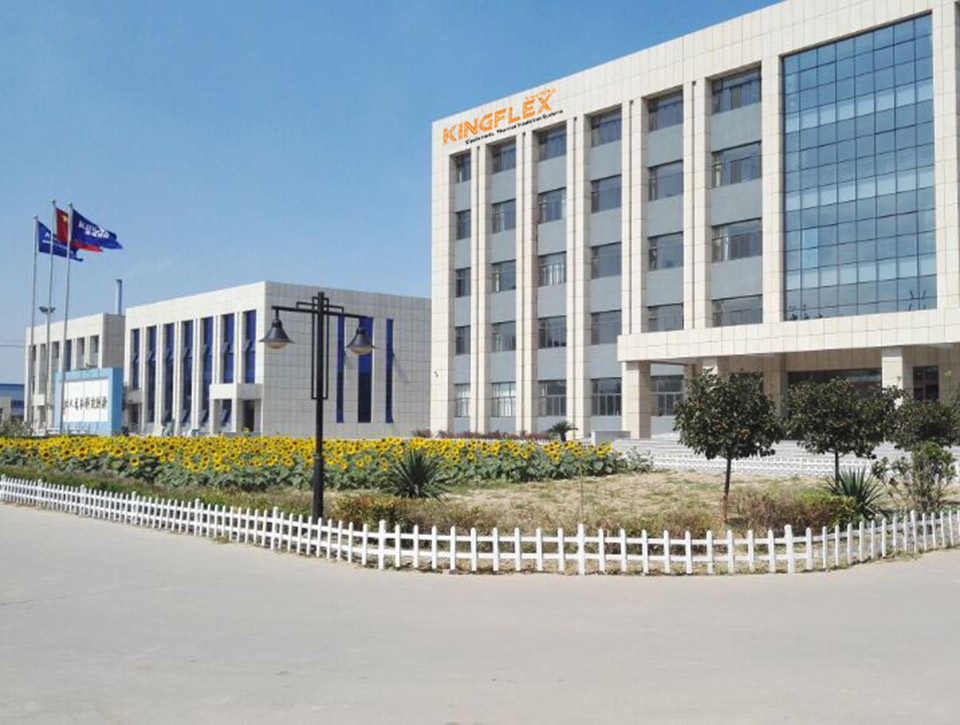
Located in Dacheng, China—the recognized capital of green building insulation technology—Kingflex Insulation Co., Ltd. operates a vertically integrated development, production, and distribution system. By coupling advanced research departments with high-throughput manufacturing lines, we act as a complete supplier. We provide engineering advice, custom product designs, installation layouts, and global field support.
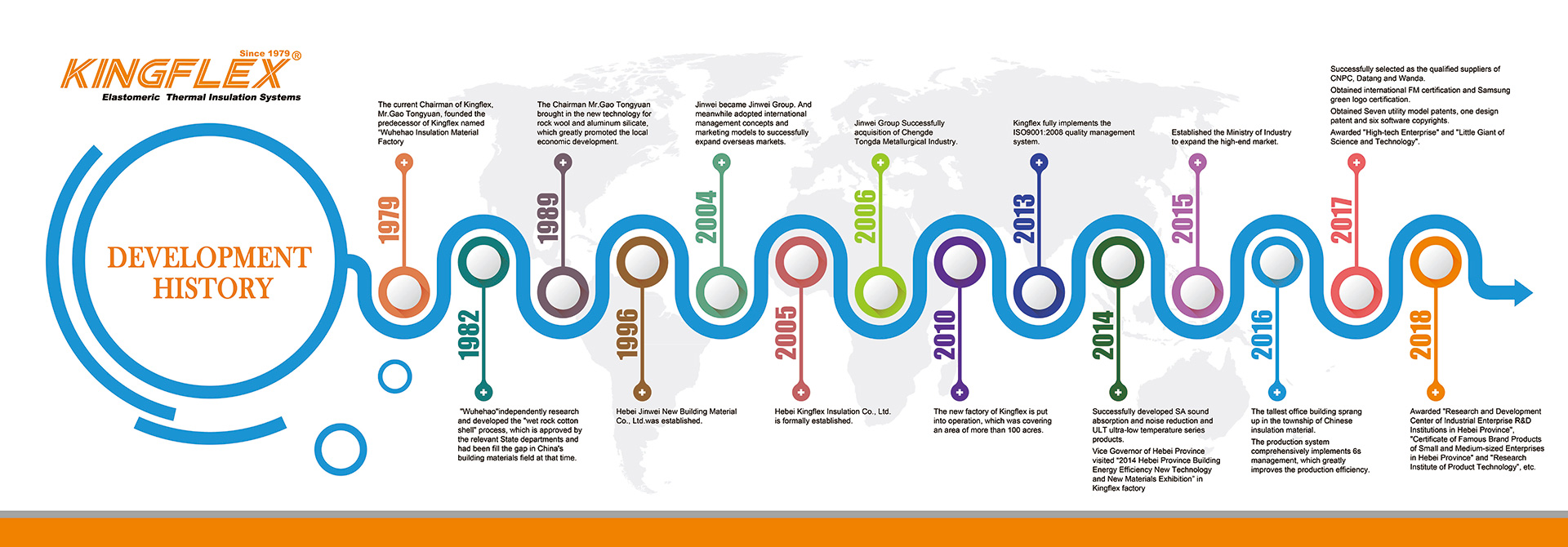
Founded under the Jinwei Group (which dates back to 1979 as the pioneer of northern China insulation development), Kingflex carries over four decades of thermal insulation manufacturing experience. This historical foundation guides our ongoing investments in low-conductivity material research and clean-agent foam processing.
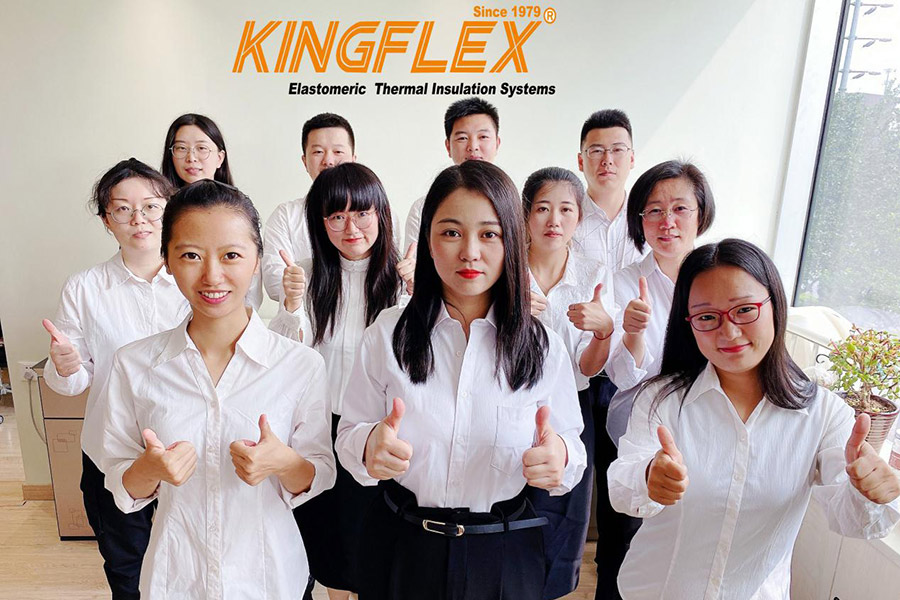
Our operation relies on structured, cross-disciplinary execution. The Kingflex workforce includes 8 dedicated insulation research engineers, 6 international customer support representatives, and a production staff of 230 workers. This setup maintains a reliable production flow across 5 automatic, high-capacity lines.
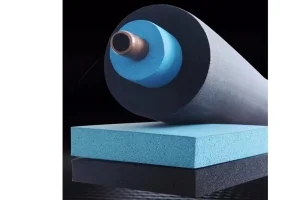
Thermal efficiency is determined at the microscopic scale. Kingflex NBR/PVC elastomeric insulation structures employ an even, closed-cell matrix containing over 98% active closed cells. This design provides reliable thermal control and long-term resistance to water vapor migration.
Our controlled manufacturing process maintains a low thermal conductivity ($\lambda \le 0.034 \text{ W/(m}\cdot\text{K)}$ at 0°C). By isolating stagnant air bubbles inside thin-walled elastomeric structures, the material minimizes thermal transfer across piping and ductwork networks.
Closed-cell elastomeric structures are self-vapor-barrier materials. Unlike open-cell rock wool or fiberglass, NBR/PVC structures resist water absorption throughout their cross-section. This yields a high water vapor diffusion resistance factor ($\mu \ge 10,000$), keeping the system dry and preventing condensation in high-humidity settings.
Safety is a priority in our material designs. Kingflex products incorporate active halogen-free fire retardants. This allows them to meet stringent standards such as BS 476 Part 7 (Class 1), UL94, and ASTM E84, ensuring they are self-extinguishing and generate low smoke levels.
| Material Metric | NBR/PVC Elastomeric Sheet Specification | NBR/PVC Elastomeric Pipe Specification |
|---|---|---|
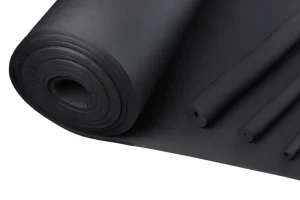
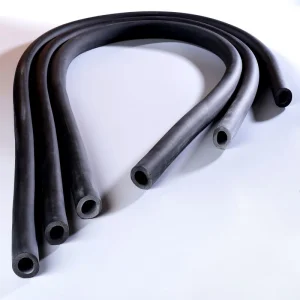
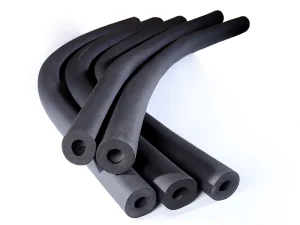
| Thickness Range | 6mm - 50mm | 9mm - 40mm |
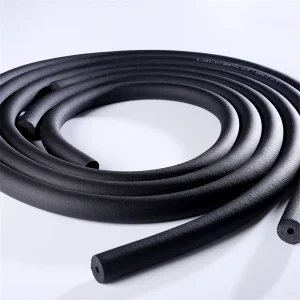
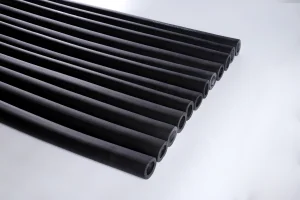
| Internal Diameter (ID) | N/A (Flat sheet / Roll format) | 6mm - 114mm |
| Bulk Density | 40 - 55 kg/m³ | 40 - 55 kg/m³ |
| Operating Temperature Range | -40℃ to +105℃ | -40℃ to +105℃ |
| Thermal Conductivity ($\lambda$) | $\le 0.034 \text{ W/(m}\cdot\text{K)}$ at 0°C | $\le 0.034 \text{ W/(m}\cdot\text{K)}$ at 0°C |
| Water Vapor Diffusion ($\mu$) | $\ge 10,000$ | $\ge 10,000$ |
| Flame Retardancy Certification | BS 476 Class 1, UL94 V-0, ASTM E84 Class A | BS 476 Class 1, UL94 V-0, ASTM E84 Class A |
Different environments present unique thermal challenges. Our product systems are tailored to meet standard and extreme conditions across diverse industries:
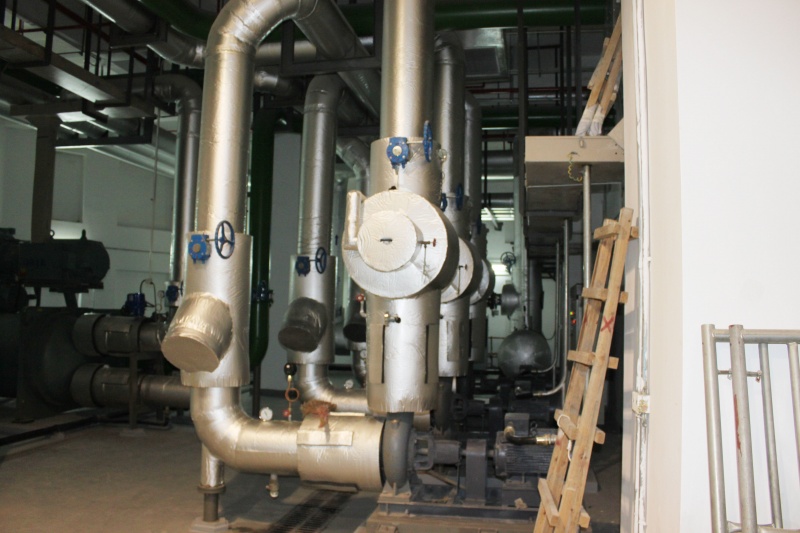
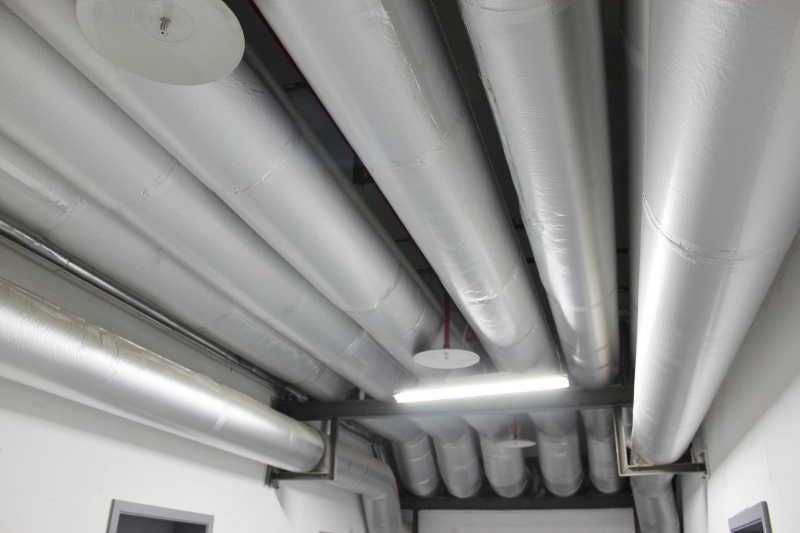
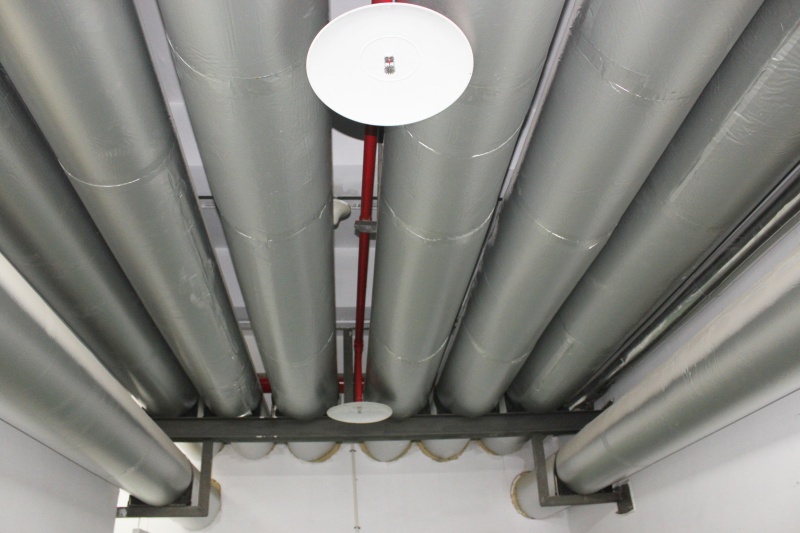
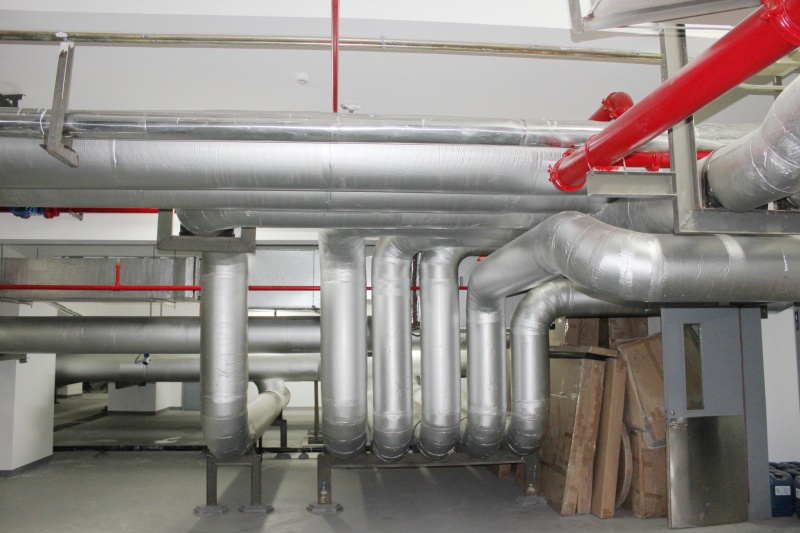
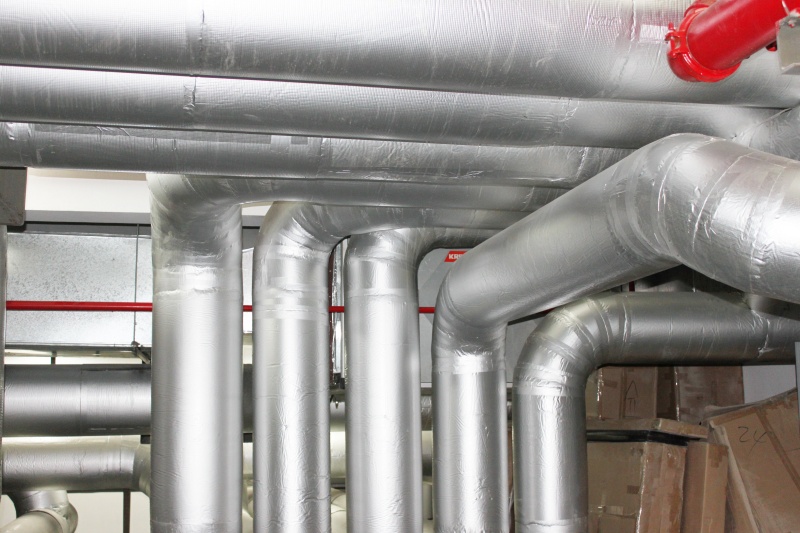
For ventilation systems, variable refrigerant flow (VRF) equipment, and chilled water networks in hotels, commercial centers, and hospitals. Our products prevent surface condensation and dampness, preserving indoor air quality (IAQ) and reducing air conditioner workloads.
Designed for low-temperature applications like liquefied gas processing (LNG) and cryogenic equipment. Kingflex low-temperature synthetic rubber sheets and tubes maintain their flexibility at sub-zero temperatures, preventing cracking and managing thermal gain.
Suitable for chemical refining, oil and gas piping, and high-temperature steam systems. By preventing moisture contact on metal pipe surfaces, our systems guard against corrosion under insulation (CUI) and keep chemical processes stable.
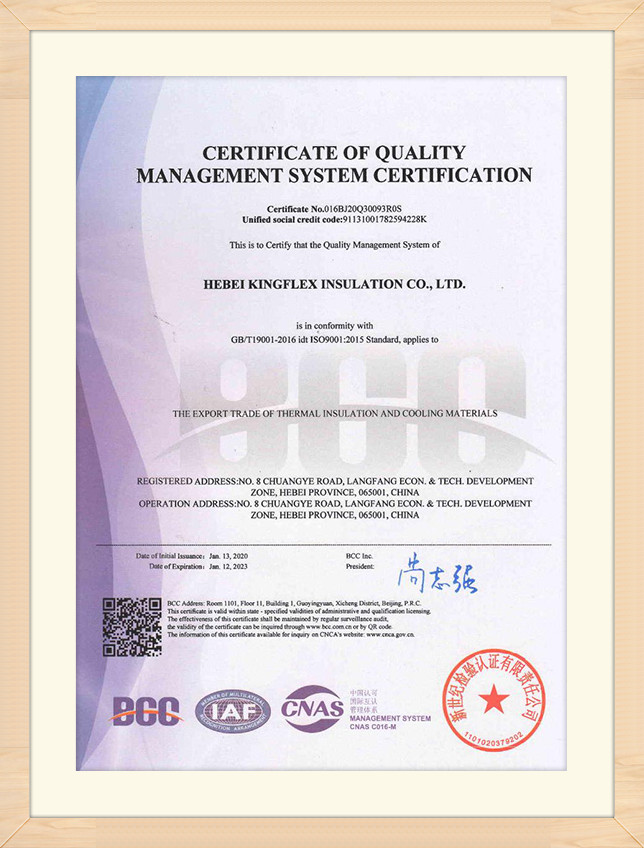
Our focus on quality is supported by international testing certifications. Our manufacturing facility maintains ISO 9001 and ISO 14001 registrations, while our product lines are certified under REACH, RoHS, CE, UL94, and BS 476 protocols.
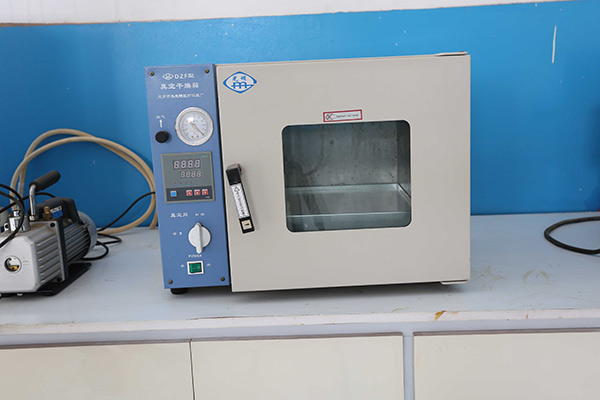
We maintain full batch traceability from raw material delivery to the finished product. Each production run undergoes strict checks for expansion consistency, flame-spread limits, and cell-diameter uniformity to ensure reliable thermal performance.
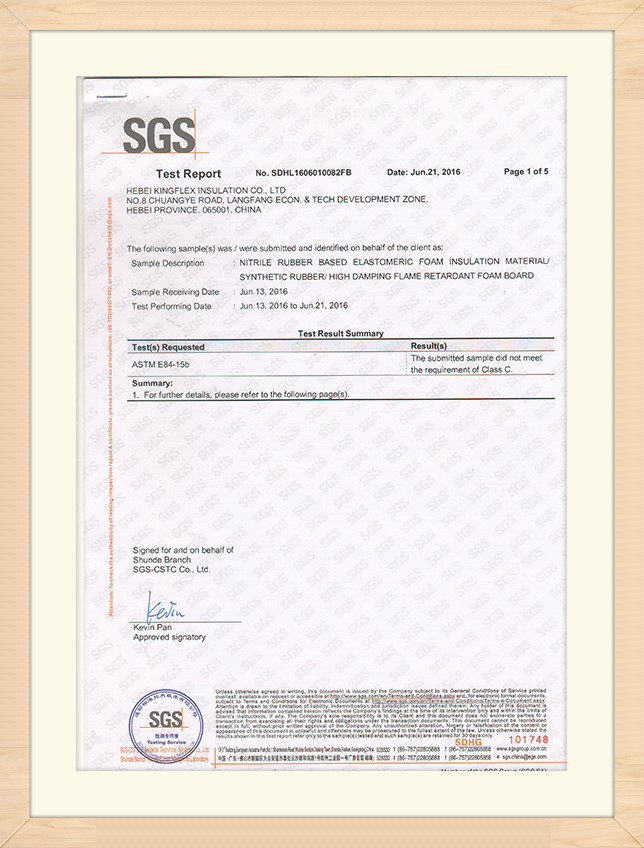
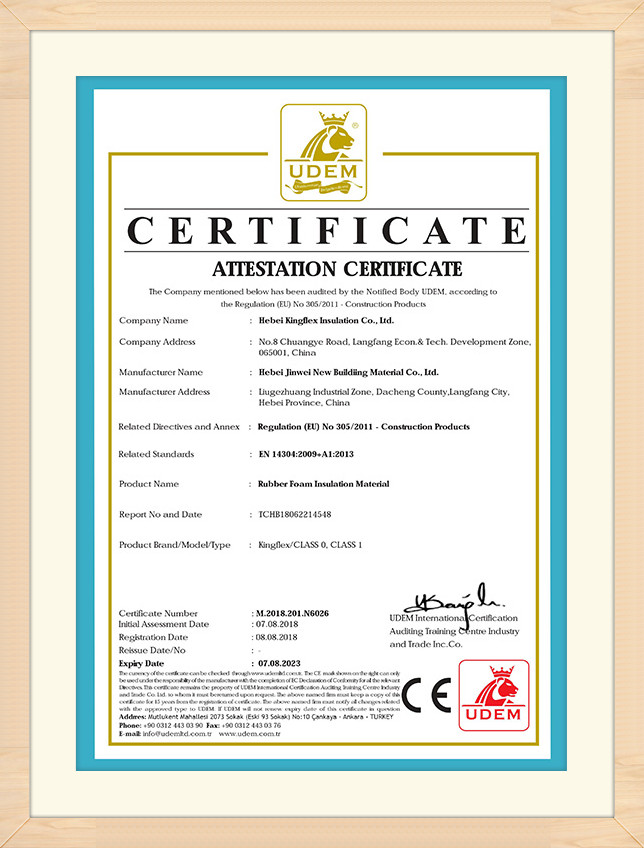
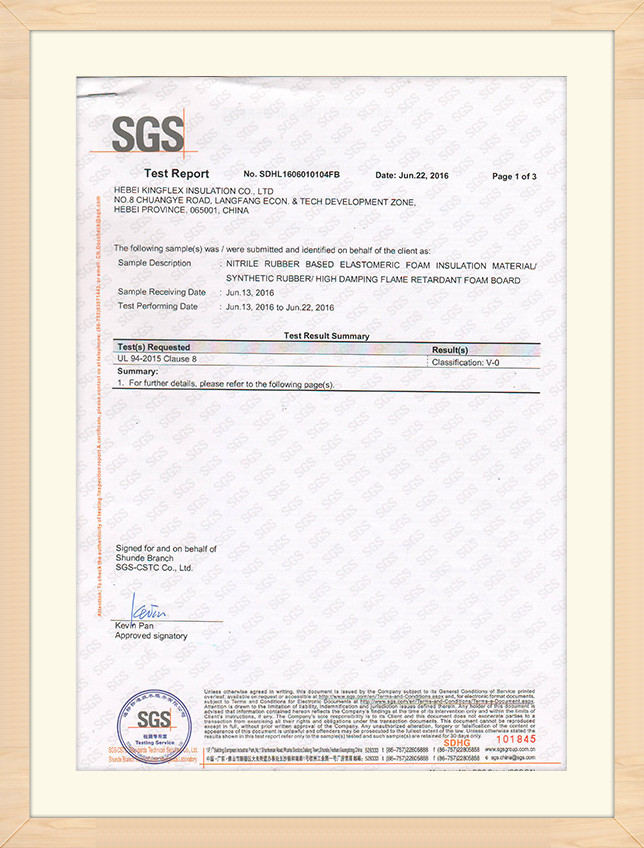
Our engineering team focuses on developing materials with higher thermal resistance, reduced emissions, and improved fire safety characteristics.
Key areas of development include:

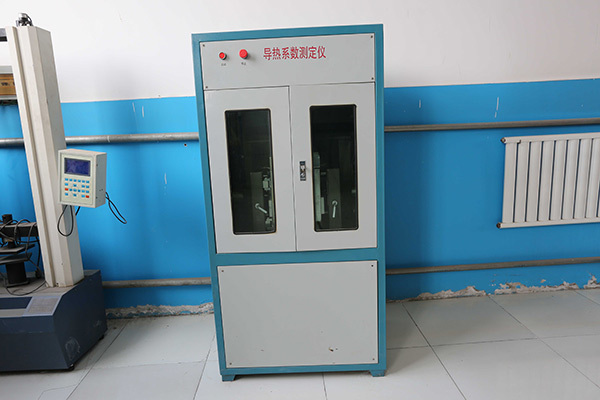
Our materials are trusted in key infrastructure, marine systems, and industrial plant projects around the world.
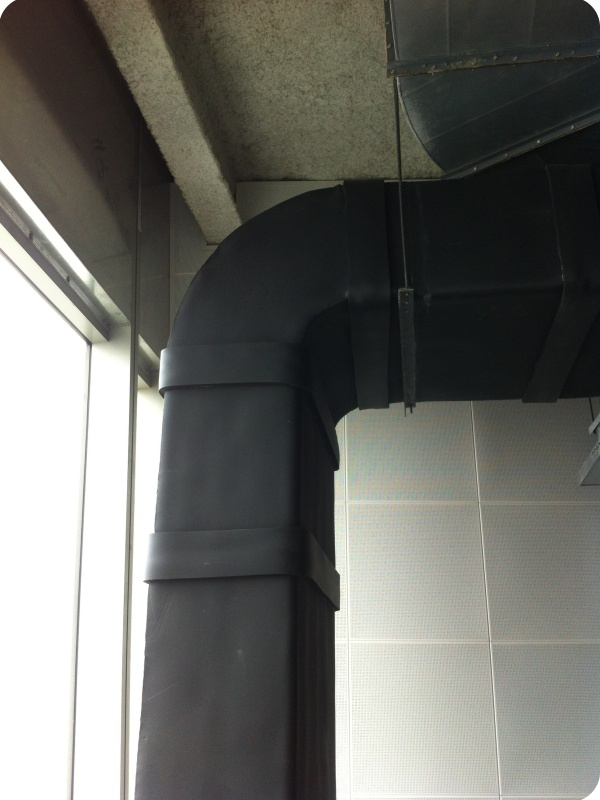
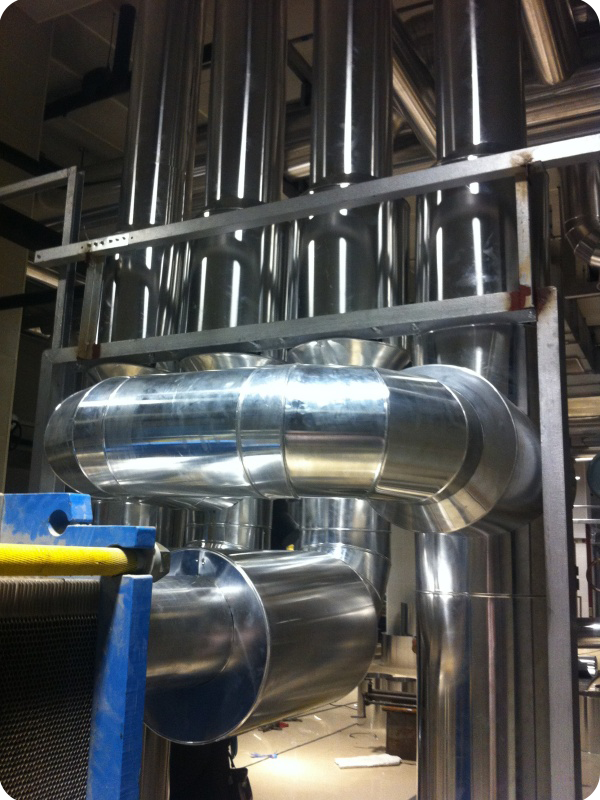
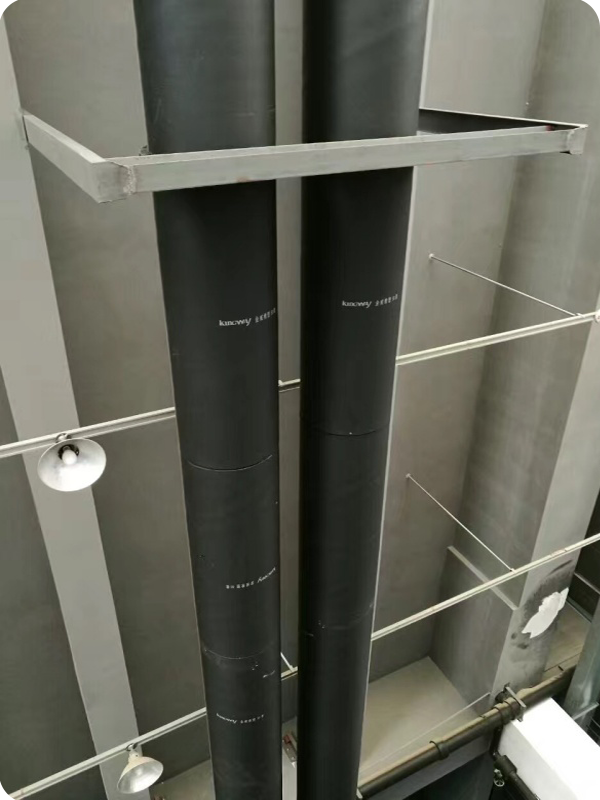
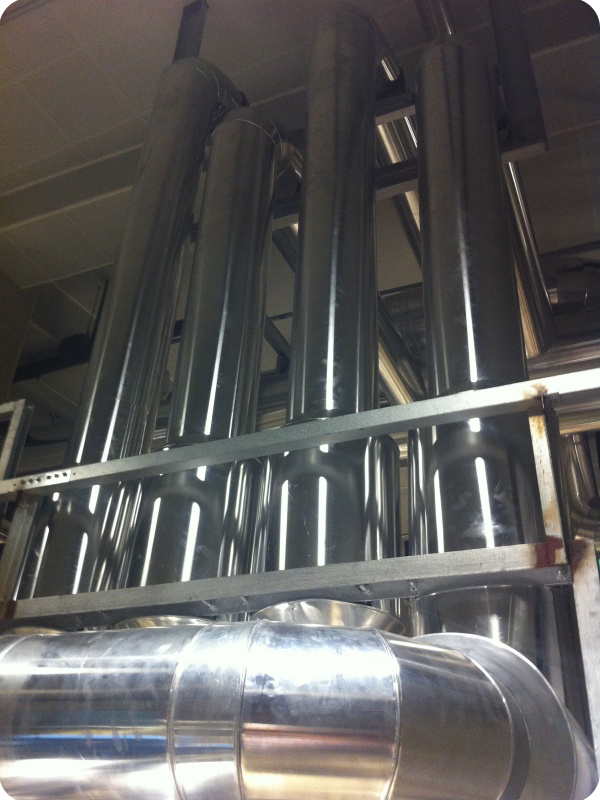
We work closely with contractors and distributors to supply certified materials that match their design specs. Through active communication and prompt updates, we help engineering clients coordinate material shipments with project schedules.



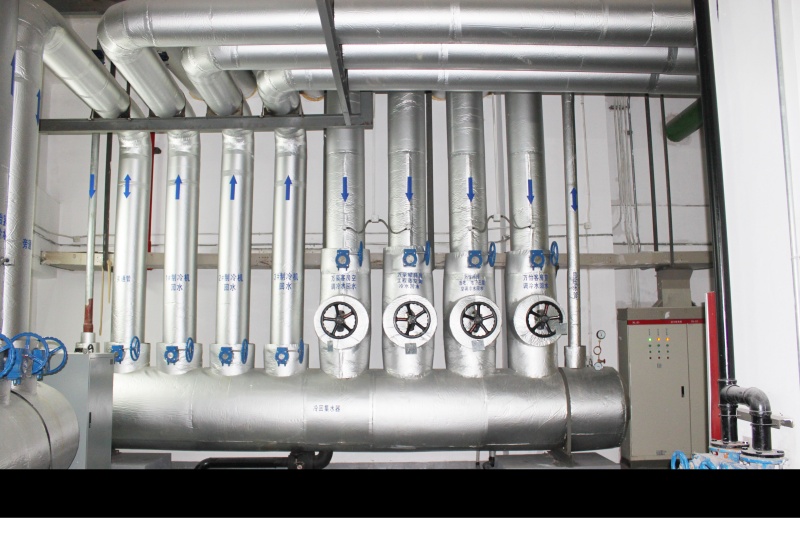
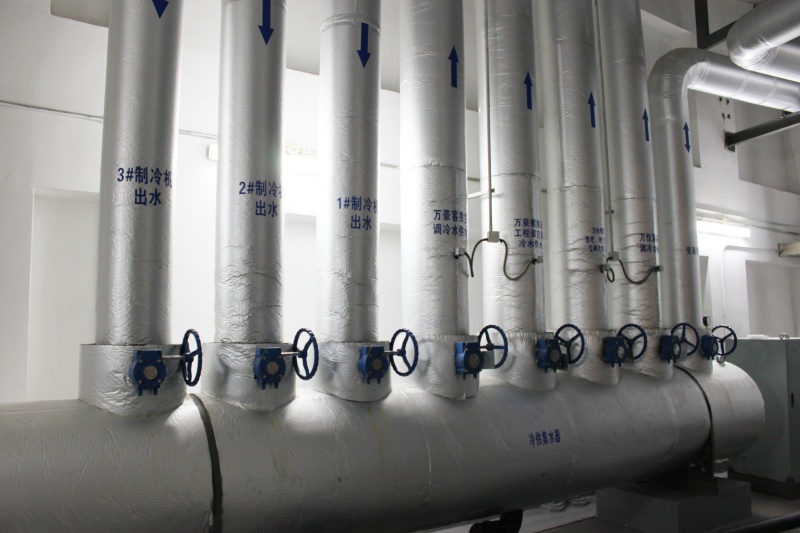

Explore answers to common technical, performance, and commercial procurement questions about our insulation systems.
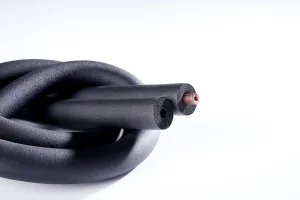
It is mainly used for HVAC ducts, air conditioning pipes, building thermal insulation, industrial pipeline cold insulation and sound insulation. Its closed-cell structure is particularly effective at preventing condensation on chilled water pipes and managing heat gain in ventilation systems.
Yes, our rubber foam insulation products are fire retardant, which meets the safety standards of building and industrial projects. Our materials are designed to be self-extinguishing and achieve BS 476 Class 1, UL94 V-0, and ASTM E84 Class A ratings.
Rubber foam is flexible, closed-cell, and moisture-proof, making it suitable for HVAC and building insulation without requiring an extra vapor barrier. Rock wool is high-temperature resistant and fireproof, making it suitable for industrial high-temperature steam pipeline insulation where moisture accumulation is not a primary concern.
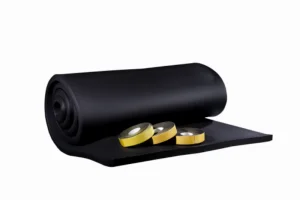
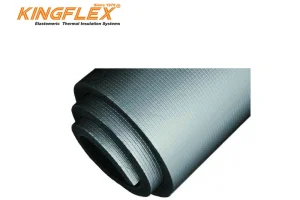
Yes, we support OEM and custom services. We can adjust the thickness, inner diameter, density, and backing configurations (such as self-adhesive layers or aluminum foil facings) to match your project specifications.
Our products have passed BS 476, CE, REACH, ROHS, UL94, ASTM, and other international certifications, ensuring product quality and compliance with global standards.
Yes, Kingflex products have traceability. Every manufacturing batch is marked and logged, allowing us to trace quality records back to the raw material inputs and quality testing reports.
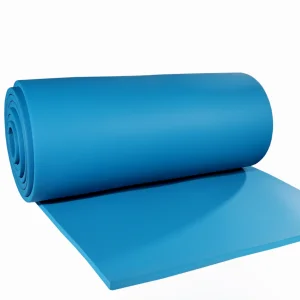
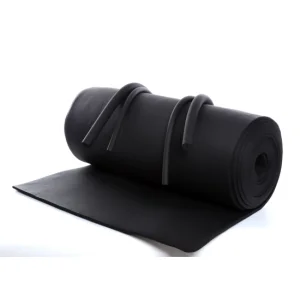
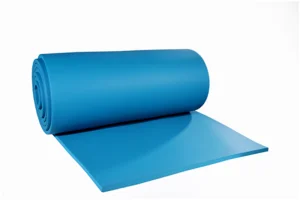
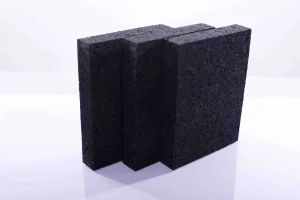
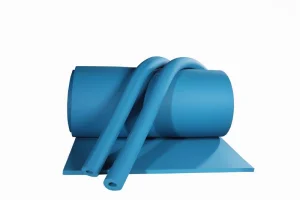
We can produce thicknesses from 6mm up to 50mm in flat sheet and roll formats, allowing for precise single-layer insulation designs across different temperature zones.
Under recommended operational guidelines and professional installation, the average service life is about 10 to 15 years, during which it maintains its structural integrity and thermal resistance.
We offer customized insulation options tailored to demanding industrial requirements:
Specially formulated to prevent chemical corrosion under insulation (CUI) in process lines.
Engineered for high acoustic absorption, helping to reduce noise from internal fluid flow and air ducts.
Includes co-extruded outer protective layers to resist weathering and UV degradation in outdoor setups.
Stays flexible down to cryogenic temperatures, helping to prevent cracking in cooling systems.
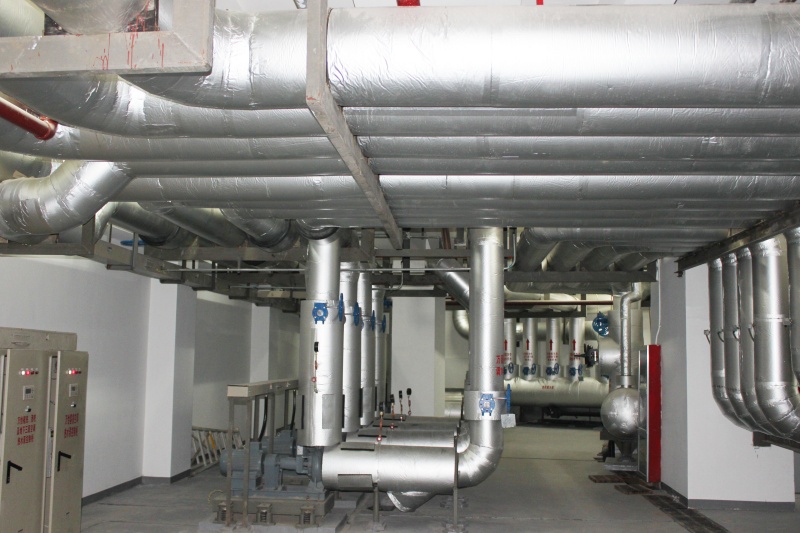
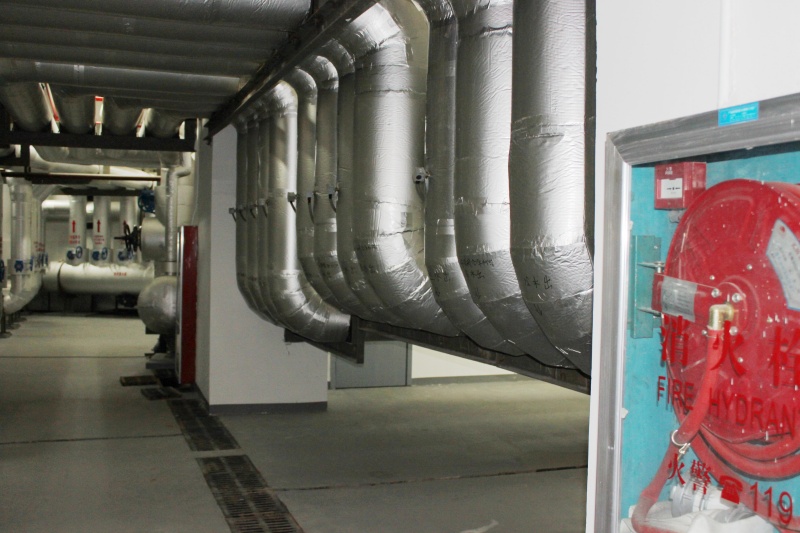
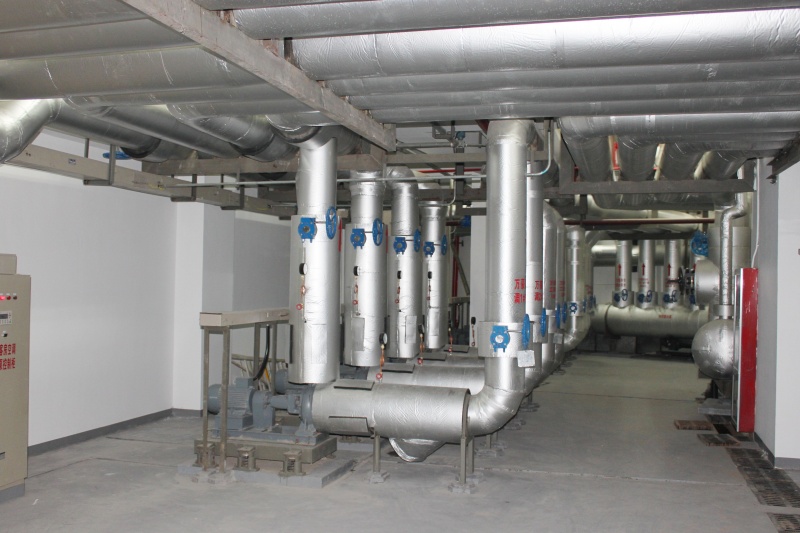
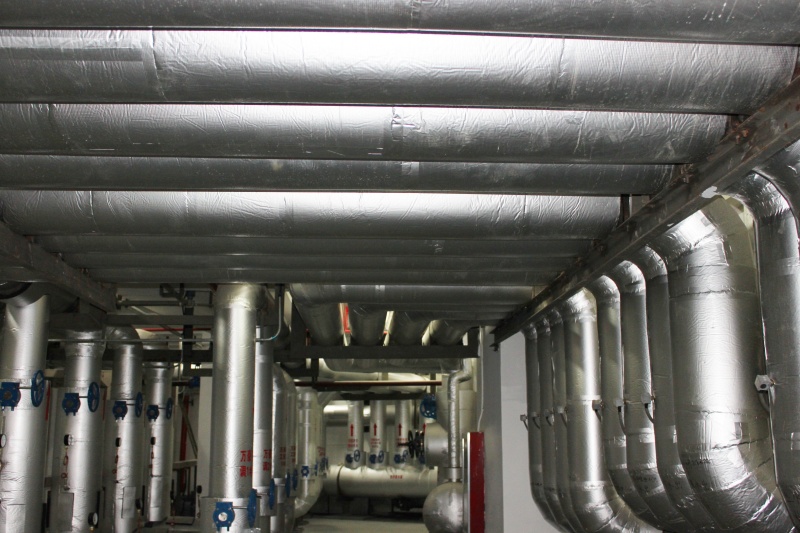
Review our selection of technical NBR/PVC blends, metal cladding configurations, and low-temperature elastomeric products for heavy commercial and industrial use.