Kingflex Kingflex

Wholesale Insulation Thickness Calculation Formula Suppliers & Factory

Scientific Thermal Calculations, Advanced Elastomeric Systems, and High-Performance China Supply Chain Solutions

Industrial Elastomeric Insulation Product Lineup

Highly engineered thermal and cryogenic control products designed for global infrastructure compliance.
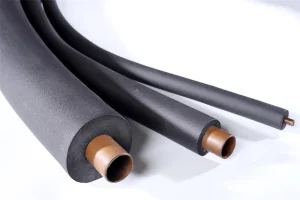
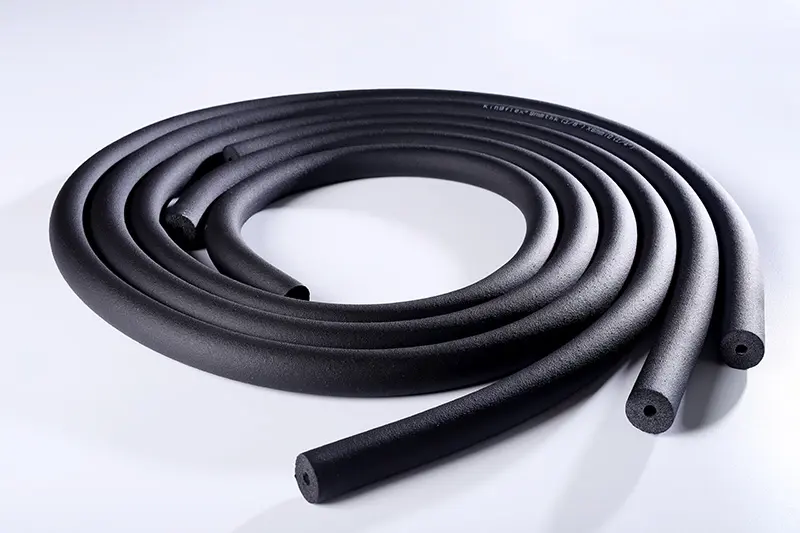
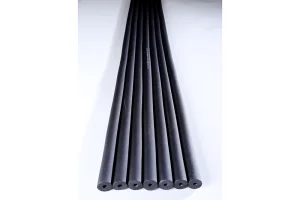
Wholesale Kingflex insulation tube excellent product performance Supplier

Wholesale Kingflex insulation tube excellent product performance Supplier

View Details
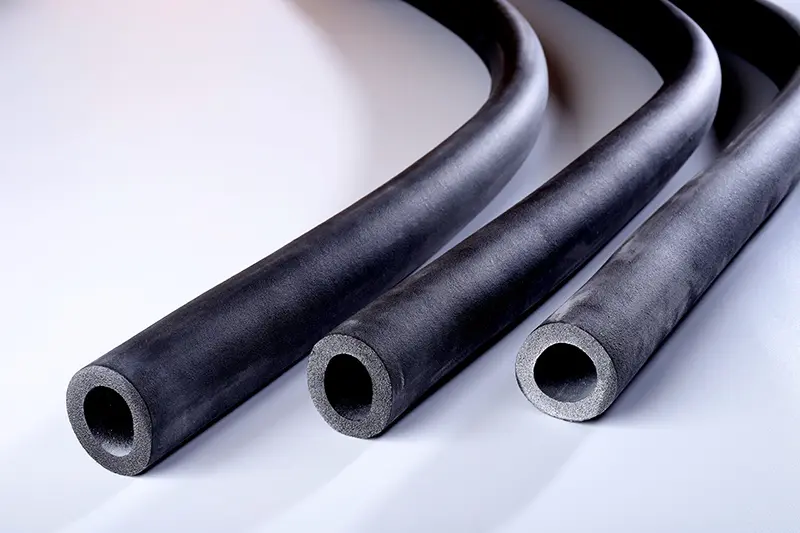
China Kingflex Insulation hot selling rubber foam acoustic panel

China Kingflex Insulation hot selling rubber foam acoustic panel with open cell structure

View Details
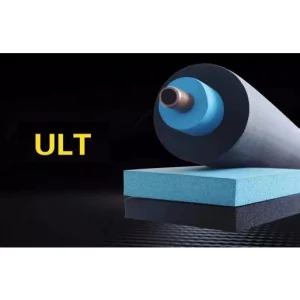
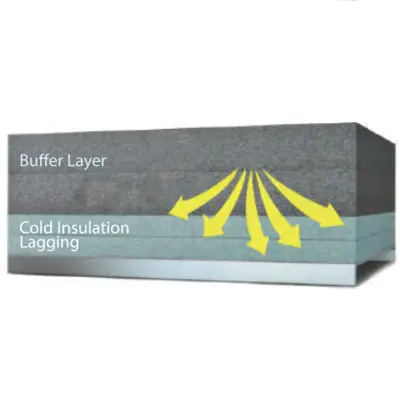
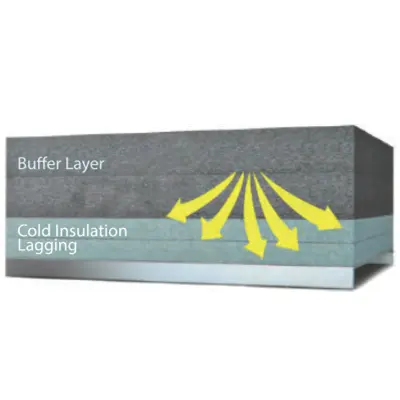
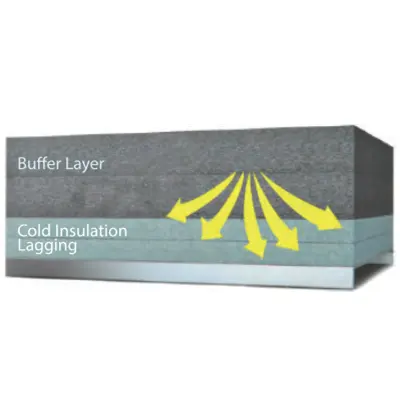
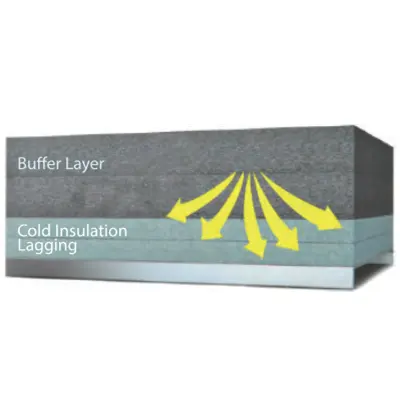
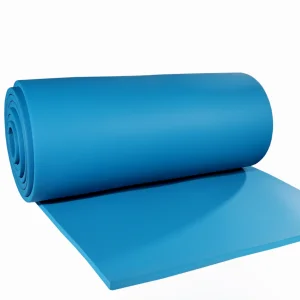
China Flexible insulation system for Ultra Low Temperature pipe

China Flexible insulation system for Ultra Low Temperature pipe Supplier

View Details
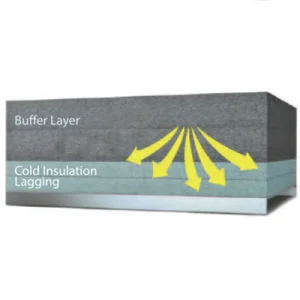
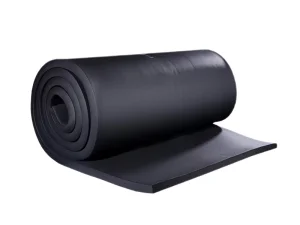
China Elastomeric rubber foam insulation system for ultra low temperature Manufacturer

China Elastomeric rubber foam insulation system for ultra low temperature Manufacturer

View Details
Wholesale KINGFLEX INSULATION TUBE Factory, Pricelist

Wholesale KINGFLEX INSULATION TUBE Factory, Pricelist

View Details
China Waterproof Rubber Foam Insulation Pipe Suppliers, Quotes

China Waterproof Rubber Foam Insulation Pipe Suppliers, Quotes

View Details
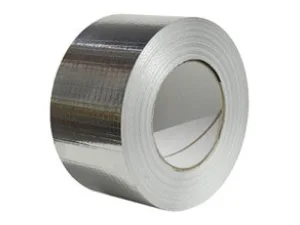
Wholesale Kingflex aluminum foil thermal insulation tape Supplier

Wholesale Kingflex aluminum foil thermal insulation tape Supplier

View Details
Wholesale Kingflex rubber foam insulation tube piping Factory

Wholesale Kingflex rubber foam insulation tube piping Factory

View Details

Theoretical Foundations: Insulation Thickness Calculation Formula

Determining mathematically precise insulation parameters is vital to avoid surface condensation, prevent thermal bridging, and optimize long-term operational efficiency.

The Mathematics of Thermal Equilibrium

Designing thermal insulation requires balancing heat gain or loss with external ambient convective heat transfer. The core mathematical formulation relies heavily on Fourier’s law of heat conduction coupled with Newton’s law of cooling. Under steady-state conditions, the heat flow rate through the insulation must equal the heat transferred to the ambient air through radiation and convection.

For cylindrical conduits (pipelines), the thermal resistance of the insulation layer is calculated logarithmic-ally, which behaves differently from a simple flat wall matrix. The thermal calculation formula for pipe insulation thickness is modeled below:

q = [2 * π * λ * (T_a - T_i)] / [ln(D_o / D_i) + (2 * λ) / (h_s * D_o)]
Where:
q = Heat loss per unit length of pipe (W/m)
λ = Design thermal conductivity of elastomeric foam (W/m·K)
T_a = Ambient air dry-bulb temperature (K)
T_i = Fluid temperature inside the pipe (K)
D_i = Inner diameter of insulation (outer diameter of target pipe) (m)
D_o = Outer diameter of insulation (m)
h_s = Total surface heat transfer coefficient (convection + radiation) (W/m²·K)

In cold pipe applications (HVAC, chilled water, refrigeration, and cryogenic liquid storage), the primary operational hazard is surface condensation. Water droplets dripping from cold lines cause structural degradation, mold growth, and localized equipment failures. To prevent condensation, the outer surface temperature of the insulation (T_s) must remain strictly above the ambient dew point temperature (T_dp). The minimum necessary thickness is derived as follows:

ln(D_o / D_i) ≥ [2 * λ / D_o * h_s] * [(T_a - T_i) / (T_a - T_dp) - 1]

This implicit equation is resolved using numerical iteration. Industrial calculation suites, such as 3E Plus, incorporate these variables alongside weather station algorithms to automate field thickness requirements. Designers must obtain reliable values for λ (thermal conductivity), which changes dynamically over the operating life of the building.

Thermal Conductivity drift (λ)

Over time, the physical structure of lower-grade elastomeric cells collapses, permitting ambient gas substitution which increases the lambda value. Standard closed-cell foam, like Kingflex, prevents this drift via a certified 98%+ closed-cell factor.

📉

Surface Emissivity (ε)

Lower emissivity finishes (like bright aluminum foil jackets) restrict radiative heat loss, requiring a larger physical thickness to avoid condensation compared to high-emissivity black elastomeric foam surfaces.

🔬

Boundary Layer Convection

Still air conditions drastically decrease the surface heat transfer coefficient (h_s), requiring significantly thicker insulation systems to prevent localized thermal breakdown and condensation.

Industry Development Trends & Sourcing Realities

From standard building insulation calculations to smart, localized, AI-driven process modeling in heavy industries.

1. Computational Evolution & BIM Integration

In the digital building era, static thickness tables are being superseded. Modern MEP (Mechanical, Electrical, and Plumbing) engineering departments rely on real-time calculations directly integrated into BIM software. The thickness calculation formula is no longer a static equation; it behaves dynamically, taking hourly meteorological data, regional solar loading patterns, and internal humidity levels to run transient thermal models.

Furthermore, standard closed-cell foams are optimized using AI molecular modeling, producing foams that maintain structural resilience under extreme pressure variables, which is key for deep-sea or high-elevation pipelines.

2. Global Sourcing & Regulatory Compliance

Procurement teams sourcing from international factories demand certifications that prove strict compliance. For modern projects in Europe and North America, insulation products must carry certifications such as BS 476, CE, REACH, RoHS, UL94, and ASTM. Testing procedures dictate that the physical calculation formulas must use a certified thermal conductivity parameter checked by third-party testing laboratories.
Key Sourcing Criteria for Global Buyers

  • Verifiable Quality Reports: Comprehensive testing data detailing smoke generation, flame spread index, and aging coefficients.
  • Traceable Manufacturing: Documented raw material sourcing and production tracking systems, ensuring compliance under REACH and RoHS regulations.
  • Thermal Stability: Foam insulation sheets must withstand a service temperature range of -40°C to 105°C with minimal shrinkage.
  • Volume Capability: Supply chains that can scale up to meet large-scale infrastructure and industrial plant requirements without production bottlenecks.
Kingflex Quality Inspection

China Factory 4.0: Supply Chain Resilience & Efficiency

How Kingflex Insulation Co., Ltd. uses industrial scale, technological integration, and 40 years of manufacturing experience to deliver high-quality thermal materials globally.
5
Automatic Assembly Lines
>600K m³
Annual Production Capacity
40+ Yrs
Jinwei Group Heritage
66+
Export Destinations Worldwide
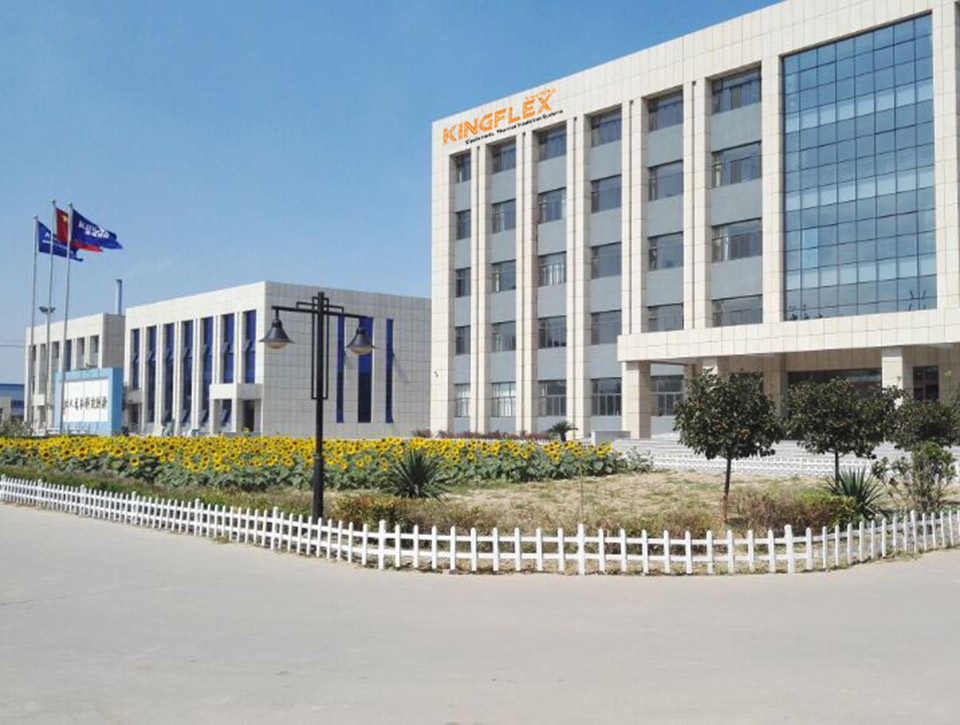
Kingflex Automated Manufacturing Plant

Advanced Extrusion and Foaming Control

At our production center in Dacheng, China—known as a key capital for green building materials—Kingflex utilizes Factory 4.0 principles to maintain consistent chemical mixtures and uniform closed-cell structures during production. Automated PLC-driven systems manage the raw material inputs, heat levels, and foaming agents to ensure the foam expands evenly, achieving a closed-cell rate of over 98%.

By using automated extrusion processes, we can control density variations to within ±2 kg/m³. This level of precision is essential for ensuring consistent physical performance and thermal conductivity throughout the material, allowing engineers to rely on stable design parameters in their thermal thickness calculations.

Furthermore, our supply chain integration helps insulate global partners from material shortages. With substantial bulk raw material access, onsite quality control, and testing laboratories, Kingflex continues to provide dependable supply solutions to global projects.

Physical Specifications & Sizing Matrices

Standard dimensions, thermal performance values, and physical metrics for Kingflex Rubber Foam products.

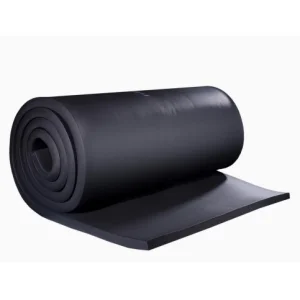
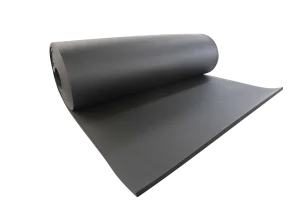
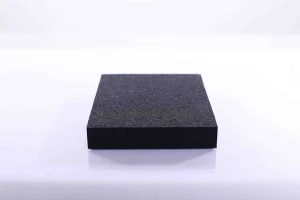
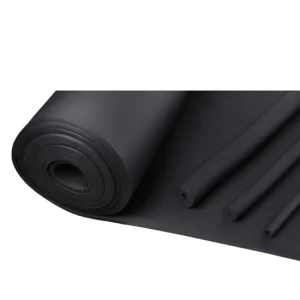
Black Rubber Foam Insulation Sheet Roll

Material Structure NBR/PVC blend, fully closed cell (≥98%)
Thickness Capability 6mm to 50mm
Density Range 40 - 55 kg/m³
Operating Temp Range -40℃ to 105℃
Fire Safety Rating Flame retardant, self-extinguishing
Water Vapor Resistance High resistance factor (u-value) preventing moisture ingress
Compression Resilience Over 80%

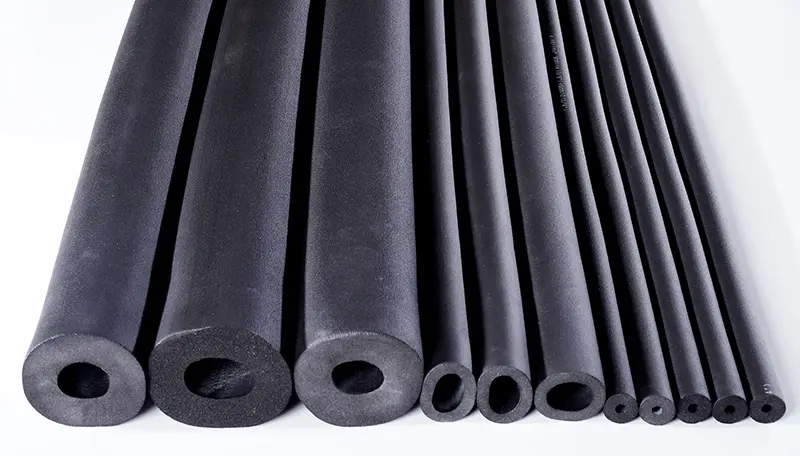
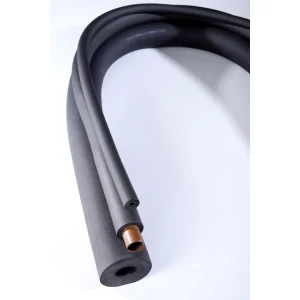
Black Rubber Foam Insulation Pipe

Material Structure NBR/PVC blend, optimized for pipe geometry
Thickness Capability 9mm to 40mm
Inner Diameter (ID) 6mm to 114mm (standard & custom sizing)
Density Range 40 - 55 kg/m³
Operating Temp Range -40℃ to 105℃
Coating & Finishes Compatible with aluminum foil or protective outer jackets
Application Target HVAC, hot/chilled water, solar thermal systems

Research, Quality Assurance & Technical Capabilities

A look inside our development labs, chemical testing processes, and international product approvals.

R&D Lab Testing

R & D Core Lab

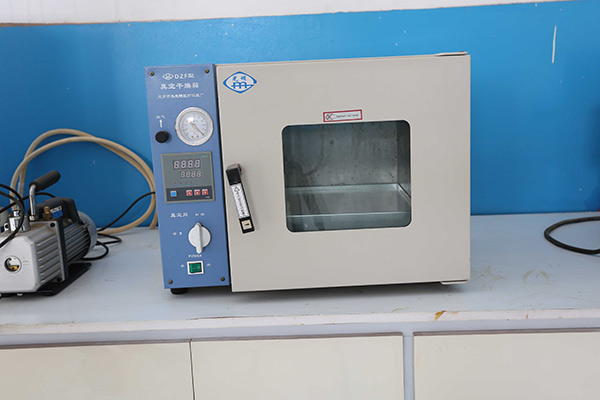
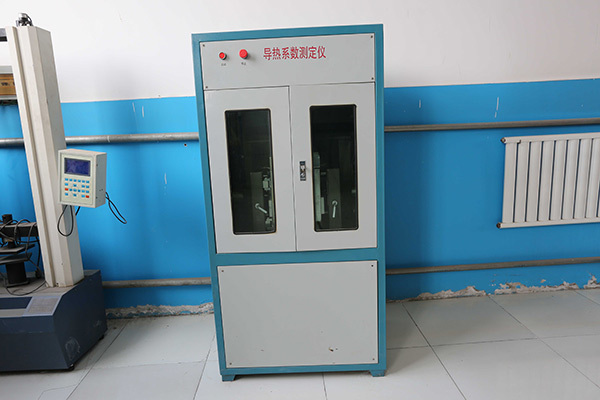
Our R&D facility features specialized testing equipment, including thermal conductivity meters and flame chambers, to verify the performance of every insulation batch before shipment.

Thermal Conductivity Testing Apparatus

Physical Testing Suite

Automated equipment continuously checks density, water vapor absorption, and mechanical compression resilience to ensure stable field calculations.

Chemical analysis and formulation control

Formulation Analysis

Chemists test fire-retardant compound distributions within the polymer matrix, which is key for meeting strict international fire codes.

Corporate History & Team Structure

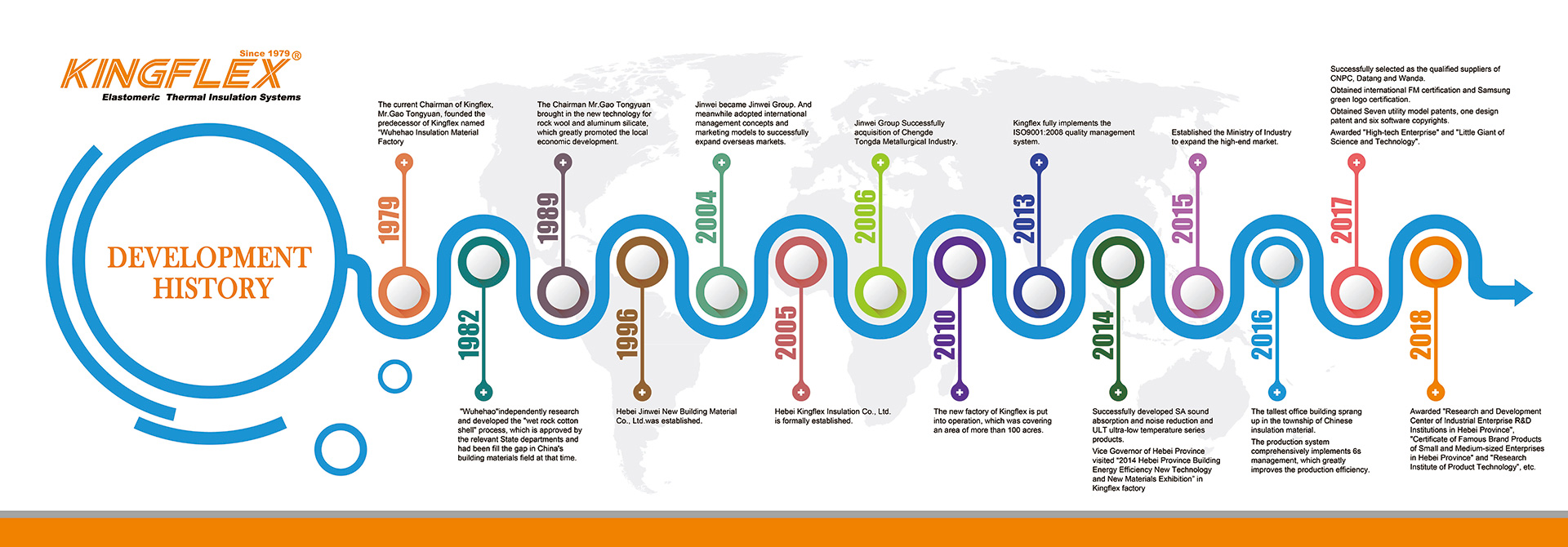
Established under the Jinwei Group, which began its manufacturing legacy in 1979, Kingflex holds a long-standing position in thermal insulation manufacturing in northern China. For over 40 years, our group has supported complex industrial and commercial construction projects.

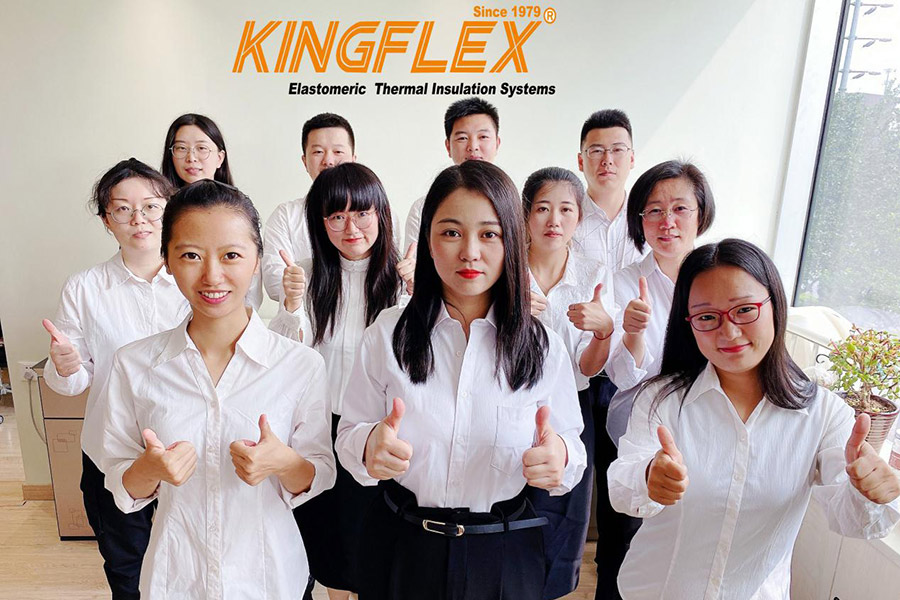
Today, the Kingflex team brings together 8 design and research engineers, 6 international customer service representatives, and 230 production personnel. Working as a single, coordinated team, we focus on delivering dependable product quality and technical support for cold and hot line projects worldwide.
Quality Certifications

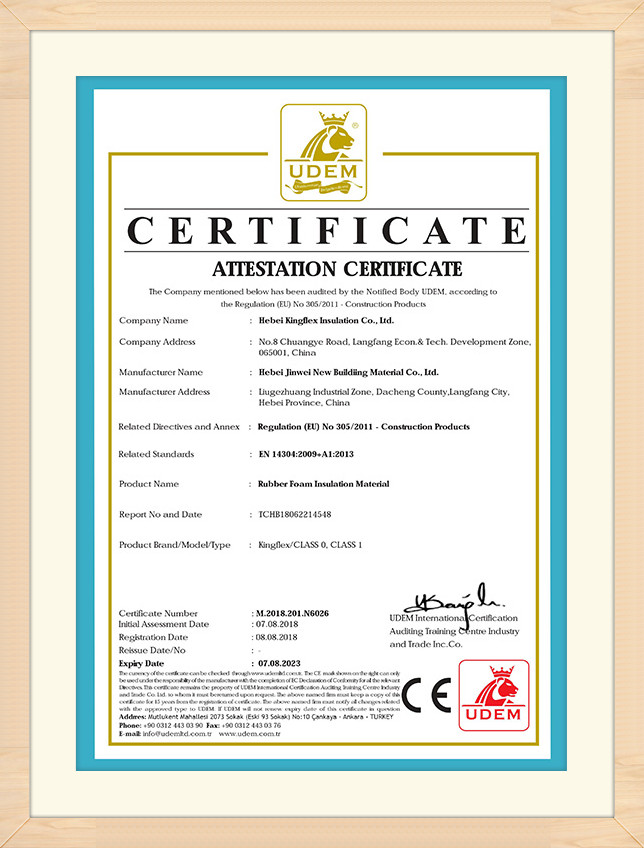
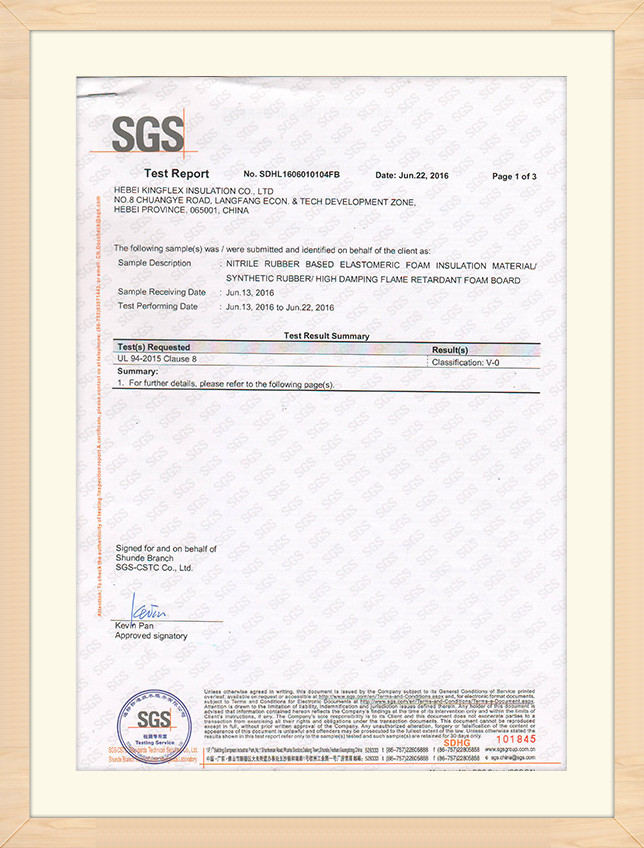
Kingflex products have successfully completed independent testing protocols required by global certification bodies:
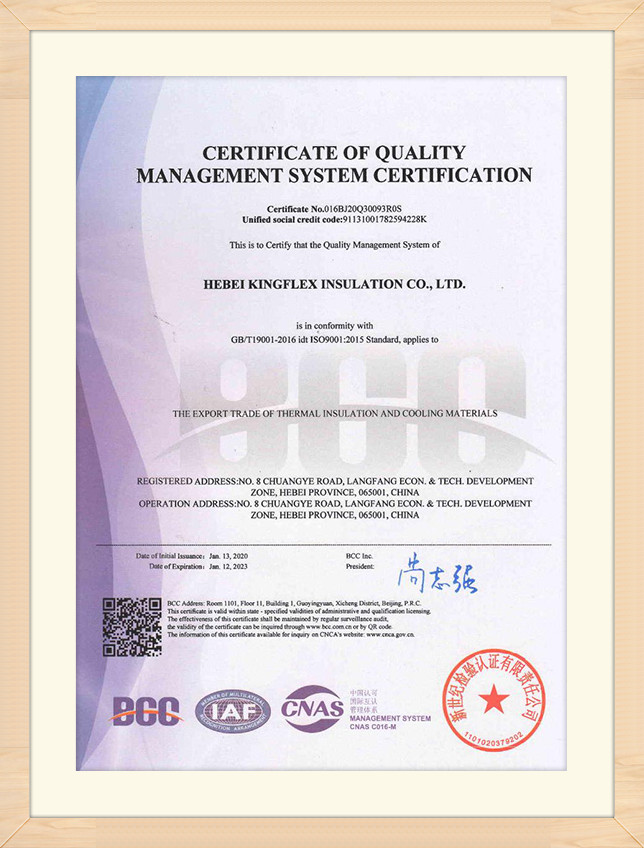
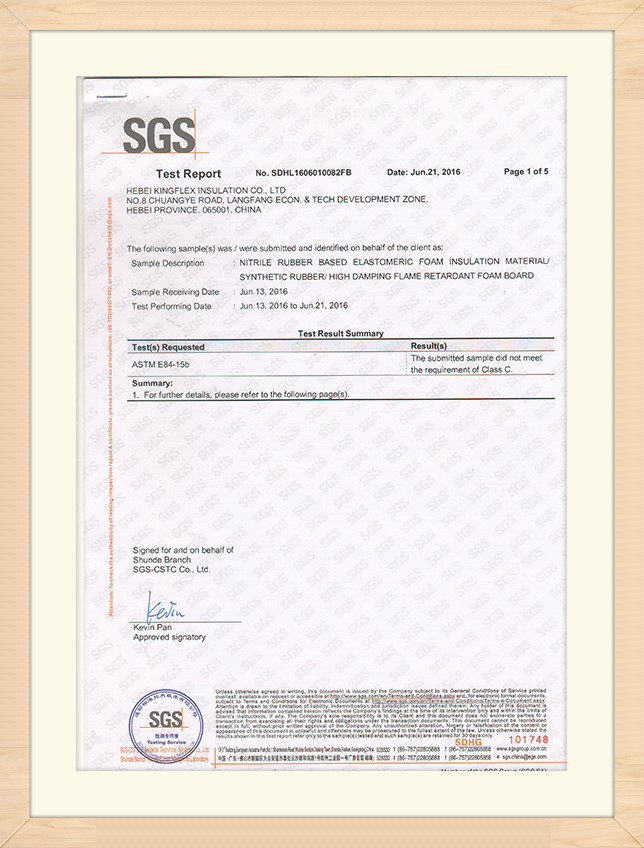
Note: Certified listings include BS 476, CE, REACH, RoHS, UL94, and ASTM. This documentation supports international project engineering calculations.

Localized Applications & Project Track Record

Real-world implementation of elastomeric insulation across commercial HVAC, cryogenic installations, and petrochemical pipelines.

HVAC & Cleanroom Environmental Systems

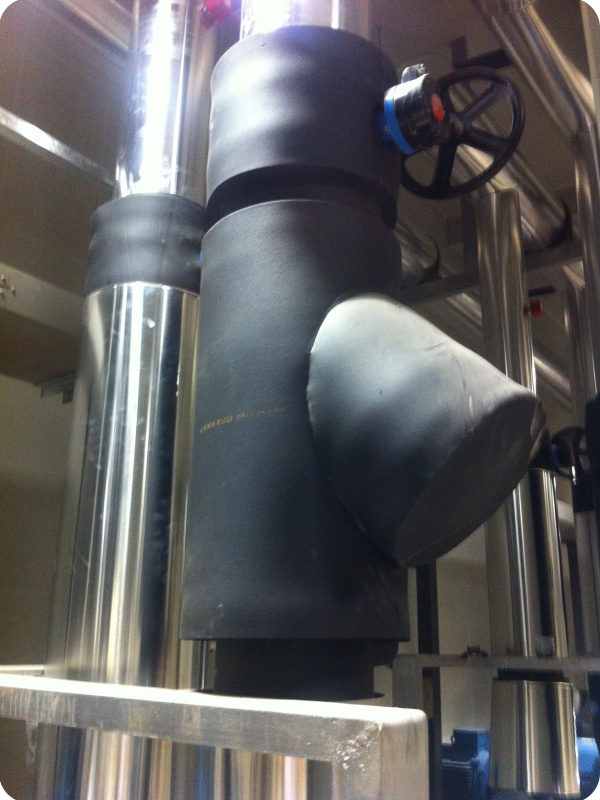
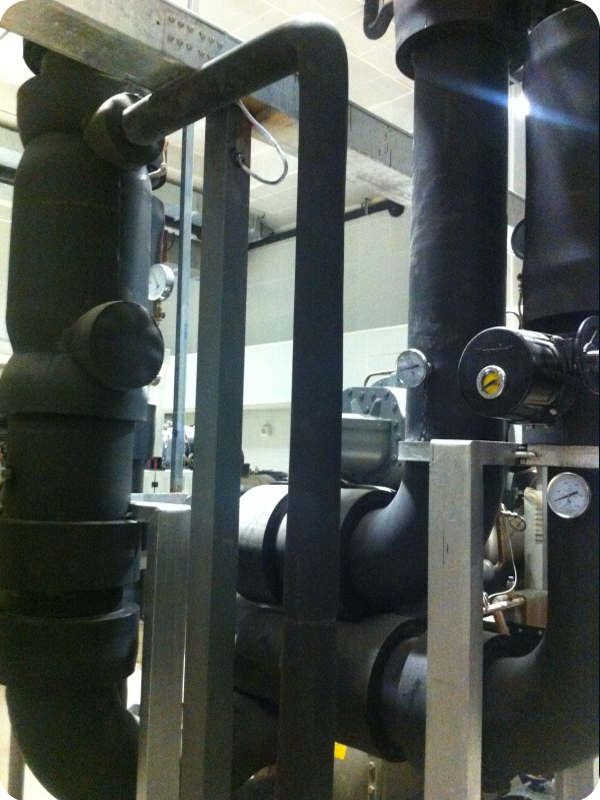
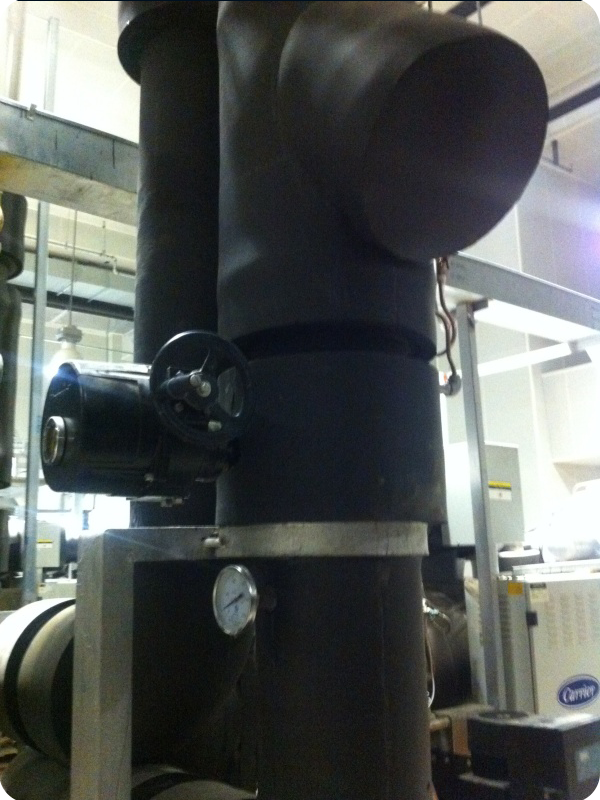
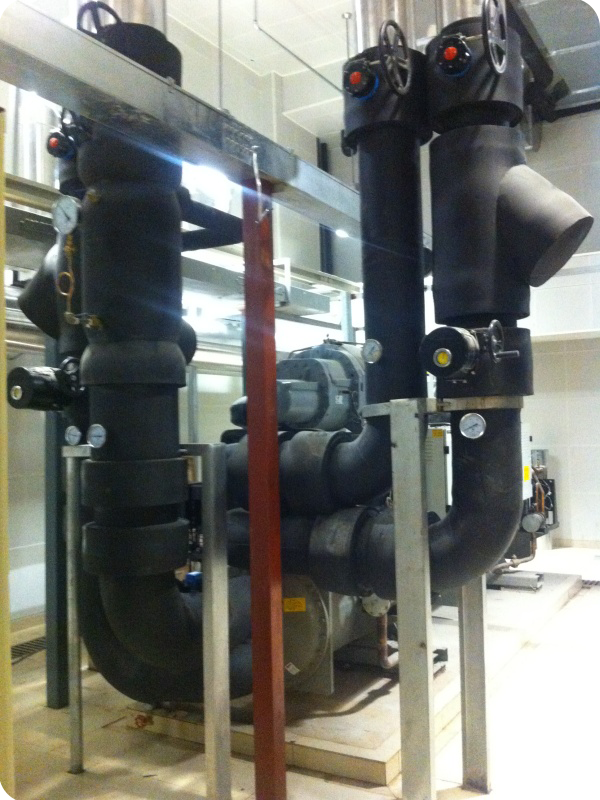
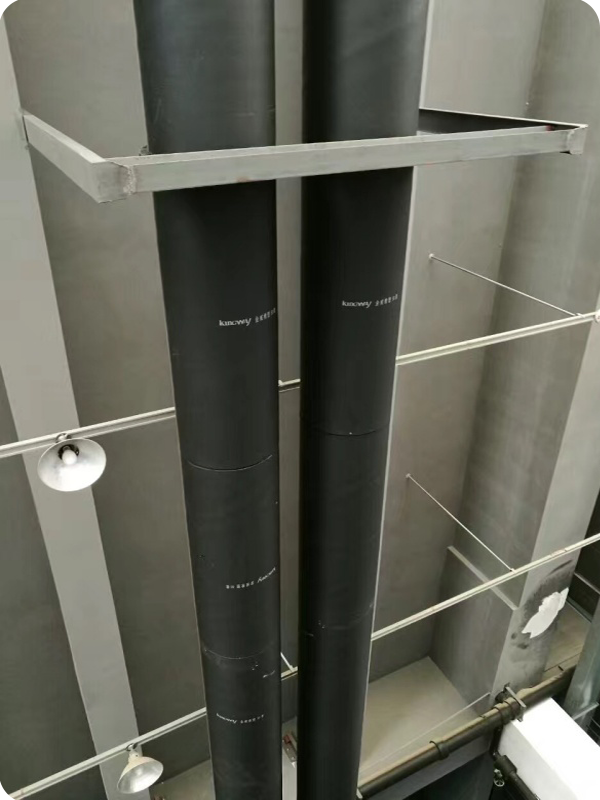
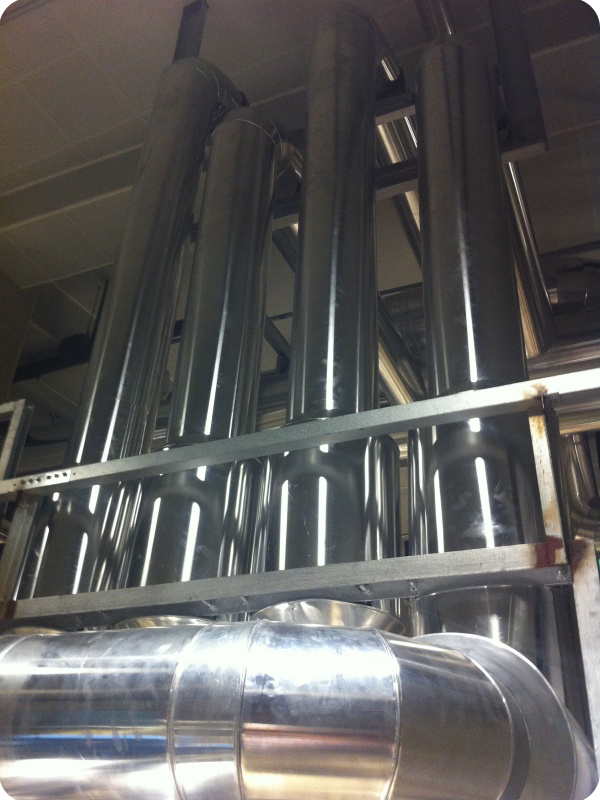
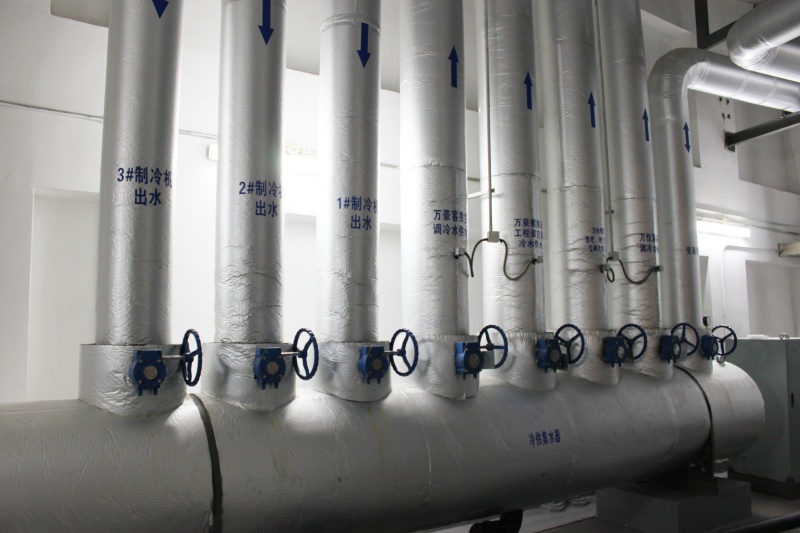
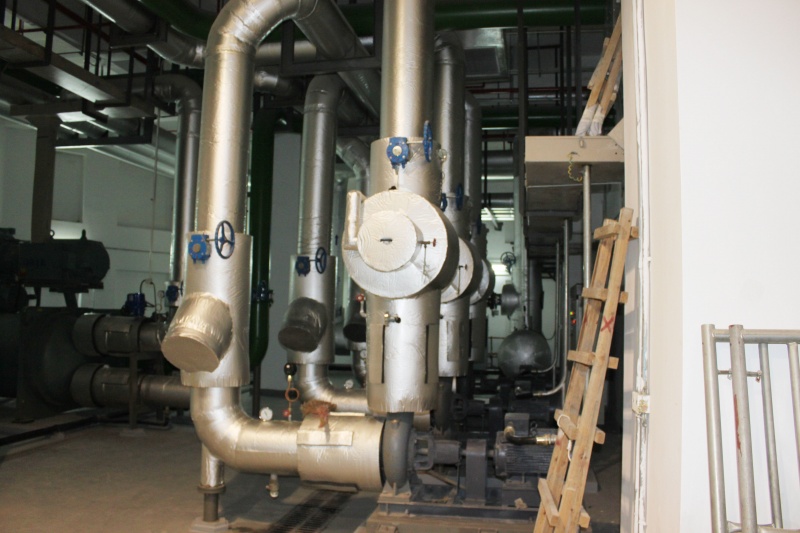
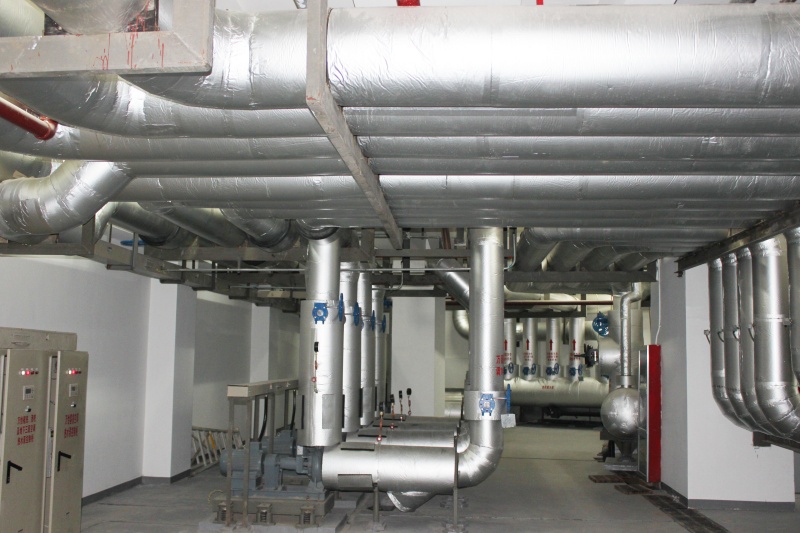
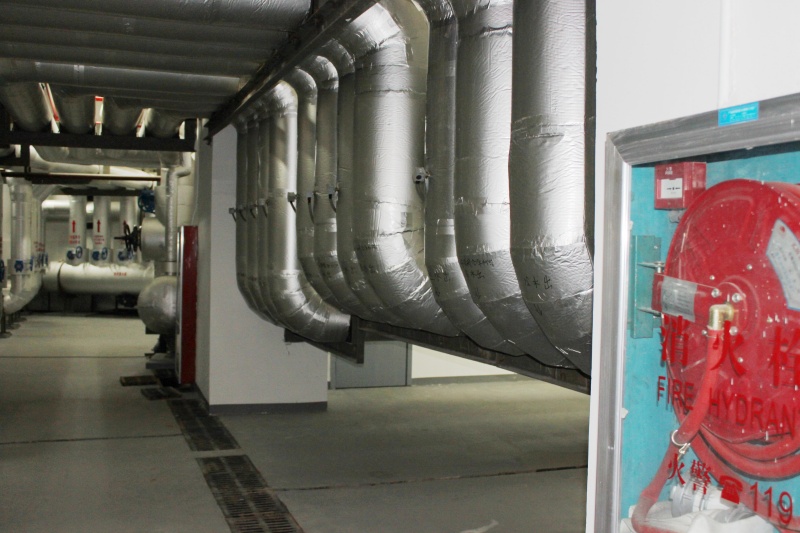
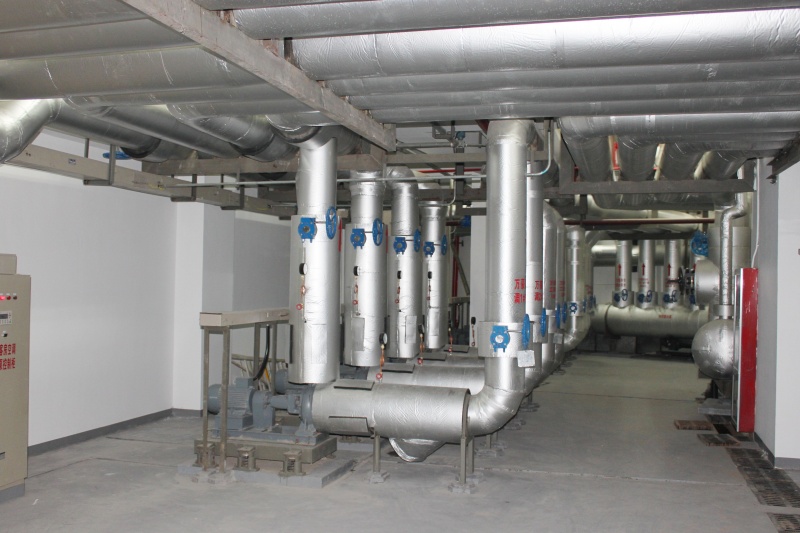
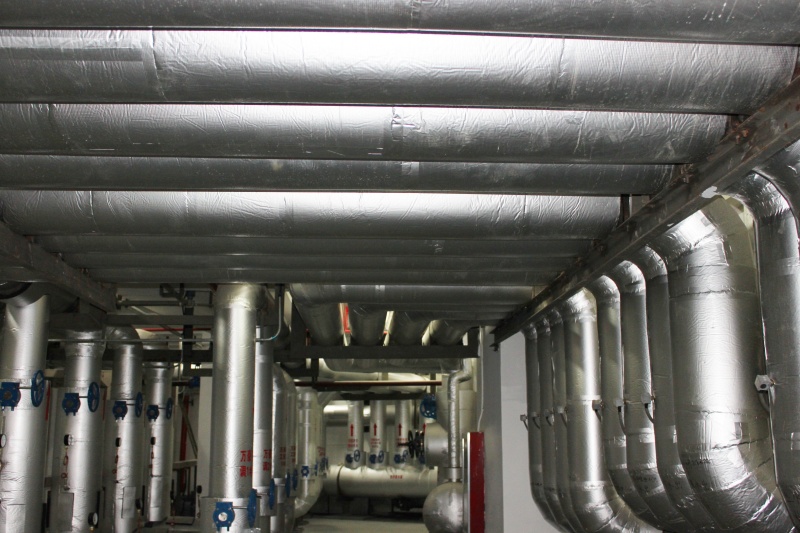
In humid commercial settings (such as tropical regional malls, central airports, and major hospital projects), chilled water supply pipes must operate without condensation. Design teams use our insulation calculations to select precise wall thicknesses (e.g., 25mm sheets or 32mm tubes) that prevent condensation on ducts and cold pipelines. By using flexible, closed-cell materials, mechanical rooms also benefit from reduced operational noise.

Cryogenic Liquid & Ultra-Low Temp Processing

For liquefied natural gas (LNG) transport lines, chemical processing systems, and cold storage applications, process temperatures can reach down to -200°C. In these environments, ambient moisture will migrate toward the pipe surface if the insulation is compromised. Kingflex cryogenic systems use multi-layer, low-temperature resistant foams that remain flexible, preventing cracks from thermal expansion and contraction while maintaining design thermal resistance.
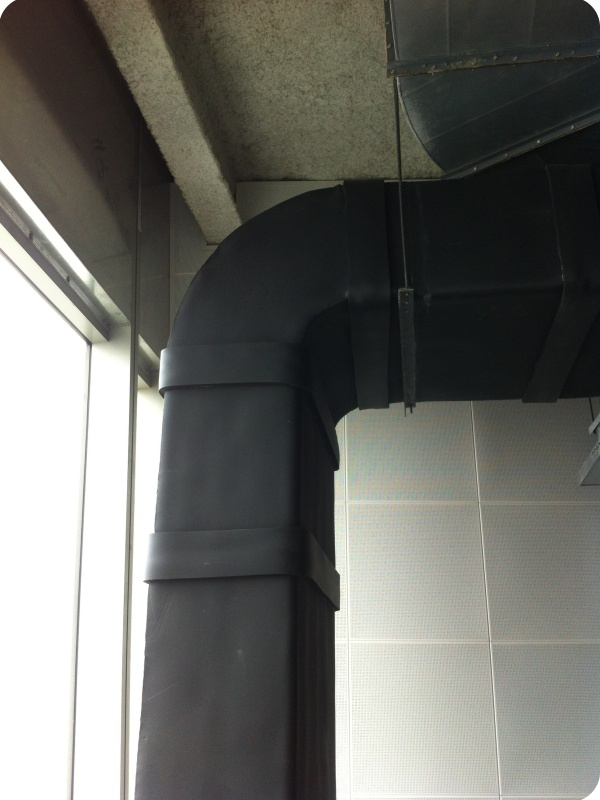
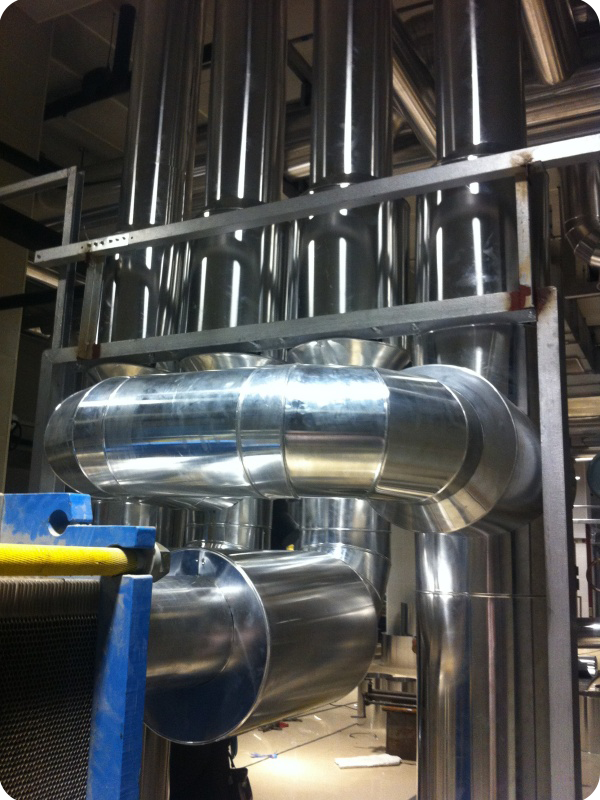
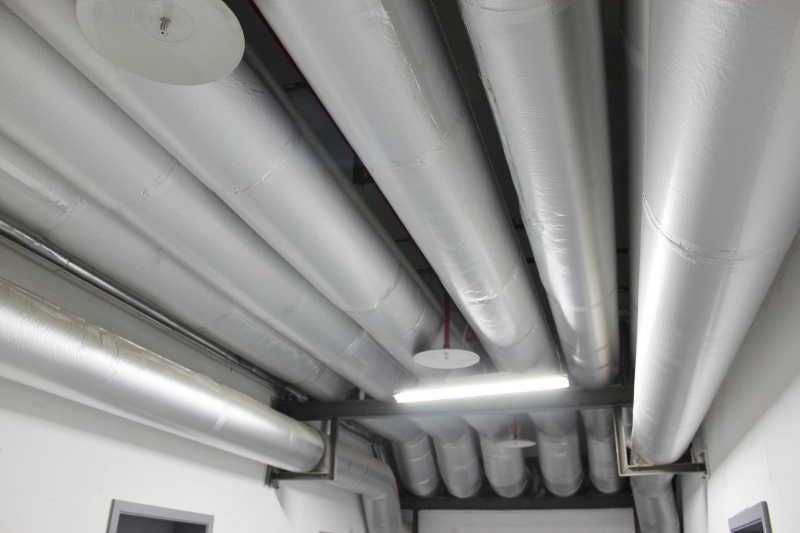
HVAC Duct Insulation Work
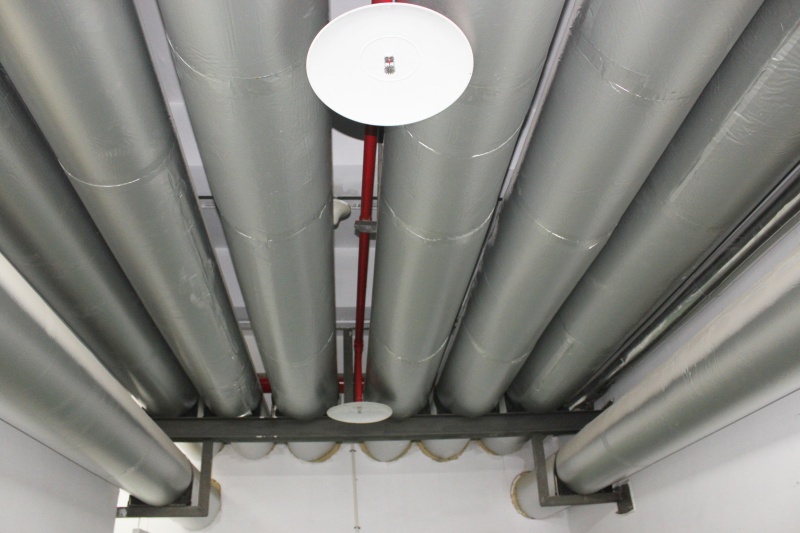
Chilled Water Line Insulation
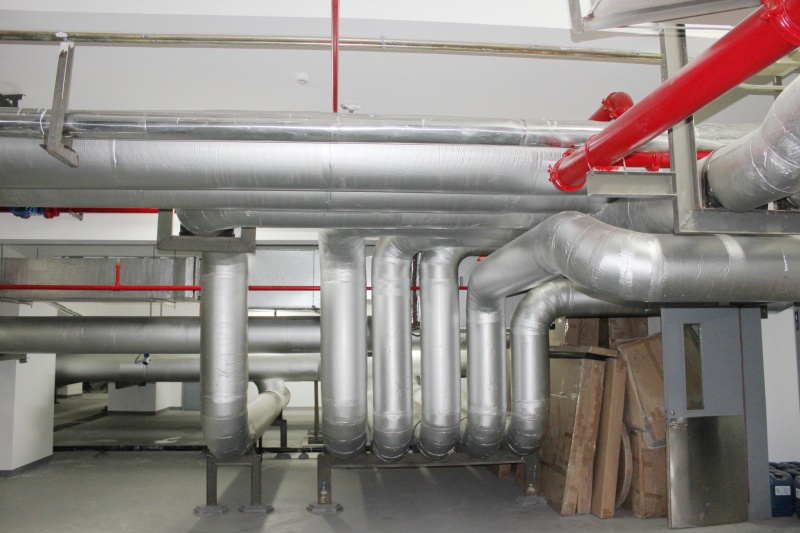
Industrial Steam Pipe Wrapping
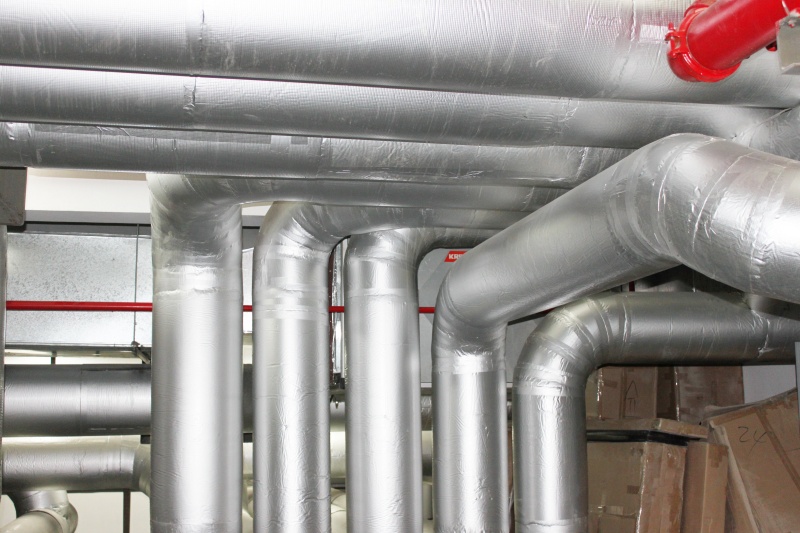
Cryogenic Piping System Insulation
Kingflex Plant Warehouse and Global Logistics

Factory Operations & Production Flow

A visual look at our raw material preparation, extrusion, foaming, and final logistics systems.
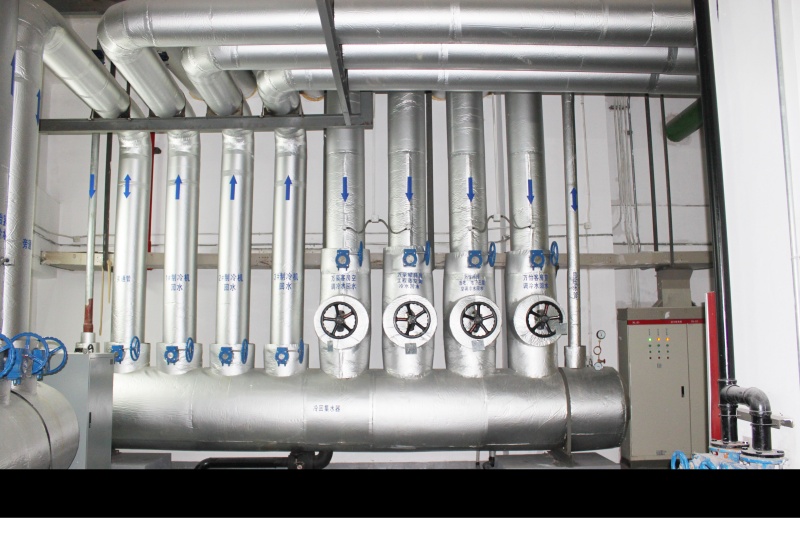
Comprehensive Product Catalog

A full range of thermal control solutions, featuring NBR/PVC elastomeric foams, cryogenic systems, and rock wool options.
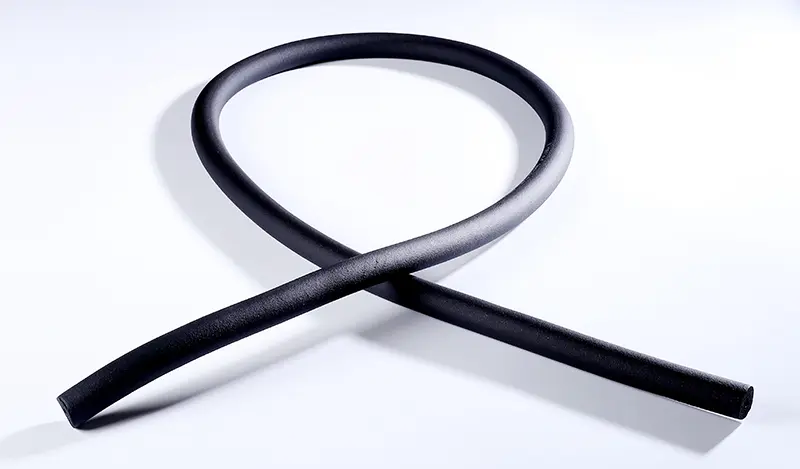
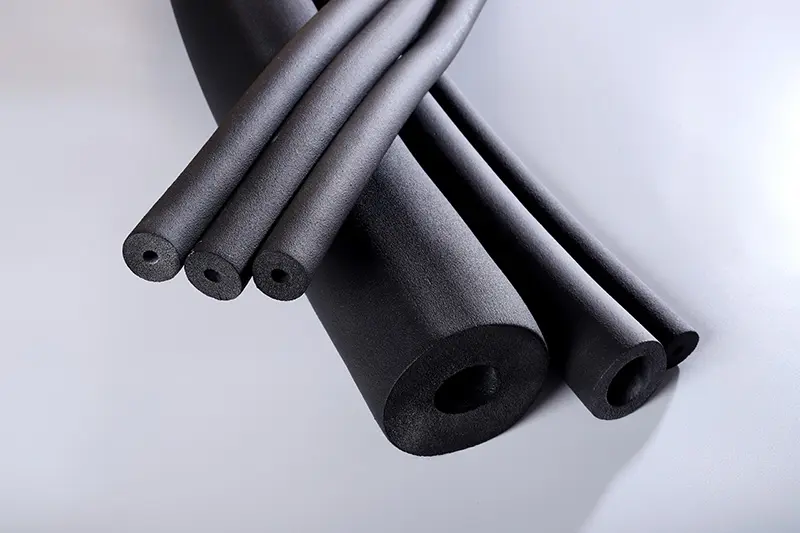
Rubber elastomeric foam insulation tube

Rubber elastomeric foam insulation tube

Request Quote
Corrosion Resistant Rubber Foam Insulation Tube

Corrosion Resistant Rubber Foam Insulation Tube

Request Quote
Elastic Rubber Foam Insulation Pipe

Elastic Rubber Foam Insulation Pipe

Request Quote
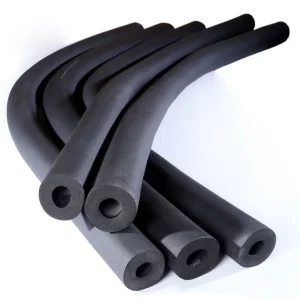
Black Rubber Foam Insulation Pipe

Black Rubber Foam Insulation Pipe

Request Quote
Foam Rubber Foam Insulation Tube

Foam Rubber Foam Insulation Tube

Request Quote
HVAC Rubber Foam Insulation Tube

HVAC Rubber Foam Insulation Tube

Request Quote
Elastomeric rubber foam insulation system

Elastomeric rubber foam insulation system for low temperature

Request Quote
Kingflex flexible insulation material for cryogenic

Kingflex flexible insulation material for cryogenic systems

Request Quote
Cryogenic rubber foam for low temperature and heating

Cryogenic rubber foam for low temperature and heat systems

Request Quote
Elastomeric cryogenic insulation for low temperature

Elastomeric cryogenic insulation for low temperature pipeline

Request Quote
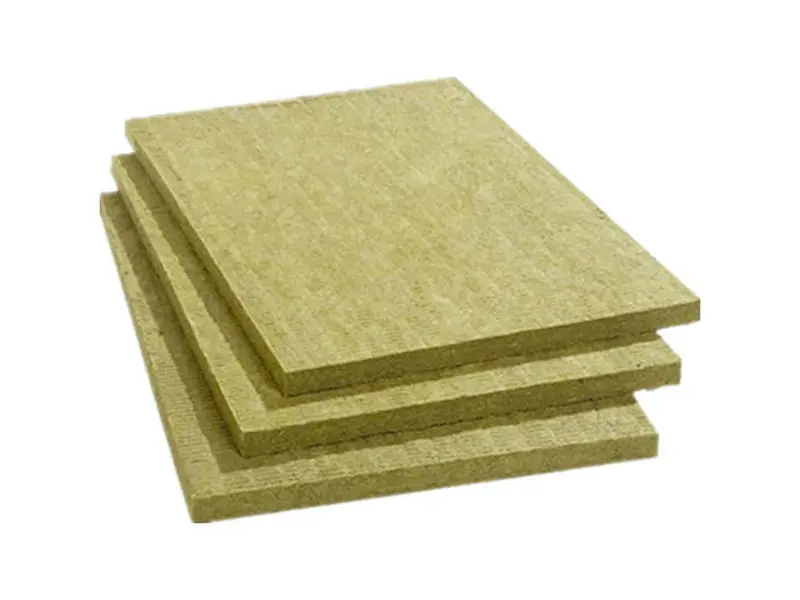
Rock Wool Insulation Board

Rock Wool Insulation Board

Request Quote
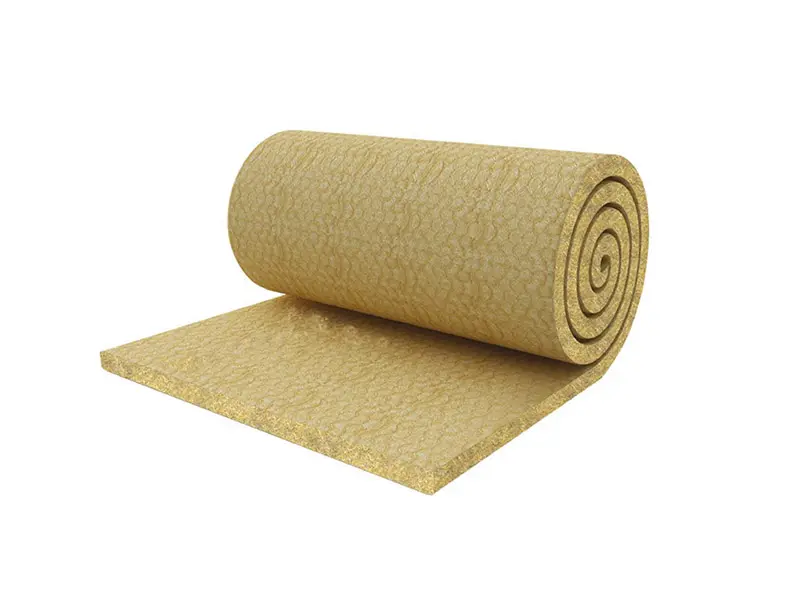
rock wool thermal insulation blanket

Rock wool thermal insulation blanket

Request Quote

Global Client Communications & Project Collaborations

Verifiable client feedback, logistics arrangements, and technical requests from mechanical engineers worldwide.

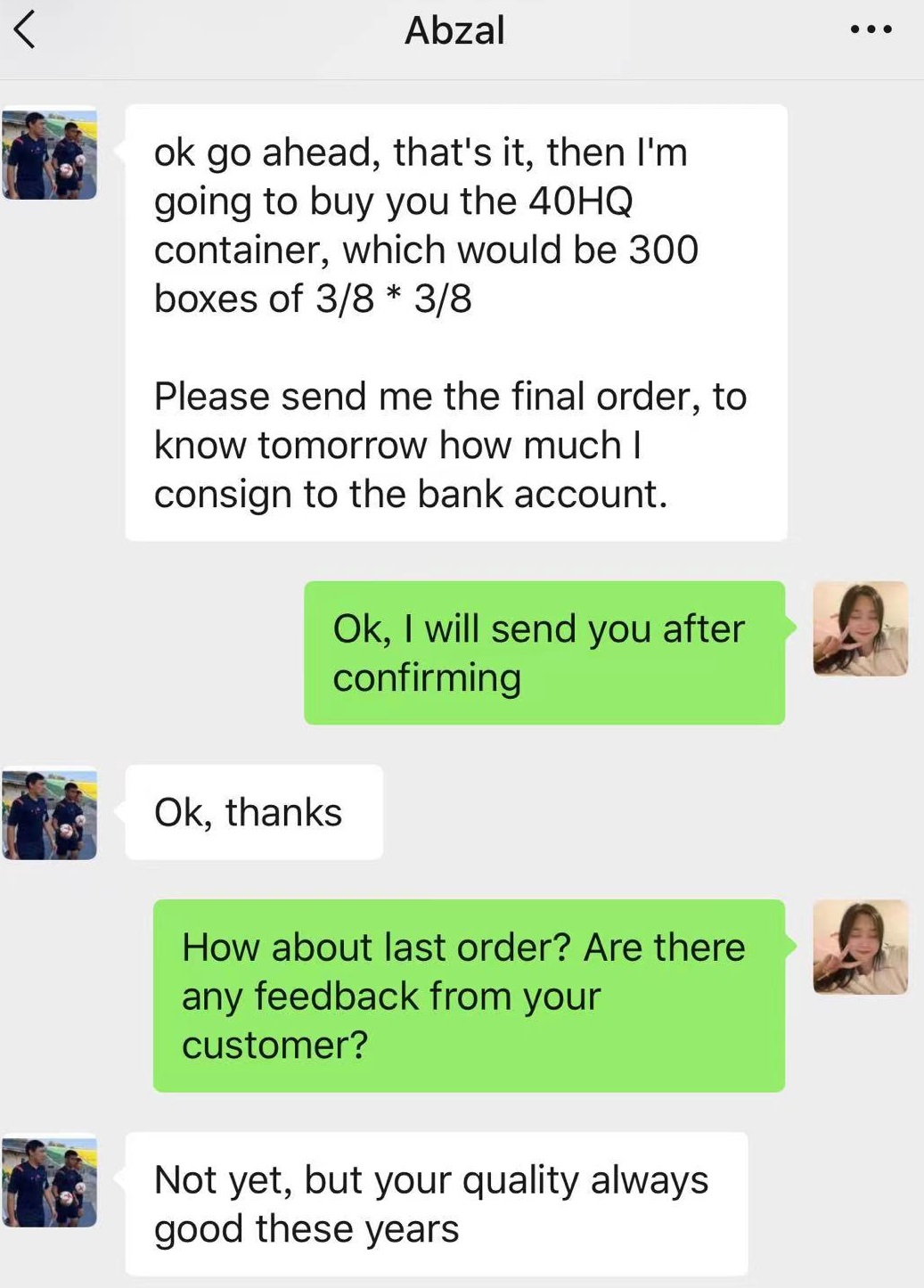
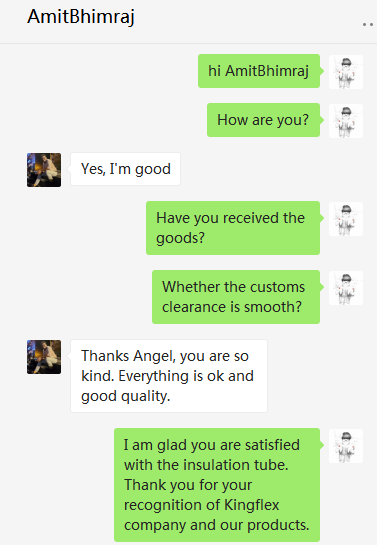
Client Chat Screenshot 1
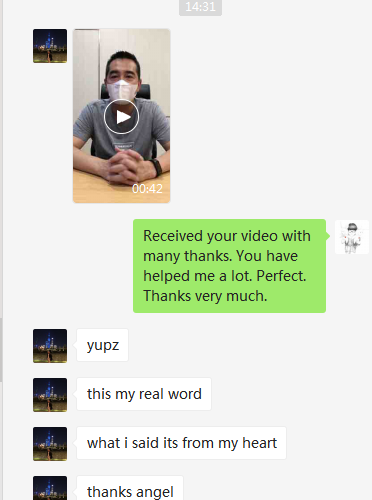
Client Chat Screenshot 2
Client Chat Screenshot 3
Client Chat Screenshot 4
Client Chat Screenshot 5

Production Line Details & Packaging Quality

On-site photography documenting our fabrication processes, safety guidelines, and dispatch preparations.
Technical FAQ & Calculation Guidance

Detailed answers to common engineering questions regarding calculations, performance criteria, and certifications.

Q1: What is elastomeric rubber foam insulation used for?
It is primarily used for HVAC air duct wrapping, refrigerant and chilled water lines, thermal insulation for commercial/industrial buildings, and sound absorption in process piping.
Q2: Is Kingflex rubber foam insulation fire resistant?
Yes. Our rubber foam insulation includes flame-retardant additives that meet fire safety standards for building and industrial systems (such as BS 476 Part 7 Class 1/Class 0 and UL94).
Q3: What is the difference between rubber foam and rock wool insulation?
Rubber foam is a flexible, closed-cell material that provides reliable moisture resistance, making it suitable for cold line refrigeration and HVAC systems. Rock wool is a fibrous mineral material that handles high temperatures and provides strong fire barrier protection, suited for hot pipes and high-temperature industrial processes.
Q4: Do you provide customized insulation products?
Yes. We support custom dimensions, specialized self-adhesive backings, aluminum foil facings, and customized wall thicknesses to meet specific project design requirements.
Q5: What certifications do your products have?
Our products are tested and certified under international standards including BS 476, CE, REACH, RoHS, UL94, and ASTM.
Q6: Do Kingflex products have traceability?
Yes. We maintain manufacturing batch records from raw chemical components to the finished foam packaging, allowing complete traceability for quality control.
Q7: What thickness of rubber foam insulation sheet roll can you produce?
We produce standard sheets and rolls in thicknesses ranging from 6mm up to 50mm.
Q8: What is the typical service life of your rubber foam pipes and boards?
Under standard operating conditions and when installed according to guidelines, our elastomeric materials provide an operational service life of 10 to 15 years.
Q9: How does ambient relative humidity affect thickness calculations?
Higher ambient relative humidity (RH) lowers the difference between the dry-bulb temperature and the dew point. In high humidity conditions, thicker insulation is required to keep the outer surface temperature above the dew point and prevent condensation.
Q10: What is the relationship between thermal conductivity (K-value) drift and aging?
Over time, lower-grade open-cell foams can absorb atmospheric moisture, which increases the material's thermal conductivity. Kingflex's closed-cell structure (>98%) restricts moisture movement, maintaining stable thermal conductivity (K-value) over the life of the installation.

Additional Industrial Insulation Solutions

A collection of custom elastomeric sheets, adhesive layers, and low-density foils for demanding HVAC installations.
Wholesale Kingflex pipe insulation Manufacturers

Wholesale Kingflex pipe insulation Manufacturers, Factories

View Details
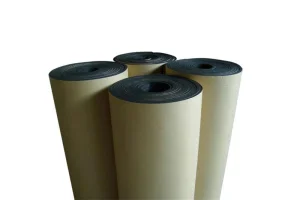
Wholesale Kingflex Self Adhesive Rubber Foam Sheet Supplier

Wholesale Kingflex Self Adhesive Rubber Foam Sheet Supplier, Factory

View Details
China 25mm thickness rubber foam insulation sheet roll Suppliers

China 25mm thickness rubber foam insulation sheet roll Suppliers, Factories

View Details
Wholesale KINGFLEX brand rubber foam insulation tube Manufacturer

Wholesale KINGFLEX brand rubber foam insulation tube Manufacturer, Quotes

View Details
Wholesale Insulation rubber foam product Factories

Wholesale Insulation rubber foam product Factories, Pricelist

View Details
China Kingflex Low Density Rubber Foam Sheet With Aluminum Foil

China Kingflex Low Density Rubber Foam Sheet With Aluminum Foil Factories, Quotes

View Details
Wholesale Elastomeric Cryogenic Insulation Series Suppliers

Wholesale Elastomeric Cryogenic Insulation Series Suppliers, Quotes

View Details
China elastomeric NBR/PVC rubber foam insulation sheet roll

China elastomeric NBR/PVC rubber foam insulation sheet roll Suppliers, Pricelist

View Details