 Kingflex
Kingflex
Kingflex
Industrial grade elastomeric products, acoustic components, and structural insulation systems direct from accredited manufacturing facilities.
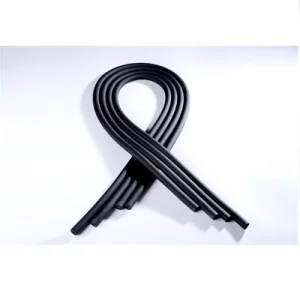
Thermal management in modern construction requires balancing thermal resistance and airflow dynamics. Insulation vent chutes (baffles) ensure that air channels remain open at the eave vents, allowing outside air to bypass insulation layers and rise freely to the ridge vents.
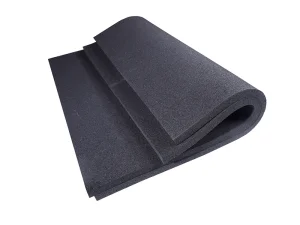
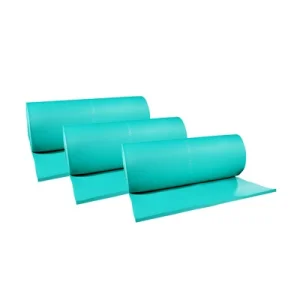
By coupling highly elastic NBR/PVC elastomeric rubber foam sheets with custom baffle layouts, structural engineers prevent air stagnation, mitigating mold formation and building envelope decay.
In cold climates, inadequate roof ventilation leads to localized heat buildup on upper attic surfaces. Snow melts over the warmer parts of the roof deck and refreezes at the cold eaves, creating dangerous structural ice dams.
Utilizing high-performance insulation board systems combined with precision vent chutes keeps roof deck surfaces uniform in temperature, directing moisture outdoors and protecting structural assets.
Airflow design is critical for high-efficiency HVAC equipment. Unobstructed vent chutes stabilize building pressure and ensure proper fresh-air intake. Integrating closed-cell rubber foam insulation across ducts and pipelines keeps transfer temperatures constant, optimizing overall system performance.
Strategic B2B insight on building materials, international production capacity, and global sourcing strategies.
International building regulations, such as ASHRAE 90.1, the European Energy Performance of Buildings Directive (EPBD), and localized green building codes, demand tight envelopes and strict thermal efficiency values. Wholesale buyers are moving away from manual, site-built venting solutions toward factory-extruded, high-durability vent chutes and pre-fabricated elastomeric sheets.
These industrial materials maintain structural stability under extreme installation loads, preventing the collapse of venting pathways under dense blow-in cellulose or glass mineral wool. By sourcing directly from large-scale manufacturing installations, global contractors ensure stable delivery parameters and cost efficiency across megaprojects.
For B2B distributors and procurement managers, purchasing directly from qualified manufacturers minimizes supply chain delays. Key metrics such as annual output capacity, automated packaging speed, and raw material access dictate the stability of your wholesale contracts.
Kingflex Insulation Co., Ltd. leads this space with 5 fully automated assembly lines, delivering an annual volume exceeding 600,000 cubic meters. Certified by industrial ministries, our logistics network provides predictable transit times to over 66 countries, ensuring large-scale construction phases proceed without materials bottlenecks.
Comprehensive physical properties of standard NBR/PVC elastomeric thermal insulation materials.
| Performance Characteristic | Reference Standard | Value / Measurement Details |
|---|---|---|
| Material Base Structure | Polymer Chemistry | Elastomeric Nitrile Butadiene Rubber / Polyvinyl Chloride (NBR/PVC) blend |
| Closed Cell Ratio | ASTM D2856 | > 98% uniformly structured cells |
| Insulation Density Range | ASTM D1622 / ISO 845 | 40 - 55 kg/m³ |
| Thickness Tolerances | EN 822 | Available from 6mm up to 50mm thickness range |
| Thermal Conductivity (λ) | ASTM C518 / ISO 8301 | ≤ 0.034 W/(m·K) at mean temperature of 0°C |
| Service Temperature Threshold | DIN 52613 / ASTM C411 | -40 °C up to +105 °C operating range |
| Compression Resilience | ASTM D1056 | > 80% recovery after prolonged load states |
| Fire Safety Classification | BS 476 Part 7 / UL 94 | Class 1 / V-0 self-extinguishing flame-retardant parameters |
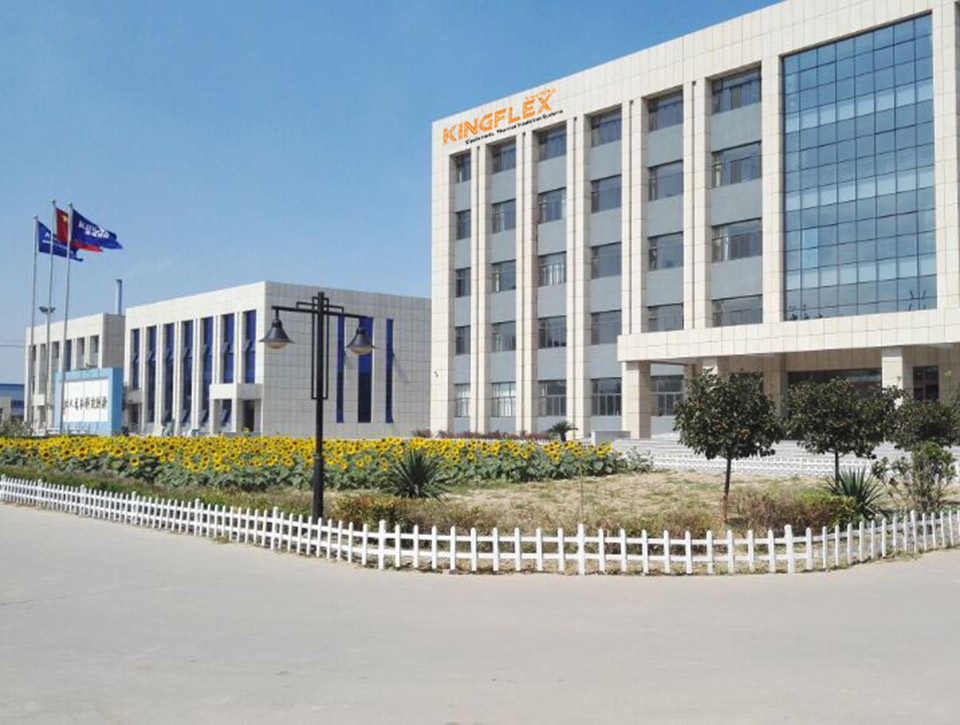
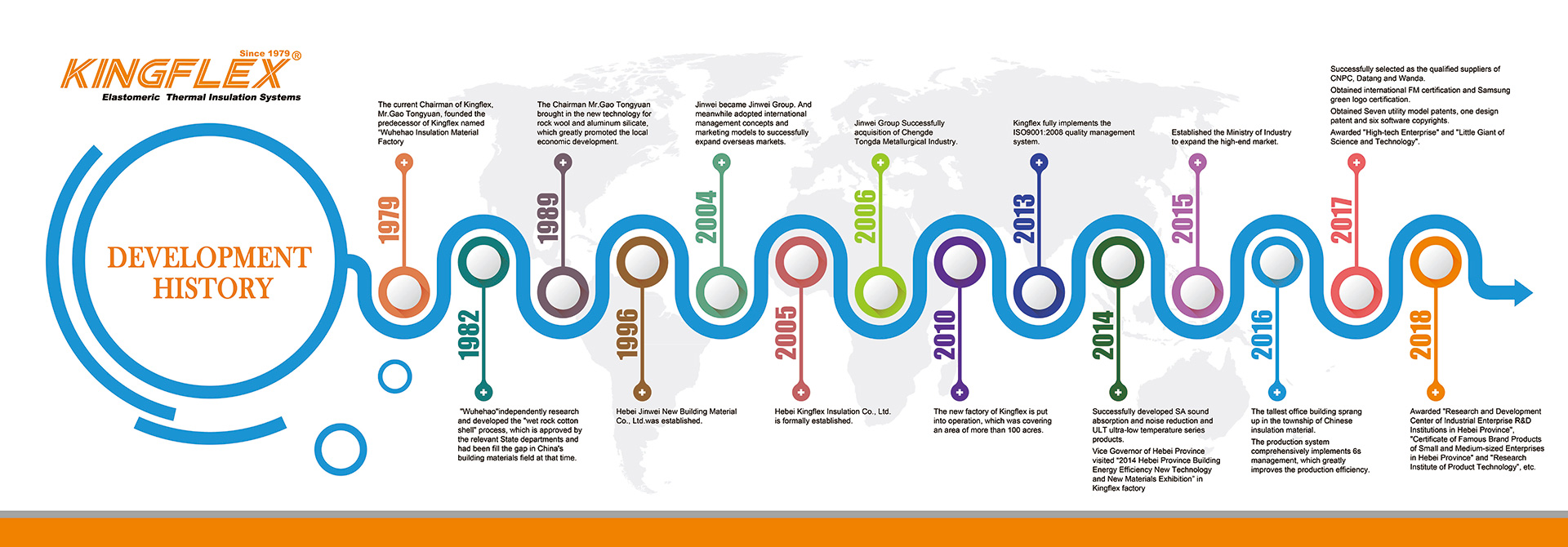
Established as a core subsidiary of the renowned Jinwei Group, which holds a rich historical legacy dating back to 1979, Kingflex has remained at the vanguard of the thermal insulation manufacturing sector. As the first major manufacturer of high-performance thermal insulation materials north of the Yangtze River, we have pioneered the transition from manual, low-density processing to high-precision automatic continuous extrusion.
Operating out of the Dacheng industrial zone—recognized globally as the capital of energy-efficient green building materials—our production base functions as a unified research, production, and international logistics complex.

Our products are engineered to conform to strict global building standards, ensuring project safety and compliance.
Evaluates structural flame spread across wall surfaces. Our elastomeric materials limit flame travel, achieving Class 1 certification.
Confirms conformity with European health, safety, and environmental protection standards for factory-made flexible elastomeric foam (FEF).
Guarantees the zero-presence of heavy metals, polybrominated biphenyls, and hazardous chemical additives within the polymeric matrix.
Strict compliance with critical water vapour transmission rates (ASTM E96) and thermal resistance parameters alongside standard flammability ratings.
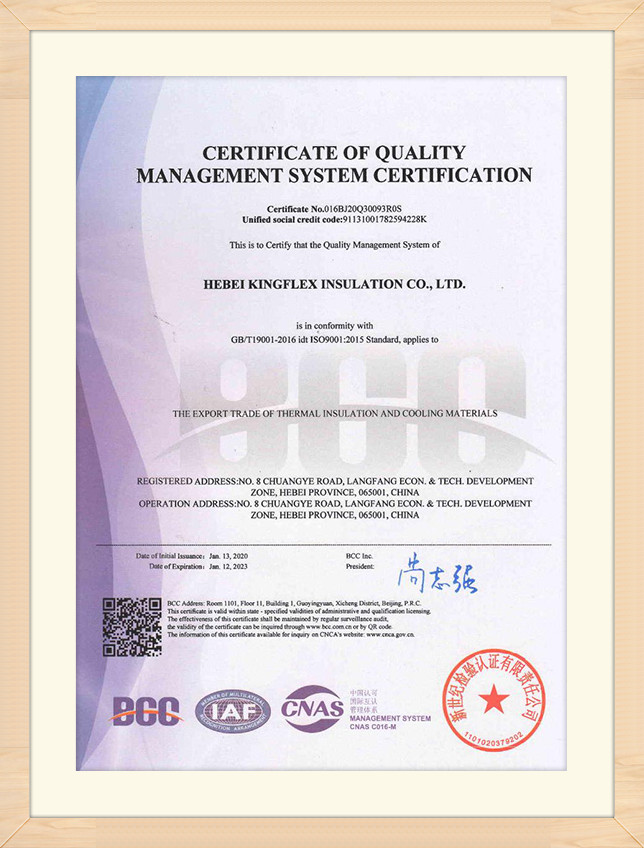
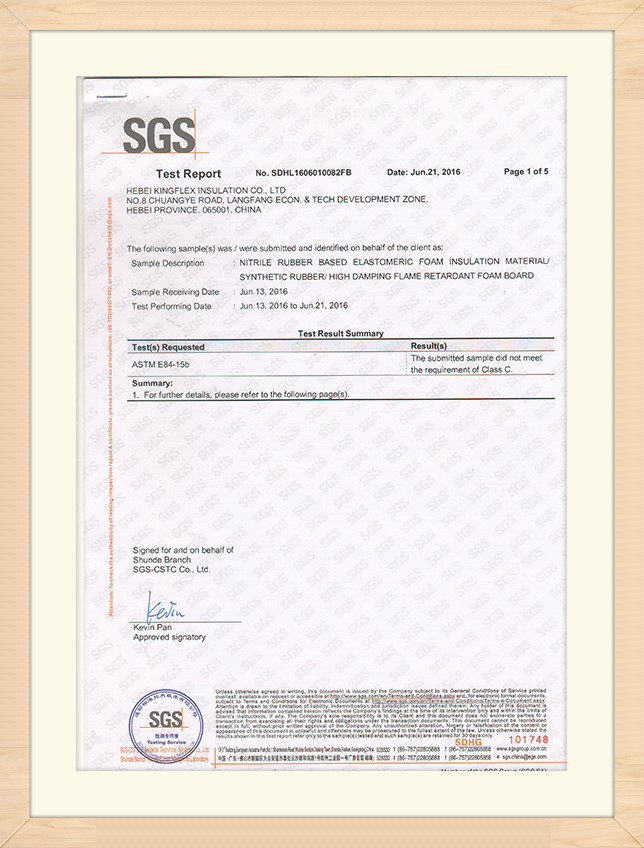
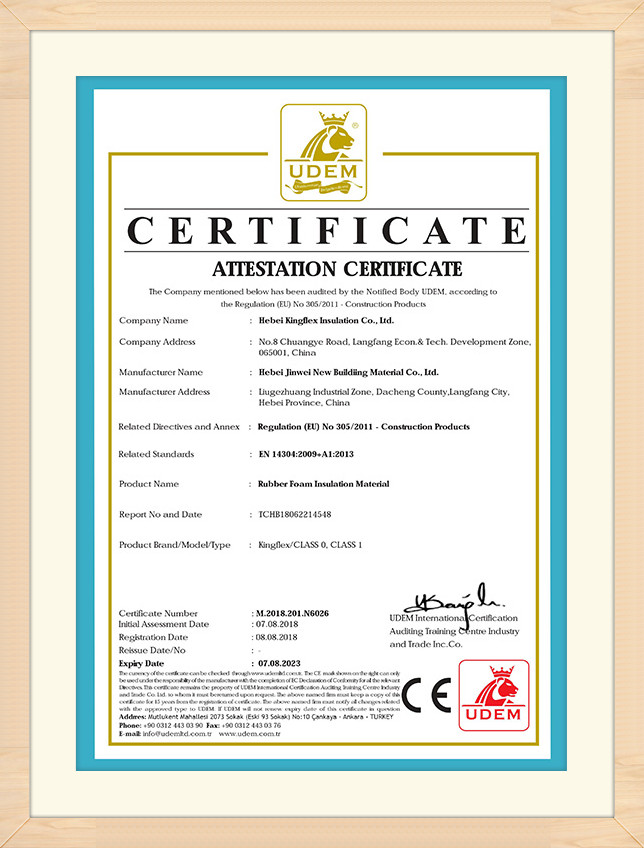
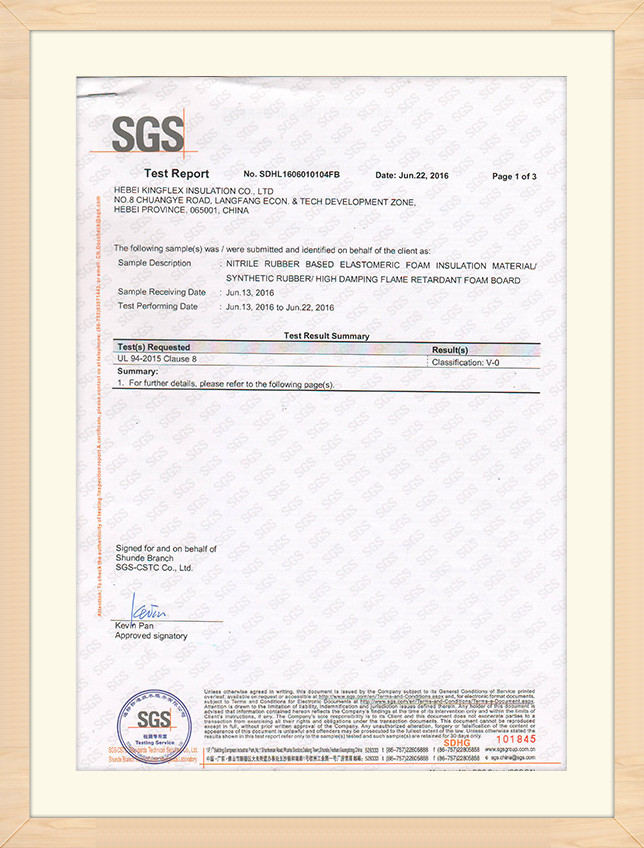
How our elastomeric pipes, sheets, and venting components are applied across global commercial projects.
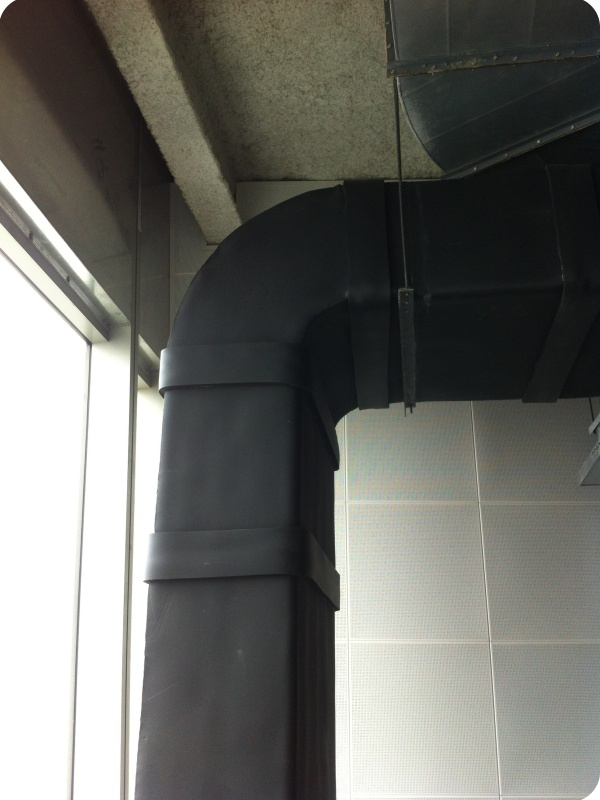
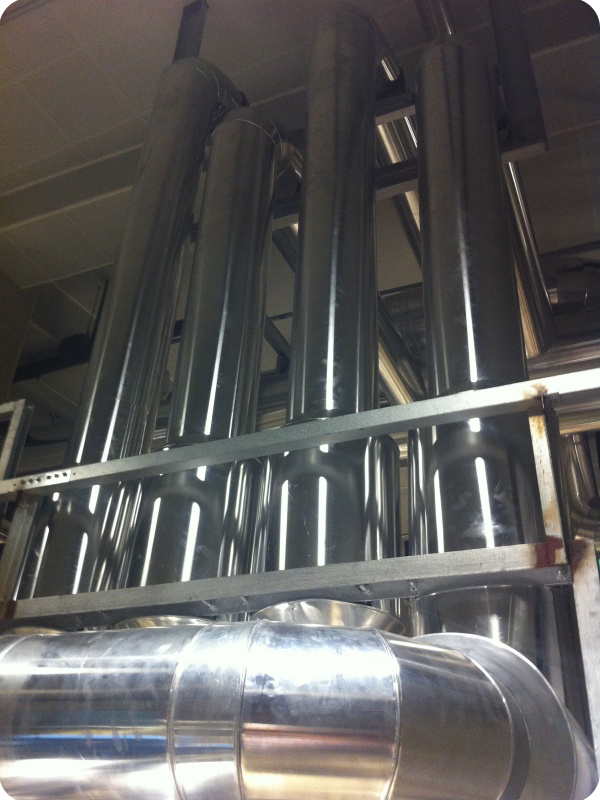
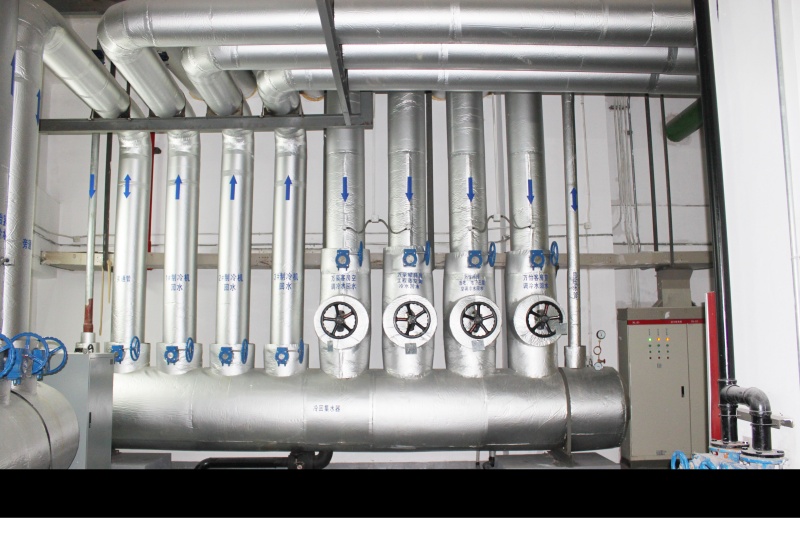
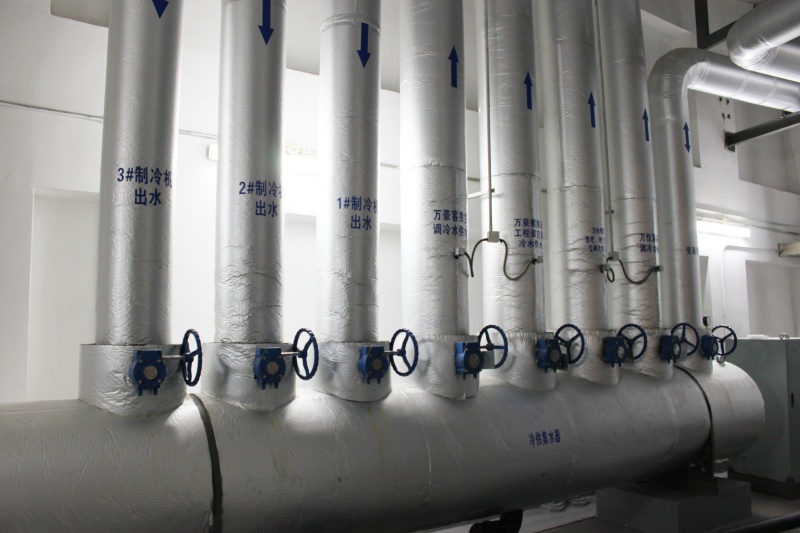
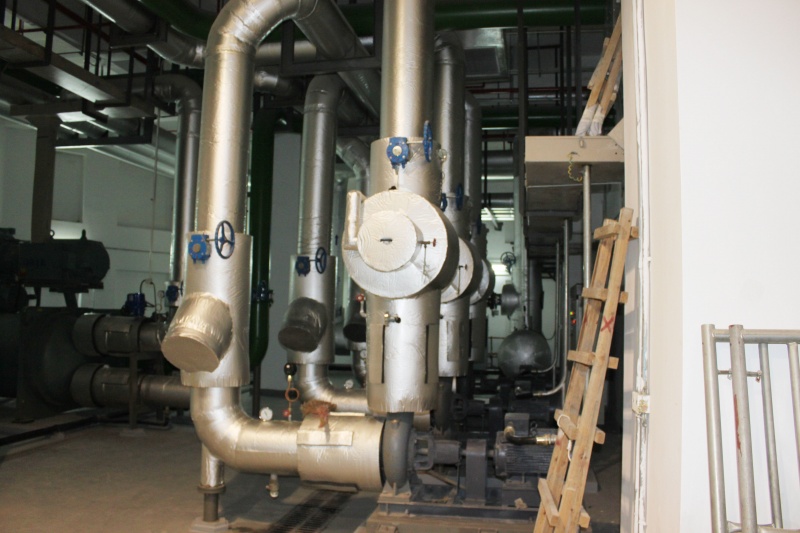
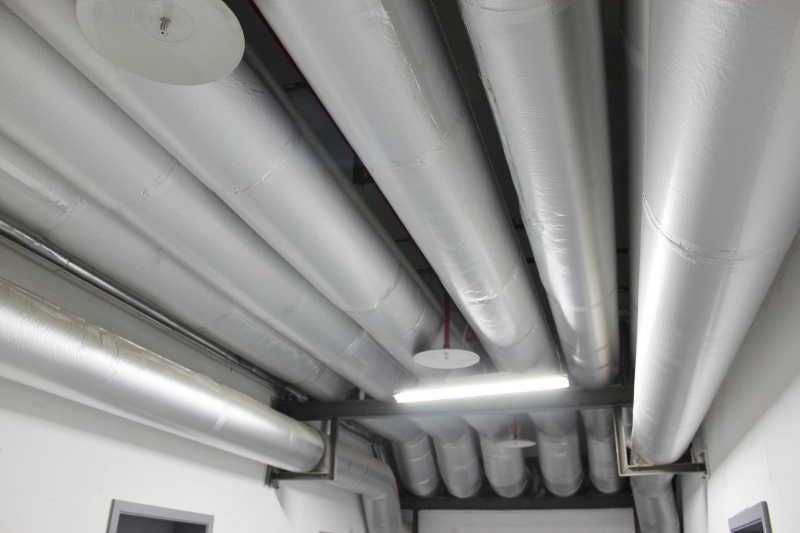
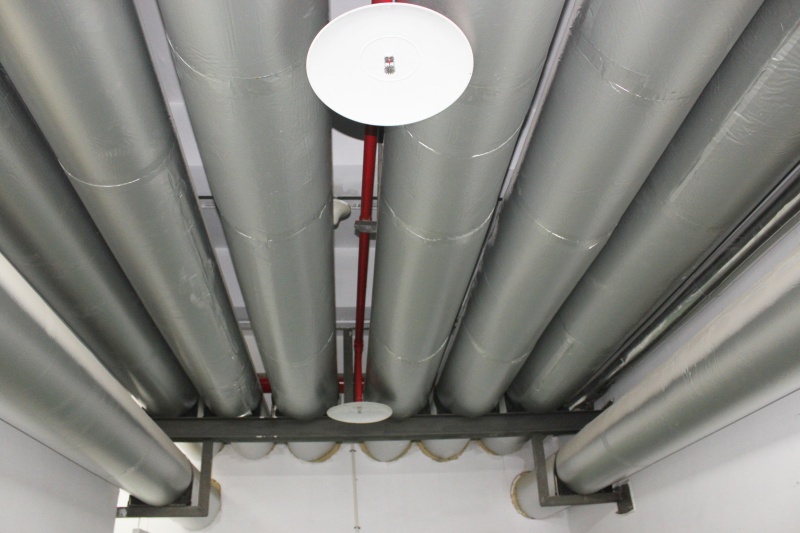
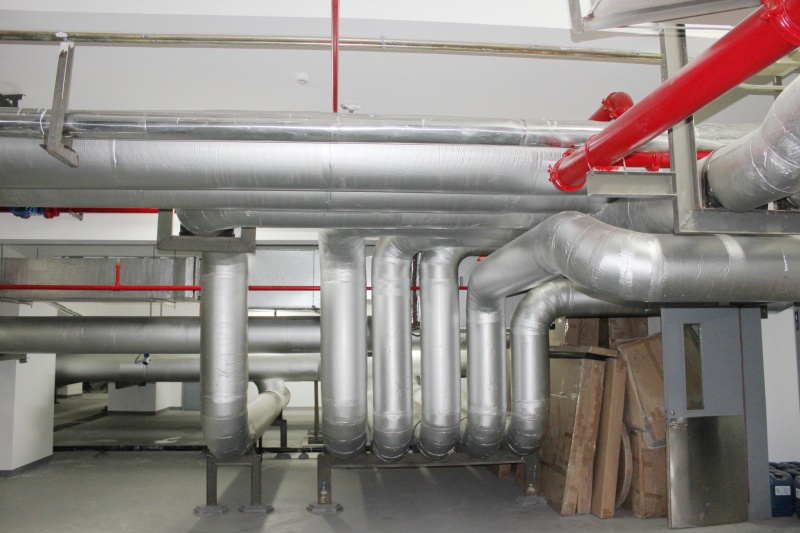
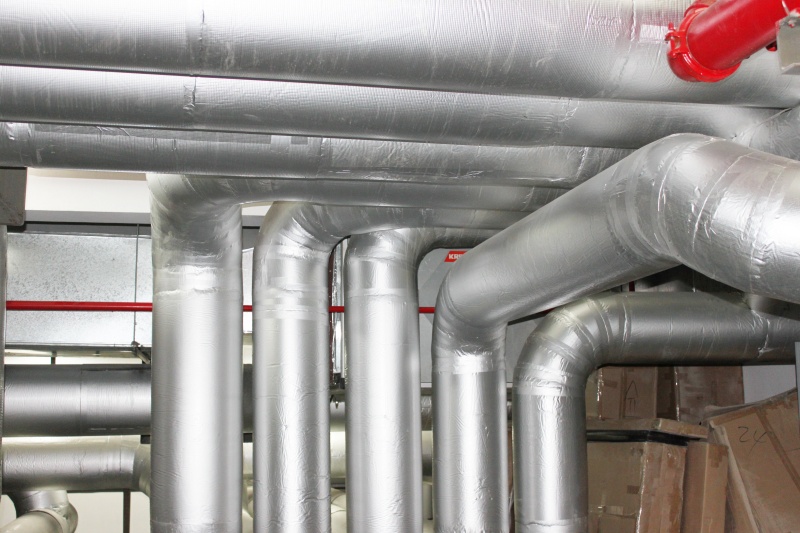
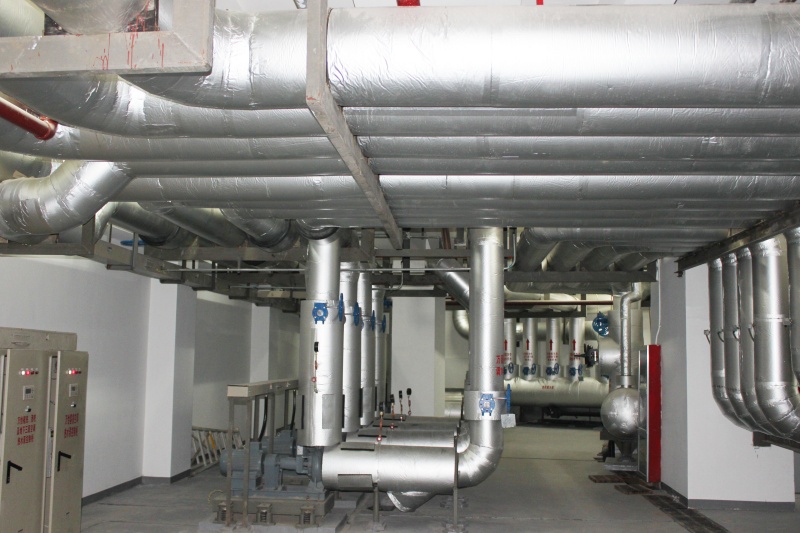
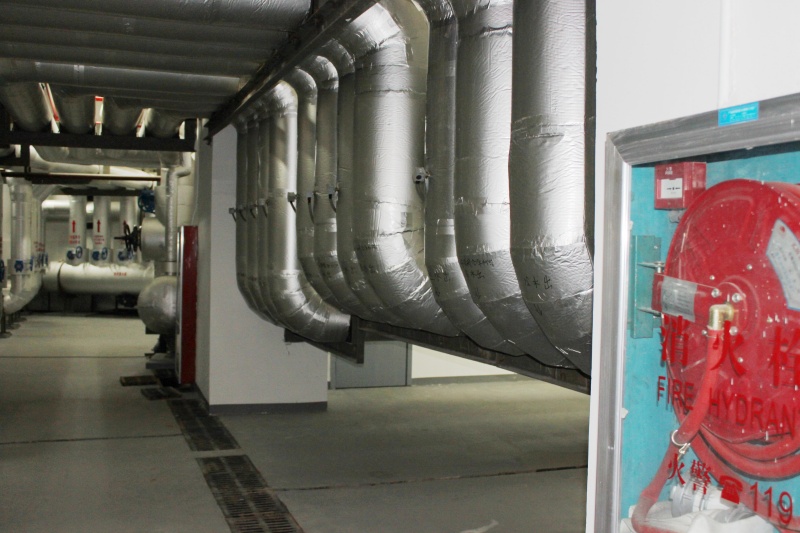
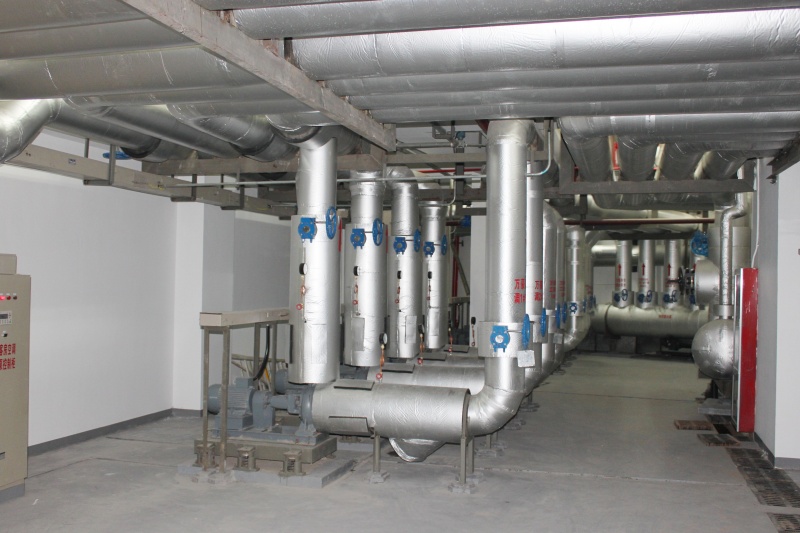
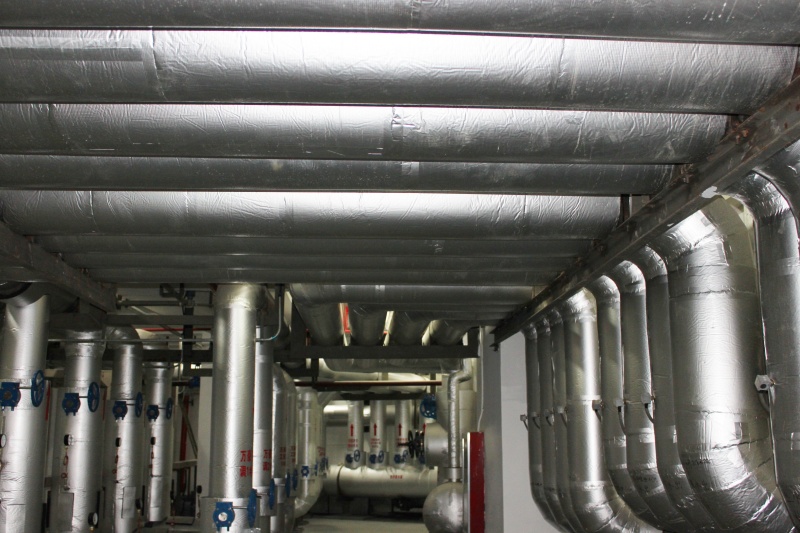
Large-scale building air systems require extensive ductwork and chilled water piping. Our NBR/PVC closed-cell foam prevents external condensation, which can ruin acoustic ceiling tiles and compromise structural frameworks.
In high-performance residential projects, loose-fill fiberglass or cellulose is blown deep over the attic floor. Installing high-strength vent chutes prevents the insulation from blocking the soffit vents, keeping fresh air moving freely from the eaves up to the ridge.
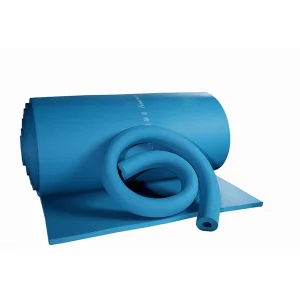
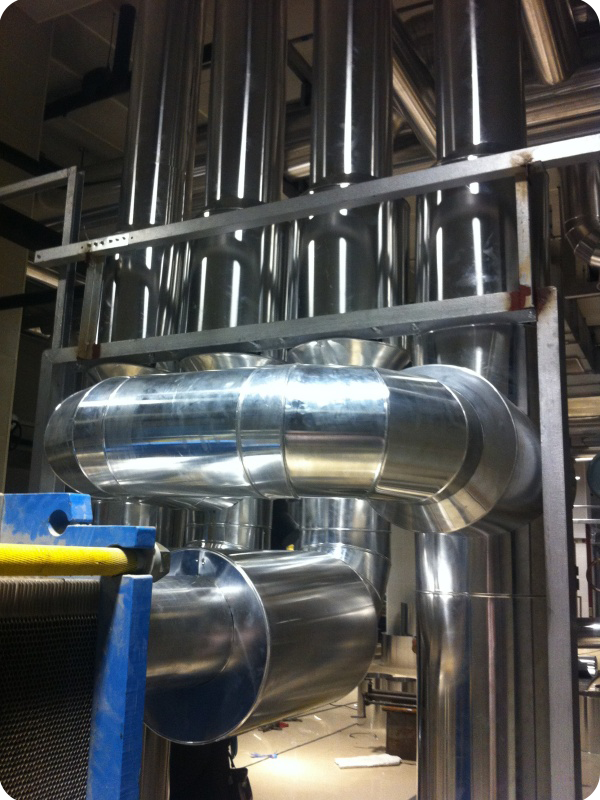
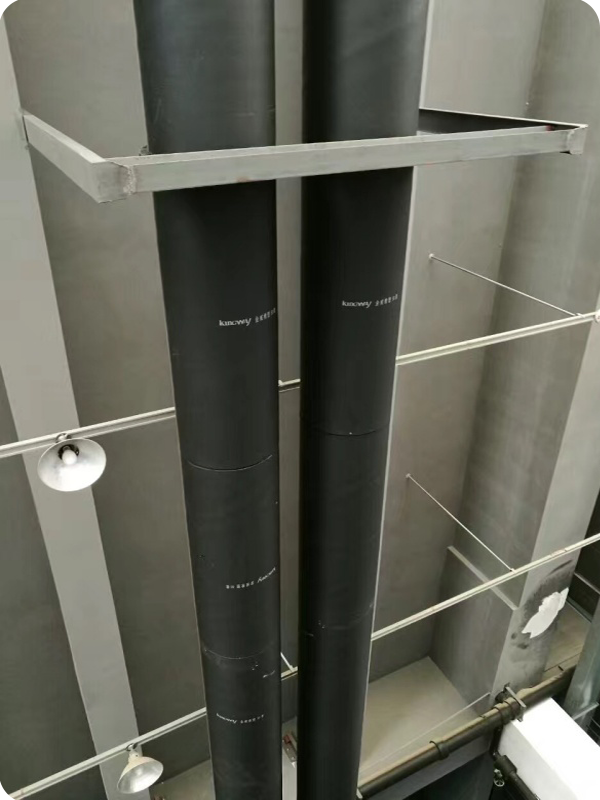
In petrochemical plants, paper mills, and pharmaceutical facilities, transport lines carrying steam, hot chemicals, or chilled liquids require stable thermal barriers. Our NBR/PVC insulation pipe systems, rated down to -40°C, prevent thermal energy loss and resist surface corrosion.
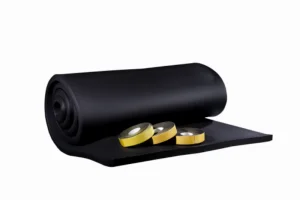
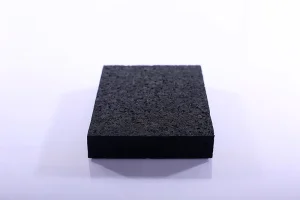
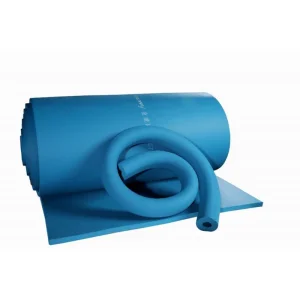
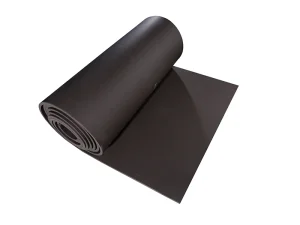
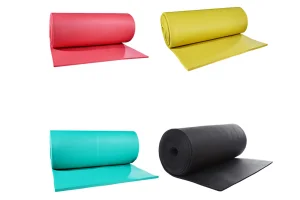
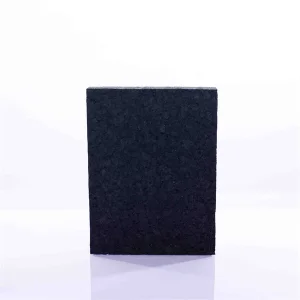
Material: NBR/PVC Blend
Thickness: 6mm - 50mm
Density: 40 - 55 kg/m³
Service Temp: -40℃ to 105℃
Key Advantages: High closed-cell ratio (>98%), low vapor permeability, excellent flexibility, clean cutting properties, and consistent density profiles across high-volume production runs.
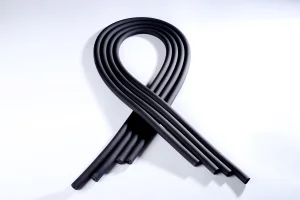
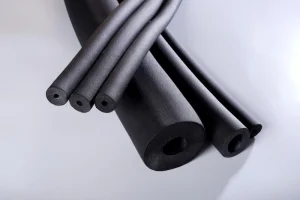
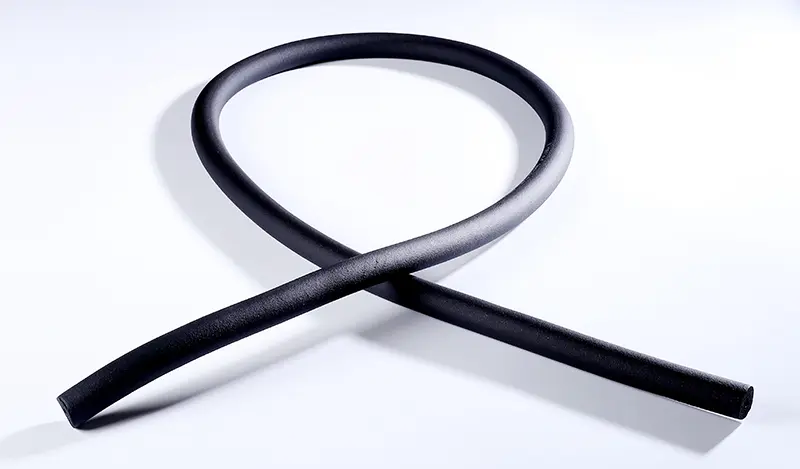
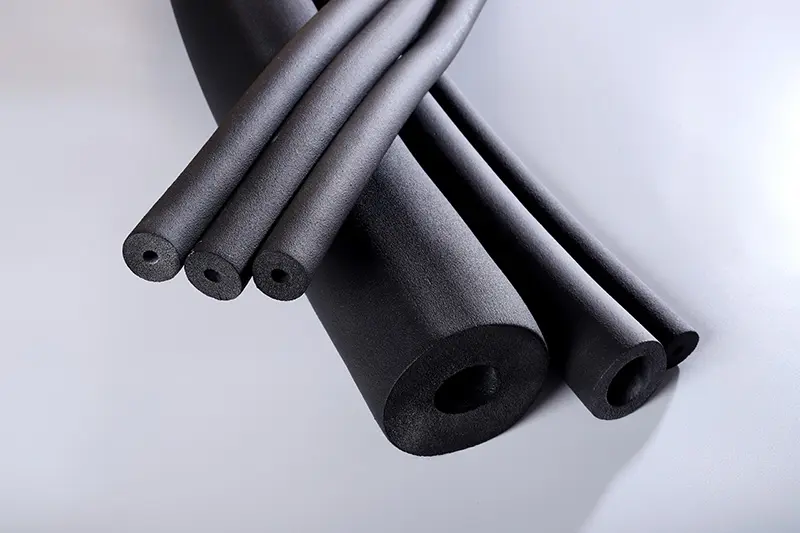
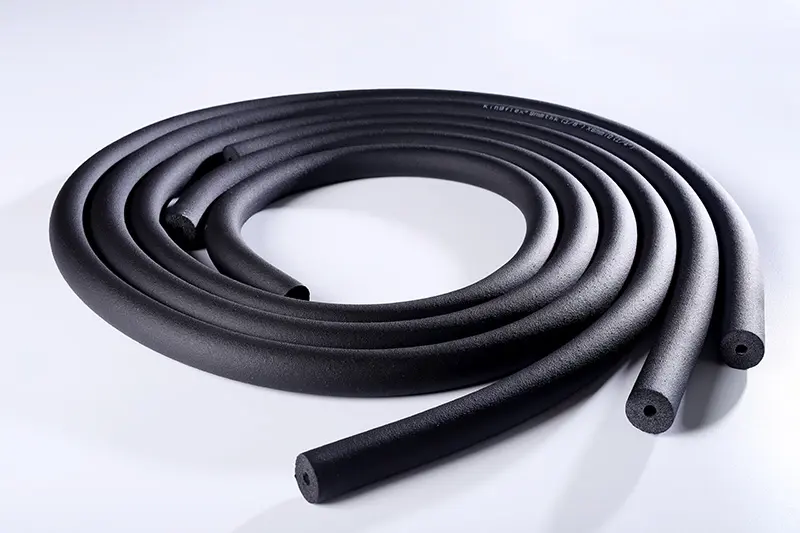
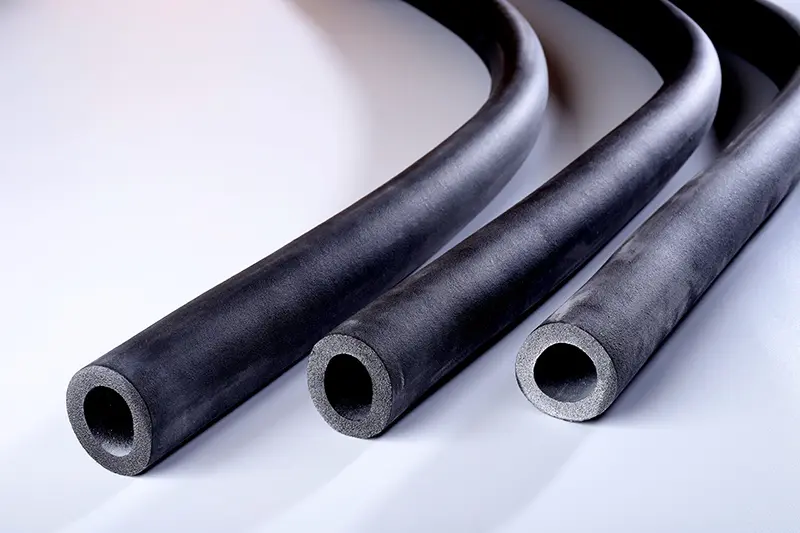
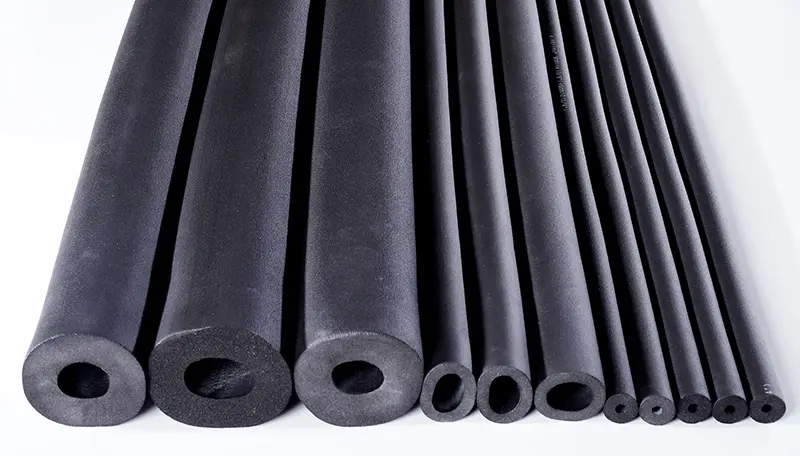
Material: NBR/PVC Blend
Thickness: 9mm - 40mm
Inner Diameter (ID): 6mm - 114mm
Service Temp: -40℃ to 105℃
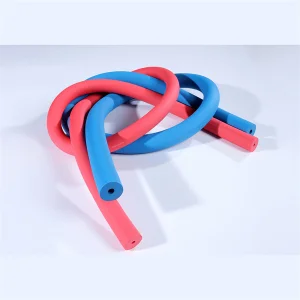
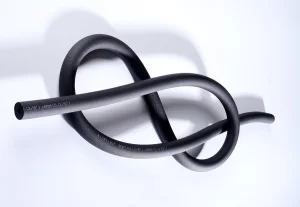
Key Advantages: Co-extruded design prevents wall-thinning on tight pipe bends. Simplifies installation, keeps thermal performance uniform, and reduces the risk of pipe freezing and cracking in cold weather.
Establishing successful partnerships with overseas buyers requires transparent communication and consistent material quality. We provide end-to-end trace documentation for every bulk shipment, from raw polymer blending to final warehouse dispatch.
Our sales team coordinates directly with your logistics partners to ensure customs clearance and shipping documentation comply with local port requirements.




Pioneering cleaner chemistry, automation, and long-term performance stability for global building markets.
Environmental standards restrict halogenated flame retardants in high-density areas. Our R&D team is developing halogen-free elastomeric sheets to prevent the release of toxic acid gases during fires, meeting strict building safety standards.
We are refining gas-injection profiles during extrusion to shrink cellular diameters. Micro-scale closed-cell structures reduce thermal conductivity to ≤ 0.031 W/(m·K), providing superior thermal performance at thinner profiles.
Integrating IoT thickness gauges across our 5 automated production lines allows us to monitor structural tolerances in real-time. This guarantees uniform insulation density and consistency across every wholesale shipment.
Visual documentation from our manufacturing plants, packaging sectors, and global delivery points.

Technical details, design criteria, and ordering procedures for industrial purchasers.
Additional thermal products, elastomeric pipe insulation, and sound-absorbing solutions.
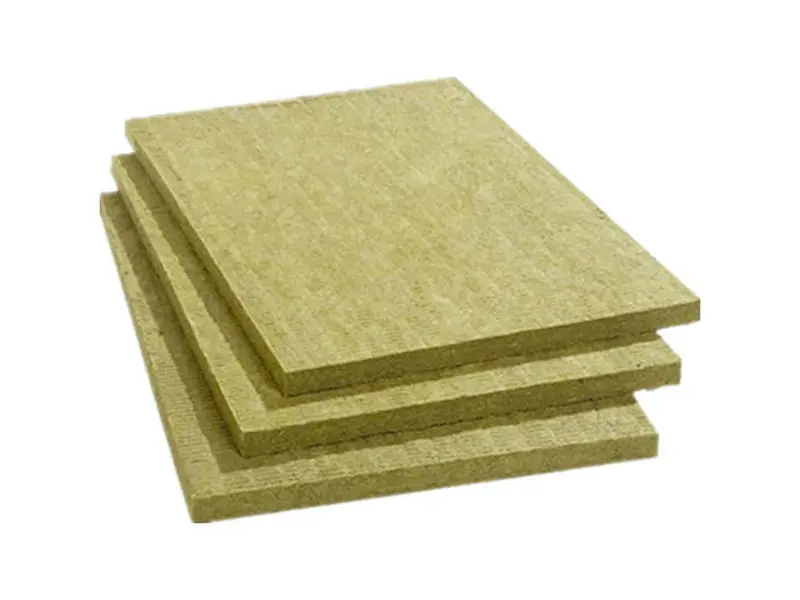
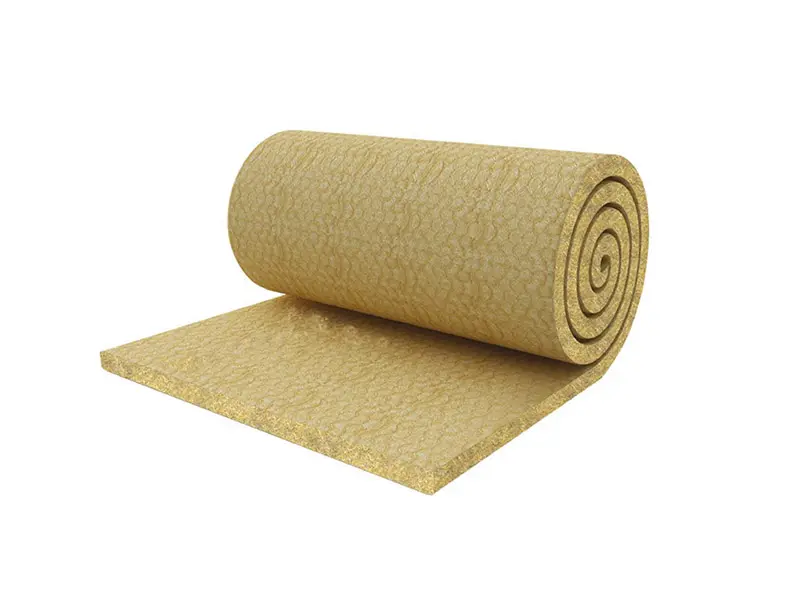
Specialized elastomeric solutions, thermal blankets, and high-performance rock wool boards.
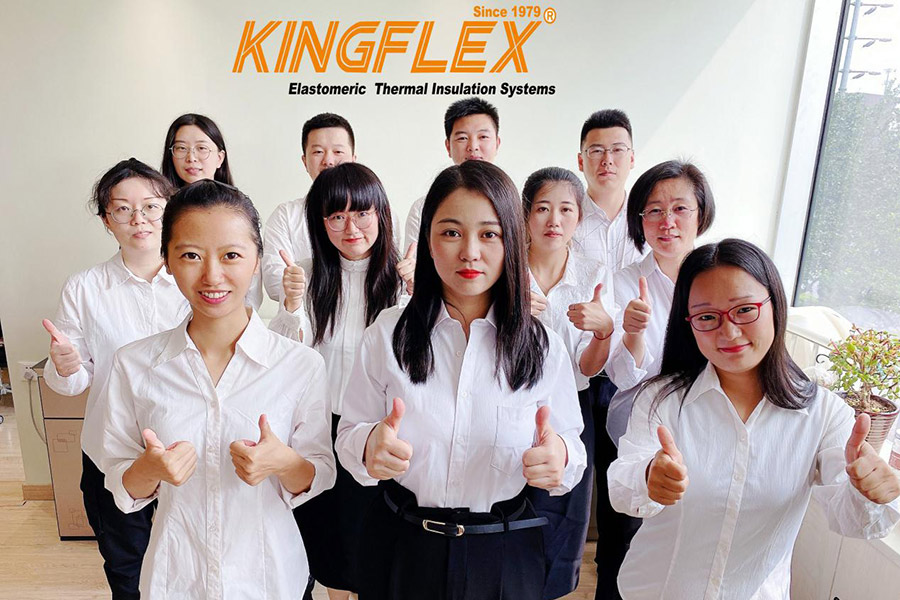
Our engineering team works closely with commercial insulation specifiers, local builders, and B2B distributors. Contact us to receive direct pricing, custom product dimensions, and shipping options.