 Kingflex
Kingflex
Kingflex
Analyzing thermal performance parameters, building envelope energy optimization, and sustainable carbon reduction strategies.
In modern industrial architectural design, the building envelope plays a critical role in thermal efficiency. Commercial roofs represent the single largest point of heat transfer in typical low-rise industrial buildings. As global regulations like ASHRAE 90.1, the International Energy Conservation Code (IECC), and European Union energy performance directives continue to tighten, building designers and project specifiers can no longer rely on traditional low-performance building materials.
Industrial facility roofs face harsh operating environments: dramatic day-night temperature swings, high solar load exposure, mechanical vibrations from massive HVAC machinery, and structural movement. Selecting an insulation system is not merely about achieving a high initial R-value. It is about maintaining that thermal resistance value over decades, mitigating the risk of structural corrosion beneath insulation, and ensuring safety when exposed to fire.
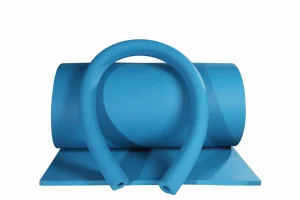
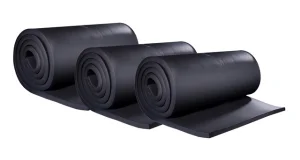
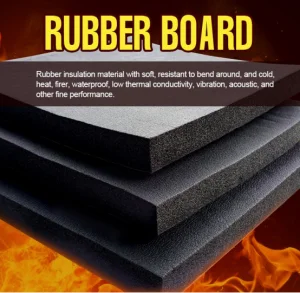
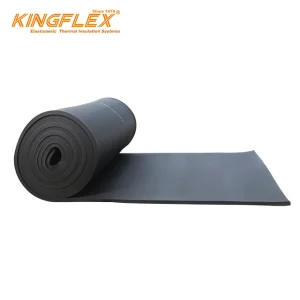
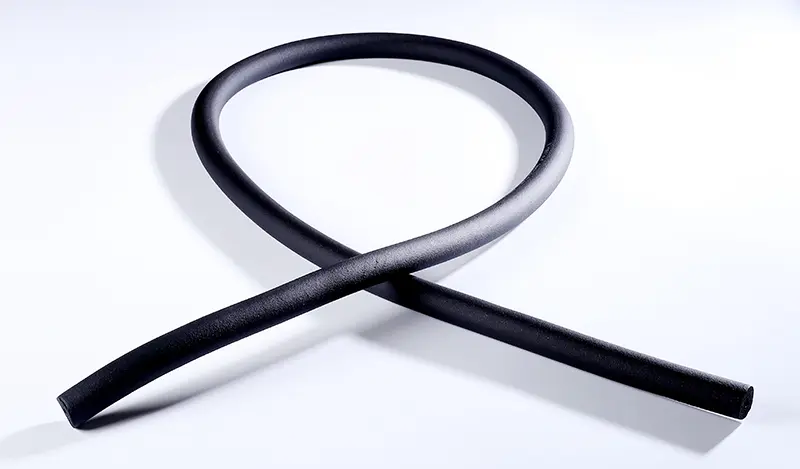
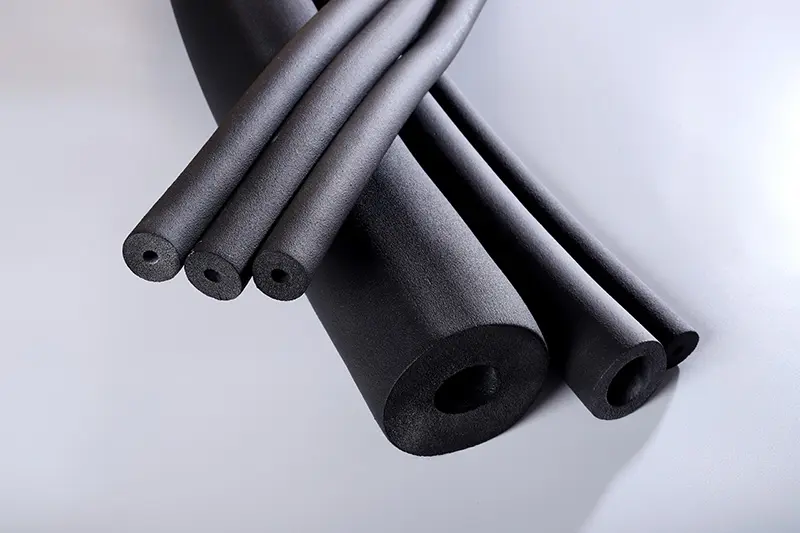
Advanced elastomeric rubber foam materials manufactured by Kingflex combine structural stability, water resistance, and low thermal conductivity. Designed from a specialized blend of Nitrile Butadiene Rubber and Polyvinyl Chloride (NBR/PVC), our products feature an integrated, high-density closed-cell micro-structure.
Unlike traditional fibrous materials, which absorb moisture and lose thermal resistance, closed-cell elastomerics do not require an external vapor barrier to resist moisture penetration. The material's structure provides inherent resistance to moisture, preventing condensation on commercial metal decks and industrial pipelines, which helps protect against structural corrosion.
A technical comparison detailing thermal conductivity, flame resistance, and density ranges for modern building and engineering designs.
| Insulation Parameter | NBR/PVC Closed-Cell Foam | Industrial Rock Wool | PIR/PUR Board Systems |
|---|---|---|---|
| Thermal Conductivity (λ at 0°C) | ≤ 0.034 W/(m·K) | ≤ 0.039 W/(m·K) | ≤ 0.024 W/(m·K) (initial) |
| Water Vapor Permeability Factor (μ) | ≥ 10,000 (Inherent barrier) | μ ≈ 1 (Requires external jacket) | μ ≈ 150 (Requires foil backing) |
| Operating Temp Range | -40°C to +105°C (Up to -200°C for Cryo) | -250°C to +650°C | -150°C to +120°C |
| Fire Classification & Safety | BS 476 Class 0, UL 94 V-0, ASTM E84 Class A | Non-combustible (Class A1) | Class B1 / Class B2 (Flame retardant) |
| Flexibility & Installation Speed | Excellent, self-sealing adhesive options | Rigid/Semi-rigid, complex to cut | Rigid boards, complex detailing |
| Density Range | 40 - 55 kg/m³ | 60 - 150 kg/m³ | 35 - 50 kg/m³ |
Our vulcanization process creates micro-cellular voids that trap inert gases. This technology keeps thermal conductivity stable over time, even under high humidity conditions.
Specially formulated for temperatures down to -200°C, Kingflex Cryogenic Systems prevent structural thermal shock and control boil-off gas in LNG and industrial applications.
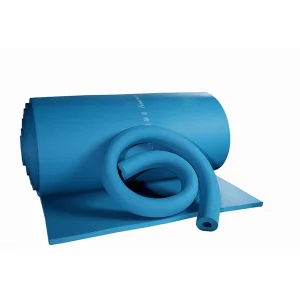
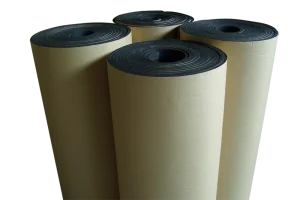
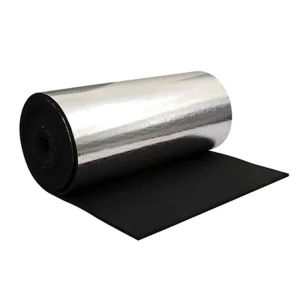
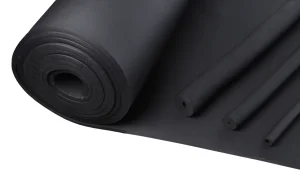
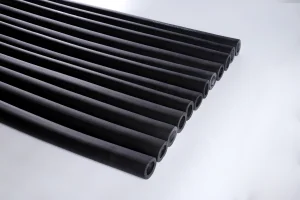
Available in thicknesses from 6mm up to 50mm, our sheets and tubes can be supplied with industrial-grade self-adhesive backings or protective aluminum foil claddings.
A Professional Manufacturing and Trading Combo for Advanced Thermal Insulation Products.
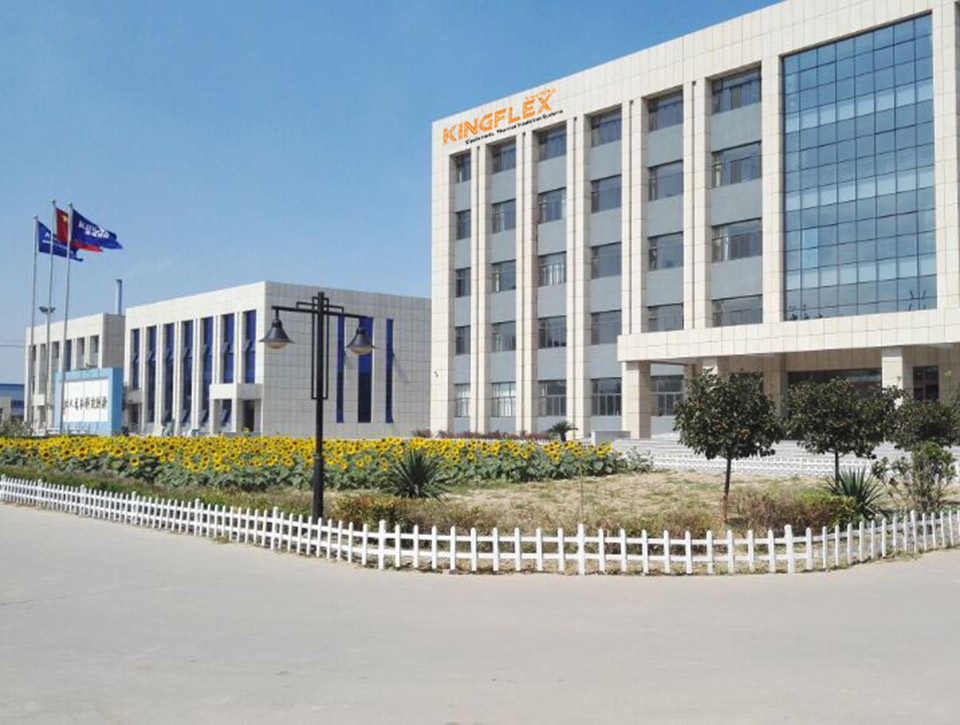
Located in Dacheng, China—a hub for green building materials—our production base focus is on energy-saving, environmentally friendly technology. Kingflex combines research and development, production, and global logistics under one entity. We design systems to reduce energy loss by supporting clients through consultation, product development, installation guidance, and technical support.
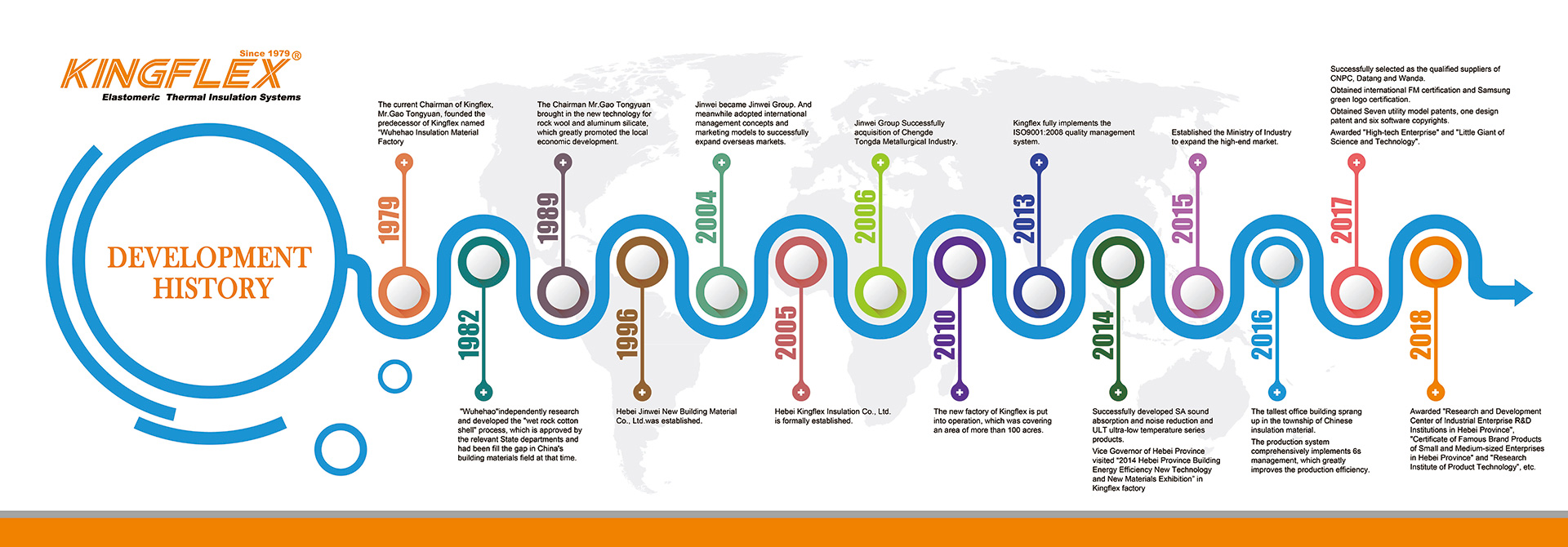
Founded by the Jinwei (Kingway) Group, which has more than 40 years of industry experience, our lineage dates back to 1979. As one of the first thermal insulation manufacturers established north of the Yangtze River, we have built production capabilities designed to meet the demands of large-scale infrastructure projects.
Our facility runs five automated, high-capacity production lines. This allows us to produce over 600,000 cubic meters of high-density elastomeric insulation per year. Our consistent product quality has enabled us to serve as a designated supplier for major state projects in the energy, electricity, and chemical sectors.
Our manufacturing protocols are designed for batch-to-batch consistency. Each production run is fully documented and traceable from raw material incoming inspection to final mechanical performance and fire testing.
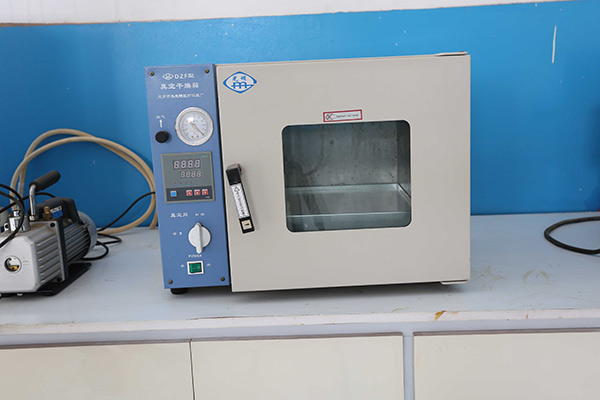
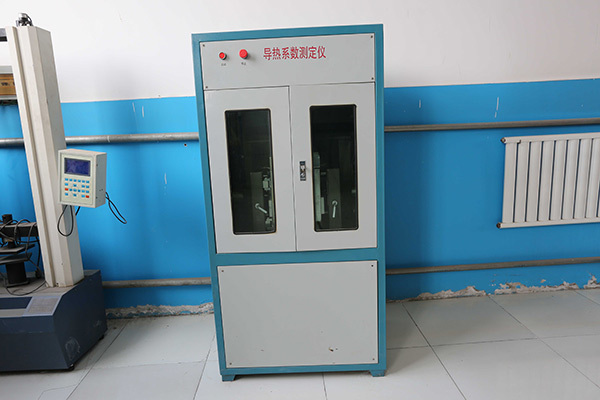
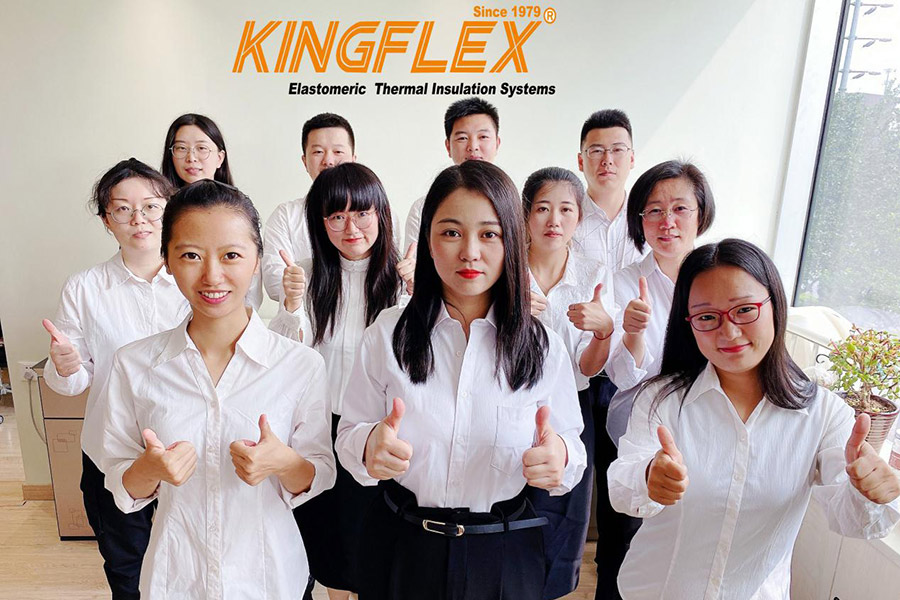
Inside our testing and manufacturing operations in China, where materials are processed to meet international standards.

Tailored engineering and architectural configurations designed to control moisture, prevent energy loss, and resist fire.
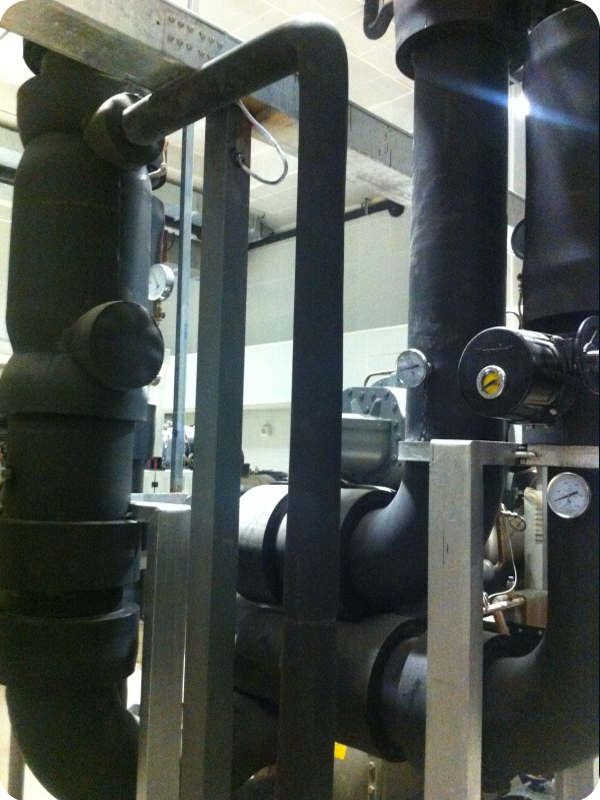
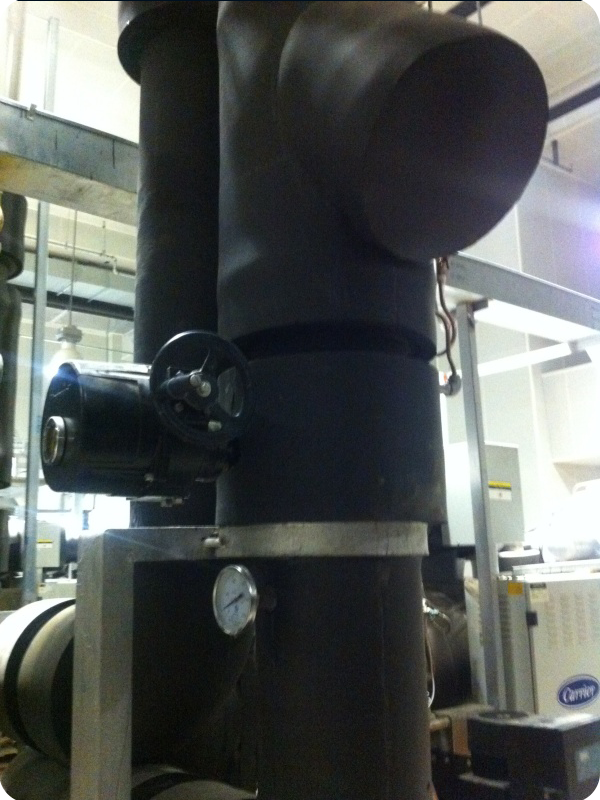
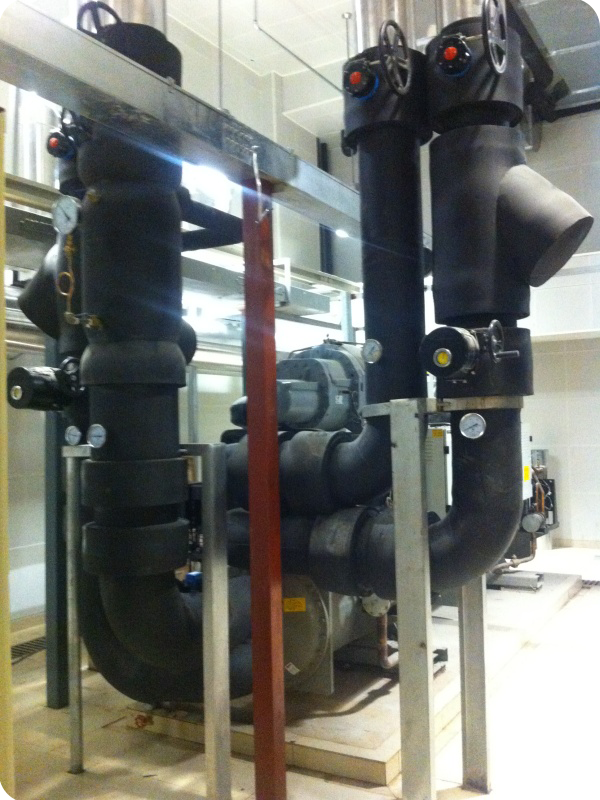
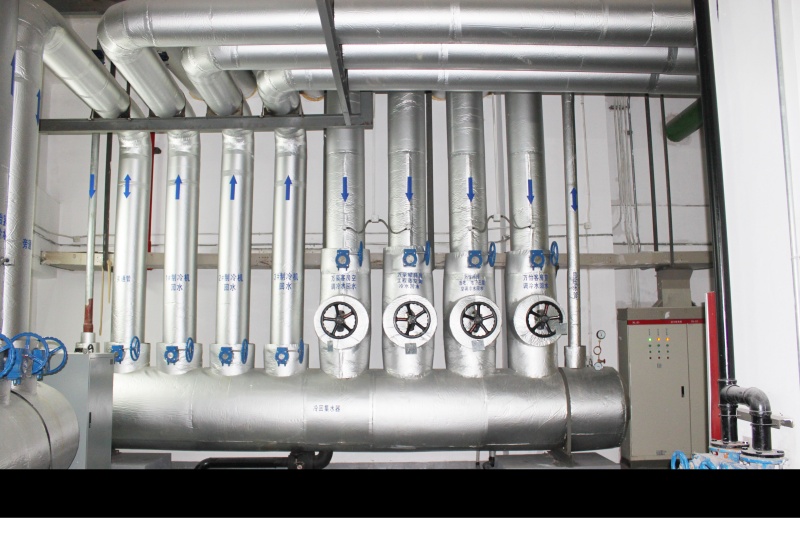
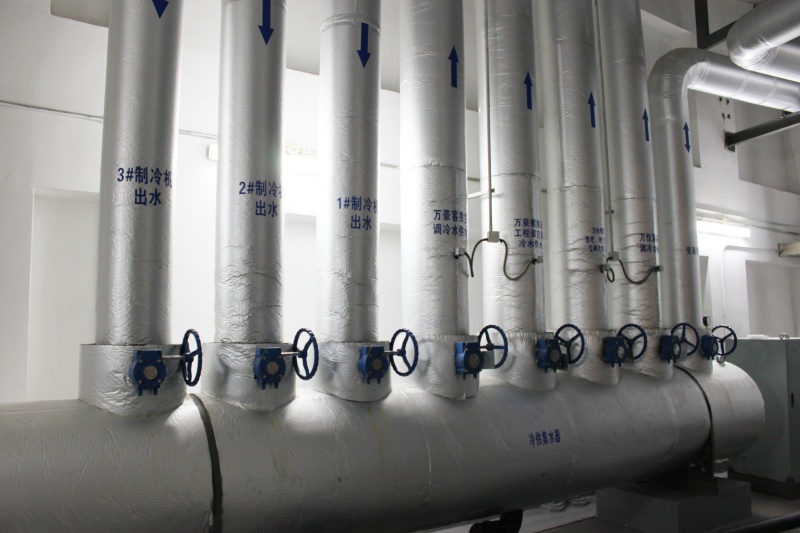
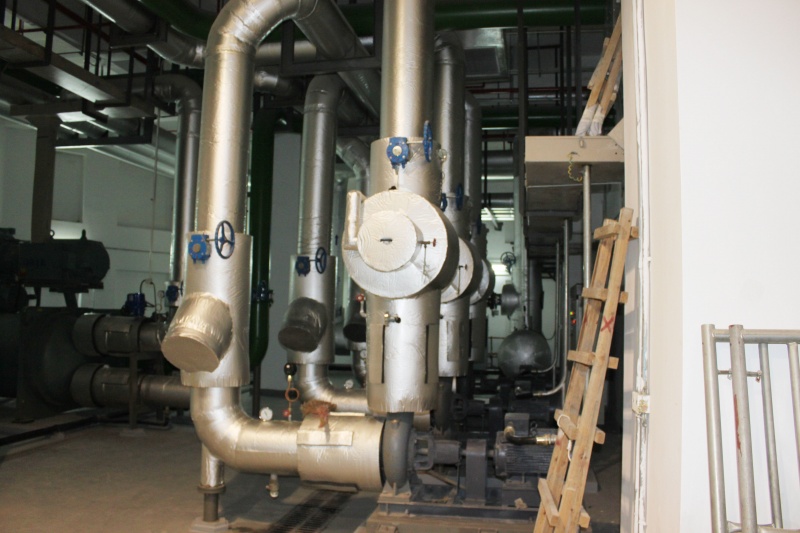
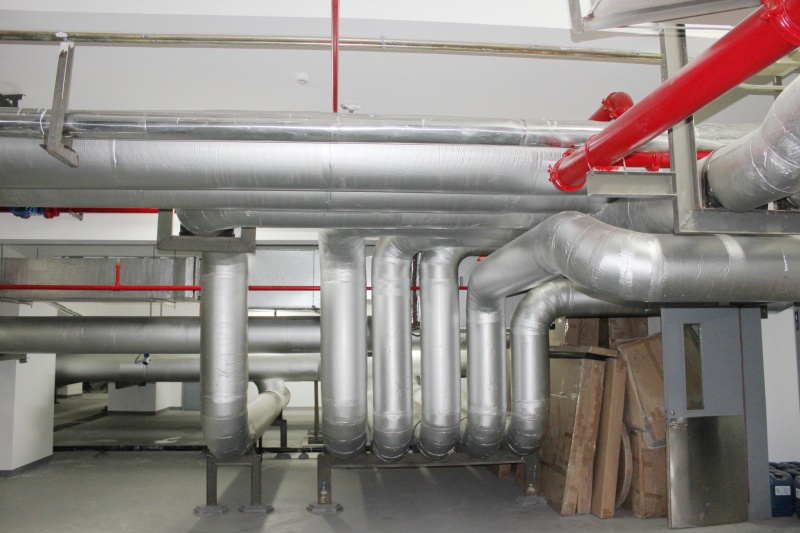
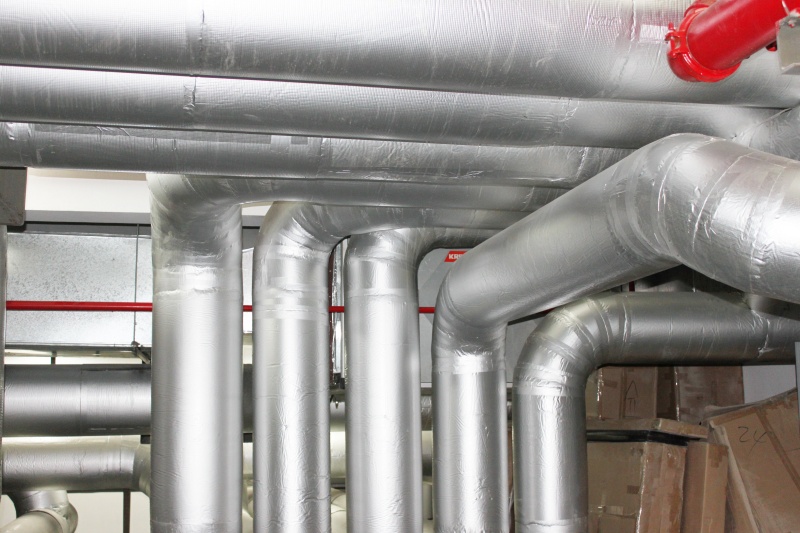
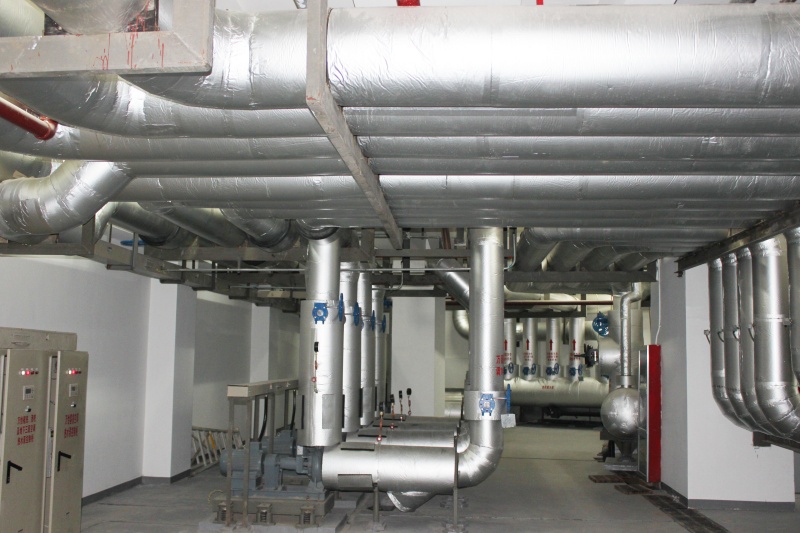
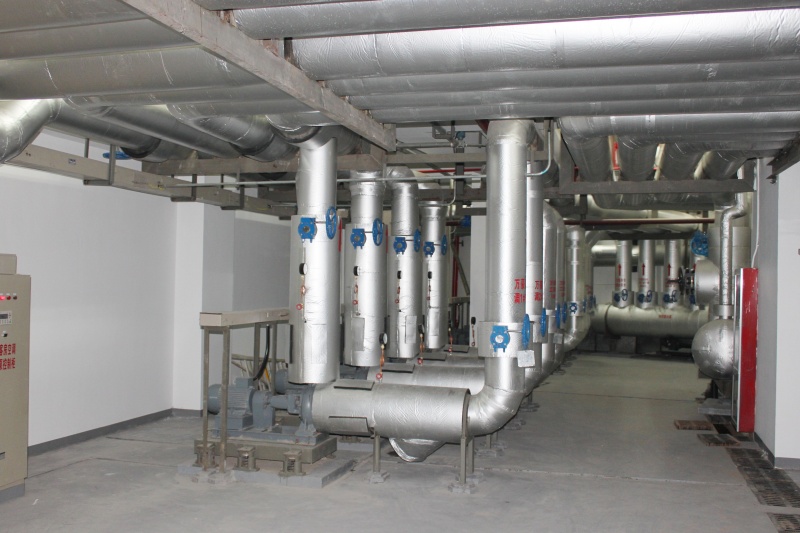
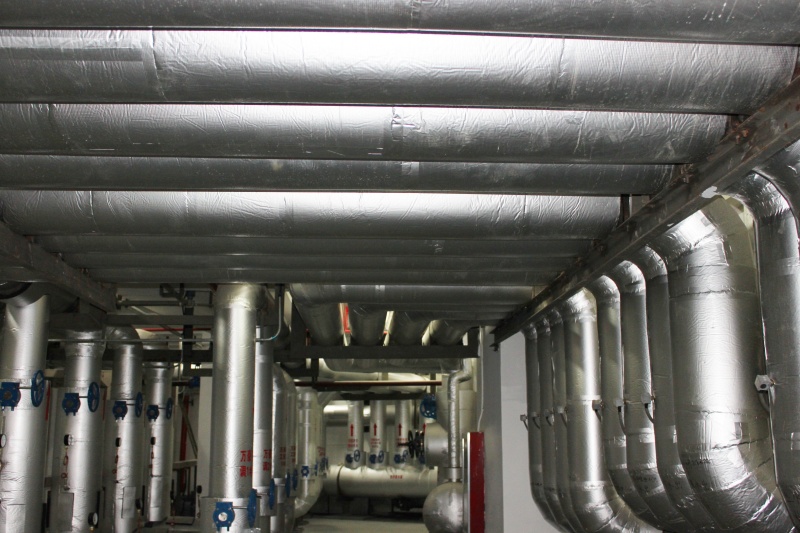
Condensation control on HVAC chilled water pipes is critical to prevent leaks. The low water vapor permeability of our NBR/PVC sheets resists moisture intrusion without requiring supplementary jackets, helping prevent damage to interior systems.
Installed over metal or concrete flat roofs, our NBR/PVC sheets resist thermal bridging. When paired with mechanical fasteners or self-adhesive backings, they provide thermal resistance and acoustic dampening for large manufacturing plants.
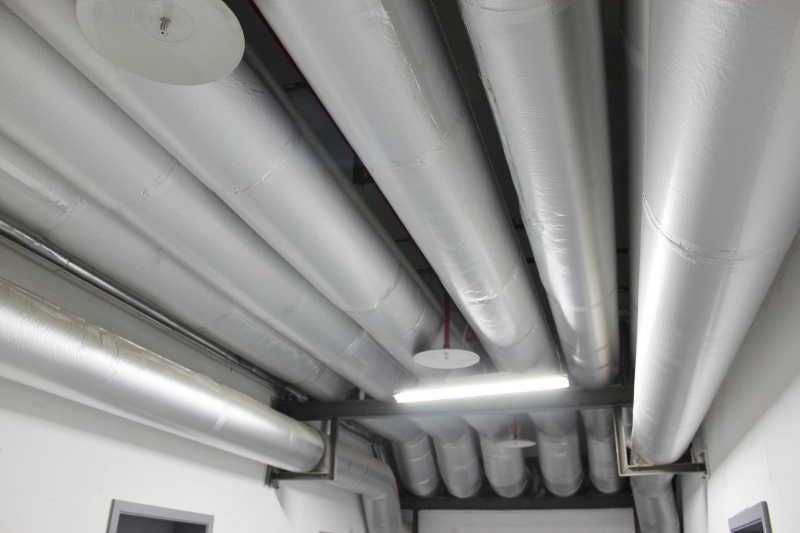
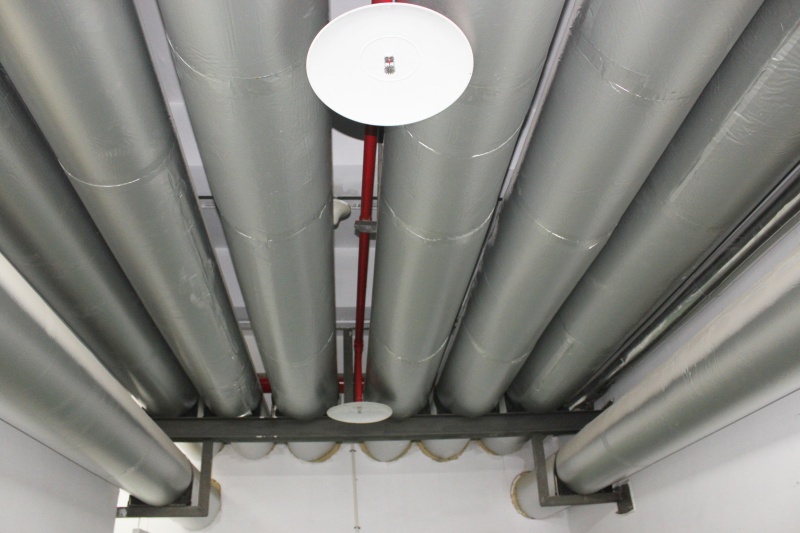
Our open-cell soundproofing variants are formulated for mechanical rooms, ceiling voids, and air conditioning ducts. These products work to reduce high-frequency air transmission and lower operational noise levels in surrounding spaces.
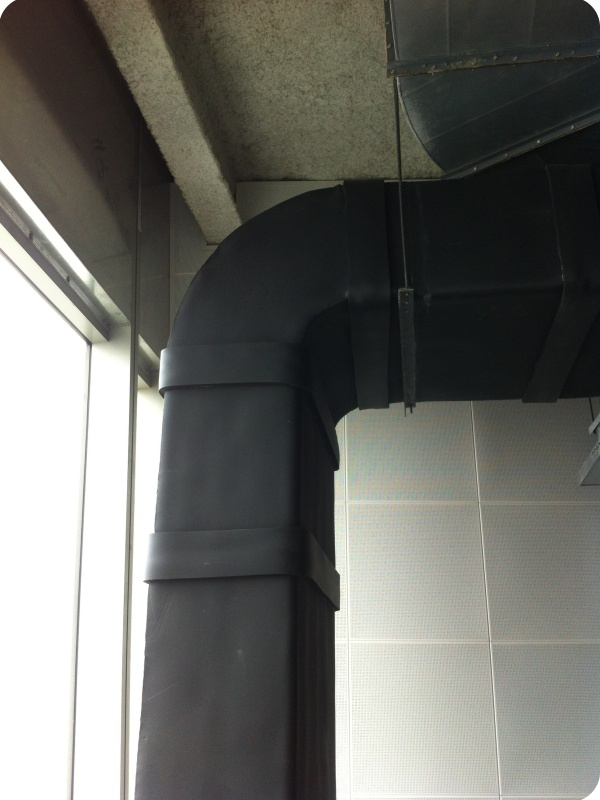
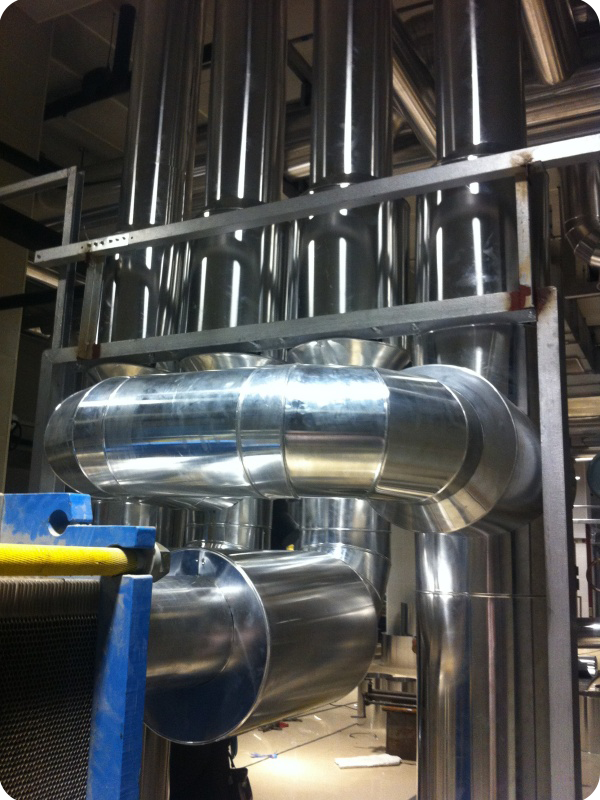
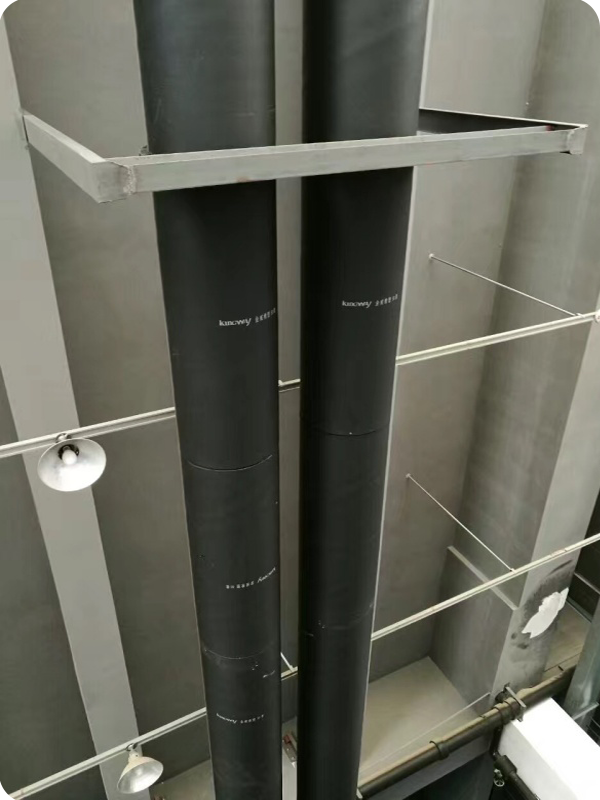
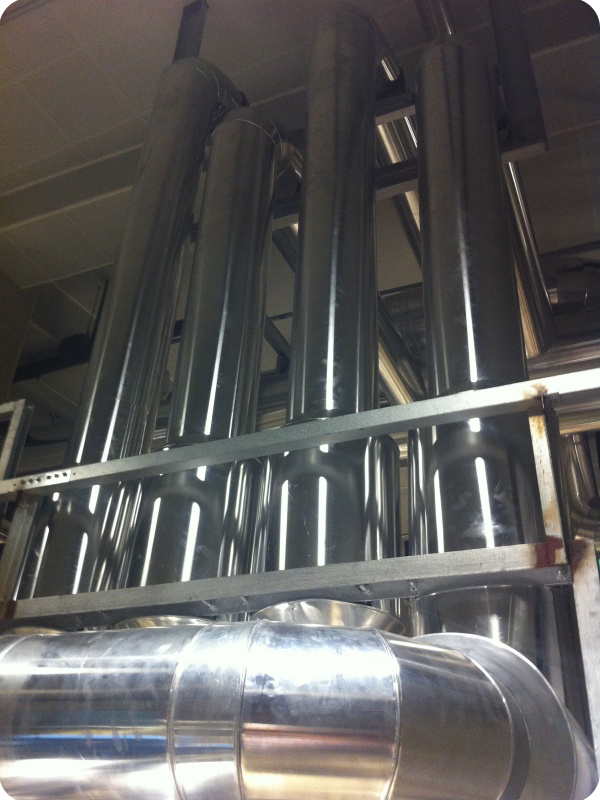
For large-scale public and private construction projects, compliance with local building codes and fire standards is critical. Kingflex products undergo third-party certification to verify their technical properties before shipment.
Our formulations are certified to meet international standards, including BS 476 Class 0, CE, REACH, RoHS, UL94, and ASTM. This verification ensures the materials meet fire resistance, non-toxicity, and thermal aging criteria for projects in the EU, Americas, and Middle East.
Our tracing system marks each batch with its core formulation records. This ensures full traceability for high-spec environments like petrochemical plants and cleanrooms.
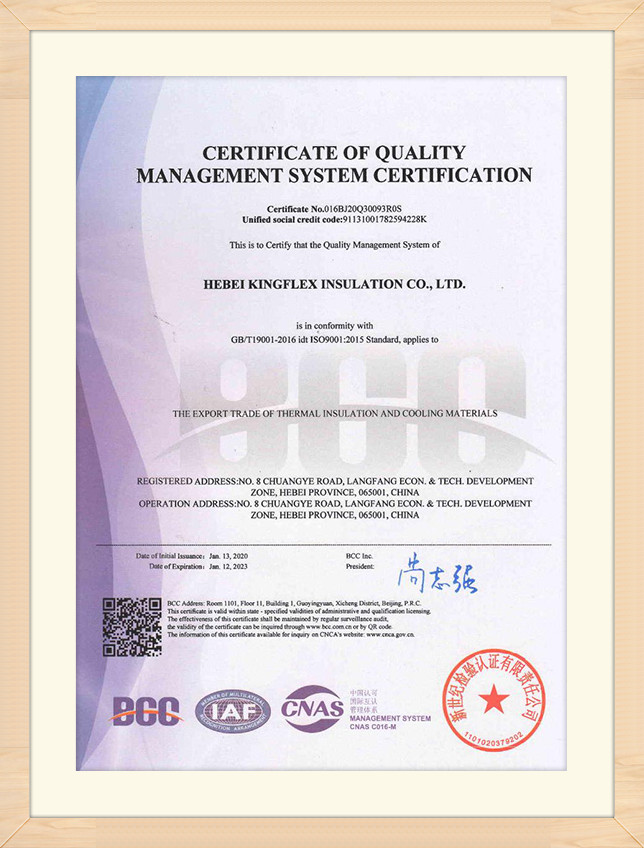
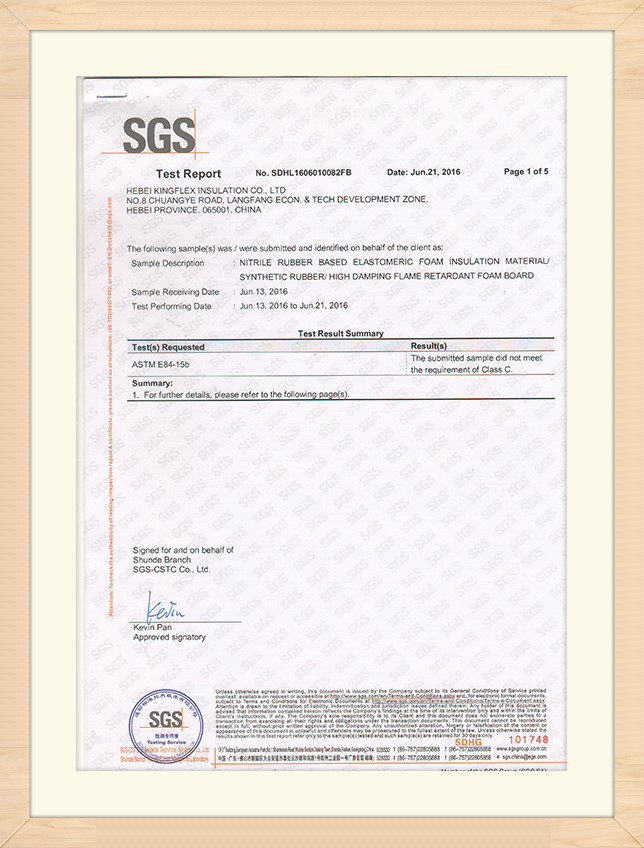
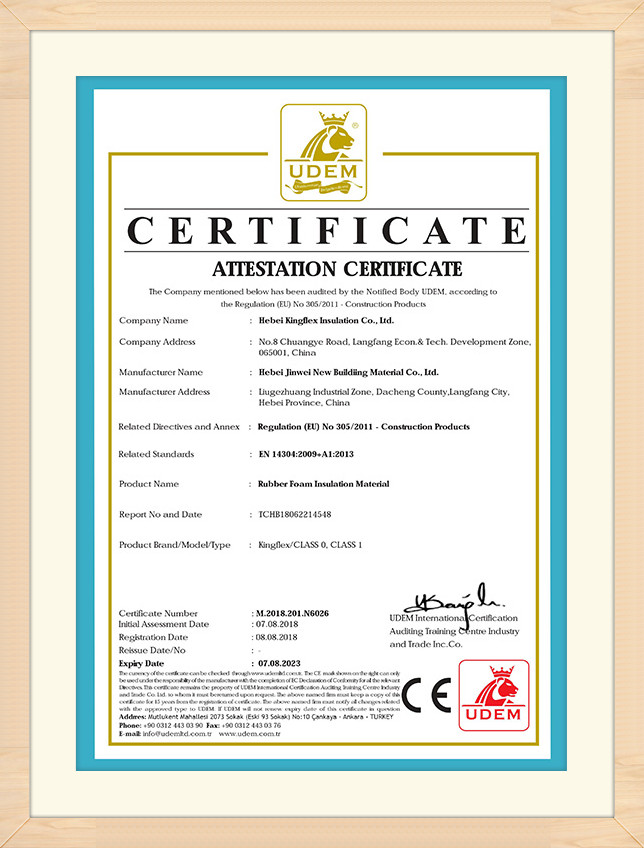
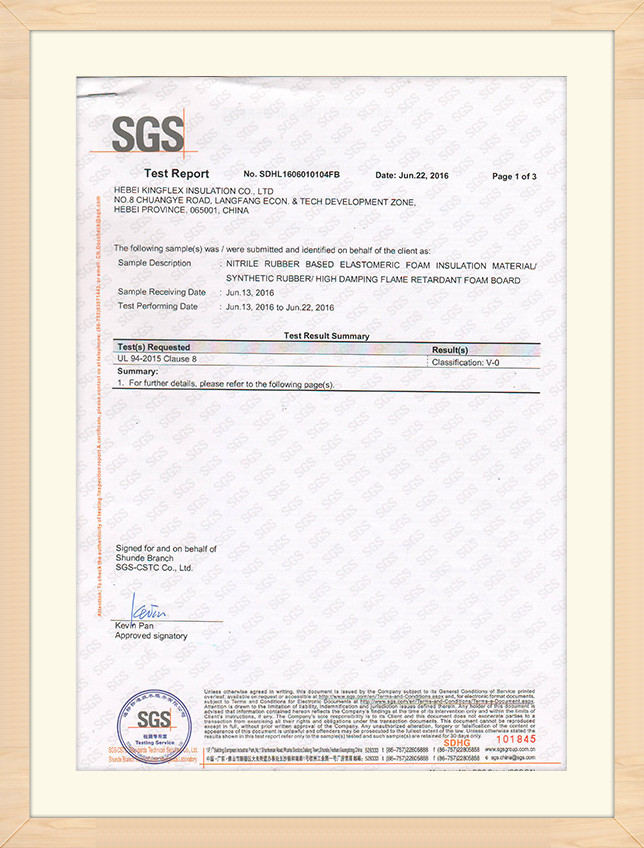


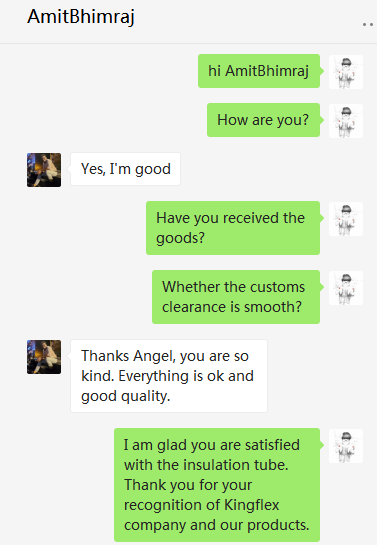

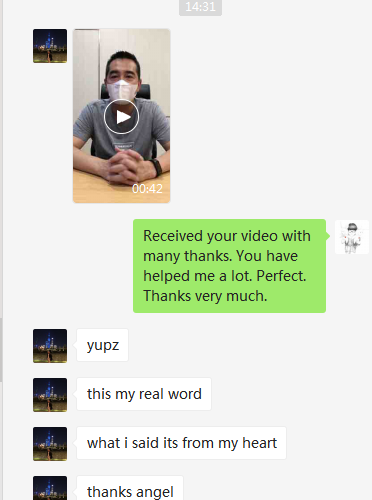
A detailed breakdown of how closed-cell properties perform under varying mechanical, chemical, and environmental conditions.
Standard Dimension Specifications:
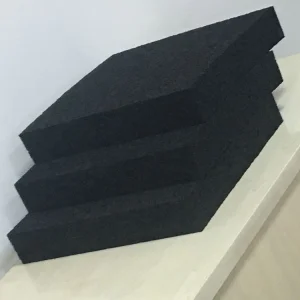
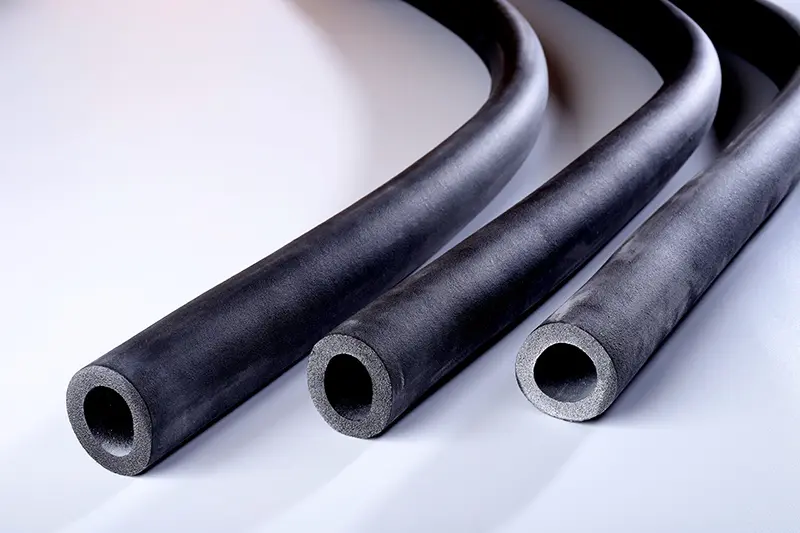
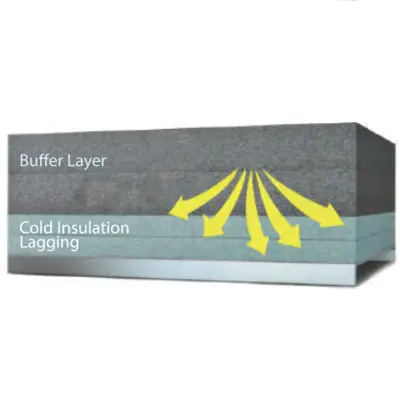
Core Advantages: Foams evenly and fully to achieve a closed-cell rate exceeding 98%. Low water absorption prevents moisture retention, helping maintain thermal conductivity over time. High elasticity provides impact absorption, making the material suited for expansion joints and vibration isolators.
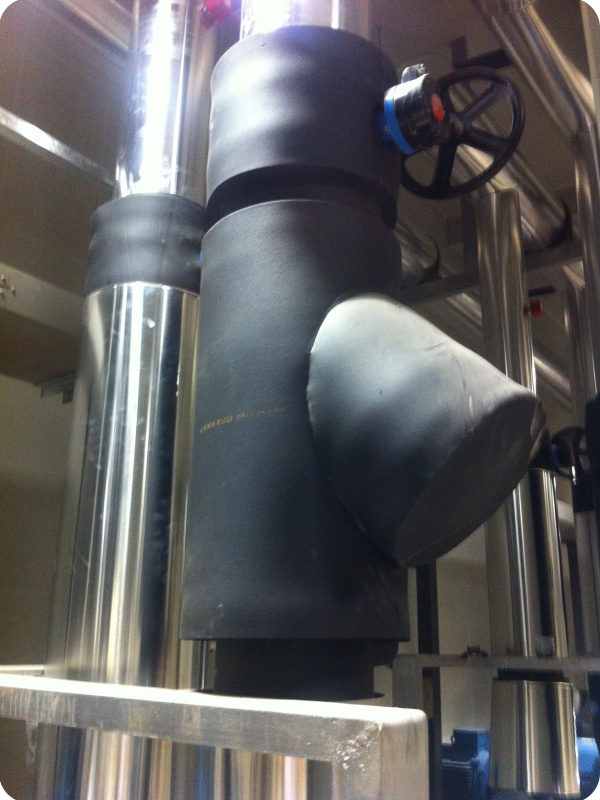
Standard Dimension Specifications:
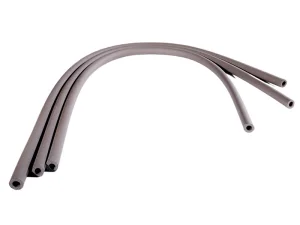
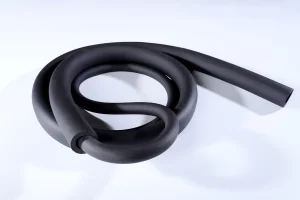
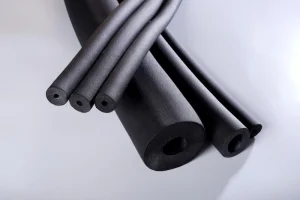
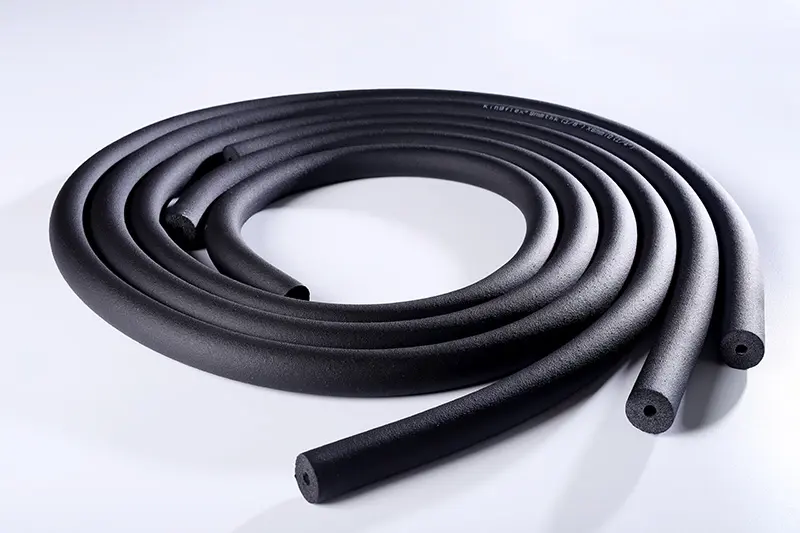
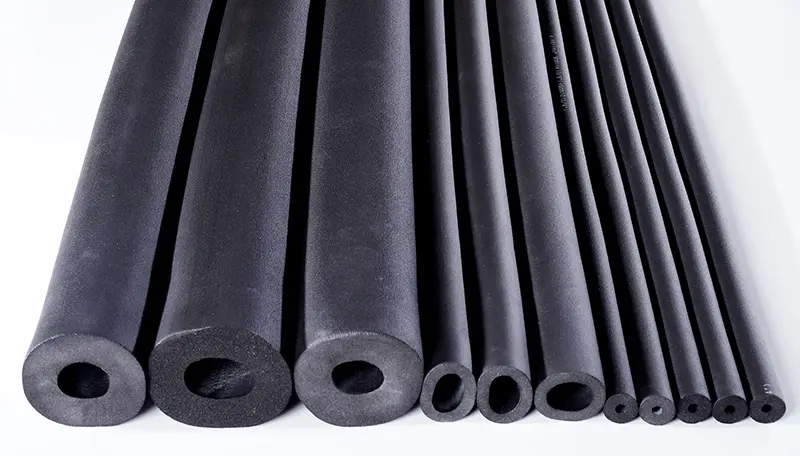
Core Advantages: Continuous extrusion and specialized spray coating ensure uniform density and cell distribution. High resilience allows for installation around complex pipe runs, elbows, and valves. The material helps minimize pipe freezing, cracks, and energy loss in outdoor systems.
A look at our plant operations, from compounding raw materials to final packaging.

Technical guidance and purchasing support regarding Kingflex insulation systems.