Kingflex Kingflex

Wholesale Dienes Cryogenic Temperature Insulation Rubber Foam Factory, Pricelist

Product Description

Cryogenic System Component
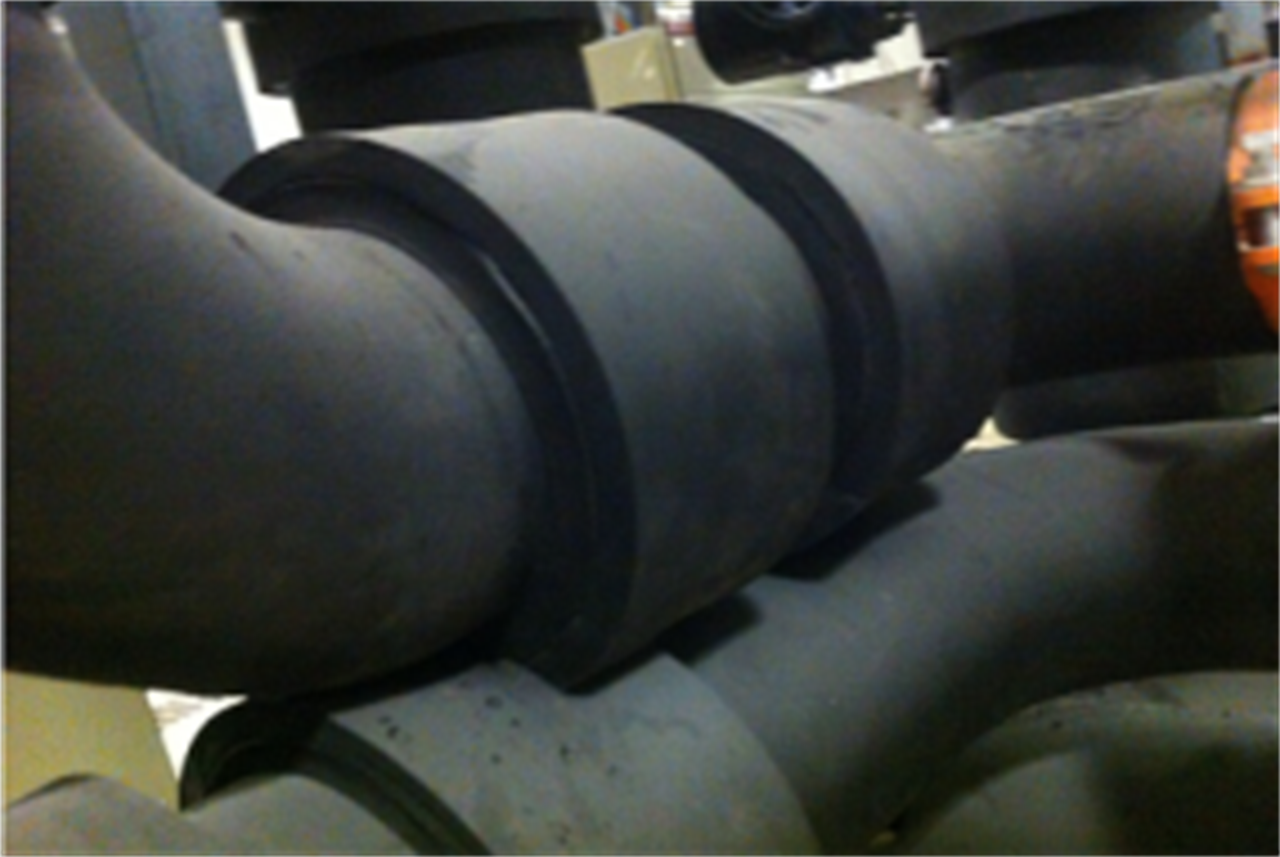
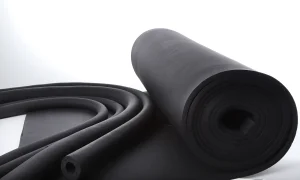
Cryogenic System Piping
Cryogenic System Insulation Detail
Thermal Insulation Material
Insulation Application
  • Cryogenic Systems can be fitted under compression so traditional open-cell, fibrous in-fill pieces for contraction and expansion joints are unnecessary.
  • The distinctive color of the ULT insulation system facilitates easy installation and inspection.
  • Inner layers of the ULT system provide optimum mechanical properties at cryogenic temperatures, while outer layers of NBR-based insulation provide excellent thermal efficiency.
Industrial Installation
System Pipework

With its benchmark product features and flexibility, our thermal insulation systems are the ideal choice for use in the oil and gas industry. Benefit from:

  • Save energy and minimise the risk of corrosion under insulation (CUI).
  • Easy handling and shipment.
  • Reduced total installed time and drive savings.
  • Optimal thermal performance in lightweight, reduced thickness industrial insulation systems.
Cryogenic Insulation Performance Specifications
Density: 55-75 kg/m³
Average Temperature Conductivity Factor (W/(m.k))
-196℃ 0.0127 W(m.k)
-165℃ 0.0169 W(m.k)
-130℃ 0.0186 W(m.k)
-130℃ 0.0212 W(m.k)
-110℃ 0.0231 W(m.k)
-100℃ 0.0242 W(m.k)
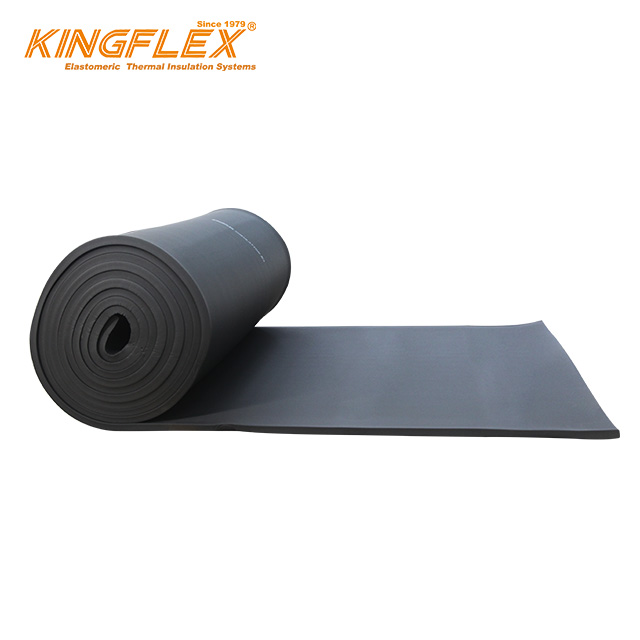
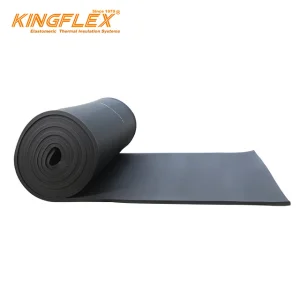
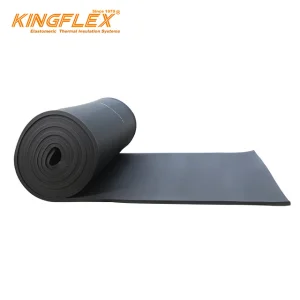
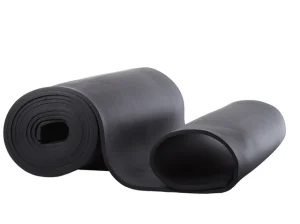
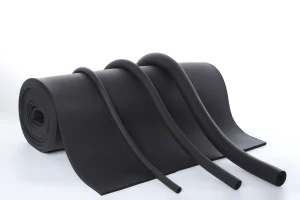
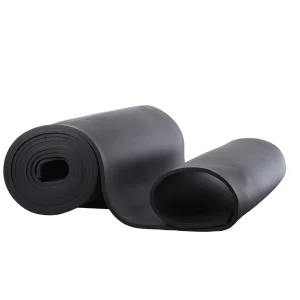
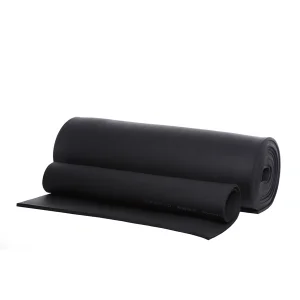
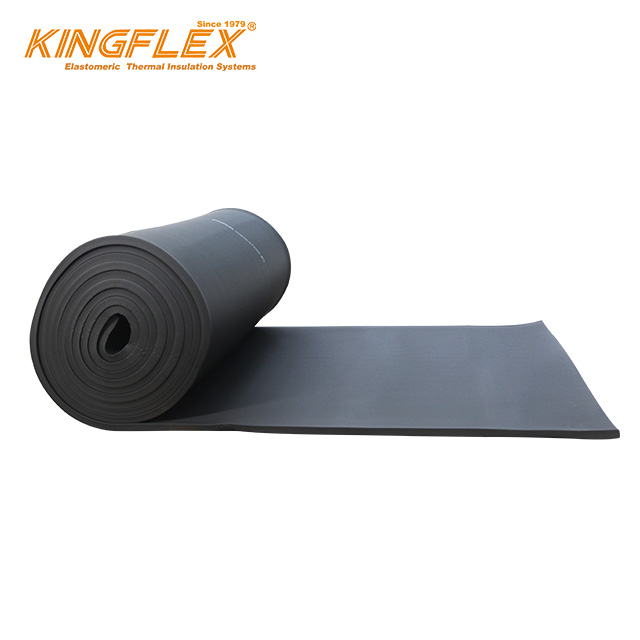
Elastomeric Insulation Roll
Elastomeric Insulation Physical Parameters
Parameter Value / Description
Density 40-60 kg/m³
Thermal Conductivity (0℃) Average temperature 0℃ ---- 0.033 W(m.k)
Thermal Conductivity (-50℃) Average temperature -50℃ ---- 0.028 W(m.k)
Recommend Operating Temperature -50℃ to +105℃
Percentage of Closed Area >95%
Moisture Permeance Factor < 1.96 x 10⁻¹⁰ g(m.s.Pa)
Wet Resistance Factor (μ) ≥ 10000
Water Vapor Permeability Coefficient 0.0039/h.m² (25mm thickness)
Tensile Strength (MPa) 0℃ -- 0.15; -40℃ -- 0.218
Compressive Strength (MPa) -40℃, ≤ 0.16
Insulation Application Scene 1
Insulation Application Scene 2
Insulation Application Scene 3
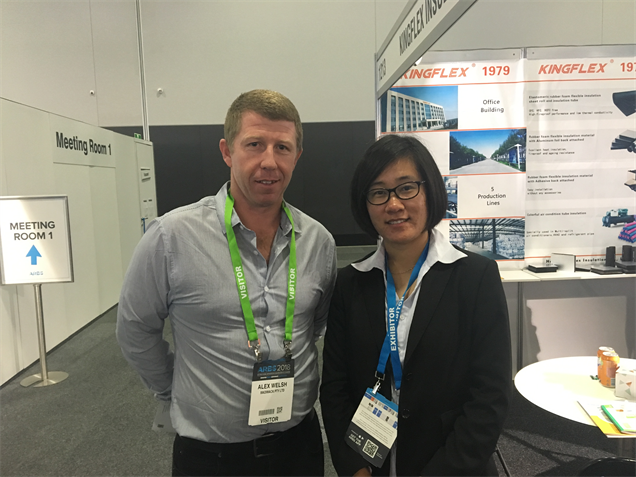
Global Exhibition Event 1
Global Exhibition Event 2
Global Exhibition Event 3
Global Exhibition Event 4

We participate in many exhibitions every year and have made many customers and friends from all over the world.

Frequently Asked Questions
What are the primary benefits of using these cryogenic thermal insulation systems?
They are ideal for the oil and gas industry as they save energy, minimise the risk of corrosion under insulation (CUI), allow easy handling/shipment, reduce total installation time, and achieve optimal thermal performance in lightweight, thin configurations.
Does this cryogenic system require traditional joints to accommodate expansion and contraction?
No, these cryogenic systems can be fitted under compression, which eliminates the need for traditional open-cell, fibrous in-fill pieces for contraction and expansion joints.
What is the thermal conductivity of this material at extremely low temperatures?
The conductivity factor ranges from 0.0127 W(m.k) at an average temperature of -196℃, up to 0.0242 W(m.k) at -100℃. This provides outstanding thermal efficiency for cryogenic operations.
What is the recommended operating temperature range for the elastomeric insulation?
The recommended operating temperature range for this NBR-based elastomeric insulation is from -50℃ to +105℃.
How effectively does the insulation resist moisture and water vapor?
It is highly resistant to moisture, with a closed cell area percentage exceeding 95%, a wet resistance factor (μ) of over 10,000, and a moisture permeance factor of less than 1.96x10⁻¹⁰ g(m.s.Pa).
What are the tensile and compressive strengths of the material?
The material exhibits a tensile strength of 0.15 MPa at 0℃ and 0.218 MPa at -40℃, with a compressive strength of ≤ 0.16 MPa at -40℃, ensuring high structural integrity in demanding environments.

Related Products