ℹ
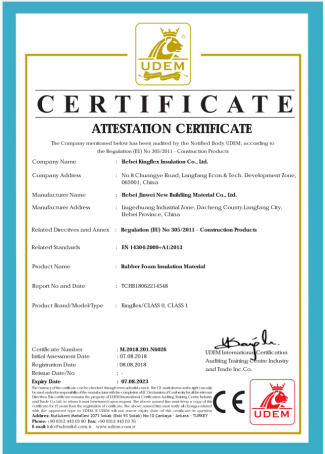
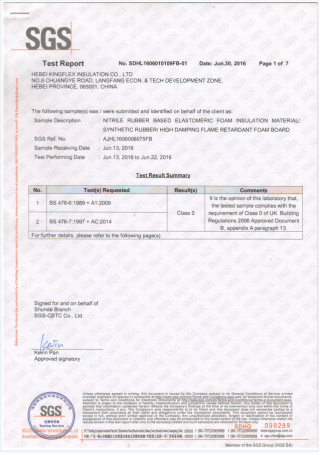
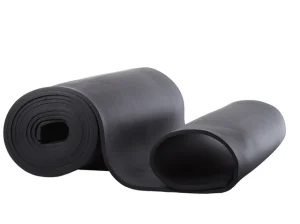
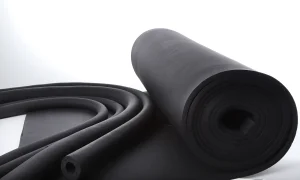
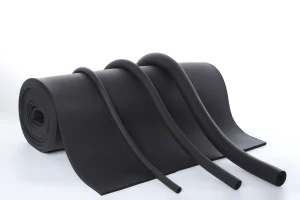
Closed cell Nitrile Rubber insulation has good thermal property while open cell structure provide good acoustic properties. It can be bifurcated in Class "O" and Class "1" on the basis of its fire resistance properties.
★
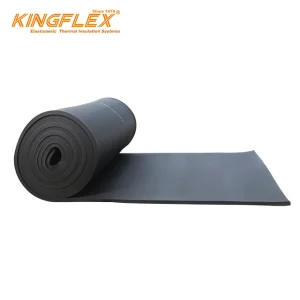
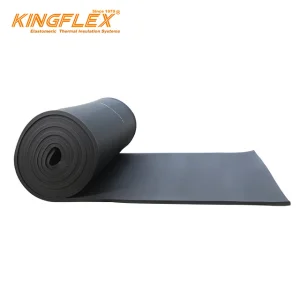
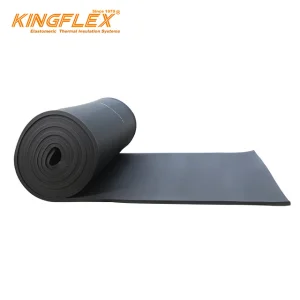
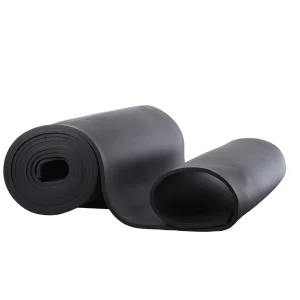
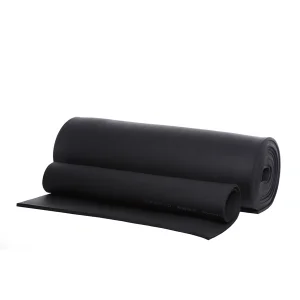
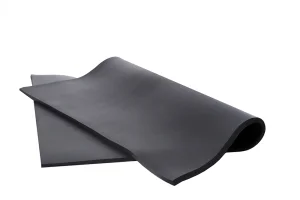
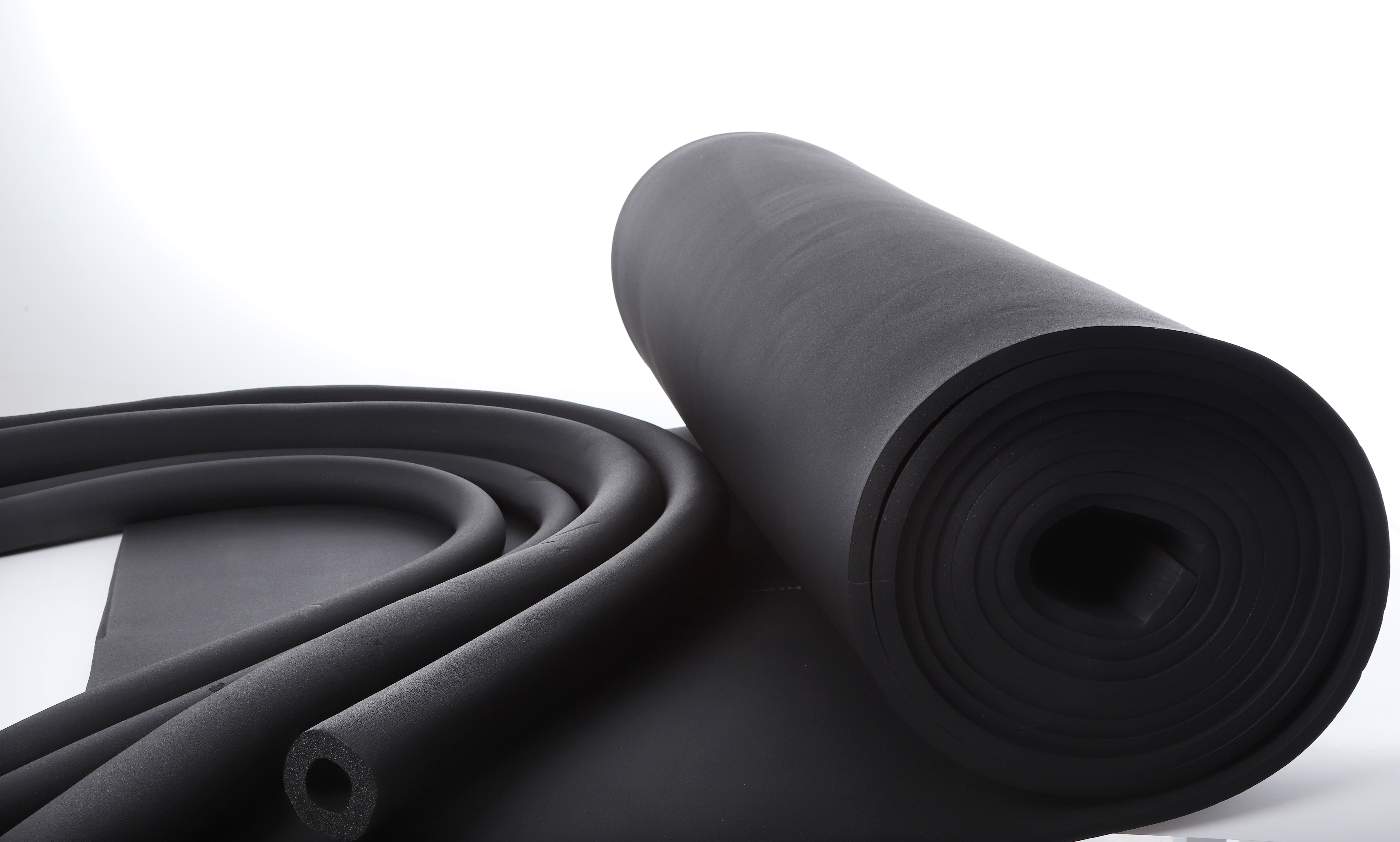
Elastomeric foam Insulation material manufactured from Nitrile Rubber in Preformed tubing and sheet. Nitrile Rubber insulation shows various properties due to its close cell and open cell structure.
What is the difference between closed-cell and open-cell Nitrile Rubber structures?
Closed-cell Nitrile Rubber provides excellent thermal insulation and water resistance properties, while the open-cell structure excels in acoustic performance, offering sound absorption benefits.
How is this insulation material classified for fire safety?
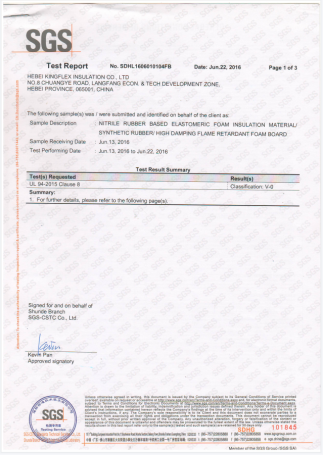
Based on fire resistance characteristics, this insulation material is bifurcated into Class "0" and Class "1" standards to ensure reliability under thermal strain.
What are the available dimensions for the elastomeric foam sheets?
The insulation is available in various thicknesses (ranging from 1/4" to 2") and widths (1m, 1.2m, and 1.5m) to accommodate different piping and duct design layouts.
What is the thermal conductivity rating of this rubber insulation?
The thermal conductivity value is tested according to ASTM C 518 standards, measuring ≤0.030 W/(m.k) at -20°C, ≤0.032 W/(m.k) at 0°C, and ≤0.036 W/(m.k) at 40°C.
How does the insulation stand up to mold, ozone, and weathering?
It is engineered for durability, showcasing proven resistance to fungi growth (ASTM 21), ozone (GB/T 7762-1987), and U.V./weather degradation (ASTM G23).
 Kingflex