 Kingflex
Kingflex
Kingflex
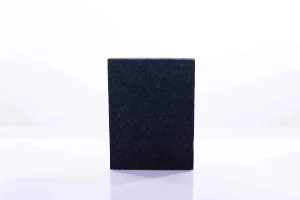
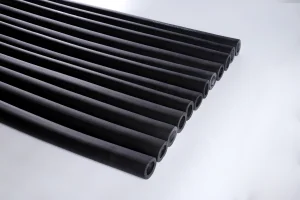
Premium grade thermal insulation products calibrated for high humidity mitigation and strict condensation prevention in manufacturing plant infrastructures.
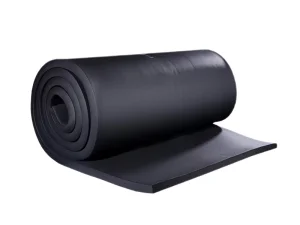
Advanced thermal resistance and water vapor tightness designed for heavy manufacturing facilities.
View Specs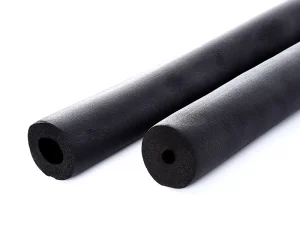
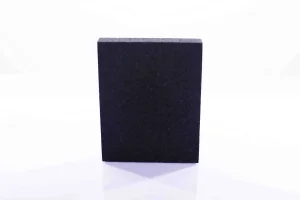
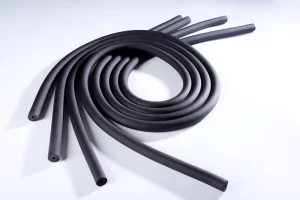
Maximum condensation control and structural thermal bridging elimination for process piping.
View Specs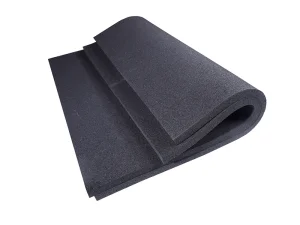
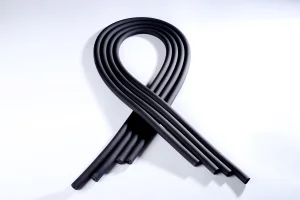
High-density decibel reduction insulation designed for power stations and compressor rooms.
View Specs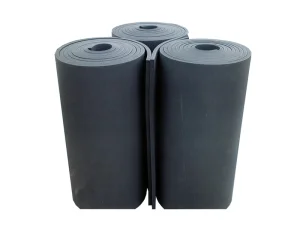
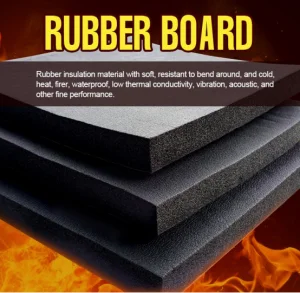
Uniform cell matrix configuration, providing low K-factor and superior flame-retardant values.
View SpecsDetroit, Michigan features some of the most dynamic engineering challenges in the United States. Characterized by freezing winters and hot, high-humidity summers, the local climate demands advanced commercial HVAC and industrial piping insulation systems that control thermal exchange and prevent condensation. Rapid temperature drops can result in excessive pipe freezing and catastrophic facility damage if not managed using high-performance closed-cell elastomer insulation.
Additionally, Detroit's ongoing revival of legacy automotive assembly lines, combined with the rapid development of electric vehicle (EV) battery manufacturing cleanrooms, has increased the demand for clean, zero-VOC thermal and acoustic systems. Standard open-cell insulation variants can absorb moisture and breed mold, making them unsuitable for cleanrooms. High-density, closed-cell NBR/PVC elastomeric rubber foam insulation offers a highly reliable solution, ensuring low thermal conductivity ($\lambda \le 0.034 \text{ W/m}\cdot\text{K}$ at $0^\circ\text{C}$) and a water vapor diffusion resistance factor ($\mu$) of over 10,000.
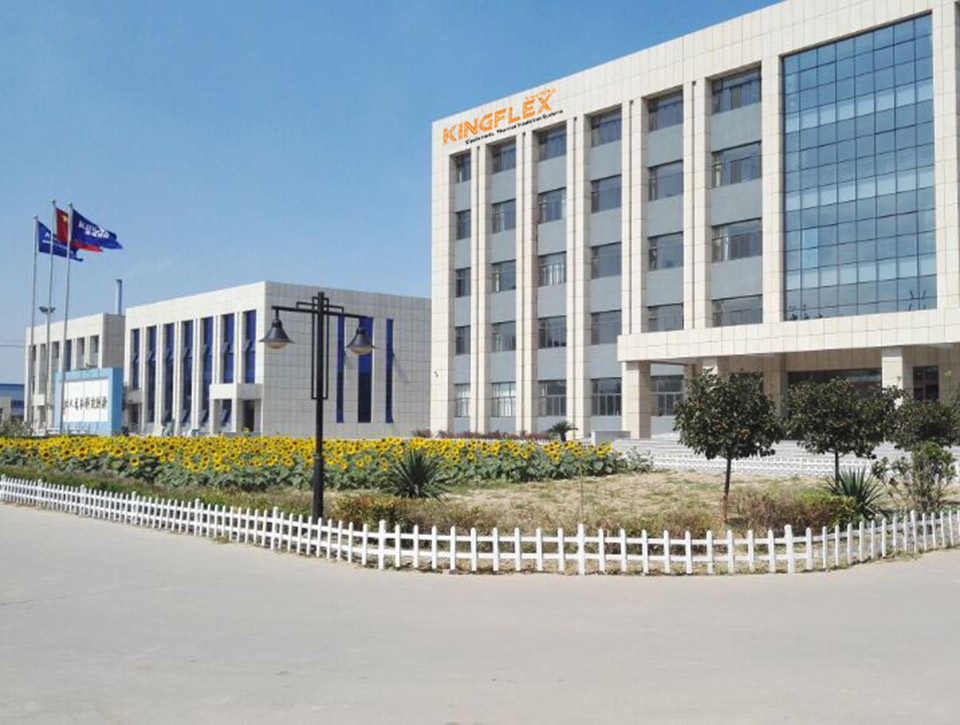
Providing custom engineering solutions and robust supply lines across international borders to support large-scale HVAC and process systems.
As international regulatory agencies mandate a transition toward zero-emission buildings, our global manufacturing assets deliver solutions that comply with ASHRAE 90.1, IECC, and European CE benchmarks.
Kingflex ensures supply chain reliability by maintaining extensive reserves of raw NBR/PVC polymers, allowing us to mitigate shipping disruptions and consistently deliver to industrial hubs like Detroit.
Our materials are tested to comply with international fire standards, meeting BS 476, CE, REACH, RoHS, UL94, and ASTM flame spread requirements to ensure life safety inside commercial complexes.
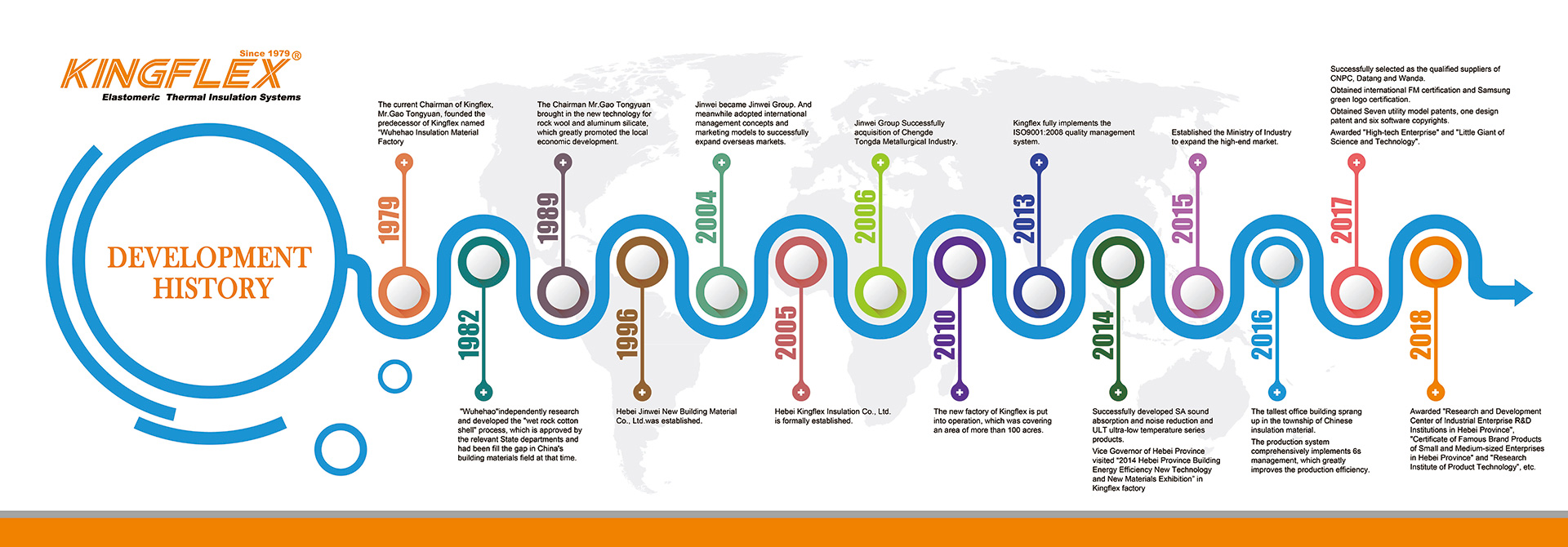
Established by the Jinwei Group, which possesses more than 40 years of industrial manufacturing history, Kingflex Insulation Co., Ltd. has grown to become a leading global brand for closed-cell elastomeric insulation. Jinwei Group, founded in 1979, was the first manufacturer of thermal insulation materials north of the Yangtze River.
Today, Kingflex operates research, development, and manufacturing divisions located in Dacheng, China—a region known as a capital of green building materials. Focused on energy conservation, we manage our processes through every stage, from material formulation to post-sale support. Our facility is a designated production supplier for the Ministry of Energy, the Ministry of Electric Power, and the Ministry of Chemical Industry, demonstrating our reliability for utility-scale infrastructure projects.
Our technical engineers offer installation guidance, material takeoff consulting, and structural verification. This helps project designers ensure the insulation thickness is correctly specified to prevent condensation under varying humidity levels.
How Detroit industrial designers, MEP consultants, and construction teams apply Kingflex closed-cell rubber foam insulation across diverse operations.
Precise climate control is critical inside paint booths to ensure high-quality automotive finishes. Our non-fibrous NBR/PVC insulation prevents particle shed, maintaining a clean workspace while keeping duct temperatures consistent.
EV battery production requires dry rooms with low relative humidity. Condensation on chilled water supply pipelines can disrupt production. Our closed-cell insulation prevents moisture infiltration without requiring extra vapor barriers.
Detroit's large district steam and chilled water networks demand heavy-duty insulation to minimize energy loss. Thick NBR/PVC sheets protect these pipelines against thermal loss during freezing Midwestern winter conditions.
Comprehensive material characteristics for mechanical specification engineers and procurement managers.
| Performance Characteristic | NBR/PVC Elastomeric Foam Value | Test Standard Compliance |
|---|---|---|
| Thermal Conductivity ($\lambda$) | $\le 0.034 \text{ W/m}\cdot\text{K}$ at $0^\circ\text{C}$ ($\le 0.24 \text{ BTU}\cdot\text{in}/(\text{hr}\cdot\text{ft}^2\cdot^\circ\text{F})$) | ASTM C518 / ISO 8301 |
| Water Vapor Permeability Resistance ($\mu$) | $\ge 10,000$ (Moisture transmission rating) | ASTM E96 / EN 12086 |
| Operating Temperature Range | $-40^\circ\text{C}$ to $+105^\circ\text{C}$ ($-40^\circ\text{F}$ to $+220^\circ\text{F}$) | ASTM C534 Grade 1 |
| Fire Classification & Flame Spread | Class 0 / Class 1; Flame Spread < 25, Smoke Developed < 50 | BS 476 Part 6 & 7 / ASTM E84 |
| Density Profile | $40\text{ to }55 \text{ kg/m}^3$ ($2.5\text{ to }3.4 \text{ lb/ft}^3$) | ASTM D1622 |
| Compression Resilience | $\ge 80\%$ recovery under load deformation tests | ASTM D1056 |
Explore actual installations of Kingflex high-performance insulation systems inside industrial, commercial, and energy sectors.
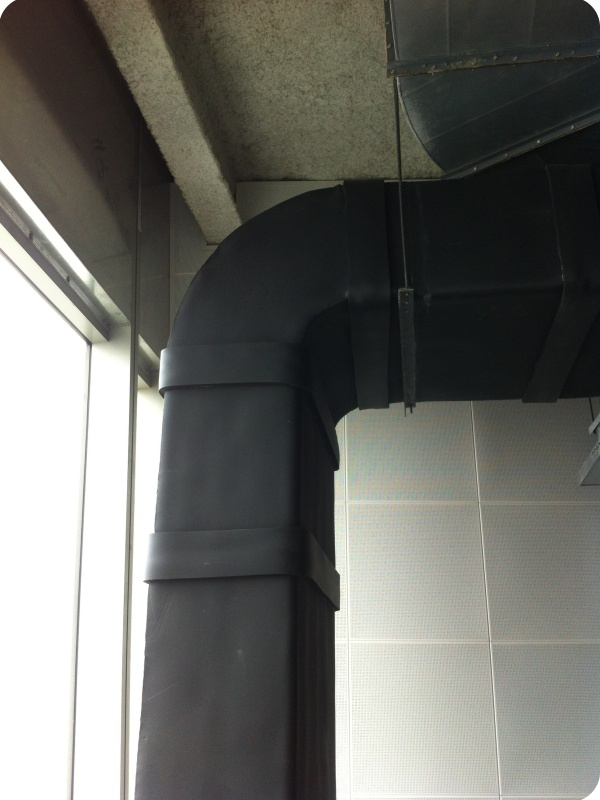
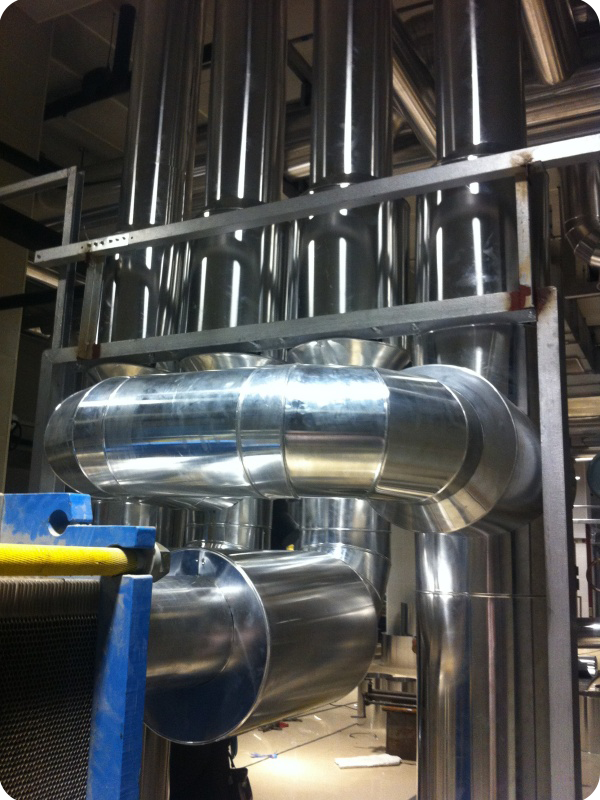
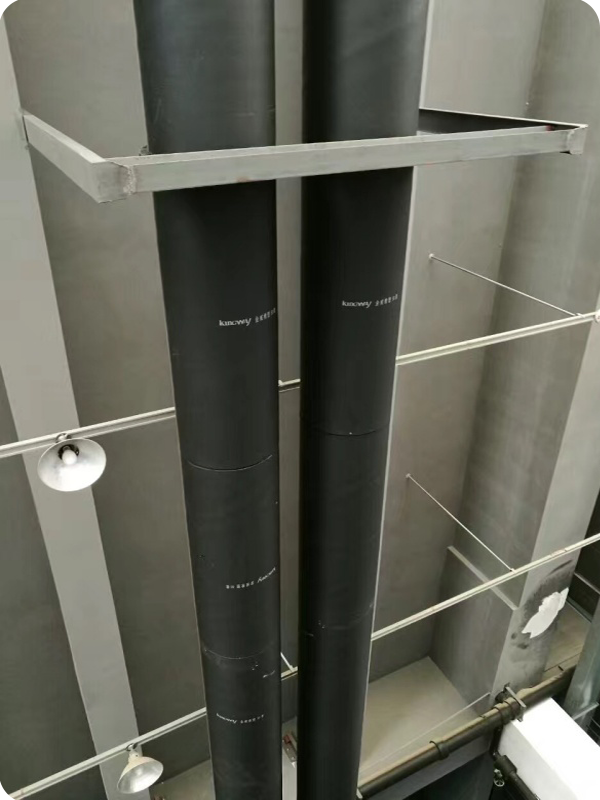
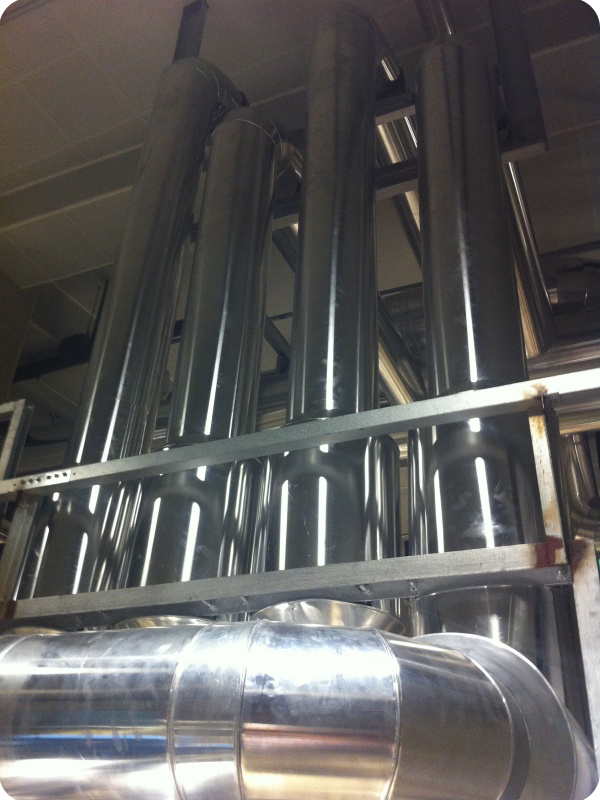
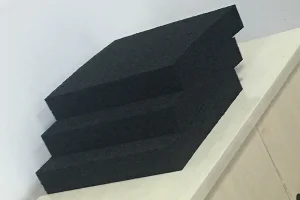
In a large commercial facility in downtown Detroit, the existing insulation systems on a 4,500-ton chilled water loop were beginning to fail, leading to significant condensation issues. Kingflex engineers recommended a retrofit using 25mm thickness NBR/PVC elastomeric foam sheet rolls. Our technical team provided on-site installation guidance, showing the local contractors how to seal joints to maintain the vapor barrier.
Following the retrofit, the facility experienced zero condensation issues, even during hot and humid peak summer weeks. This change improved chiller compressor performance and reduced total HVAC energy consumption by an estimated 14%.
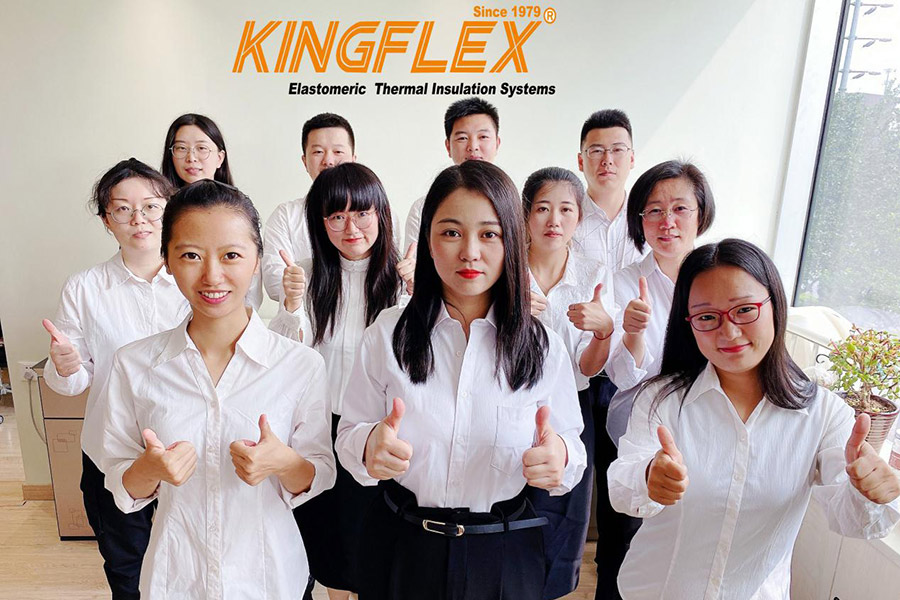
Kingflex maintains an experienced engineering team comprised of 8 professional R&D engineers, 6 international sales consultants, and 230 production specialists. We work to ensure our manufacturing runs remain consistent, batch after batch.
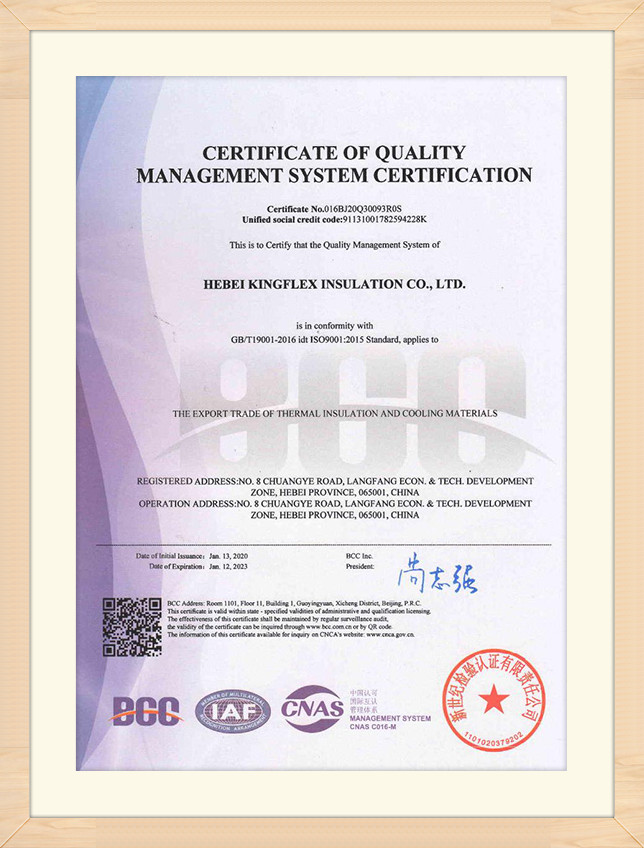
Our production lines are certified to meet international criteria, allowing our materials to be specified for high-performance projects in the US, Europe, and Asia. Key compliance certifications include:
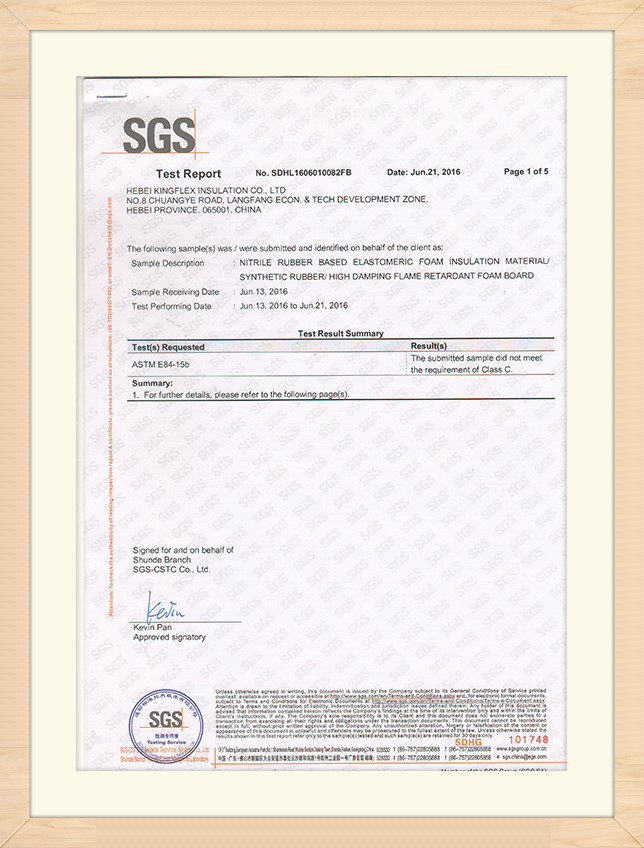
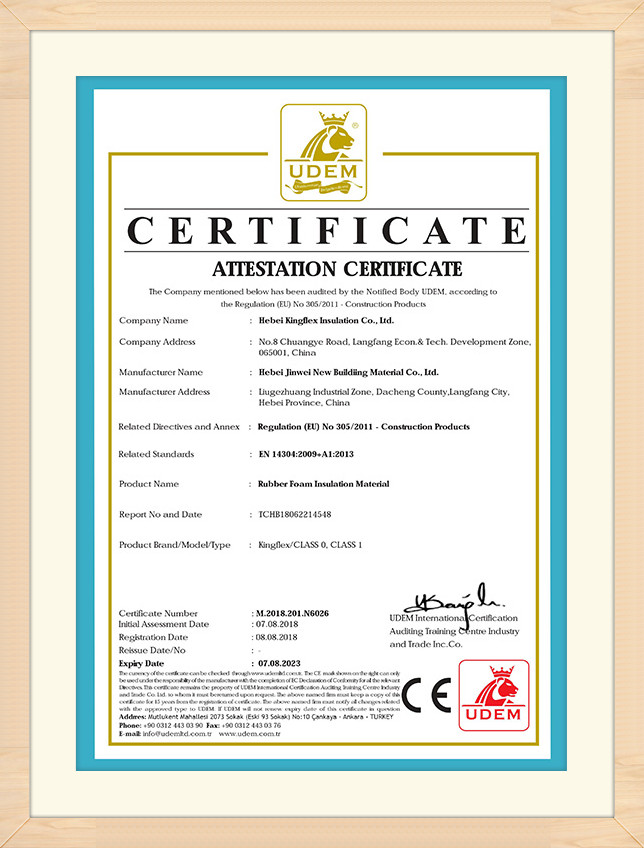
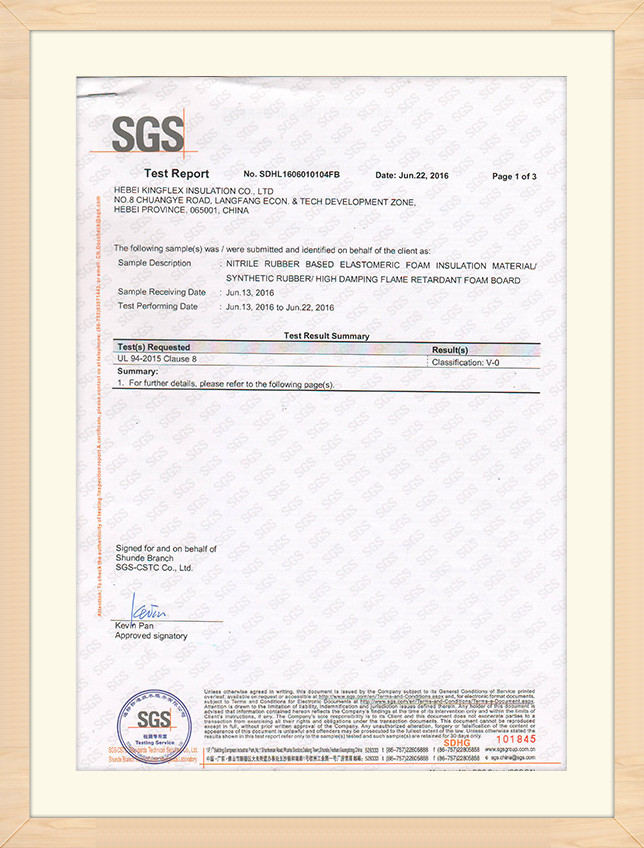
Inside our automated facility, raw NBR/PVC polymers are transformed into closed-cell insulation materials using specialized equipment.

Polymers, blowing agents, and fire retardants are combined under pressure to ensure even ingredient distribution.
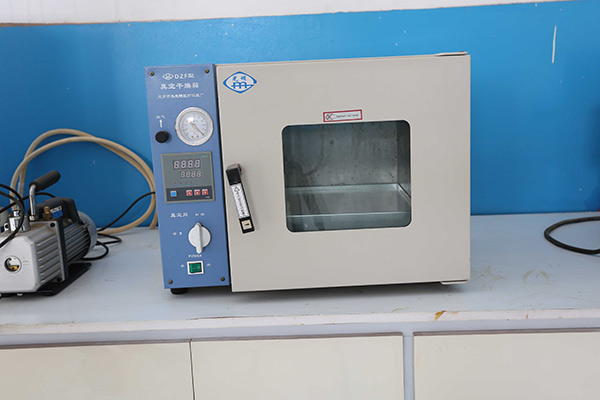
Continuous heating ovens activate the blowing agents, expanding the material to create a closed-cell matrix.
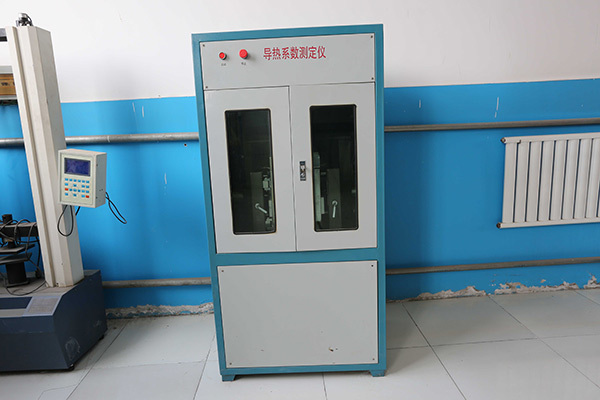
Automated saws cut the cured material into standard pipe sizes and sheet thicknesses to meet project specifications.
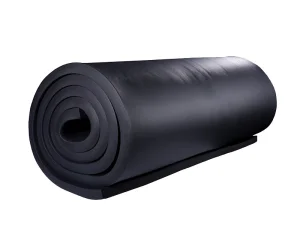
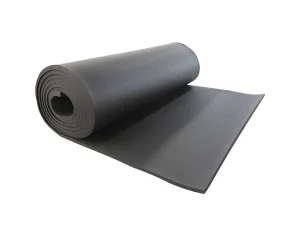
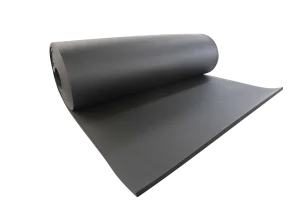
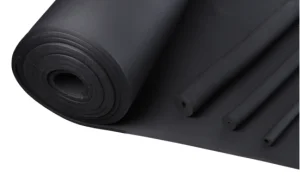
Select from our complete line of NBR/PVC elastomeric rubber foam sheets, rolls, and pre-slit pipe tubing options.
Specialized insulation solutions designed to withstand extreme temperatures, from sub-zero cryogenic systems to high-heat furnace systems.
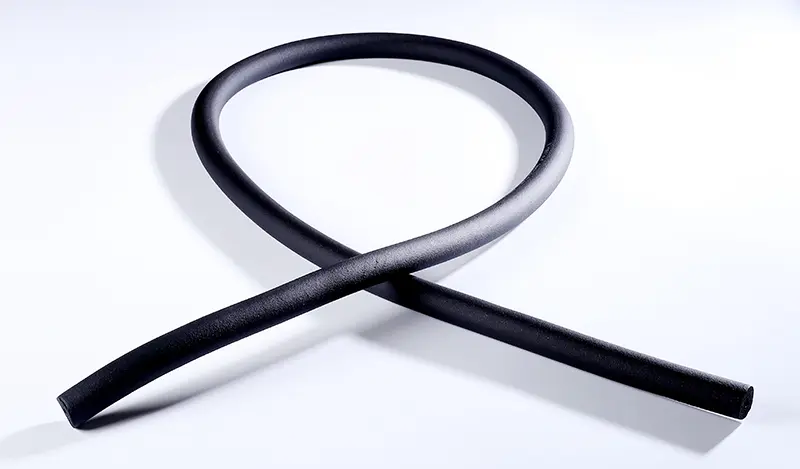
NBR base polymer tube designed for process steam line applications.
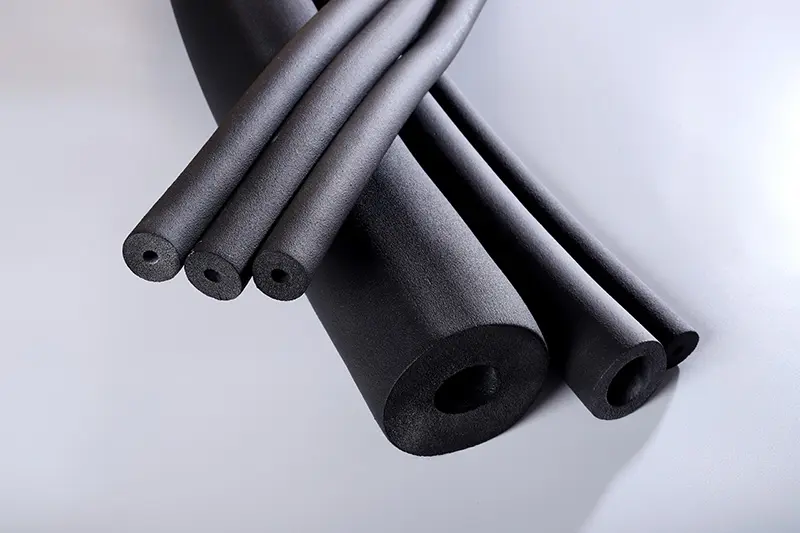
Specially coated elastomer skin that resists chemical exposure.

Highly flexible, allowing for easy installation around complex pipe turns.
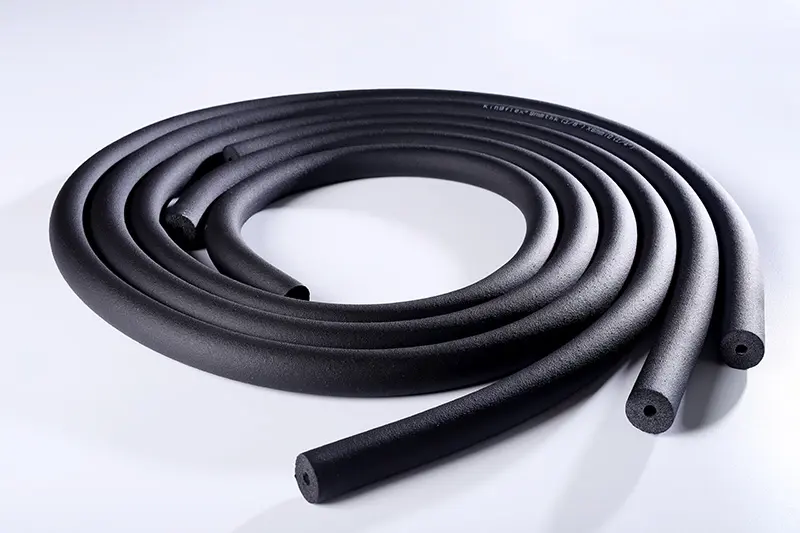
Industry standard plumbing and refrigeration line insulation.
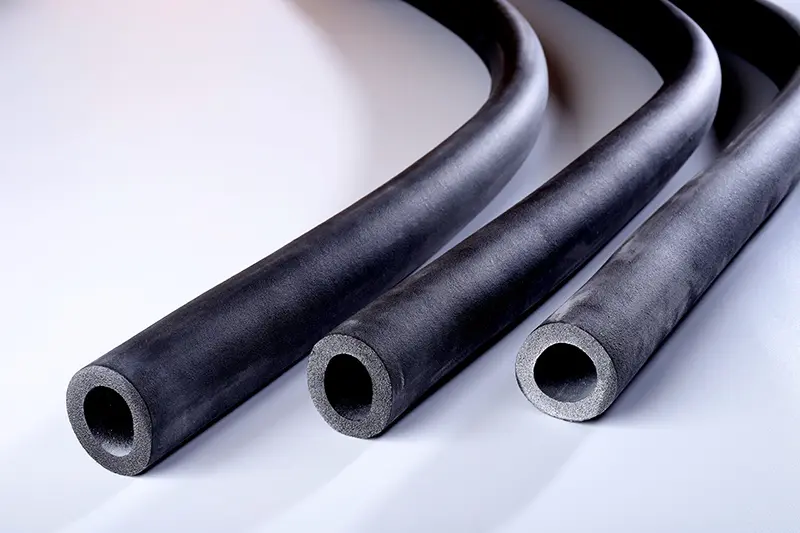
Closed-cell design for residential and commercial split-system heat pumps.
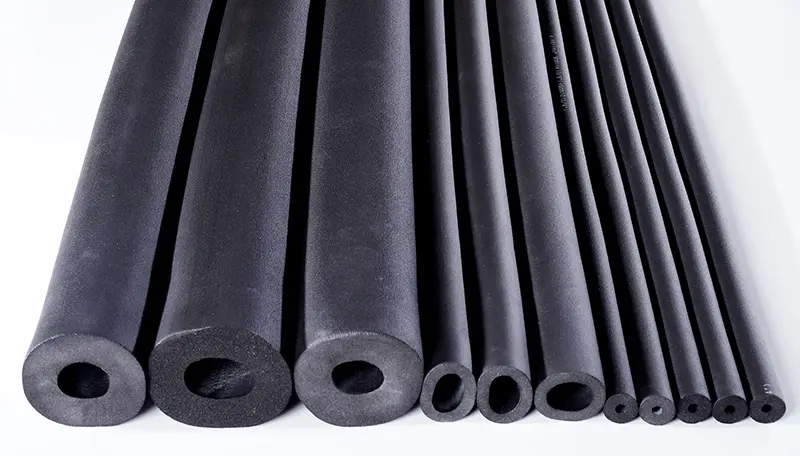
Protects cooling systems from condensation and helps reduce energy loss.
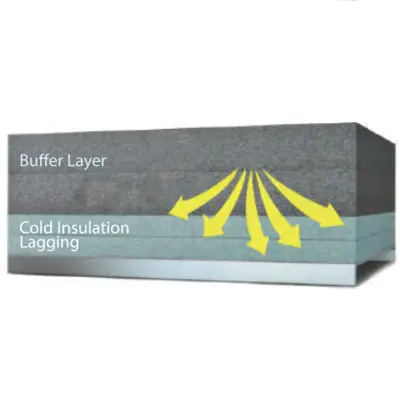
Integrated multi-layered protection for commercial mechanical runs.
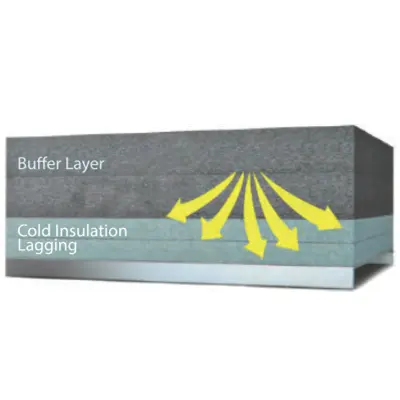
Formulated for LNG and cryogenic applications down to $-200^\circ\text{C}$.
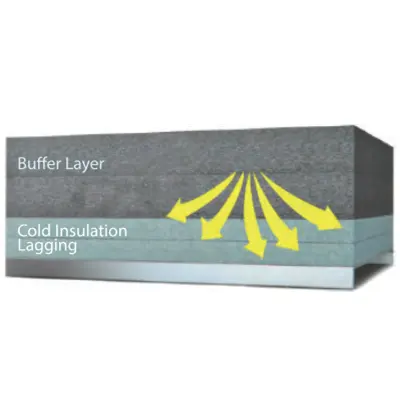
Provides thermal stability for high-precision industrial chemical processes.
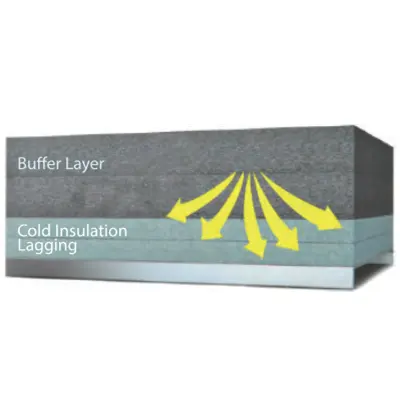
Resists cold cracking and maintains elasticity in low temperatures.
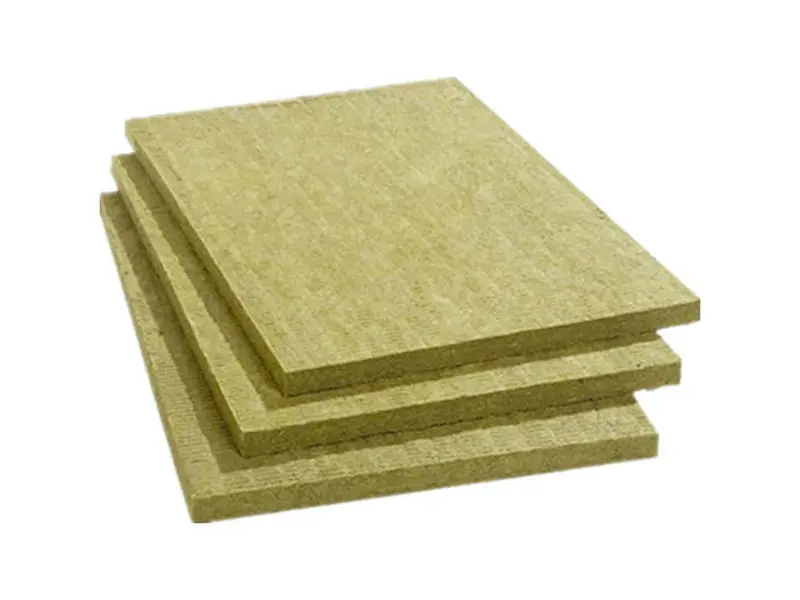
High-heat resistance profile up to $1000^\circ\text{C}$ for structural partition walls.
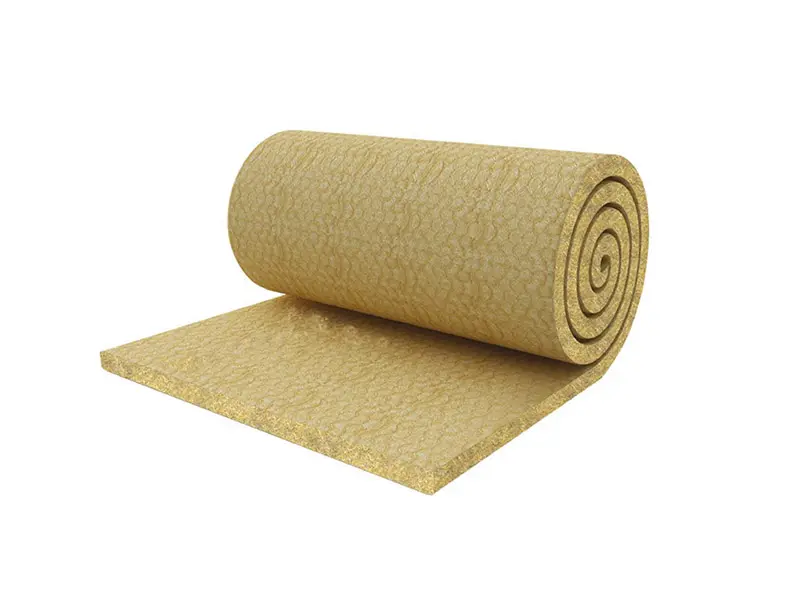
Flexible density mineral wrap for high-temperature exhaust runs.
Developing advanced materials to meet changing environmental standards and improve thermal efficiency.
By embedding silica aerogel matrices into our NBR rubber polymer, our upcoming product line aims to reduce thermal conductivity values ($\lambda$ down to $0.027 \text{ W/m}\cdot\text{K}$), allowing for thinner insulation profiles.
We are working to replace fossil-fuel-derived plasticizers with sustainable bio-based alternatives. This helps developers meet green building certifications, such as LEED and BREEAM, without compromising material performance.
To address strict mass-transit and marine safety guidelines, our chemical engineers are refining halogen-free compounds that minimize acid gas emissions in the event of a fire.
Frequently asked questions by engineering firms, project estimators, and mechanical contractors regarding closed-cell rubber foam insulation specifications.
It is mainly used for HVAC ducts, air conditioning pipes, building thermal insulation, industrial pipeline cold insulation, and acoustic damping. In Detroit, it is widely installed in automotive assembly lines to control condensation and reduce noise on machinery runs, as well as in municipal heating loops and commercial buildings to minimize energy loss.
Yes, our rubber foam insulation is fire retardant and meets international safety standards, including BS 476 (Class 0 and Class 1) and ASTM E84 (flame spread index < 25, smoke developed index < 50). This makes it suitable for installation in high-density office complexes, hospitals, and industrial facilities.
Rubber foam features a flexible, closed-cell structure with a high moisture resistance factor ($\mu \ge 10,000$). This design makes it well-suited for refrigeration, HVAC, and condensation control. Rock wool is a fibrous material with high-temperature resistance (up to $1000^\circ\text{C}$), which is suitable for high-heat process steam lines and structural fire protection.
Yes. Kingflex offers comprehensive OEM services. We can manufacture custom wall thicknesses, inner diameters (ID) for non-standard pipelines, self-adhesive backing options, and exterior protective aluminum or UV-resistant cladding based on your project requirements.
Our products have passed BS 476, CE, REACH, RoHS, UL94, and ASTM testing. These certifications help ensure that our materials meet local US and international building codes, allowing mechanical contractors to specify Kingflex products with confidence.
Yes. Each batch of Kingflex rubber foam insulation undergoes raw material inspection and processing tracking. Batch codes are printed directly onto our product packaging and material backings, enabling complete traceability from the factory floor to the job site.
We manufacture sheet rolls in thicknesses ranging from 6mm to 50mm. Thinner sheets (6mm–12mm) are commonly specified for compact duct wraps, while thicker sheets (25mm–50mm) are used for heavy-duty chilled water systems and industrial process piping.
Under normal operating conditions and when installed according to manufacturer guidelines, our elastomeric materials have an expected service life of 10 to 15 years. The closed-cell structure prevents moisture absorption over time, helping to maintain stable thermal conductivity throughout the lifespan of the installation.
Connect with our technical sales division to request material takeoffs, custom dimension pricing, or compliance certificate documentation. We offer customized solutions designed to fit your project budget and schedule.
Send Inquiry Now