 Kingflex
Kingflex
Kingflex
Premium NBR/PVC elastomeric solutions optimized for American commercial building specifications, mechanical design guidelines, and rigorous safety profiles.
The mechanical insulation market in the United States is undergoing a major structural evolution driven by strict updates to municipal and state building codes. Modern frameworks, including ASHRAE Standard 90.1 (Energy Standard for Buildings Except Low-Rise Residential Buildings) and the International Energy Conservation Code (IECC), have set strict limits on allowable thermal losses. Industrial, commercial, and multi-family residential structures must minimize their energy footprints to support decarbonization and net-zero targets.
In chilled water systems, HVAC ductwork, refrigeration lines, and heavy industrial processing facilities across regions like the Gulf Coast, Midwest, and Northeast, preventing condensation is crucial. Uncontrolled moisture on pipes leads to Corrosion Under Insulation (CUI), mold growth, and reduced thermal performance. Closed-cell rubber foam insulation, typically formulated from Nitrile Butadiene Rubber (NBR) and Polyvinyl Chloride (PVC) blends, provides a reliable barrier against vapor transmission without requiring secondary vapor retarders.
Additionally, sound transmission requirements in densely populated cities require acoustic materials that can handle both airborne noise and structural vibrations. Class A fire rating certifications, tested under ASTM E84 (Standard Test Method for Surface Burning Characteristics of Building Materials) with a 25 Flame Spread and 50 Smoke Developed index, are mandatory for plenum-rated spaces. This makes flexible closed-cell elastomeric foam the standard for modern US engineering designs.
The global demand for elastomeric rubber foam insulation is growing steadily, driven by the expanding cold chain infrastructure, cleanroom demand in semiconductor fabrication, and global HVAC electrification. As governments move away from high-GWP (Global Warming Potential) blowing agents, global manufacturing plants are adopting advanced eco-friendly formulation processes.
A key trend in the industry is the shift toward multi-layered, composite materials that combine thermal insulation with high-mass acoustic barrier layers. Additionally, suppliers must maintain agile supply chains. Delivering high-bulk insulation rolls and tubes to major US ports (such as Houston, Los Angeles, and Newark) requires optimized compression packaging techniques to maximize shipping container space while ensuring the foam fully recovers its original shape and density upon arrival.
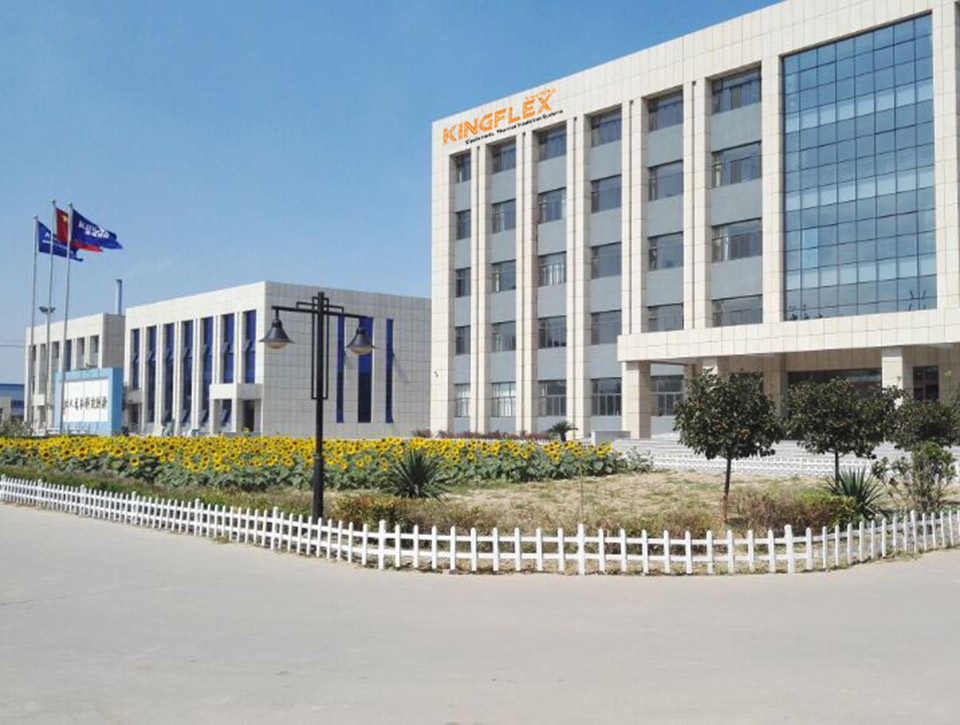
Kingflex Insulation Co., Ltd. is an established, specialized manufacturing and trading dynamic dedicated to the global supply of premium thermal and acoustic insulation products. Our research, development, and primary production operations are located within Dacheng, China—historically recognized as the capital of green building materials. As an energy-saving, environmentally conscious enterprise, we concentrate our resources on the complete lifecycle of thermal solutions, encompassing material research, advanced automated production, installation consulting, and responsive post-sale support.
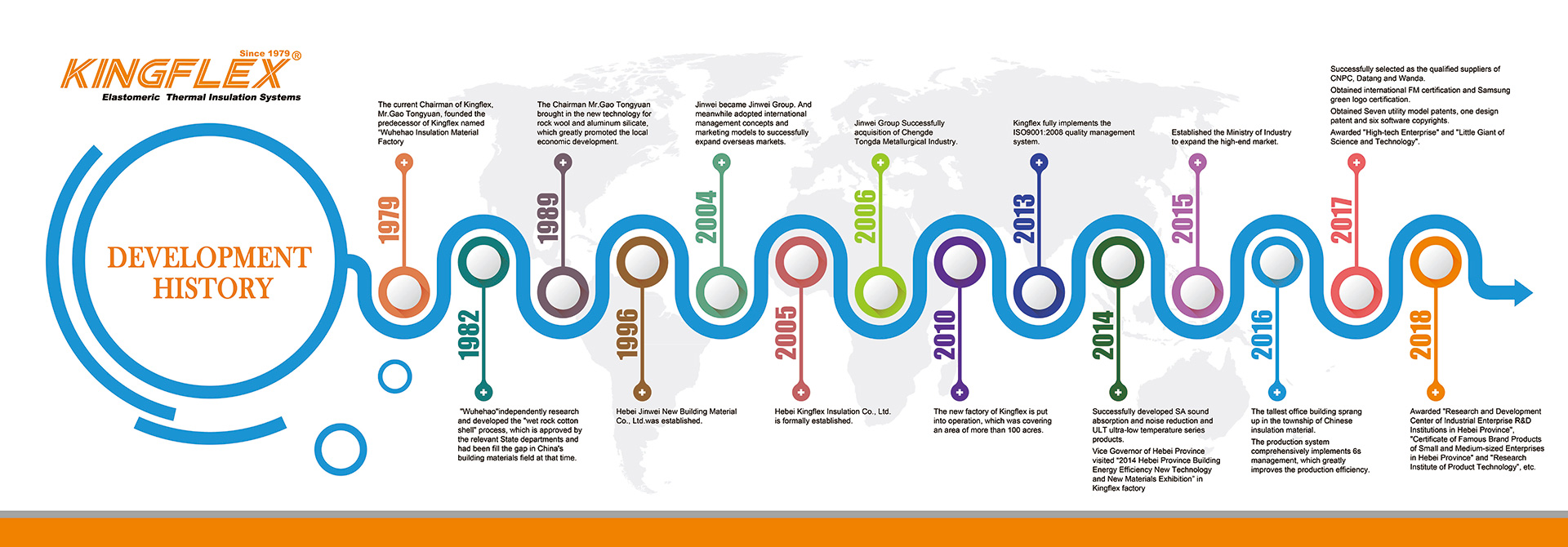
Founded under the umbrella of the Jinwei Group, which boasts a rich heritage dating back to 1979 as the pioneer manufacturer of thermal insulation materials north of the Yangtze River, Kingflex carries forward a 40-year legacy of engineering integrity. We operate 5 large, automated, continuous extrusion assembly lines with an annual capacity exceeding 600,000 cubic meters. This massive capacity has earned us official supplier designations from the Ministry of Energy, the Ministry of Electric Power, and the Ministry of Chemical Industry.

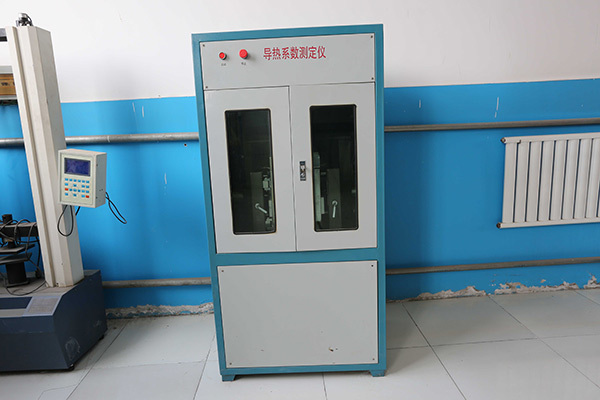
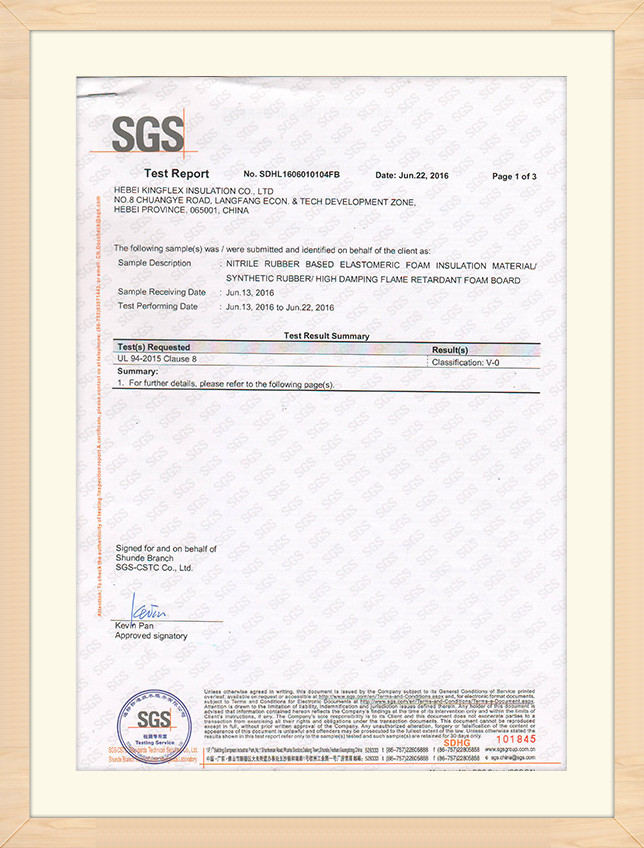
Material performance is key in mechanical engineering designs. Below is the structural roadmap and performance metrics that define Kingflex NBR/PVC elastomeric foam products:
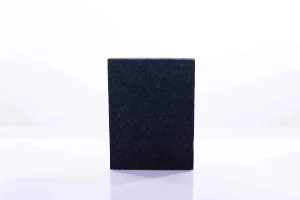
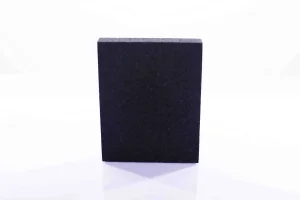
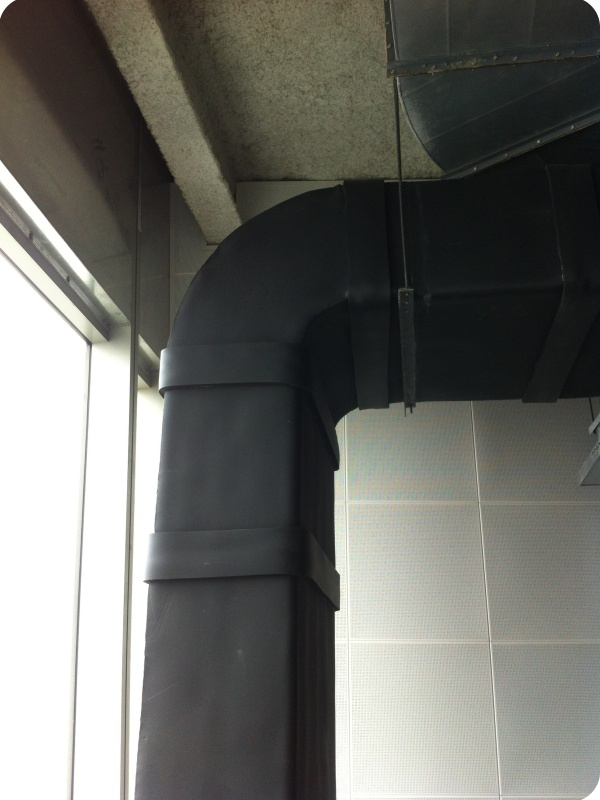
Used in commercial air distribution systems, our NBR/PVC sheets prevent thermal exchange in duct walls, eliminating condensation inside drop-ceilings and plenums. Fiber-free composition prevents mechanical airborne particulate hazards in schools, hospitals, and corporate centers.
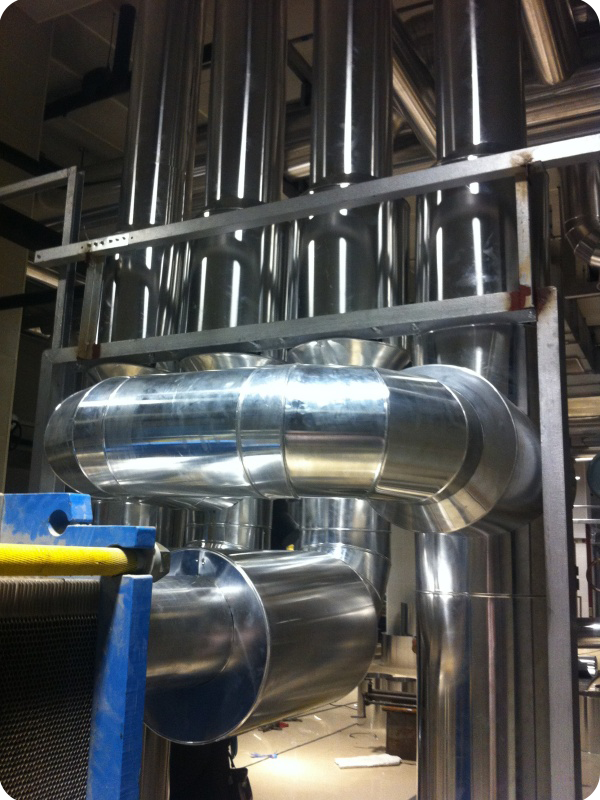
Protects cooling lines and processing pipes from cold-chain temperature shifts in food processing plants, chemical facilities, and refineries. The closed-cell matrix prevents moisture penetration, protecting lines from external surface corrosion.
For specialized sub-zero systems, our cryogenic foam provides flexibility down to -40°C. This protects mechanical elements from thermal shock and rapid icing in LNG processing, deep-freeze cold storage facilities, and pharmaceutical plants.
Kingflex insulation products are trusted in construction, petroleum, chemical, national defense, aerospace, and energy conservation projects globally.
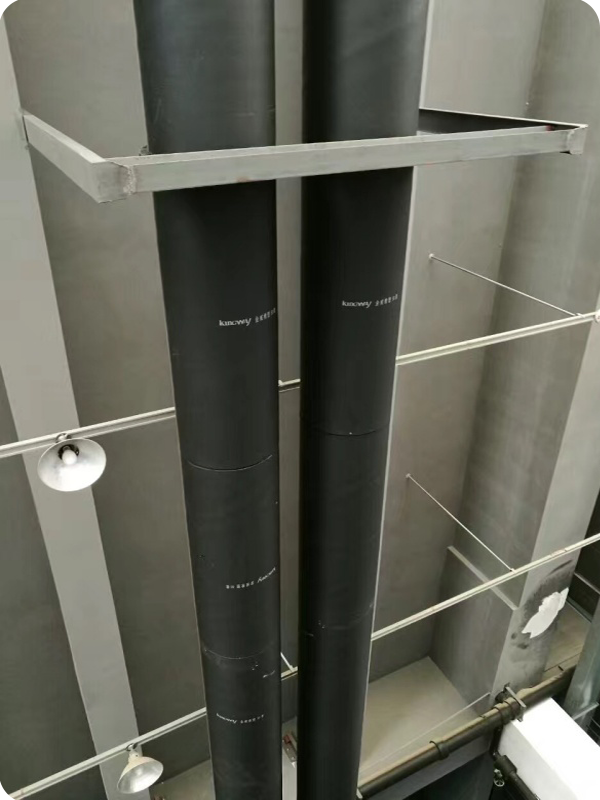
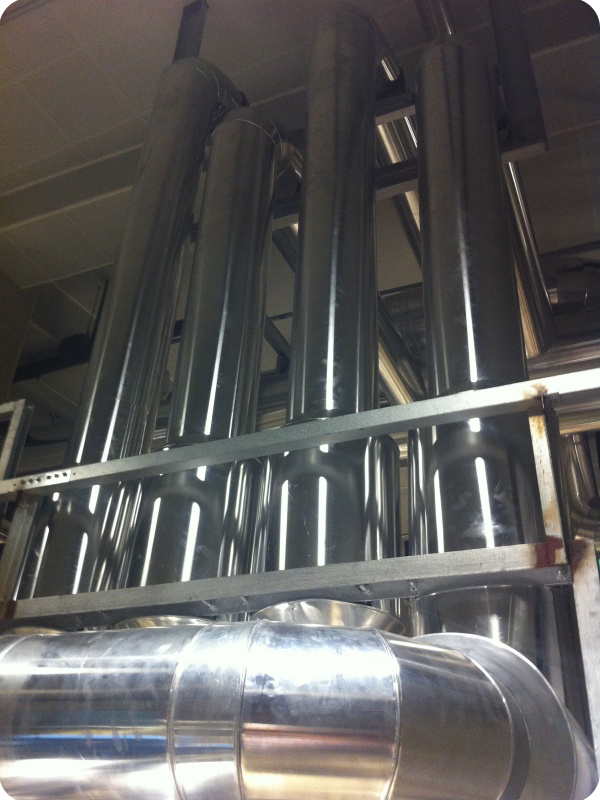
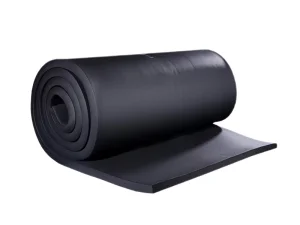
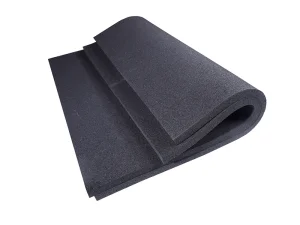
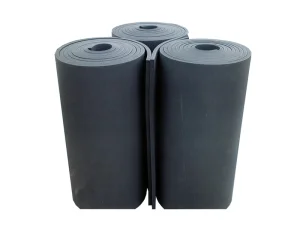
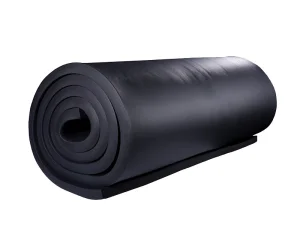
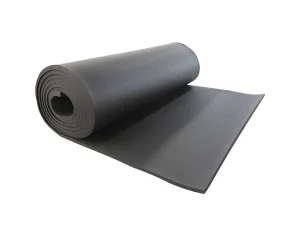
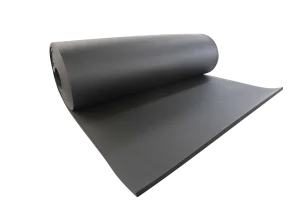
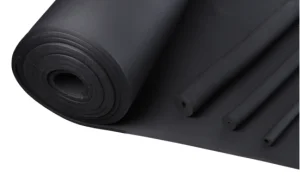
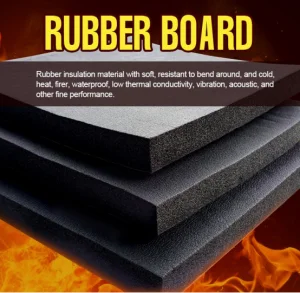
Standard Dimension Profiles: Thickness from 6mm to 50mm, density range of 40-55 kg/m³, temperature thresholds of -40℃ to 105℃.
Key Advantages: Even, uniform cell structures with over 98% closed-cell rating, stable thermal conductivity, compression resilience over 80%, flame retardant, self-extinguishing property, and high moisture vapor resistance.
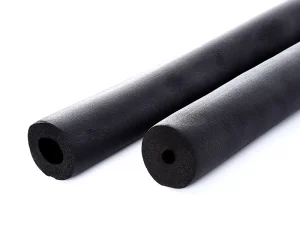
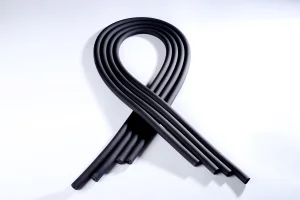
Standard Dimension Profiles: Wall thickness from 9mm to 40mm, Internal Diameter (ID) ranging from 6mm to 114mm, density of 40-55 kg/m³.
Key Advantages: High-performance extrusion ensures uniform thickness, high compression resilience, flame retardant class, high moisture resistance, and reduces structural pipe freezing risk.
Find technical answers about elastomeric rubber foam insulation products, testing procedures, standards, and practical installation guidance.
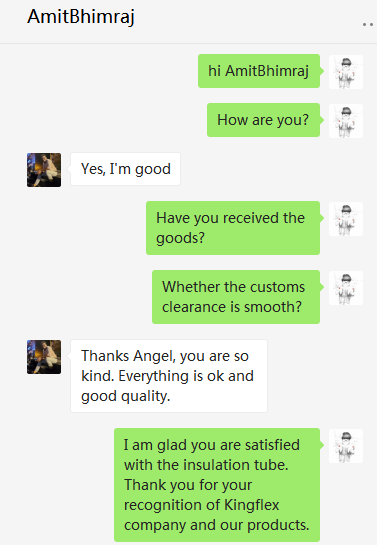
We work closely with global engineering companies, contractors, and distributors to ensure quick deliveries, compliant customs paperwork, and reliable mechanical system performance.



Explore our main product line, which includes flexible insulation sheets, corrosion-resistant tube designs, and multi-layered cryogenic foams built for sub-zero temperatures.