 Kingflex
Chapter 1: The Evolving Commercial and Industrial Insulation Landscape in Kenya
Kenya's rapid economic expansion, highlighted by structural mega-projects in Nairobi, Mombasa, and Kisumu, has created a critical demand for energy-efficient building materials. As the hub of East African commerce, the region is transitioning to sustainable infrastructure regulations. Organizations seeking green certifications (such as LEED or the IFC's EDGE certification) are scrutinizing HVAC and building envelope elements. Thermal insulation is no longer merely a budget line item; it is a primary driver of operational cost reduction and safety compliance.
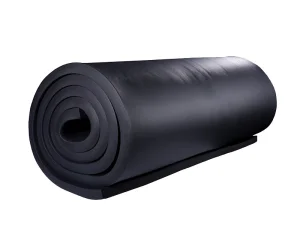
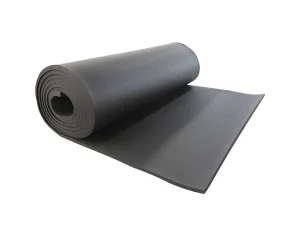
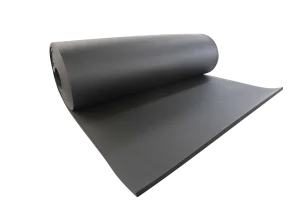
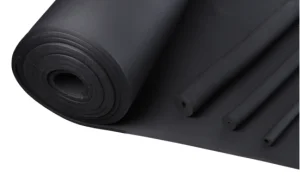
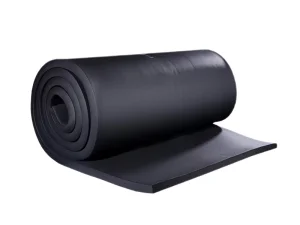
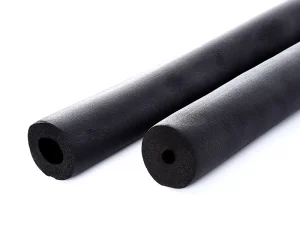
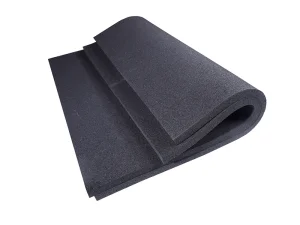
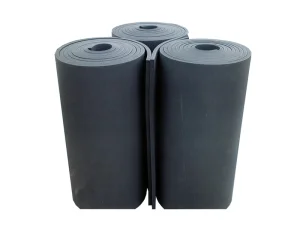
In tropical climates like Kenya's, where coastal humidity in Mombasa conflicts with high-altitude diurnal temperature swings in Nairobi, condensation prevention is paramount. Moisture ingress within insulation systems degrades the material's thermal resistance ($\lambda$-value) and causes under-insulation corrosion (C.I.U.), leading to systemic structural failures. Conventional fiberglass or rock wool blankets, despite their fire performance, fall short in high-humidity zones due to their fibrous, open structure. Elastomeric closed-cell rubber foam insulation (NBR/PVC) has become the preferred choice, offering an impervious barrier to vapor transmission and long-term thermal integrity.
Chapter 2: Deciphering the Technical Criteria for the East African Market
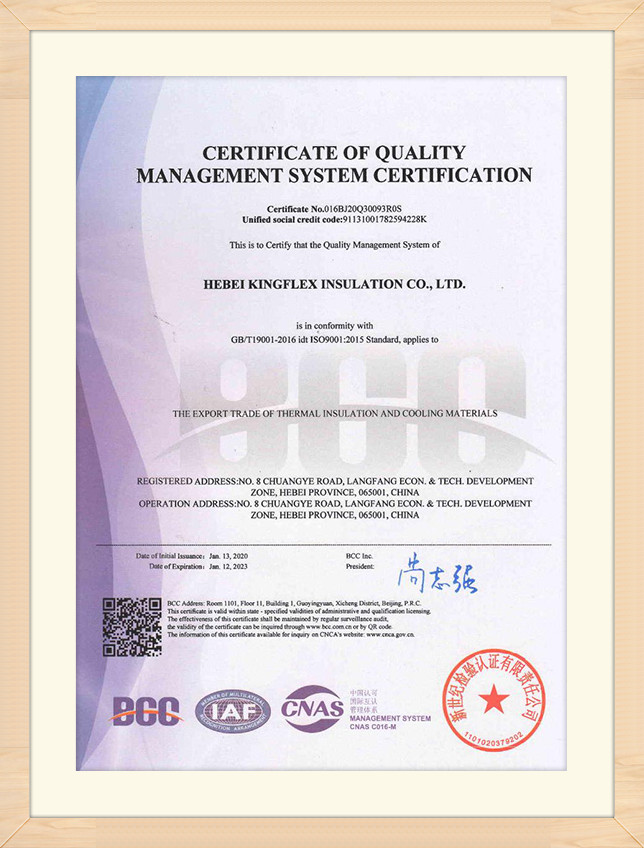
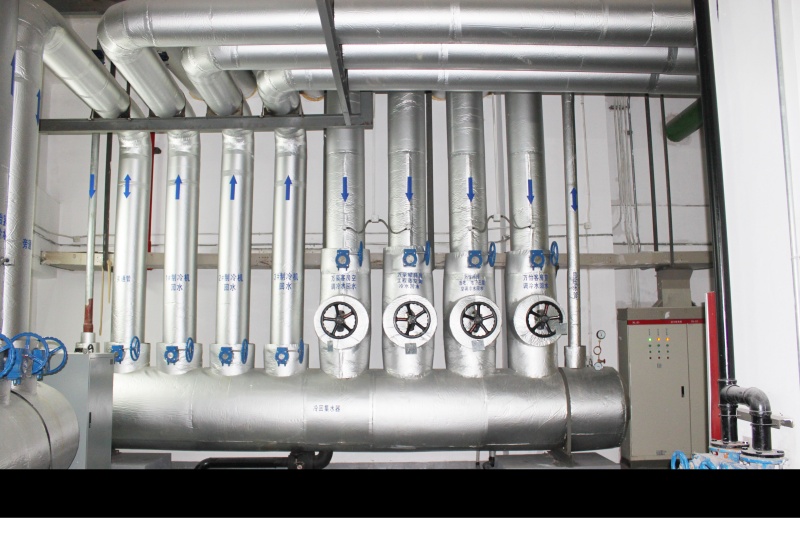
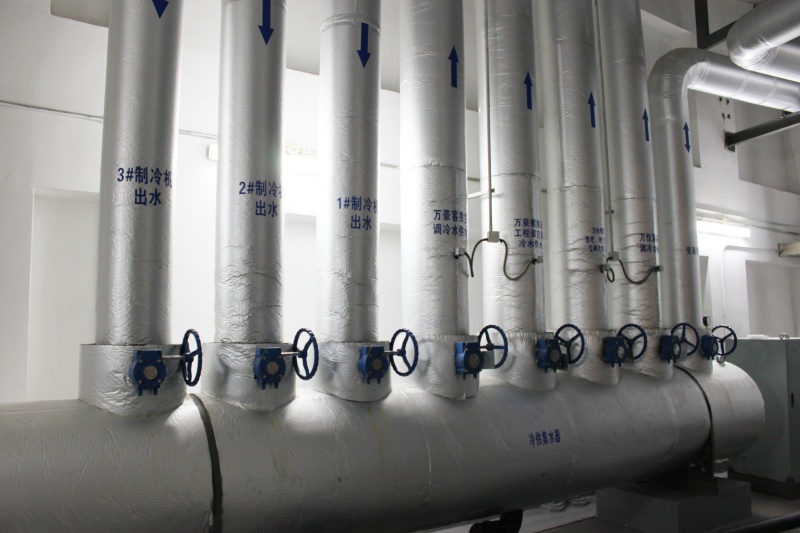
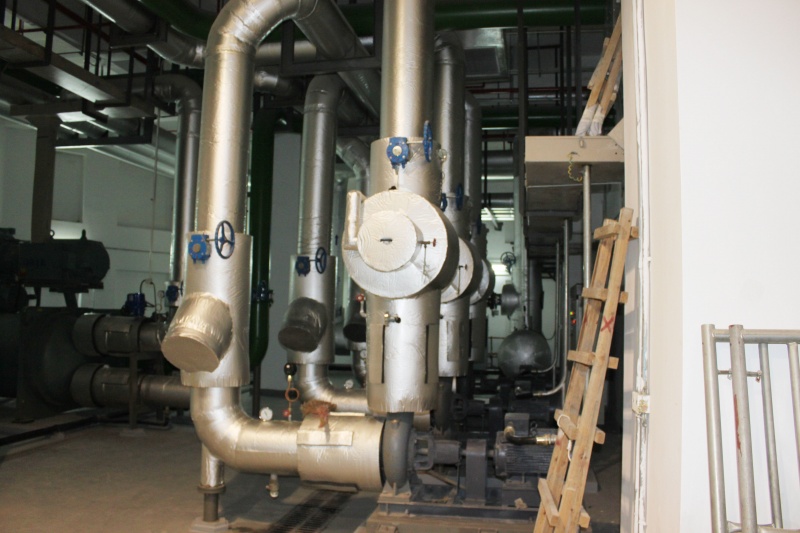
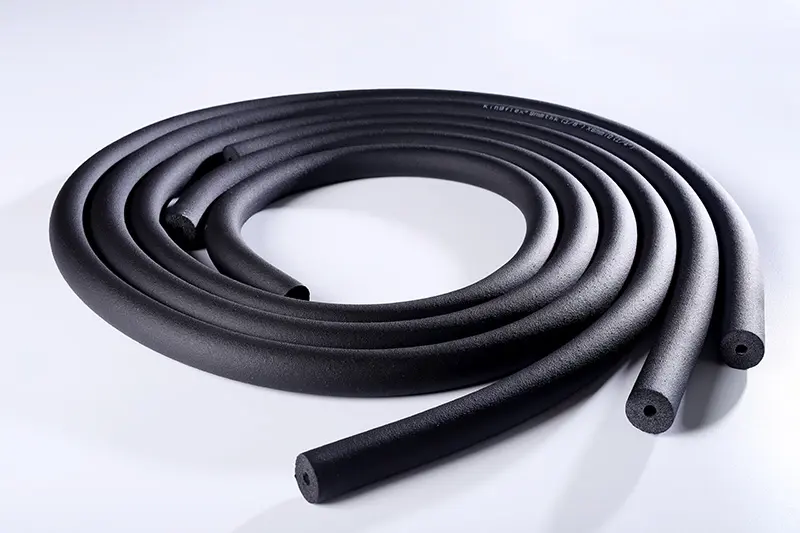
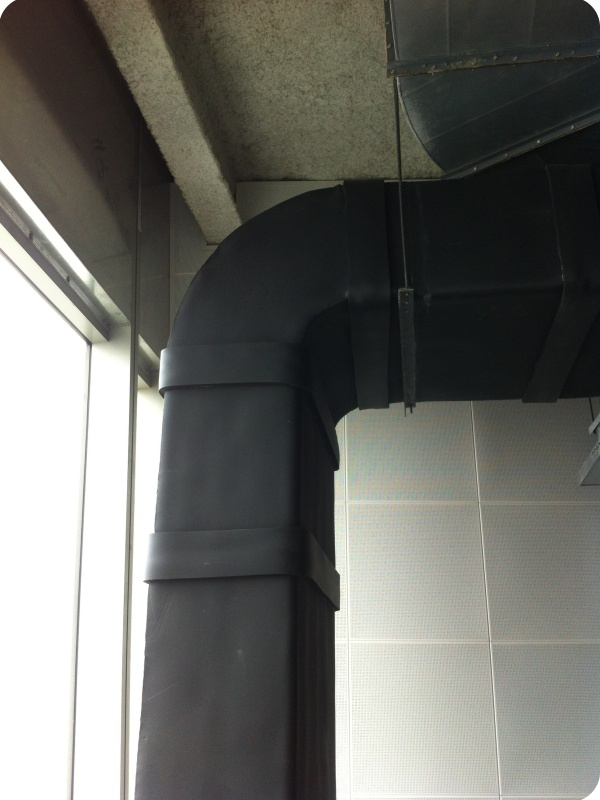
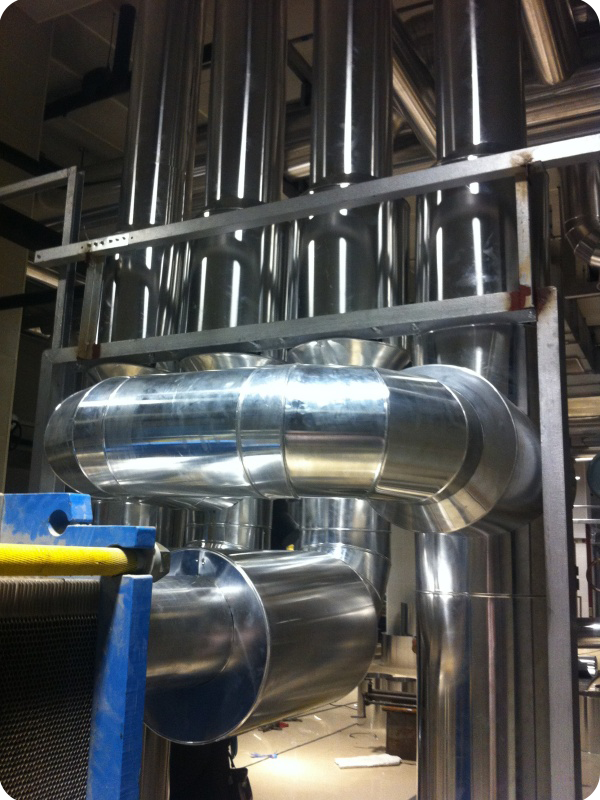
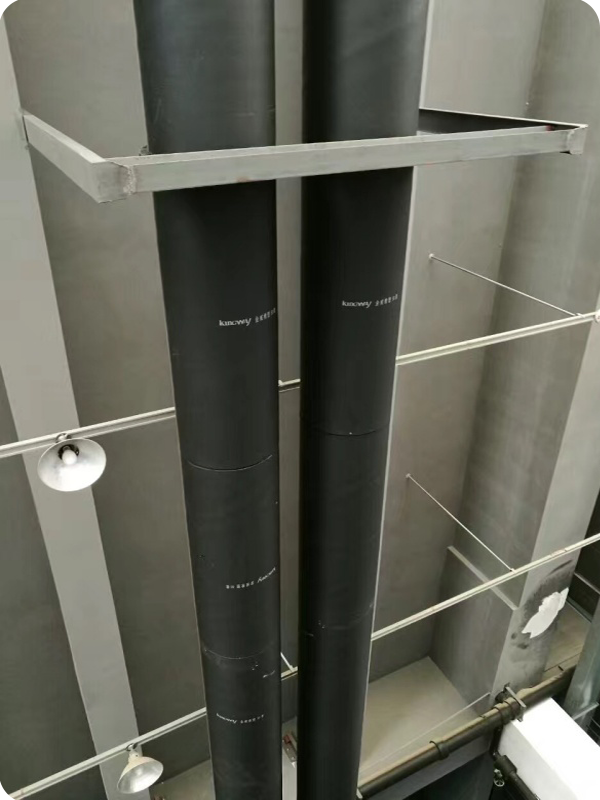
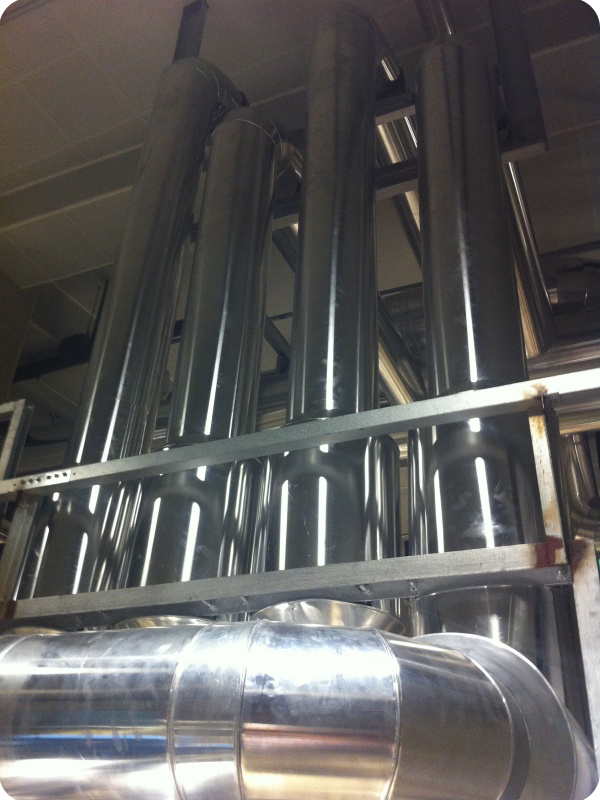
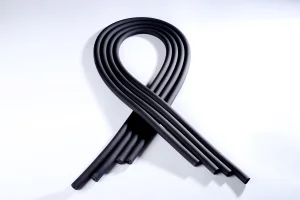
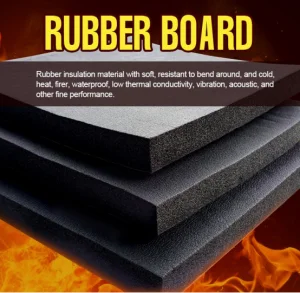
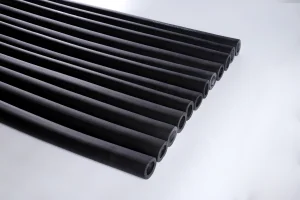
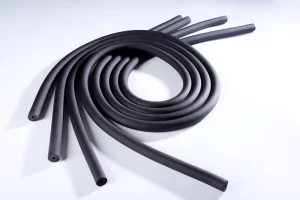
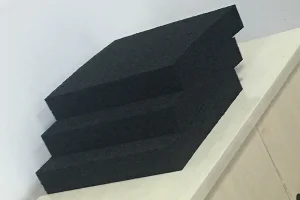
Procurement teams and consulting engineers in Kenya require materials that comply with international safety standards while aligning with local environmental conditions. Kingflex NBR/PVC rubber foam insulation products are engineered to meet these stringent specifications:
| Physical Property | Standard & Specification Value | Benefit for Kenyan Contractors |
|---|---|---|
| Thermal Conductivity ($\lambda$) | $\le 0.034 \text{ W/(m}\cdot\text{K)}$ at $0^\circ\text{C}$ | Reduces HVAC cooling loss, directly lowering KPLC electricity bills. |
| Water Vapor Permeability | $\mu \ge 10,000$ (ASTM E96) | Prevents condensation in humid coastal marine environments (Mombasa). |
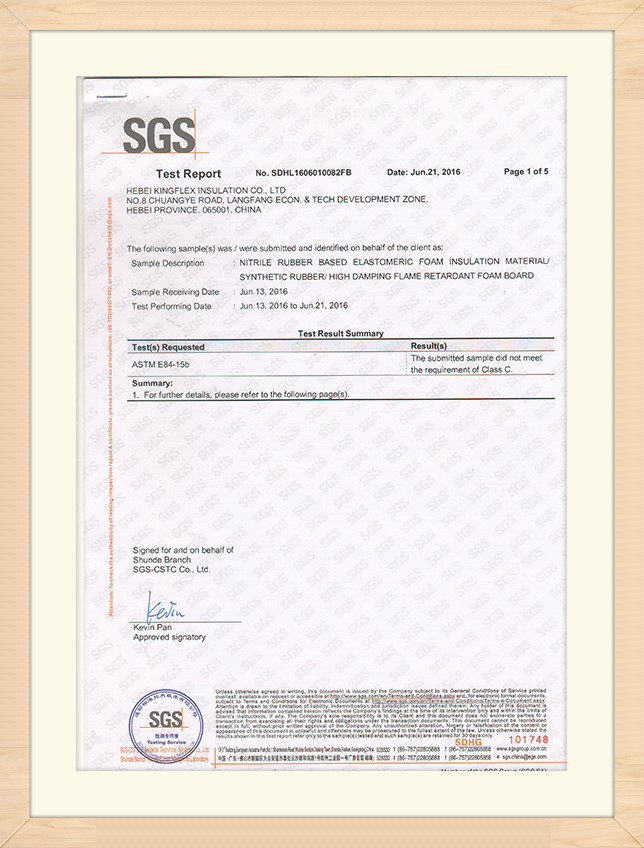
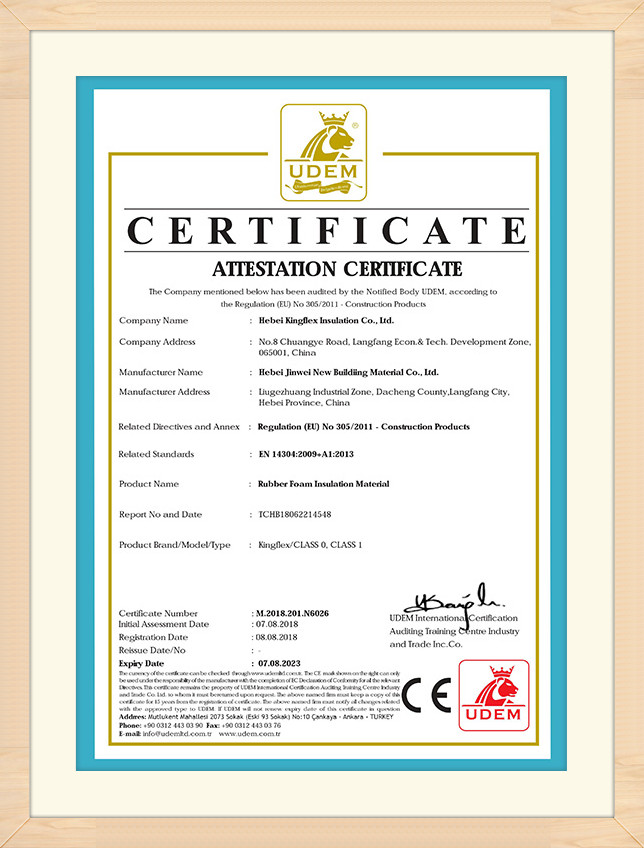
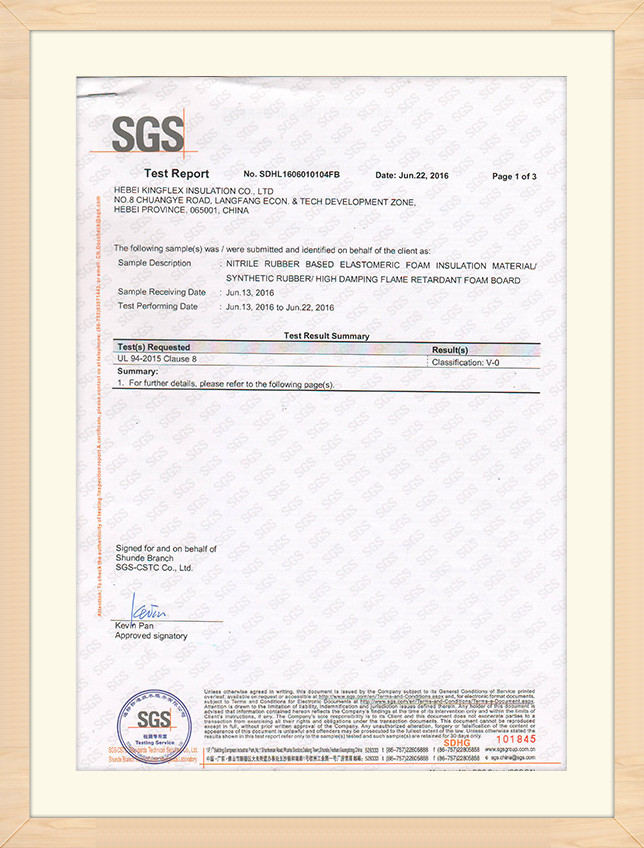
| Fire Safety Rating | BS 476 Part 7 Class 1, BS 476 Part 6 Class 0 | Meets strict building codes for schools, hospitals, and offices. |
| Service Temperature Range | $-40^\circ\text{C}$ to $+105^\circ\text{C}$ | Suitable for cold rooms, chilled water lines, and solar water pipes. |
| Density Profile | $40 - 55 \text{ kg/m}^3$ | Provides optimal mechanical stability, flexibility, and easy installation. |
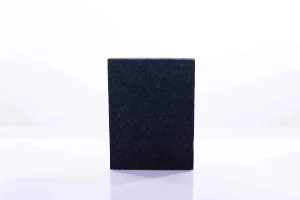
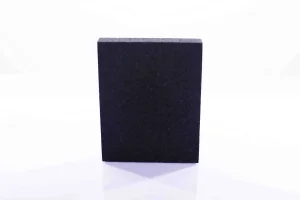
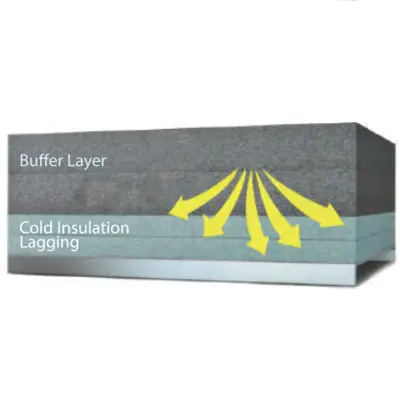
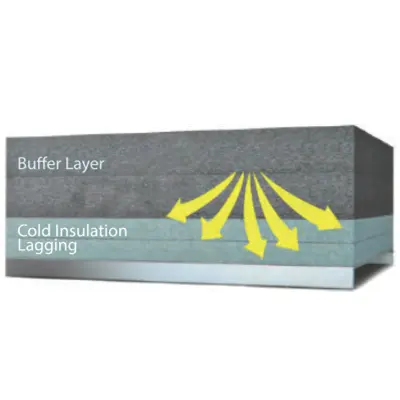
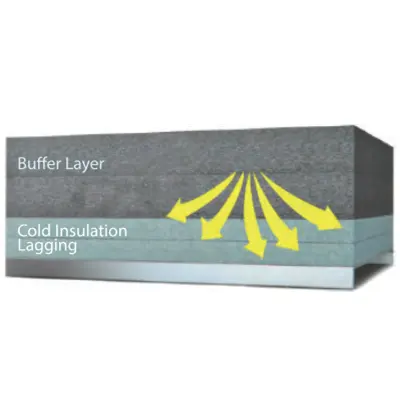
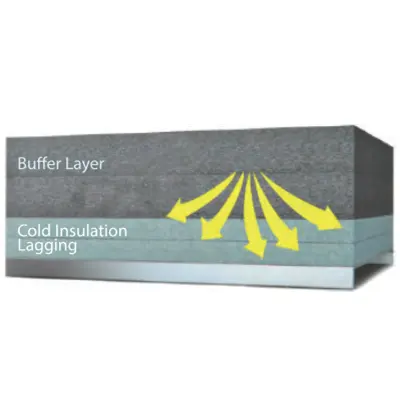
Furthermore, with the Kenya Energy Petroleum Regulatory Authority (EPRA) strictly enforcing energy conservation measures, high-efficiency closed-cell materials are replacing outdated insulation methods. Closed-cell rubber foam insulation contains millions of micro-cells that trap air, preventing convective heat transfer. The low density, uniform cell distribution, and chemical stability of the NBR/PVC blend ensure the insulation does not settle or deteriorate over decades of use.