 Kingflex
Kingflex
Kingflex
Empowering global construction, HVAC, industrial systems, and cold-chain logistics with high-performance elastomeric foam technology and noise-dampening engineering.
Explore our premium grade elastomeric foam, shockproof pads, and specialized acoustic panels.
A technical guide on building acoustic isolation, thermal properties, and compliance standards.
The global construction and industrial environments are undergoing rapid evolution. Urban density has heightened concerns about indoor environment quality (IEQ), specifically concerning acoustic pollution. Environmental noise has been recognized by the World Health Organization (WHO) as a major environmental hazard affecting physical and mental health. Consequently, regulatory bodies worldwide are enforcing stricter building acoustic code limits (such as Approved Document E in the UK and IBC Chapter 12 in the US).
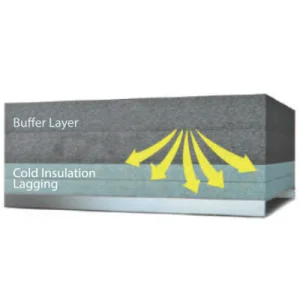
Managing mechanical vibration and airborne noise in HVAC units, piping systems, and mechanical rooms requires materials that offer both acoustic absorption and structural vibration damping. While conventional open-cell rock wool is effective at absorbing mid-to-high frequency airborne sounds, its high permeability makes it prone to moisture ingress. This ingress leads to mold growth and a decline in thermal resistance. Conversely, standard closed-cell foams, which are excellent for moisture protection, often lack the sound absorption properties of open-cell structures.
Kingflex Insulation Co., Ltd. resolves these trade-offs by manufacturing hybrid elastomeric solutions. Engineered with advanced NBR/PVC blends, our products optimize closed-cell structures for thermal protection (preventing condensation) while offering customized open-cell and micro-cell variations specifically for high-density sound absorption. This balance ensures systems deliver both energy efficiency and noise reduction.
How macro trends shape procurement needs across the commercial, industrial, and cryogenic sectors.
Global standards, such as LEED, BREEAM, and DGNB, award points for low-VOC emission rates and sound pressure control. Modern elastomeric materials must meet strict emission benchmarks (such as RoHS and REACH compliance) to avoid outgassing in occupied spaces.
LNG transport, cleanrooms, and chemical facilities require insulation that remains flexible and structurally sound at temperatures down to -200°C. Conventional insulation can crack under these thermal stresses, highlighting the need for flexible, cryogenic elastomer sheets.
Procurement teams prioritize total cost of ownership (TCO). A product with a 10-15 year lifespan, like high-density rubber foam, reduces maintenance shutdowns, protects steel pipes from corrosion under insulation (CUI), and helps lower carbon footprints.
How our advanced manufacturing plants ensure reliable supply and consistent product quality worldwide.
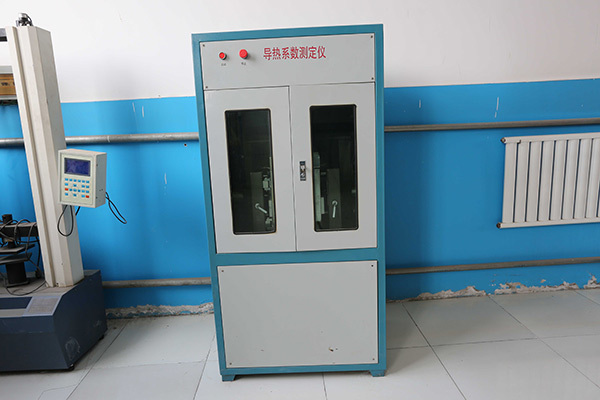
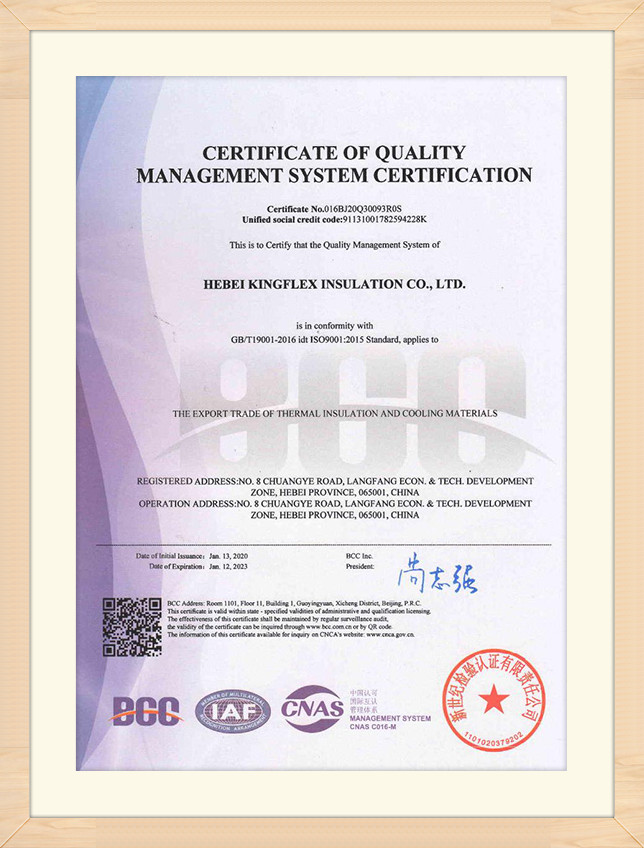
Located in Dacheng, China—a hub for green building materials—Kingflex operates five automated assembly lines. Our factory-floor integrations balance fast production times with strict quality control. As a production partner certified by the Ministry of Energy and the Ministry of Chemical Industry, our manufacturing lines ensure uniform foam cell sizes, consistent density distribution, and precise wall thickness tolerances across all sheets and pipes.
Standardized metrics of NBR/PVC elastomeric thermal and acoustic insulation products.
| Property / Characteristic | Kingflex Standard Spec (NBR/PVC) | Testing Methods / Standards |
|---|---|---|
| Closed-Cell Rate | ≥ 98% | ASTM D2856 |
| Density Range | 40 - 55 kg/m³ | GB/T 6343 / ASTM D1622 |
| Thermal Conductivity (λ) | ≤ 0.034 W/(m·k) at 0°C | ASTM C518 / ISO 8301 |
| Water Vapor Permeability (μ) | ≥ 1.0 × 10¹⁰ (Stable resistance factor) | ASTM E96 / EN 12086 |
| Service Temperature Limit | -40°C to +105°C (Extended cryo system options) | EN 14706 / ASTM C411 |
| Compression Resilience | ≥ 80% recovery rate | ASTM D1056 |
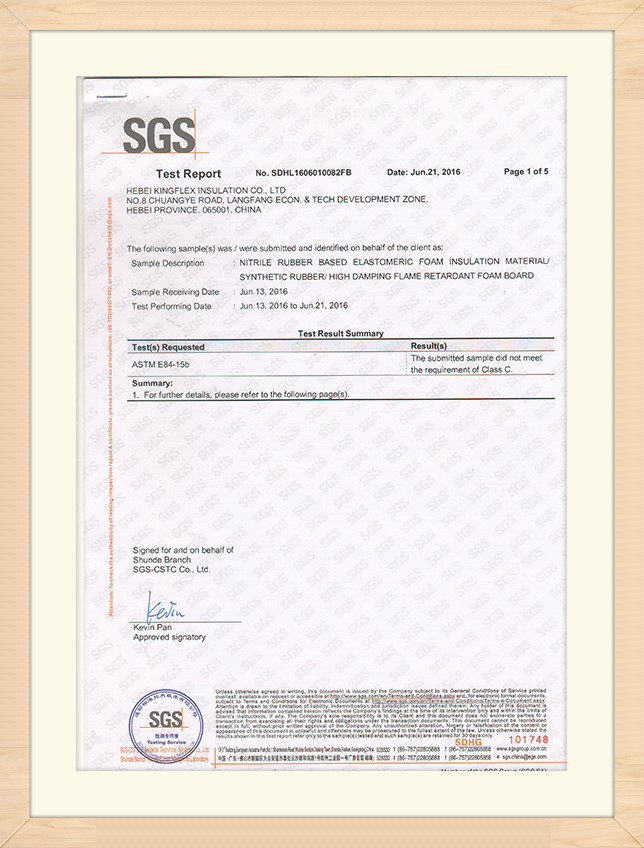
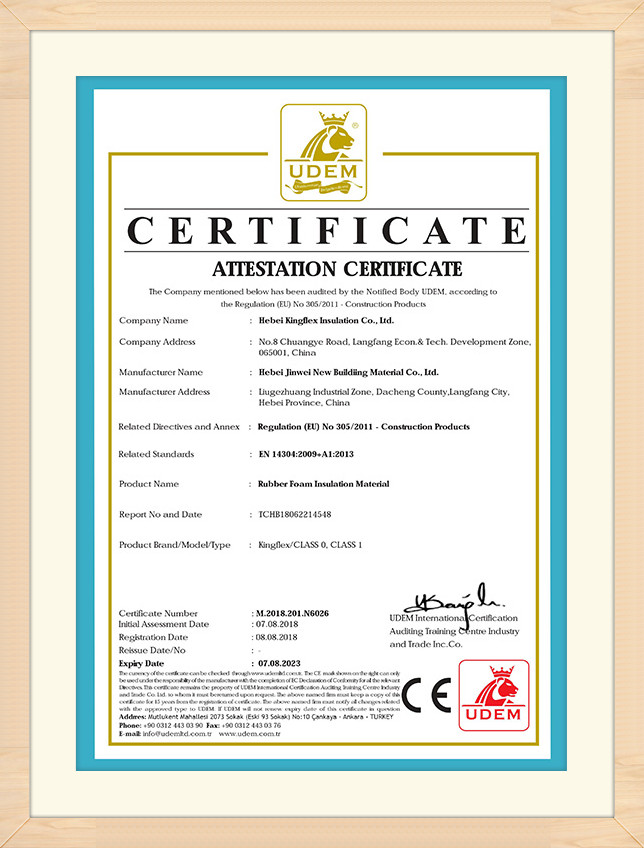
| Fire Classification | Class 0 / Class 1 / V-0 self-extinguishing | BS 476 Part 7, UL94, ASTM E84 |
Our journey from a regional manufacturer to a global supplier of technical insulation systems.
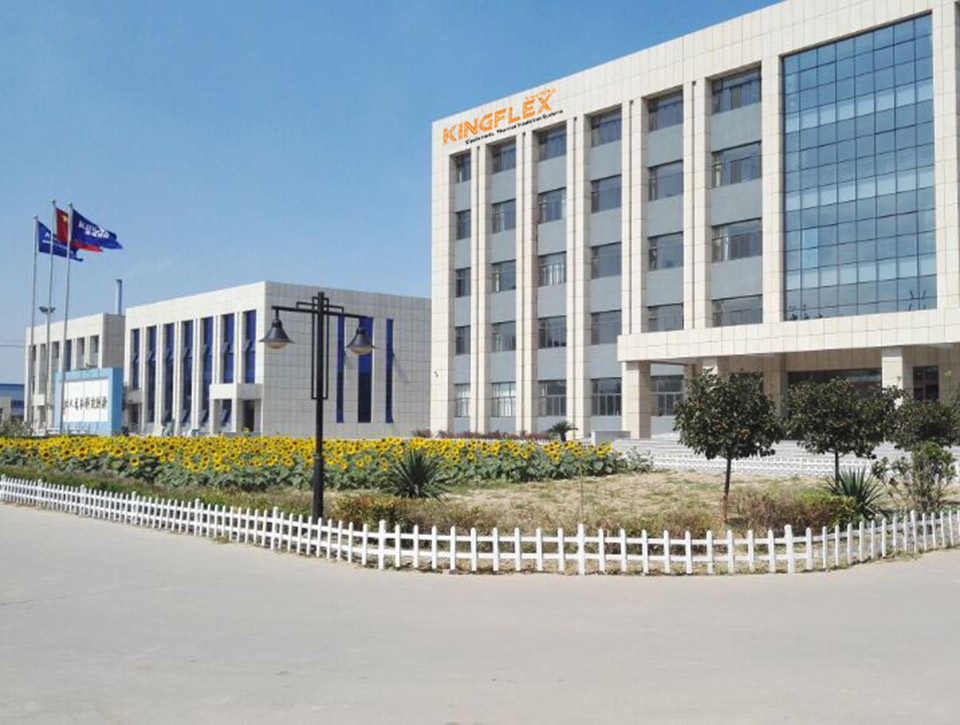
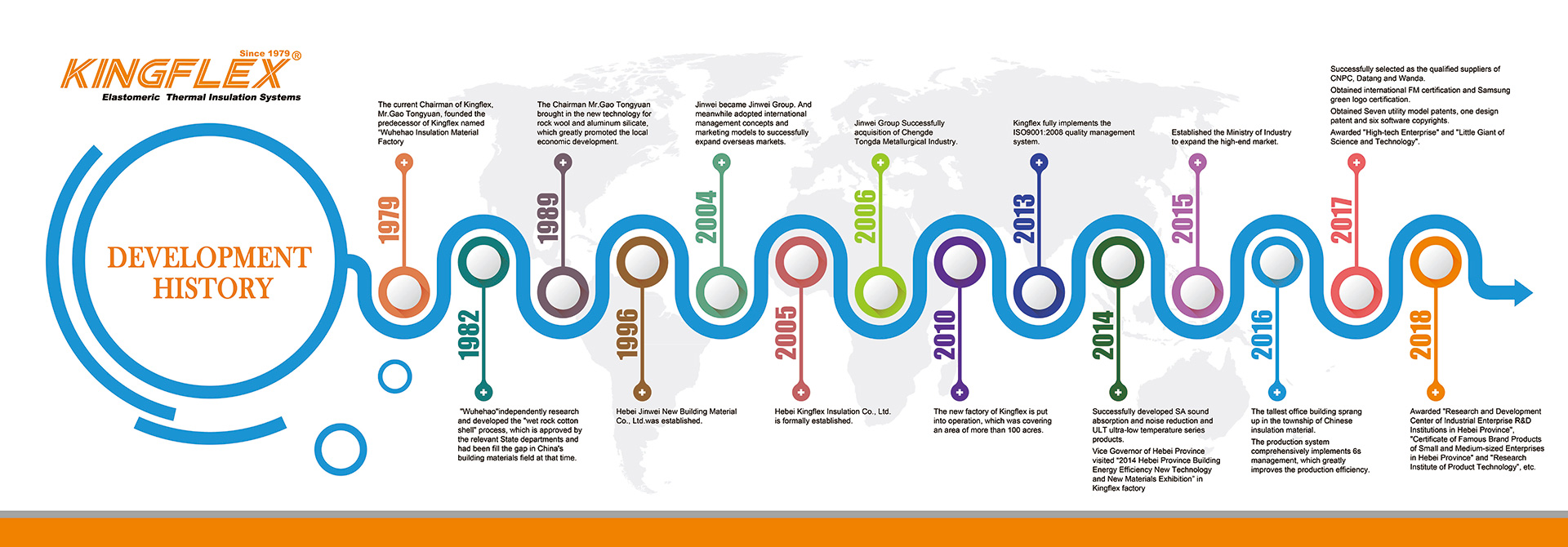

Established by the Jinwei Group, which dates back to 1979, Kingflex is built on a strong foundation of manufacturing experience. We were the first thermal insulation manufacturer north of the Yangtze River. Today, we operate as an integrated trading and manufacturing company, focusing on R&D, mass production, sales, installation support, and after-sales service.
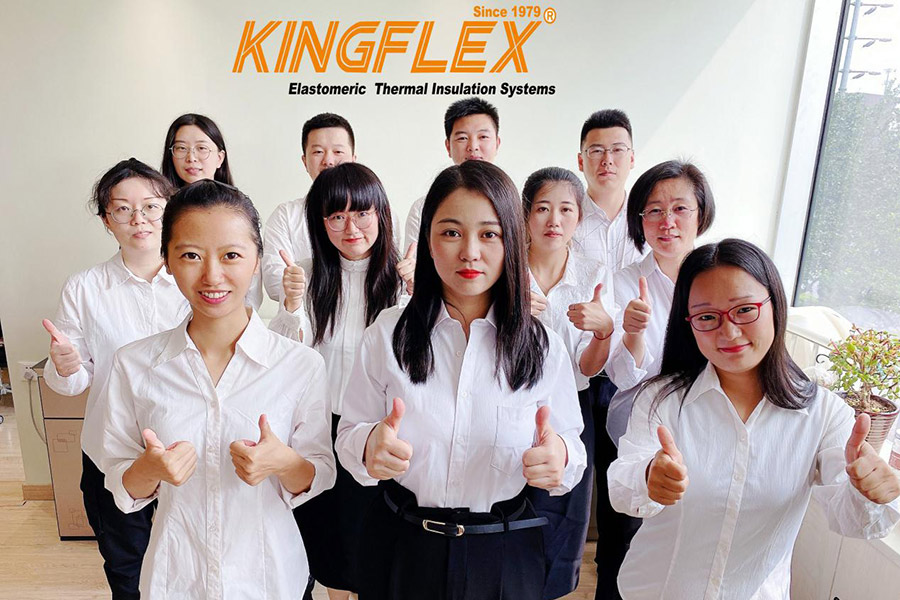
Our R&D department features 8 engineers who test formulations to improve flame retardancy, low-temperature elasticity, and high-frequency sound attenuation. Supported by 6 international sales specialists and a skilled workforce of 230, we ensure that every custom run or bulk order is processed smoothly, from raw materials to final packaging.
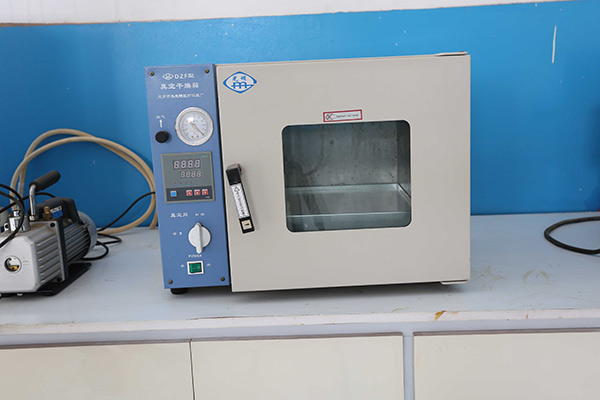
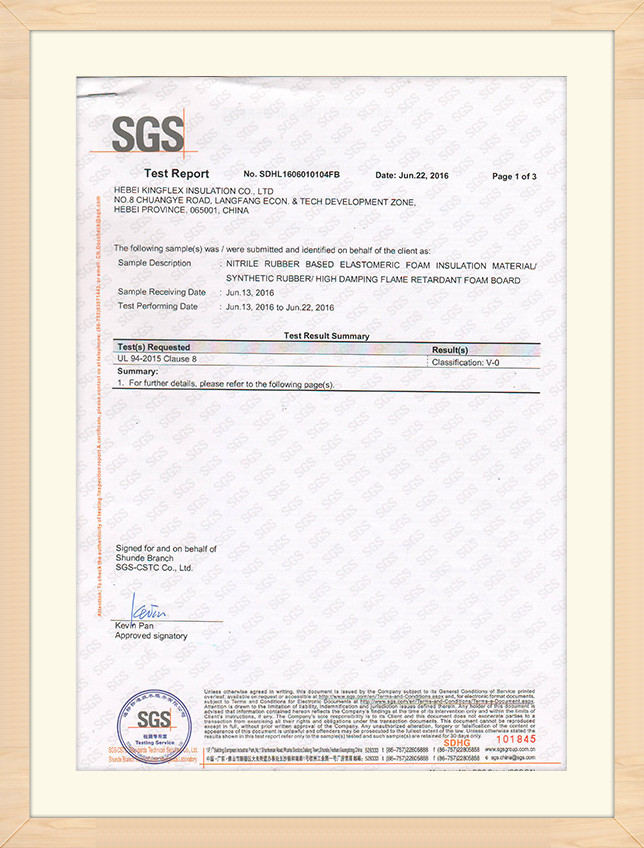

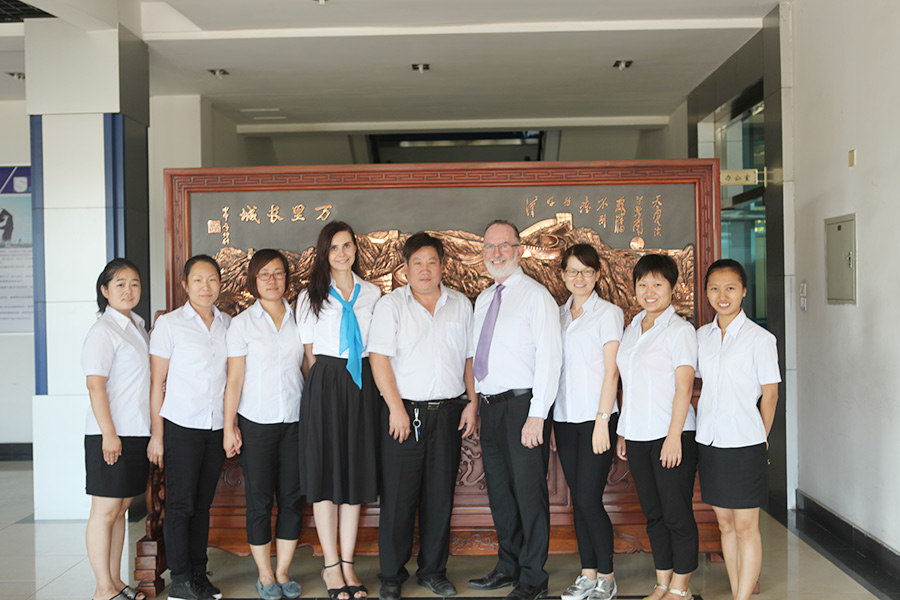
Our insulation materials are used in HVAC systems, high-rise buildings, rail transit, and industrial plants.


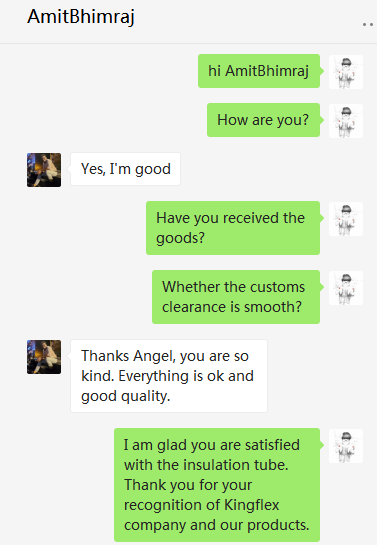


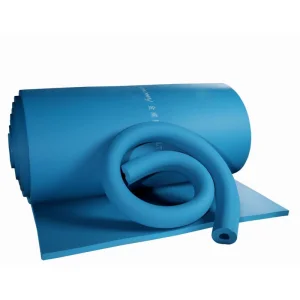
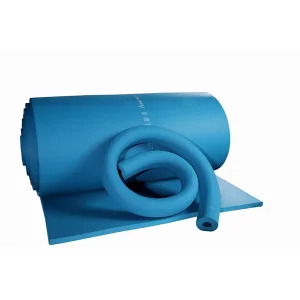
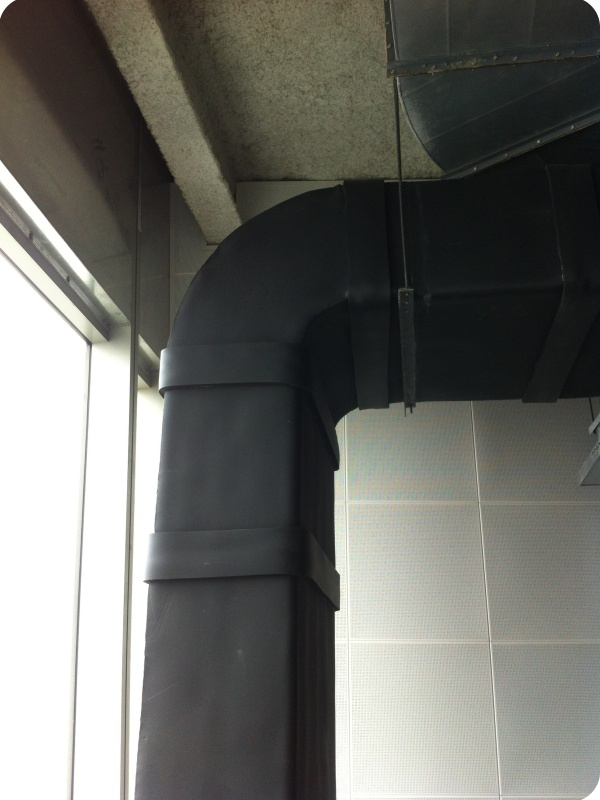
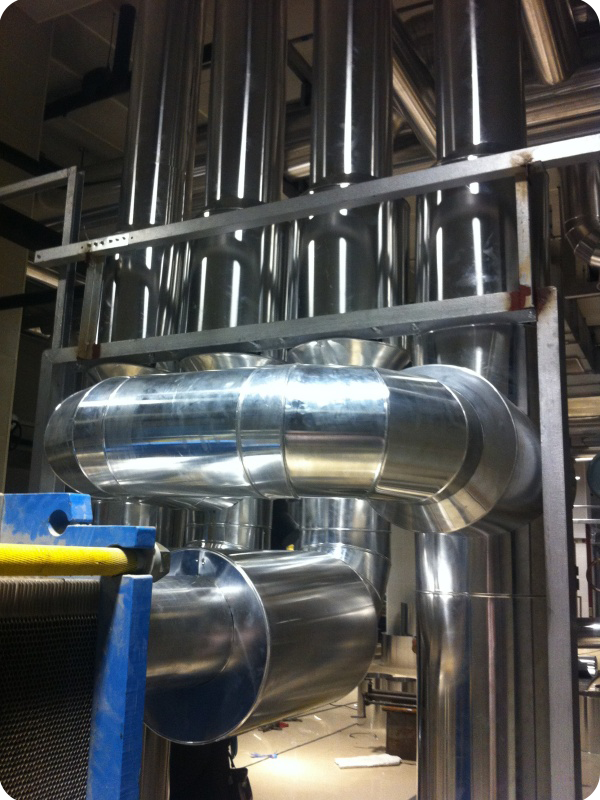
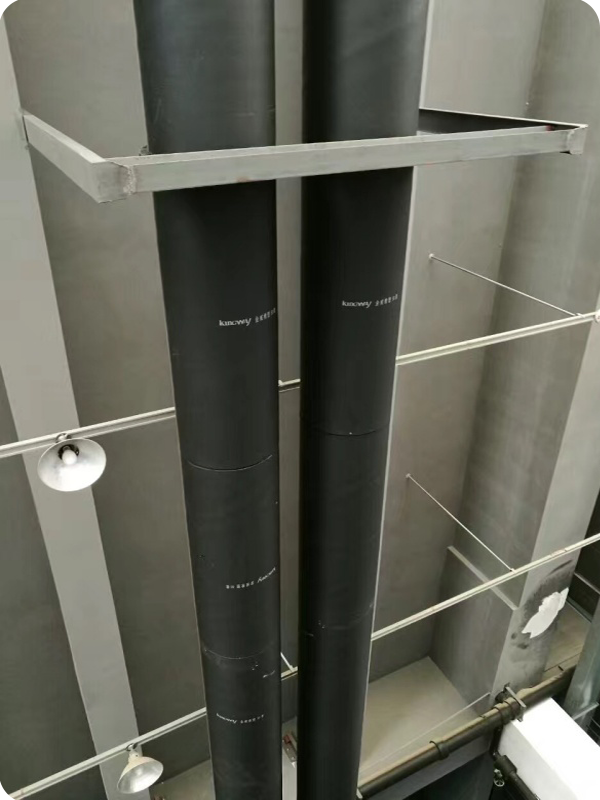
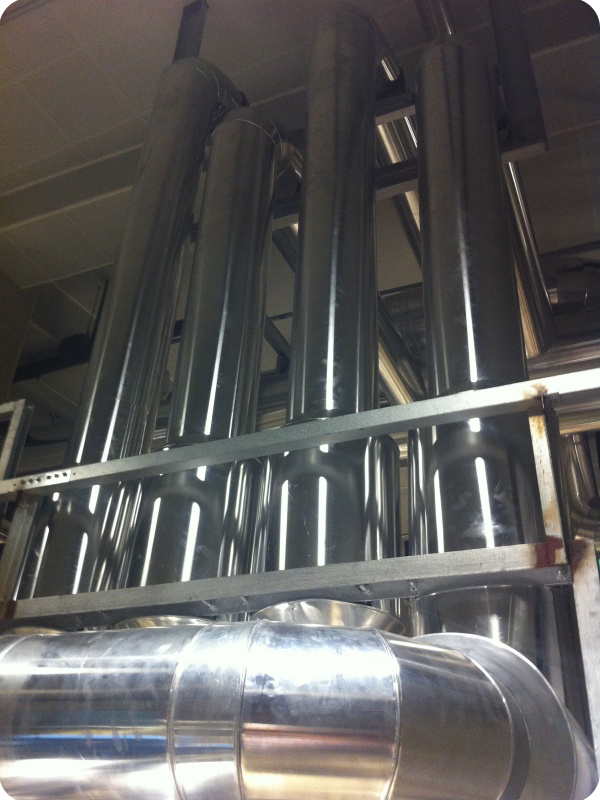
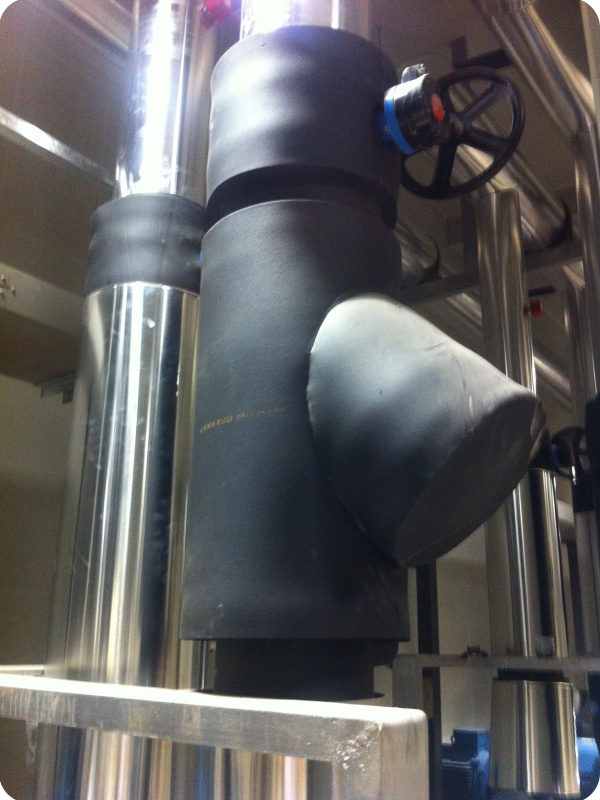
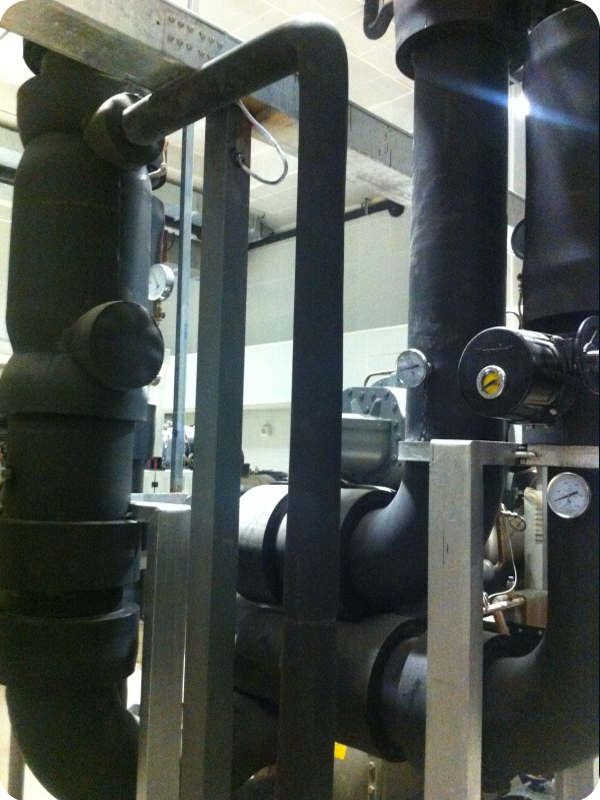
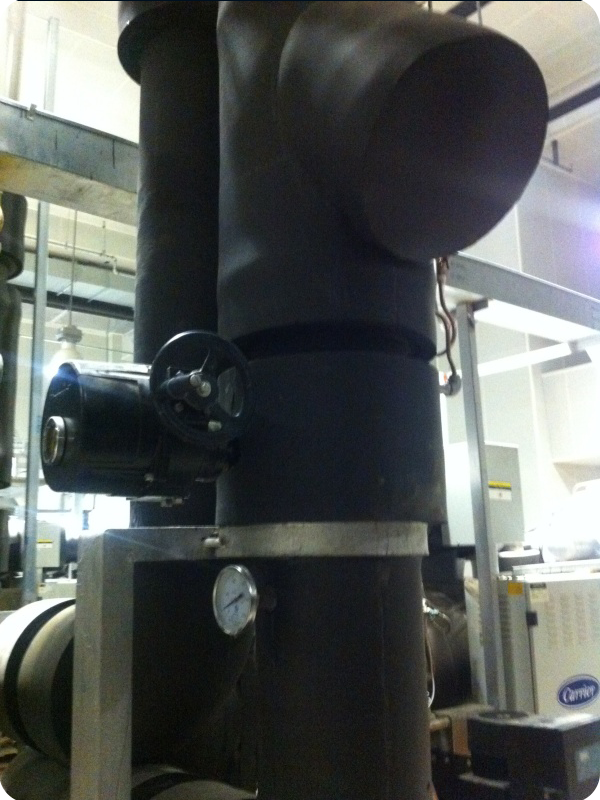
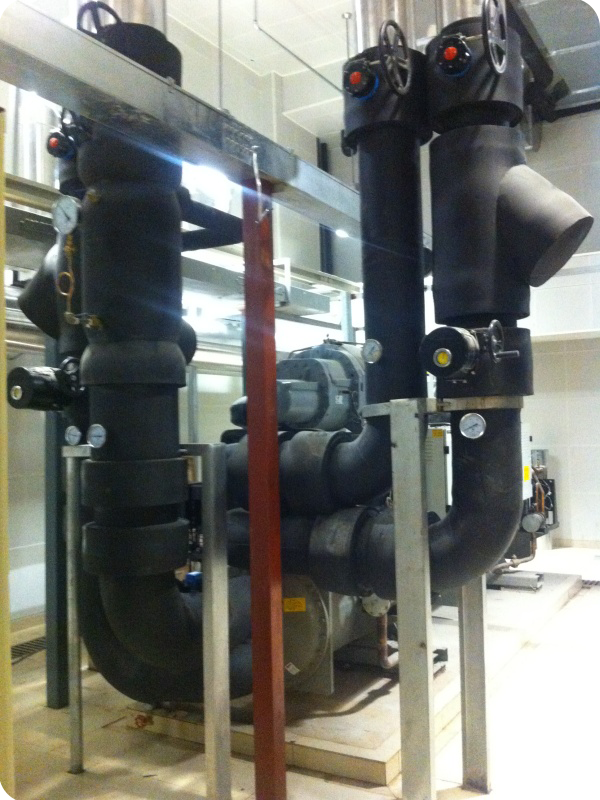
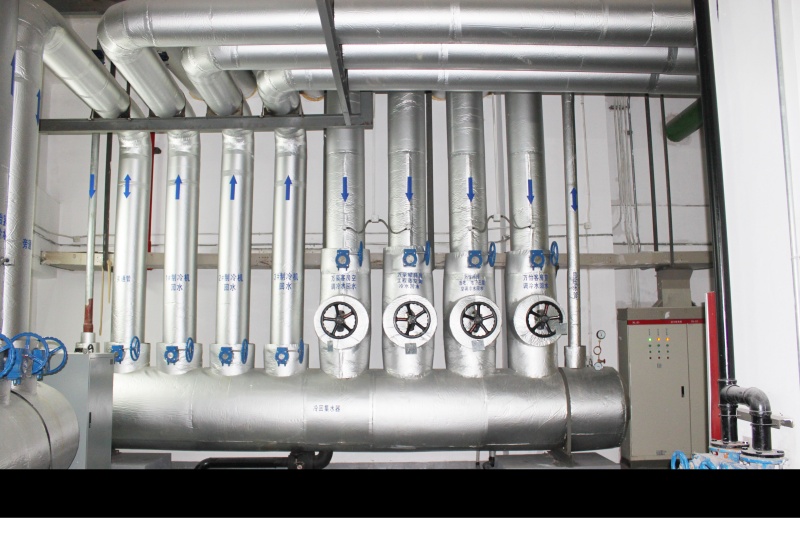
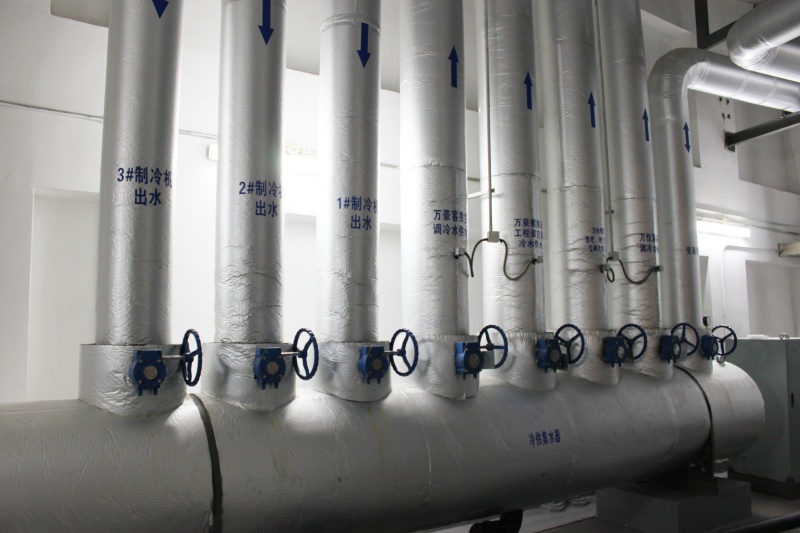
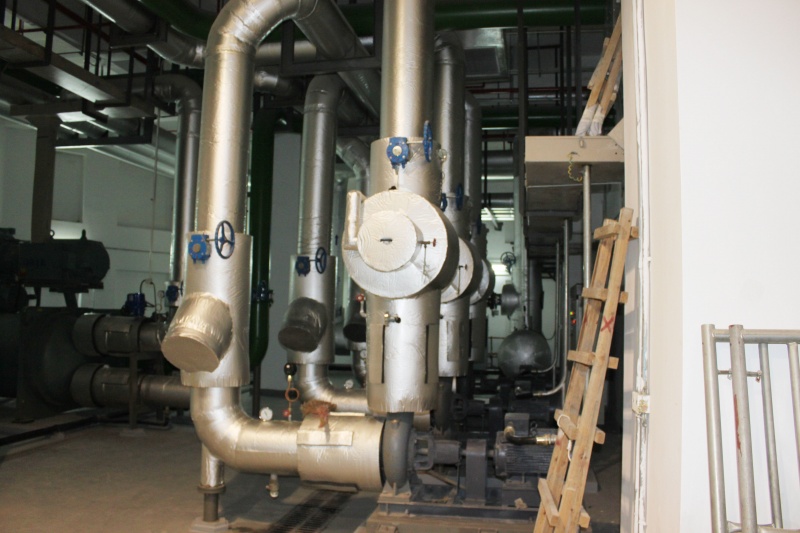
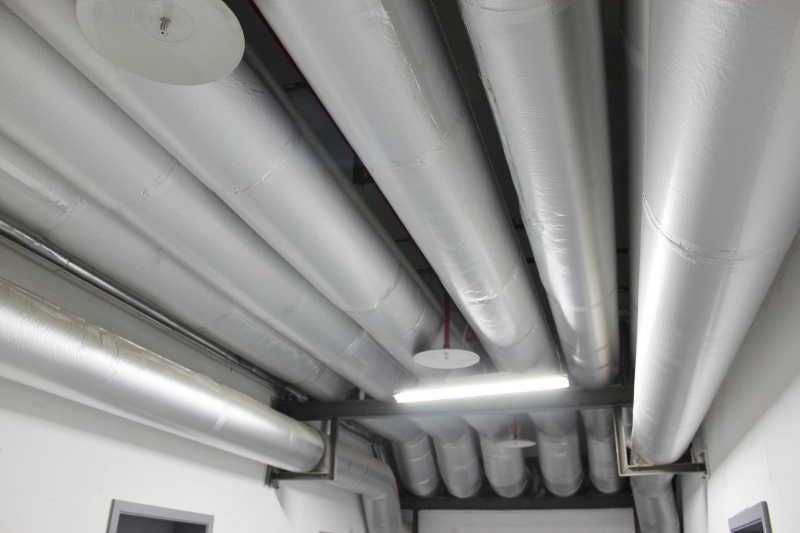
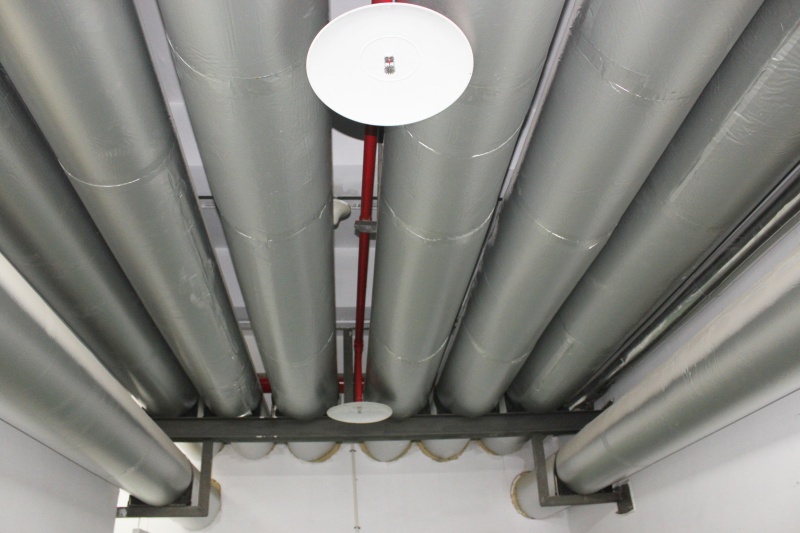
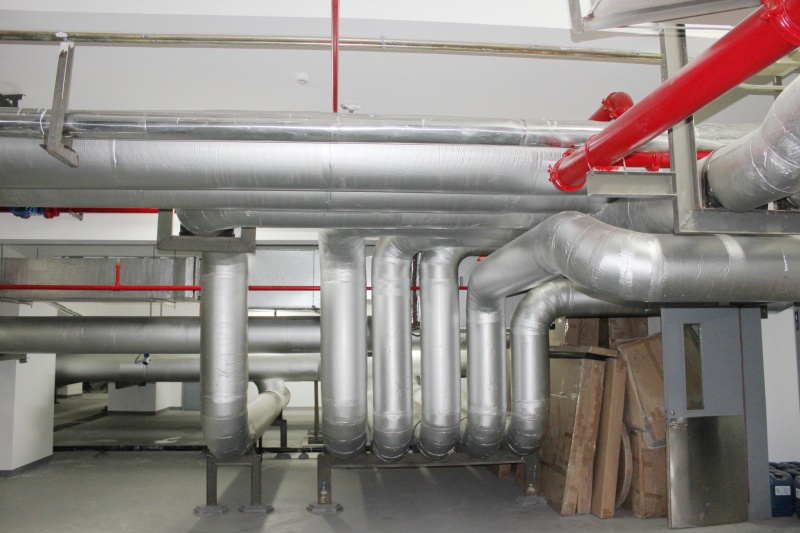
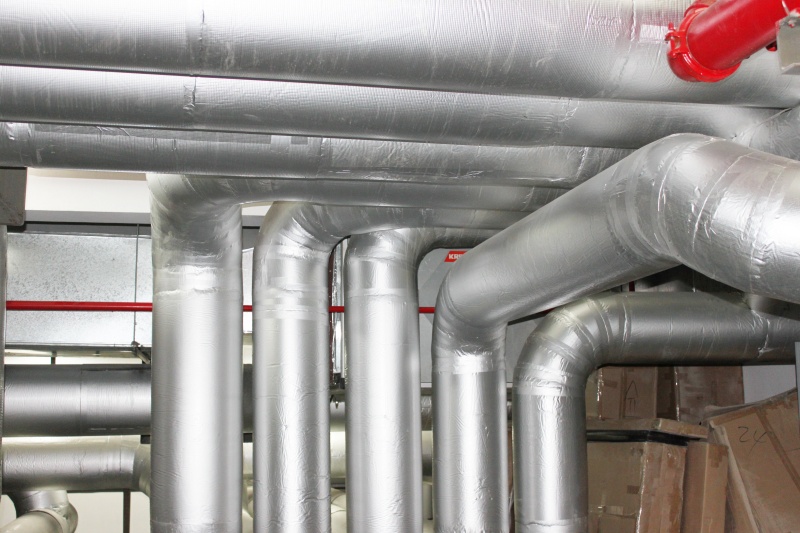
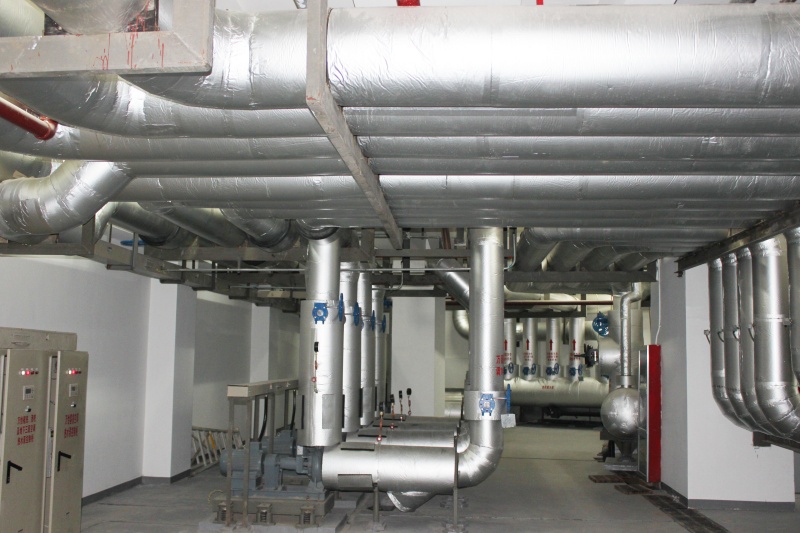
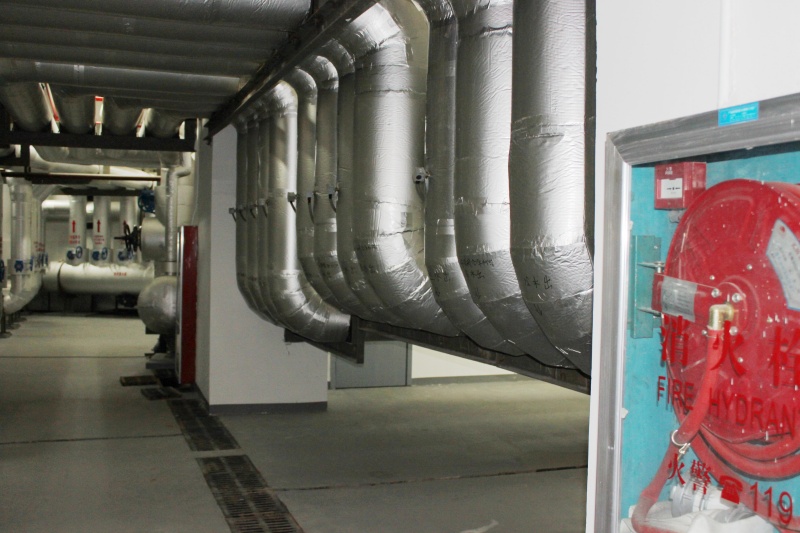
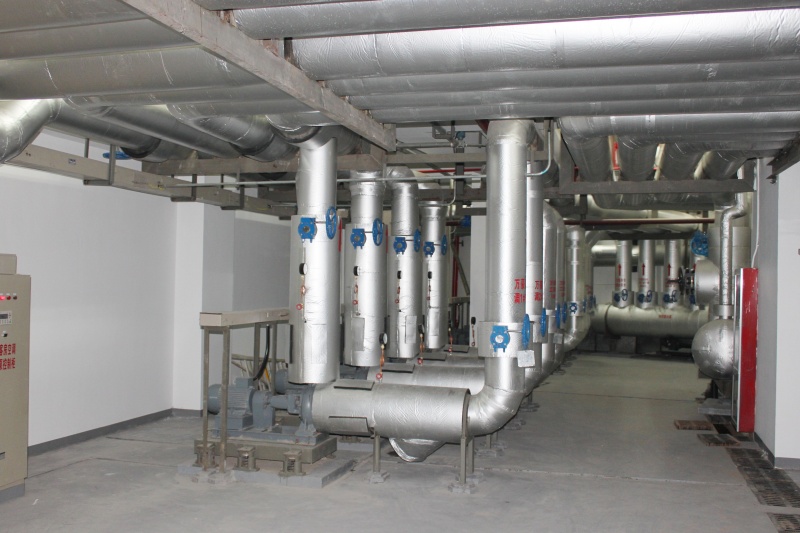
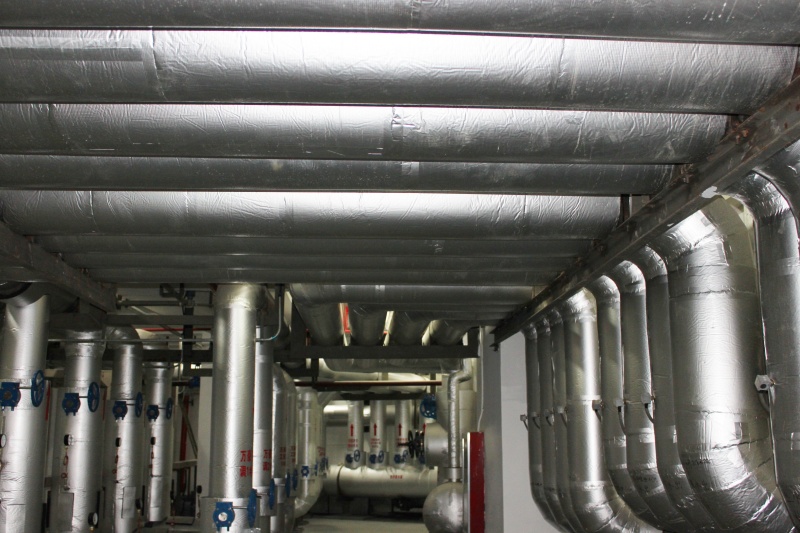
From central air conditioning duct systems in luxury hotels to pipe insulation in chemical processing plants, our materials are specified for their performance under real-world conditions. High-density rubber foam sheets minimize flanking noise in commercial HVAC equipment rooms, while our flexible NBR/PVC pipe insulation prevents condensation in chilled water systems.
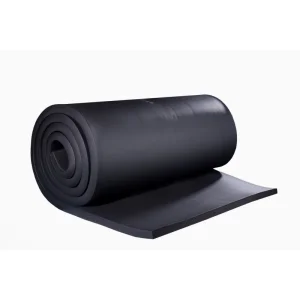
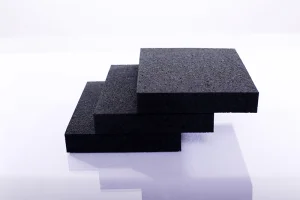
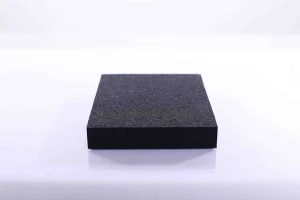
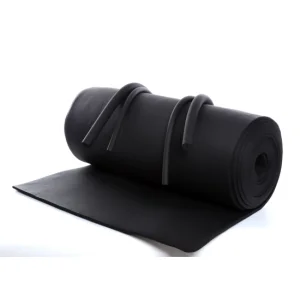
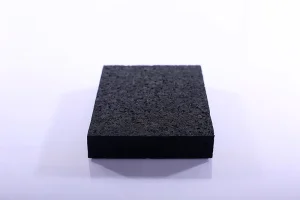
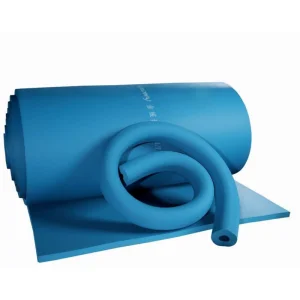
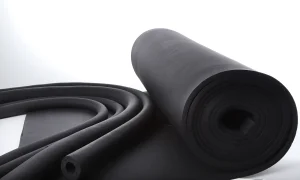
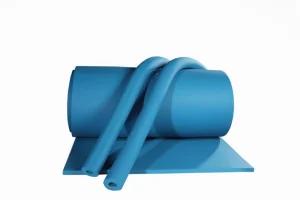
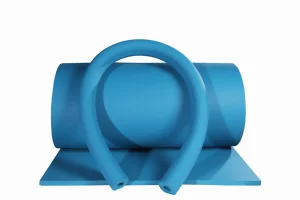
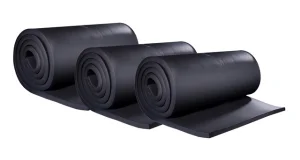
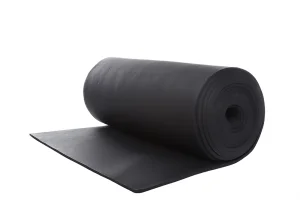
Material: Premium NBR/PVC elastomer compound with optional self-adhesive backing.
Thickness Limits: 6mm to 50mm
Standard Density: 40 to 55 kg/m³
Service Range: -40℃ to 105℃
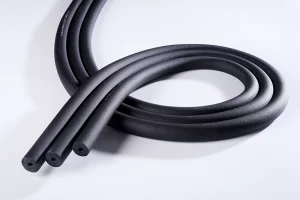
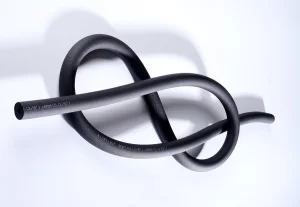
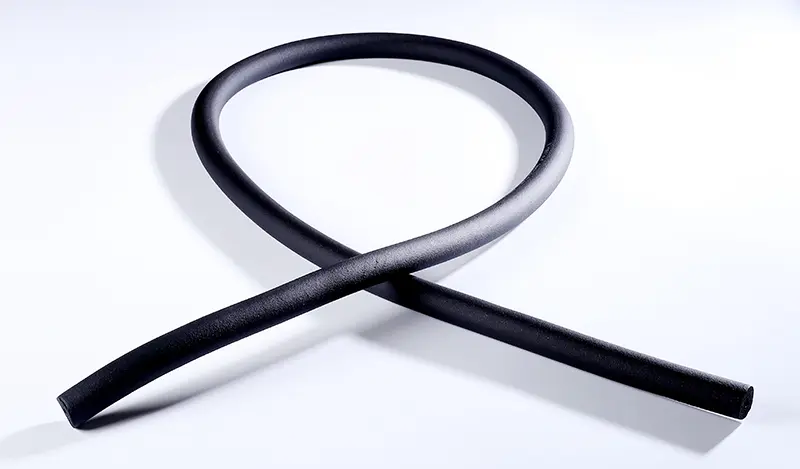
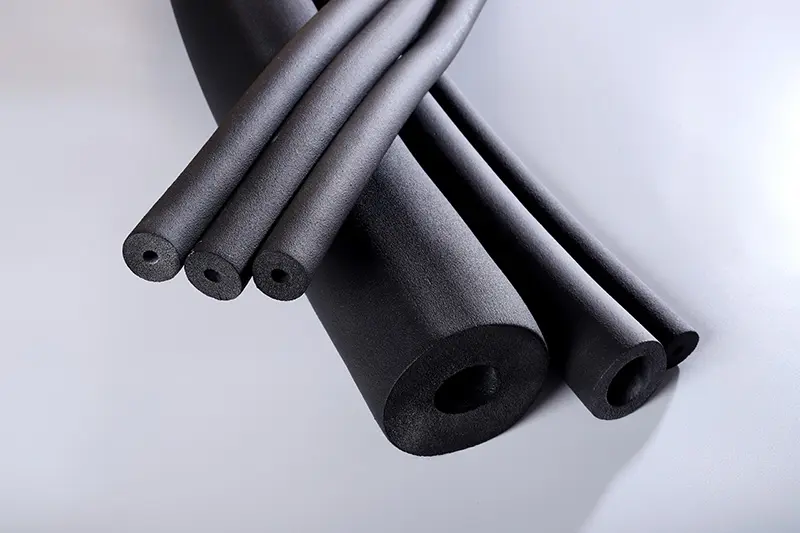
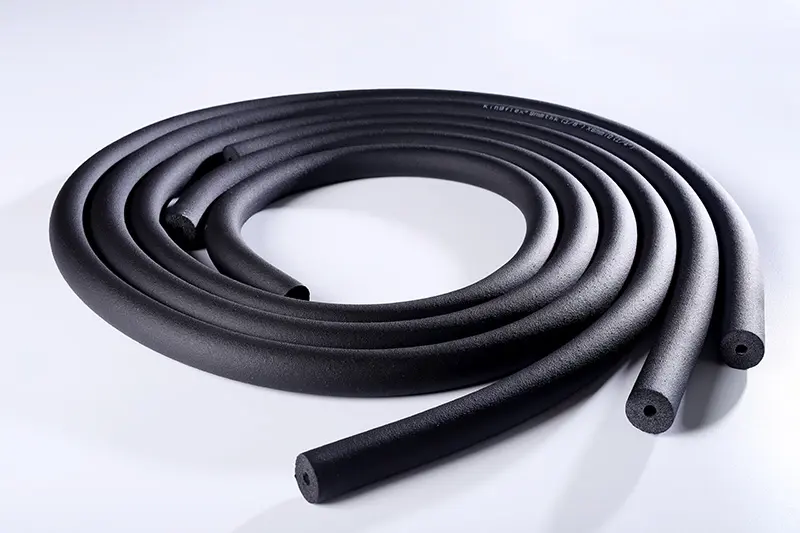
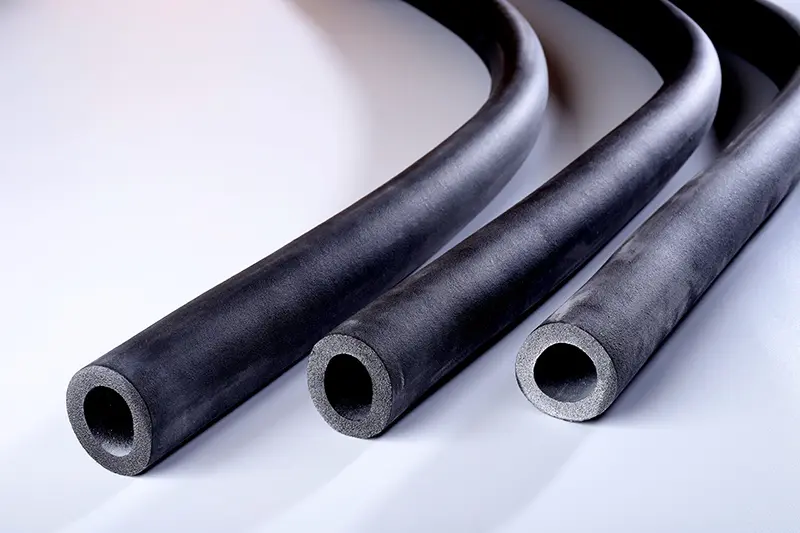
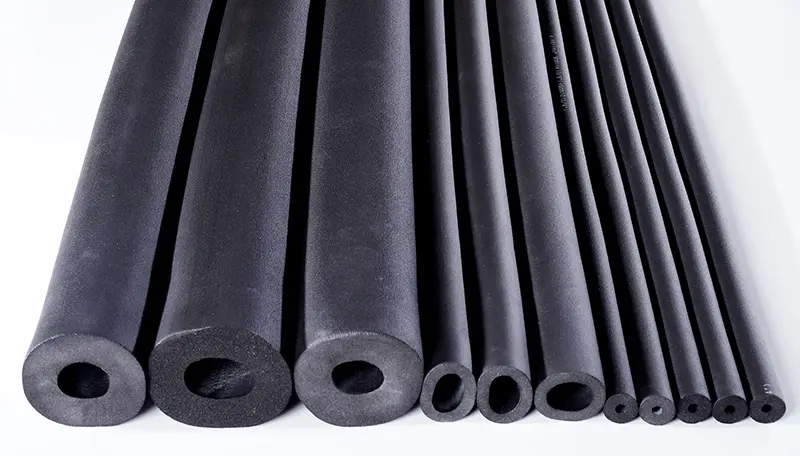
Material: Closed-cell NBR/PVC foam tube.
Thickness Limits: 9mm to 40mm
Inner Diameter Range: 6mm to 114mm
Service Range: -40℃ to 105℃

Technical answers to common inquiries about our acoustic and thermal insulation systems.
Premium solutions for low-temperature applications, industrial piping, and sound isolation.
Direct inventory and manufacturing categories matching structural standards.
A gallery of our logistics operations and quality control inspections.