 Kingflex
Kingflex
Kingflex
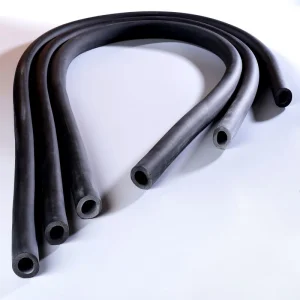
In modern architectural planning and heavy industrial operations, thermal management is not merely a matter of operational comfort—it is a critical pillar of energy efficiency, structural longevity, and system performance. Air conditioning and refrigeration (HVAC/R) systems account for up to 40% of total commercial building energy consumption. Without high-integrity insulation, thermal exchange, energy loss, and condensation mitigation fail, leading to severe economic losses and component degradation.
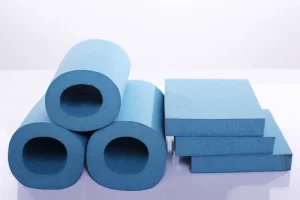
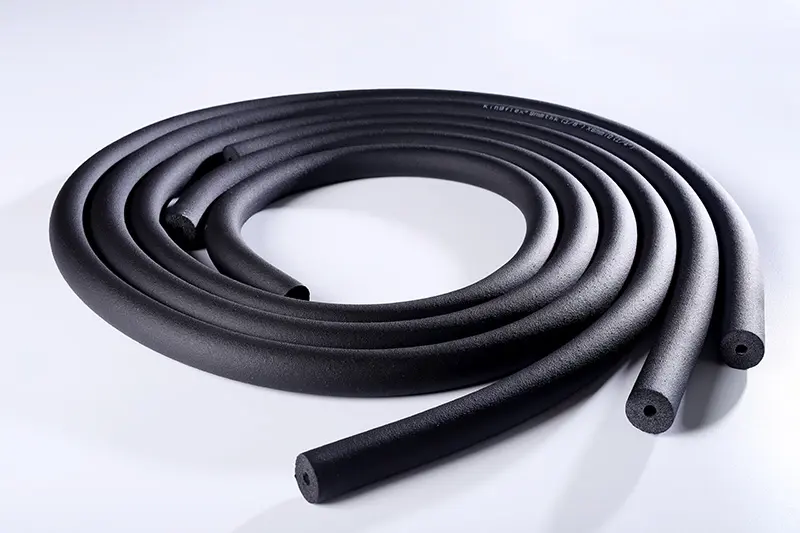
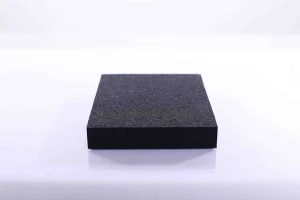
Closed-cell elastomeric rubber foam insulation (primarily based on NBR/PVC chemical compounds) represents the industry standard for preventing energy loss, controlling condensation, and reducing vibration noise. Its unique microcellular architecture forms an impenetrable barrier against both heat transfer and moisture migration, ensuring that chilled water pipelines, refrigerant lines, and HVAC duct systems perform at peak efficiency under harsh ambient conditions.
The two most critical performance metrics of aircon insulation materials are Thermal Conductivity (λ or K-Value) and the Water Vapor Diffusion Resistance Factor (μ-Value). A low thermal conductivity (typically ≤ 0.035 W/(m·K) at 0°C) ensures minimal heat gain on chilled lines. Simultaneously, a high moisture resistance factor (typically ≥ 10,000) prevents the ingress of water vapor. In chilled water systems, if moisture penetrates the insulation, it condenses, reducing the thermal resistance of the insulation layer to near zero and accelerating Corrosion Under Insulation (CUI).
Dacheng County in Hebei Province is globally recognized as the epicenter of green-building and thermal insulation materials. By consolidating the entire supply chain, Dacheng-based factories offer unmatched advantages in scalability, technology integration, and cost optimization.
Our 5 automated continuous assembly lines yield an annual capacity exceeding 600,000 cubic meters. This immense production volume lowers procurement costs for chemical precursors, translating directly into competitive bulk quotes for international buyers.
Backed by 8 senior chemical engineers in our R&D department, we continuously refine NBR/PVC molecular structures to achieve uniform cell distribution, higher compression resilience (>80%), and superior flame-retardant properties.
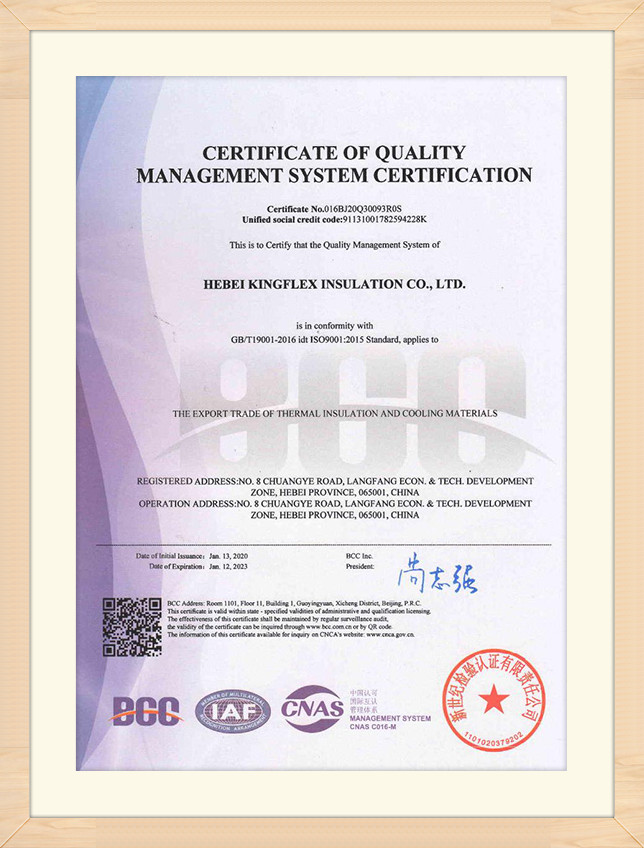
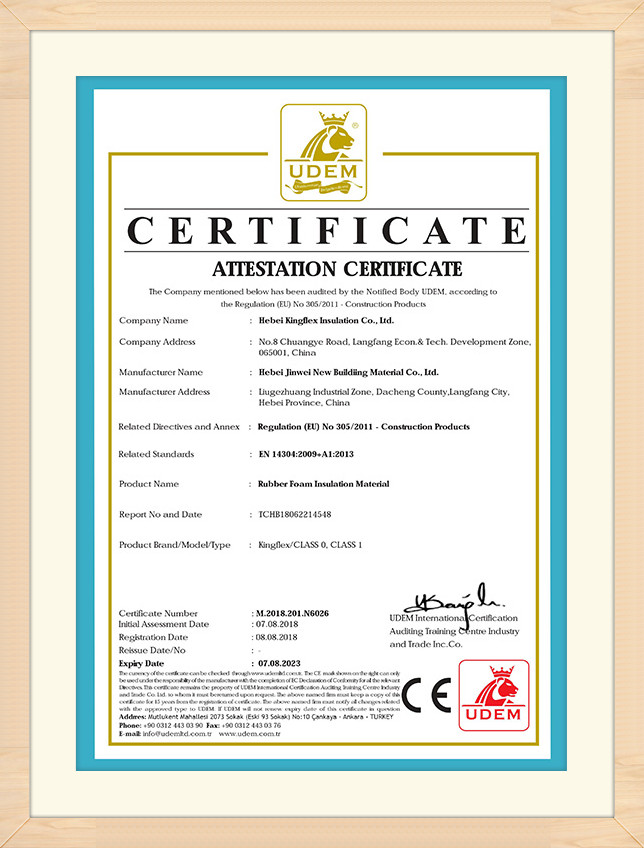
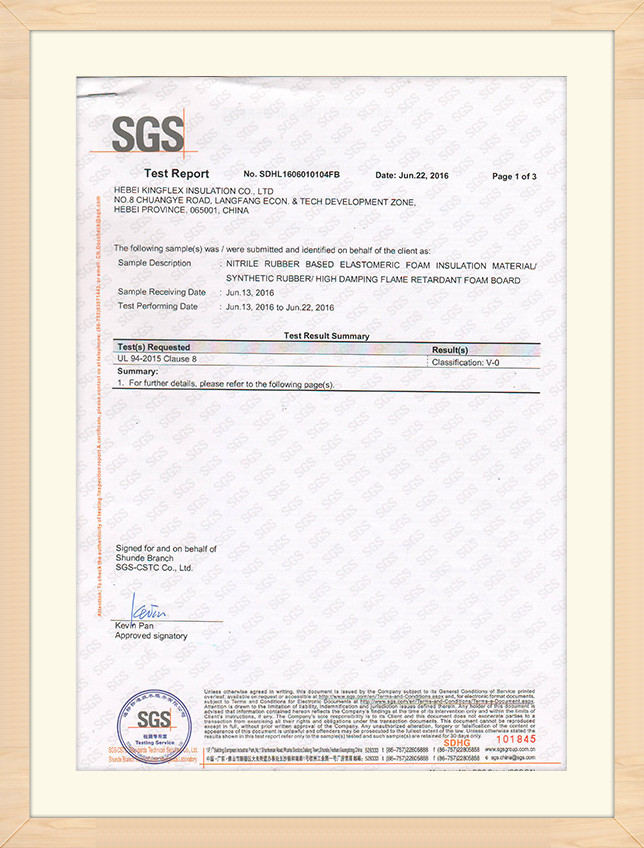
All manufactured batches comply strictly with BS 476, CE, REACH, RoHS, UL94, and ASTM requirements. Full product traceability ensures complete transparency from raw material blending to container shipping.
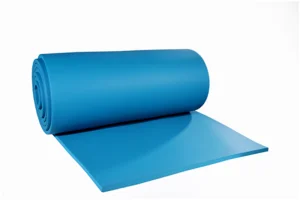
Selecting the correct insulation profile requires careful assessment of standard dimensions, material densities, and design temperatures. Below is the technical performance index of Kingflex NBR/PVC closed-cell elastomeric rubber foam:
| Property | NBR/PVC Elastomeric Sheet Roll | NBR/PVC Elastomeric Pipe Insulation |
|---|---|---|
| Material Structure | Closed-Cell Micro-Foam (>98% cell density) | Closed-Cell Micro-Foam (>98% cell density) |
| Thickness Range | 6mm - 50mm | 9mm - 40mm |
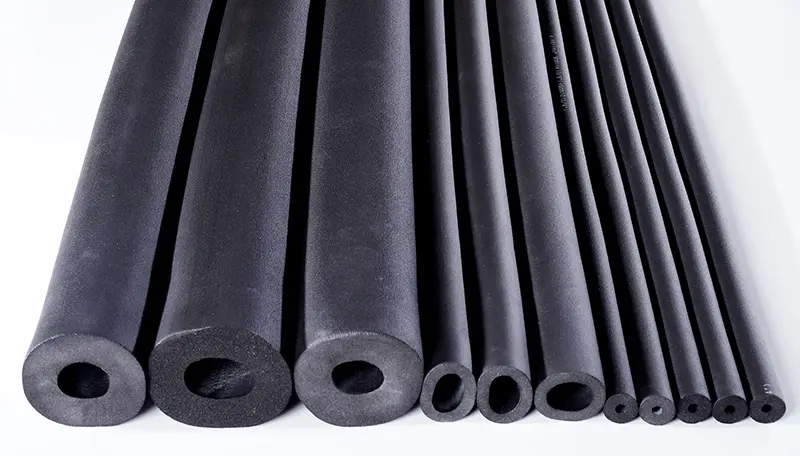
| Inner Diameter (ID) | N/A (Flat sheet/roll format) | 6mm - 114mm |
| Density Range | 40 - 55 kg/m³ | 40 - 55 kg/m³ |
| Temperature Limit | -40°C to +105°C (Up to cryogenic limits) | -40°C to +105°C |
| Thermal Conductivity | ≤ 0.034 W/(m·K) at 0°C | ≤ 0.034 W/(m·K) at 0°C |
| Compression Resilience | > 80% recovery rate | > 80% recovery rate |
| Fire Safety Standards | Flame retardant, self-extinguishing | Flame retardant, self-extinguishing |
Our specialized curing lines ensure uniform cell expansion. This results in stable, long-term thermal conductivity values that do not degrade over years of continuous HVAC cycles.
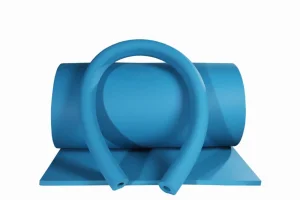
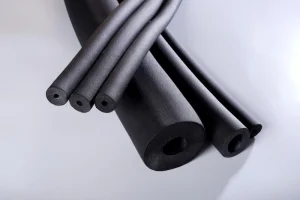
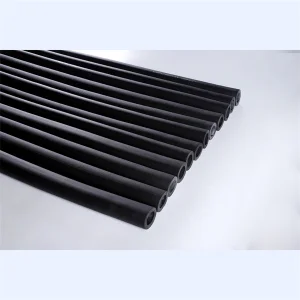
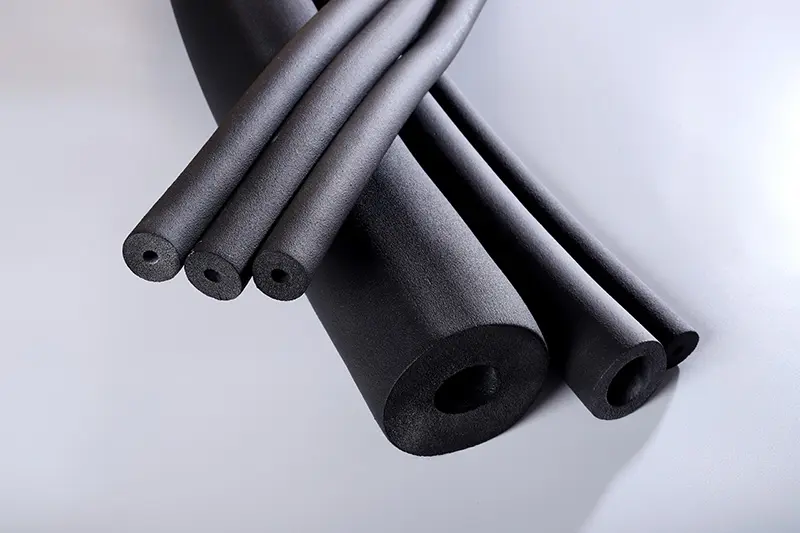
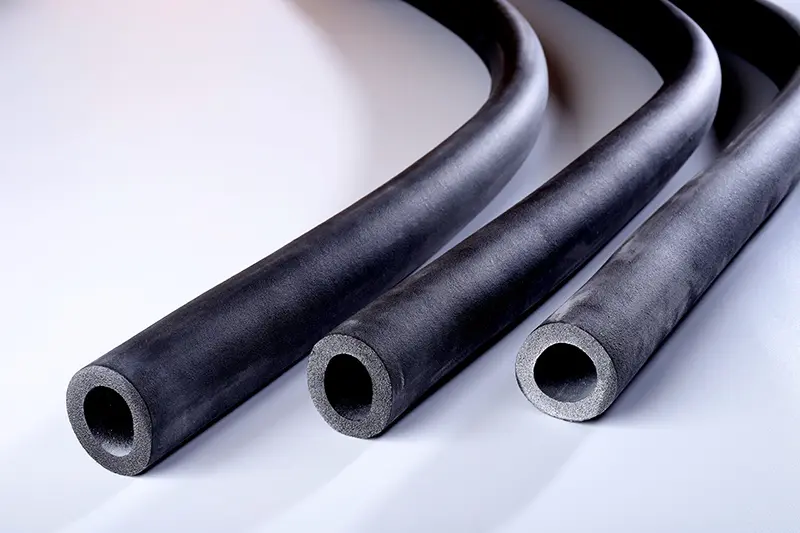
For pre-formed pipe insulation, automated spraying and inner-wall lubrication ensure easy installation on copper lines and carbon steel pipes, eliminating air gaps that lead to localized condensation.
Elastomeric properties protect outdoor exposed pipelines from extreme temperature swings, preventing cold-induced cracking and subsequent structural pipe failures.
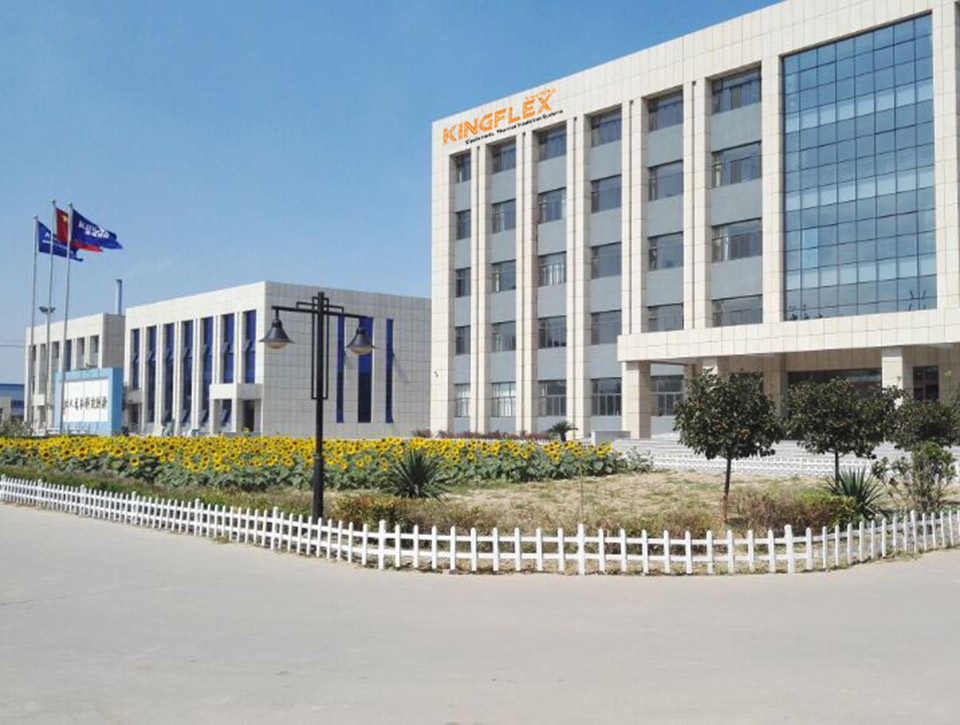
Kingflex Insulation Co., Ltd. is a professional manufacturing and trading combo for high-end thermal insulation products. Our core research, development, and high-capacity manufacturing base are situated in the green-building materials capital of Dacheng, China. As an energy-saving, environmental-friendly enterprise, we prioritize resource conservation, low emissions, and operational cost reduction.
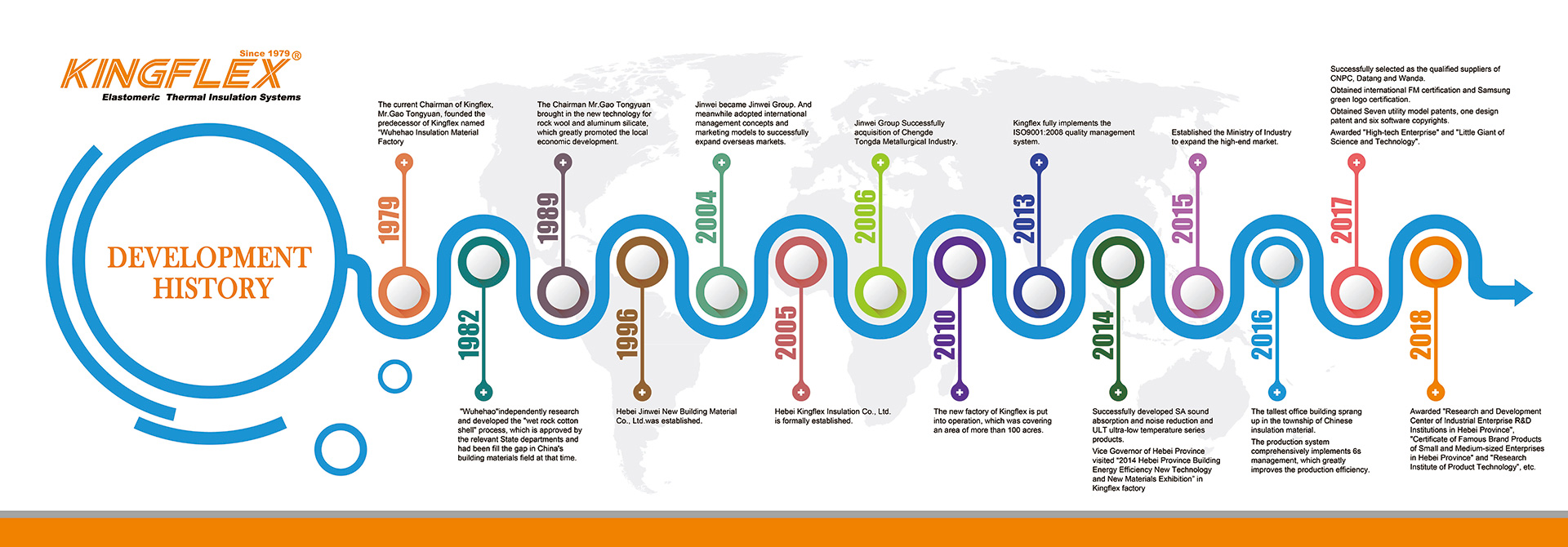
Established by the Jinwei Group—a pioneering force in thermal insulation with a history spanning more than 40 years—our legacy trace back to the group's founding in 1979. Jinwei Group was the first manufacturer of thermal insulation materials north of the Yangtze River, paving the way for decades of technological innovation.
Today, Kingflex operates 5 large-scale automatic production lines with an annual output exceeding 600,000 cubic meters. We are a designated production enterprise authorized by the Ministry of Energy, the Ministry of Electric Power, and the Ministry of Chemical Industry.
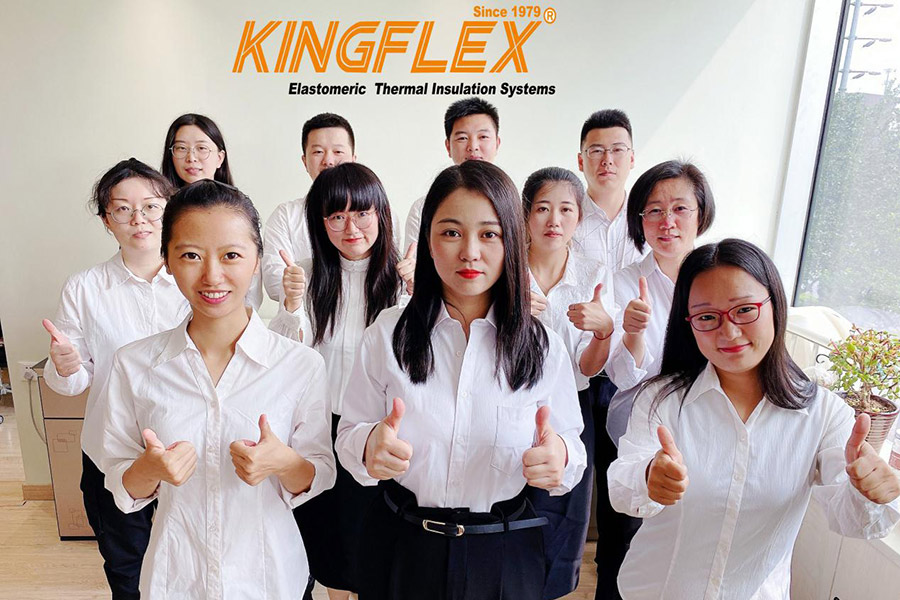
Our workforce comprises 230 dedicated production personnel, 6 professional international sales coordinators, and 8 highly qualified R&D chemical engineers. This deep organizational capacity allows us to supply customized solutions to over 66 countries globally, supporting key commercial and industrial projects for the past 16 years.
Elastomeric rubber foam is a versatile engineered material. We design custom solutions tailored to specific commercial, civil, and industrial operating conditions.
Thermal protection of air conditioning duct networks, chilled water supply pipes, and condensate drain lines to prevent humidity condensation and mold growth in false ceilings.
Specially formulated flexible cryogenic insulation designed for ultra-low temperature piping systems, liquefied gas transport lines, and food cold storage facilities.
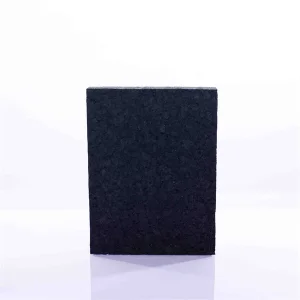
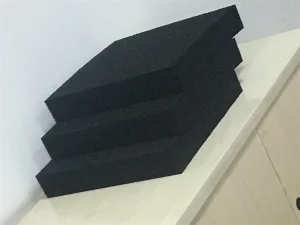
Acoustic panels with open-cell microstructures designed for mechanical plant rooms, ventilation chambers, office spaces, and industrial environments.
Heavy-duty elastomeric insulation for chemical pipes, fuel transport networks, and storage tanks requiring high chemical resistance and mechanical durability.
High-safety thermal insulation for schools, hotels, hospitals, and shopping malls, meeting stringent indoor air quality (IAQ) and smoke density standards.
Elastomeric tubing developed to resist outdoor UV radiation and elevated thermal cycles up to 105°C on solar collector piping.
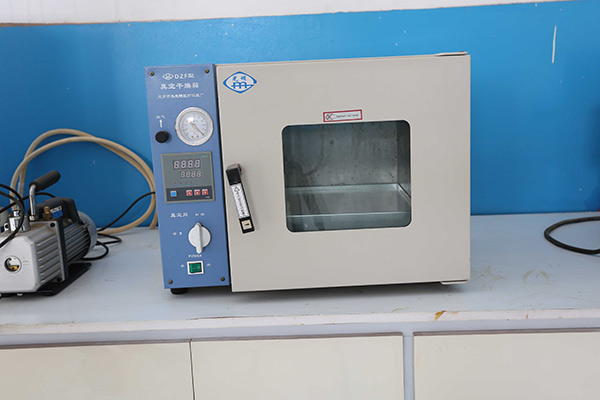
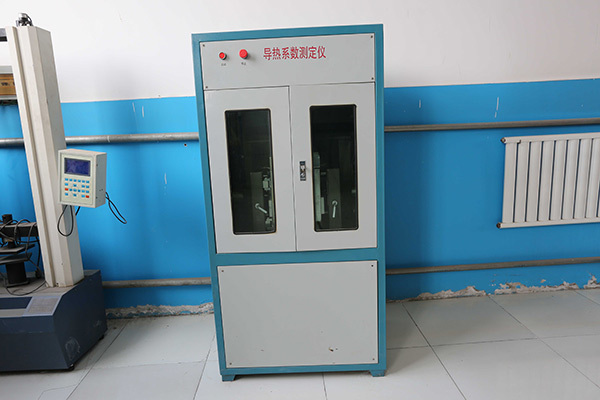
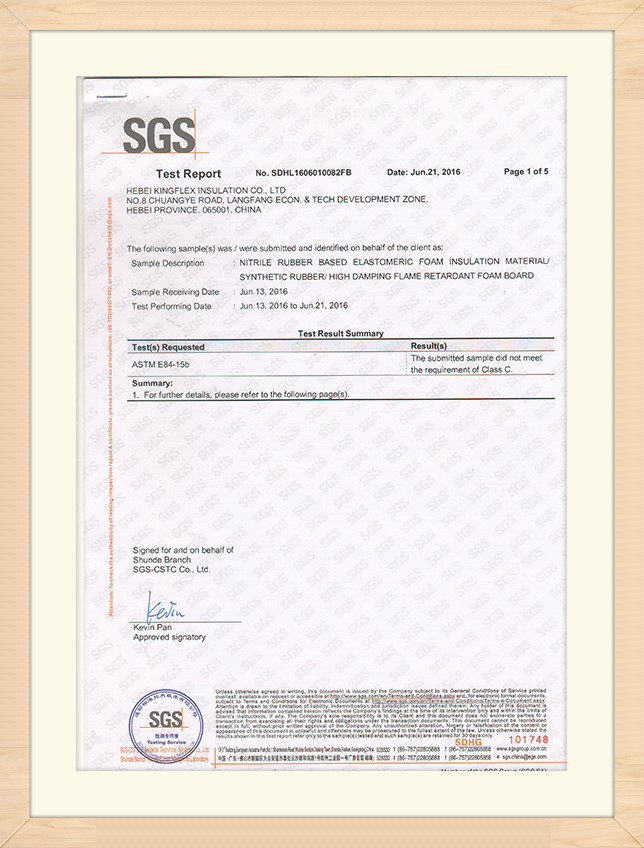
To maintain absolute reliability in critical applications, our R&D center continuously tests batches for thermal performance, fire propagation, smoke generation, and moisture migration.

Determining the cost of NBR/PVC closed-cell elastomeric rubber foam insulation depends on several variables. Because raw chemical precursors (rubber elastomers and fire-retardant additives) fluctuate based on commodity markets, quotes are typically issued with a 30-day validity window.
When requesting a custom pricing proposal, the following design variables dictate the unit cost:
Thicker sections require longer foaming times in the continuous vulcanizing ovens. Common thicknesses (6mm, 9mm, 13mm, 19mm, 25mm, 32mm, 50mm) scale progressively in material density and raw material weight.
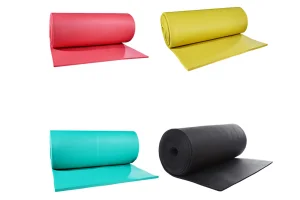
Applying pressure-sensitive adhesive backings, fiber-reinforced aluminum foil facings, or custom color pigments changes the manufacturing cycle time, affecting final pricing metrics.
Shipped in rolls or standard carton boxes. High-volume purchases (FCL containers) benefit from lower manufacturing setup margins and optimized packing densities to minimize sea freight costs.
| Thickness (mm) | Width (m) | Standard Length (m) | Recommended Application Scenarios |
|---|---|---|---|
| 6 mm | 1.0 / 1.2 / 1.5 | 10 - 30 | Small air-con copper piping, acoustic panels, vehicle body thermal protection |
| 9 mm | 1.0 / 1.2 / 1.5 | 10 - 20 | HVAC duct wrapping, domestic cold water piping, anti-freezing wraps |
| 13 mm | 1.0 / 1.2 / 1.5 | 10 - 20 | Commercial fan coil systems, central air conditioning ducts, mechanical chillers |
| 19 mm | 1.0 / 1.2 / 1.5 | 10 | Industrial chilled water pipes, chemical processing facilities, cold storage systems |
| 25 - 50 mm | 1.0 / 1.2 / 1.5 | 5 - 8 | Ultra-low temperature systems, cryogenic terminals, heavy industrial boiler equipment |
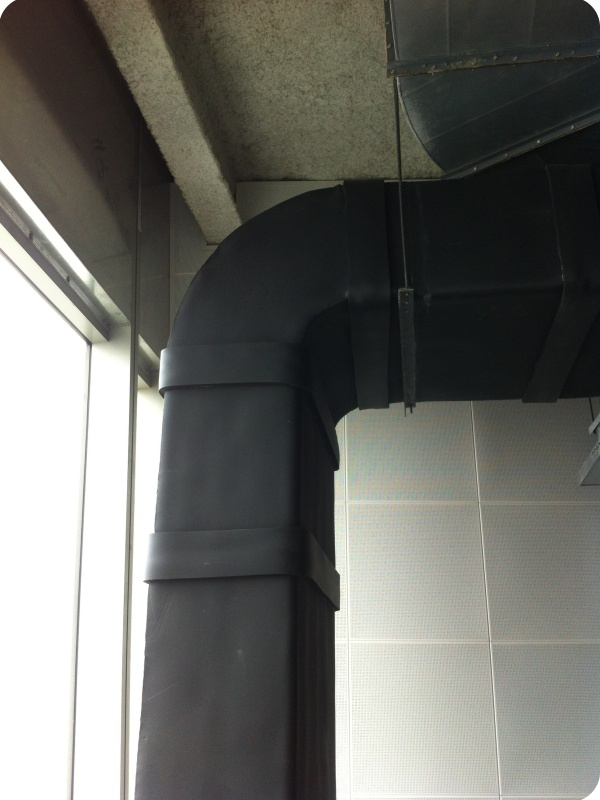
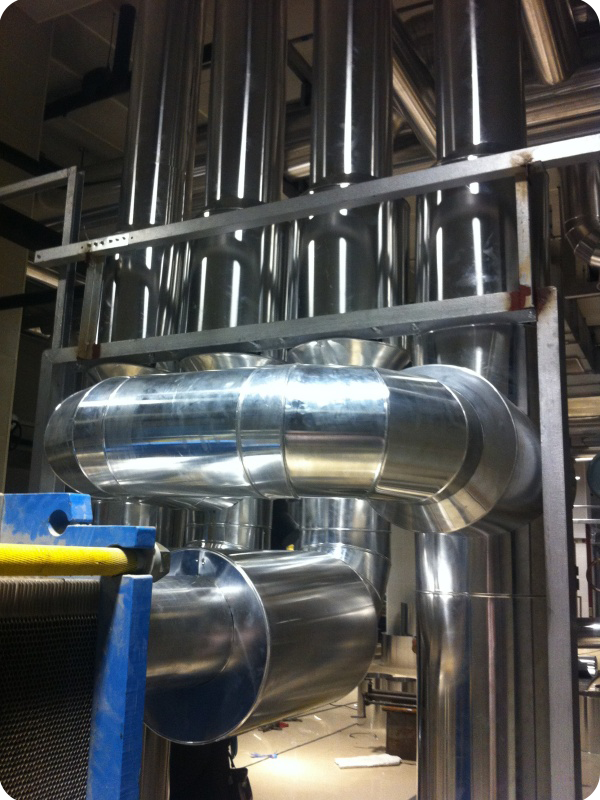
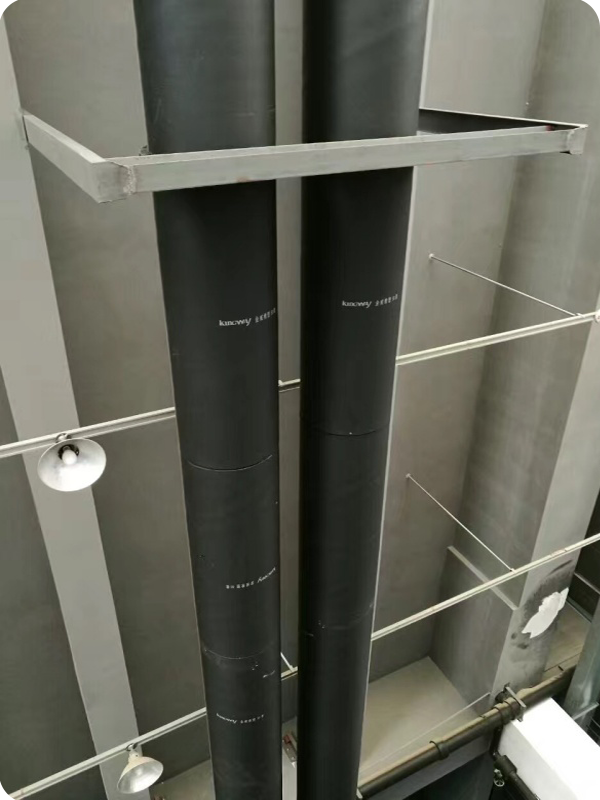
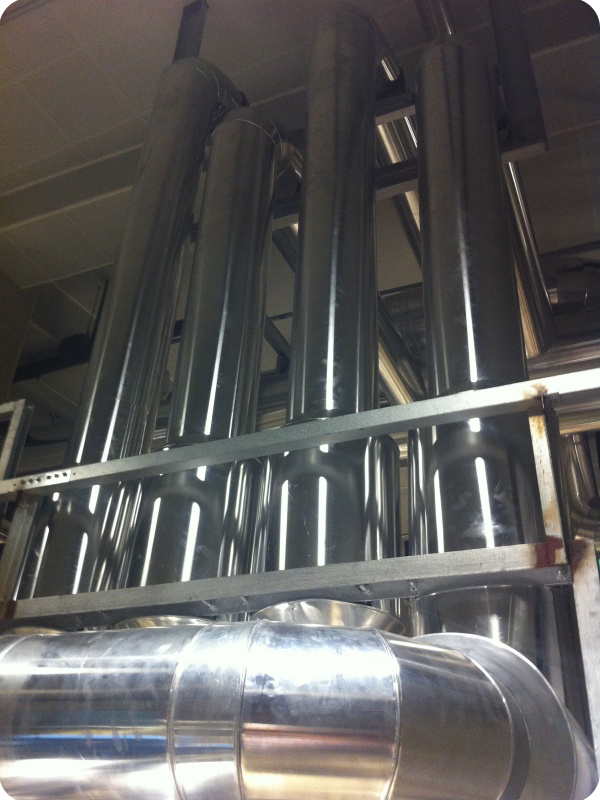
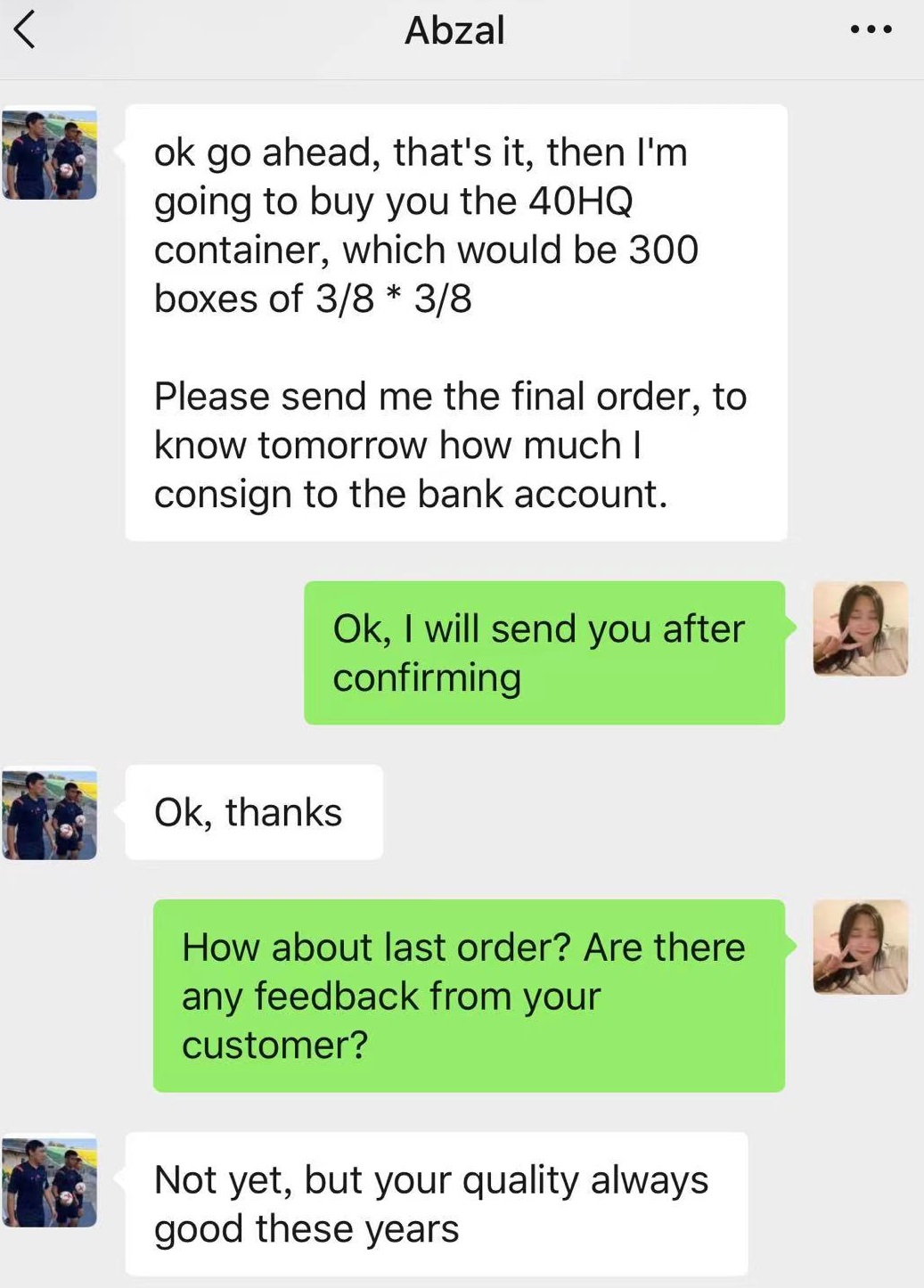
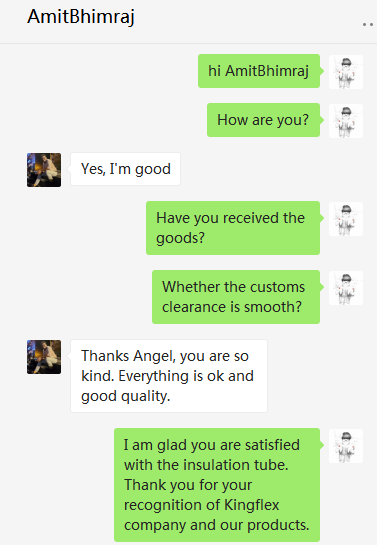
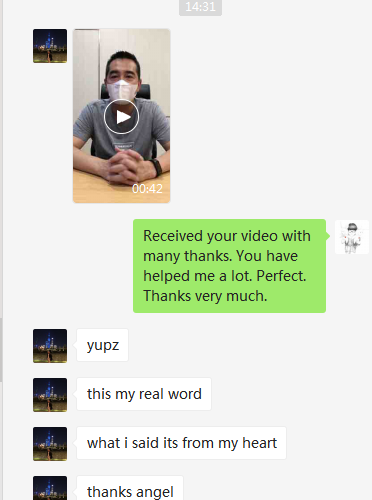
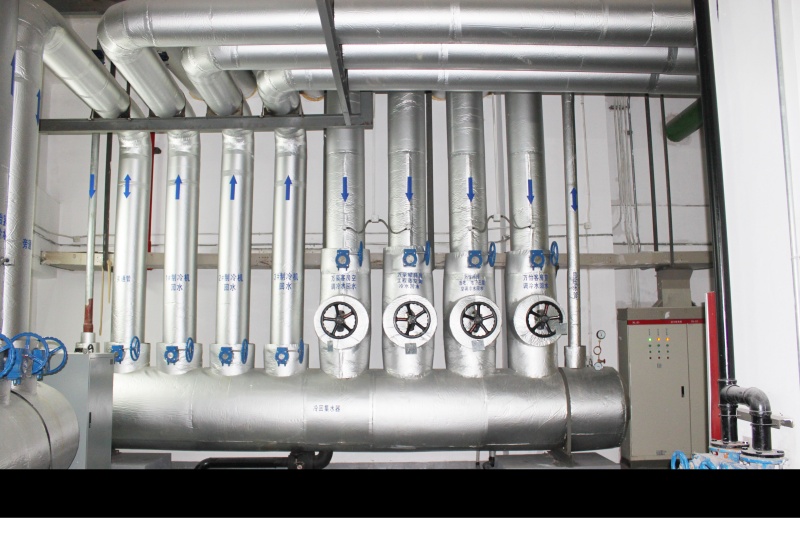
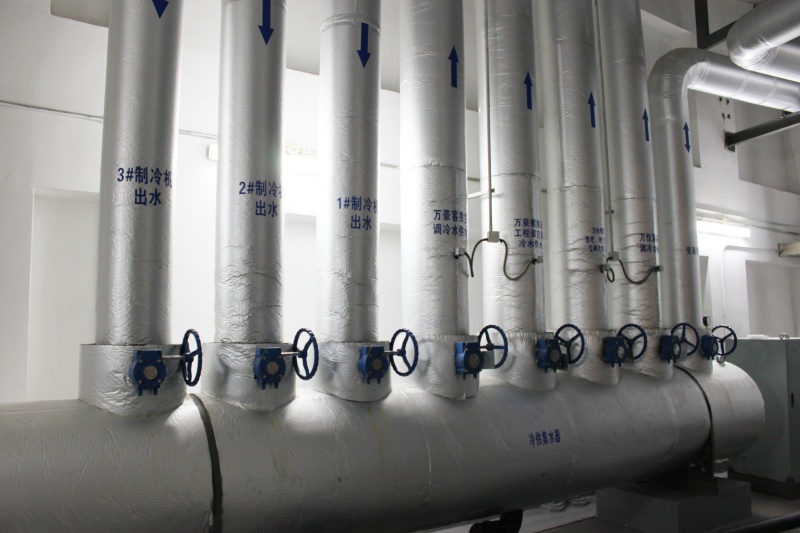
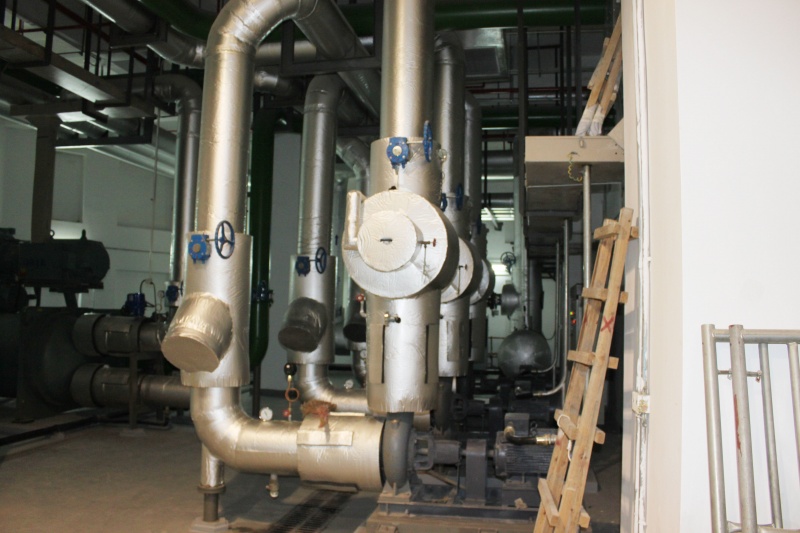
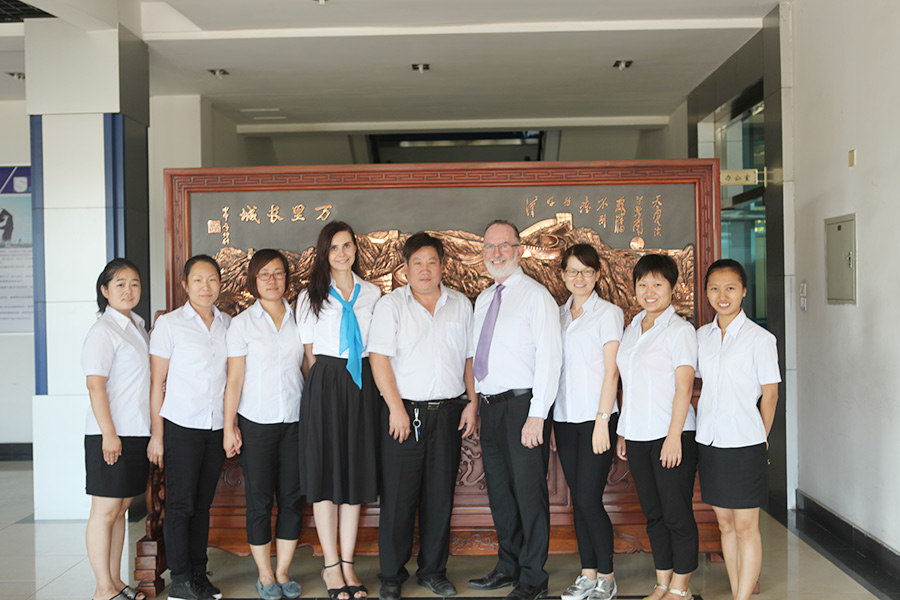
Our insulation systems are used in diverse architectural climates. Below are authentic records of project deliveries, site pictures, and procurement chats confirming our reliable global service.



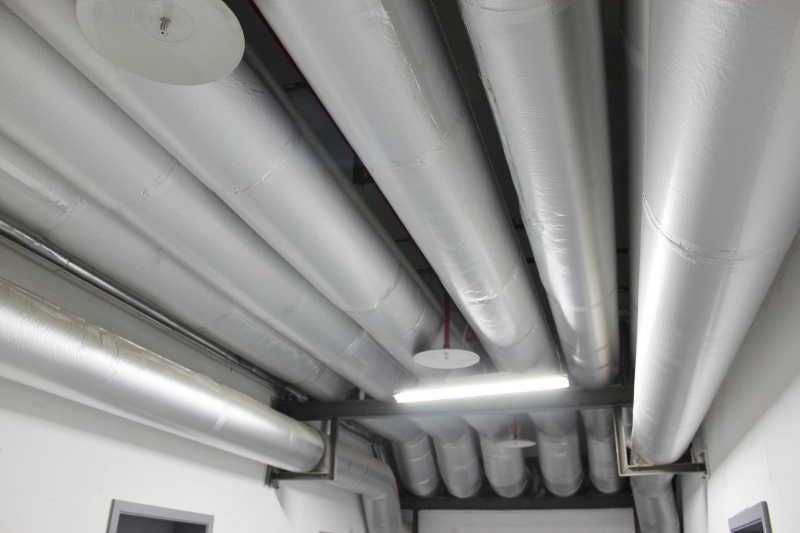
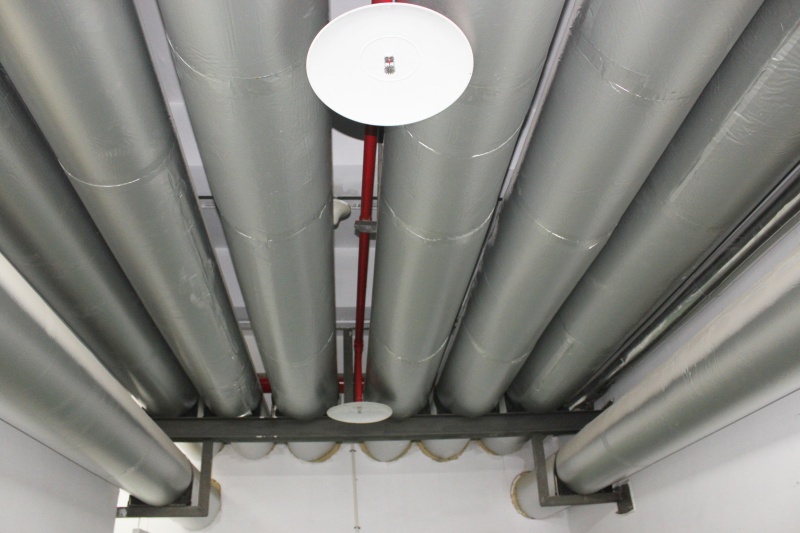
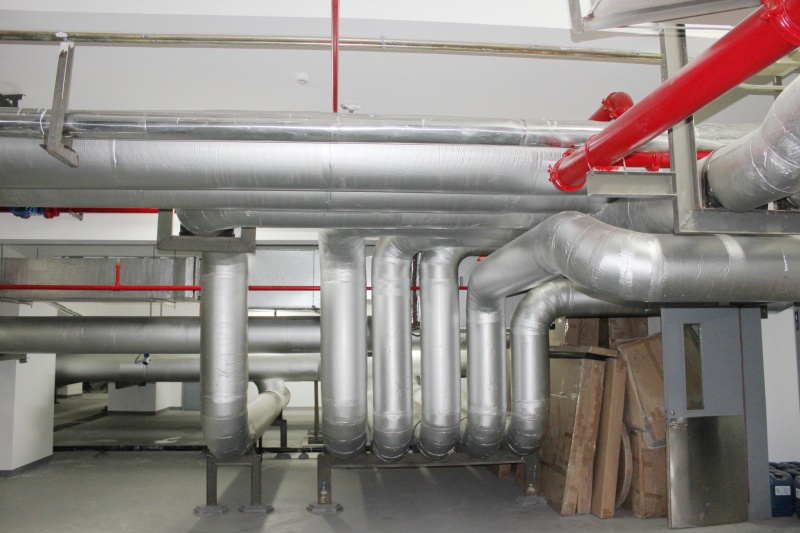
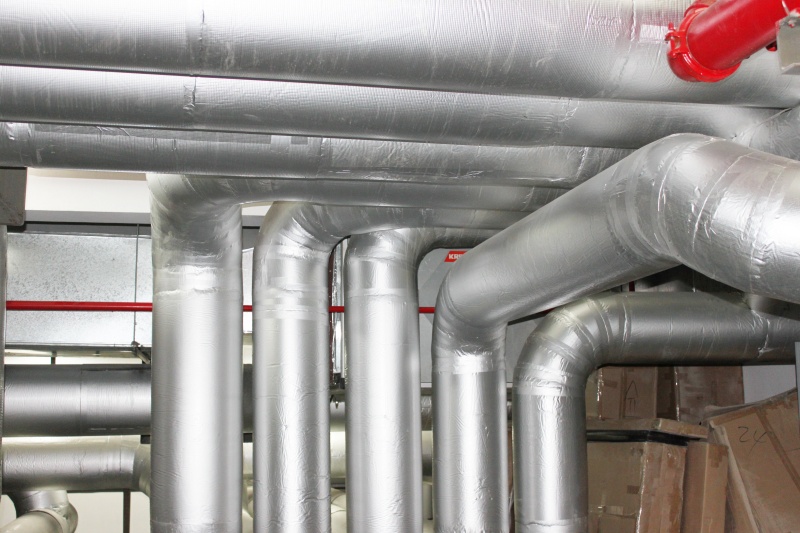
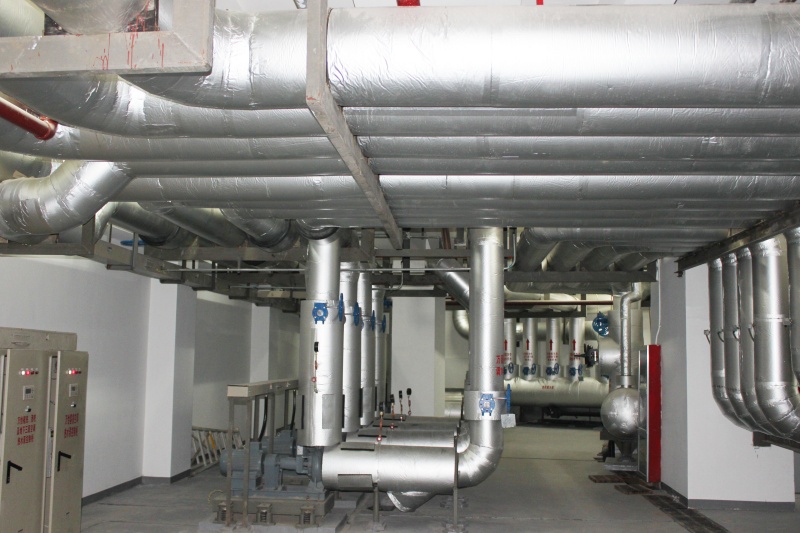
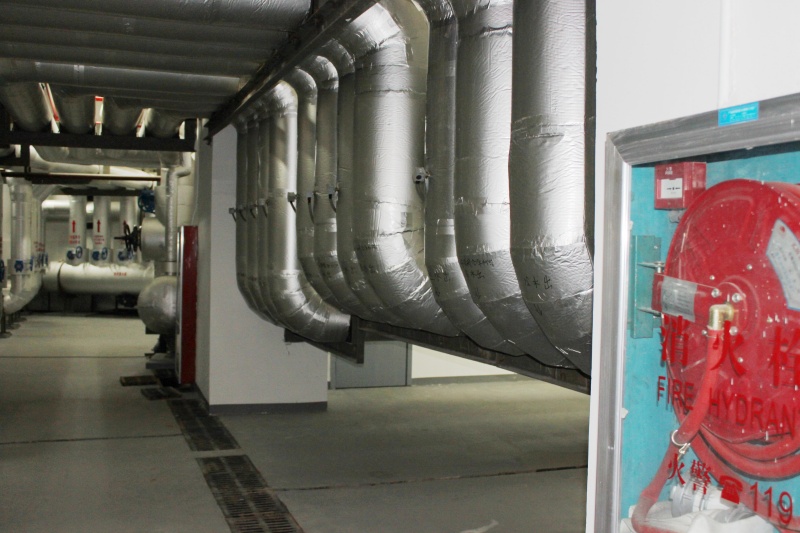
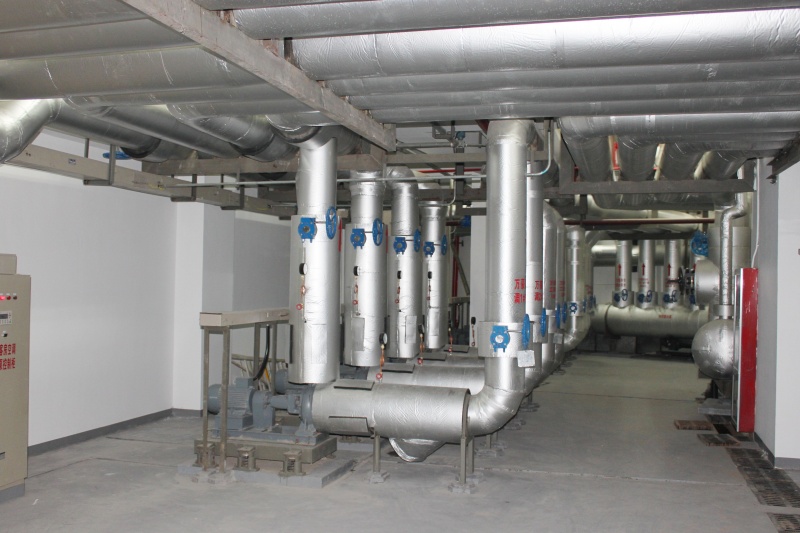
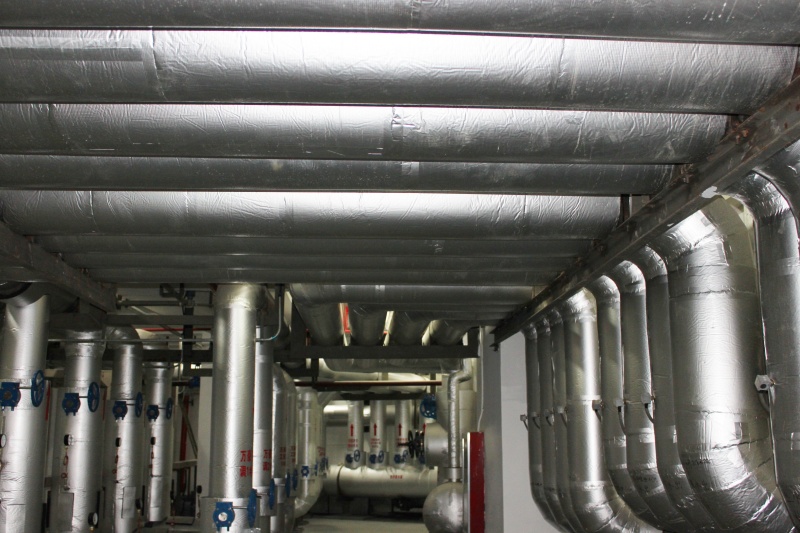
As global energy regulations tighten, the thermal insulation industry is undergoing rapid technical evolution. Modern specifiers must account for several emerging market dynamics:
Regulatory agencies worldwide are updating building safety codes to require materials that minimize flame spread and toxic smoke density. NBR/PVC chemical compounds are formulated with specialized inorganic fire suppressants. This allows them to pass rigorous testing (BS 476 Part 7 Class 1 and Class 0 ratings), ensuring compliance with international safety protocols.
Indoor Air Quality (IAQ) is critical in modern building design. Contemporary elastomeric foams are engineered to be free of CFCs, HFCs, and formaldehyde. They also minimize volatile organic compound (VOC) outgassing, helping projects achieve green building certifications like LEED or BREEAM.
To enhance mechanical durability and shield insulation from UV exposure, manufacturers are integrating factory-applied multi-layer composite foils. These protective claddings shield the soft elastomeric substrate from bird pecking, physical impact, and ozone cracking in outdoor settings.
A1: It is mainly used for HVAC/R ducts, air conditioning piping systems, building thermal insulation barrier systems, industrial process pipeline cold insulation, and acoustic absorption modules in plant rooms.
A2: Yes, our elastomeric rubber foam insulation products incorporate flame-retardant chemistry. They meet BS 476 fire propagation limits (Class 0 and Class 1) and fulfill safety certifications globally.
A3: Rubber foam features a closed-cell, highly flexible structure with high built-in moisture resistance, making it ideal for chilled lines and HVAC ducting. Rock wool is a rigid fibrous mineral insulation optimized for extreme heat resistance, fire stopping, and high-temperature steam lines.
A4: Yes, we provide full OEM and ODM services. This includes custom thickness tolerances, custom coloring, pre-applied adhesive backings, composite foil facings, and customized roll/pipe dimensions to fit specific project requests.
A5: Kingflex products are certified under BS 476, CE, REACH, RoHS, UL94, and ASTM. This guarantees compliance with quality and environmental standards across Europe, the Americas, Asia, and the Middle East.
A6: Yes, we run a rigorous manufacturing execution system (MES). Every batch of raw materials and completed product rolls is labeled with a tracking code, allowing us to trace quality records back to the original batch parameters.
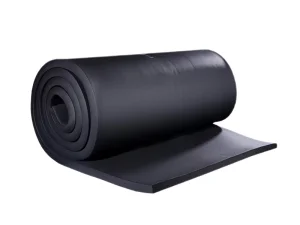
A7: We produce rubber foam insulation sheet rolls in thicknesses ranging from 6mm to 50mm, accommodating a wide spectrum of HVAC, industrial chilling, and acoustic projects.
A8: When properly specified and installed, Kingflex elastomeric insulation has an active service life of 10 to 15 years in standard indoor HVAC environments, maintaining stable thermal and physical performance.





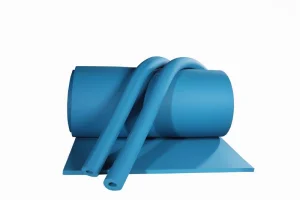
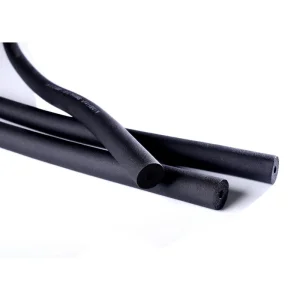
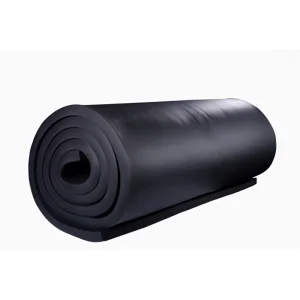
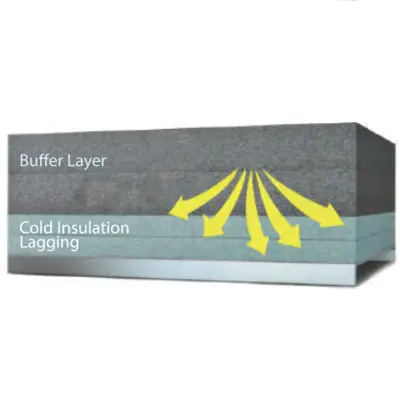
Uniformly foamed, closed cell rate over 98%, compression resilience over 80%. Flame retardant and self-extinguishing. Low thermal conductivity and high moisture resistance.
View Related Products
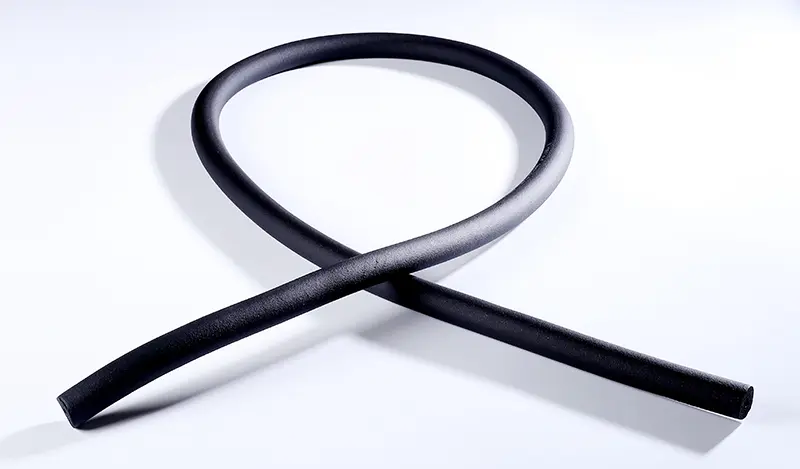
Professional pipe coating guarantees even wall thickness. Reduces pipe freezing, limits cracking risk on copper pipelines, and stops cold bridge moisture condensation.
View Related ProductsWe operate in close proximity to major Northern China shipping terminals. This enables efficient loading procedures, protective shrink-wrapping options, and fast transit times to international destinations.
Our R&D team and sales coordinators are ready to support your project. Contact us today to receive detailed wholesale pricelists, physical test certificates, and customized engineering proposals.
Request Corporate Quote Now