 Kingflex
Kingflex
Kingflex
Select our field-tested elastomeric insulation rolls, acoustic panels, and tape systems engineered for extreme operating ranges.
The critical integration of metallic cladding and thermodynamic foam in modern process industries.
Across modern chemical complexes, offshore LNG vessels, and civil HVAC infrastructure, the demand for high-integrity piping insulation is skyrocketing. Industrial insulation systems no longer just restrict heat transfer; they must withstand aggressive ambient conditions, mechanical stress, UV exposure, and water ingress. Here, Aluminium Cladding for Pipe Insulation represents the premium standard for protective jacketing.
Aluminum jacketing provides a highly reflective, corrosion-resistant, and structural outer shell that shields underlying porous or elastomeric insulation cores. Underneath the metal cladding, advanced flexible thermal systems such as Kingflex's closed-cell NBR/PVC elastomeric rubber foam function as the core thermal barrier. By isolating the system from external moisture, aluminum cladding acts as the first line of defense against Corrosion Under Insulation (CUI), which accounts for a significant portion of piping maintenance budgets globally.
While closed-cell elastomeric rubber foam exhibits low thermal conductivity ($\lambda \le 0.035 \text{ W/(m}\cdot\text{K)}$) and a high water-vapor resistance factor ($\mu \ge 10,000$), aluminum jacketing adds essential mechanical strength, UV defense, and physical sealing, creating a thermodynamic envelope suited for 40+ year life cycles.
Deciphering alloy grades, finishes, and thermal performance values.
| Specification Parameter | Aluminium Cladding Option / standard | NBR/PVC Elastomeric Foam Core Specification |
|---|---|---|
| Alloy / Composition | Alloy 1060, 3003, or 5005 (compliant with ASTM C1729) | NBR/PVC Synthetic rubber blend (closed-cell matrix) |
| Thickness Range | 0.4 mm to 1.0 mm (typical) | 6 mm to 50 mm (standard) |
| Surface Finishes | Mill Finish, Stucco Embossed, Corrugated | Smooth, Class 0 fire rated, or Foil-faced |
| Moisture Barrier Lining | Polysurlyn (3 mil thick co-extruded) or Polykraft paper | Intrinsic water vapor diffusion resistance ($\mu \ge 10,000$) |
| Service Temp. Range | -200°C to +300°C (structural limits) | -40°C to +105°C (continuous service) |
| Fire Compliance Standards | Class A, non-combustible (ASTM E84) | Class 0 & Class 1 (BS 476 Part 6 & 7), UL94 V-0 |
For industrial marine environments, Alloy 3003 offers superior resistance to pitting and stress corrosion compared to pure Alloy 1060. For highly abrasive areas, stucco embossed finishes reduce visible denting and scatter harsh light reflections, ensuring durability under harsh sunlight.
Crucial to metal jacketing is the internal barrier. Laminated Polysurlyn prevents galvanic corrosion between the aluminum and wet insulation materials. This barrier stops trace chlorides from pitting the jacket interior.
Using metal cladding alters the exterior surface emissivity ($\epsilon \approx 0.05$ for polished aluminum versus $\epsilon \approx 0.9$ for black rubber). This change reduces radiative heat gain on cryogenic pipelines in warm climates.
How the dual-barrier approach of metal cladding and closed-cell foam safeguards multi-million dollar assets.
When atmospheric water, rainwater, or wash-down condensation enters an insulation system, it sits against carbon steel piping. Combined with high processing temperatures, this creates an environment for rapid galvanic and acid-based corrosion, often hidden from view until a major line failure occurs.
By pairing Kingflex NBR/PVC elastomeric rubber foam insulation with professional-grade aluminum cladding, we create a robust protective barrier. The closed-cell foam prevents moisture migration, while the weather-sealed aluminum jacketing channels water away from joints and seams.
From cryogenic LNG terminals to high-humidity commercial structures.
In chemical plants, pipelines handle high temperatures and abrasive solvents. Aluminum cladding protects NBR/PVC elastomeric cores from oil drips, mechanical damage during maintenance, and weathering.
For operations from -160°C down to liquid helium ranges, vapor barriers must be completely secure. Aluminum cladding provides a tough outer barrier over multi-layer cryogenic elastomeric foam to prevent moisture intrusion.
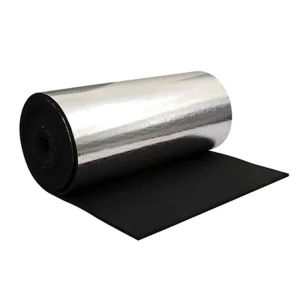
In hotels and hospitals, chilled and hot water lines require insulation to prevent condensation and optimize efficiency. Combining aluminum foil-faced insulation sheet rolls with outer aluminum cladding helps control humidity and reduce noise.
Over 40 years of manufacturing excellence under the Jinwei Group.
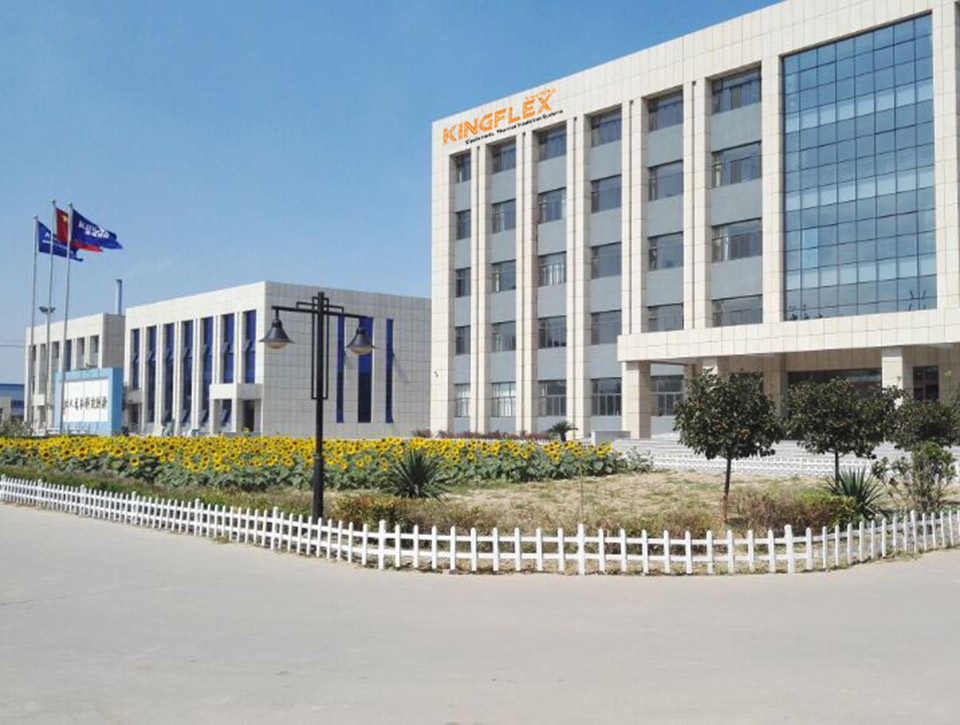
Kingflex Insulation Co., Ltd. is a professional manufacturing and trading group specialized in high-performance thermal insulation products. Our R&D and production facilities are located in Dacheng, China—a hub for green building materials. Focused on energy conservation, Kingflex handles everything from product development and manufacturing to installation support and after-sales service.
Founded by the Jinwei Group, which has more than 40 years of industry experience, our roots trace back to 1979. Kingway Group (Jinwei Group) was the first major manufacturer of thermal insulation materials north of the Yangtze River. Today, Kingflex utilizes five automated assembly lines, achieving an annual production capacity exceeding 600,000 cubic meters.
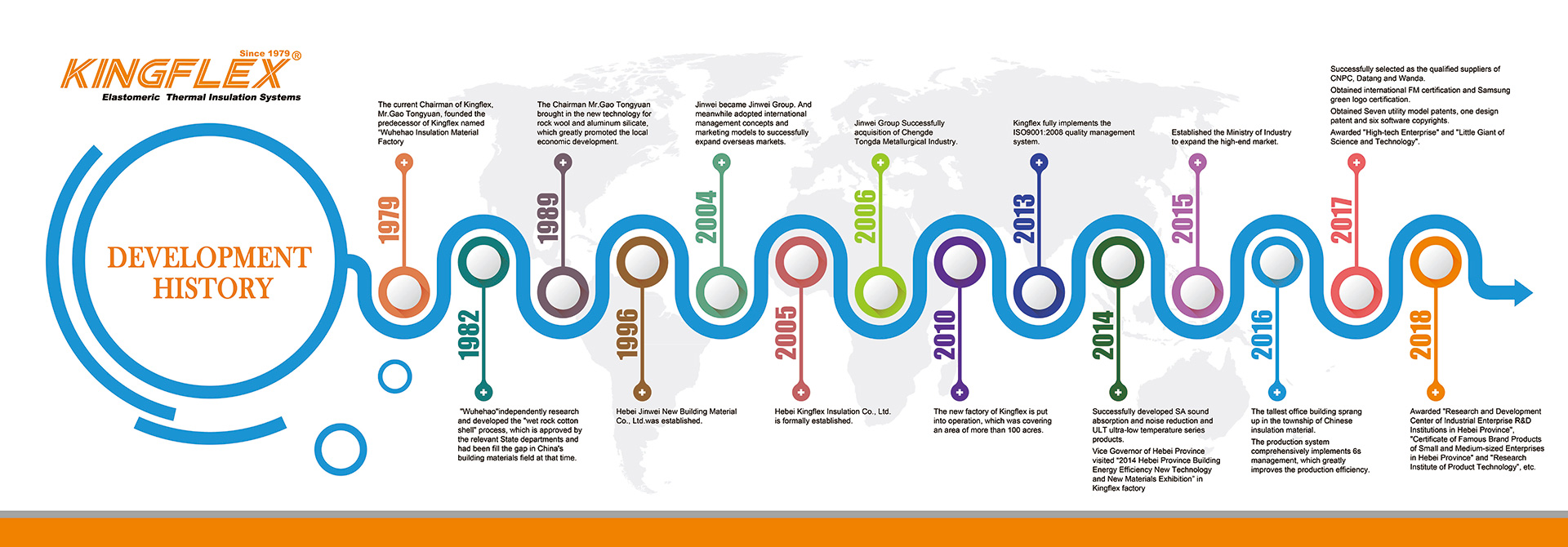
Our long history under the Jinwei Group has built a deep understanding of thermal insulation design. Over the past 16 years, our products have been exported to 66 countries. As a verified supplier for major engineering projects, we are certified to BS 476, CE, REACH, RoHS, UL94, and ASTM standards.
Whether supplying standard NBR/PVC rubber foam rolls, aluminum-backed elastomeric sheets, or advising on aluminum cladding integration, our team delivers consistent quality.
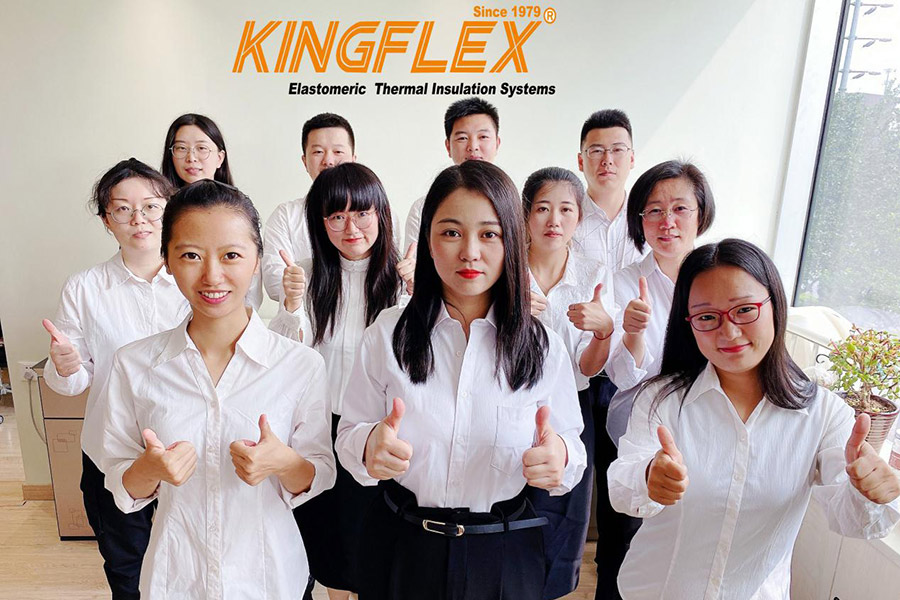
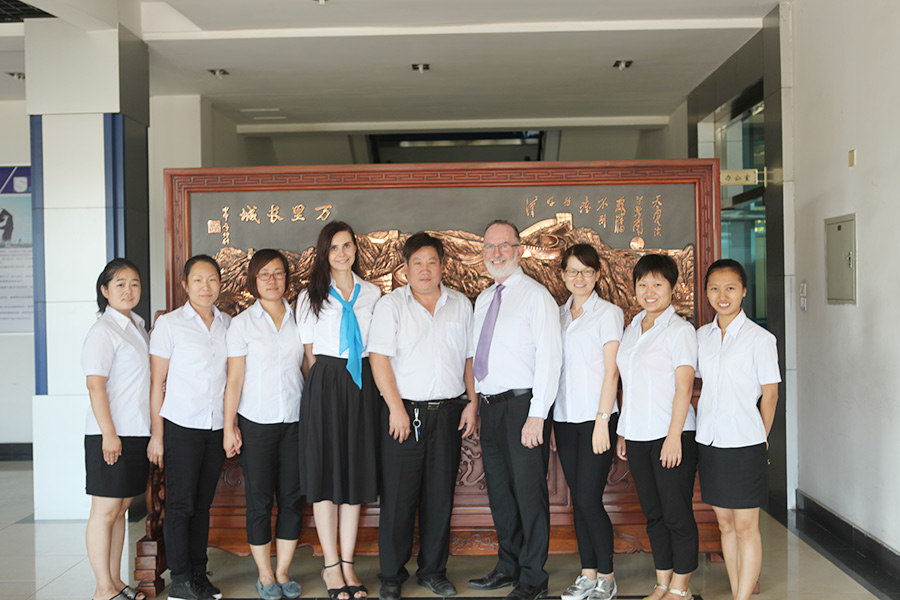
A high-quality insulation system depends on skilled design and production. Our team includes 8 professional R&D engineers, 6 international sales specialists, and 230 factory employees. Together, we work to ensure every product batch meets international design codes and project specifications.
We work closely with engineering design firms and thermal contracting partners to deliver reliable, long-term performance.
Continuous investment in quality control and regulatory certification.
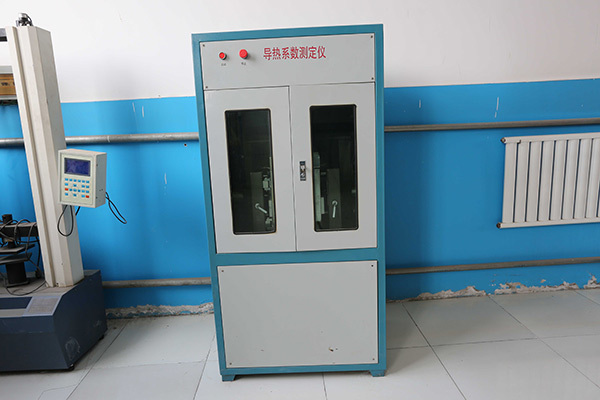
Our laboratories test thermal conductivity, water vapor permeability, and flame retardancy to ensure stable performance under challenging conditions. Our research focus includes low-smoke, halogen-free elastomeric compounds and improved lamination methods for aluminum-jacketed materials.

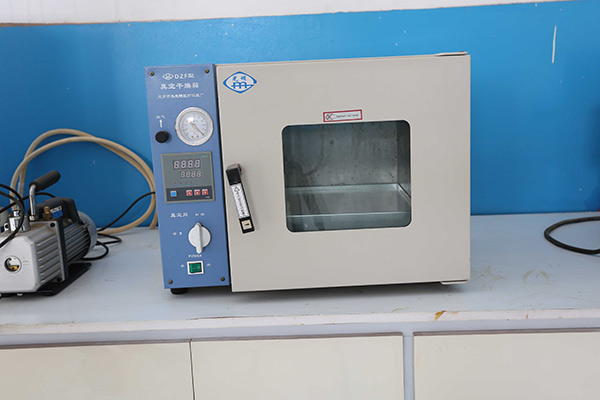
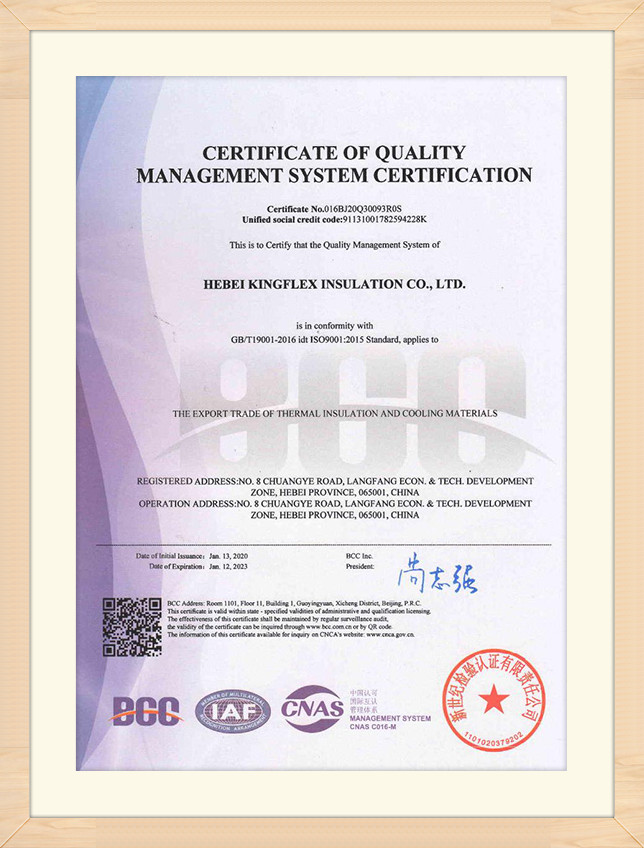
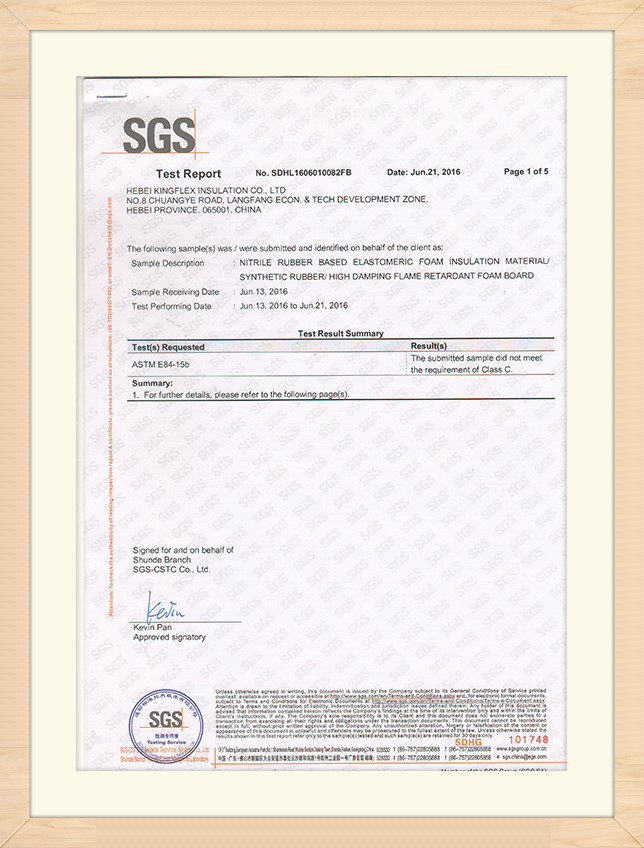
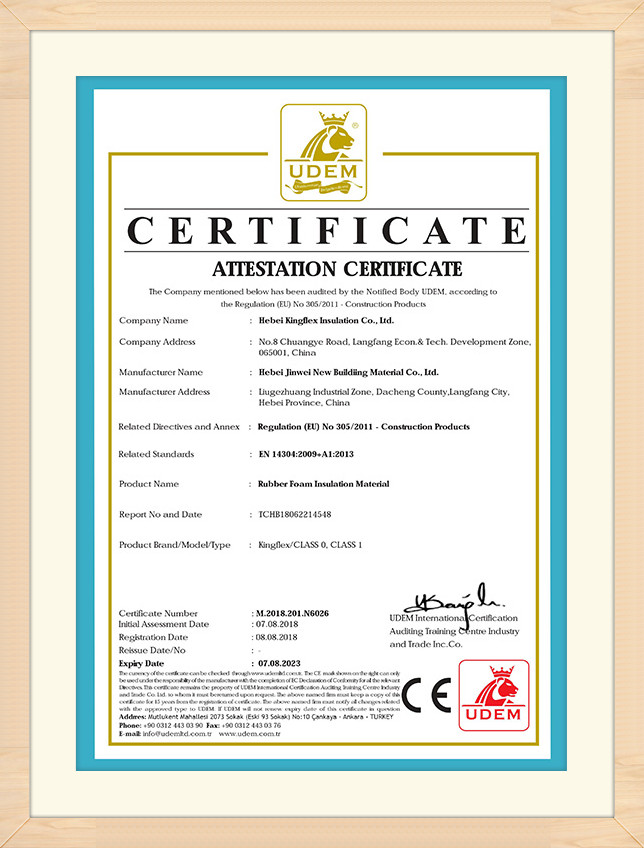
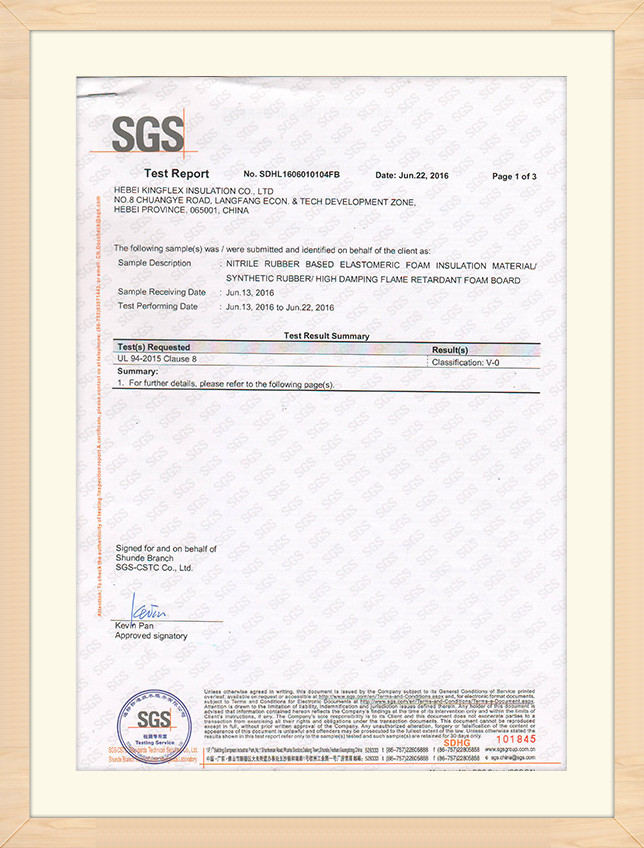
Our quality system is verified by international inspection bodies. Compliance with BS 476, CE, REACH, RoHS, UL94, and ASTM guidelines ensures our materials meet requirements for commercial and hazardous industrial sites.



Decarbonization, predictive maintenance, and next-generation composite jackets.
Focusing on non-halogenated foaming agents and NBR/PVC polymers derived from bio-feedstocks. This allows projects to lower their embodied carbon footprint while maintaining fire class standards.
Integrating thin-film moisture sensors beneath the aluminum cladding. These sensors detect early condensation or minor leaks and alert plant operators, helping to prevent Corrosion Under Insulation (CUI) without removing the metal cladding.
Developing hybrid metallic-polymeric jackets that combine the mechanical strength of Alloy 3003 with high-performance fluoropolymer outer coatings, providing lasting resistance to corrosive environments.
Clear answers to common questions about design, installation, and materials.
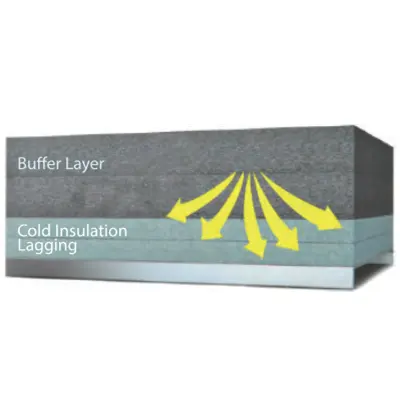
It is mainly used for HVAC ducts, air conditioning pipes, building thermal insulation, industrial pipeline cold insulation, and sound insulation. Its closed-cell structure helps limit heat transfer and prevent condensation on cold piping systems.
Yes, our rubber foam insulation is flame retardant, meeting fire safety standards for building and industrial projects (including Class 0/Class 1 ratings under BS 476 and UL94 V-0 compliance).
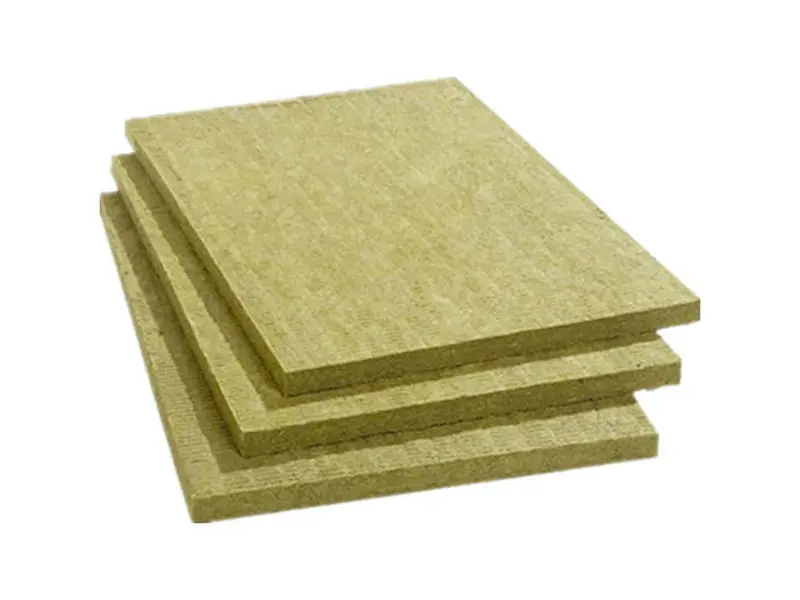
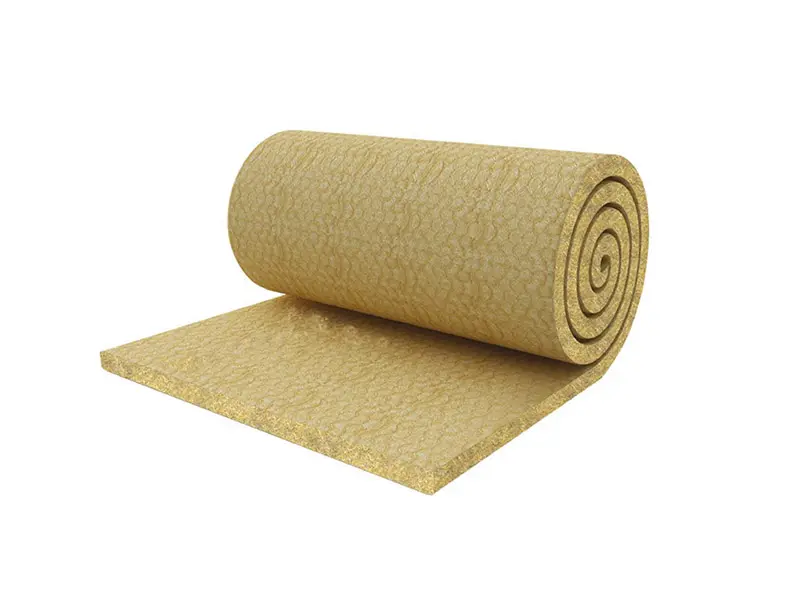
Rubber foam is flexible, closed-cell, and moisture-resistant, making it suitable for HVAC, chilled water, and low-temperature applications where condensation control is key. Rock wool is high-temperature resistant and fireproof, suitable for high-temperature steam lines and high-heat industrial processes.
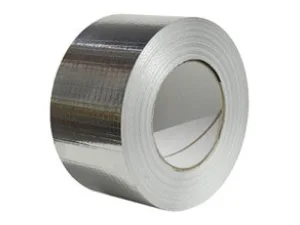
Yes, we support OEM services to meet different project needs. We customize tube inner diameters, wall thicknesses, and special aluminum foil/PET laminations based on customer drawings.
Our products have passed BS 476, CE, REACH, RoHS, UL94, ASTM, and other international certifications, ensuring compliance with global regulatory standards.
Yes, Kingflex products have traceability. Every production batch has a unique code tracked from the raw material supply chain through the automated manufacturing process to the final shipment.
We can produce thicknesses from 6mm up to 50mm, allowing for tailored insulation solutions for a wide range of temperature differences.
The typical service life is about 10 to 15 years, depending on operating conditions. When protected with an outer aluminum cladding jacket, the system's life cycle can extend beyond 20 years.
Aluminum jacketing provides a balanced combination of low weight, corrosion resistance, workability on site, and cost-efficiency. While stainless steel is used in highly acidic or fire-safe zones, and PVC is used in indoor food plants, aluminum is the standard choice for general outdoor process and HVAC pipe protection.
Stucco embossing patterns increase the rigidity of the metal sheet, helping to hide scratches, dents, and minor installation wear. The textured finish also scatters direct sunlight, reducing glare in bright outdoor environments.
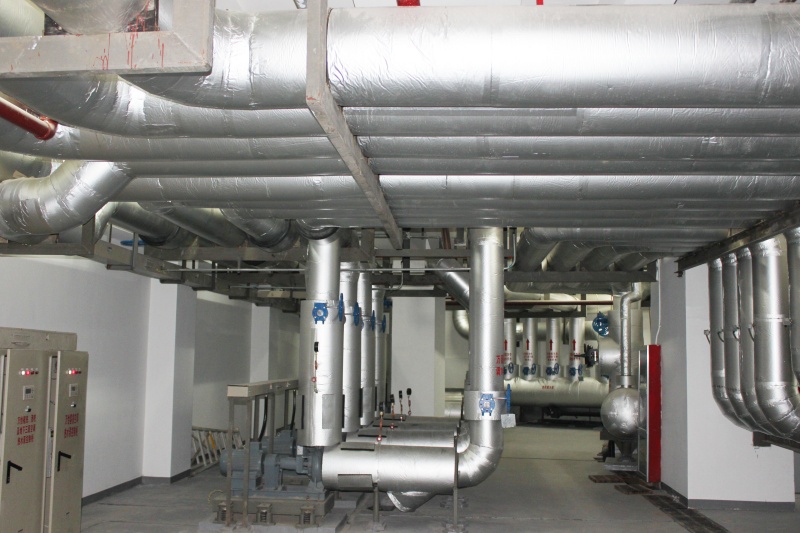
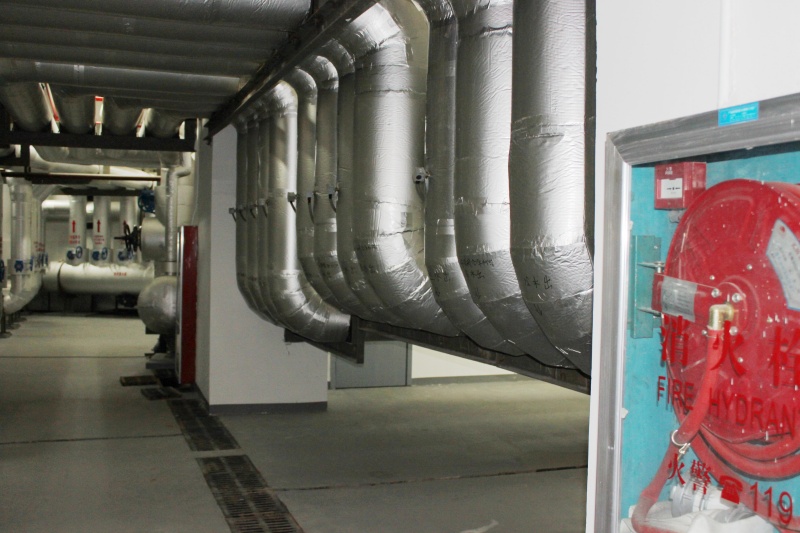
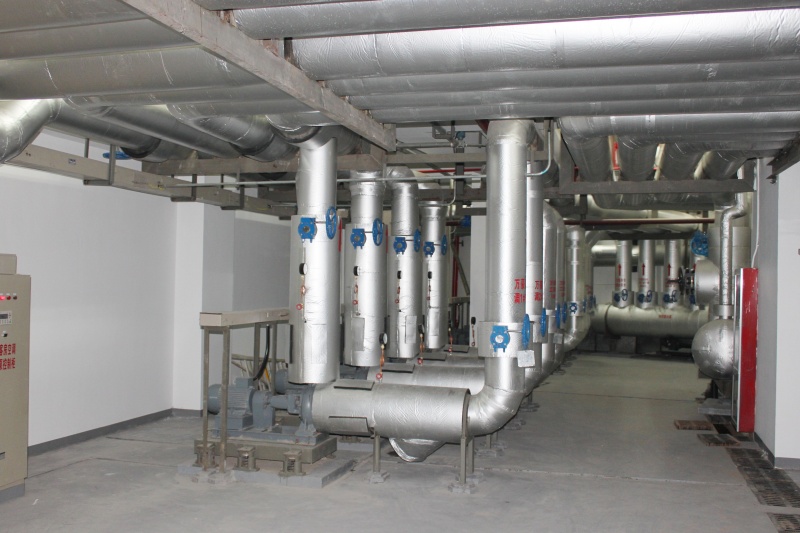
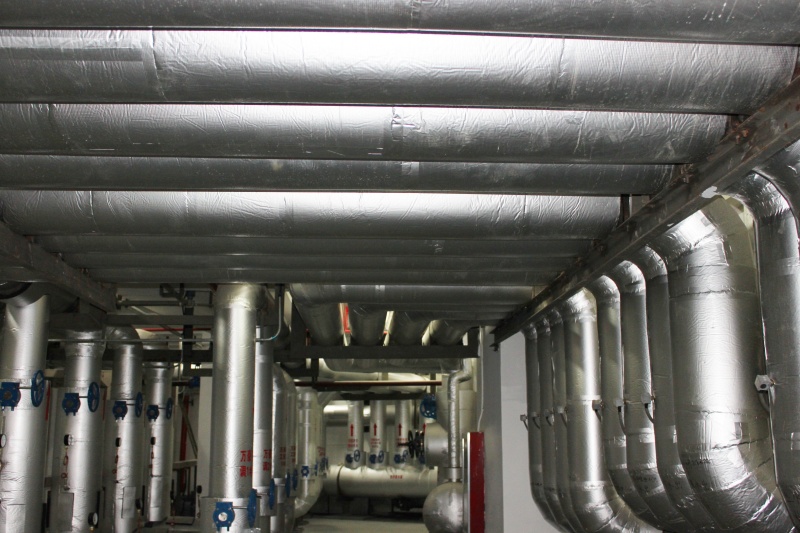
A closer look at product dimensions, applications, and field installations.
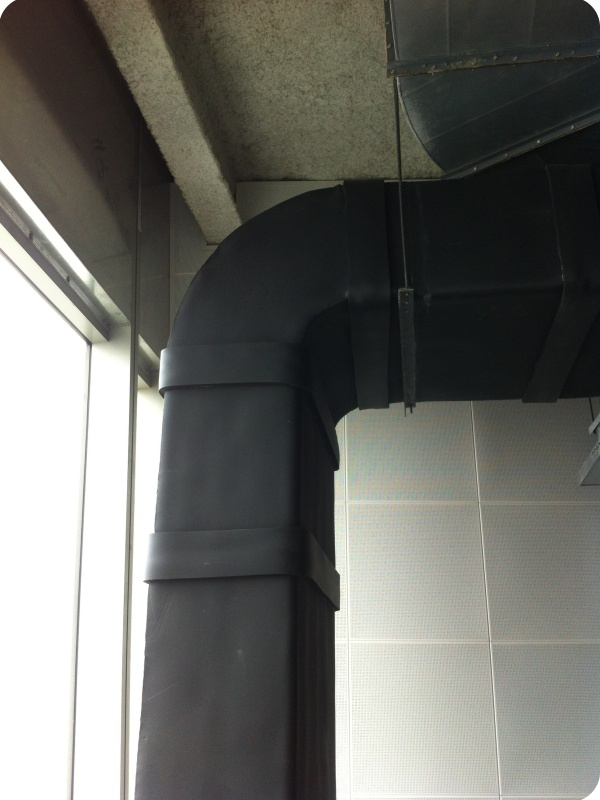
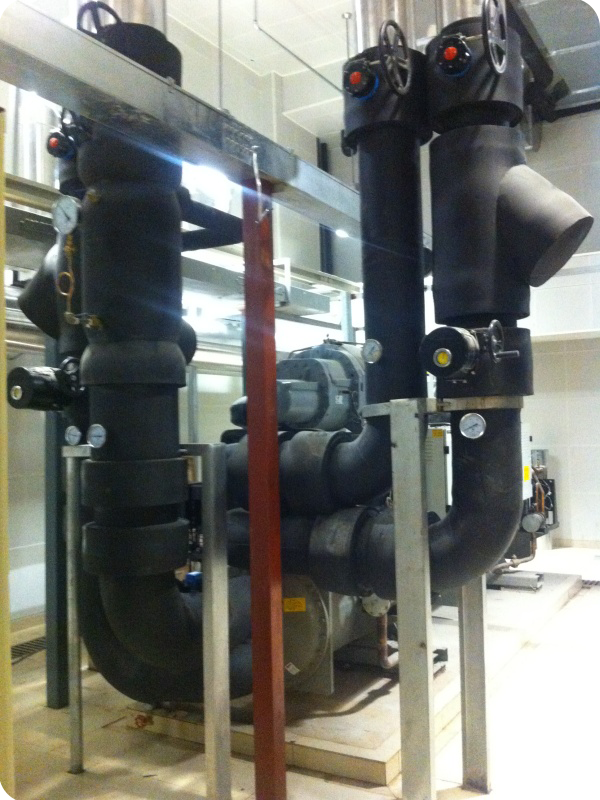
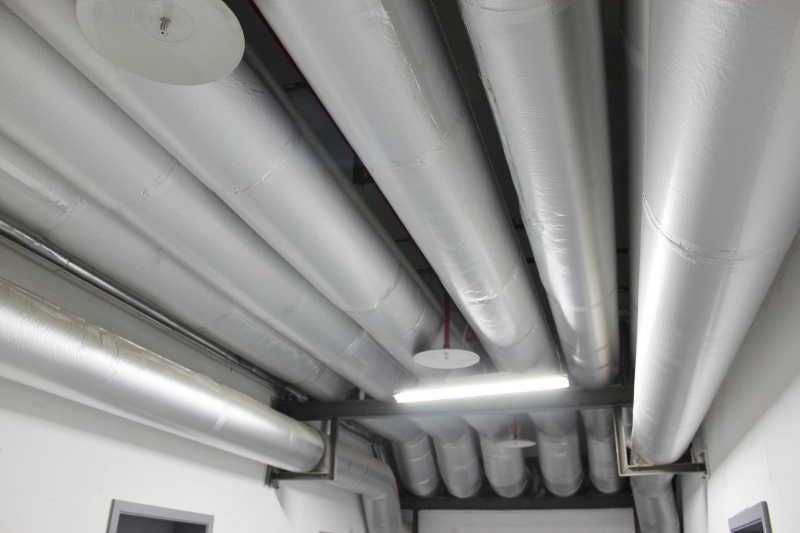
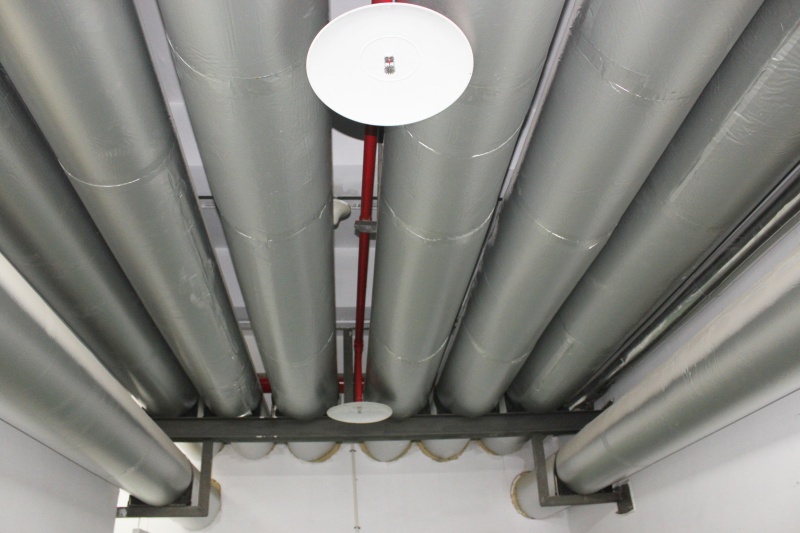
Elastomeric Foam Integration on HVAC Chilled Water Lines
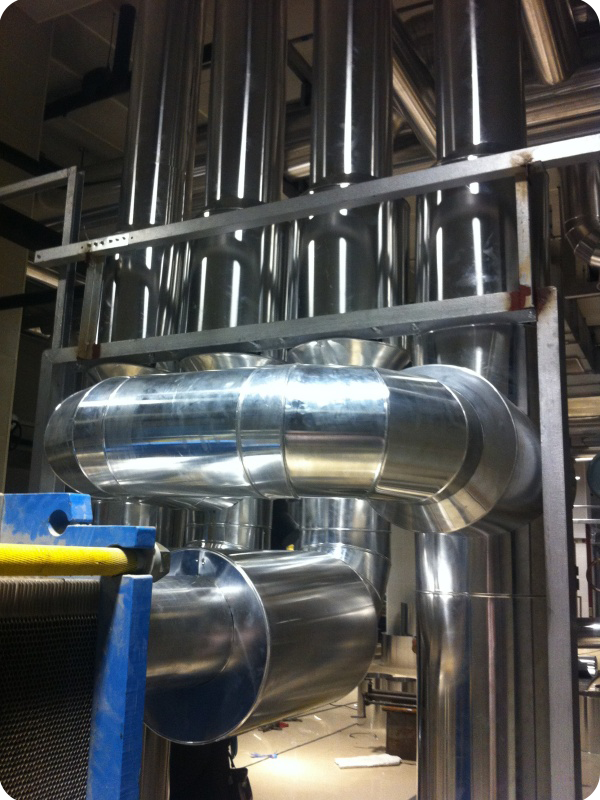
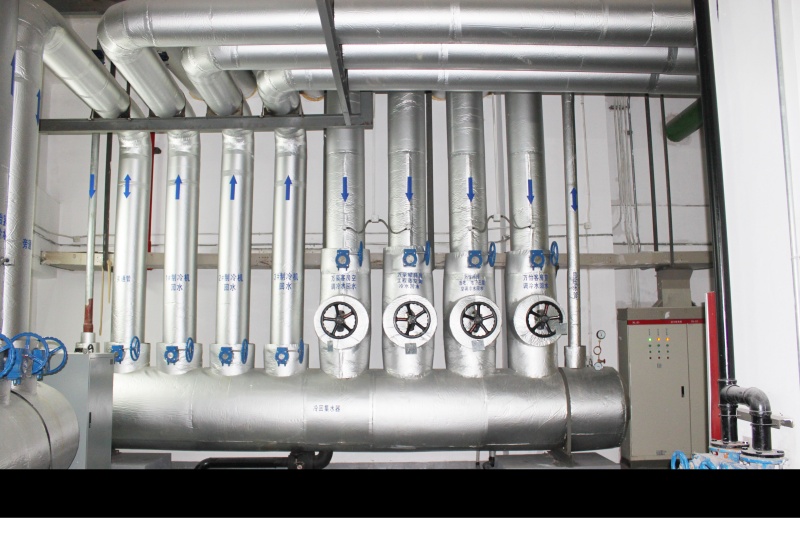
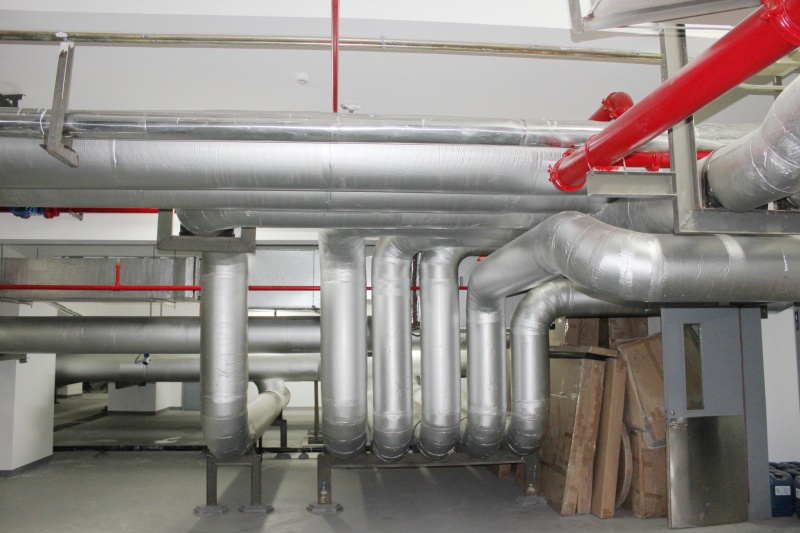
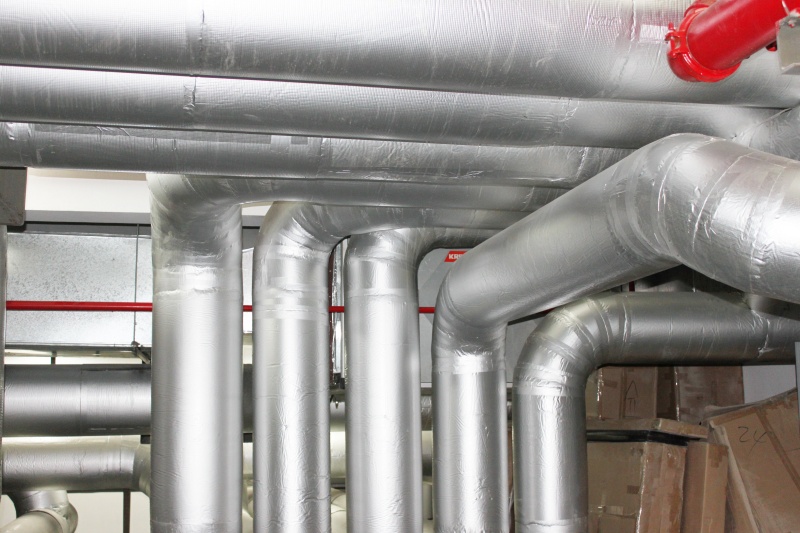
Weatherproof Aluminum Jacketing on Industrial Pipelines
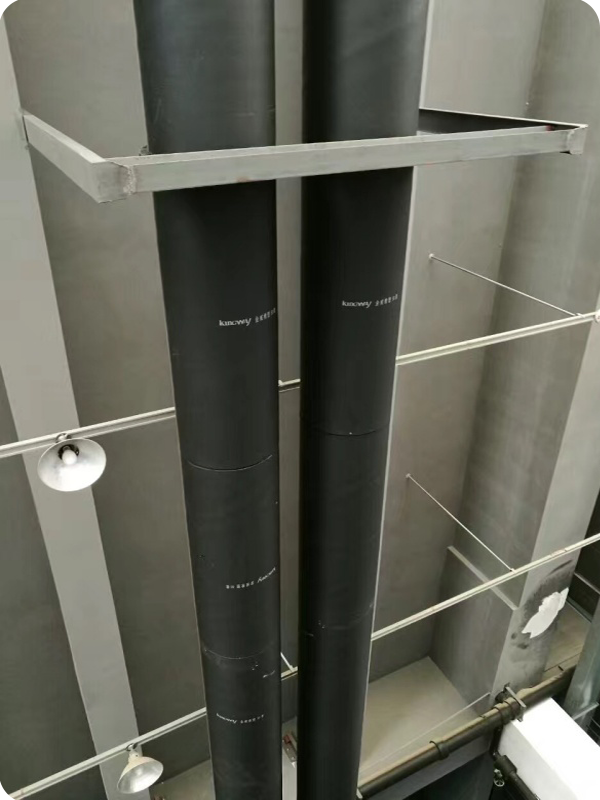
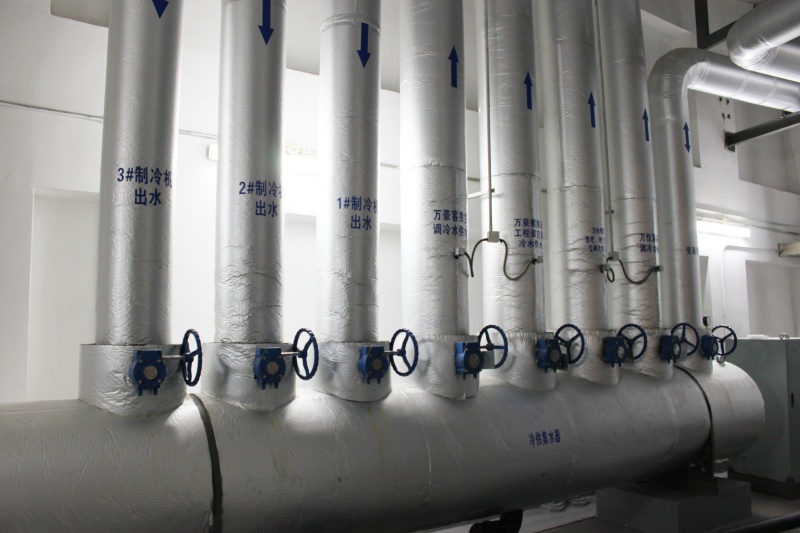
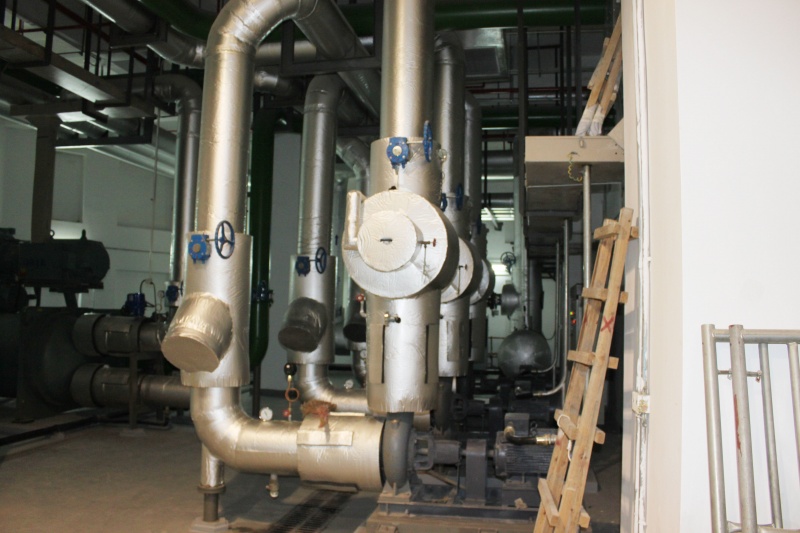
Process Pipe Insulation Insulation and Cladding Project
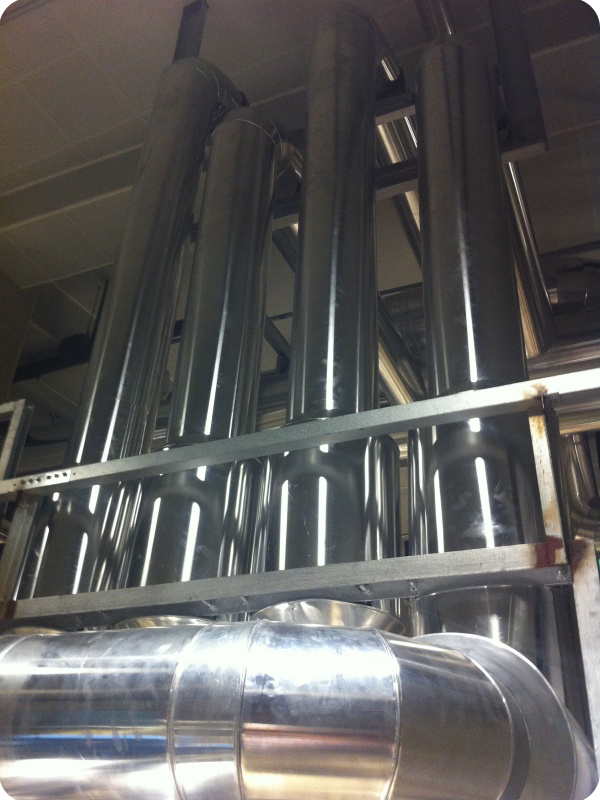
Large Scale Tank Insulation Systems by Kingflex
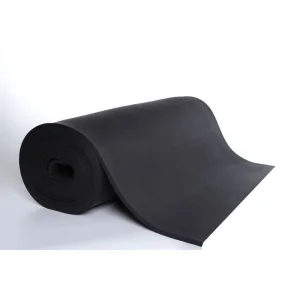
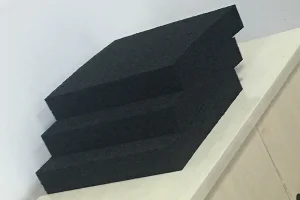
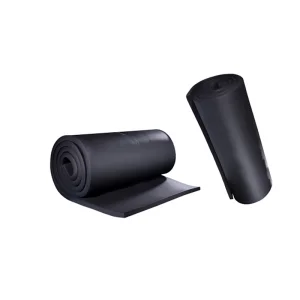
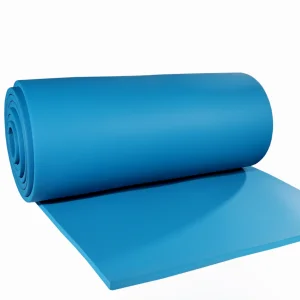
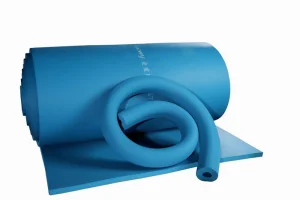
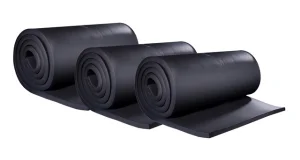
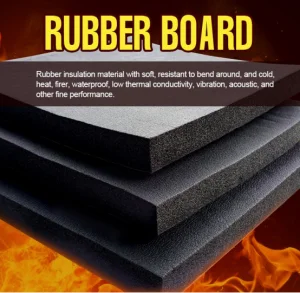
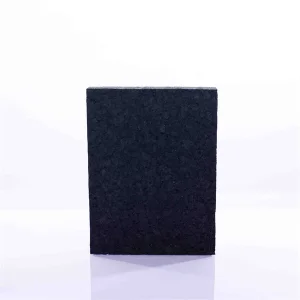
Designed for large-diameter pipelines, air ducts, and flat tank surfaces. Fits under aluminum cladding panels for a secure thermal seal.
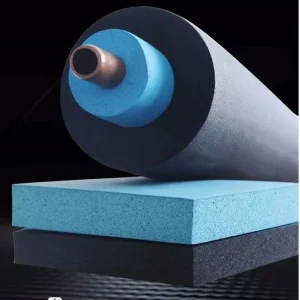
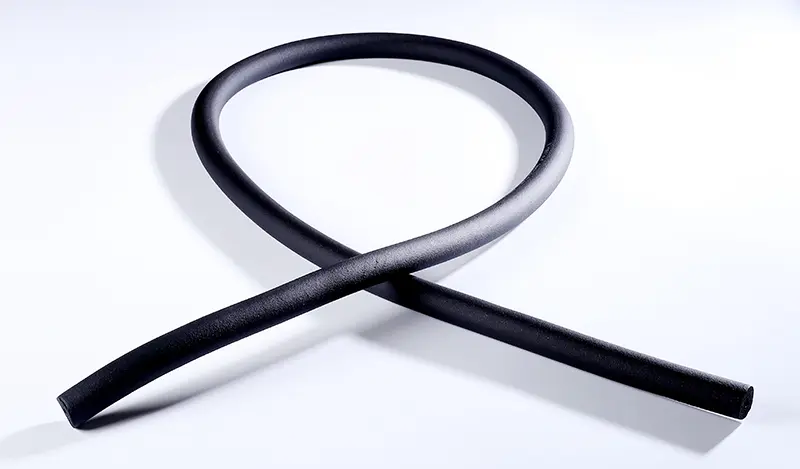
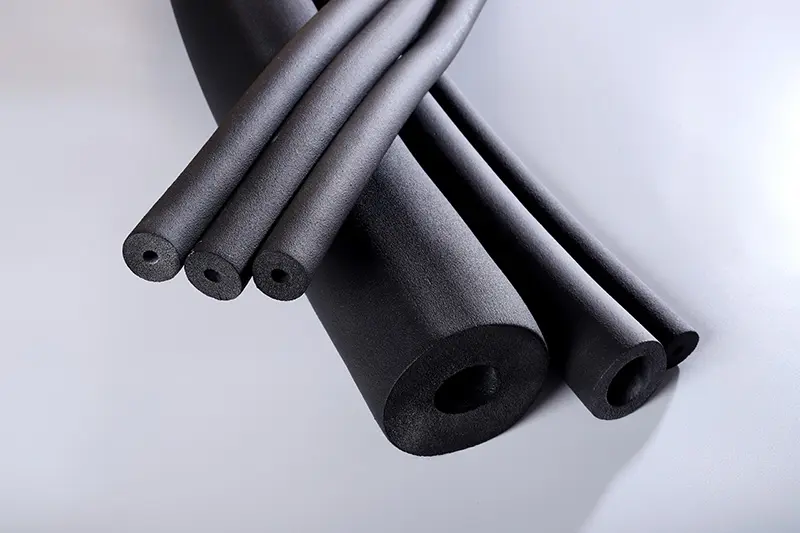
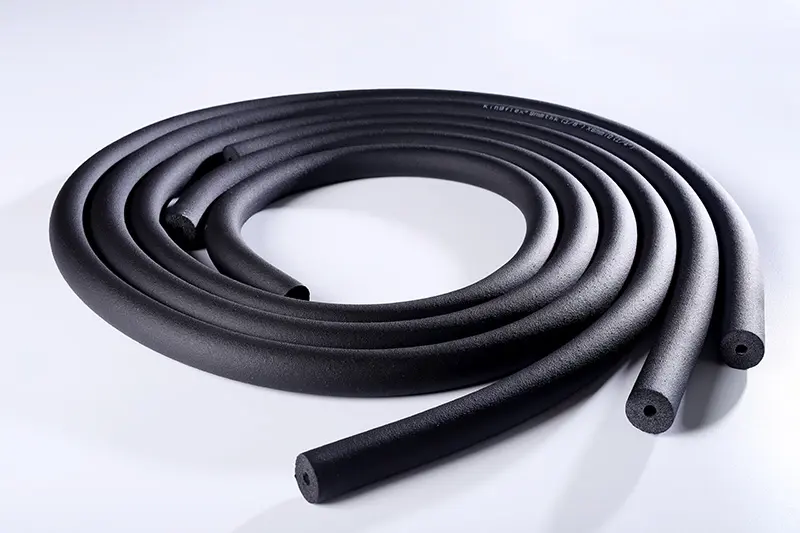
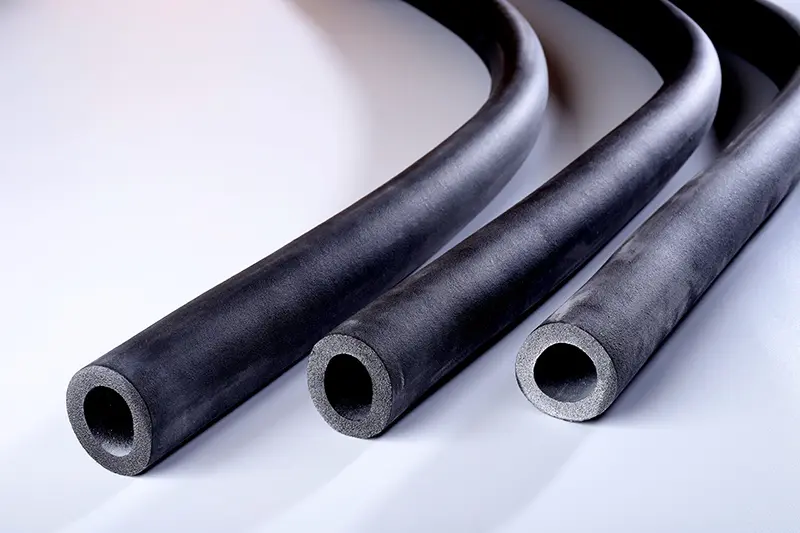
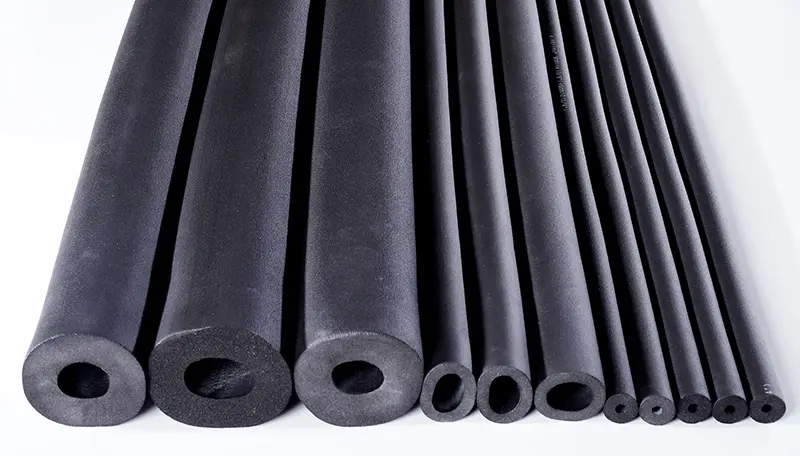
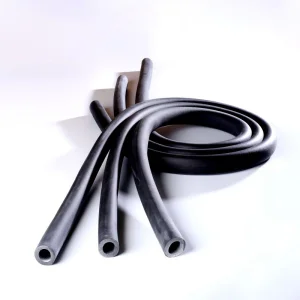
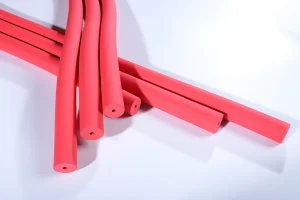
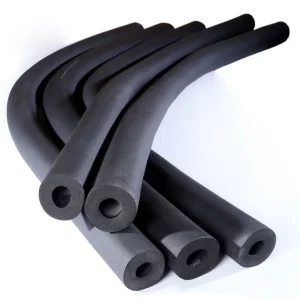
Pre-extruded tubes designed for quick installation on standard piping sizes. Provides protective lining beneath metallic wraps.
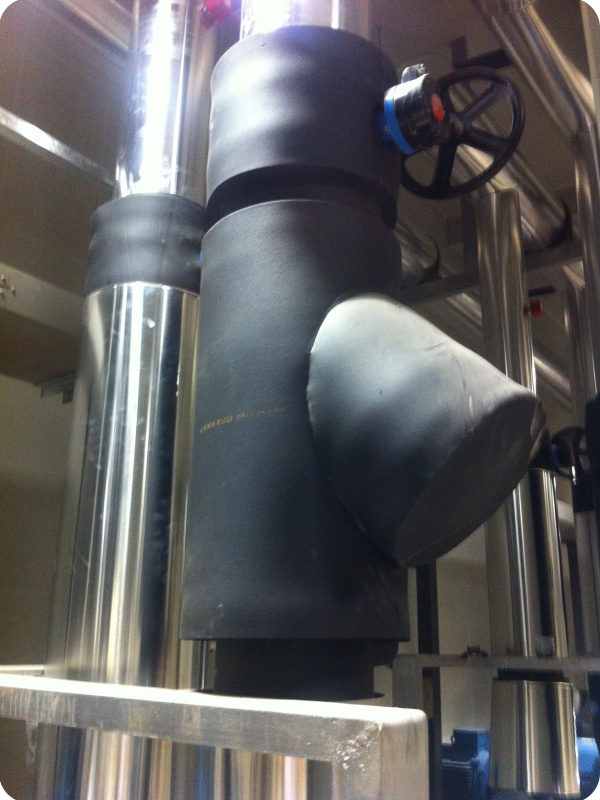
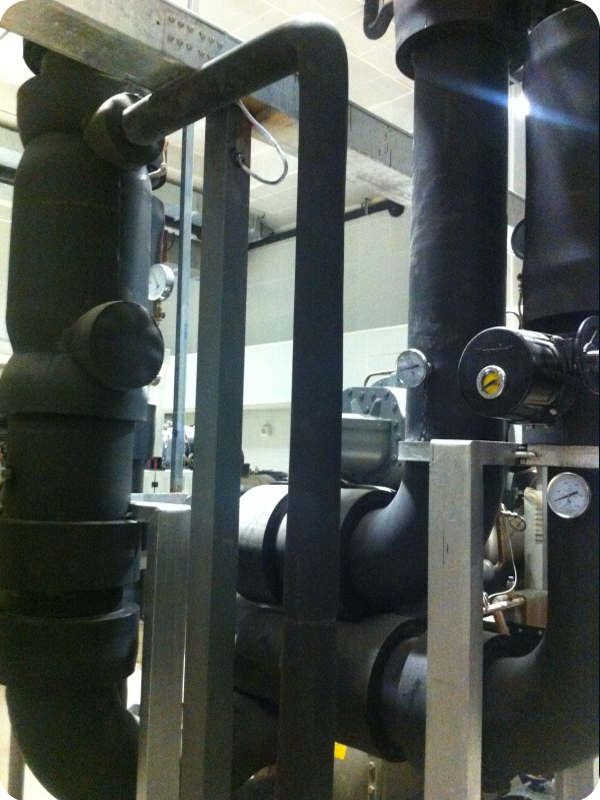
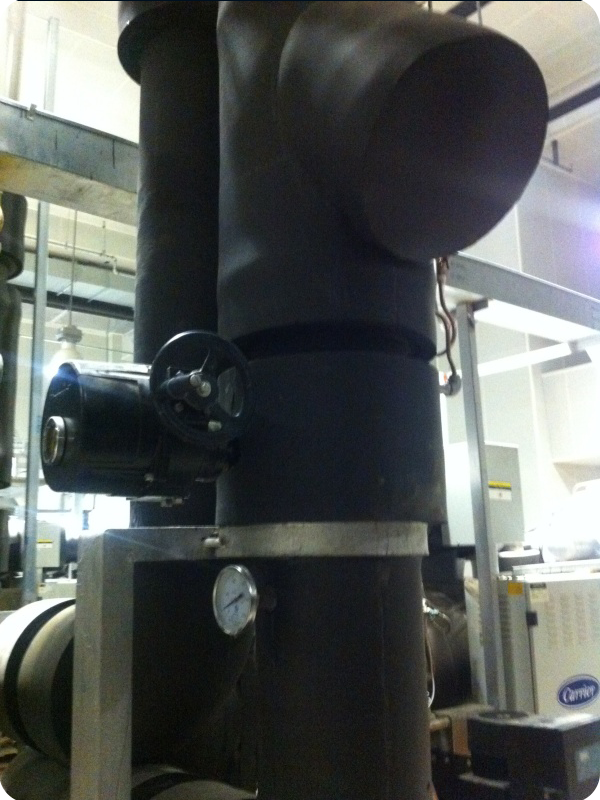

Select options for specialized piping, acoustics, and mechanical protection.




Select our field-tested elastomeric insulation rolls, acoustic panels, and tape systems engineered for extreme operating ranges.