 Kingflex
Kingflex
Kingflex
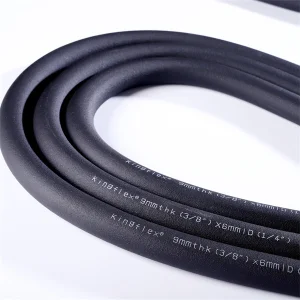
With international standards such as ASHRAE 90.1, EN 14304, and local Net-Zero directives, engineers must implement insulation materials that continuously prevent heat gain, keeping energy losses to an absolute minimum.
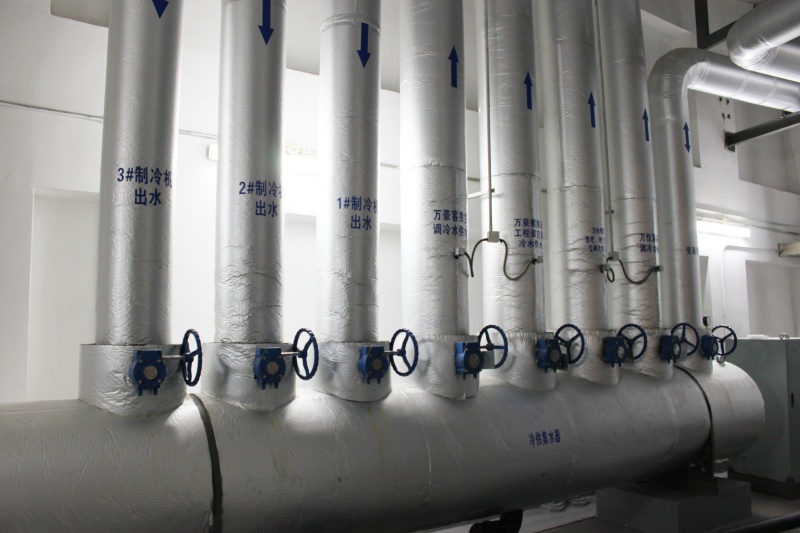
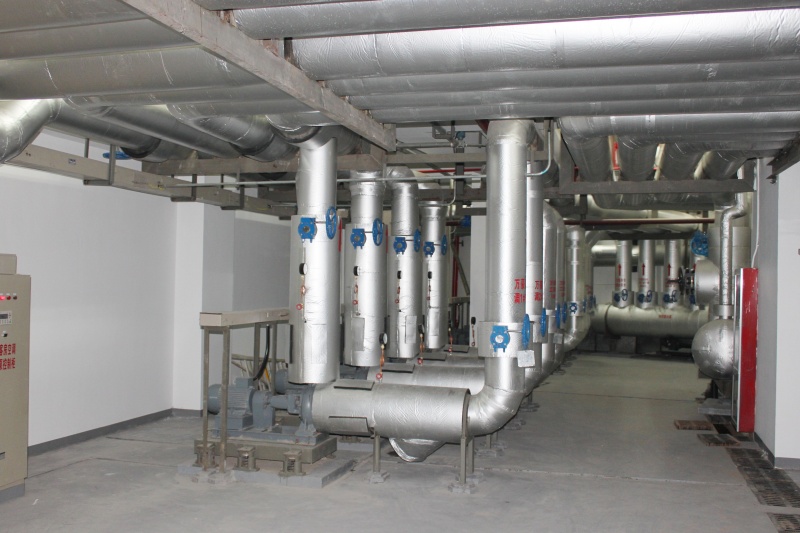
Uninsulated or poorly insulated chilled water lines operate well below the ambient dew point. Condensation forms rapidly, leading to dripping water, damaged structural elements, and toxic mold growth within walls.
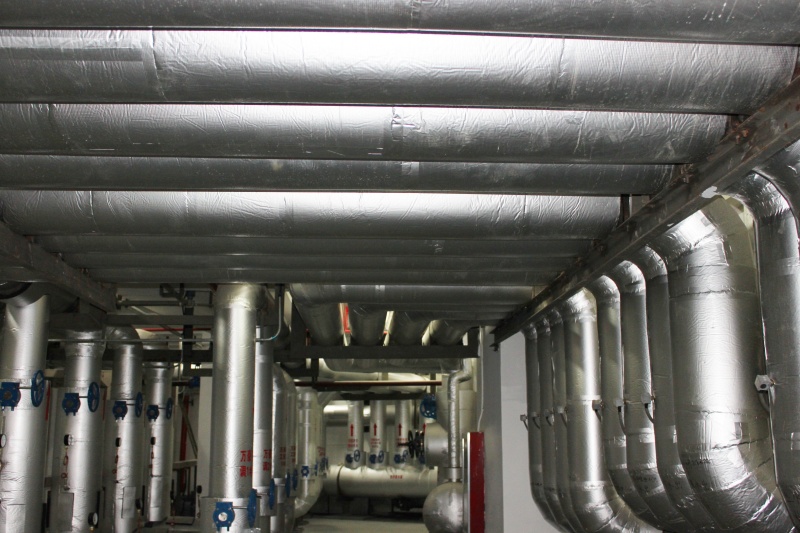
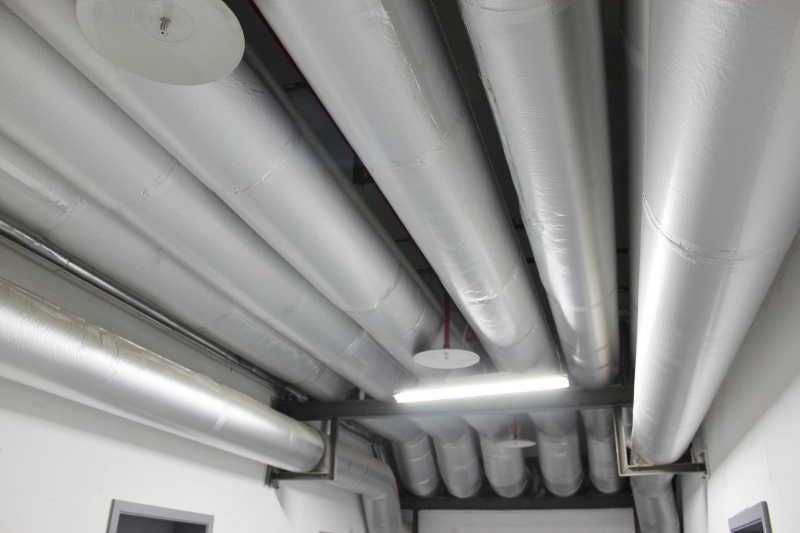
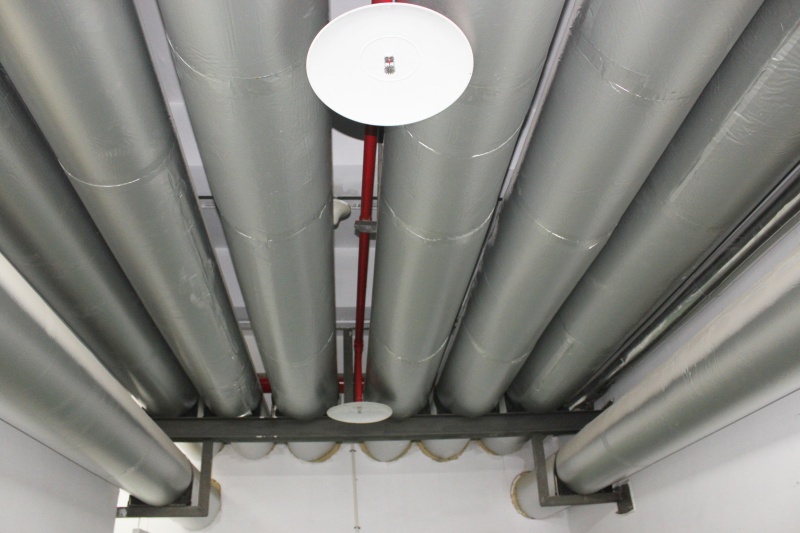
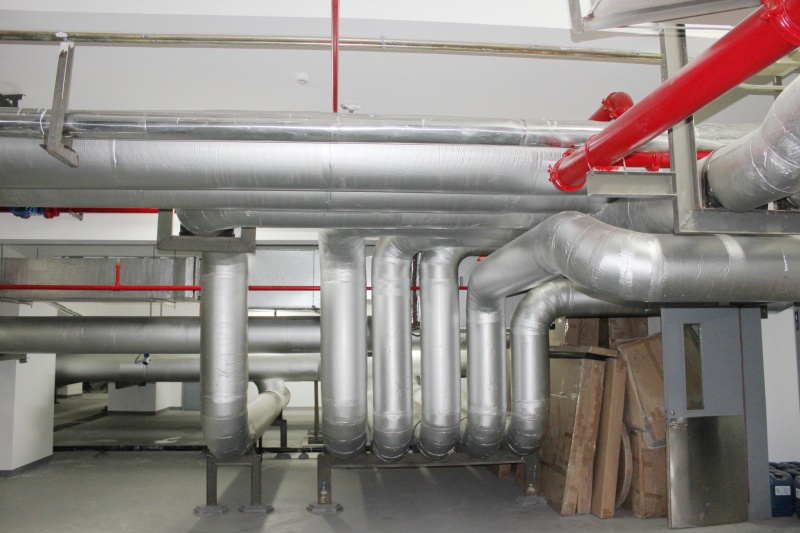
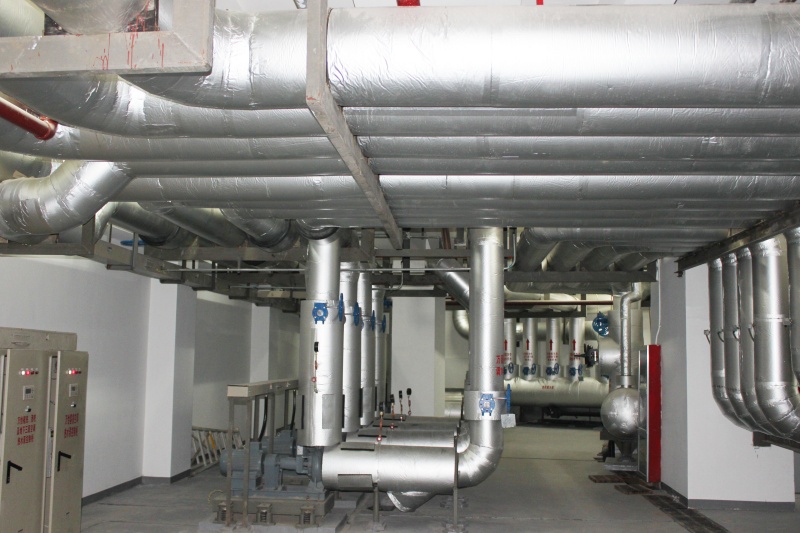
Urban density requires large-scale centralized cooling plants. Insulating miles of sub-surface and riser pipes requires closed-cell elastomeric systems with high durability and long-term thermal resistance stability.
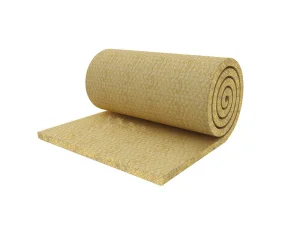
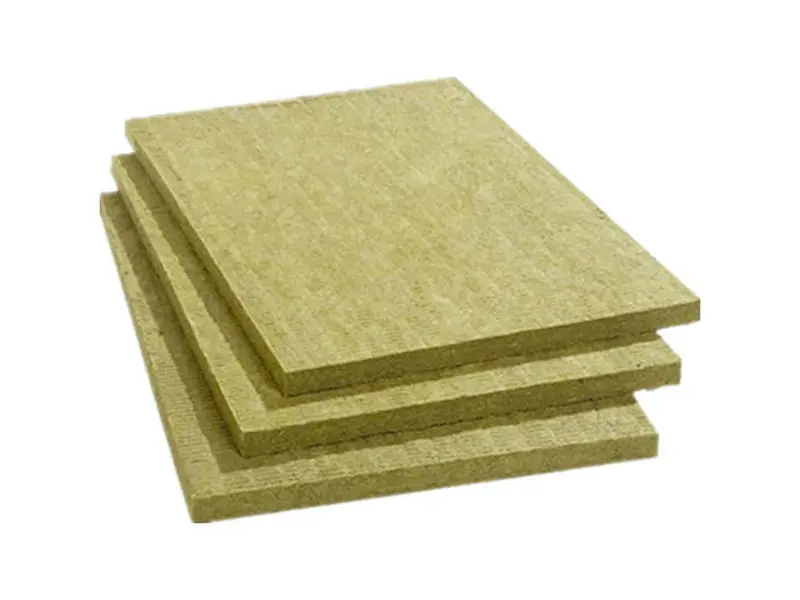
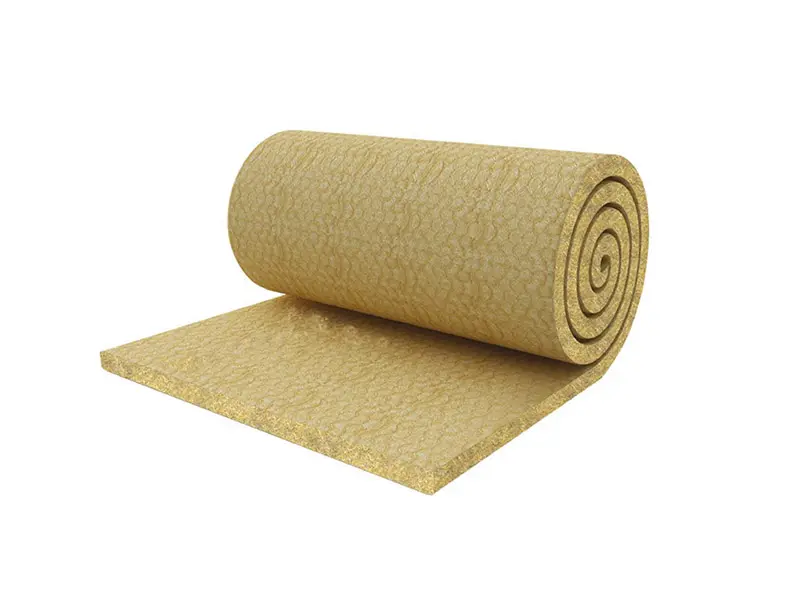
Historically, open-cell materials like fiberglass or mineral wool were used for industrial piping. While effective for hot systems, chilled lines quickly saturated with atmospheric moisture, destroying the material's thermal properties and causing Corrosion Under Insulation (CUI).
The development of closed-cell elastomeric NBR/PVC foam (like Kingflex) revolutionized the industry. Incorporating a high water vapor resistance factor (μ ≥ 10,000), these flexible foams eliminate the need for secondary vapor barriers, keeping thermal conductivity stable for decades.
Kingflex NBR/PVC features a completely closed-cell micro-structure that traps air within tiny independent pockets, preventing moisture migration even under high relative humidity conditions.
Here we lay out the operational parameters, dimensions, and material profiles of Kingflex elastomeric insulation sheets and pipe tubes. These values are tested according to ASTM, BS, and EN international protocols.
| Property | Kingflex Standard Specifications |
|---|---|
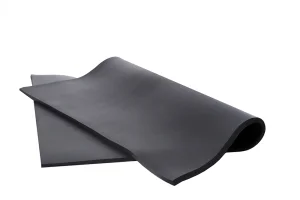
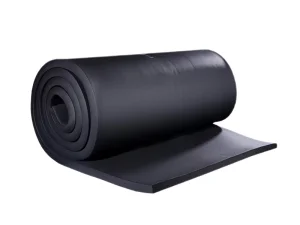
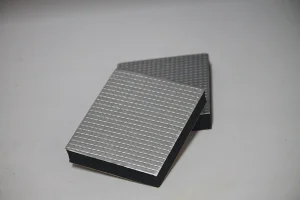
| Base Material | Elastomeric Nitrile Butadiene Rubber (NBR) mixed with Polyvinyl Chloride (PVC) |
| Thickness Range | 6mm to 50mm |
| Volumetric Density | 40 - 55 kg/m³ |
| Service Temperature Limit | -40℃ to +105℃ |
| Closed Cell Structure | ≥ 98% (Ensures stable thermal performance under dew point pressures) |
| Thermal Conductivity (λ) | ≤ 0.034 W/(m·k) at 0℃ |
| Fire Classification | Class 0 & Class 1 (BS 476 Part 6 & 7), UL94, self-extinguishing |
| Applications | Central air conditioning ducts, large storage tanks, flat surfaces, expansion joints |
| Property | Kingflex Tube Standards |
|---|---|
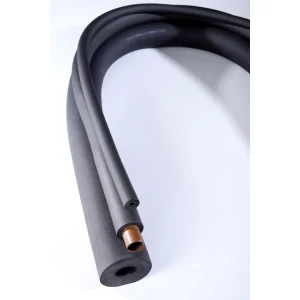
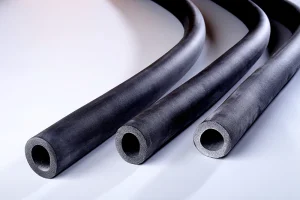
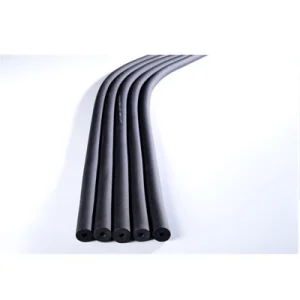
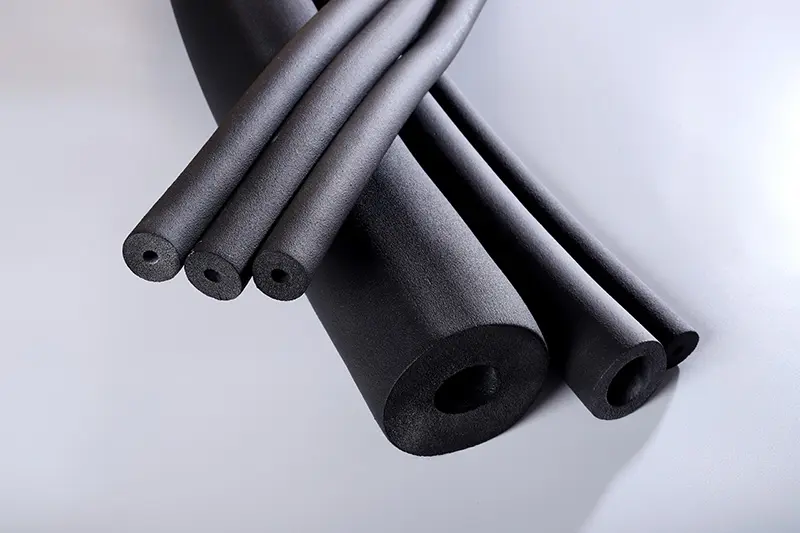
| Base Composition | Premium Closed-Cell NBR/PVC |
| Thickness Range | 9mm to 40mm |
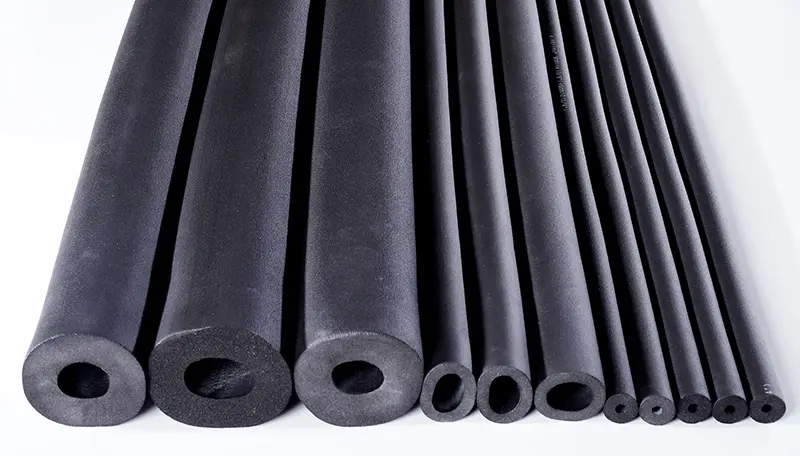
| Inner Diameter (ID) Range | 6mm to 114mm (Matches standard steel, copper, and plastic pipe sizes) |
| Volumetric Density | 40 - 55 kg/m³ |
| Thermal Conductivity (λ) | ≤ 0.035 W/(m·k) at 0℃ |
| Water Vapor Resistance (μ) | ≥ 10,000 (Built-in vapor barrier) |
| Compression Resilience | ≥ 80% (Preserves mechanical thickness under structural shifts) |
| Key Safety Attributes | Non-toxic, dust-free, non-fibrous, low smoke emission during fire events |
As a premier global thermal system provider, Kingflex offers integrated system components for complex thermal, acoustic, and high-stress environments.
Non-fibrous elastomeric insulation is essential for healthcare facilities and high-precision semiconductor labs. It prevents particulate emissions and resists mold growth, keeping cleanroom air pristine.
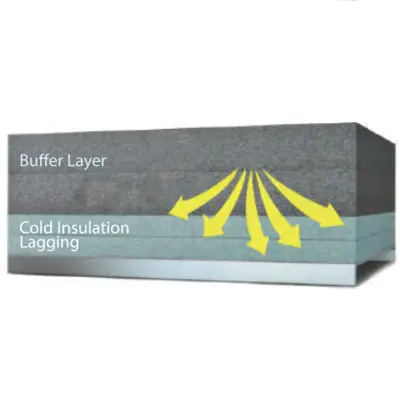
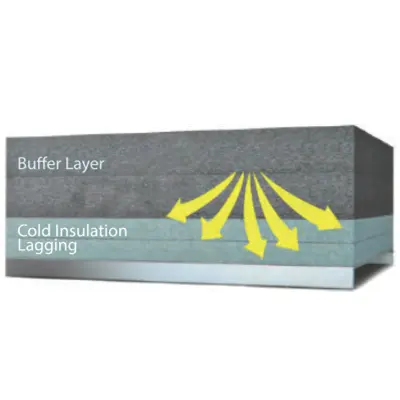
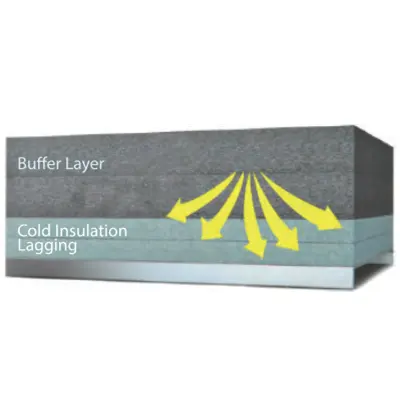
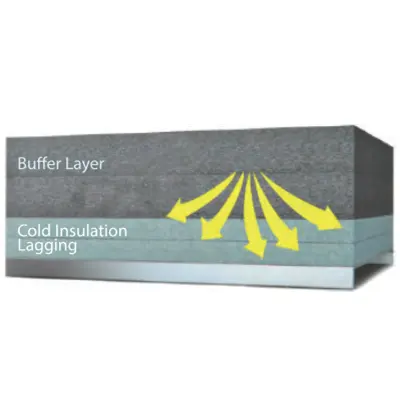
For applications down to -200°C (such as LNG pipelines and chemical processors), Kingflex manufactures specialized multi-layered cryogenic elastomeric foams to prevent crack propagation and thermal shock.
Outdoor runs require physical protection from UV degradation, mechanical impact, and extreme weather. Kingflex laminated aluminum foil sheets provide optimal resistance for exposed roof configurations.
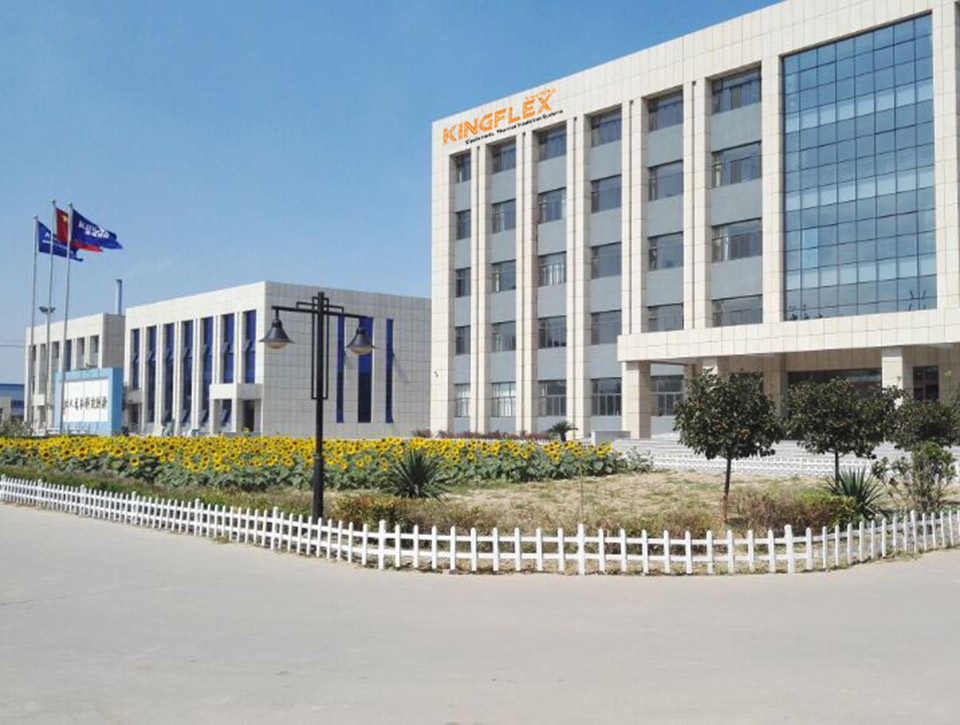
Kingflex Insulation Co., Ltd. is a leading industrial enterprise combining research and development, smart manufacturing, and international trade. Our production complex is located in Dacheng, China, the global hub of green building materials.
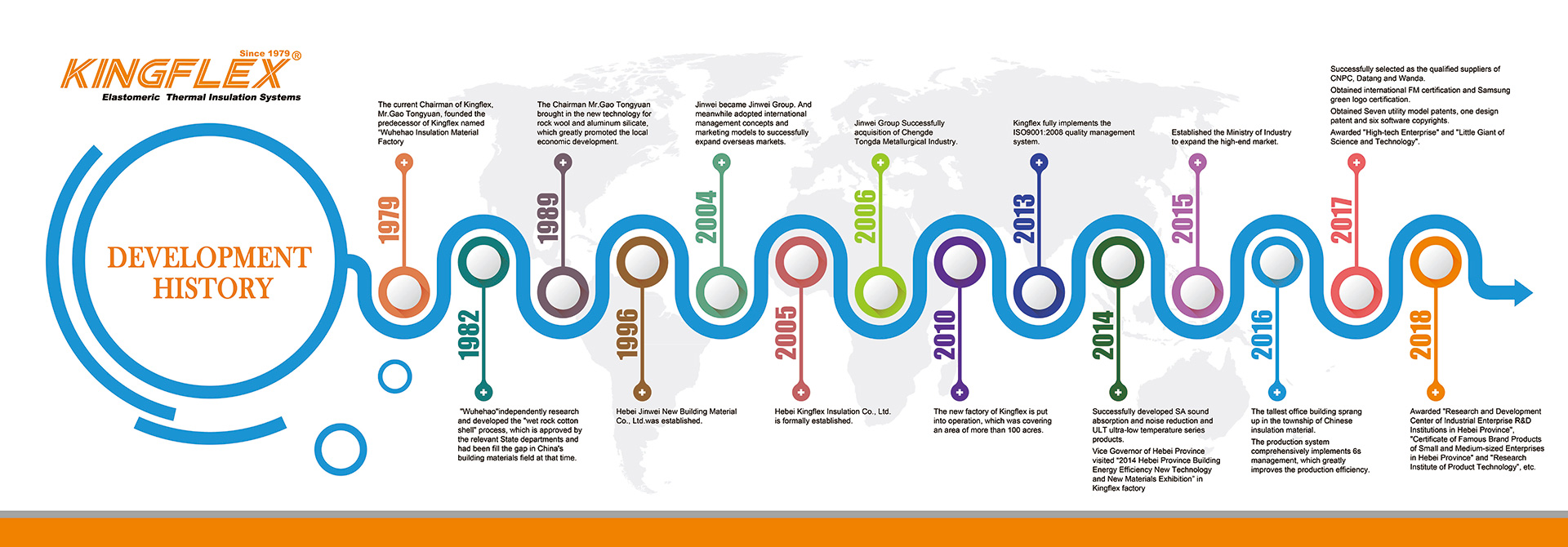
Founded under the umbrella of the prestigious Jinwei Group (established in 1979 as the first thermal insulation manufacturer north of the Yangtze River, with a history spanning over 40 years), Kingflex carries forward a rich legacy of engineering expertise.
Currently, Kingflex runs 5 modern automated assembly lines, achieving an annual manufacturing output of over 600,000 cubic meters. This immense scale makes us a designated manufacturer for major infrastructure projects under the Ministry of Energy and the Ministry of Chemical Industry.
Our team comprises 8 dedicated R&D engineers, 6 international customer managers, and 230 highly trained operations personnel ensuring manufacturing precision.
We maintain an in-house laboratory to continuously test raw materials, thermal performance, flame spread ratings, and aging characteristics, keeping our products compliant with evolving global standards.
We implement eco-friendly operations, zero ozone depletion potential (ODP), and zero global warming potential (GWP) processes to help facilities achieve LEED certification.

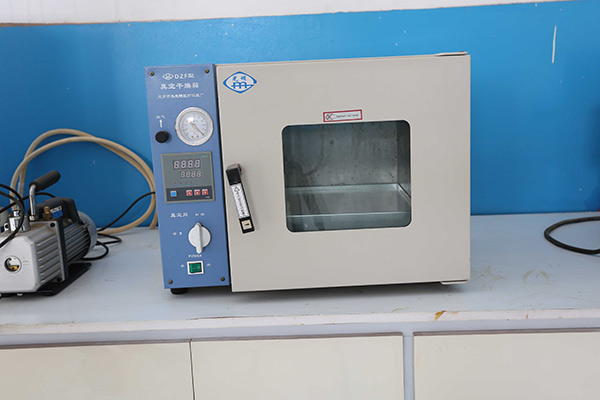
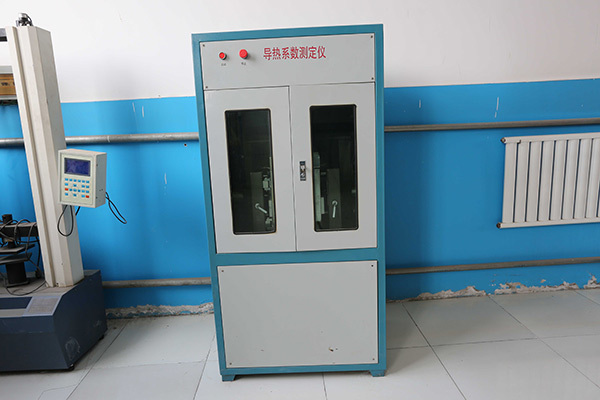
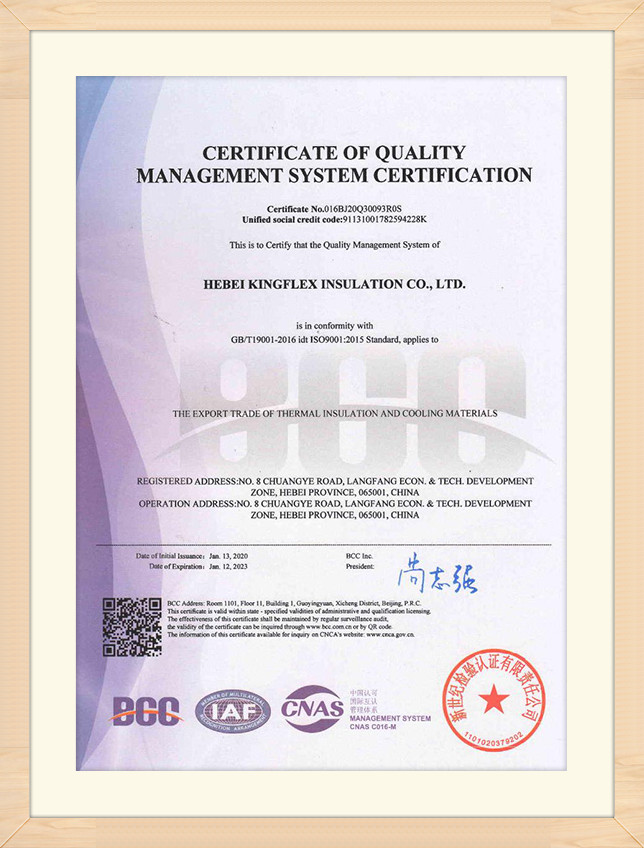
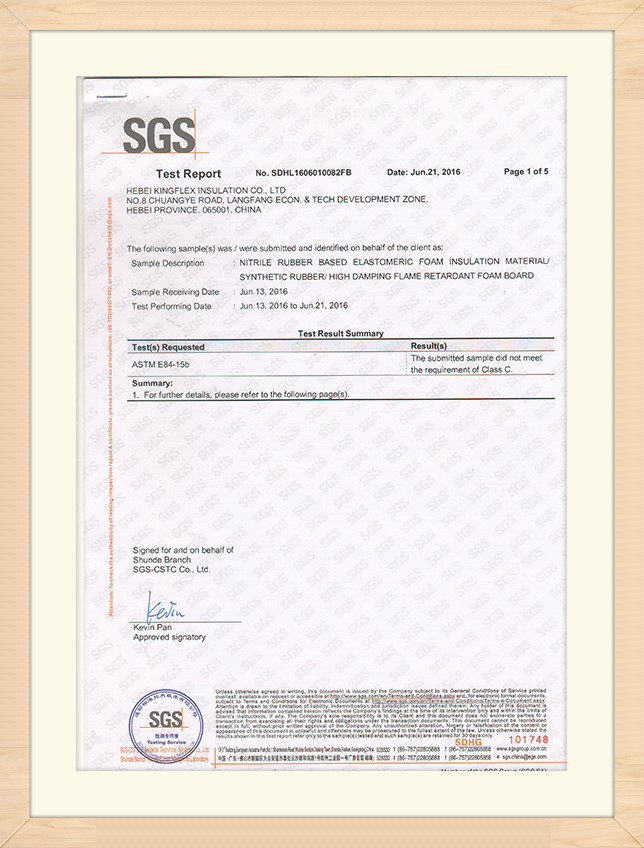
Reliability is key in commercial infrastructure. Kingflex products carry batch-level manufacturing traceability. They meet stringent fire, mechanical, and safety requirements across diverse global markets.
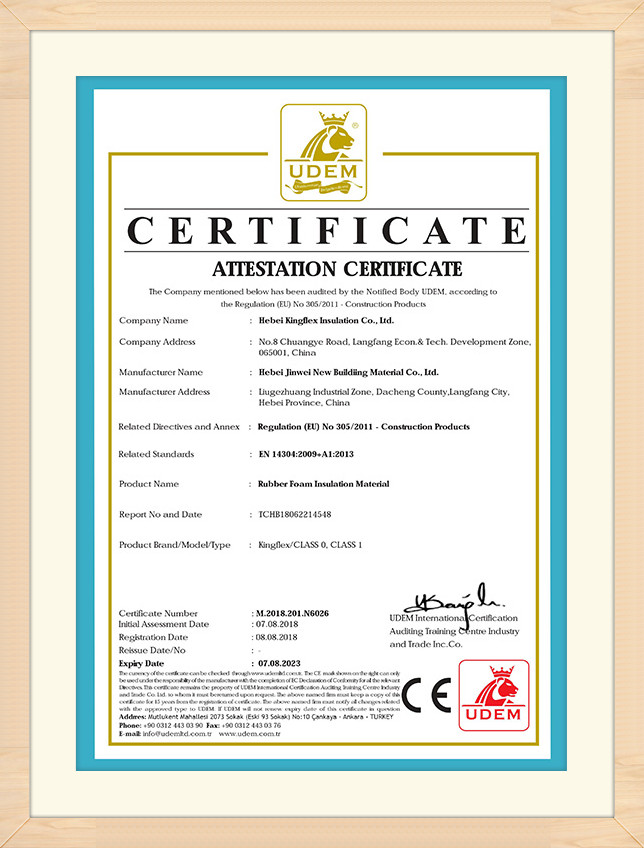
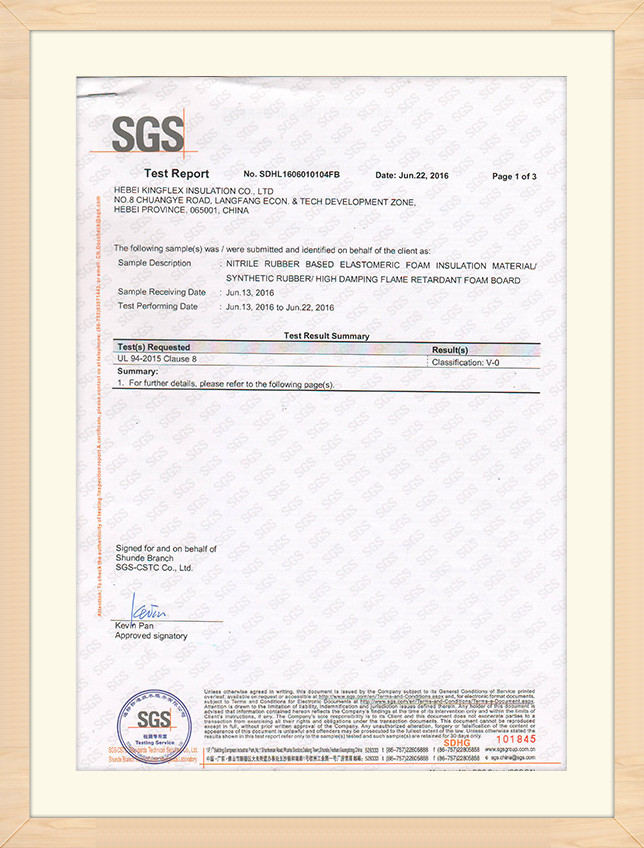
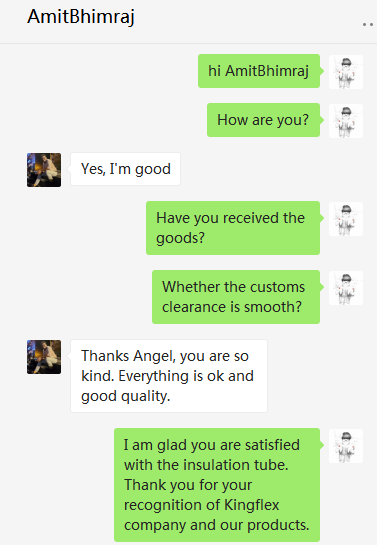
We maintain close, transparent communication with clients worldwide. Below are real screenshots documenting our quick response times and active order confirmations.




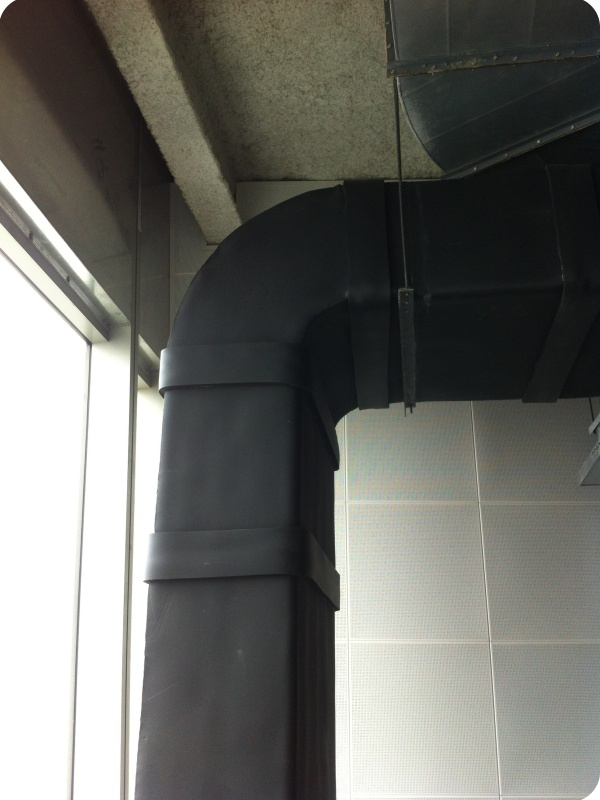
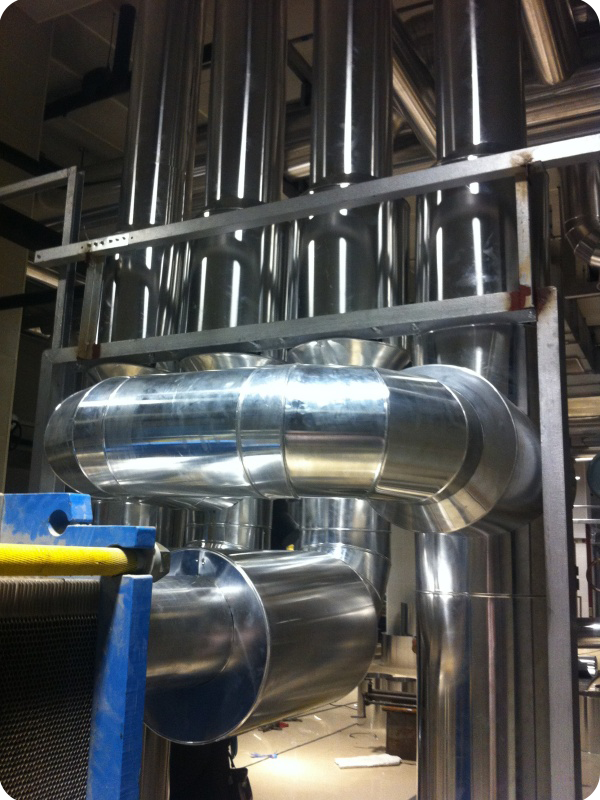
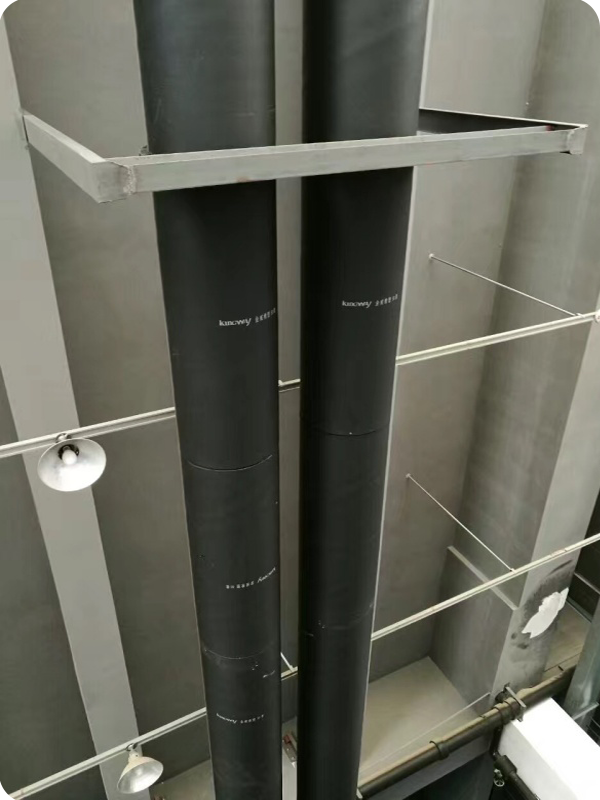
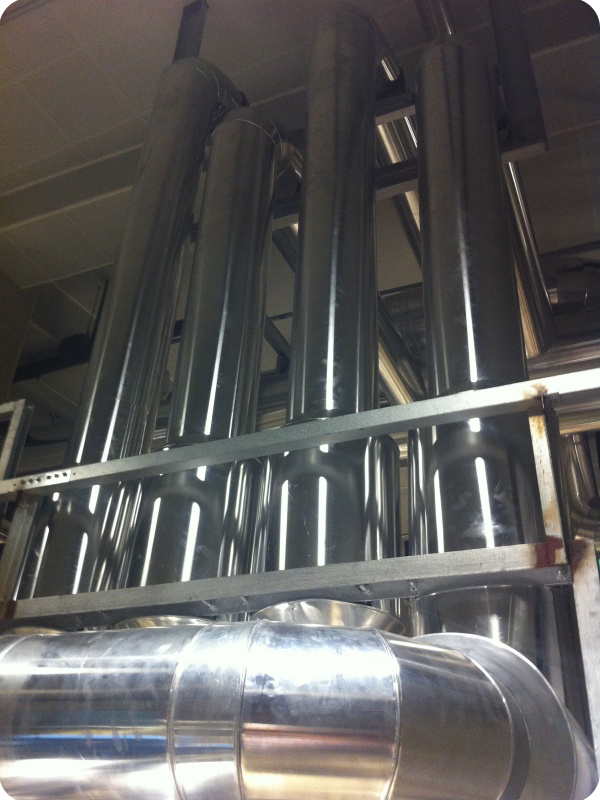
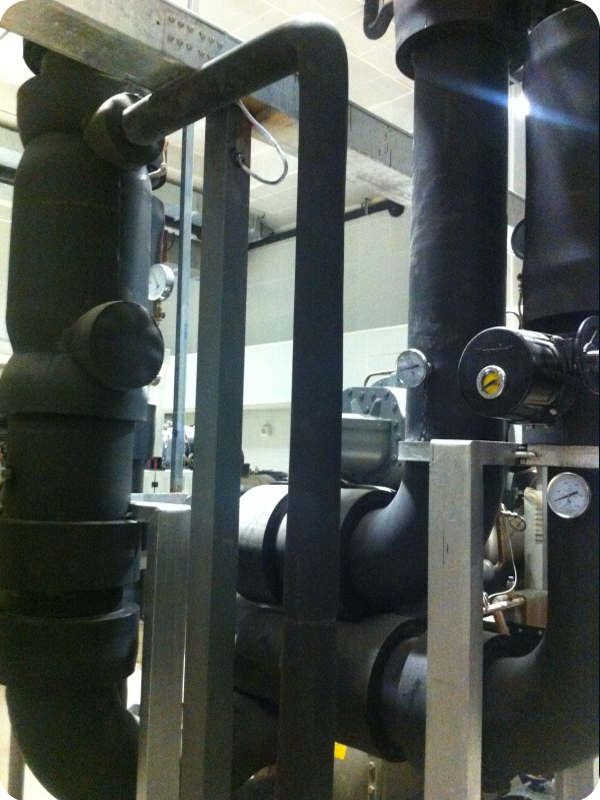
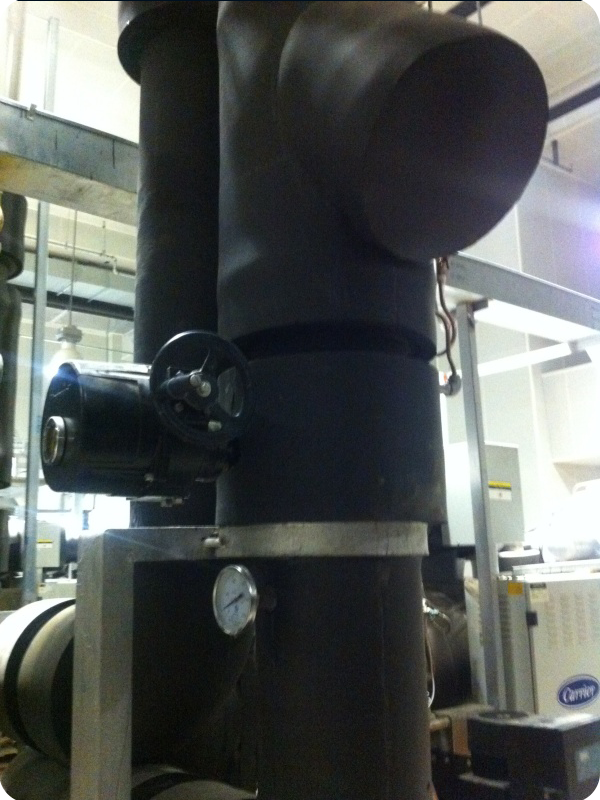
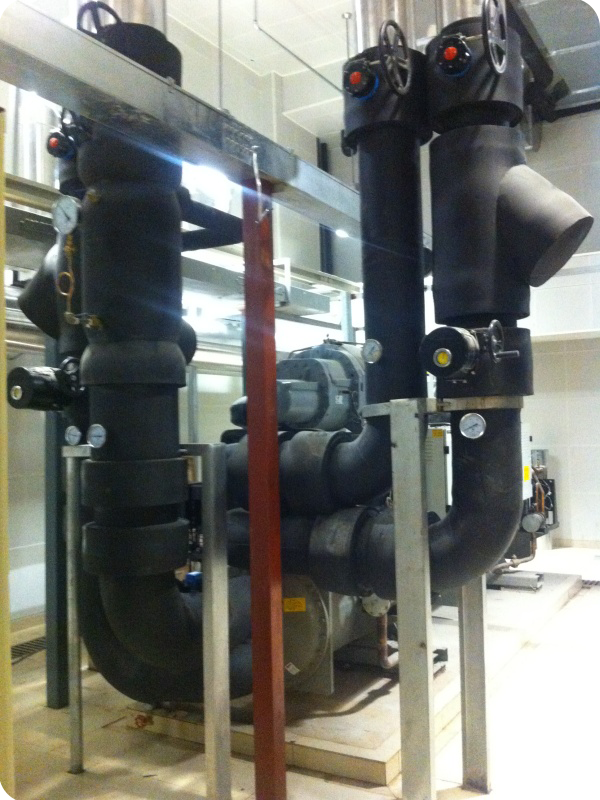
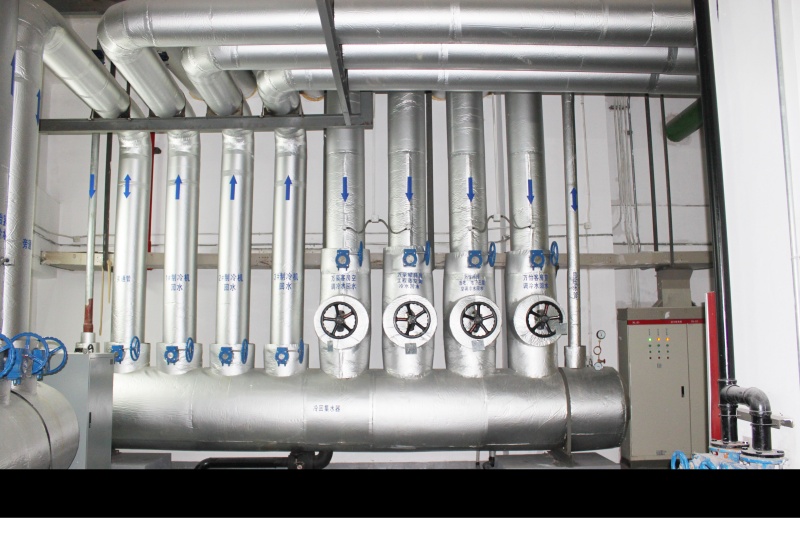
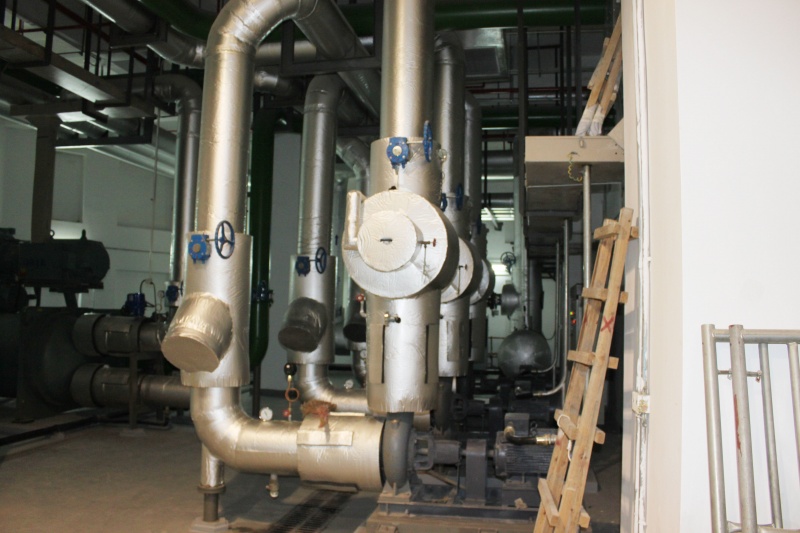
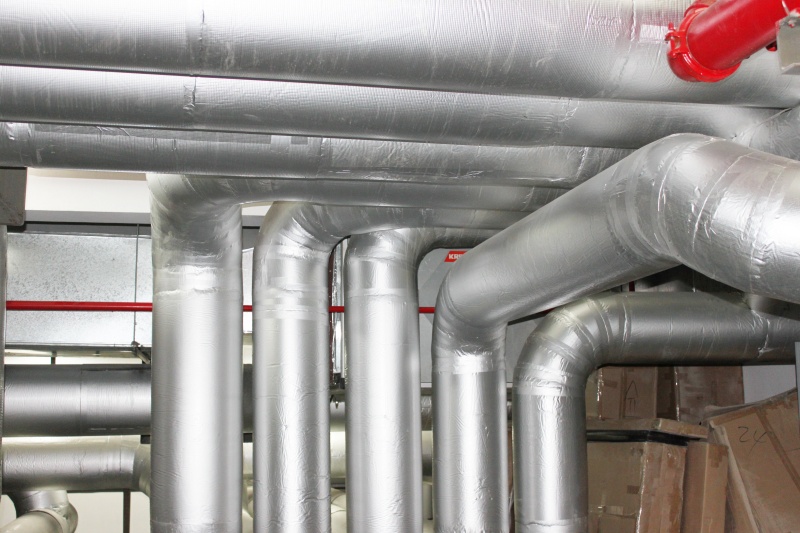
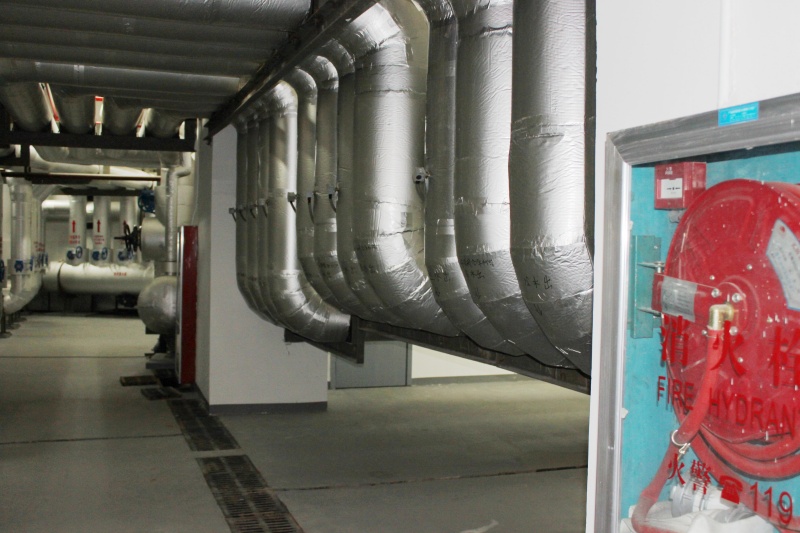
From major commercial landmarks to highly controlled industrial pipelines, Kingflex NBR/PVC insulation delivers outstanding results.
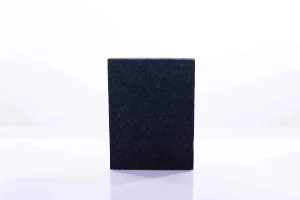
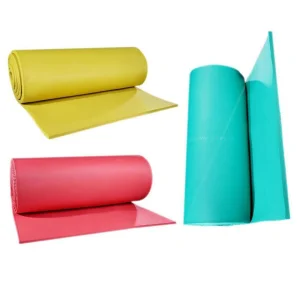
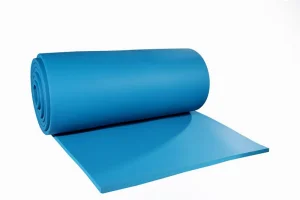
Material Base: Premium NBR/PVC elastomeric rubber foam.
Thickness Availability: 6mm to 50mm.
Density: 40-55kg/m³.
Working Temperature: -40℃ to 105℃.
Unique Performance: Even, micro-bubble expansion yielding a closed-cell rate exceeding 98%. Low water vapor permeability ensures the insulation remains dry, preserving thermal resistance over time. Compression resilience averages above 80%.
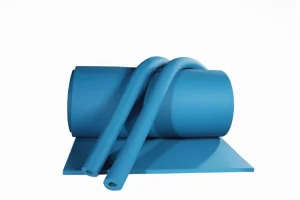
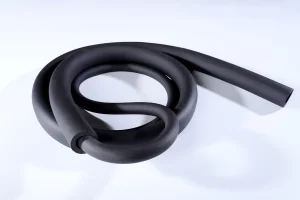
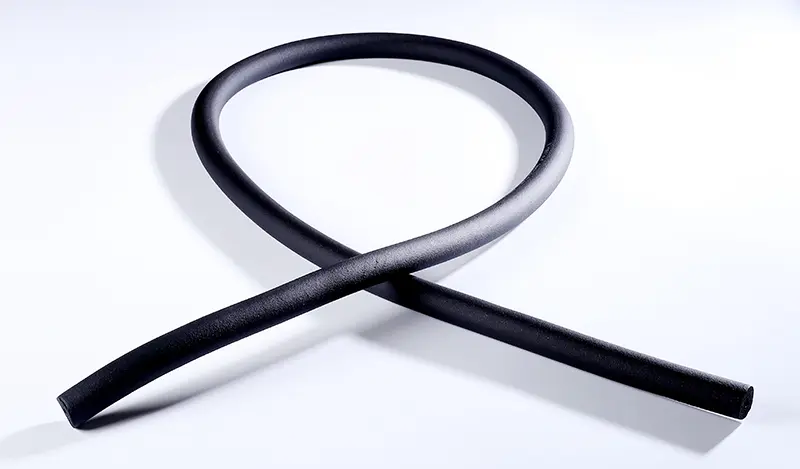
Material Base: High-performance elastomeric NBR/PVC.
Thickness Range: 9mm to 40mm.
Inside Diameter: 6mm to 114mm.
Density Range: 40-55kg/m³.
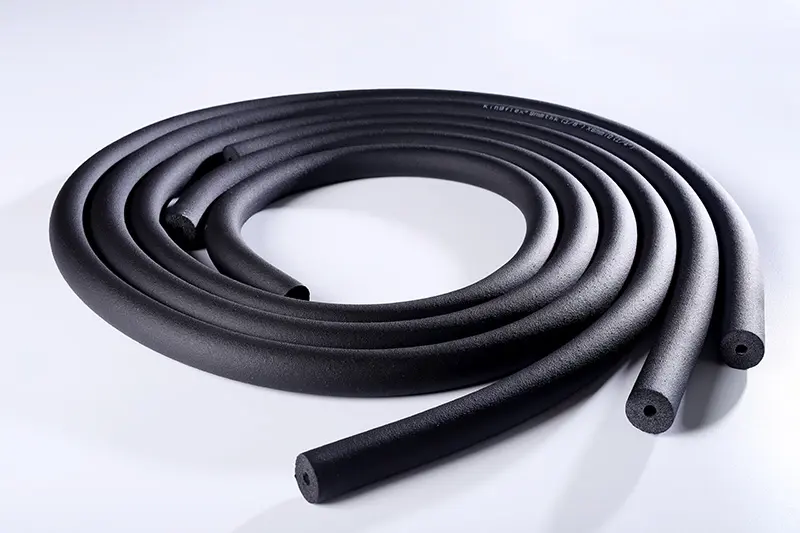
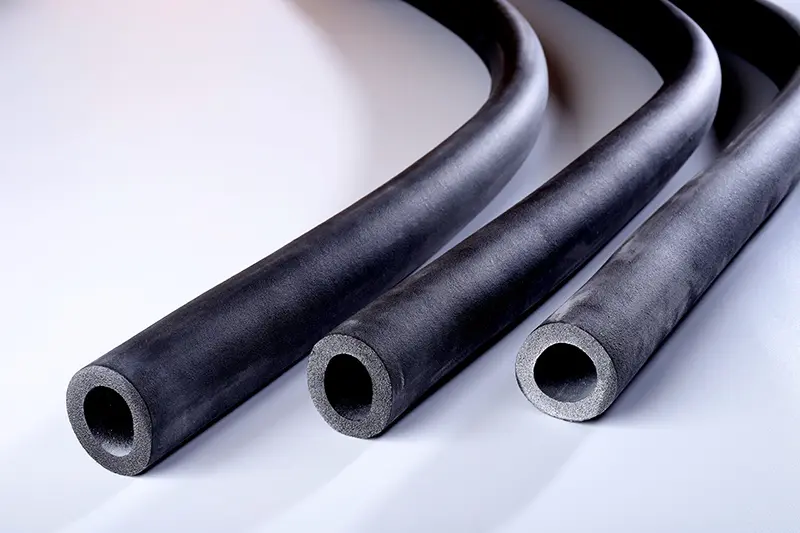
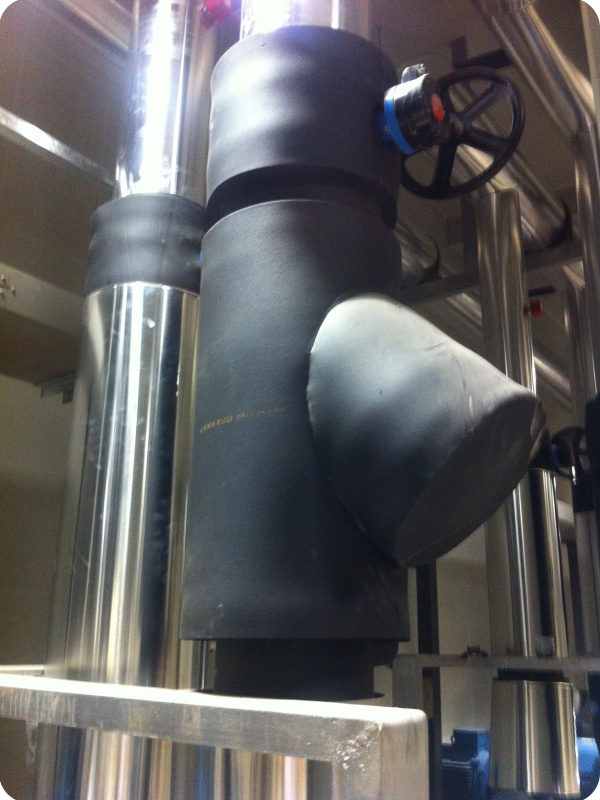
Key Benefit: Formulated specifically to limit temperature loss along chilled water lines and reduce the risk of structural freezing. Its high flexibility enables rapid installation around bends, valves, and tees without structural failure.

Common queries regarding technical performance, design calculations, installations, and global procurement.