 Kingflex
Kingflex
Kingflex
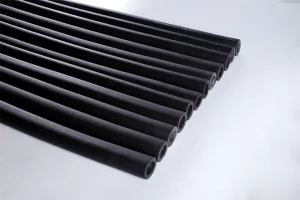
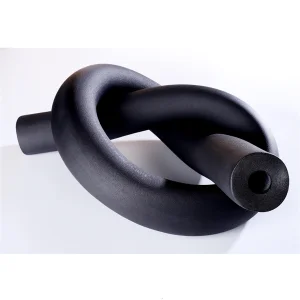
In the modern era of commercial and industrial engineering, thermal efficiency is no longer just a structural target; it is a critical regulatory and financial mandate. Elastomeric closed-cell foam insulation stands at the center of this transformation. Utilizing synthetic rubber polymers, particularly Nitrile Butadiene Rubber (NBR) and Polyvinyl Chloride (PVC) matrix structures, this material offers unmatched performance in preventing condensation, minimizing heat transfer, and ensuring structural longevity.
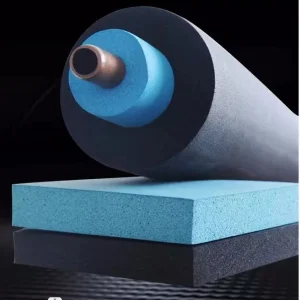
Unlike open-cell alternatives, the closed-cell design contains millions of microscopic, non-communicating cells filled with trapped air. This micro-architecture offers strong resistance to moisture vapor intrusion, ensuring the thermal conductivity (known as the $\lambda$-value or lambda value) remains low and stable even in high-humidity environments.
As international building and mechanical codes (such as ASHRAE 90.1, IECC, and European EN standards) raise the requirements for energy efficiency, specifying the correct mechanical insulation becomes essential. Whether applied to HVAC chilled water pipes, industrial steam infrastructure, or low-temperature cryogenic systems, our products offer the high performance required by today's engineers, designers, and project managers.
Understanding key industry shifts, environmental mandates, and technological updates driving modern industrial projects.
Global frameworks like LEED, BREEAM, and DGNB now require building materials with low Environmental Product Declarations (EPDs). Advanced factories focus on energy conservation, reduction in raw material waste, and the elimination of CFC/HCFC foaming agents, keeping global supply chains compliant with the latest green standards.
For high-specification applications like cleanrooms, high-tech semiconductor fabs, data centers, and marine transport, standard flame retardants containing halogens are being replaced. Designers specify halogen-free elastomeric pipe insulation to prevent toxic smoke in fire scenarios, meeting the highest fire safety ratings like BS 476, CE, REACH, ROHS, UL94, and ASTM.
As LNG transport and industrial cold processing expand, system designers require elastic foam systems that remain stable at ultra-low temperatures (-200°C). These advanced materials must prevent stress cracking and structural breakdown over long deployment cycles, keeping systems reliable under extreme thermal stress.
Evaluating mechanical insulation suppliers requires looking beyond basic unit costs. Professional buyers evaluate several critical technical criteria.
| Performance Indicator | Technical Metric & Standards | Operational Impact |
|---|---|---|
| Thermal Conductivity ($\lambda$) | ≤ 0.034 W/(m·K) at 0°C (ASTM C518) | Lower thermal conductivity directly reduces heat transfer, saving energy over years of mechanical service. |
| Water Vapor Resistance ($\mu$-factor) | $\mu$ ≥ 10,000 (EN 12086 / ASTM E96) | High resistance prevents moisture from penetrating the cells, preventing insulation degradation and pipe corrosion under insulation (CUI). |
| Fire Classification | Class 1 / Class 0 (BS 476 Pt 6 & 7), V-0 (UL 94), Class A (ASTM E84) | Complies with local municipal and industrial building codes, ensuring safety in commercial structures. |
| Operational Temperature Range | -40°C to +105°C (Up to -200°C for cryogenic series) | Allows application on both high-temperature steam lines and cryogenic chilling infrastructure. |
| Eco-Safety Compliance | RoHS, REACH, Halogen-Free, Low VOC | Ensures materials are safe for use in public buildings, hospitals, schools, and green-certified properties. |
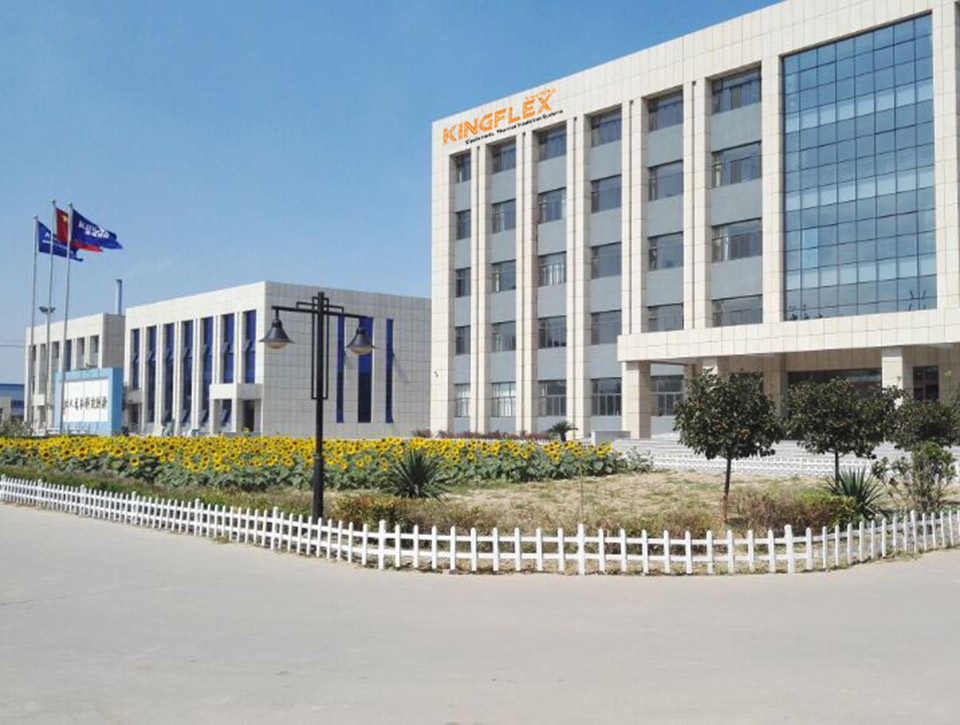
Based in Dacheng, China—a hub for green building materials manufacturing—Kingflex Insulation Co., Ltd. is a professional manufacturing and trading combo for thermal insulation systems. By integrating research, development, and high-volume production, Kingflex focuses on energy conservation and consumption reduction in commercial projects.
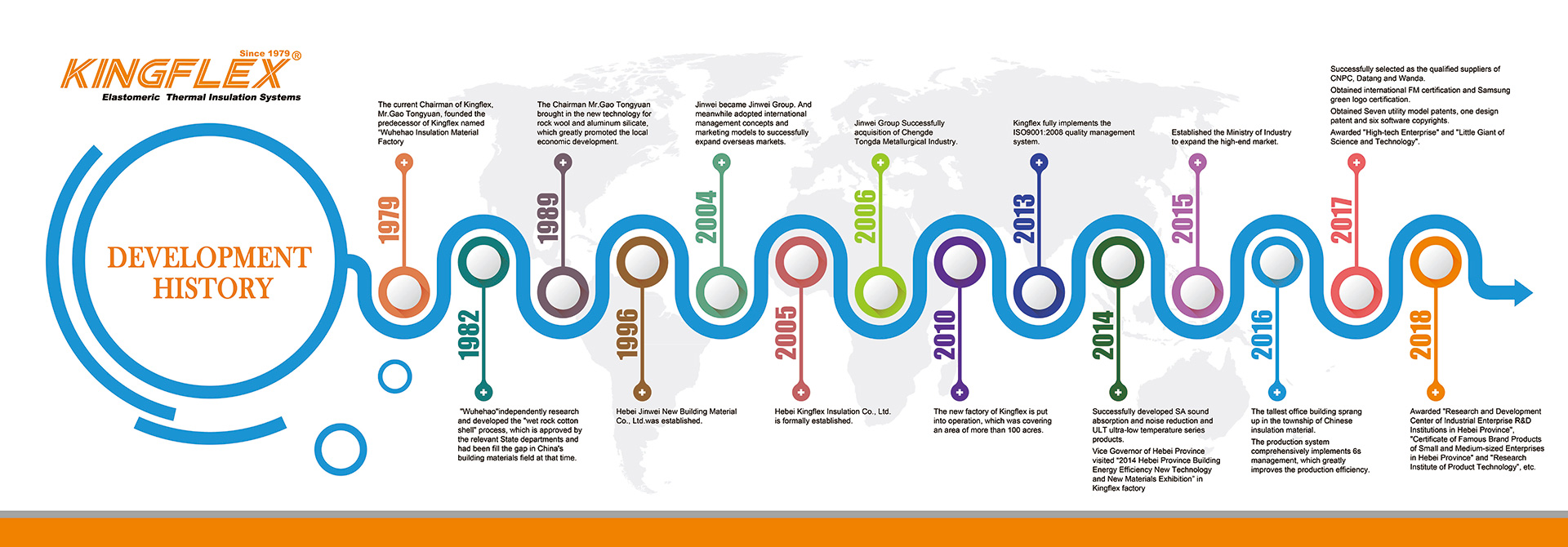
Established by the Jinwei Group, which holds a historical track record dating back to 1979 as the first manufacturer of thermal insulation materials north of the Yangtze River, Kingflex draws on over 40 years of manufacturing experience. We support international builders and engineers through custom R&D, structural design, installation guidance, and dependable after-sales services.
At present, Kingflex operates 5 large automatic assembly lines, delivering an annual production capacity of more than 600,000 cubic meters. This capacity makes Kingflex a designated manufacturing partner for major power, energy, and chemical projects globally.

Review the raw parameters, physical performance traits, and dimensional values of our primary NBR/PVC elastomeric formulations.
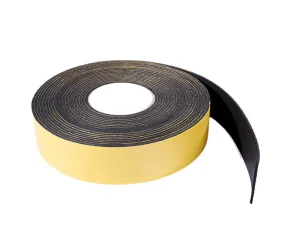
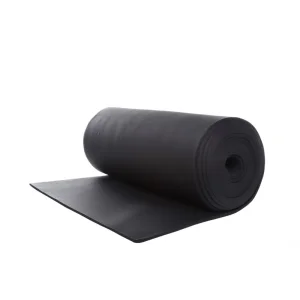
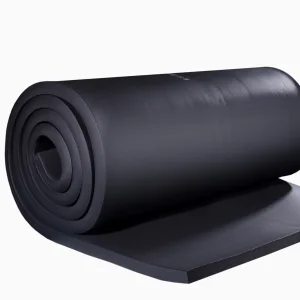
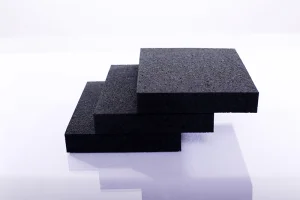
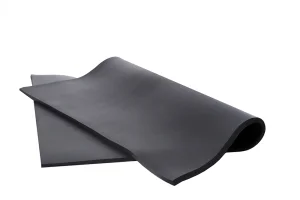
Material Composition: Nitrile Butadiene Rubber (NBR) / Polyvinyl Chloride (PVC) Alloy Matrix
Standard Thickness: 6mm to 50mm
Bulk Density: 40 to 55 kg/m³
Service Temperature Range: -40℃ to 105℃
HVAC ducts, large-diameter cooling pipes, structural sound damping, industrial storage tanks, rail transit cars, building envelope thermal systems, and marine insulation.
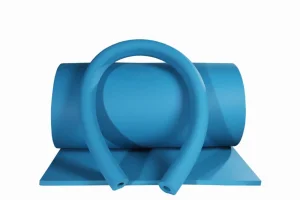
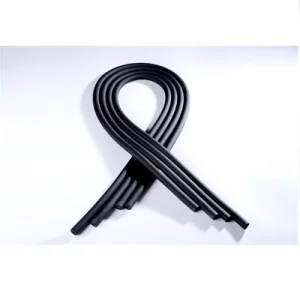
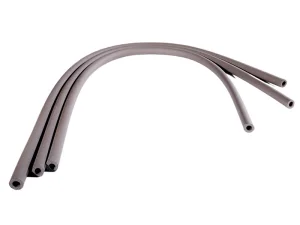
Material Composition: Nitrile Butadiene Rubber (NBR) / Polyvinyl Chloride (PVC) Alloy Matrix
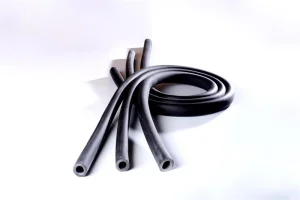
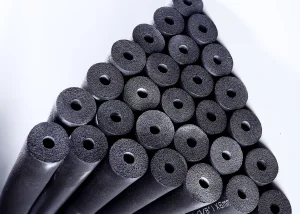
Wall Thickness: 9mm to 40mm
Internal Diameter (ID) Range: 6mm to 114mm
Bulk Density: 40 to 55 kg/m³
Air conditioning chilled water and condensate pipework, domestic hot and cold water pipes, industrial steam connections, chemical transport piping, and refrigeration plant cooling lines.
Our insulation designs are applied in high-specification building complexes, petrochemical centers, and heavy industrial facilities.
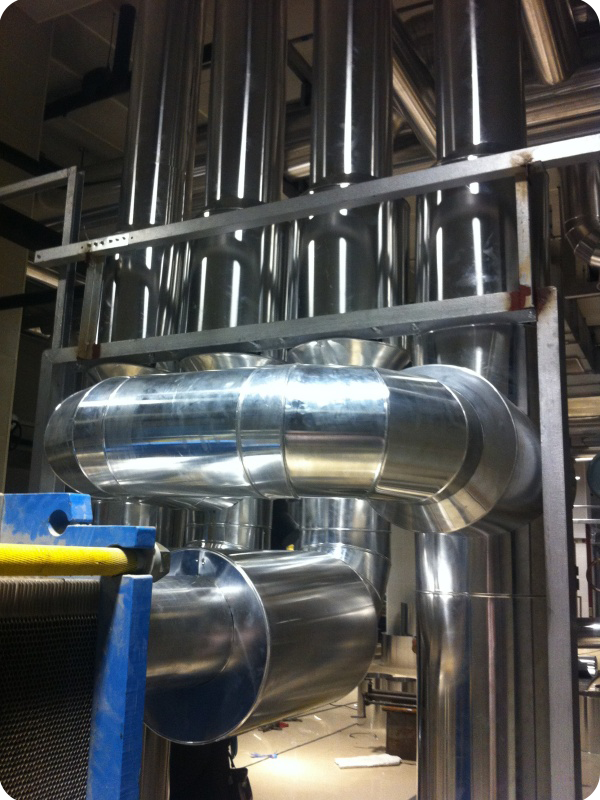
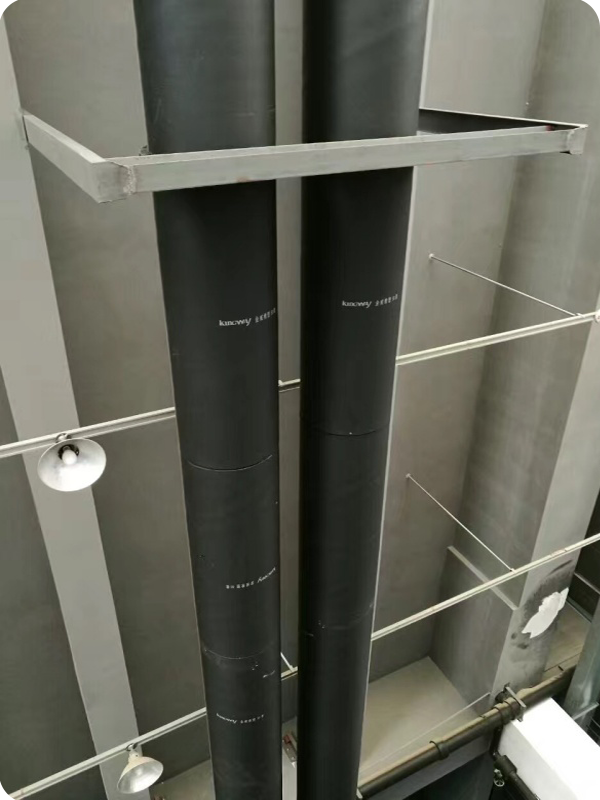
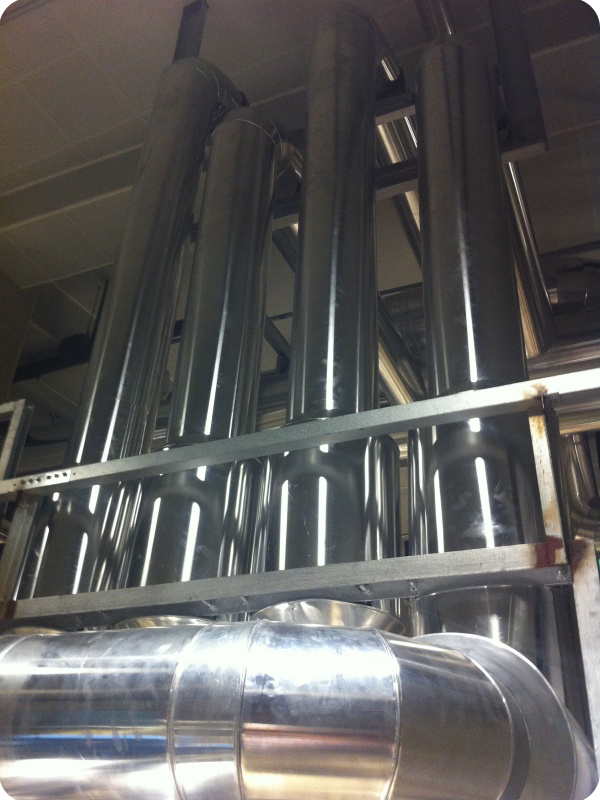
In chemical manufacturing plants, thermal stability is critical for fluid transport. Kingflex elastomeric piping insulation maintains target line temperatures, prevents energy losses, and reduces surface heat hazard risks for plant operators.
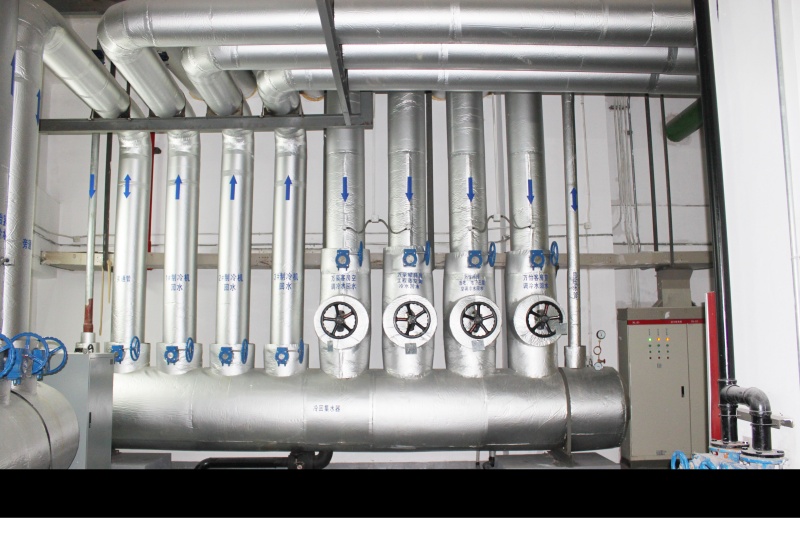
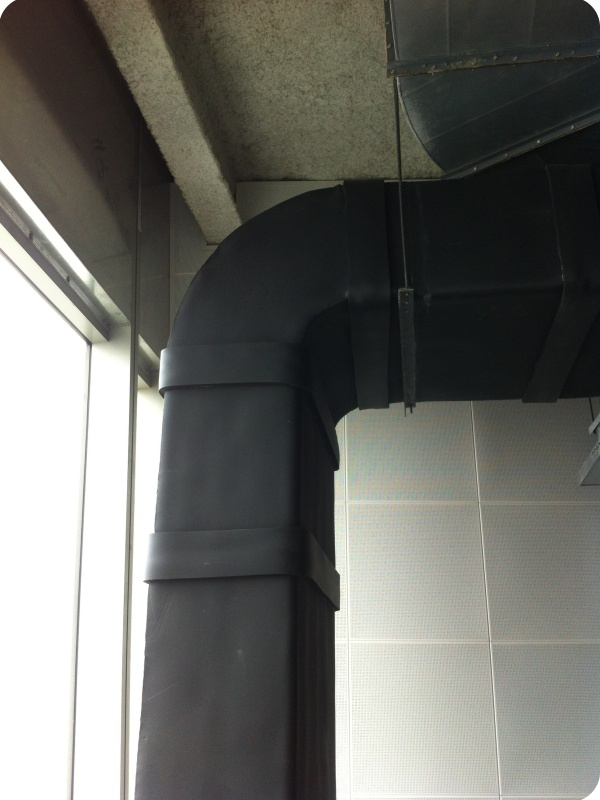
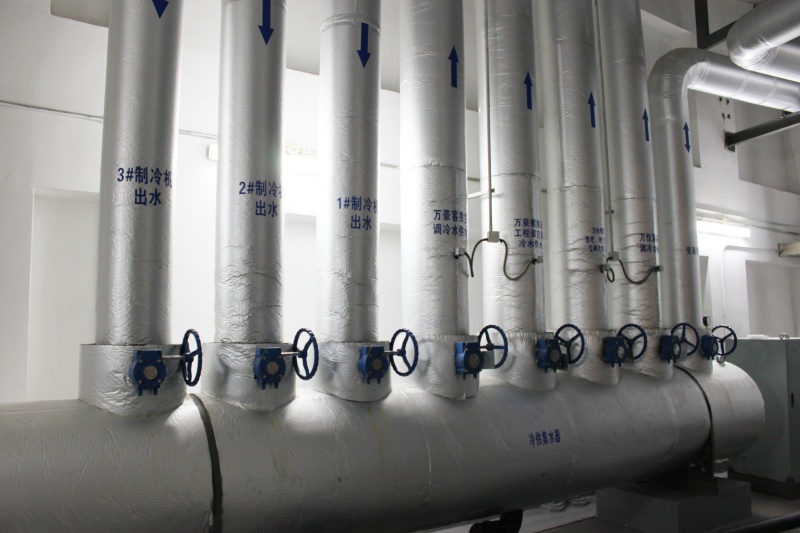
Large commercial facilities like office towers, shopping centers, and airports rely on large chiller lines. Our NBR/PVC closed-cell foam prevents condensation from dripping into ceilings, helping maintain indoor air quality and protect structural assets.
For cryogenic applications including LNG facilities and gas processing units, Kingflex supplies specialized low-temperature elastomeric formulations that prevent thermal cracking and maintain insulation integrity in extreme cold.

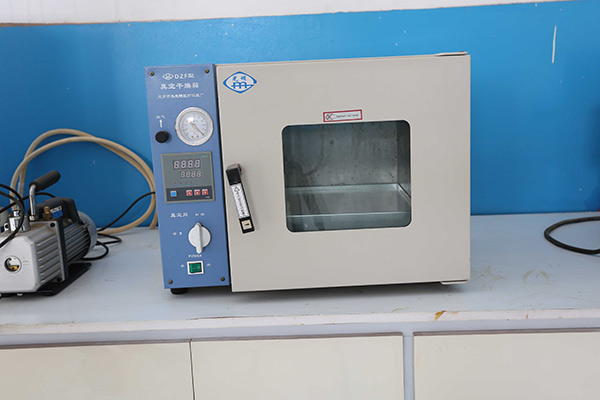
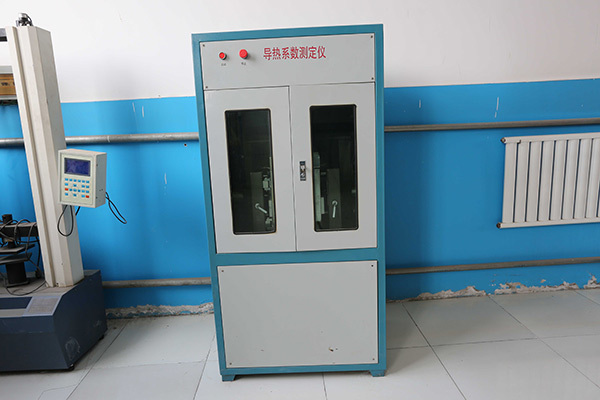
International logistics and structural projects require certified compliance. Kingflex materials undergo regular inspection by independent laboratories to verify physical performance, fire behavior, and chemical composition.
Our products meet global performance and safety requirements, carrying certifications from BS 476, CE, REACH, RoHS, UL94, and ASTM. This compliance ensures our thermal insulation meets the requirements of building codes in Europe, North America, the Middle East, and Asia.
Every production batch is assigned a unique batch code for full traceability. From raw NBR/PVC compounding through extrusion, expansion, and finishing, our quality assurance systems monitor and record key production metrics.
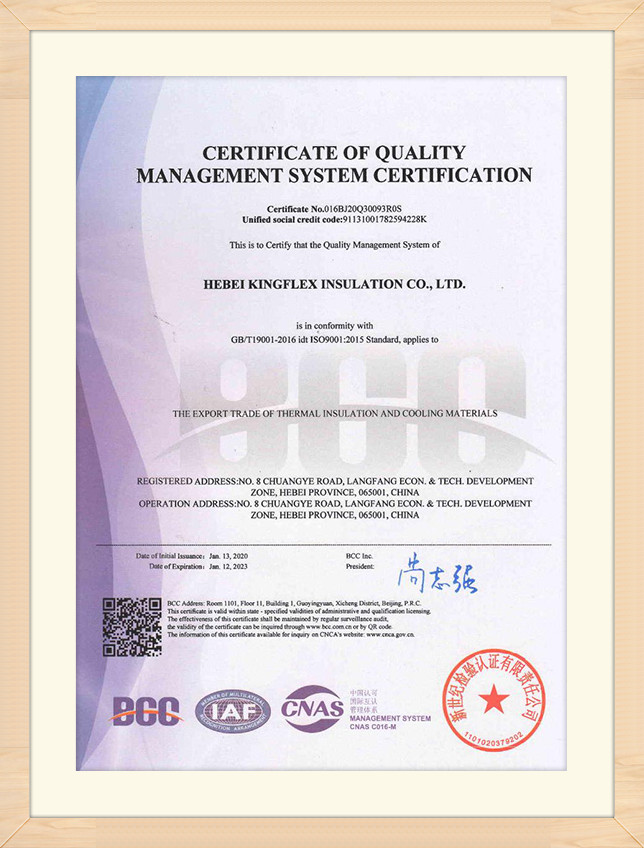
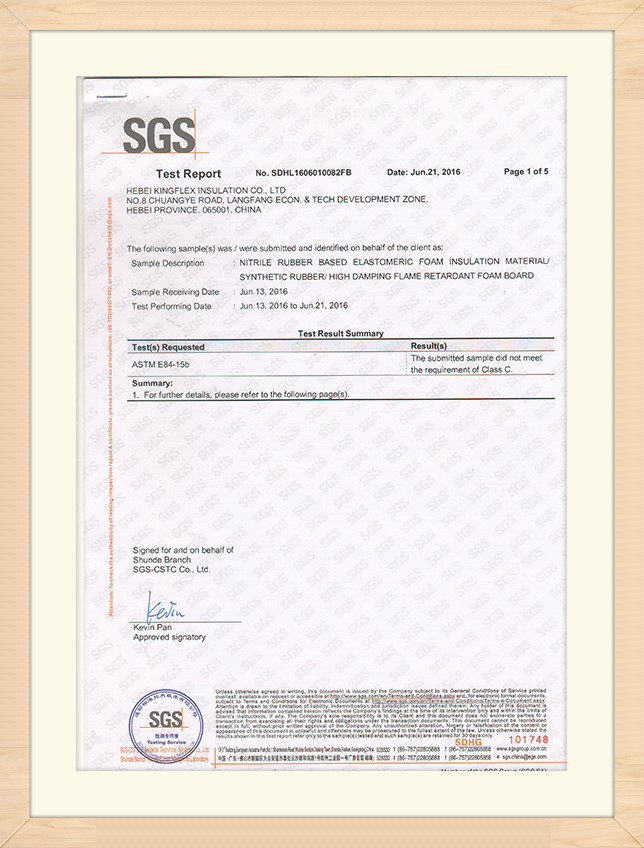
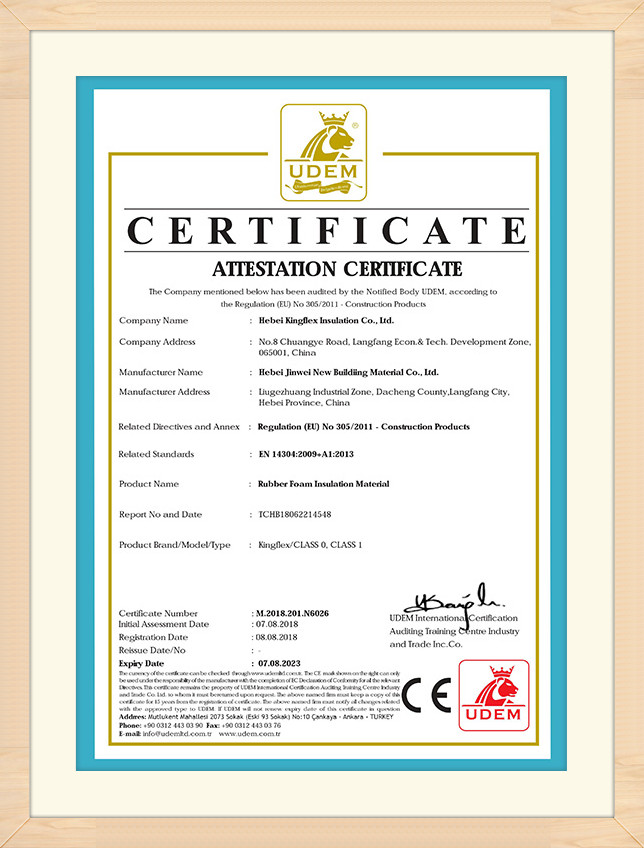
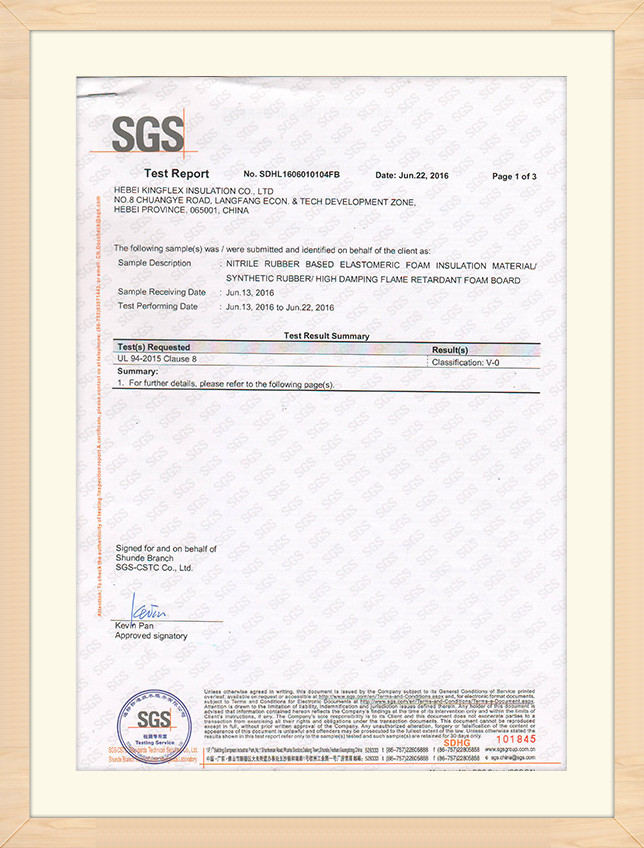
Real-time trade communications and feedback from international buyers demonstrating our technical support and commercial reliability.

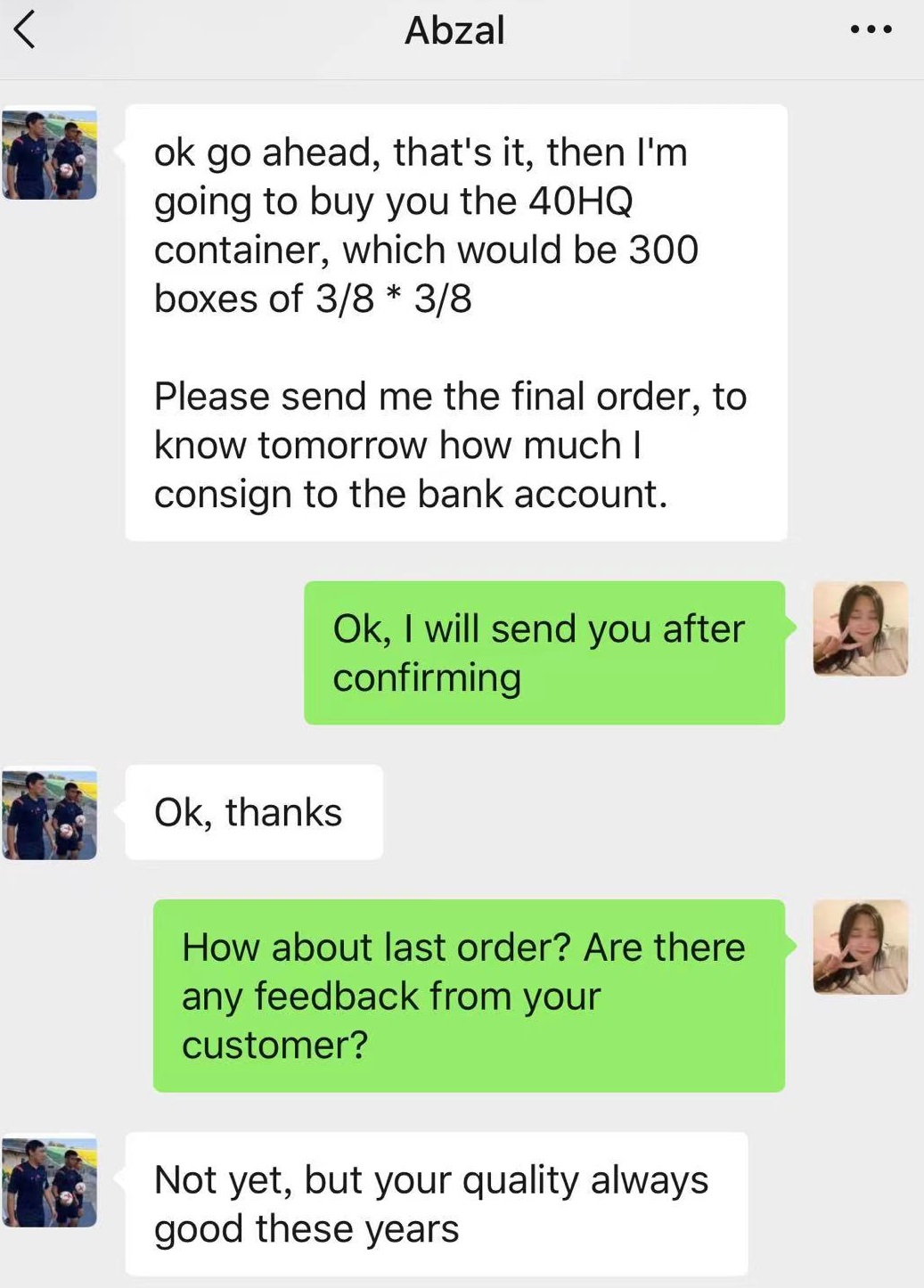
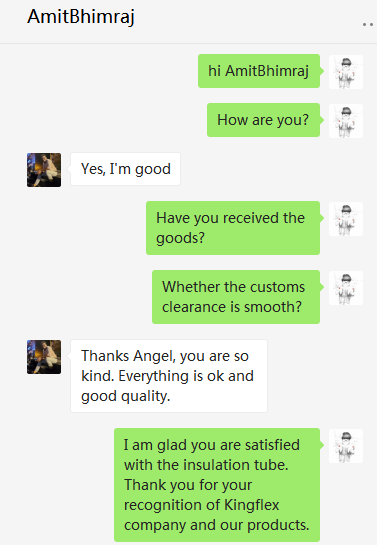



We supply a complete range of elastomeric, rock wool, and customized pipeline insulation systems.
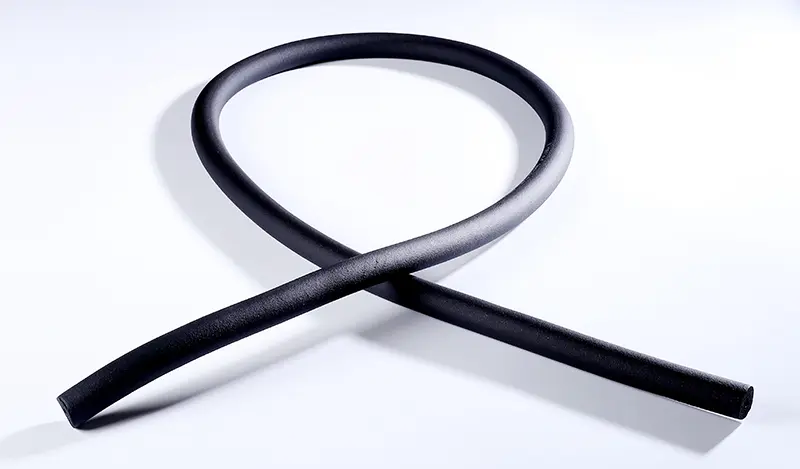
Highly flexible, closed-cell NBR/PVC matrix for cold/hot water piping.
Details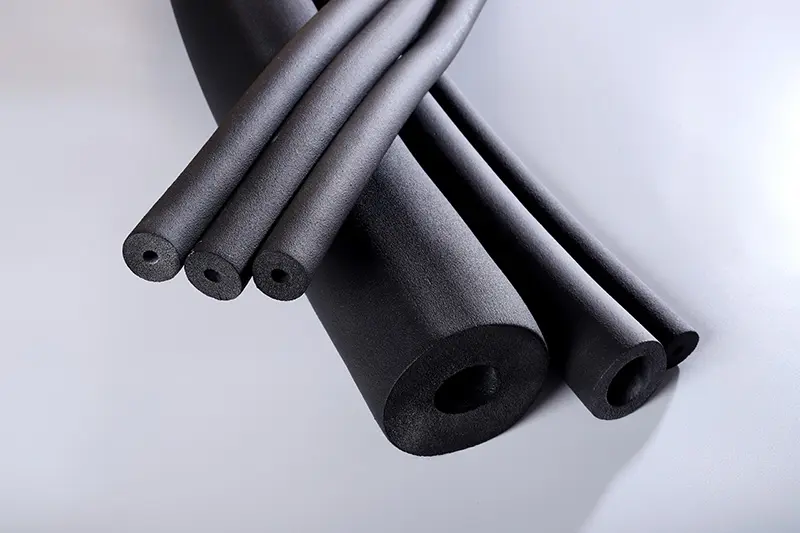
Formulated to resist acid, alkali, and chemical corrosion in harsh plants.
Details
High elasticity index, facilitating quick slip-on installation.
Details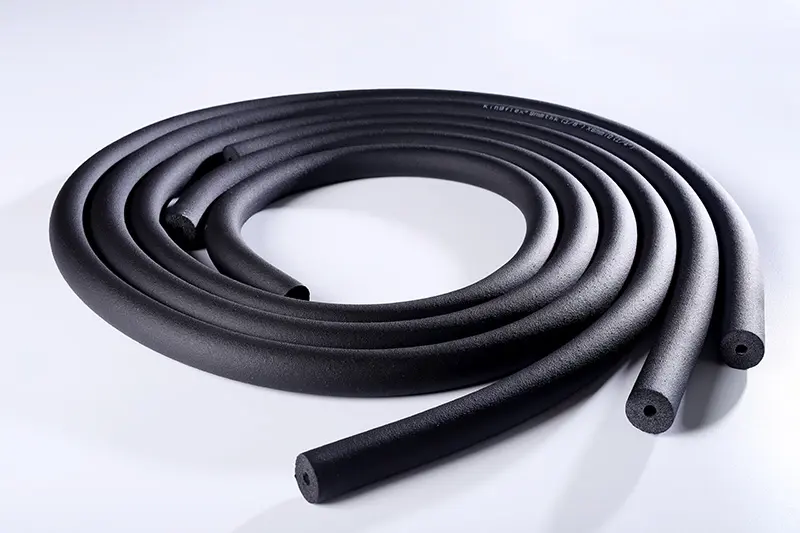
Standard architectural NBR piping with Class 0 and Class 1 ratings.
Details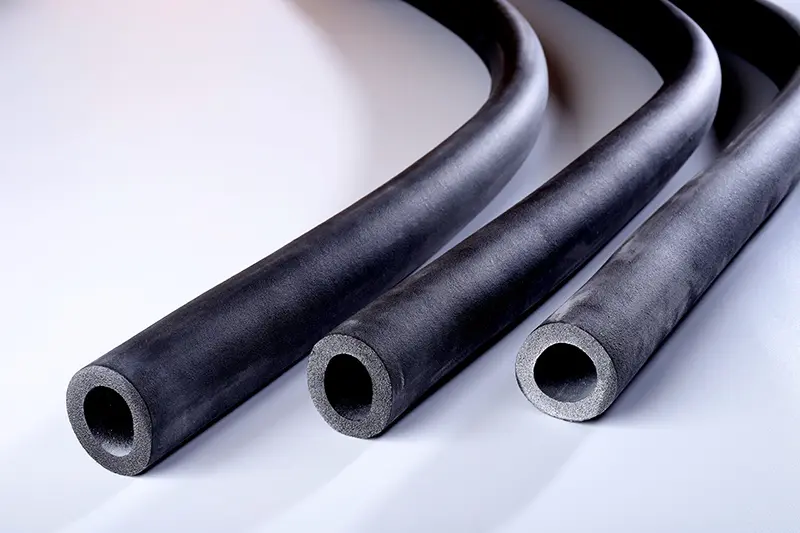
Double-density configuration for optimal thermal isolation.
Details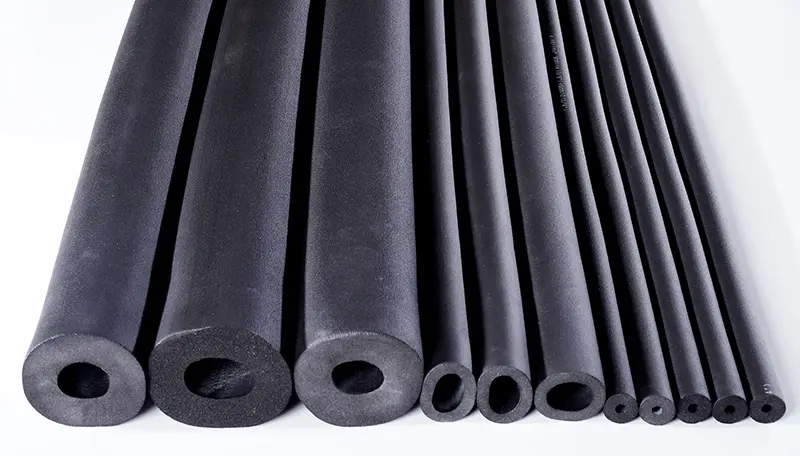
Specifically designed for residential and commercial split AC lines.
Details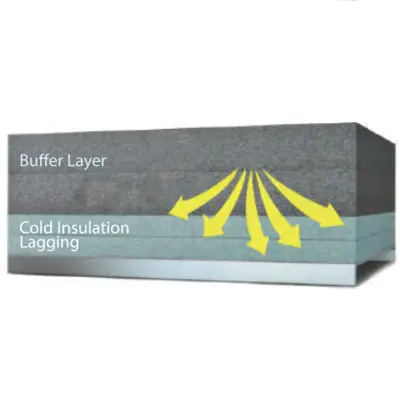
Multi-layered cryogenic protection for gas and liquid transport.
Details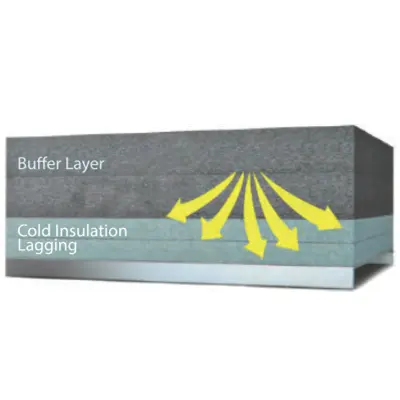
Specialized structural foam retaining flexibility at extreme cold.
Details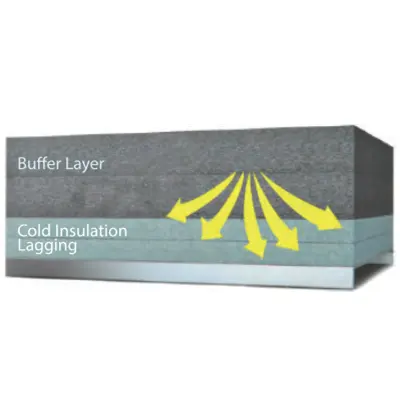
Wide-spectrum thermal barriers from cryogenic up to boiling levels.
Details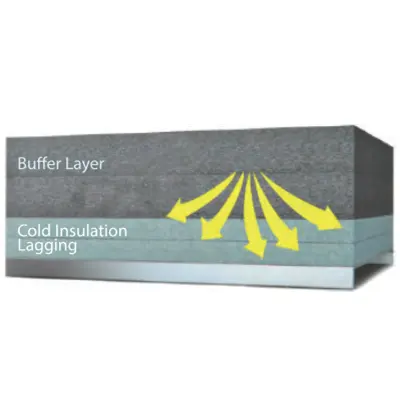
Multi-density elastomeric structure preventing cryogenic heat leaks.
Details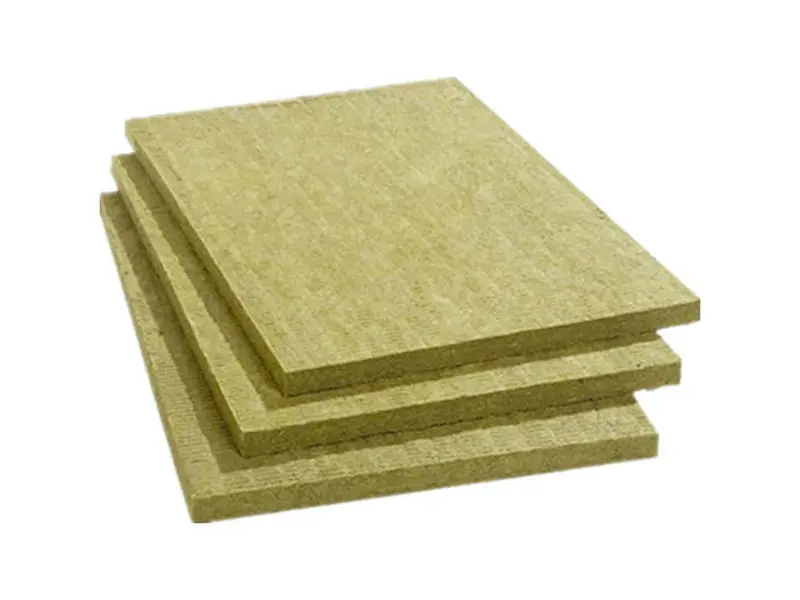
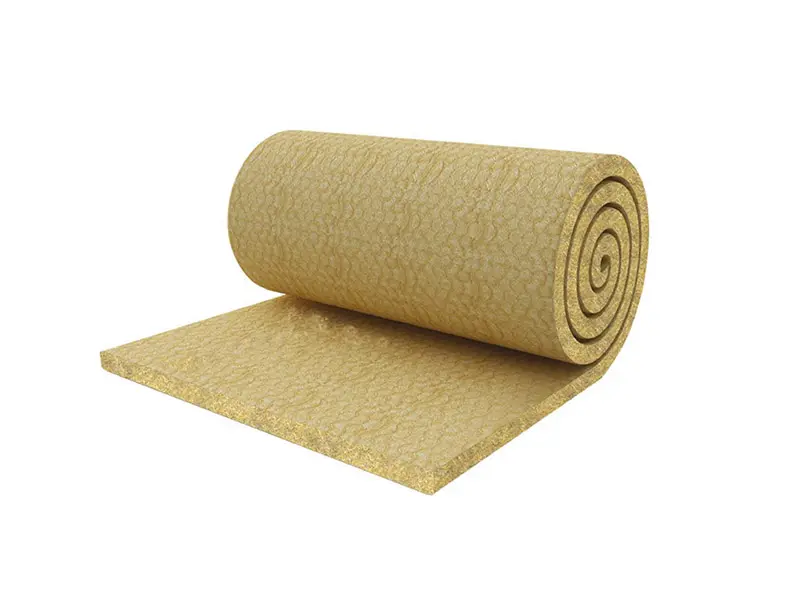
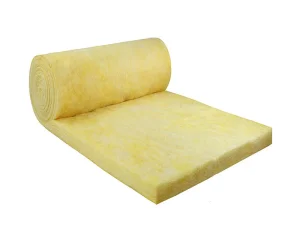
Industrial grade mineral fibers for piping and boilers.
DetailsHow different modern engineering fields utilize closed-cell elastomers to manage condensation, energy consumption, and safety parameters.
Condensation on HVAC cold water systems can lead to mold growth and water damage in ceilings. By utilizing NBR/PVC insulation with a closed-cell rate above 98%, commercial HVAC systems can run efficiently with minimal condensation risk.
Data center server cooling systems run continuous cooling loops. Even small thermal variations can impact system performance. Closed-cell insulation helps keep temperatures stable and prevents condensation from reaching sensitive server racks.
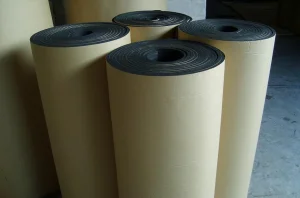
Cold chain distribution centers depend on low-temperature systems. Kingflex elastomeric sheeting protects refrigerant pipelines, preventing thermal loss and helping maintain consistent cooling temperatures throughout the facility.
Our raw material procurement, quality assurance systems, and logistics processes are set up to support international projects and deliver consistent material performance.





Common questions regarding elastomeric closed-cell foam insulation, material selection, and project specification.