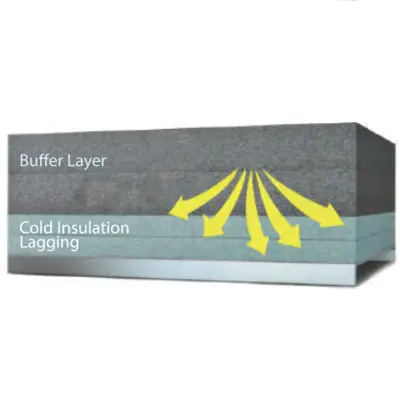
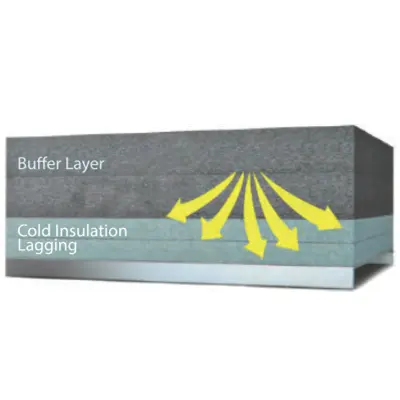
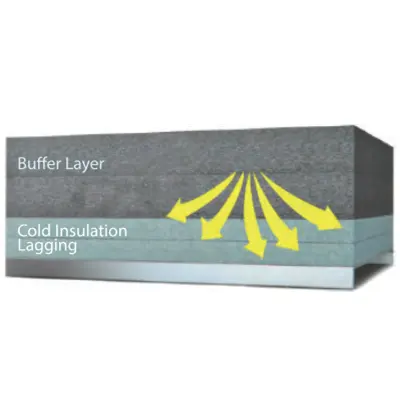
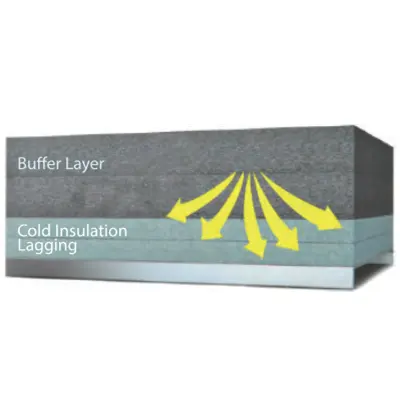
 Kingflex
Kingflex
Kingflex
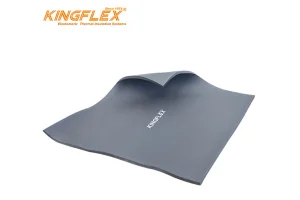
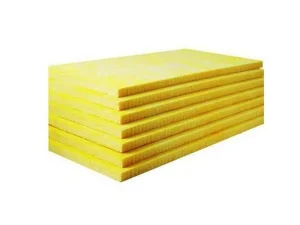
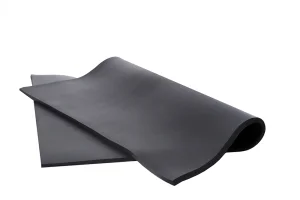
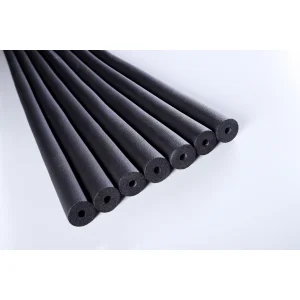
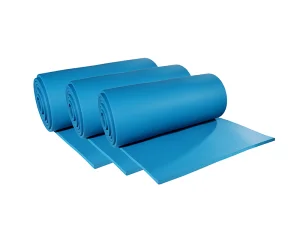
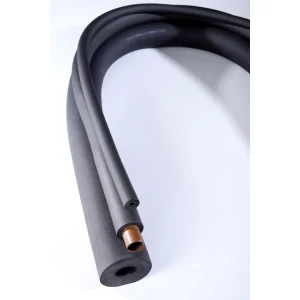
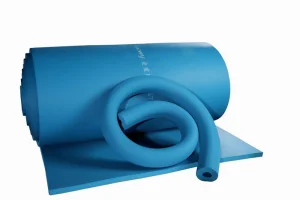
Trinidad and Tobago, as a leading industrial hub in the Caribbean, houses high-density industrial zones such as the Point Lisas Industrial Estate and critical LNG terminals like Atlantic LNG in Point Fortin. This hyper-industrial landscape features massive chemical plants, natural gas processing facilities, and power stations that operate continuously. In this challenging tropical marine atmosphere—defined by high relative humidity (averaging 80% to 90% annually), high ambient temperature, and salt-laden air—the selection of thermal insulation systems ceases to be a simple budget allocation. Instead, it acts as a primary operational barrier preventing corrosion, process system inefficiencies, and premature failures.
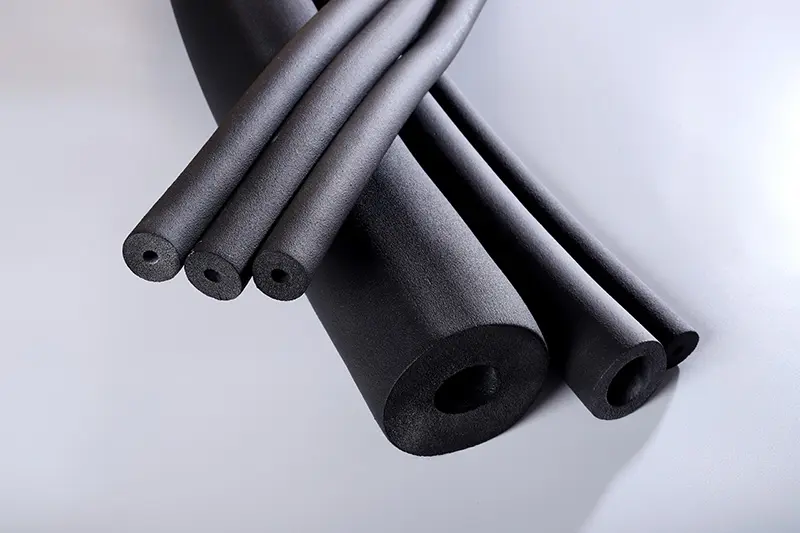
In coastal petrochemical refining and offshore oil rigs, temperature swings and humidity cycles lead directly to Corrosion Under Insulation (CUI). Open-cell insulation materials like glass wool or rock wool, when applied without premium protective barriers, trap moisture and speed up metal depletion in carbon steel and stainless steel lines. Kingflex closed-cell NBR/PVC elastomeric rubber foam insulation targets this risk with an ultra-dense structure that blocks water vapor. It features a built-in vapor barrier that prevents moisture penetration and protects piping from environmental humidity.
At a microscopic level, Kingflex elastomeric NBR (Nitrile Butadiene Rubber) foam insulation features a honeycomb matrix of sealed gas cells. Nitrogen gas trapped inside these cells provides low thermal conductivity (λ ≤ 0.034 W/(m·K) at 0°C). NBR rubber stands out for its high resistance to moisture vapor diffusion, oil, grease, and ozone. Combining NBR with PVC enhances the foam's durability, UV resistance, and ozone defense, extending its lifespan in outdoor applications like rooftop HVAC runs and industrial pipe bridges.
Kingflex elastomeric systems meet strict global safety standards. Our compounds are self-extinguishing and pass BS 476 (Class 0 and Class 1), UL 94 V-0, and ASTM E84 testing, reducing flame spread and smoke toxicity.
Our high moisture resistance factor (μ) blocks humid marine air from reaching cold pipeline surfaces, stopping condensation on chilled water pipes and industrial cooling loops.
Kingflex elastomeric products operate reliably from -40°C up to +105°C (and down to -200°C for cryogenic formulations), preventing material cracking, structural collapse, or loss of thermal efficiency.
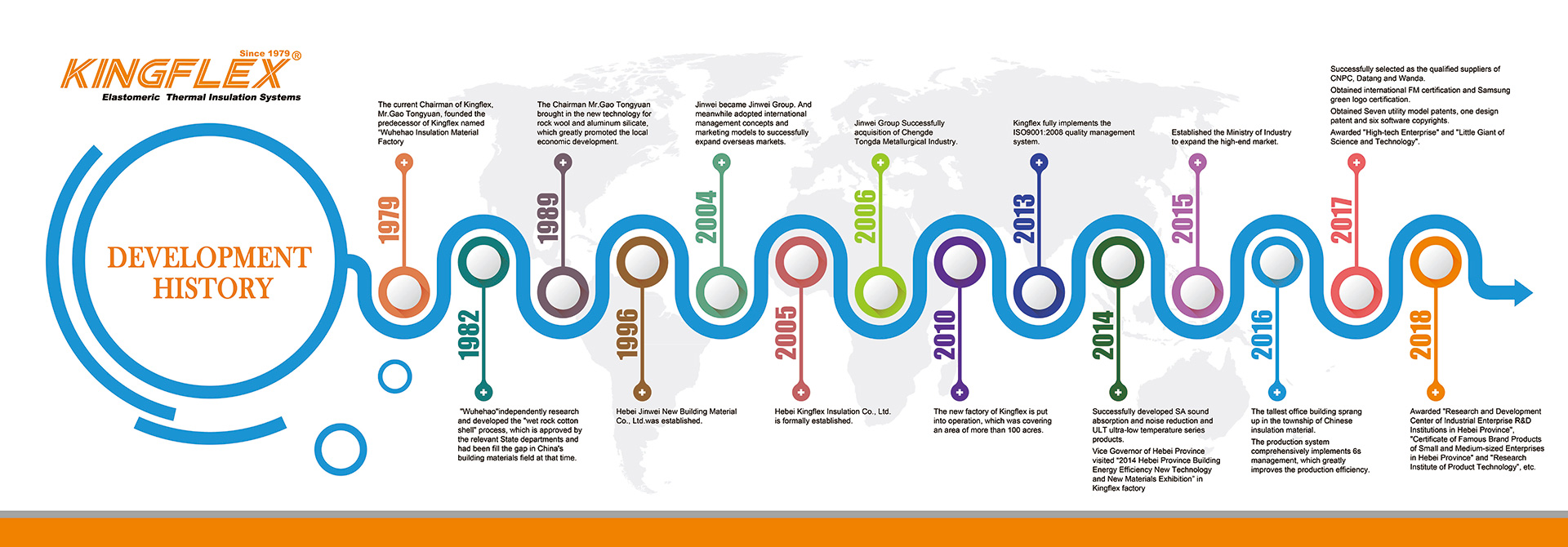
Established in 1979 by the Jinwei Group, Kingflex is the pioneer of high-performance thermal insulation manufacturing north of the Yangtze River. Over the past 40 years, the enterprise has grown into a major group combining specialized R&D, green product development, and global trade. Operating out of Dacheng, China’s green building materials capital, our facility focuses on energy conservation and environmental safety.
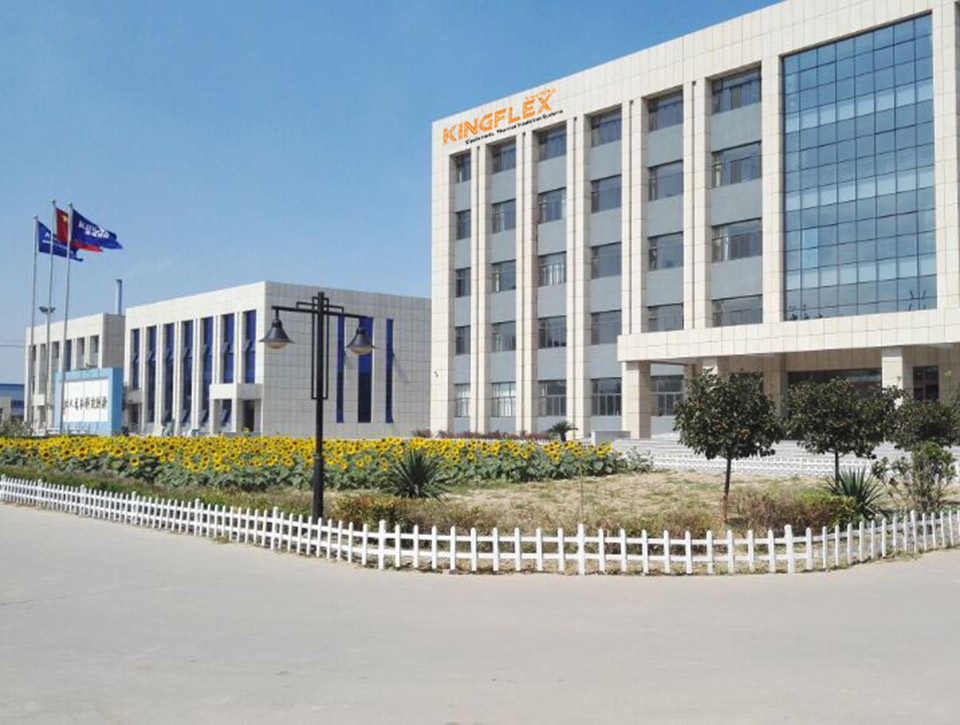
Kingflex runs 5 automated production assembly lines. These systems produce over 600,000 cubic meters of high-density elastomeric insulation and rock wool materials annually. Our strict quality control systems have earned us approved supplier status under China's Ministry of Energy, Ministry of Electric Power, and Ministry of Chemical Industry, supporting large-scale power and petrochemical projects worldwide.
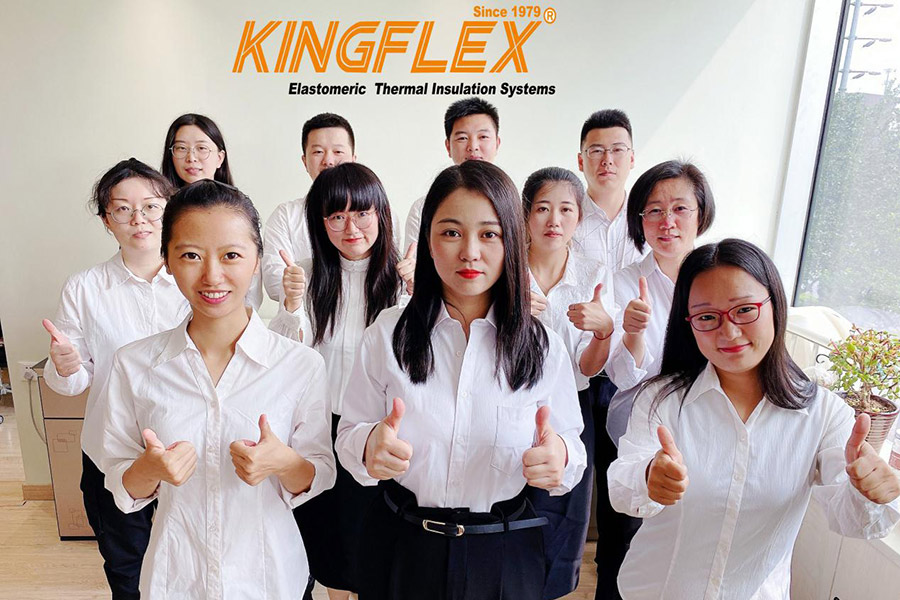
Our R&D division has 8 professional insulation engineers, 6 international customer support representatives, and over 230 manufacturing specialists. They focus on refining foam cell structures, thermal properties, and fire safety ratings.

Trinidad and Tobago's mechanical designers must evaluate technical specifications to prevent design errors, condensation issues, and high operating costs. Below is a comparison table comparing closed-cell elastomeric rubber foam, fiberglass wool, and rock wool insulation in coastal environments:
| Performance Metrics | NBR/PVC Closed-Cell Rubber Foam | Fiberglass Wool Insulation Board | Rock Wool Thermal Blanket |
|---|---|---|---|
| Primary Material Structure | Closed-Cell Micro-Elastomeric Matrix | Open-Cell Fibrous Mineral Structure | Highly Dense Fibrous Rock Mineral |
| Thermal Conductivity (λ) | ≤ 0.034 W/(m·K) at 0°C | ≤ 0.040 W/(m·K) at 25°C | ≤ 0.044 W/(m·K) at 25°C |
| Moisture Resistance (μ) | Excellent (μ ≥ 10,000) | Poor (Requires External Jacket) | Very Low (Vulnerable to Humidity) |
| Standard Operating Temperature | -40°C to +105°C (Cryo to -200°C) | Up to +250°C | Up to +650°C (High Temp Fire) |
| Corrosion Under Insulation Risk | Negligible (Stops liquid water movement) | High (Traps seawater mist/humidity) | High (Acts as water reservoir) |
| Acoustic Isolation Rating | Excellent (Particularly Open-Cell acoustic foam) | Good absorption at high frequencies | High density industrial sound absorber |
For chilled lines, refrigerant pipelines, condensation control, and medium-temperature lines, closed-cell rubber foam is the standard choice in humid areas. High-temperature steam processing and refinery distillation units require rock wool and fiberglass boards, which need proper cladding to prevent moisture intrusion.
We provide engineered insulation products tailored to the needs of local industries, mechanical designers, and engineering contractors:
In facilities like Point Fortin, LNG storage and pipelines operate down to -162°C. Kingflex Cryogenic elastomeric rubber foam sheets and pipelines handle these low temperatures, preventing ice formation and reducing thermal stress on piping joints.
Salt-laden marine air triggers severe galvanic corrosion on offshore oil platforms. The Kingflex Aluminum Foil covered Rubber Foam Board provides a dual-layer seal. The outer foil blocks UV rays, ozone, and salt spray, while the flexible NBR foam layer protects the pipe from physical damage and water intrusion.
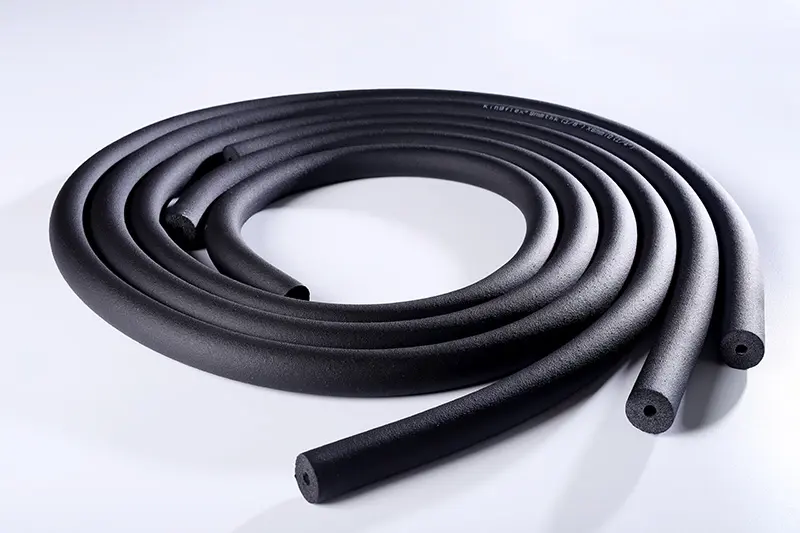
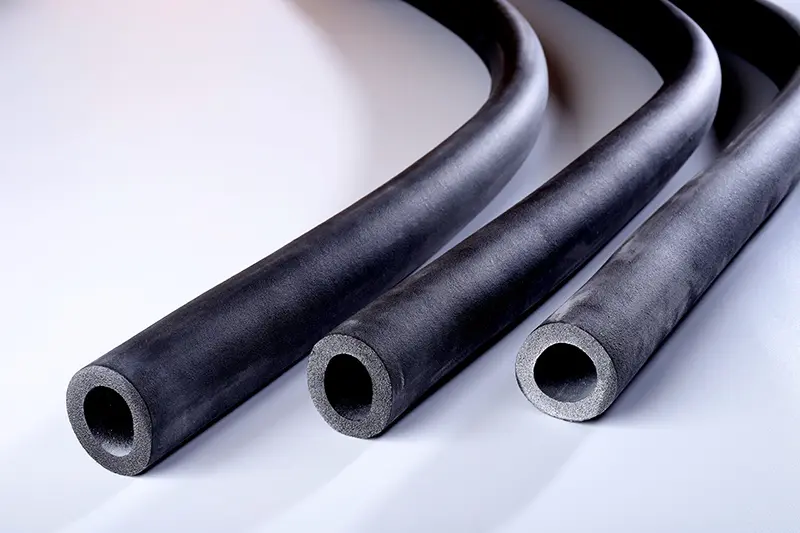
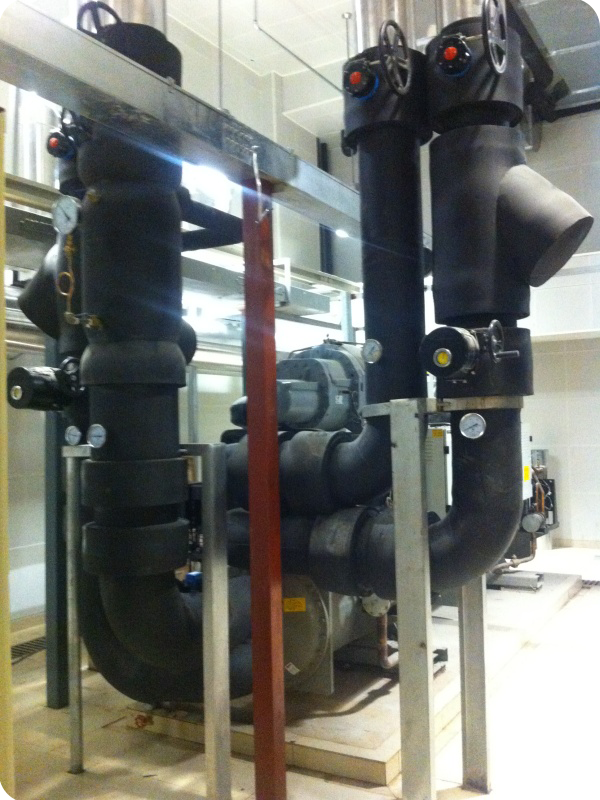
In Port of Spain's high-rise offices and healthcare facilities, cooling water pipes run at 4°C to 7°C. Ambient air can lead to severe pipe sweating and condensation damage. Kingflex Closed-Cell Rubber Foam Pipe Insulation stops condensation without requiring additional vapor seals.

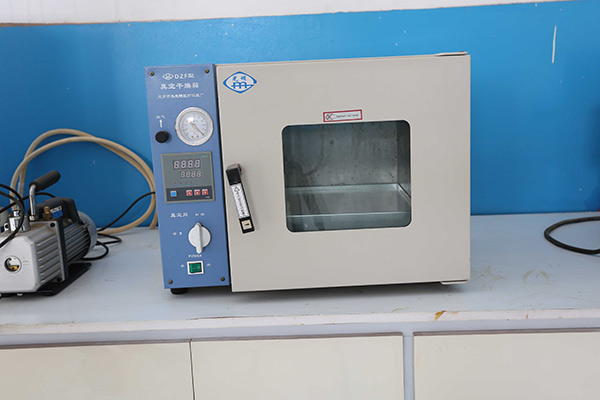
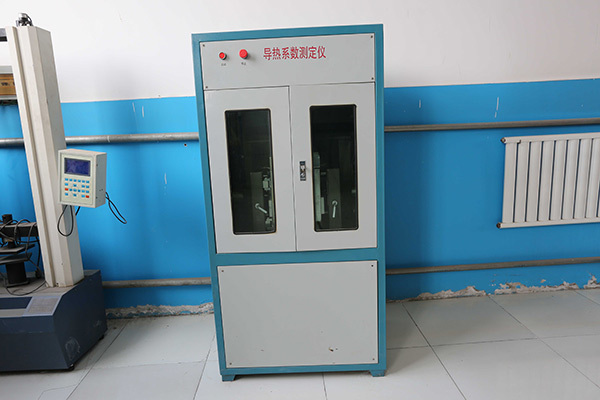
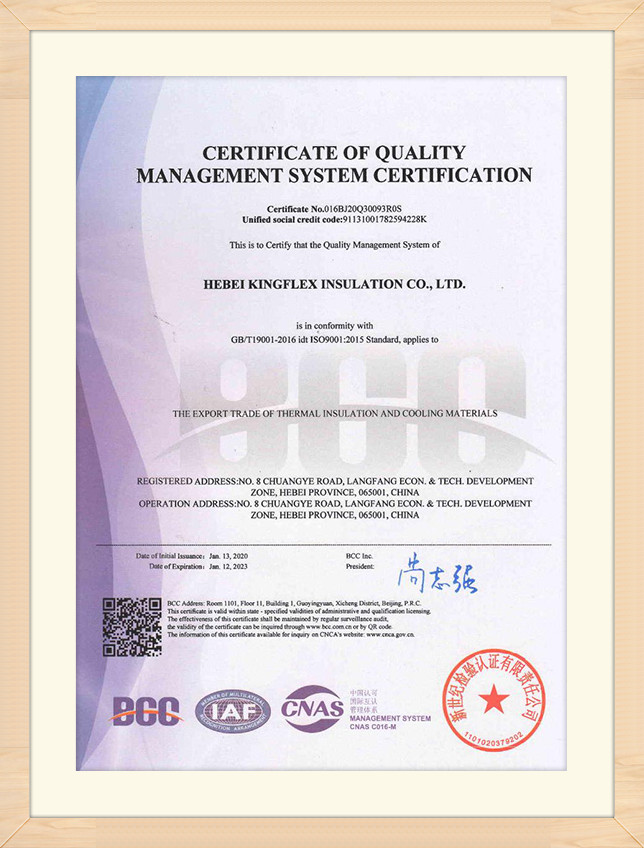
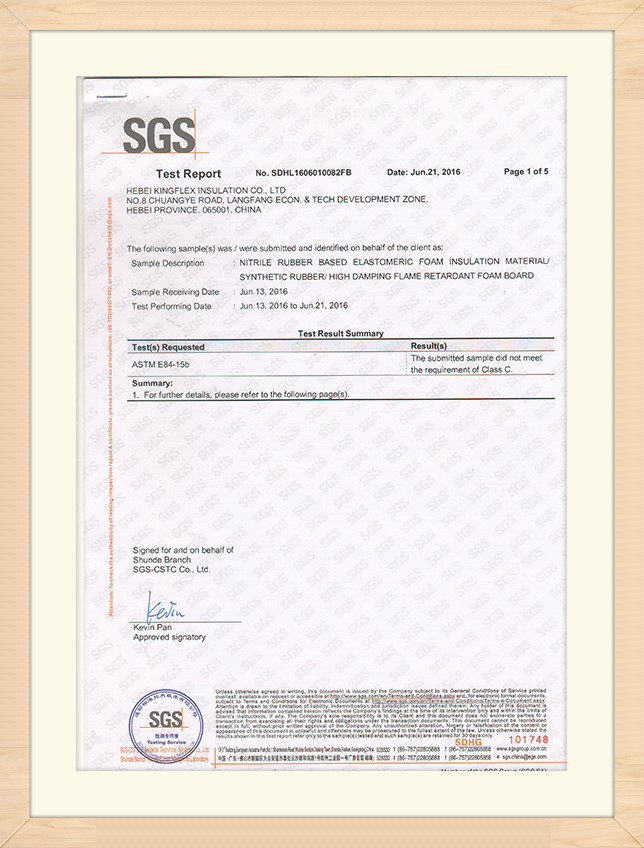
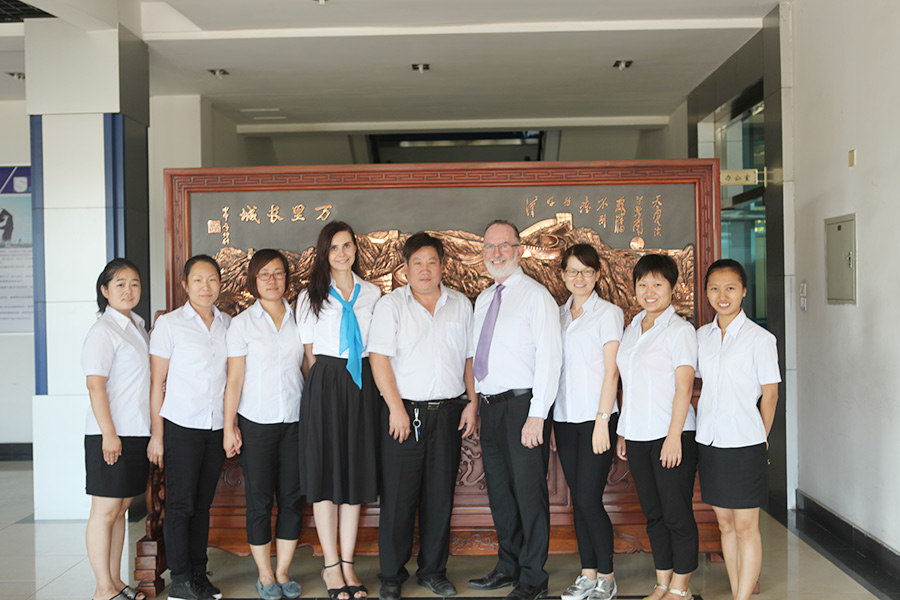
Industrial specifications in Trinidad and Tobago require strict compliance with international mechanical codes, fire safety guidelines, and environmental standards. Kingflex insulation products hold certifications recognized by global insurance groups and regulatory authorities:
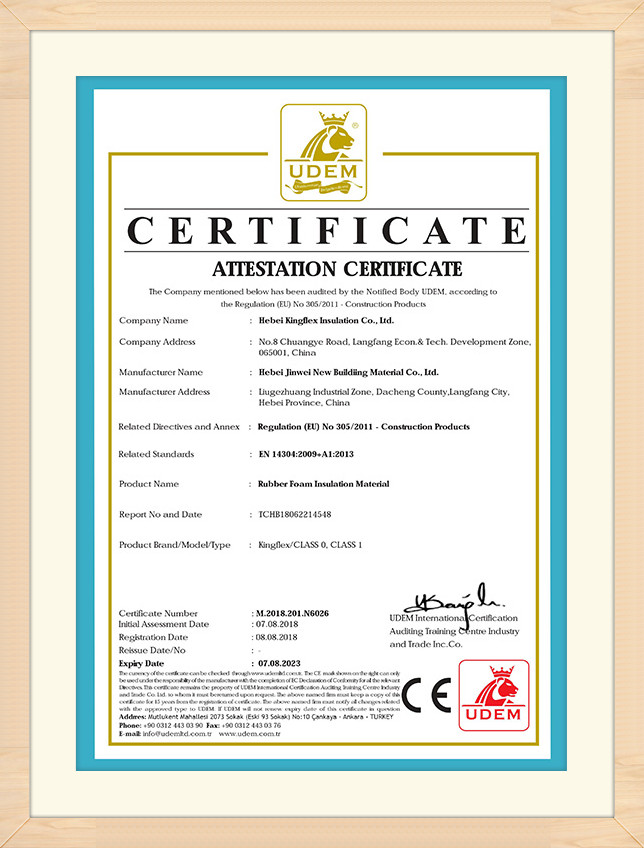
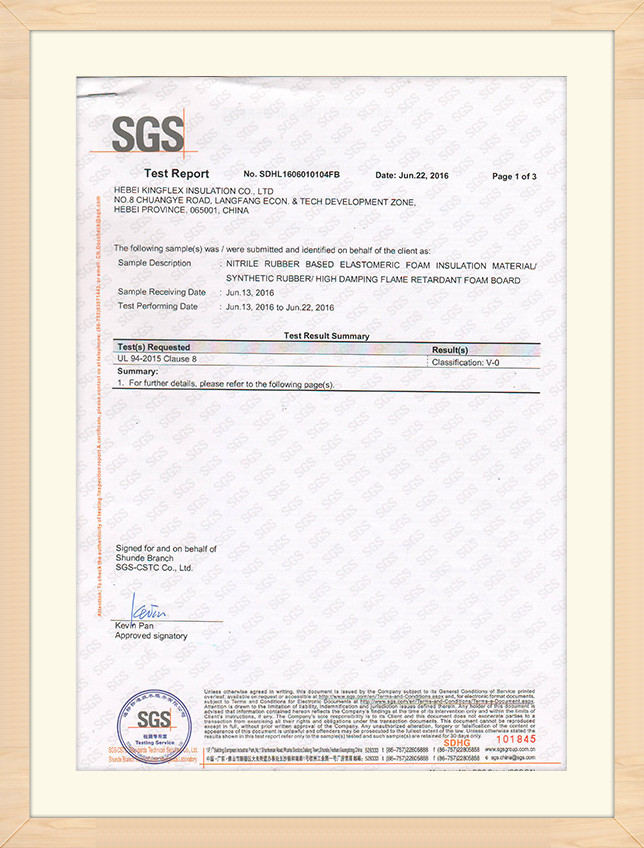
To help Trinidadian industrial buyers, engineers, and supply chain managers budget effectively, we provide custom pricing plans optimized for bulk shipping container orders (20GP / 40HQ) from Xingang Port (Tianjin, China) to the Port of Port of Spain or Point Lisas Terminal:
| Insulation Product Category | Material Density | Standard Wall Thickness Range | Standard Length / Sheet Width | FOB Port of China Price Range (USD) |
|---|---|---|---|---|
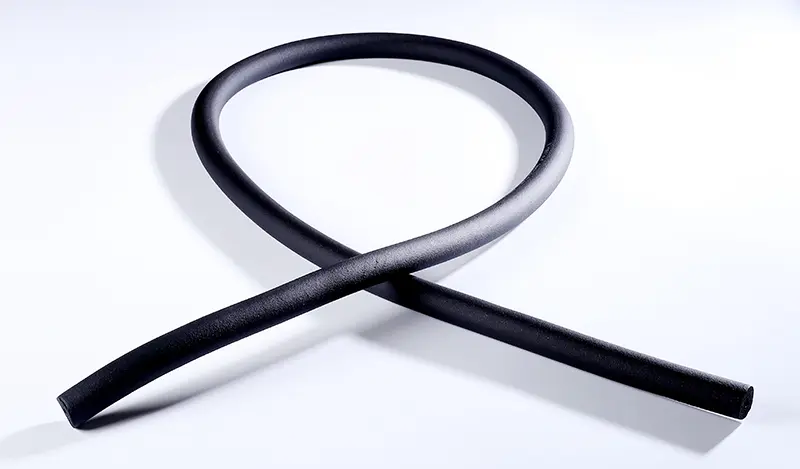
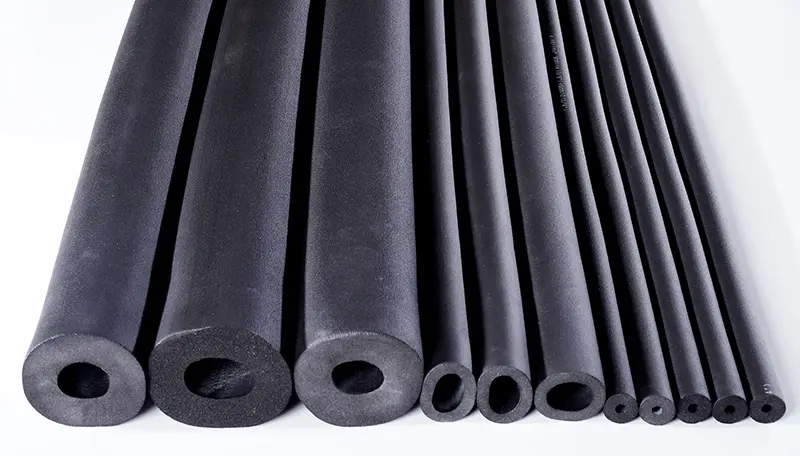
| Black NBR Rubber Foam Tubes | 40 - 55 kg/m³ | 9mm – 40mm (customizable) | 1.8m – 2.0m / Tube | $0.18 – $4.50 / Meter (by ID size) |
| Closed-Cell Elastomeric Sheets/Rolls | 40 - 55 kg/m³ | 6mm – 50mm | 1.0m, 1.2m, or 1.5m Width | $1.85 – $12.50 / Sq. Meter |
| Aluminum Foil Covered NBR Boards | 48 - 55 kg/m³ | 10mm – 40mm | 1.2m Width Rolls | $3.20 – $15.80 / Sq. Meter |
| Ultra-Low Temp Cryogenic NBR Foam | 50 - 65 kg/m³ | 13mm – 32mm | Pre-formed pipeline segments | Request Custom Project Quote |
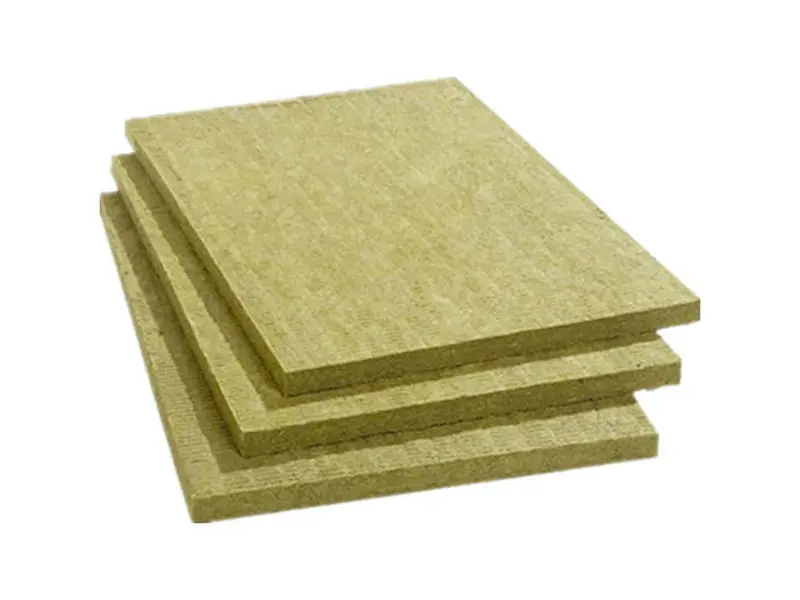
| High-Density Rock Wool Boards | 80 - 150 kg/m³ | 25mm – 100mm | 1.2m × 0.6m Boards | $2.80 – $9.50 / Sq. Meter |
Because insulation is lightweight but takes up significant space, 40HQ containers offer the best shipping efficiency. We offer custom compression packaging for roll goods to increase load volume by up to 35%, lowering unit sea freight costs. Ocean transit time from China’s main ports to Trinidad typically takes 35 to 45 days. We provide full export documentation, including Bills of Lading, Certificate of Origin, Mill Test Certificates, and detailed Packing Lists, ensuring smooth clearance through Trinidad Customs.
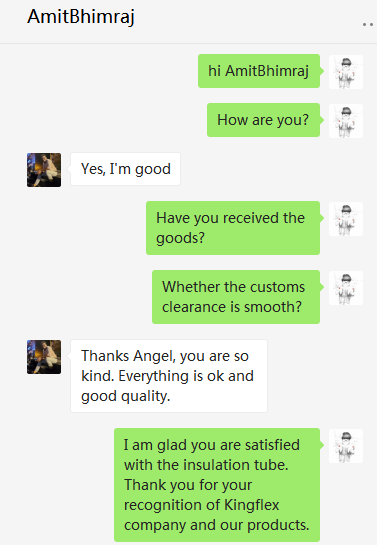
We maintain clear communication and reliable quality control at every stage, from material selection to shipping logistics. Below are verified transaction and shipping records from our partners:




Global clean energy transitions require insulation products that reduce carbon emissions and last longer. Kingflex is committed to developing smart thermal systems that align with global environmental goals:
We are shifting from fossil-based raw materials to bio-based alternatives. This transition reduces the carbon footprint of NBR rubber foam by up to 25% while maintaining its thermal and moisture resistance.
Our new formulations release non-toxic corrosion inhibitors when in contact with metal surfaces. This active chemical barrier adds an extra layer of protection, preventing corrosion even if the physical barrier is damaged.
To save installation time, we offer pre-applied pressure-sensitive adhesive backings for rubber sheets. These heavy-duty adhesives withstand high temperatures and humidity, ensuring strong bonds on metal ducts.
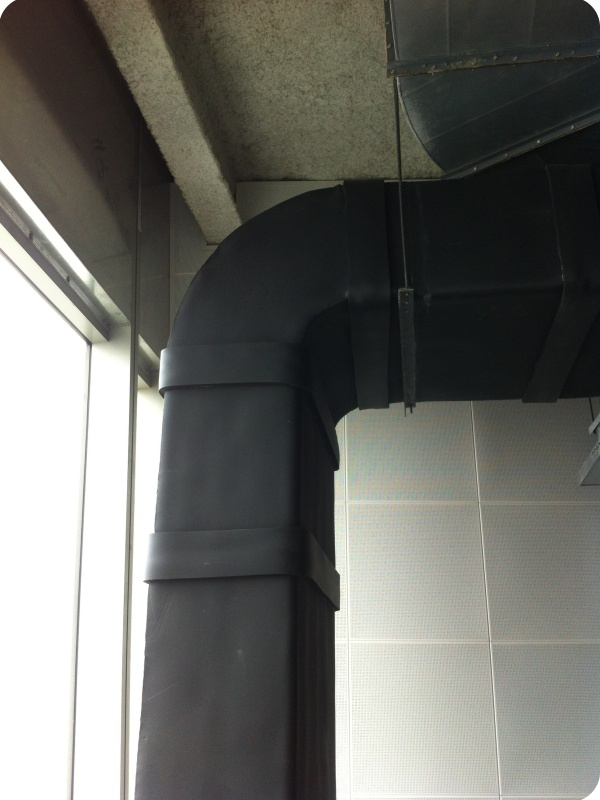
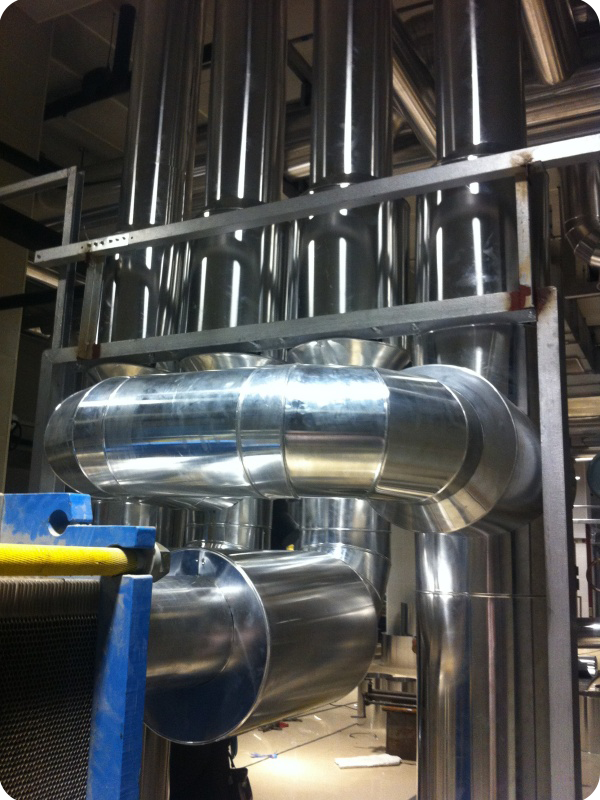
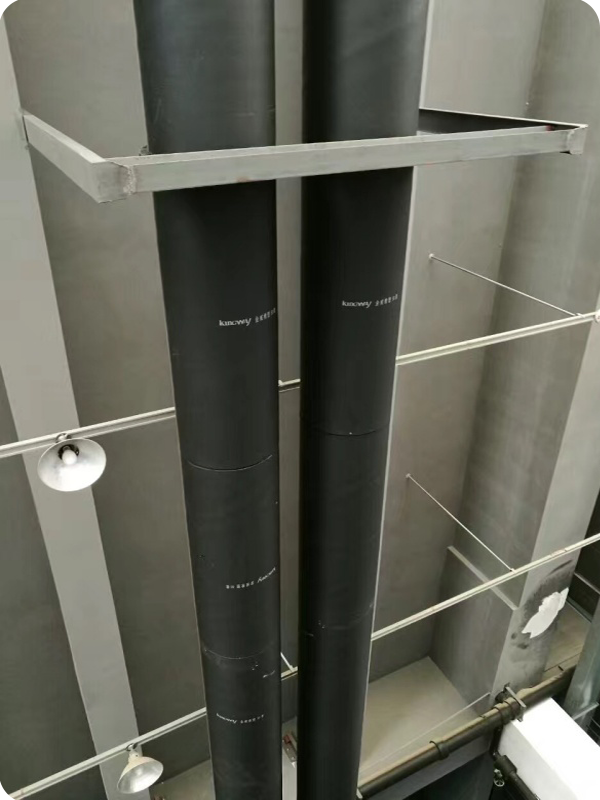
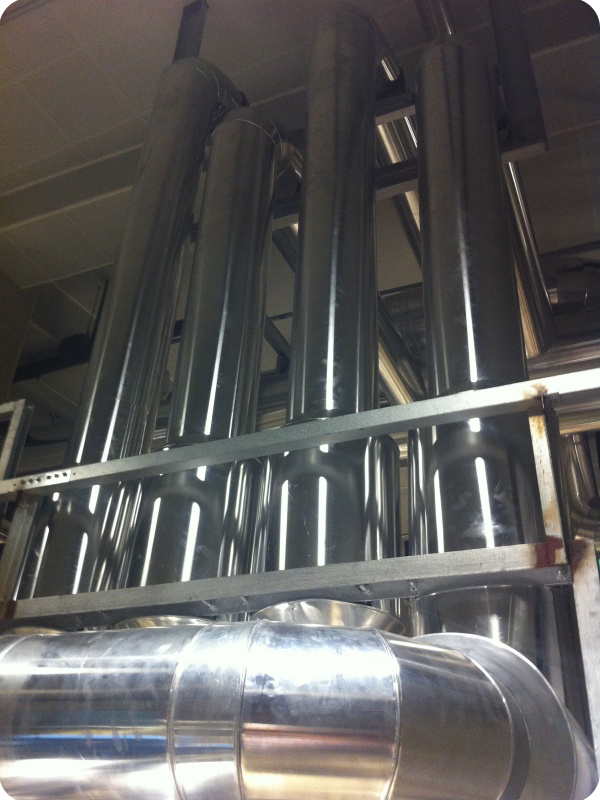
A view inside our factory, showing our automatic manufacturing processes, large-scale warehousing, and shipping systems:
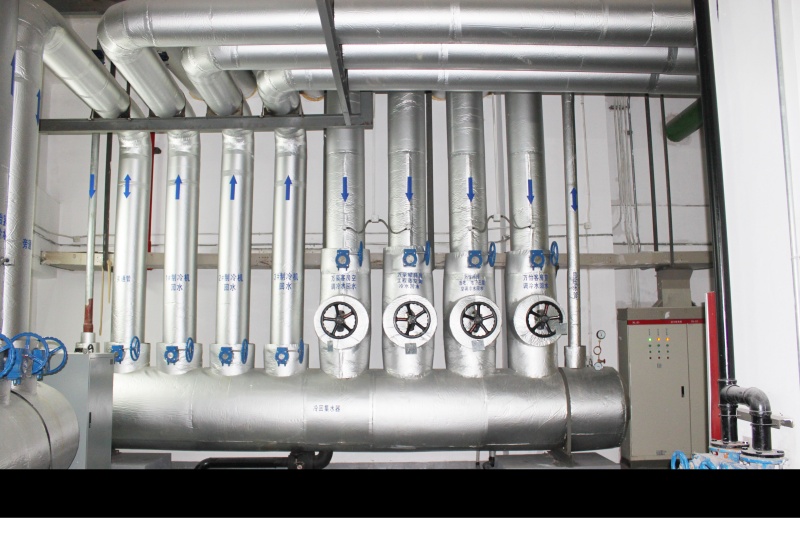
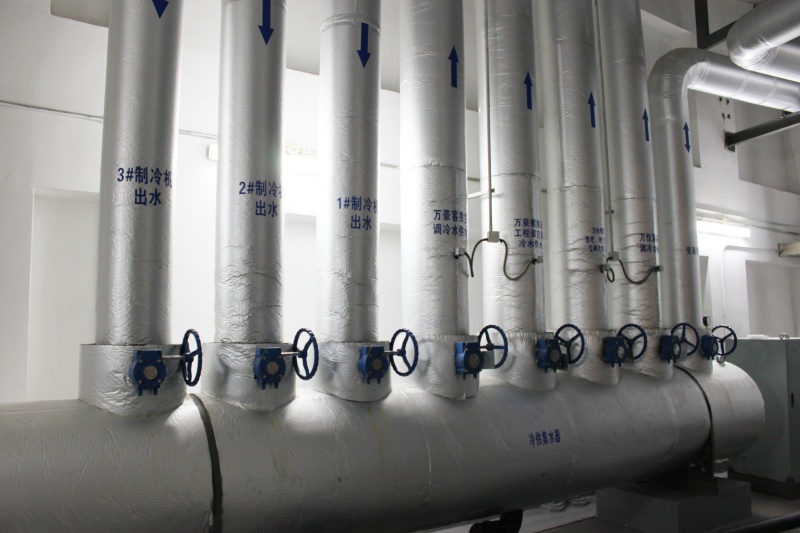

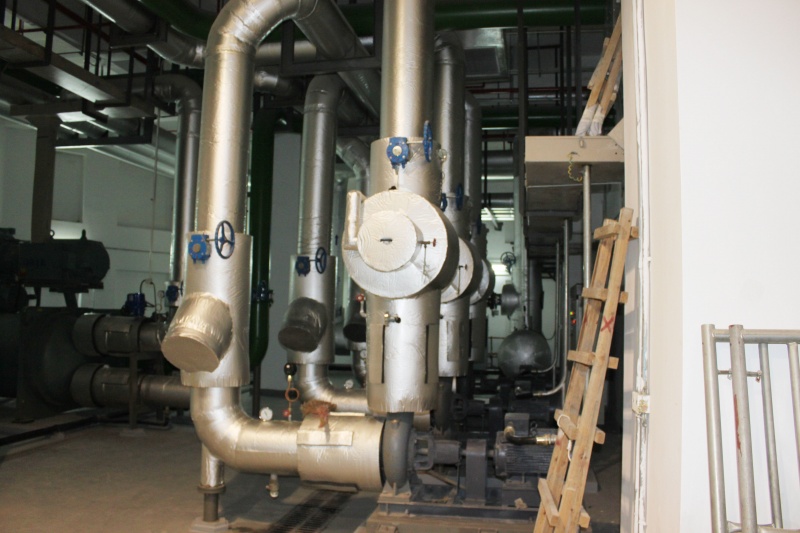
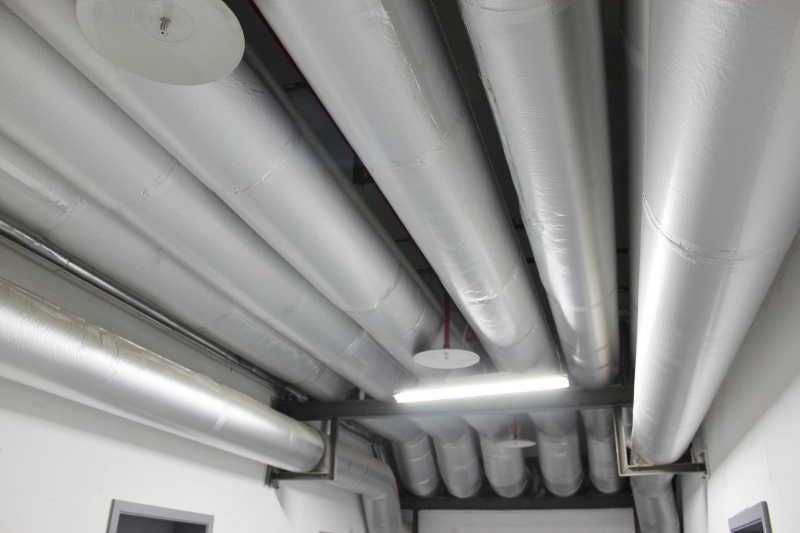
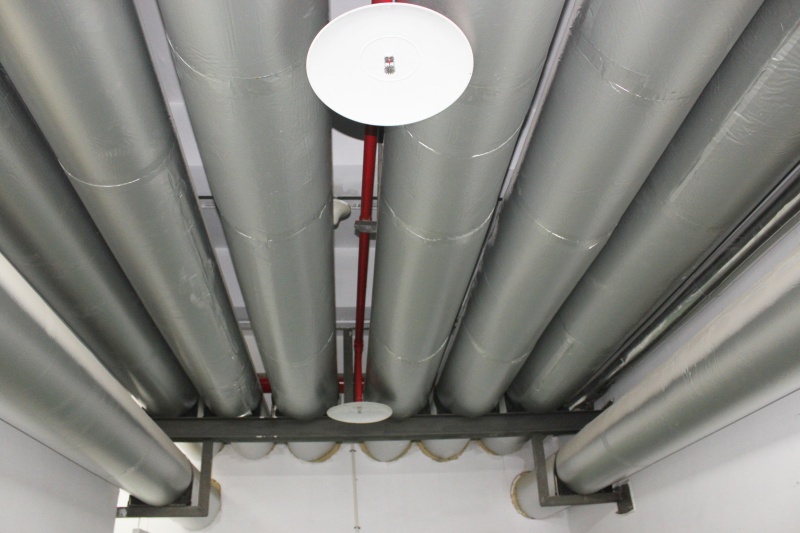
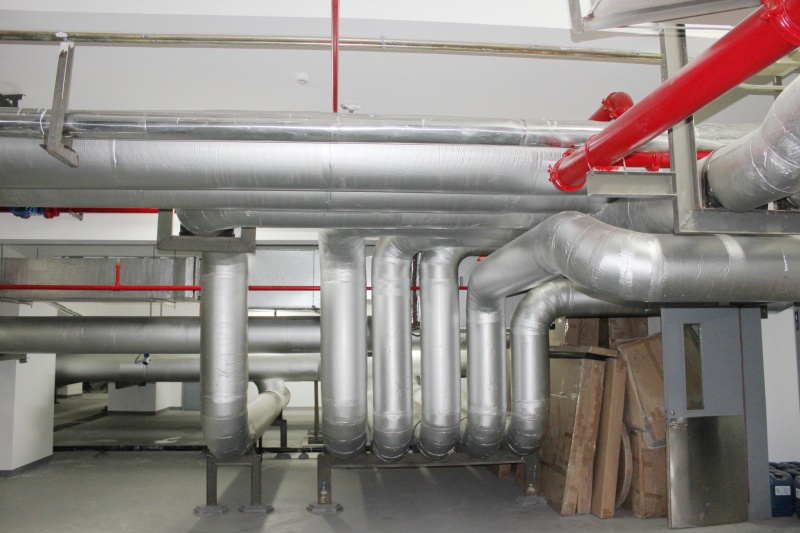
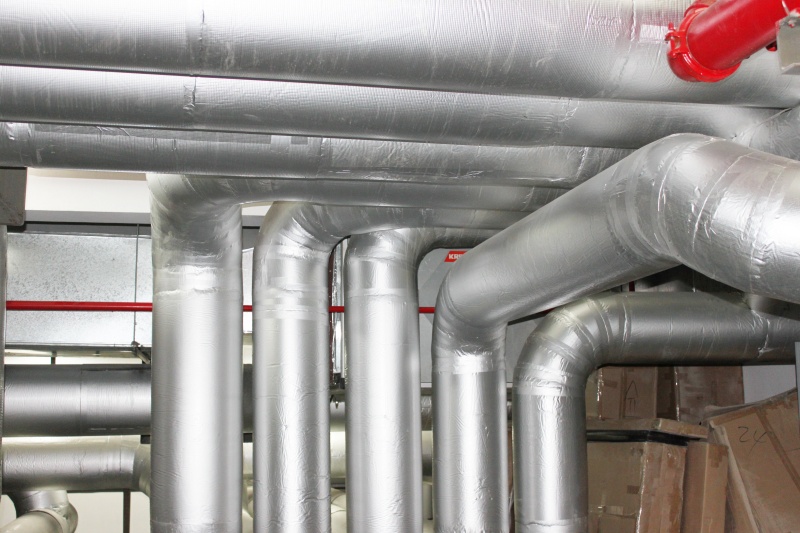
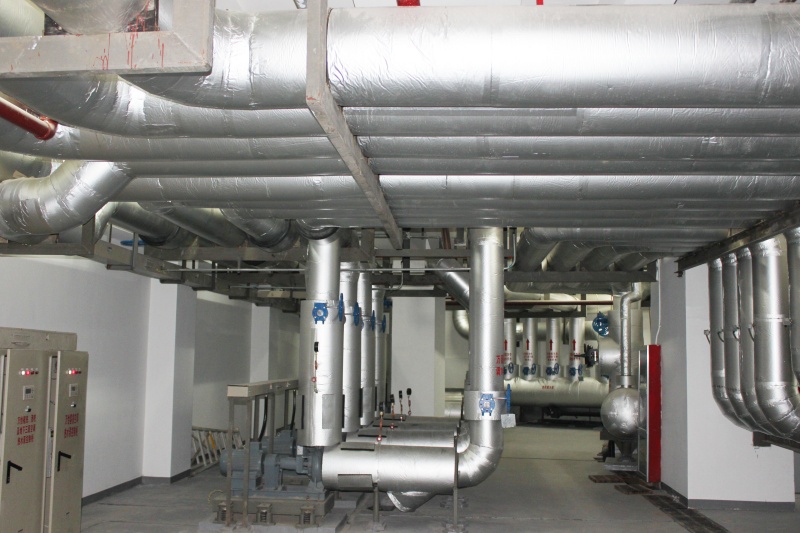
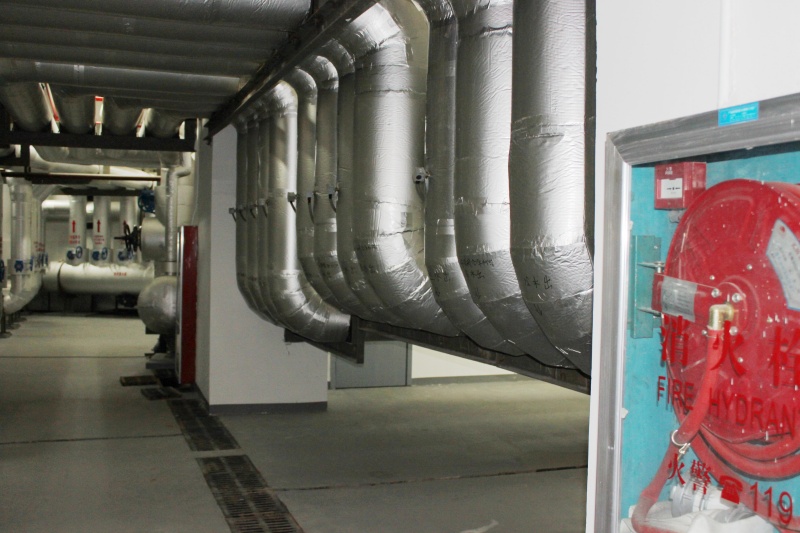
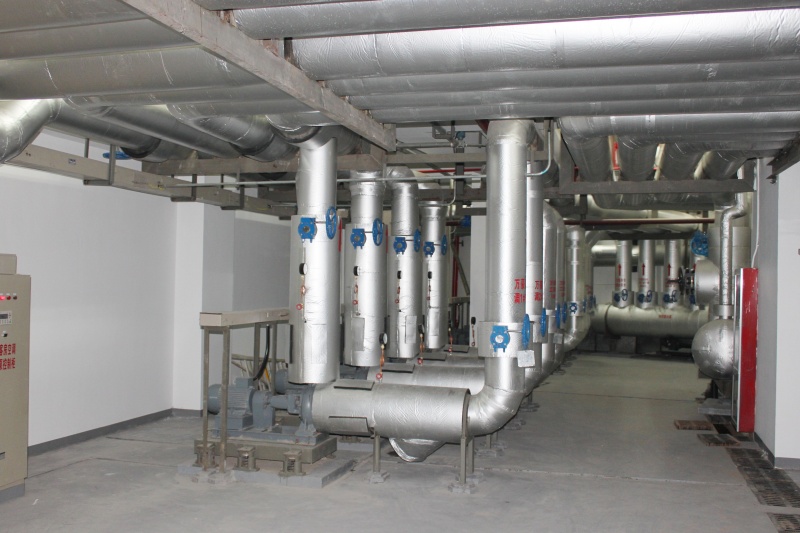
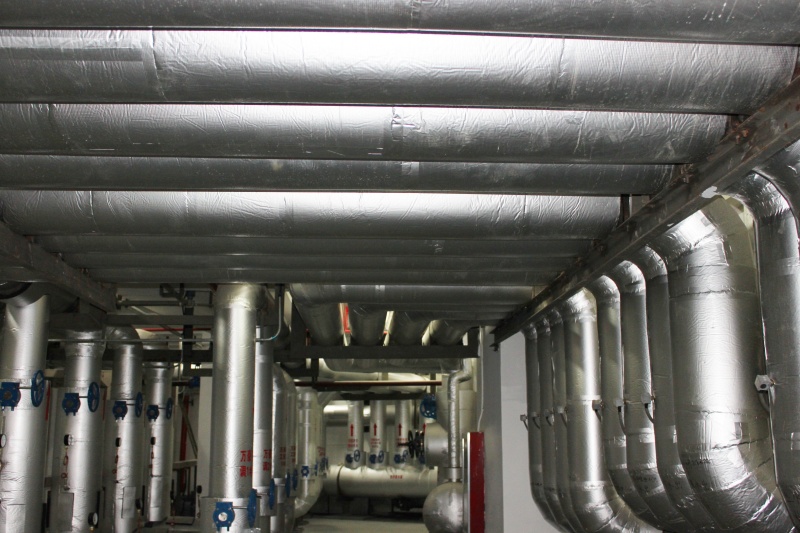
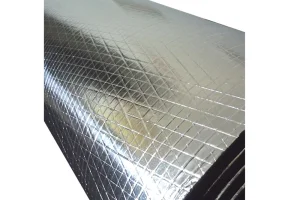
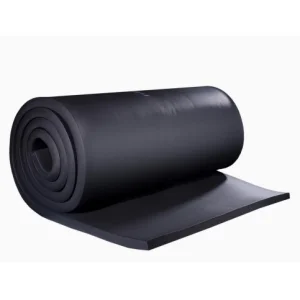
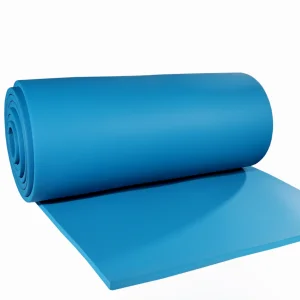
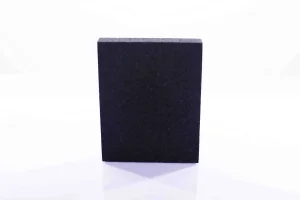
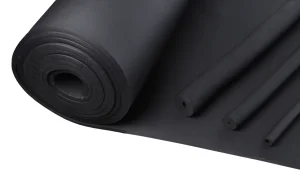
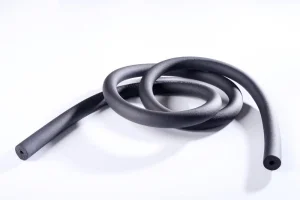
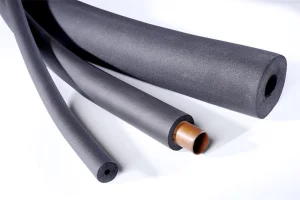
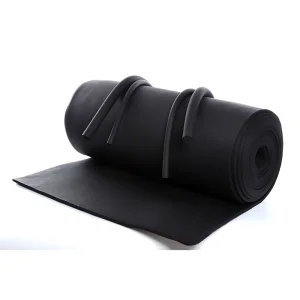
Below are the structural specifications for our elastomeric rubber foam pipe insulation and sheet lines:
Material: Nitrile Butadiene Rubber (NBR) & Polyvinyl Chloride (PVC)
Thickness Options: 6mm, 9mm, 13mm, 19mm, 25mm, 32mm, 40mm, 50mm
Density Range: 40 – 55 kg/m³
Temperature Limits: -40°C to +105°C (Extended Cryogenic variants available down to -200°C)
Cellular Structure: Closed-Cell Matrix (Closed Cell Rate > 98%)
Compression Resilience: > 80% recovery rate under standard compression cycles
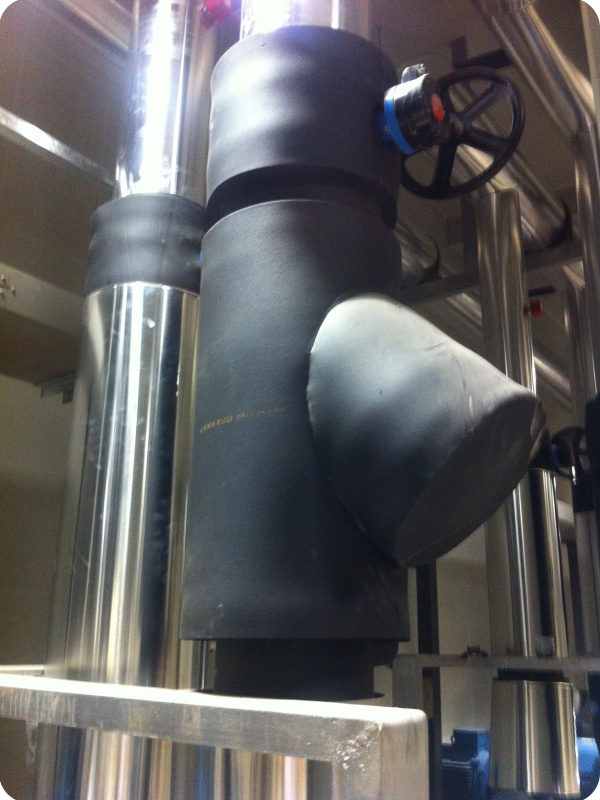
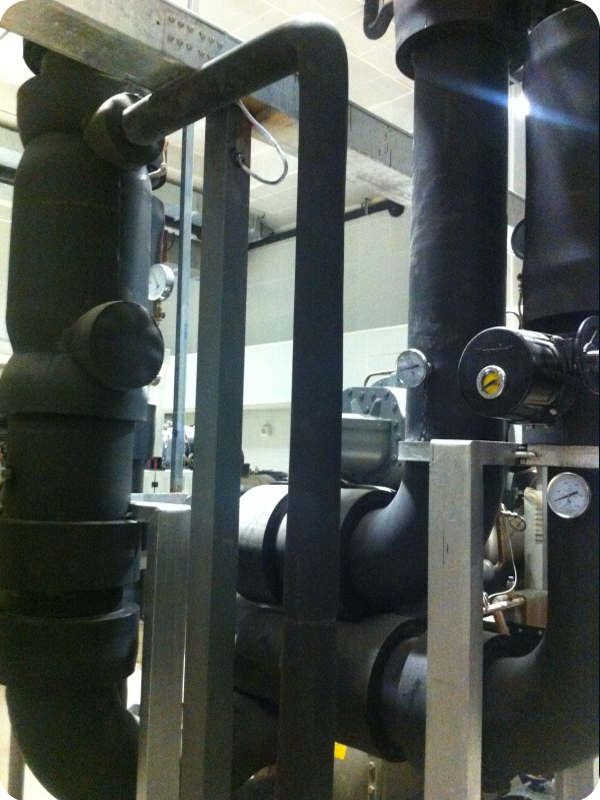
Material: Premium Vulcanized NBR/PVC elastomer compound
Thickness Range: 9mm, 13mm, 19mm, 25mm, 32mm, 40mm
Internal Diameter (ID): 6mm – 114mm (compatible with standard copper and steel pipes)
Density Range: 40 – 55 kg/m³
Moisture Resistance Factor (μ): > 10,000 (blocks humidity and prevents CUI)
Flexibility: High elastic limits, allowing easy installation around pipe elbows and joints
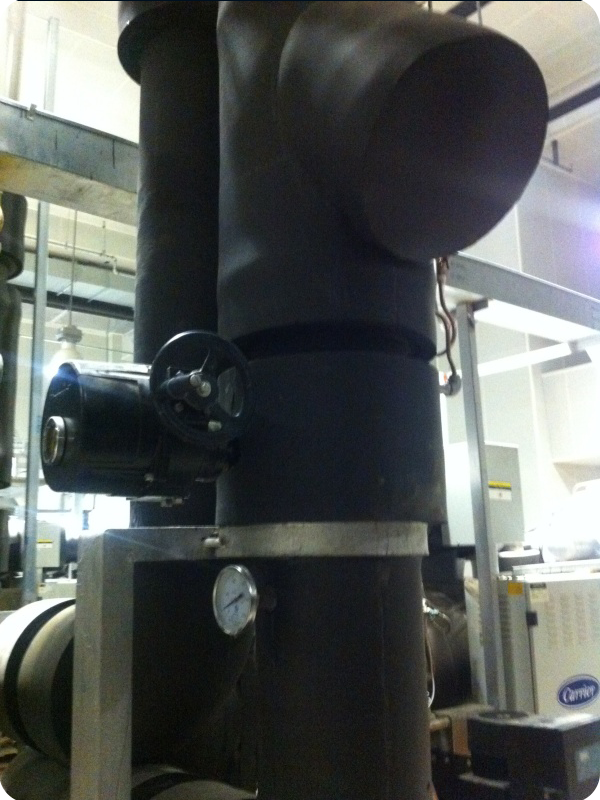
Explore our specialized industrial, marine, and commercial insulation components engineered to meet international standards: