 Kingflex
Kingflex
Kingflex
Direct from China's leading manufacturing factories: explore our high-density fiberglass wool blankets and premium elastomeric closed-cell foam solutions optimized for structural efficiency, fire protection, and thermal resistance.
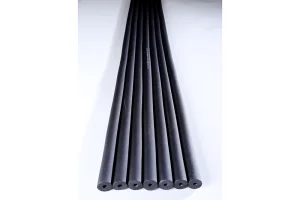
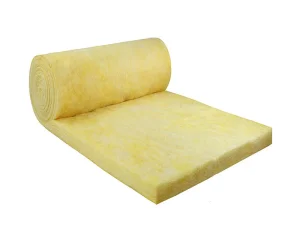
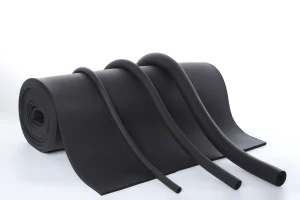
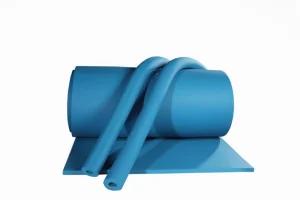
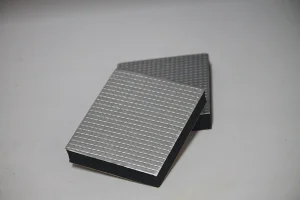
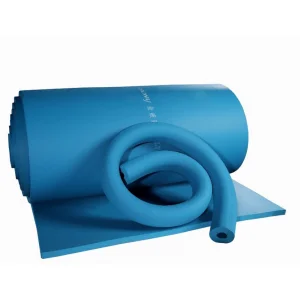
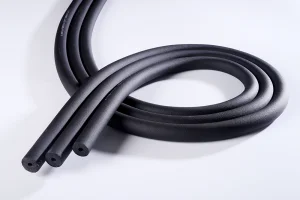
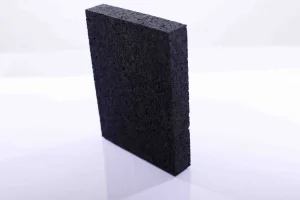
In the era of rapid decarbonization and demanding green building certifications (such as LEED v4.1 and BREEAM), industrial and structural insulation can no longer be treated as secondary materials. They are primary tools for structural thermal resistance and systems safety. Modern thermal insulation engineering demands deep integration across mechanical systems, envelope physics, and materials engineering.
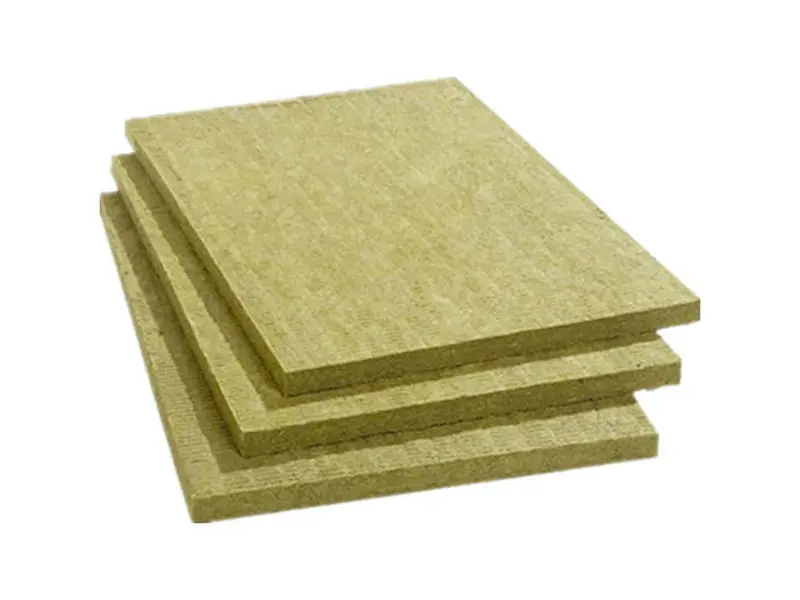
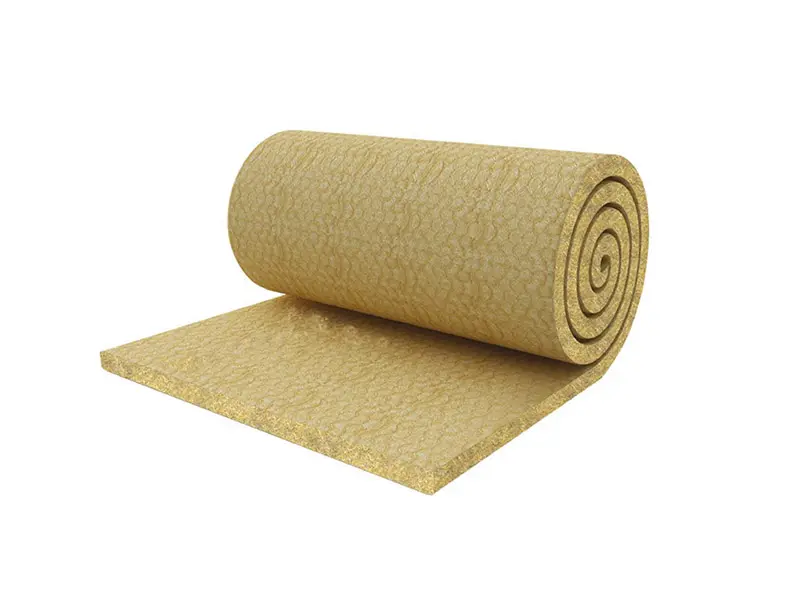
Our high-density glass wool blankets provide structural thermal resistance, preventing thermal bridging in curtain walls, steel frames, and concrete assemblies. The fibrous structure traps millions of micro air pockets to keep thermal conductivity exceptionally low.
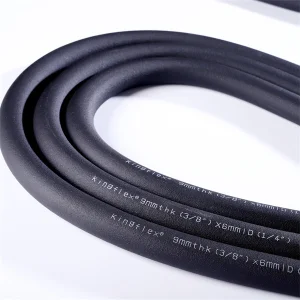
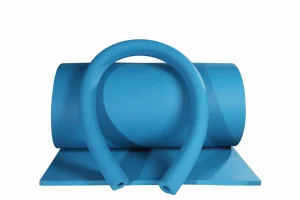
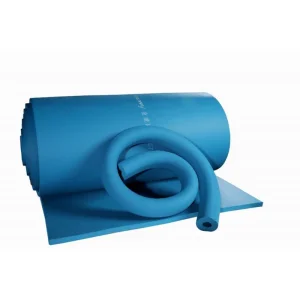
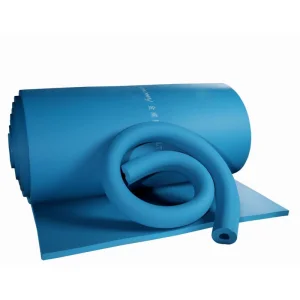
Condensation is the primary point of failure in cold-water piping and ducted air networks. Kingflex closed-cell elastomeric foam acts as an integrated moisture vapor barrier, achieving an extremely high water vapor diffusion resistance index (μ ≥ 10,000).
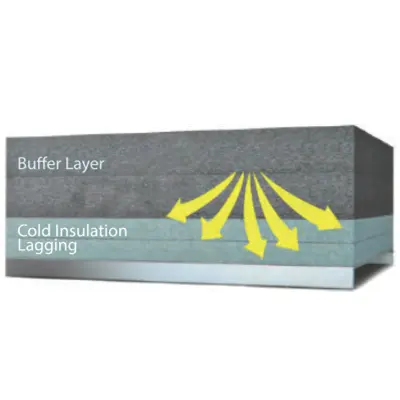
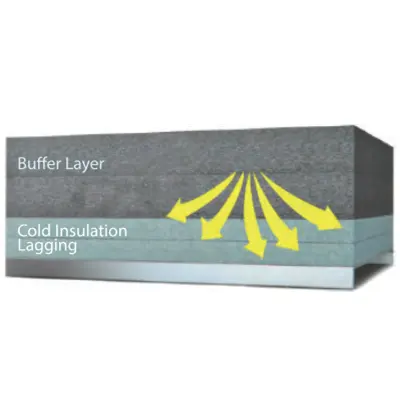
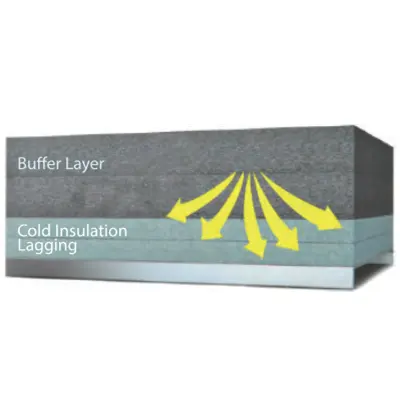
For applications involving LNG pipelines, liquid nitrogen storage, and ultra-low temperature processing (down to -200°C), specialized multi-layered elastomeric systems prevent cryogenic thermal shock, keeping industrial media stable.
Kingflex Insulation Co., Ltd. is a professional manufacturing and trading combo for thermal insulation products. Our research development and production hub is located in Dacheng, China, the well-known capital of green building materials. As an energy-saving, environmentally friendly enterprise, we concentrate on the research, development, production, and sales of high-performance insulation systems.
In our daily operations, Kingflex prioritizes energy conservation and consumption reduction. We deliver comprehensive insulation solutions through consultation, customized R&D production, installation guidance, and dedicated post-sales service to lead the advancement of the global building materials industry.
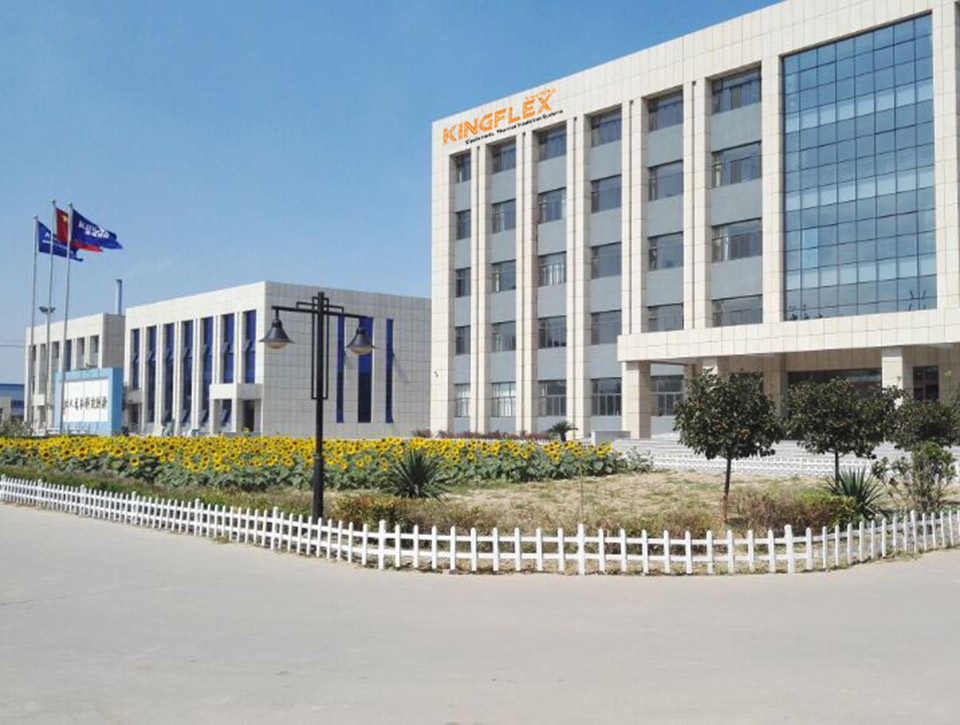
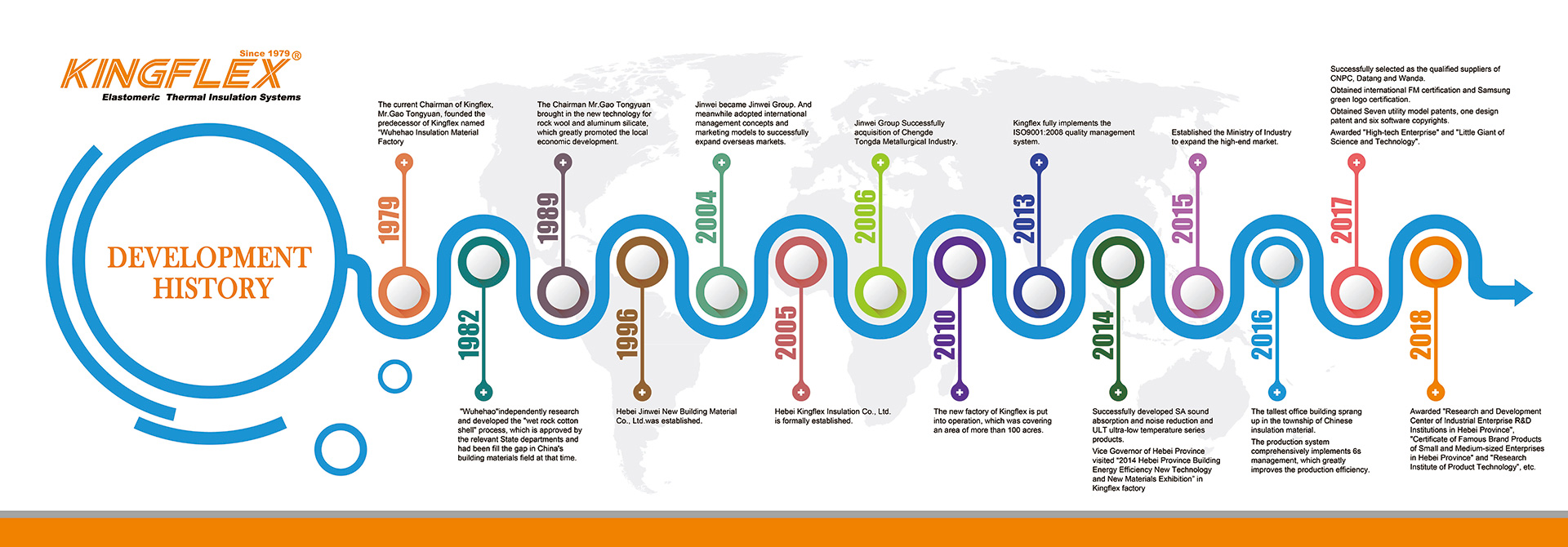
Established by the Jinwei Group, which has a history of more than 40 years dating back to 1979, Kingflex stands as a pioneer in northern China's insulation industry. Jinwei Group was the first manufacturer of thermal insulation materials north of the Yangtze River.
Today, Kingflex operates 5 large-scale automated assembly lines. Our status as a designated supplier for the Ministry of Energy, the Ministry of Electric Power, and the Ministry of Chemical Industry reflects our engineering precision and production capacity.
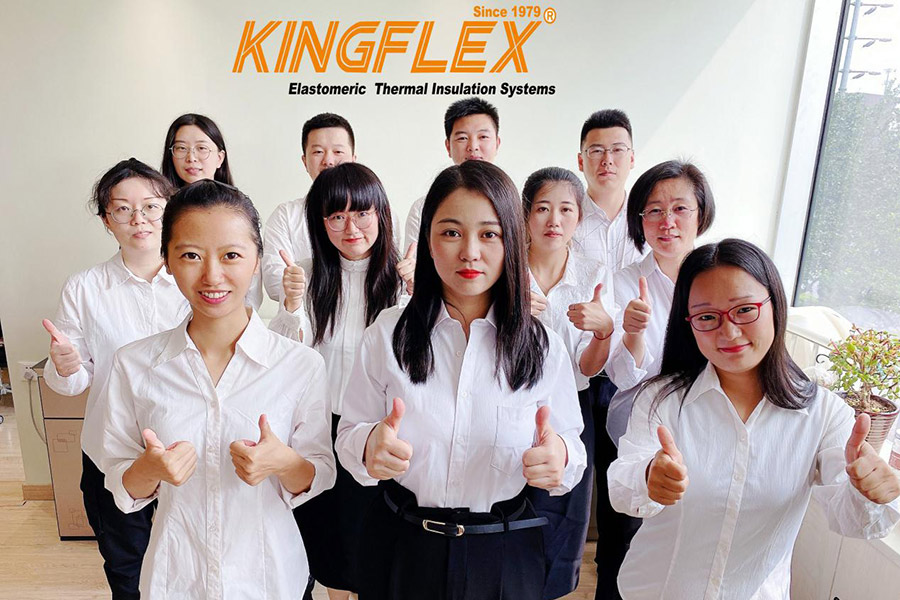
A cohesive team with a shared vision is essential for industrial consistency. The Kingflex team consists of a talented group focused on delivering first-class service to clients globally.
Our R&D department features 8 professional engineers, supported by 6 international sales consultants and over 230 manufacturing workers in our production plants.

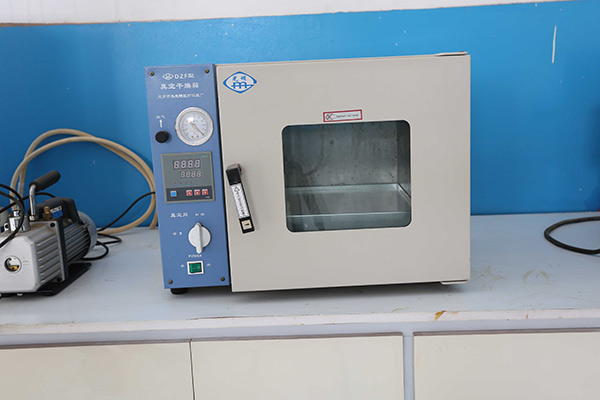
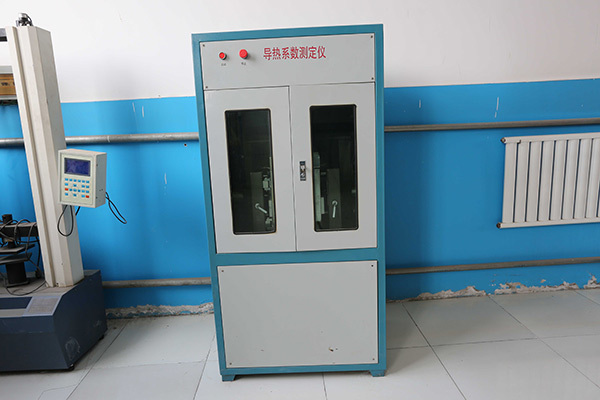
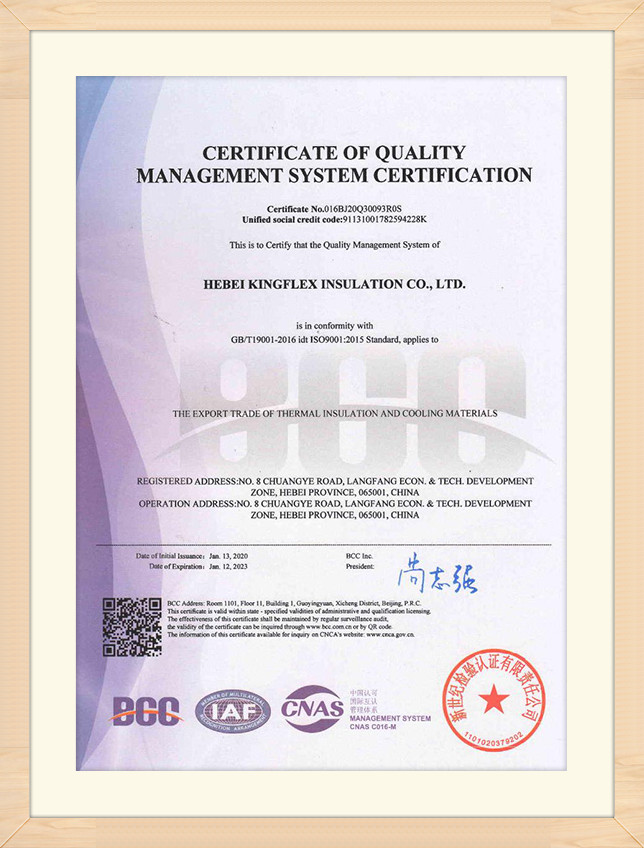
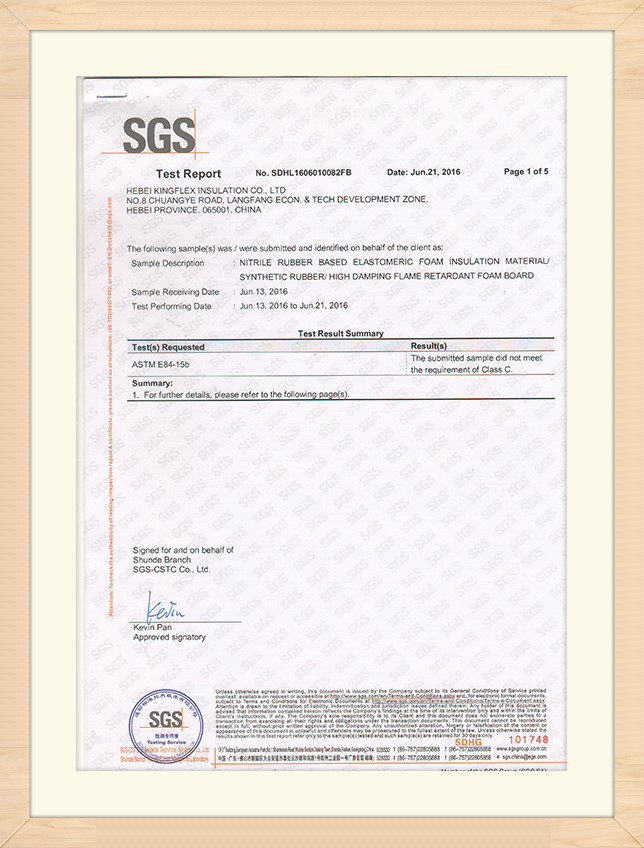
International engineering projects require strict regulatory compliance. Kingflex materials are tested and certified to meet fire safety, toxicity, and environmental standards worldwide.
British fire safety standard for low flame spread and heat release, certified for commercial high-rises and public structures.
Highest standard for vertical burn resistance, ensuring safety in industrial electrical rooms and critical pathways.
Verified for European distribution with thermal transmission properties measured using heat flow meter apparatus.
Guarantees the absence of hazardous substances like heavy metals, polybrominated biphenyls, and phthalates.
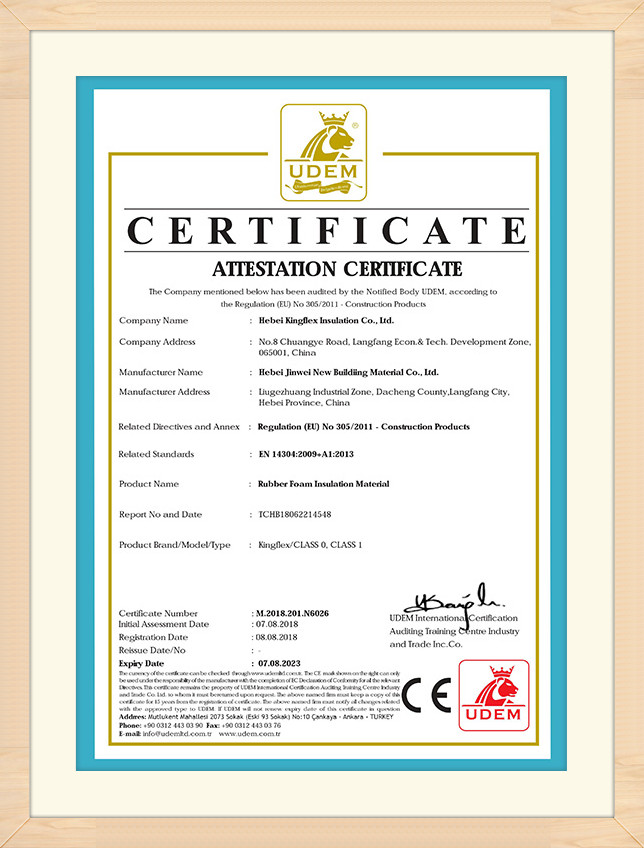
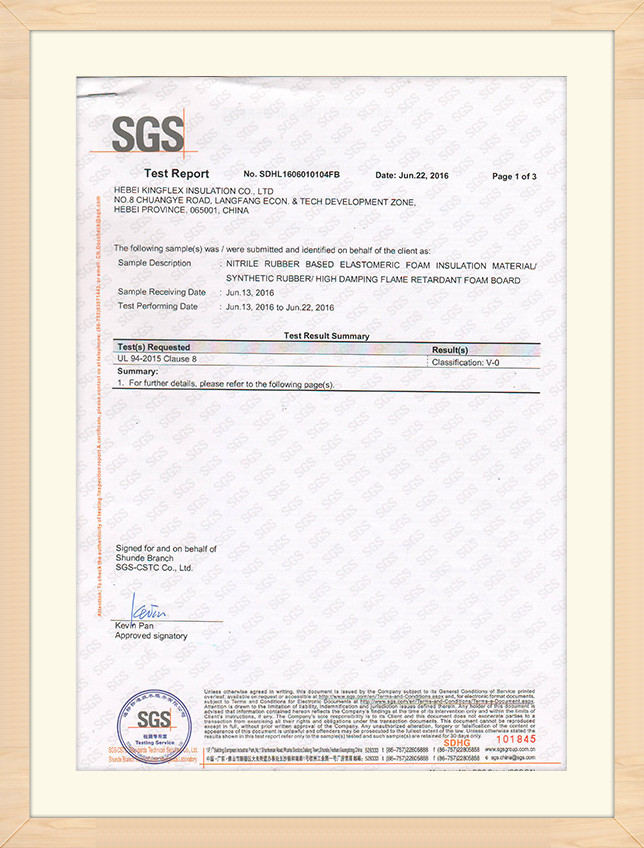
Refer to the exact mechanical and thermal parameters of our primary product variants. Custom densities and configurations are available upon request.
We design custom thermal barriers for challenging environments. Our materials are engineered to perform in specific applications.
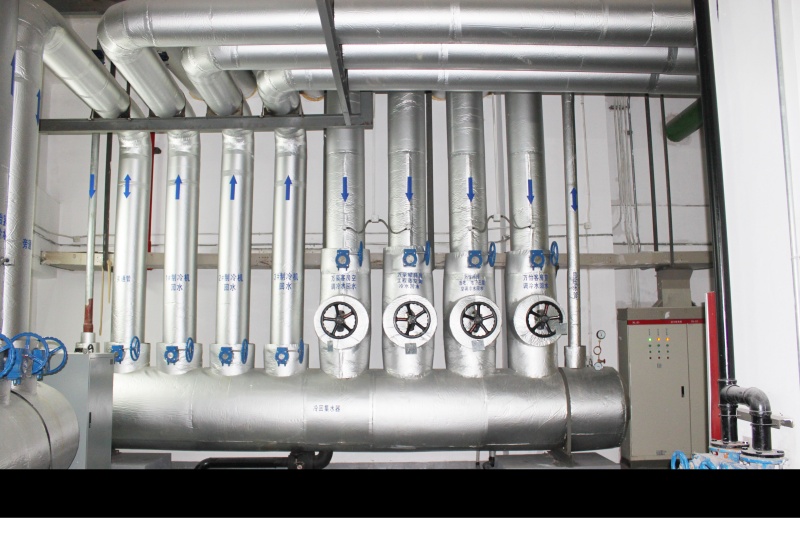
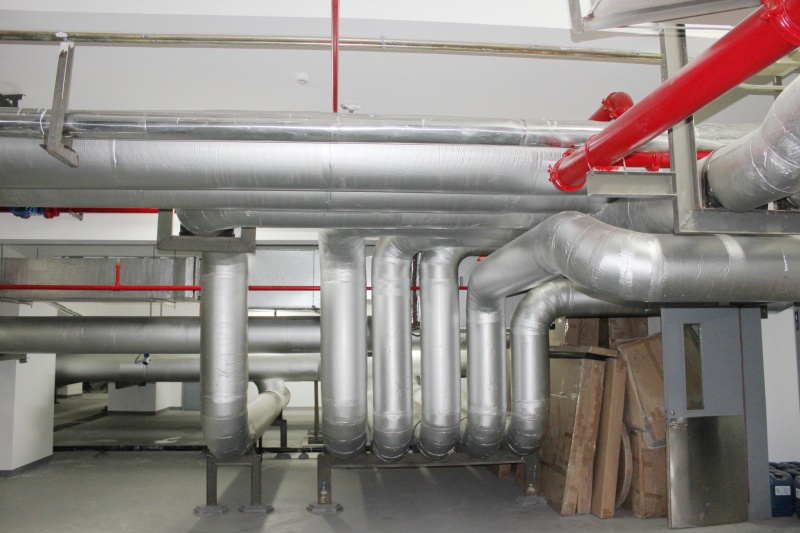
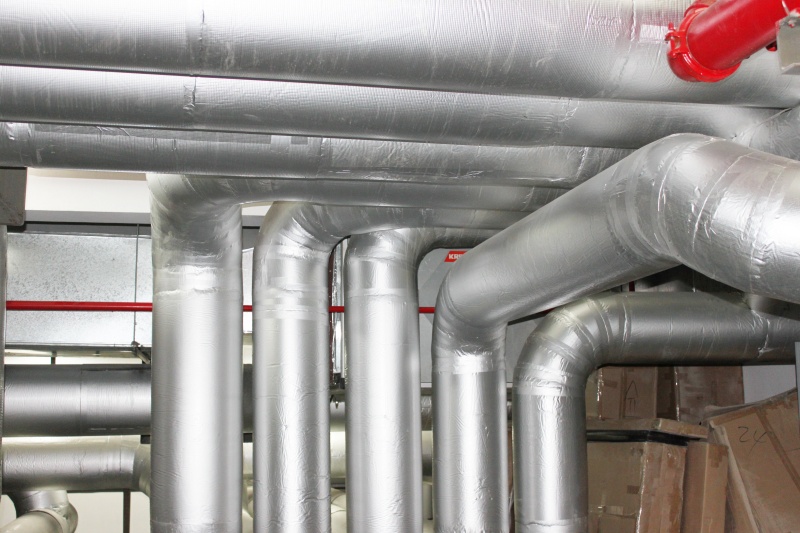
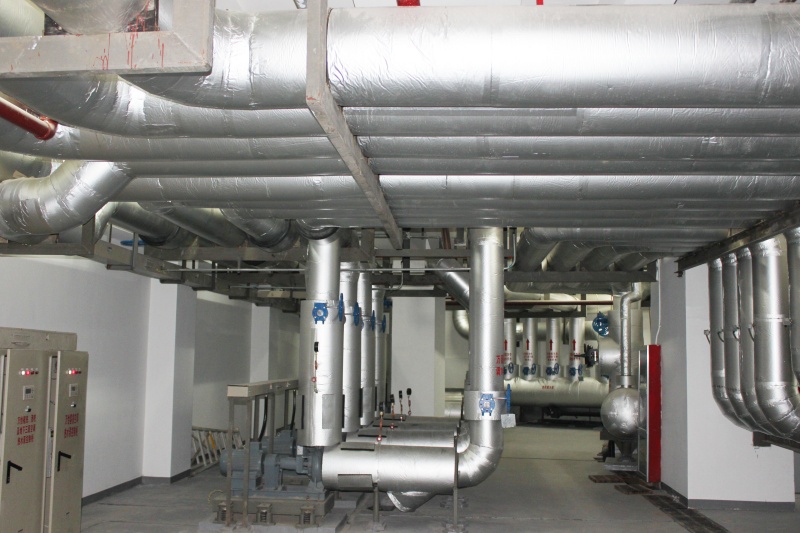
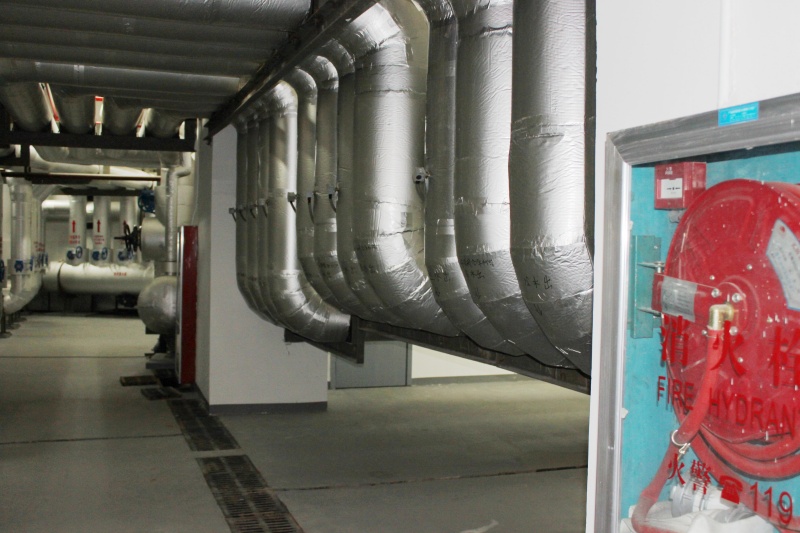
Controls condensation on commercial ductwork, central air conditioning piping, and refrigerant lines. Prevents moisture infiltration, protecting systems from corrosion under insulation (CUI).
Maintains target fluid temperatures in chemical processing, power plants, and oil refineries. High-density glass wool blankets handle process temperatures up to 400℃, reducing heat loss.
Specialized dual-temp elastomeric rubber and mineral wool compositions withstand outdoor UV degradation and solar collector temperatures, maintaining insulation efficiency over time.
Our insulation materials are installed across international commercial airports, municipal subways, regional hospital facilities, and petrochemical processing hubs.
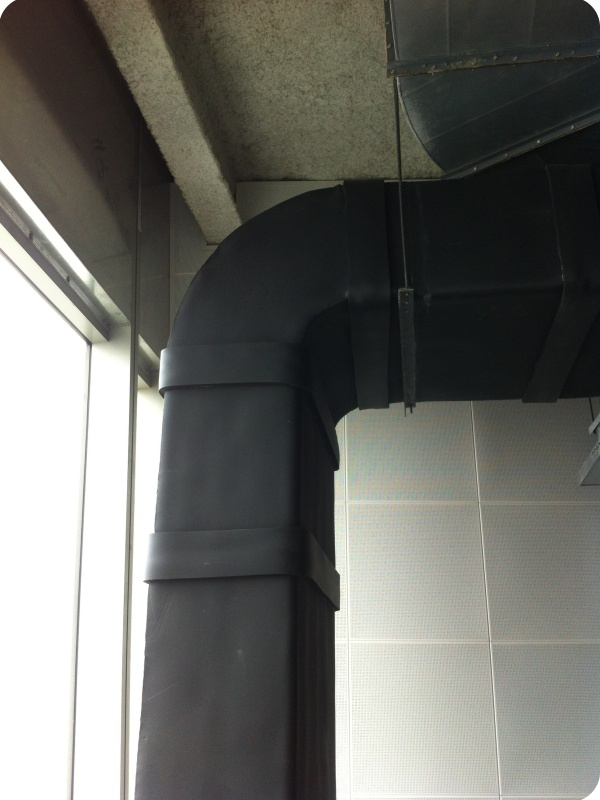
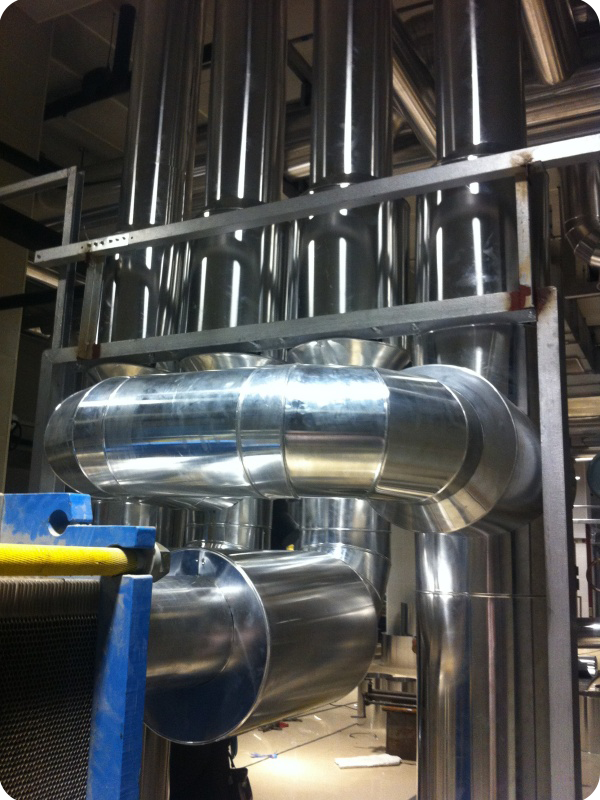
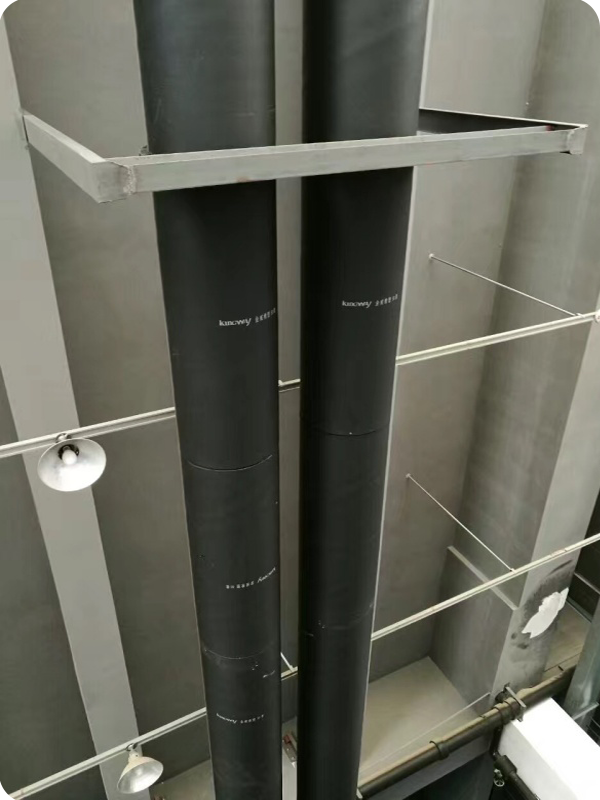
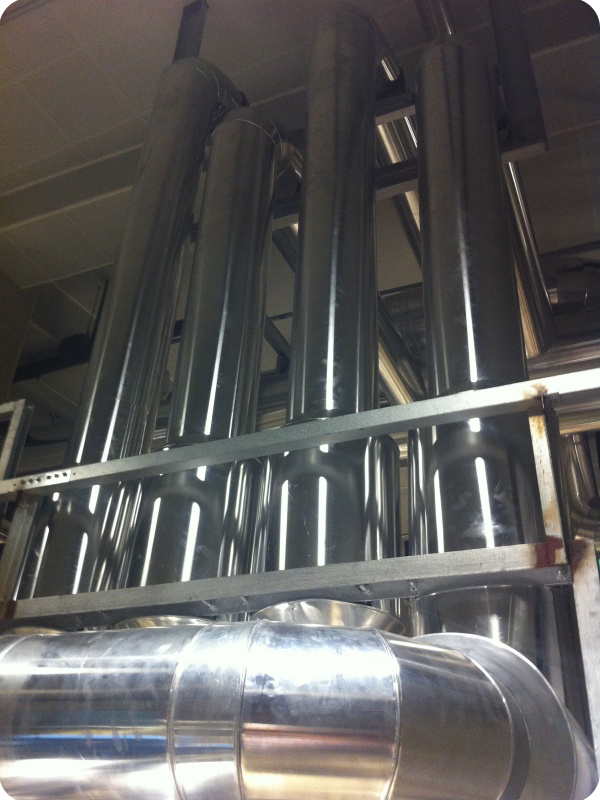
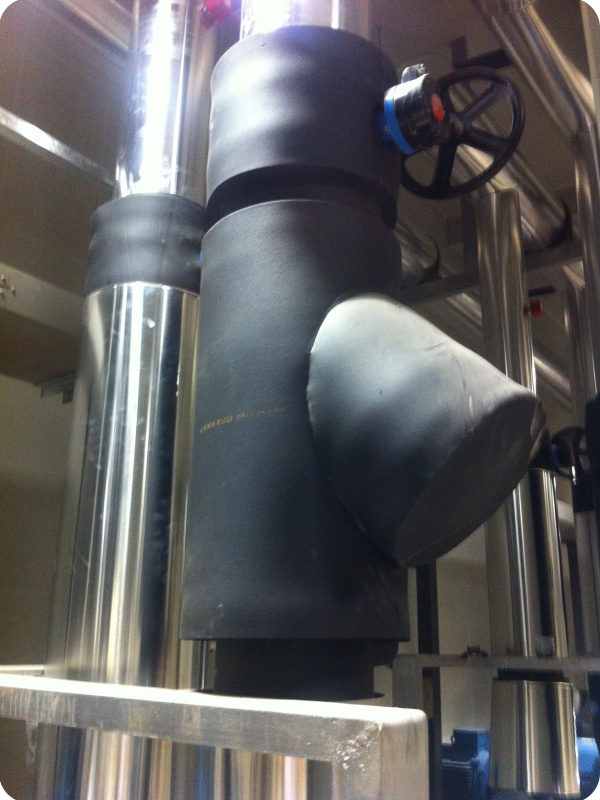
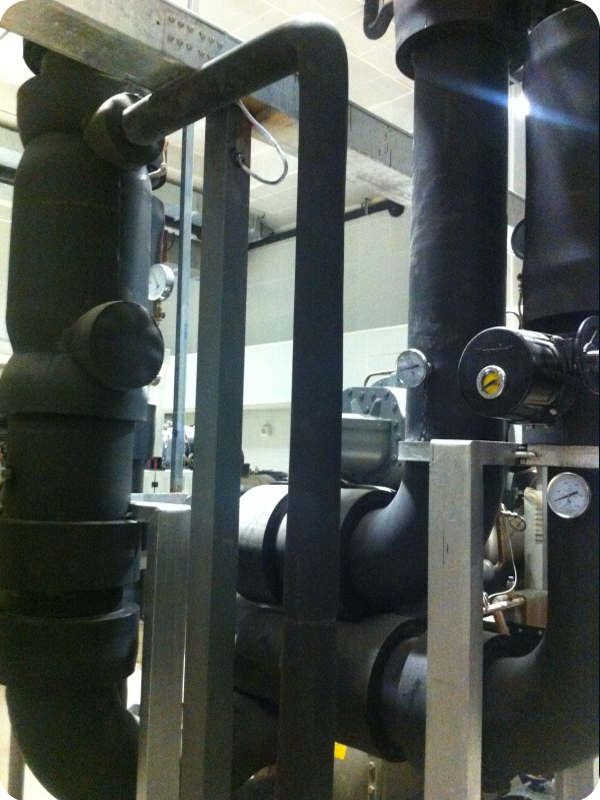
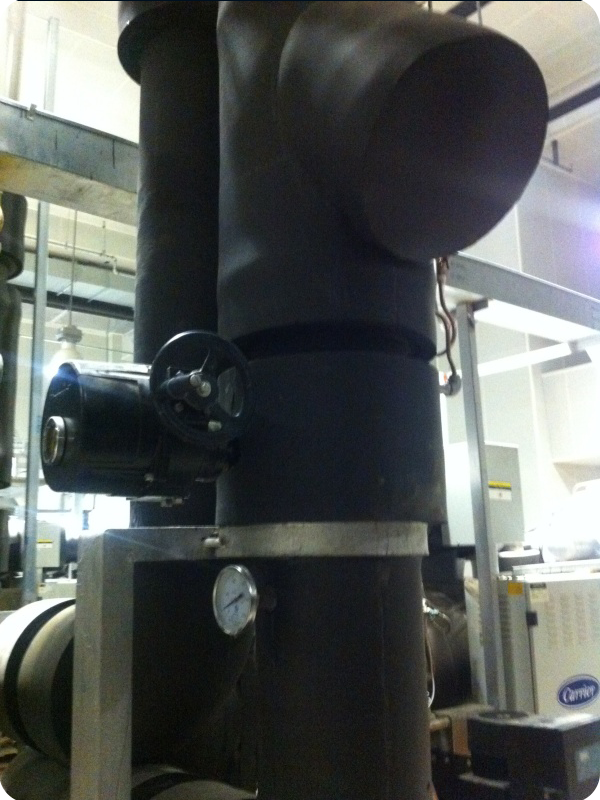
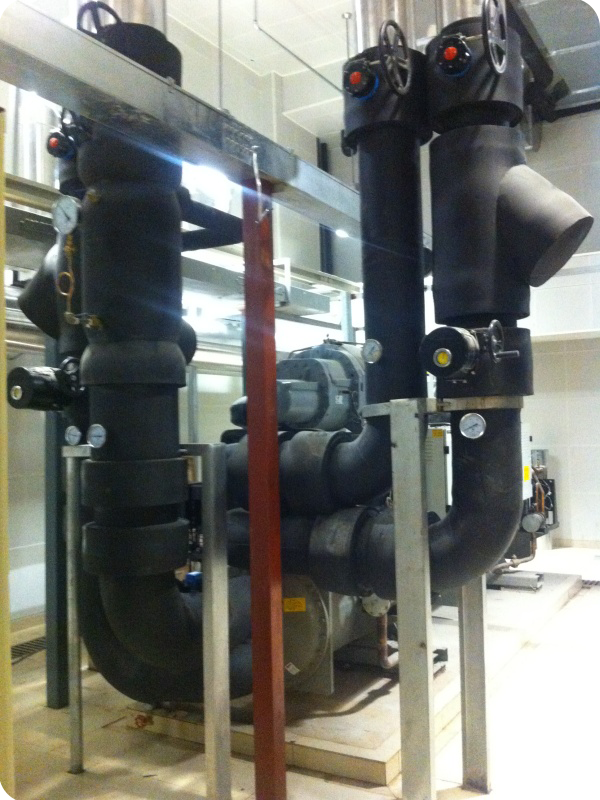
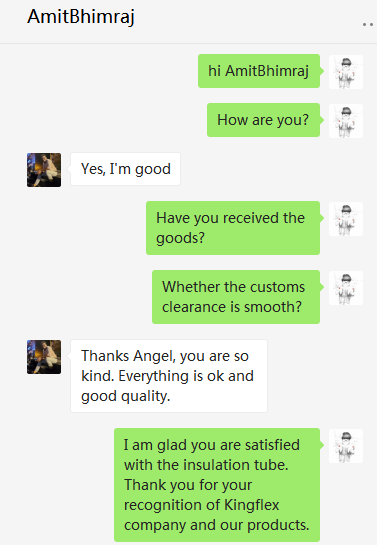
We maintain open channels of feedback and technical customization with engineering partners worldwide. Below are direct design logs and communications validating our global project delivery.




Take a look inside our manufacturing lines. Continuous automated control ensures thickness accuracy, density control, and consistency in every batch of glass wool and elastomeric rubber foam.
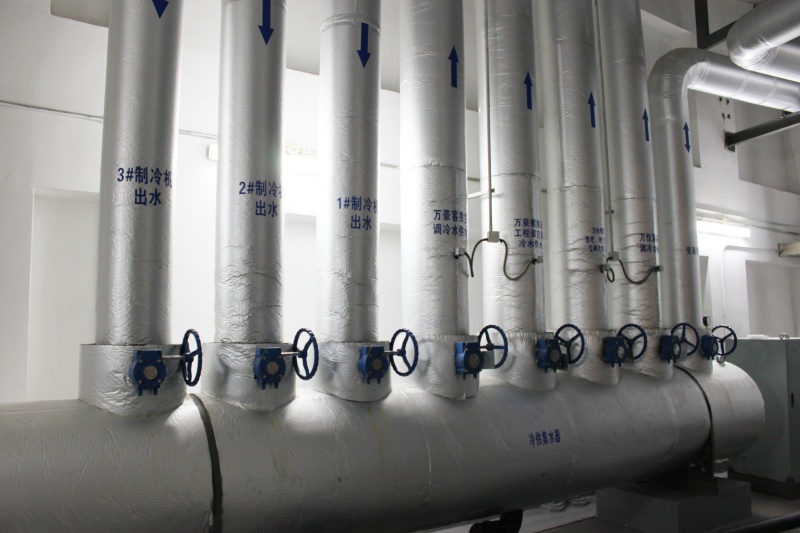

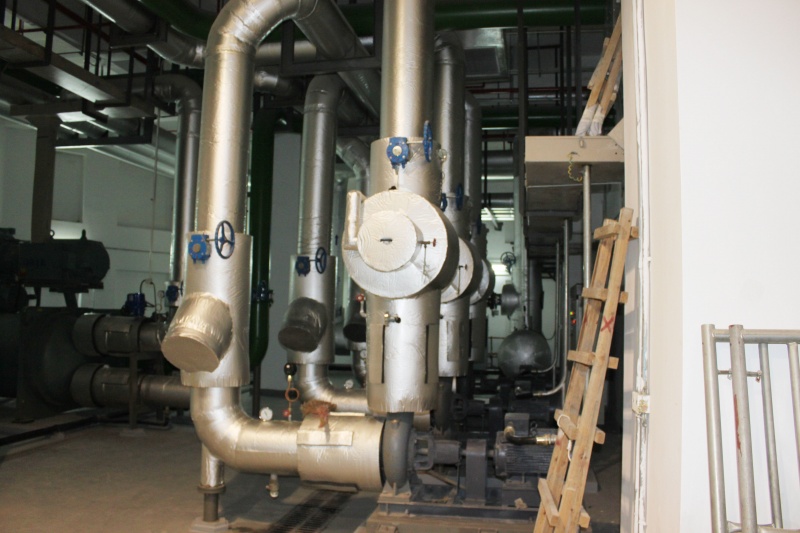
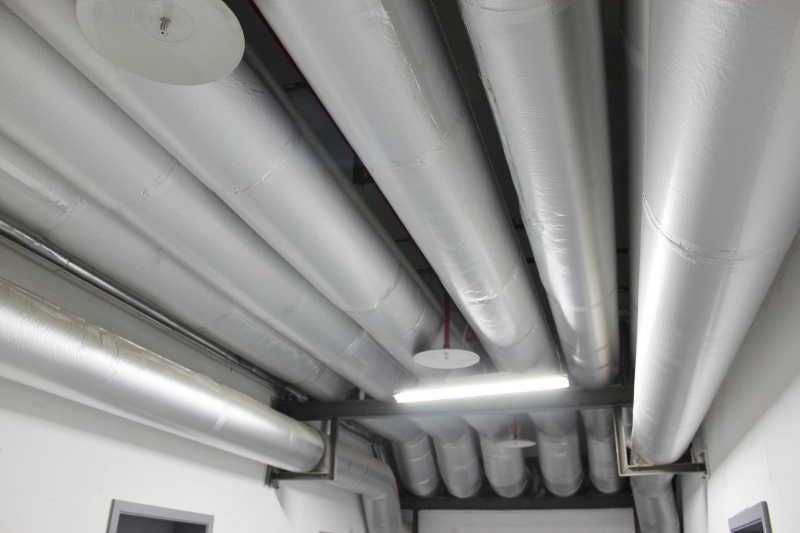
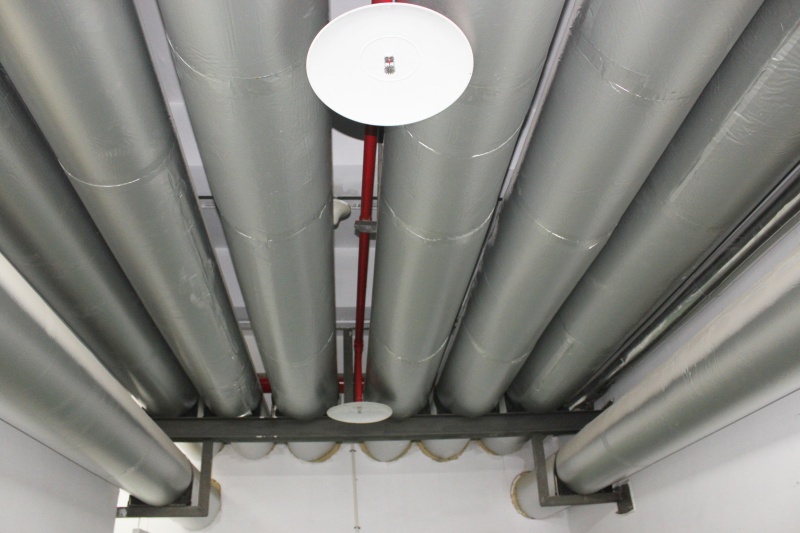
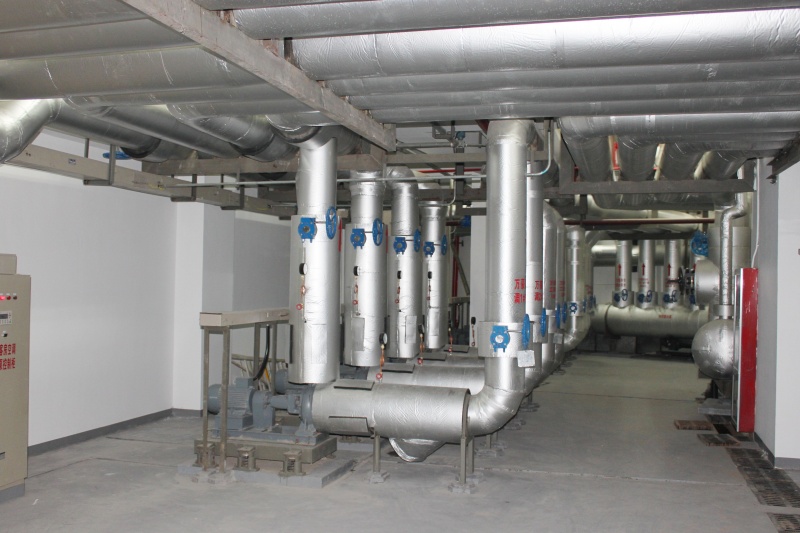
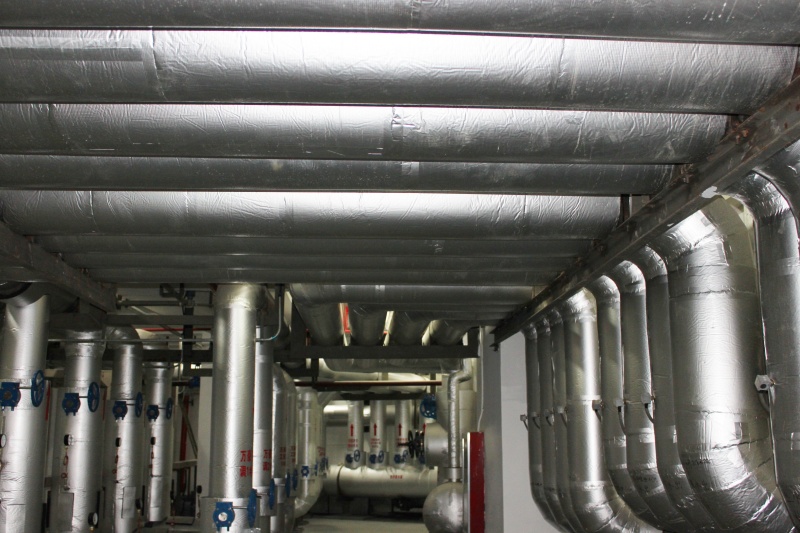
At Kingflex, we focus on the continuous development of insulation technology. Our product roadmap centers on structural performance, environmental sustainability, and temperature stability.
We are transitioning our glass wool production lines to bio-based binders. This step reduces free formaldehyde and VOC emissions, helping projects meet indoor air quality standards like WELL and LEED.
Integrating silica aerogel structures with our elastomeric foam substrates. This development aims to lower thermal conductivity to ≤ 0.028 W/m·K at 0°C, allowing for thinner insulation profiles.
Implementing electric melting technology in our glass wool furnaces and utilizing 100% renewable electricity across our Dacheng production hub, working towards carbon-neutral operations.
Find answers to technical and practical questions about our glass wool and elastomeric rubber foam insulation systems.
A comprehensive listing of Kingflex thermal, acoustic, and high-temperature insulation products.
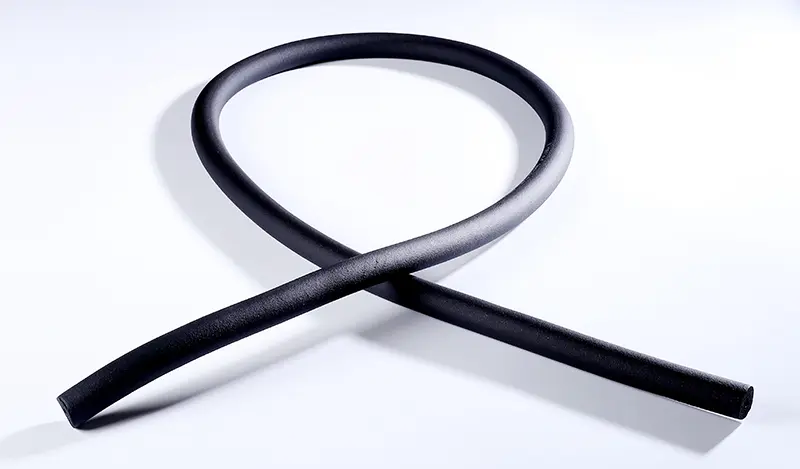
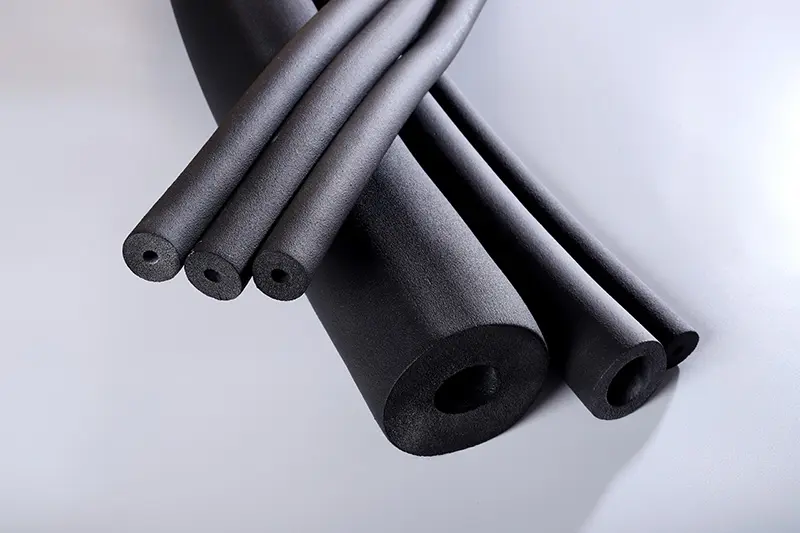

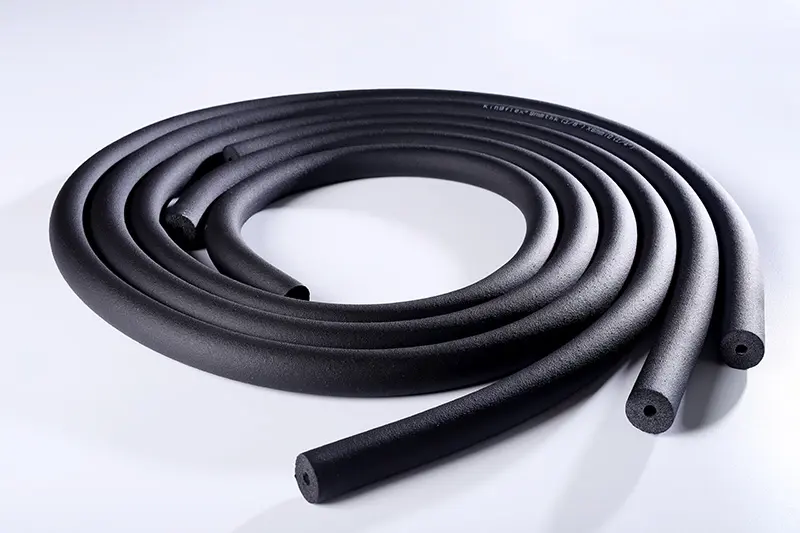
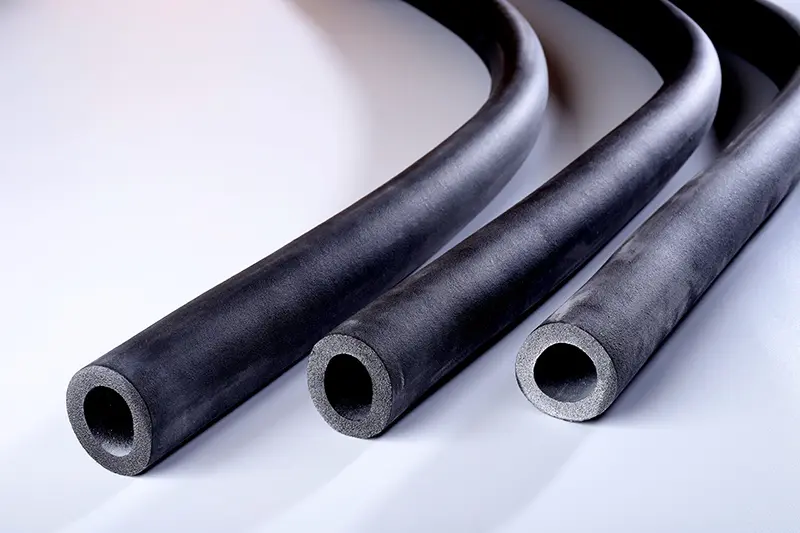
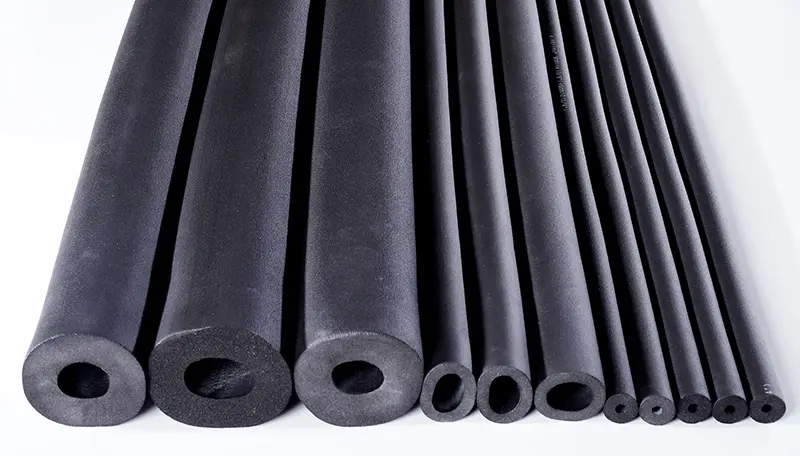
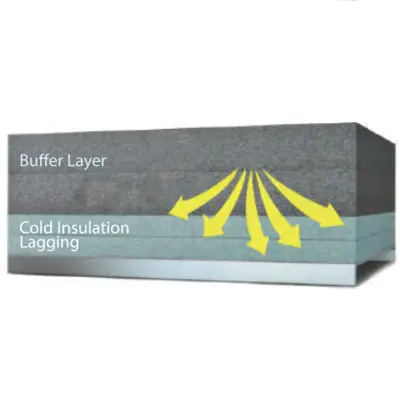
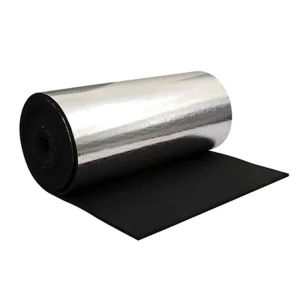
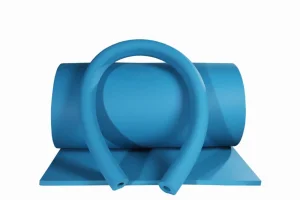
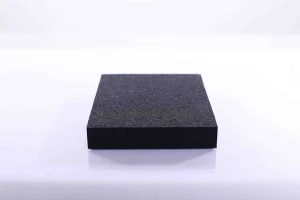
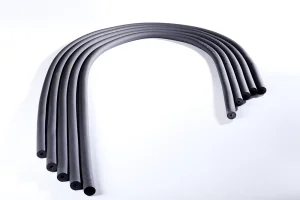
Explore additional products from our line of elastomeric closed-cell foam tubing, sheets, and low-temperature thermal isolation systems.