 Kingflex
Kingflex
Kingflex
Kingflex Insulation Co., Ltd. is a leading industrial enterprise combining research, development, state-of-the-art production, and global trading for premium elastomeric thermal and acoustic insulation products. Strategically headquartered in Dacheng, China—historically celebrated as the capital of green-building materials—Kingflex has cemented its presence as a critical partner in the global energy conservation and environmental protection ecosystem.
By incorporating the overarching philosophy of "energy saving and consumption reduction," we serve our clients not just as an OEM manufacturer, but as an engineering consultant. Our capabilities encompass conceptual research, product customization, on-site installation guidance, and lifetime post-sale structural support.
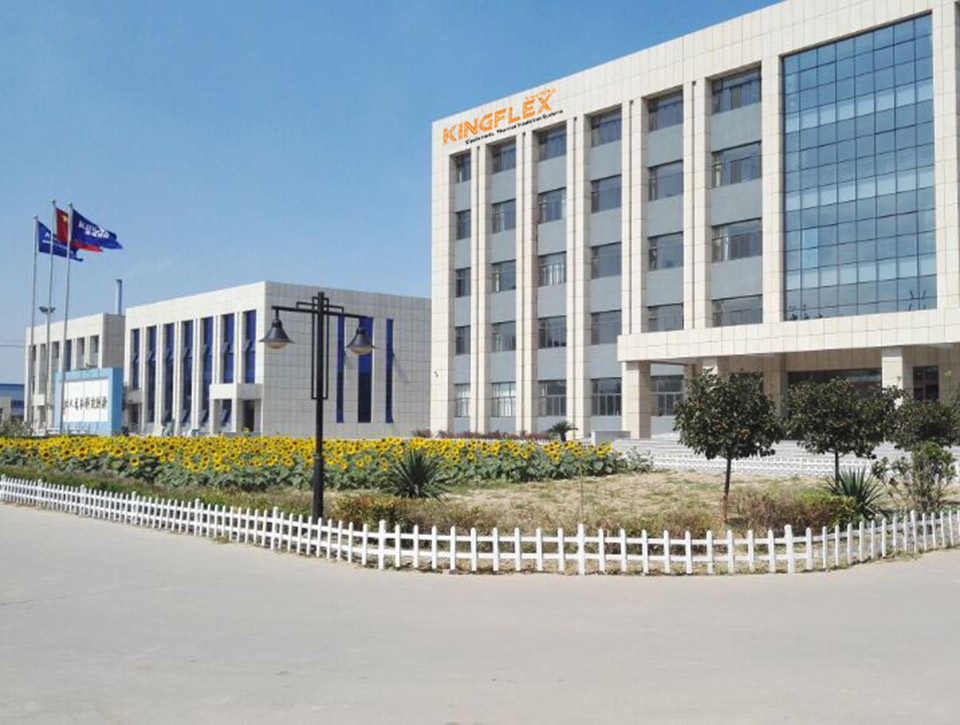
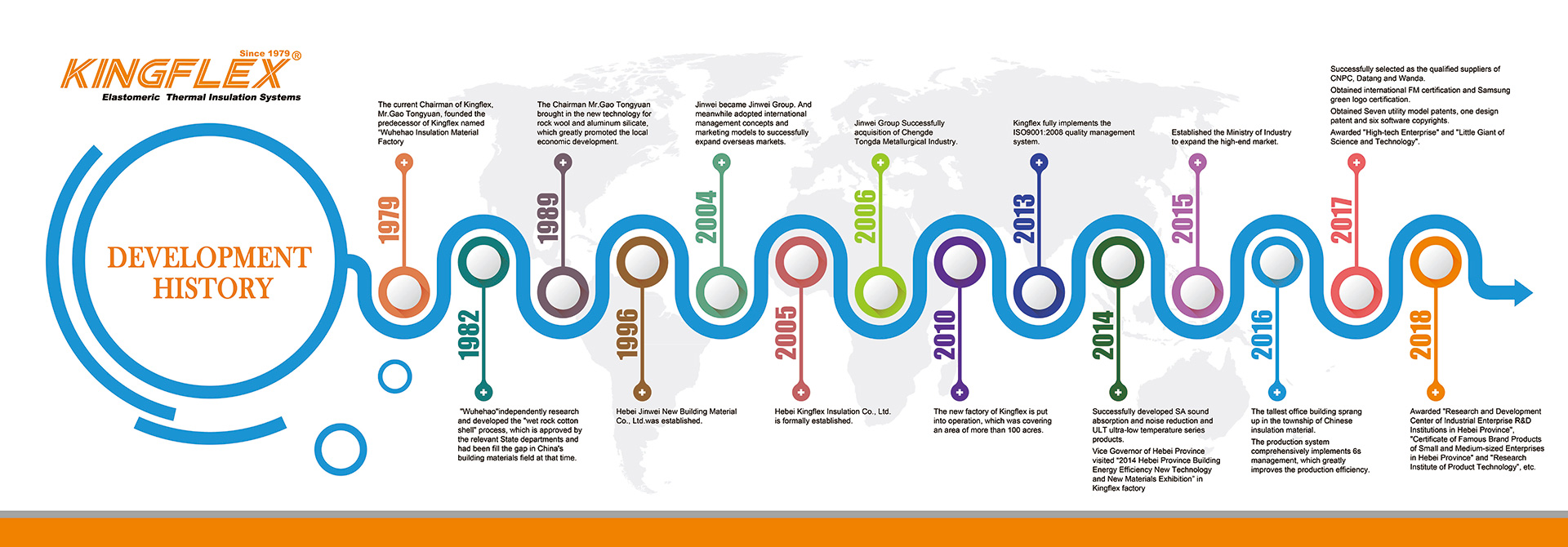
With five advanced automated production lines operating round-the-clock, Kingflex achieves an annual production capacity exceeding 600,000 cubic meters. Our reliability in quality and volume has made us a designated manufacturing partner for major national offices, including the Ministry of Energy, the Ministry of Electric Power, and the Ministry of Chemical Industry.
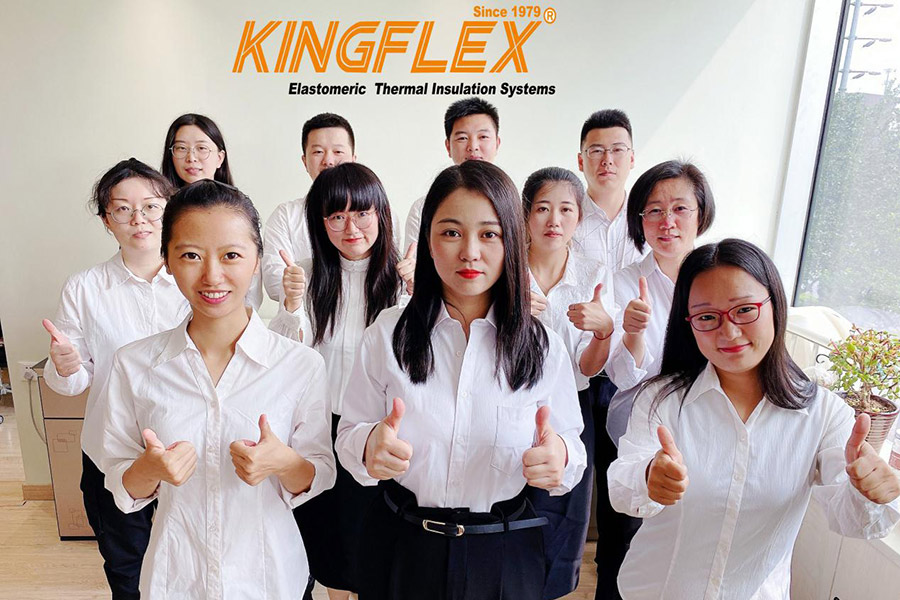
Our infrastructure comprises highly experienced technical departments backed by 8 dedicated R&D material engineers, 6 international trade consultants, and over 230 skilled production operators. This allows us to offer custom manufacturing configurations (thicknesses ranging from 6mm to 50mm) while ensuring consistent batch traceability.
As global energy costs soar and green initiatives like the EU Green Deal and LEED/BREEAM certifications shape modern building codes, elastomeric foam technology faces stricter thermal and environmental performance demands.
Industrial systems account for up to 30% of global emissions due to heat and cooling loss. High-density, closed-cell NBR/PVC foams act as thermal barriers, preserving temperature controls and reducing HVAC system runtimes.
Liquid Natural Gas (LNG) logistics require structural integrity at ultra-low temperatures (-196°C to -40°C). Kingflex has pioneered elastomeric cryogenic systems designed to remain flexible and prevent thermal cracking.
Corrosion Under Insulation (CUI) costs industries billions annually. Closed-cell technology blocks ambient moisture penetration, eliminating the conditions that trigger pipeline corrosion.
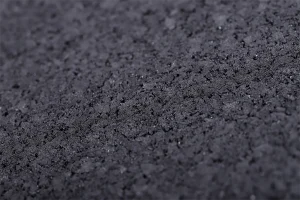
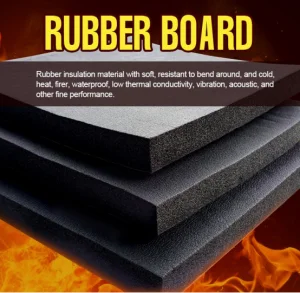
At the core of Kingflex elastomeric materials lies a specialized blend of Nitrile Butadiene Rubber (NBR) and Polyvinyl Chloride (PVC). This chemical hybrid offers unique properties that traditional mineral wool or fiberglass cannot match:

We provide engineered insulation products tailored to specific challenges across multiple global sectors:
Ideal for central air conditioning ductwork, refrigeration piping, and pharmaceutical cleanroom systems. Closed-cell elastomer prevents fiber shedding and inhibits biological mold growth.
For cryogenic LNG storage tanks, cold transmission pipelines, and chemical processing facilities. Performs reliably in low temperatures down to -196°C to prevent extreme thermal loss.
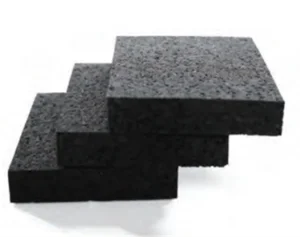
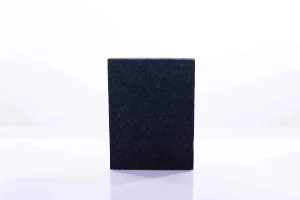
Open-cell engineering structure variant (NBRPVC open-cell panels) absorbs mechanical vibrations and airborne noise in engine rooms, hotel ventilation lines, and building basements.
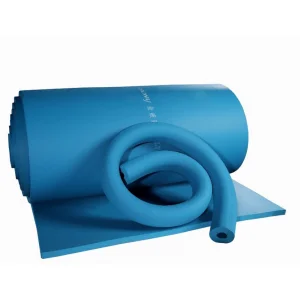
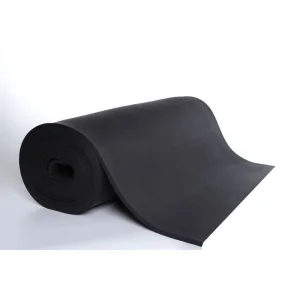
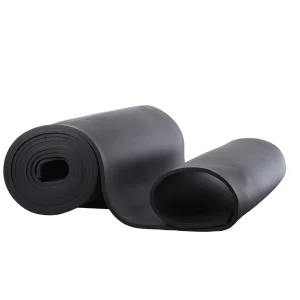
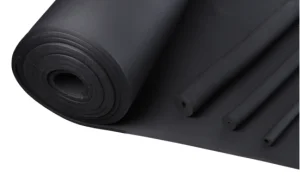
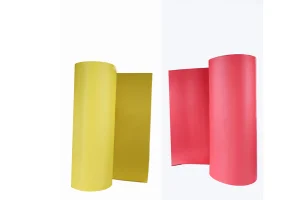
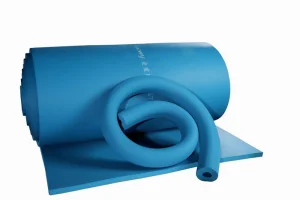
Flexible, large-format insulation rolls suitable for HVAC ducts, expansive tanks, and high-diameter process piping systems.
| Standard Material | NBR/PVC Elastomer Blend |
| Available Thicknesses | 6mm to 50mm |
| Density Range | 40 - 55 kg/m³ |
| Temp Range Limit | -40℃ to 105℃ |
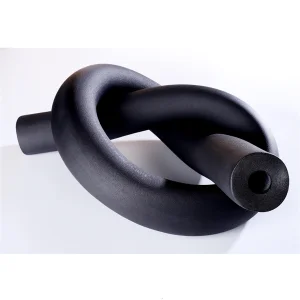
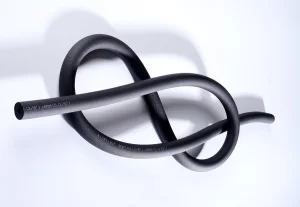
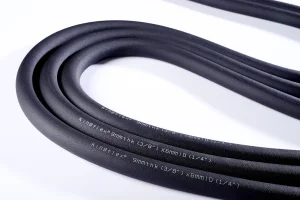
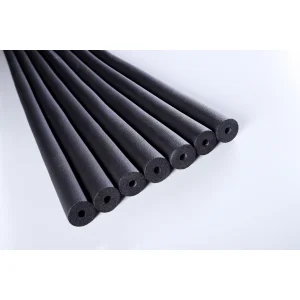
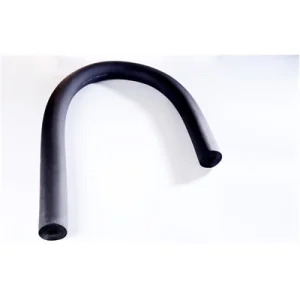
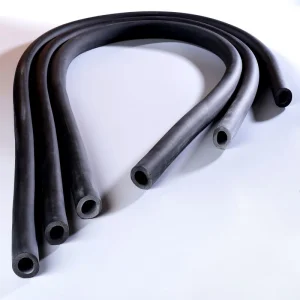
Pre-formed elastomeric tubes manufactured with internal dimensions matching global steel, copper, and plastic industrial piping standards.
| Standard Material | NBR/PVC Elastomer Blend |
| Thickness Range | 9mm to 40mm |
| Internal Diameter (ID) | 6mm to 114mm |
| Density Range | 40 - 55 kg/m³ |
As a global manufacturer, Kingflex invests in material science research to anticipate regulatory changes and project requirements. Our engineering team focuses on three main initiatives:
By integrating silica aerogel structures into our NBR cell network, we aim to reduce overall thermal conductivity to under 0.028 W/m·K. This enables thinner insulation layers in space-constrained installations.
We are researching alternatives to petroleum-derived plasticizers. Our goals include lowering overall volatile organic compounds (VOCs) and using plant-derived elastomers to meet strict environmental building standards.
Smart insulation systems featuring embedded sensor arrays can monitor moisture levels in real time. This allows pipeline operators to detect potential CUI risks before they cause structural damage.
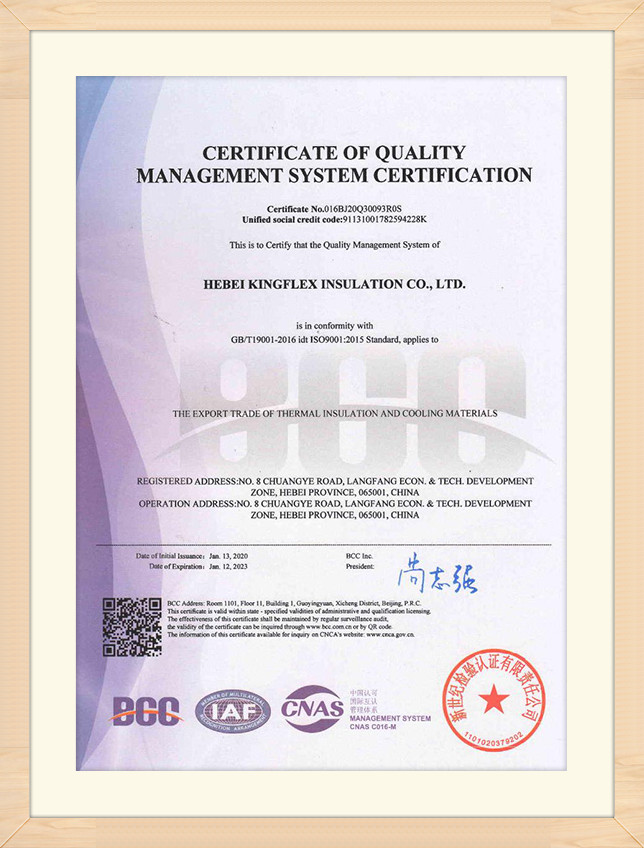
Kingflex products are backed by certified testing, international safety compliance, and direct feedback from global engineering projects.


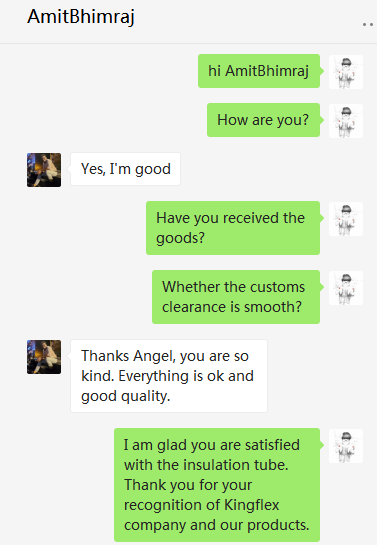


All insulation batches undergo strict quality control (QC) tracking systems. Kingflex thermal insulation is certified to meet several international standards: BS 476, CE, REACH, RoHS, UL 94, ASTM, and DIN.
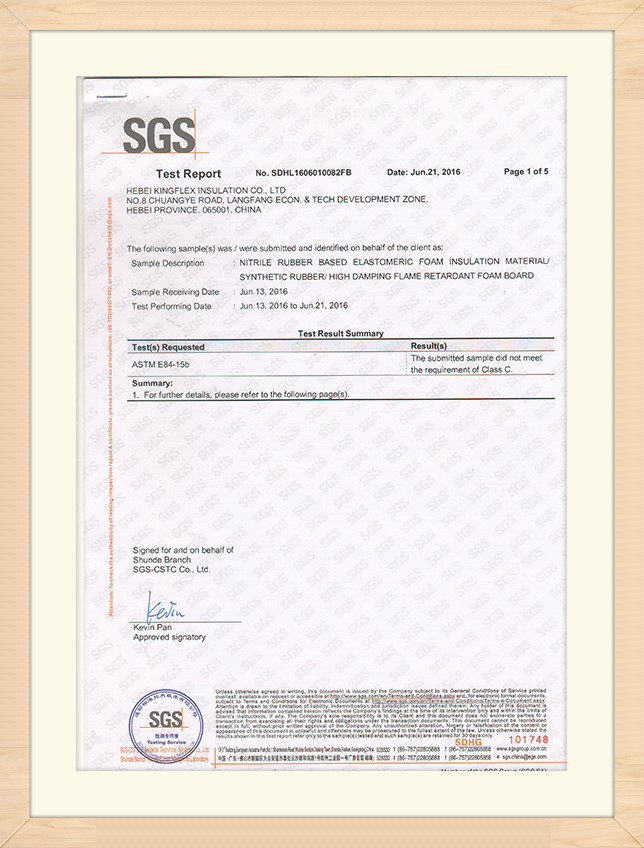
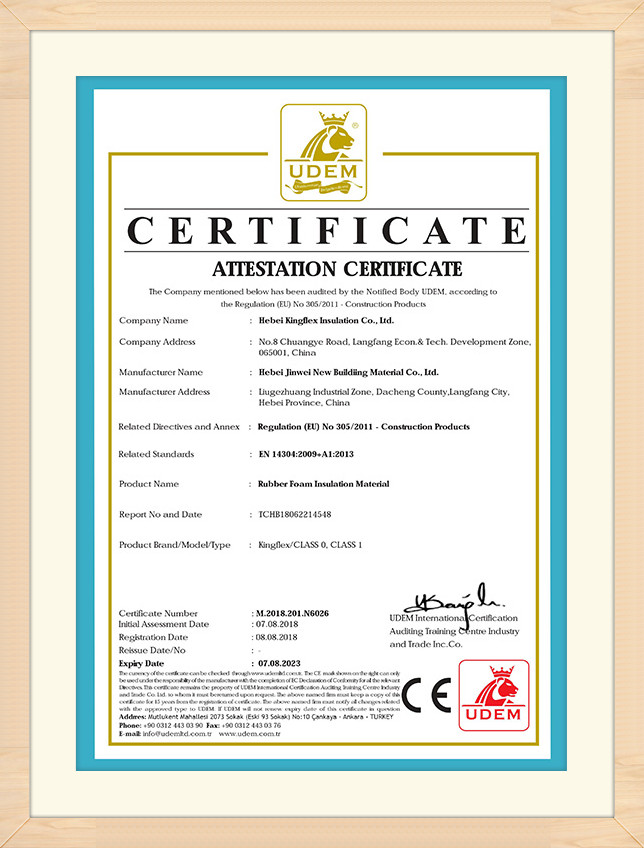
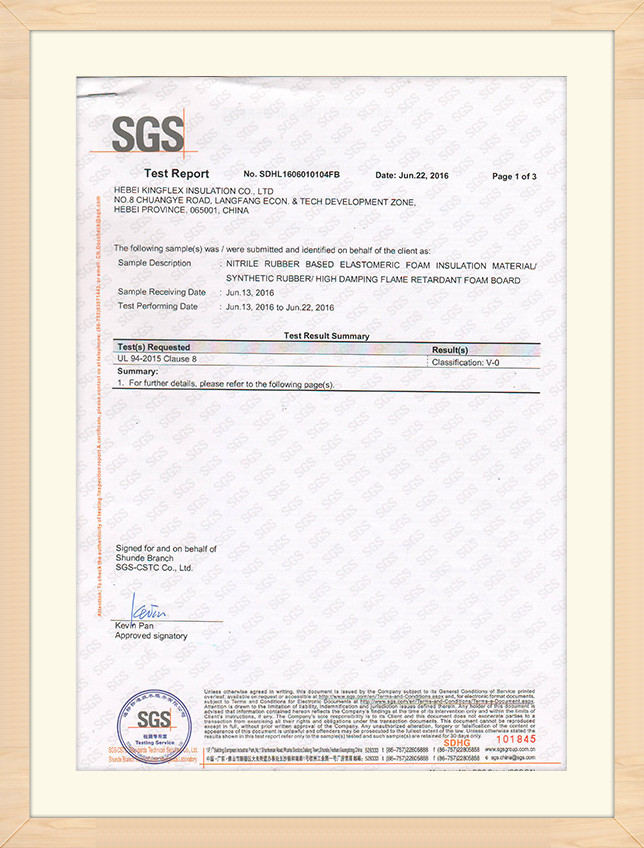
See our high-density insulation materials implemented in large-scale infrastructure projects across various global industries.
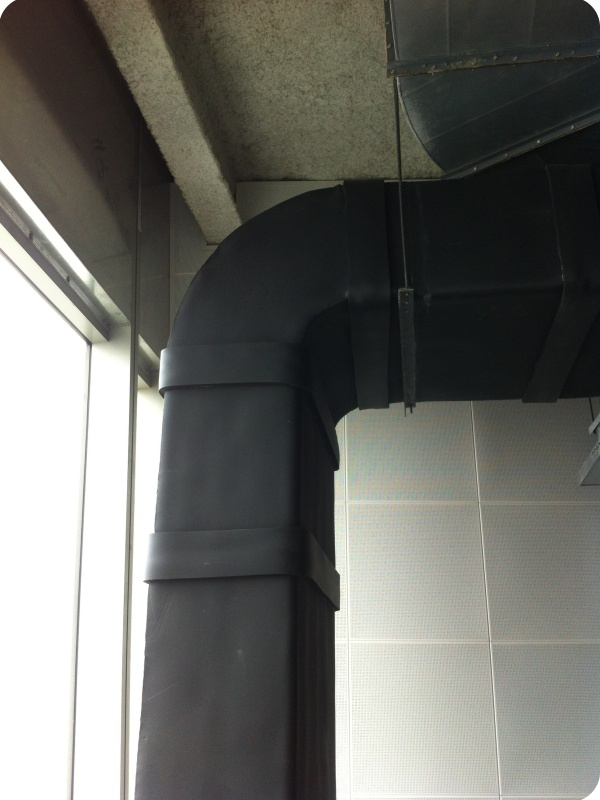
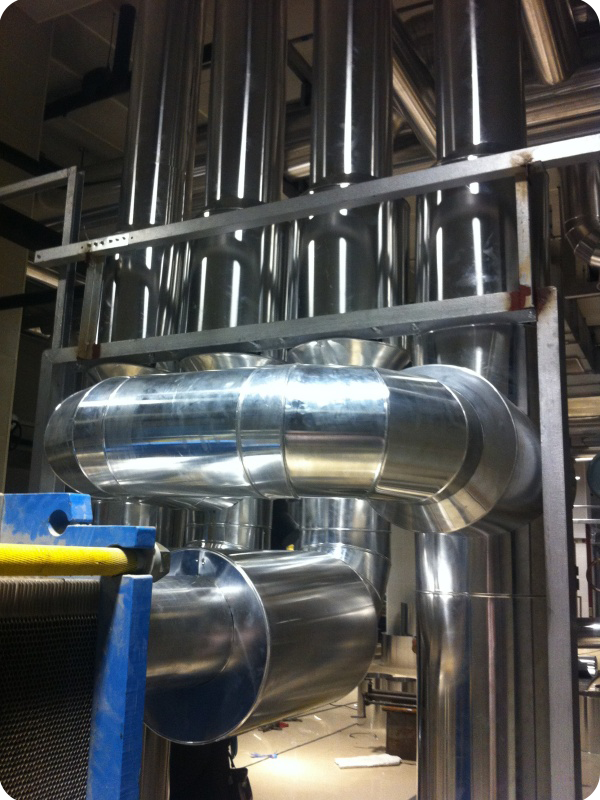
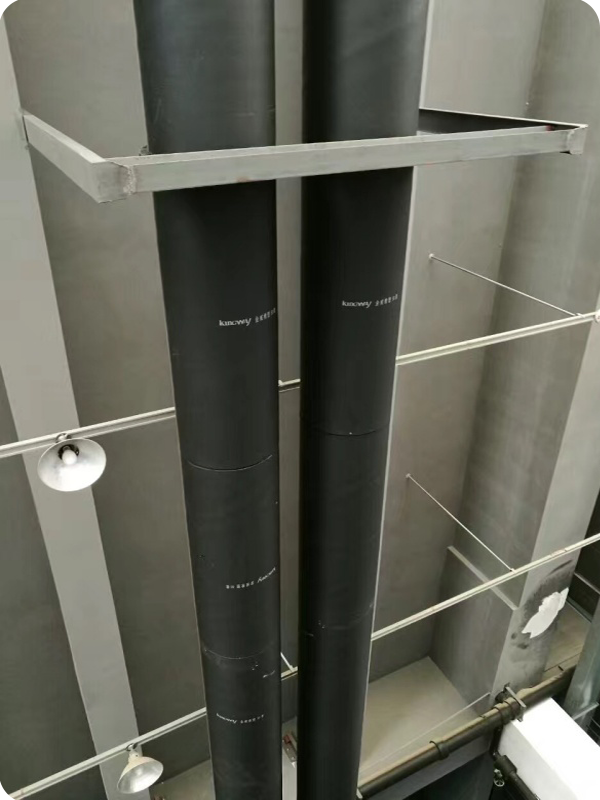
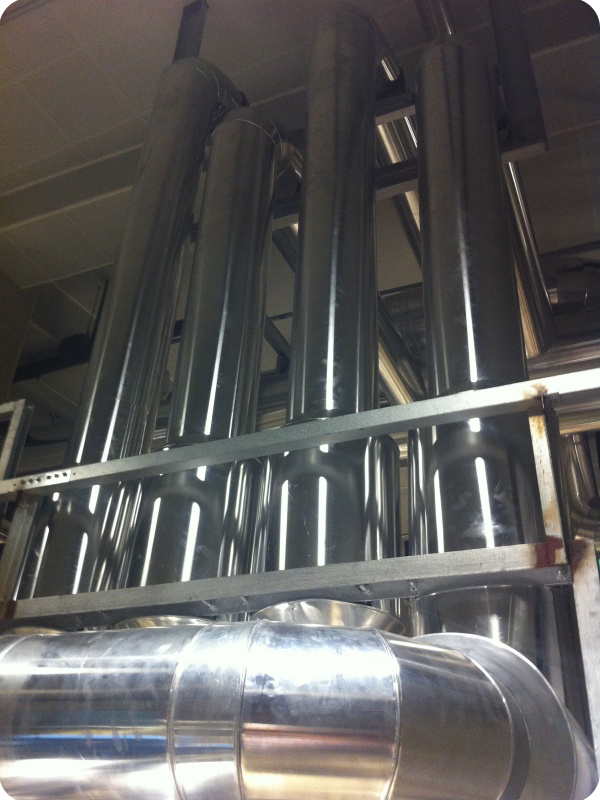
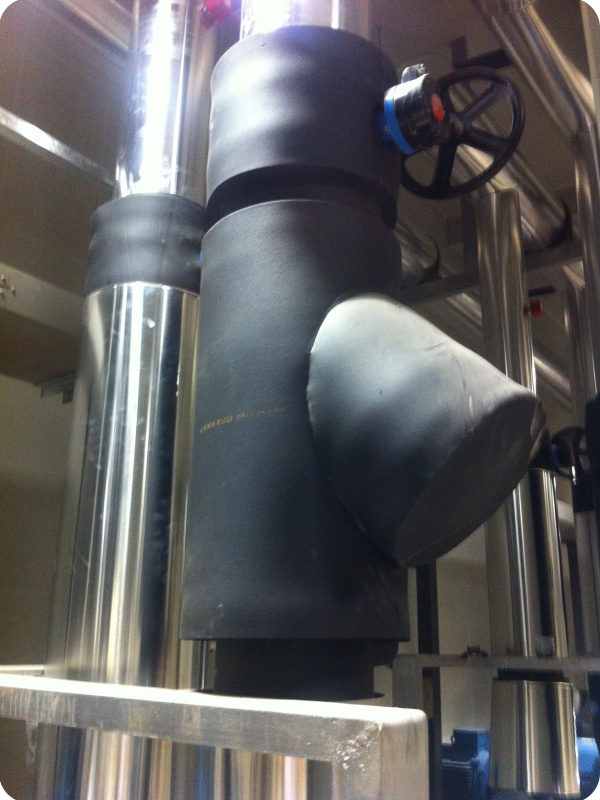
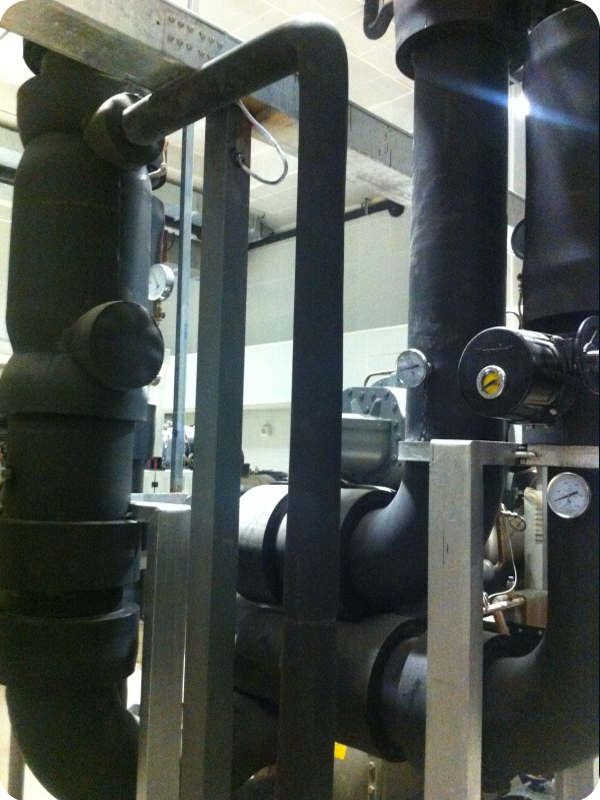
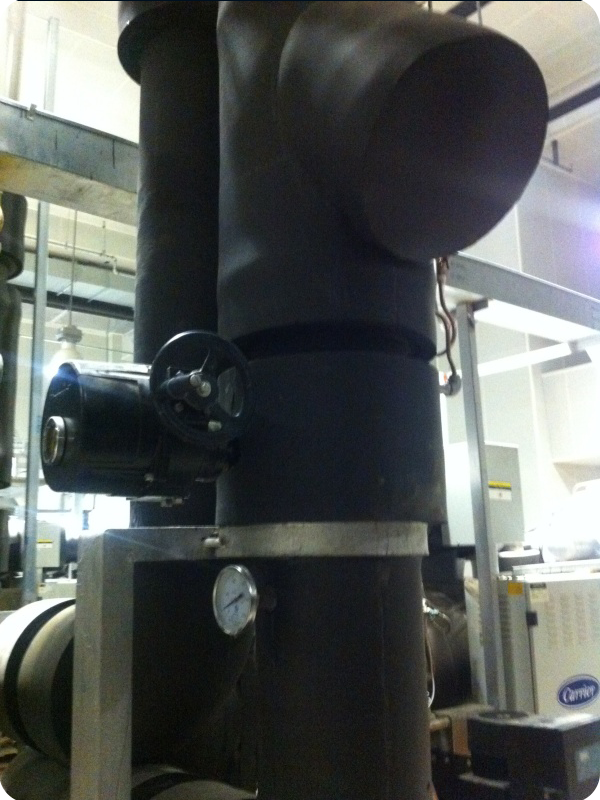
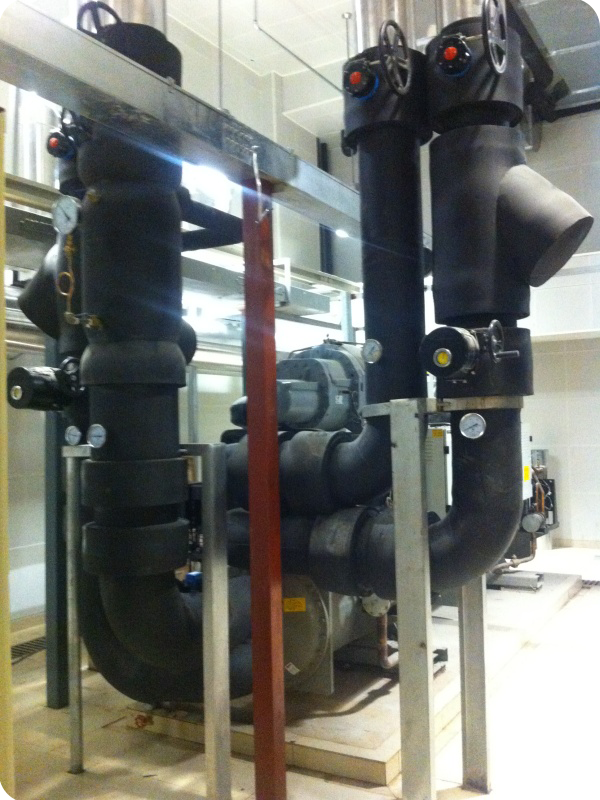
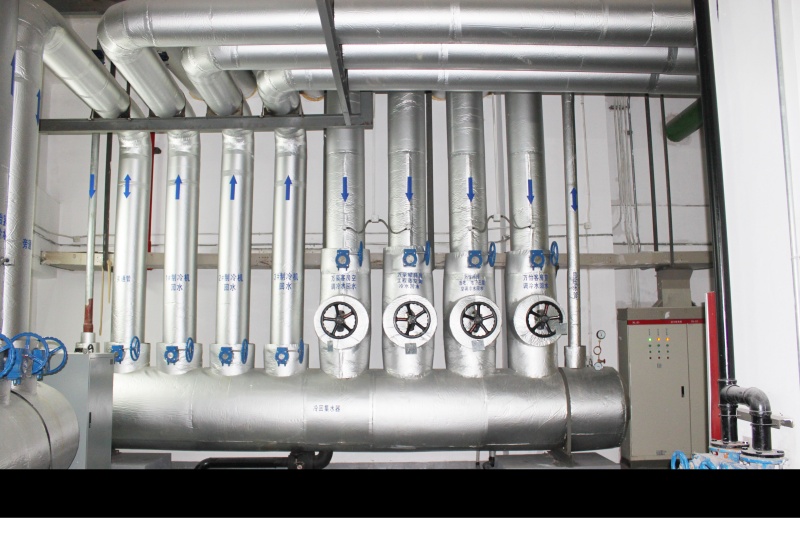
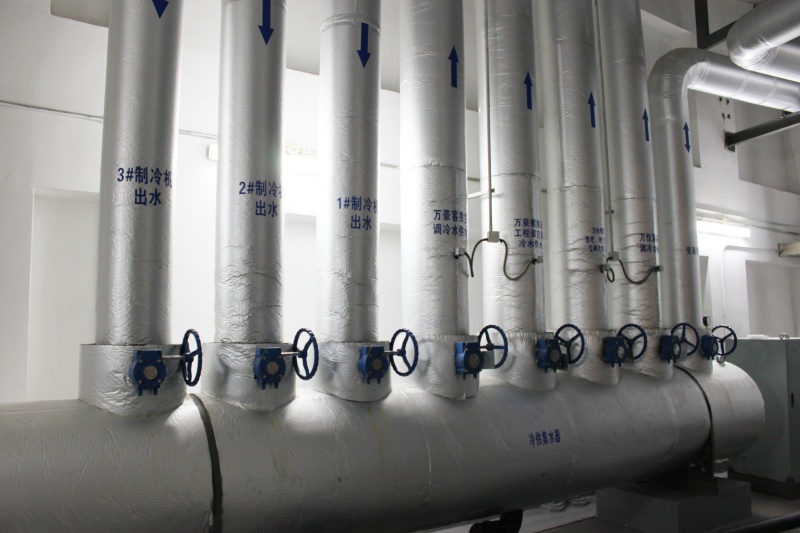

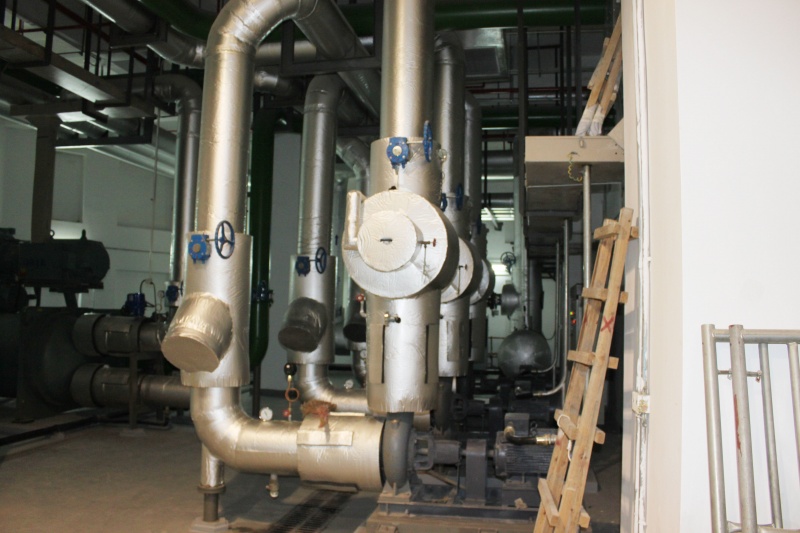
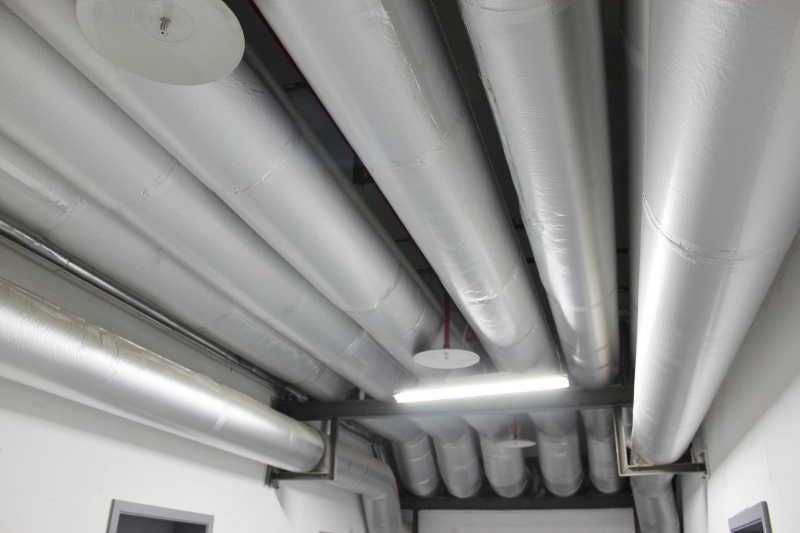
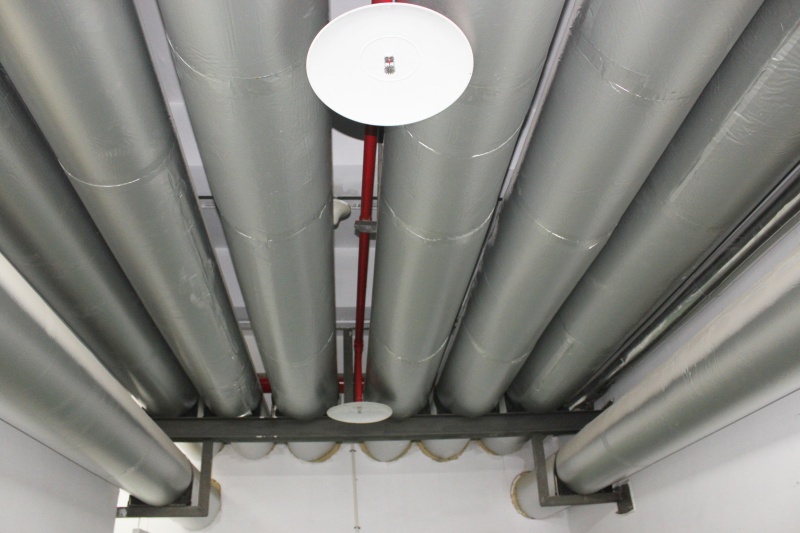
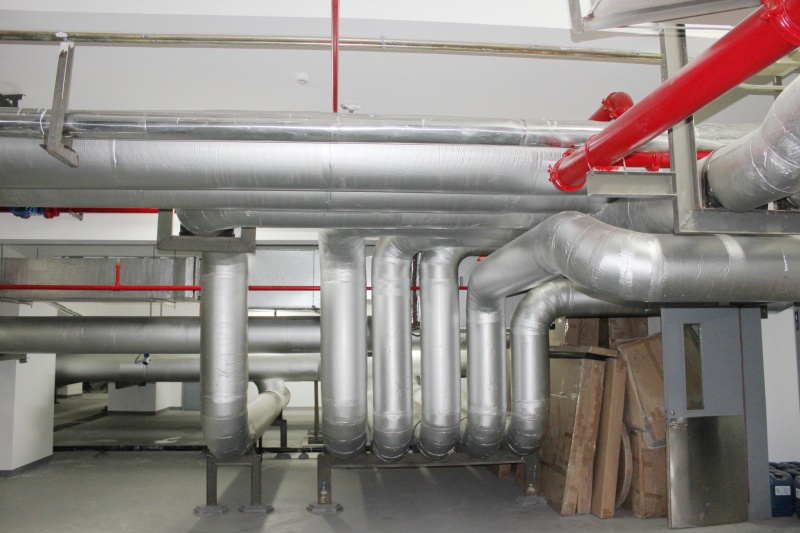
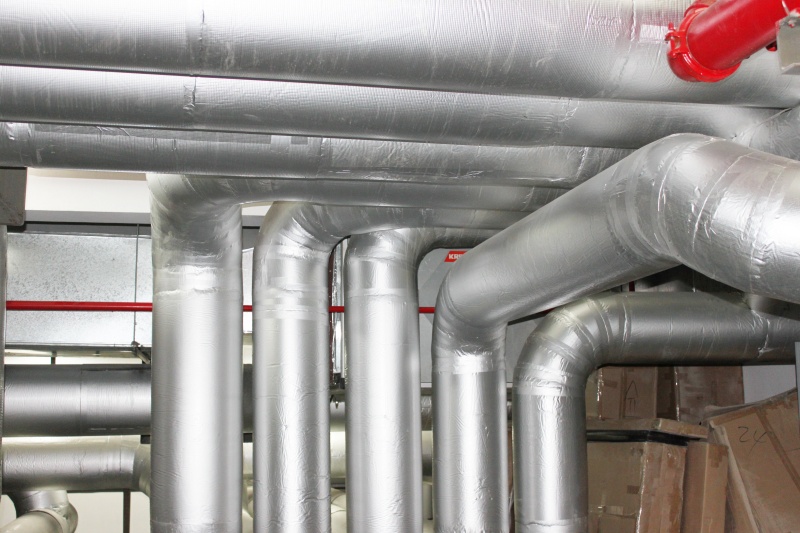
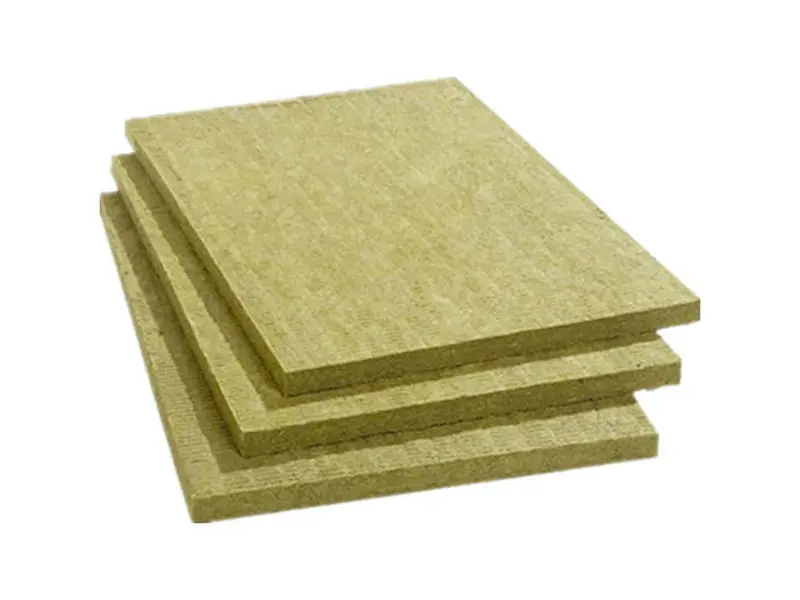
Explore customized material finishes, including high-temperature-resistant rock wool and specialized acoustic liners.
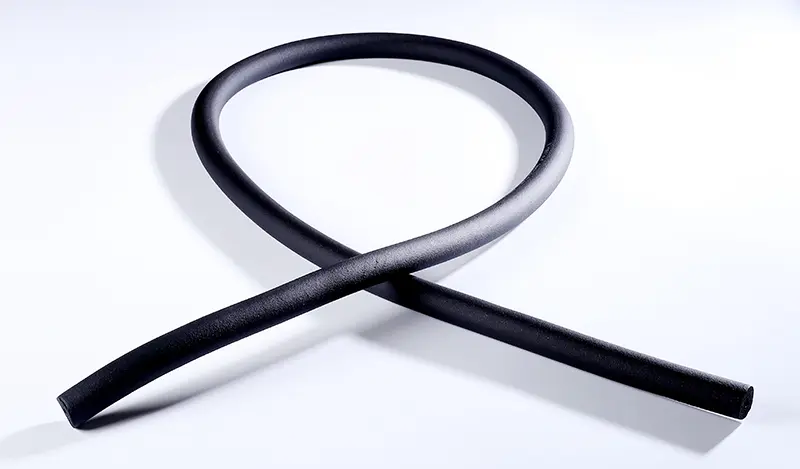
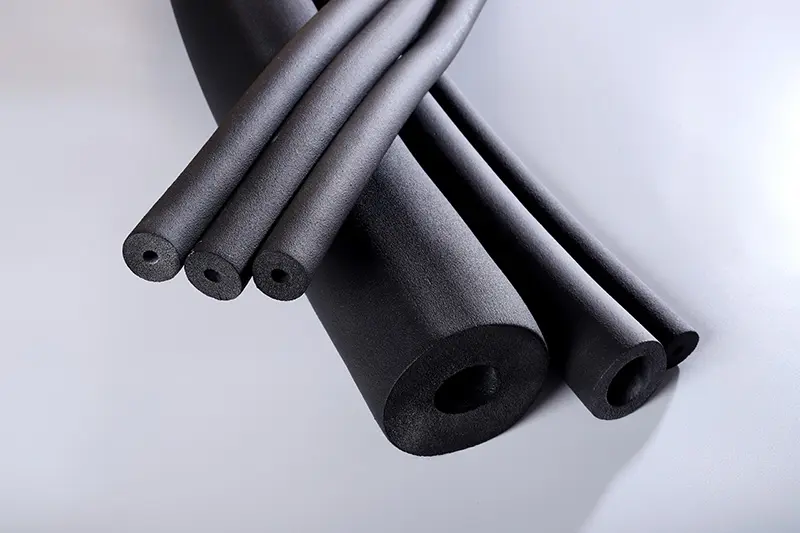

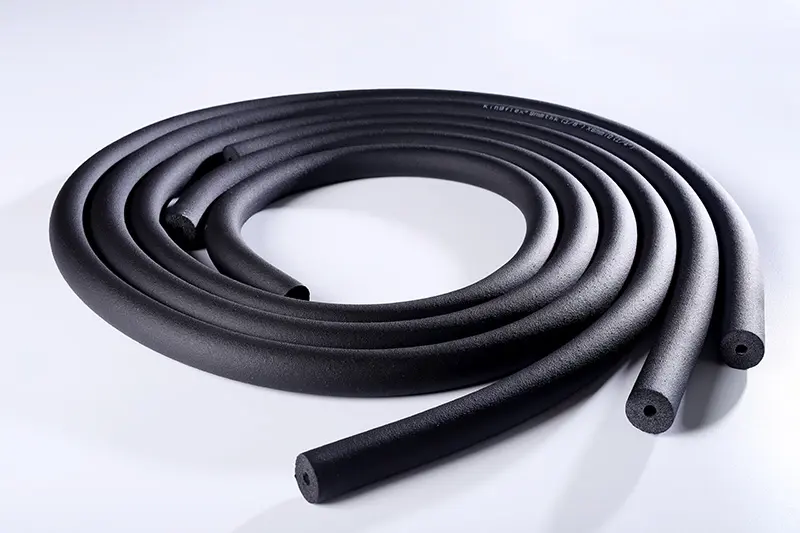
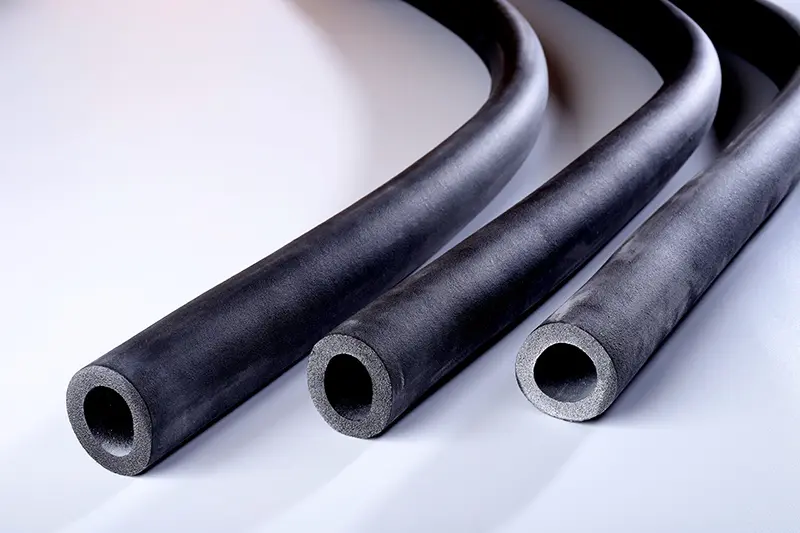
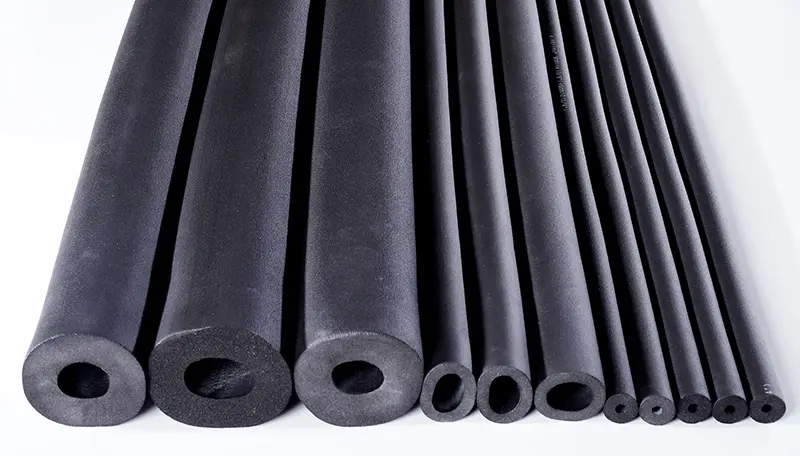
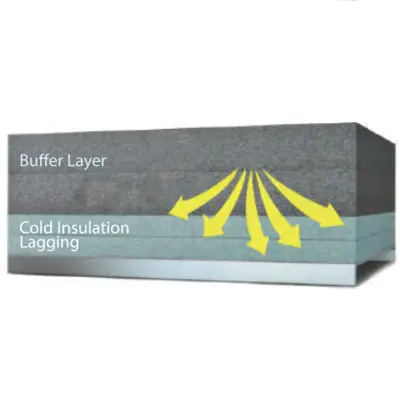
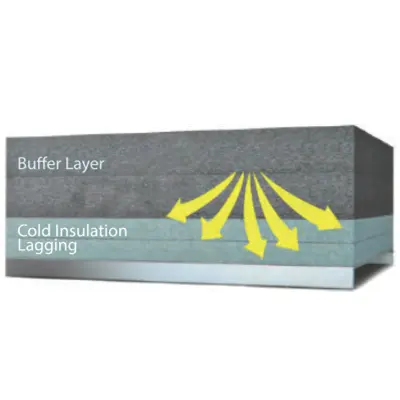
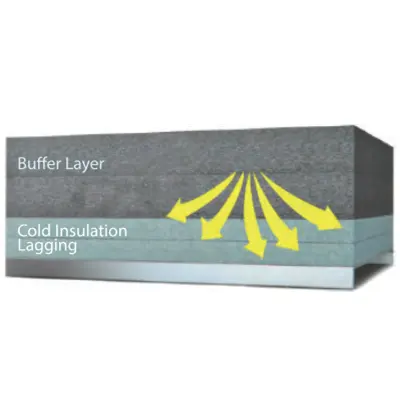
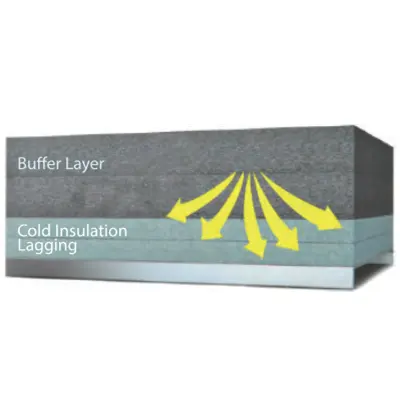
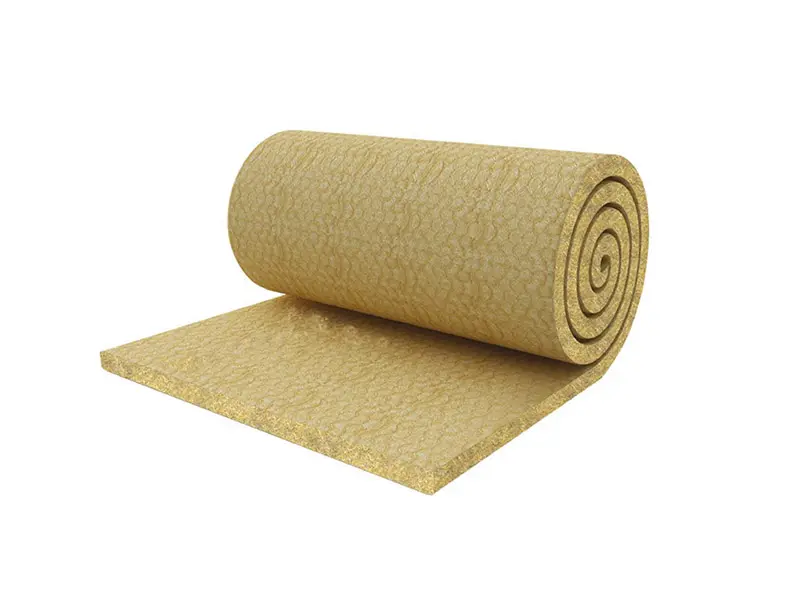
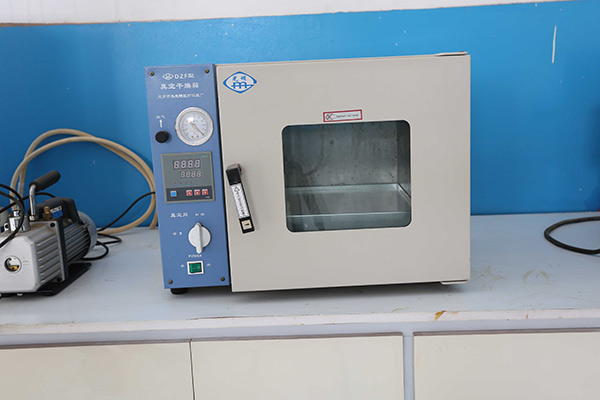
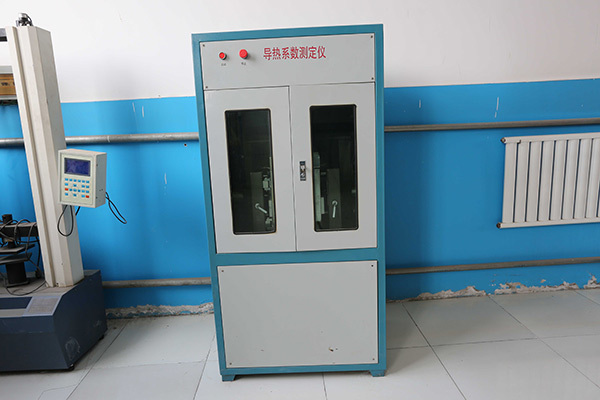
We manufacture in a dust-free environment with advanced machinery to ensure consistent thickness, stable density, and reliable physical properties.





Get authoritative answers directly from the Kingflex engineering and R&D departments about elastomeric foam insulation.