 Kingflex
Kingflex
Kingflex
Explore our core high-performance elastomeric and cryogenic insulation configurations designed to achieve strict acoustic decibel attenuation standards.
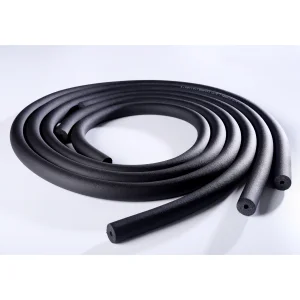
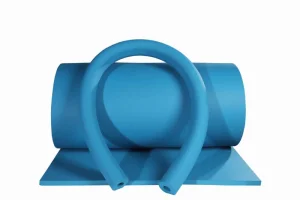
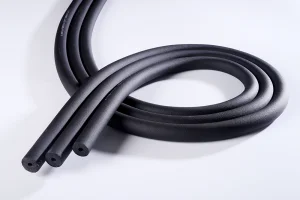
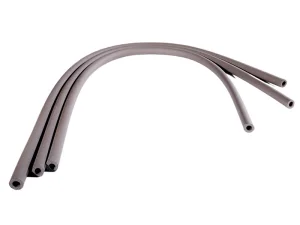
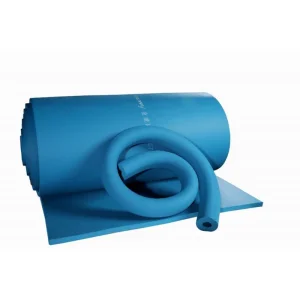
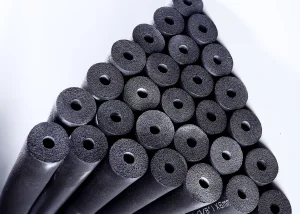
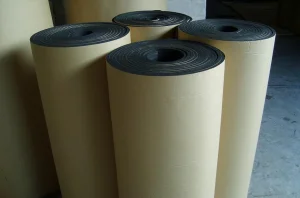
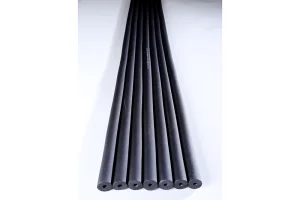
In modern structural architectural engineering, fluid-conveyance systems represent a major source of internal acoustic pollution. As wastewater falls through vertical drainage stacks and horizontal branches, turbulent fluid dynamics, hydrodynamic impacts, and structural vibrations occur. The resulting structural and airborne noise negatively impacts structural occupants.
Standard plastic pipe systems (such as standard PVC or thin-walled HDPE) often lack the density required to block sound waves, converting wastewater flow into sound energy that radiates through hollow wall cavities. Specifying low-noise drainage piping, wrapped in premium viscoelastic elastomeric damping media, represents the gold standard for acoustic comfort.
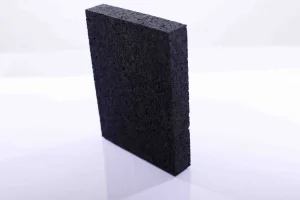
The physical mechanism relies on structural decoupling and mass damping. Kingflex NBR/PVC elastomeric rubber foam insulation acts as a decoupling envelope. High density (40-55 kg/m³) provides inertia, while the closed-cell microscopic matrix acts as a series of micro-dampers. When sound waves hit the cellular elastomer, the air pockets compress and convert acoustic vibration into thermal energy. This prevents vibration from transferring from the pipe walls to the building framework.
| Property | Standard Specification (Kingflex Standard) |
|---|---|
| Material Composition | NBR/PVC Elastomeric Foam System |
| Cellular Structure | Closed-Cell Rate > 98% |
| Density Range | 40 - 55 kg/m³ |
| Service Temperature Limit | -40℃ to 105℃ |
| Thermal Conductivity (λ) | Low, Stable Long-Term Performance |
| Compression Resilience | > 80% Elastic Recovery Rate |
| Flame Retardancy | Self-Extinguishing, BS 476, CE, REACH, UL94 Classifications |
To meet global carbon neutrality goals and strict building codes, low-noise drainage piping and acoustic wrapping technology are evolving through three key developments:
Standardized systems developed to meet regulatory standards across diverse municipal, commercial, and industrial facilities.
Wastewater drainage noise in high-rise buildings is a common source of tenant complaints. Using Kingflex elastomeric sleeves on vertical stacks reduces airborne and structure-borne noise. This protects adjacent living areas and helps developers meet local building acoustics standards.
Hospitals and premium hotels require low noise levels to support recovery and comfort. Our elastomeric foam solutions provide acoustic decoupling, preventing drainage noise from spreading. This helps achieve Noise Criterion (NC) ratings below NC-30 in patient and guest rooms.
Beyond acoustic performance, chemical process lines must resist corrosion and manage condensation. Closed-cell NBR/PVC structures prevent moisture penetration, protecting pipes from corrosion under insulation (CUI) while dampening high-frequency valve and fluid noise.
Ensuring stable supply chains and product traceability for major infrastructure developments globally.
To support high-volume global distribution, Kingflex has updated its facilities in Dacheng with automated material-batching, precision extrusion, and continuous vulcanization processes. This ensures uniform density across all production runs, preventing thin spots that could compromise acoustic performance.
Quality control is managed at every step. Raw NBR polymers and auxiliary agents undergo rheometric analysis before extrusion. Samples from each batch are tested for density, closed-cell ratio, and flame propagation index, ensuring compliance with global environmental regulations.
For large commercial projects, material traceability is a critical QA requirement. Every Kingflex production run is laser-coded with its batch ID, raw material code, and quality sign-off timestamp. This allows engineers to trace physical performance parameters back to the factory.
Our products undergo testing to verify compliance with international building regulations:
Key performance indicators that procurement officers evaluate when sourcing low-noise drainage insulation systems.
Buying directly from manufacturing facilities optimizes bulk procurement budgets. High-quality elastomeric materials can reduce labor requirements during installation and lower long-term maintenance costs.
Products must comply with regional environmental and safety regulations, such as REACH (EU) or ASTM/UL (Americas), to prevent construction delays or regulatory compliance issues.
Factory capacity and access to logistics hubs help ensure reliable delivery schedules, preventing delays on fast-tracked commercial construction projects.
Technical clarifications on elastomeric foam performance, acoustic design, and ordering processes.
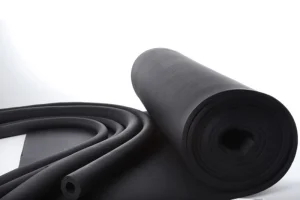
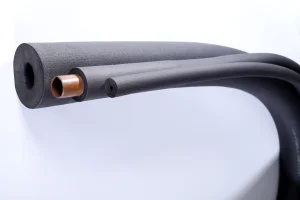
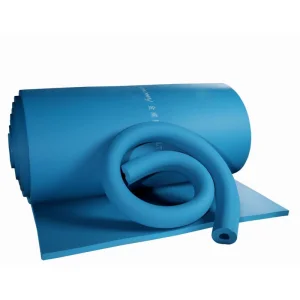
Select from our specialized line of high-density sheets, self-adhesive wraps, and cryogenic-rated formulations.
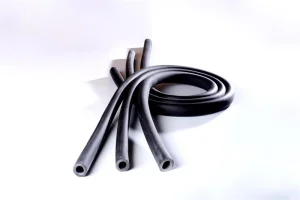
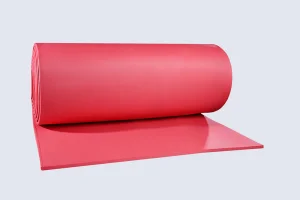
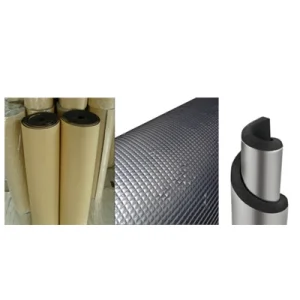
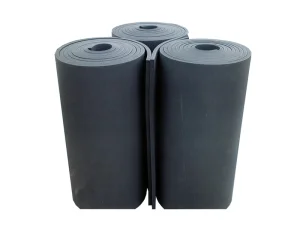
Connect with our R&D engineering department for tailored acoustic calculations, submittal sheets, and wholesale container pricing direct from our Dacheng manufacturing plant.
Contact Our Global Engineering Team