 Kingflex
Kingflex
Kingflex
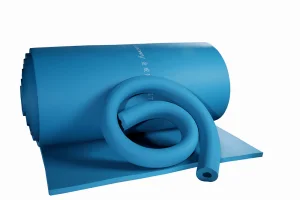
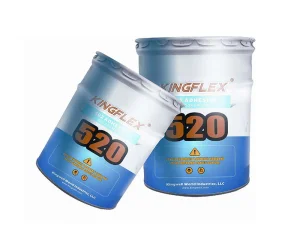
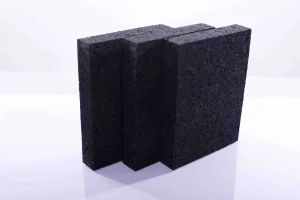
Direct supply options featuring industrial class NBR/PVC elastomeric rubber foam sheets, rolls, tubes, and specialized rock wool solutions.
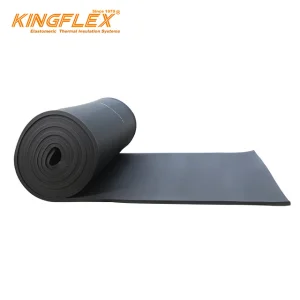
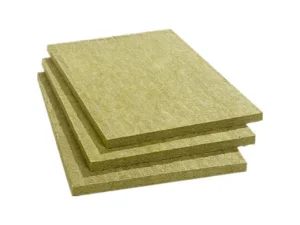
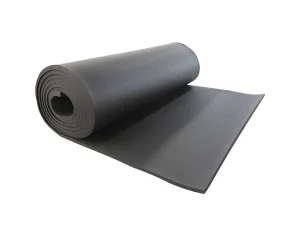
Determining the correct insulation thickness is not merely a recommendation; it is an exact thermodynamic science. For industrial and HVAC pipelines, selecting a thickness based on a scientifically calculated Pipe Insulation Thickness Table ensures maximum thermal efficiency, prevents structural corrosion Under Insulation (CUI), and stops condensation on chilled water pipes.
The calculation model operates under three primary physical constraints:
When the pipe temperature is below the ambient dew point, moisture condenses on the surface. Proper thickness maintains the outer cladding surface temperature above the ambient air dew point.
Calculated in watts per meter (W/m). For hot pipe systems, thickness limits energy wastage. For chilled systems, it prevents heat ingress from disrupting operational processes.
Ensuring surface temperatures on hot processes (above 60 °C) do not cause immediate tissue burns on physical contact, abiding by industrial safety regulations.
The following technical table offers standard thickness guidelines (in mm) based on operating fluid temperature and nominal pipe size (NPS) for elastomeric rubber foam insulation (with thermal conductivity $\lambda \le 0.034$ W/m·K at 0°C).
| Nominal Pipe Diameter (NPS / DN) | Cryogenic System (-200°C to -40°C) | Chilled Water / HVAC (5°C to 15°C) | Hot Water / Process (60°C to 105°C) | Steam / High Temp (Above 120°C - Rock Wool) |
|---|---|---|---|---|
| 1/2" to 1-1/4" (DN15 - DN32) | 25 mm to 38 mm | 9 mm to 13 mm | 13 mm to 19 mm | 25 mm to 50 mm |
| 1-1/2" to 3" (DN40 - DN80) | 38 mm to 50 mm | 13 mm to 19 mm | 19 mm to 25 mm | 50 mm to 75 mm |
| 4" to 6" (DN100 - DN150) | 50 mm to 75 mm | 19 mm to 25 mm | 25 mm to 38 mm | 75 mm to 100 mm |
| 8" to 12" (DN200 - DN300) | 75 mm to 100 mm | 25 mm to 32 mm | 38 mm to 50 mm | 100 mm to 125 mm |
| Over 12" (DN300+) | Calculated Case-by-Case (Multi-layer) | 32 mm to 40 mm | 50 mm + | 125 mm to 150 mm |
*Disclaimer: The above dimensions are standard industry guides. Environmental variables such as Relative Humidity (RH) > 85%, wind speed, and coastal saline atmospheres require custom thickness engineering calculations to prevent thermal bypass and dew point failures.
How Kingflex Insulation Co., Ltd. leverages advanced industrial automation to deliver certified, high-grade insulation systems globally.
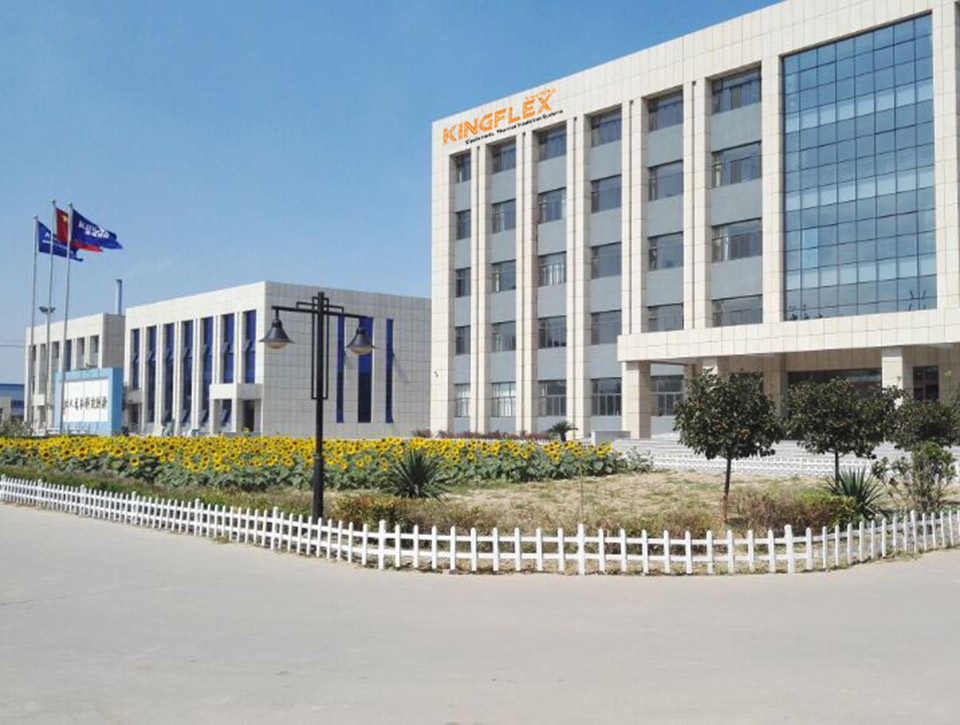
Operating from Dacheng, China, the recognized capital of energy-saving building materials, Kingflex runs 5 massive automated extrusion and foaming lines. This scale yields an annual production capacity exceeding 600,000 cubic meters of elastomer insulation material.
By shifting to an automated continuous-foaming method, we maintain highly uniform cell structures. This results in a stable density (40-55 kg/m³) and a consistent thermal conductivity value. This level of quality control is difficult to match with manual, batch-produced materials.
Our strategically situated site guarantees short delivery times to global shipping terminals like Tianjin and Qingdao. This layout minimizes logistics delays, enabling consistent supply schedules for large infrastructure projects.
Targeted insulation systems engineered to meet the unique challenges of complex industrial applications.
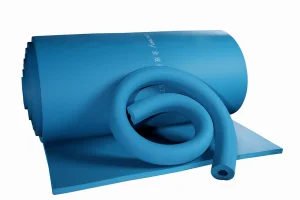
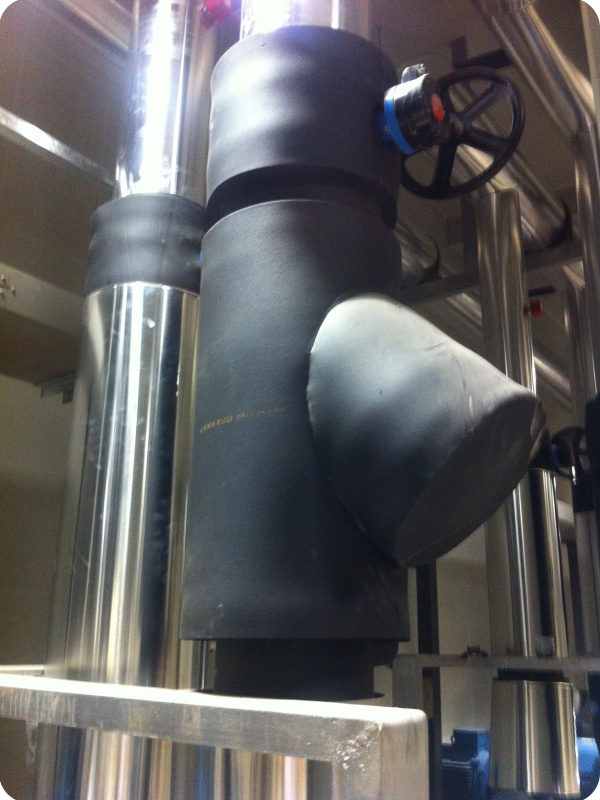
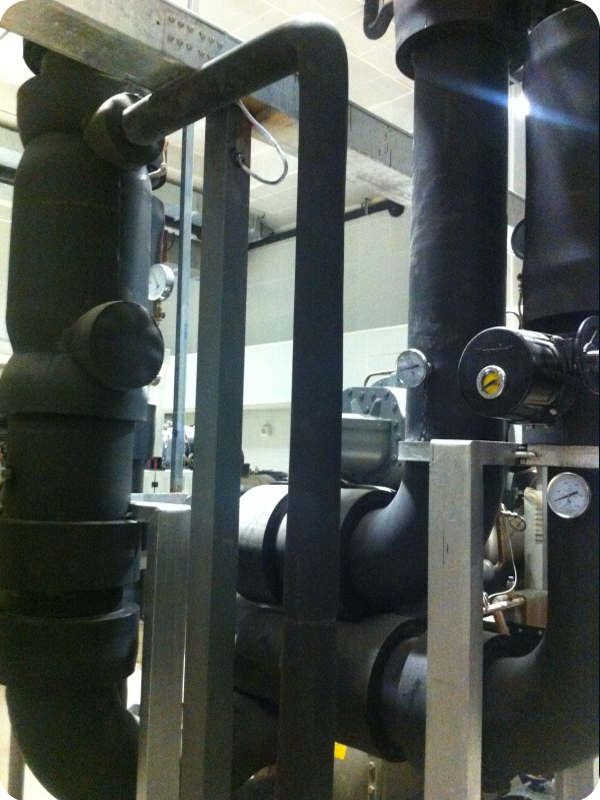
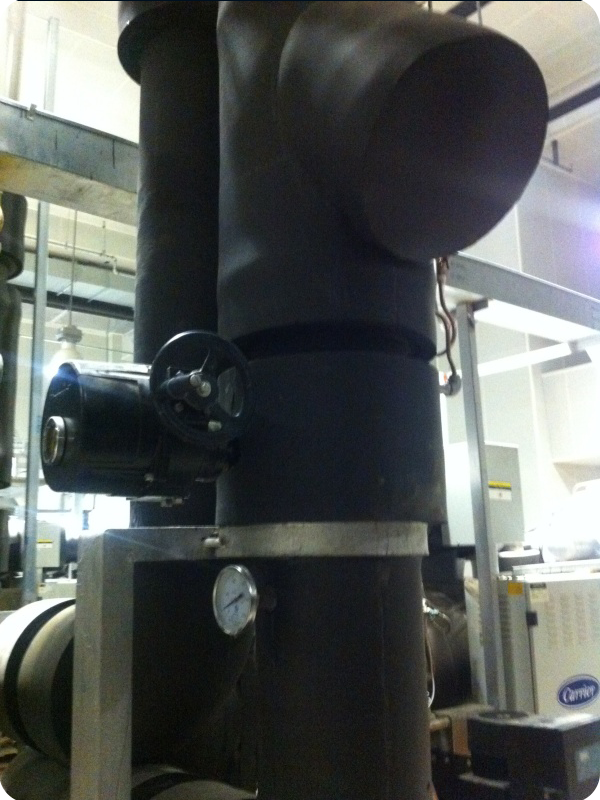
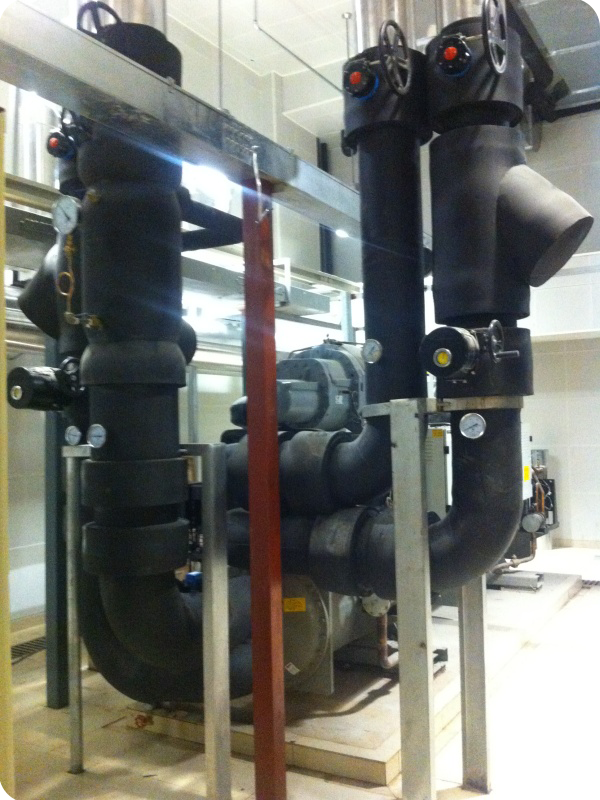
Designed to resolve condensation issues, Kingflex flexible rubber sheets and tubes wrap ventilation channels and cold lines tightly. High flexibility facilitates wrapping complicated joints, T-sections, and valves, reducing structural air leaks and thermal bridging.
Extremely low-temperature operations risk thermal cracking and moisture penetration. Our diolefin and Kingflex flexible cryo systems offer deep thermal resistance. These systems retain structural flexibility at subzero levels to protect pipe networks from cracking under thermal stress.
Industrial pipeline noise and fan vibrations require high-damping solutions. The dense structure of Kingflex soundproof insulation boards absorbs structural vibrations, which reduces airborne sound transmission in plant rooms and ventilation systems.


Procuring pipe insulation materials from China requires balancing initial product costs against lifetime performance and regulatory compliance. Kingflex maintains pricing transparency by linking unit costs directly to raw material grades and certified densities.
Key factors that dictate pricelist variances include:
Kingflex offers framework pricing contracts to support EPC contractors and regional wholesalers. These agreements mitigate raw material pricing shifts for long-term construction projects.

Ensuring compliance with localized safety and environmental regulations across Europe, the Americas, Asia-Pacific, and the Middle East.
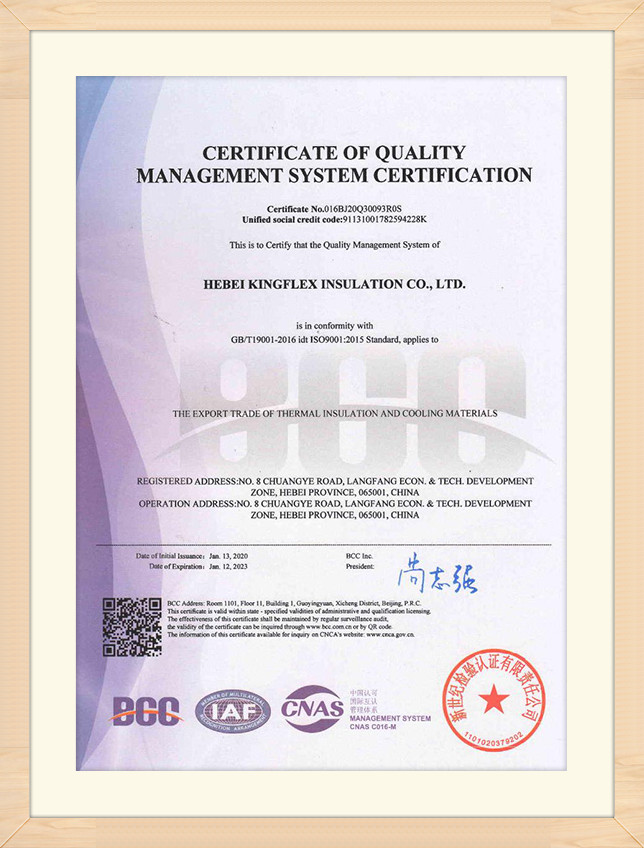
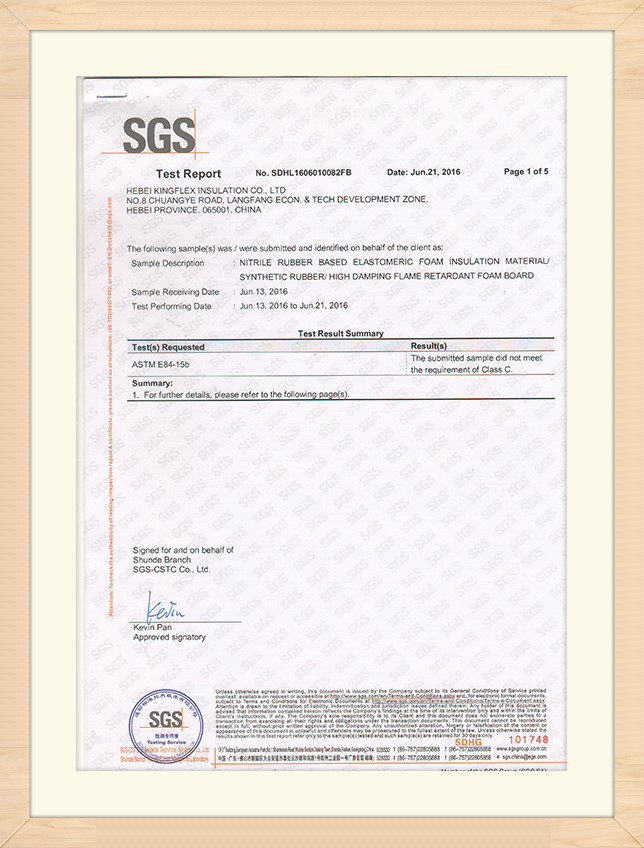
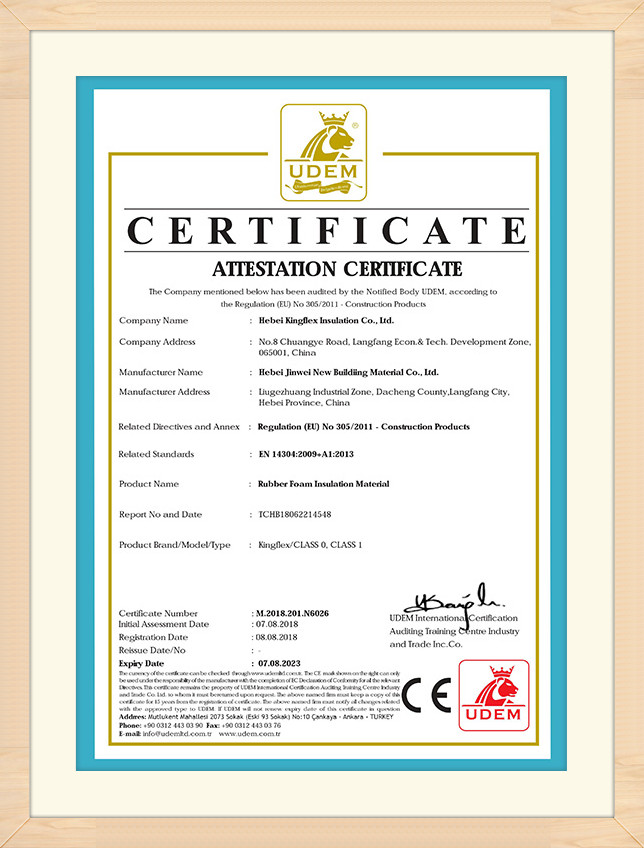
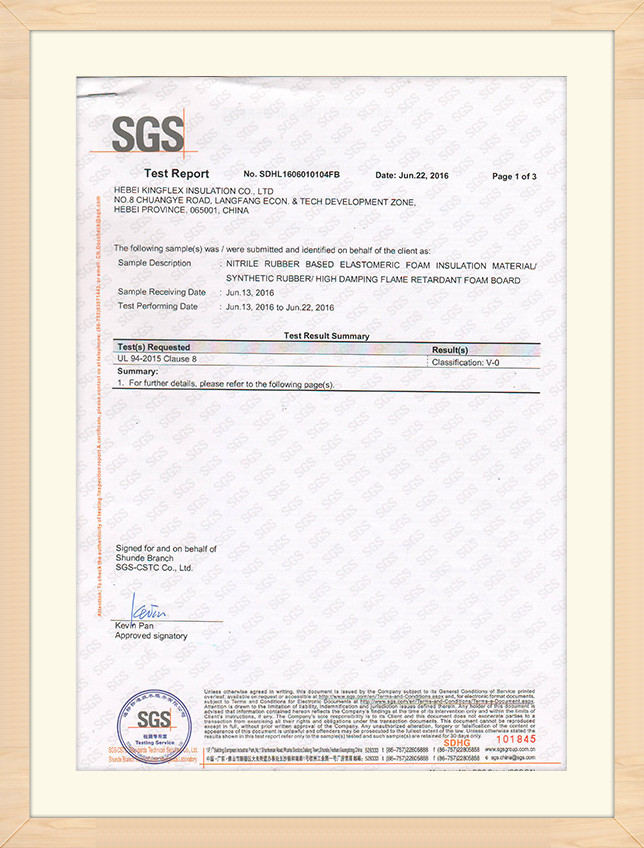
Kingflex insulation products conform to strict regulatory standards, ensuring seamless acceptance by building inspectors and compliance officers worldwide. Our certifications include BS 476 Part 6 & 7 (Class 0 and Class 1), CE, REACH, ROHS, UL94, and ASTM E84.
In addition to safety certifications, every production run has trace batch codes printed directly onto the outer material packaging. This allows engineering teams to trace batch performance details long after project handovers.
Real verification proof showing direct communication, ordering, and field-tested feedback from engineering clients worldwide.





As the construction and HVAC sectors focus on lower carbon footprints, thermal insulation is evolving. Kingflex's engineering team is developing next-generation insulation options to address these sustainability goals.
Our technology roadmap centers on three primary developments:

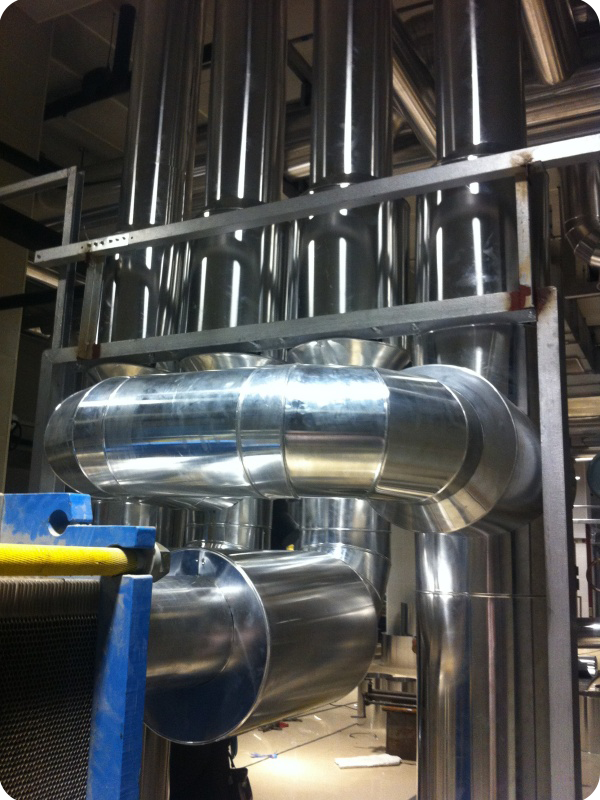
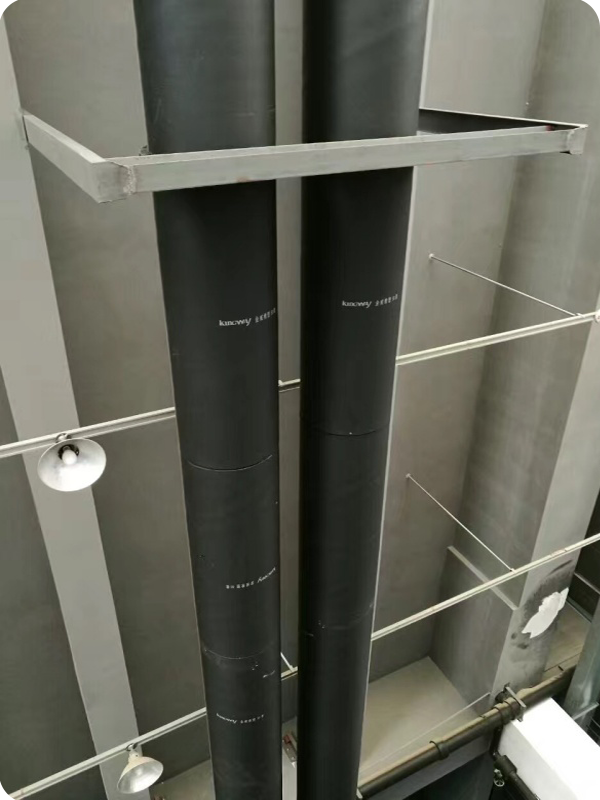
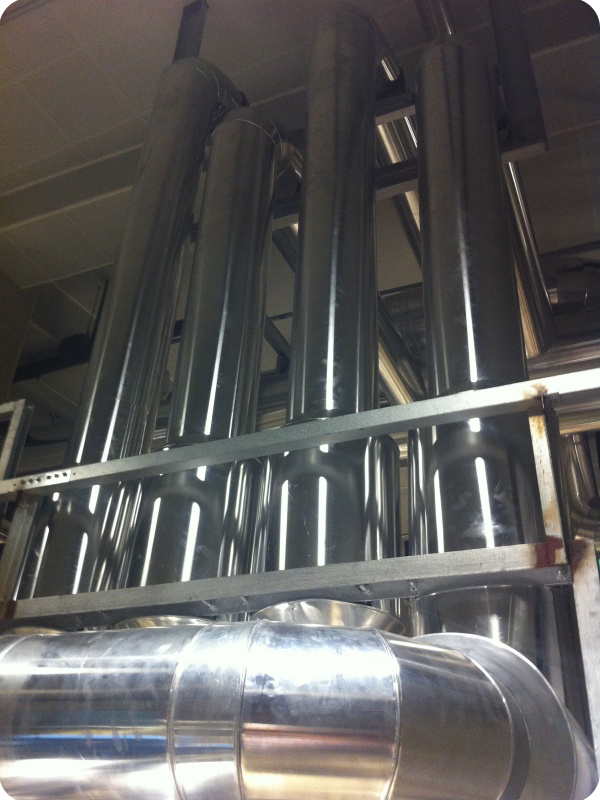
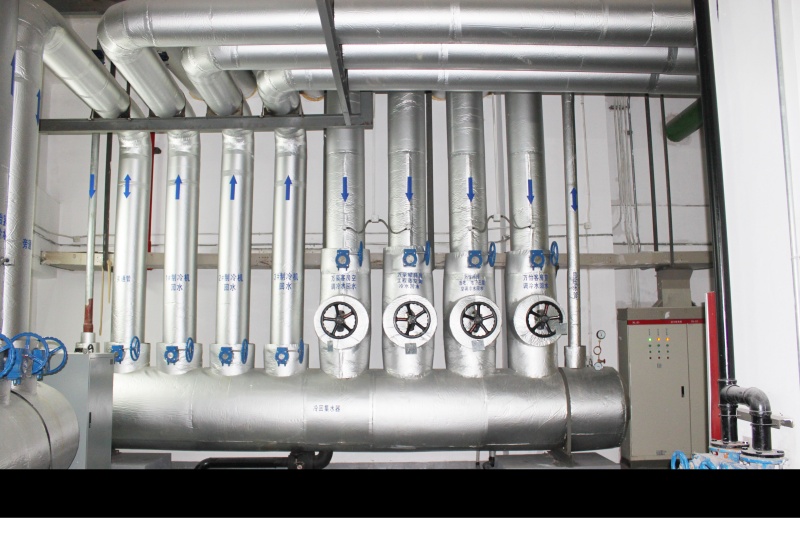
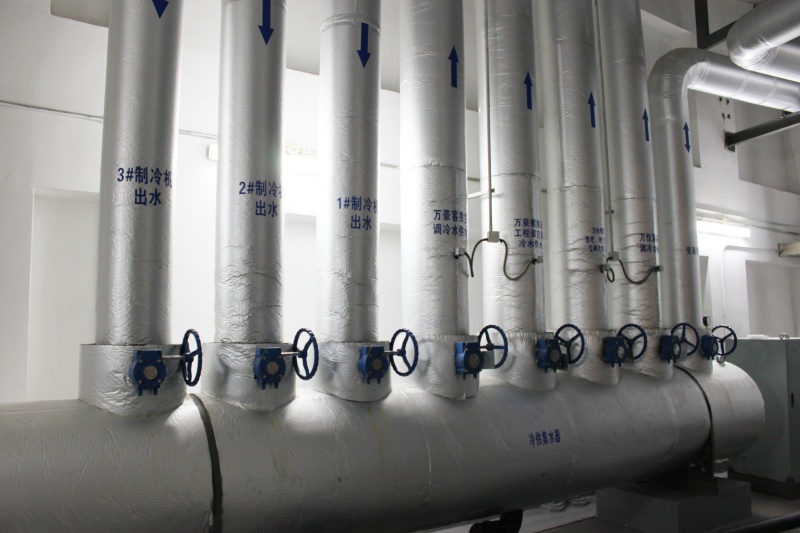
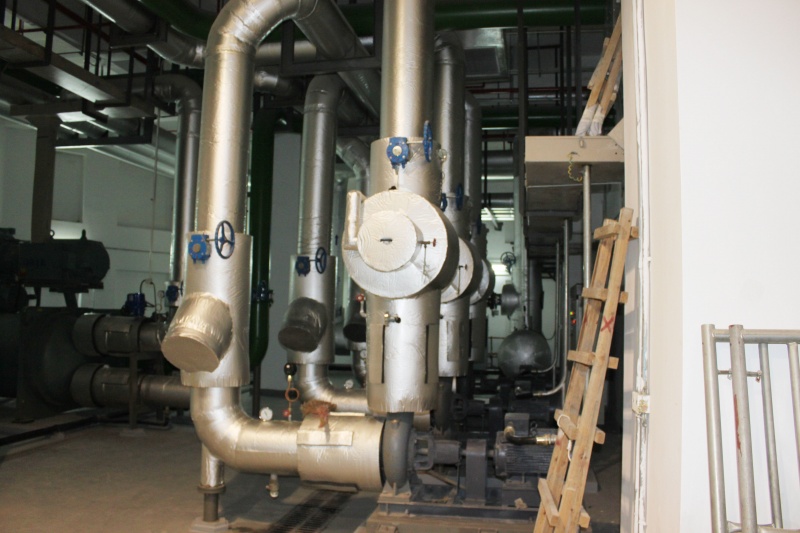
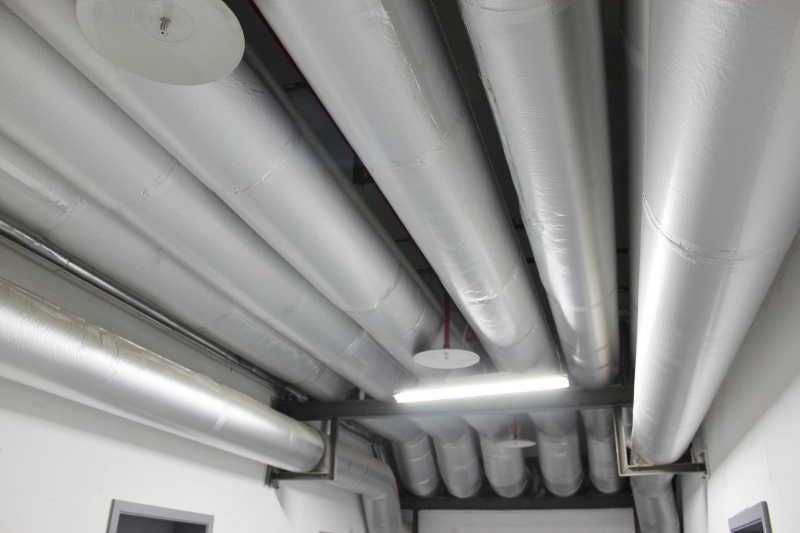
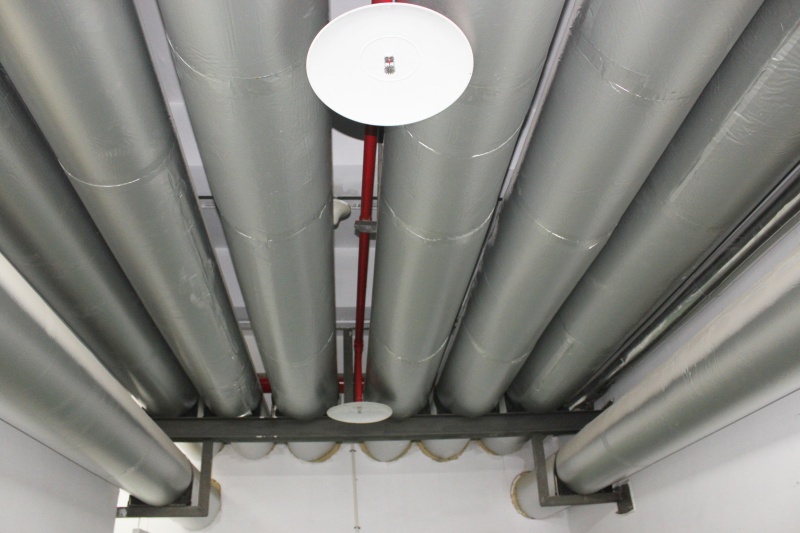
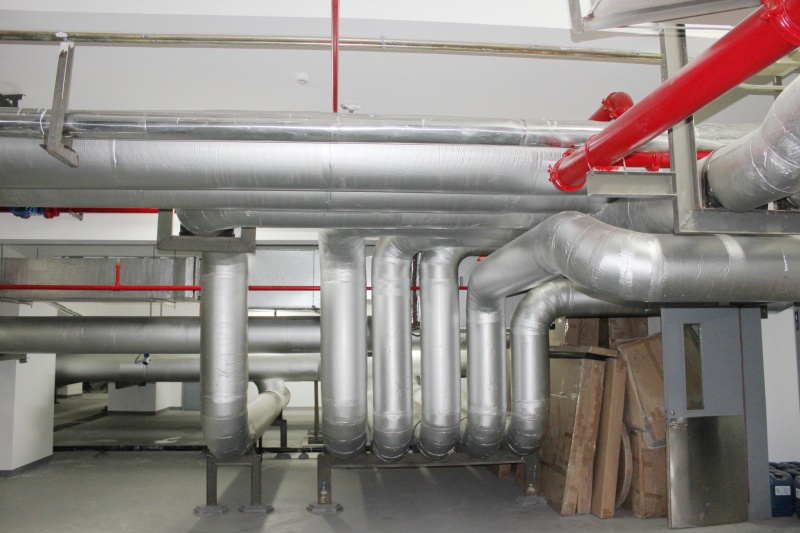
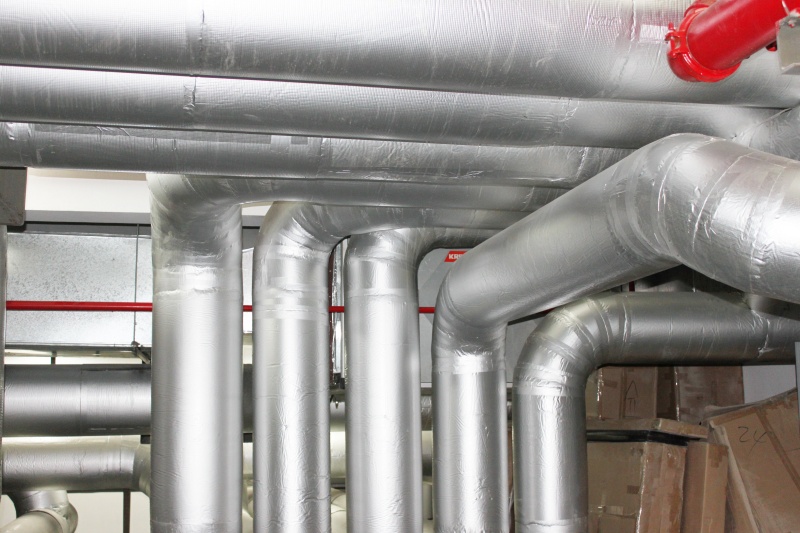
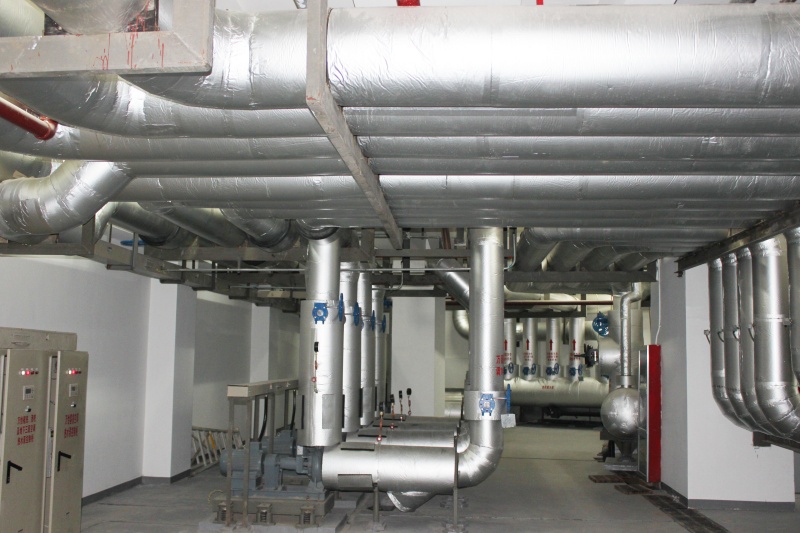
Field installations verifying the performance of Kingflex materials across multiple industries.
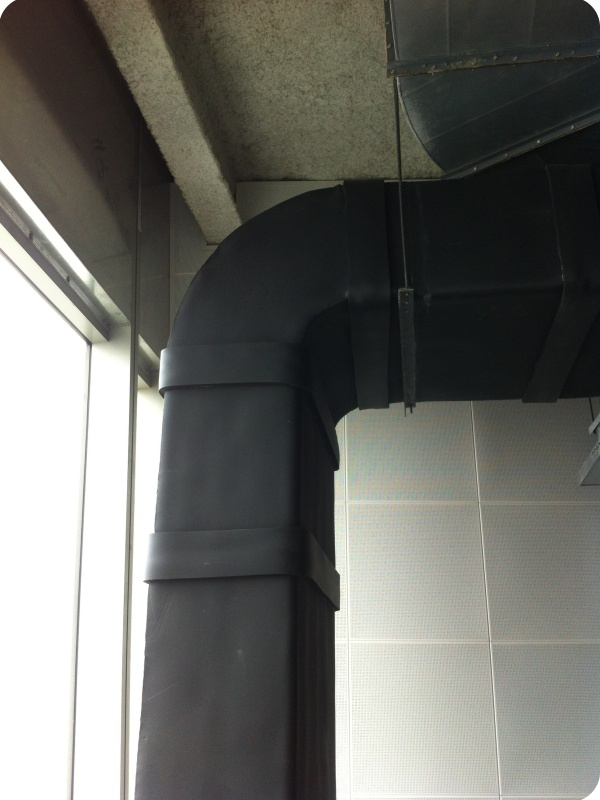
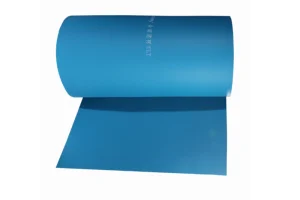
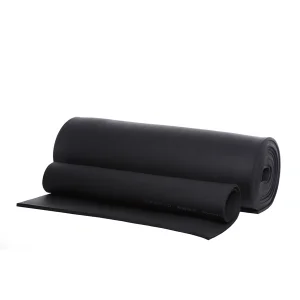
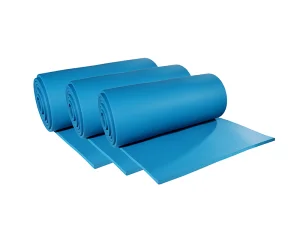
High quality elastic thermal barrier rolls for large-bore pipes, square air ducts, and flat storage tanks.
| Base Material | NBR/PVC Elastomeric Rubber |
| Available Thickness | 6 mm to 50 mm |
| Density Range | 40 to 55 kg/m³ |
| Service Temp | -40 ℃ to 105 ℃ |
| Closed Cell Rate | Over 98% |
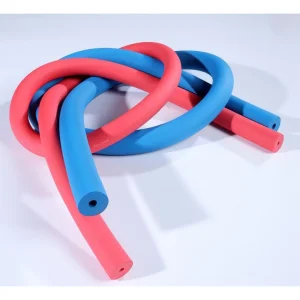
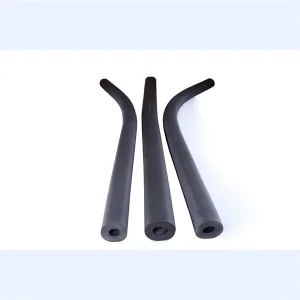
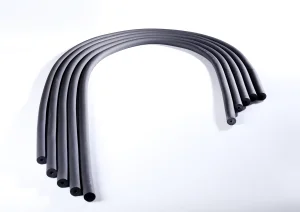
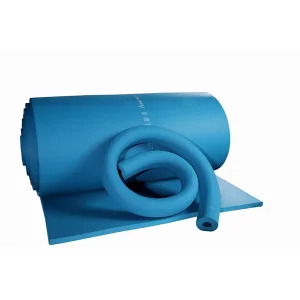
Pre-formed elastomeric rubber tubes designed to wrap directly onto process lines and plumbing networks.
| Base Material | NBR/PVC Elastomeric Rubber |
| Wall Thickness | 9 mm to 40 mm |
| Internal Diameter | 6 mm to 114 mm |
| Density Range | 40 to 55 kg/m³ |
| Thermal Conductivity | ≤ 0.034 W/m·K at 0 ℃ |
Get professional clarification on technical parameters, thickness calculations, and product selection.
It is primarily used for HVAC ducts, air conditioning lines, chilled water loops, building insulation, and industrial process pipelines to control temperature, prevent condensation, and dampen sound transmission.
Yes. Our premium rubber foam insulation products are flame retardant. They are designed to meet international safety certifications such as Class 0 and Class 1 ratings under BS 476, as well as EN 13501 and ASTM E84 requirements.
Rubber foam has a flexible, closed-cell structure that acts as a vapor barrier, making it suitable for HVAC, chilled systems, and subzero loops. Rock wool is a fibrous material with high temperature resistance, making it suitable for fireproofing and high-heat steam lines.
Yes, we support OEM/ODM requests. We can customize sheet dimensions, tube diameters, wall thicknesses, color options, and provide factory-applied facings such as aluminum or self-adhesive backings.
Our products carry certifications including BS 476, CE, REACH, ROHS, UL94, and ASTM. This confirms compliance with fire safety and environmental regulations in global markets.
Yes. Every production run is marked with tracking details on the packaging. This allows engineering teams to trace material batches and confirm quality control standards.
We manufacture sheet rolls in thicknesses ranging from 6 mm up to 50 mm. For projects requiring greater thickness, we supply multi-layered insulation configurations.
When installed and maintained correctly, our materials have an expected service life of 10 to 15 years in typical indoor and outdoor applications.
Higher environmental humidity increases the air's dew point. In environments where the relative humidity exceeds 85%, thicker insulation is required to keep the surface temperature above the dew point and prevent condensation.
In cryogenic systems, vapor pressure gradients drive moisture toward the cold pipe. A high closed-cell rate (over 98%) blocks water vapor transmission, preventing ice formation that would otherwise degrade the insulation's performance.
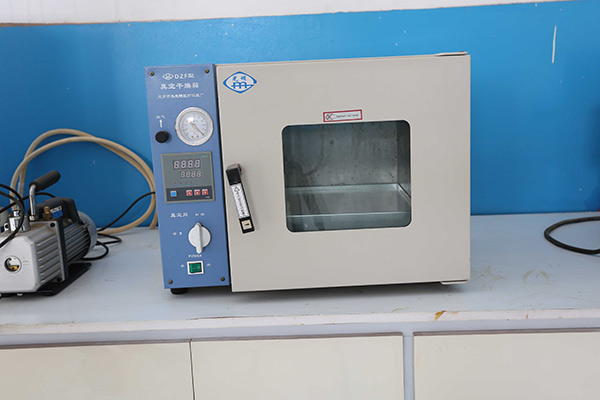
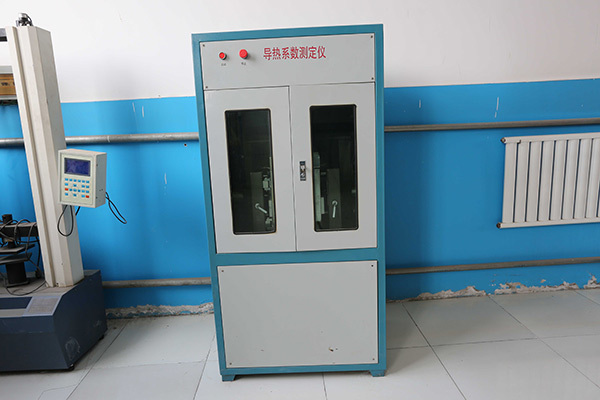
A gallery of our manufacturing operations, warehousing, and testing protocols.

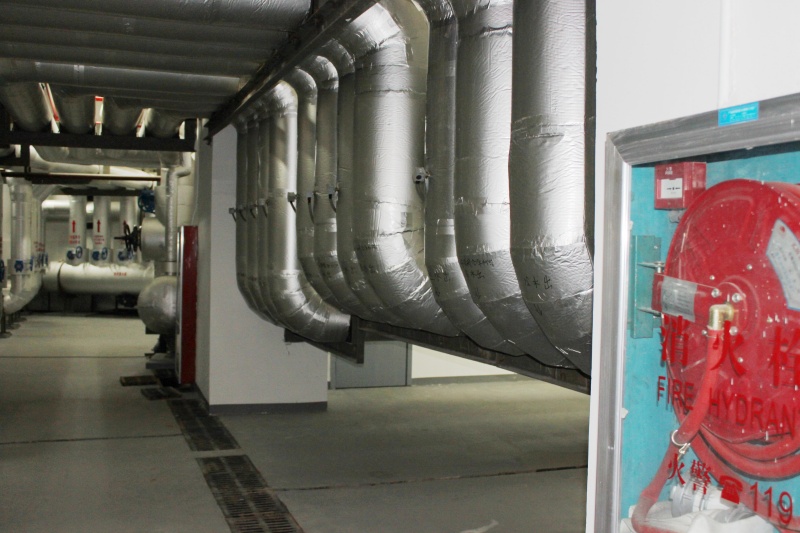
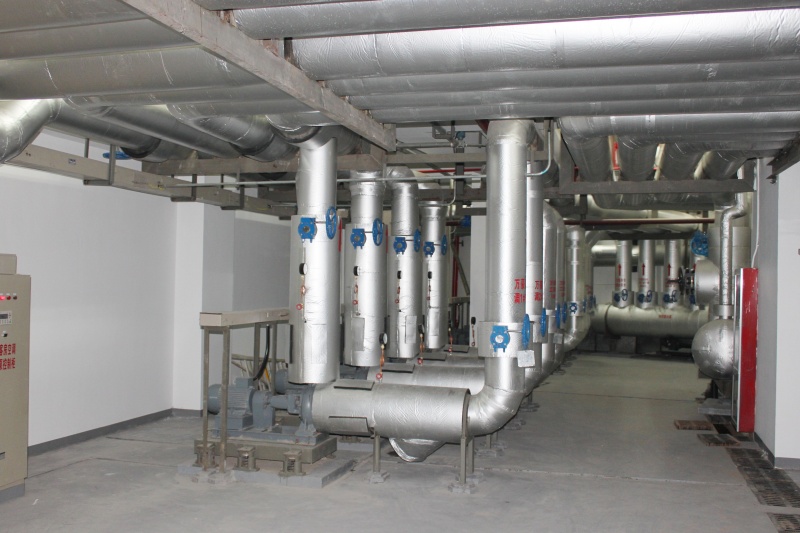
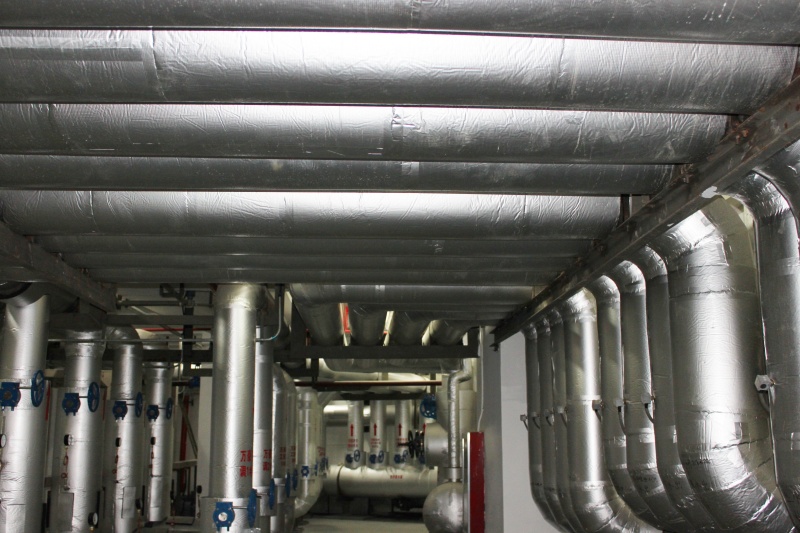
Complete your insulation specifications with specialized tubes, cryogenic sheets, and structural rock wool solutions.