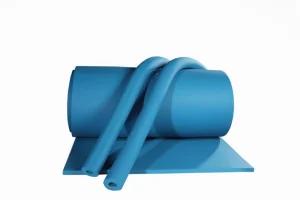
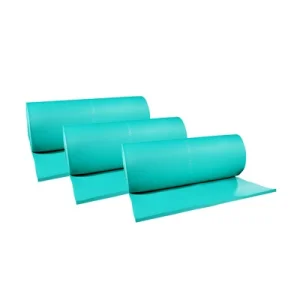
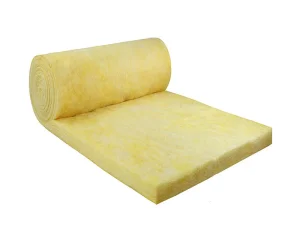
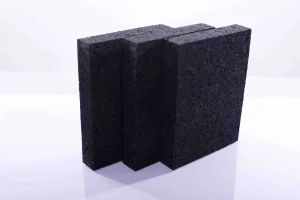
 Kingflex
Kingflex
Kingflex
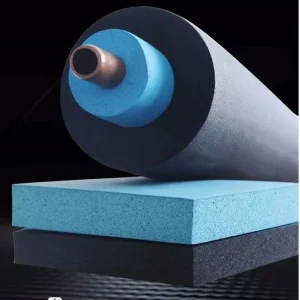
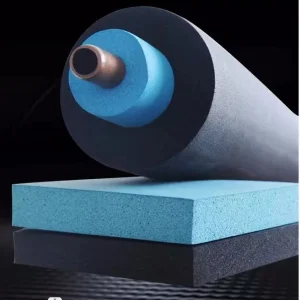
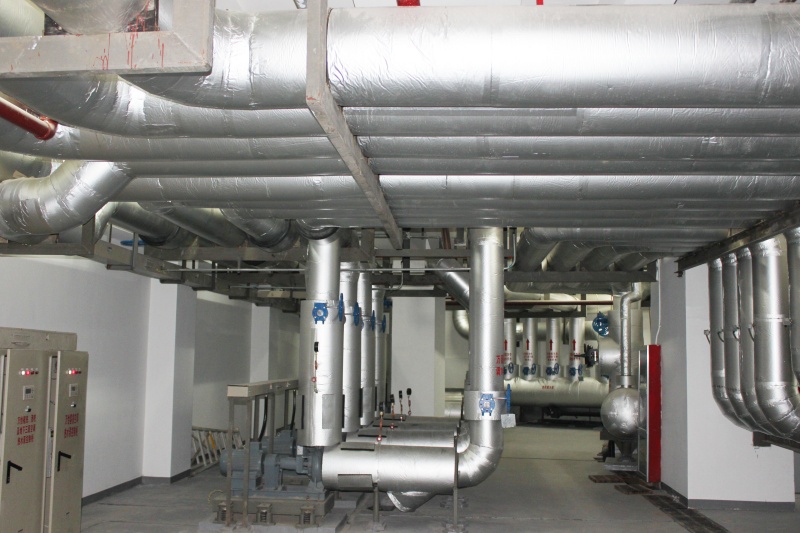
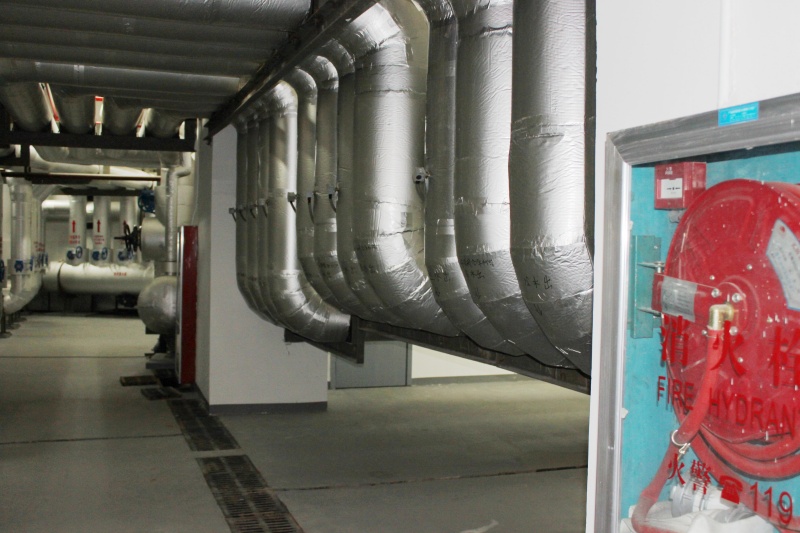
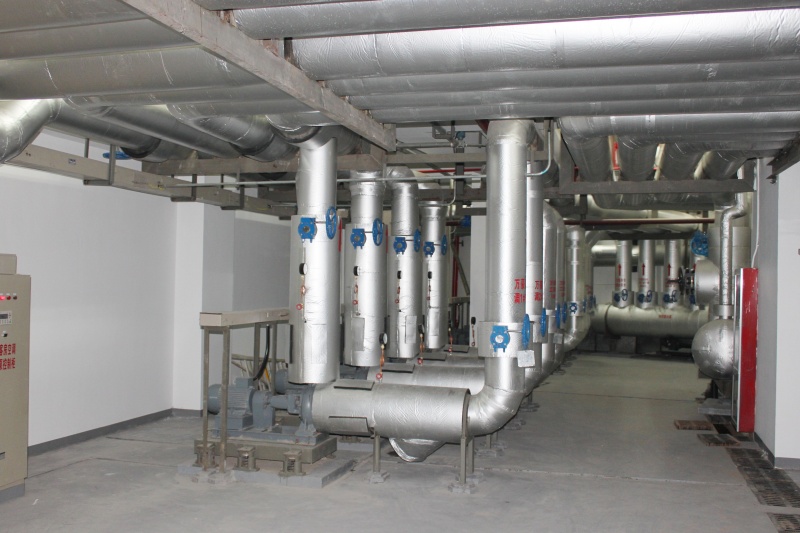
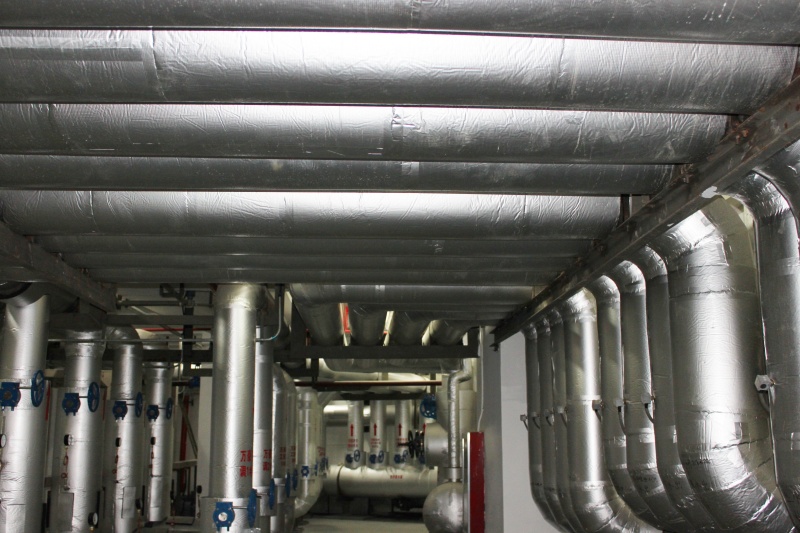
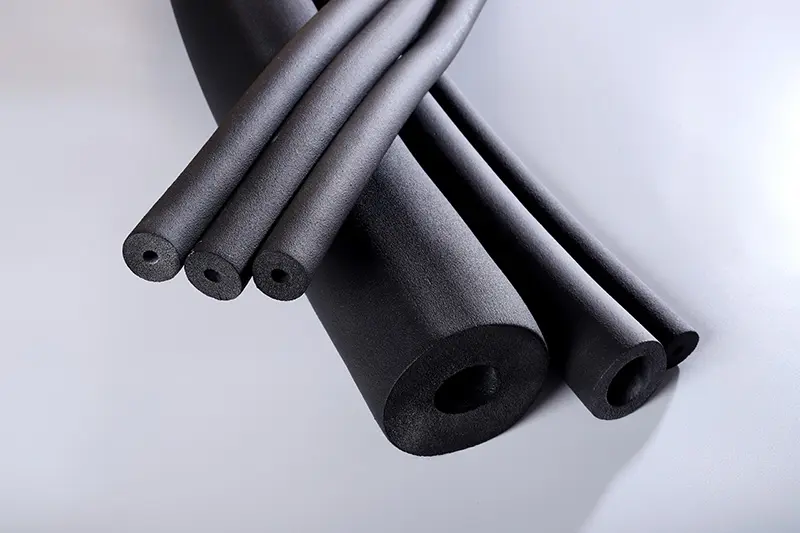
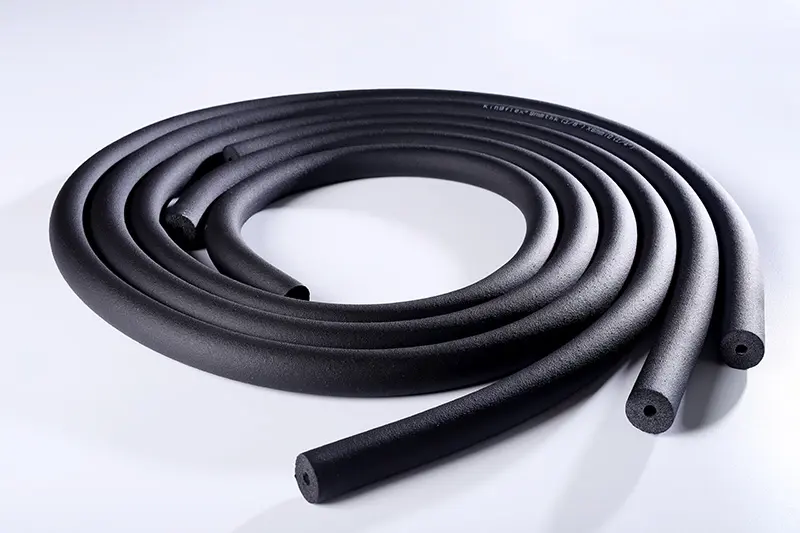
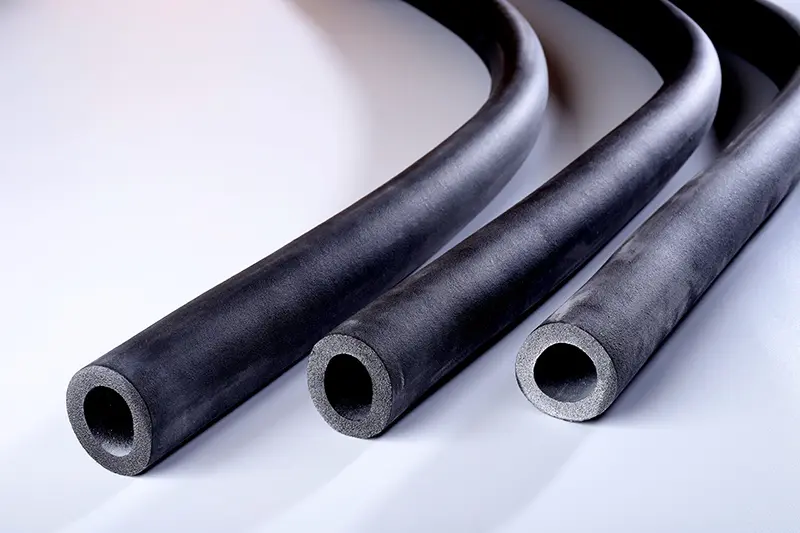
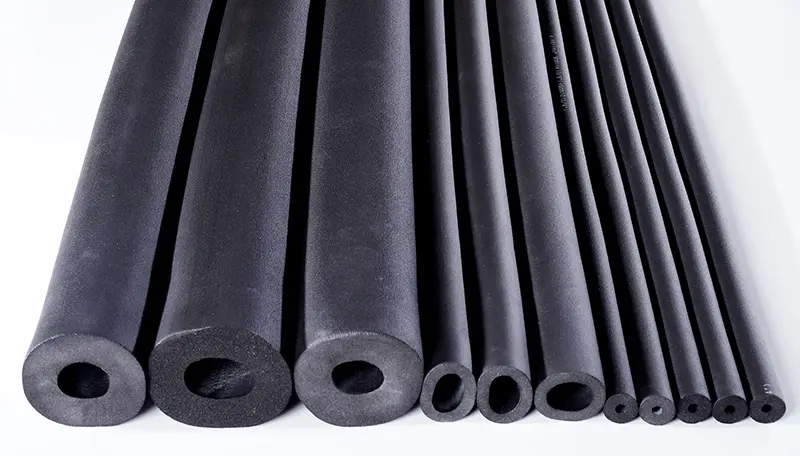
Premium class closed-cell structures for HVAC, cryogenic pipelines, and industrial machinery systems
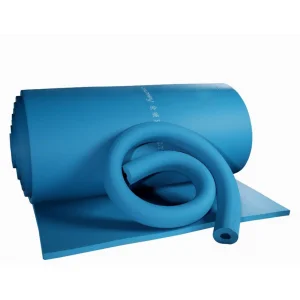
Outdoor thermal insulation systems, particularly elastomeric closed-cell rubber foams (NBR/PVC based), are continuously exposed to intense solar radiation. Solar ultraviolet (UV) radiation—specifically UV-A and UV-B wavelengths (290nm to 400nm)—carries sufficient energy to break chemical bonds in polymers. Without advanced protection, this process leads to photodegradation: surface chalking, cracking, embrittlement, and loss of physical integrity. When the skin of the insulation cracks, water vapor penetrates the cell structure, leading to insulation failure and CUI (Corrosion Under Insulation).
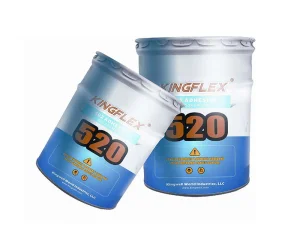
To mitigate this critical degradation, heavy-duty industrial coatings are engineered as primary shields. UV resistant paint formulated for elastomeric insulation must possess both chemical barrier properties and extreme elasticity (elongation capacities exceeding 100%) to accommodate the thermal expansion and contraction cycles of structural systems without peeling or tearing.
A deeper analysis of performance metrics, materials science, and protective barrier strategies
By blending high-solids aliphatic polyisocyanate with cross-linked acrylic resins, our formulations achieve outstanding color retention and durability. They form a tough, non-yellowing layer that reflects over 85% of solar radiation.
Insulation expands and contracts significantly due to variations in pipeline fluid temperature. The UV-resistant paint remains highly elastic, maintaining flexibility even down to -40°C, preventing surface micro-cracking.
Formulations with high concentrations of titanium dioxide (TiO2) and micro-hollow glass spheres achieve exceptional Solar Reflectance Indices (SRI > 100). This drastically reduces structural heat loading and minimizes cooling loss.
| Performance Characteristic | Standard Test Method | Technical Value Range (High Durability Grade) |
|---|---|---|
| Solid Content by Weight | ASTM D2369 | 62% to 68% |
| Elongation at Break | ASTM D412 | > 250% |
| Accelerated Weathering (UV-B) | ASTM G154 (1000 hrs) | No cracking, no blistering, minimal chalking |
| Water Vapor Permeance | ASTM E96 | < 0.05 Perms (highly resistant to vapor diffusion) |
| Service Temperature Limits | Operational Range | -50°C to +105°C |
Providing specialized protection suited to different environmental stressors worldwide
In regions such as Gulf Cooperation Council (GCC) countries and Southeast Asia, ambient temperatures often exceed 45°C with high solar intensity. High-SRI UV paint acts as a thermal barrier, preventing elastomeric dry-out, heat gains, and premature degradation on HVAC lines.
Offshore oil platforms, marine vessels, and coastal refineries suffer from a combination of high UV exposure, salt spray, and humidity. Using advanced acrylic coatings prevents saltwater migration into insulation joints, stopping corrosion under insulation (CUI).
For cryogenic applications (LNG and liquid nitrogen pipelines), insulation remains at sub-zero temperatures while the exterior surface is subjected to ambient solar heat. A high-performance elastic barrier prevents moisture ingress, which can form structural ice and damage the insulation.
Kingflex Insulation Co., Ltd. is a professional manufacturing and trading combo for thermal insulation products. Kingflex research development and production department is located in the well-known capital of green-building materials in Dacheng, China. It is an energy-saving, environmentally friendly enterprise concentrating on research and development, production, and sales.
In operation, Kingflex takes energy saving and consumption reduction as its core concept. We provide insulation solutions by means of consultation, research and development production, installation guidance, and post-sale service to lead the development of the global building materials industry.
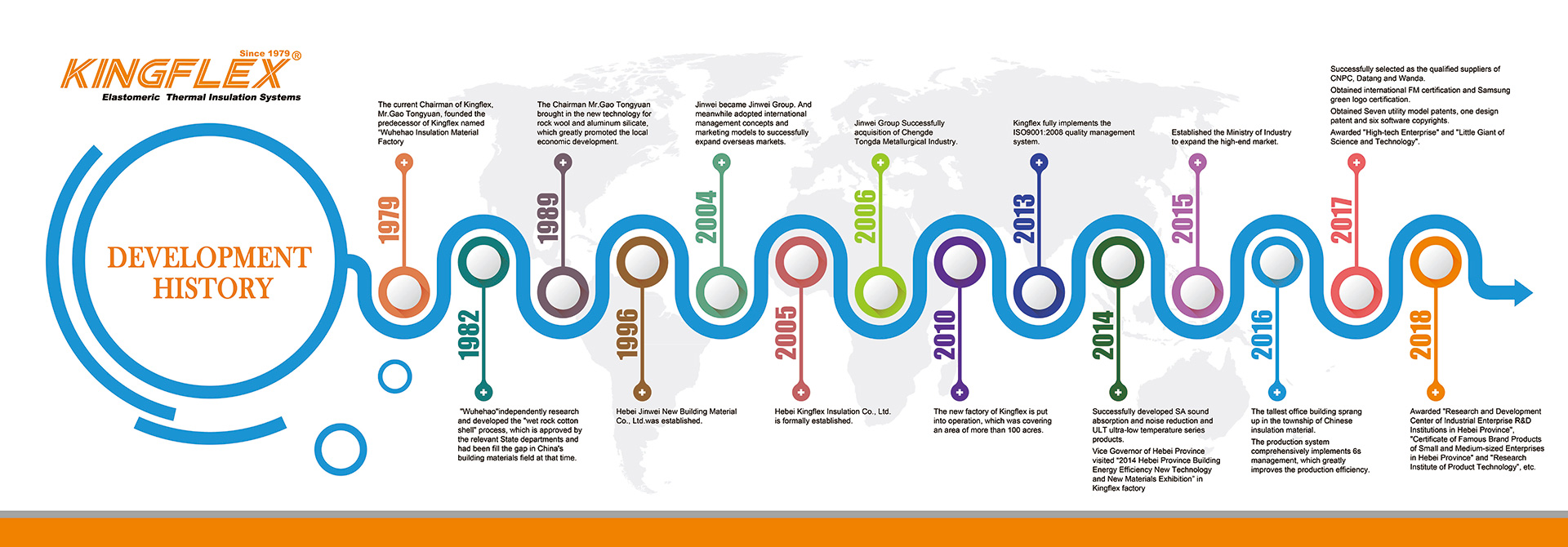
Kingflex is established by Jinwei Group, which has more than 40 years of history. Jinwei Group was established in 1979 and was the first manufacturer of thermal insulation materials north of the Yangtze River.
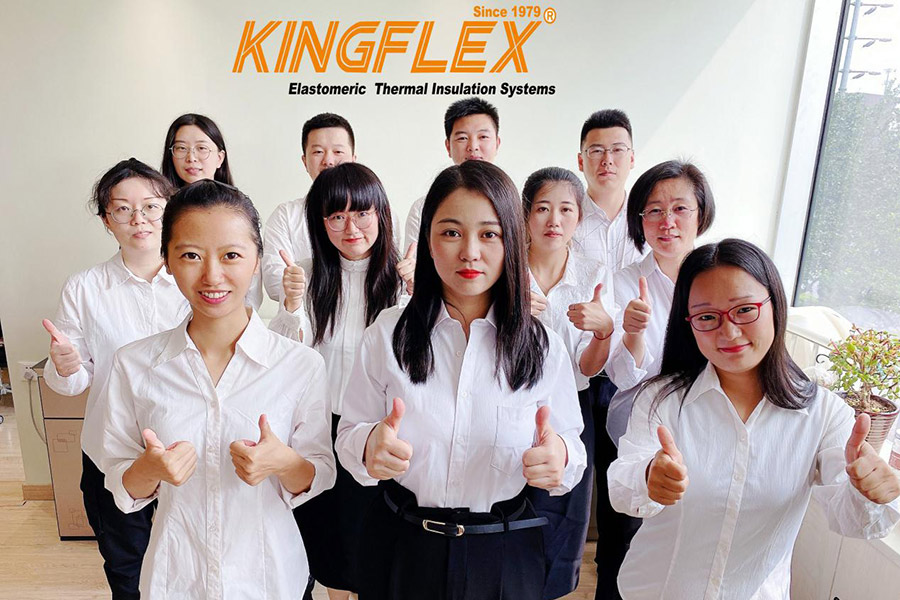
Our employees are amazing in their own right, but together they are what makes Kingflex such a fun and rewarding place to work. The Kingflex team is a tight-knit, talented group with a shared vision of giving consistently first-class service to our clients. Kingflex has eight professional engineers in the R&D Department, 6 professional international sales, and 230 workers in the production department.
At present, Kingflex has 5 large automatic assembly lines, with an annual production capacity of more than 600,000 cubic meters, and has become a designated production enterprise designated by the Ministry of Energy, the Ministry of Electric Power, and the Ministry of Chemical Industry.
Kingflex thermal insulation products are widely used in construction, petroleum, chemical, national defense, aerospace, and other industries. Kingflex products have been exported to more than sixty-six countries all over the world in the past 16 years.
Our Responsibility: Supply customers all over the world with a full set of energy-saving insulation system solutions, acting as an integrated provider of thermal insulation, cold insulation, and noise reduction for buildings and industries.

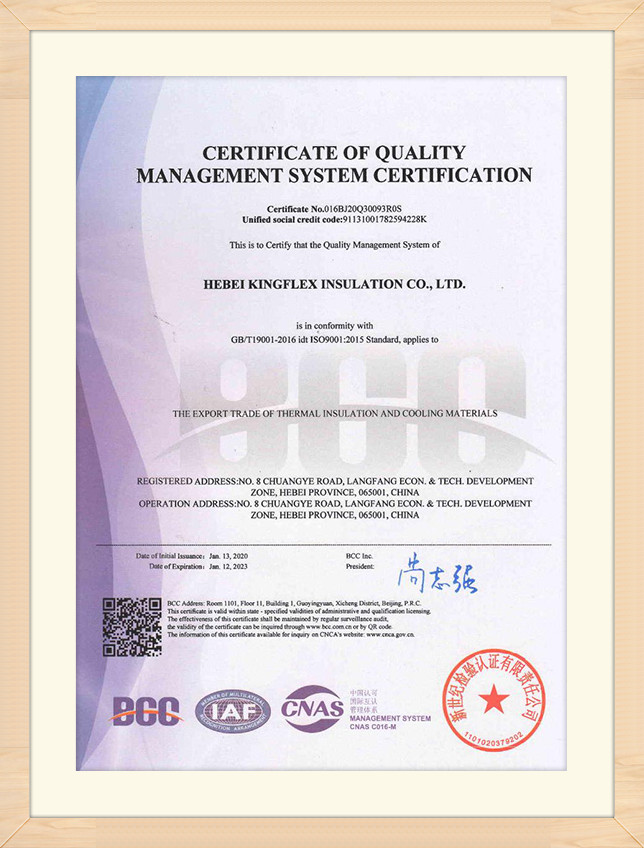
Testing facilities ensuring zero defect limits and standard-compliant materials
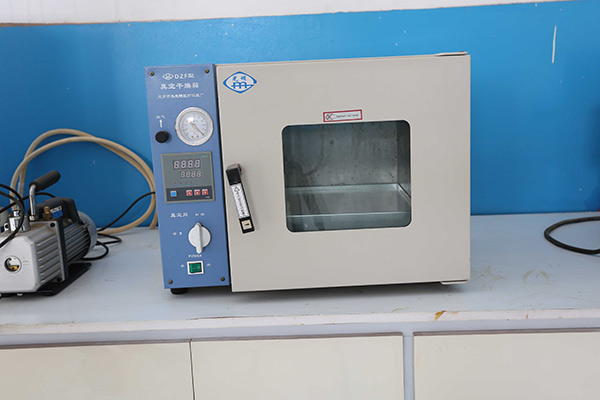
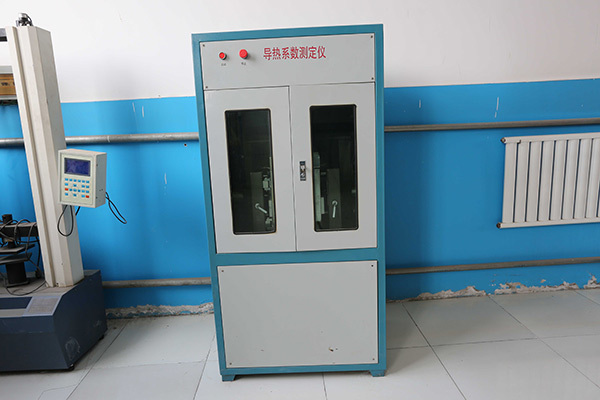
Why industrial distributors choose Kingflex for global infrastructure logistics
Located in Dacheng, the heart of China's green building materials cluster, we enjoy immediate access to high-purity rubber elastomers, polymers, and specialty fire retardant compounds, minimizing logistics overheads.
Operating 5 continuous vulcanizing assembly lines, we can scale production rapidly to fulfill large projects without compromising product density, thermal conductivity, or cell consistency.
Proximity to major northern maritime ports (Tsingtao, Tianjin) provides us with reliable shipping options, stable container allocations, and expedited custom clearance pathways.
At Kingflex, we run our processes under ISO 9001 and ISO 14001 structures. Quality assurance isn't just about final checks; it is integrated into every step of raw material selection, extrusion, and polymerization.
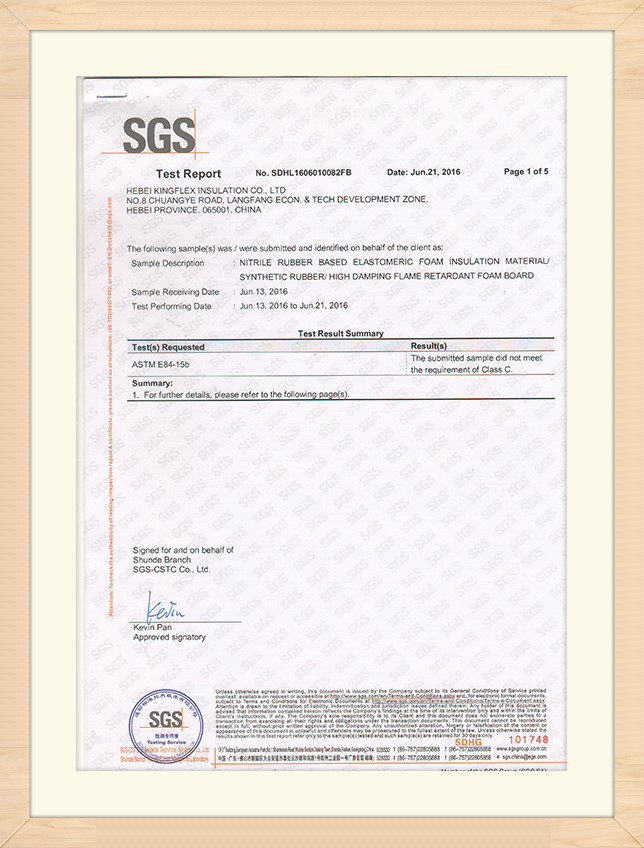
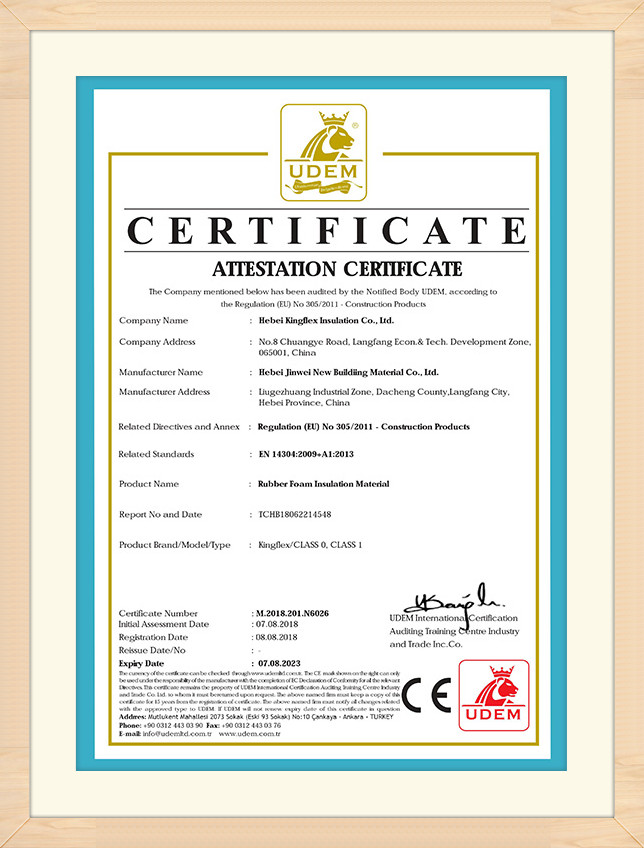
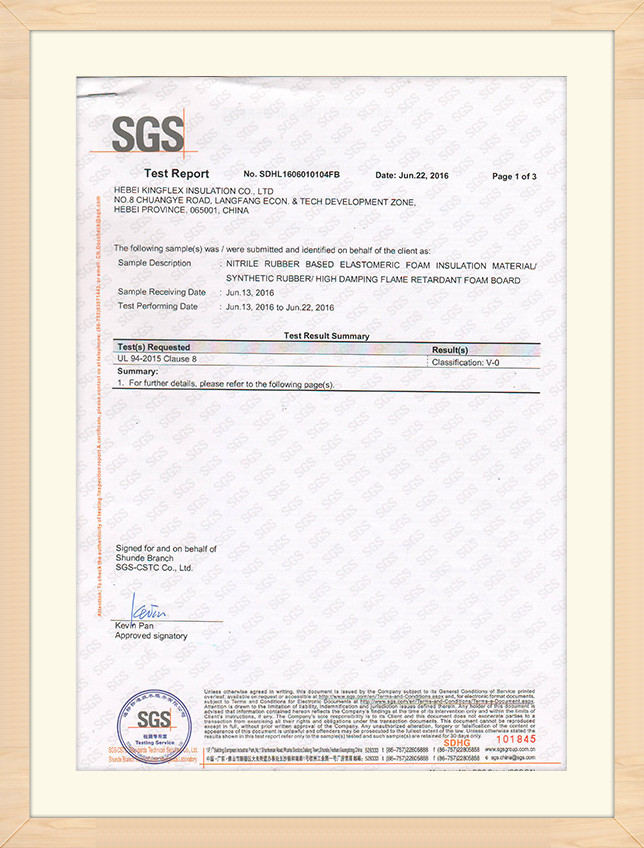
Our solutions conform to international building and industrial codes, including BS 476 (Class 0 and Class 1), CE, REACH, ROHS, UL94, and ASTM. Every batch is marked and traceable back to the raw material inputs and specific shift parameters.
Reference parameters for design engineers and insulation contractors
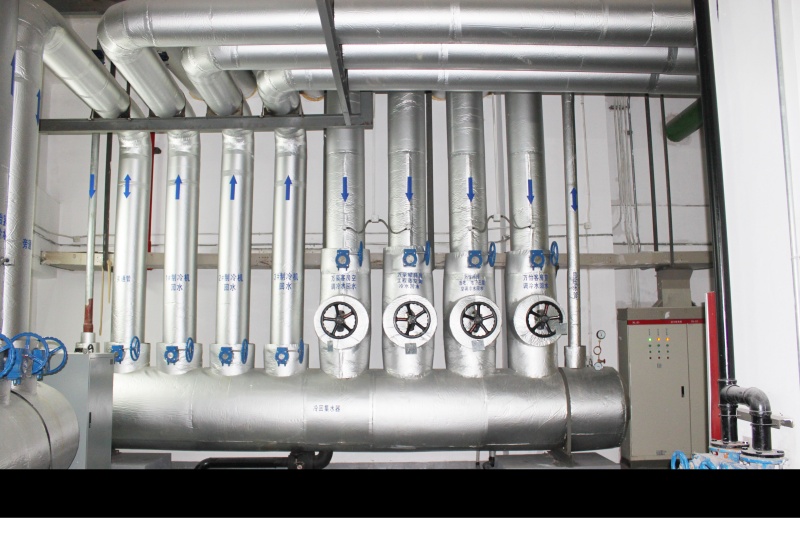
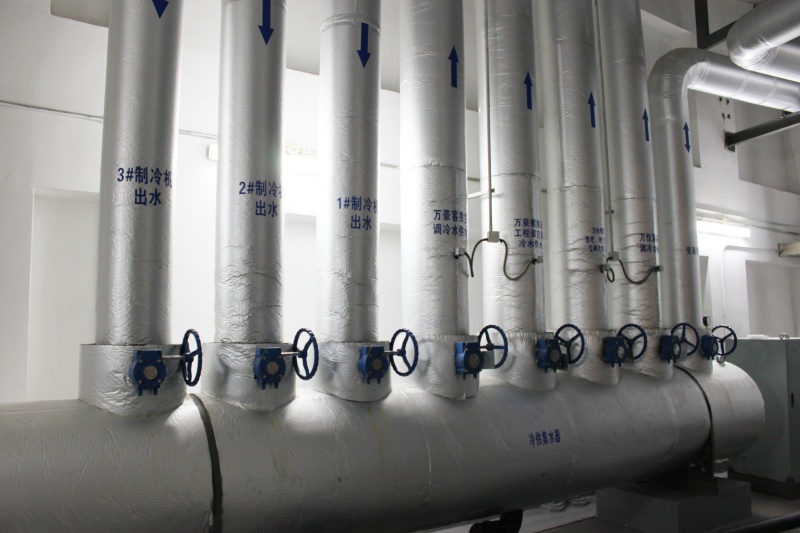
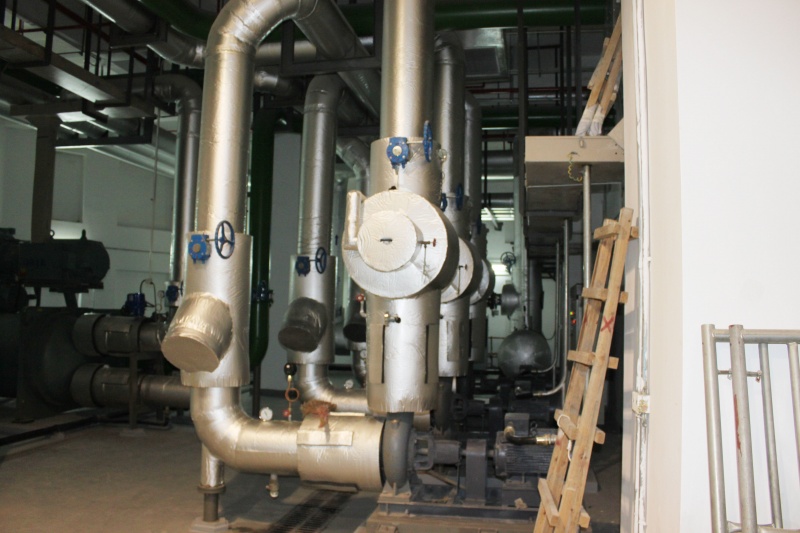
We work closely with structural design institutes and engineering firms to provide tailored support for complex HVAC designs. Our active QA/QC protocol monitors cell diameter and distribution on the production line, ensuring stable thermal performance and low vapor transmission rates over time.
Demonstrated performance in global civil, commercial, and industrial facilities
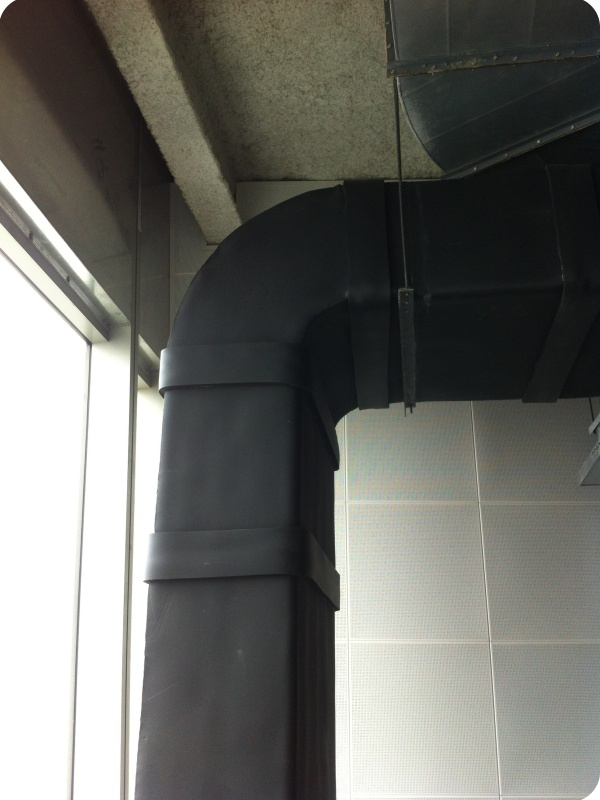
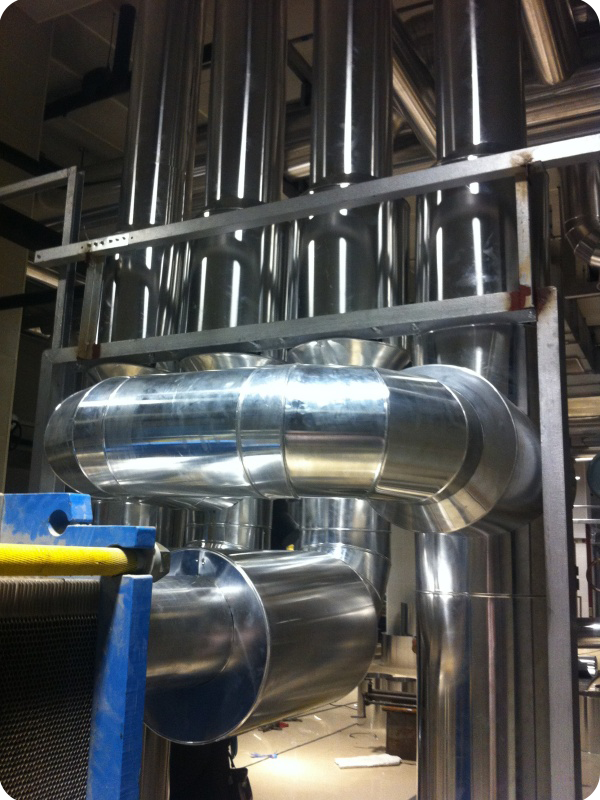
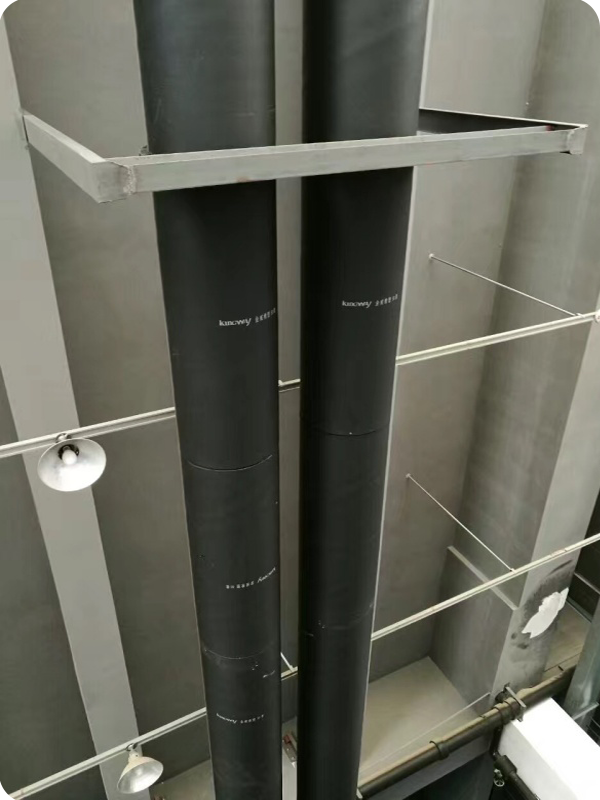

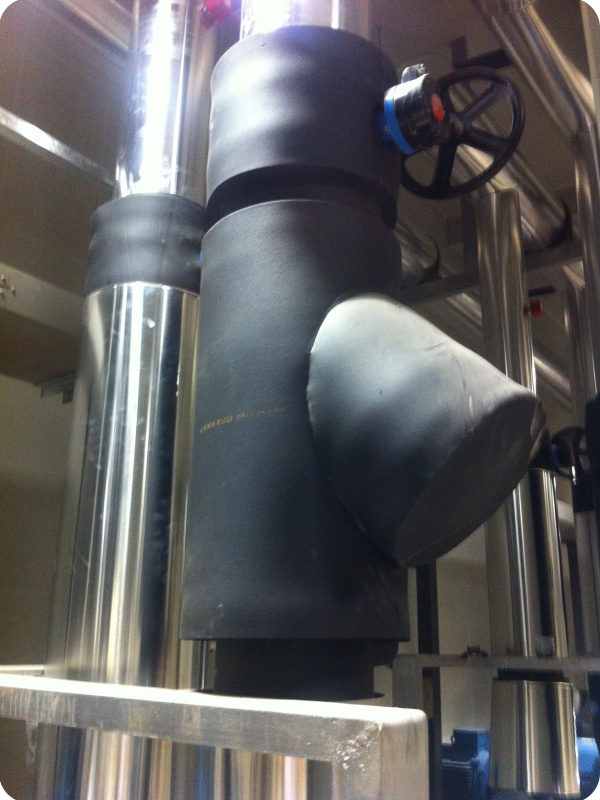
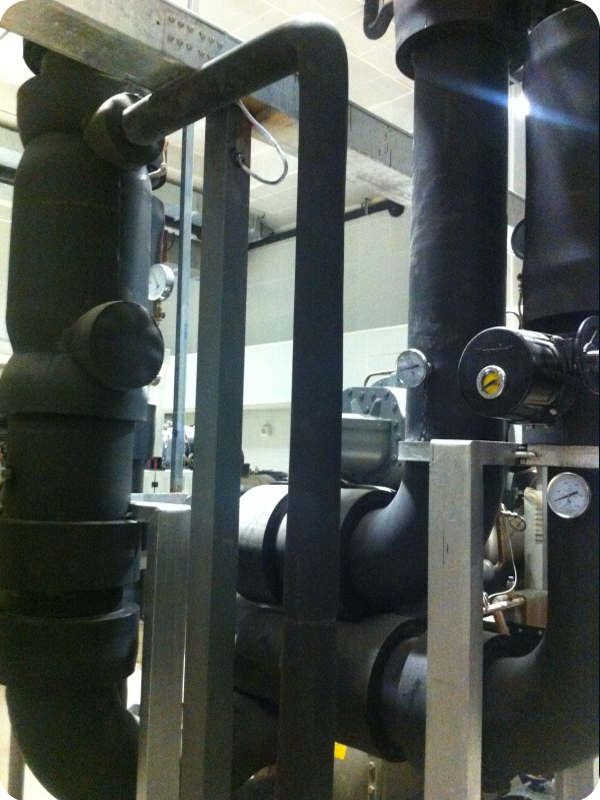
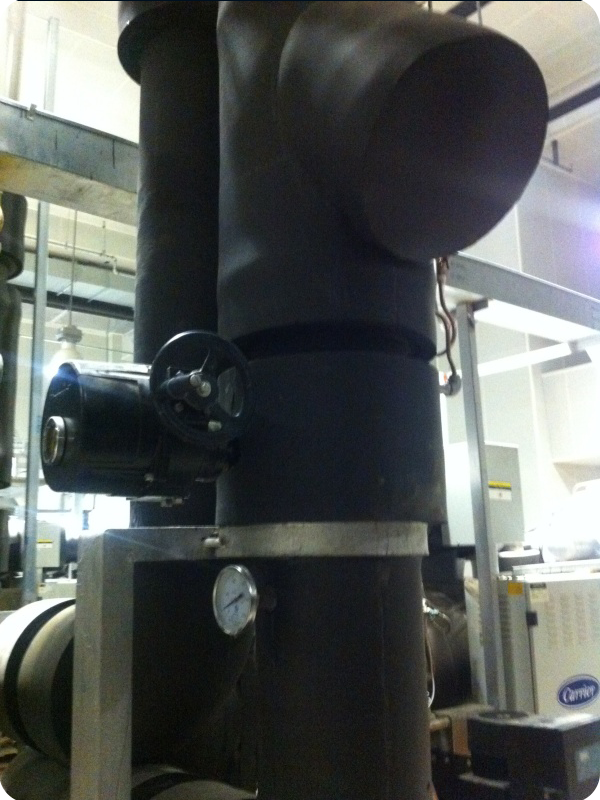
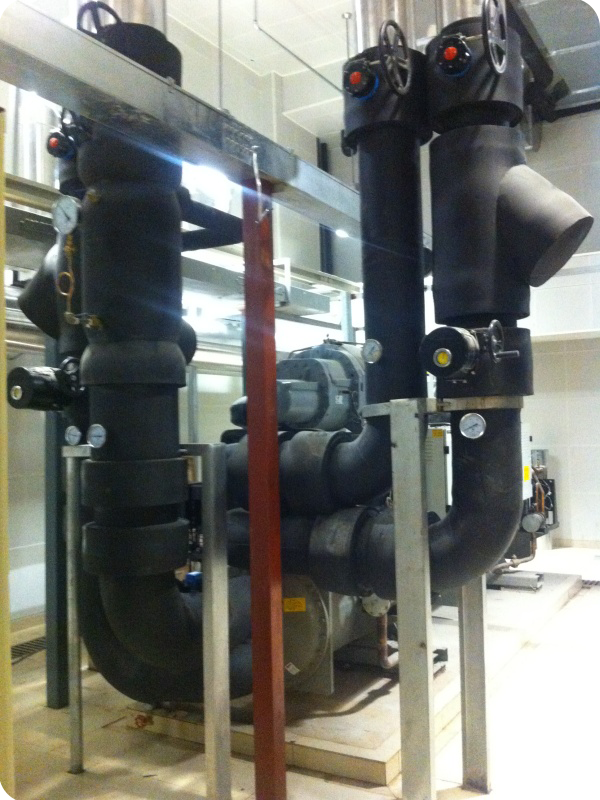
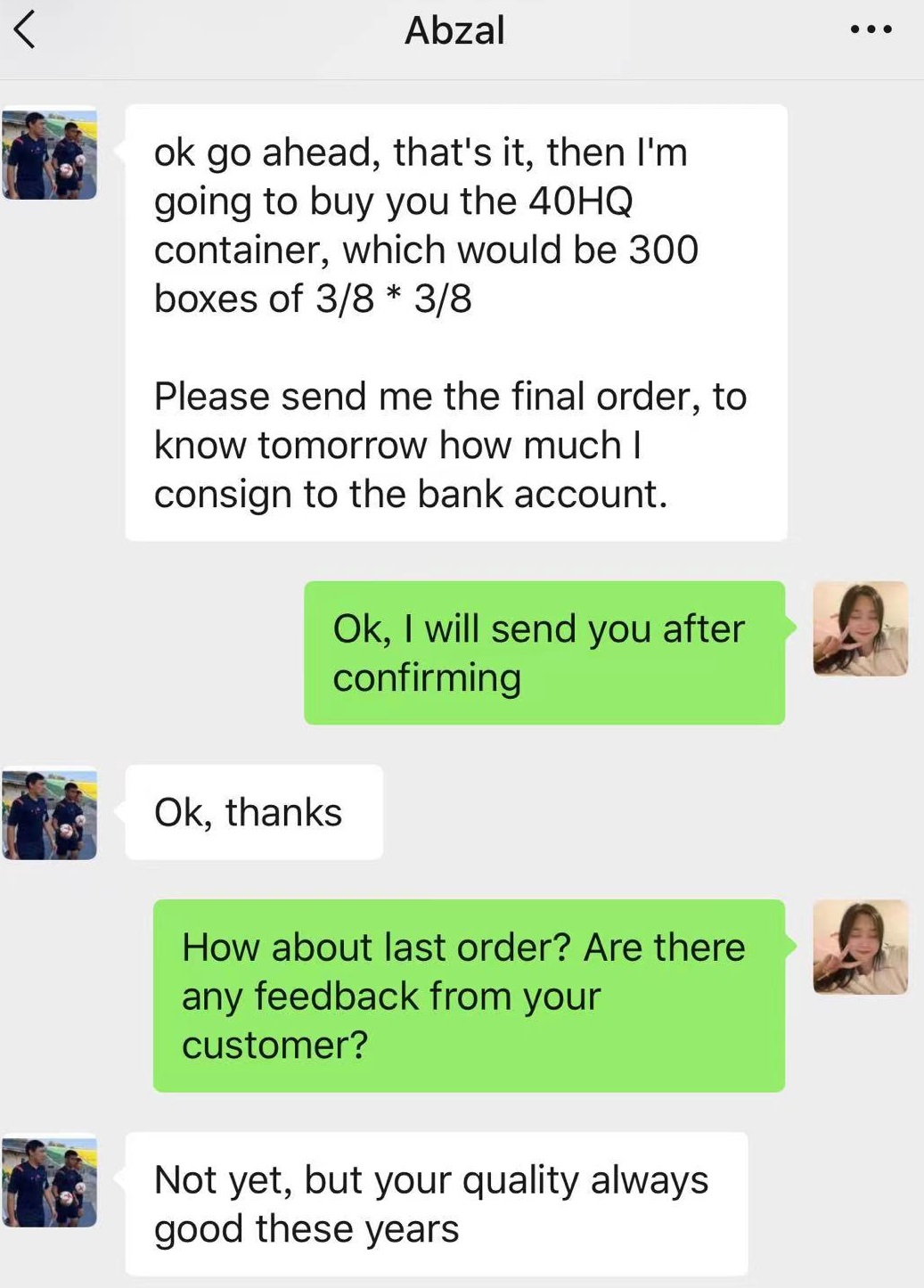
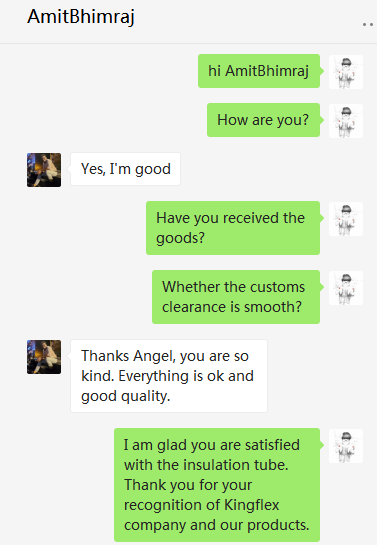
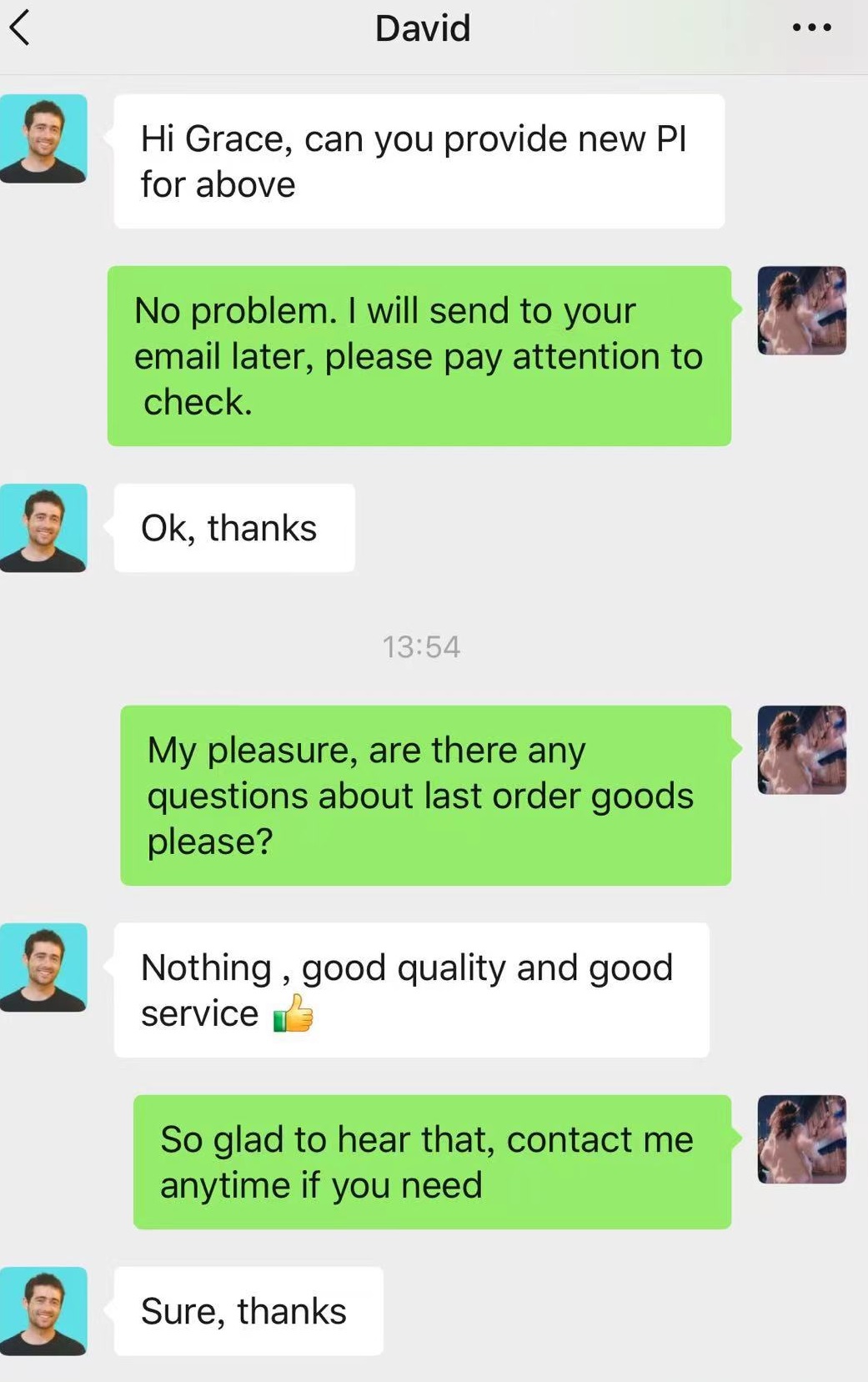
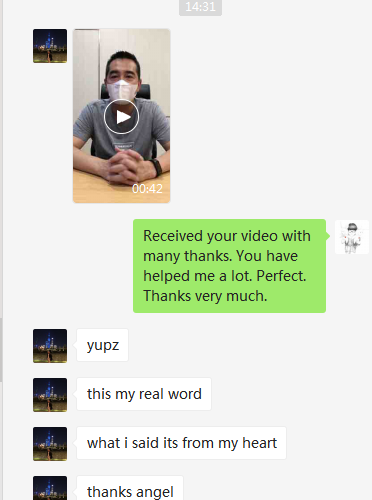
Real-time communication and positive feedback from global purchasers
Premium class closed-cell structures for HVAC, cryogenic pipelines, and industrial machinery systems
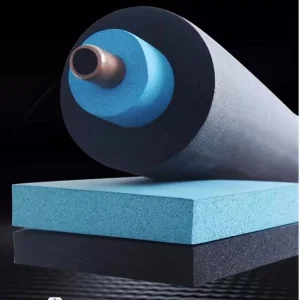
Explore our targeted product offerings engineered for diverse thermal requirements
Technical answers to common queries regarding industrial insulation and coatings
Elastomeric rubber foam insulation (NBR/PVC-based) is vulnerable to degradation from continuous solar ultraviolet (UV) radiation. Without a protective coating, UV light breaks polymer chains, causing surface hardening, micro-cracks, and eventual structural failure. Applying a specialized elastic UV-resistant paint blocks these wavelengths and prevents premature wear, dramatically extending the insulation's service life.
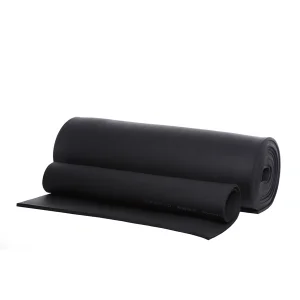
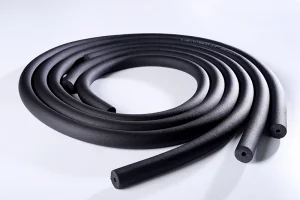
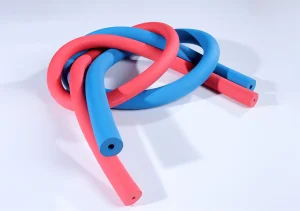
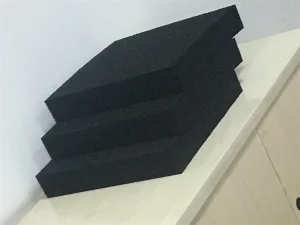
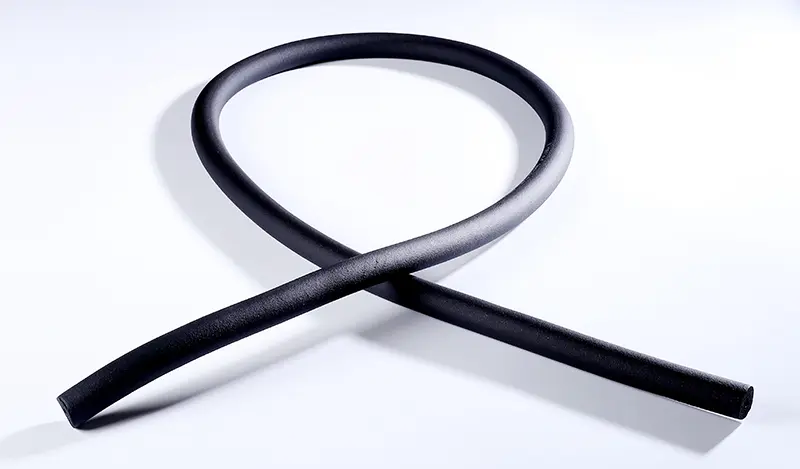
It is mainly used for HVAC ducts, air conditioning pipes, building thermal insulation, industrial pipeline cold insulation, and sound insulation.
Yes, our rubber foam insulation products are fire retardant, meeting strict safety standards for commercial buildings and industrial projects.
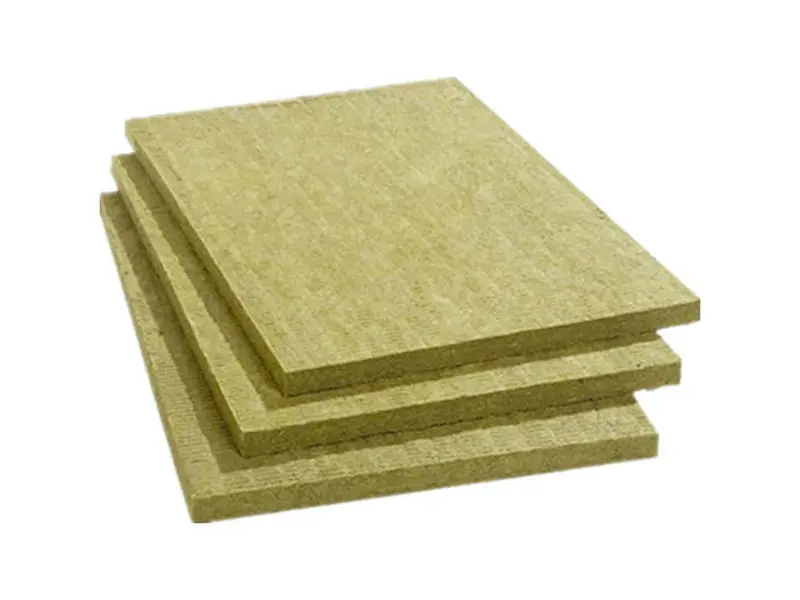
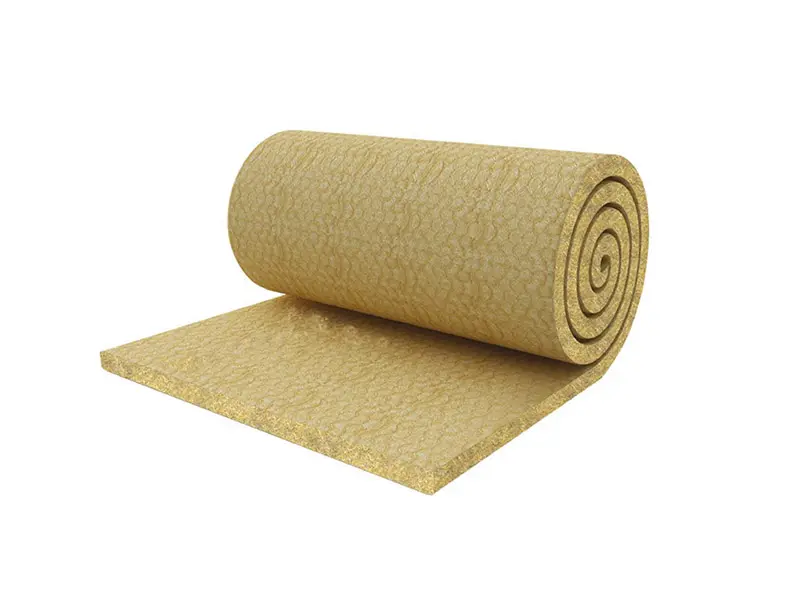
Rubber foam is flexible, closed-cell, and highly moisture-proof, making it ideal for HVAC, plumbing, and cold-conservation applications. Rock wool is highly temperature-resistant and completely non-combustible, making it better suited for high-temperature industrial pipelines and fire-rated walls.
Yes, we support OEM/ODM services, adjusting variables such as thickness, inner diameter, color, and packaging to meet specific project guidelines.
Our products have passed BS 476, CE, REACH, ROHS, UL94, ASTM, and other international certifications, ensuring compliance with global building and safety regulations.
Yes, all Kingflex products have clear batch numbering and raw material tracking records to guarantee consistent performance.
We can produce thicknesses ranging from 6mm to 50mm on our automated continuous production lines.
When correctly installed and protected (using UV-resistant paint outdoors), the typical service life ranges from 10 to 15 years under normal operational conditions.