 Kingflex
Kingflex
Kingflex
Premium factory-laminated elastomeric and cryogenic rubber insulation solutions engineered for high performance under extreme conditions.
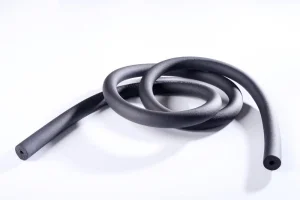
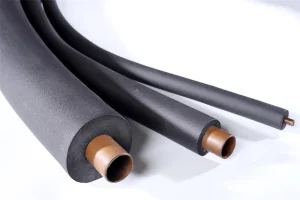
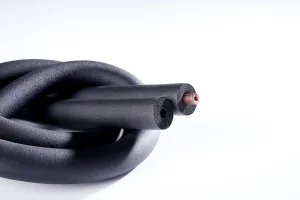
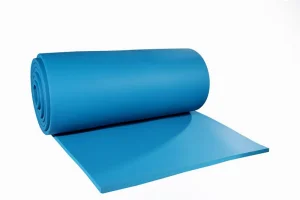
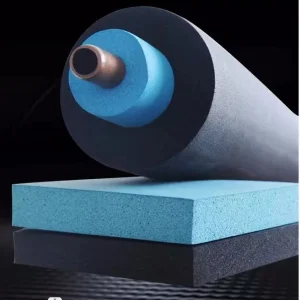
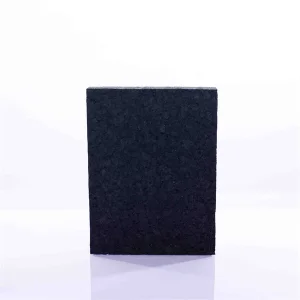
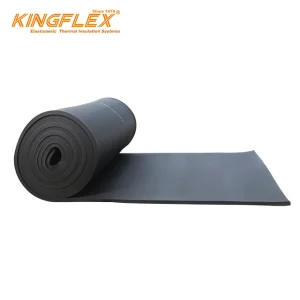
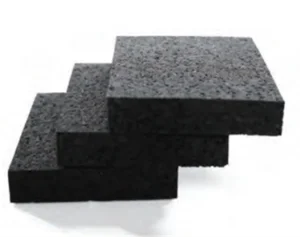
Thermal insulation in modern building science is no longer about simple thermal resistance (R-value). It requires an integrated approach to vapor sealing, mechanical protection, and radiant heat reflection. Single-sided aluminum foil faced elastomeric rubber foam represents the peak of this integration.
By laminating a pure aluminum foil layer (typically between 7 to 14 microns, or reinforced Aluglass laminate) on one side of a high-density, closed-cell NBR/PVC matrix, manufacturers achieve a composite material with extraordinary performance. The closed-cell rubber base provides low thermal conductivity ($\lambda \le 0.034$ W/m·K at 0°C) and prevents convective heat transfer. Concurrently, the reflective foil facing acts as a highly efficient radiant barrier—blocking up to 97% of radiant heat transfer and raising the water vapor diffusion resistance index ($\mu$) to infinity ($\infty$).
This dual-layer mechanism is critical in high-humidity HVAC environments. If water vapor penetrates an insulation layer, it condenses, causing a thermal bridge and structural corrosion (CUI - Corrosion Under Insulation). The single-sided foil serves as the external vapor shield, ensuring the dry closed-cell structure inside retains its performance for its planned 15-year operational life.
The single-sided aluminum foil creates an impenetrable barrier that keeps water vapor out of the cellular NBR structure, eliminating moisture accumulation and maintaining insulation values.
Equipped with a highly polished aluminum outer surface, this insulation bounces away external radiation, making it highly effective on outdoor pipe runs and under direct sunlight.
Standard raw rubber foam is susceptible to tearing and UV weathering. A single-sided metal foil skin increases mechanical strength against puncture, bird pecking, and weather wear.
Why sourcing from Kingflex Insulation Co., Ltd. in Dacheng, China guarantees superior cost-control, scale, and regulatory compliance.
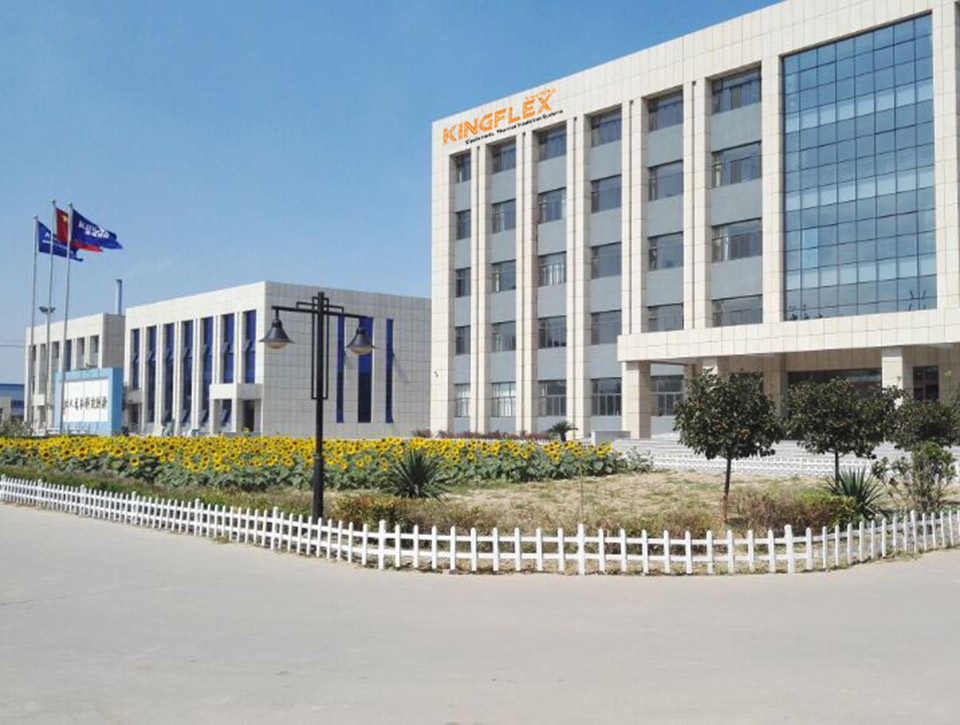
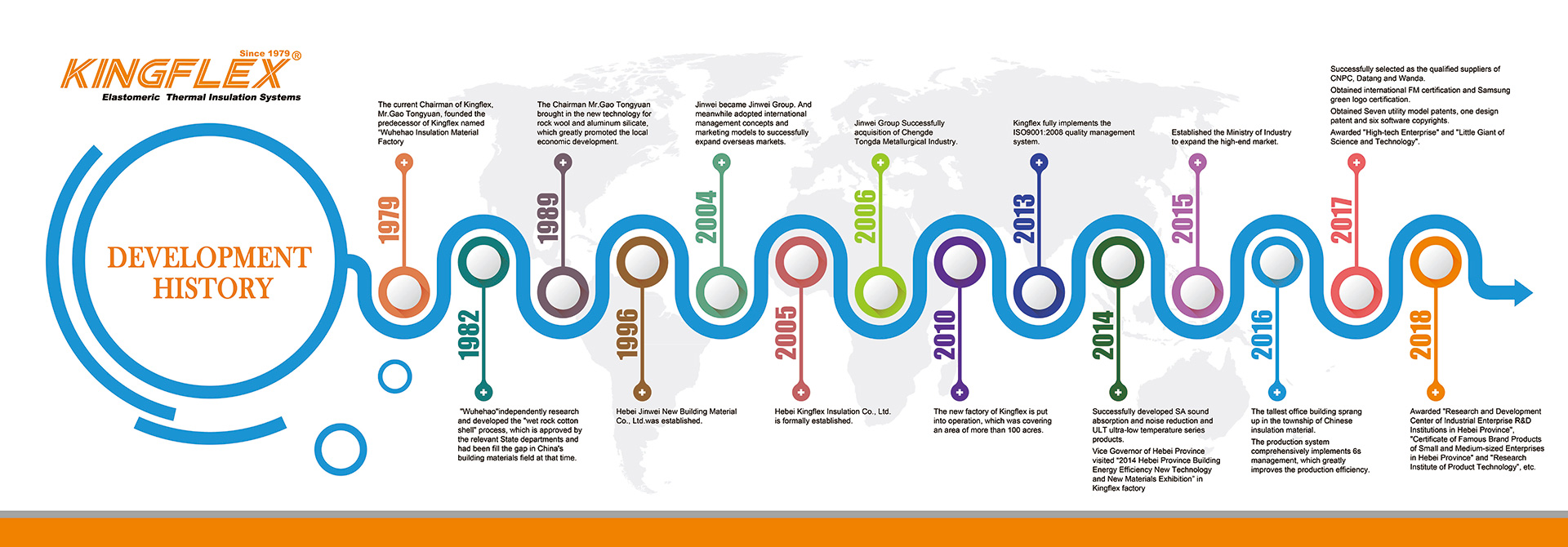
Our manufacturing and trading center is located in Dacheng, China, the renowned hub of green-building materials. As a subsidiary of the Jinwei Group (founded in 1979), Kingflex carries over 40 years of thermal and cryogenic insulation development history.
Currently, the factory runs 5 large-scale automated continuous foaming extrusion lines, producing an annual capacity exceeding 600,000 cubic meters. This scale allows us to fulfill large container orders (FCL) rapidly and maintain standard pricing during raw material price swings.
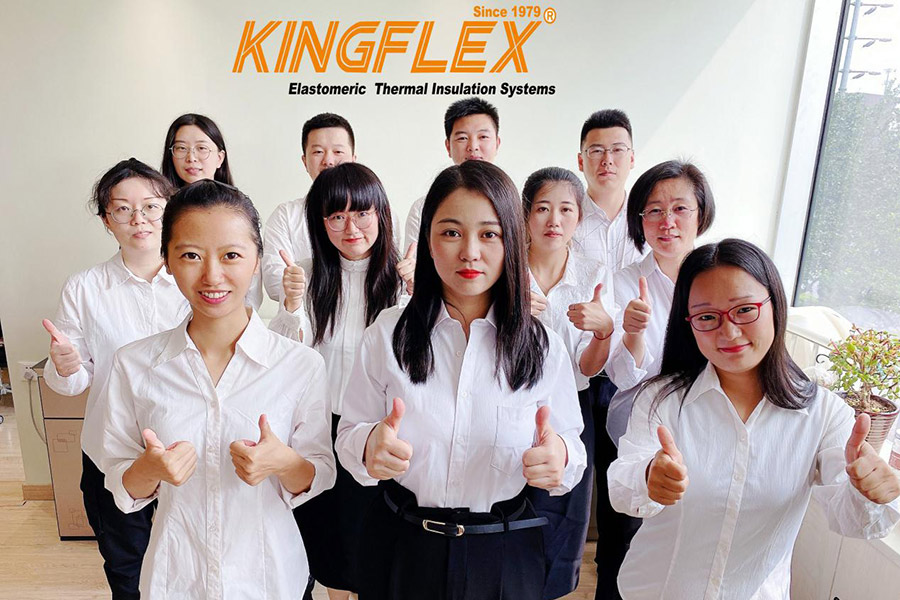
Our R&D department houses 8 professional engineers, alongside 6 international sales experts and 230 factory workers, ensuring that custom foil laminations meet precise project parameters.
Comprehensive physical specification sheets for single-sided foil faced sheets and tubes.
Our NBR/PVC closed-cell foam is engineered to exhibit uniform cell sizing, high resilience, and low thermal conductance under compressive loads. The one-sided aluminum foil laminate is bonded during the continuous vulcanization line using custom high-temperature adhesives to prevent delamination.
| Parameter | Standard Specification Value |
|---|---|
| Material Matrix | Premium NBR / PVC Elastomeric Blend |
| Facing (One Side) | Pure Aluminum Foil / Reinforced Aluglass Scrim |
| Sheet Thickness | 6mm to 50mm |
| Foam Density | 40 to 55 kg/m³ |
| Service Temp Range | -40℃ to 105℃ (Up to -200℃ for Cryogenic systems) |
| Closed Cell Ratio | Over 98% (High-density structure) |
| Compression Resilience | Over 80% recovery rate |
Providing custom thermal management designs for global HVAC, maritime, chemical processing, and cryogenic storage facilities.
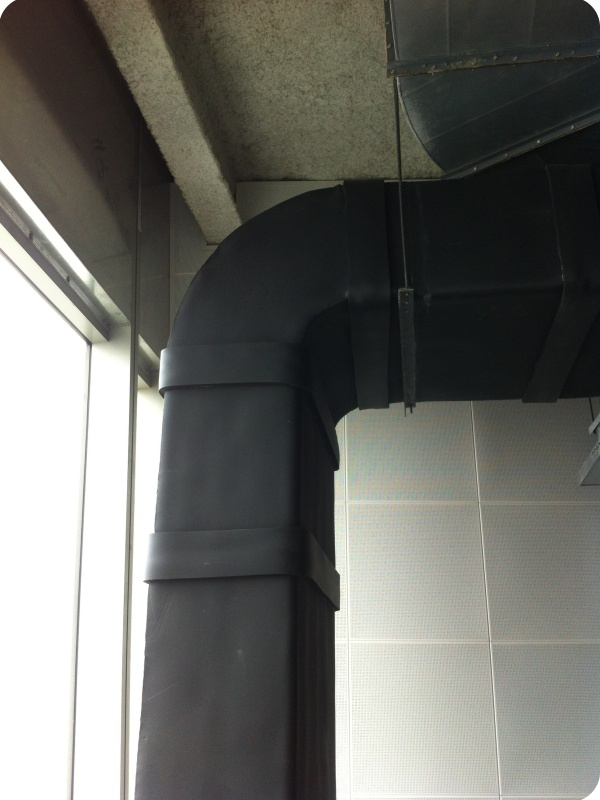
Used extensively in commercial ductwork and indoor environments. The aluminum facing acts as a smooth, dust-free surface that meets cleanroom air requirements and prevents fiber migration into the air stream.
In petrochemical and liquid gas systems operating down to -200°C, Kingflex cryogenic systems with foil protection prevent standard atmospheric condensation and extreme icing cycles.
Protects long run pipelines in chemical plants and pharmaceutical processing complexes from thermal loss, mechanical damage, and UV degradation caused by sunlight.
One of the biggest issues in cold system pipeline design is water accumulation beneath the insulation, commonly referred to as Corrosion Under Insulation (CUI). CUI can damage steel pipes, leading to structural failures and unplanned plant shutdowns.
Our single-sided aluminum foil faced rubber sheets solve this issue. The internal NBR/PVC closed-cell rubber sheet remains dry because the aluminum foil facing blocks external water vapor. Even if the metallic facing experiences mechanical damage, the closed-cell nature of the underlying rubber prevents water from spreading, localizing potential hazards and simplifying spot maintenance.
Understanding the pricing indices, dynamic quoting factors, and shipping solutions for industrial buyers.
When purchasing China With Aluminum Foil One Side insulation products, sourcing teams must navigate the components that influence pricelists and quotes. Unlike standard building insulation, high-spec laminated elastomer prices depend on several raw material commodities and manufacturing processes.
Every commercial quote issued by our international sales team accounts for the following variables:
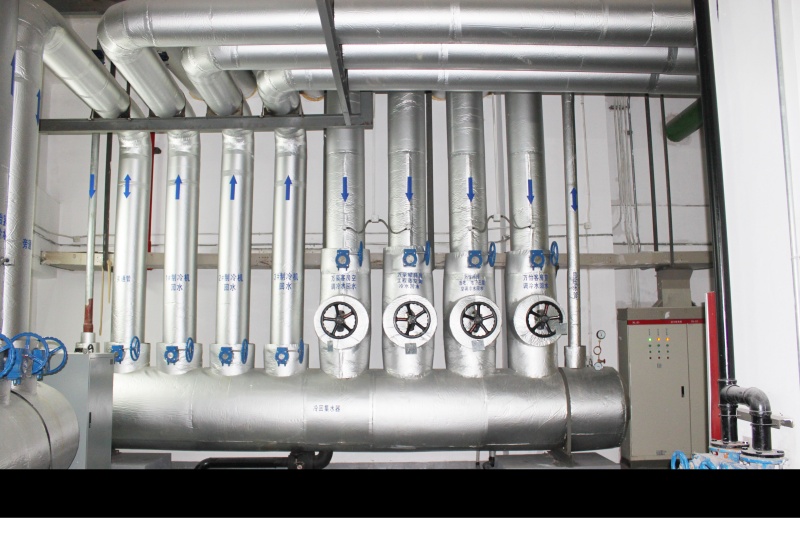
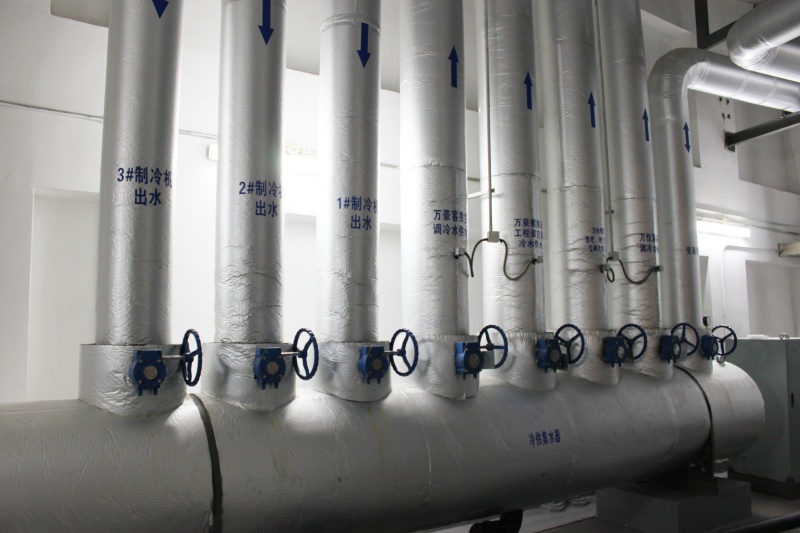

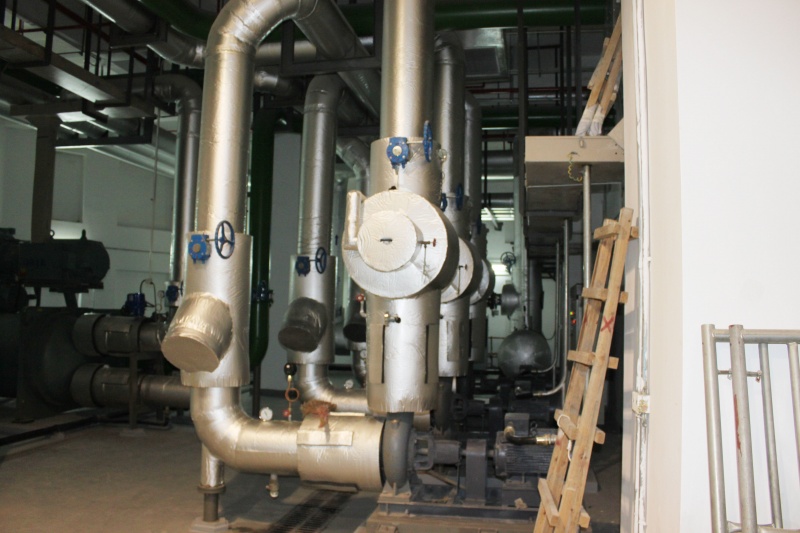
Kingflex materials undergo rigorous testing, matching and exceeding international safety and building insulation criteria.
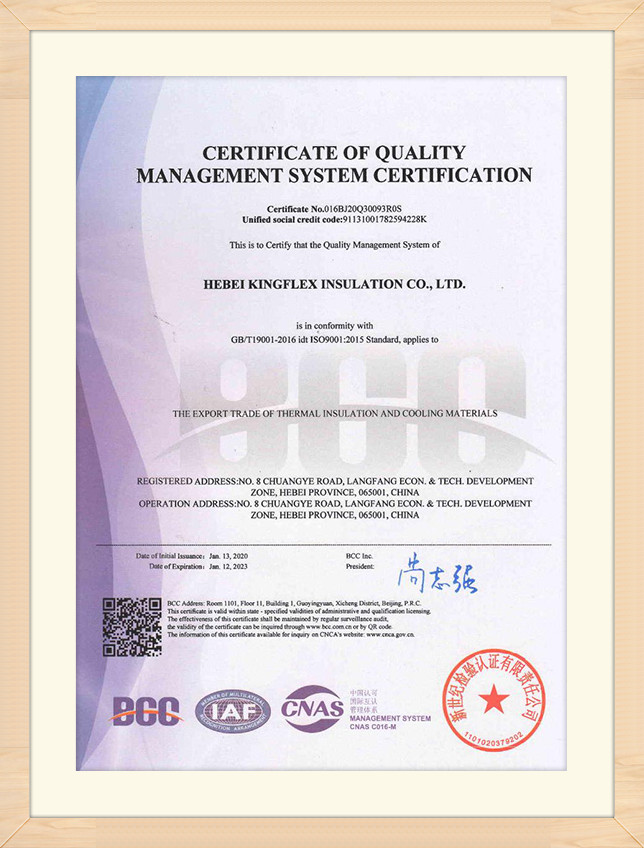
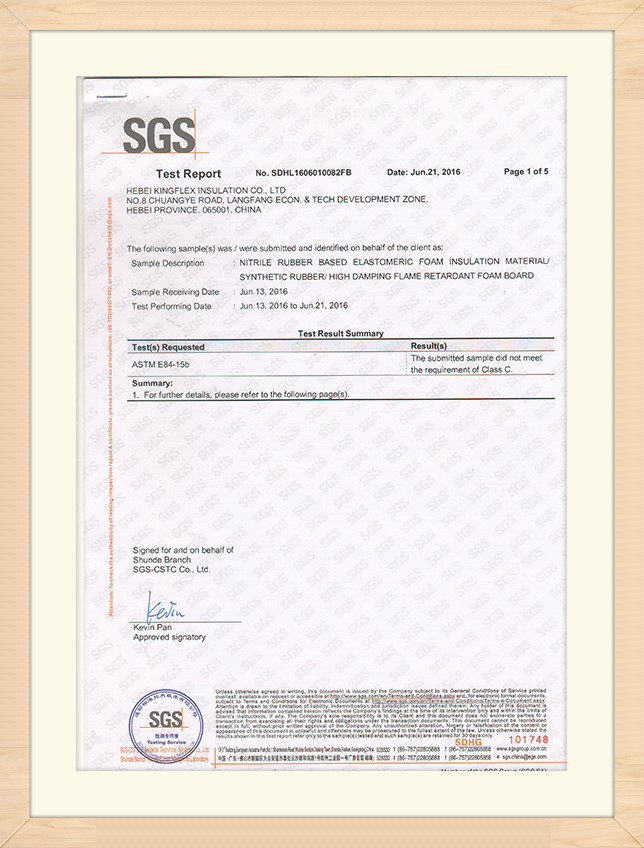
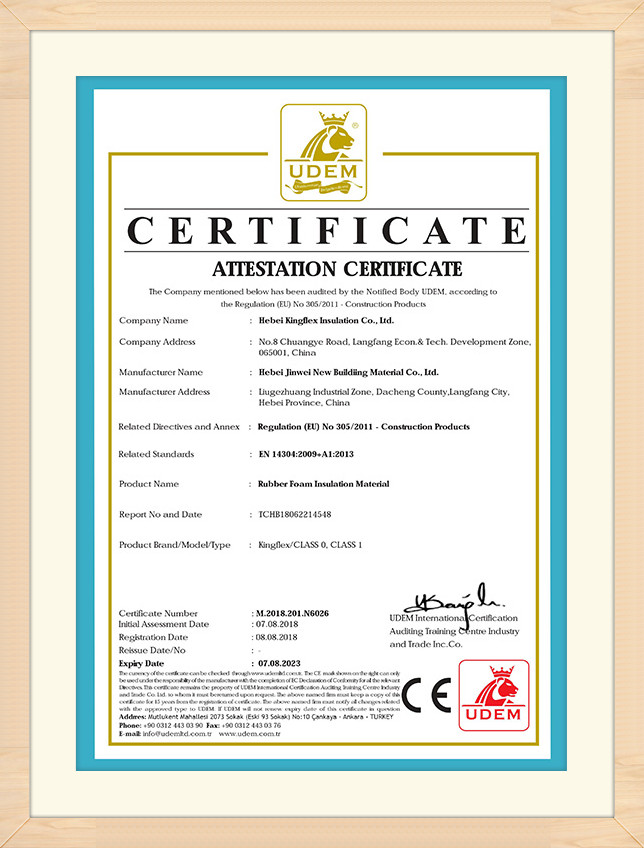
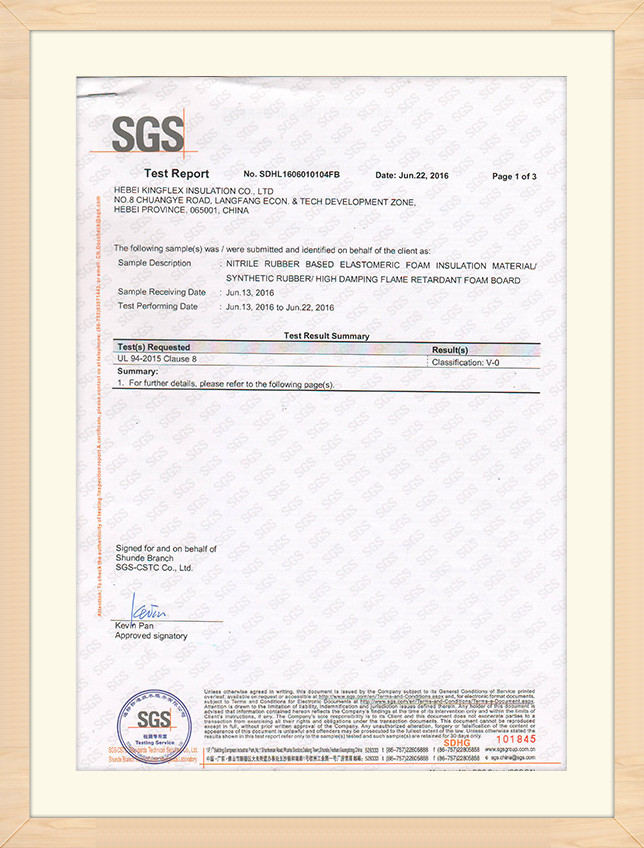
Our commitment to quality control is verified by global third-party testing labs. Kingflex products carry approvals for various fire safety, toxic emission, and performance benchmarks:
These credentials ensure our insulation can be integrated into high-specification public infrastructure, cleanroom installations, and marine insulation projects.
Reviewing our production runs, customized insulation installations, and project integration highlights.
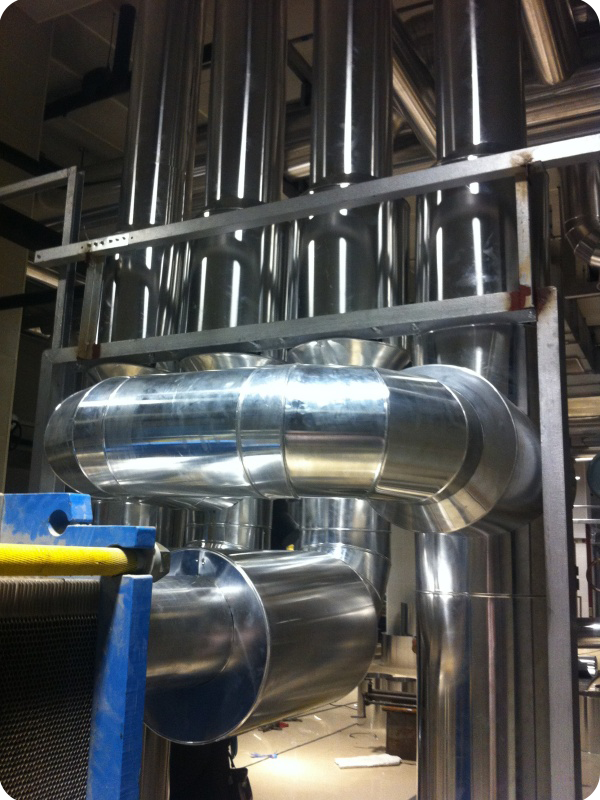
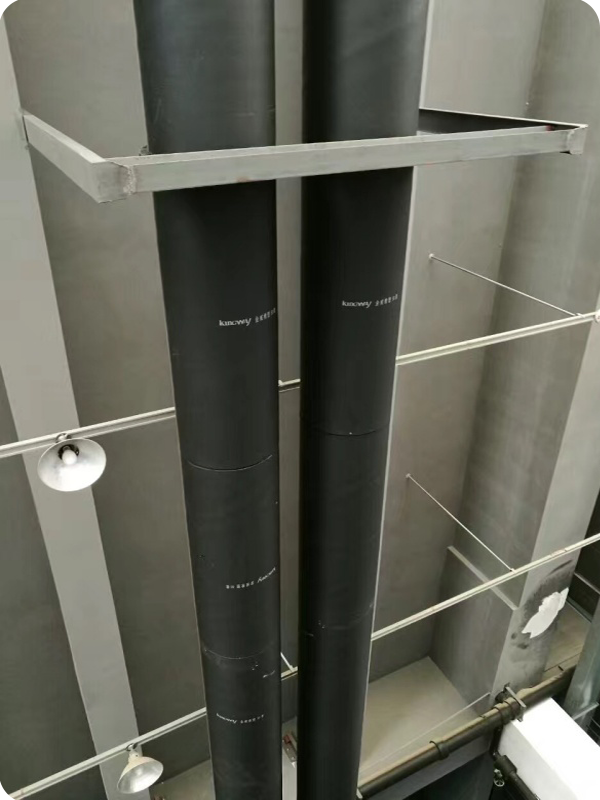
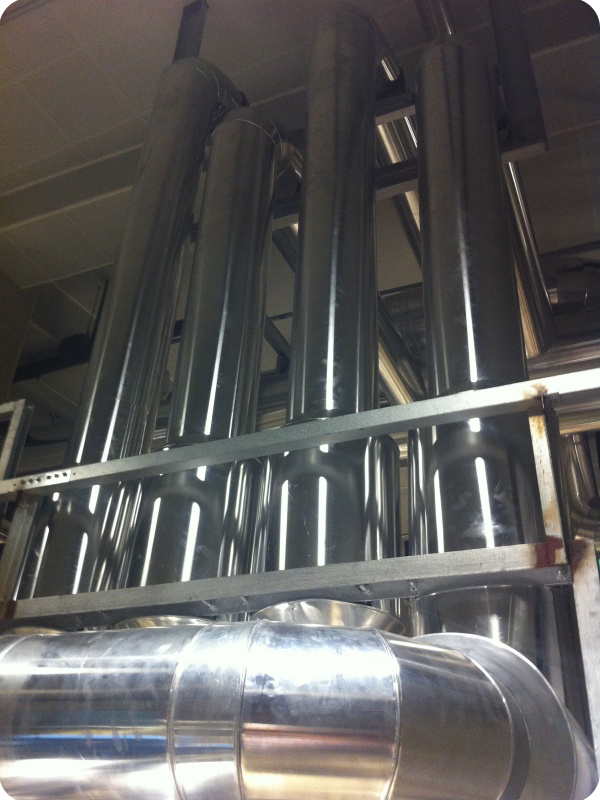
Our relationship with global distributors and MEP contractors is built on transparency. Every batch of single-sided foil clad insulation is coded with production metrics that link back to raw material lots, compounding parameters, and QA checks.
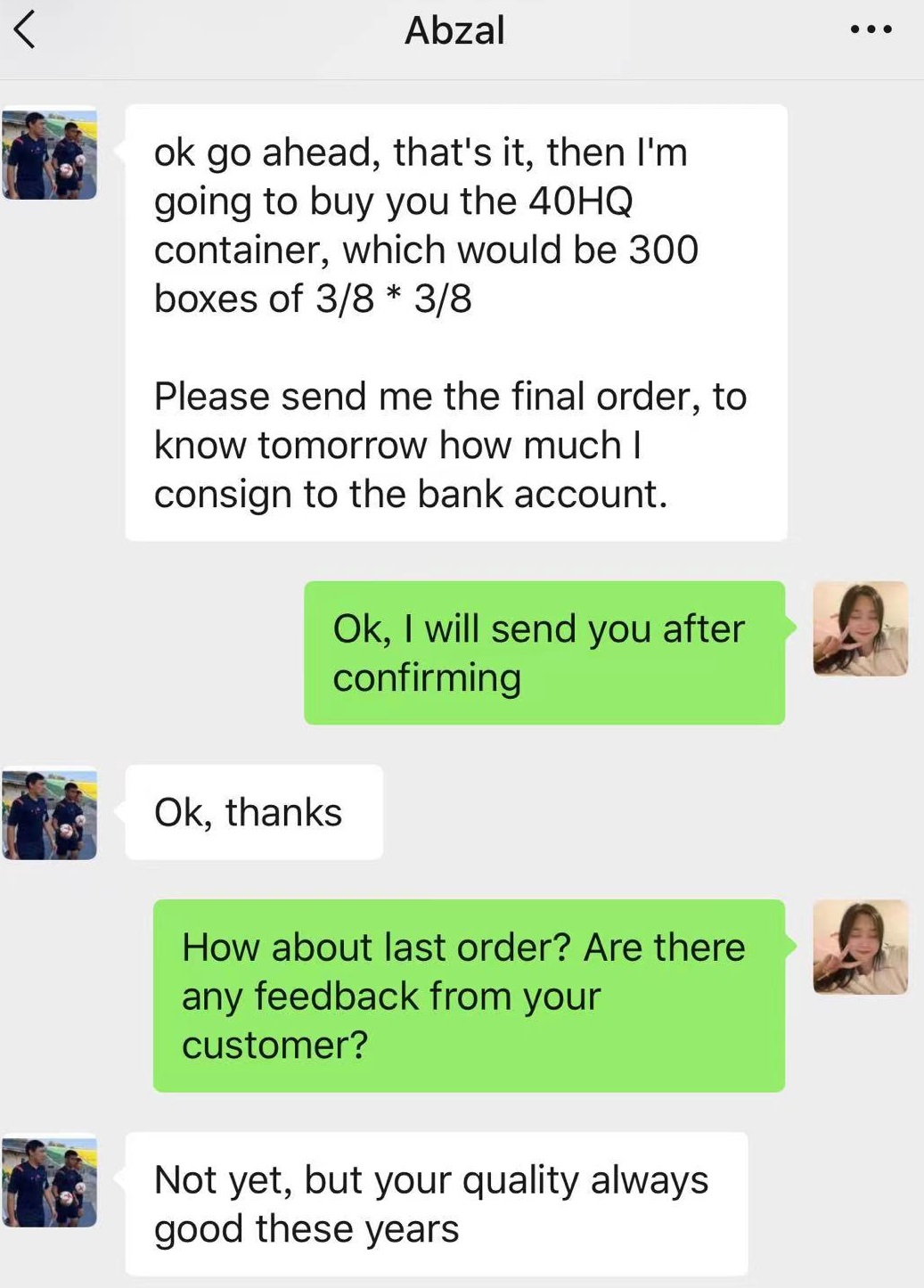
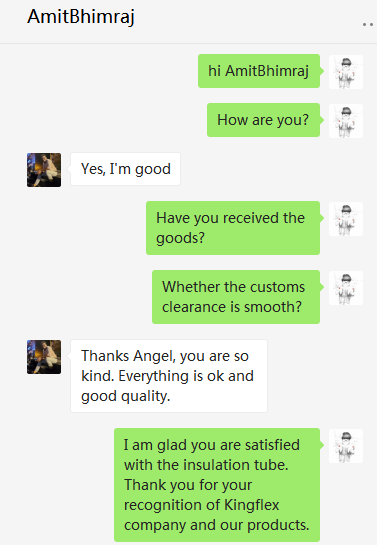
Below are verified interactions and project delivery confirmations from clients who have integrated Kingflex foil systems into their logistics chains:

Crucial engineering and procurement insights regarding single-sided foil clad elastomeric systems.
It is primarily used for commercial HVAC ducts, air conditioning piping systems, building thermal envelope insulation, high-pressure industrial pipeline cold retention, and acoustical noise damping.
Yes. Our standard formulation contains high levels of hydration flame retardants, allowing it to meet Class 0 under BS 476, V-0 under UL94, and other major building code safety parameters worldwide.
Elastomeric rubber foam is a flexible, closed-cell, moisture-proof material suitable for low-temperature, refrigeration, and HVAC environments. Rock wool is a high-temperature resistant, fibrous material best suited for high-temperature industrial pipelines and extreme structural fire barriers.
Yes. We offer fully integrated OEM services to modify variables like dimensions, NBR/PVC ratio, adhesive backings, single-sided foil laminations, and density configurations.
Our materials are tested and certified under standards such as BS 476, CE, REACH, RoHS, UL94, and ASTM, ensuring compliance for export and public commercial tenders.
Yes. Every production run is logged, and batches are printed with unique manufacturing serial numbers to trace testing records and raw material sourcing.
Our continuous vulcanizing production lines can manufacture sheets ranging in thickness from 6mm to 50mm.
Under typical operating conditions and with proper installation, Kingflex products maintain their insulating properties for approximately 10 to 15 years.
A single-sided foil facing provides vapor resistance and reflective benefits on the outer, exposed side. Applying foil to both sides is generally unnecessary because the inner side bonds directly to the pipe or duct surface. Using single-sided foil helps optimize project material costs.
The composite layer of metal foil and closed-cell rubber creates a mass-air-mass barrier. This combination dampens vibration and absorbs high-frequency whistling in air ducts, helping reduce noise transmission.
Explore our complete range of NBR/PVC sheets, cryogenic-grade foams, and specialty mineral fiber blankets.