 Kingflex
Kingflex
Kingflex
Explore our elite range of elastomeric thermal foam insulation sheets, rolls, and acoustic barrier lines designed for modern split AC assemblies.
Analyzing LME copper price vectors, wall thickness grades, and elastomeric foam integration calculations.
When HVAC/R procurement officers evaluate the wholesale cost of copper tube for split AC, they often isolate copper raw material costs from the line-set design. However, structural and thermodynamic analysis indicates that the efficiency of an active HVAC installation relies heavily on the synergistic union between copper pipelines and elastomeric closed-cell insulation sleeves. Real energy conservation is determined by minimizing BTU transmission losses.
The global copper market prices (driven by LME index metrics) fluctuated wildly due to manufacturing demand. In response, suppliers are optimizing line-set assemblies by optimizing wall thicknesses without compromising safety limits. Pairing premium thin-wall copper tubing (ASTM B280 compliant) with high-density NBR/PVC elastomeric rubber foam insulation rolls creates a cost-effective, high-performing solution for global HVAC OEMs.
| AC System Capacity (Tons) | Liquid Line Diameter (Inch) | Suction Line Diameter (Inch) | Recommended Wall Thickness (mm) | Optimal Insulation Thickness (NBR/PVC) |
|---|---|---|---|---|
| 0.75 - 1.0 HP | 1/4" (6.35 mm) | 3/8" (9.52 mm) | 0.61 - 0.70 mm | 9 mm Closed-Cell Foam |
| 1.5 - 2.0 HP | 1/4" (6.35 mm) | 1/2" (12.70 mm) | 0.71 - 0.80 mm | 13 mm Closed-Cell Foam |
| 2.5 - 3.0 HP | 3/8" (9.52 mm) | 5/8" (15.88 mm) | 0.81 - 0.90 mm | 19 mm Closed-Cell Foam |
| 4.0 - 5.0 HP | 1/2" (12.70 mm) | 3/4" (19.05 mm) | 0.91 - 1.00 mm | 25 mm (Or Layered Sheet Roll) |
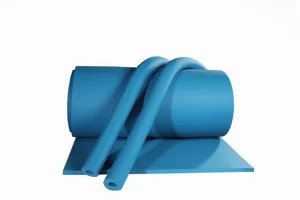
Purchasing raw copper tubes without proper pre-insulation or neglecting insulation thermal conductivity values often results in severe condensation issues, system performance decline, and line corrosion. Specifying integrated solutions like Kingflex Elastomeric Rubber Foam Sheets or Tubes with low thermal conductivity (λ ≤ 0.034 W/m·k at 0℃) protects the investment in copper tubing and extends the system's operational lifespan to 10-15 years.
The shift toward eco-friendly refrigerants and high-pressure system configurations.
The industry's transition to modern refrigerants like R32 and R454B requires HVAC pipelines to endure higher operating pressures. This shifts procurement priorities toward seamless copper tubes that feature reinforced grain structures and strict wall-thickness tolerances.
Split systems configured for extreme industrial environments or cold chain integration demand advanced materials. Kingflex's Alkadiene Rubber Foam and Cryogenic series offer stable insulation performance from -40℃ to 105℃, ensuring stability across temperature extremes.
High moisture absorption leads to copper corrosion and structural wall mold. Modern line sets rely on high moisture-resistance factors (μ ≥ 10,000) to keep the insulation matrix dry, protecting the core copper surface from oxygen and acid ingress.
How Kingflex Insulation Co., Ltd. integrates automation to stabilize high-volume production for international markets.
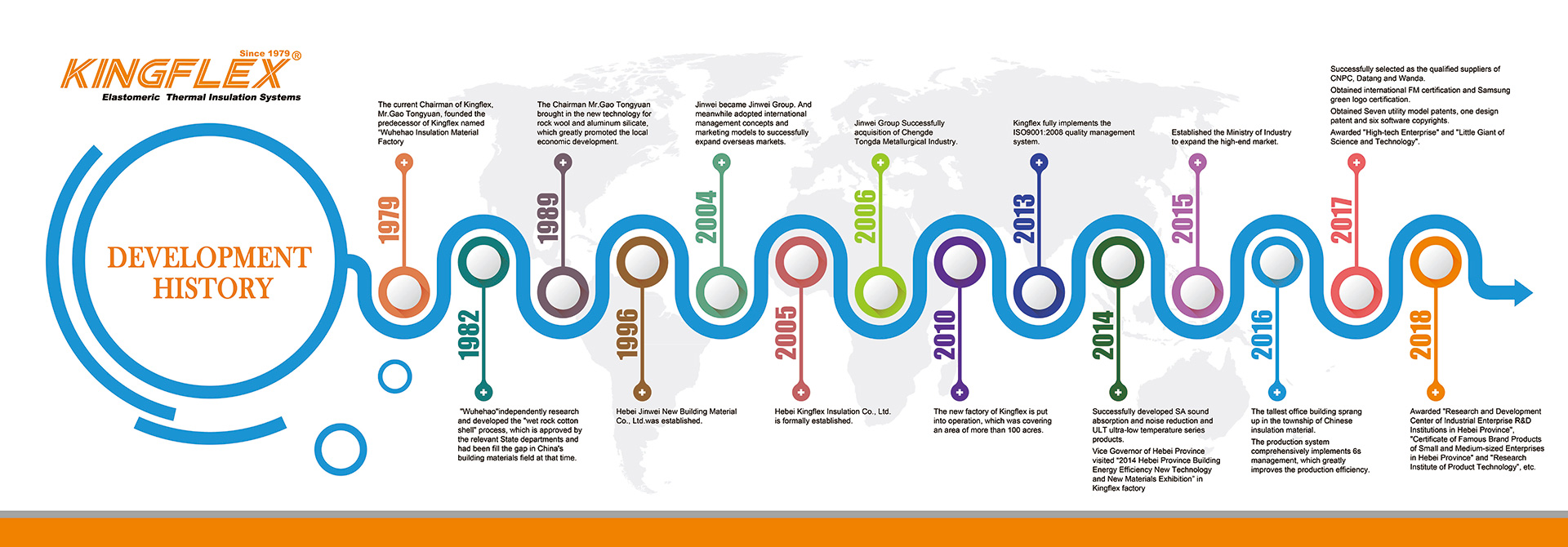
Located in Dacheng, the green-building materials capital of China, Kingflex operates an energy-saving, environmentally conscious manufacturing facility. Our facility is designed to support high-volume HVAC product demands from global contractors and industrial partners.
Equipped with 5 large automatic assembly lines, Kingflex yields an annual capacity exceeding 600,000 cubic meters of premium thermal insulation foam. This immense scale allows us to fulfill large-scale OEM orders, helping stabilize volatile wholesale pricing across global supply chains.
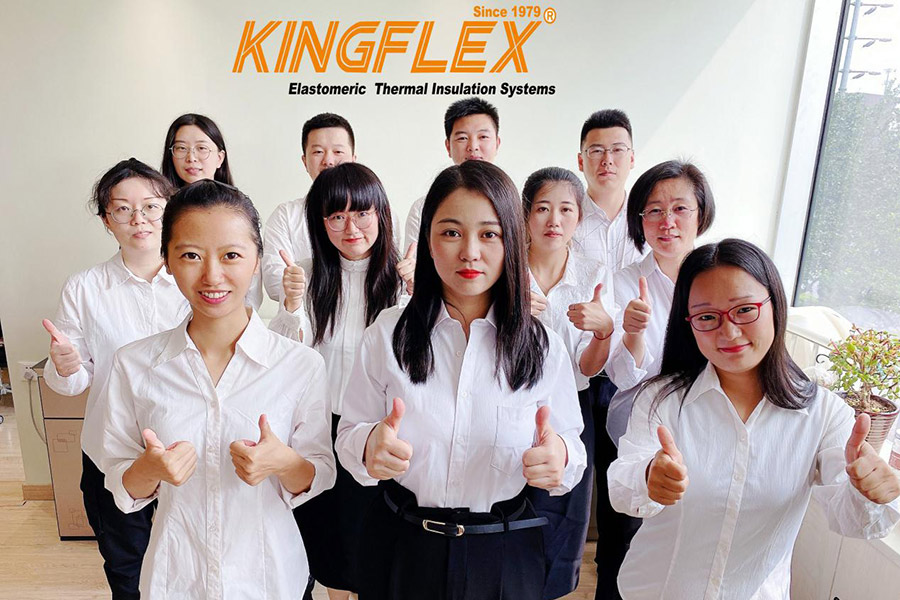
Providing global customers with comprehensive energy-saving insulation systems. We deliver integrated thermal, acoustic, and cryogenic insulation designs engineered for heavy-duty industrial and building projects.
Meeting stringent fire safety standards and global environmental guidelines.
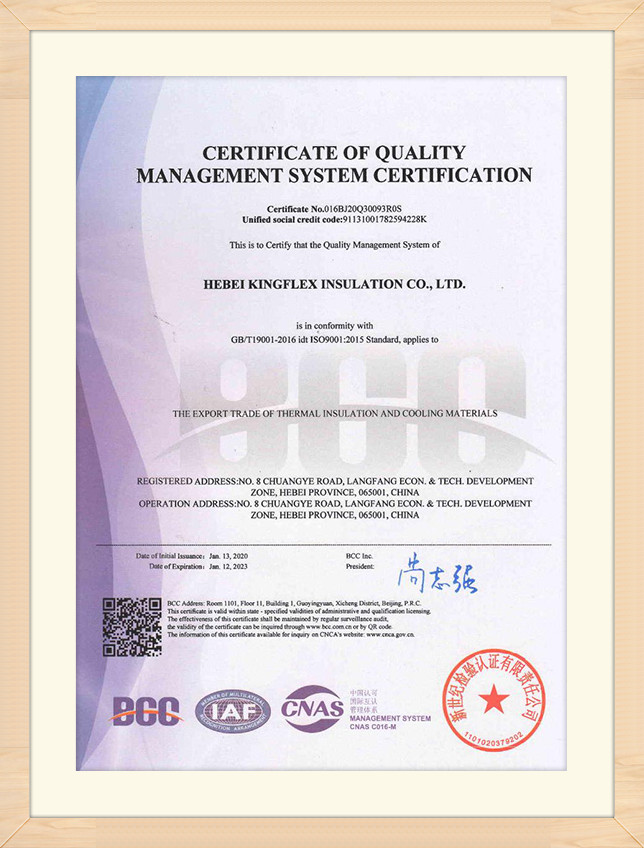
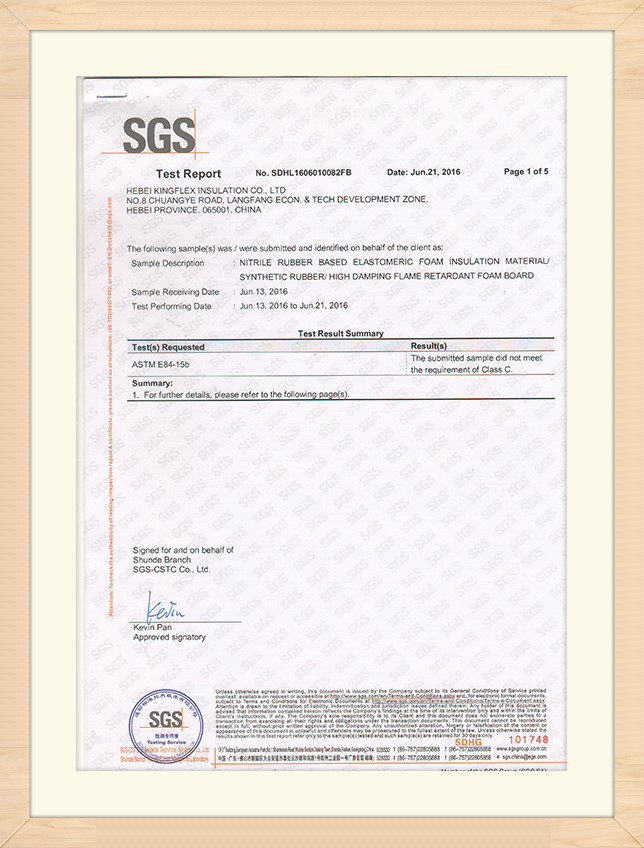
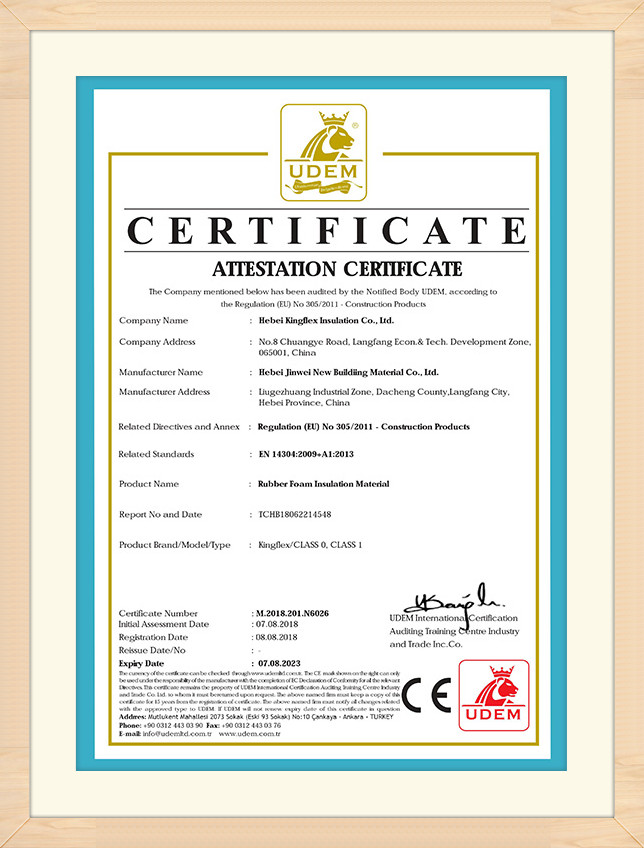
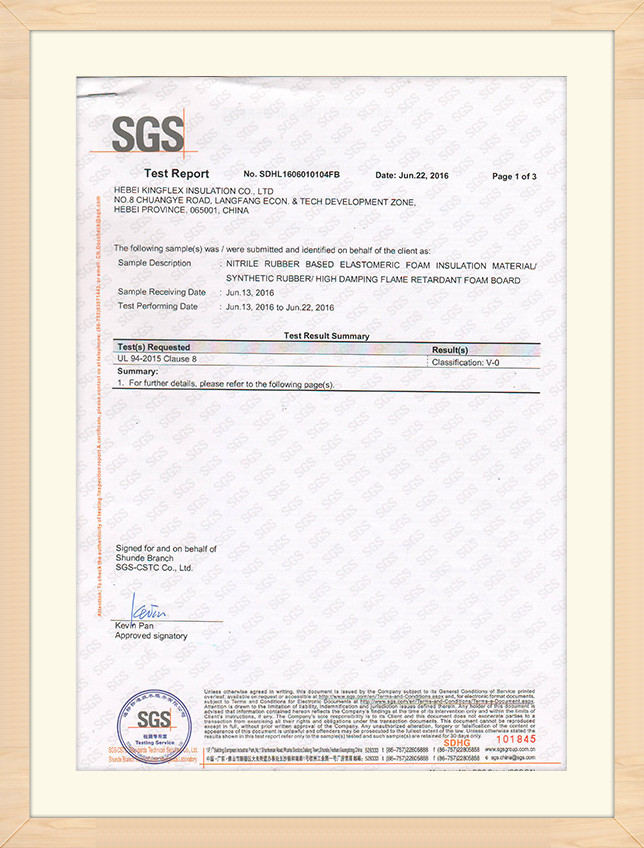
Safety is a non-negotiable metric in commercial HVAC design. Kingflex elastomeric insulation materials undergo testing to meet global standards like BS 476, CE, REACH, ROHS, UL94, and ASTM. These certifications ensure our products comply with local building regulations across Europe, America, and the Asia-Pacific region.
Our closed-cell structural foam has self-extinguishing properties that prevent flame spread and limit smoke density, providing critical protection for high-density environments like hospitals, data centers, and multi-story commercial buildings.

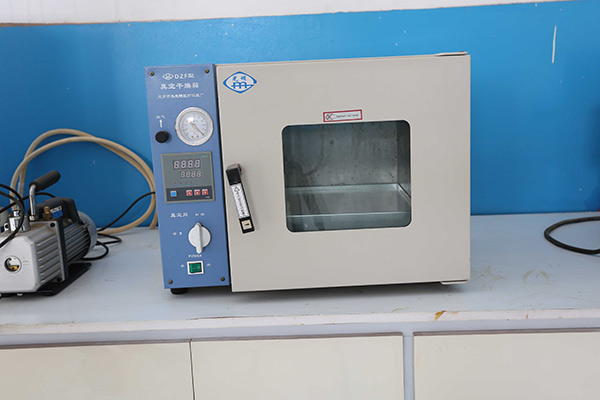
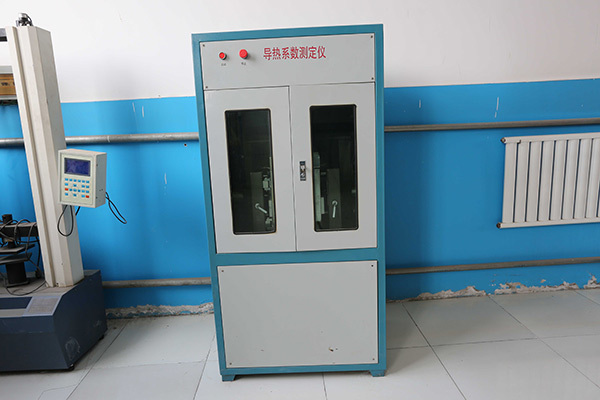
Through our partnership with Jinwei Group (established in 1979 as the pioneer thermal insulation manufacturer north of the Yangtze River), Kingflex has developed a comprehensive quality control system. Every batch of elastomeric rubber foam sheets, rolls, and copper pipe insulation sleeves is traceable from raw monomer input to packaging, protecting projects against material failures.
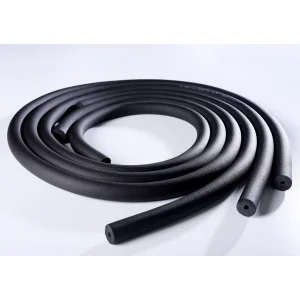
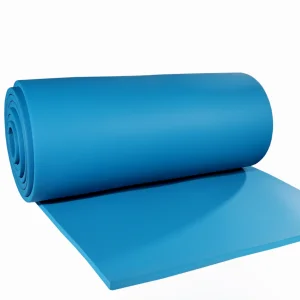
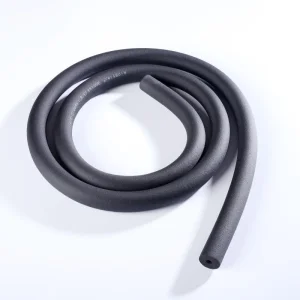
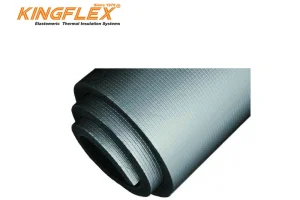
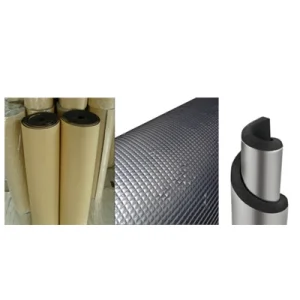
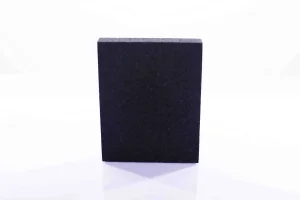
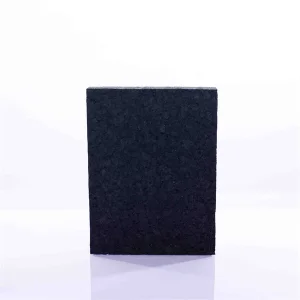
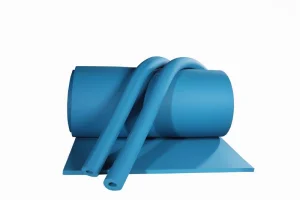
Technical comparison between Black Rubber Foam Sheets and Pre-formed Insulation Pipes.
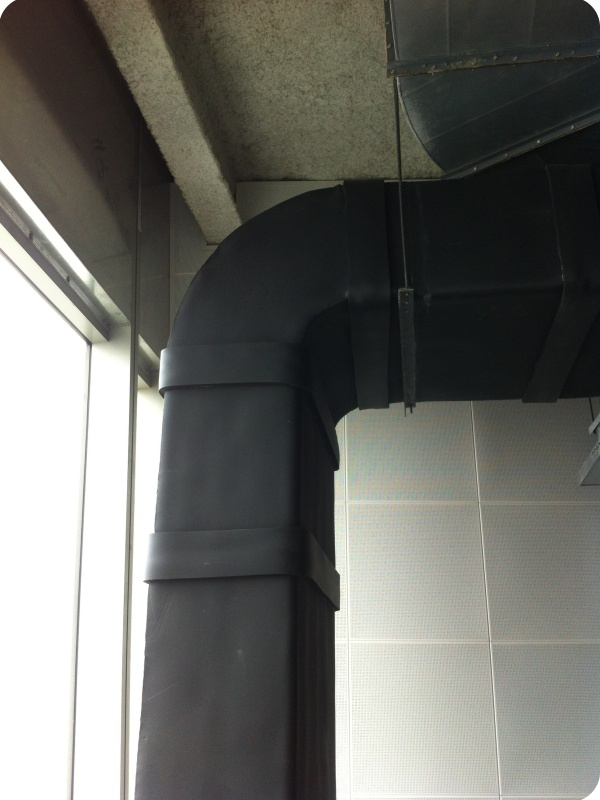
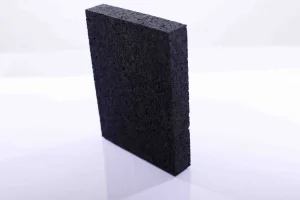
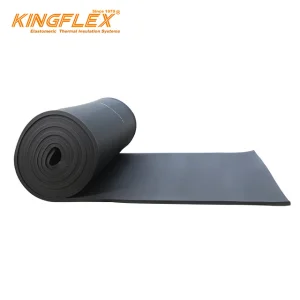
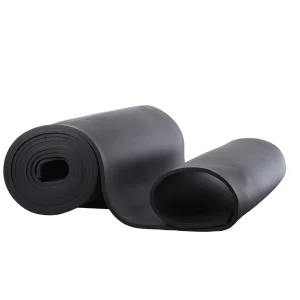
Material: NBR/PVC Blend Matrix
Thickness: 6mm - 50mm
Density Range: 40 - 55 kg/m³
Service Temperature: -40℃ to 105℃
Central air conditioning ducts, building envelopes (basement/roofing slabs), HVAC & industrial process lines, cold storage facilities, and transportation sector thermal wraps.
View Sheet Details →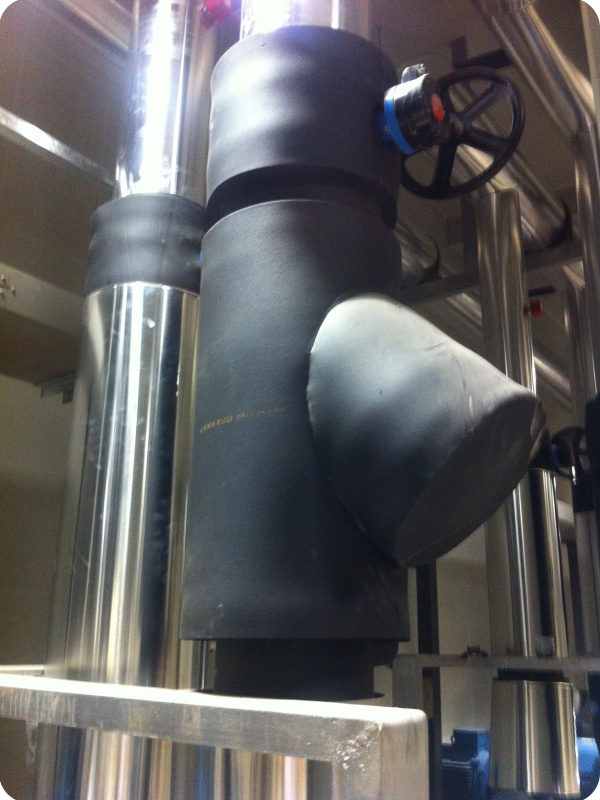
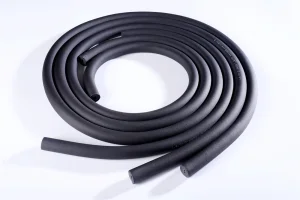
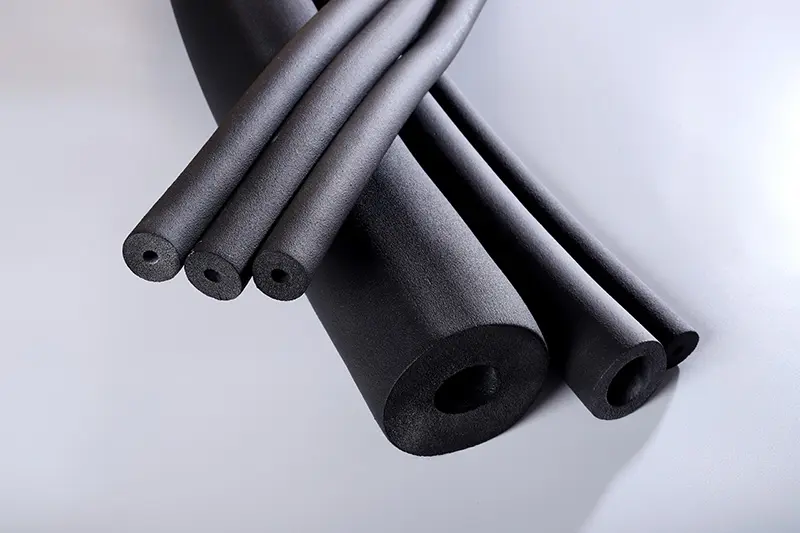
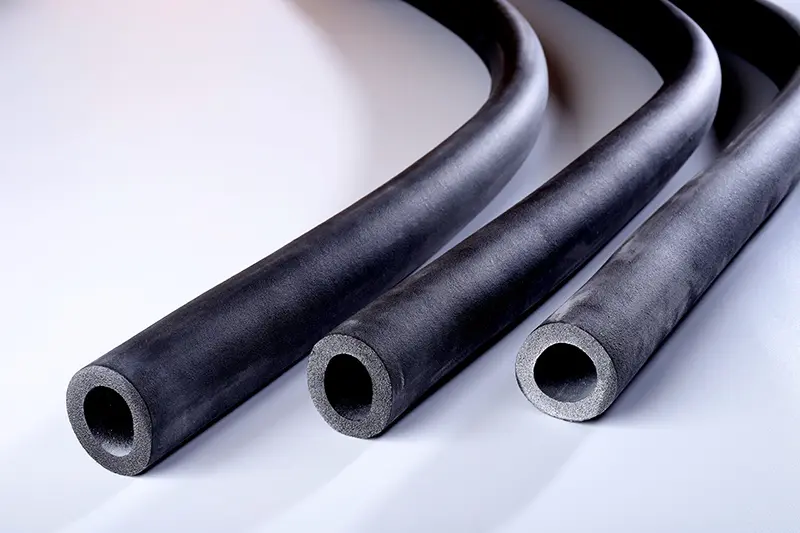
Material: Elastomeric NBR polymer structure
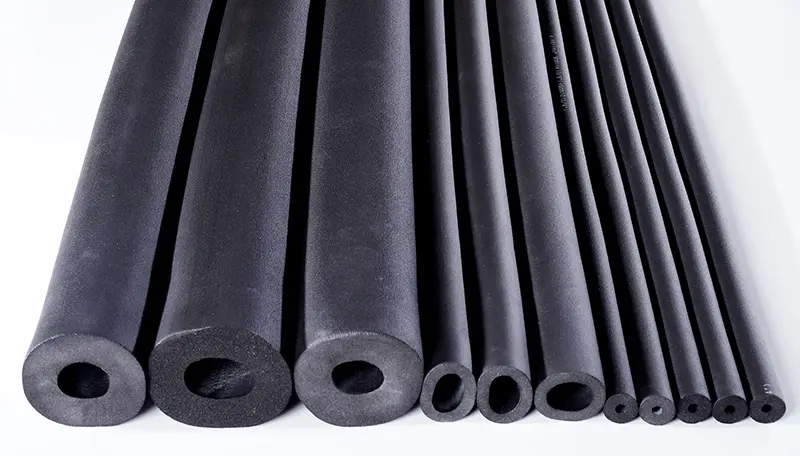
Thickness: 9mm - 40mm
Inner Diameter (ID): 6mm - 114mm
Service Temperature: -40℃ to 105℃
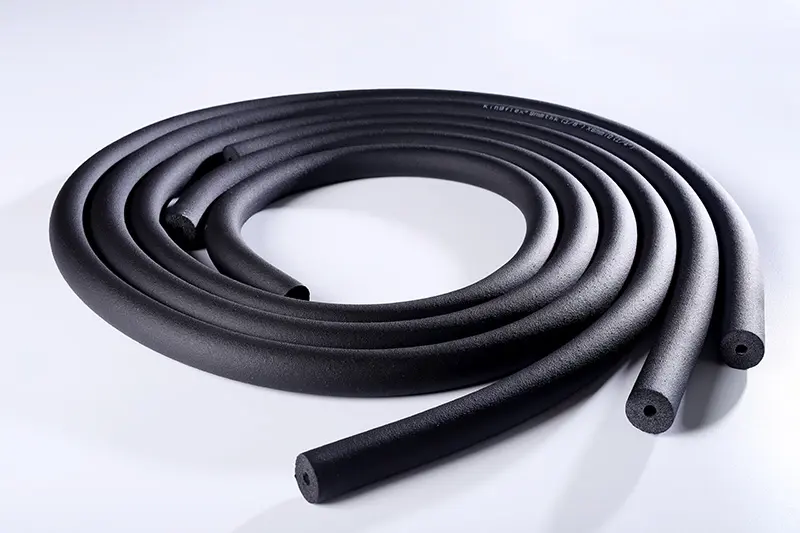
Ideal for VRF/VRV system piping, residential split AC copper lines, cold chain fluid pathways, commercial domestic hot water loops, and chemical process pipelines.
View Pipe Details →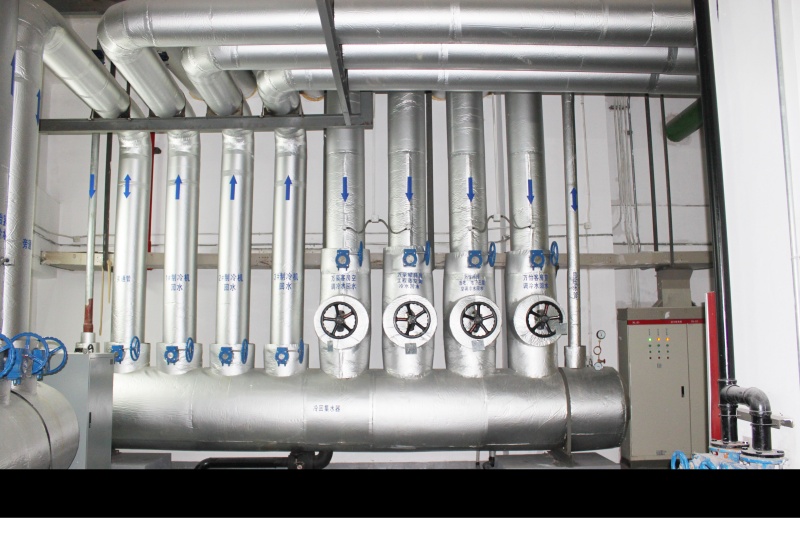
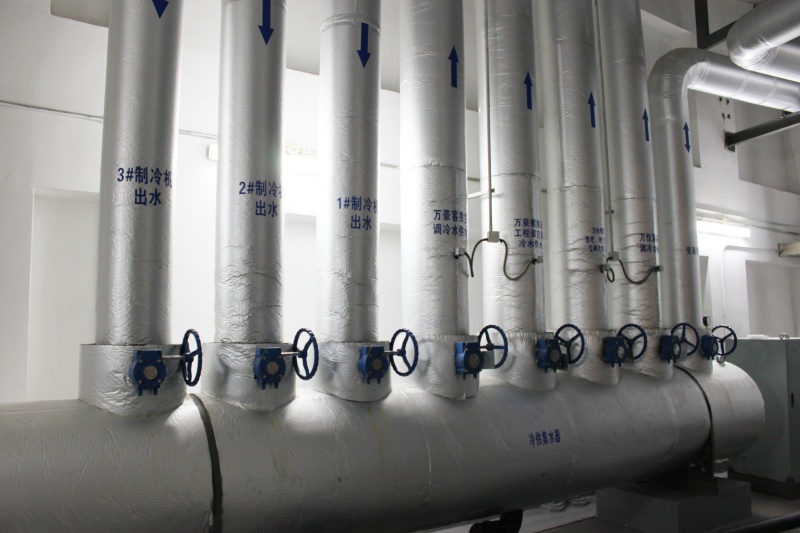

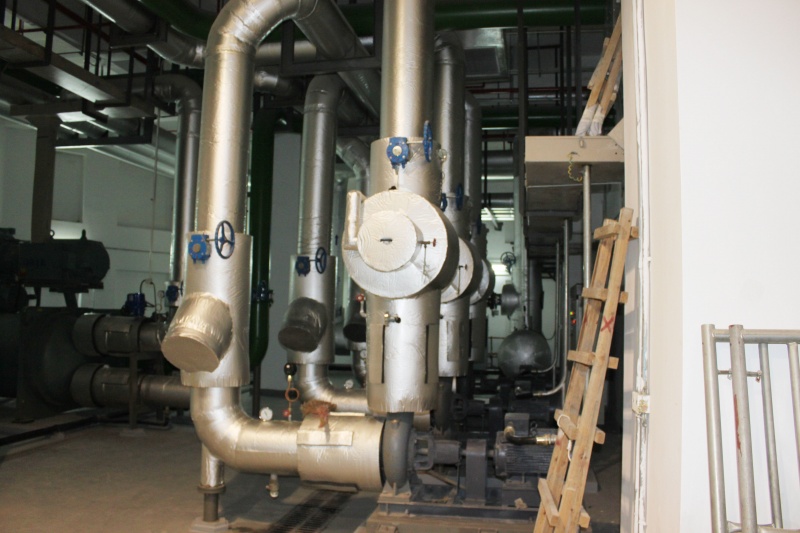
Verified screenshots and real-world project deployments across industrial sites.

"High compliance and consistent delivery schedules for large infrastructure orders."
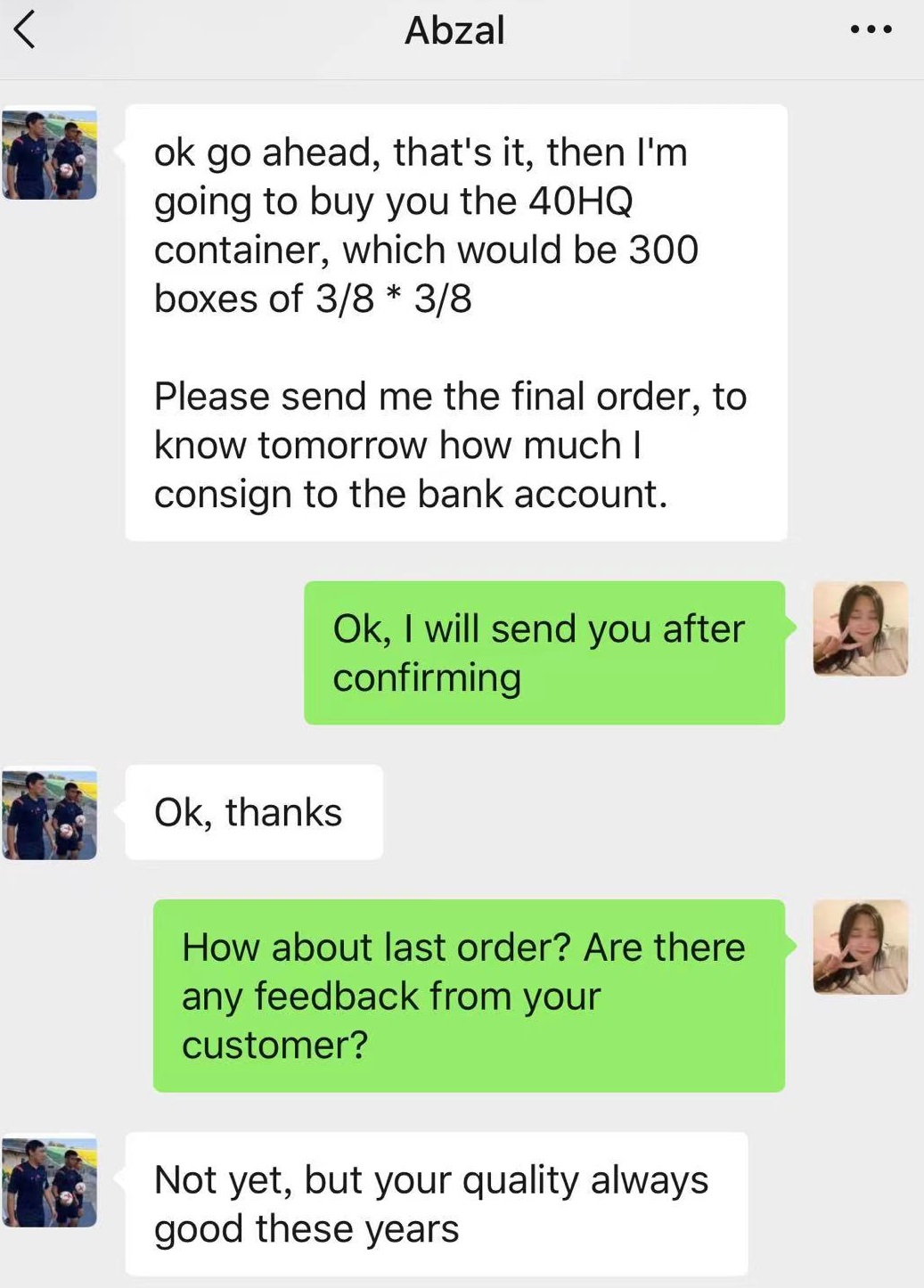
"Thermal coefficient measurements tested in local labs matched specifications perfectly."
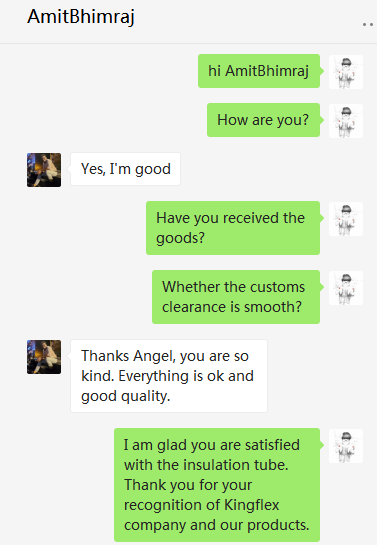
"Excellent logistics support and secure packaging protect the insulation tubes during transport."

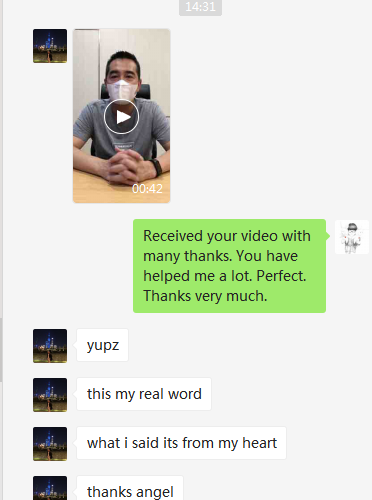


Technical support, commercial terms, and installation guidance for copper pipe insulation systems.
For low-temperature and high-efficiency HVAC/R installations.
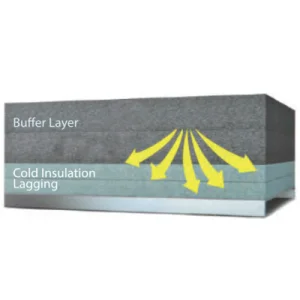
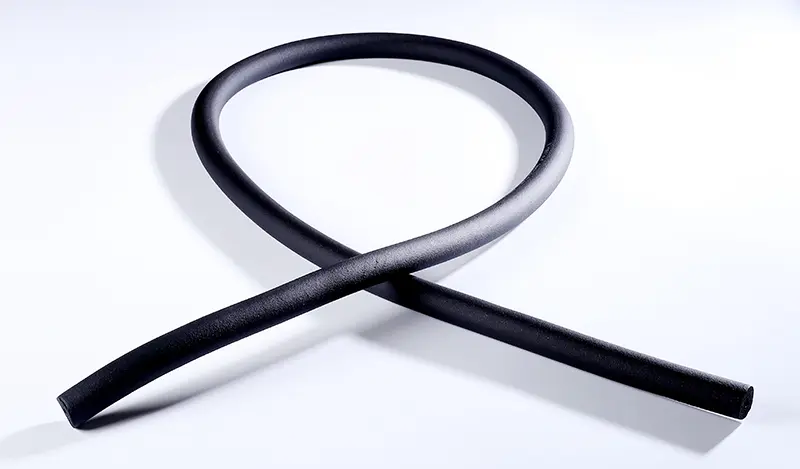
Explore high-resolution product variants of preformed NBR pipes and cryogenic sleeves.