 Kingflex
Kingflex
Kingflex
Modern industrial, HVAC, and building insulation design requirements are undergoing a historic transformation. Driven by international Net-Zero energy conservation goals, global construction standards (such as ASHRAE 90.1, LEED, and BREEAM) are demanding significantly lower thermal conductivity thresholds and stricter vapor mitigation systems. Historically, basic glass wool or rigid foam insulation sufficed for generic temperature barriers. However, the modern industrial sector requires materials capable of combating Corrosion Under Insulation (CUI), micro-fissure condensation, acoustic pollution, and extreme thermodynamic stresses.
Flexible closed-cell elastomeric rubber foam is the preeminent material class engineered to resolve these challenges. Consisting of a highly dense structure containing millions of microscopic, non-communicating cells, NBR/PVC (nitrile butadiene rubber/polyvinyl chloride) and EPDM elastomeric matrix materials provide dual-action performance: acting as a highly efficient heat barrier while fundamentally blocking moisture path-migration without requiring an external vapor barrier jacket. Our systems are engineered to achieve an exceptional moisture resistance factor (μ-factor) ≥ 10,000, ensuring life-long thermal performance and CUI protection in high-humidity climates.
Unlike open-cell glass fibers or mineral wools which harbor condensation water against carbon and stainless steel piping, our fully closed-cell elastomeric structure blocks liquid water penetration entirely, mitigating corrosion hazards at the source.
Engineered with a low initial thermal conductivity (λ ≤ 0.034 W/(m·K) at 0°C), our insulation ensures persistent system efficiency and long-term energy savings across industrial, process, and building operations.
Fully compliant with BS 476 Part 7 Class 1 and Class 0 flame propagation limits, UL 94 V-0 ratings, and ASTM E84 25/50 flame/smoke indices, ensuring safety in commercial facilities, high-rise buildings, and process plants.
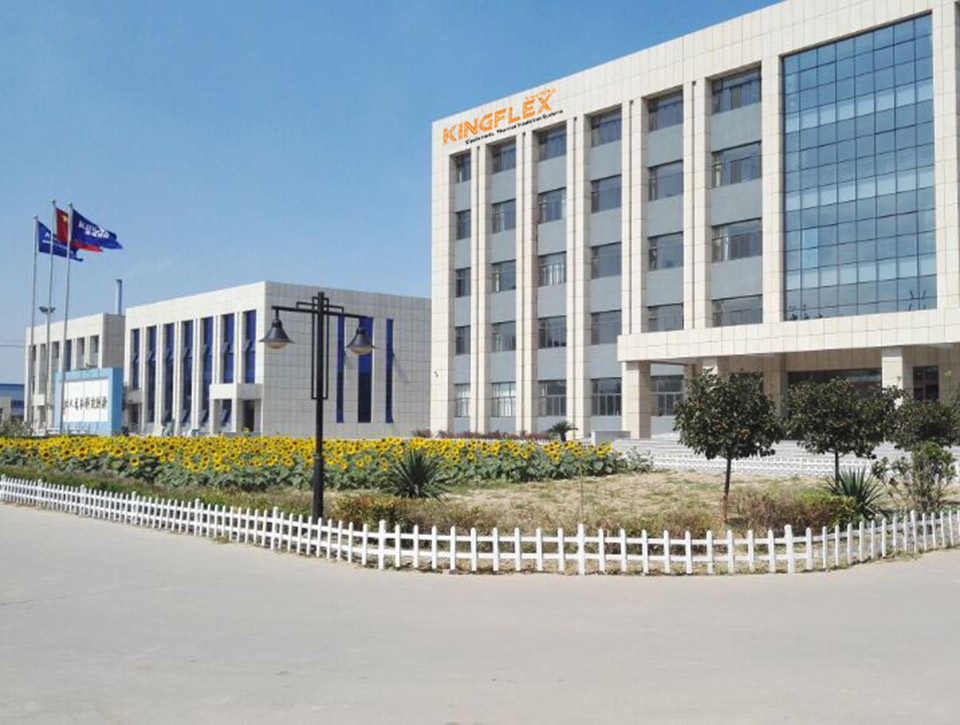
Operating out of Dacheng, Hebei Province—internationally recognized as the hub of green-building materials manufacturing—Kingflex Insulation Co., Ltd. delivers the ultimate synergy of cost efficiency, massive scale, and strict precision engineering.
By integrating local raw material extraction of premium NBR elastomer polymers, synthetic PVC resins, and advanced foaming agent formulations, our manufacturing facilities eliminate transport overheads. We leverage full integration from chemical compounding to automated extrusion lines, providing high-quality thermal insulation systems at factory-direct pricing for overseas projects.
Kingflex flexible insulation materials are formulated using advanced compounding techniques that combine high-quality elastomers, specialized flame retardants, and crosslinking agents. This ensures an even, micro-cellular closed-cell distribution with over 98% closed-cell content. Below are the design specifications for our standard elastomeric product lines:
| Property / Metric | Standard Specification (Rubber Foam) | Testing Standards Compliance |
|---|---|---|
| Thermal Conductivity (λ) | ≤ 0.034 W/(m·K) at 0 °C | ≤ 0.036 W/(m·K) at 20 °C | ASTM C518 / ISO 8301 |
| Moisture Resistance Factor (μ) | ≥ 10,000 (Fully closed-cell structure) | BS EN 12086 / DIN 52615 |
| Density Range | 40 - 55 kg/m³ (Custom high-density acoustic board available) | ASTM D1622 / ISO 845 |
| Service Temperature Limit | -40 °C to +105 °C (Standard) | -200 °C to +125 °C (Cryogenic Grade) | ASTM C411 / ISO 18097 |
| Fire Classification | Class 0 & Class 1 / UL 94 V-0 Rated / FM Approved (Selected Grades) | BS 476 Parts 6 & 7 / UL 94 / ASTM E84 |
| Compression Resilience | ≥ 80% recovery under sustained load stress | ASTM D1056 |
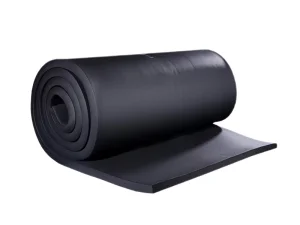
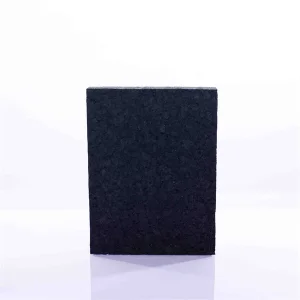
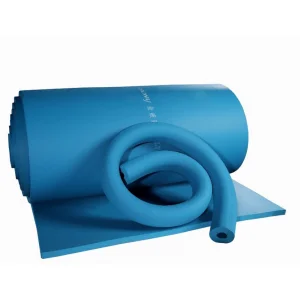
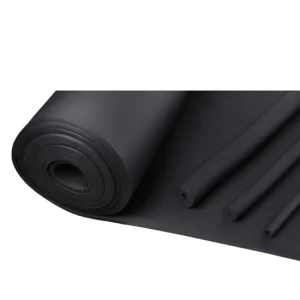
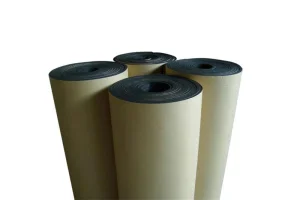
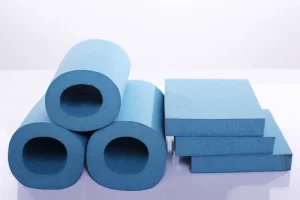
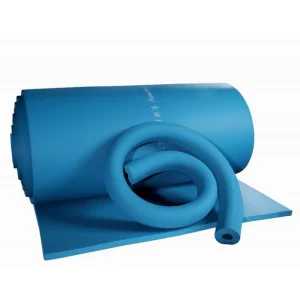
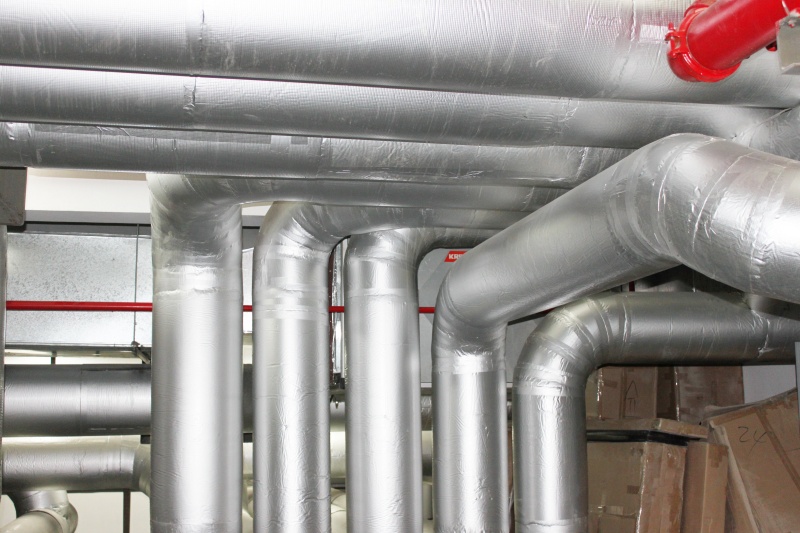
Our black elastomeric rubber foam sheets are designed to insulate larger surface areas such as commercial HVAC ductwork, ventilation plenum chambers, large diameter storage tanks, and large process pipes. Their flexible structure allows for clean wrapping around complex geometrical shapes and fittings, preventing seams that can create thermal bridges.
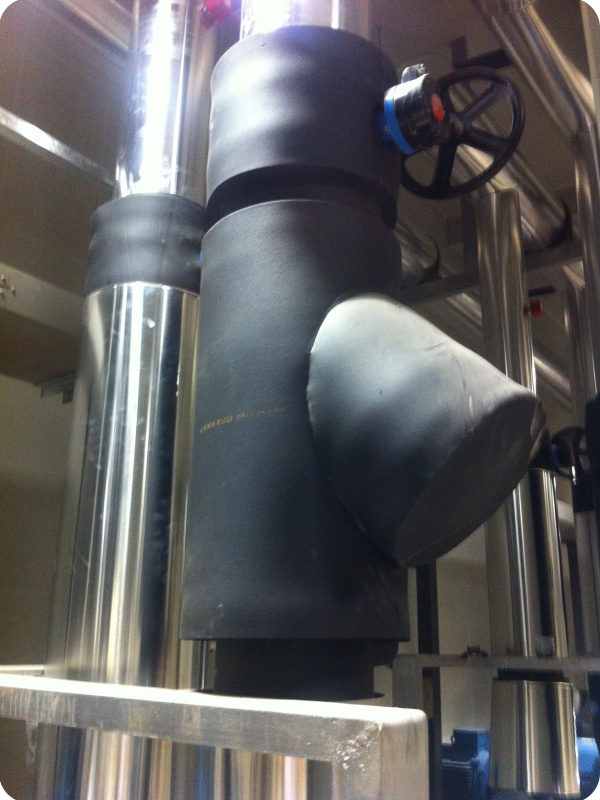
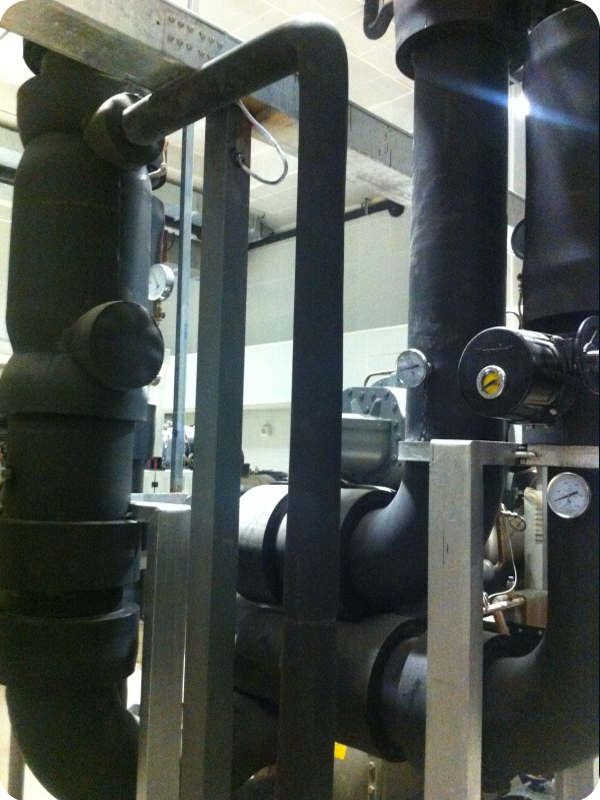
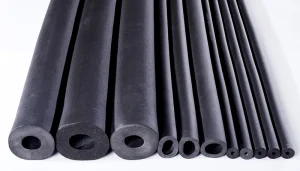
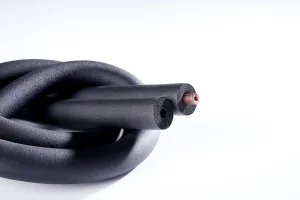
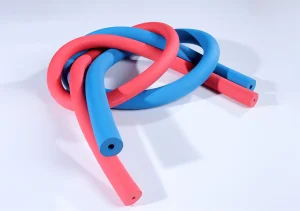
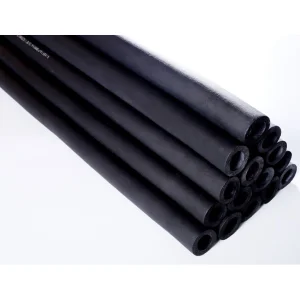
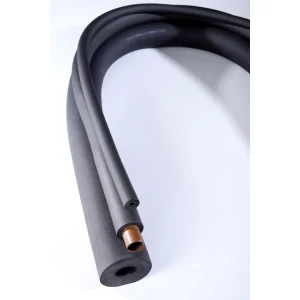
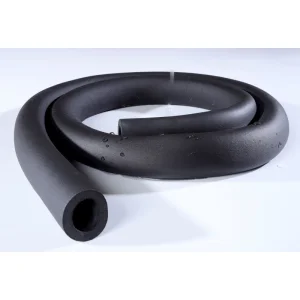
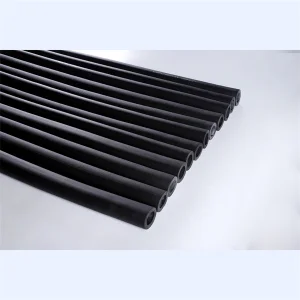
Formulated primarily for mechanical, plumbing, and HVAC hydronic loops, our rubber foam insulation tubes slide over copper, steel, or plastic pipes. They are highly flexible, allowing for installation through tight bends and junctions without tearing.
When operating in temperatures below -40°C, and as deep as -200°C (e.g., liquid nitrogen, ethylene, or liquefied natural gas LNG systems), traditional insulation materials are prone to cracking due to severe thermal contraction. This contraction can break vapor barriers, allowing moisture to infiltrate and form ice within the system, resulting in loss of insulation performance.
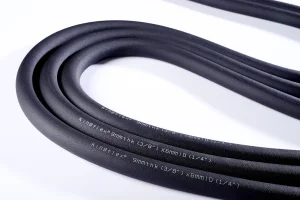
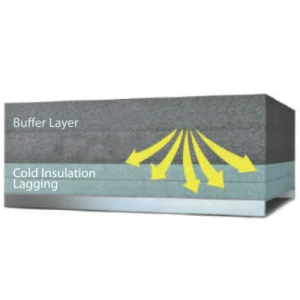
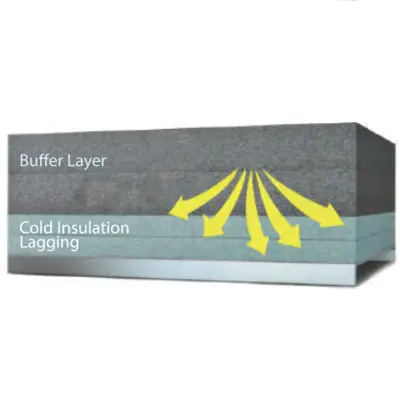
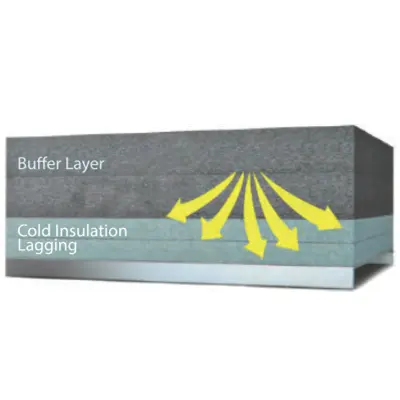
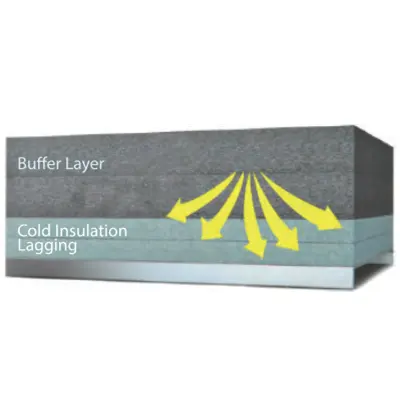
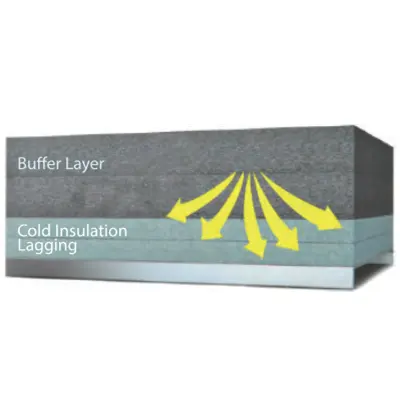
Our Kingflex Flexible Cryogenic Insulation system features a multi-layered design utilizing premium NBR polymers. These layers provide elasticity down to cryogenic temperatures, absorbing the contraction stresses of metal pipelines while preventing moisture migration. This design eliminates the need for expansion joints, reducing installation labor and maintenance costs.
This design is highly suitable for LNG processing, chemical transport pipelines, and deep industrial cold storage facilities requiring reliable thermal performance and protection against moisture infiltration.
Thermal insulation reliability is critical for project safety. A single material failure on a high-temperature steam pipe or a low-temperature LNG line can result in downtime or fire hazards. At Kingflex, our operations are managed under ISO 9001 and ISO 14001 frameworks, with comprehensive traceability protocols for every batch of rubber foam produced.
Our in-house R&D department, staffed by 8 professional insulation engineers, works in partnership with international testing labs. This collaboration ensures our material formulations continuously meet international standards for fire safety, chemical emissions, and long-term thermal performance.
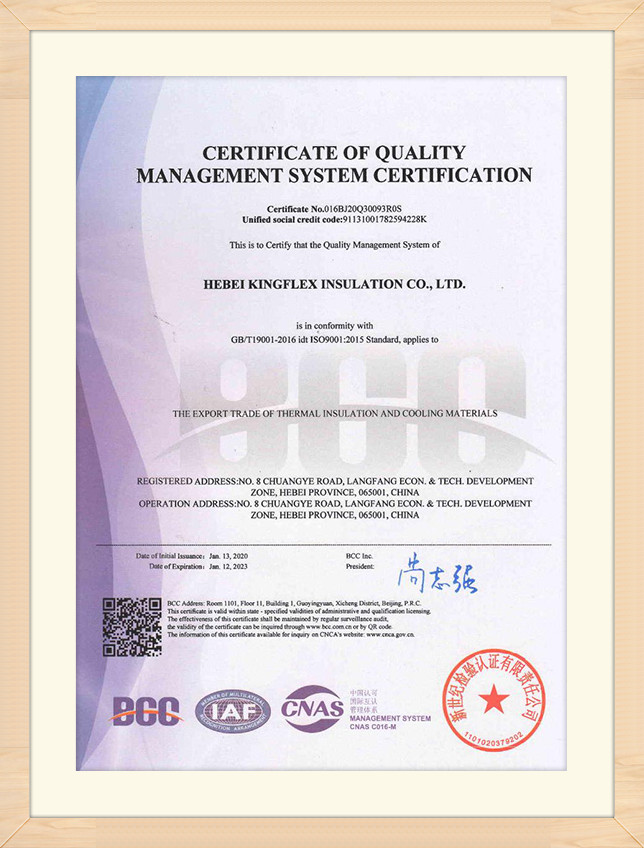
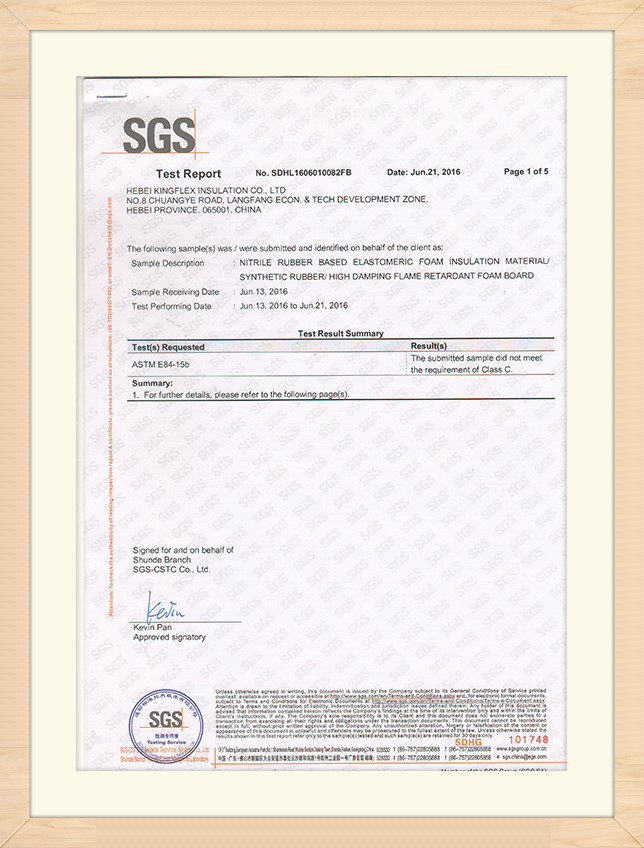
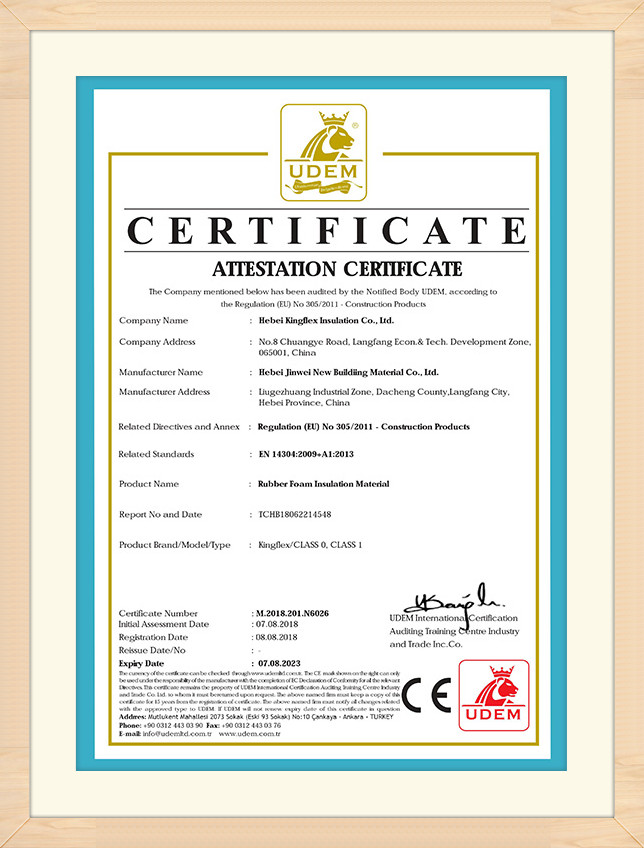
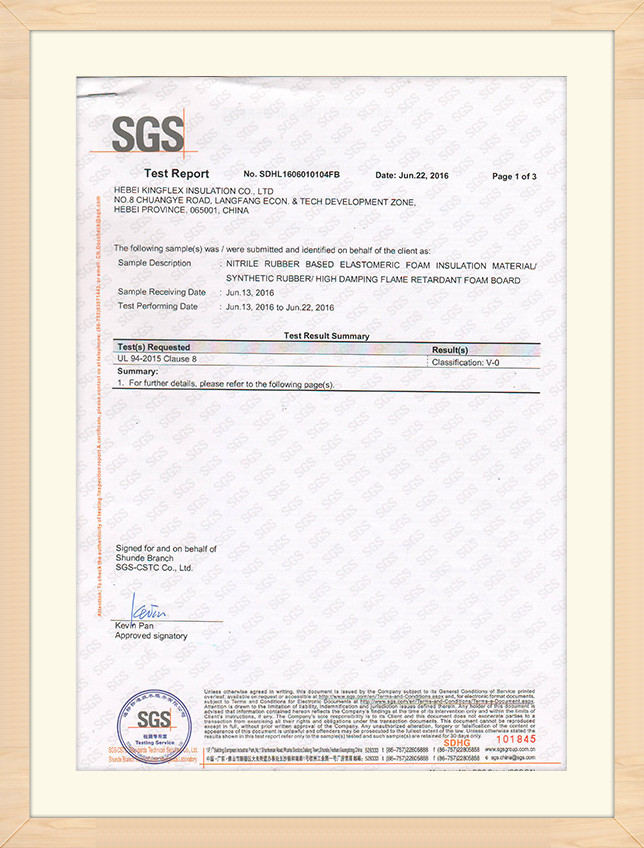

We perform regular testing of thermal conductivity using heat flow meters (ASTM C518) to ensure every production batch meets standard specifications.
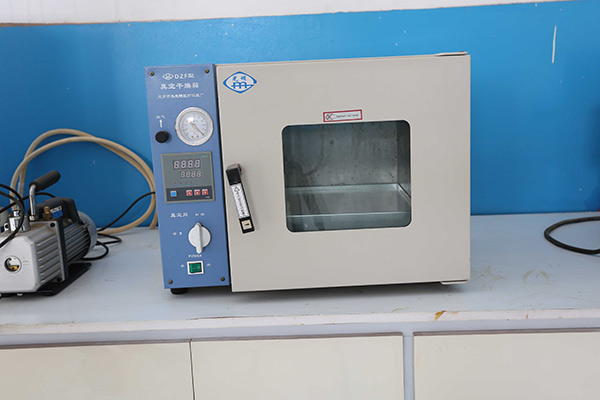
Microscopic analysis ensures consistent cell wall thickness and uniform closed-cell size, preventing macro-voids that can lead to moisture entry.
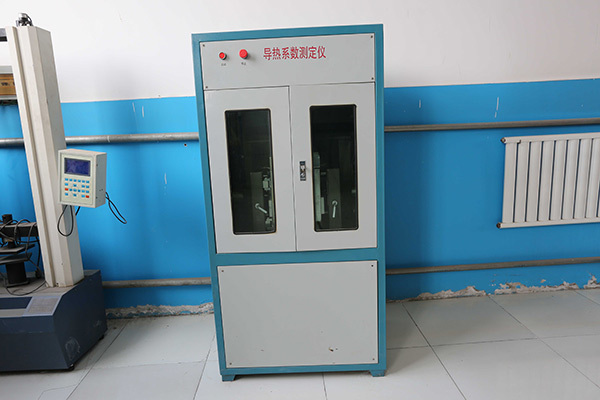
In-house vertical and horizontal flame testing verifies self-extinguishing properties (UL 94 V-0 / BS 476) before product release.
Kingflex insulation solutions have been specified in projects across 66 countries. From district cooling networks in the Middle East to industrial processing facilities in Southeast Asia and HVAC commercial developments in Western Europe, our materials are selected for their reliable performance and durability.
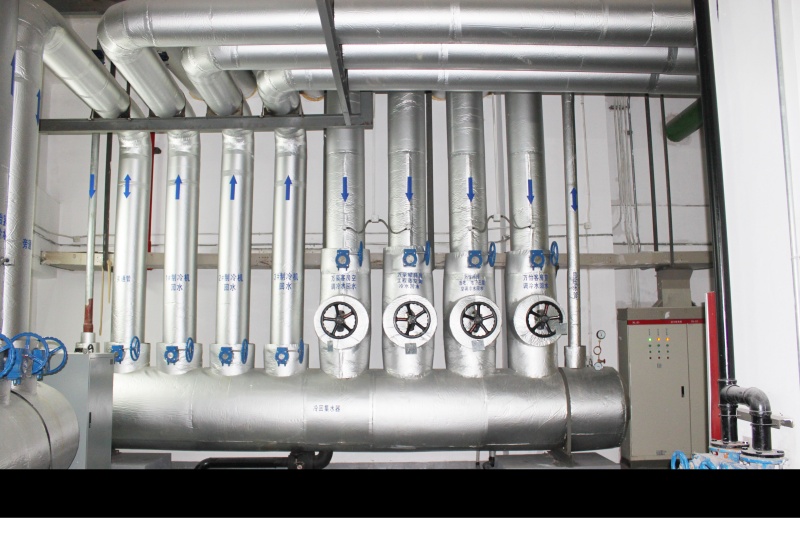
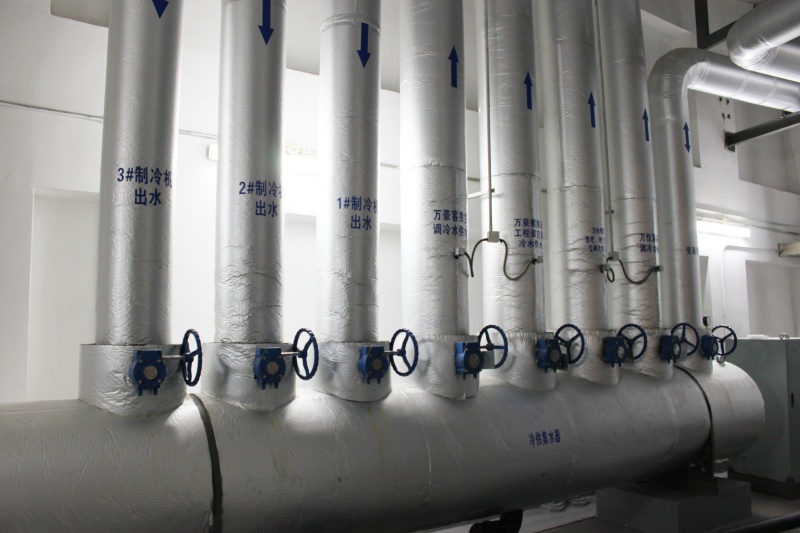

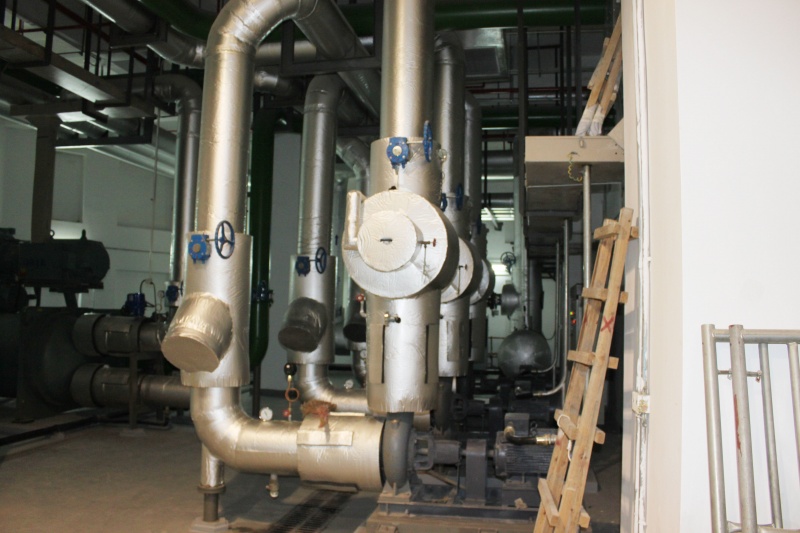
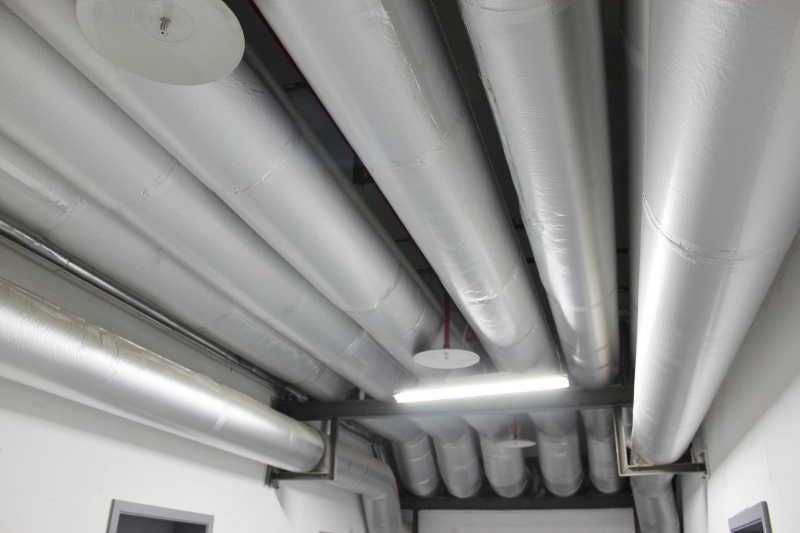
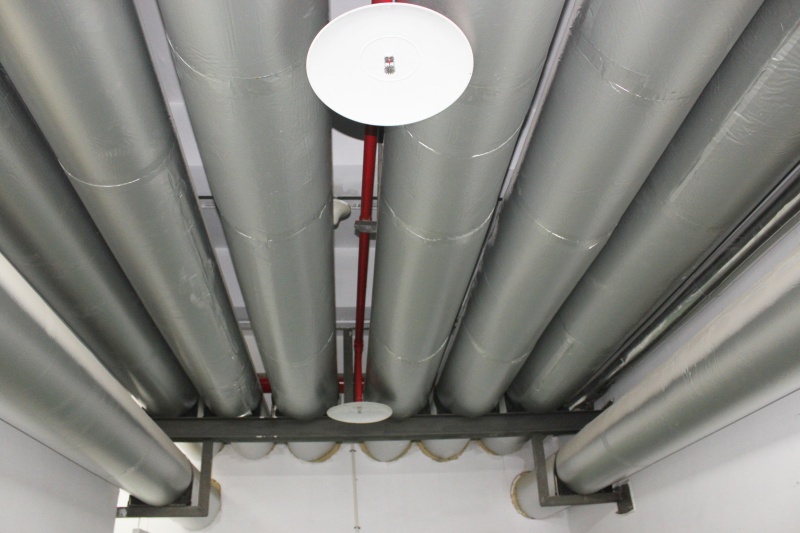
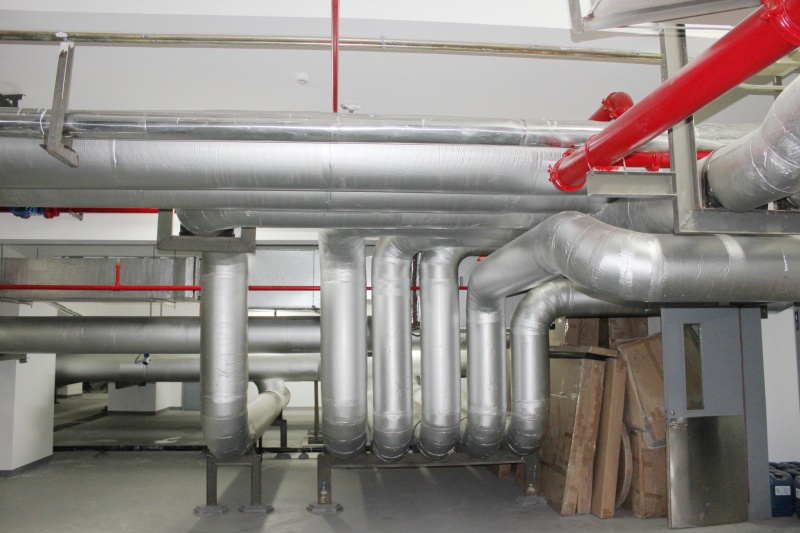
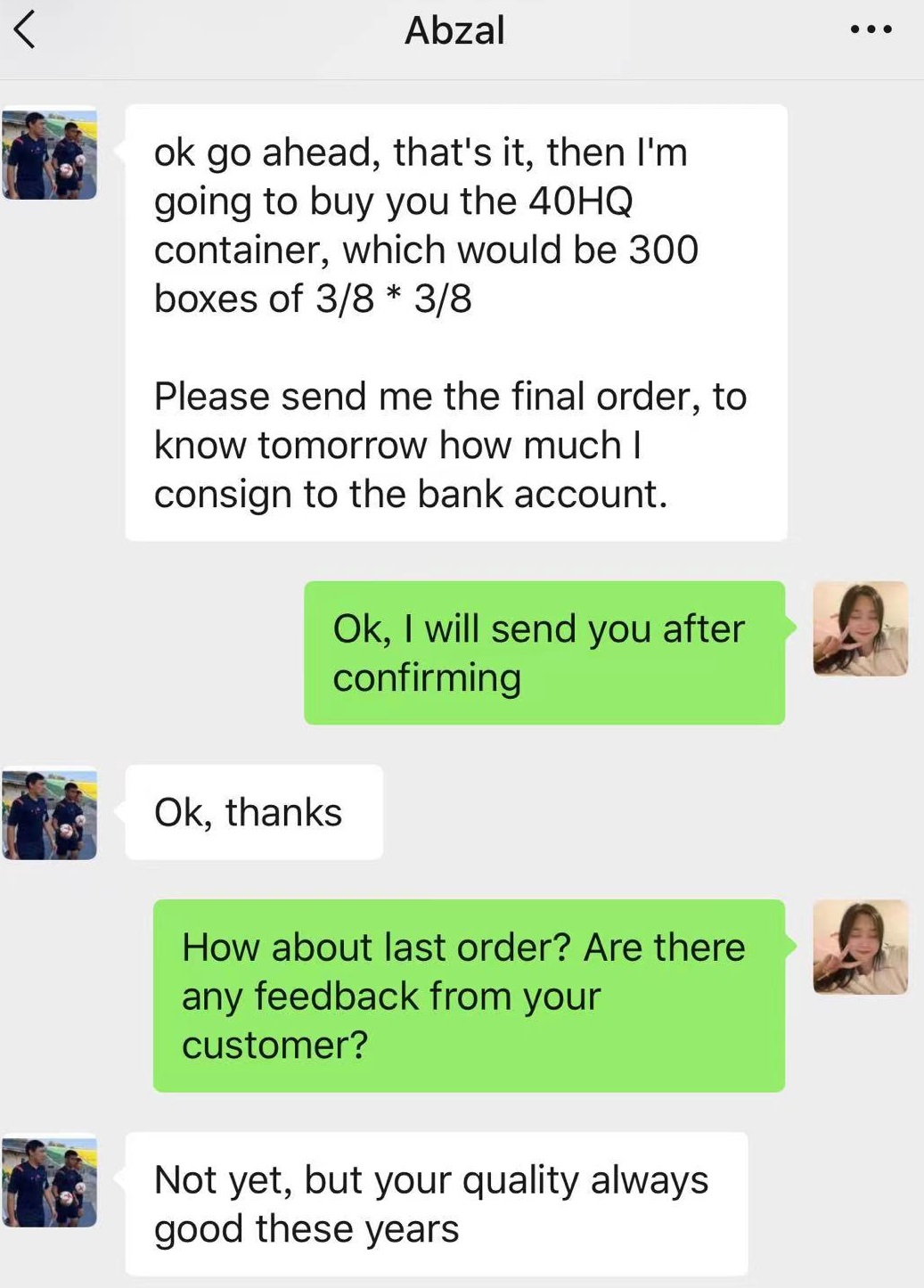
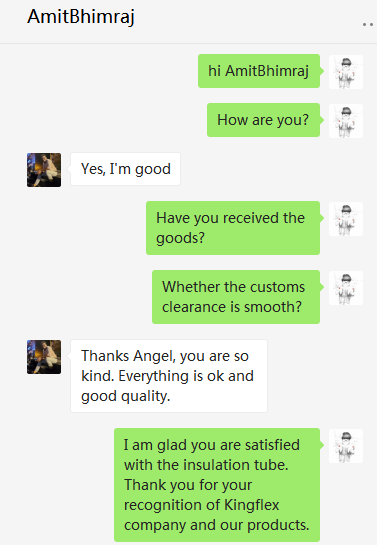
We maintain high levels of transparency with our global clients. Below are representative communications showing order processing, testing verifications, and dispatch coordination for global procurement shipments:


For procurement directors, engineering firms, and mechanical contractors, sourcing flexible insulation involves evaluating several factors beyond unit cost. Project timelines, shipping densities, customs regulations, and compliance documentation all impact the total cost of ownership (TCO). Here is how we support global procurement workflows:
Rubber foam is a lightweight, high-volume material. To maximize shipping efficiency, we offer pre-nested tube designs, packing smaller diameters inside larger ones. This optimizes container space utilization, reducing freight costs per cubic meter by up to 35%.
We provide full documentation with every shipment, including BS 476 flame tests, ROHS chemical compliance sheets, CE declarations, and ISO quality certificates. This supports smooth customs clearance and verification processes.
To reduce on-site labor and material waste, we can supply customized tube lengths, split tubes with pre-applied double-sided tape, and custom-width rolls tailored to your project's specifications.
This technical FAQ provides details on the performance, installation, and application of Kingflex flexible elastomeric rubber foam insulation systems: