 Kingflex
Kingflex
Kingflex
Explore our high-performance NBR rubber foam tubes, cryogenic insulation shells, and soundproofing boards direct from our state-of-the-art manufacturing factory.
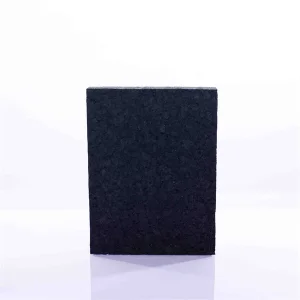
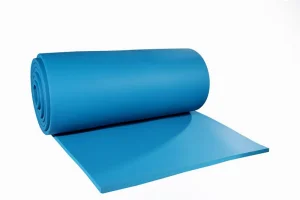
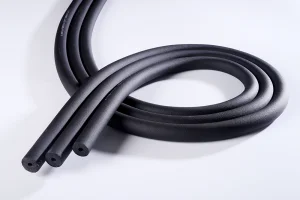
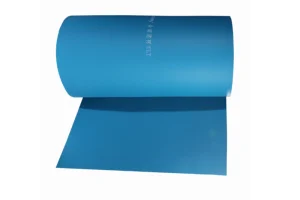
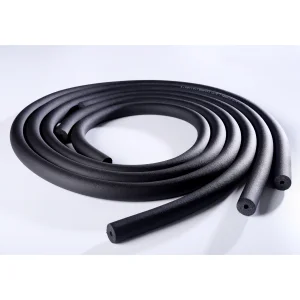
Within modern heavy industries, thermal engineering remains a critical parameter for operational reliability and environmental conservation. Process piping networks, carrying anything from ultra-cold liquefied natural gas (LNG) at -200°C to superheated industrial steam, require highly robust thermal barrier designs. An uninsulated or poorly insulated pipeline behaves as a thermodynamic sink, continuously exchanging heat with the surrounding environment, resulting in significant energetic deficits, carbon emission spikes, and structural failures.
Proper execution of a piping insulation procedure directly addresses these deficiencies. By deploying elastomeric nitrile rubber and closed-cell systems, engineers can significantly reduce heat transfer, control external surface condensation on chilled water pipes, and safeguard mechanical infrastructure against external stress factors. This whitepaper analyzes these systematic procedures, raw material optimizations, and regulatory compliance standards that define top-tier thermal insulation production.
Thermal Efficiency: Minimizes heat gain/loss along extensive pipelines, optimizing thermodynamic coefficients of performance (COP) in chilled loops.
Vapor Control: Closed-cell structures prevent moisture ingress, resolving concerns associated with Corrosion Under Insulation (CUI).
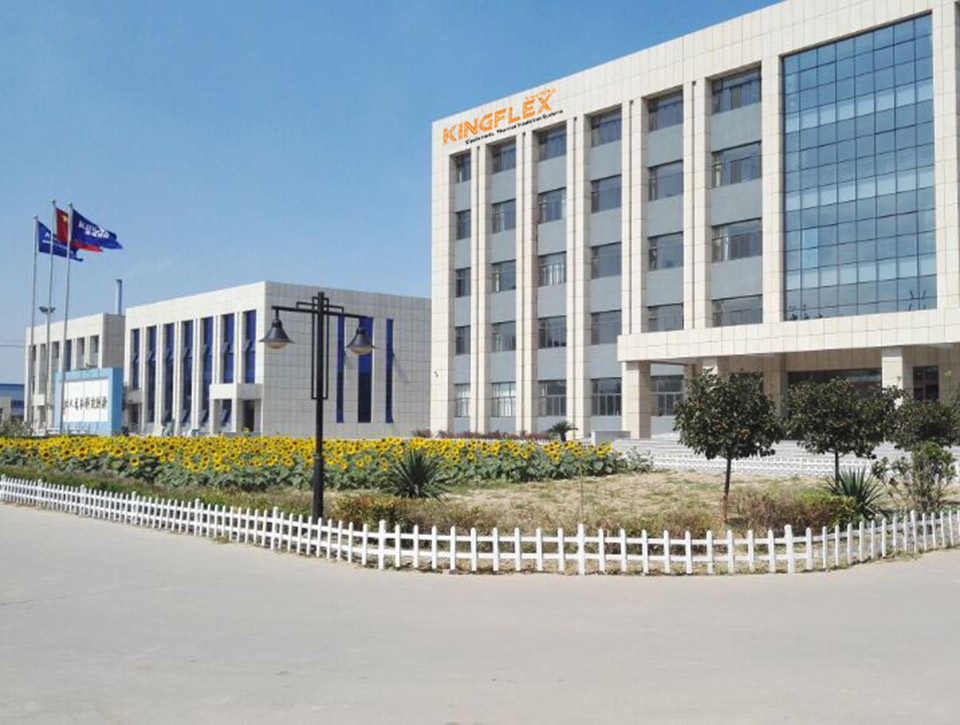
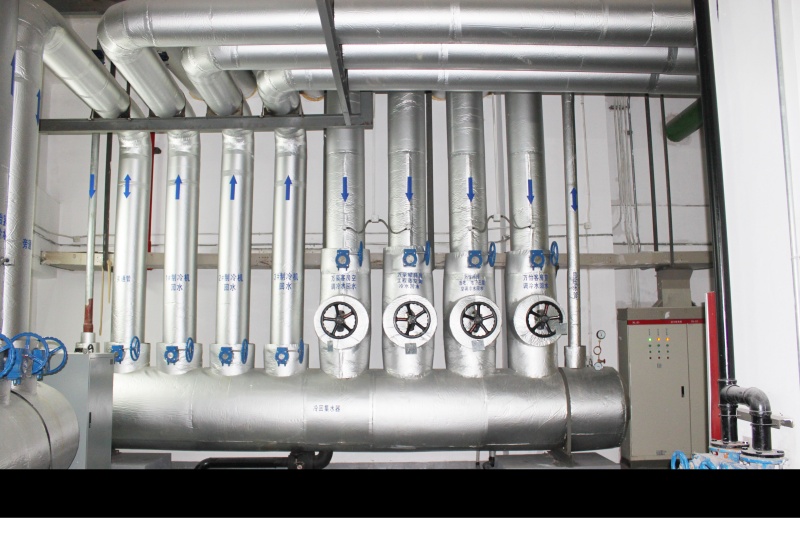
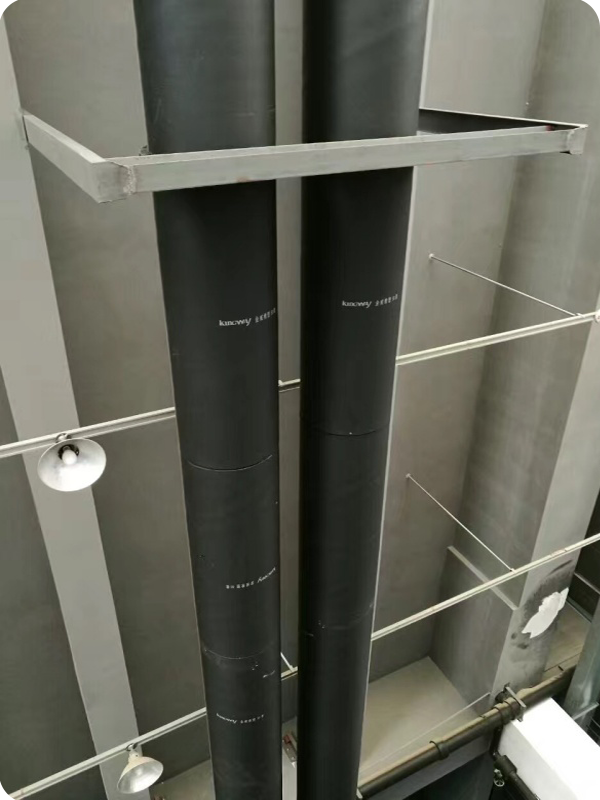
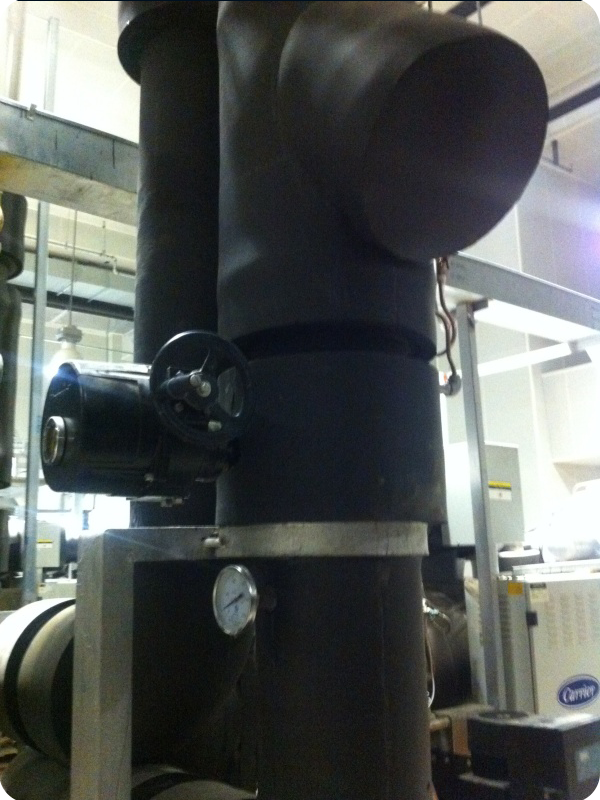
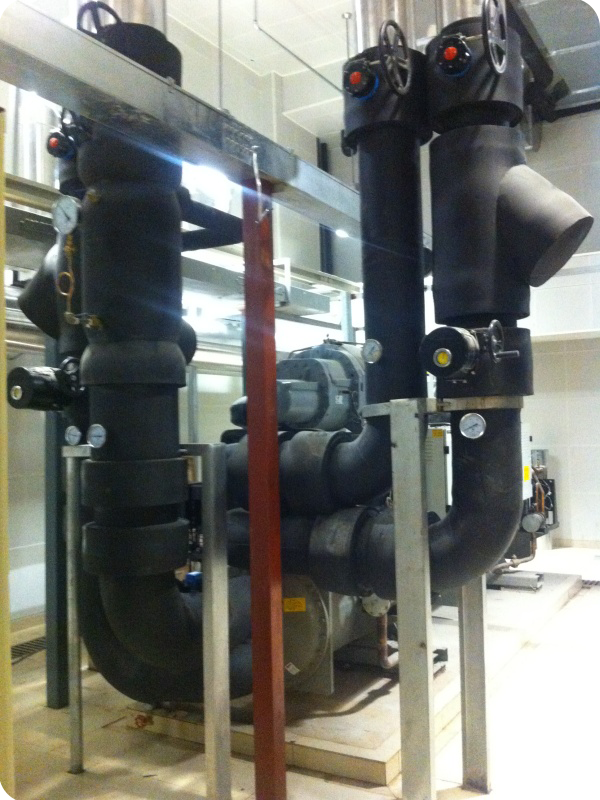
Figure 1: High-precision installation of Kingflex elastomeric insulation tubes across industrial chilled water infrastructure, ensuring complete surface adhesion and seamless vapor-barrier sealing.
The global demand for high-performance elastomeric insulation is driven by clean energy transition plans, stringent safety standards, and energy audits.
Industrial piping insulation procedures are no longer viewed simply as operational maintenance, but as a critical compliance requirement. In regions like North America and the European Union, standard codes such as ASHRAE 90.1, EN 14304, and the International Energy Conservation Code (IECC) dictate the minimum thermal resistance value (R-value) for pipelines based on operation temperatures and pipe diameters. Meeting these benchmarks demands manufacturing precision that only dedicated facilities can provide.
As a global hub for green building materials, Dacheng, China, serves as the production base for Kingflex. Our operations center on energy conservation and emission reductions. The adoption of NBR-based elastomeric foams is expanding worldwide due to their flexibility, ease of application on complex manifolds, and low dust generation compared to mineral fibers.
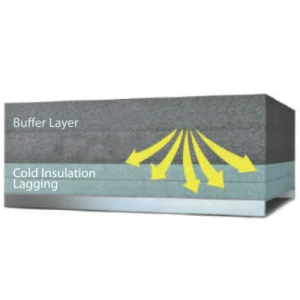
Additionally, petrochemical complexes and LNG import/export terminals require specialized systems engineered to withstand cryogenic environments. These installations call for specialized materials like Kingflex Cryogenic elastomeric foam, capable of maintaining thermal and mechanical properties down to -200°C without structural cracking.
A step-by-step engineering approach for installing closed-cell NBR rubber foam insulation systems on commercial and industrial pipelines.
Before applying elastomeric insulation, clean the metal pipe surface thoroughly. Remove grease, dust, scale, and rust. Verify that the pipe is completely dry. Any moisture trapped underneath the insulation could trigger Corrosion Under Insulation (CUI) and compromise the overall thermal barrier.
Measure the outer diameter of the pipe. Select insulation tubes with a matching internal diameter. For bends, tees, and valves, use specialized templates to cut the rubber foam. Never stretch the insulation material during cutting or installation, as reducing the wall thickness lowers its thermal resistance.
Apply a thin, uniform layer of contact adhesive to both cut edges. Let the adhesive dry until it becomes tacky to the touch (typically 3-10 minutes, depending on local humidity). Join the seams together and press firmly from the ends toward the center, ensuring a continuous seal without voids.
All butt joints and longitudinal seams must be sealed. Apply a self-adhesive NBR foam tape over the seams to reinforce the joint. For refrigeration and cryogenic pipes, maintaining a continuous vapor barrier is critical to prevent moisture from freezing inside the insulation.
For outdoor installations, protect the elastomeric insulation from UV degradation and mechanical damage. Install aluminum, stainless steel, or specialized UV-resistant PVC cladding. Verify that all jacketing seams are sealed to prevent rainwater ingress.
Perform thermal imaging on the insulated piping system under operating conditions to detect potential thermal bridging or seam failures. Verify that all mechanical hangers are installed over load-bearing inserts to prevent compressing the insulation material.
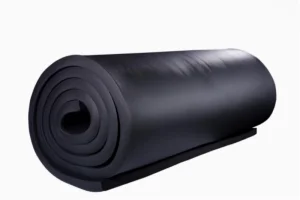
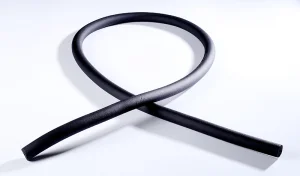
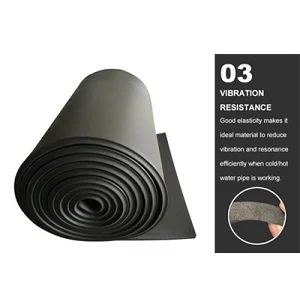
Physical, thermal, and regulatory performance metrics of Kingflex Standard NBR/PVC elastomeric rubber foam insulation products.
| Performance Parameter | NBR/PVC Elastomeric Sheet Roll | NBR/PVC Elastomeric Insulation Pipe | Cryogenic System Formulation |
|---|---|---|---|
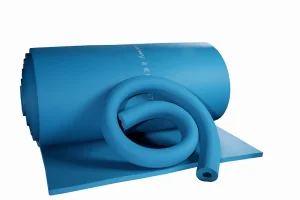
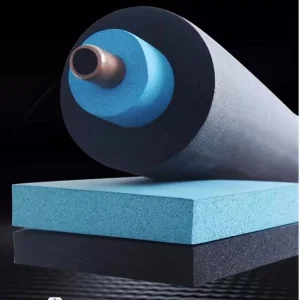
| Base Raw Material | Nitrile-Butadiene Rubber (NBR) & Polyvinyl Chloride (PVC) | High-purity NBR/PVC blend | Specialized flexible dol-elastomer composite |
| Service Temperature Range | -40°C to +105°C (-40°F to +221°F) | -40°C to +105°C (-40°F to +221°F) | -200°C to +125°C (-328°F to +257°F) |
| Thermal Conductivity (λ) | ≤ 0.034 W/(m·k) at 0°C | ≤ 0.033 W/(m·k) at 0°C | ≤ 0.028 W/(m·k) at -150°C |
| Density Range | 40 - 55 kg/m³ | 40 - 55 kg/m³ | 55 - 75 kg/m³ |
| Moisture Resistance (μ-factor) | ≥ 10,000 (Closed cell structure >98%) | ≥ 10,000 | ≥ 20,000 (Multi-layer vapor barrier) |
| Fire Safety Compliance | BS 476 Part 7 Class 1 / Part 6 Class 0, UL94 V-0 | BS 476 Class 0, ASTM E84 25/50 rated | DIN 4102 B1, GB 8624 class B |
| Compression Resilience | ≥ 80% recovery under load | ≥ 85% recovery under load | High density cryogenic compression resistance |
Our R&D department, led by 8 specialized thermal engineers, focuses on improving the performance of our closed-cell matrices. We use automated foaming equipment that ensures consistent density and uniform cell size. Our research prioritizes reducing chemical emissions (vocs) and achieving zero ozone depletion potential (ODP) and zero global warming potential (GWP) during production.

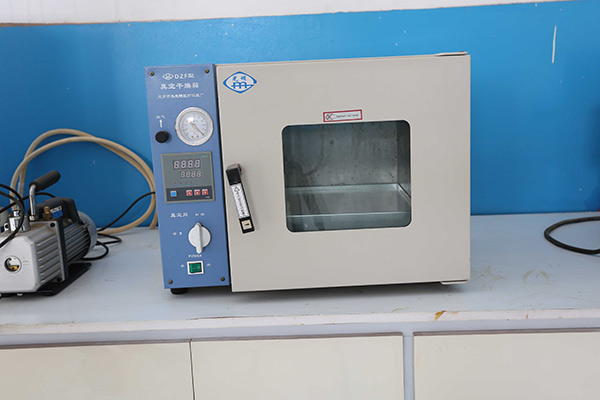
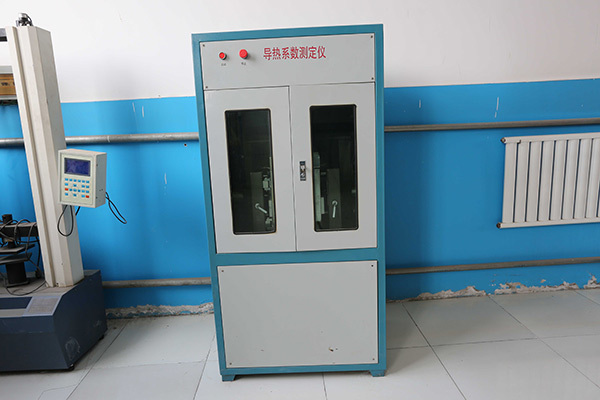
How we align our engineering procedures and product certifications with localized building codes and industrial compliance systems across international markets.
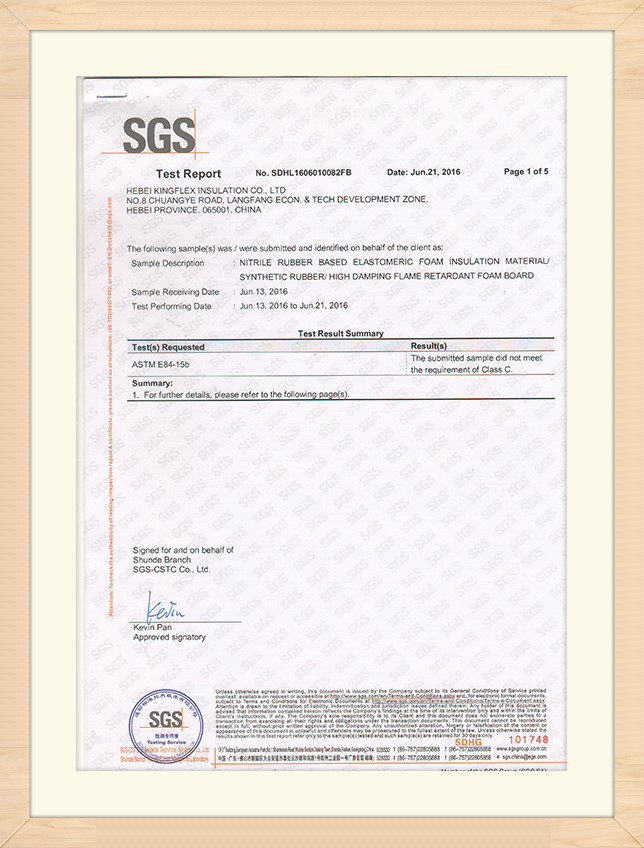
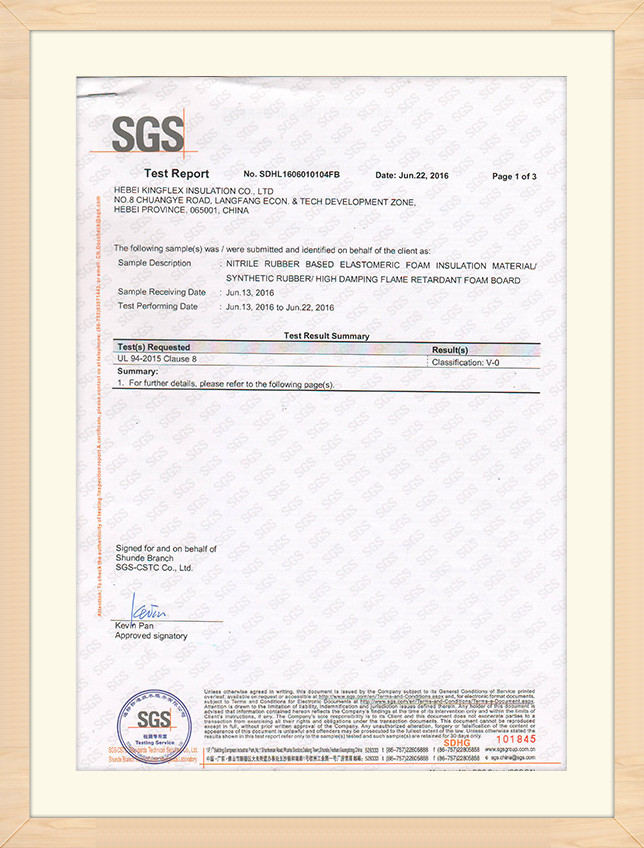
In the United States and Canada, insulation materials must meet ASTM C534 standards for preformed flexible elastomeric cellular thermal insulation. This includes strict requirements for flame spread and smoke development ratings (25/50) when tested under ASTM E84. Our NBR foam formulations are engineered to meet these criteria, making them suitable for return air plenums and high-occupancy commercial projects.
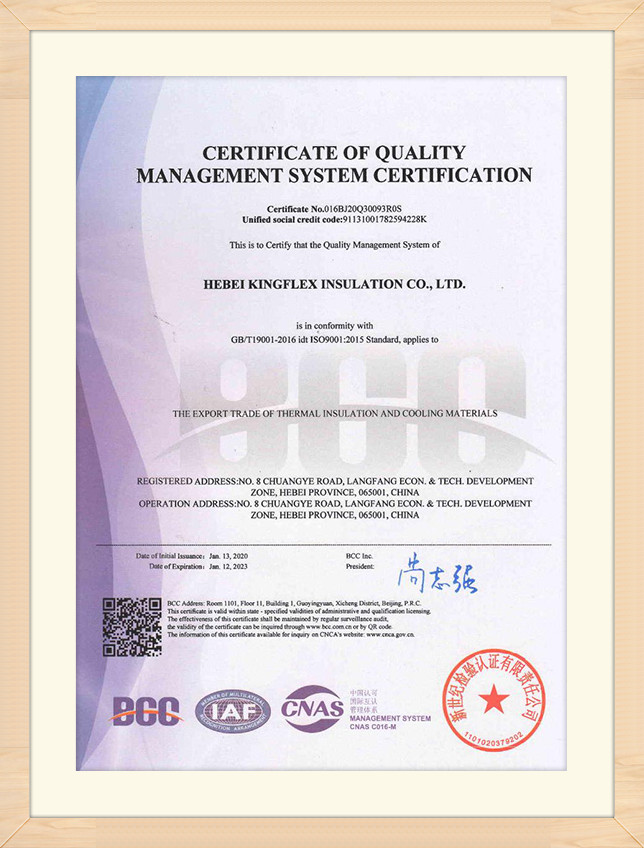
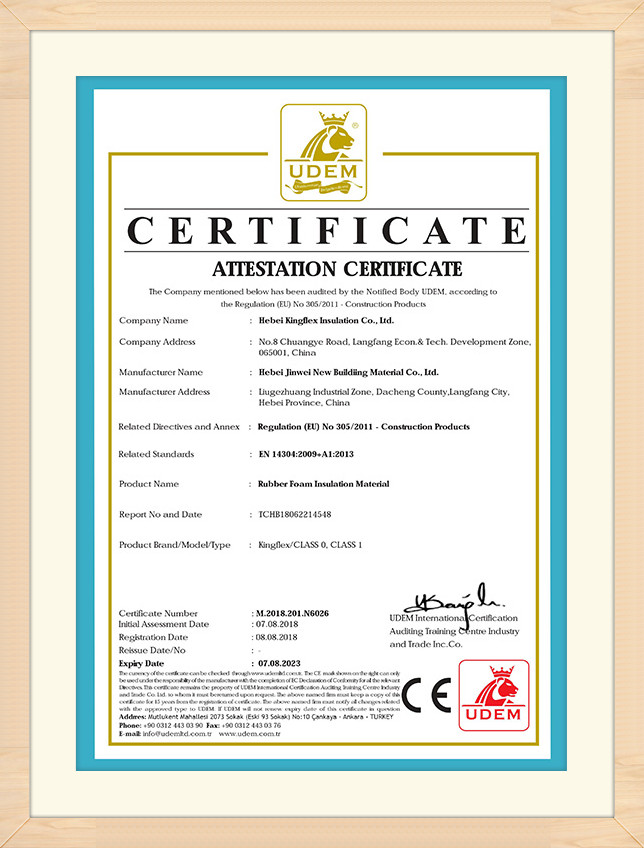
For European projects, compliance with the CE mark and the EN 14304 product standard is mandatory. These guidelines classify reaction to fire (typically Class B-s3, d0) and certify thermal performance. Kingflex products are tested and registered to comply with REACH and RoHS regulations, ensuring they are free from halogenated flame retardants, polybrominated biphenyls, and heavy metals.
Beyond material supply, we offer project-specific consultation, design calculations using advanced thermal software, and installation guidelines. This supports global contractors in verifying that the chosen insulation thickness is sufficient to prevent condensation based on local environmental parameters (relative humidity, dry-bulb temperature, and wind speed).
A professional manufacturing and trading combo for thermal insulation products, backed by Jinwei Group's 40-year industry heritage.
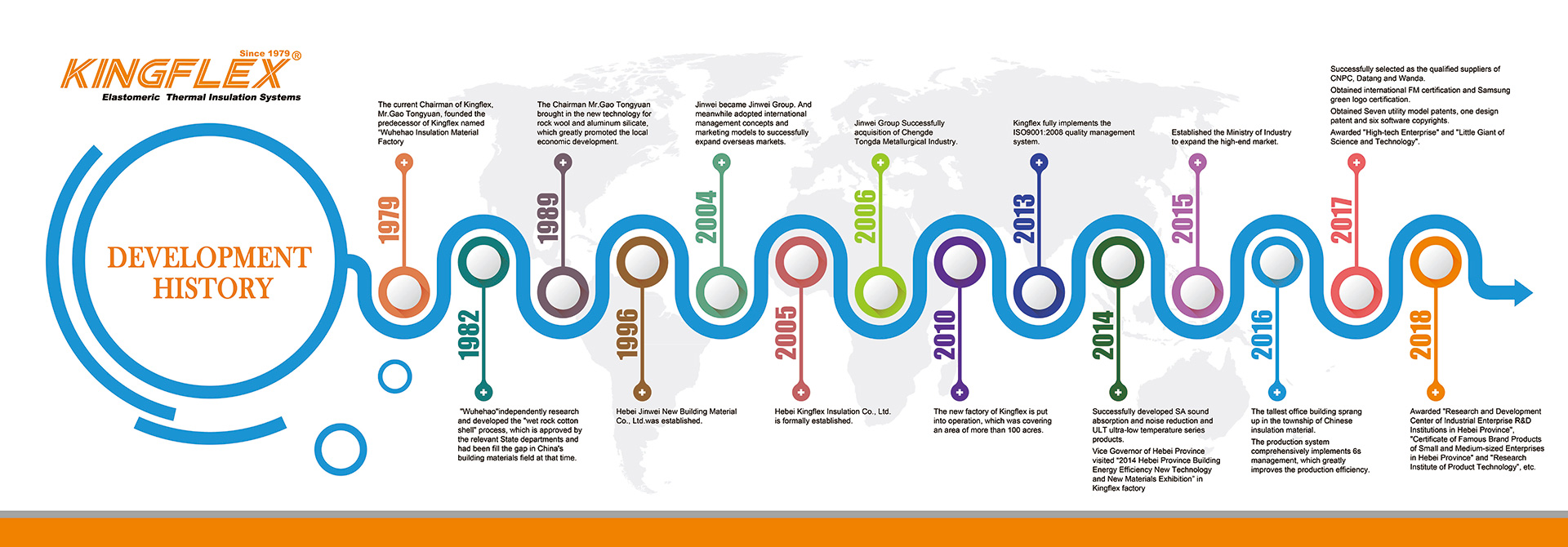
Established in 1979 by the Jinwei Group, Kingflex is a pioneer in thermal insulation manufacturing in northern China. Over our 40-year history, we have evolved from a regional manufacturer into a modern supplier serving global markets. Our manufacturing facility in Dacheng, China, is designed to minimize environmental impact while maximizing productivity.
Kingflex operates 5 automated assembly lines with an annual capacity exceeding 600,000 cubic meters. This capacity allows us to support large-scale commercial and industrial projects worldwide. Our facility is a designated production enterprise for the Ministry of Energy, the Ministry of Electric Power, and the Ministry of Chemical Industry in China.
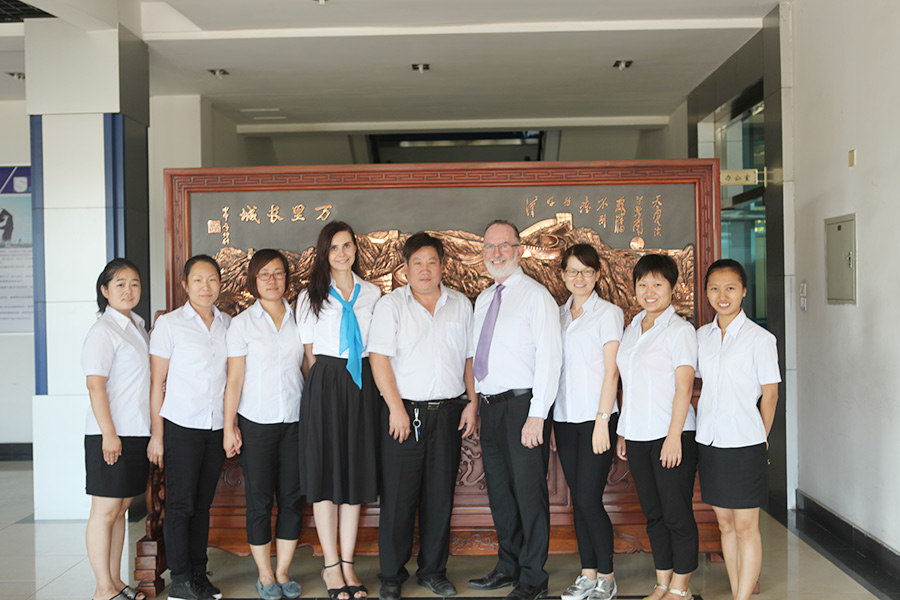
Our team includes 8 R&D engineers, 6 international sales consultants, and 230 production staff. We work together to ensure that our materials and technical support meet the performance requirements of our global customers.
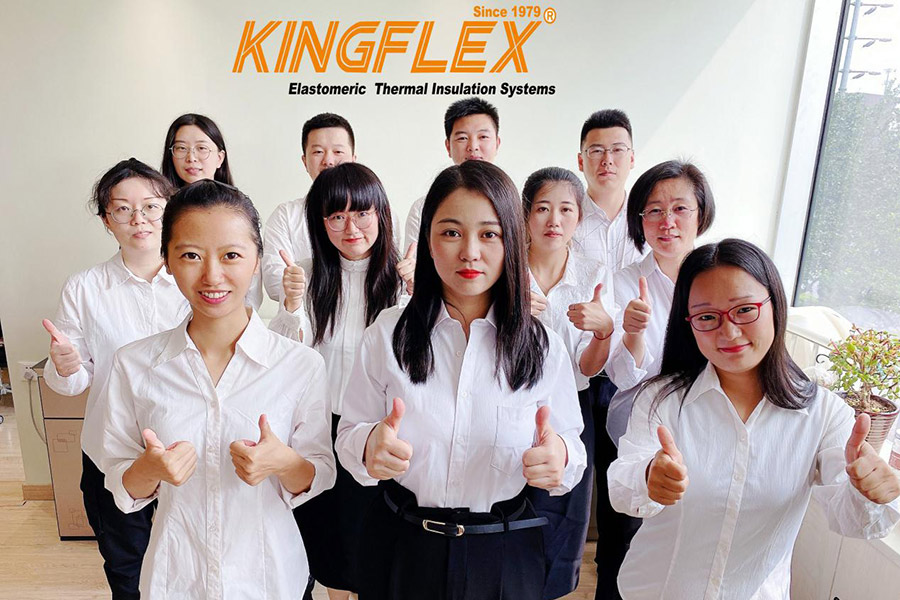
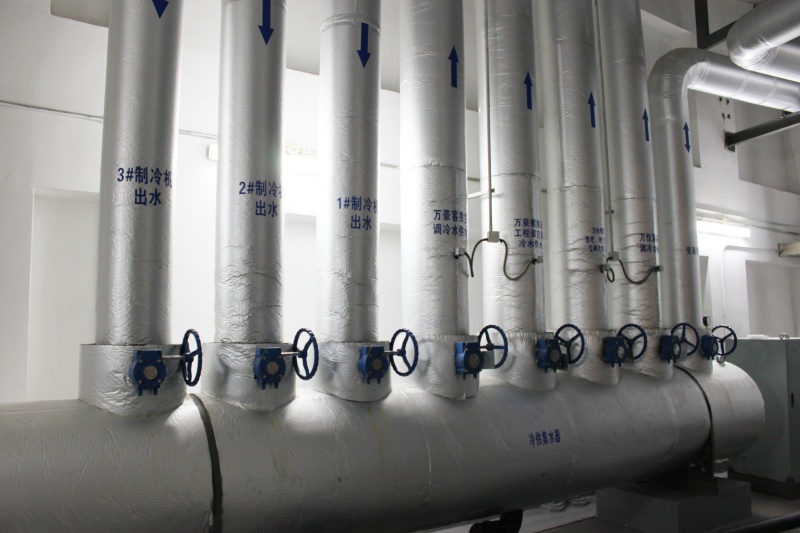

Transparency and reliability are central to our customer relations. We document order specifications and trace every batch through production.
We work closely with customers to verify that order specifications match their project requirements. This includes confirming physical attributes, dimensional tolerances, and packaging requirements before production. Every shipment includes traceability documents, tracking raw materials back to their initial batches.
Traceability Standards:



Our R&D efforts focus on next-generation insulation systems designed to improve efficiency and reduce environmental impact.
We are researching aerogel-infused elastomeric matrices. These composites aim to achieve thermal conductivity values below 0.025 W/(m·K) at room temperature, allowing for thinner insulation profiles in confined spaces.
Our research team is evaluating bio-based plasticizers and polymers to replace petroleum-derived components in our NBR formulations, working toward a lower carbon footprint for our products.
We are testing prototype insulation systems that incorporate embedded moisture sensors. These sensors can notify maintenance teams of moisture ingress before corrosion occurs on the pipe surface.
We are developing multi-layer composite jackets co-extruded directly with the NBR core. This eliminates the need for field cladding in outdoor and marine environments.
Find technical answers regarding our elastomeric rubber foam insulation products, physical specifications, and compliance standards.
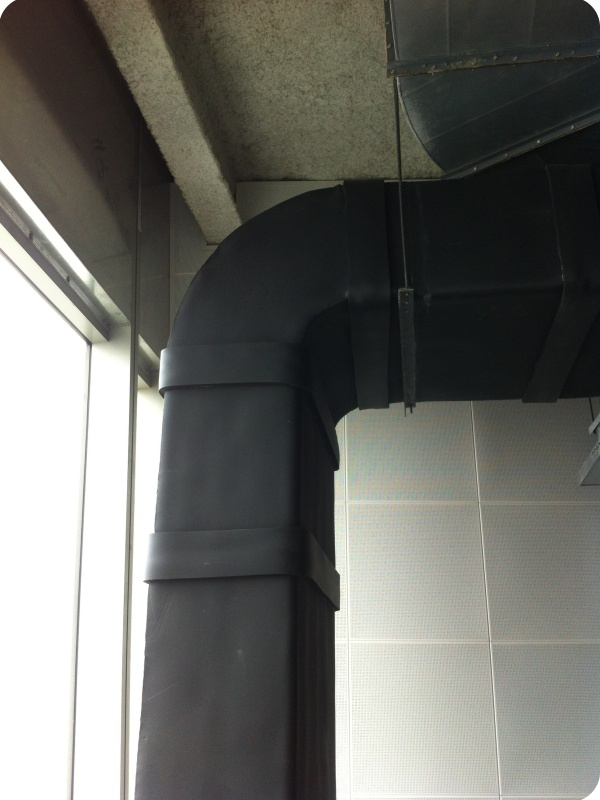
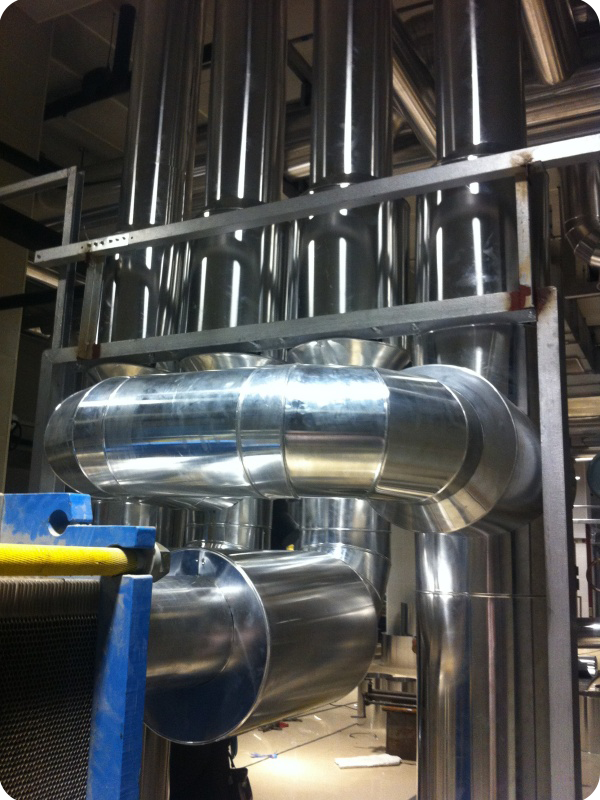
Kingflex materials are deployed in commercial infrastructure and industrial processing facilities worldwide.
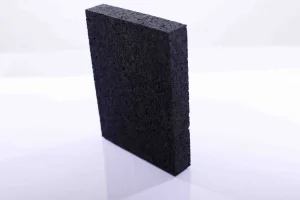
Complete your design with our professional elastomeric solutions, designed for cryogenic operations and noise reduction.