 Kingflex
Kingflex
Kingflex
Explore our foundational Class O elastomeric insulation products optimized for global commercial, industrial, and marine HVAC configurations.
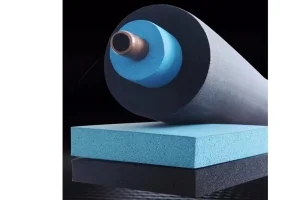
Within mechanical engineering and HVAC system architecture, fire performance and condensation mitigation are critical parameters. Class O fire rating represents the pinnacle of fire safety standards for insulation materials. In accordance with the British Standard (BS) 476, obtaining a Class O rating demands compliance with two distinct parts:
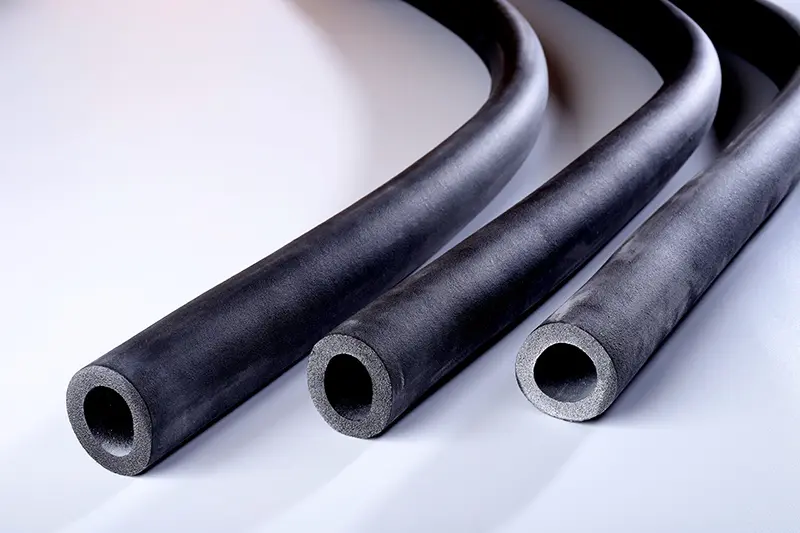
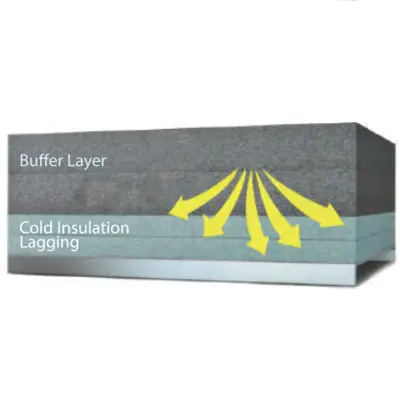
By blending Nitrile Butadiene Rubber (NBR) and Polyvinyl Chloride (PVC) through advanced vulcanization, Kingflex engineers a closed-cell matrix (>98% closed-cell rate) that functions as an integrated vapor barrier. The resulting material maintains a stable thermal conductivity (λ ≤ 0.034 W/m·K at 0°C) over its 15-year lifecycle.
The high resistance factor prevents atmospheric moisture from penetrating the insulation body, neutralizing corrosion under insulation (CUI) risks in cold systems.
Maintains mechanical structural integrity under installation pressure, preserving nominal wall thickness and technical performance.
Ideal for multi-temperature profiles, from commercial chilled water pipelines and VRF systems to low-pressure steam process utilities.
Deep technical expertise, historical reliability, and robust production capacity to support global projects.
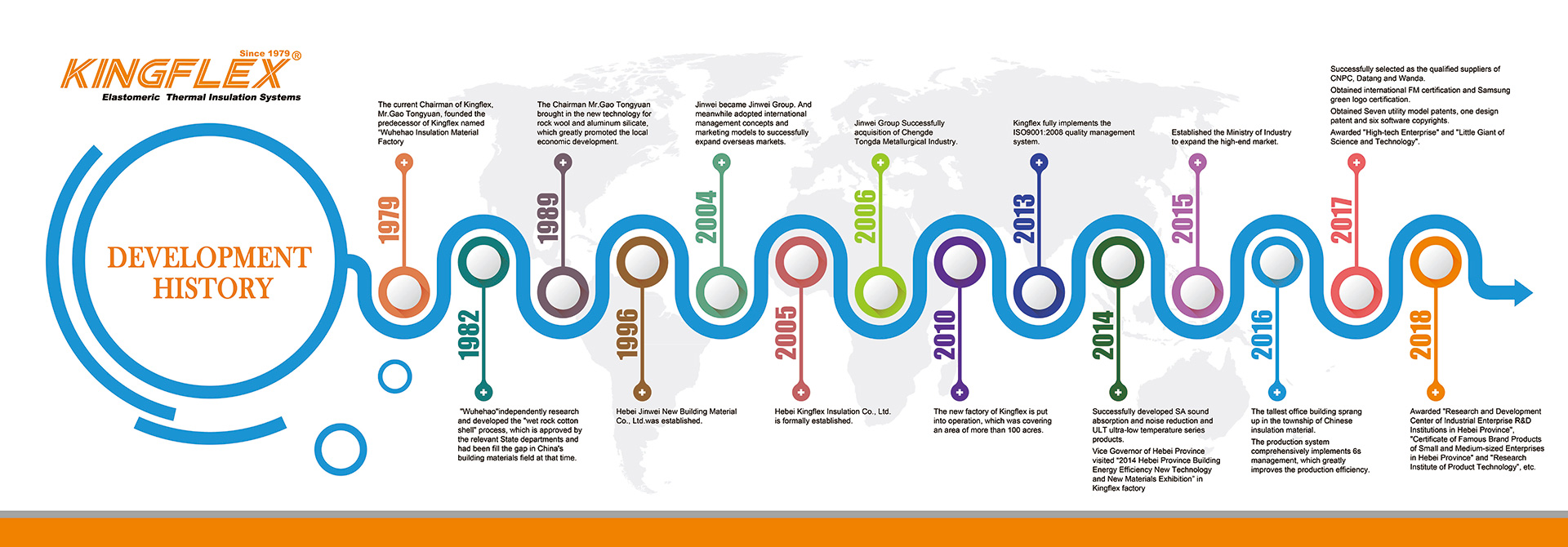
Kingflex belongs to the Jinwei Group, which has a manufacturing history of over 40 years. Established in 1979, the group was the pioneer of thermal insulation material manufacturing north of the Yangtze River. Today, Kingflex operating models blend energy-saving design, consultation, production, installation guidance, and post-sale technical audits.
Our development facility in Dacheng, China, sits at the heart of the national green-building materials corridor, optimizing localized chemical logistics and process efficiency.
Our operational framework relies on specialized engineering capabilities. Kingflex maintains 8 professional thermal engineers within our R&D wing, 6 international logistics and sales coordinators, and 230 technicians on the shop floor. This layout aligns our product output with ASTM, BS, and DIN engineering requirements.
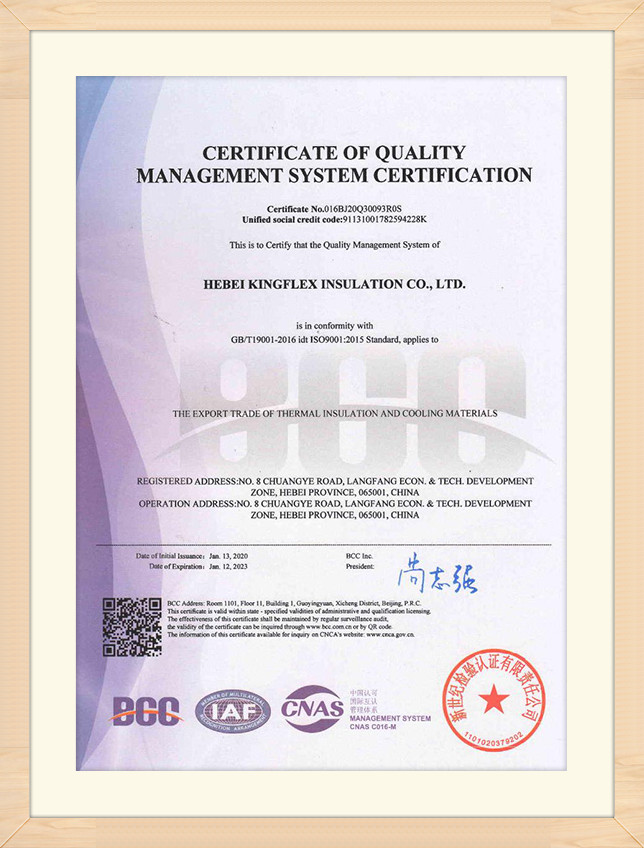
Validated by global inspection authorities to meet international building codes.

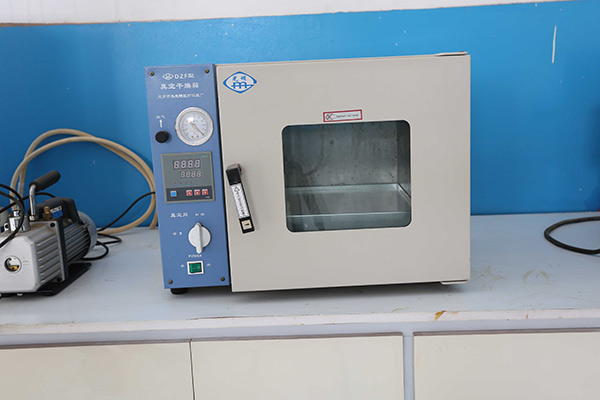
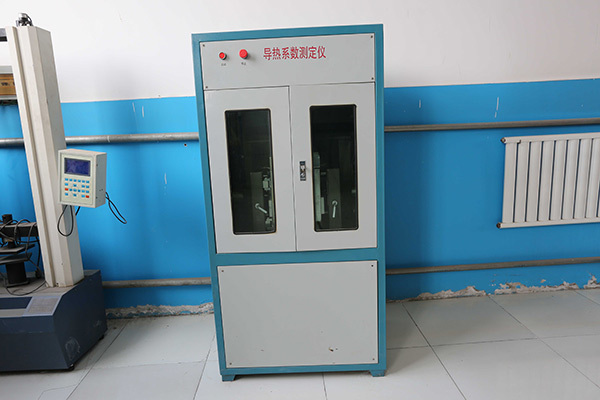
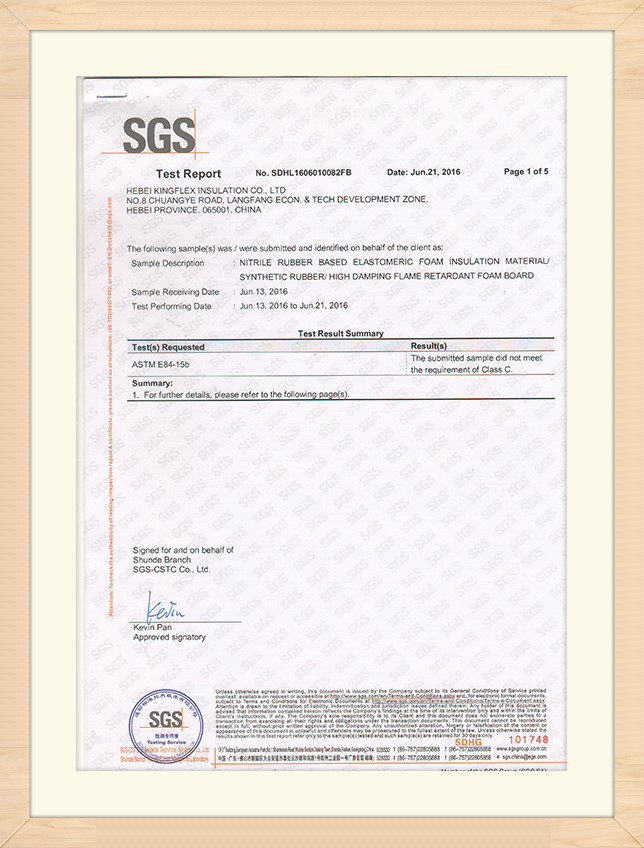
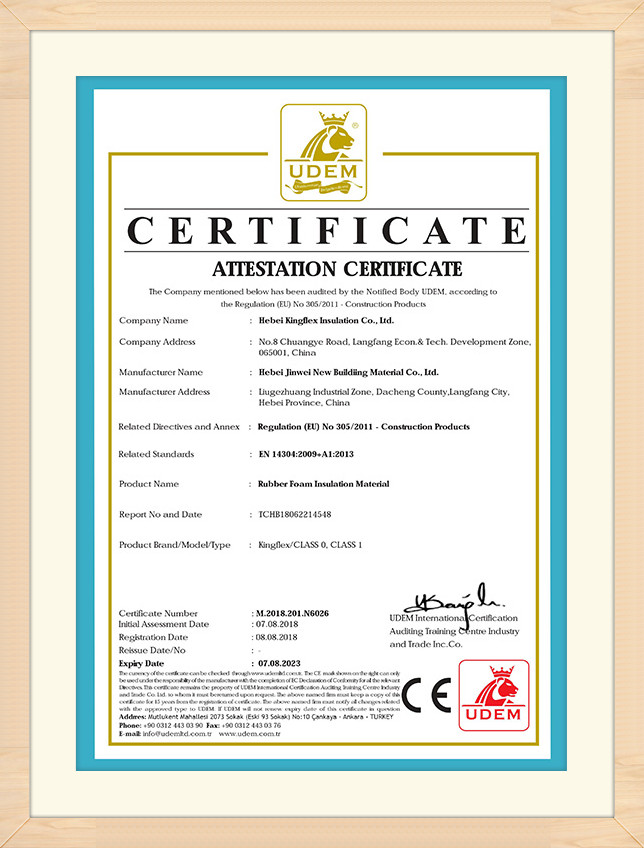
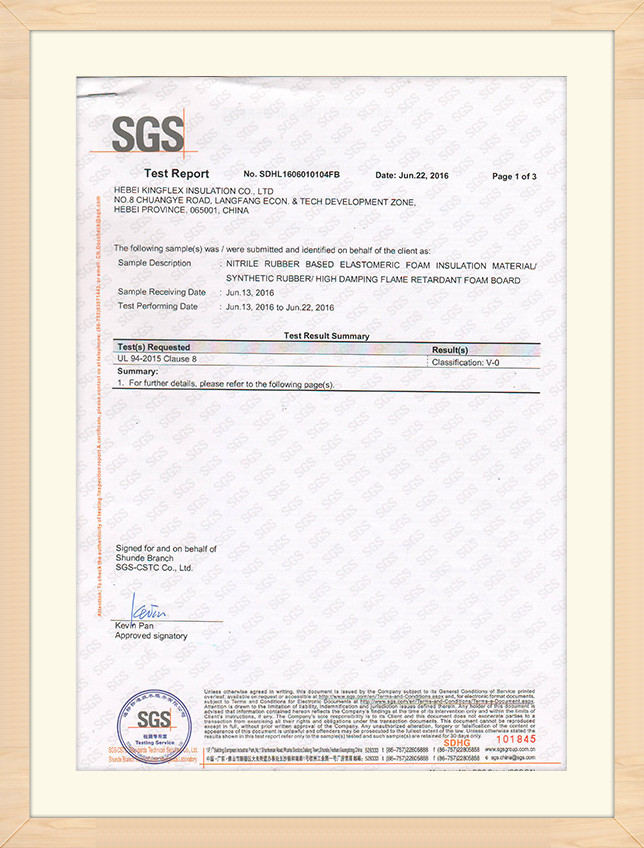
Innovating the next generation of elastomeric material science to meet carbon-neutral objectives.
By infusing silica aerogel particles into the NBR matrix, we target a thermal conductivity of λ ≤ 0.028 W/m·K. This reduces the required insulation thickness in space-constrained retrofits.
To comply with stringent marine and underground rail specifications, we are developing halogen-free Class O solutions that emit zero acid gases during fire exposure.
Incorporating renewable, agricultural-grade organic oils into the polymer chains offsets the carbon footprint of NBR/PVC synthesis without compromising the closed-cell barrier.
How Class O Insulation resolves critical operational problems across diverse sectors.
Elastomeric foam insulation is not a standalone commodity; it is a critical system for energy preservation and building stability.


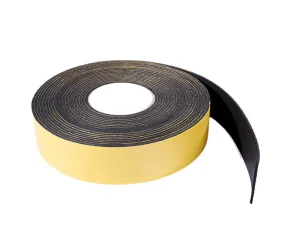
To eliminate thermal bridging, we manufacture corresponding high-density pipe supports and self-adhesive elastomeric finishing tapes. This comprehensive systems approach prevents localized ice creation and structural rust propagation.
How localized chemical ecosystems and automated manufacturing ensure lead-time predictability.
Our facility is situated close to northern China's chemical clusters, securing direct pipeline access to raw monomers. This layout stabilizes unit costs and insulates pricing from volatile global markets.
Our 5 automated assembly lines utilize continuous density monitors and precision temperature controls. This maintains cell diameter uniformity, resulting in consistent thermal performance.
Located near Tianjin Port, we utilize integrated intermodal pathways. This system provides standard container delivery within 14-21 days to Southeast Asia, Europe, and the Middle East.
Engineered to deliver high thermal resistance and fire safety under demanding environmental conditions.
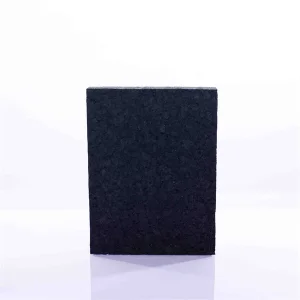
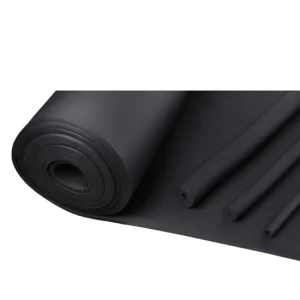
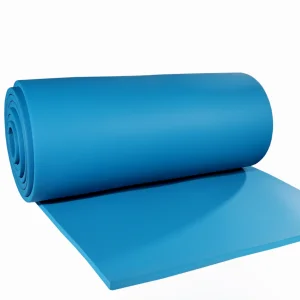
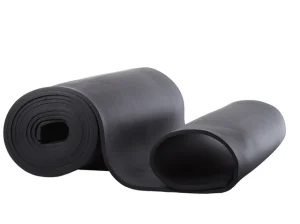
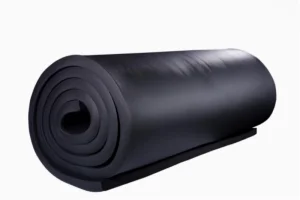
Ideal for large-diameter ducts, vessels, and mechanical tanks.
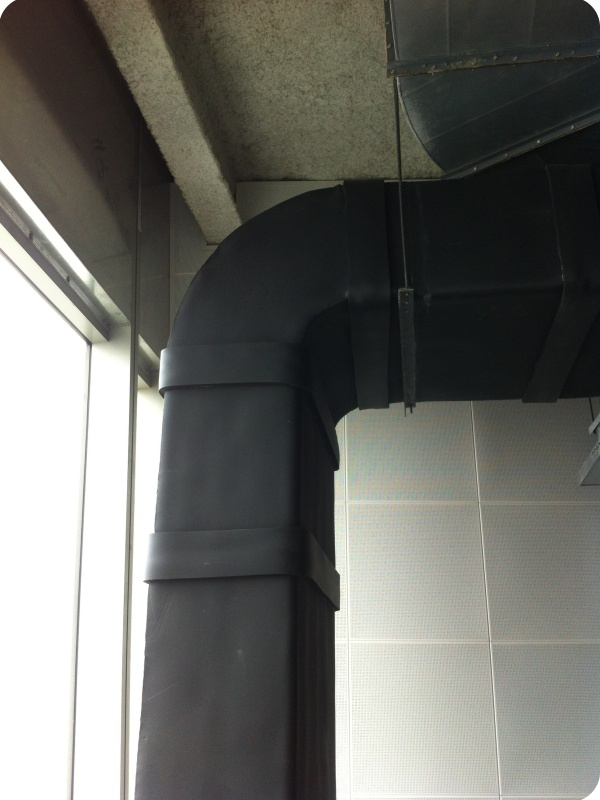
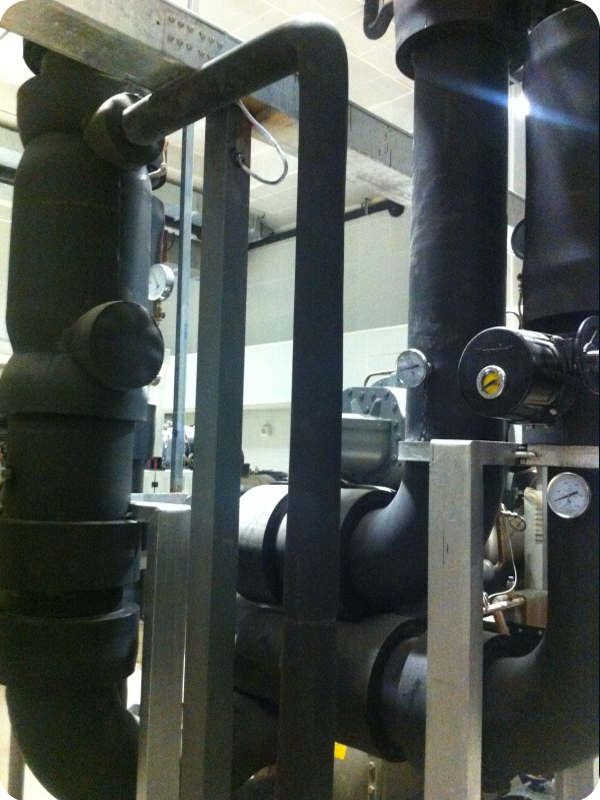
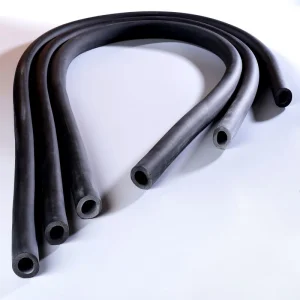
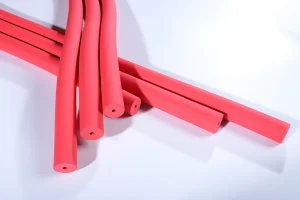
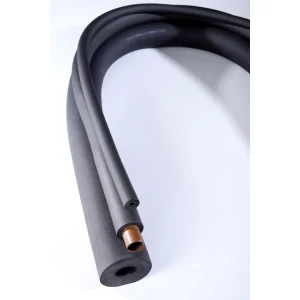
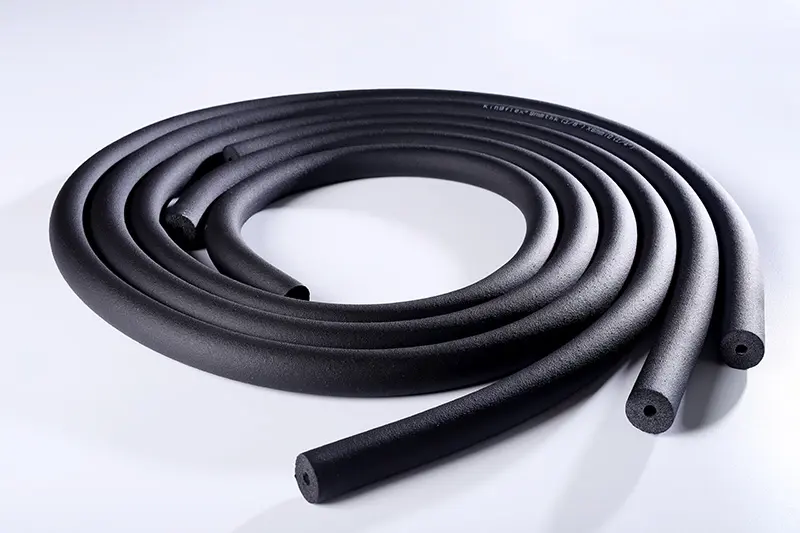
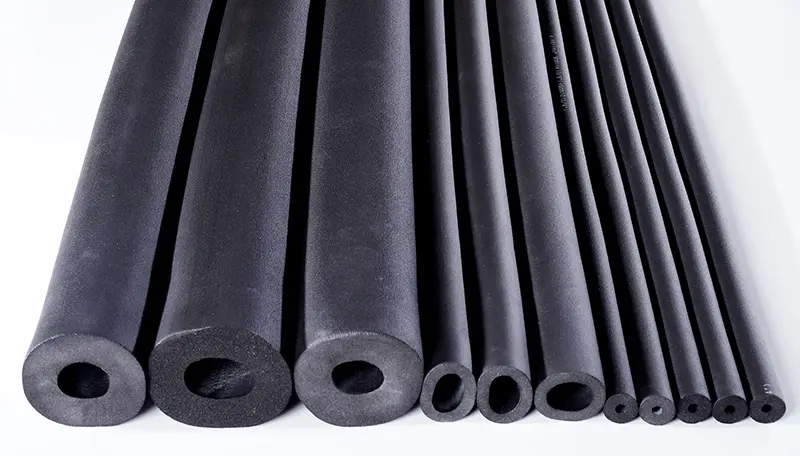
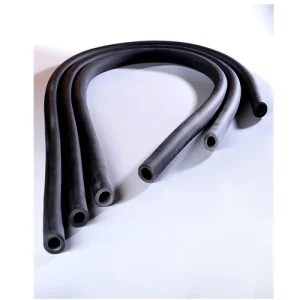
Pre-formed tubular sleeves designed for rapid installation on copper, steel, and plastic lines.
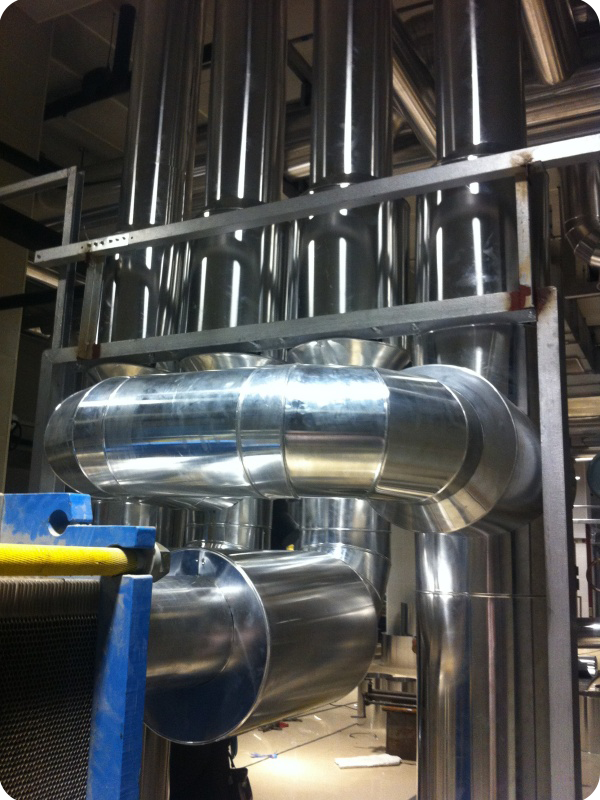
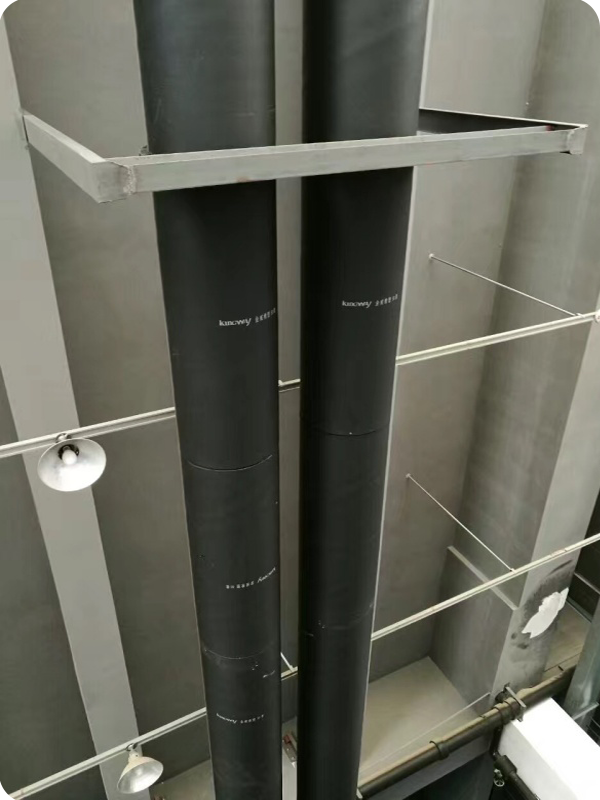
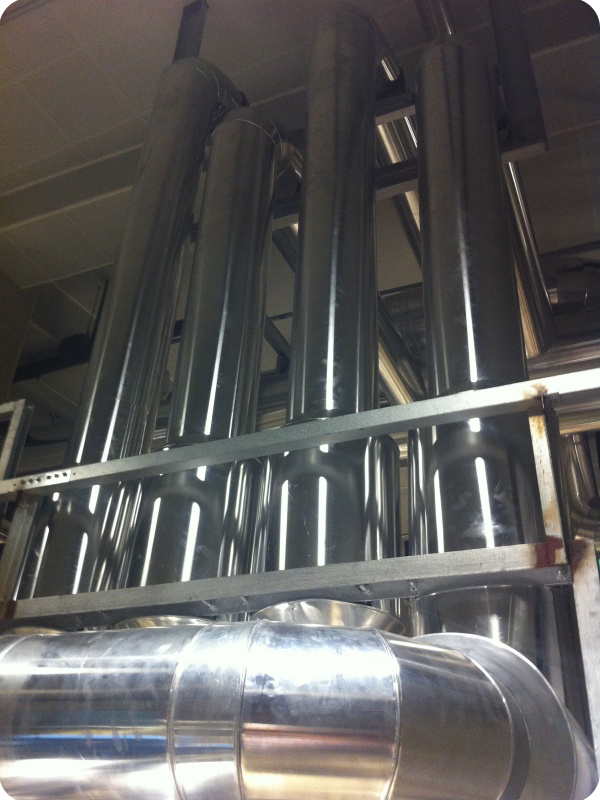
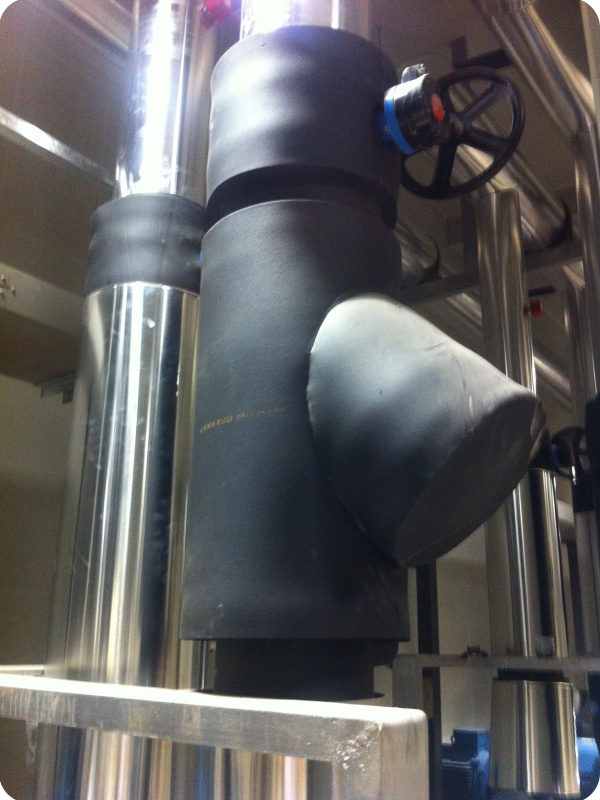
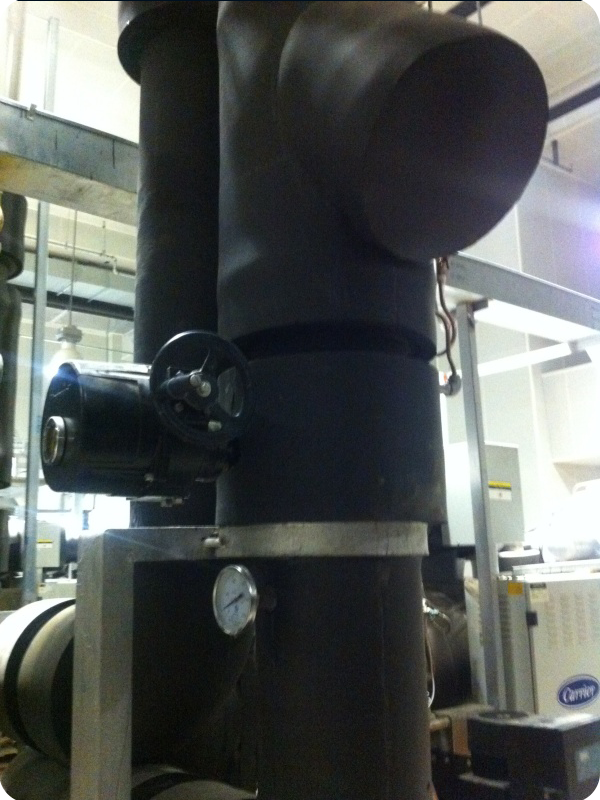
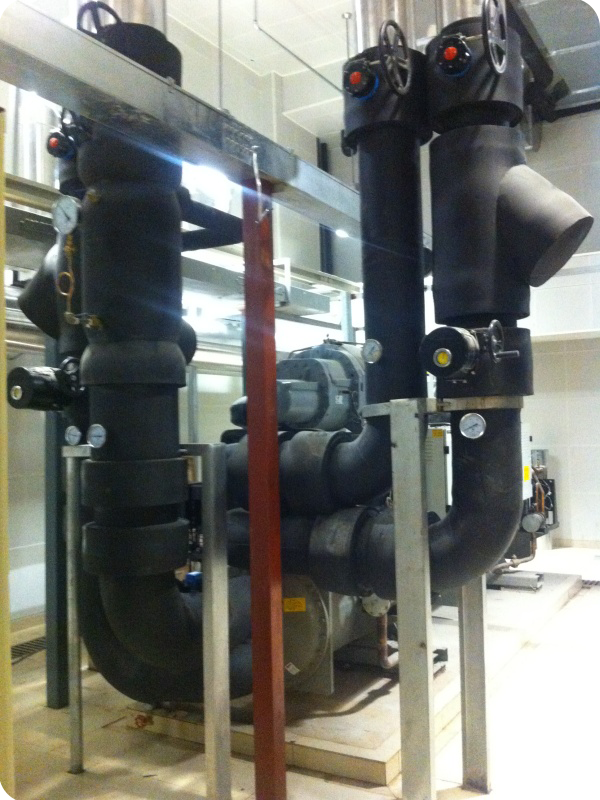
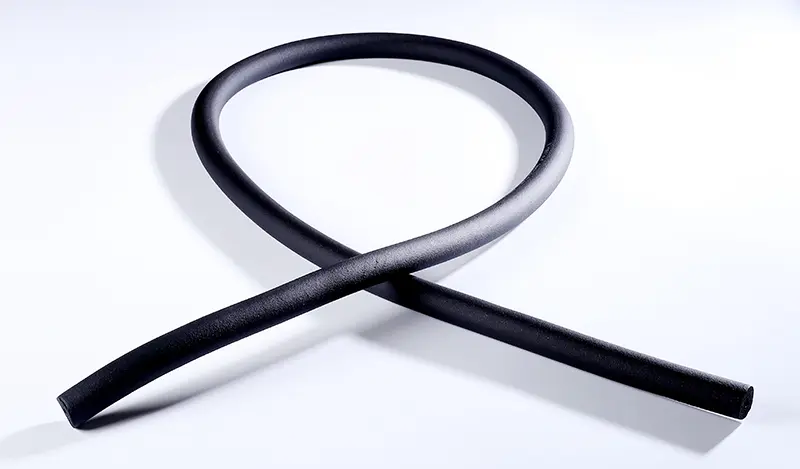
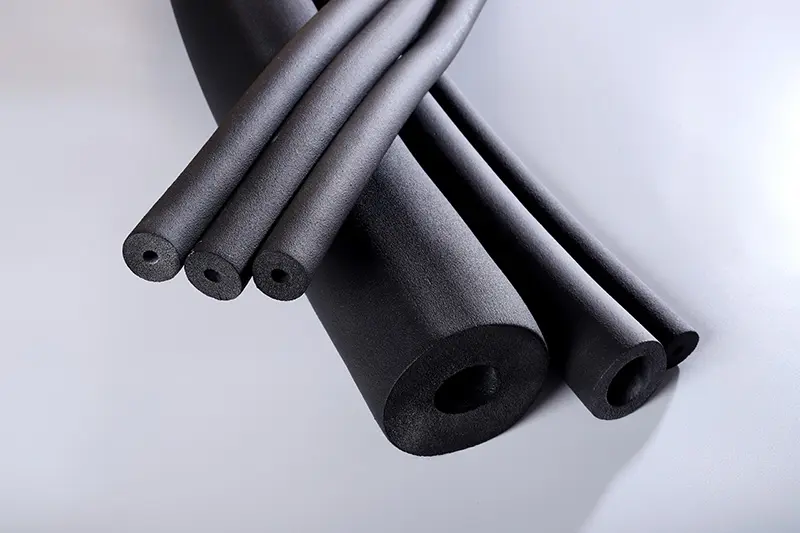
Specific variations for cryogenic, acoustic, and high-temperature environments.
Transparency in project communication and supply-chain logistics builds commercial trust.




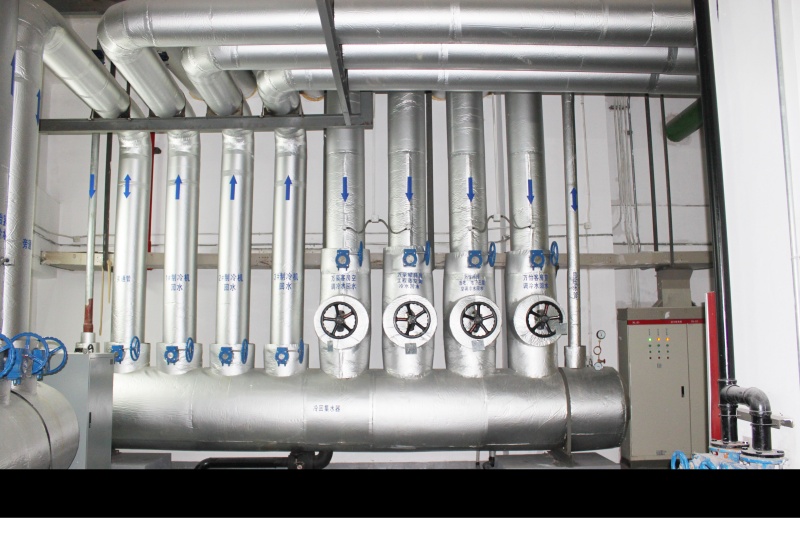
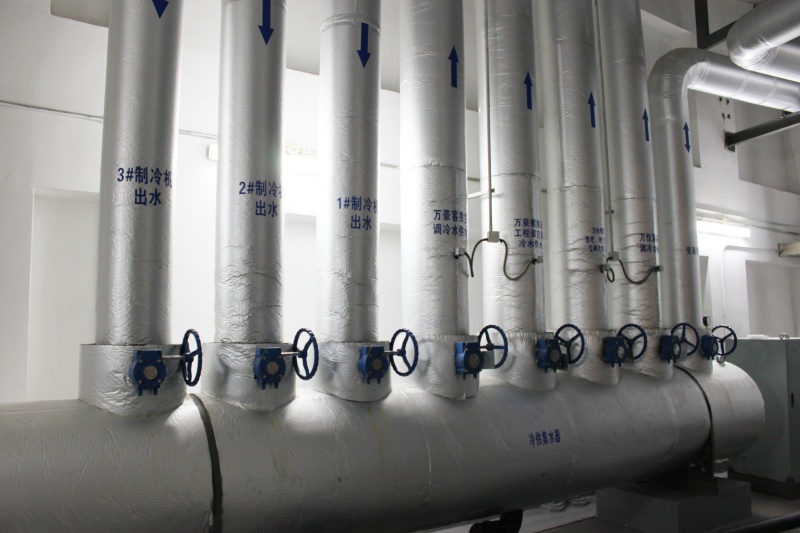

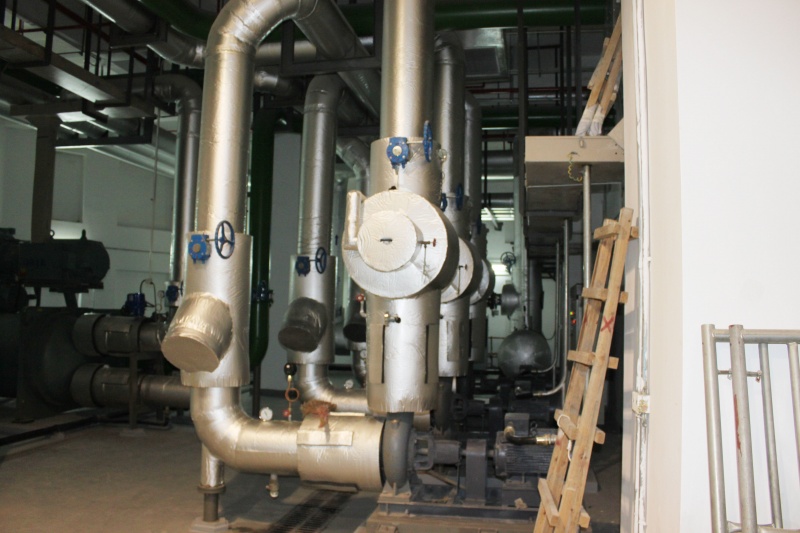
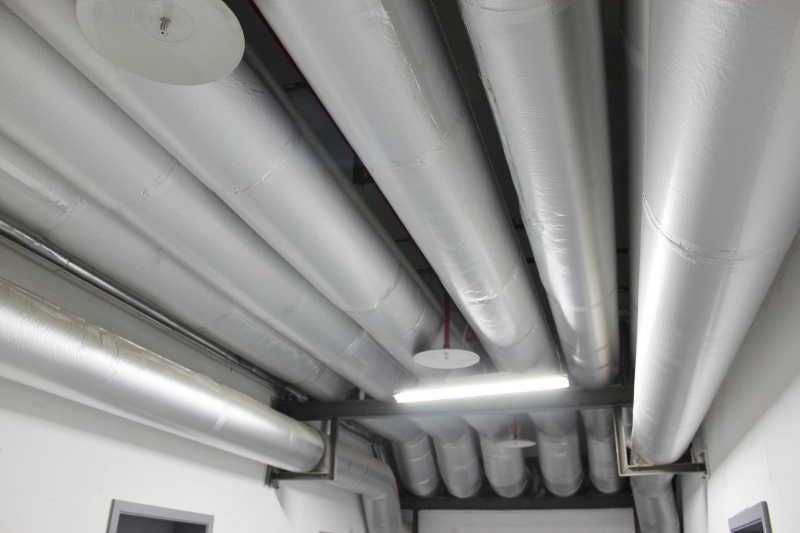
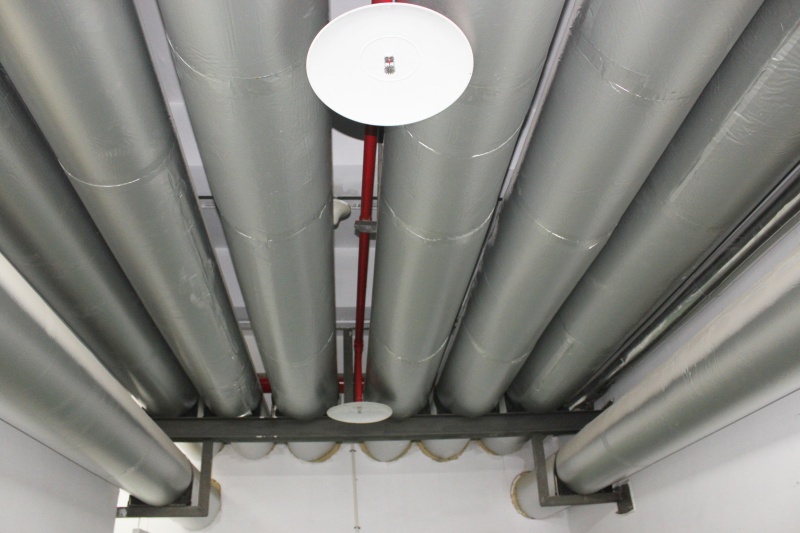
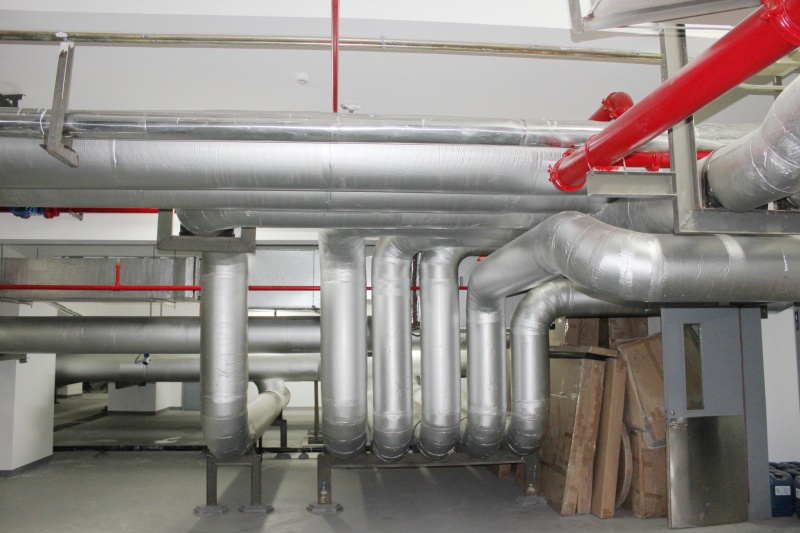
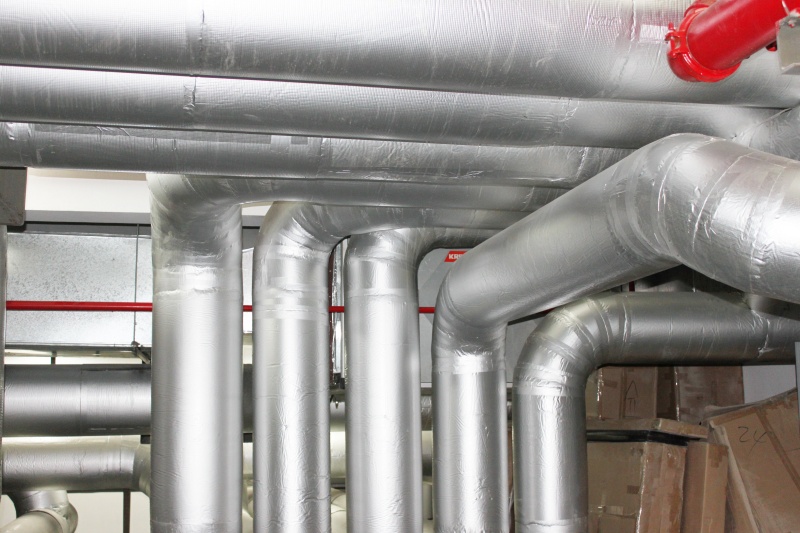
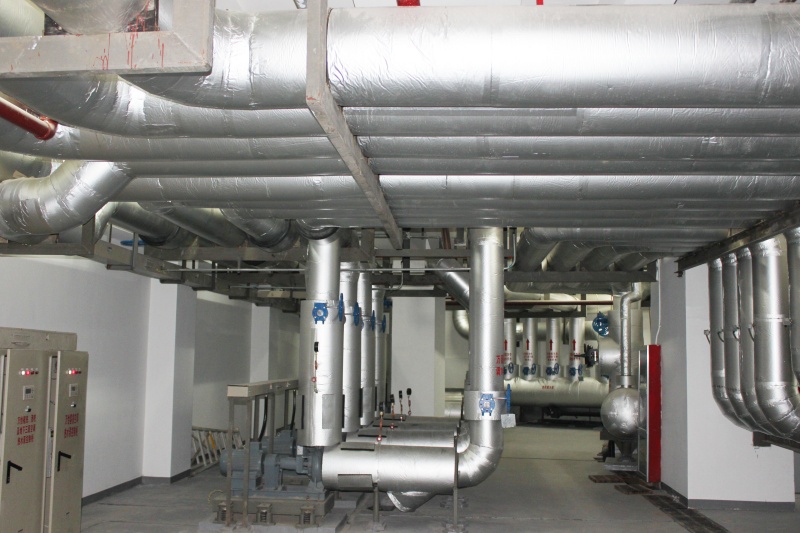
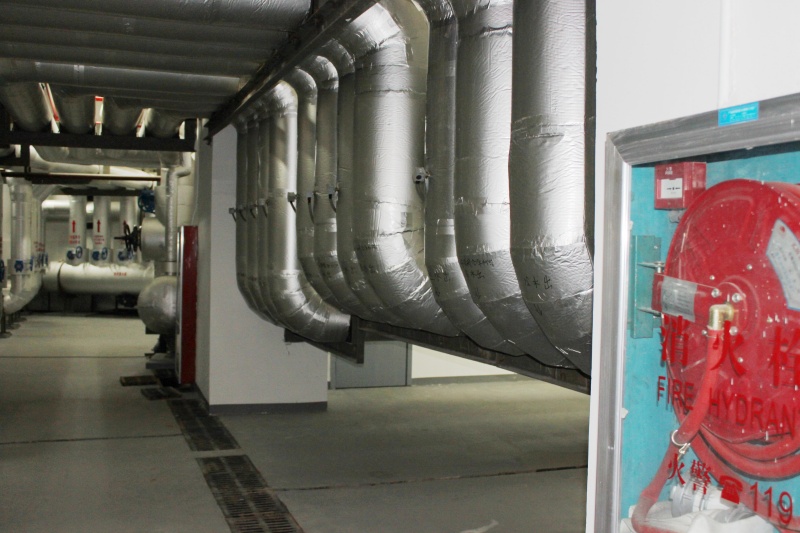
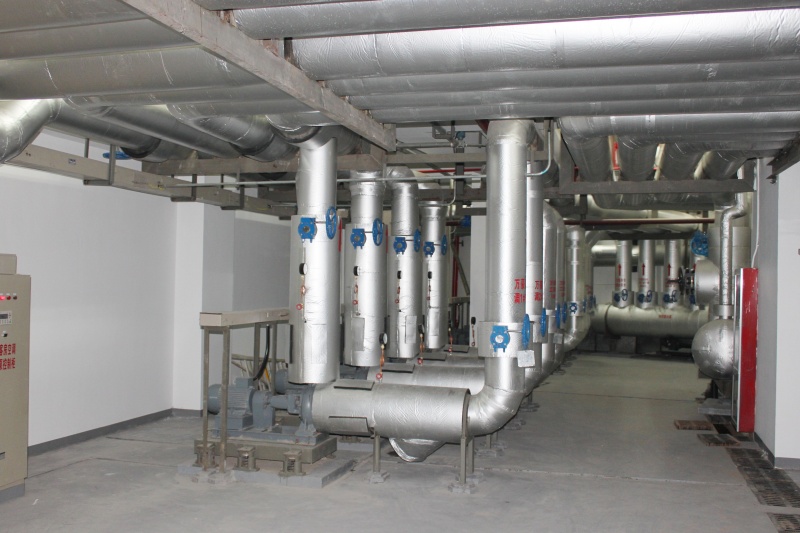
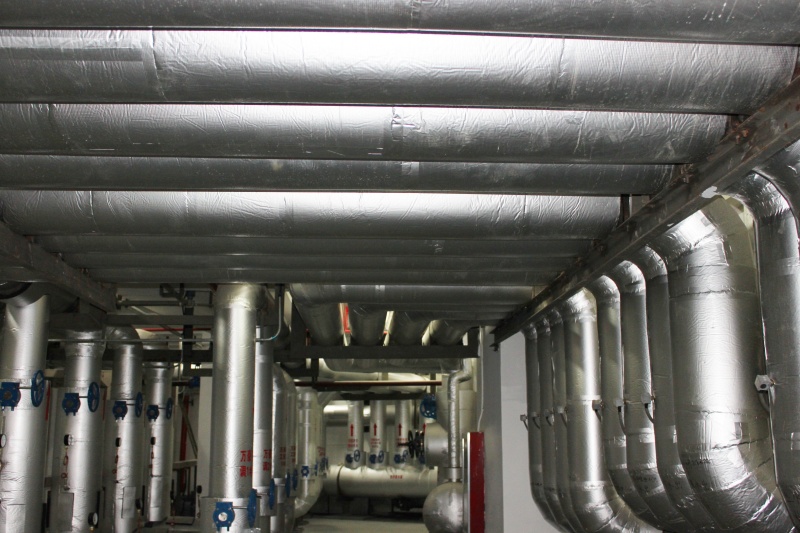
A detailed view of our operations, warehousing, logistics, and quality assurance processes.






Detailed technical advice for global engineers and procurement managers.
It is primarily used for HVAC air duct wrapping, chilled water piping, building thermal envelope insulation, and process cold preservation on industrial piping. The closed-cell structure prevents surface condensation on cold infrastructure.
Yes, our Class O and Class 1 formulations meet BS 476 Part 6 & 7 flame spread and heat release limits. The elastomer compound contains flame-retardant additives that facilitate self-extinguishing behavior, helping to prevent fire spread.
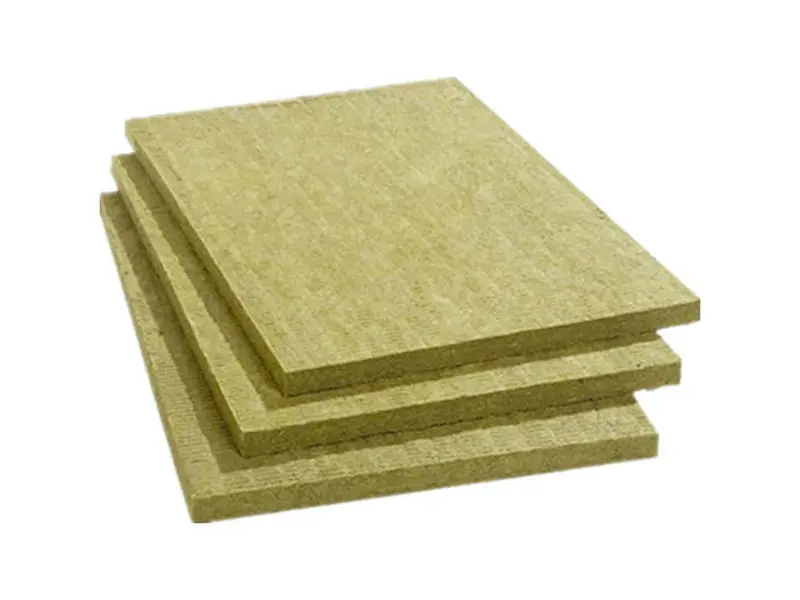
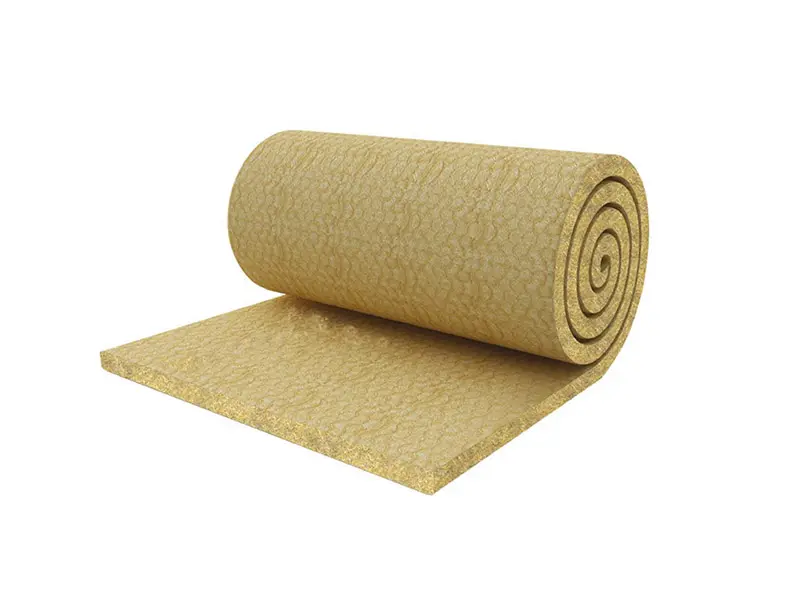
Rubber foam features a flexible, closed-cell polymer structure with inherent moisture-vapor resistance, making it suitable for cold systems and HVAC lines. Rock wool is a high-temperature fibrous material designed for extreme fire protection and steam pipelines operating above 150°C, but it requires an external vapor barrier to prevent moisture penetration.
Yes, we support comprehensive OEM services. We can adjust the wall thickness, internal diameter, density, and add self-adhesive layers or aluminum foil facings to meet specific project criteria.
Our materials are certified under BS 476, CE, REACH, RoHS, UL94, and ASTM. This documentation validates compliance with international building, safety, and environmental standards.
Yes, we run an ERP-managed traceability system. Every production lot is stamped with code details indicating the raw batch origin, foaming parameters, curing date, and quality inspection supervisor.
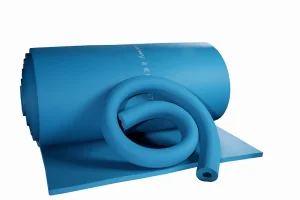
We manufacture sheets in thicknesses ranging from 6mm to 50mm, allowing developers to design single-layer systems for various thermal profiles.
When installed according to specifications, our Class O products maintain their functional design characteristics for 10 to 15 years in typical indoor and protected outdoor configurations.
Explore our additional insulation sheets, rolls, tapes, and accessories to complete your project requirements.