 Kingflex
Kingflex
Kingflex
Engineered to prevent thermal bridging, combat condensation, and minimize acoustic transmission in commercial HVAC systems.
In modern industrial and commercial architecture, building thermal envelope management has transitioned from a basic compliance box to a critical lever for environmental efficiency. The integration of Fresh Air Duct Insulation is paramount. Without high-integrity elastomeric insulation, fresh air distribution ducts are susceptible to thermal gains or losses, leading to inefficient system operations and massive thermal wastage.
Globally, strict energy performance certificates such as LEED (Leadership in Energy and Environmental Design), BREEAM, and the European Union’s Energy Performance of Buildings Directive (EPBD) dictate strict control over ductwork heat transfer. Uninsulated ducts act as severe thermal bridges, requiring central HVAC chillers and air handling units (AHUs) to consume up to 30% more power to compensate for line loss. Thus, specifying advanced closed-cell elastomeric rubber foam has emerged as the premier solution for engineering-focused builders worldwide.
"According to ASHRAE 90.1 energy guidelines, any ductwork carrying conditioned air through unconditioned zones must be dynamically insulated to limit thermal transfer and entirely eliminate condensation risk. Doing so directly affects both energy spend and indoor structural durability."
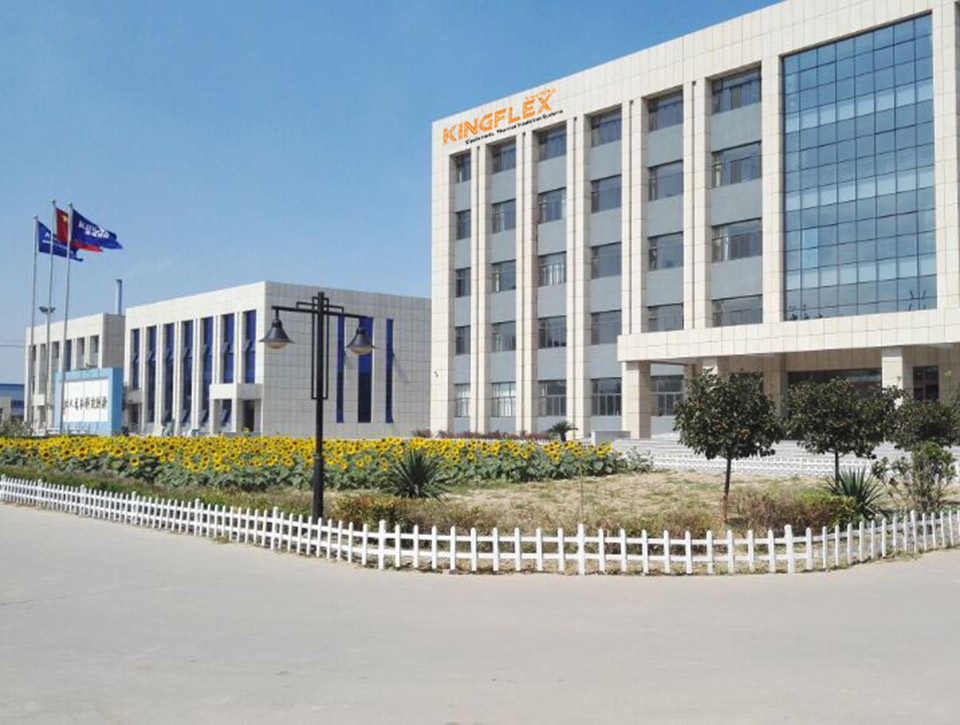
Founded by the Jinwei Group, which commands an illustrious history dating back to 1979, Kingflex Insulation Co., Ltd. stands as an industry leader in environmental conservation materials. Located in Dacheng, China—historically celebrated as the capital of green building technologies—Kingflex blends decades of material science research with an expansive production capacity.
As the first thermal insulation manufacturer established north of the Yangtze River, our trajectory has been characterized by consistent research breakthroughs, stringent quality protocols, and a customer-first focus. We do not simply fabricate foam; we supply comprehensive thermal, cryogenic, and acoustic insulation solutions tailored to modern engineering applications.
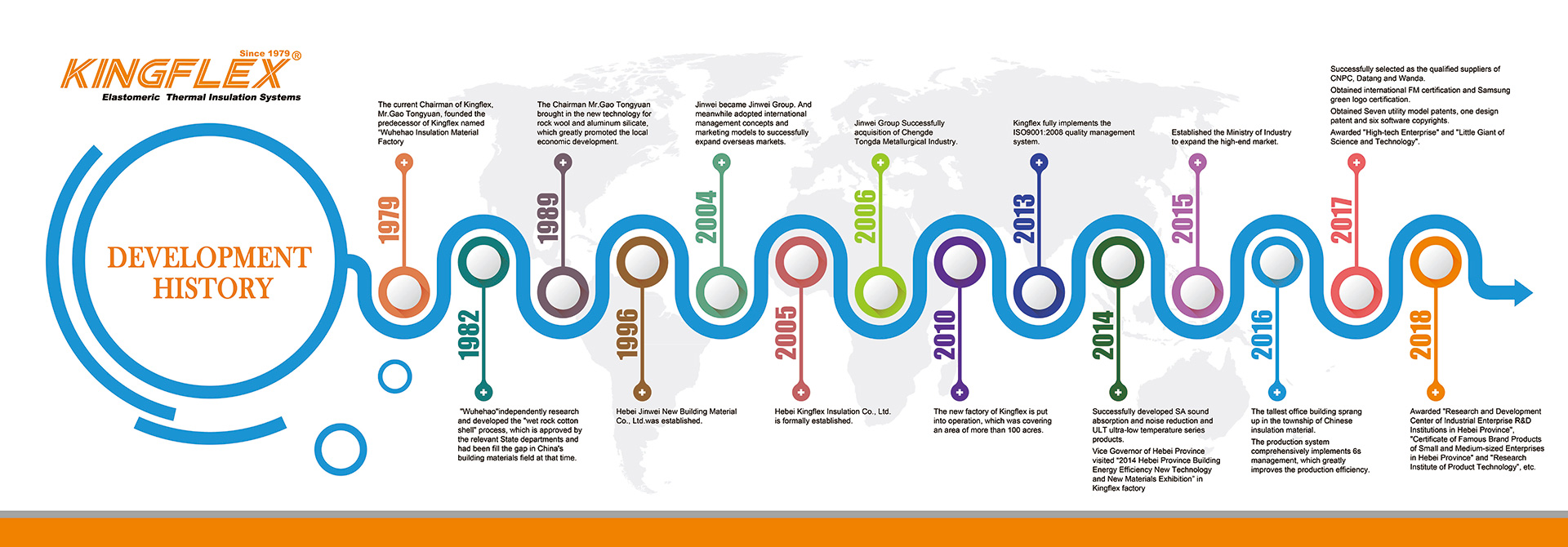
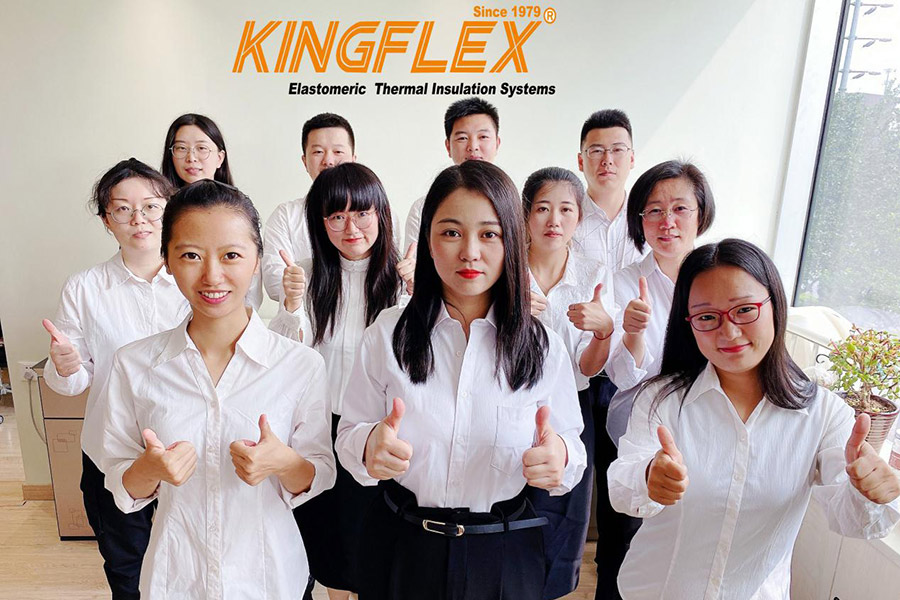
Our operation runs on a unified vision: delivering outstanding thermal management technologies that lower global emissions. Kingflex maintains a robust workforce comprising 230 dedicated factory technicians, 6 professional international logistics and sales coordinators, and a specialized R&D core directed by 8 senior chemical and thermal engineers.
Through our dedicated efforts, we ensure that every square meter of elastomer produced satisfies international building codes and fire safety ratings, establishing Kingflex as a trusted partner for EPC contractors globally.
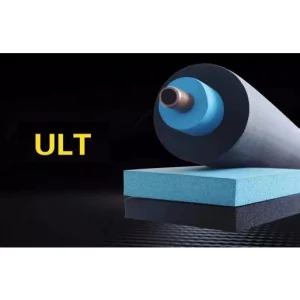
The performance of Kingflex elastomeric insulation lies in its closed-cell physical architecture. Formulated from premium NBR (Nitrile-Butadiene Rubber) and PVC blends, our material goes through a highly controlled vulcanization and foaming process. This creates over 98% closed, independent micro-cells. These micro-cells trap air, providing a durable barrier against thermal transfer.
Unlike open-cell fiber products (such as fiberglass or mineral wool) that readily absorb ambient water vapor, the closed-cell nature of NBR/PVC foam is naturally hydrophobic. Water vapor cannot penetrate the material, which prevents thermal conductivity degradation caused by moisture ingress. This structure eliminates the need for separate vapor barriers, reducing labor costs and failure points during installation.
| Performance Indicator | NBR/PVC Elastomeric Foam | Fiberglass / Rock Wool | Engineering Benefit |
|---|---|---|---|
| Thermal Conductivity (λ) | ≤ 0.034 W/m·K (at 0°C) | ≤ 0.040 W/m·K (at 0°C) | Enhanced thermal efficiency, reduced energy loss. |
| Moisture Resistance (μ-value) | ≥ 10,000 (Vapor Barrier Built-in) | μ ≈ 1 (Requires external barrier) | Complete condensation protection without cracking. |
| Fire Safety Rating | Class 0 / Class 1 (BS 476), V-0 (UL94) | Non-combustible | Self-extinguishes, preventing flame propagation. |
| Flexibility & Installation | Extremely High (Elastomeric) | Rigid / Semi-Rigid (Fiber shedding) | Easy application around complex duct geometries. |
Operating five continuous automatic assembly lines to feed large-scale global construction and mechanical systems.
Our state-of-the-art facility runs five high-capacity automatic extrusion lines. This setup supports an annual production volume exceeding 600,000 cubic meters. Through automated density controls and optimized vulcanization zones, we ensure uniform cell structure across all sheets and tubes.
This massive scale makes Kingflex a reliable supplier for large-scale projects, including national power grids, chemical processing facilities, and high-performance commercial real estate. Our materials are formulated to withstand demanding industrial environments while maintaining reliable insulation performance.

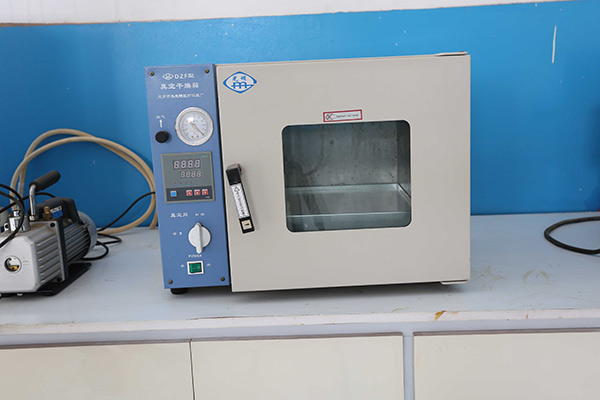
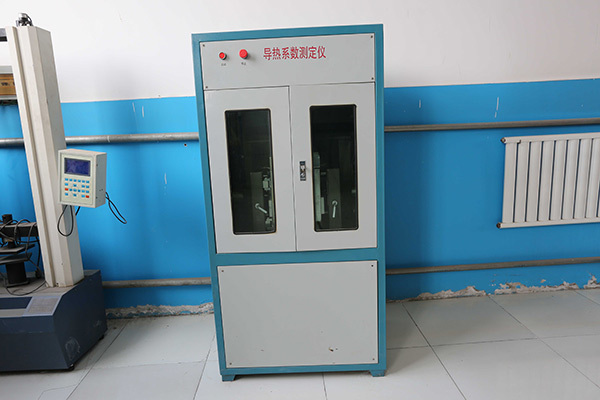
Every production run is fully traceable and certified to comply with global safety, ecological, and construction regulations.
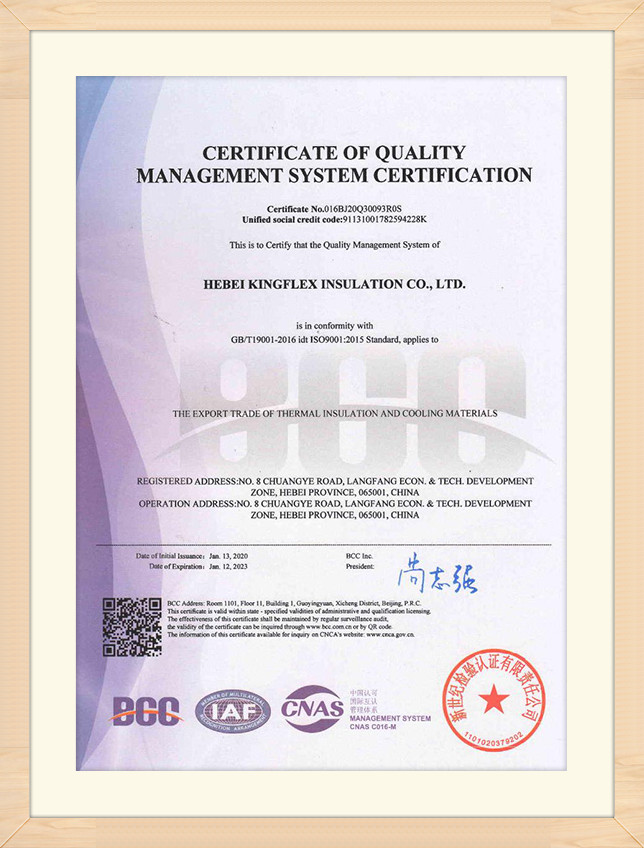
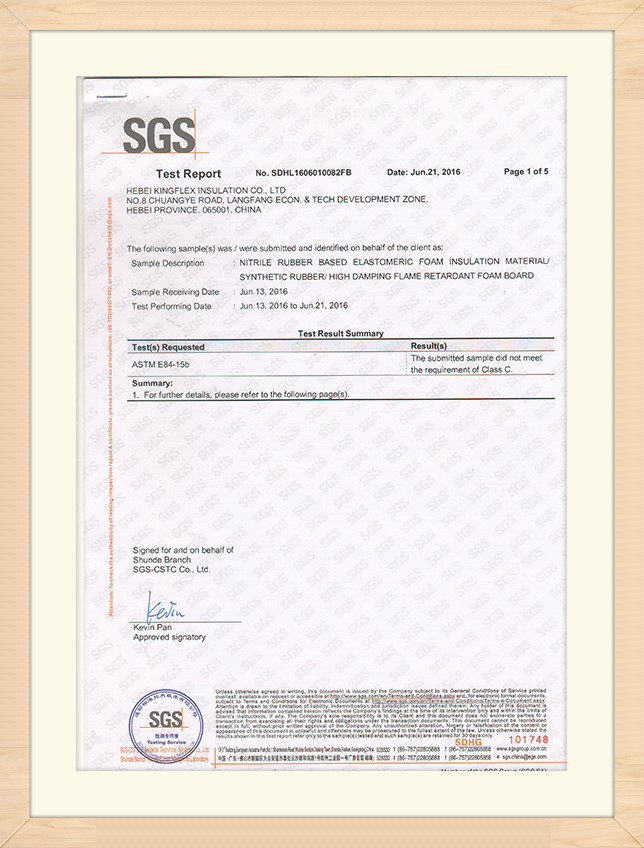
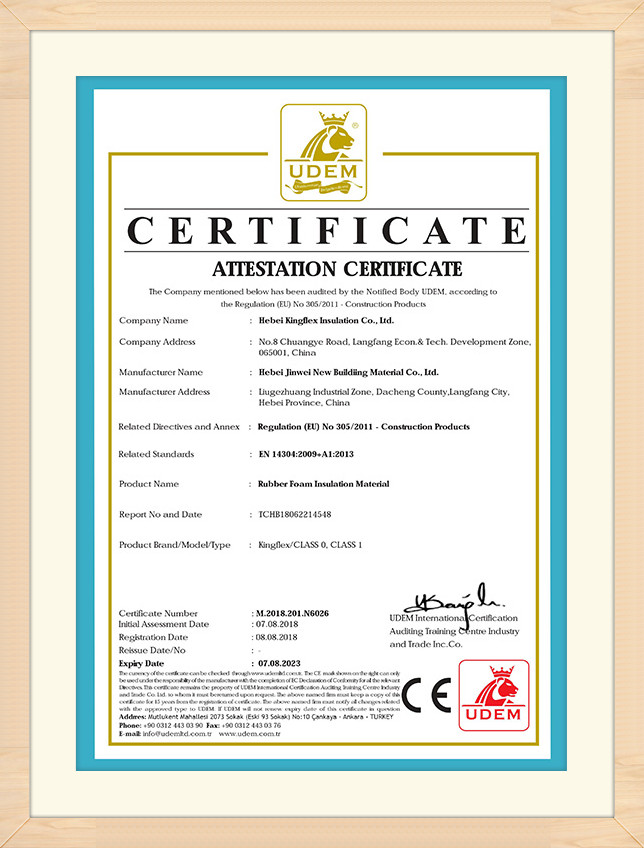
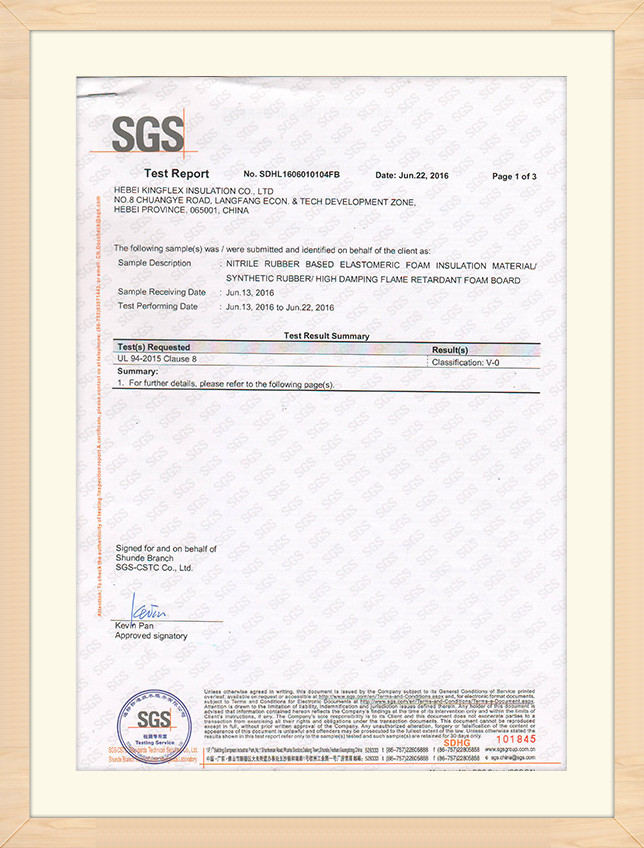
Our commitment to quality assurance is backed by third-party testing and international certifications. Kingflex elastomeric insulation has successfully passed rigorous tests to achieve BS 476 (Parts 6 & 7 Class 0/1), UL 94 fire standards, CE, REACH, RoHS, and ASTM compliance. These standards verify that our products do not release harmful VOCs, remain structurally stable under extreme temperature fluctuations, and offer excellent flame-retardant properties.
Transparent cooperation and proven performance metrics verified by commercial HVAC contractors.


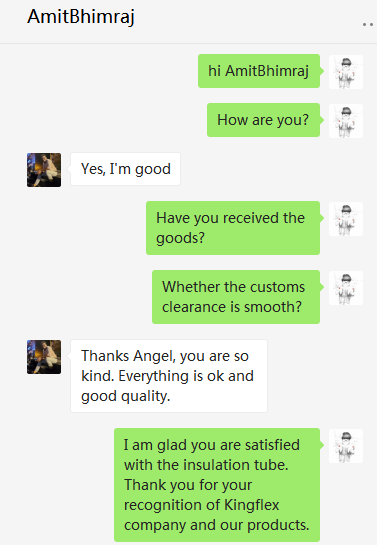


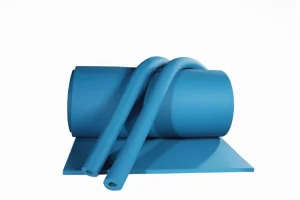
Review the standard dimensions, configurations, and core performance advantages of our elastomeric foam sheet rolls and pre-formed pipe insulation.
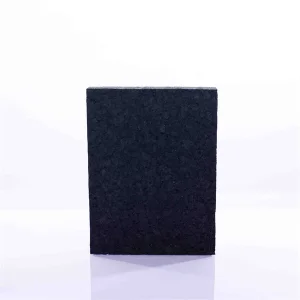
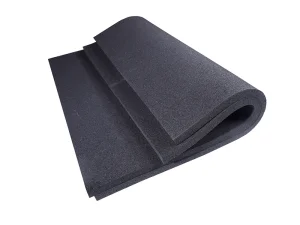
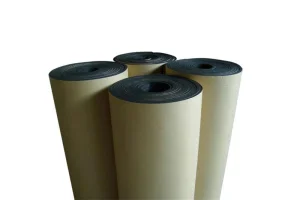
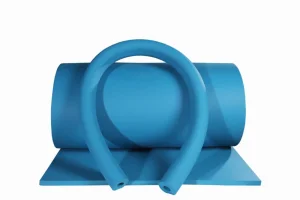
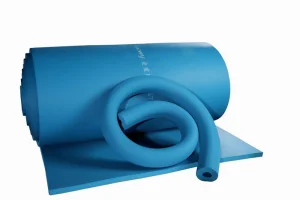
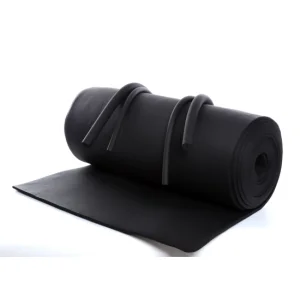
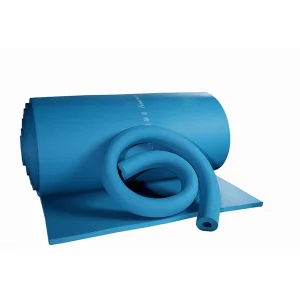
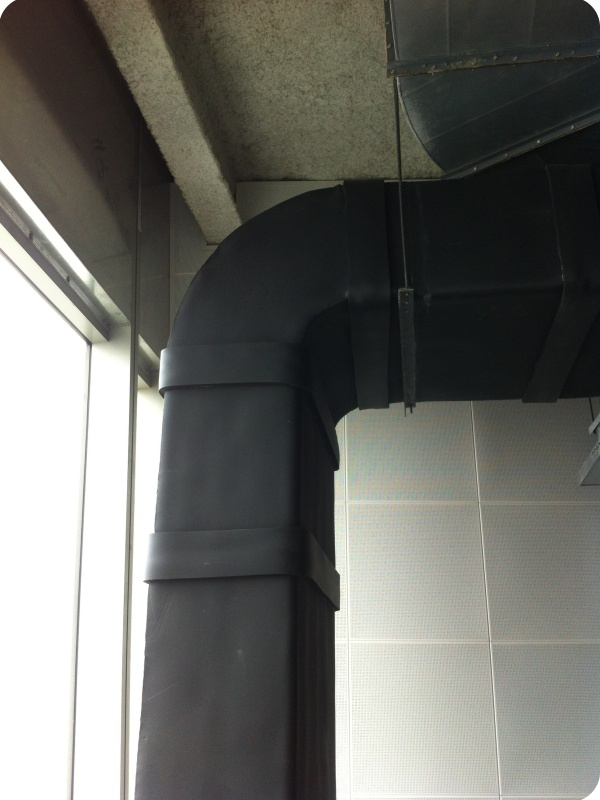
Our elastomeric sheet rolls are designed for large-diameter HVAC ducts, equipment casings, and flat industrial surfaces. Formulated from premium NBR/PVC, these sheets offer uniform cell distribution and reliable flexibility, making it easy to insulate curves and corners without cracking.
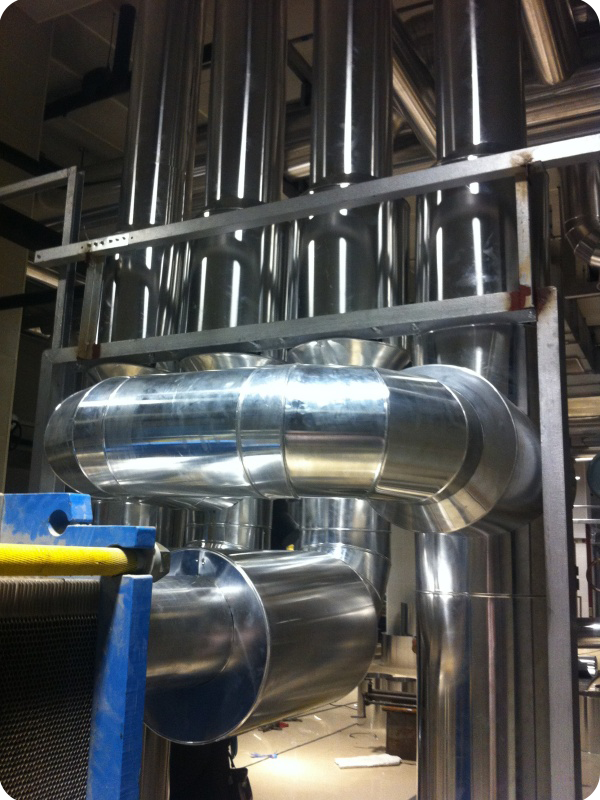
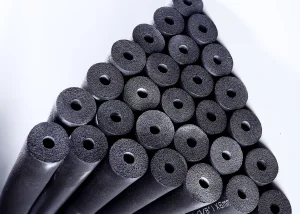
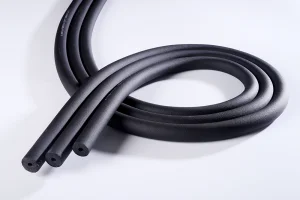
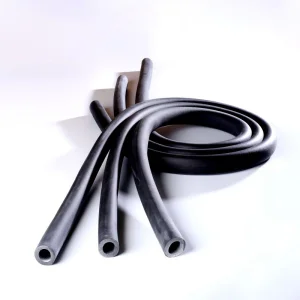
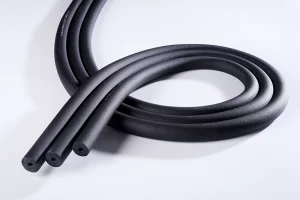
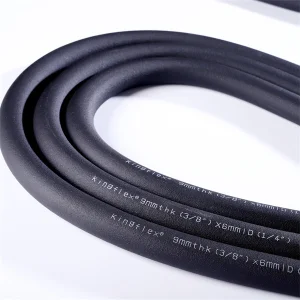
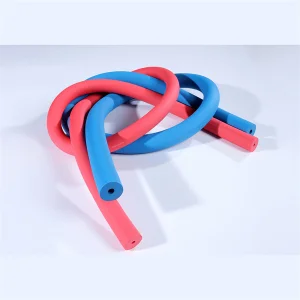
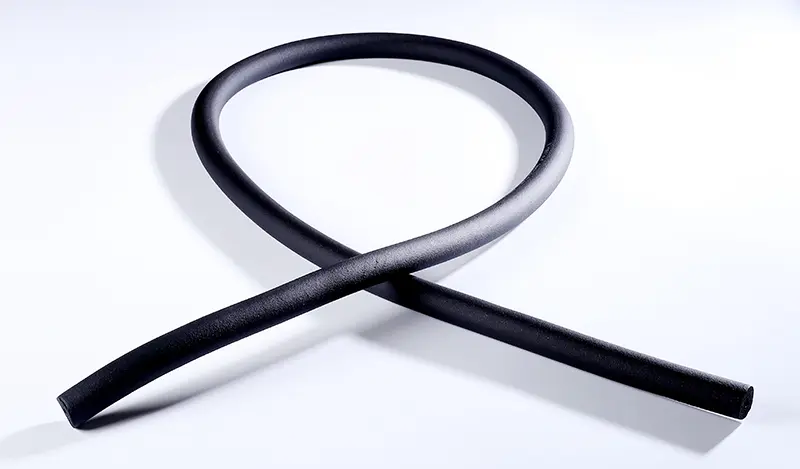
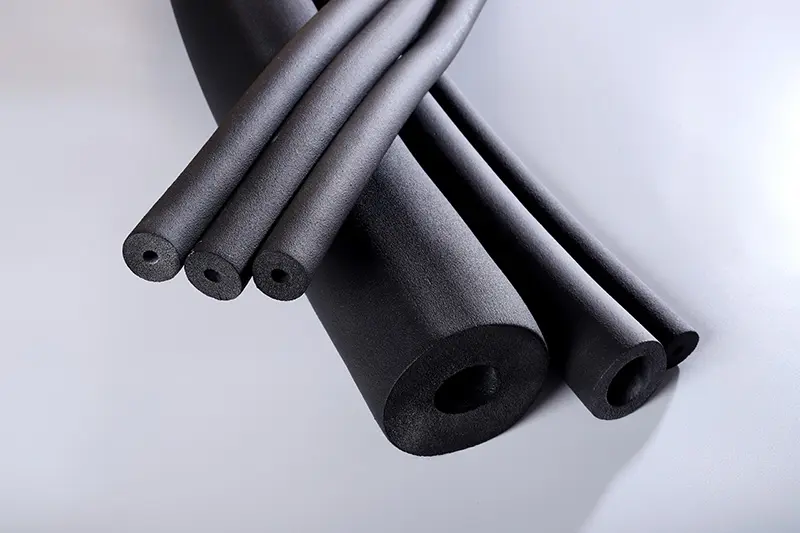
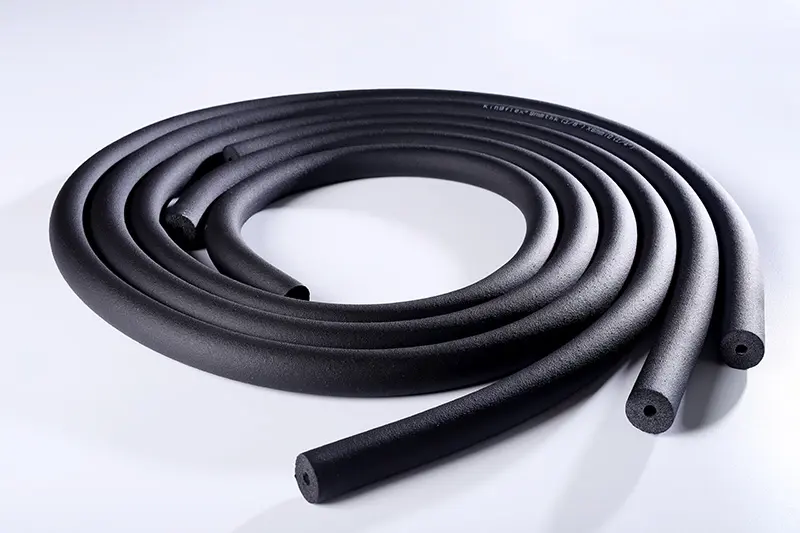
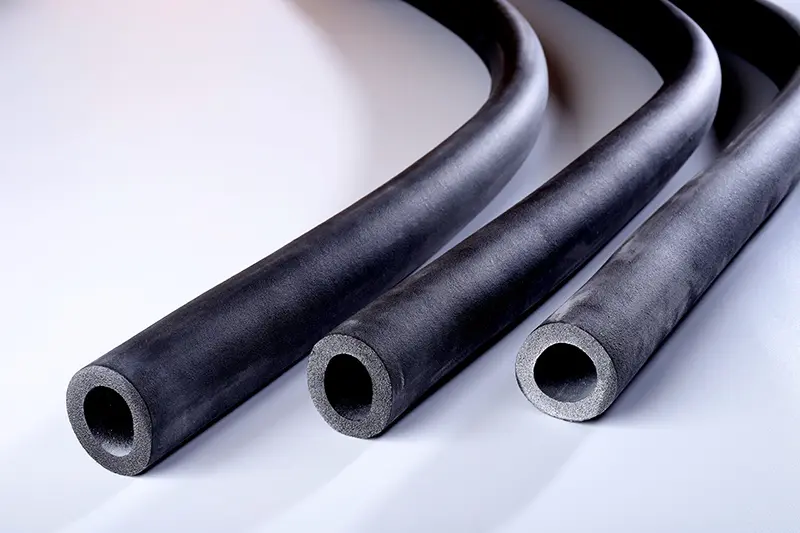
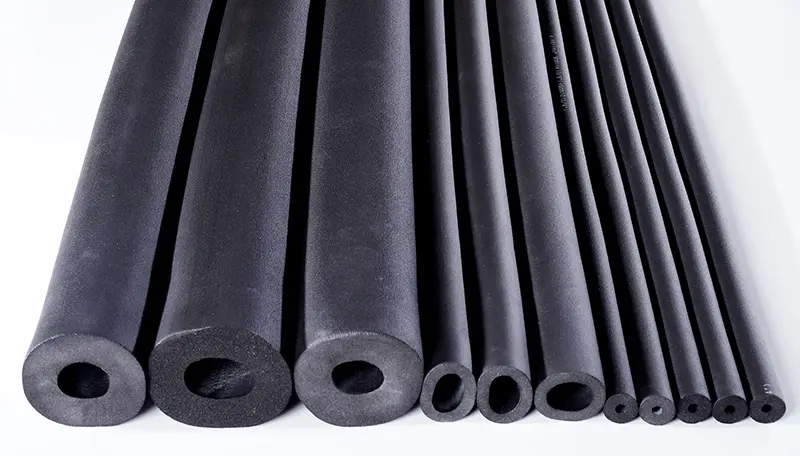
Designed for domestic water piping, commercial HVAC chilled water lines, and steam systems, our pre-formed pipes offer excellent protection against pipe freezing, sweat damage, and thermal loss. The smooth inner bore makes installation fast and efficient.
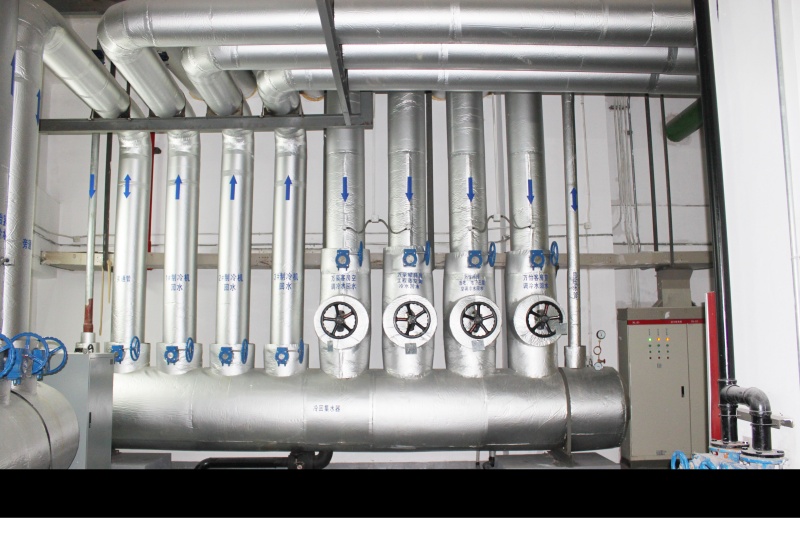
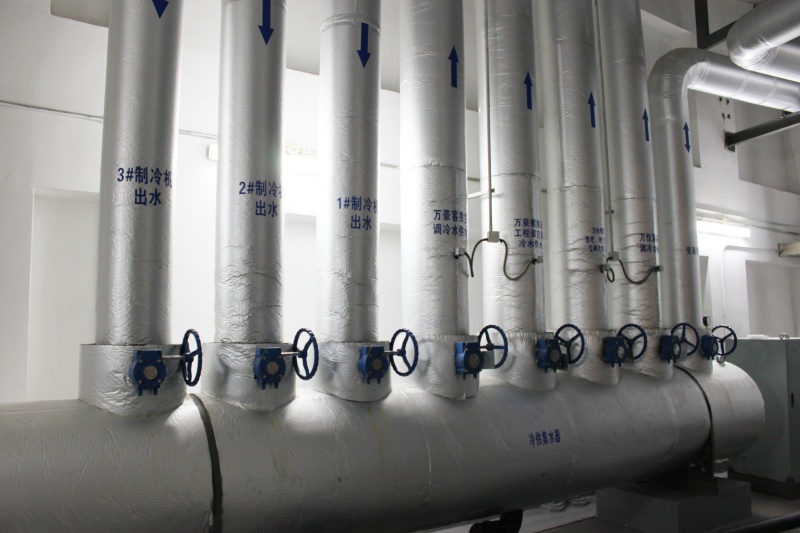

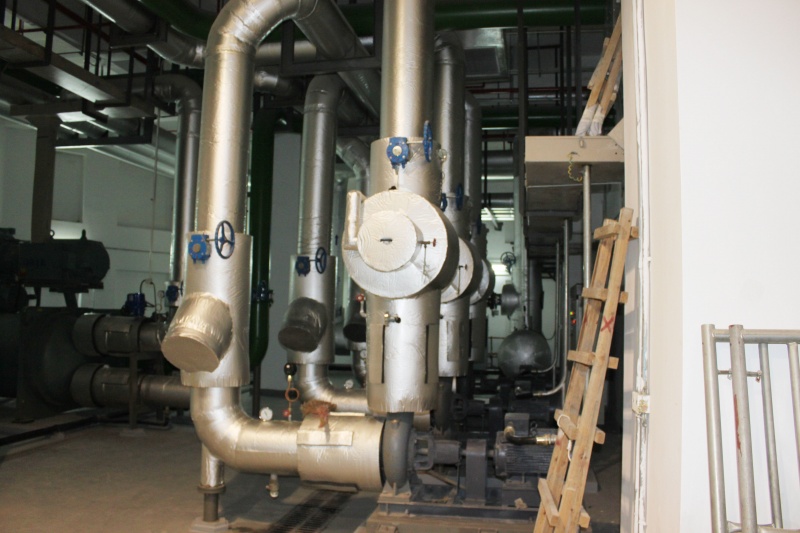
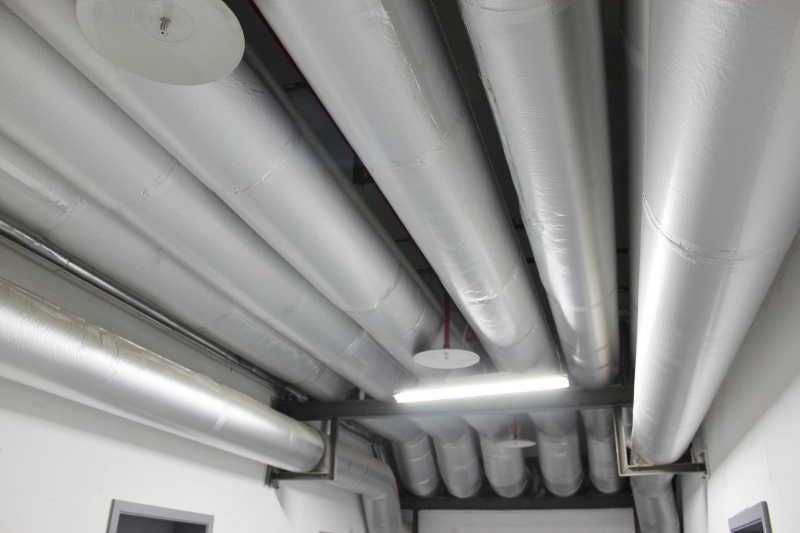
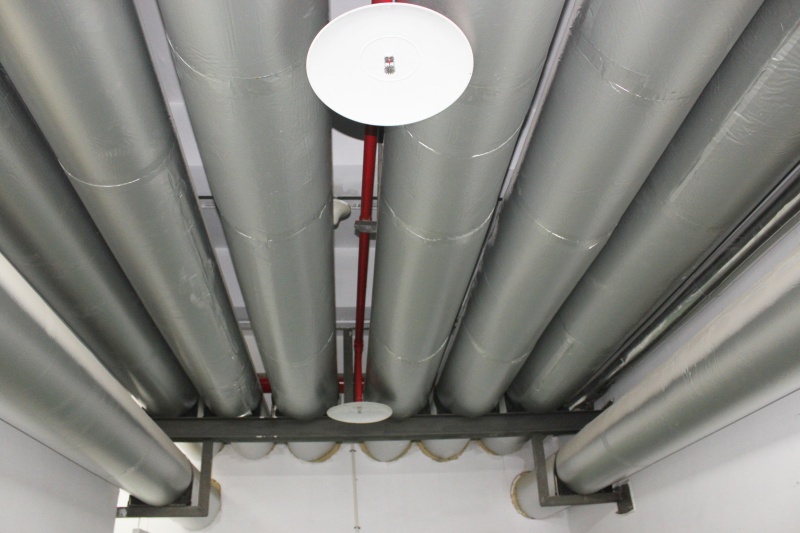
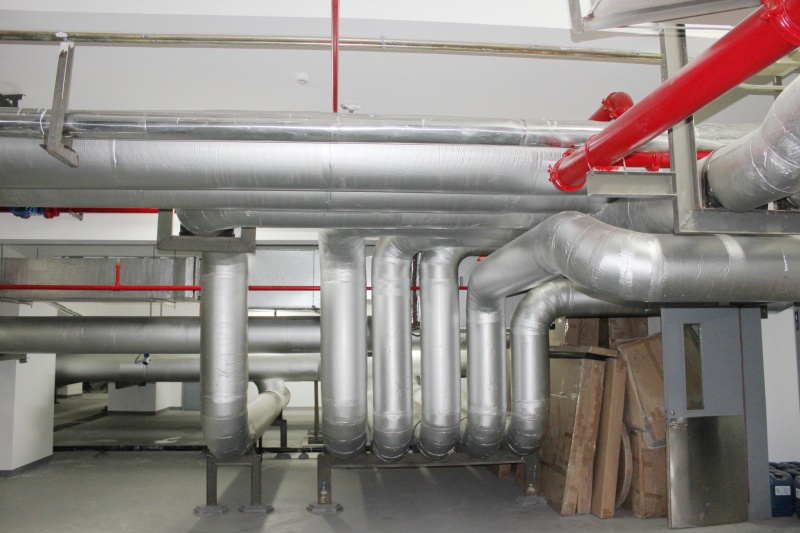
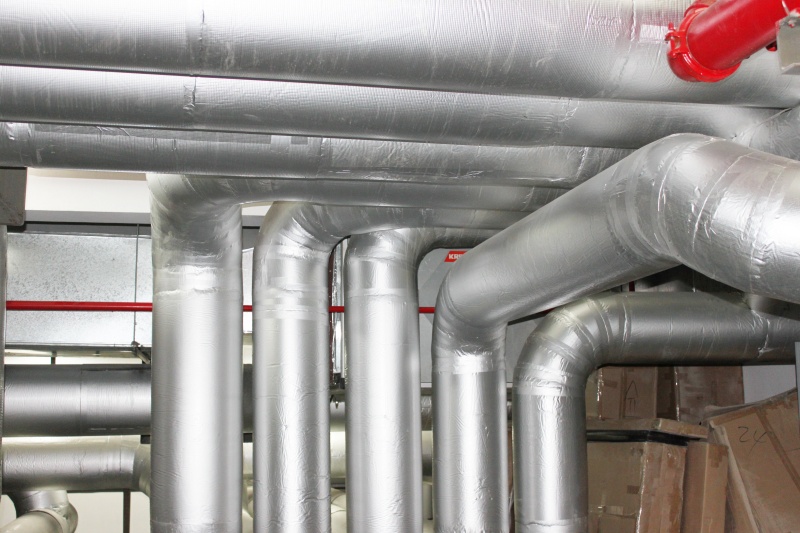
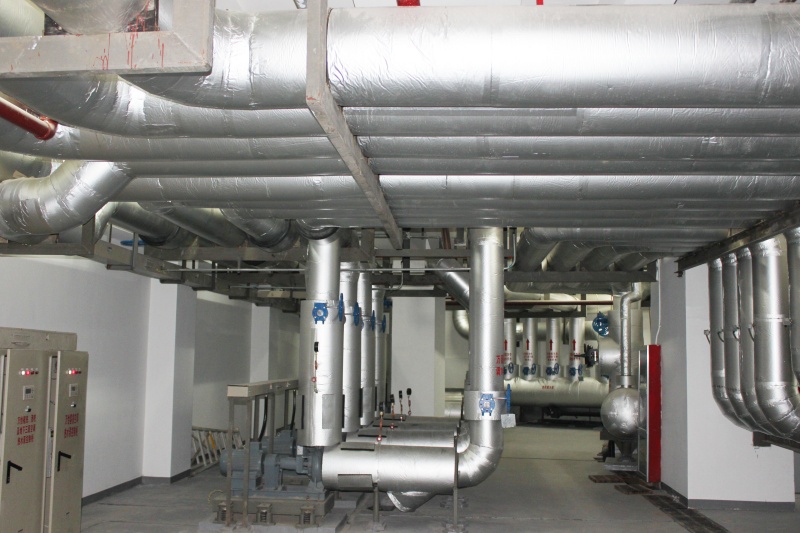
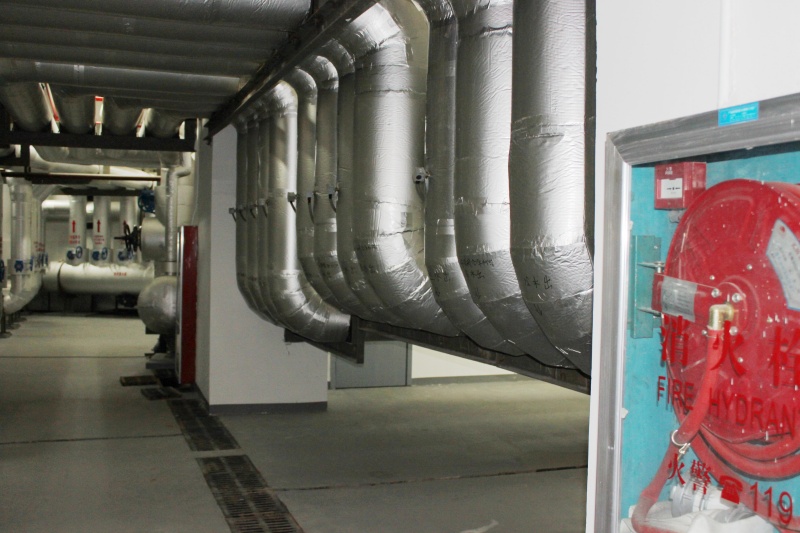
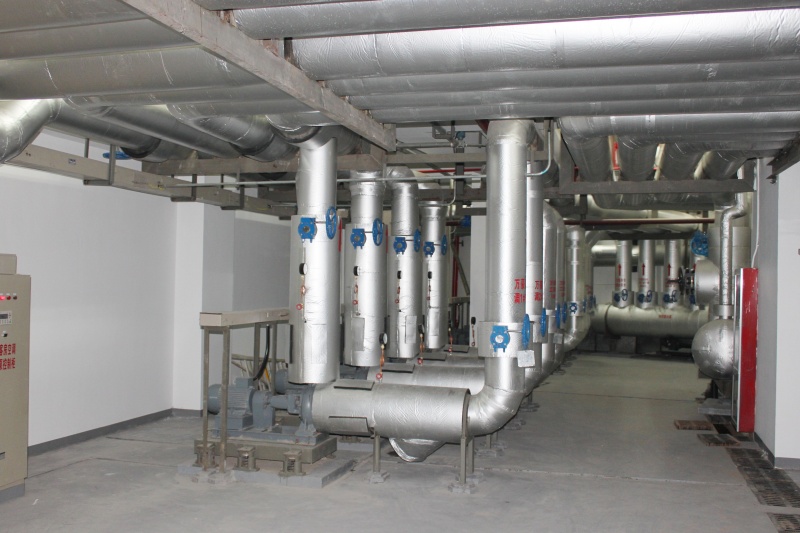
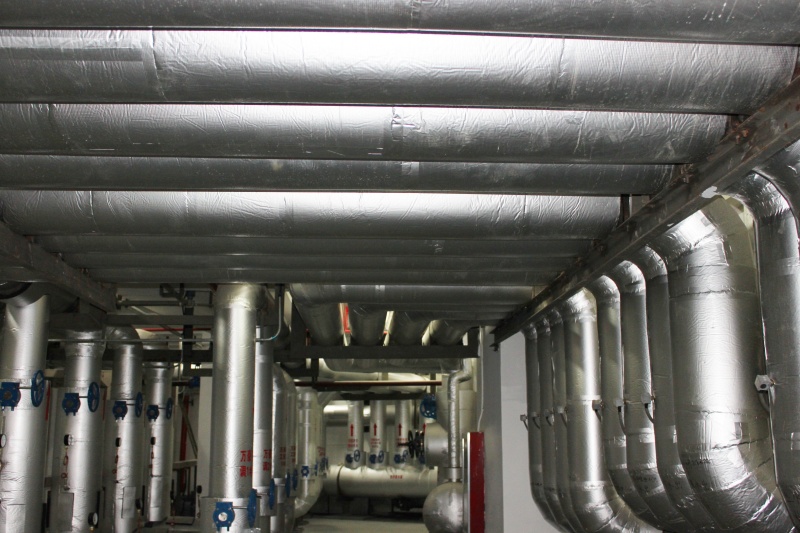
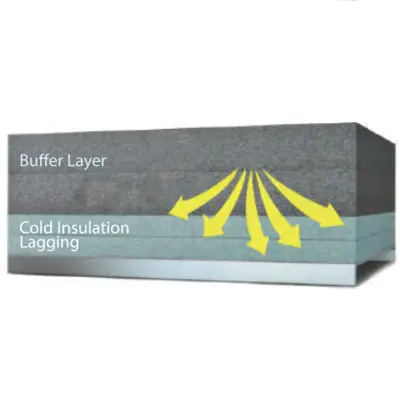
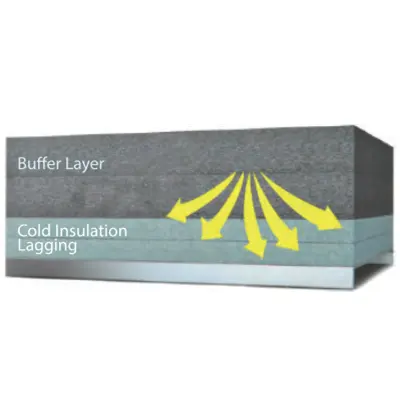
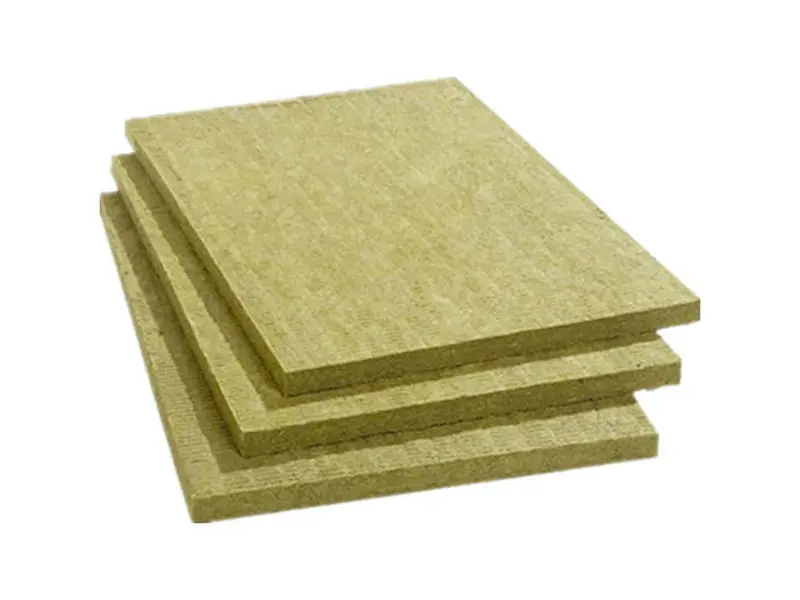
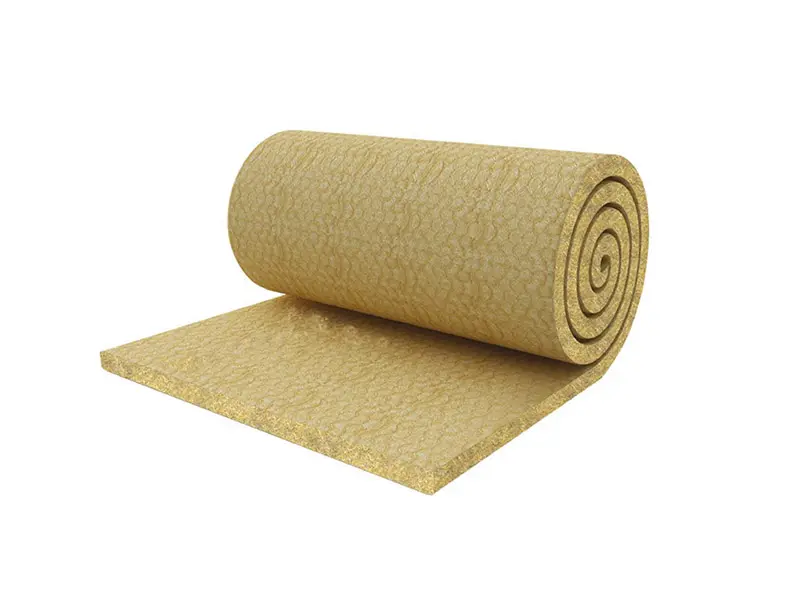
High-quality elastomeric and mineral-wool composites designed for demanding temperature-controlled systems.

Shipping worldwide directly from our Dacheng factories, ensuring strict compliance with local construction and maritime transport safety standards.





Detailed technical and commercial answers prepared by our senior engineering leads.
Discover our full line of industrial elastomeric pipe wraps, sheet rolls, and specialized cryogenic insulation systems.