 Kingflex
Kingflex
Kingflex
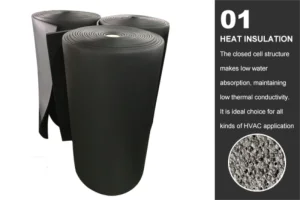
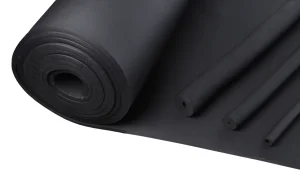
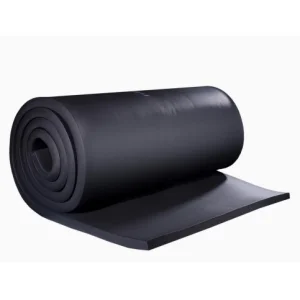
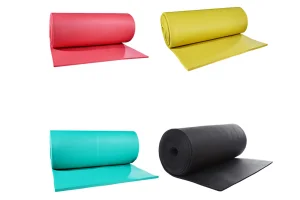
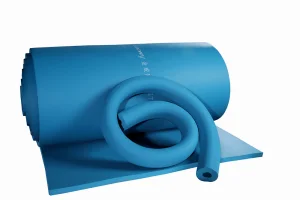
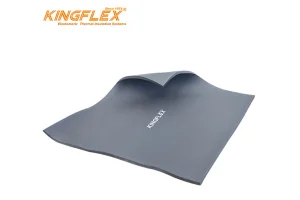
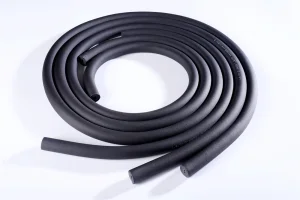
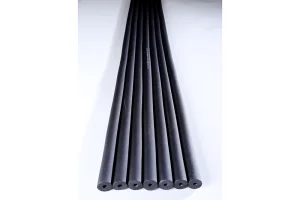
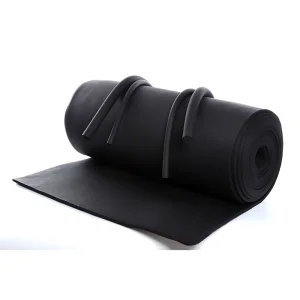
Explore our premium factory-direct rubber foam sheets and pipeline systems, optimized for thermal efficiency, low-smoke emission, and severe temperature environments.
Years of Industrial History (Since 1979)
Annual Production Capacity (m³)
Large Automatic Assembly Lines
Exporting Countries & Regions
In modern industrial design and civil construction, fire safety and environmental compatibility have become critical factors. Traditional elastomeric thermal insulation materials rely heavily on chlorinated or brominated fire retardants. While these halogens effectively suppress flame spread, their combustion yields high-density smoke alongside toxic, highly corrosive acid gases such as hydrogen chloride (HCl) and hydrogen bromide (HBr). In confined settings like passenger trains, ships, server centers, and high-occupancy commercial properties, these fumes present critical hazards to human life and electronics.
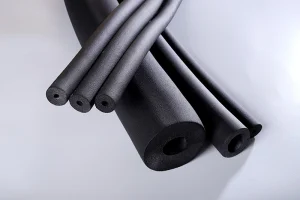
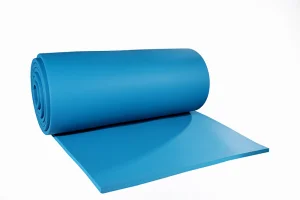
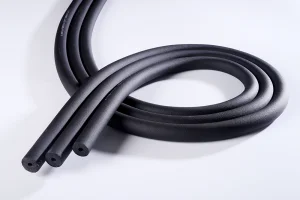
Halogen-free insulation material presents a definitive engineering solution. Formulated with alternative non-toxic flame retardants such as metal hydroxides (e.g., aluminum trihydroxide and magnesium hydroxide), these advanced systems yield low smoke density, minimal gas toxicity, and zero corrosive emissions when exposed to heat. Kingflex Insulation Co., Ltd. leads this category with specialized closed-cell elastomeric products designed for demanding specifications.
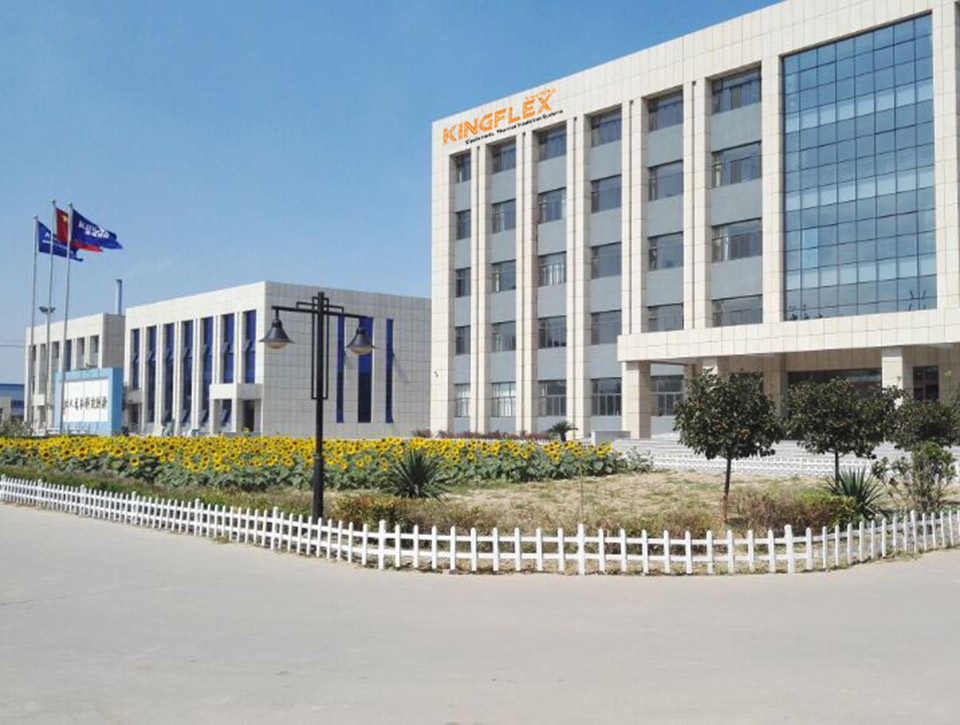
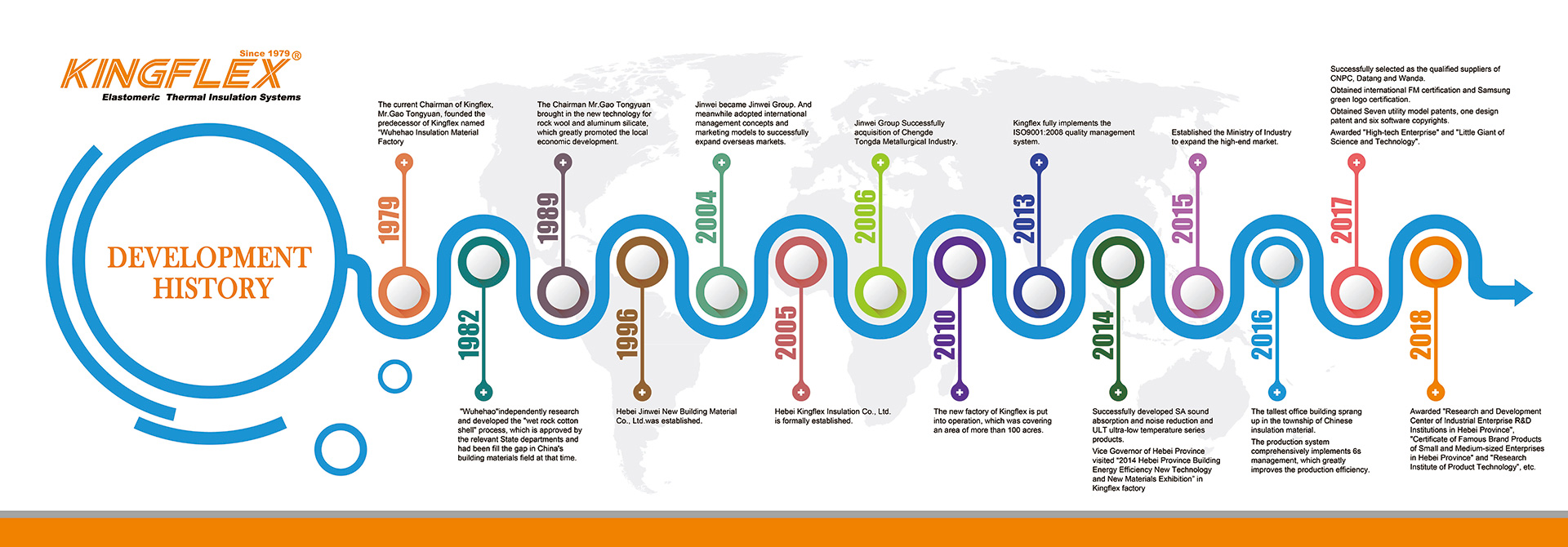
Kingflex Insulation Co., Ltd. is a specialized manufacturer and exporter of thermal insulation systems. Our production and R&D center is situated in Dacheng, China—a hub for green building material manufacturing. As a designated manufacturing enterprise under the Ministry of Energy, the Ministry of Electric Power, and the Ministry of Chemical Industry, our operations scale to meet large international contracts.
Built upon the legacy of the Jinwei Group (founded in 1979, the pioneer in thermal insulation north of the Yangtze River), Kingflex operates 5 fully automated continuous extrusion assembly lines. This infrastructure ensures consistent cell morphology and thermal stability across our entire annual output of over 600,000 cubic meters.
A technical overview of Kingflex closed-cell technology and its comparative physical properties.
Traditional elastomeric foam uses chlorinated paraffins or brominated polymers. Under flame conditions, they release halogen radicals that interrupt gas-phase combustion but create dense black smoke and toxic gases. In contrast, Kingflex halogen-free foam incorporates hydrated mineral flame retardants. When heated, these compounds undergo endothermic decomposition, releasing bound water molecules that cool the substrate and dilute combustible gases, forming an inorganic char barrier that blocks heat transfer and oxygen flow.
| Physical Property | Kingflex NBR/PVC Standard | Kingflex Halogen-Free Standard | Test Standard Reference |
|---|---|---|---|
| Thermal Conductivity (λ) | ≤ 0.034 W/(m·K) at 0°C | ≤ 0.036 W/(m·K) at 0°C | ASTM C518 / ISO 8301 |
| Moisture Resistance Factor (μ) | ≥ 10,000 | ≥ 7,000 | BS EN 12086 |
| Halogen Content (Cl, Br) | Present (Controlled) | < 50 ppm (Undetectible) | IEC 60754-1 / EN 50267 |
| Smoke Density (Ds max) | ≤ 150 | ≤ 50 | ASTM E662 / EN ISO 5659-2 |
| Toxicity Index (CIT) | Moderate | < 0.75 (Low Hazard) | EN 45545-2 Annex C |
| Service Temperature Range | -40°C to 105°C | -50°C to 105°C | ASTM C534 |
Our materials serve technical roles across commercial real estate, industrial transport, and energy systems.
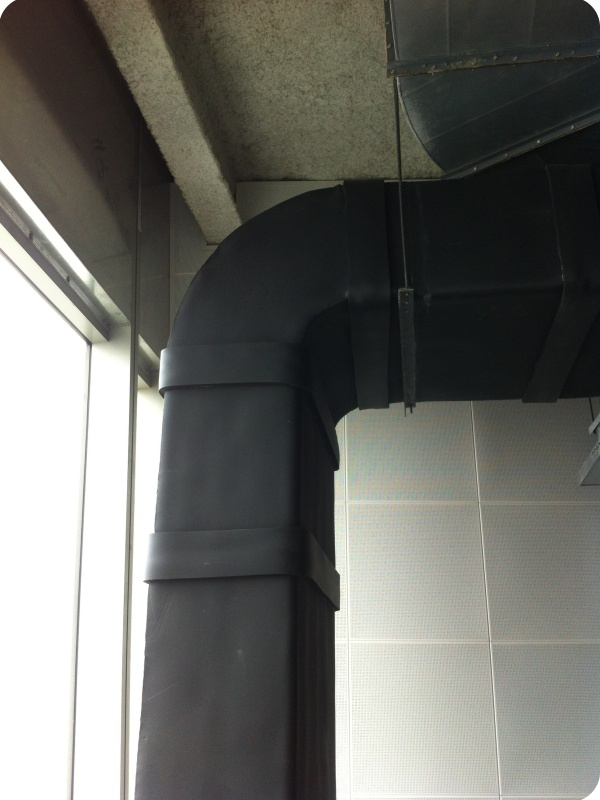
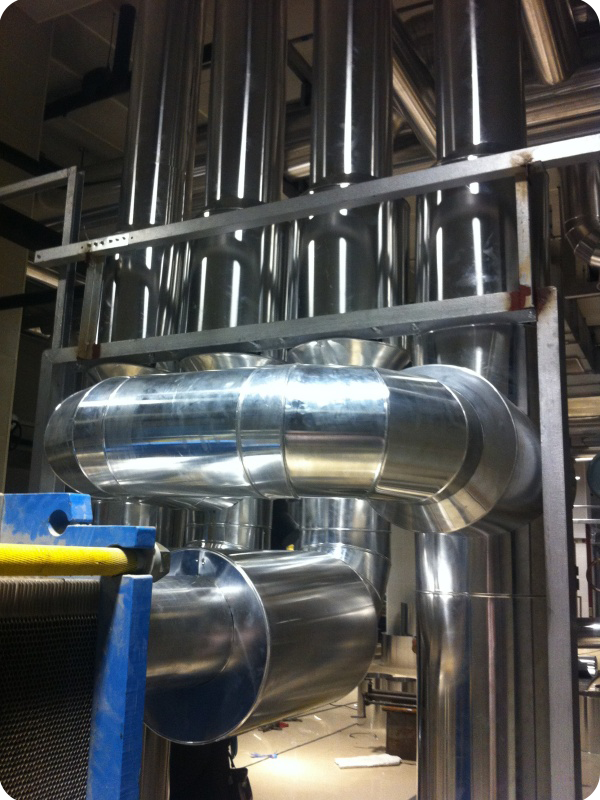
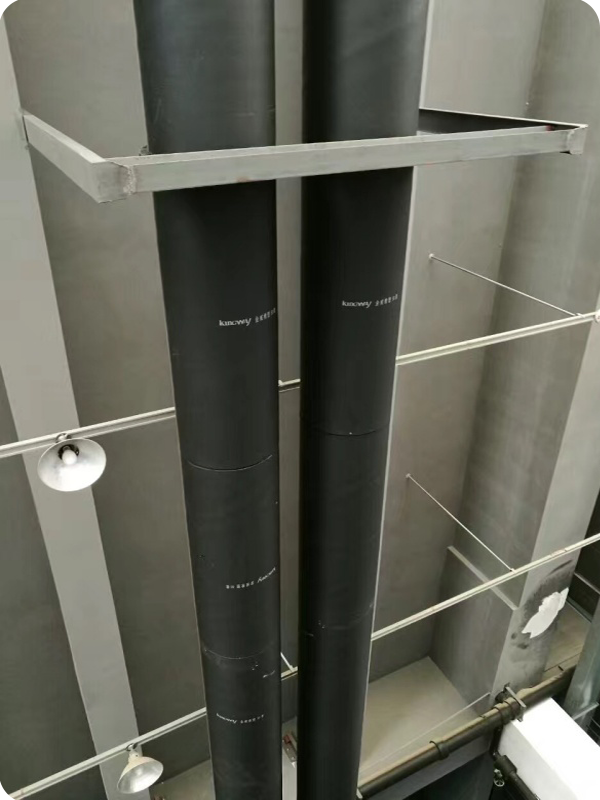
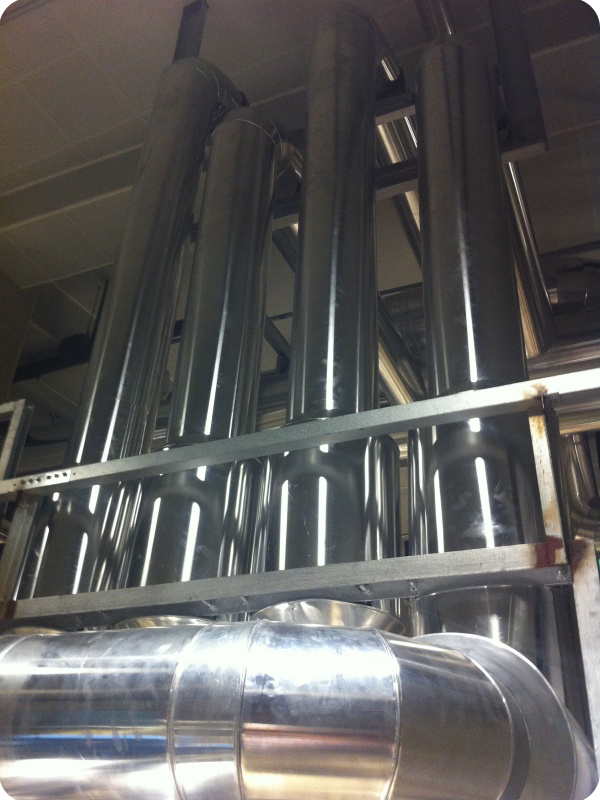
In semiconductor manufacturing and medical laboratories, outgassing from halogenated materials can contaminate production runs. Using Kingflex Halogen-Free sheets limits chemical outgassing while preventing condensation on chilled water pipes and air distribution ducts.
Passenger safety standards, including Europe's EN 45545-2 and the International Maritime Organization (IMO) codes, mandate strict flame, smoke, and toxicity guidelines. Our halogen-free elastomeric foams meet these requirements for wall linings, ceilings, and mechanical systems.
For operations involving liquefied gases down to -50°C, Kingflex Dienes formulations maintain flexibility and structural integrity, preventing thermal cracking and moisture ingress that can lead to corrosion under insulation (CUI).
How our engineering team develops and validates high-performance insulation systems.
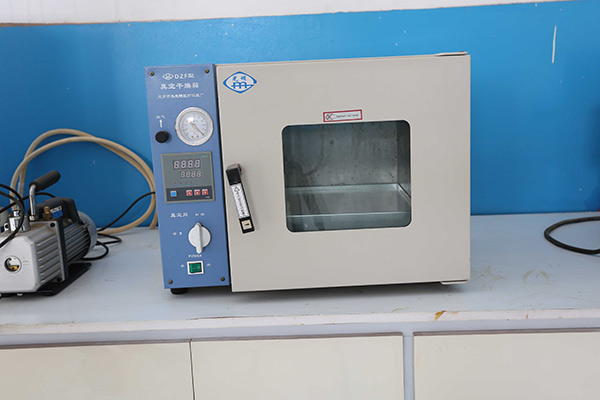
Kingflex runs a dedicated research lab staffed by 8 professional material science engineers. Our development processes focus on refining cell structural integrity to lower thermal conductivity while maintaining flexible physical properties.
Our continuous testing protocols cover key parameters: thermal expansion, compression resilience under cyclic loads, flame propagation indexes, and moisture vapor permeability. By controlling density in the range of 40-55 kg/m³ and maintaining a closed-cell structure above 98%, our products deliver stable insulation performance over extended service cycles.

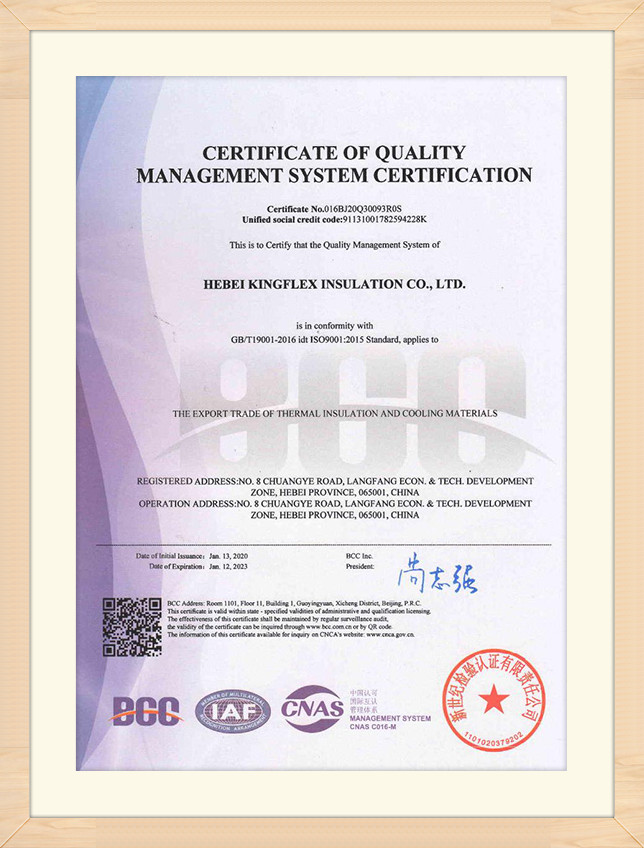
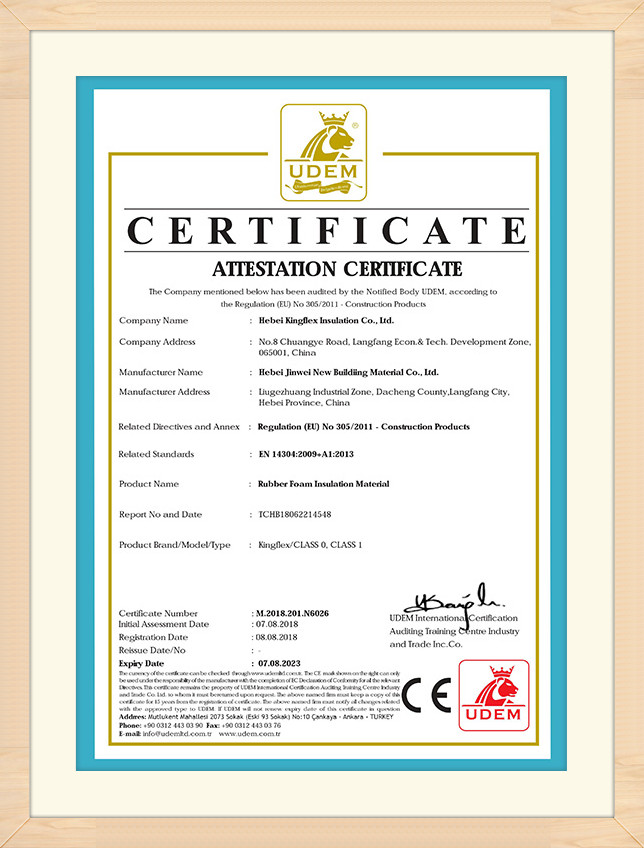
Our products are certified for global use by leading international regulatory bodies.
CE Compliance
ISO 9001 System
RoHS Directory
BS 476 Certificate
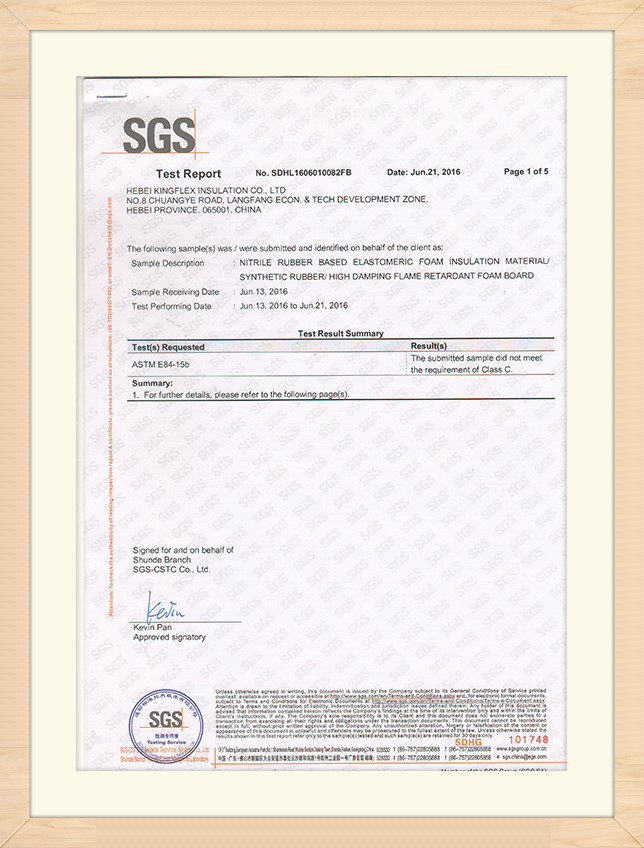
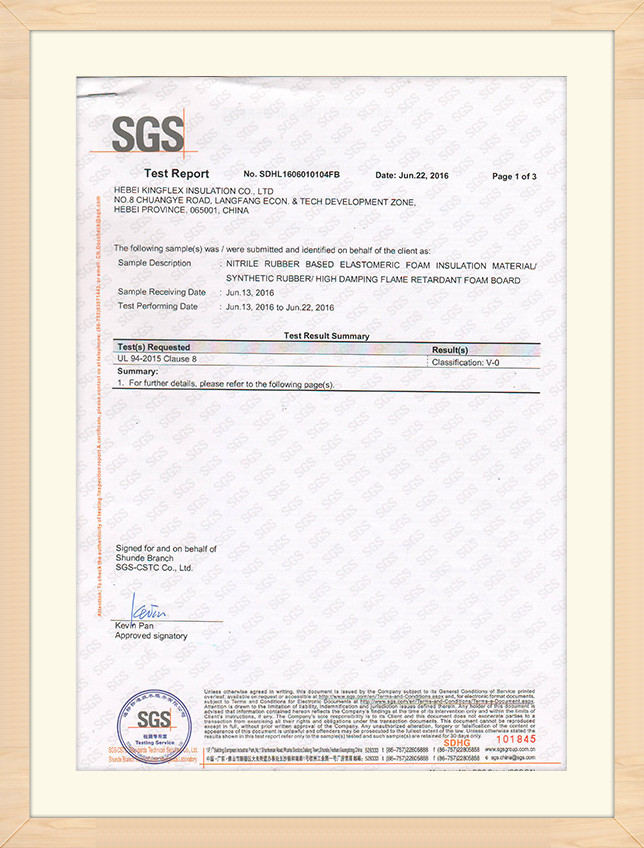
Our products comply with several international fire safety and chemical restrictions, including BS 476 (Part 6 & 7 Class 0/1), UL94 (V-0 Rating), REACH, and RoHS directives.
We provide full documentation and shipment logistics to clients in over sixty-six countries.

Our sales department operates with dedicated teams handling technical queries, custom dimensions, shipping logistics, and compliance certificates. Working directly with project engineers, we help select the correct material configuration, density, and thickness (from 6mm up to 50mm) for target environments.
Kingflex maintains end-to-end traceability across all raw material batches and processing runs. If a project requires specific test documentation or proof of compliance, our team can output verification documents for review.
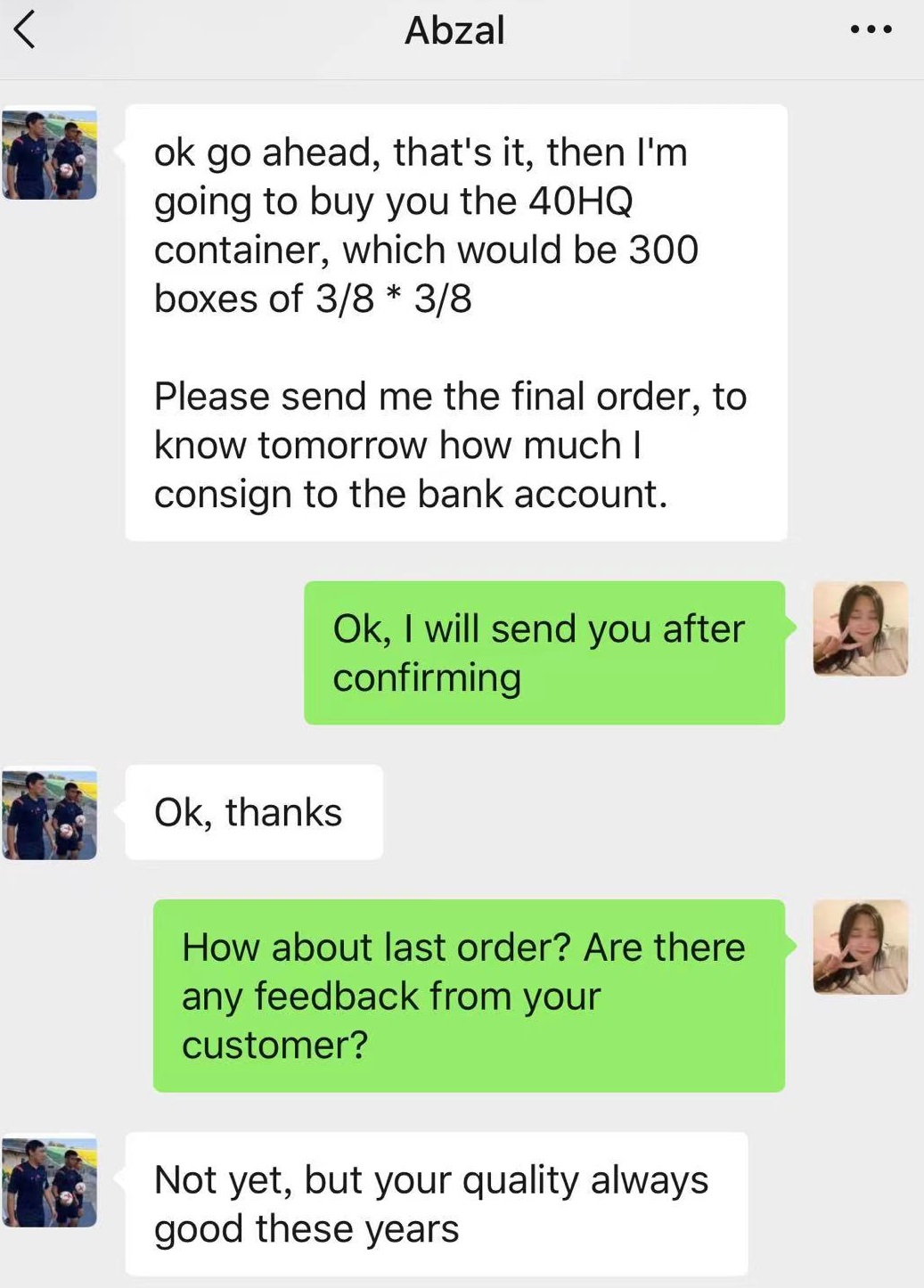
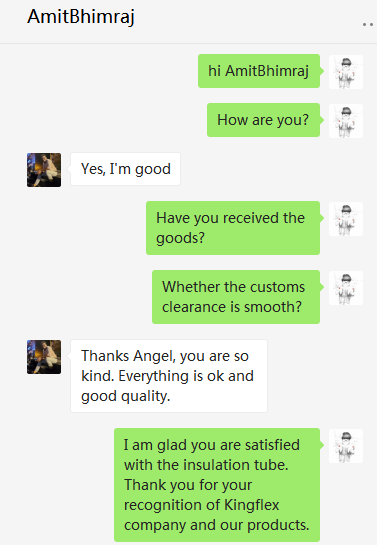
Review excerpts of our communication with overseas buyers, demonstrating our compliance validation process.


Understanding cost structures and supply chain management for global shipments.
By shipping directly from our plant in Dacheng, we minimize intermediate handling costs. All products are packaged in protective PE bags or robust export cartons to protect the closed-cell structure from compression damage during transit.
Pricing is determined by base resin costs, choice of flame retardant additives, sheet thickness, and order volume. For long-term contract purchases or major commercial projects, we offer tiered pricing and stable contract terms to buffer against raw material fluctuations.
Our location close to major North China ports simplifies transport arrangements. Our export department handles all customs documentation, export clearances, and shipping booking, ensuring compliance with local customs requirements.
Common questions regarding technical specifications, certifications, and product usage.
A look at our plant floor, shipping warehouse, and automated packaging lines in Dacheng.
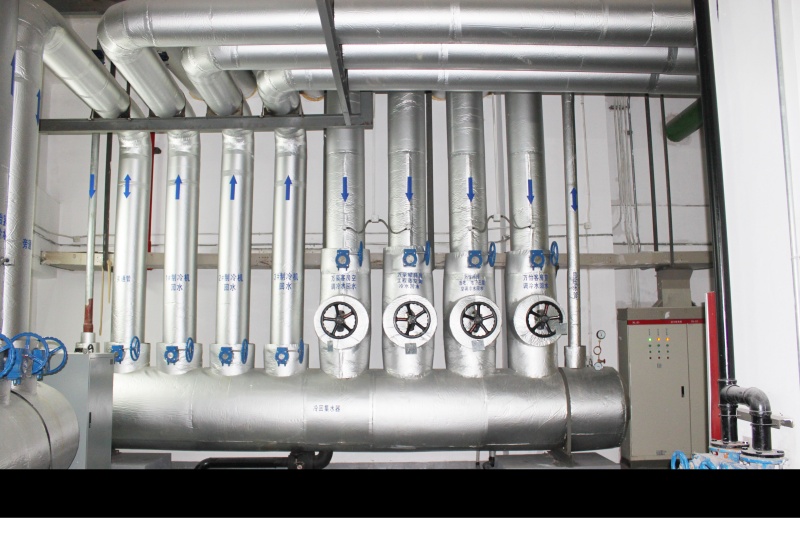
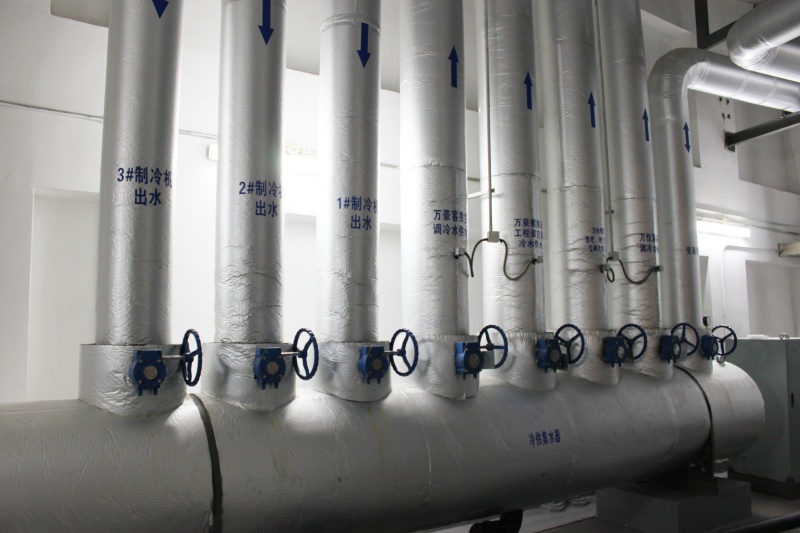

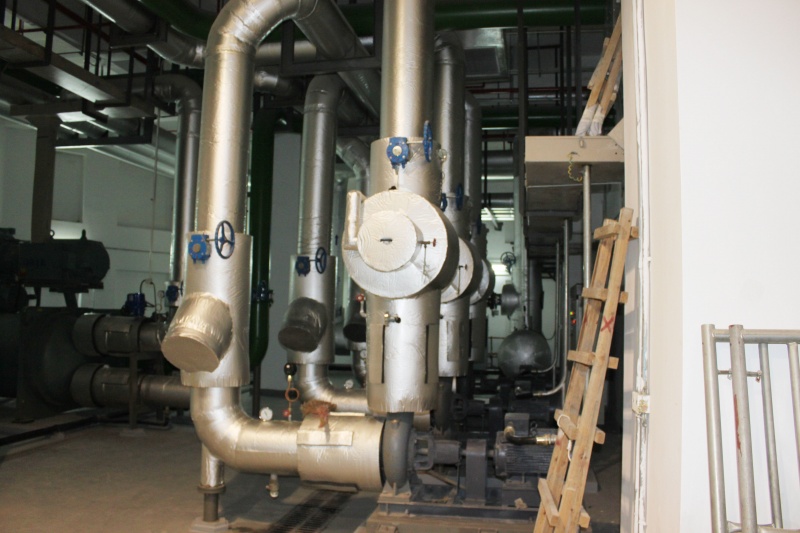
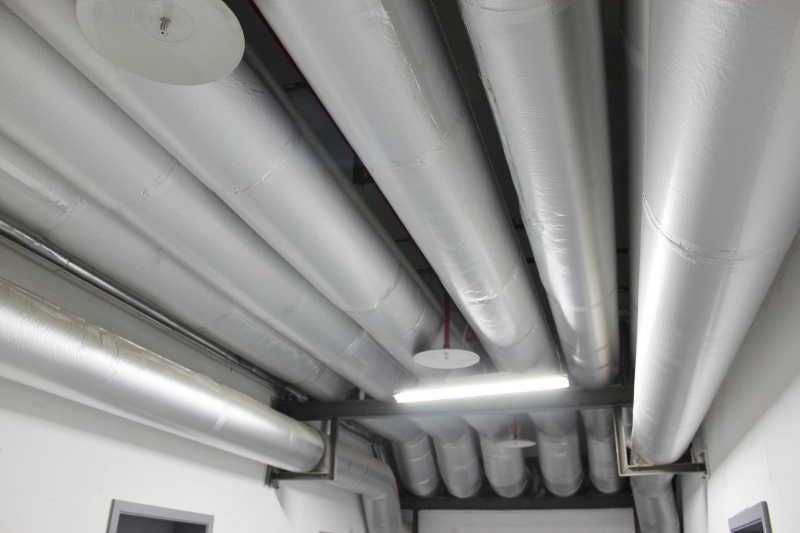
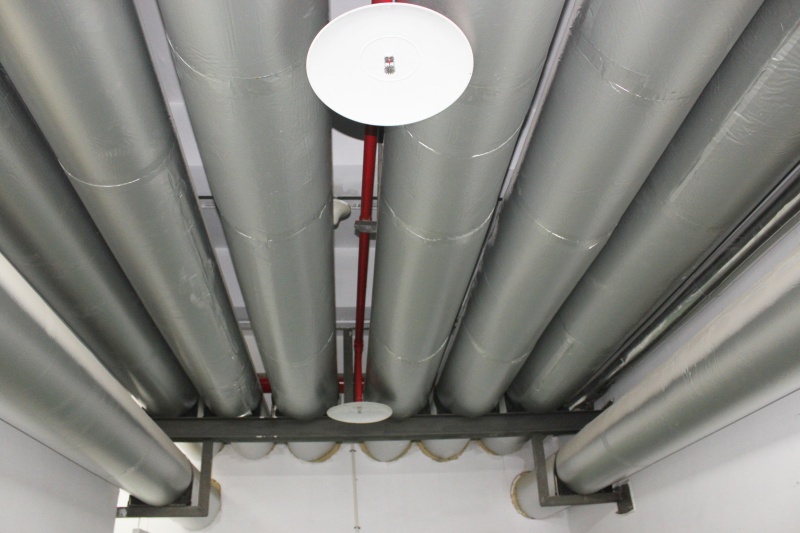
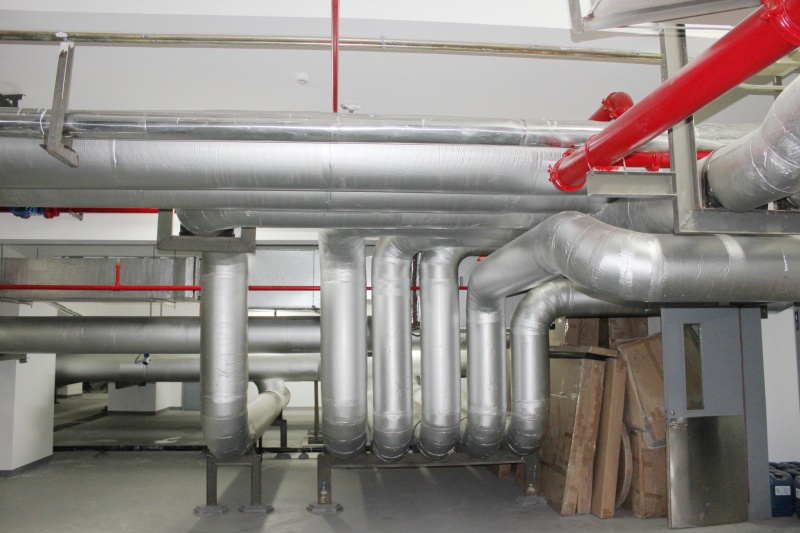
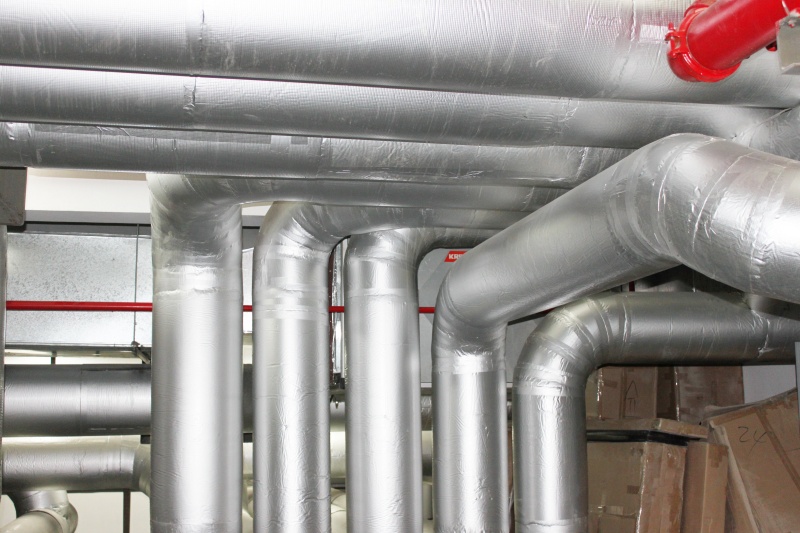
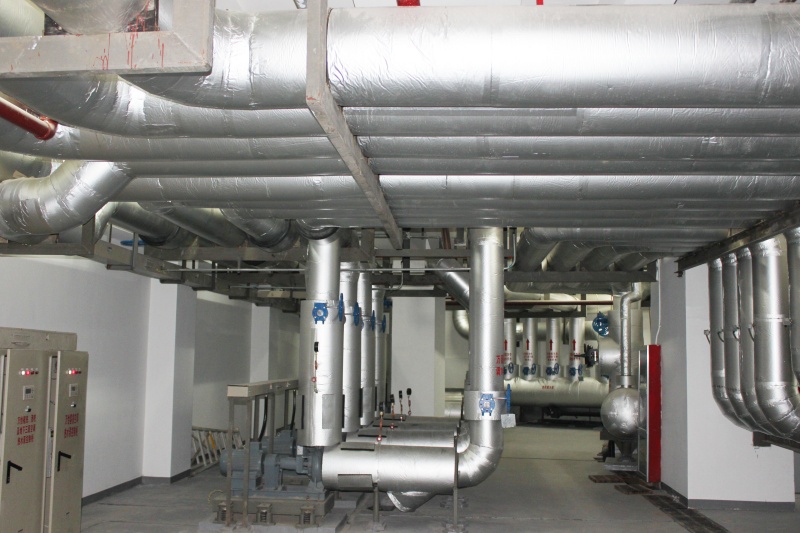
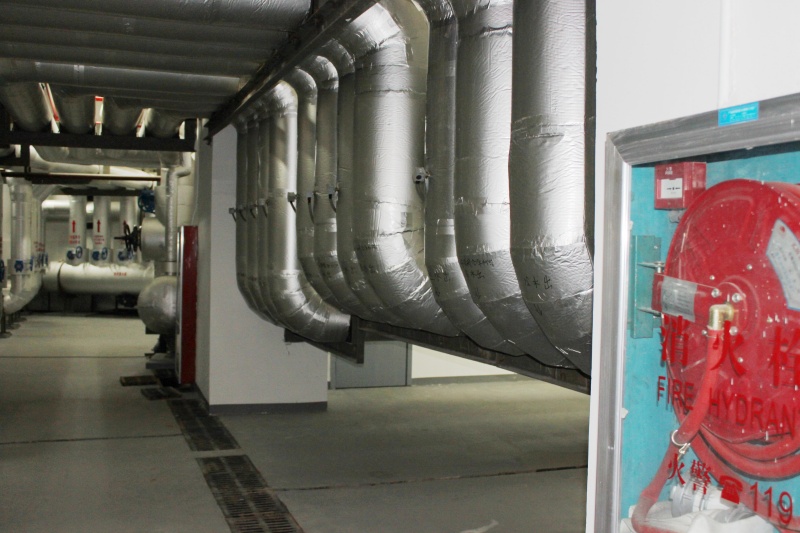
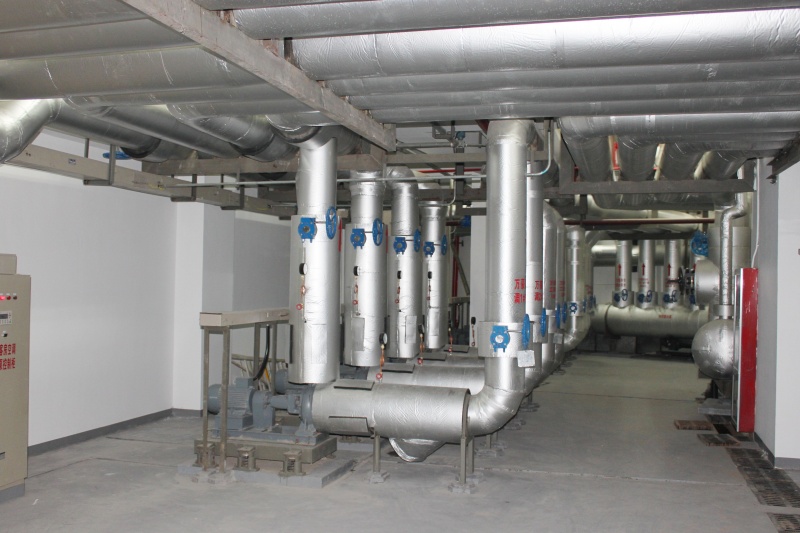
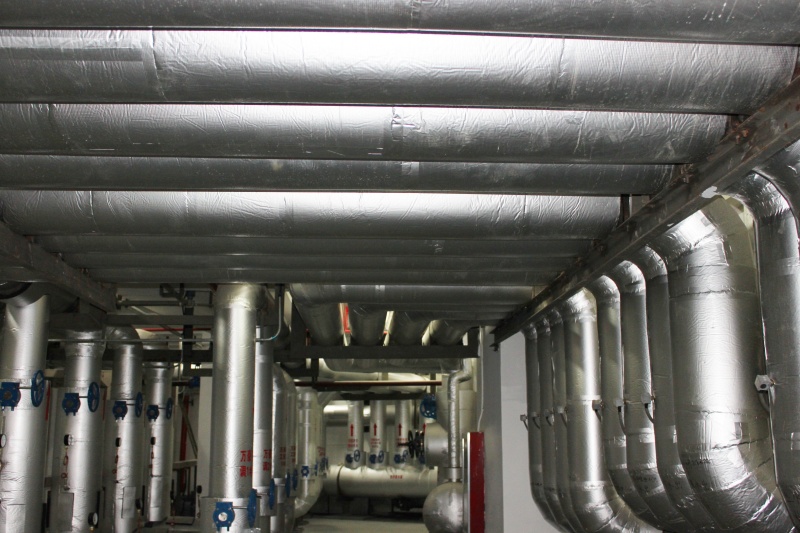
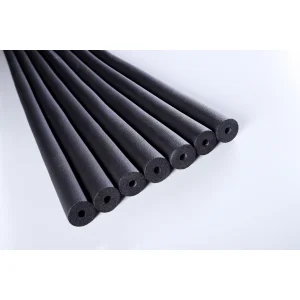
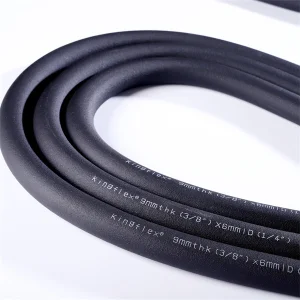
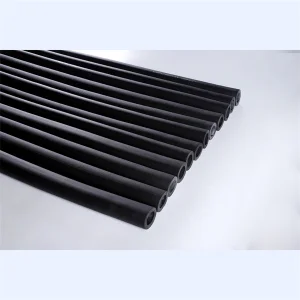
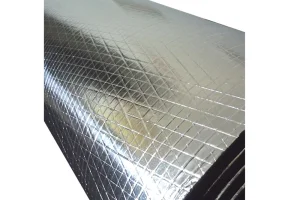
Browse our catalog of elastomeric tubes, corrosion-resistant outer linings, and composite rock wool materials.