 Kingflex
Kingflex
Kingflex
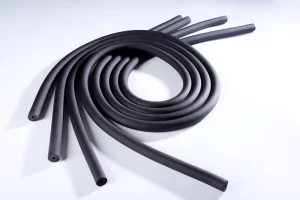
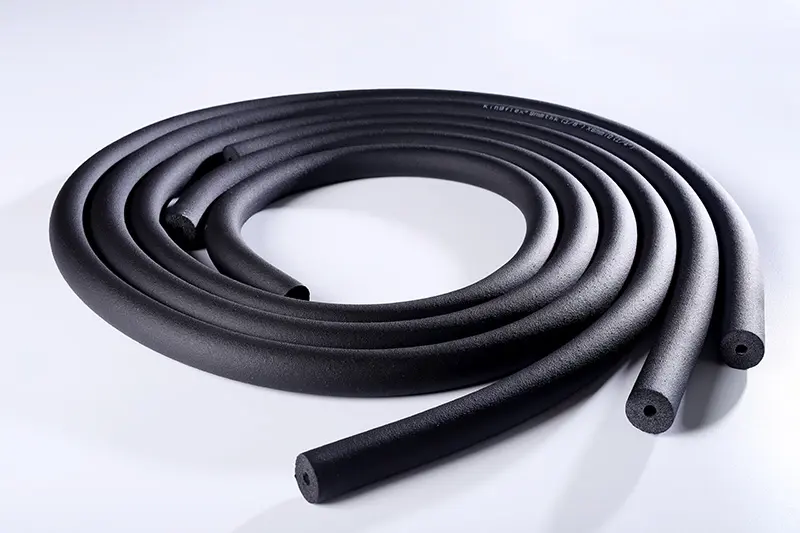
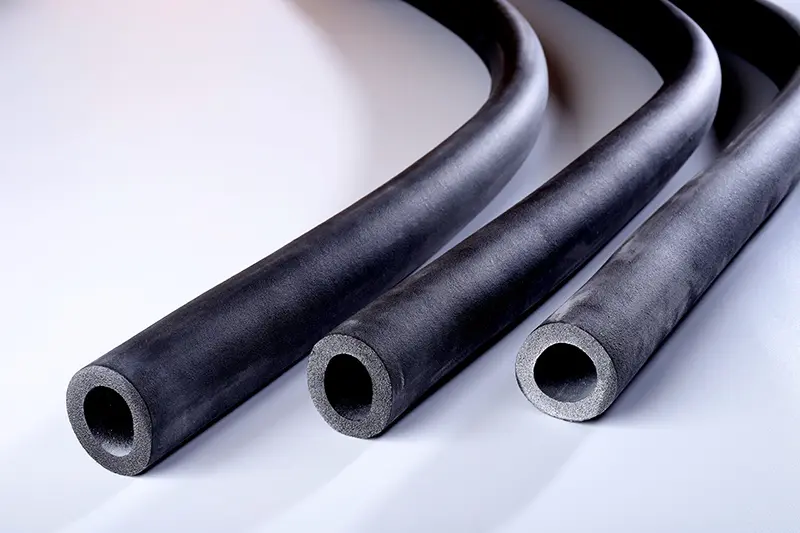
High-performance elastomeric thermal and acoustic barrier tubes optimized for strict environmental and flame safety requirements.
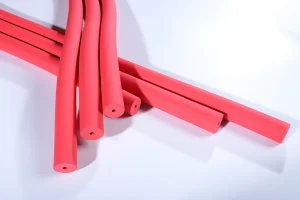
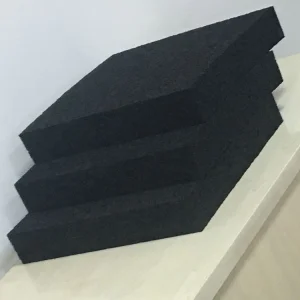
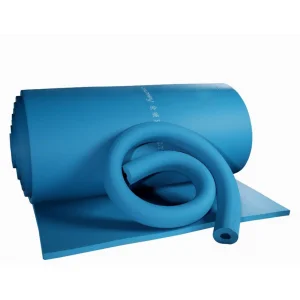
In modern building design, marine engineering, high-tech cleanrooms, and railway transit systems, public safety requirements have driven a massive materials transition. Traditional nitrile-butadiene rubber (NBR) and polyvinyl chloride (PVC) blends often utilize halogenated flame retardants (chlorine or bromine) to meet strict fire-safety classifications. However, during combustion, halogenated components release dense, highly corrosive acid gases (such as hydrogen chloride) and toxic fumes, threatening human life and delicate electronic components.
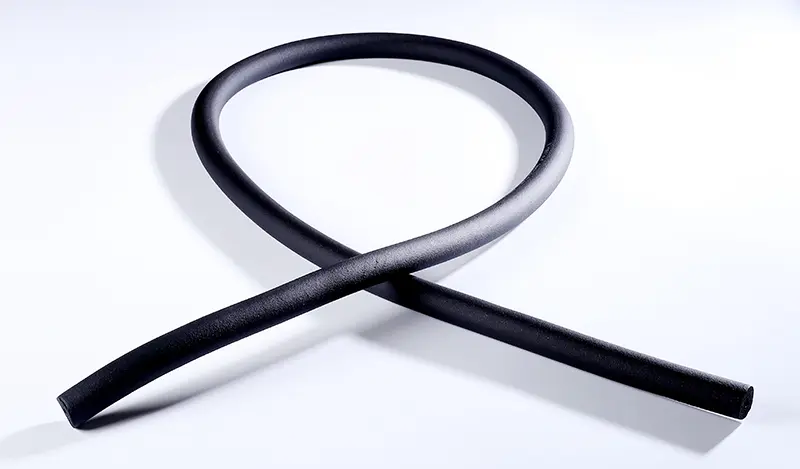
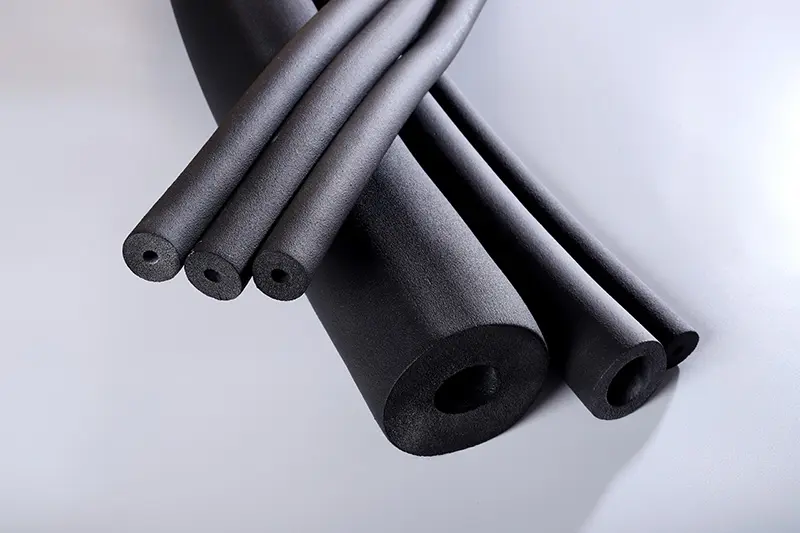
Halogen-free insulation tubes (HF-Elastomeric Insulation) are engineered to eliminate this hazard. Specially formulated with inorganic flame retardants (such as metal hydrates like aluminum trihydroxide and magnesium hydroxide), they generate water vapor when exposed to flame, suppressing fire while releasing extremely low-toxicity, low-opacity smoke. Using halogen-free insulation is now a core requirement for specifications seeking green building certifications like LEED v4.1, BREEAM, and DGNB.
Choosing the right insulation requires analyzing thermal, environmental, and fire behavior metrics. Below is an engineering overview comparing NBR/PVC elastomeric structures with standard Halogen-Free (HF) elastomeric insulation formulations:
| Performance Characteristic | Standard NBR/PVC Elastomeric Foam | Halogen-Free (HF) Elastomeric Foam | Testing Standard Reference |
|---|---|---|---|
| Halogen Content | Typically > 10% (by weight) | < 900 ppm (Cl & Br individually) | EN 14582 / RoHS ICP-MS |
| Thermal Conductivity (λ at 0°C) | ≤ 0.033 W/(m·K) | ≤ 0.036 W/(m·K) | ASTM C518 / ISO 8301 |
| Water Vapor Diffusion (μ-value) | ≥ 10,000 | ≥ 7,000 | EN 12086 / ASTM E96 |
| Smoke Toxicity / Density | High smoke generation, acid emissions | Class-leading low smoke, non-corrosive | EN ISO 5659-2 / NES 713 |
| Service Temperature Limit | -50°C to +105°C | -40°C to +105°C (Up to 150°C on specialty grades) | ASTM C411 |
| Stress Corrosion Cracking Risk | High on Austenitic Stainless Steel | Negligible (Safe for SS pipelines) | ASTM C692 / DIN 1988 |
Kingflex Insulation Co., Ltd. is a professional manufacturing and trading combo for thermal insulation products. Our research development and production department is located in Dacheng, China—the well-known capital of green-building materials. As an energy-saving, environmentally friendly enterprise, Kingflex concentrates on the research, development, production, and sale of advanced insulation materials.
In operation, Kingflex takes energy saving and consumption reduction as its core concept. We provide insulation solutions by means of consulting, research and development, production, installation guidance, and post-sale service, leading the development of the global building materials industry.
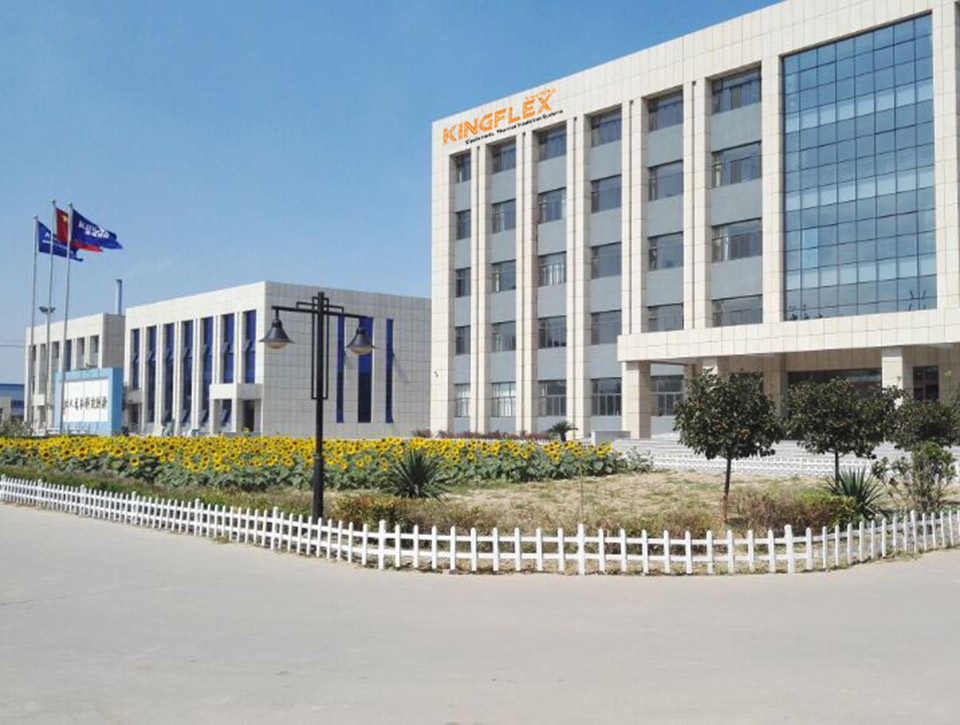
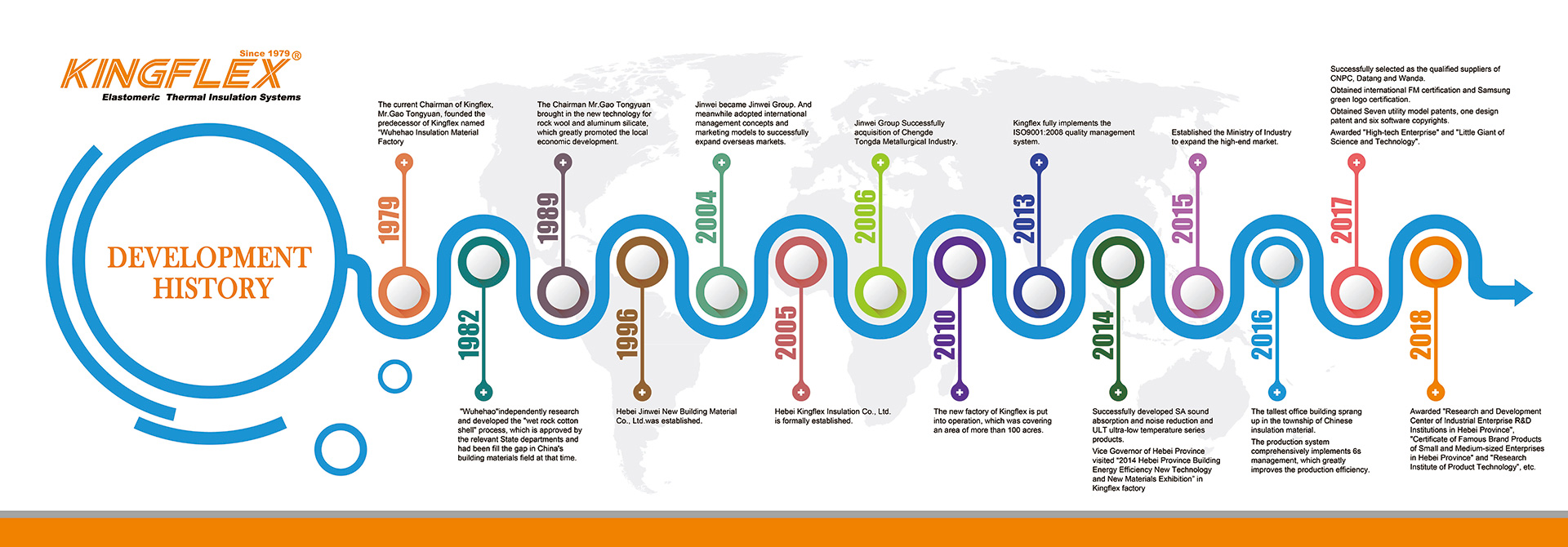
Our History: Kingflex was established by the Jinwei Group, which has more than 40 years of history. Jinwei Group, established in 1979, was the first manufacturer of thermal insulation materials north of the Yangtze River. This heritage provides our engineers with generations of expertise in refining closed-cell foam technology.
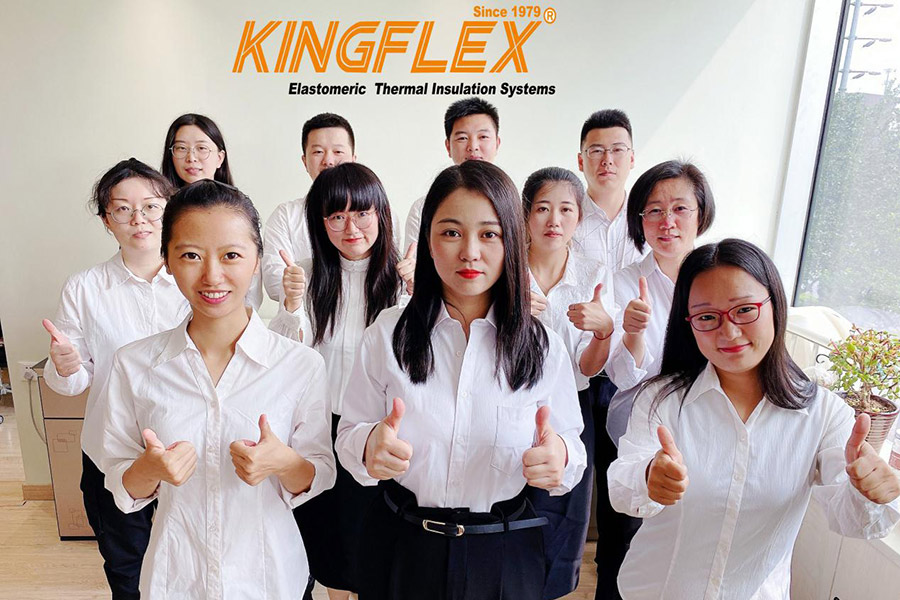
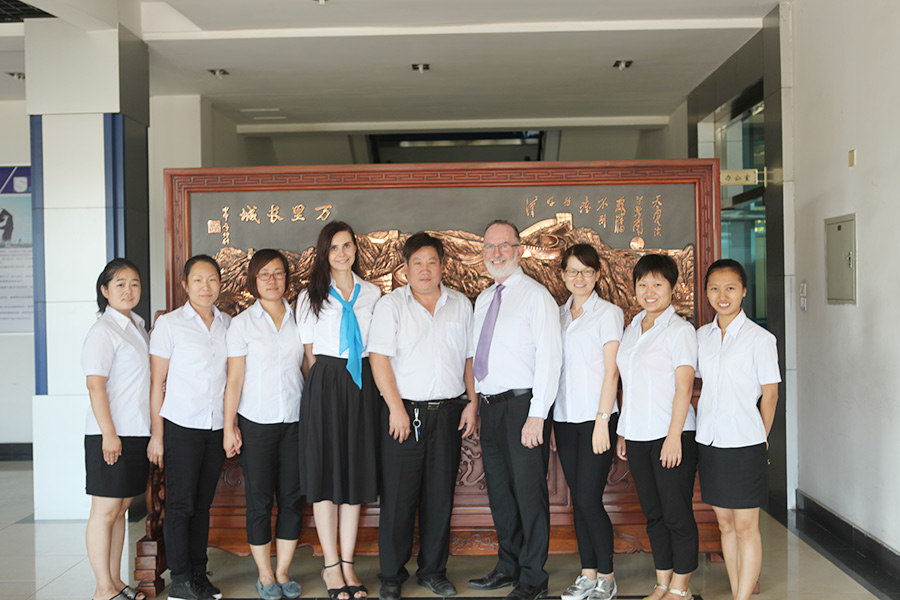
Our Team: Our employees are amazing in their own right, but together they make Kingflex a rewarding place to work. The Kingflex team is a tight-knit, talented group with a shared vision of giving consistently first-class service to our clients. Kingflex has 8 professional engineers in our R&D Department, 6 professional international sales specialists, and 230 workers in our production department.
Purchasing managers and design engineers seeking halogen-free insulation tubes face budget constraints paired with absolute safety requirements. While the initial procurement cost for halogen-free insulation is higher than standard NBR/PVC foams (typically by 20% to 35% due to the cost of raw polymers and specialized metal hydrate additives), the total cost of ownership (TCO) is lower. It avoids expensive acid-related damage to nearby electronics, structural materials, and copper tubing during a fire.
The physical profile of halogen-free closed-cell insulation makes it the ideal system for specific applications where toxic fumes or acidic residue cannot be tolerated:
Overhead cooling water loops insulated with halogen-free materials safeguard server racks. If a localized electrical fire occurs, the lack of chlorine gas emissions prevents catastrophic corrosion on microprocessors and circuitry.
Confined interior spaces on ships necessitate strict smoke opacity controls. Compliance with the International Maritime Organization (IMO) FTP Code requires low-smoke, halogen-free products to keep evacuation routes clear.
Microchip assembly lines are sensitive to outgassing. The organic compounds used in Kingflex Halogen-Free insulation minimize VOC emissions, preventing wafer contamination.
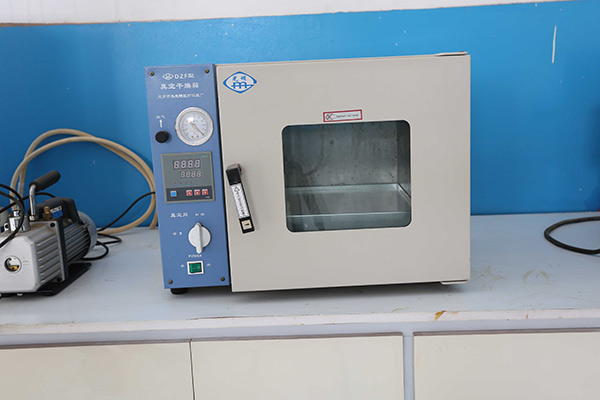
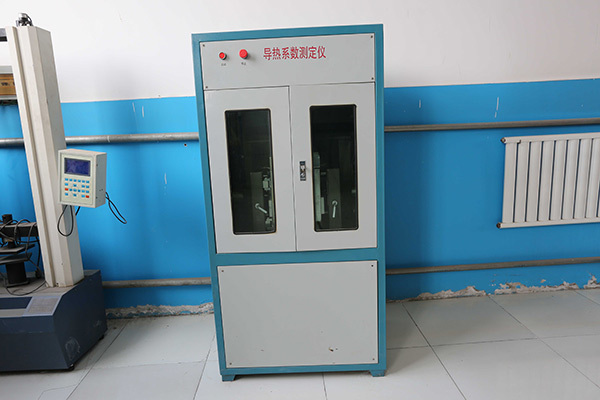
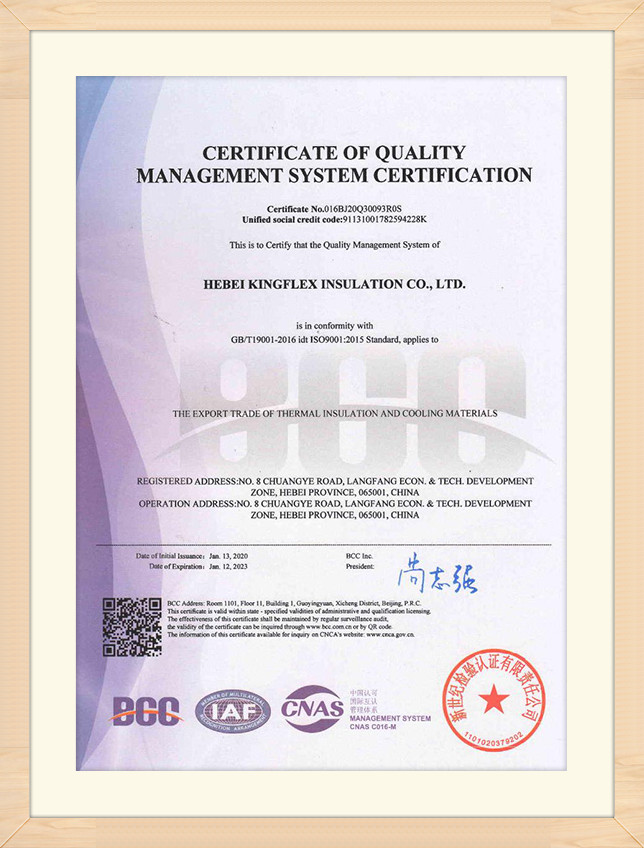
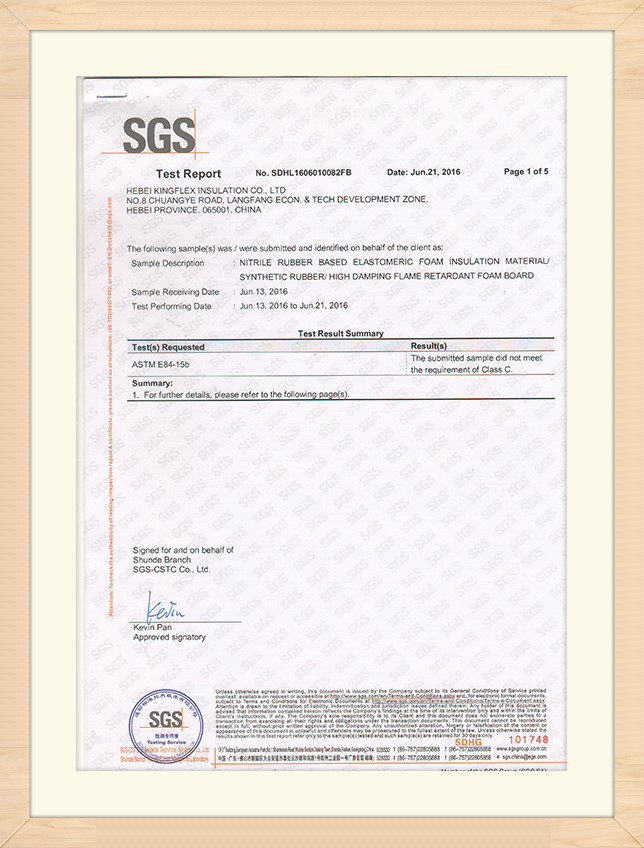
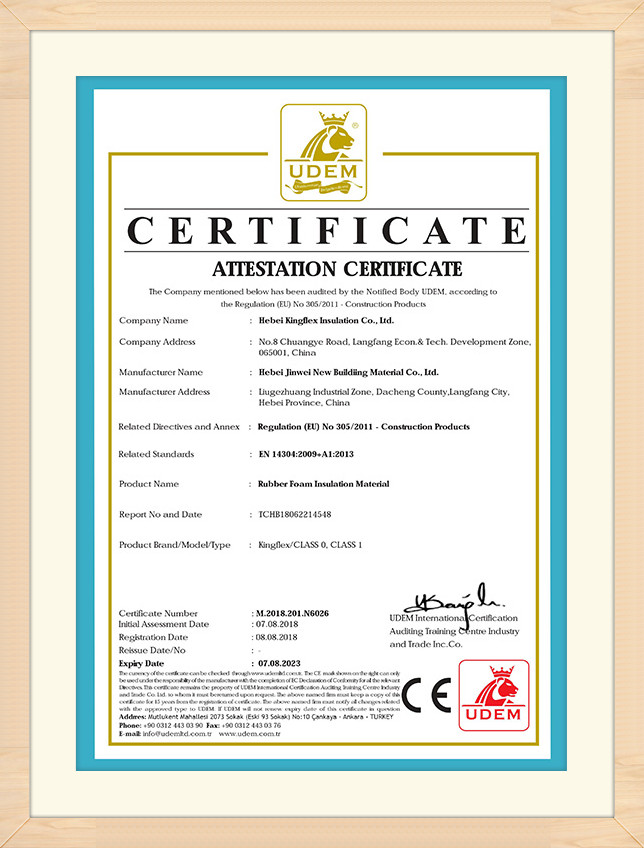
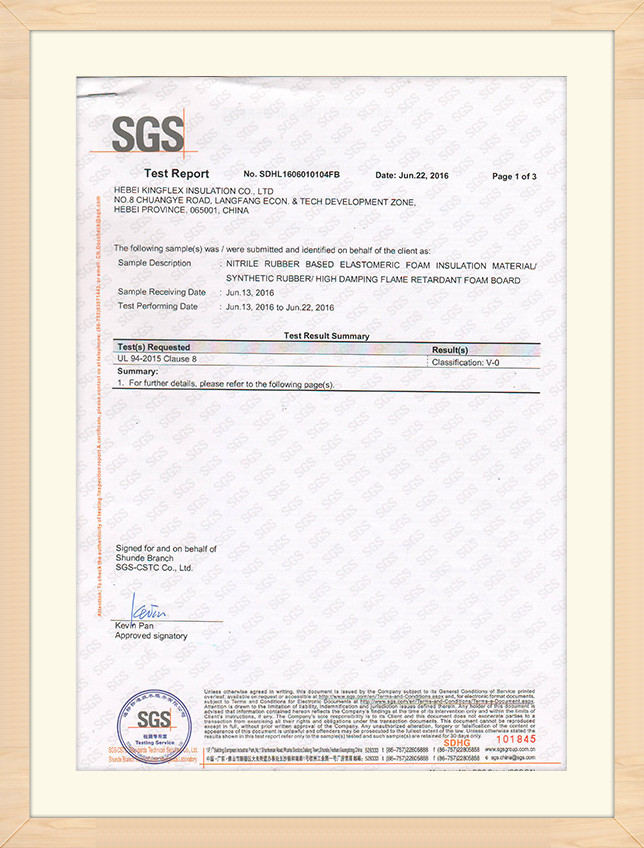
R&D and Continuous Compliance: Our R&D department features state-of-the-art testing equipment, including thermal conductivity meters, environmental chambers, and fire testing apparatus. Kingflex products have passed BS 476, CE, REACH, RoHS, UL94, and ASTM certifications, ensuring safety and compliance with global standards.

Certificates and Traceability: At Kingflex, every batch of extruded foam is marked with a production tracking code. This level of traceability guarantees that our clients receive verified performance, supported by test certifications.
Our international sales and service team maintains client communications. Our global partners trust Kingflex for prompt responses, reliable technical data sheets (TDS), and logistical support.

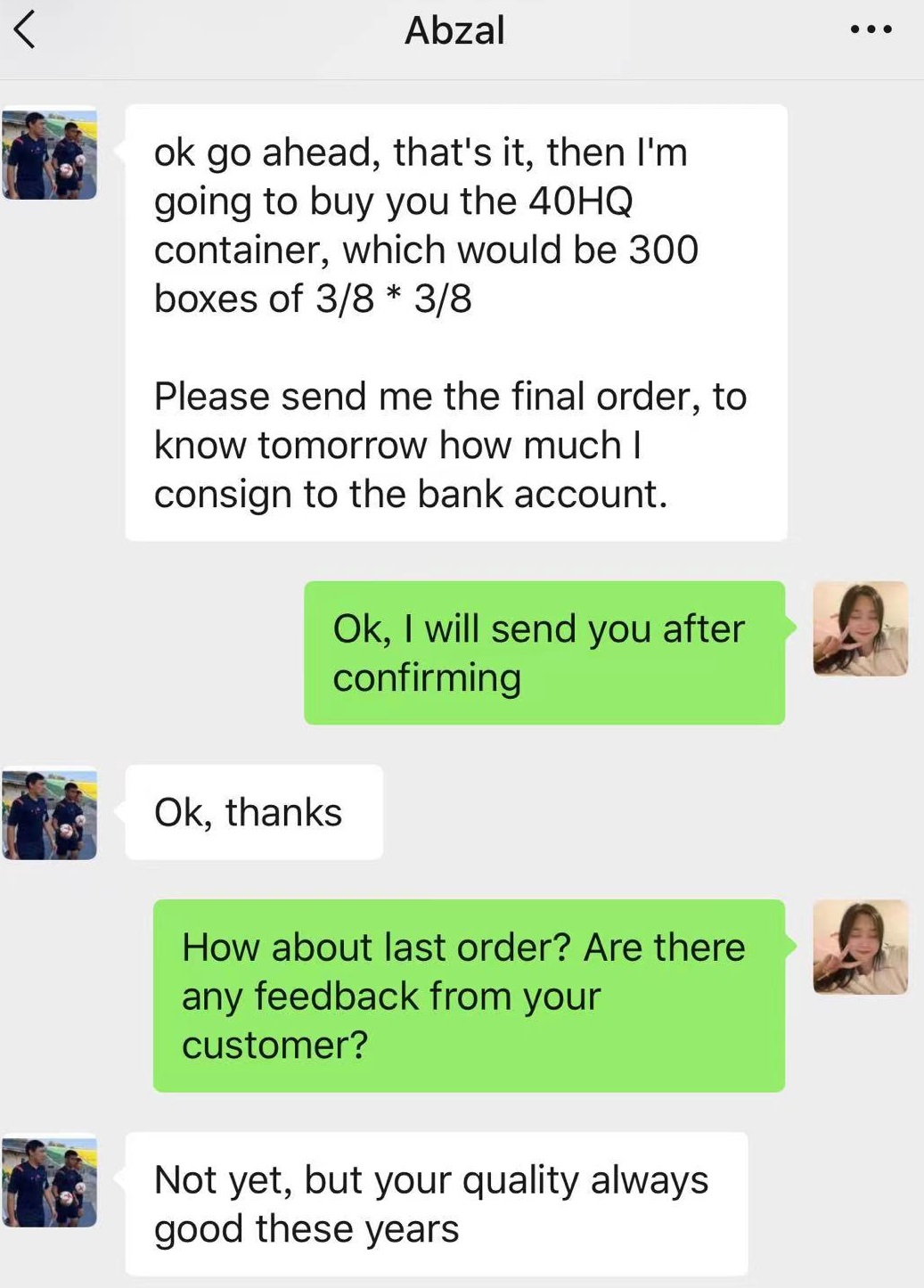
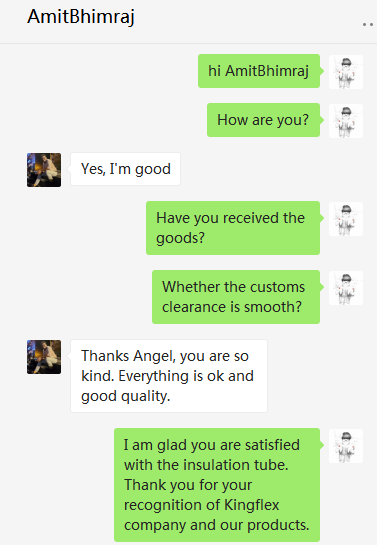
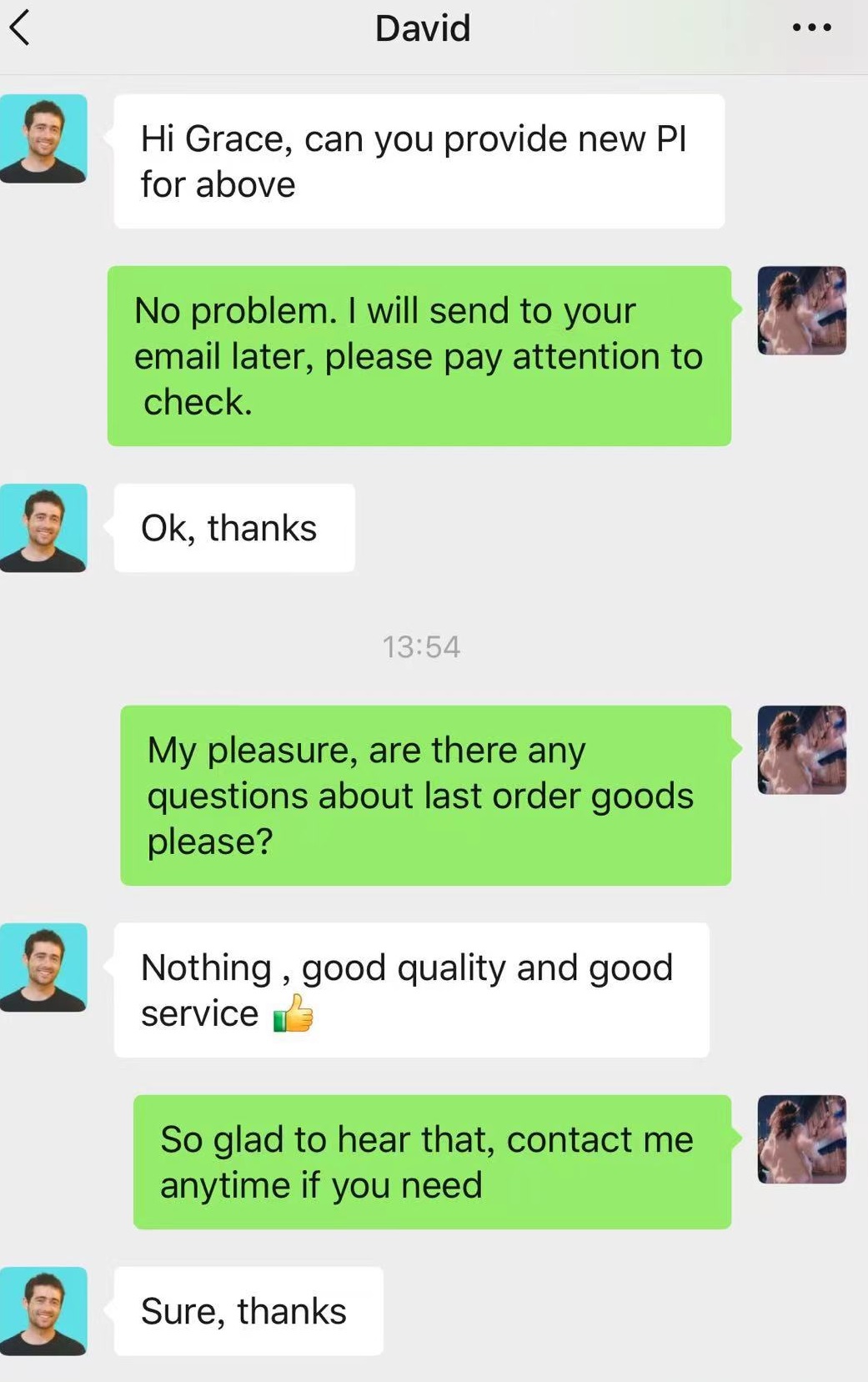
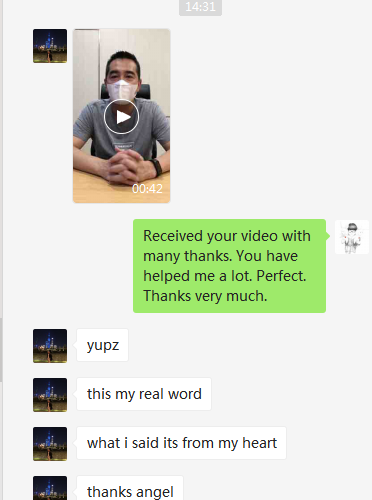
The following screenshots highlight real communications with our global distributors, illustrating our speed of service, technical support, and commitment to transparency:

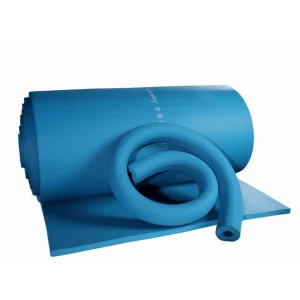
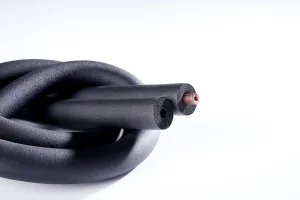
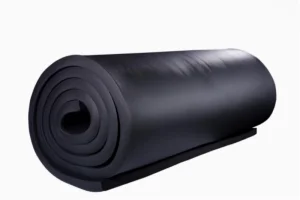
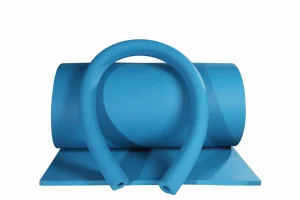
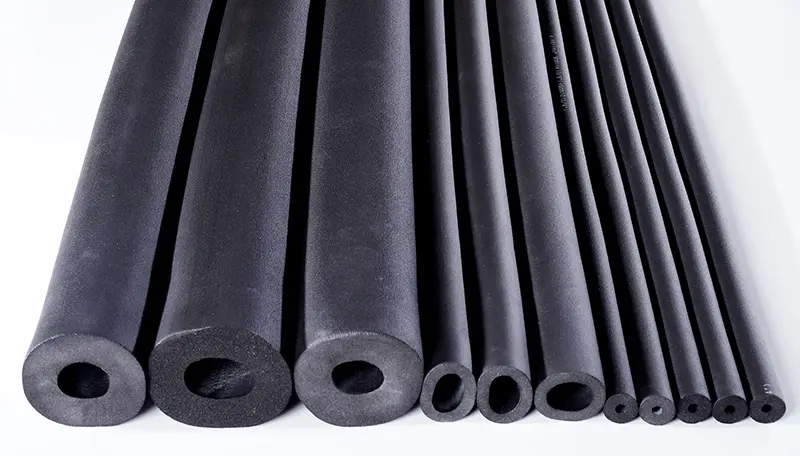
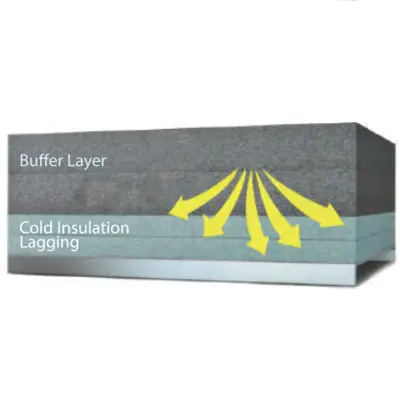
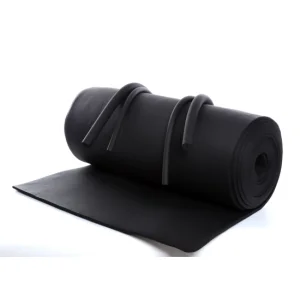
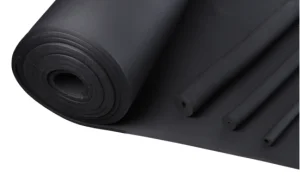
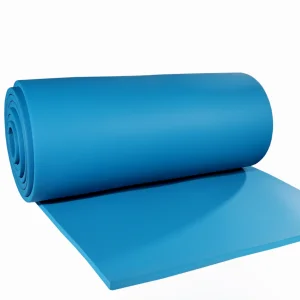
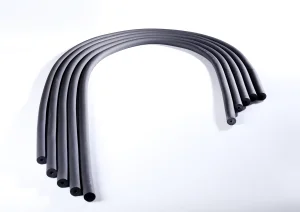
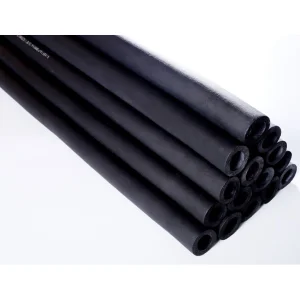
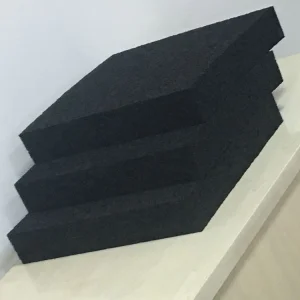
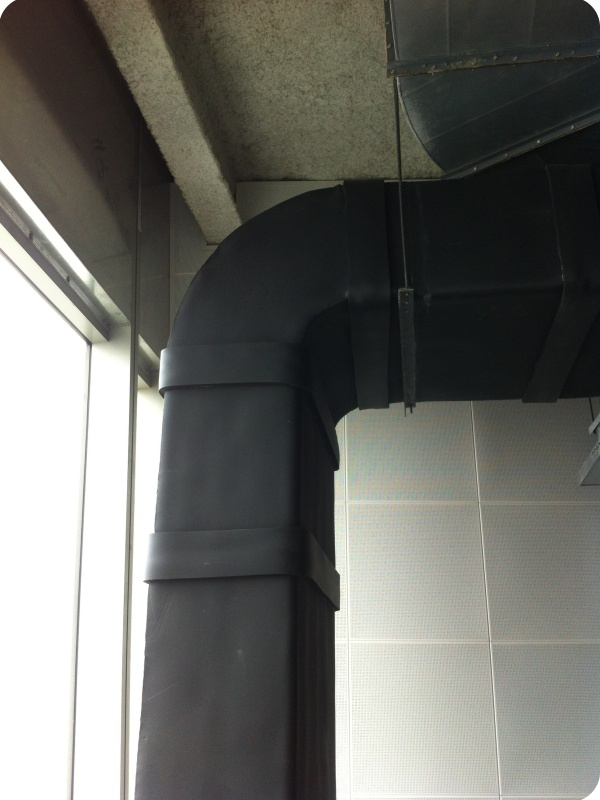
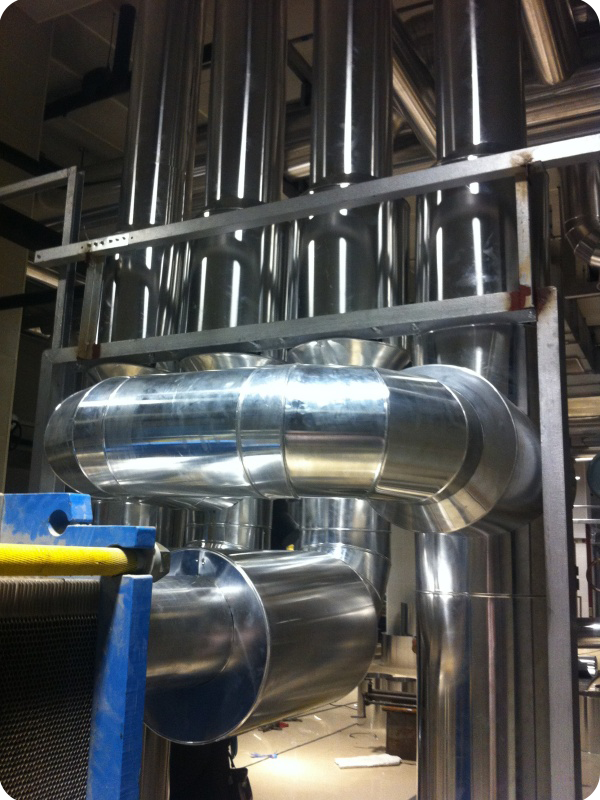
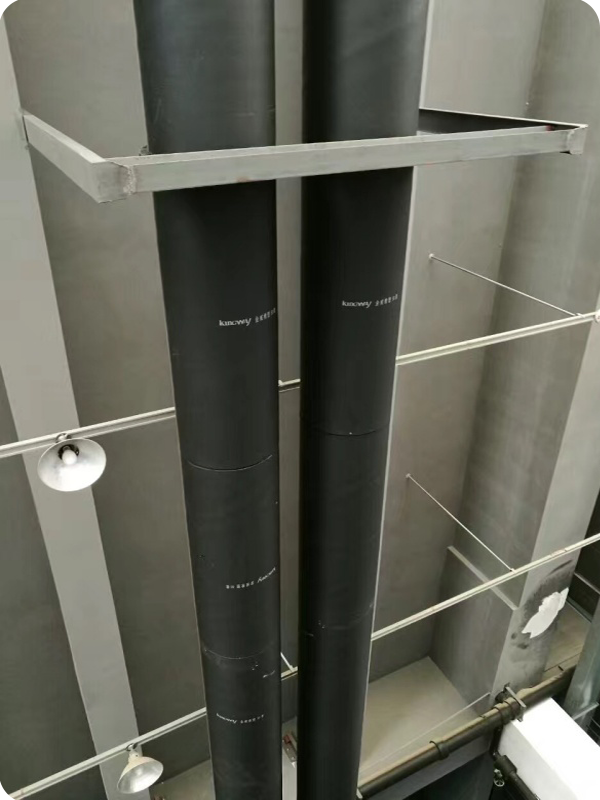
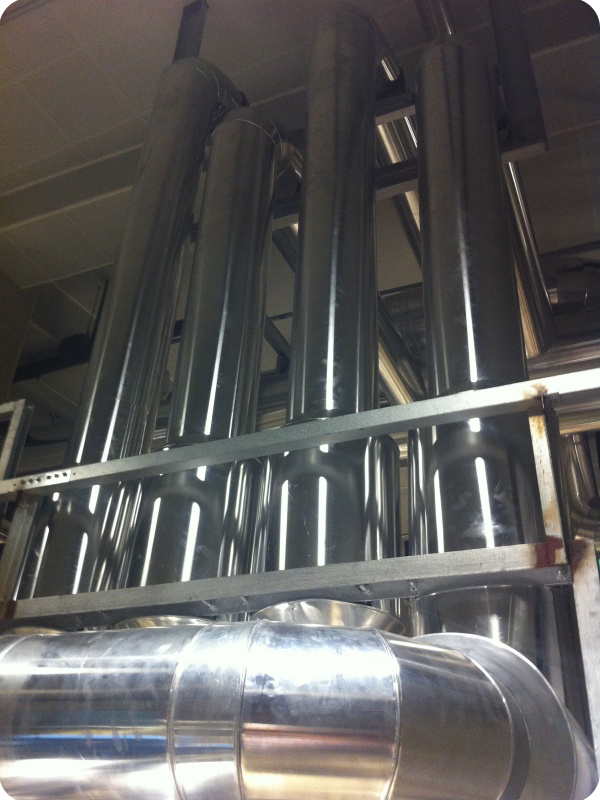
Kingflex manufactures two main elastomeric formats—Insulation Sheet Rolls and Insulation Pipes/Tubes.
Kingflex Standard Dimensions:
Key Advantages:
Applications: Central air conditioning air ducts, wall/roof thermal insulation, solar systems, and chemical process piping.
Kingflex Standard Dimensions:
Key Advantages:
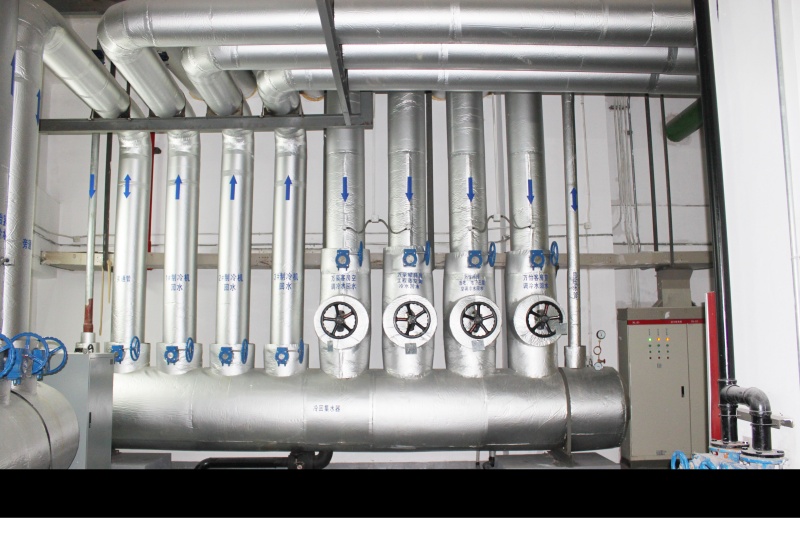
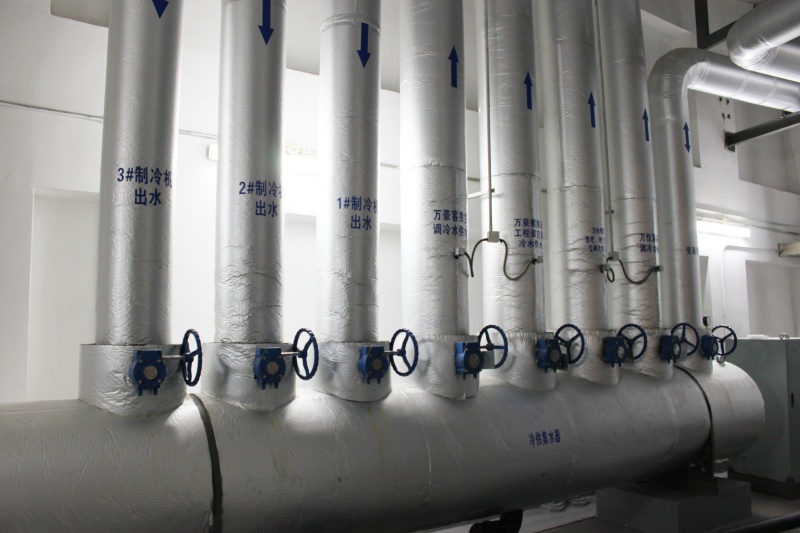
Applications: Central AC chilled water pipes, HVAC lines, industrial steam lines, process pipes, and solar pipelines.
We manufacture under strict quality standards. From raw chemical compounding to final vulcanized extrusion, our process ensures consistency:

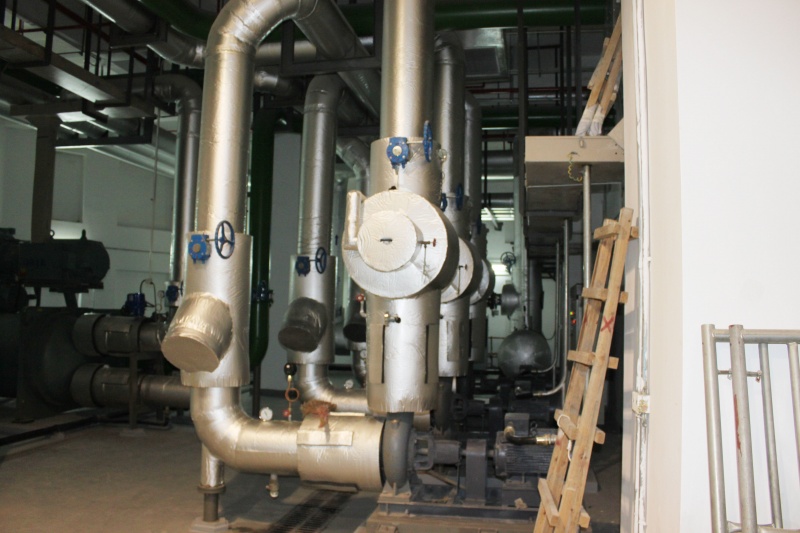
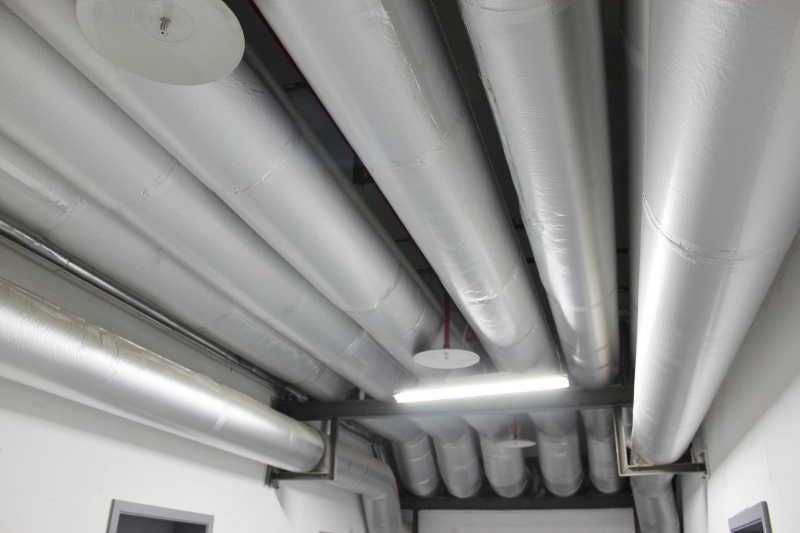
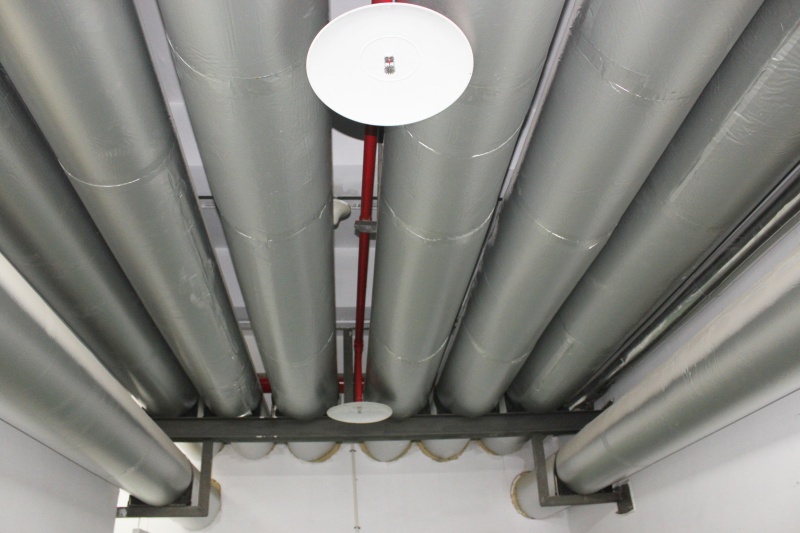
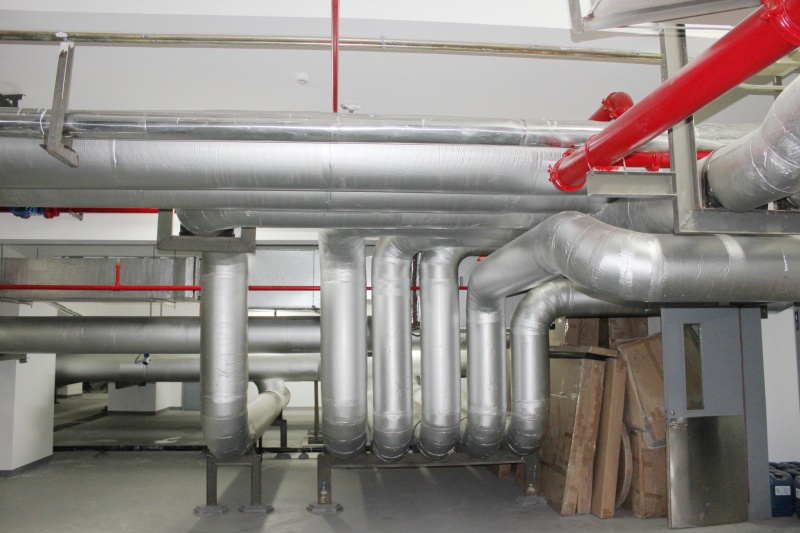
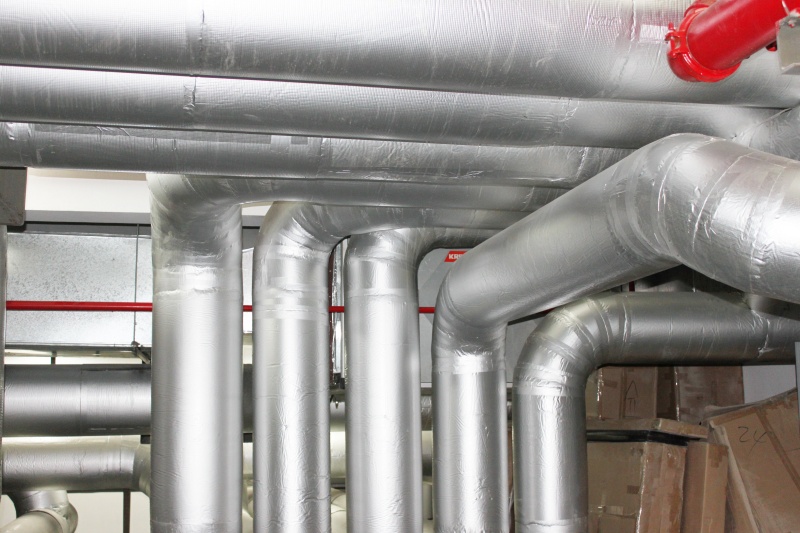
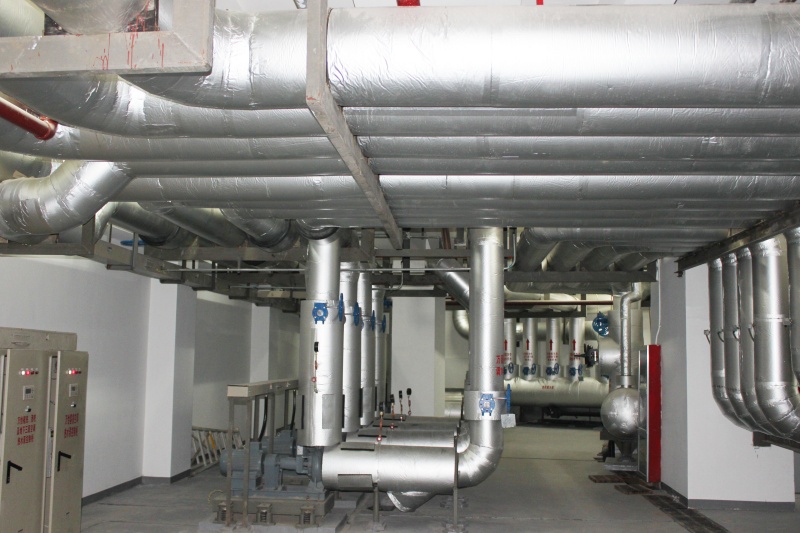
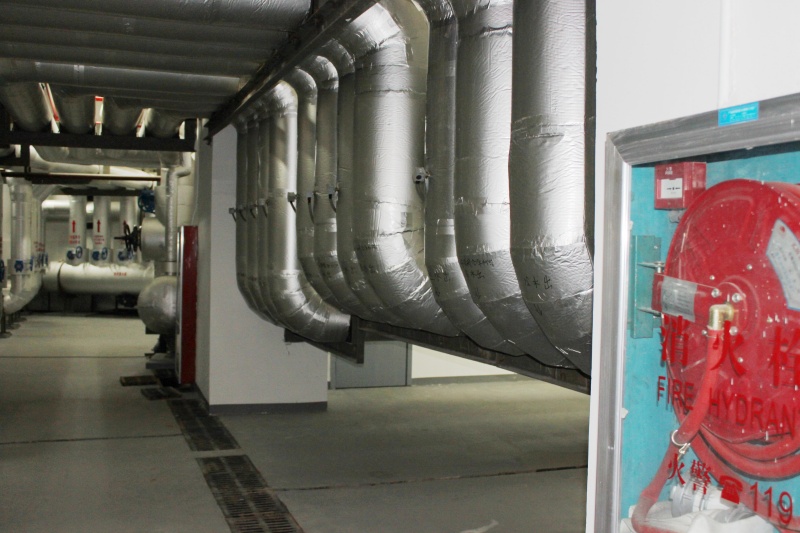
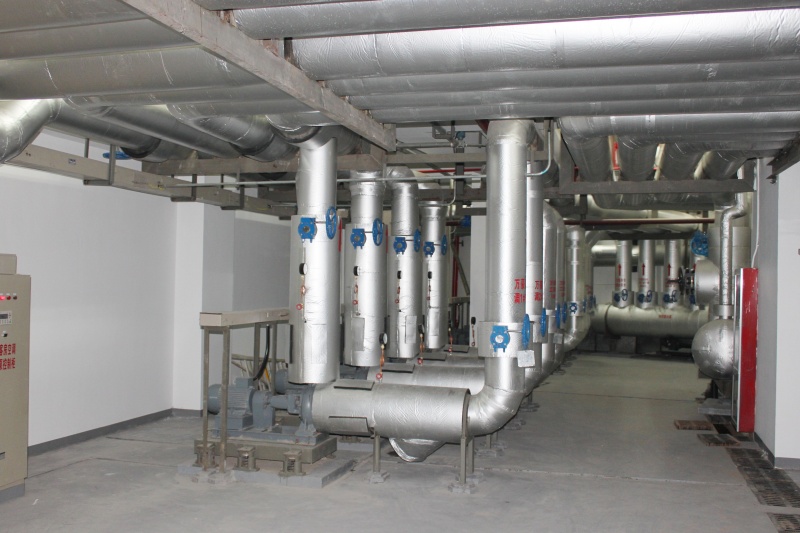
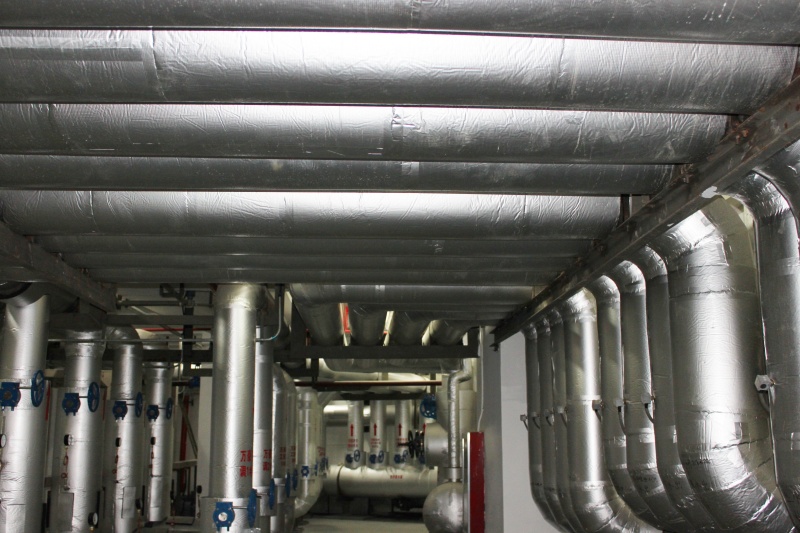
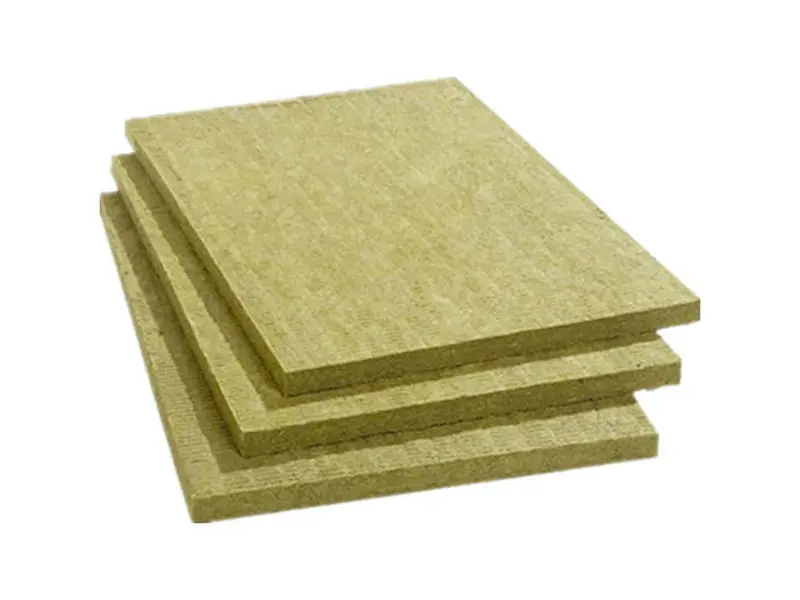
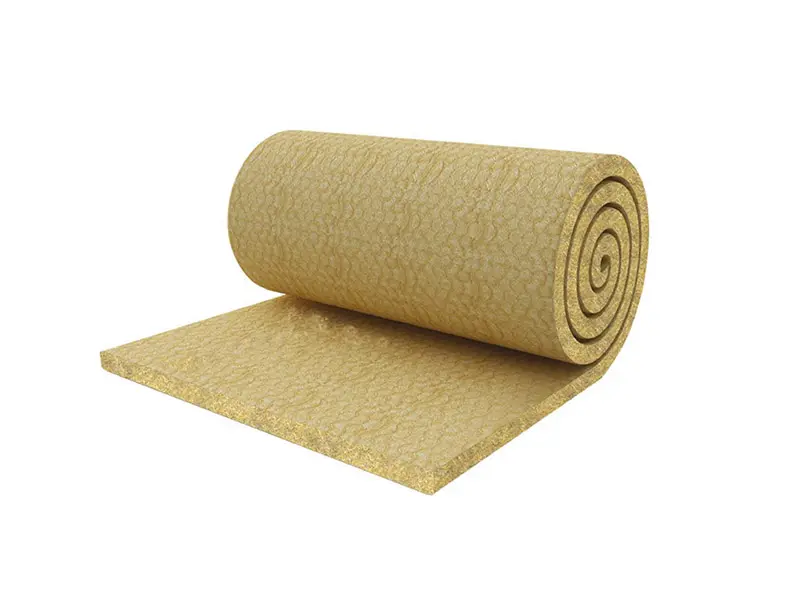
Explore our full line of elastomeric foam and rock wool insulation products.
Kingflex operates within a framework of environmental stewardship and social responsibility. As the global building sector targets carbon neutrality, our systems help limit energy loss and reduce operational emissions.
At present, Kingflex has 5 large automatic assembly lines, with an annual production capacity of more than 600,000 cubic meters. We have become a designated production enterprise designated by the Ministry of Energy, the Ministry of Electric Power, and the Ministry of Chemical Industry.
We supply customers all over the world with a full set of energy-saving insulation system solutions. Kingflex is an integrated solution provider of thermal insulation, cold insulation, and noise reduction for buildings and industries.
Explore our assembly lines, raw material storage, and shipping operations:


Technical clarifications on elastomeric, halogen-free, and rock wool insulation materials.
Browse additional products below to complete your system requirements.