 Kingflex
Kingflex
Kingflex
Explore our top-tier elastomer configurations engineered for extreme sound isolation and stable thermal resistance.
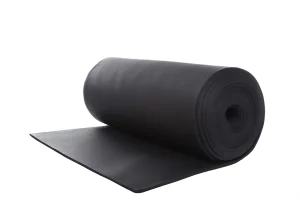
Understanding Sound Transmission Loss (STL), Vibration Dampening, and the Role of Closed-Cell Elastomer Insulators.
Urban density and the scale of industrial processing have made noise control one of the most critical challenges facing contemporary architecture, HVAC designs, and industrial mechanical installations. Constant noise exposure not only damages human productivity and comfort but also violates strict municipal codes such as WHO acoustic directives, OSHA workplace noise thresholds, and green building programs like LEED v4 and WELL. To mitigate sound effectively, structural materials must display high viscoelastic performance.
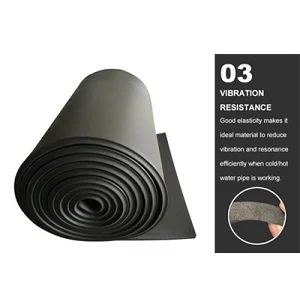
Traditional structural systems rely heavily on absolute mass to block sound. However, modern lightweight building designs demand intelligent solutions: materials that can absorb high-frequency mechanical waves, isolate vibrations at the source, and control airborne noise within structural penetrations. Closed-cell elastomeric rubber foam functions as a dual thermodynamic and acoustic barrier, dampening low-to-mid frequency mechanical vibrations and dissipating sound energy through micro-cavity air friction.
How top developers, MEP consultants, and process industries deploy elastomeric solutions globally.
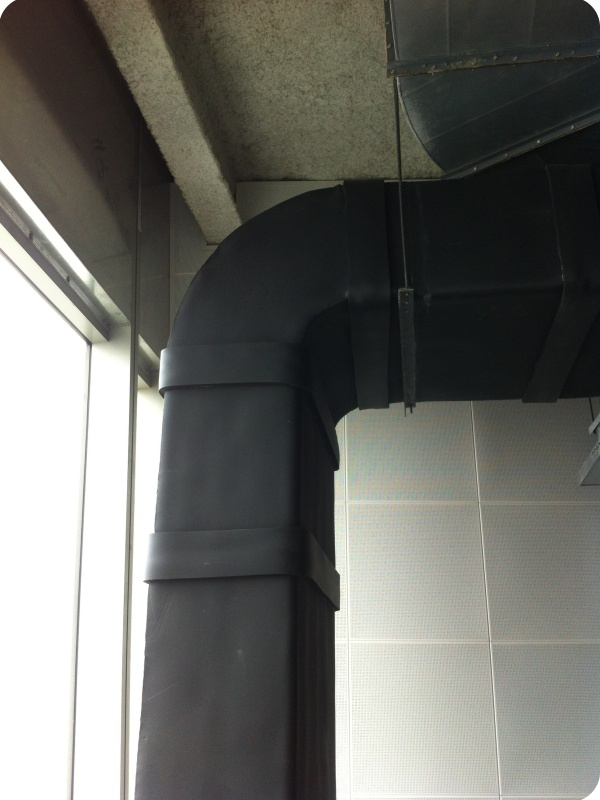
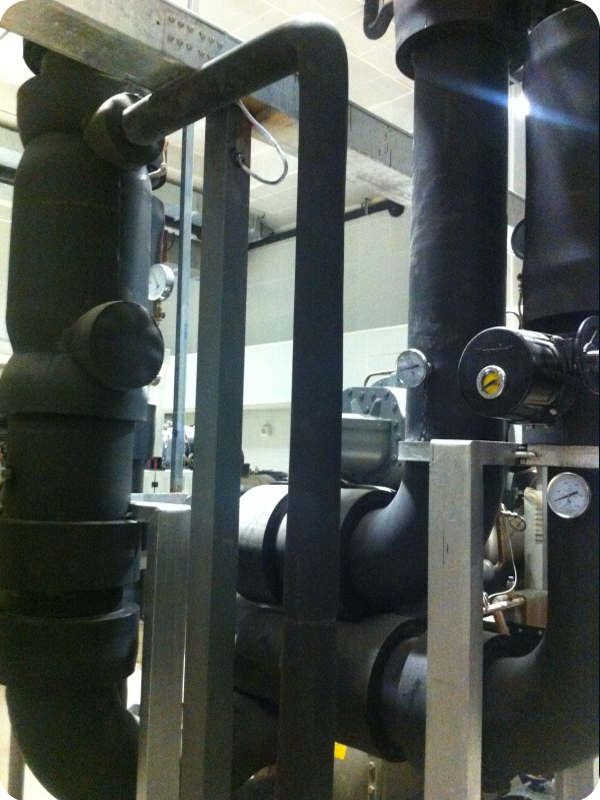
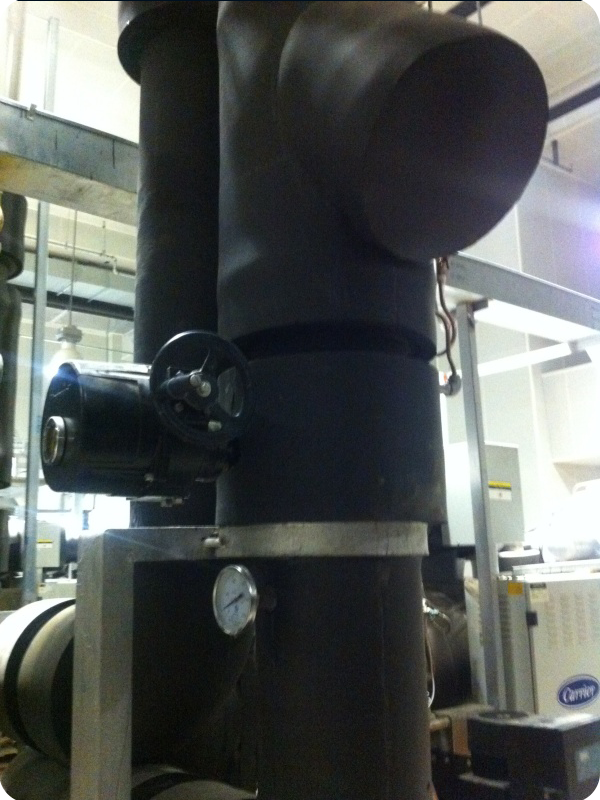
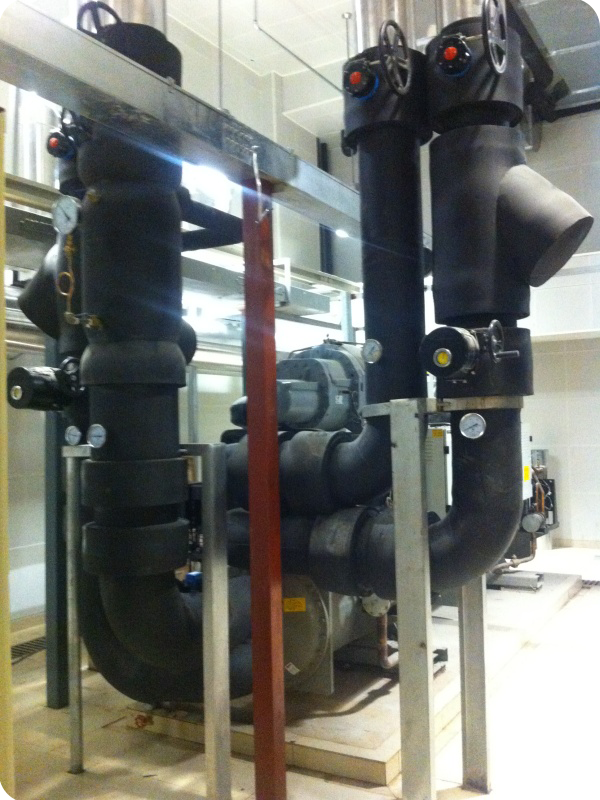
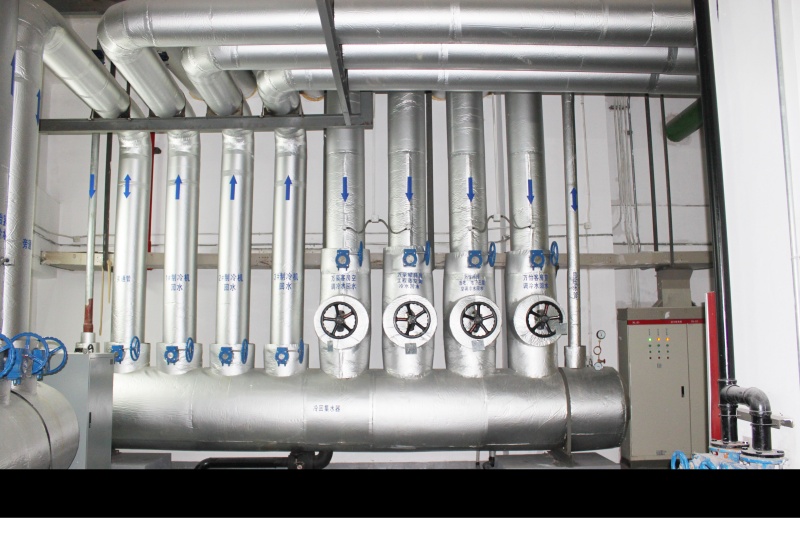
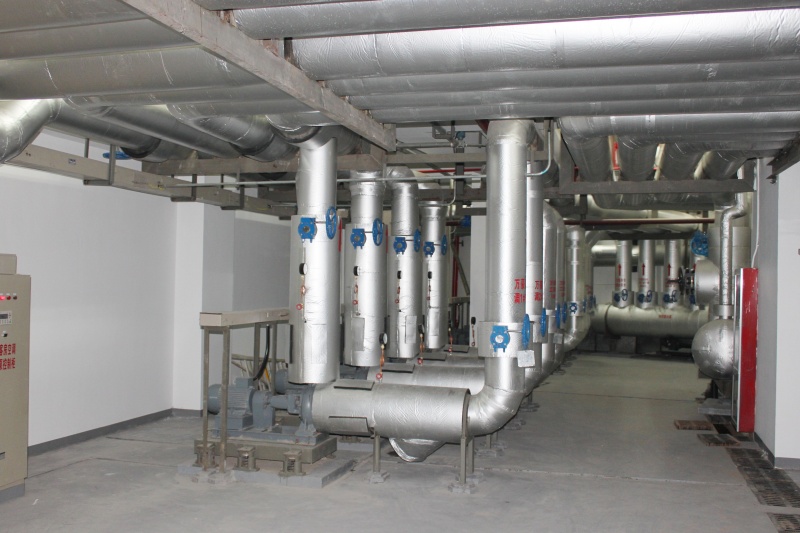
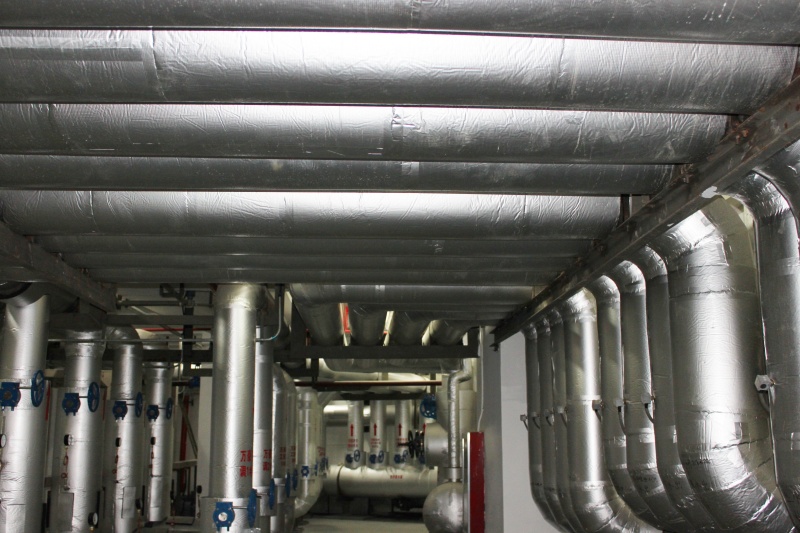
Chilled water systems, air handling duct networks, and condensate lines generate constant noise. Closed-cell rubber foam wraps reduce airflow turbulence sounds and prevent system condensation, ensuring that HVAC units run efficiently and quietly in noise-sensitive settings like hotels and medical clinics.
Processing units, high-speed steam distribution lines, and valves operate at decibels that pose risks of hearing damage. Viscoelastic sleeves isolate these elements from piping brackets, lowering noise levels and preventing Corrosion Under Insulation (CUI) caused by thermal fluctuations.
Liquid natural gas (LNG) terminals and chemical reactors require multi-layered systems. Elastomeric cryogenic insulation retains structural flexibility at temperatures down to -200°C. This limits mechanical vibration cracking while securing critical process thermal properties.
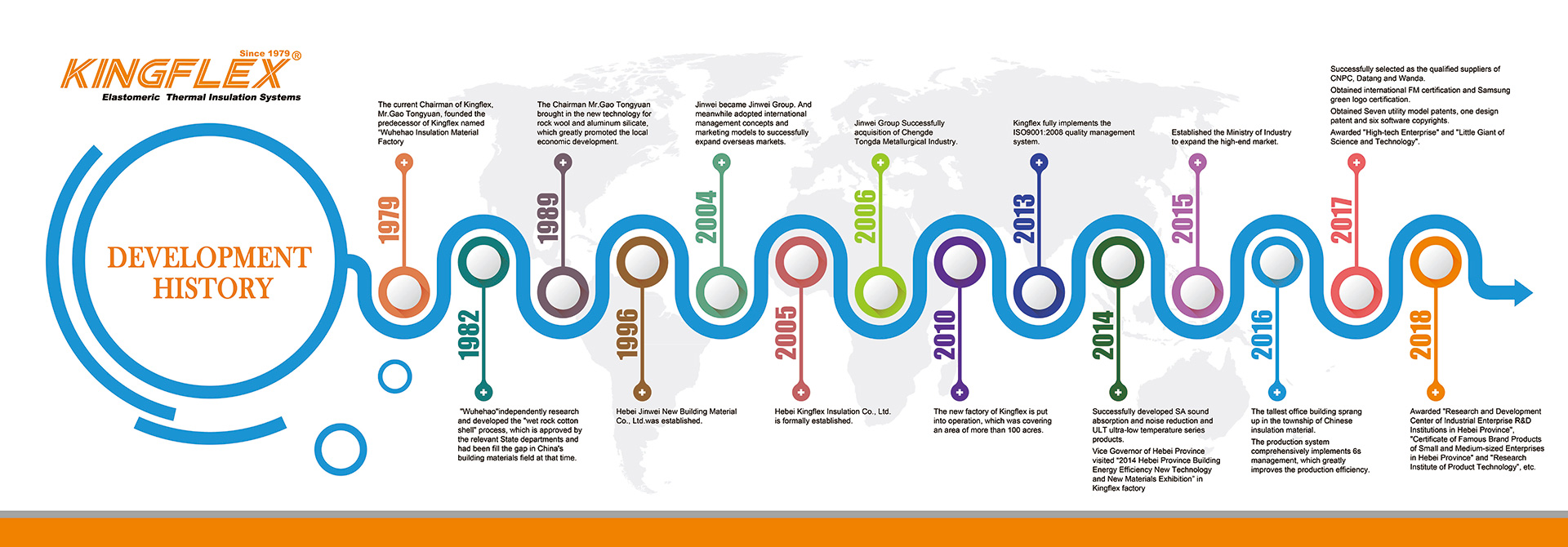
Over four decades of technical heritage, R&D innovations, and global exports.
Located in Dacheng, China—a hub for green building materials—Kingflex stands as an industry leader in manufacturing energy-saving and environmentally friendly thermal and acoustic insulation products. By taking energy saving and consumption reduction as our core concept, we offer complete support across technical design, testing, production, installation, and after-sales service.
Established by the Jinwei Group, which holds more than 40 years of manufacturing history since 1979, Kingflex was the pioneer manufacturer of thermal insulation materials north of the Yangtze River. Today, our 5 automated production lines support diverse needs across construction, aerospace, petrochemicals, and transport sectors.
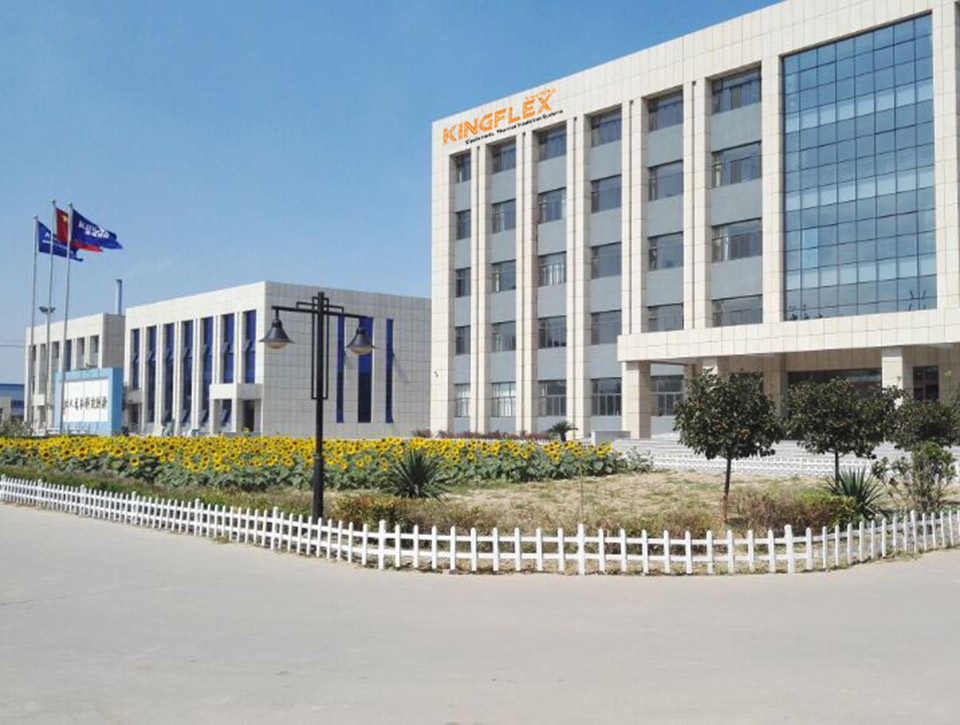
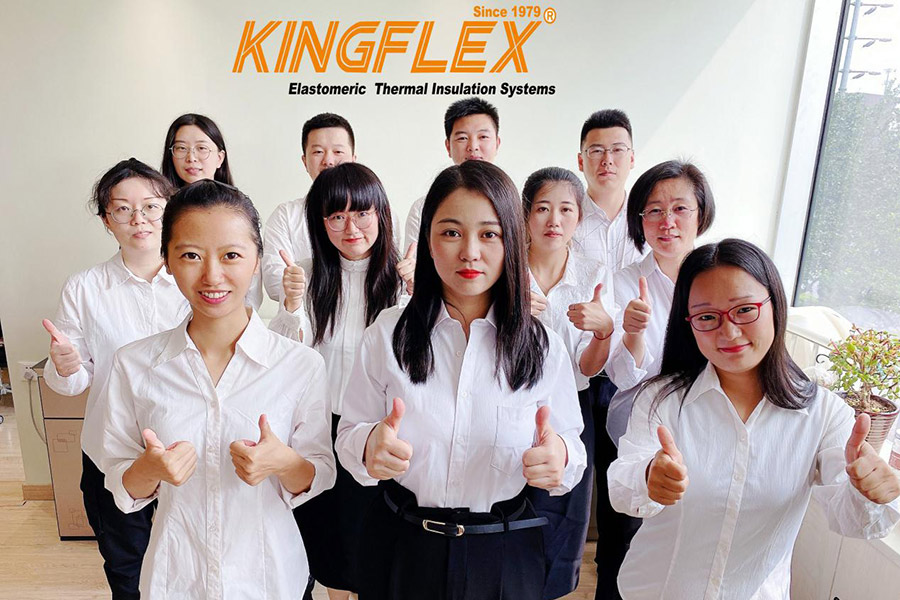
Our workplace centers on first-class service. With 8 professional engineers in our R&D Department, 6 international sales managers, and 230 production personnel, we ensure rigorous quality control and technical expertise for every batch.
Utilizing 5 advanced automatic assembly lines, our manufacturing footprint is designated by major national utility departments. This allows us to keep tolerances tight and deliver reliable materials for projects worldwide.

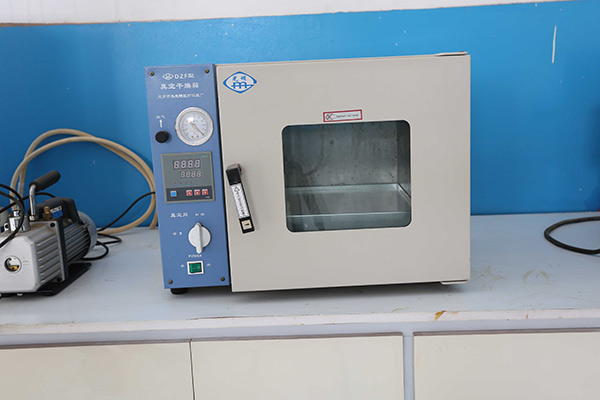
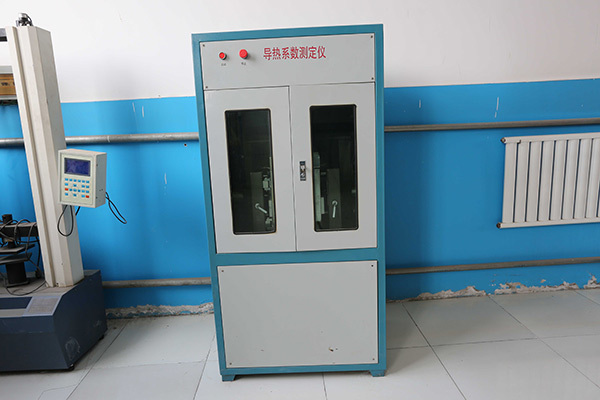
Our specialized lab handles regular fire resistance tests, thermal conductivity measurements, and aging tests, giving our materials the reliable performance required for challenging industrial work.
Matching material attributes to localized codes across European, American, and Middle Eastern markets.
| Target Region | Compliance Standards | Key Acoustical & Thermal Requirements | Recommended Kingflex Grade |
|---|---|---|---|
| North America | ASTM E84, UL 94, ASHRAE 90.1 | Flame/Smoke index < 25/50, low thermal drift. | ASTM-Certified NBR Foam Sheet & Tube |
| European Union | EN 13501-1 (Class B-s3, d0), CE, REACH | Strict fire performance and zero harmful VOC emissions. | CE Class 0 Elastomeric Tubes / Rolls |
| United Kingdom | BS 476 Part 6 & 7 Class 0 | High fire propagation resistance and low surface spread. | Kingflex Class 0 / BS 476 Rated Series |
| Middle East (GCC) | Local Civil Defense Approval, ASTM C534 | Resistance to high humidity, sand, and heat. | Foil-Clad UV-Resistant Elastomeric Board |
Through direct cooperation with international testing bodies, Kingflex guarantees batch-to-batch traceability. Our materials are developed to satisfy complex project specs, assuring consultants that they will comply with local safety requirements upon delivery.
Rigorous verification from top laboratories and project deliveries in sixty-six countries.
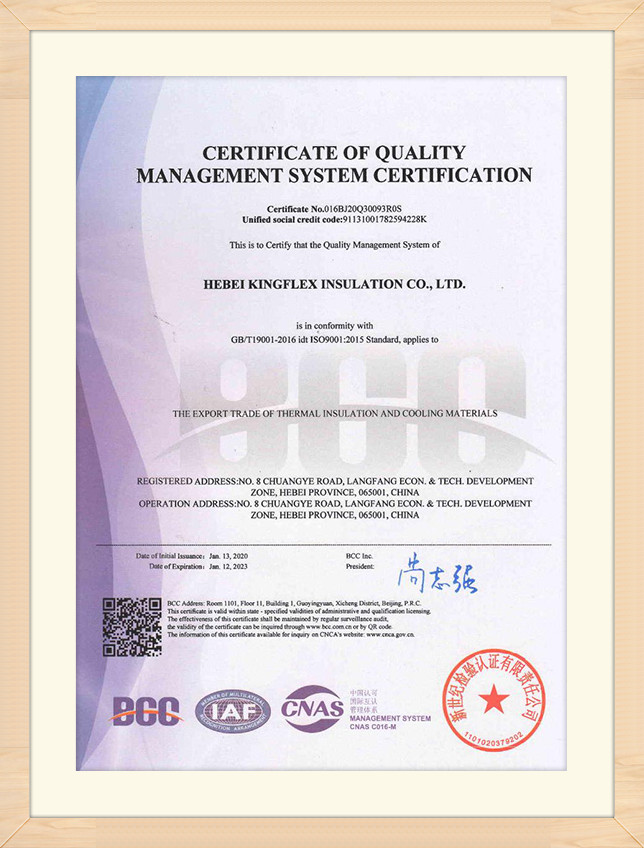
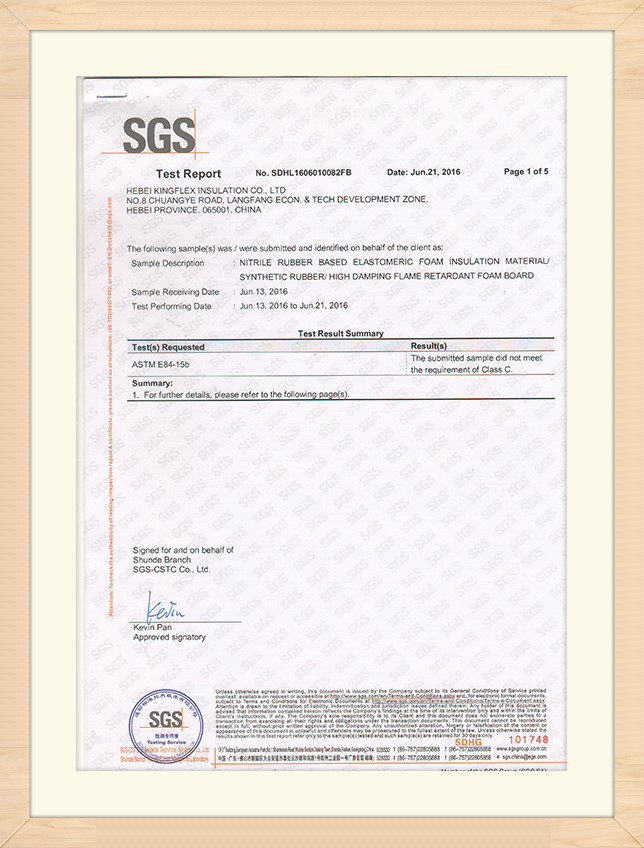
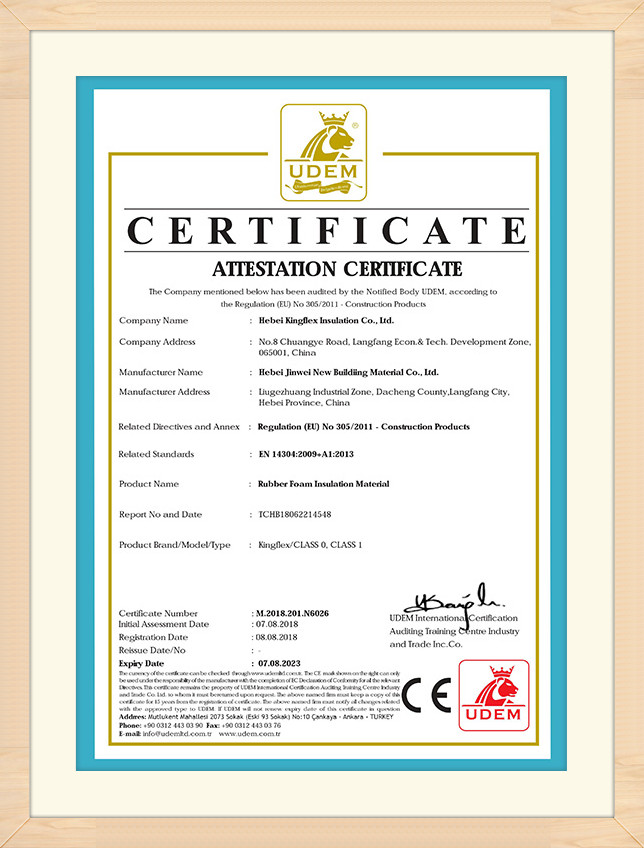
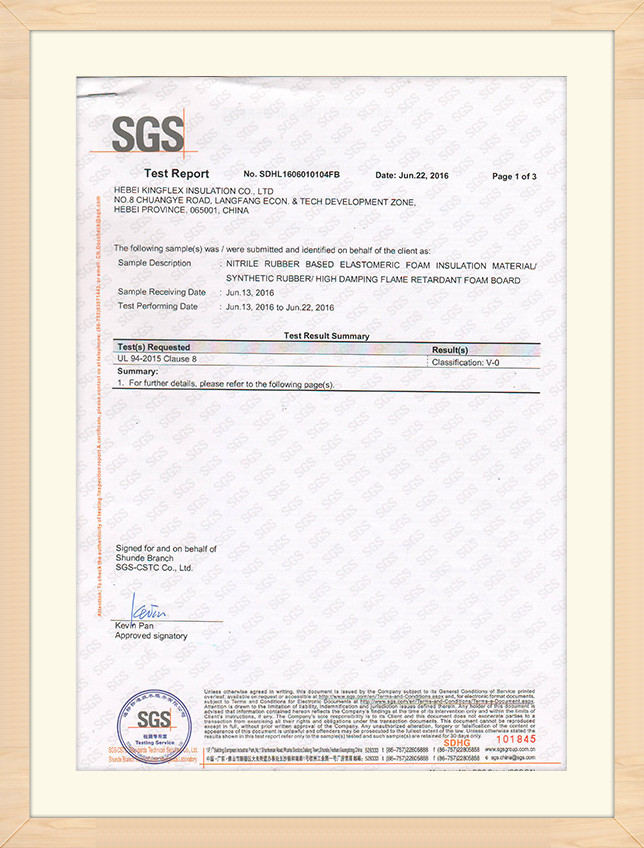




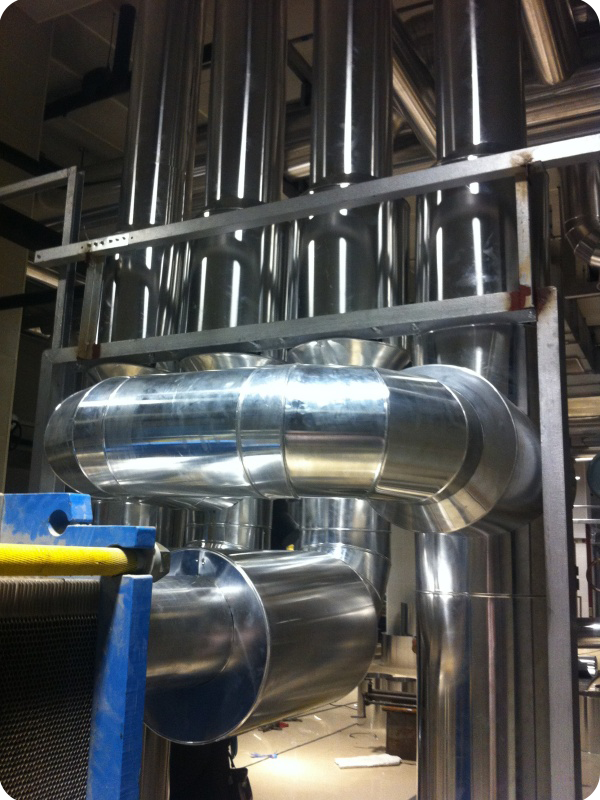
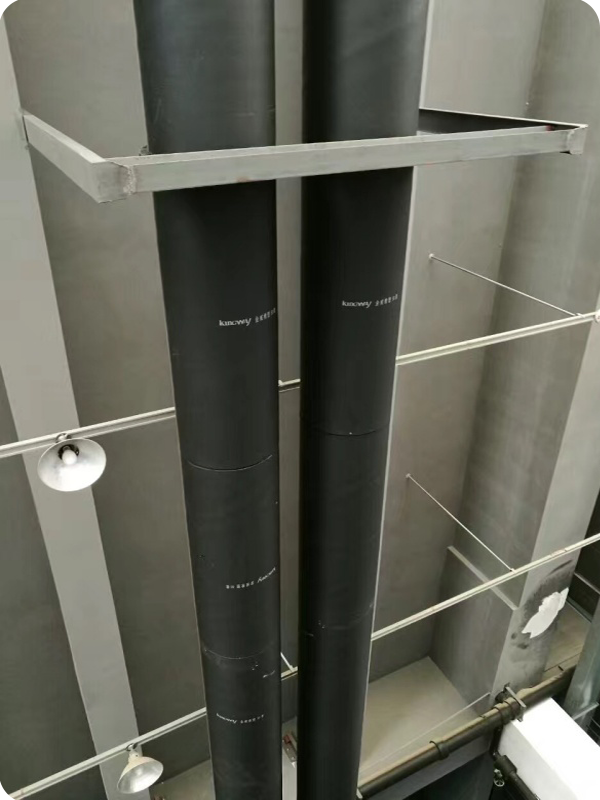
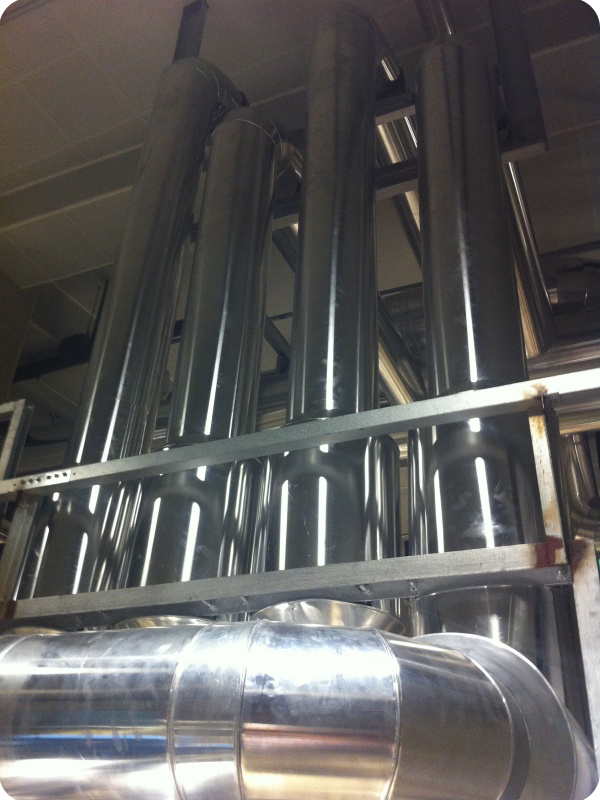
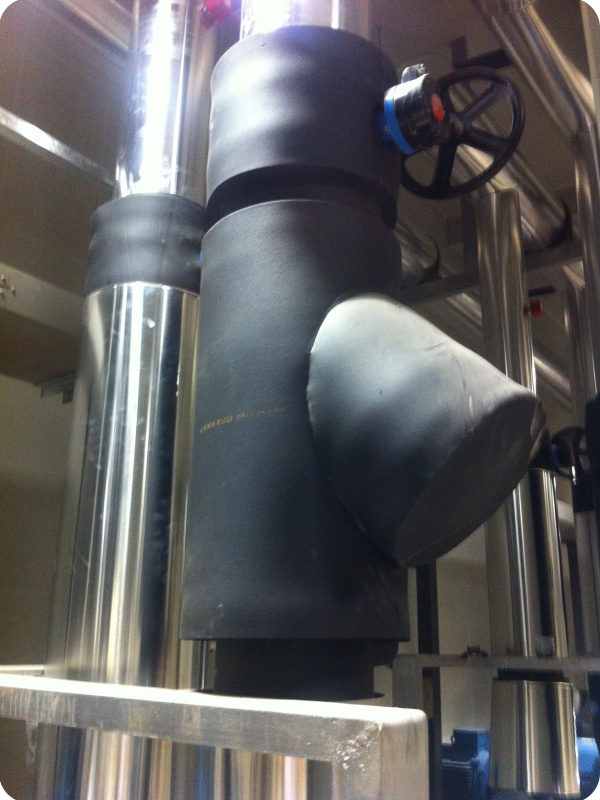
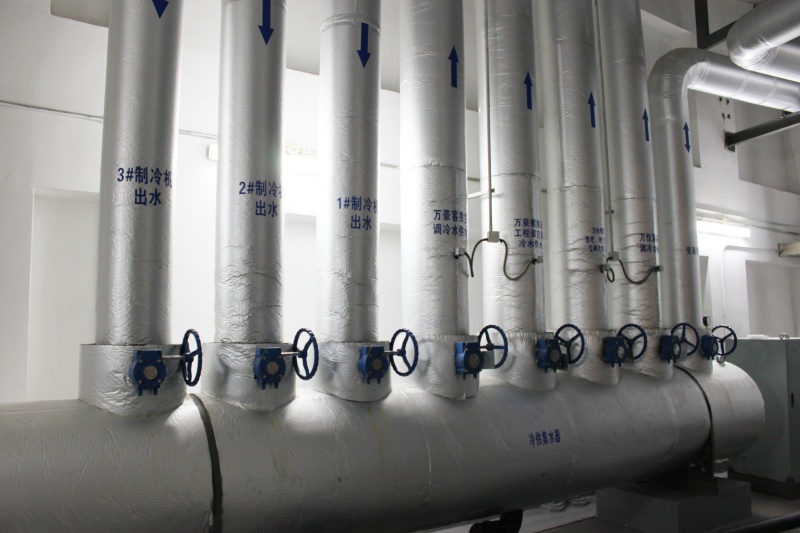

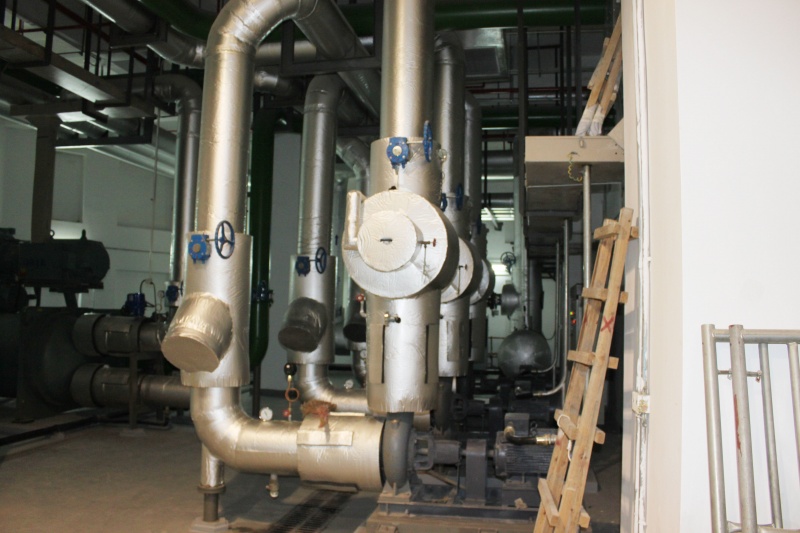
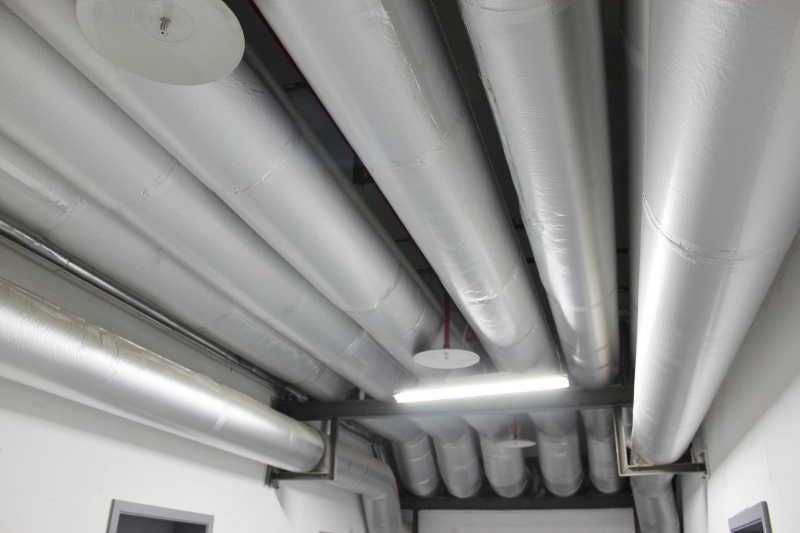
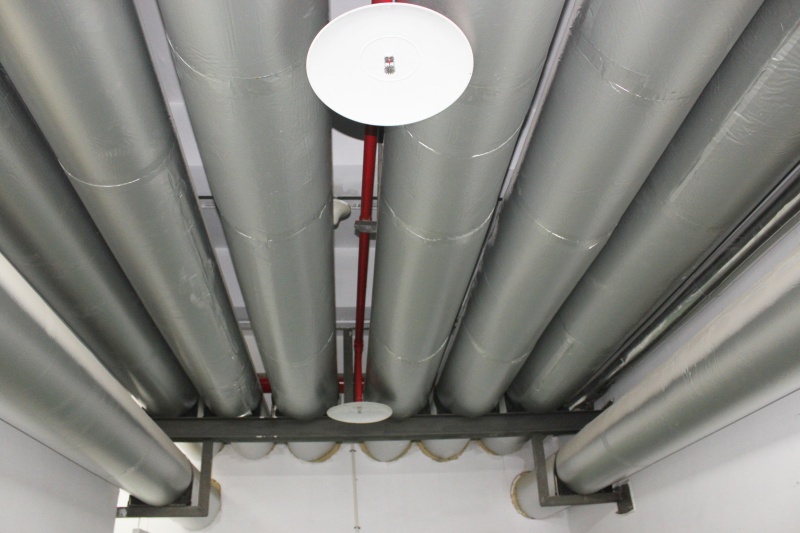
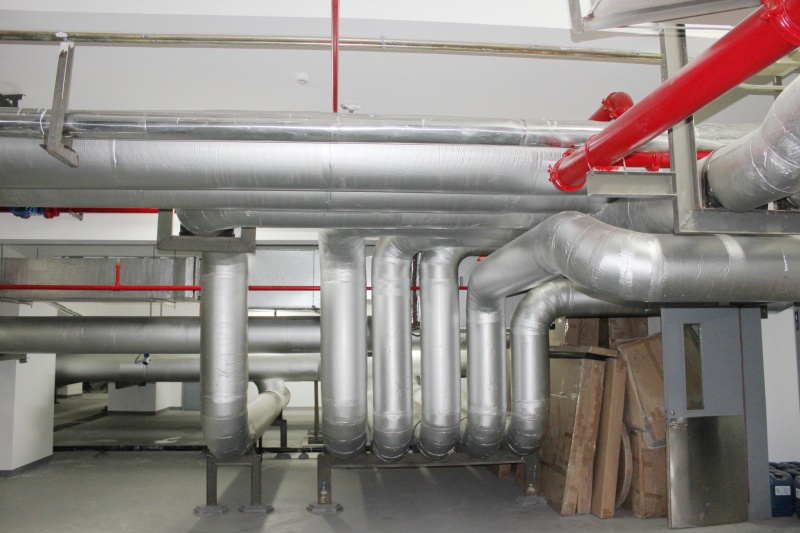
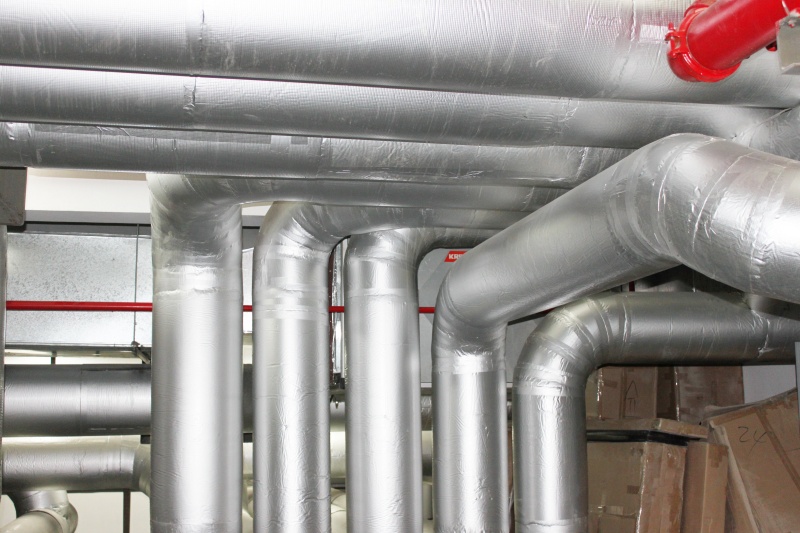
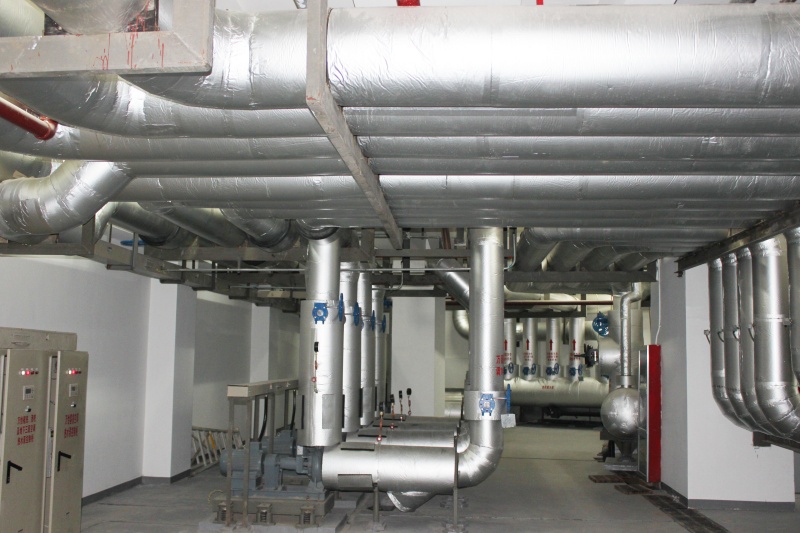
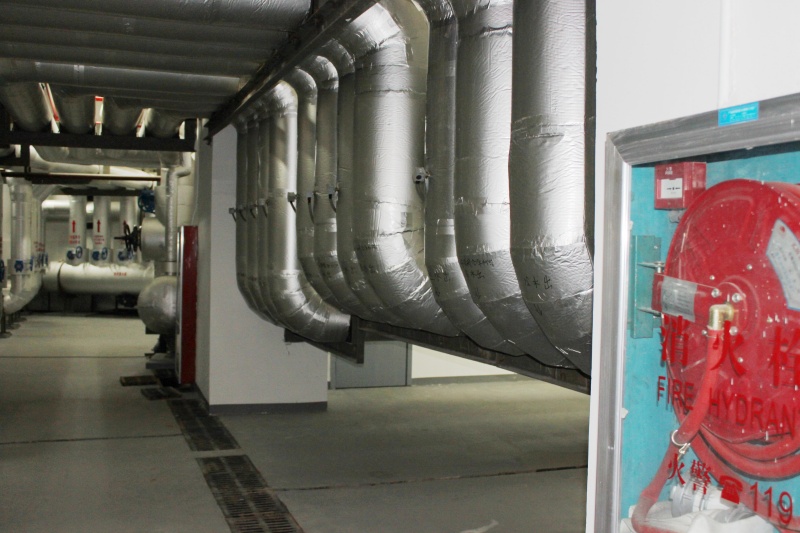
In-depth comparison of NBR/PVC structures based on configuration demands.
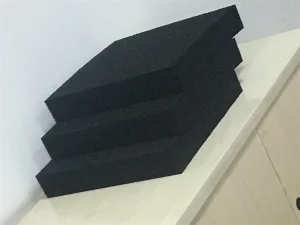
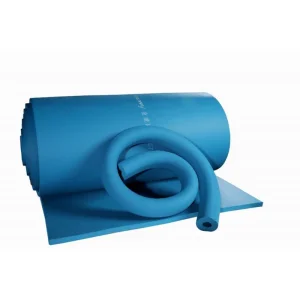
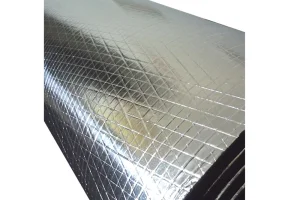
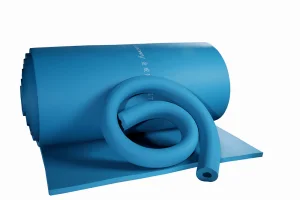
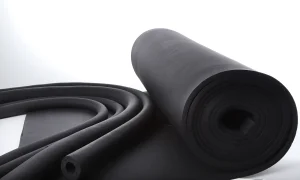
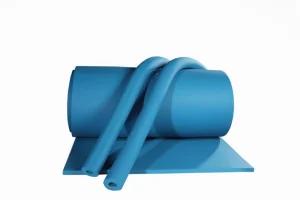
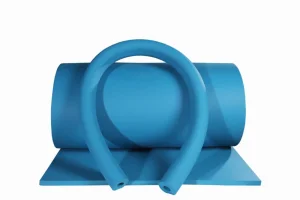
This formulation is designed for large flat surfaces, air ducts, big vessels, and irregular mechanical shapes where structural noise control is needed.
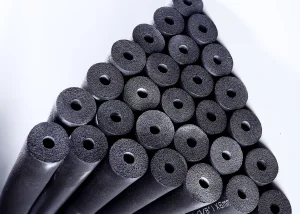
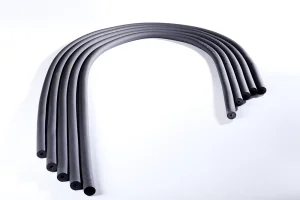
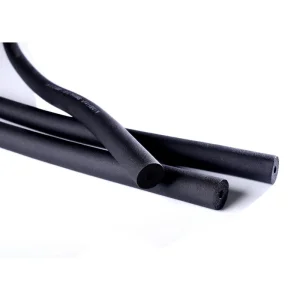
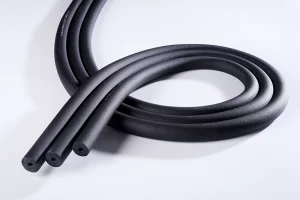
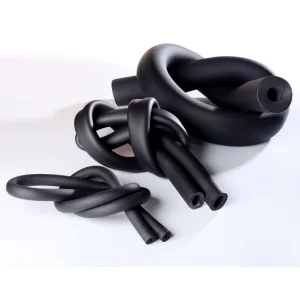
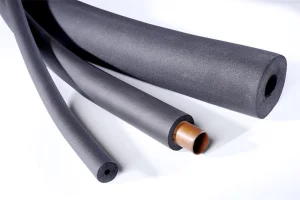
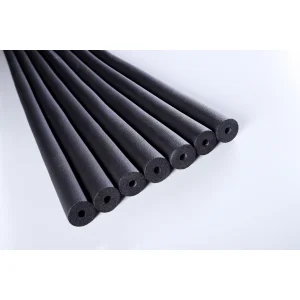
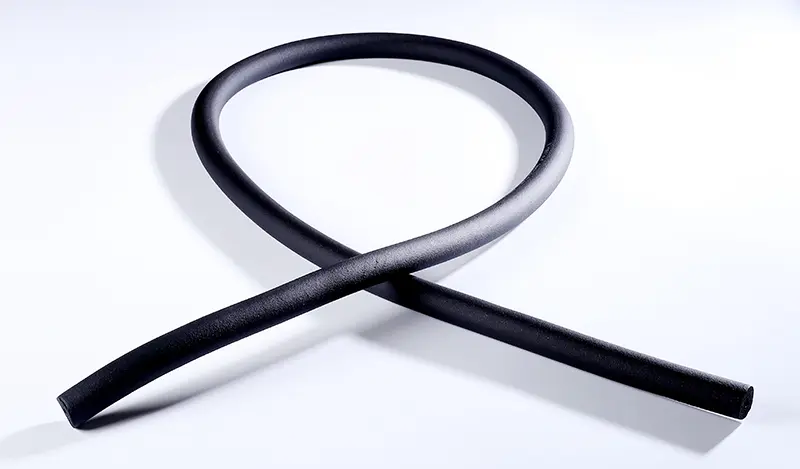
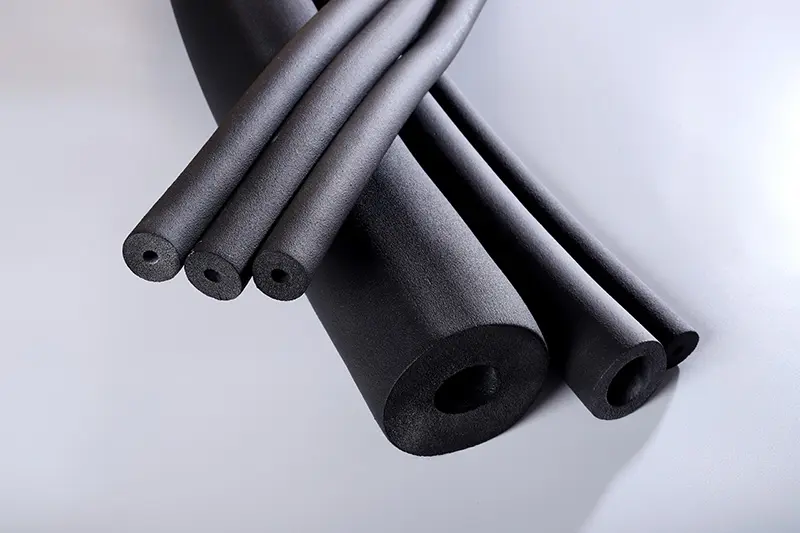
Extruded specifically for tubular applications, this pipe wrap helps reduce liquid flow noise, pipe hammer, and high-frequency valve squeals.
Anticipating the future of acoustic insulation with eco-friendly chemistry and hybrid composites.
Regulatory rules around the world are pushing for insulation materials that are both energy-efficient and safe for the environment. Our R&D team is actively working on new technologies to meet these evolving standards:
Detailed technical answers to help you specify products and plan projects successfully.
Premium solutions manufactured to precise density, thickness, and structure specifications.

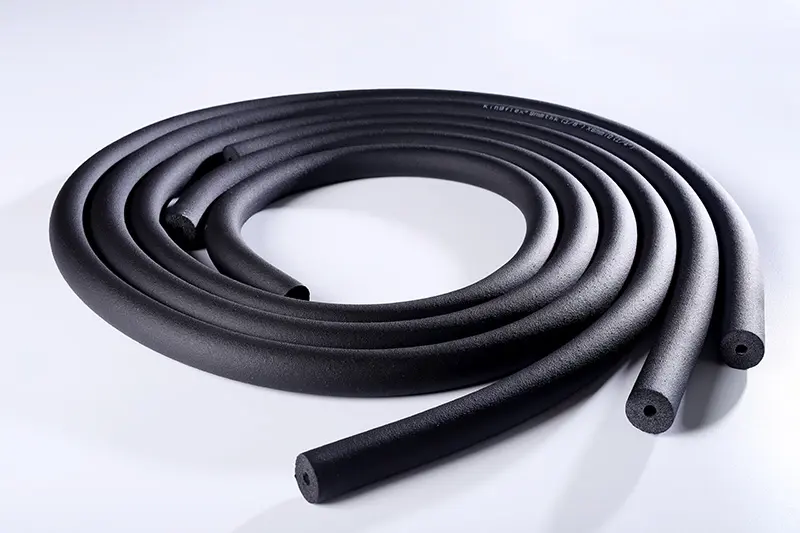
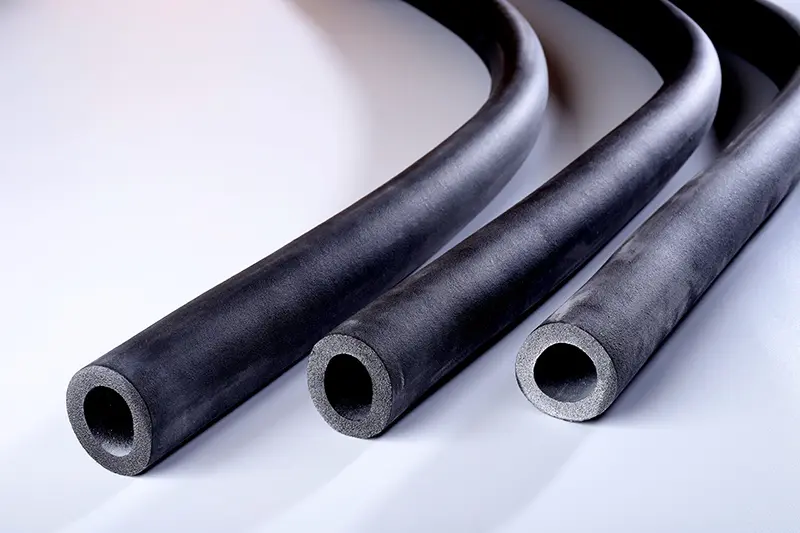
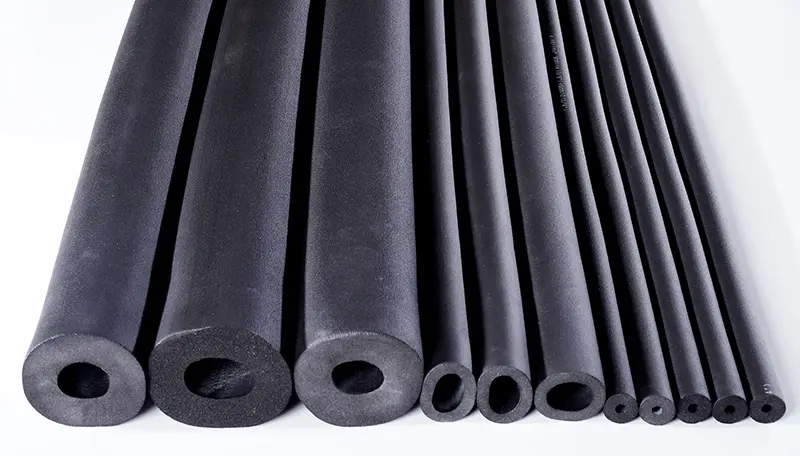
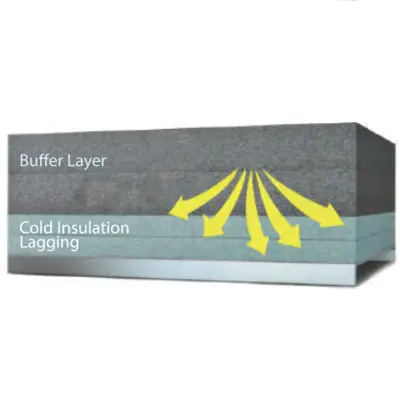
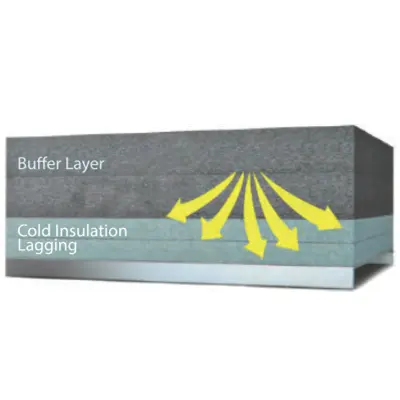
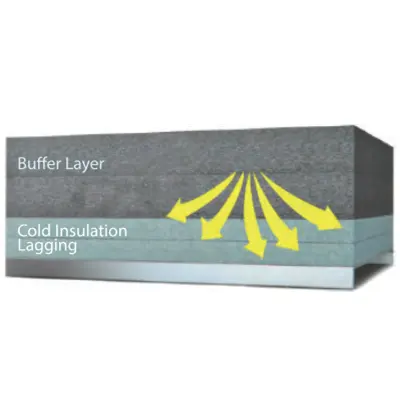
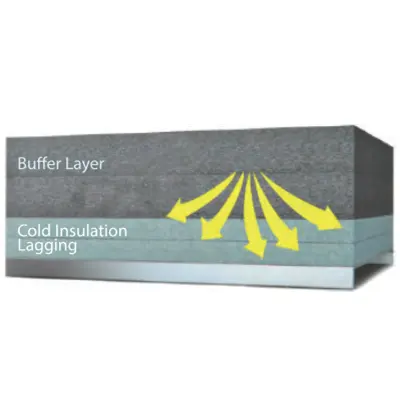
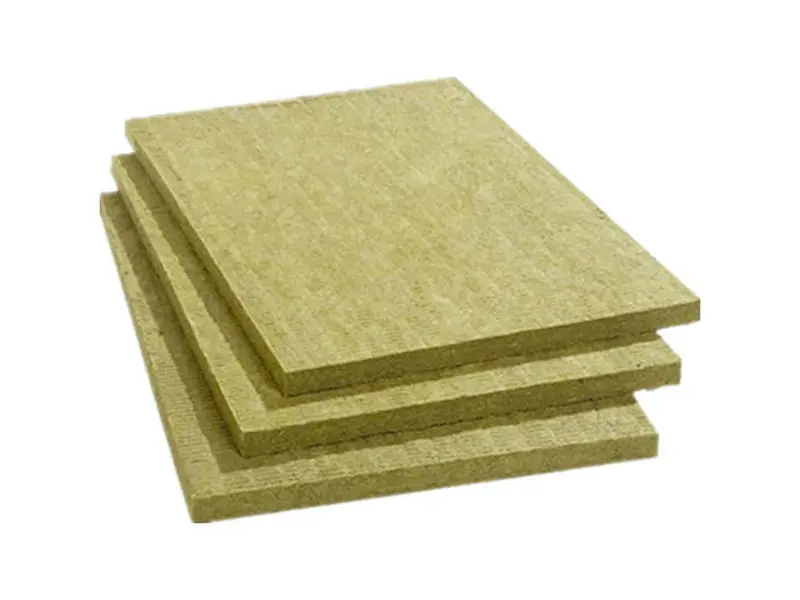
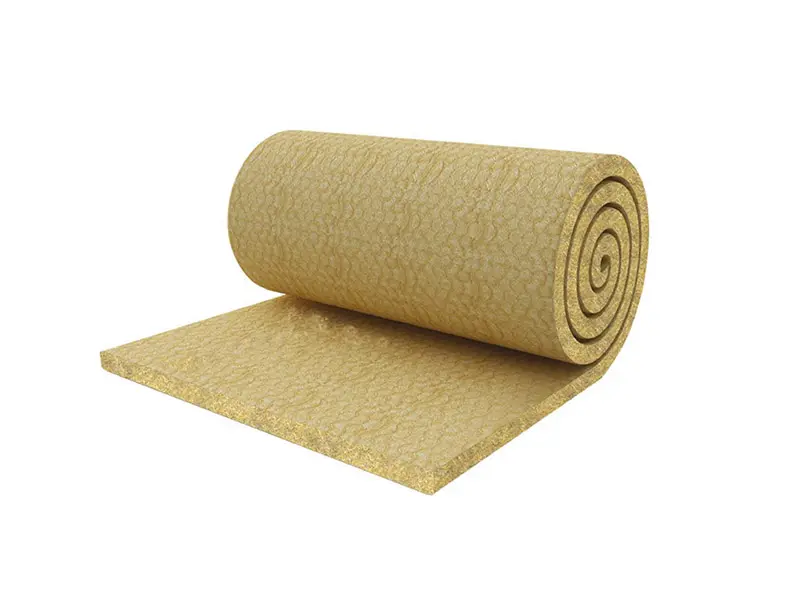
Final selection of specialized products designed for demanding thermal and acoustic systems.