 Kingflex
Kingflex
Kingflex
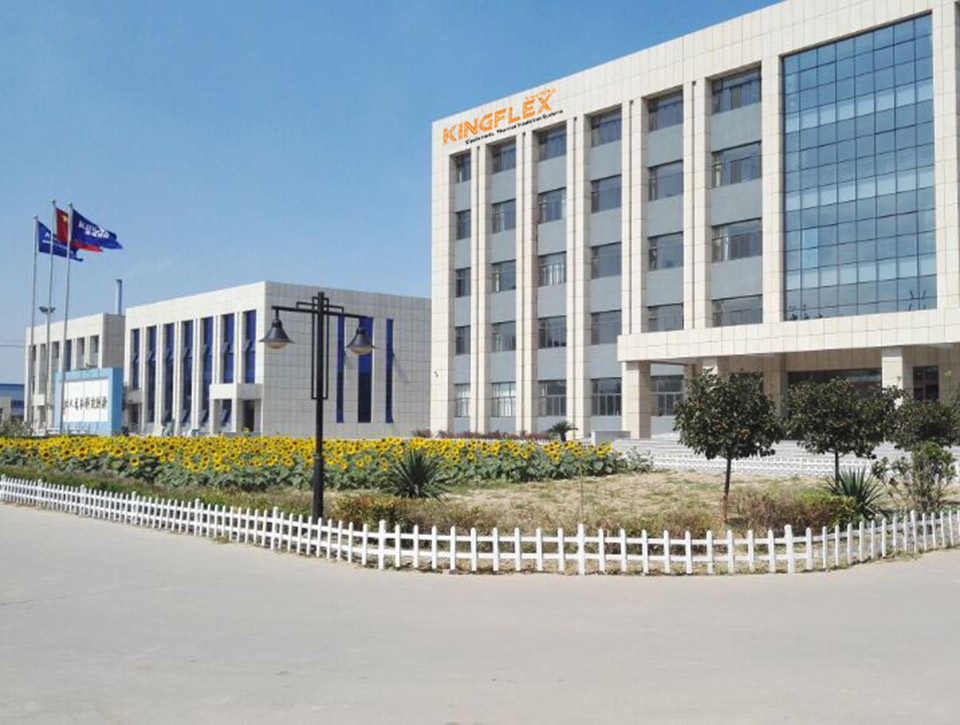
Kingflex Insulation Co., Ltd. is a premier, globally integrated manufacturing and trading conglomerate dedicated to advanced thermal insulation technologies. Strategically situated in Dacheng, China—historically recognized as the capital of green building materials—Kingflex stands as an energy-saving and environmentally friendly enterprise. Our operational core balances rigorous research and development with scalable production and dedicated post-sale guidance.
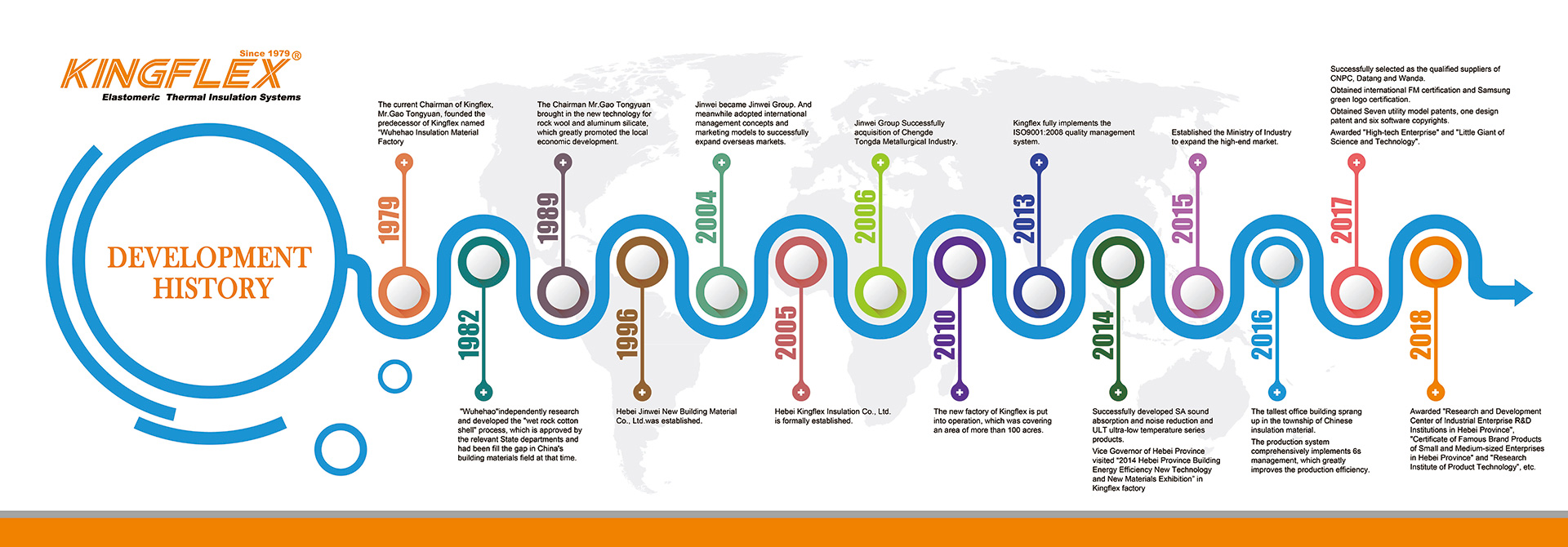
Our historical timeline trace back to the pioneering efforts of the Jinwei Group, established in 1979. With over 40 years of industry experience, Jinwei Group established the very first thermal insulation manufacturing hub north of the Yangtze River. This institutional knowledge directly translates into Kingflex's capability to deliver high-performance, compliant, and cost-effective insulation materials tailored for challenging outdoor HVAC, industrial process pipework, and cryogenic settings.
At Kingflex, energy saving and consumption reduction form our core philosophy. We provide high-value consulting, custom research and development, strict manufacturing protocols, installation supervision, and responsive post-sale services. By engineering insulation systems with lower thermal conductivity and high moisture resistance, we help standard commercial facilities, processing plants, and cryogenic tanks minimize thermal losses and greenhouse gas emissions.
Our international service footprint extends to more than sixty-six foreign countries. Over the past 16 years, our dedicated teams have helped plant managers, design engineers, and mechanical contractors implement insulation barriers that withstand extreme outdoor environments, structural vibration, and chemical exposure.
Modern mechanical engineering demands that outdoor HVAC pipelines maintain strict thermal stability, despite solar radiation, extreme temperature fluctuations, and environmental moisture. As modern infrastructure transitions toward decarbonization, standard materials are being evaluated on operational life cycles, thermal bridge minimization, and direct energy savings.
The industry is moving away from open-cell designs to micro-cell elastomeric polymers (NBR/PVC blends). The high density of closed cells (>98%) blocks ambient moisture ingress, which is the primary cause of Corrosion Under Insulation (CUI) in outdoor water chillers.
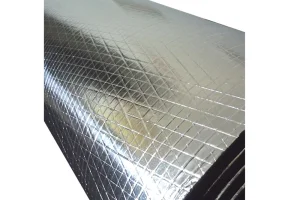
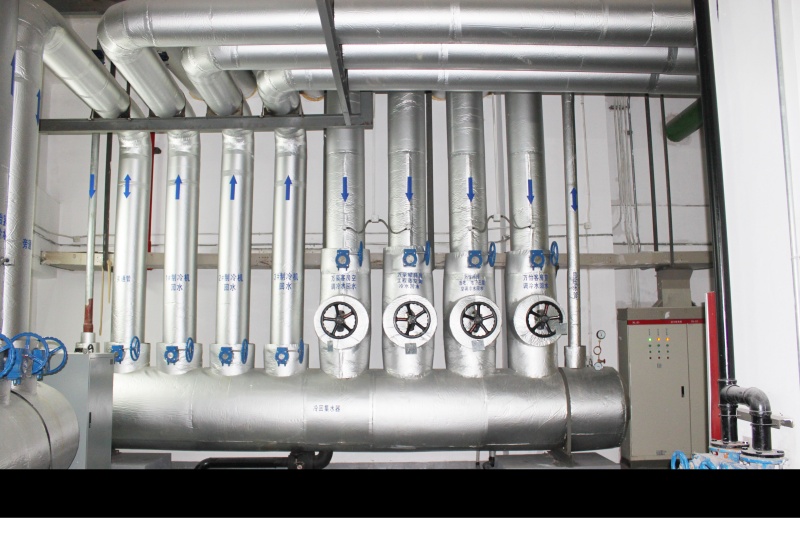
Solar UV radiation degrades baseline rubber materials. Modern specifications require composite coatings, such as aluminum foil laminated jackets or polyurea protective barriers, to reflect solar heat and extend pipeline service life to over 15 years.
Global commercial building regulations require insulation materials to pass flame spread and smoke density classifications. Compliance with BS 476, Class 0, CE, and ASTM E84 is necessary for municipal, residential, and high-occupancy structures.
Kingflex's production capacity relies on automated manufacturing facilities. We run 5 high-output automated assembly lines, ensuring a production capacity that exceeds 600,000 cubic meters annually. This scale of operation positions Kingflex as a designated production enterprise certified by key energy, electric power, and chemical industry regulators in China.
Our R&D department features eight specialized thermal engineers, and our production workshops employ 230 technicians. Continuous extrusion, chemical blowing agent distribution, and curing thermal profile controls are monitored via centralized digital control systems. This automation ensures that each batch of NBR/PVC elastomeric rubber matches target densities of 40-55 kg/m³ and maintains a consistent thermal conductivity profile (≤0.034 W/m·K at 0°C).
In compliance with international quality verification guidelines, Kingflex maintains product traceability. Every batch of rubber foam rolls, boards, or tubes is assigned a batch tracking code linked to raw material chemical analysis, laboratory fire testing performance, and dimensional tolerance validation.

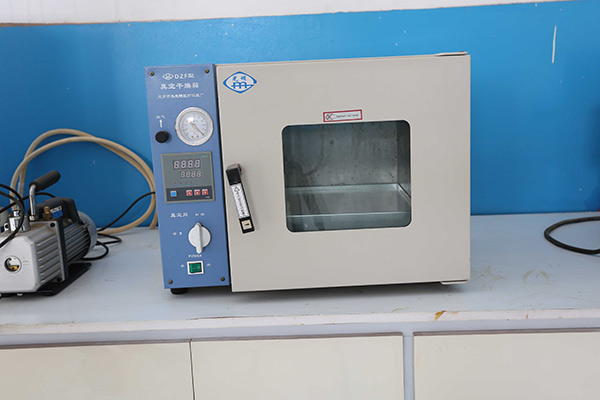
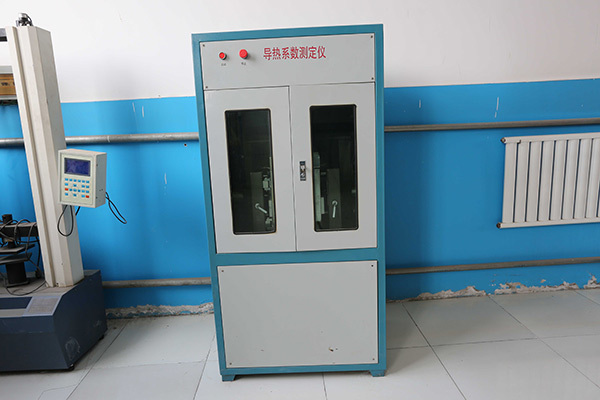
Entering strict regulatory zones requires compliance certifications. Kingflex products have passed test methodologies, proving suitability across civil and industrial projects.
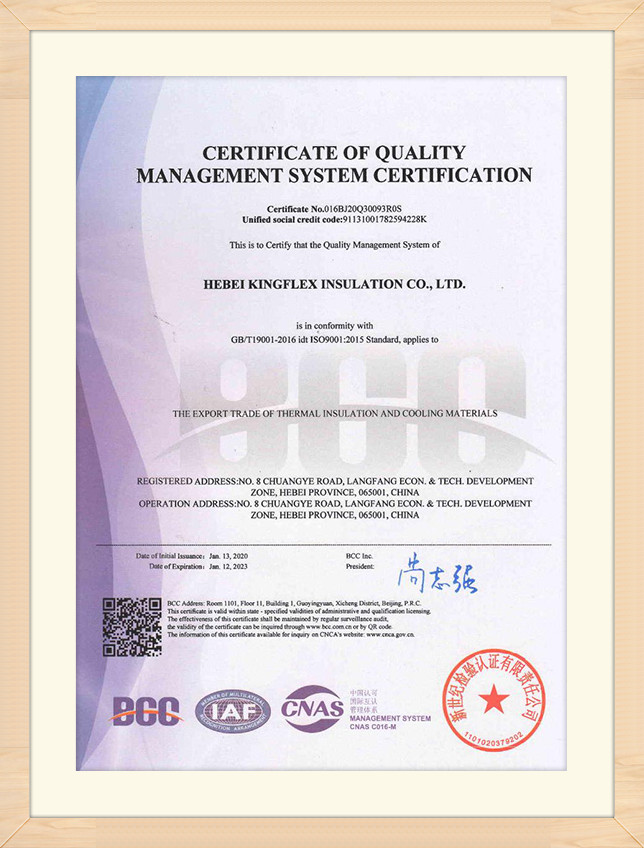
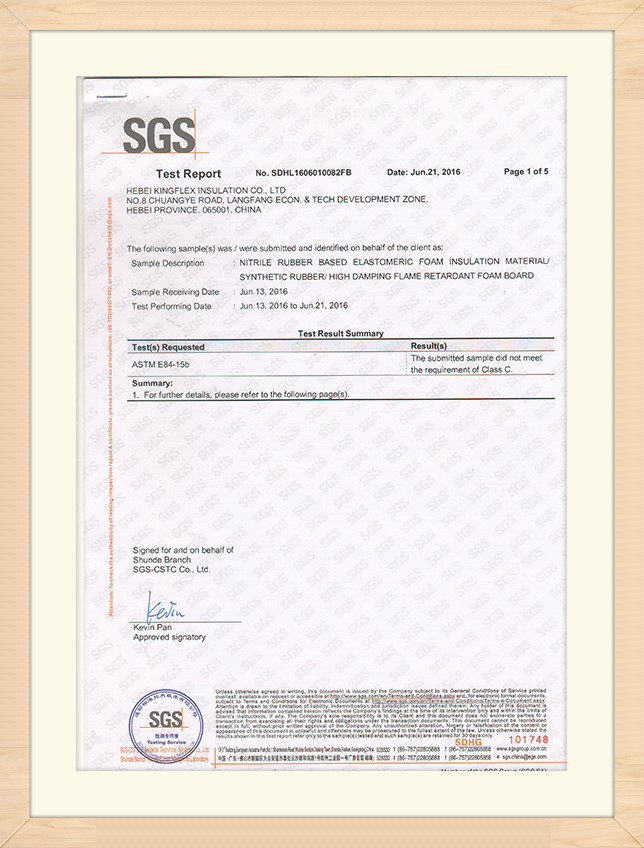
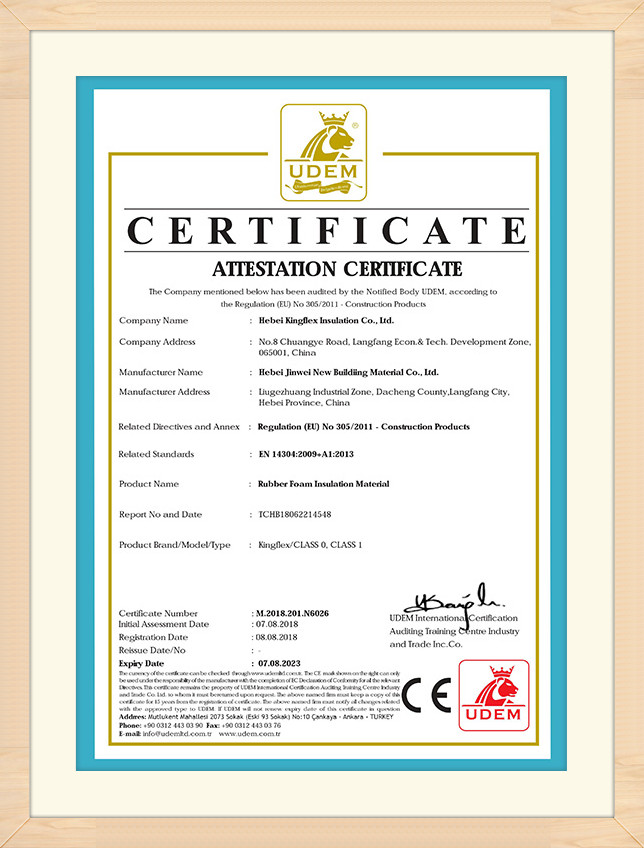
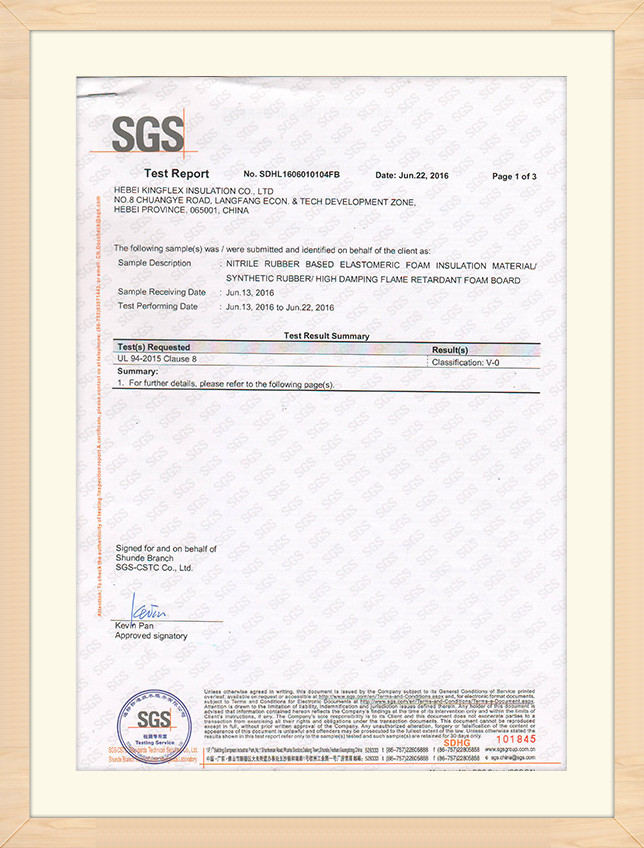
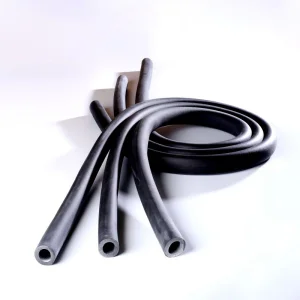
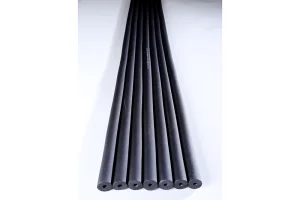
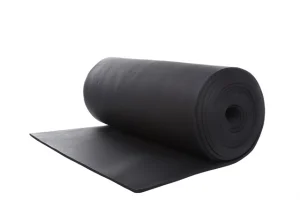
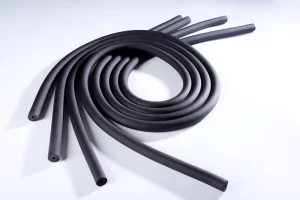
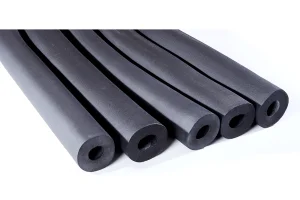
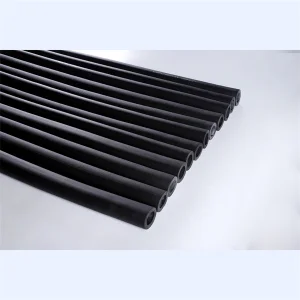
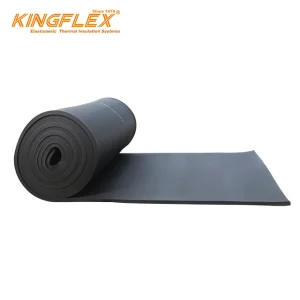
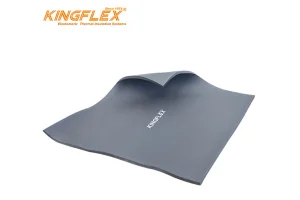
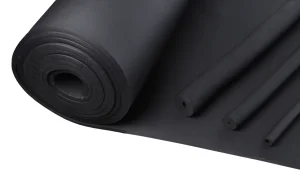
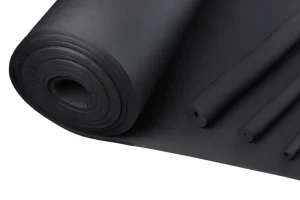
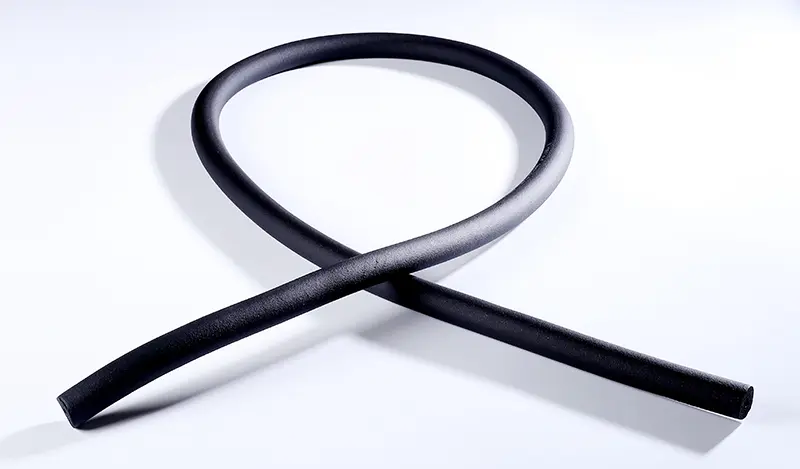
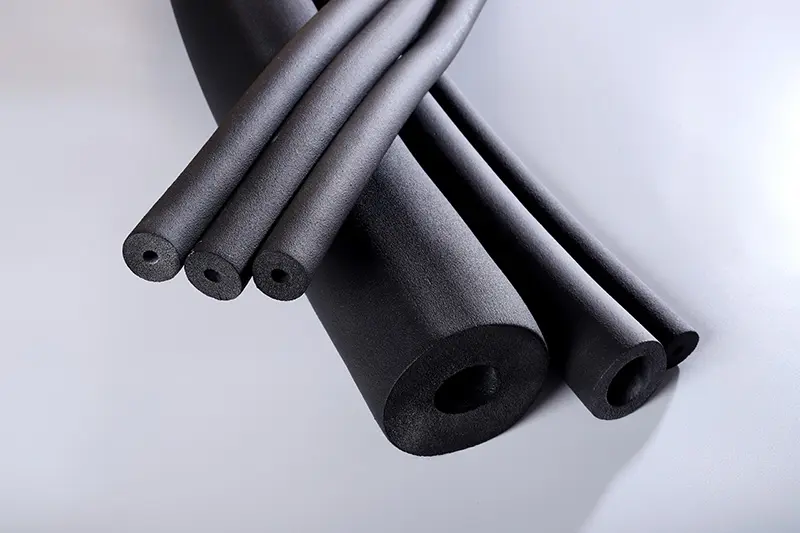
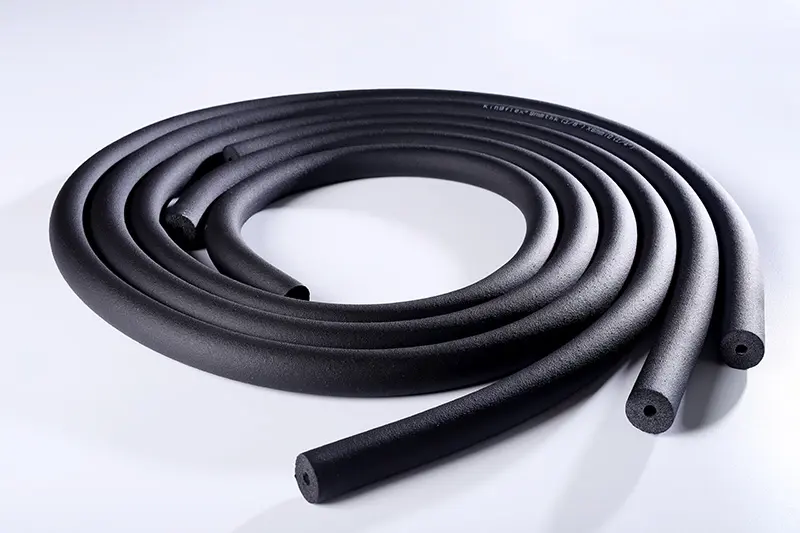
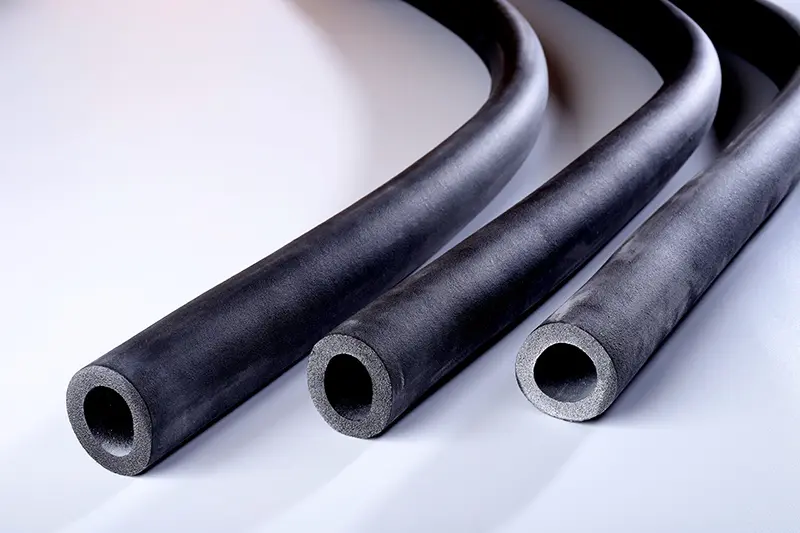
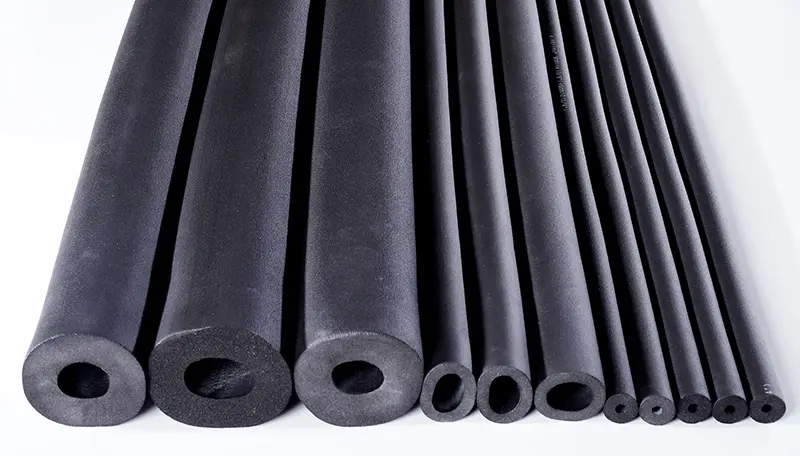
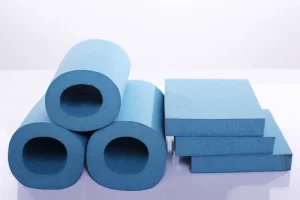
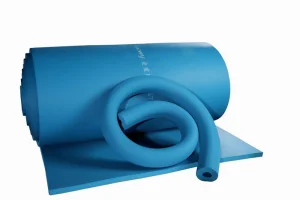
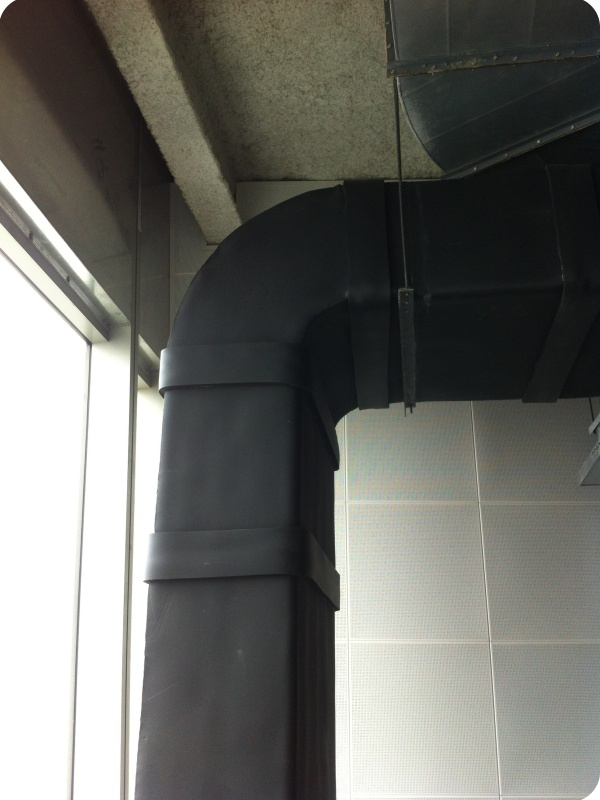
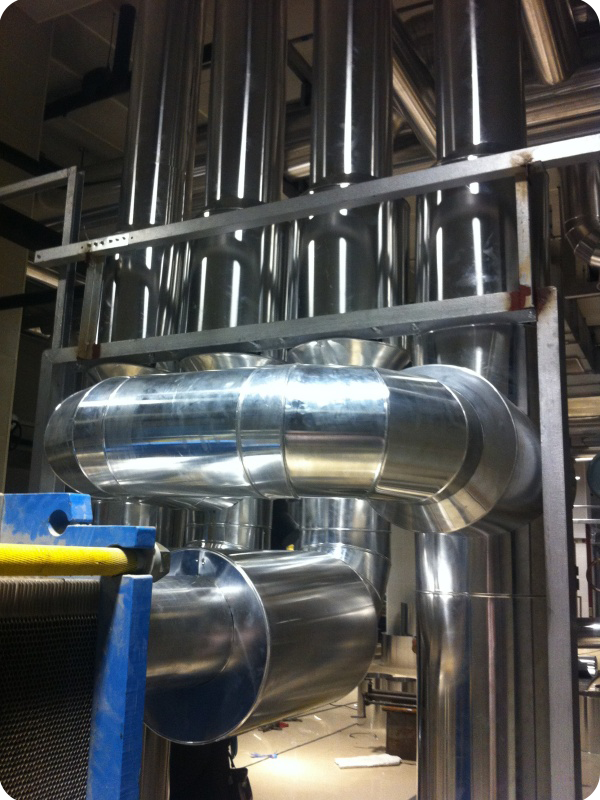
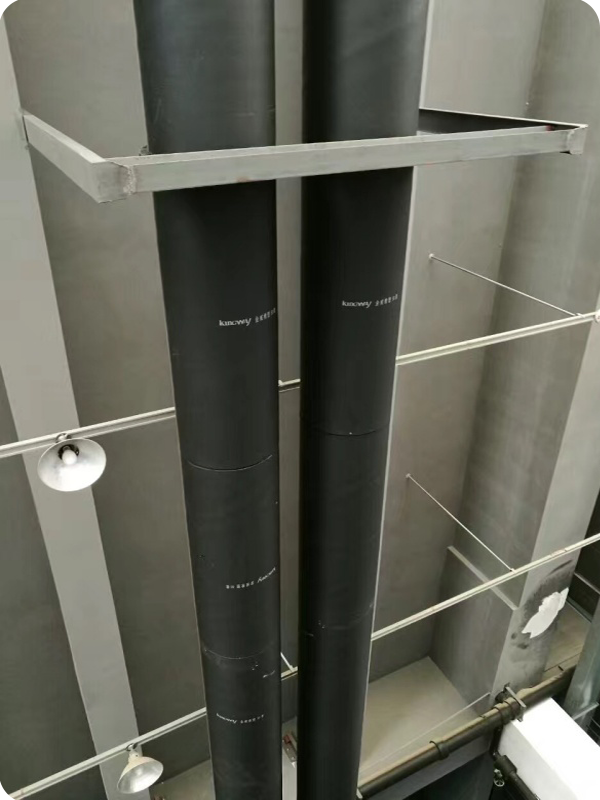
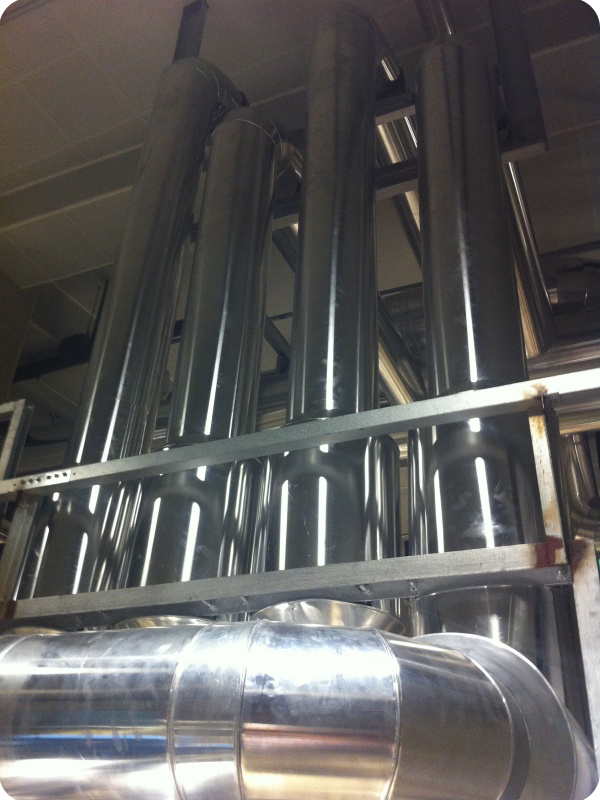
Kingflex manufactures rubber foam insulation in two primary shapes: continuous rolls (sheets) and pre-molded tubes (pipes). They are designed for easy installation over complex pipe fittings, large industrial manifolds, and outdoor rectangular air ducts.
| Parameters | Standard Values |
|---|---|
| Material Composition | NBR (Nitrile Butadiene Rubber) / PVC Blend |
| Thickness Range | 6mm to 50mm |
| Density | 40 – 55 kg/m³ |
| Service Temperature Range | -40℃ to +105℃ |
| Closed-Cell Rate | >98% |
| Flame Spread Index | Class 0 (BS 476 Part 6 & 7), self-extinguishing |
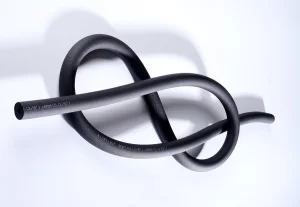
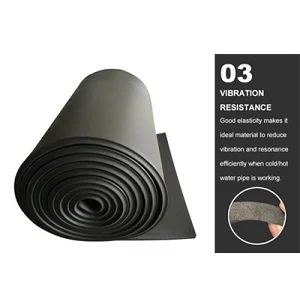
Key Advantages: High flexibility allows application over complex geometries. The closed-cell structure keeps thermal conductivity low, while the elastomeric design provides structural sound dampening.
| Parameters | Standard Values |
|---|---|
| Material Composition | NBR/PVC blend with built-in vapor barrier |
| Thickness Range | 9mm to 40mm |
| Inner Diameter (ID) Range | 6mm to 114mm |
| Density | 40 – 55 kg/m³ |
| Application Suitability | Copper refrigerating lines, cold/hot water lines |
| Vapor Permeability Coefficient | ≥ 10,000 (μ-factor) |
Key Advantages: Extruded tubes slide onto copper or steel lines easily. The snug fit minimizes joint separation, preventing hot air bypass that causes condensation and insulation degradation.
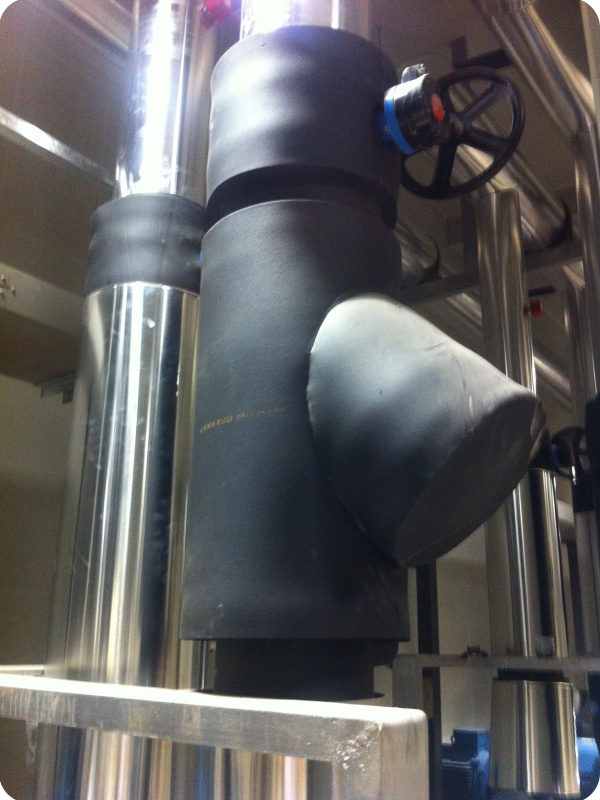
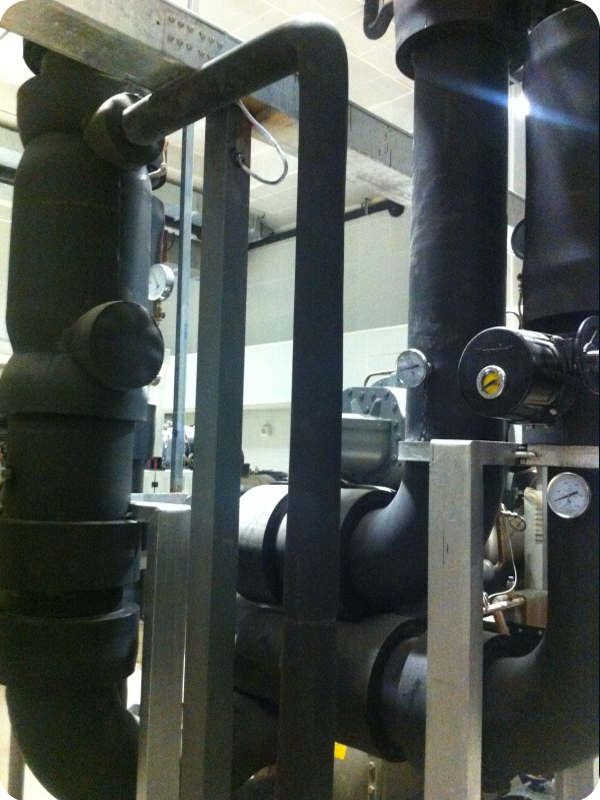
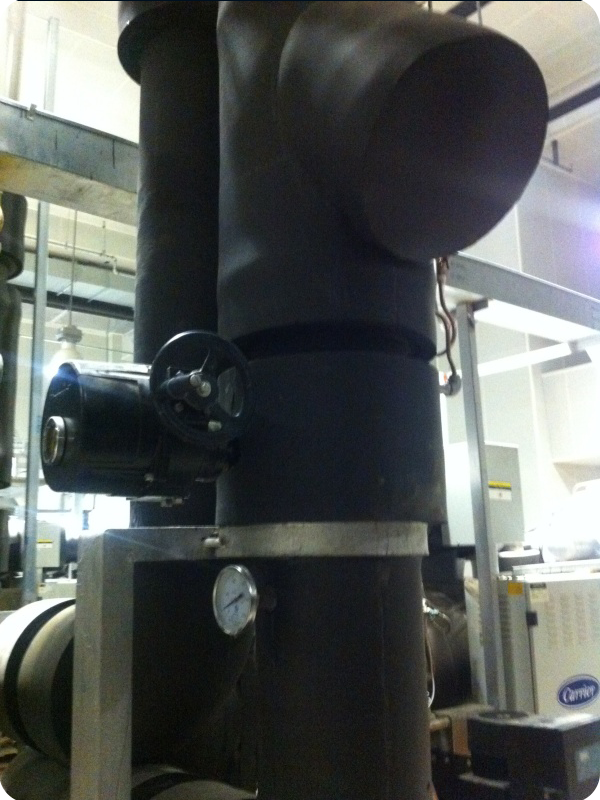
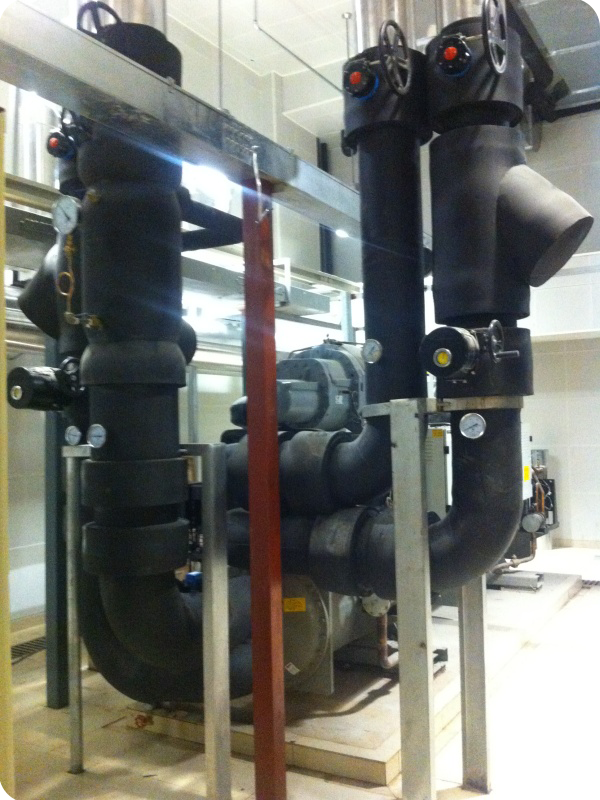
Procurement divisions of multinational energy developers and chemical conglomerates prioritize technical reliability and supply chain stability. Outdoor mechanical insulations are subjected to weather loads, requiring certified resistance to cyclic temperature strain.
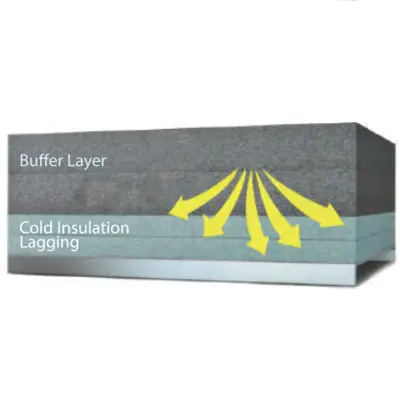
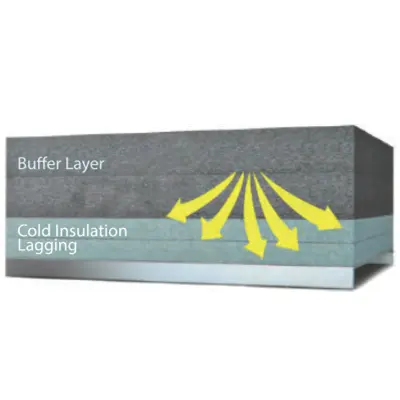
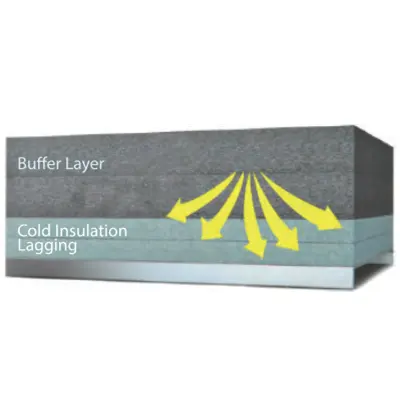
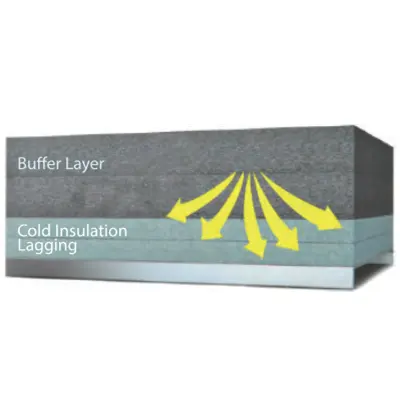
In cryogenic logistics, such as Liquefied Natural Gas (LNG) pipelines and storage facilities, temperatures drop below -150°C. Standard elastomeric materials lose elasticity at these temperatures, leading to thermal cracks. Kingflex addresses this with specialized cryogenic insulation systems.
These systems maintain flexibility at low temperatures, minimizing heat ingress that causes gas boil-off (BOG). Using composite barrier films alongside NBR-PVC foam ensures the system withstands cryogenic thermal cycles without cracking.
Different regions present unique challenges to insulation materials. High-humidity climates accelerate condensation and biological growth, while arid industrial zones expose insulation to intense UV degradation. Kingflex materials are engineered for reliable performance across a range of climates:
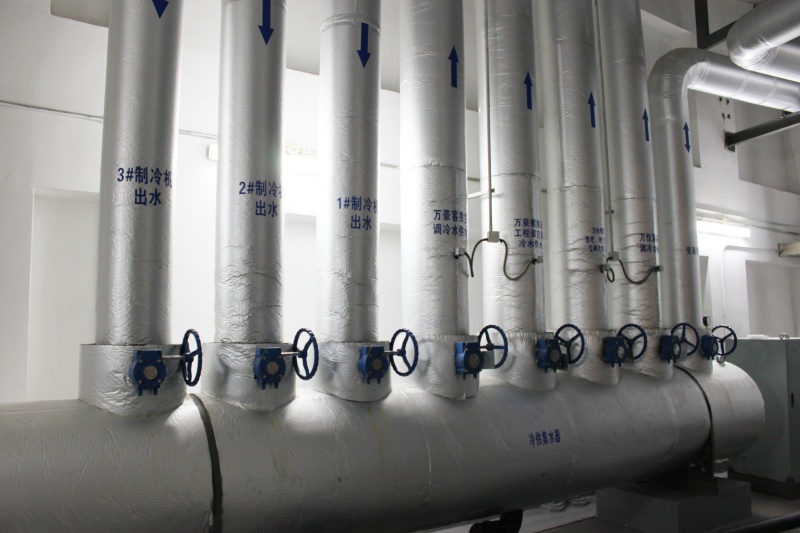
Protects chilled water pipes from condensation in humid regions, preventing moisture buildup that degrades mechanical equipment and ceilings.
Prevents piping from freezing and cracking in sub-zero environments, maintaining target temperatures in cold chain transport systems.
Provides insulation for hot steam pipes and storage tanks, helping processing plants control heat loss and minimize carbon footprint.
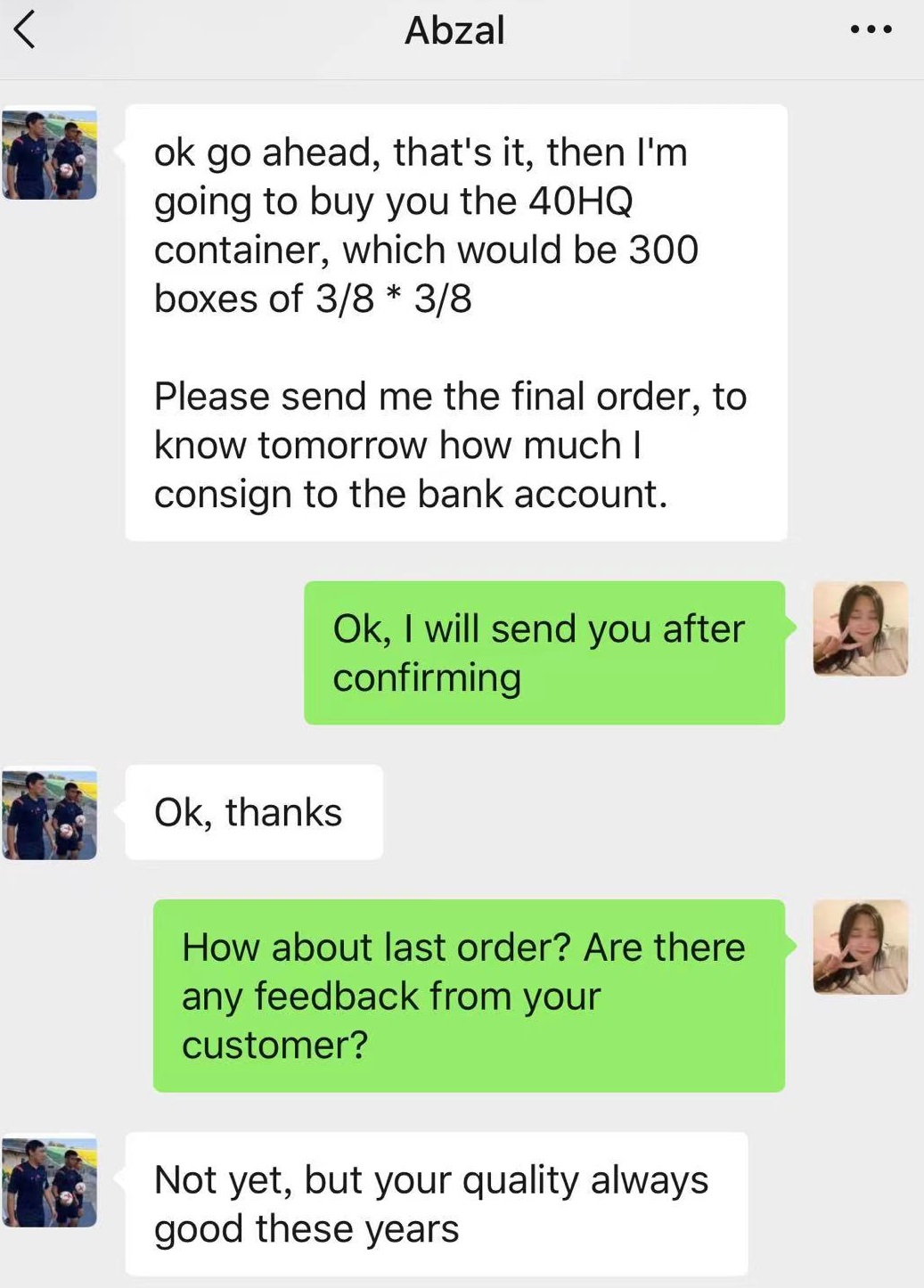
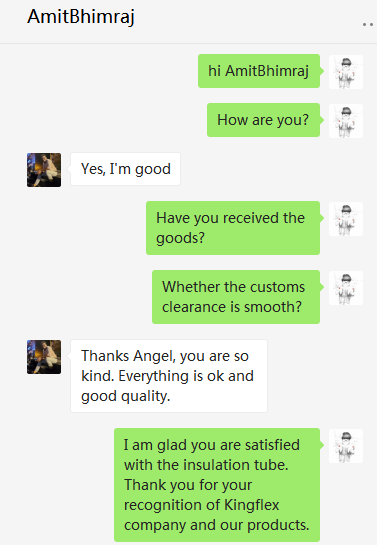
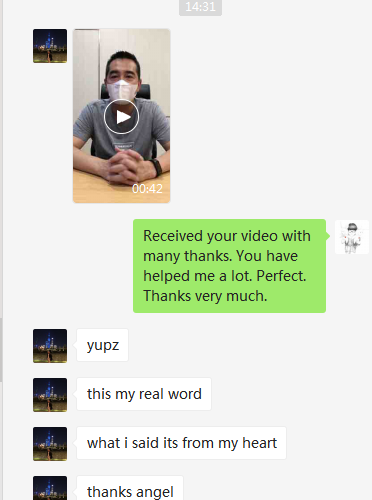
Our international sales team provides direct support for product selection, design integration, and bulk procurement logistics. We focus on providing responsive communication to help clients verify specifications, review quality documentation, and coordinate shipping schedules.
These chat screenshots highlight our regular engagement with global engineering partners, showing our focus on maintaining communication from technical inquiry to delivery.



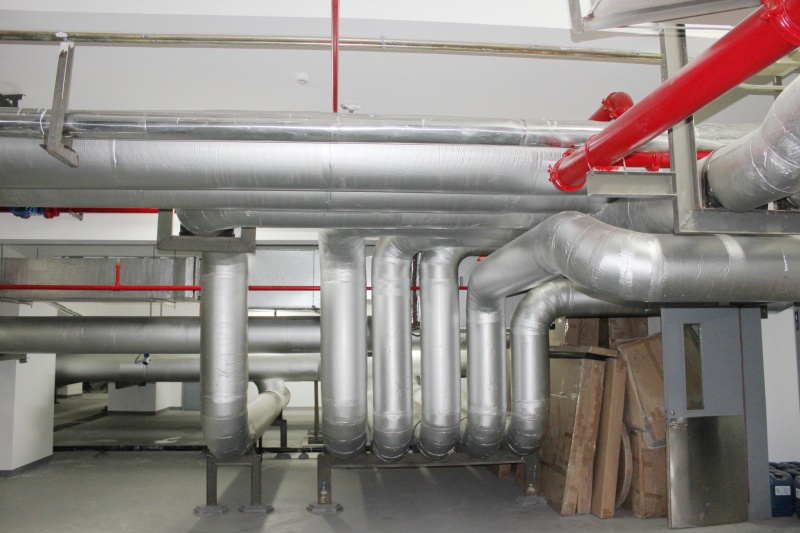
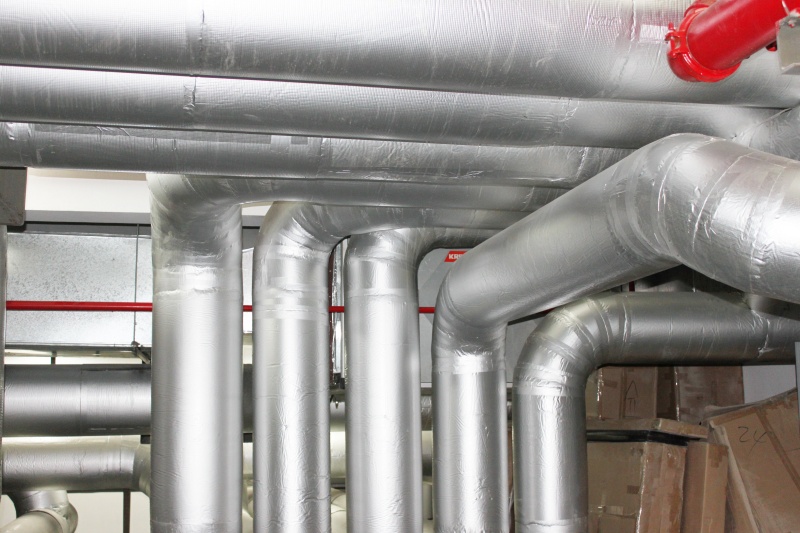
Here are technical answers to common questions about selecting, installing, and procuring outdoor HVAC insulation materials.
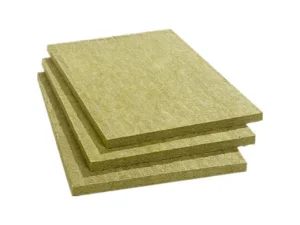
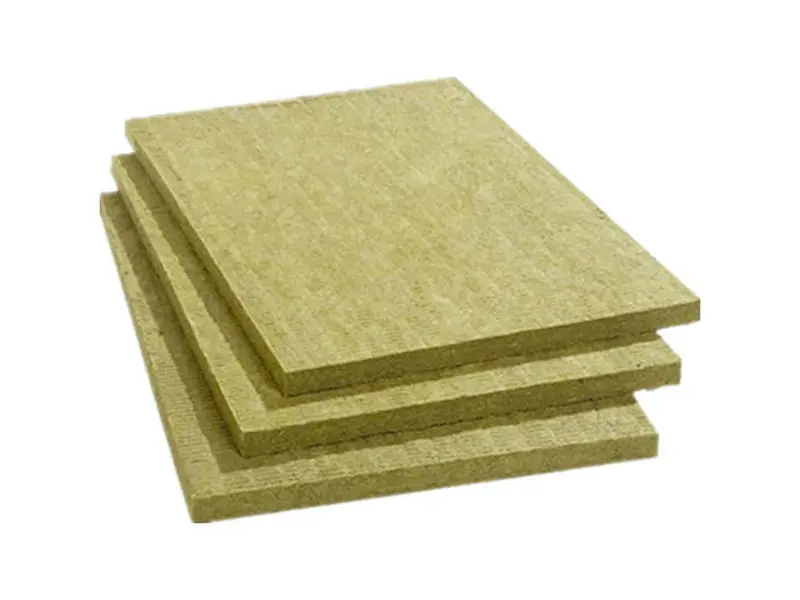
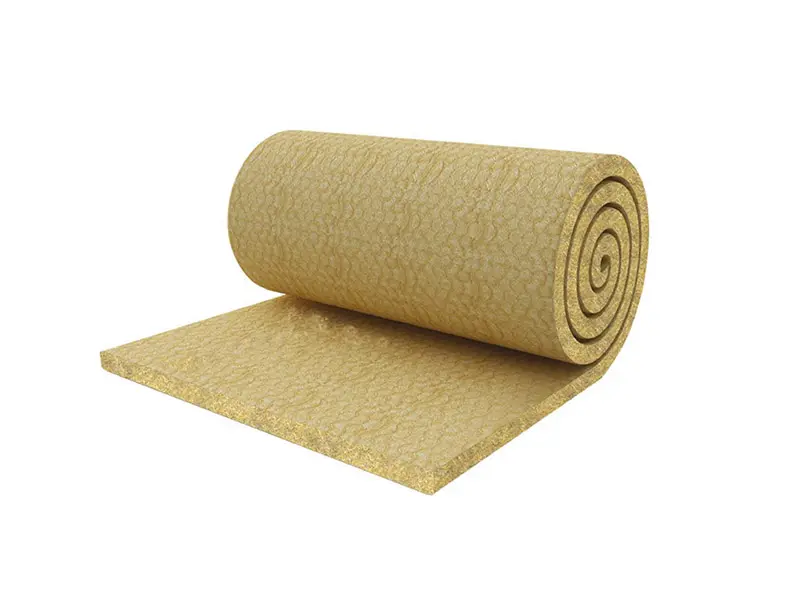
In addition to elastomeric foam rubber materials, we supply rock wool products designed for high-temperature applications.