 Kingflex
Kingflex
Kingflex
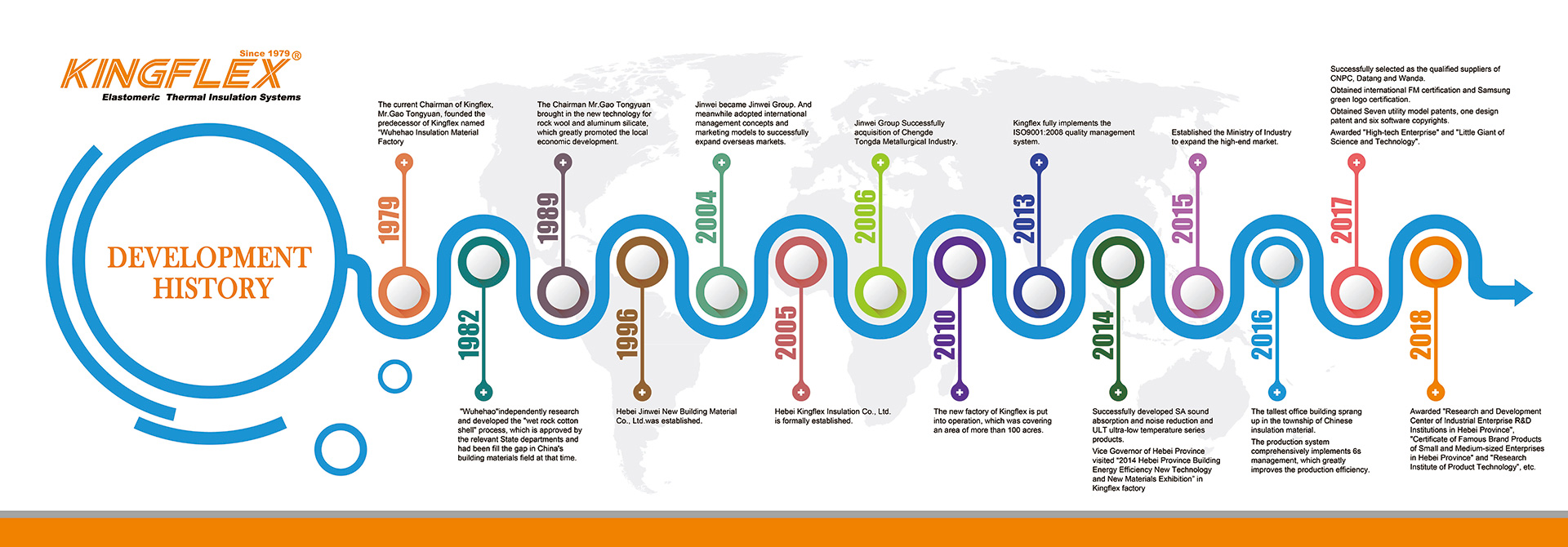
Kingflex Insulation Co., Ltd. is a professional manufacturing and trading combo for high-performance thermal insulation products. Our R&D and production departments are located in Dacheng, China—widely recognized as the capital of green-building materials. As an energy-saving, environmentally friendly enterprise, we specialize in the comprehensive research, development, production, and worldwide sales of advanced elastomeric solutions.
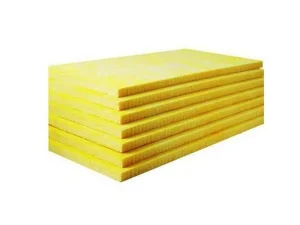
Established by the Jinwei Group, which boasts over 40 years of industrial history, Kingflex carries a legacy starting from 1979. We were the pioneering manufacturer of thermal insulation materials north of the Yangtze River. Through constant technological iterations, we have transitioned from traditional glass wool to cutting-edge elastomer synthetics.
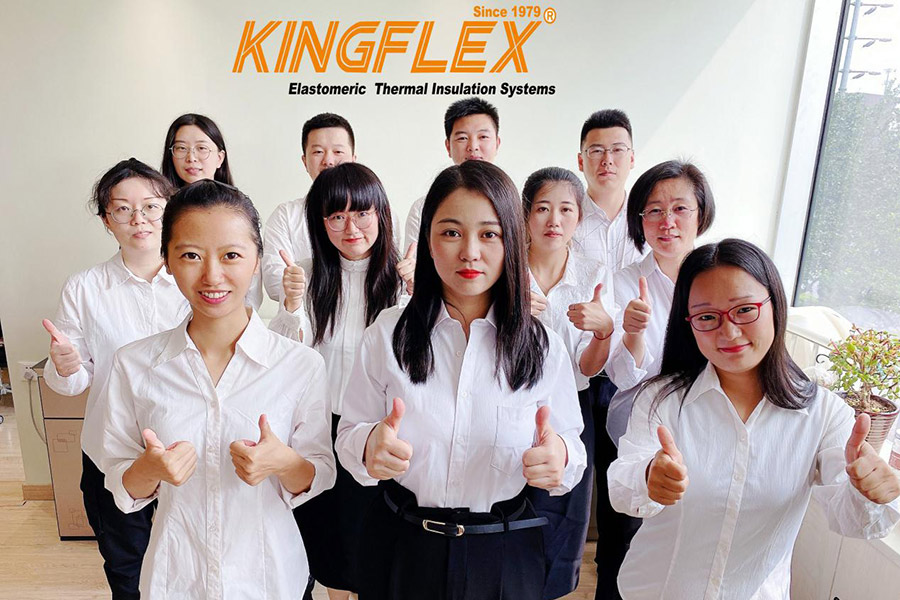
Our team is composed of seasoned professionals united under a singular vision: giving consistently first-class service. Our research division houses 8 expert chemical and thermodynamic engineers, supported by 6 international sales specialists and over 230 dedicated workers in our modern manufacturing unit.
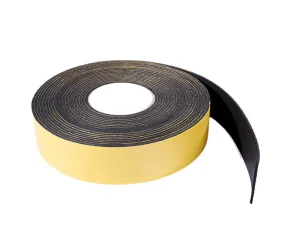
In modern industrial design, HVAC systems, and cryogenic processing, managing heat loss, surface condensation, and structural thermal bridging is critical for achieving net-zero energy goals. Among the primary tools used by insulation engineers are Self-Adhering Foam Tapes. These composite materials pair closed-cell elastomeric foam with high-shear pressure-sensitive adhesives (PSA) to deliver robust sealing, moisture protection, and continuous thermal barriers.
At the core of Kingflex thermal insulation products lies a co-polymer blend of Nitrile Butadiene Rubber (NBR) and Polyvinyl Chloride (PVC). NBR delivers flexibility, low-temperature resilience, and oil resistance, while PVC enhances chemical resilience, mechanical strength, and inherent flame retardancy. This hybrid formulation undergoes a chemical blowing process, producing a micro-cellular structure where the closed-cell rate exceeds 98%.
A closed-cell design is critical for thermal performance. Traditional fibrous insulation like glass wool depends on trapped pockets of air, making it susceptible to moisture intrusion. Once water displaces the air, thermal conductivity increases dramatically. NBR/PVC foam prevents this by locking air inside independent cells, blocking liquid water and vapor from penetrating the foam. The addition of a high-tack acrylic or hot-melt adhesive backing transforms this foam into a fast-applying, self-sealing tape that maintains a continuous vapor barrier on complex metal pipe systems and air ducts.
The global demand for elastomeric rubber foam insulation is driven by changing building codes, stricter environmental laws, and the growth of liquid gas infrastructure. With the European Union pushing towards the Energy Performance of Buildings Directive (EPBD) and North America expanding LEED certifications, insulation is no longer just about basic temperature control. It is now a key part of carbon emission reduction strategies.
In regions like Asia-Pacific, rapid urbanization and industrial growth have increased the demand for HVAC systems. Meanwhile, the rising popularity of ultra-low temperature (ULT) refrigeration and liquefied natural gas (LNG) transport highlights the need for advanced cryogenic insulation. Traditional materials often struggle in cryogenic environments due to thermal contraction cracking. Modern elastomeric composites, however, remain flexible down to -40°C, and specialized cryogenic formulations can perform at even lower temperatures.
| Physical Property | NBR/PVC Elastomeric Foam | Fiberglass Wool Insulation | EPDM Rubber Foam | |
|---|---|---|---|---|
| Thermal Conductivity (λ at 0°C) | ≤ 0.034 W/(m·K) | ~ 0.038 W/(m·K) | ~ 0.036 W/(m·K) | Excellent thermal efficiency at thin profiles. |
| Moisture Resistance (μ Factor) | ≥ 10,000 (Closed Cell) | 1 (Open Structure) | ≥ 7,000 (Closed Cell) | Critical for preventing pipe condensation. |
| Service Temperature Limit | -40°C to +105°C | Up to +450°C | -50°C to +150°C | NBR/PVC is optimal for typical HVAC/commercial use. |
| Fire Safety Rating | Class 0 / Class 1 (BS 476) | Non-combustible (A1) | Class 1 / Class 2 | Excellent flame-retardant performance. |
| Installation Efficiency | Very High (Self-Adhesive) | Medium (Requires wrap/wire) | High (Self-Adhesive option) | Self-adhering tape cuts installation labor costs in half. |
Depending on the operating environment and region, NBR/PVC self-adhering tapes serve several distinct functions:
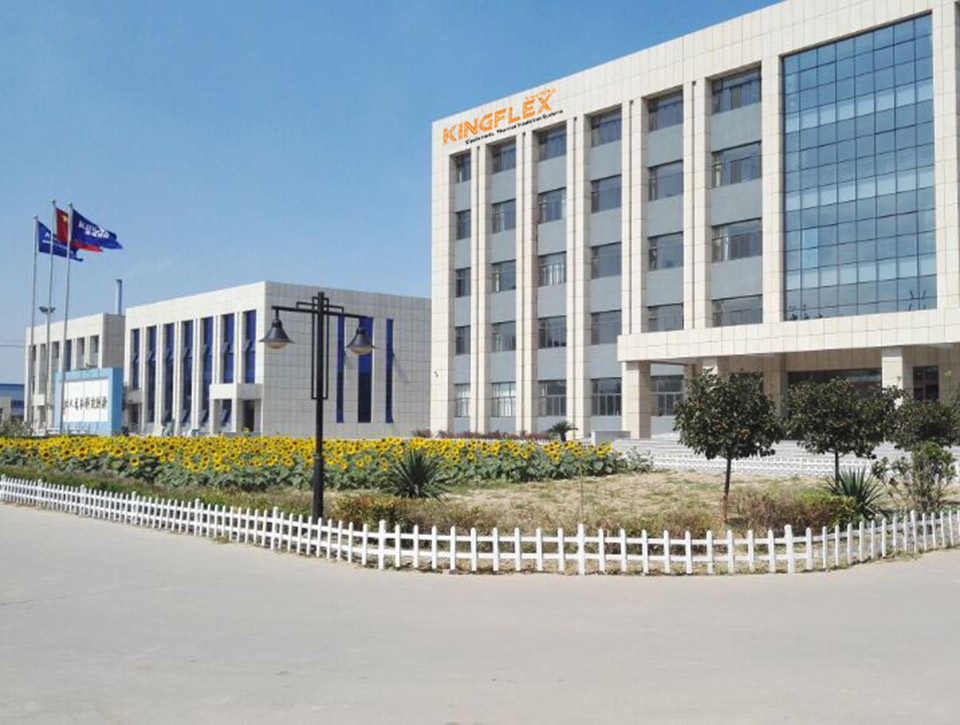
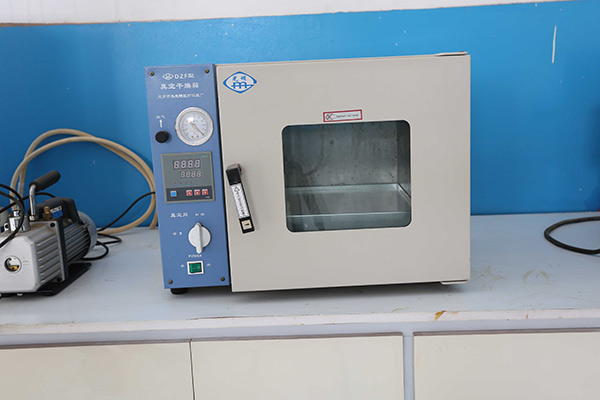
Our manufacturing facility runs five automated, high-output assembly lines. These lines integrate real-time density monitoring and raw material mixing to ensure a consistent, uniform cell structure. Automated coating heads apply pressure-sensitive adhesives under controlled temperatures to guarantee strong initial tack and long-term shear strength.
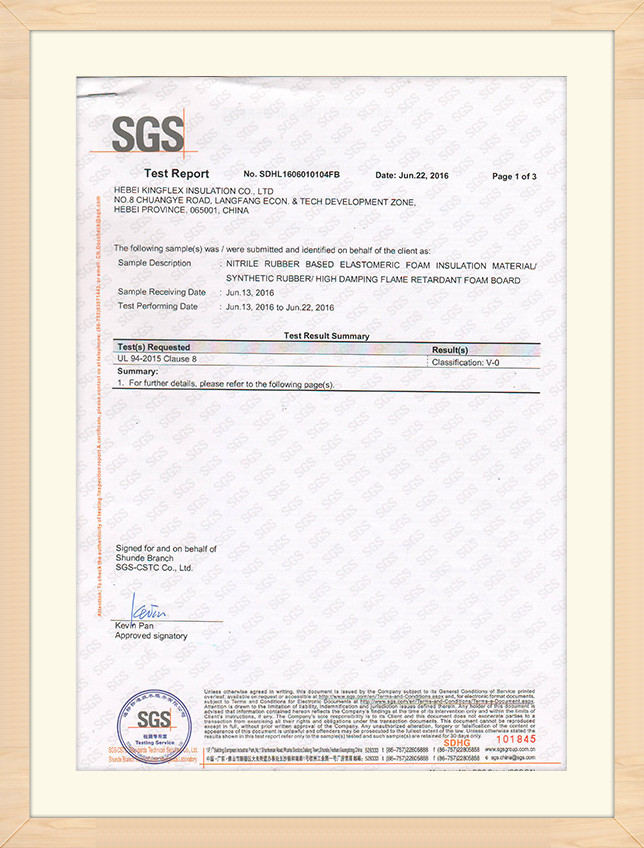
Every production batch undergoes strict quality control testing. We measure thermal conductivity, water vapor permeability, density, and dimensional stability. Our products are also certified under BS 476, CE, REACH, RoHS, UL94, and ASTM standards, ensuring full compliance for international projects.
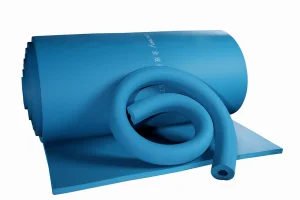
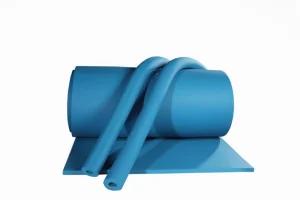
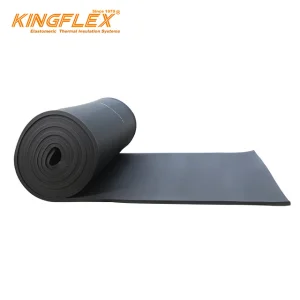
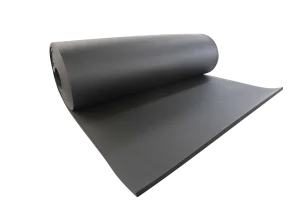
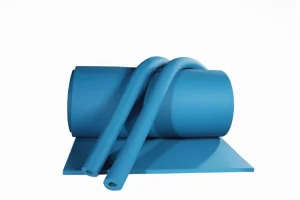
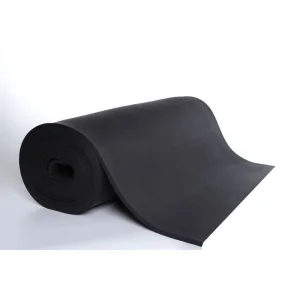
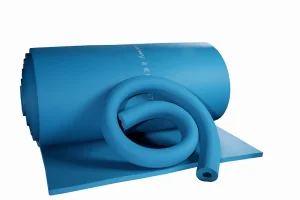
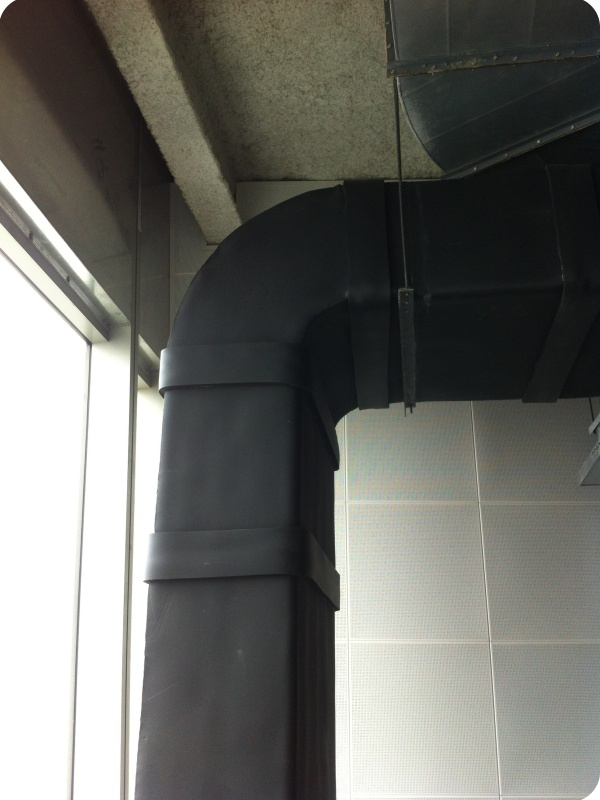
Our sheet rolls are ideal for insulating large air ducts, flat tanks, and wide pipes. They provide continuous insulation coverage that prevents condensation and reduces energy loss.
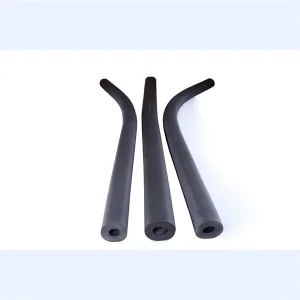
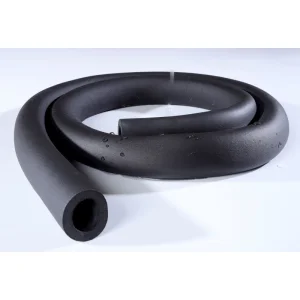
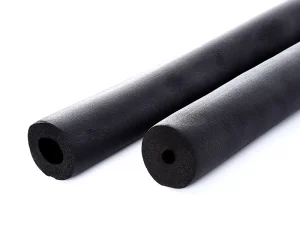
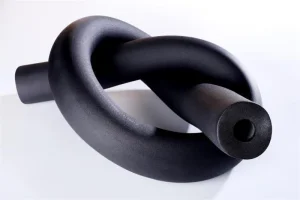
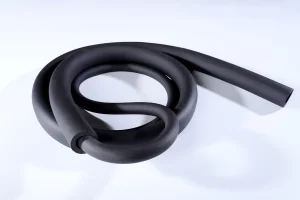
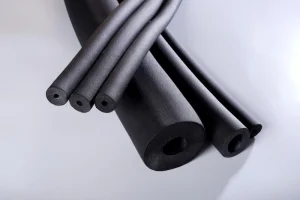
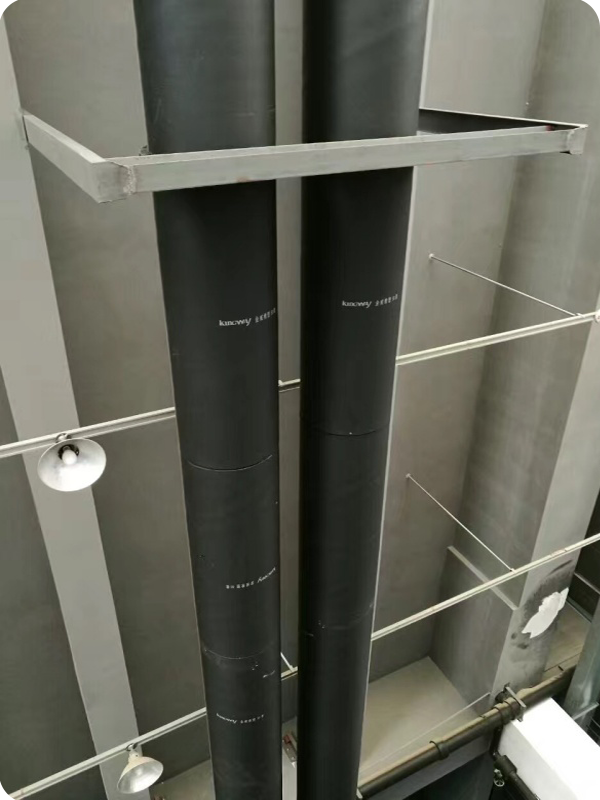
Specifically designed for quick slip-on or slit-and-seal installation over copper, steel, and plastic pipes. They are highly flexible and easy to fit around bends and fittings.

Kingflex insulation products are certified to international performance and safety standards, ensuring reliable performance in demanding building, industrial, and marine applications.
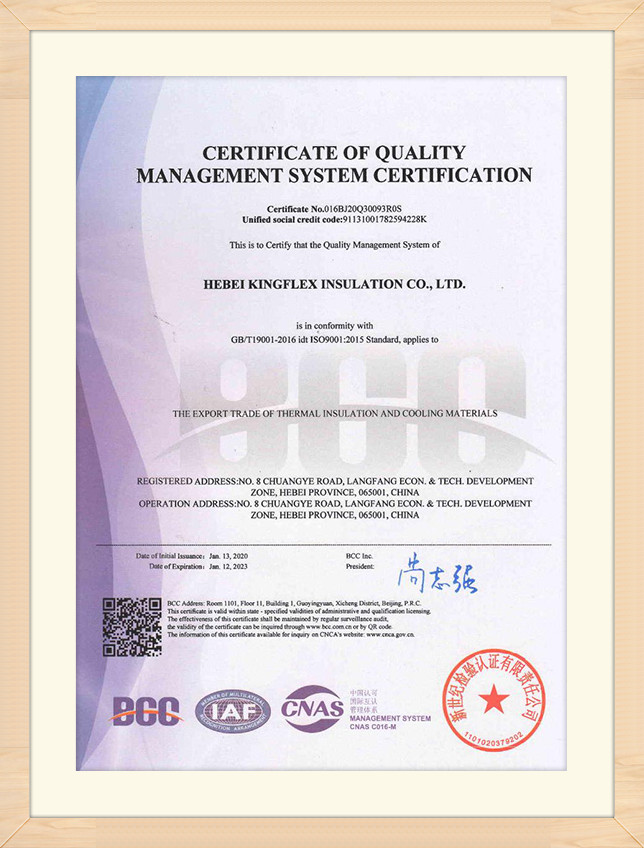
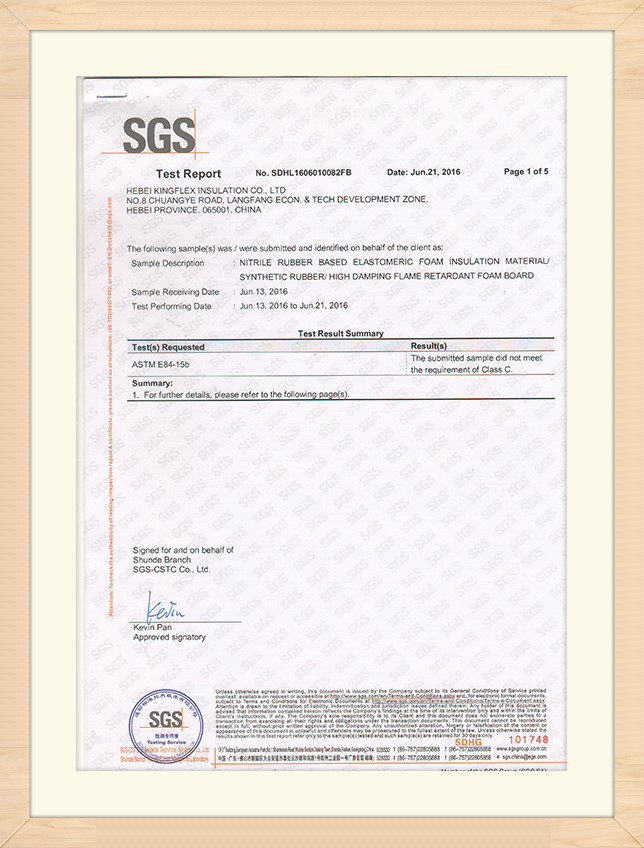
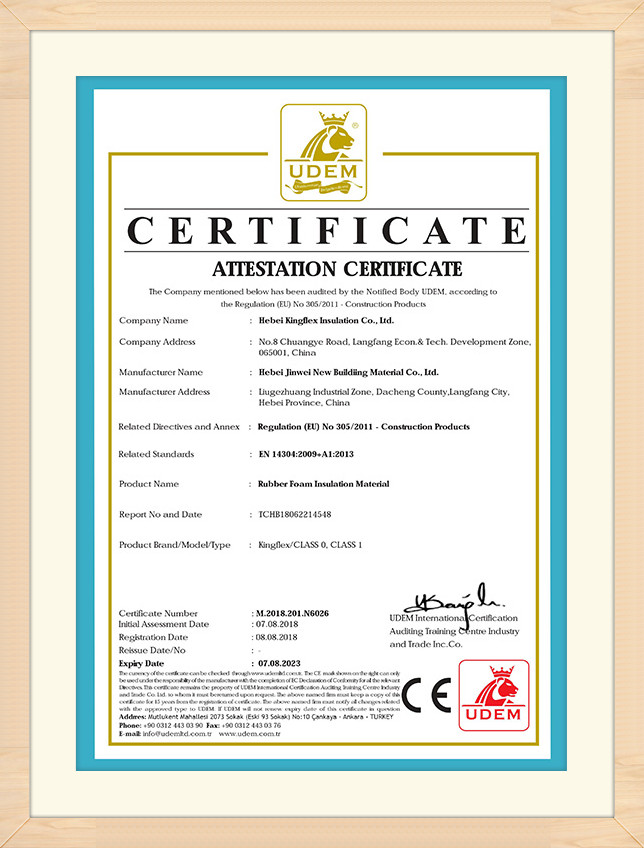
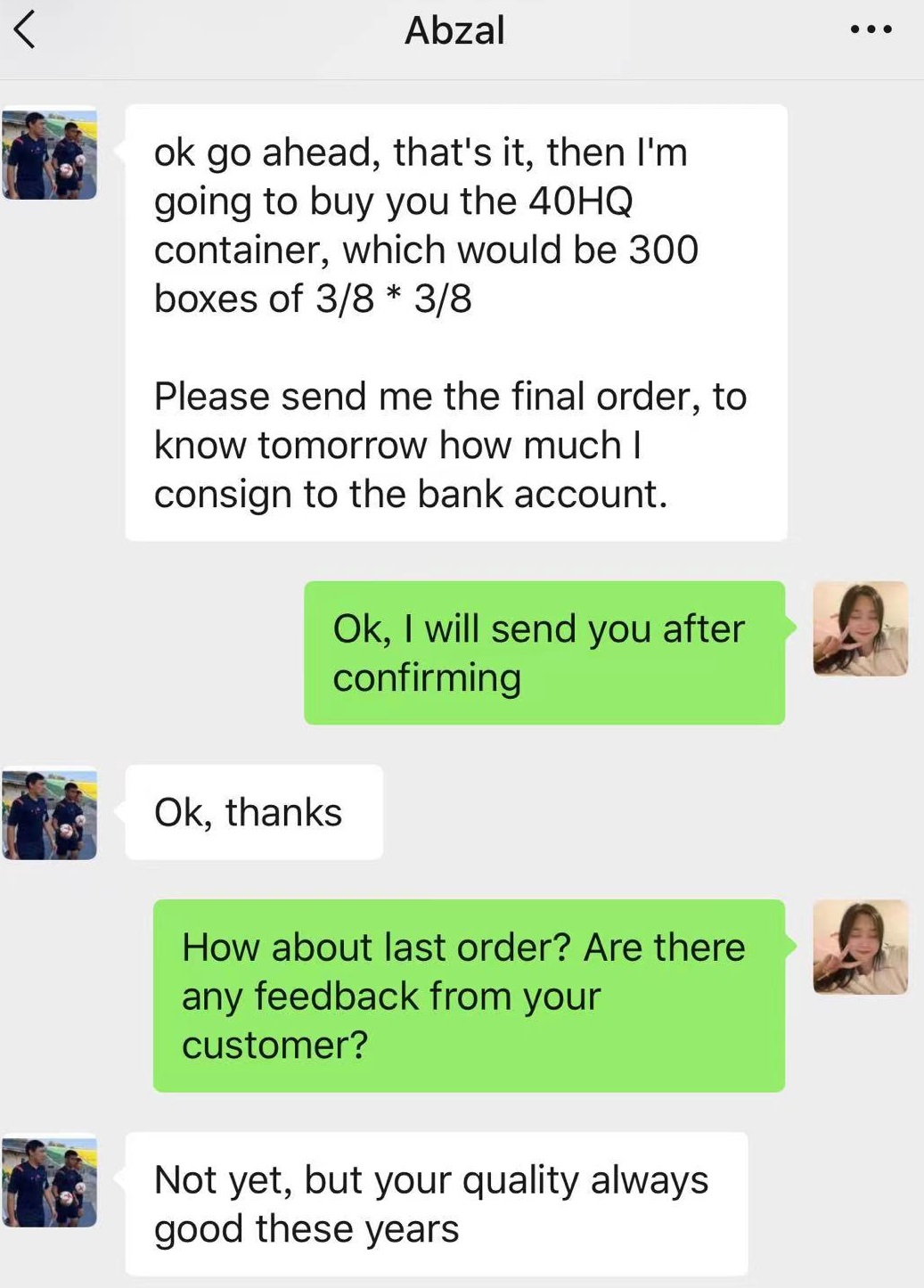
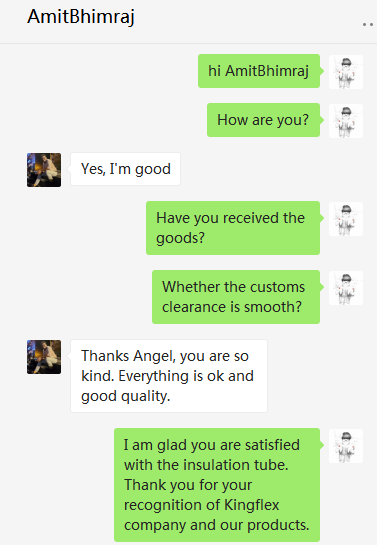
Transparency and reliable customer support are fundamental to our business. Here are a few examples of real inquiries from our global distributor network.


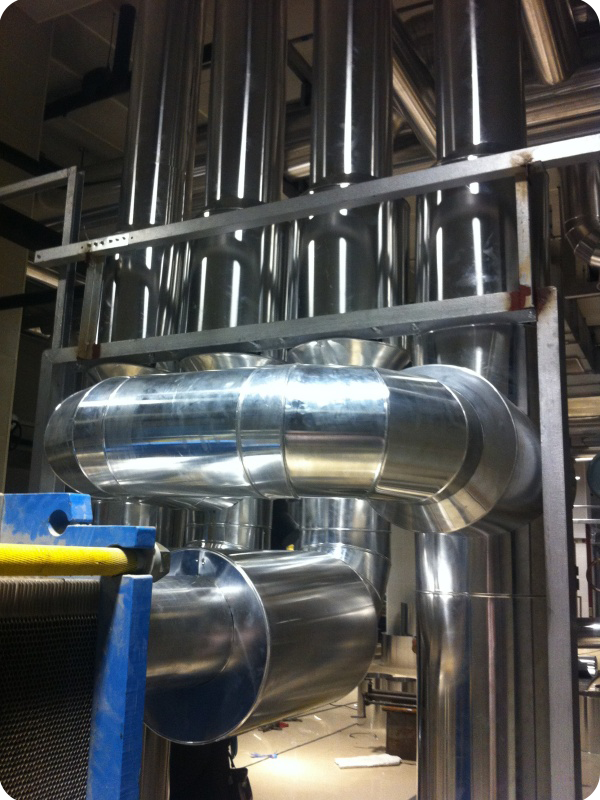
Our elastomeric NBR/PVC rubber foam insulation is mainly used for HVAC air ducts, refrigeration pipelines, chilled and hot water pipes, process piping, cryogenic installations, and building acoustic insulation. Its closed-cell structure helps prevent condensation and reduces energy loss, making it ideal for high-humidity environments.
Yes. Our insulation materials are formulated to be flame-retardant and self-extinguishing. They comply with international fire safety standards, including BS 476 (Class 0 and Class 1 ratings) and UL94, ensuring safety in commercial, industrial, and residential projects.
NBR/PVC rubber foam has a closed-cell, flexible structure that acts as an inherent vapor barrier, making it ideal for preventing moisture buildup and condensation on cold pipelines. Rock wool, on the other hand, is an open-fiber material designed for very high-temperature industrial piping and fireproofing applications. It typically requires an external vapor barrier jacket to protect against moisture intrusion.
Yes. We offer OEM and custom manufacturing services to match specific project designs. We can adjust sheet dimensions, tube diameters, wall thicknesses, and adhesive backings to meet your exact specifications.
Our products are tested and certified to meet international standards, including BS 476, CE, REACH, RoHS, UL94, and ASTM. This compliance makes them suitable for use in regulated markets worldwide.
Yes. We maintain a detailed traceability system from raw material sourcing through production to delivery. Every batch is coded so we can track test records and manufacturing conditions, ensuring consistent quality and accountability.
We manufacture insulation sheet rolls in thicknesses ranging from 6mm to 50mm, allowing you to choose the right level of thermal performance for your application.
When installed correctly and maintained under standard operating conditions, our elastomeric rubber foam insulation has a service life of 10 to 15 years.
Connect with our engineering support team to discuss your project requirements and receive a detailed price estimate.
Request a Quote & Product Catalog