 Kingflex
Kingflex
Kingflex
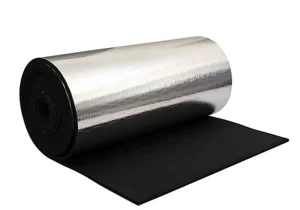
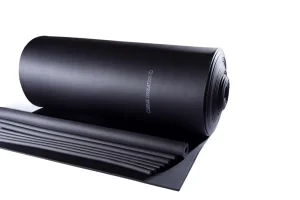
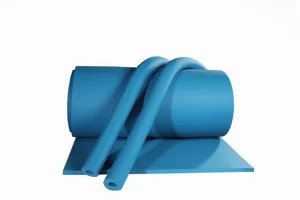
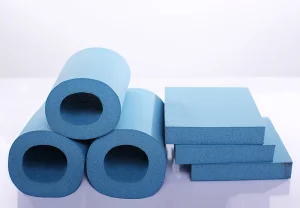
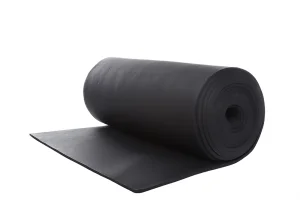
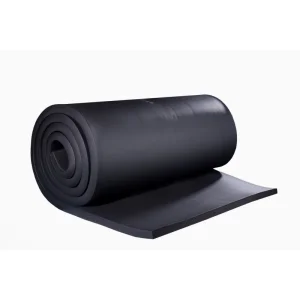
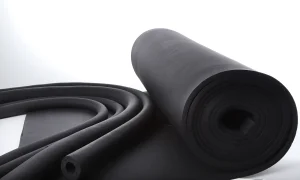
Explore our foundational range of premium closed-cell sheet rolls, aluminum-clad vapor barriers, and low-temperature elastomeric materials engineered for severe environmental configurations.
In modern industrial design, thermal loss accounts for significant operational inefficiency and greenhouse gas emissions. Closed-cell elastomeric rubber foam insulation represents a critical technological pivot point for HVAC systems, piping infrastructures, and process engineering globally. By integrating high molecular density polymer matrices with a non-porous structure, these insulation barriers provide steady-state thermal resistance while mitigating moisture infiltration, which is the primary driver of insulation breakdown and structural corrosion under insulation (CUI).
Kingflex Insulation Co., Ltd. leads this category by designing elastomeric structures with an average closed-cell ratio exceeding 98%. This high percentage of closed micro-cells translates into an exceptionally low thermal conductivity (λ-value) and a high water vapor diffusion resistance factor (μ-value). Our thermal engineering ensures that chilled water lines, industrial piping networks, and commercial air distribution systems maintain strict temperature control, reducing energy consumption and carbon footprints.
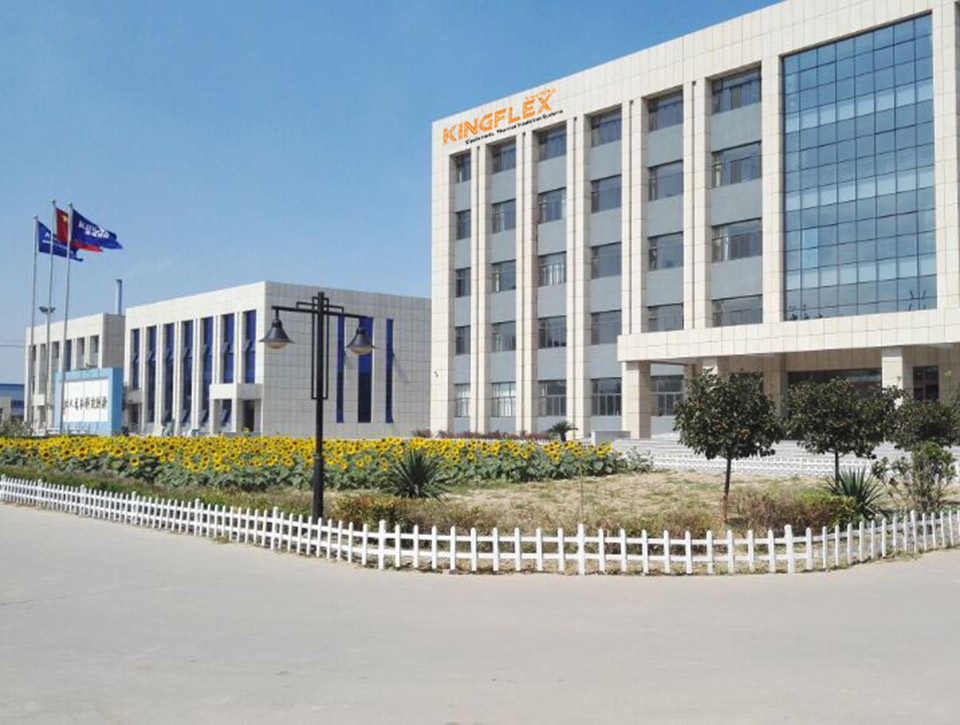
Combining forty years of polymer manufacturing history with smart-factory automation systems in Dacheng, China.
Kingflex Insulation Co., Ltd. operates as a specialized manufacturing and trading consortium, providing customized thermal insulation systems. Our central R&D and production departments are located within Dacheng, the recognized green-building materials hub in northern China. Established by the Kingway Group (Jinwei Group), whose legacy dates back to 1979 as the pioneering thermal insulation manufacturing enterprise north of the Yangtze River, Kingflex continues to build on decades of experience in cold chain logistics, high-temperature industrial steam lines, and civil engineering applications.
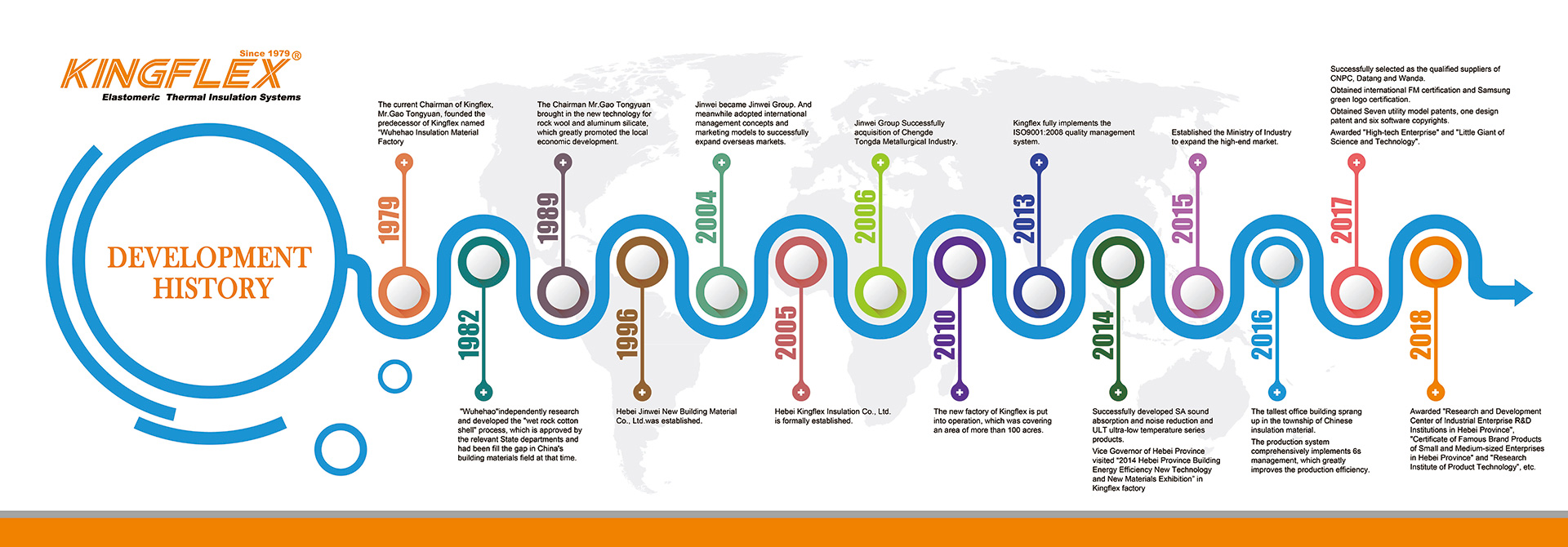
Recognized as a certified production partner by the Ministry of Energy, the Ministry of Electric Power, and the Ministry of Chemical Industry, our products are built to meet demanding performance specifications. We address thermal challenges by offering a full service cycle: from initial engineering consultations and laboratory testing to installation guidance and post-installation monitoring. Our approach is designed to ensure long-term, reliable performance on the job site.
Standardized metrics and performance indicators for Kingflex Elastomeric Insulation Sheet Rolls and Tube Systems.
Our manufacturing process focuses on consistent cell sizes. Under high-magnification scanning electron microscopy, our elastomeric foams show uniform, closed micro-cavities. This structure acts as a series of dead-air spaces that block convective heat transfer. Additionally, the built-in vapor barrier helps prevent condensation, protecting the underlying metal pipe from rust and mechanical failure.
How our vertical integration, raw material access, and automated processes support global projects.
China's industrial infrastructure offers significant advantages in manufacturing efficiency, raw material sourcing, and logistics. At our Dacheng plant, we leverage a regional network of high-purity nitrile butadiene rubber (NBR), polyvinyl chloride (PVC), and specialized foaming agents. This close proximity to key raw materials reduces transportation costs and helps insulate our operations from international shipping disruptions.
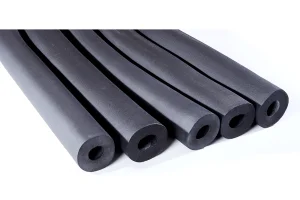
To maintain high productivity, Kingflex runs five automated extrusion lines with automated dosing, continuous vulcanization, and inline cutting systems. This automation minimizes variations caused by manual handling and ensures consistency across production runs, whether manufacturing a 6mm acoustic sheet or a 50mm heavy-wall pipe insulation.
| Supply Chain Element | Standard Industrial Practice | Kingflex Integrated Advantage | Client Benefit |
|---|---|---|---|
| Raw Material Sourcing | Third-party regional agents | Direct contracts with petrochemical producers | Consistent chemical composition & cost stability |
| Production Testing | Batch testing at final stage | Real-time inline thickness & density sensors | Consistent thermal performance throughout the run |
| Delivery & Logistics | Fragmented shipping links | Direct routes to Tianjin and Qingdao ports | Shorter lead times for international projects |
| Custom Formulation | Limited to catalog options | In-house polymer engineering lab | Custom density, color, and adhesive backing |
From commercial HVAC networks to ultra-low temperature cryogenic process piping.
Different regions and industries present unique challenges for thermal insulation. Kingflex products are engineered to perform reliably across a range of settings:
In high-humidity areas, building ventilation ducts are prone to condensation, which can lead to indoor air quality issues. Our NBR/PVC sheets are widely used in commercial high-rises, hospitals, and transportation hubs to insulate air handling units (AHUs) and chilled water lines. Their flexible design makes it easier to wrap ductwork and complex fittings, reducing installation time and ensuring a continuous thermal barrier.
Chemical processing facilities require insulation that can withstand exposure to corrosive chemicals and elevated temperatures. Our closed-cell rubber foam provides a barrier against moisture and environmental contaminants, helping to protect piping systems from Corrosion Under Insulation (CUI). This is particularly important for outdoor piping networks that face fluctuating weather conditions.
Liquefied natural gas (LNG) processing and other cryogenic applications involve temperatures well below freezing. For these environments, Kingflex provides specialized alkadiene rubber foam and cryogenic insulation systems designed to handle thermal contraction and prevent moisture ingress at temperatures down to -200℃. This helps prevent ice formation, which can damage pipes and structural supports.
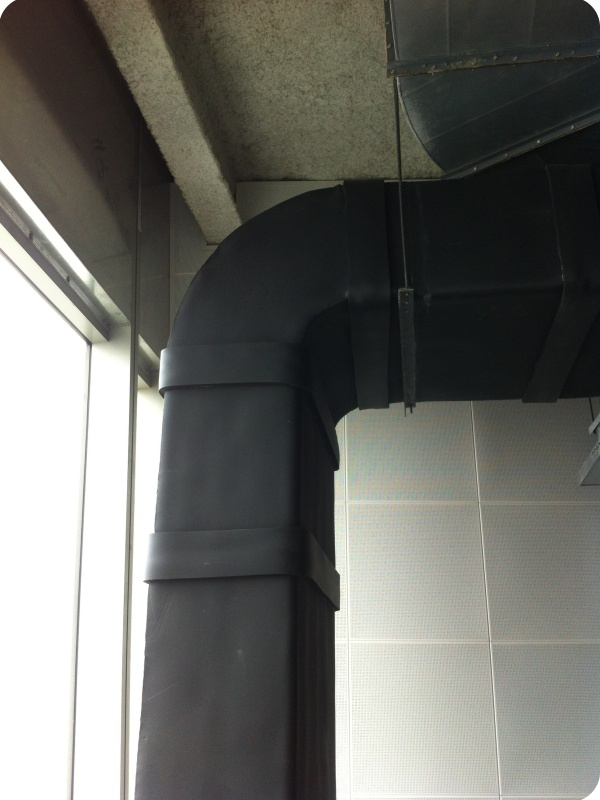
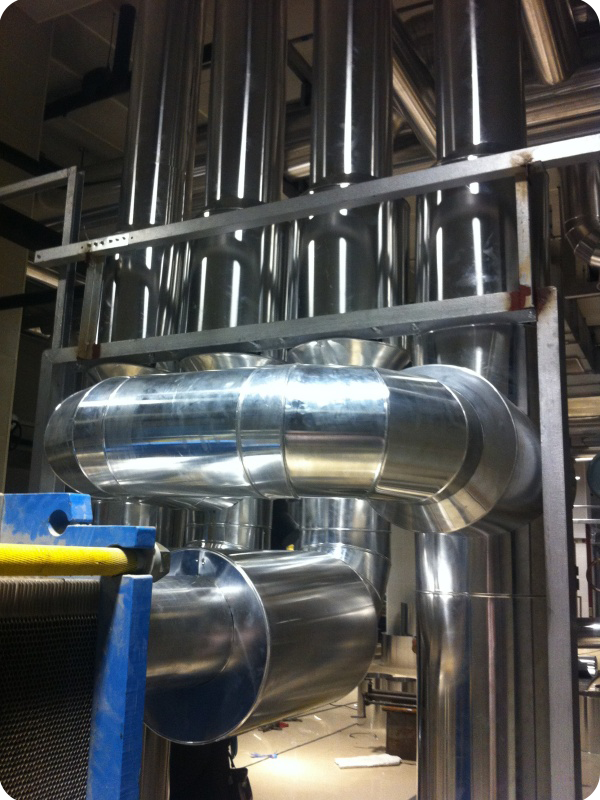
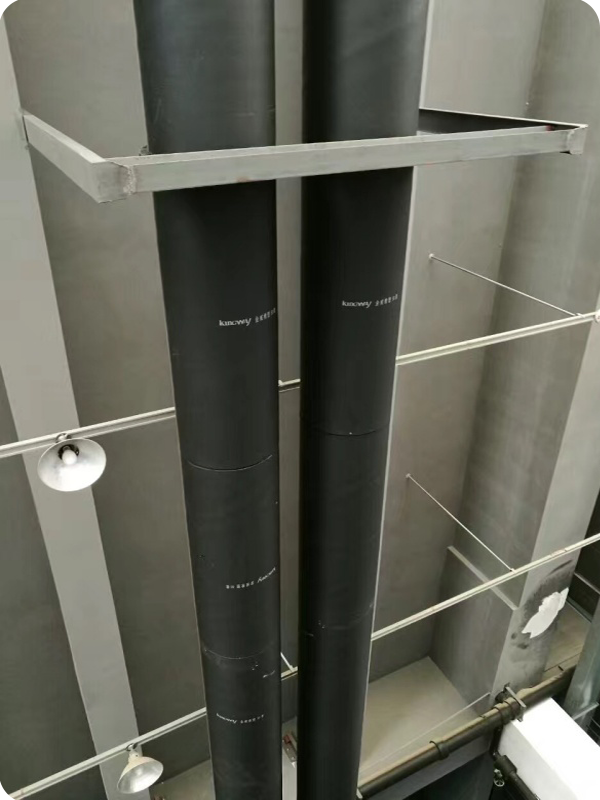
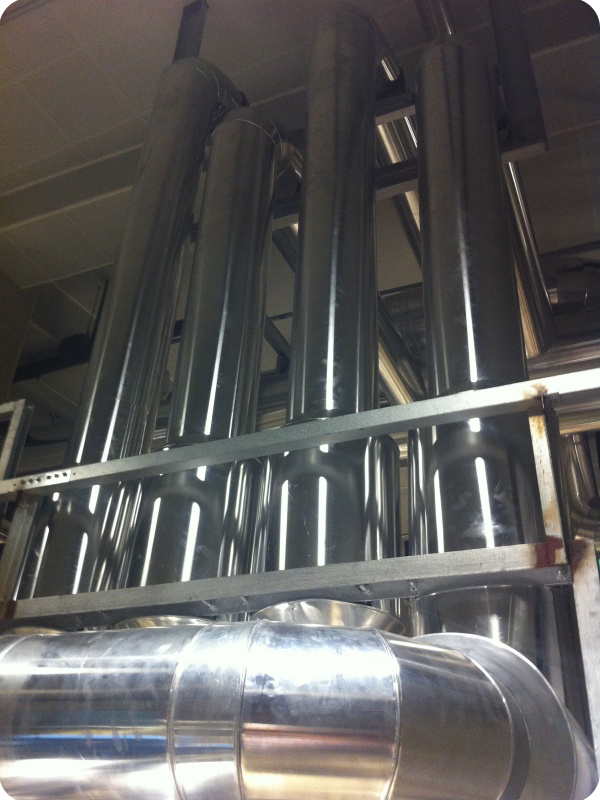
Our commitment to meeting international standards for fire safety, environmental impact, and material performance.
Kingflex maintains strict quality control throughout the manufacturing process. Our products are tested to meet major international standards, including BS 476, CE, REACH, RoHS, UL94, and ASTM. This testing ensures that our materials comply with local building codes and fire safety regulations in markets around the world.
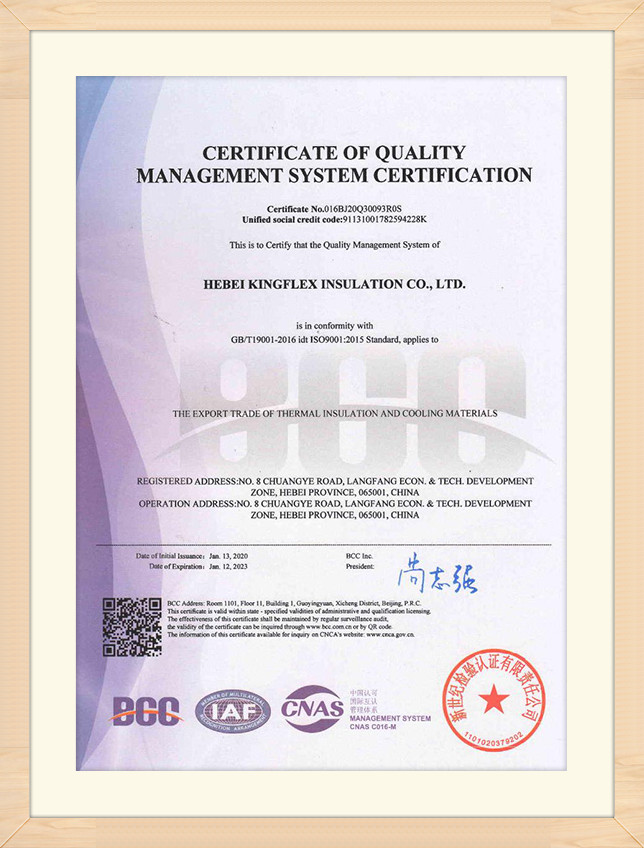
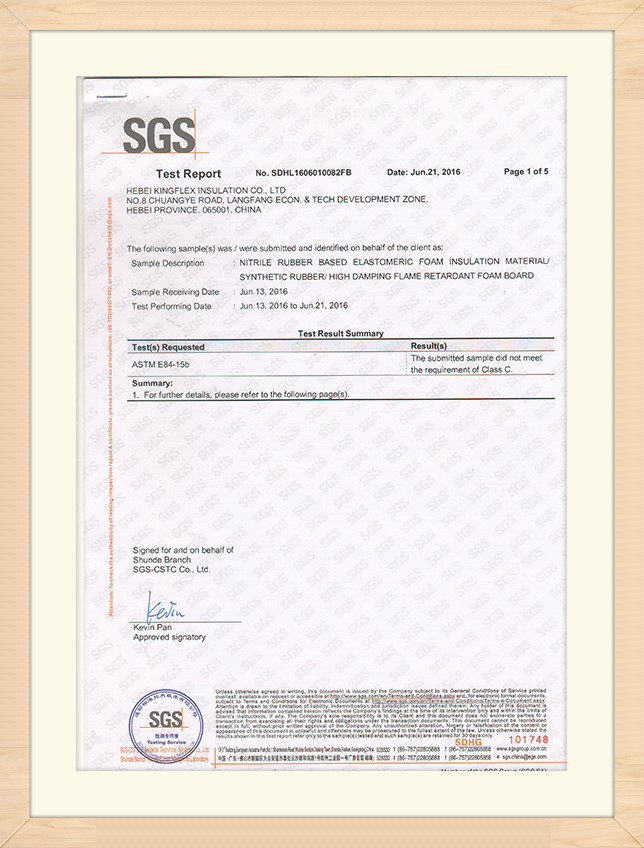
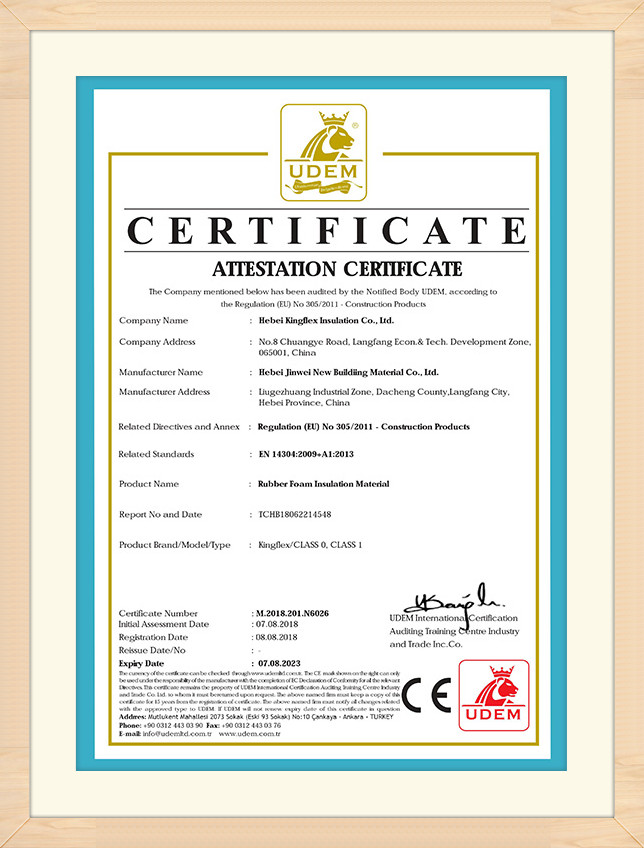
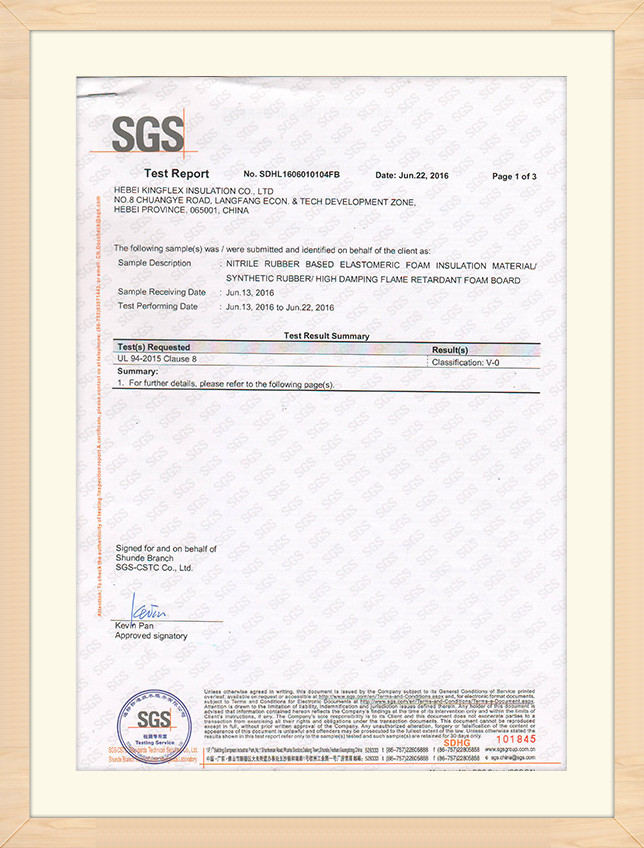
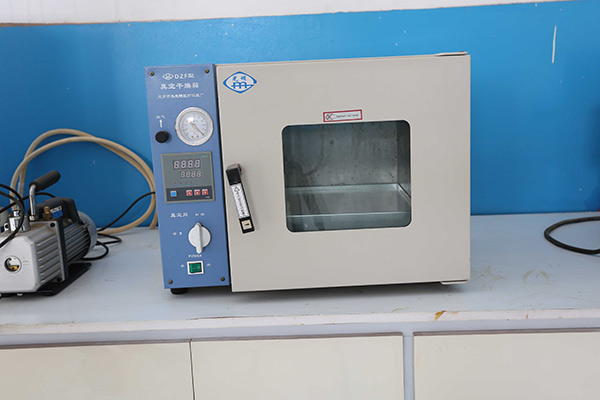
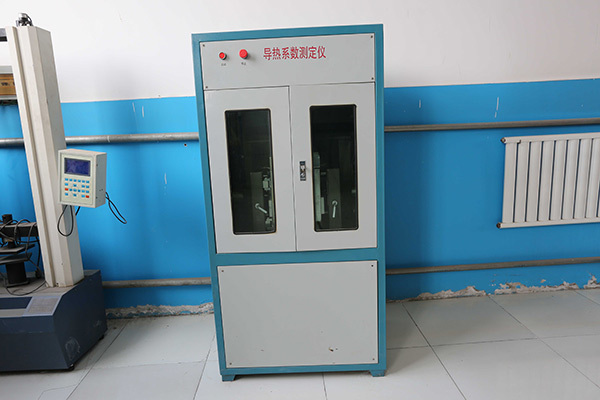
Our R&D team focuses on improving thermal performance, fire resistance, and environmental safety. We conduct continuous testing on new polymer formulations to lower smoke toxicity, increase flexibility at low temperatures, and improve long-term resistance to UV degradation. This ongoing testing is part of our effort to supply reliable insulation products for demanding industrial environments.

Client feedback and manufacturing communications demonstrating our commitment to quality and service support.

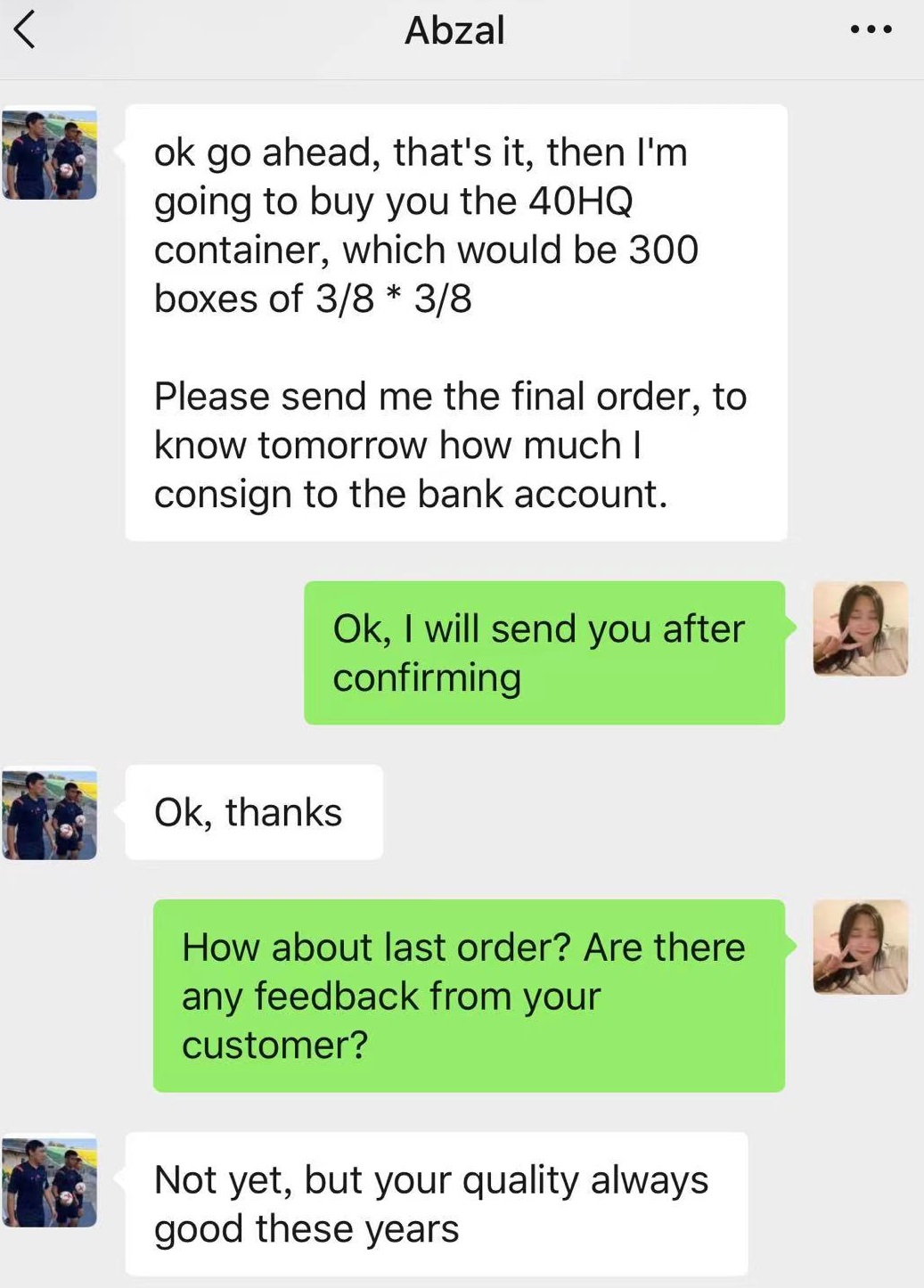
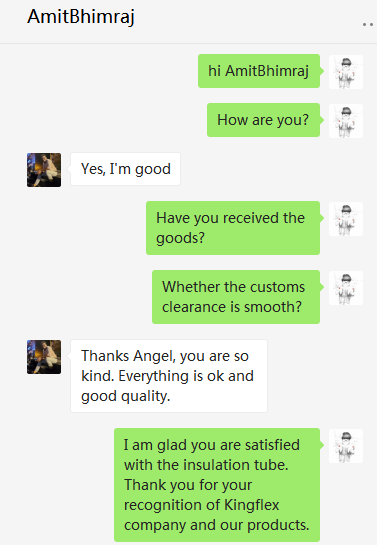

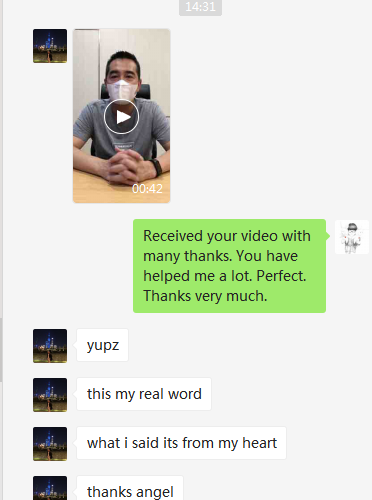
We work closely with engineering teams and material specifiers around the world to ensure our products meet project requirements. Our international sales department provides detailed product documentation, answers technical questions, and handles logistics setup to support project timelines. This direct communication helps resolve issues quickly and keeps projects on schedule.
The thermal insulation industry is evolving to meet higher environmental and safety standards. Kingflex is focused on developing products that align with these changes. Our R&D efforts are directed toward three main areas:
Review the design variations, dimensions, and material compositions available within the Kingflex product range.
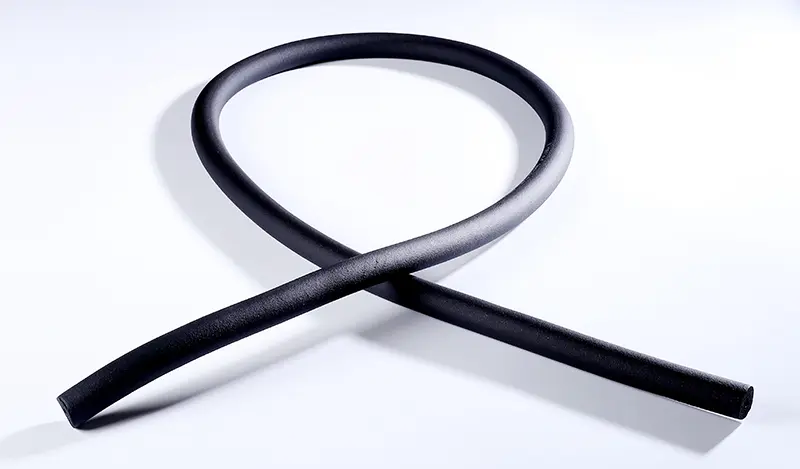
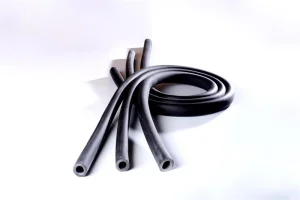
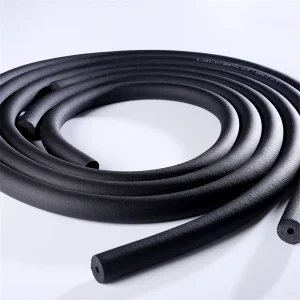
High flexibility, designed for standard copper air conditioning piping and condensate lines.
Technical Specs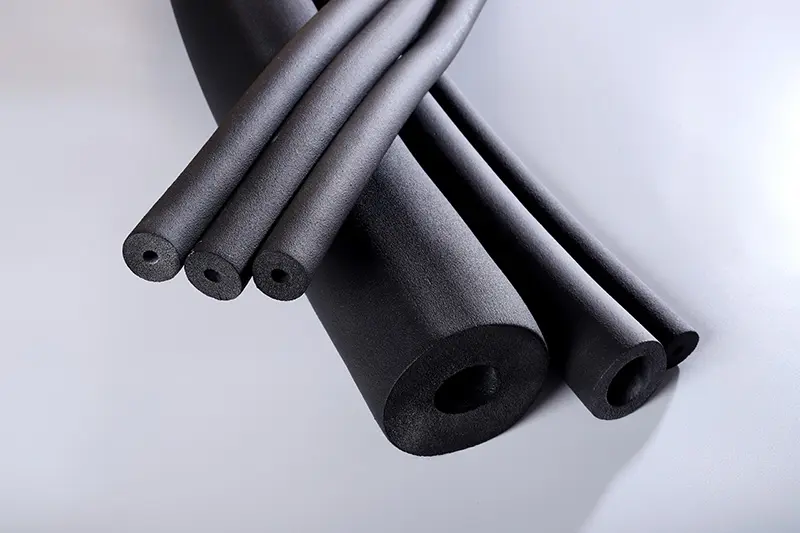
Formulated for harsh chemical environments, protecting metal pipes from atmospheric corrosion.
Technical Specs
Highly flexible formulation for easy installation around complex bends and valves.
Technical Specs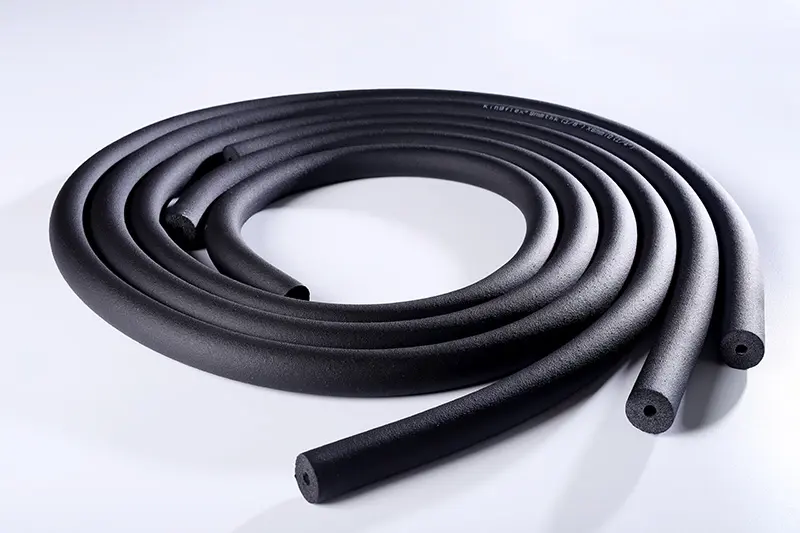
Standard closed-cell NBR insulation for commercial building HVAC and plumbing systems.
Technical Specs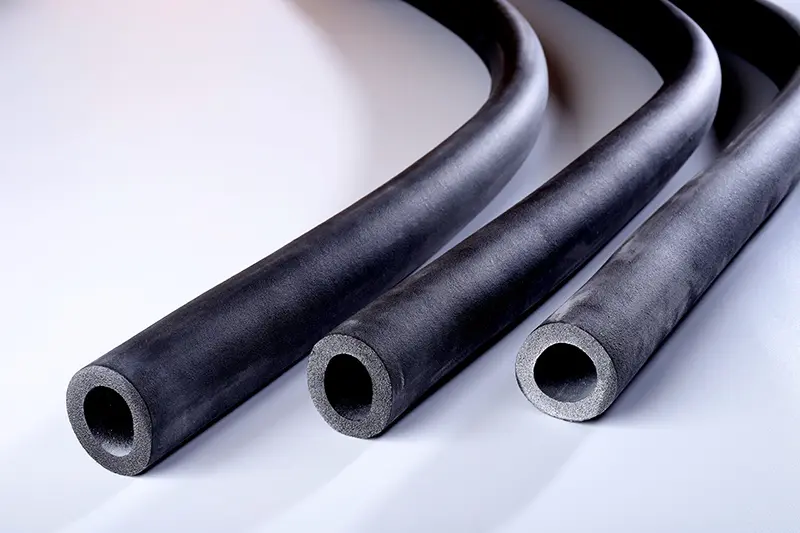
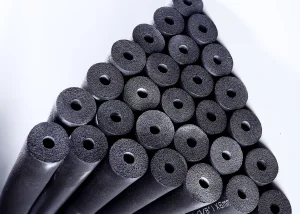
Evenly foamed cellular structure for uniform thermal performance across the length of the tube.
Technical Specs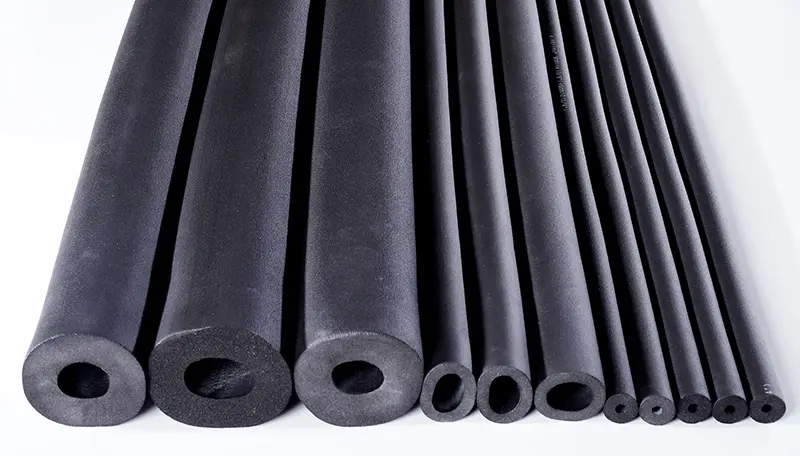
Specifically sized and tested for commercial HVAC air conditioning split systems.
Technical Specs
Complete insulation package including adhesive and tape for system integrity.
Technical Specs
Formulated to remain flexible and crack-resistant at extremely low temperatures.
Technical Specs
Designed for sub-zero process piping, gas liquefaction lines, and cold containment systems.
Technical Specs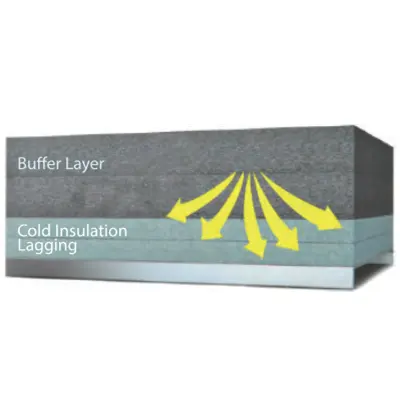
Provides thermal barrier and condensation control in sub-zero industrial settings.
Technical Specs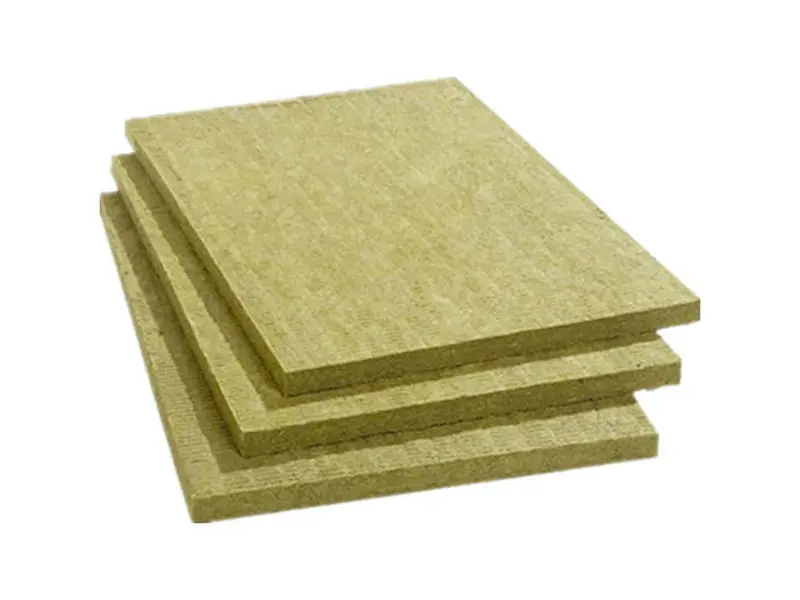
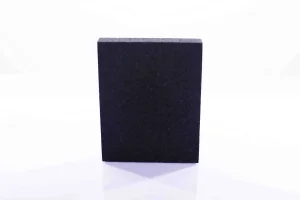
High-density stone wool boards for high-temperature industrial furnaces and firewalls.
Technical Specs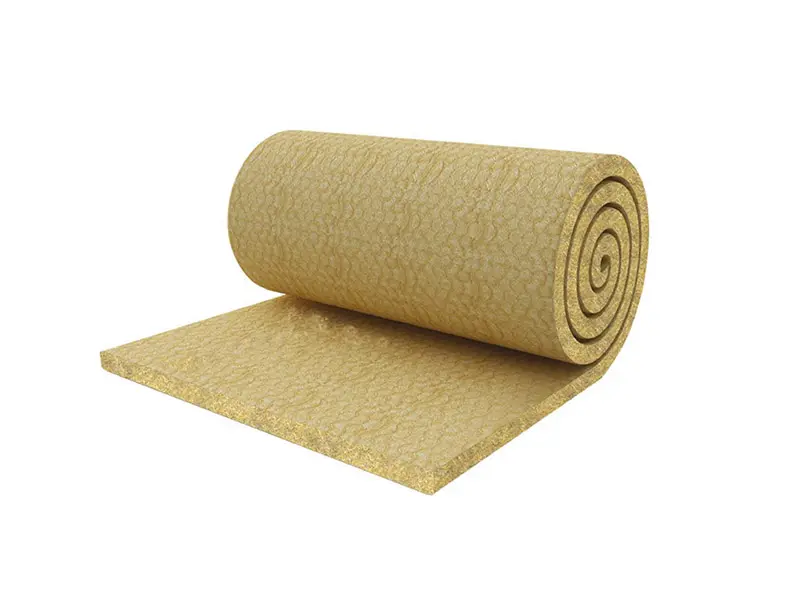
Flexible stone wool blankets with steel mesh backing, suitable for high-temperature piping.
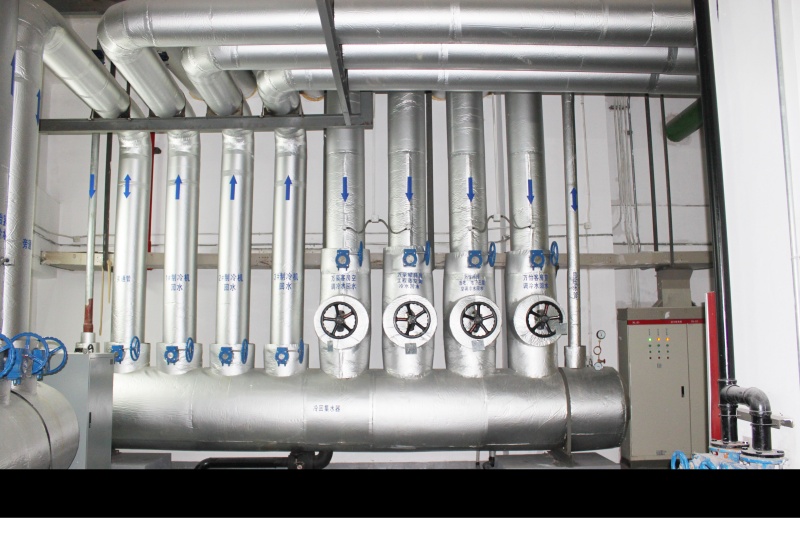
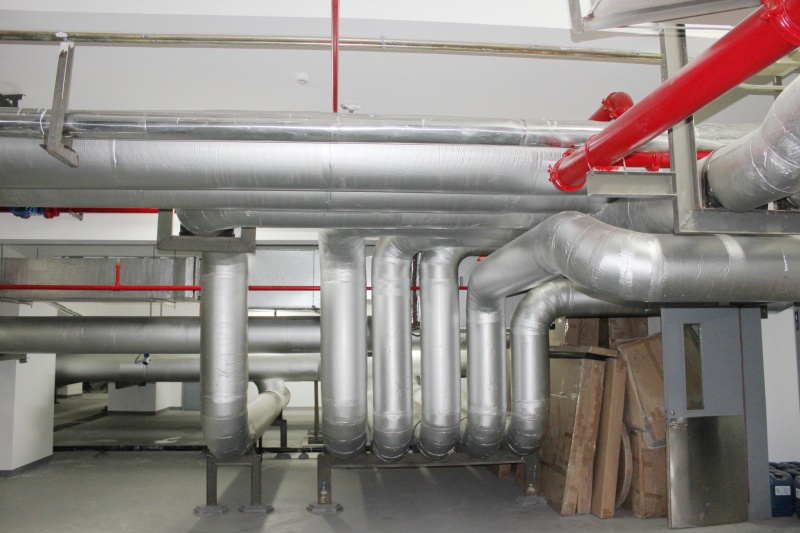
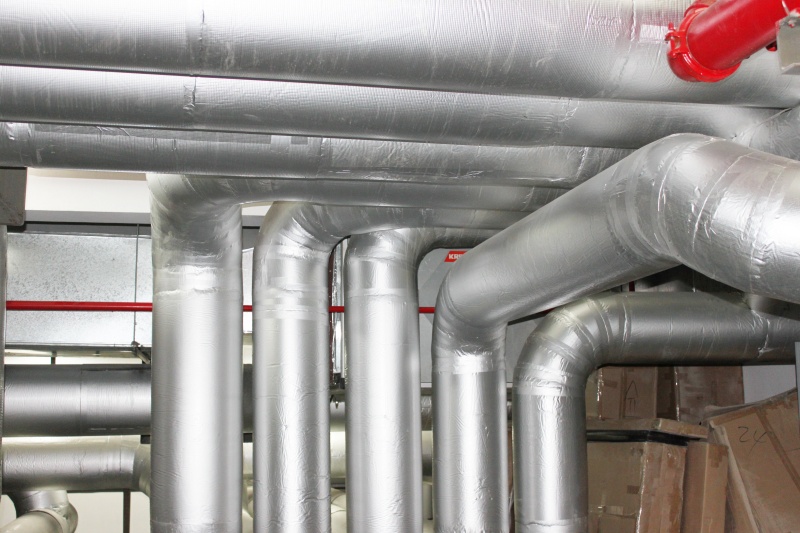
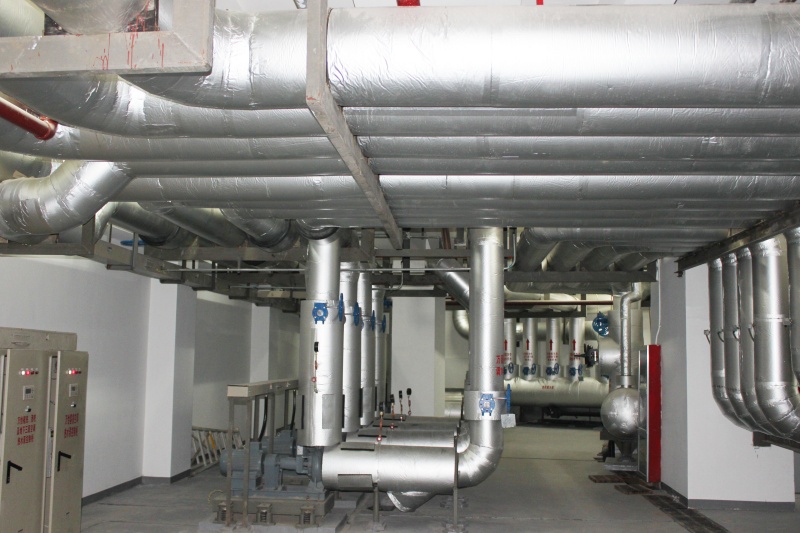
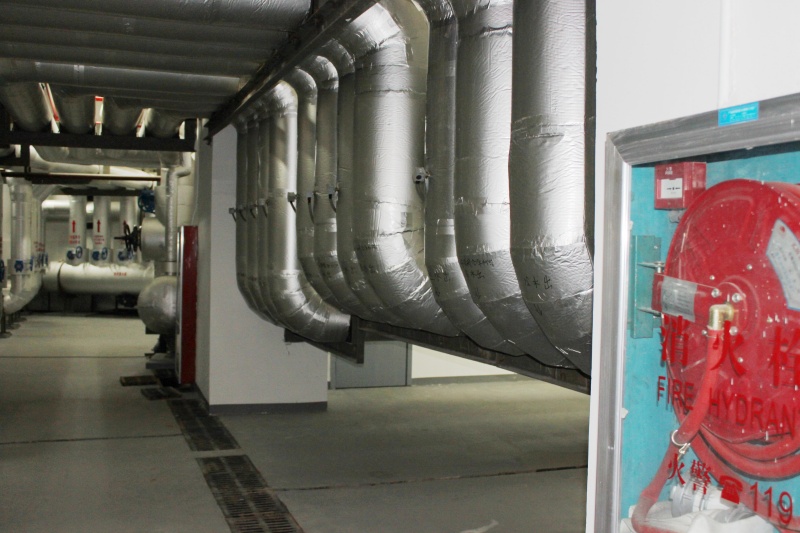
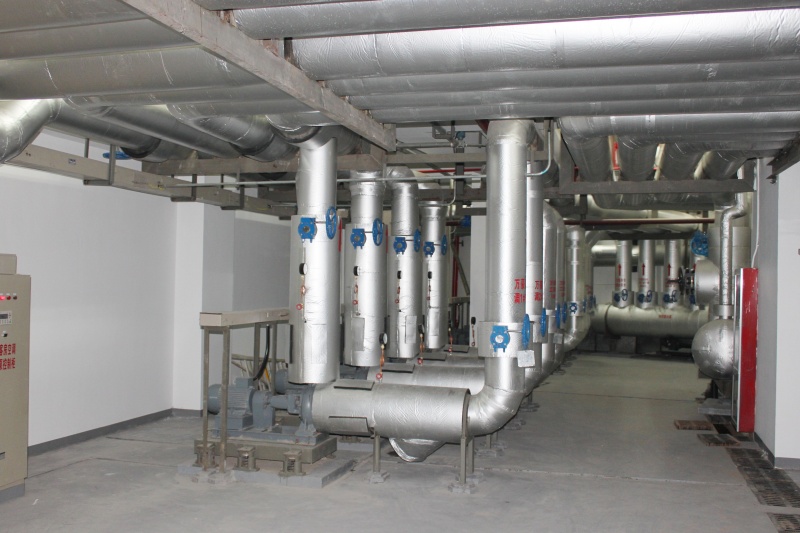
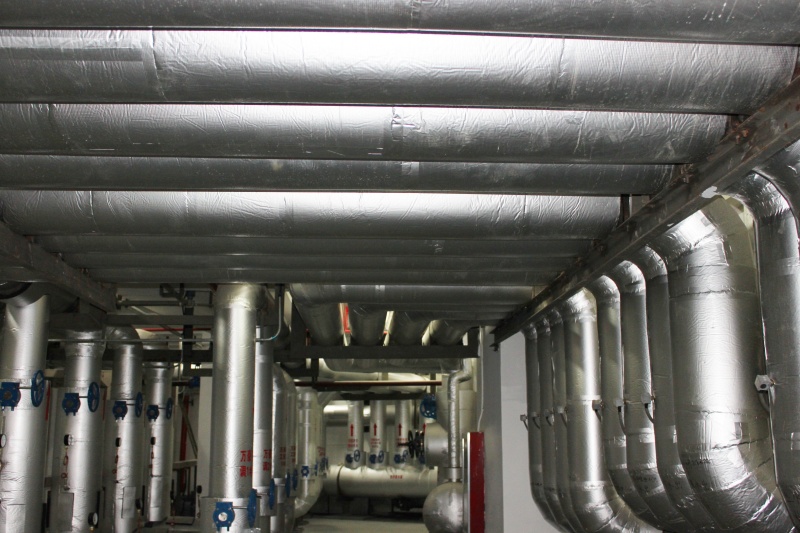
Technical SpecsA look at our automated production lines and logistics warehouse in Dacheng, China.
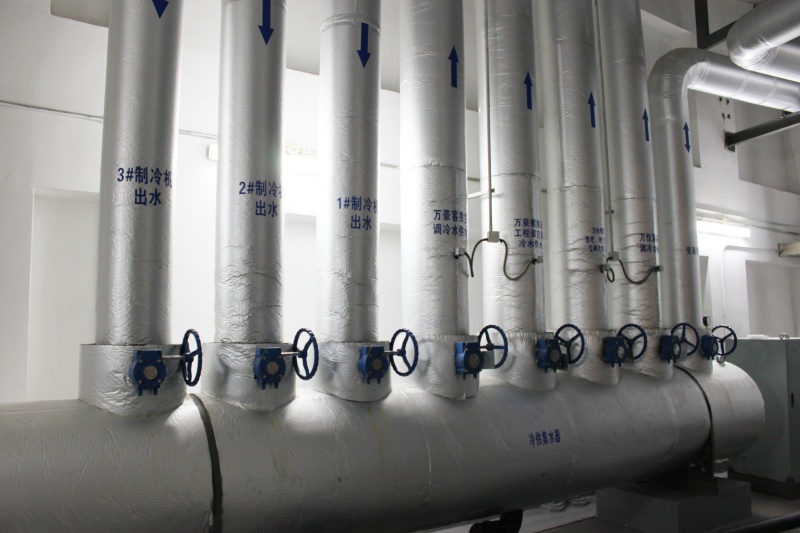

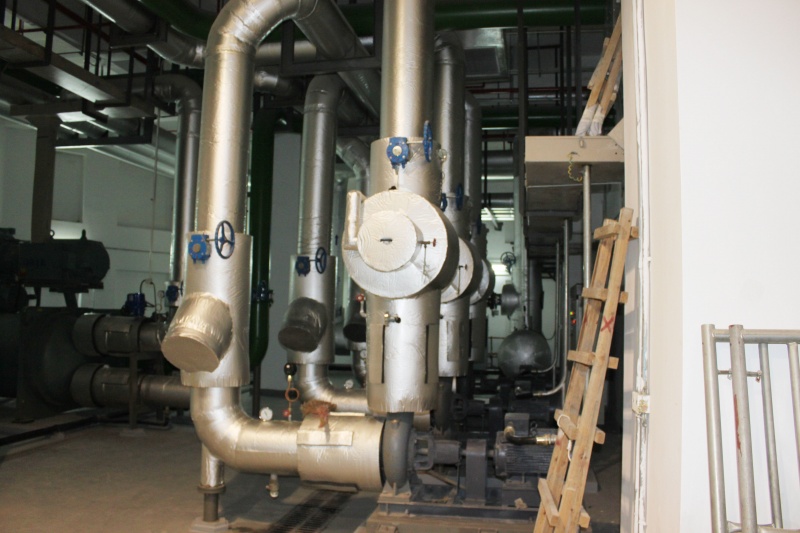
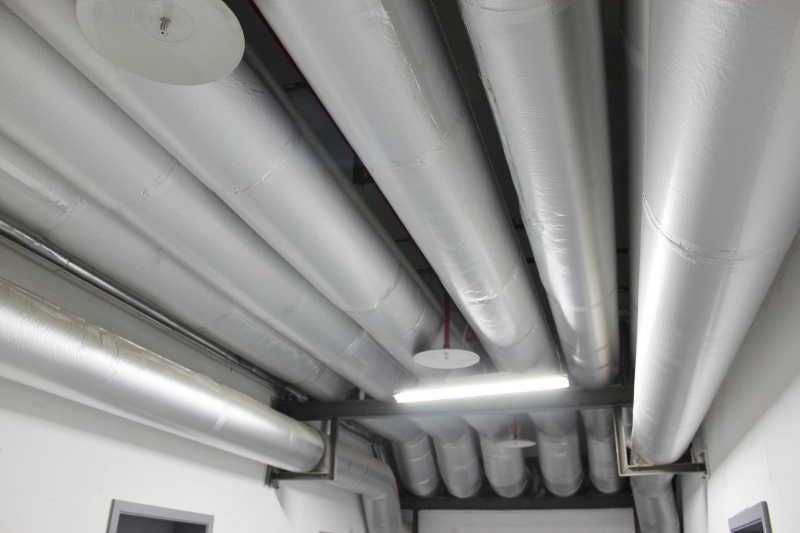
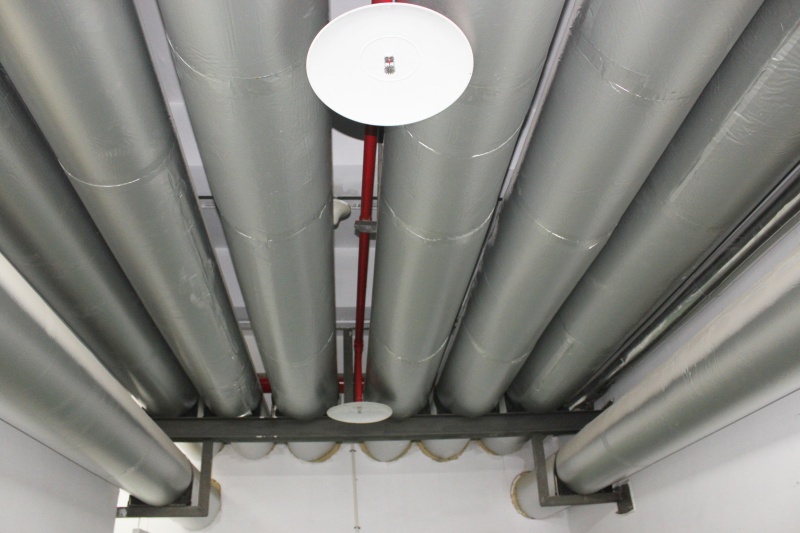
How we handle packaging, container loading, and port delivery to ensure secure transport for global shipments.




Find answers to common questions about material properties, standards compliance, and installation of Kingflex products.
Elastomeric rubber foam insulation is primarily used to insulate HVAC ductwork, commercial air conditioning piping, refrigeration lines, hot and cold water plumbing, and industrial process piping. Its closed-cell structure helps control condensation on cold surfaces and reduces heat loss on warm systems.
Yes. Our rubber foam insulation is formulated with flame retardants to meet BS 476, UL94, and other international fire safety standards. The material is self-extinguishing and designed not to propagate flames or generate excessive smoke under fire conditions.
Elastomeric rubber foam has a flexible, closed-cell structure that acts as a built-in vapor barrier, making it suitable for cold systems and areas where moisture control is critical. Rock wool is a high-density, fibrous material that handles higher temperatures, making it a common choice for high-heat industrial piping and structural fire protection.
Yes. We provide OEM services to meet specific project needs. We can customize sheet thicknesses from 6mm to 50mm, adjust density profiles, apply various adhesive backings, and add protective outer coatings like aluminum foil or UV-resistant layers.
Our products are tested and certified to comply with several international standards, including BS 476, CE, REACH, RoHS, UL94, and ASTM. This helps ensure compliance with local building codes in different markets.
Yes. Every production run is assigned a batch number that tracks raw material inputs, manufacturing settings, and quality control test results. This tracking system supports quality assurance and provides documentation for project records.
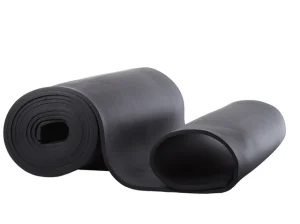
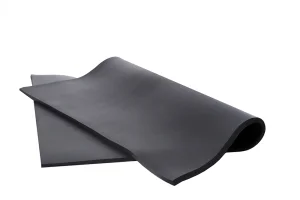
We manufacture rubber foam sheet rolls in thicknesses ranging from 6mm to 50mm. This range allows designers to select the appropriate thickness to meet specific thermal and condensation-prevention requirements.
Under typical operating conditions and when installed according to manufacturer guidelines, Kingflex elastomeric sheet and pipe insulation has a service life of 10 to 15 years. Proper installation and maintenance help ensure long-term performance.
Corrosion under insulation (CUI) occurs when moisture penetrates the insulation and collects against the bare metal pipe. The closed-cell structure of our elastomeric foam resists water absorption and vapor transmission, helping to keep moisture away from the pipe surface and reducing the risk of corrosion.
Before applying self-adhesive sheets, ensure the target surface is clean, dry, and free of dust, grease, or rust. Cut the insulation sheet to size, peel back the release liner, and press the sheet firmly onto the surface from the center outward to prevent air pockets. Seal all seams with specialized elastomeric adhesive or vapor barrier tape to maintain a continuous seal.
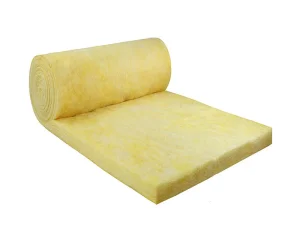
Browse our complete catalog of industrial pipe insulations, self-adhesive backing sheets, and specialized glass wool thermal blankets.