 Kingflex
Kingflex
Kingflex
Thermal insulation system design for modern piping architectures requires absolute adherence to municipal energy codes, structural safety parameters, and environmental regulations. As commercial and industrial operations face intensive carbon tracking, mechanical engineers must balance R-values with fire performance (flame spread indices) and moisture protection coefficients.
This standard governs preformed flexible elastomeric cellular thermal insulation in sheet and tubular form. It mandates a rigorous thermal conductivity range ($\leq 0.038$ W/m·K at 24°C) alongside strict limits on water vapor transmission, limiting degradation in chilling and heat-retention setups.
Widely implemented in Commonwealth regions and Middle Eastern development zones, Class 0 certification demands negligible flame propagation index values and extremely restricted surface spread of flame. Elastomeric components must self-extinguish when structural heat sources recede.
The standard specifies factory-made flexible elastomeric foam (FEF) products used for the thermal insulation of building equipment and industrial installations. Products must display declared values for water vapor resistance ($\mu$-value) and fire classification under EN 13501-1.
Technical Insight: Closed-cell structures prevent the ingress of liquid water, resolving the problem of Corrosion Under Insulation (CUI). Unlike fibrous materials that lose R-value upon moisture penetration, elastomer cellular walls maintain static dry conditions, shielding steel and copper pipelines from localized oxidation.
Global regulatory agencies are tightening the requirements for HVAC and utility insulation performance. With district cooling and localized heating systems expanding across major urban centers, heat loss values must drop. The latest revisions in ASHRAE 90.1 and European building performance directives (EPBD) demand thicker wall dimensions and higher vapor diffusion resistance factors.
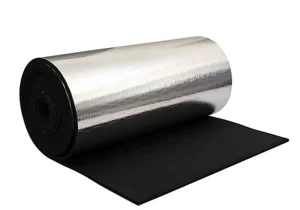
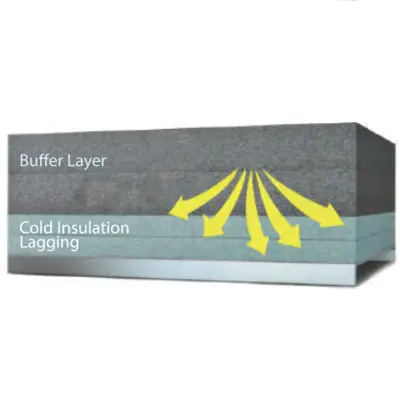
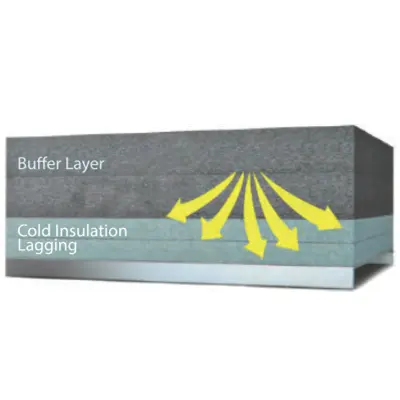
This regulatory push is shifting procurement targets toward hybrid materials. Manufacturers are now pairing closed-cell elastomer matrices with aluminum shielding foils, creating durable barriers that block radiant energy and resist chemical corrosion in harsh industrial zones.
Kingflex Insulation Co., Ltd. is a professional manufacturing and trading combo for thermal insulation products. Our research development and production center is strategically situated in Dacheng, China, the recognized national capital of green-building materials. As an energy-saving, environmentally friendly enterprise, we concentrate on advanced R&D, volume production, and global sales channels.
In daily operation, Kingflex prioritizes energy saving and consumption reduction as core development principles. We provide comprehensive thermal and cryogenic insulation solutions via professional design consultation, advanced engineering, and structured post-sale technical guidance.
Corporate History: Kingflex was established by the Jinwei Group, which holds a proud history of more than 40 years. Founded in 1979, Jinwei Group was the pioneer manufacturer of thermal insulation materials north of the Yangtze River, paving the way for modern industrial production lines.
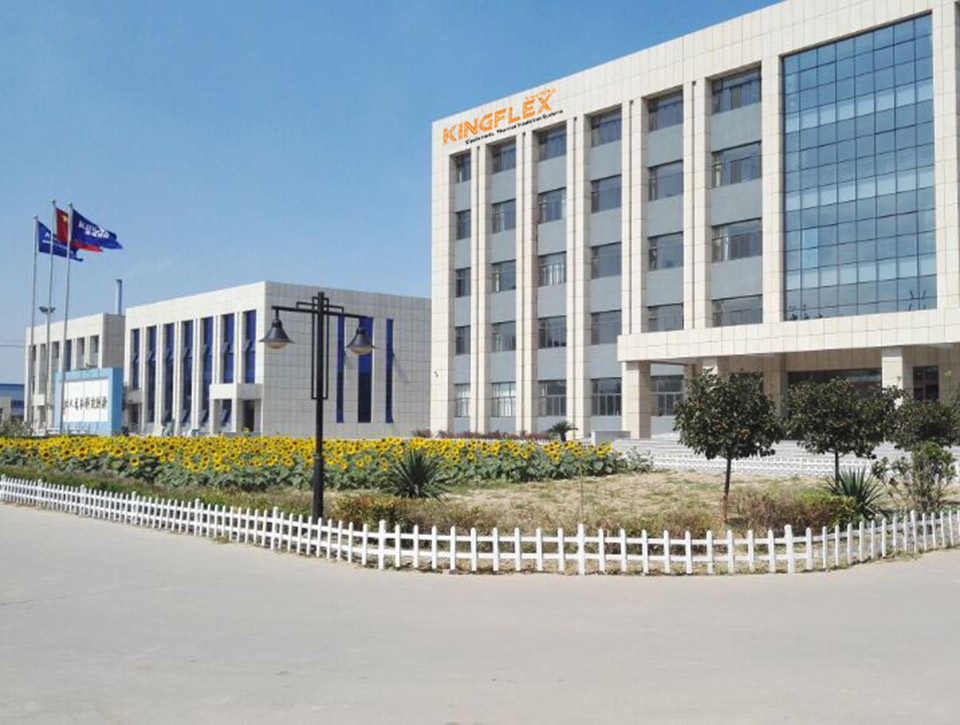
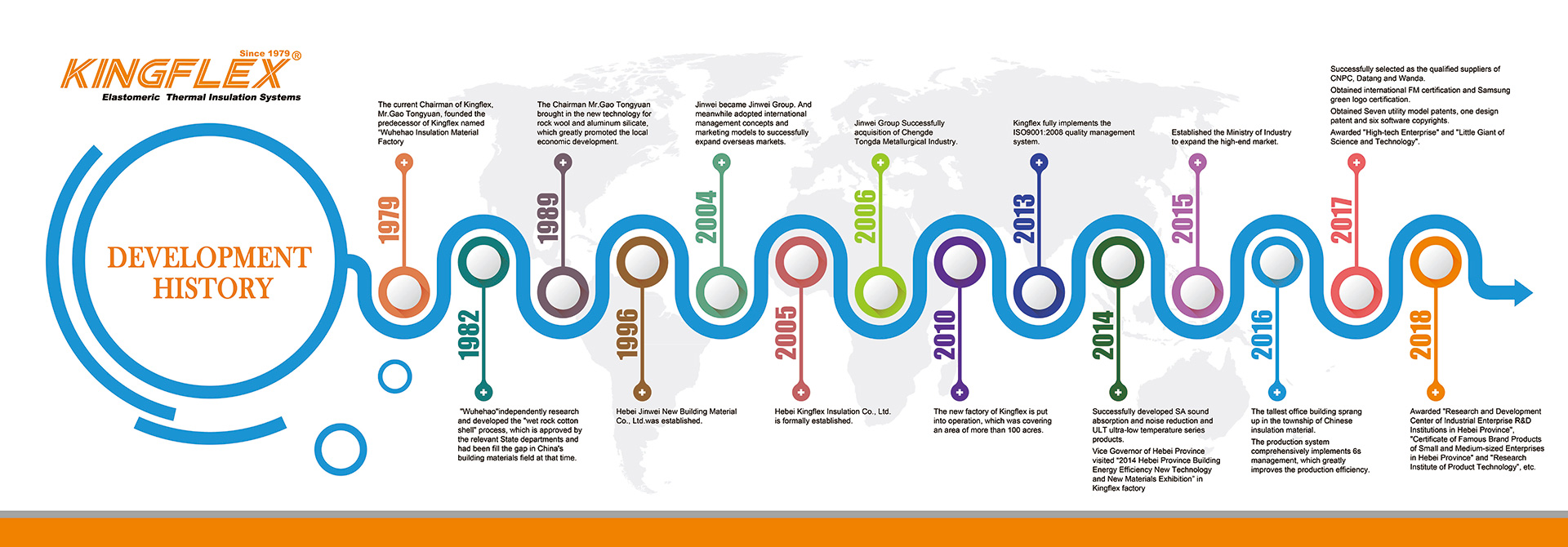
Modern global logistics require reliable manufacturing timelines and certified material consistency. Kingflex addresses these requirements by integrating automated assembly systems and smart warehousing solutions at our manufacturing hub.
Our continuous vulcanization process utilizes real-time monitoring of foaming density and temperature profiles, ensuring uniform cell distribution across every production run.
Kingflex is a designated production enterprise certified by the Ministry of Energy, the Ministry of Electric Power, and the Ministry of Chemical Industry of China.
Our operation is backed by 8 dedicated R&D engineers, 6 international sales experts, and 230 skilled production technicians, ensuring smooth processing from inquiry to site delivery.
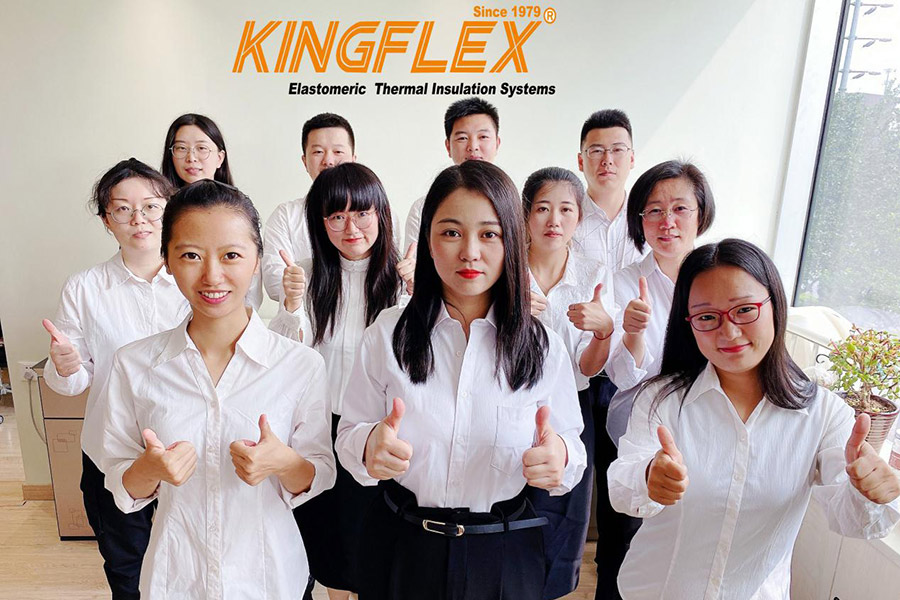
Our team is united by a shared vision of delivering reliable insulation systems to global contractors. Through close coordination, our logistics team manages shipping processes to keep project sites in Europe, Asia, and the Americas on schedule.
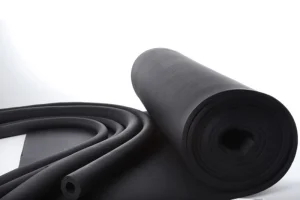
Kingflex elastomeric structures are manufactured utilizing a premium blend of Nitrile Butadiene Rubber (NBR) and Polyvinyl Chloride (PVC). This chemical structure yields a uniform closed-cell network that blocks heat transfer and resists moisture infiltration.
| Material Matrix | NBR/PVC Elastomer Blend |
|---|---|
| Available Thickness Range | 6mm to 50mm (Sheets & Rolls) / 9mm to 40mm (Pipe Tubes) |
| Standard Density Limits | 40 to 55 kg/m³ |
| Thermodynamic Conductivity | $\leq 0.034$ W/(m·K) at 0°C |
| Thermal Interface Range | -40°C up to +105°C |
| Compression Recovery Index | $\ge 80\%$ dynamic resilience |
| Closed-Cell Proportion | Over 98% consistent micro-cell configuration |
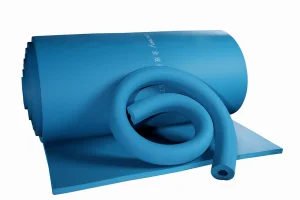
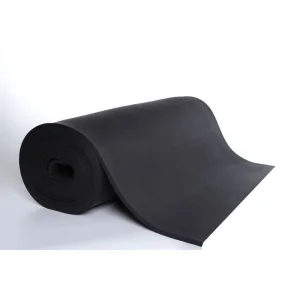
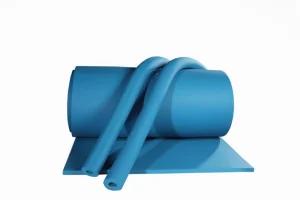
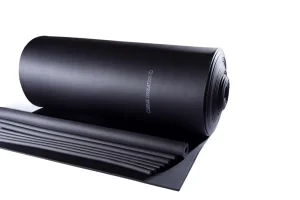
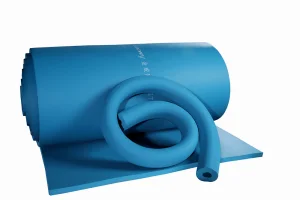
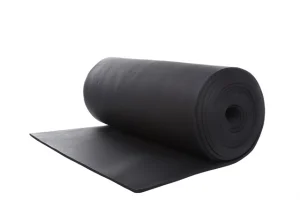
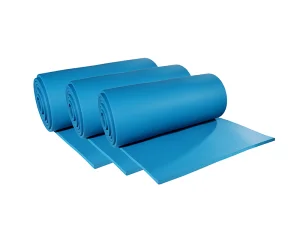
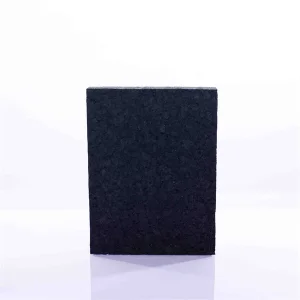
Engineered for high-volume installations like HVAC ductwork, commercial roofing, basement insulation projects, and large industrial storage tanks. Offers flexibility, simple field-cutting, and robust vibration damping characteristics.
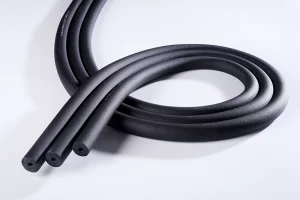
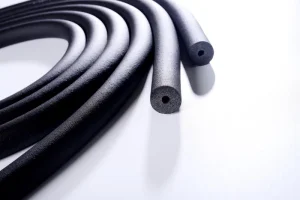
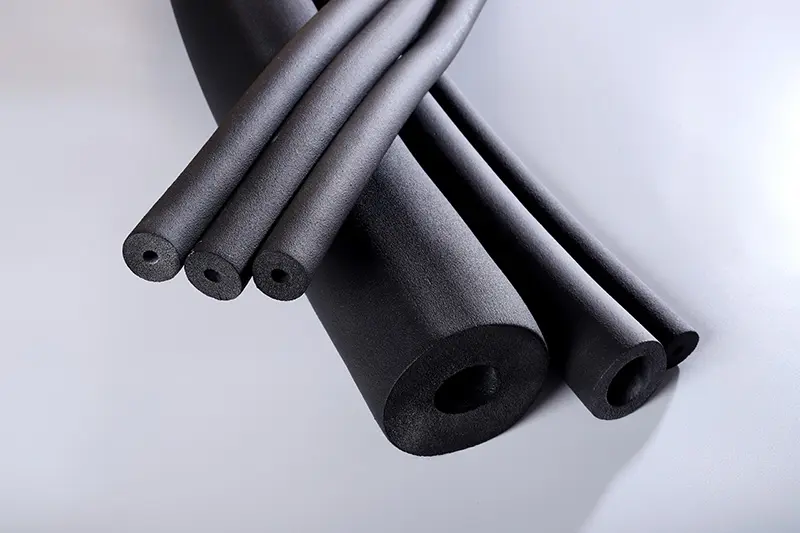
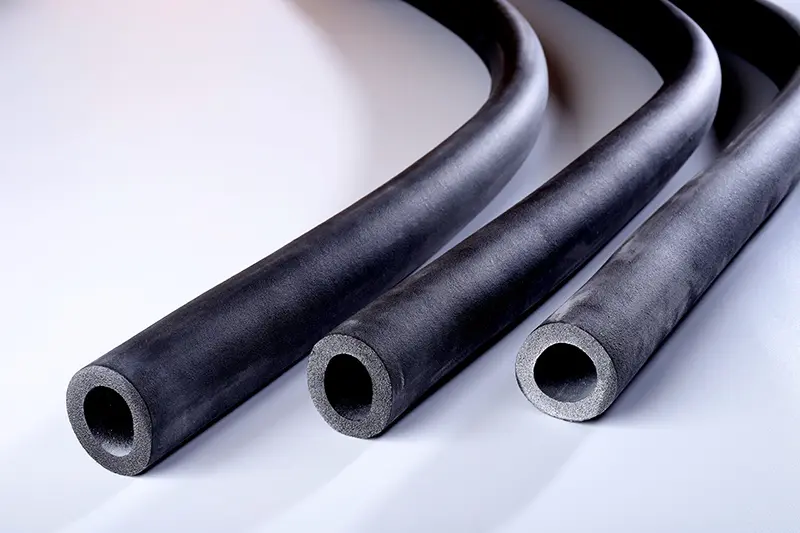
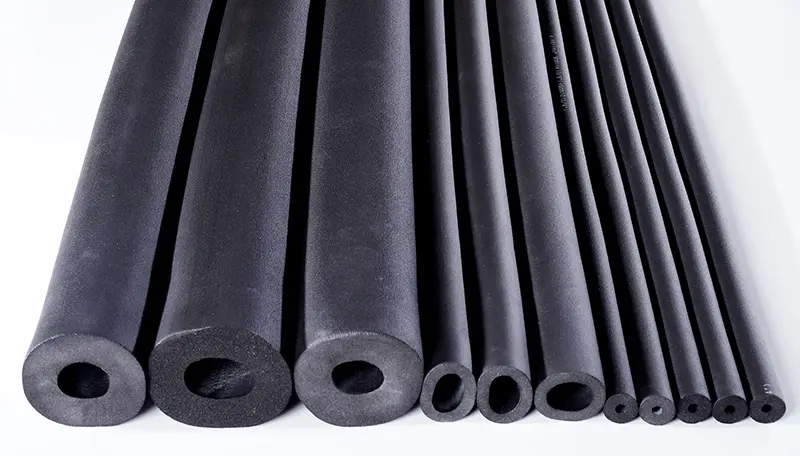
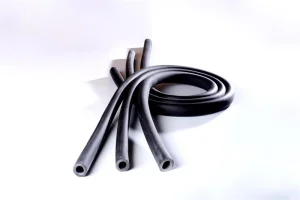
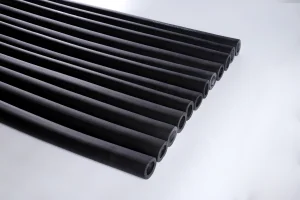
Pre-molded cylinders designed for fast installation over copper, steel, or plastic pipelines. Ideal for HVAC chillers, solar water loops, and chemical transfer lines.
Continuous investment in testing facilities allows us to verify that each production batch meets global compliance standards. Our engineers analyze material behavior under varying environmental conditions to verify flame retardance and insulation consistency.

Flame Retardant Analysis
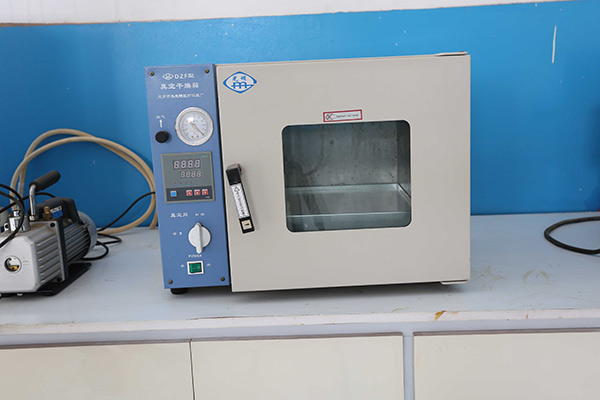
Density & Structural Consistency Checks
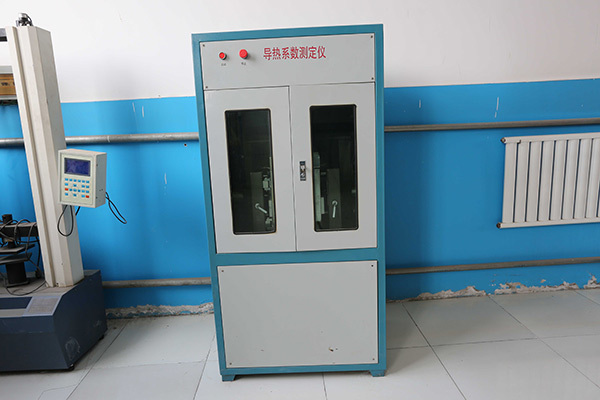
Thermal Performance Verification
Kingflex insulation products are tested by international bodies to confirm compliance with global building codes and environmental safety directives.
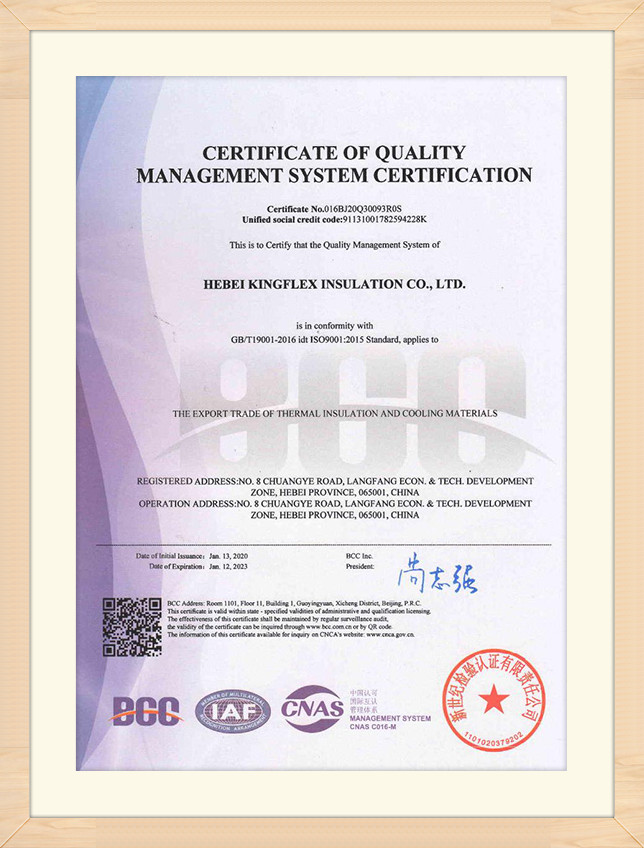
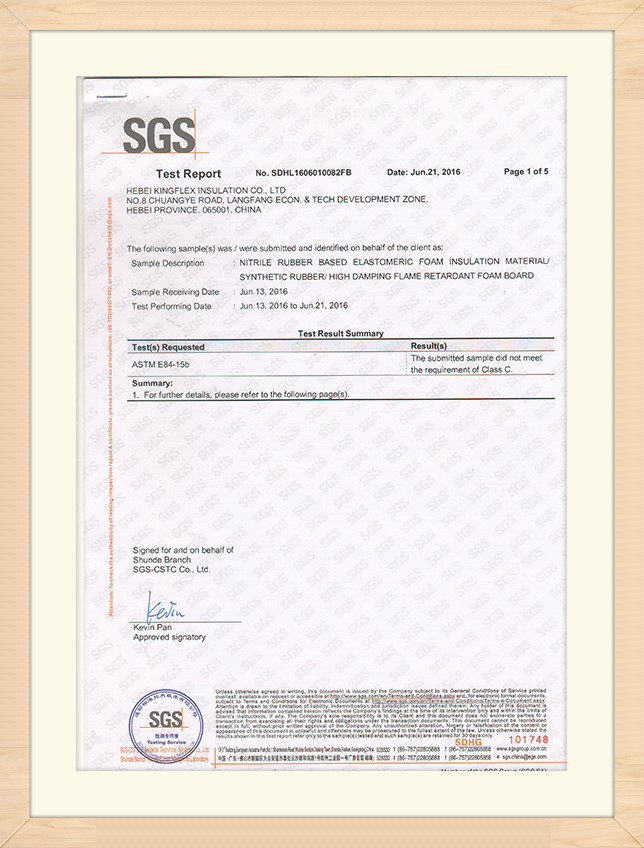
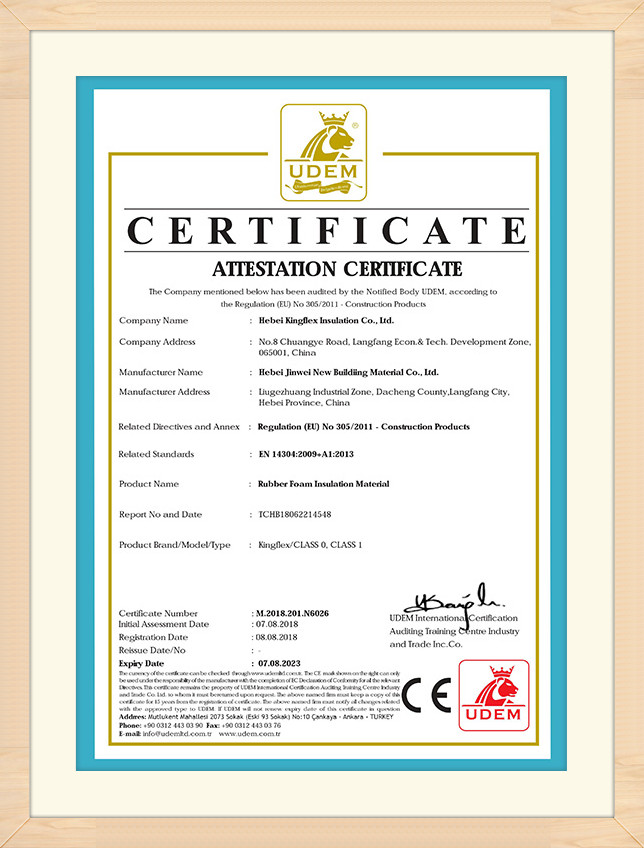
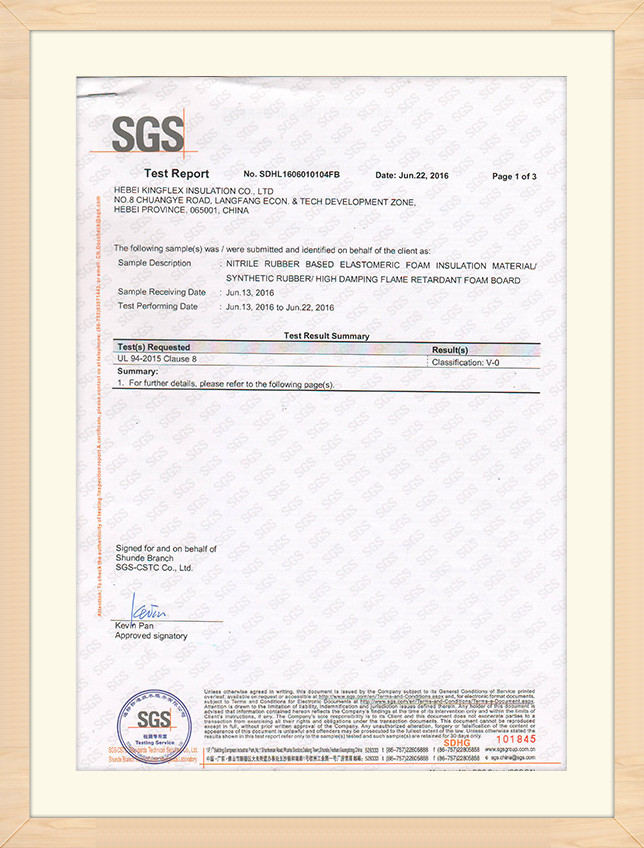
Kingflex insulation systems are engineered to perform in various demanding installation environments:
Applied to supply and return air ducts to control heat gain or loss and eliminate condensation risk inside commercial complexes, hotels, and healthcare facilities.
Specially formulated NBR matrices handle low-temperature fluid lines in chemical processing plants, preventing ice formation and pipe embrittlement.
Protects district heating and cooling pipelines, keeping energy loss minimal over long transport distances.
Prevents freezing in domestic cold water lines and maintains heat levels in hot utility loops within residential mid-rises and public administrative complexes.
The semi-open cell variants are applied to plant equipment casings, machine rooms, and drainage pipes to absorb noise and reduce structural vibration transmission.
Direct communication with procurement teams confirms that our insulation systems meet specified technical parameters before dispatch.


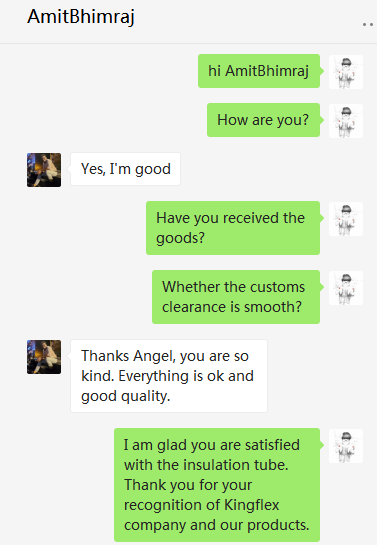


Kingflex insulation products are installed in commercial and industrial structures worldwide. Here is a selection of recent site installations:
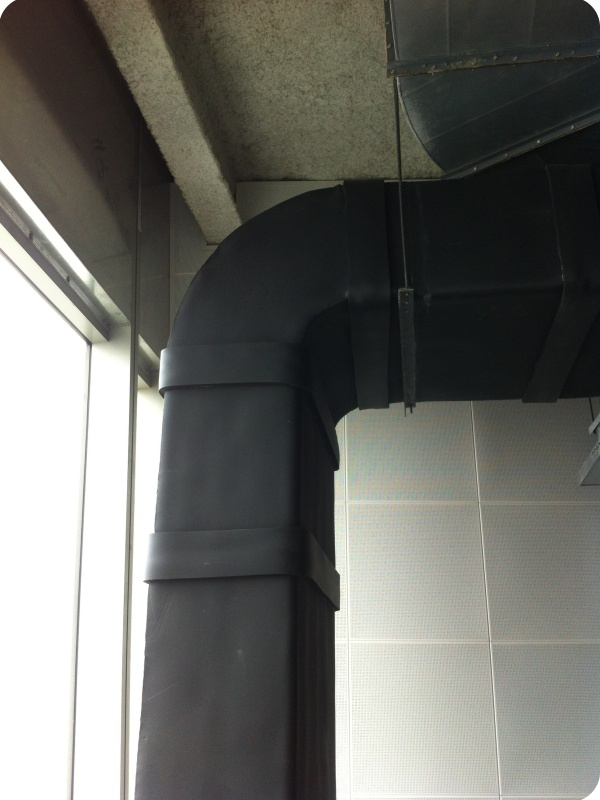
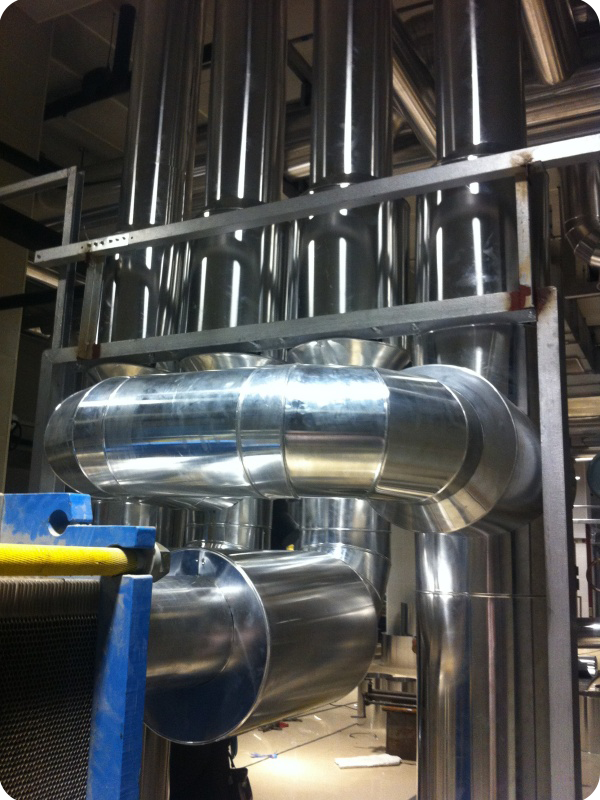
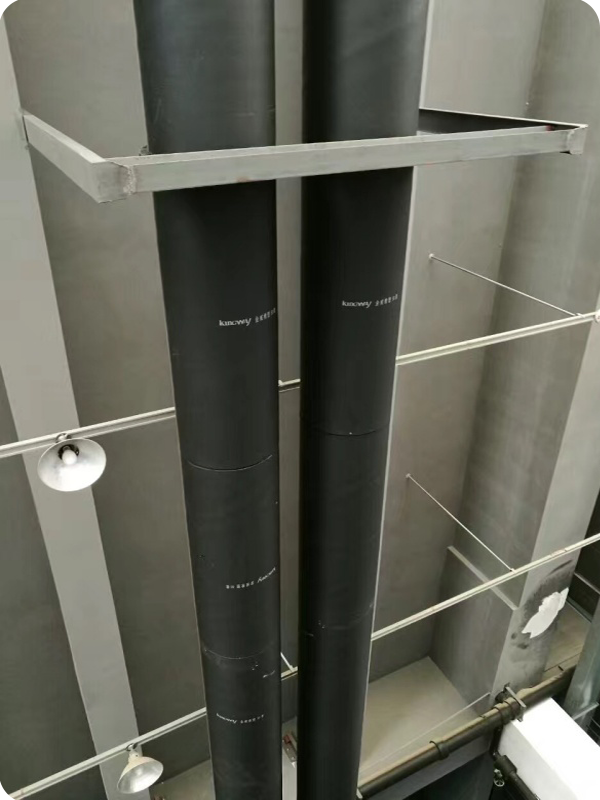
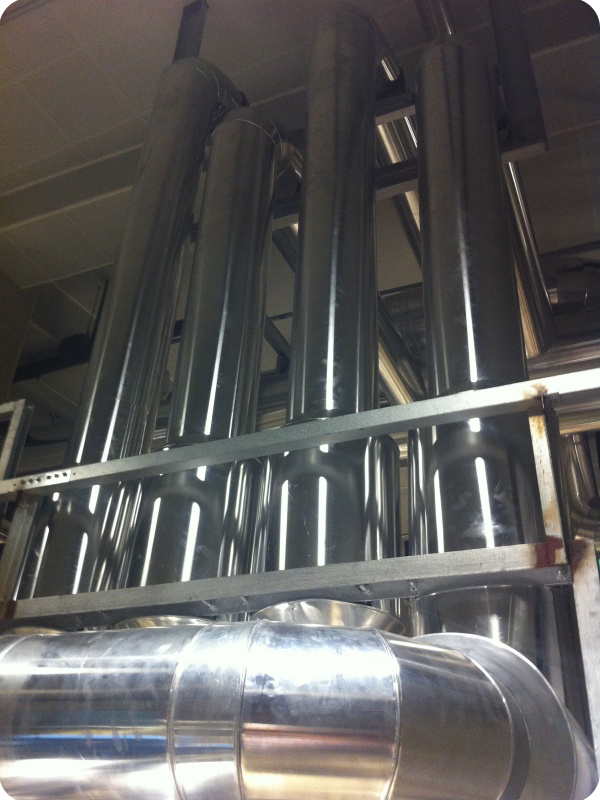
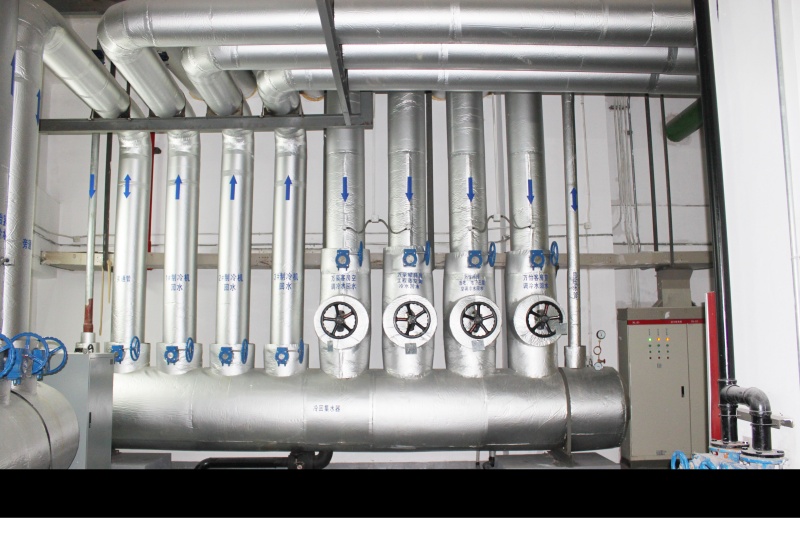
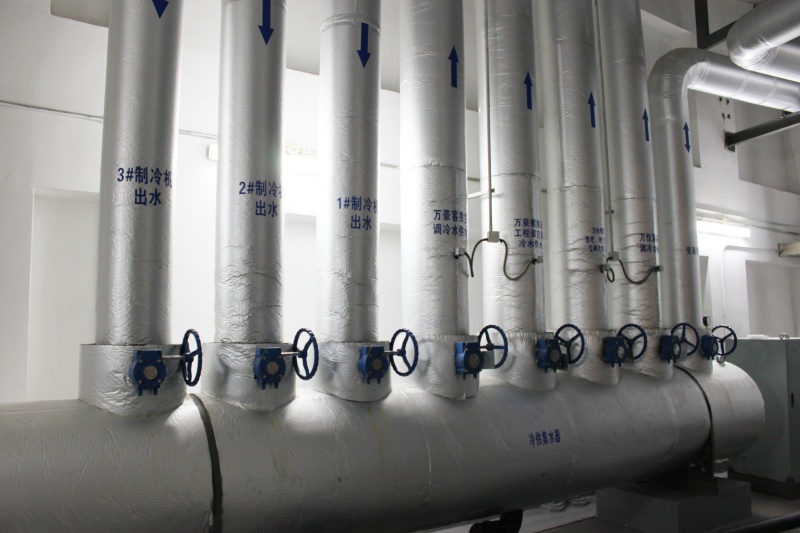

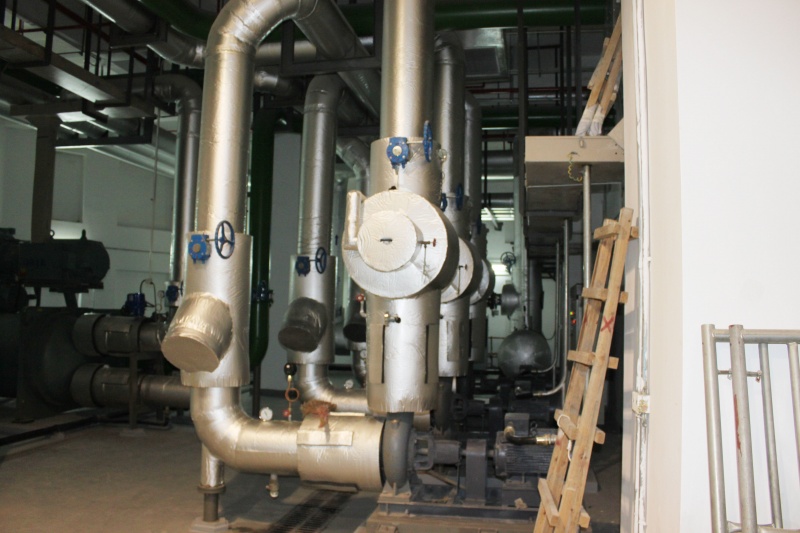
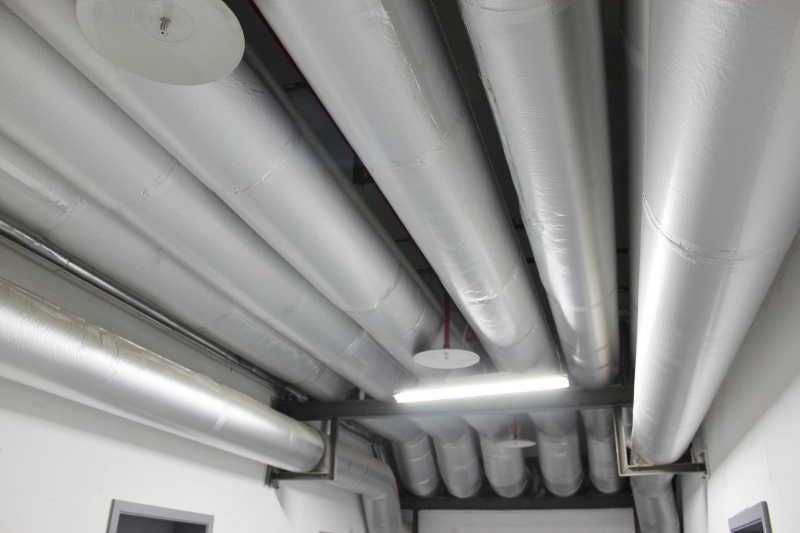
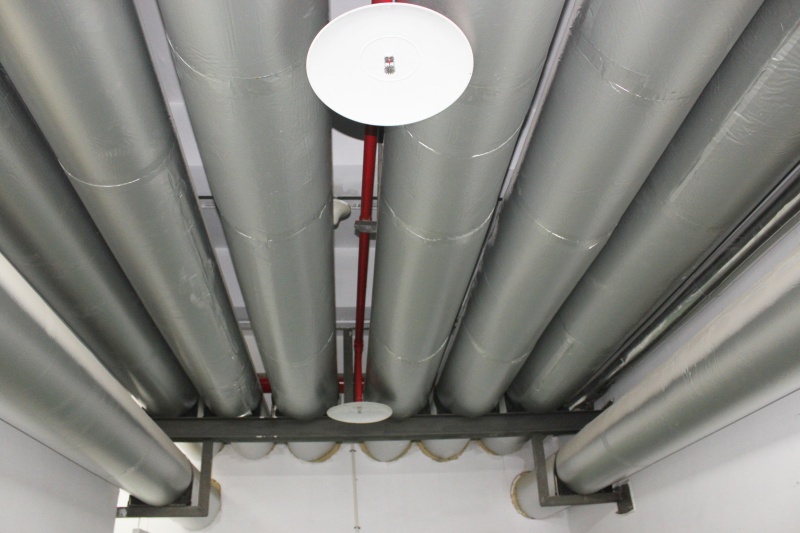
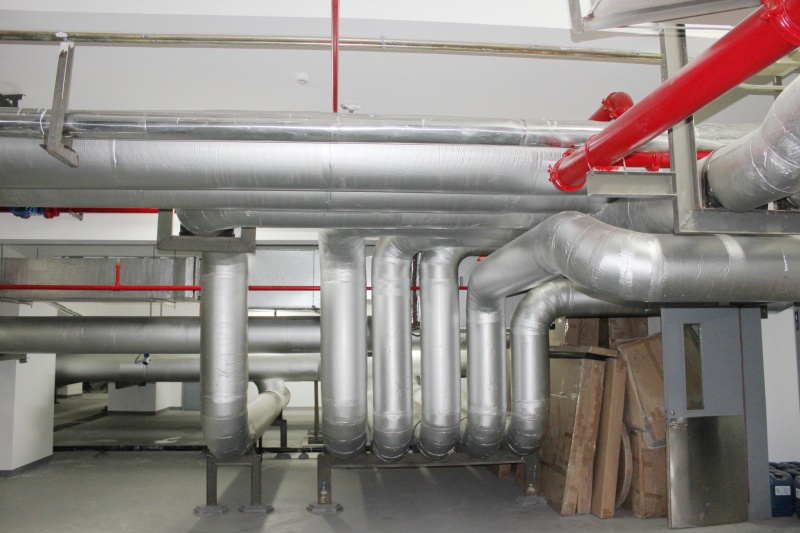
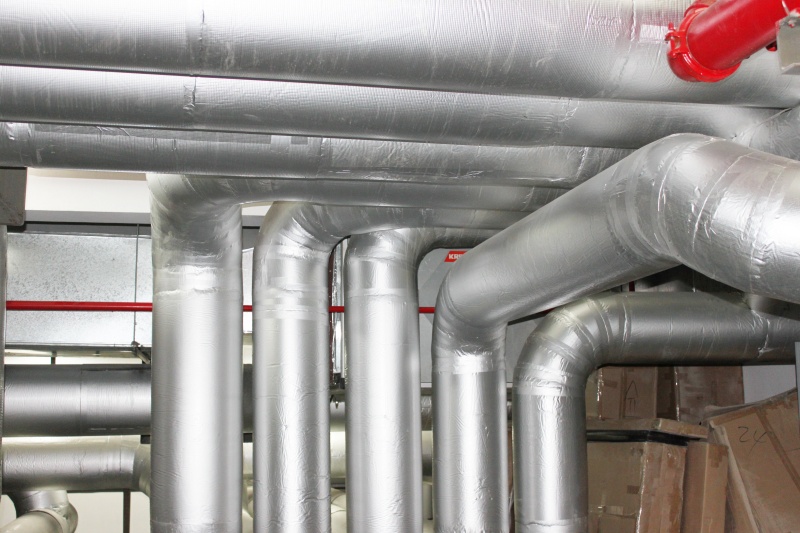
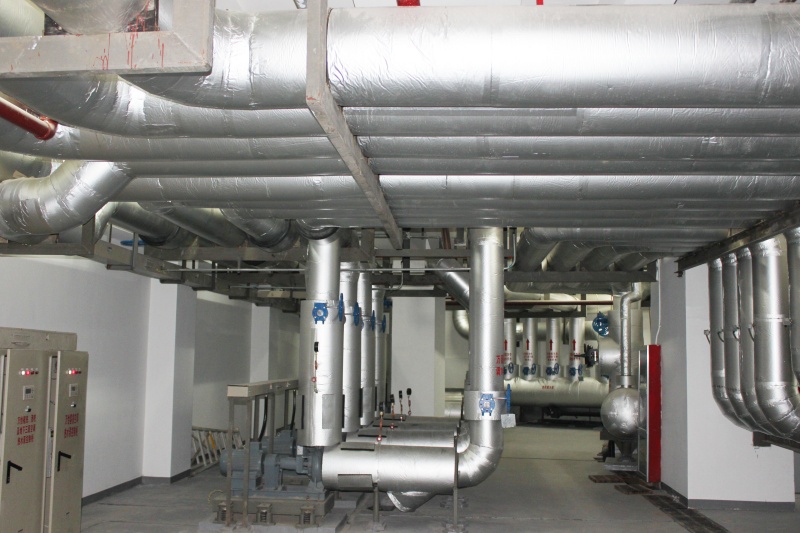
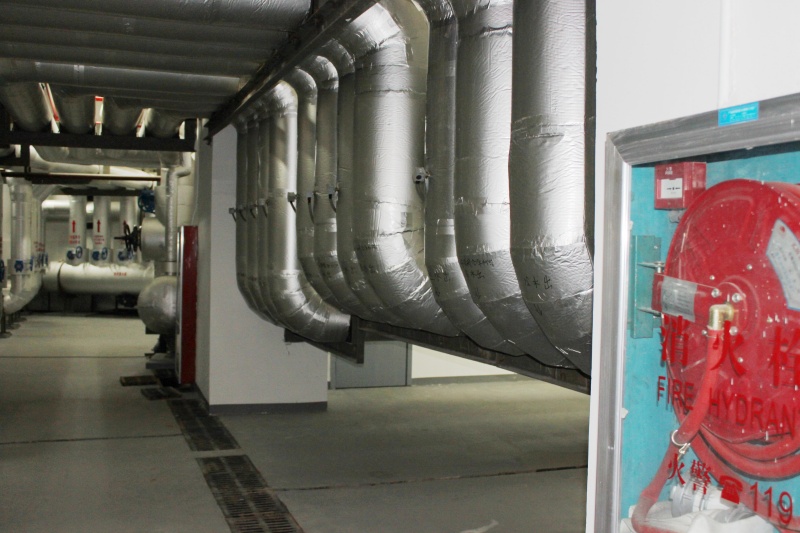
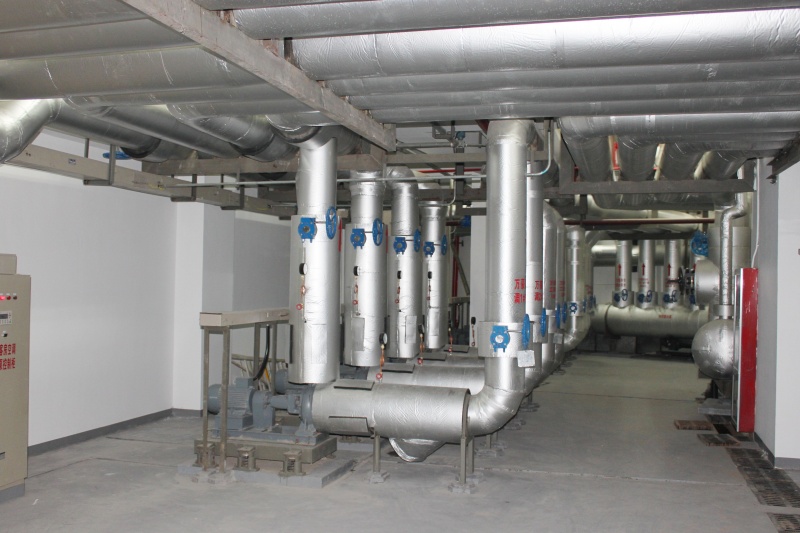
Our materials are regularly supplied to industrial distributors and major contracting firms globally.




Find answers to common questions about technical parameters, regulatory compliance, and installation best practices: