 Kingflex
Kingflex
Kingflex
Explore our premium selection of elastomeric closed-cell and industrial insulation configurations engineered specifically for chilled water applications.
A comprehensive whitepaper analysis of thermodynamics, moisture barrier mechanics, and global infrastructure optimization standards.
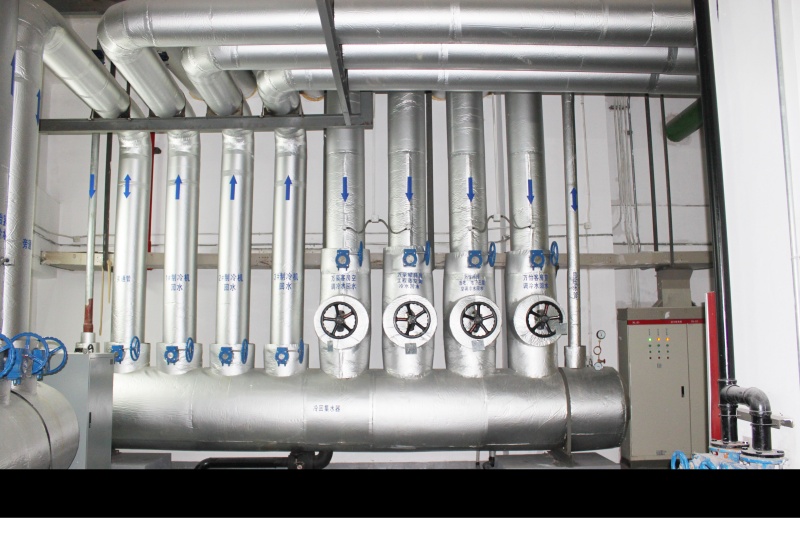
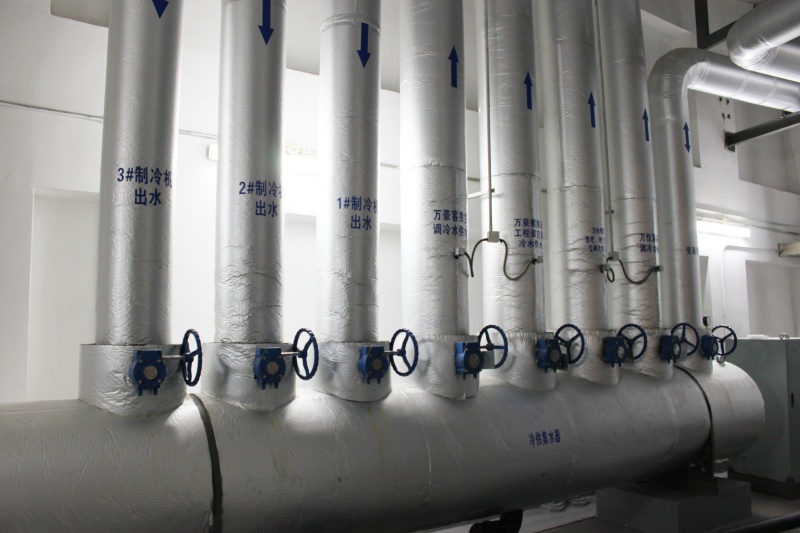
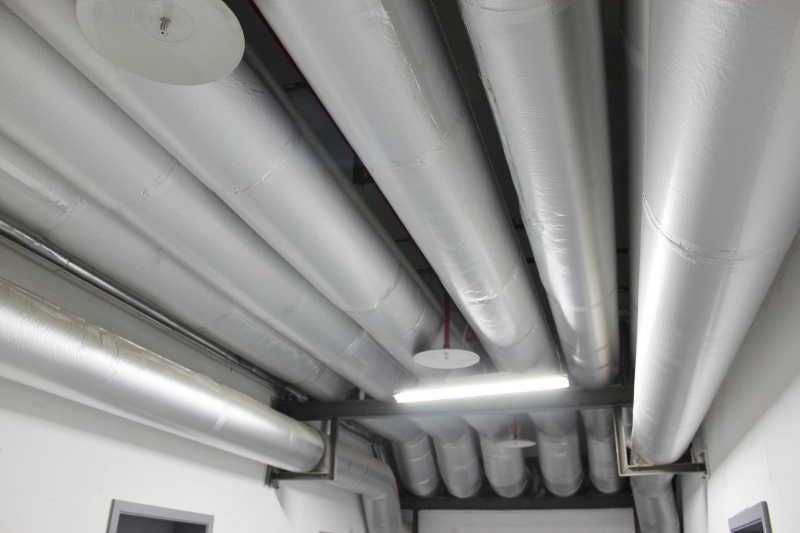
Chilled water systems typically run between 4°C (39°F) and 7°C (45°F). If the pipe surface temperature drops below the ambient dew point, liquid condensation forms immediately. Correct calculation of Chilled Water Insulation Thickness ensures the outer surface of the insulation cladding remains above the dew point of the surrounding microclimate.
Liquid water conducts heat roughly 25 times more efficiently than air. If moisture penetrates the insulation, the thermal conductivity rises exponentially. High-quality closed-cell materials, such as NBR/PVC elastomeric foam, display a resistance factor to water vapor diffusion (µ-value) exceeding 10,000, eliminating the need for separate external vapor jackets.
Properly insulated lines limit heat gain into the distribution network. In district cooling layouts, this directly decreases electrical draw at the chiller plant. Each 1°C increase in chilled water system supply temperature (via heat gain mitigation) can translate to a 2.5% to 3% reduction in chiller energy usage.
For decades, mechanical engineers have referred to the ASHRAE Fundamentals Handbook to dictate nominal insulation wall thicknesses. In modern industrial planning, sizing calculations must account for three critical ambient environments: Mild, Normal, and Severe.
Our engineering research indicates that standard calculations for high-humidity areas (such as Southeast Asia, Middle Eastern coastal states, or subterranean transit grids) require a safety margin that typical thermal spreadsheets overlook. Below is a macro operational summary of recommended minimum thicknesses for pipe configurations utilizing Kingflex Closed-Cell Elastomeric systems:
| Nominal Pipe Diameter (IPS) | Mild Conditions (27°C, 50% RH) | Normal Conditions (29°C, 75% RH) | Severe Conditions (32°C, 90% RH) |
|---|---|---|---|
| 1/2" to 1-1/2" (15mm - 40mm) | 13 mm (1/2") | 19 mm (3/4") | 25 mm (1") |
| 2" to 4" (50mm - 100mm) | 19 mm (3/4") | 25 mm (1") | 38 mm (1-1/2") |
| 5" to 8" (125mm - 200mm) | 25 mm (1") | 38 mm (1-1/2") | 50 mm (2") |
| 10" and above (>250mm) | 38 mm (1-1/2") | 50 mm (2") | 63 mm (2-1/2") |
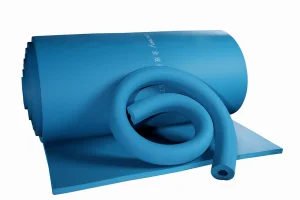
Our production facilities utilize a unique polymer blend of Nitrile-Butadiene Rubber (NBR) and Polyvinyl Chloride (PVC). By incorporating synthetic modifiers, Kingflex products form a micro-cellular structure characterized by uniform cell distribution and high structural resilience. Unlike traditional open-cell materials or mineral fiber blankets, this design avoids moisture absorption, eliminating the risk of Corrosion Under Insulation (CUI) on steel lines.
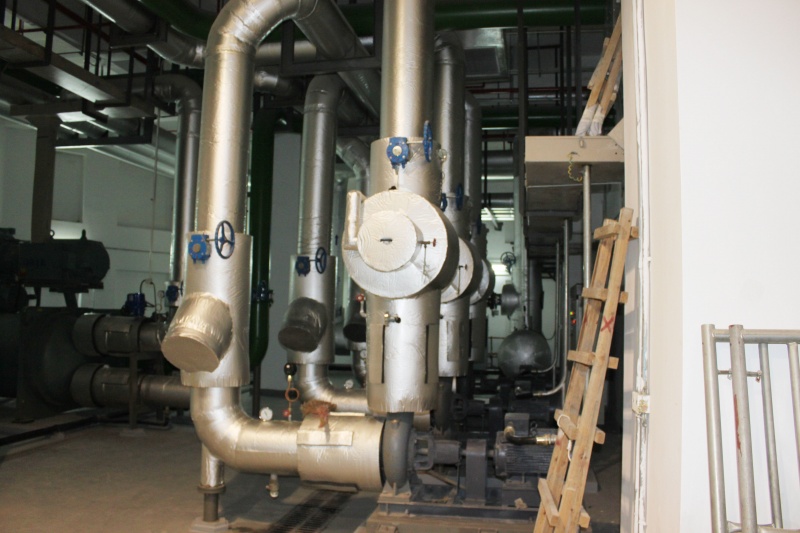
Furthermore, this formulation provides a class-leading thermal conductivity ($\lambda$) of $\le 0.034 \text{ W/(m}\cdot\text{K)}$ at a mean temperature of 0°C. High elasticity allows for quick installation on elbows, manifolds, and valves, reducing labor hours and field joints.
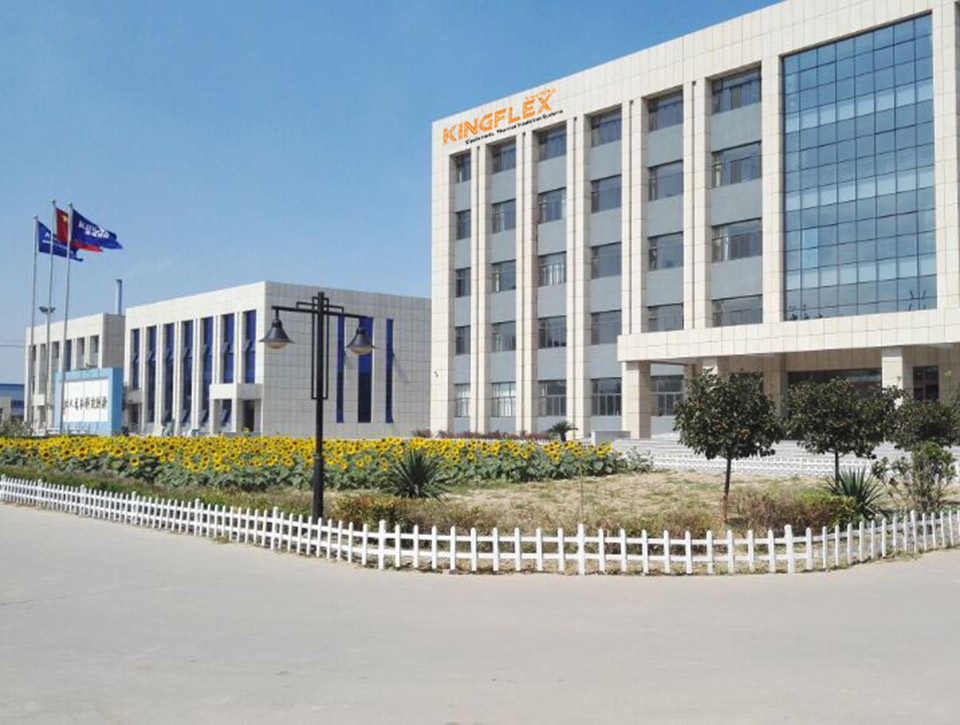
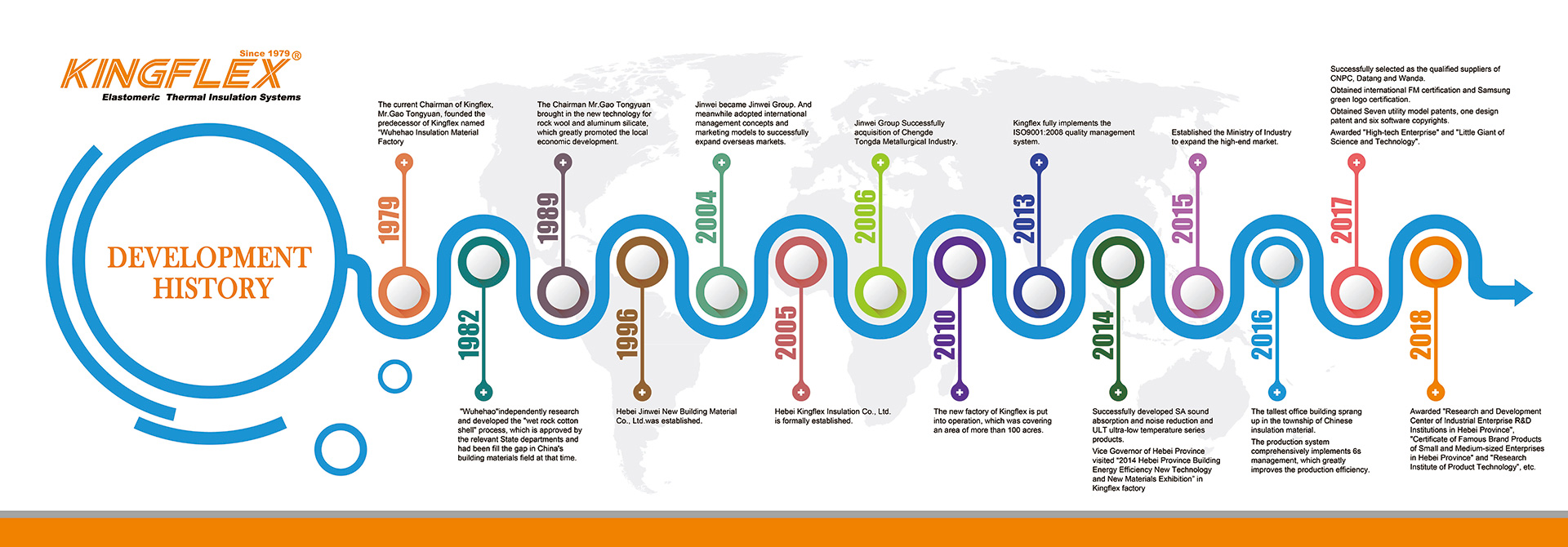
Established by Jinwei Group (pioneering thermal protection since 1979), Kingflex operates a modern manufacturing facility focused on resource efficiency.
Kingflex Insulation Co., Ltd. operates as an integrated manufacturing and trading business, specializing in energy-saving solutions. Our core design ethos balances high performance with environmental responsibility. Through engineering consultation, formulation development, quality-controlled production, and field support, we deliver optimized solutions to manage heat gain and condensation in commercial HVAC networks.
Our team has developed strong expertise in cryogenic application fields. Low-temperature settings require robust insulation materials to handle extreme thermal gradients without cracking or failing. To meet these demands, we offer the Kingflex Flexible Cryogenic System, designed to withstand temperatures down to -200°C.

Kingflex thermal insulation solutions are continuously tested and certified by recognized global standards bodies.
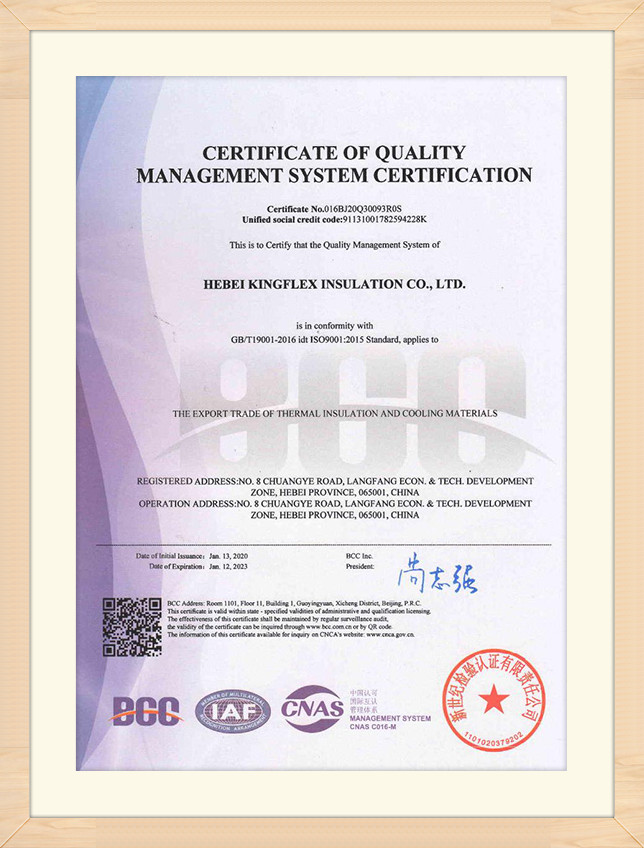
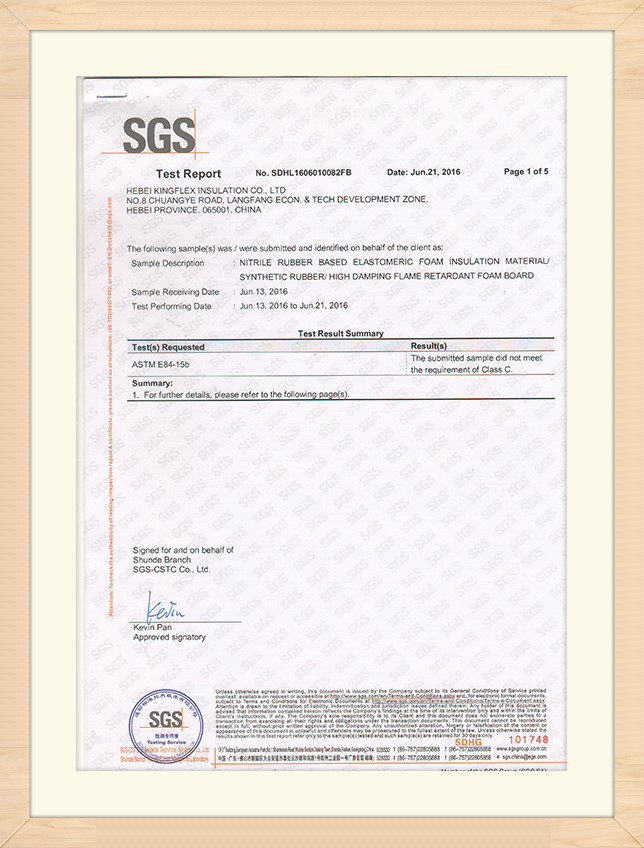
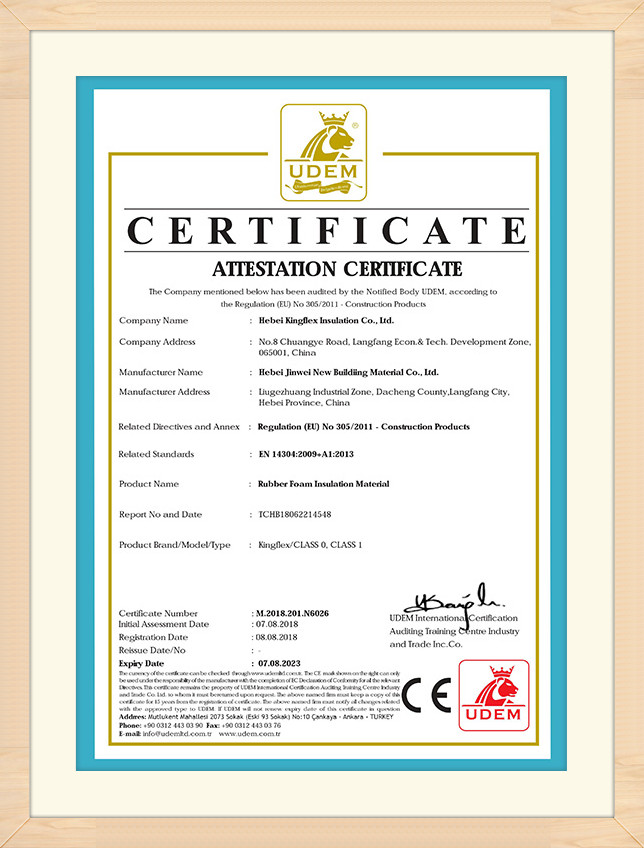
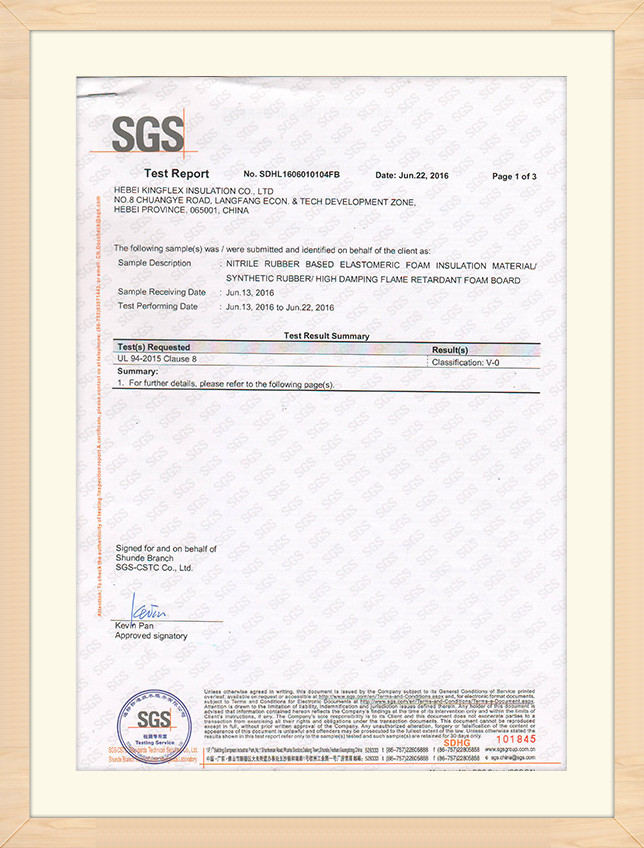
Our products are certified to meet international criteria, including BS 476 Parts 6 & 7 (Class 0), UL 94 fire safety standards, CE standards, REACH chemical safety regulations, and RoHS environmental requirements. Complete testing reports and trace documentation can be provided by our compliance department upon request.
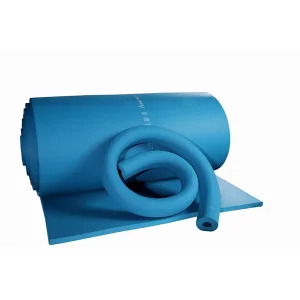
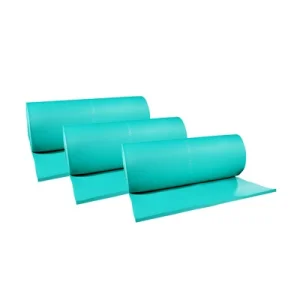
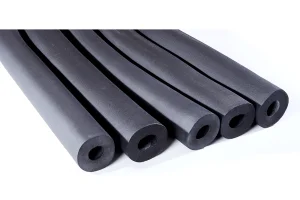
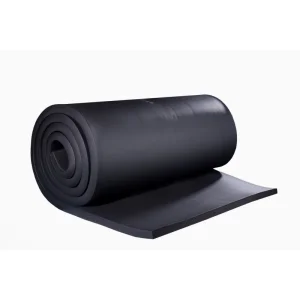
Standard configurations and dimensional tolerances for both sheet rolls and pre-formed pipe insulation tubing.
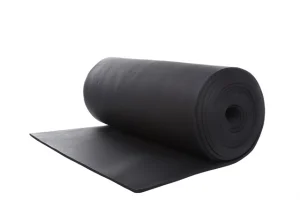
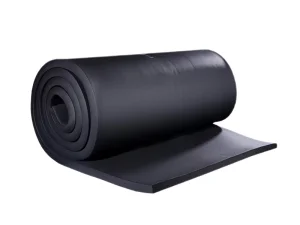
Material Structure: Synthetic NBR/PVC elastomer polymer matrix.
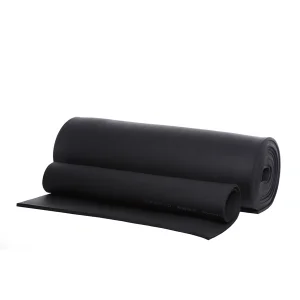
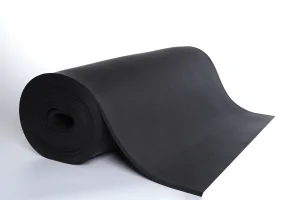
Production Thickness Limits: 6 mm to 50 mm.
Nominal Density Range: 40 to 55 kg/m³.
Operational Service Temp: -40°C to 105°C.
Water Vapor Diffusion Resistance (µ): ≥ 10,000.
Primary Applications: Large diameter chilled water headers, rectangular air duct housings, acoustic enclosures, air handling unit (AHU) linings, and wide vessels.
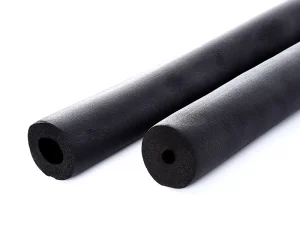
Material Structure: High-density closed-cell elastomeric foam.
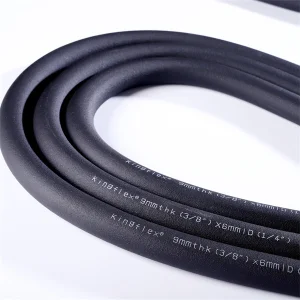
Production Thickness Limits: 9 mm to 40 mm.
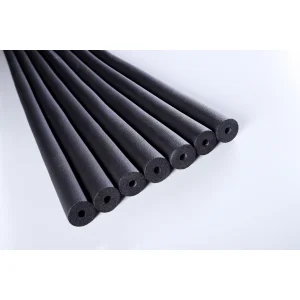
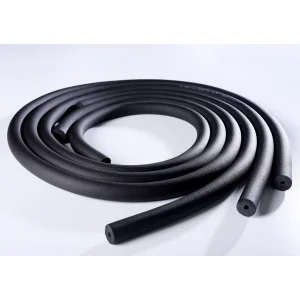
Inner Diameter (ID) Range: 6 mm to 114 mm.
Compression Resilience: > 80% recovery under standard deflection.
Flame Propagation Performance: Flame retardant, self-extinguishing.
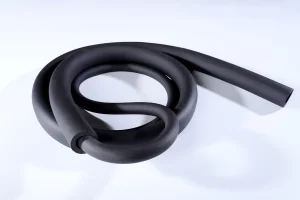
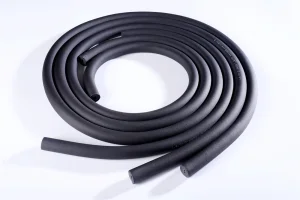
Primary Applications: HVAC refrigerant split lines, hydronic pipe networks, copper chilled water loops, cold process piping, solar heating returns, and freeze prevention systems.
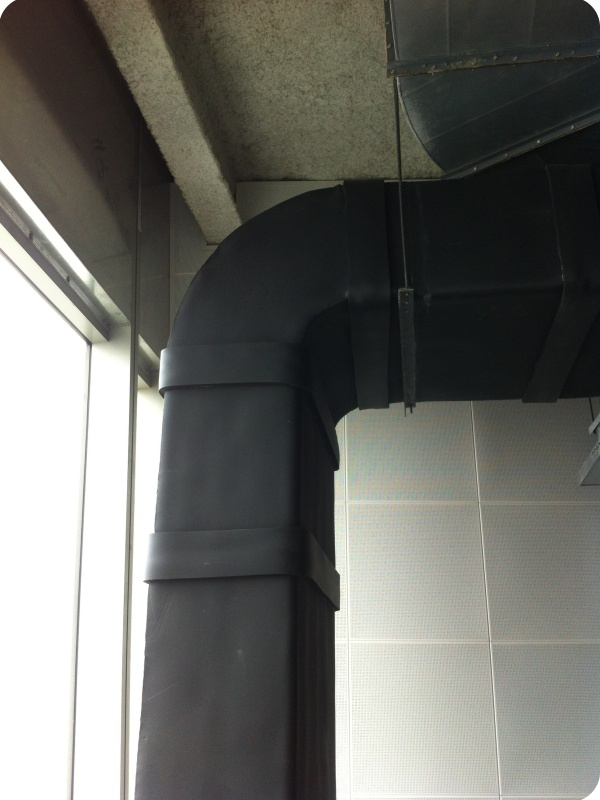
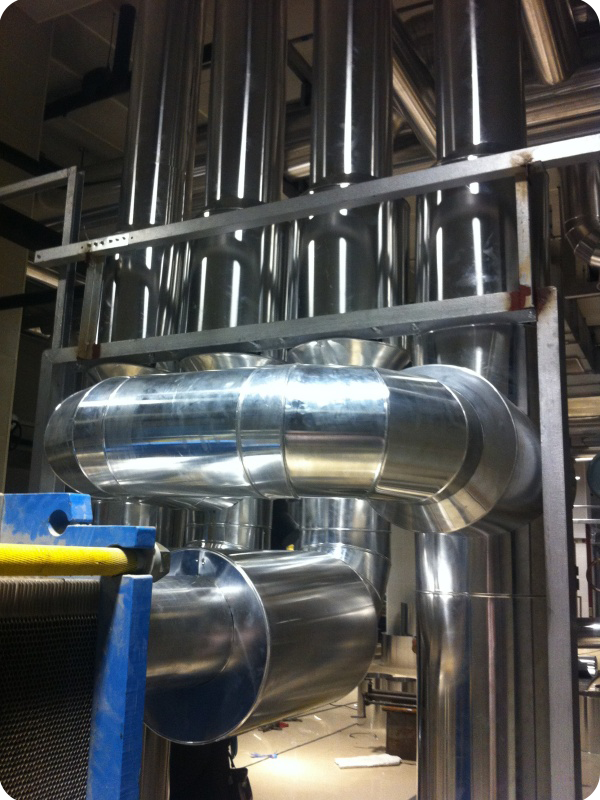
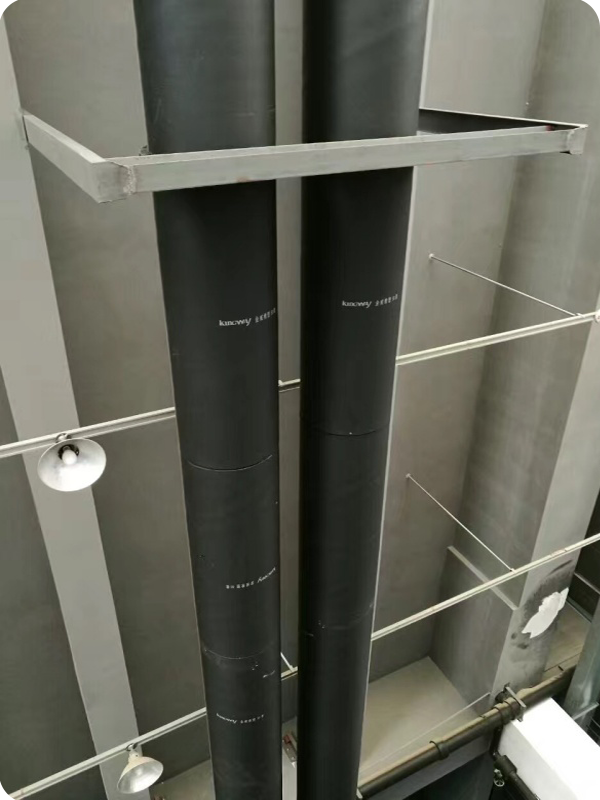
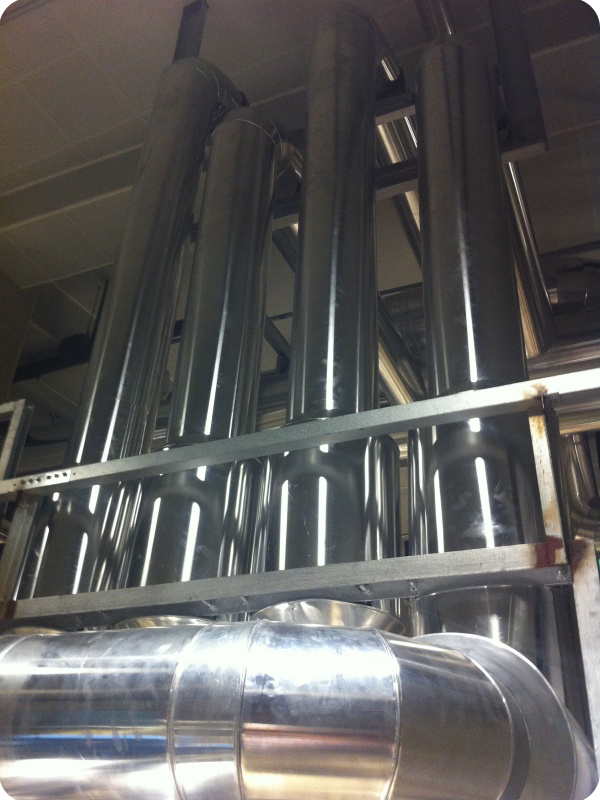
Real verification of our client relations, transaction transparency, and collaborative service approach.





Our Dacheng facilities utilize automated manufacturing lines to ensure high consistency across all production runs.

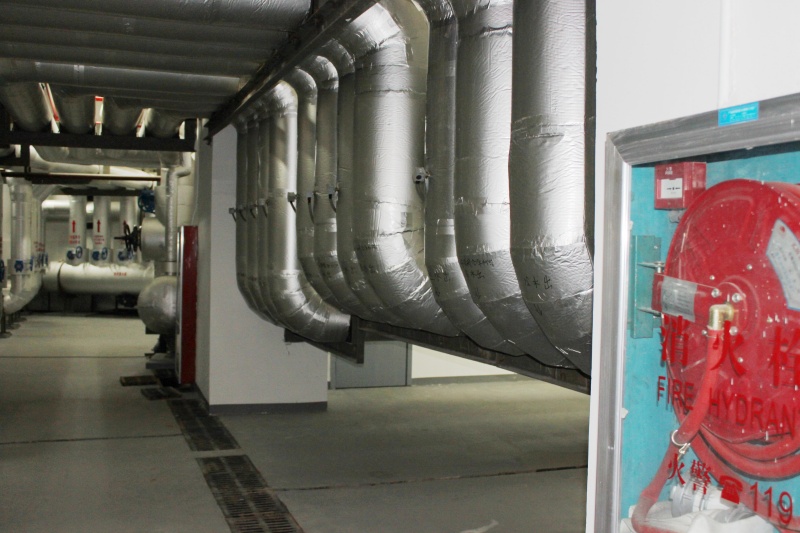
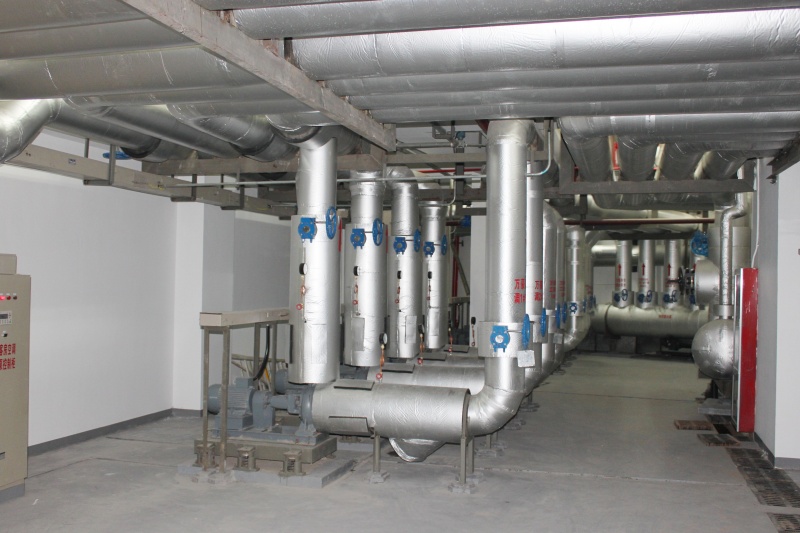
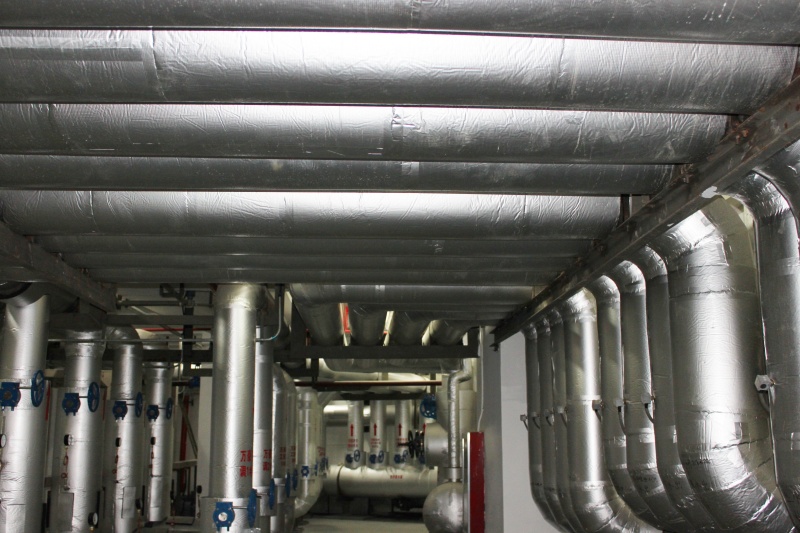
Comprehensive technical answers for engineers, quantity surveyors, and project managers specifying chilled water systems.
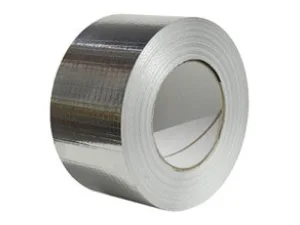
Explore our complete range of flexible pipes, specialty tapes, and cryogenic insulation materials designed for demanding HVAC designs.