 Kingflex
Kingflex
Kingflex
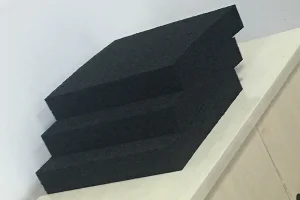
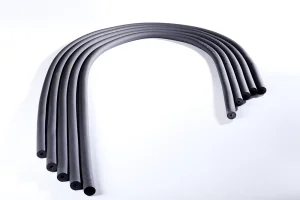
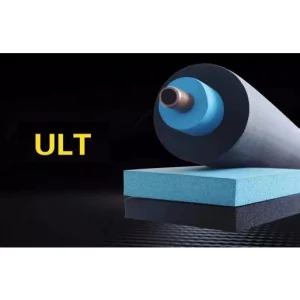
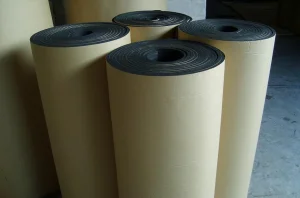
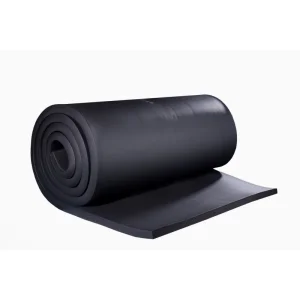
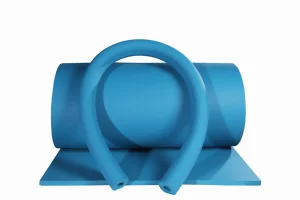
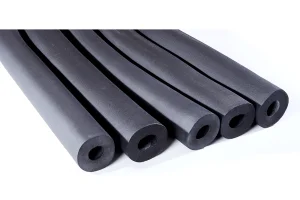
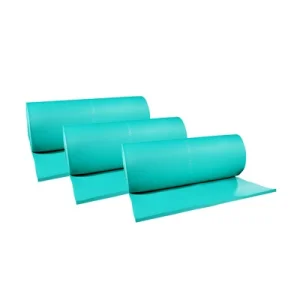
Explore our premium grade NBR/PVC elastomeric rubber foam sheets, rolls, and pre-formed pipe insulation systems.
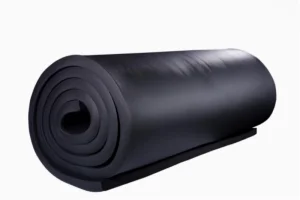
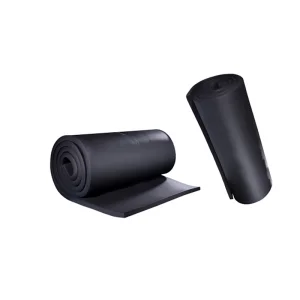
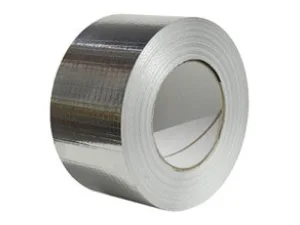
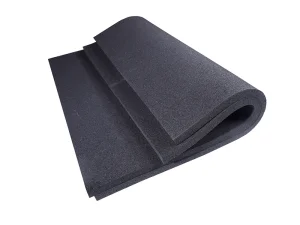
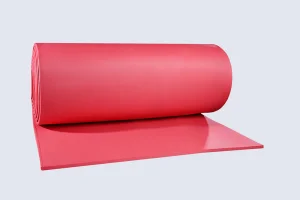
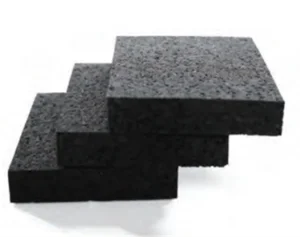
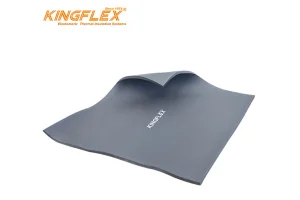
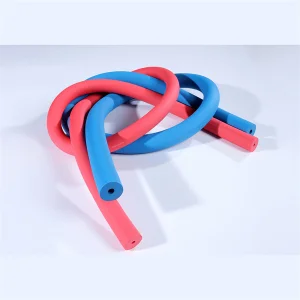
In modern commercial construction, District Cooling Systems (DCS), and heavy industrial processing facilities, maintaining chilled water temperature is critical. Chilled water loops typically operate between 4°C and 7°C (39°F to 45°F). Without high-quality insulation, the surrounding ambient air, which contains higher moisture levels, will hit its dew point upon contacting the cold pipe surface. This causes continuous condensation (sweating), leading to severe thermal losses, mold growth, structural ceiling damage, and structural pipeline corrosion underneath the insulation (Corrosion Under Insulation, or CUI).
Globally, strict energy frameworks such as ASHRAE 90.1, International Energy Conservation Code (IECC), and European Union environmental standards enforce rigorous limits on allowable heat gain. Consequently, choosing a system with an exceptionally low thermal conductivity (λ ≤ 0.034 W/m·K at 0°C) and an integrated high water vapor resistance factor (μ ≥ 10,000) is no longer optional—it is a regulatory mandate.
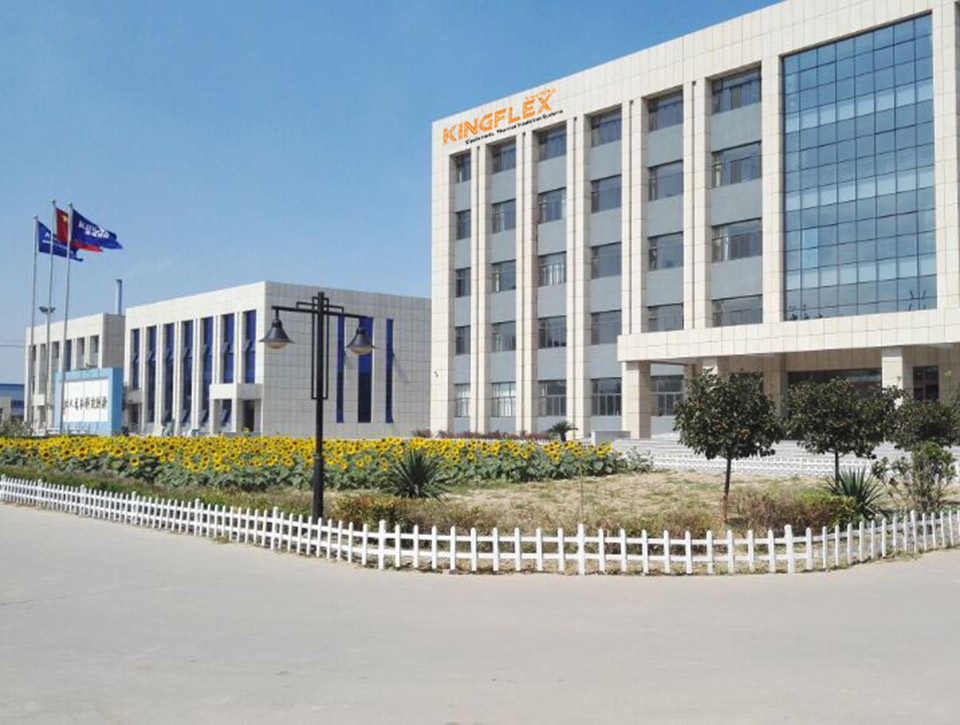
A step-by-step engineering guideline to guarantee vapor barrier integrity and eliminate thermal bridging.
Before applying elastomeric foam, clean the carbon steel or copper piping completely. Remove all rust, scale, moisture, and grease using industrial-grade solvents. Apply a high-durability epoxy coating to prevent CUI (Corrosion Under Insulation) in high-humidity zones.
Measure the outer diameter of the pipe and matching insulation sleeve. The insulation must fit snugly but without tension. Compression reduces the thickness of closed-cell bubbles, lowering the thermal resistance (R-value). Cut the elastomeric tubes using sharp utility knives at exact 90-degree angles.
Apply a thin, even coat of Kingflex specialized solvent-based neoprene adhesive to both cut edges. Allow the adhesive to become tacky to the touch (typically 3 to 10 minutes depending on ambient humidity) before pressing the joint together. Wet bonding must be avoided as it compromises the vapor seal.
Firmly press the glued seams together, starting from the ends and moving to the middle. Seal all longitudinal and circumferential joints. For outdoor pipelines or highly critical chilled loops, wrap all seams with Kingflex aluminum foil thermal insulation tape to form a permanent vapor barrier shield.
Never compress elastomeric insulation directly under hanger clamps. Use high-density polyurethane or composite pipe support inserts (such as Kingflex hanger shields) to bear the weight. Seal the inserts directly to the adjacent flexible elastomeric foam to prevent moisture entry.
Harnessing automated manufacturing, economies of scale, and 40 years of pioneering history.
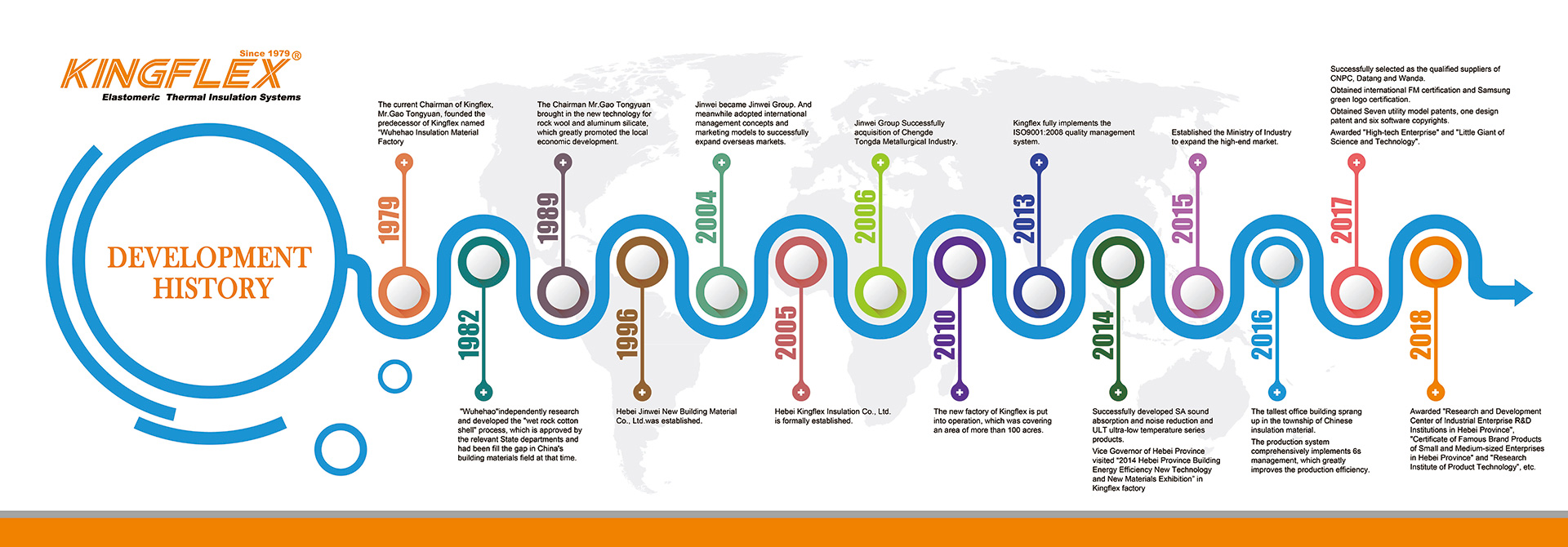
Established by the prestigious Jinwei Group (founded in 1979), the pioneer of thermal insulation materials north of the Yangtze River, Kingflex Insulation Co., Ltd. operates in the capital of green-building materials in Dacheng, China.
Today, Kingflex features 5 large automatic assembly lines, capable of an annual production exceeding 600,000 cubic meters. This immense capacity ensures short lead times, stable polymer pricing, and rigorous quality control for large-scale global projects.
Through our dedicated R&D department staffed with 8 professional thermal engineers, we formulate customized NBR/PVC blends to withstand extreme temperature ranges (-40℃ to 105℃) and harsh weather climates.
From cryogenic systems to standard building HVAC, our products are engineered for maximum thermal performance.
In high-rise hotels, hospitals, and corporate malls, chilled air ducts and water pipelines generate massive condensation risks. Our NBR/PVC closed-cell structure blocks moisture ingress, saving energy and maintaining building health.
Industrial processing, chemical labs, and liquid nitrogen storage systems operating down to -200°C require multi-layered, flexible systems. Kingflex specialized low-temperature foam maintains elasticity and prevents cracking under thermal shock.
Exposed coastal plants or ships require high salinity resistance. The cross-linked polymer matrix of Kingflex sheets prevents saltwater penetration, offering superior rust protection and structural integrity.
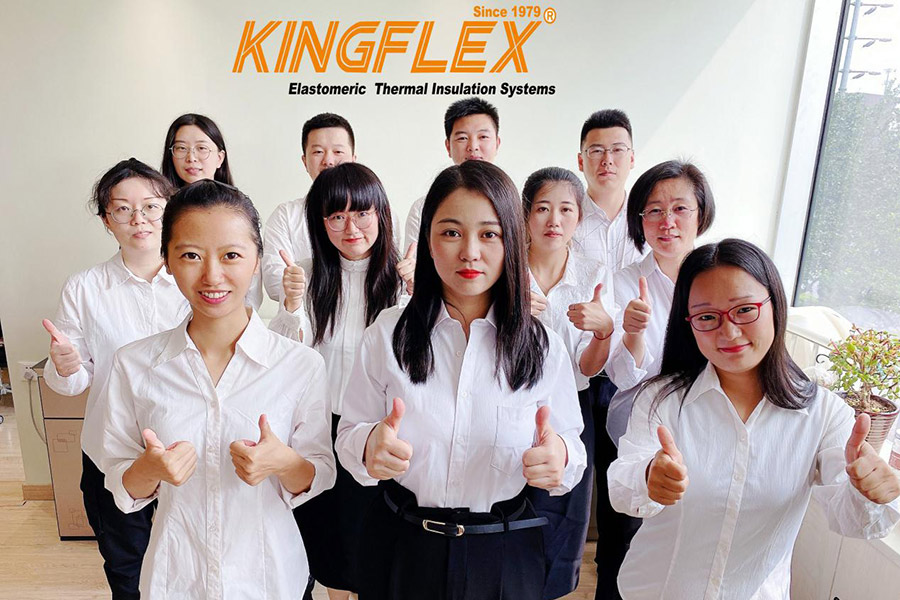
Combining world-class testing labs with international customer management teams.

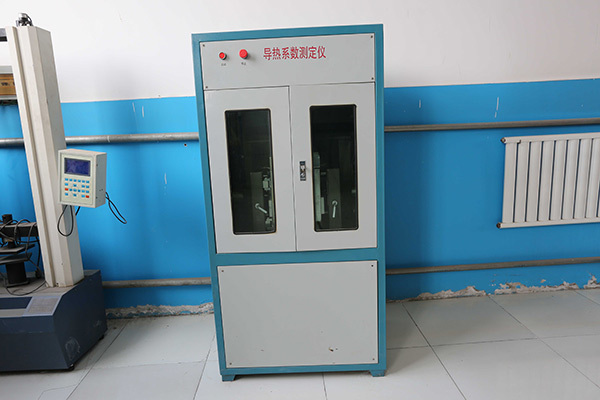
Fully compliant with BS 476, CE, REACH, ROHS, UL94, and ASTM fire and environmental standards.
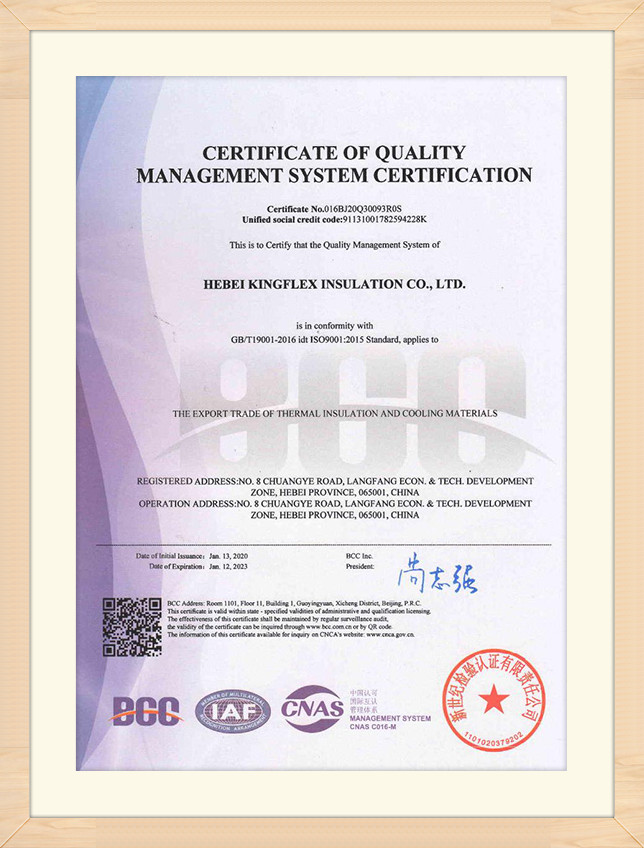
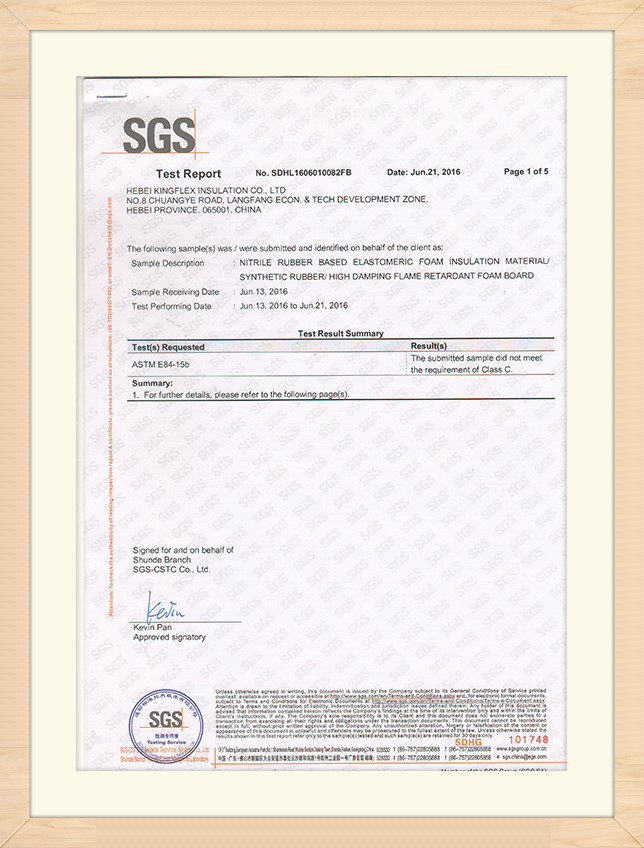
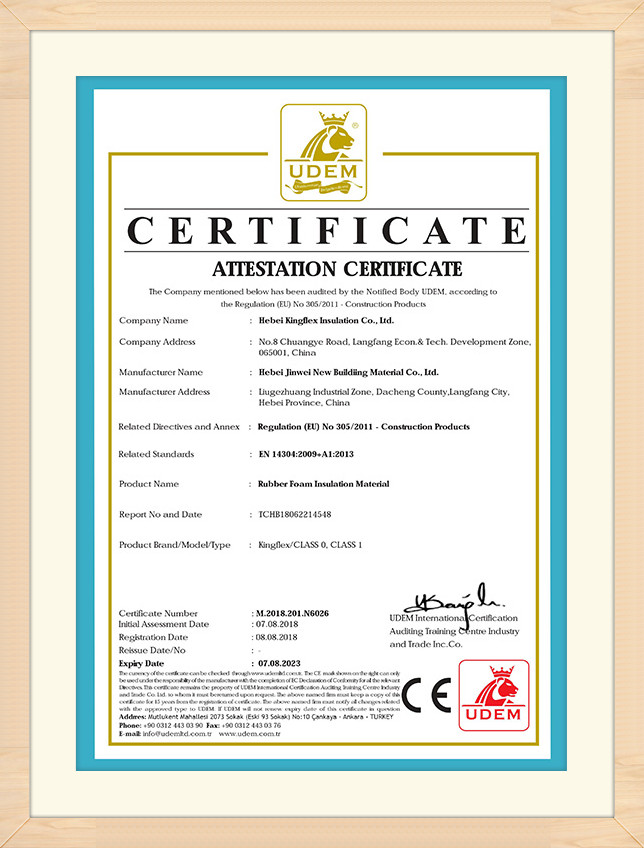
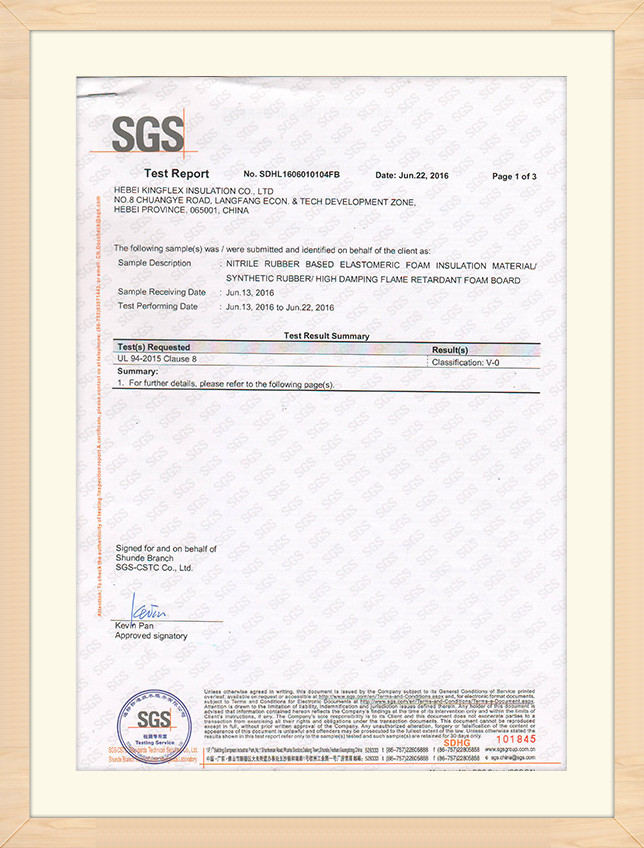
Standard engineering measurements for NBR/PVC elastomeric foam rolls and tubes.
| Parameter | NBR/PVC Foam Sheet Roll | NBR/PVC Pre-formed Pipe Tube |
|---|---|---|
| Material Composition | Nitrile Butadiene Rubber & Polyvinyl Chloride (NBR/PVC) | Nitrile Butadiene Rubber & Polyvinyl Chloride (NBR/PVC) |
| Thickness Range | 6mm - 50mm | 9mm - 40mm |
| Inner Diameter (ID) | N/A | 6mm - 114mm |
| Density Range | 40 - 55 kg/m³ | 40 - 55 kg/m³ |
| Service Temperature | -40℃ to 105℃ | -40℃ to 105℃ |
| Closed Cell Ratio | ≥ 98% | ≥ 98% |
| Fire Resistance Rating | Class 0 / Class 1 (BS 476 Part 6/7), UL94 V-0 | Class 0 / Class 1 (BS 476 Part 6/7), UL94 V-0 |
Proven durability in HVAC systems, high-rise ventilation, and processing pipelines worldwide.
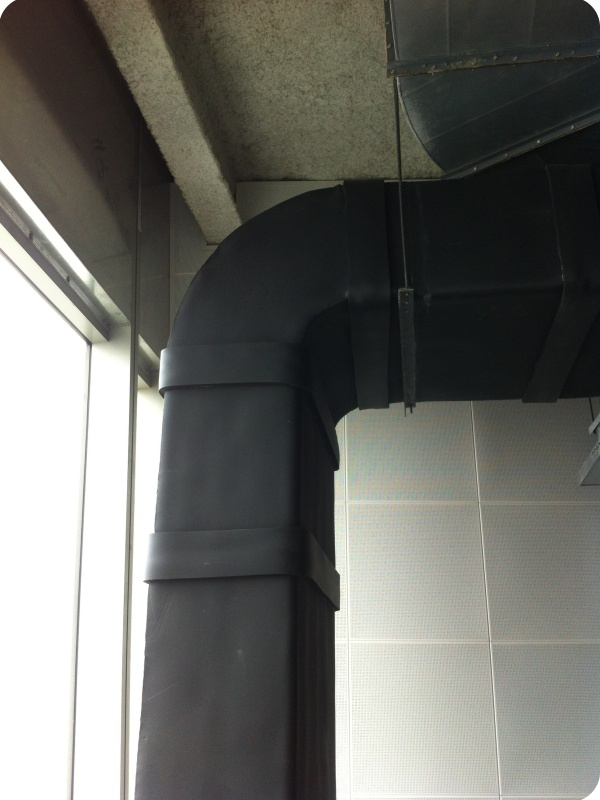
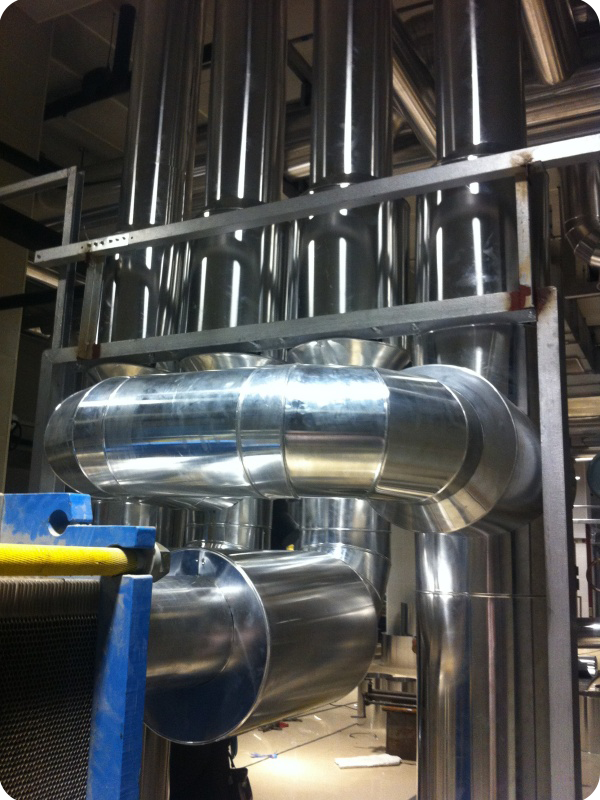
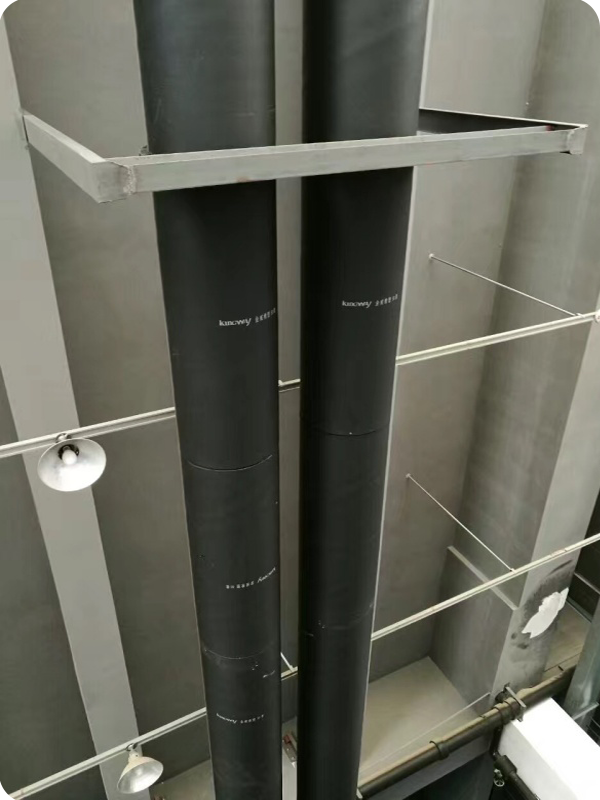
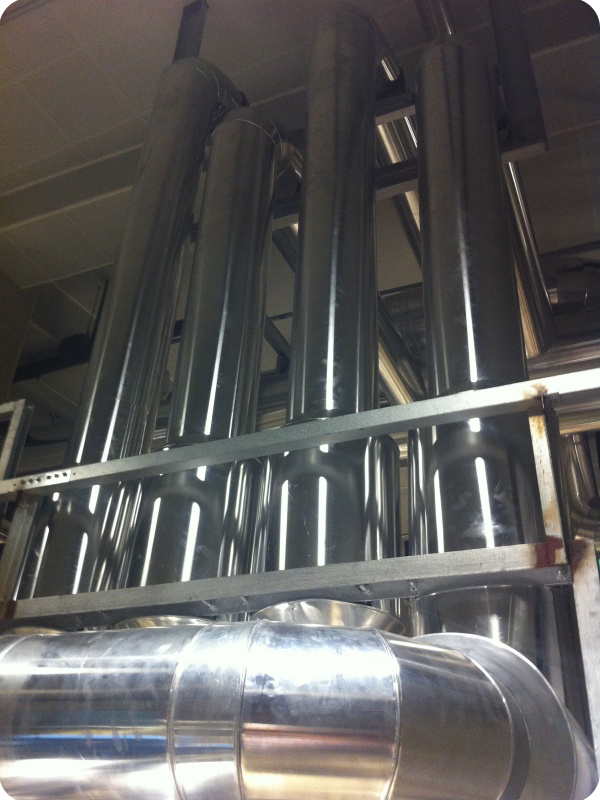
Direct communication and site approval reviews from international procurement directors.

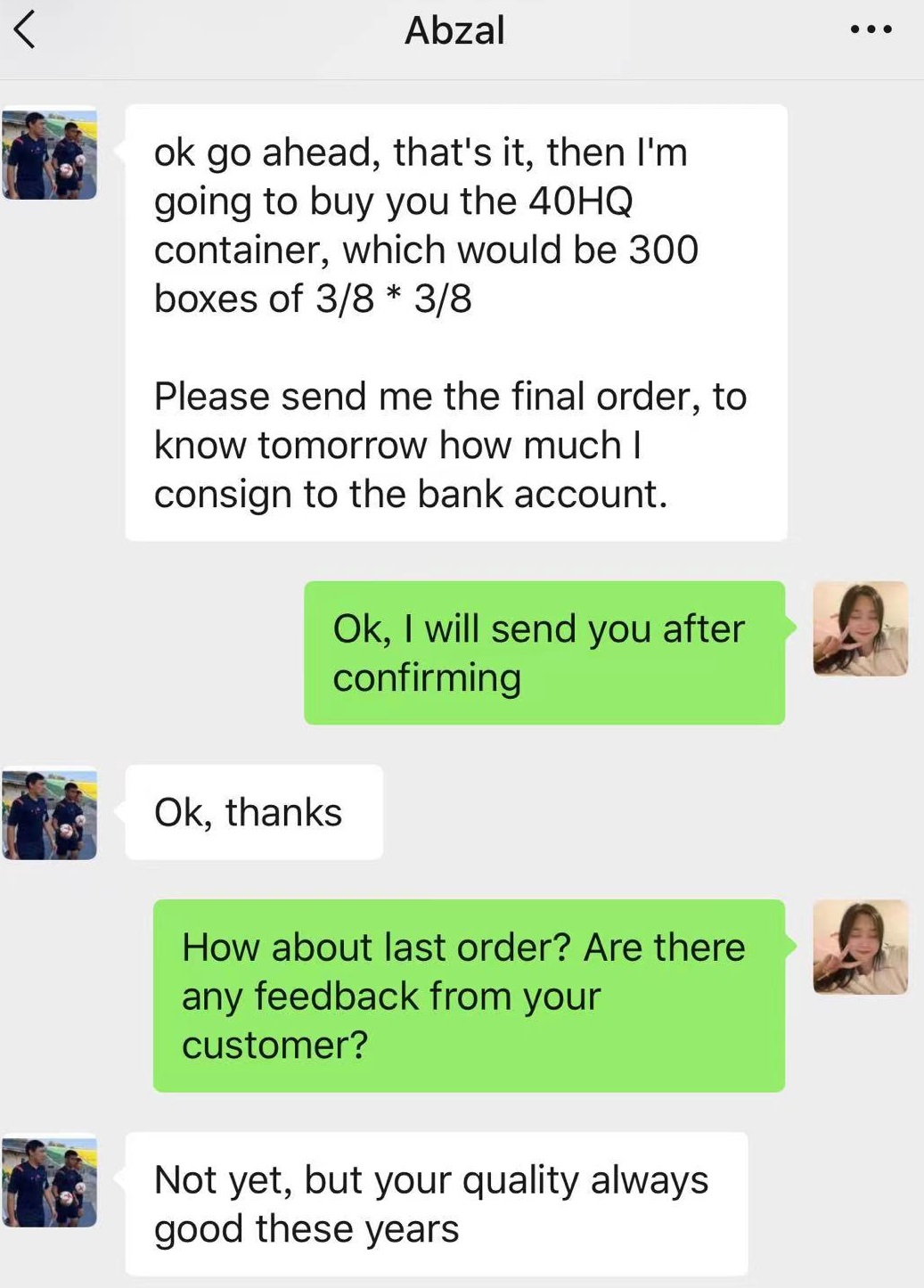
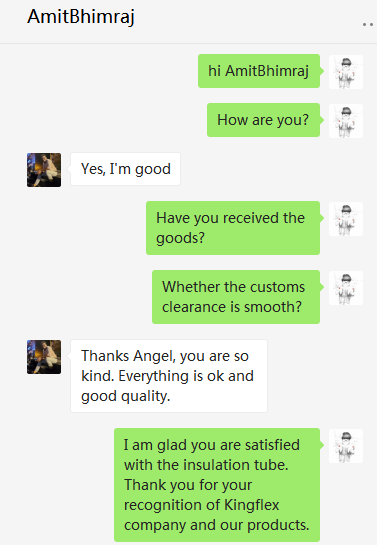

Get professional structural and commercial answers directly from the Kingflex Technical Department.
Contact us to request quotes and factory-direct pricelists for bulk shipping.