 Kingflex
Kingflex
Kingflex
Direct manufacturer wholesale pricing on high-performance rubber foam and insulation sheets designed for thermal control, cryogenic protection, and sound attenuation.
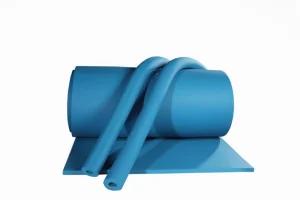
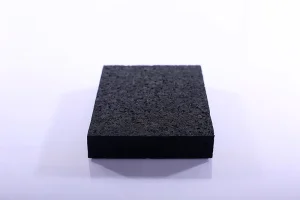
Closed-cell elastomeric foam is a synthetic rubber material composed mainly of Nitrile Butadiene Rubber (NBR) and Polyvinyl Chloride (PVC). Its unique microcellular matrix contains thousands of individual, independent gas-filled cells. Because these cells do not interconnect, the transmission of heat and moisture is extremely limited.
In modern industrial applications, managing the thermal gradient of piping, ventilation, and cryogenic systems is essential. Designers and engineers select closed-cell elastomeric insulation for its built-in vapor retarder. This structure eliminates the need for separate vapor barriers, preventing moisture intrusion that can lead to corrosion under insulation (CUI) and loss of thermal efficiency.
As a leading supplier with decades of history, Kingflex Insulation Co., Ltd. produces insulation systems that meet strict international fire safety, thermal performance, and environmental compliance standards.
Industrial operations face strict decarbonization goals and complex environmental rules. The thermal insulation sector is adapting to meet these demands.
Global energy regulations require high-efficiency thermal insulation to minimize heat loss in HVAC systems and industrial processes. Closed-cell elastomeric foam offers a low, stable thermal conductivity ($k$-value), making it a key component in Net-Zero building designs.
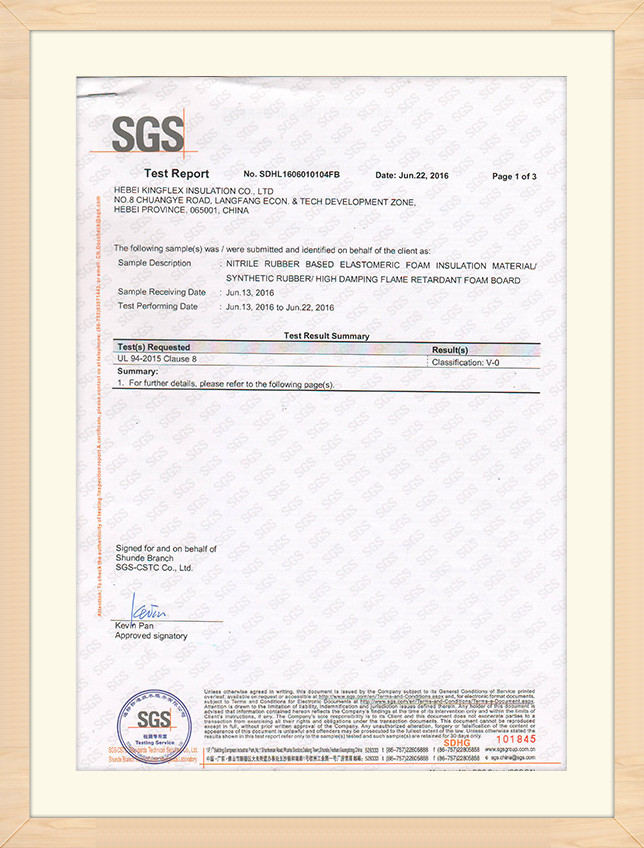
Urban density highlights the need for flame-retardant building materials. Advanced elastomeric formulas must meet strict fire and smoke safety standards, such as BS 476, EN 13501, and UL 94 V-0, ensuring low smoke density and self-extinguishing properties.
Indoor air quality standards demand insulation that does not shed fibers or release harmful volatile organic compounds (VOCs). Modern closed-cell foam is manufactured without CFCs, HFCs, or formaldehyde, meeting green certification requirements like REACH and RoHS.
For international buyers, selecting an insulation supplier involves evaluating more than just raw material costs. Modern procurement teams prioritize quality consistency, testing compliance, and supply chain reliability.
Key procurement considerations include:
Kingflex addresses these needs through structured production schedules and verified logistics support, serving clients across sixty-six countries.
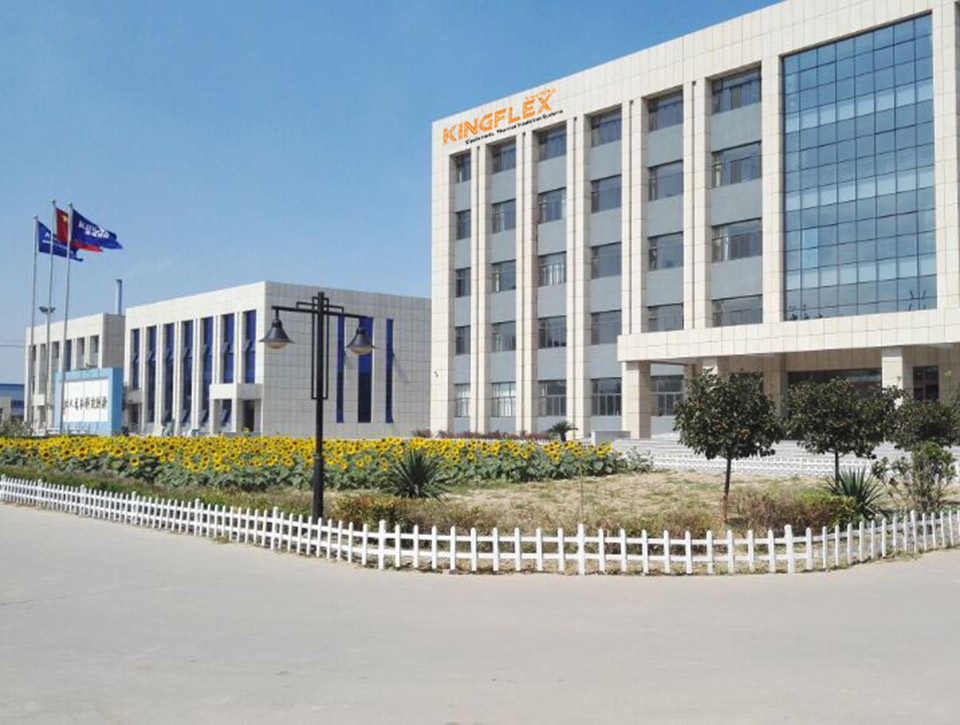
Our facility in Dacheng, China, uses automated, energy-efficient processes to manufacture high-volume thermal insulation materials.
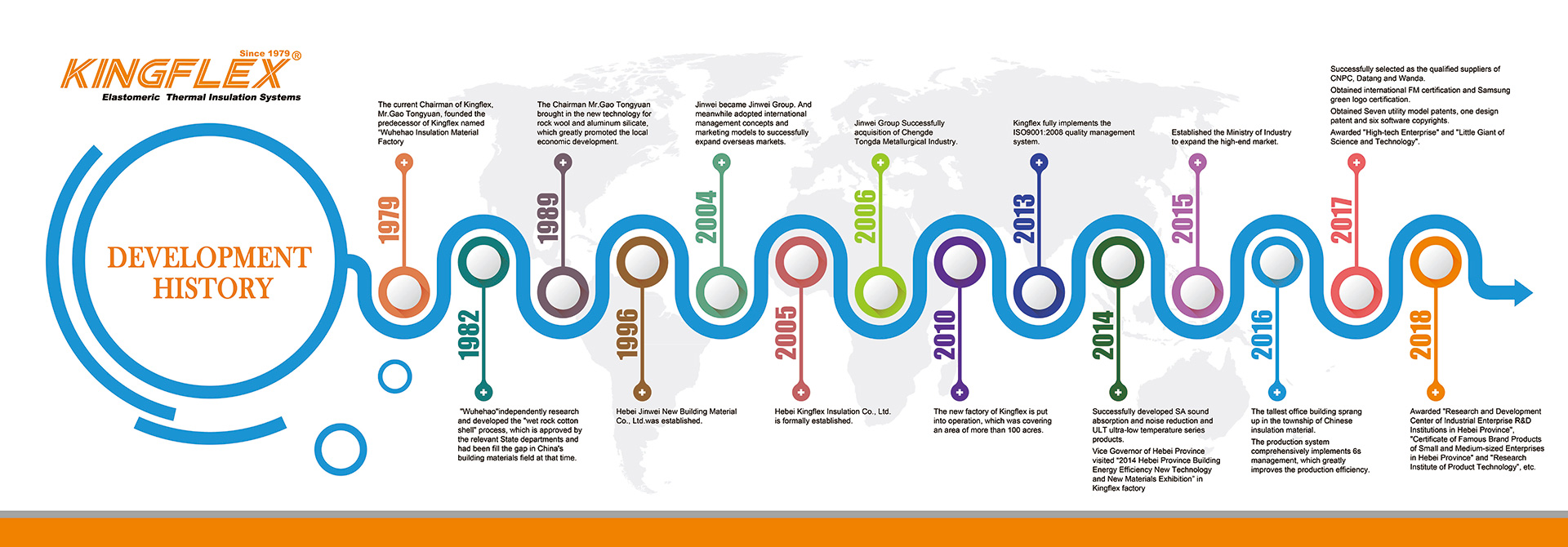
Established by the Jinwei Group (founded in 1979), Kingflex operates modern, high-capacity manufacturing lines for flexible thermal insulation. The facility features automated raw material dosing, computerized extrusion, and temperature-controlled vulcanization tunnels. This level of process control ensures consistent cell density and uniform thermal performance across production runs.
This automated approach keeps operating costs predictable, helping us offer competitive wholesale pricing. Additionally, centralized sourcing of raw materials shields production from supply chain disruptions, allowing us to maintain reliable lead times for large-scale infrastructure projects.
Continuous research and development drives improvement in thermal performance and environmental safety standards.

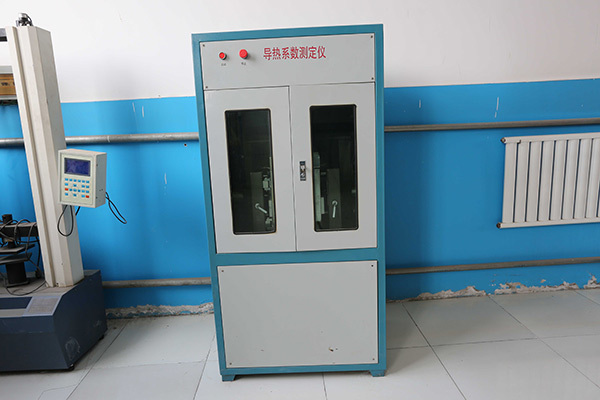
Thermal Conductivity Testing
We perform continuous thermal analysis to verify that every batch meets the target $k$-value across all operating temperatures.
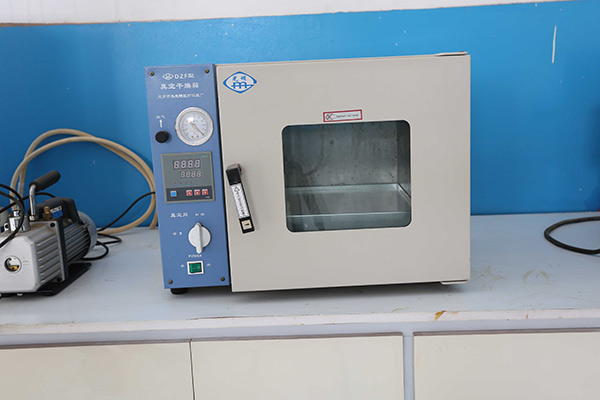
Advanced Foaming Control
Precise heating processes ensure a uniform, closed-cell structure with a rating of 98% or higher, maximizing moisture resistance.
Fire Performance Assessment
Our laboratory tests products for flame spread, smoke generation, and thermal degradation limits before shipping.
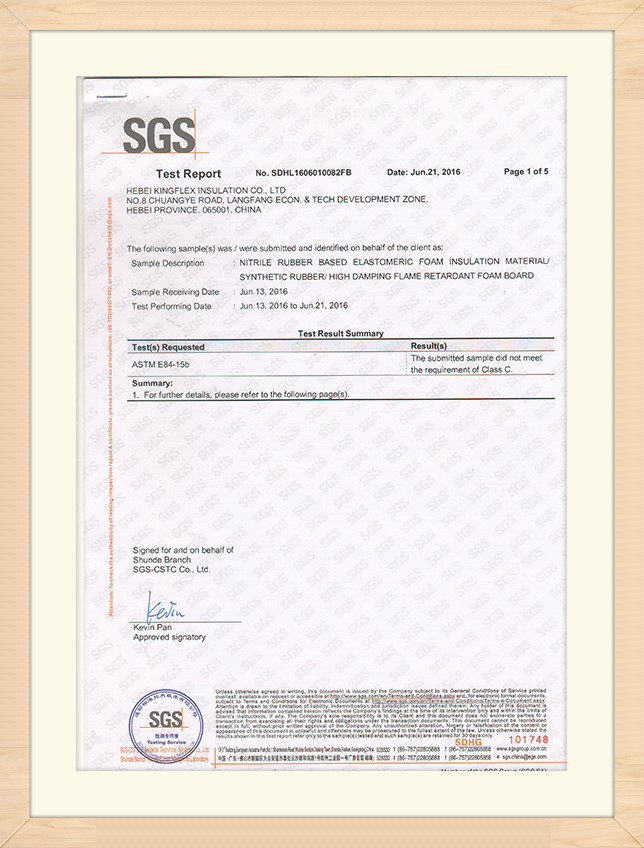
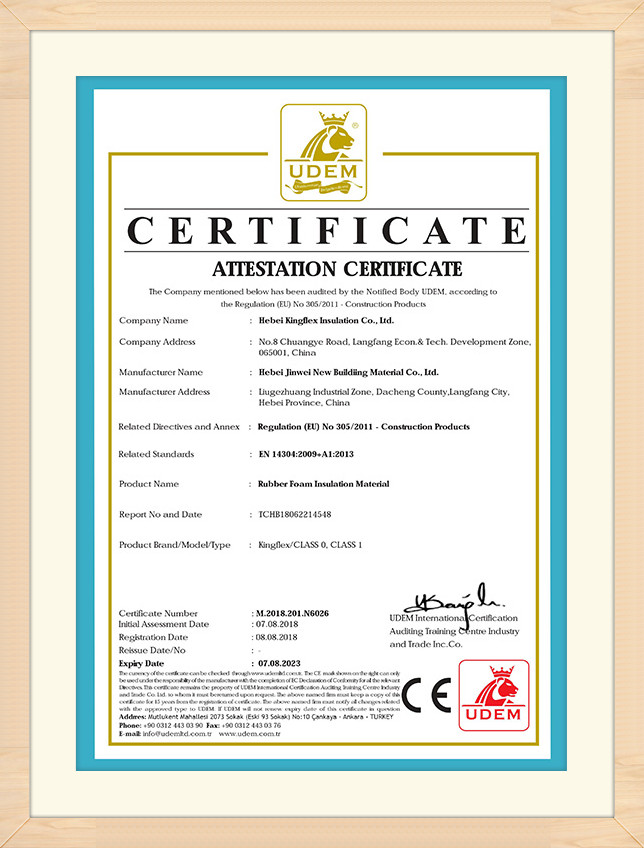
Kingflex products undergo third-party testing to comply with global construction and industrial specifications.
BS 476 Class 0 / Class 1
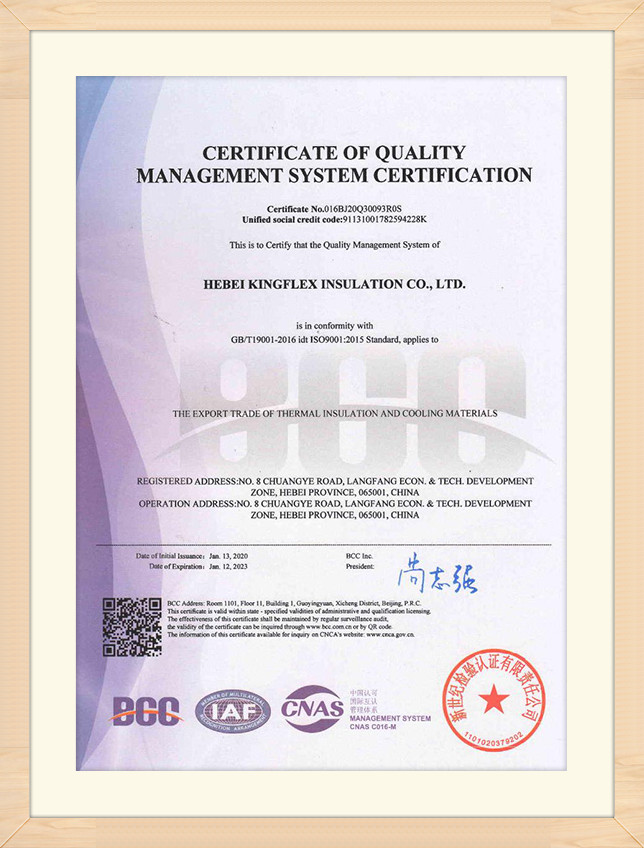
CE Compliance & ISO 9001
ASTM C534 Standards
RoHS & REACH Declarations
Direct communication and technical transparency are fundamental to our customer relationships. We provide complete documentation, including material test certificates (MTCs), density profiles, and flame-retardant testing records, for every order.
We work closely with engineering firms, regional distributors, and large HVAC contractors to ensure our insulation meets local building codes and design parameters.

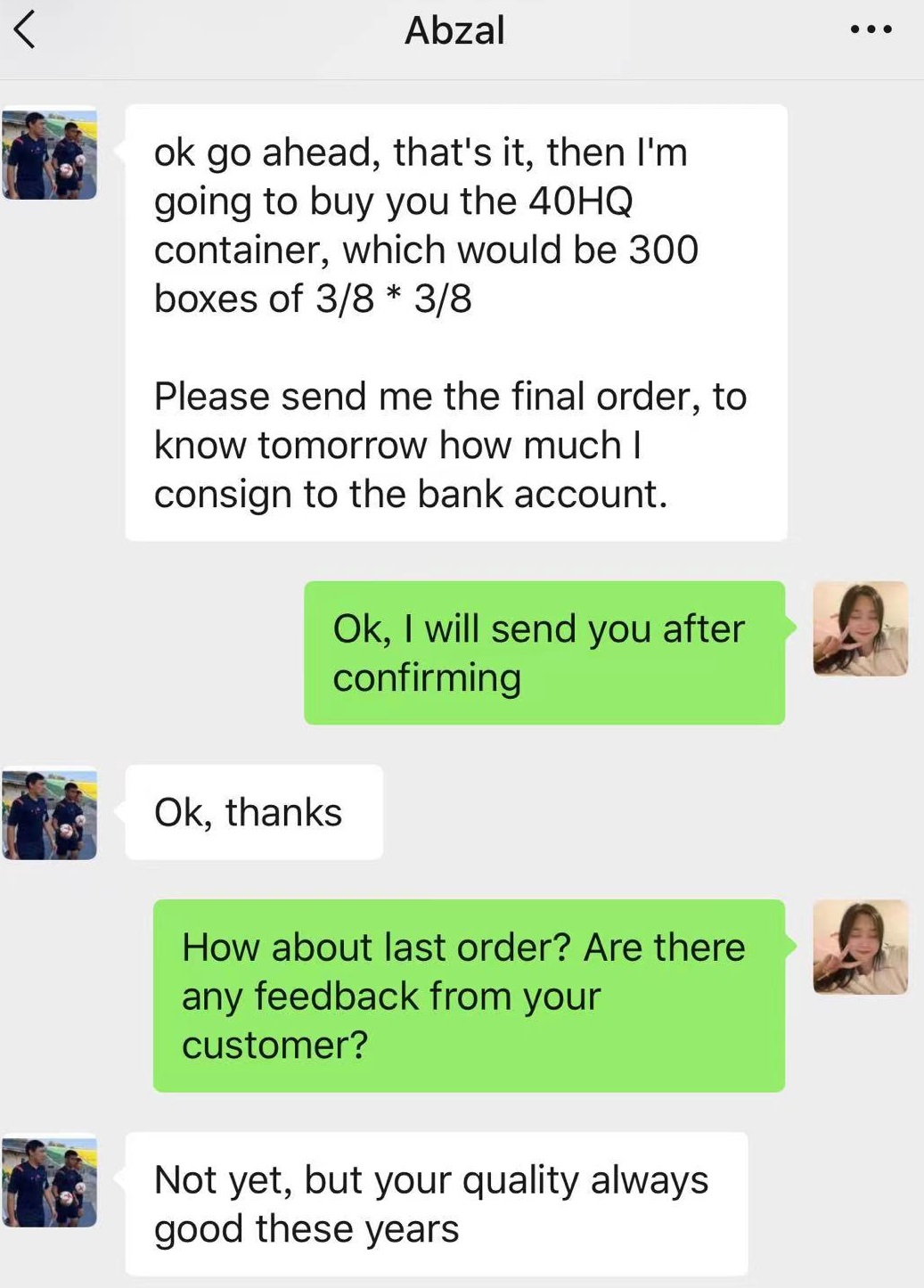
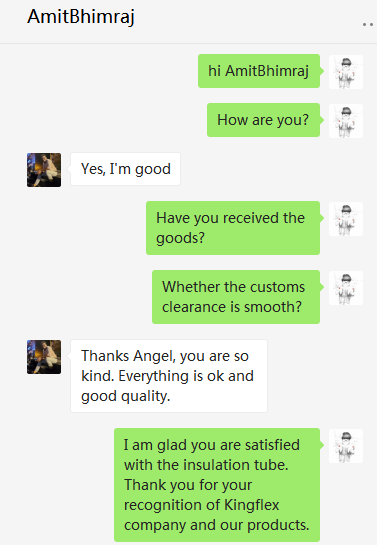


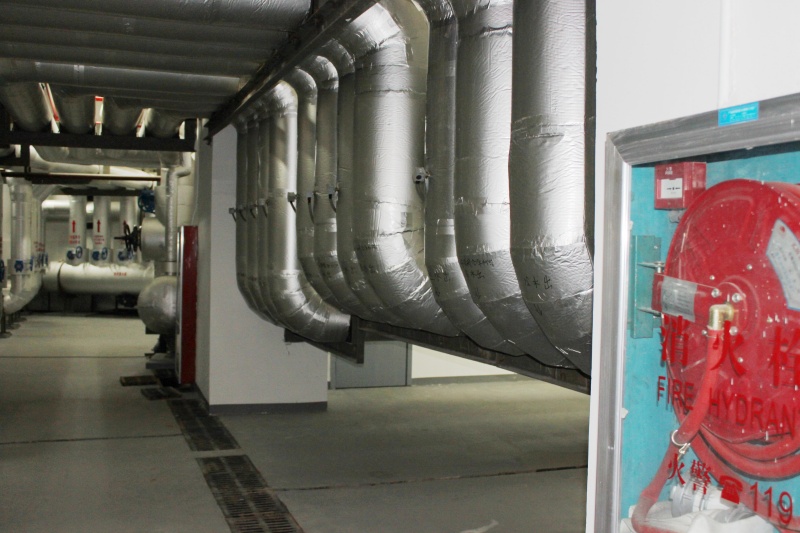
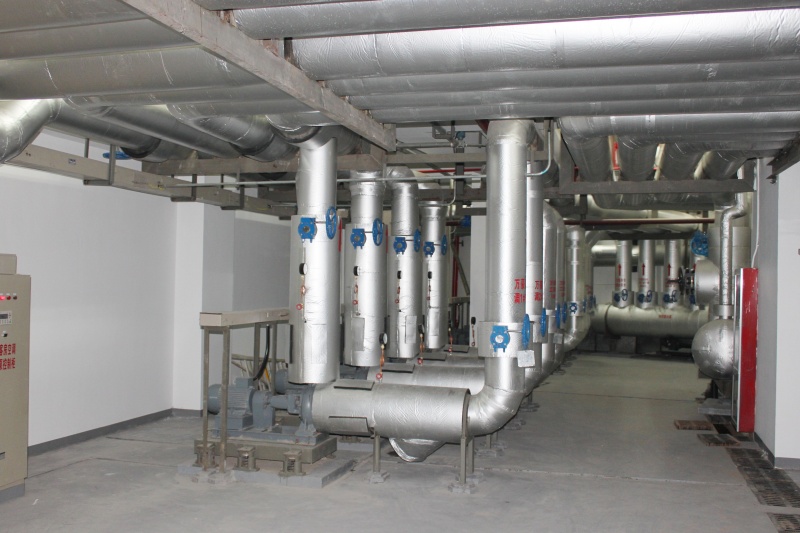
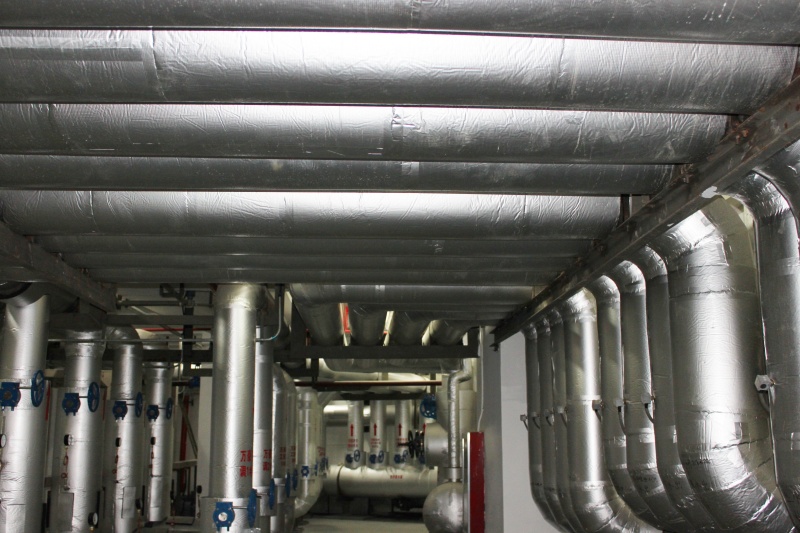
Kingflex thermal insulation systems are used in commercial and industrial projects globally, including HVAC systems and cryogenic facilities.
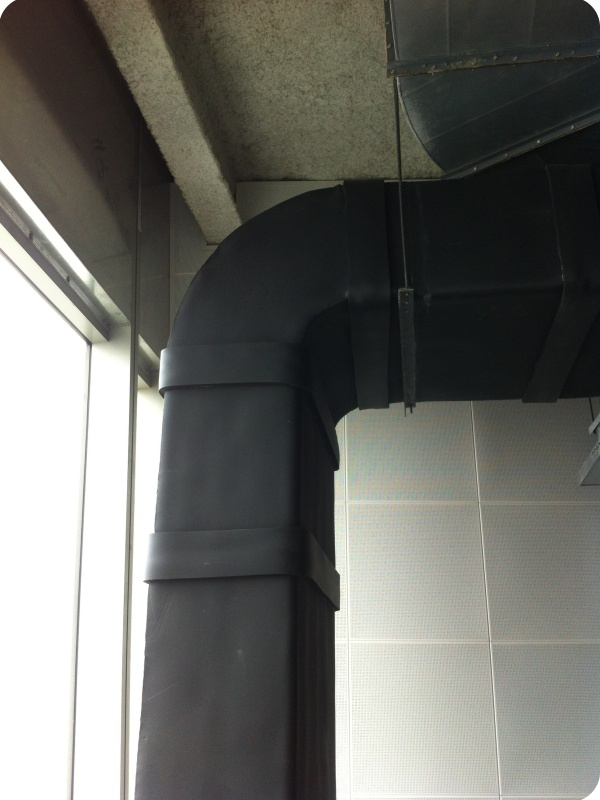
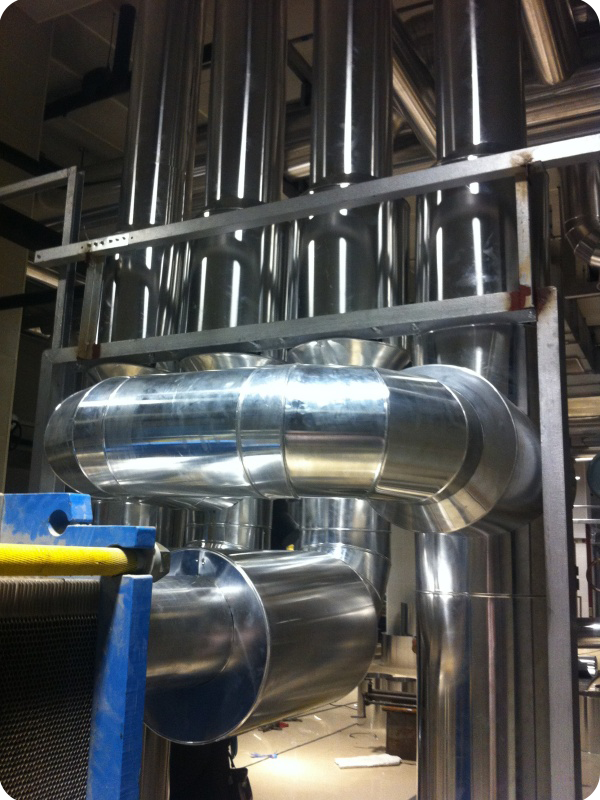
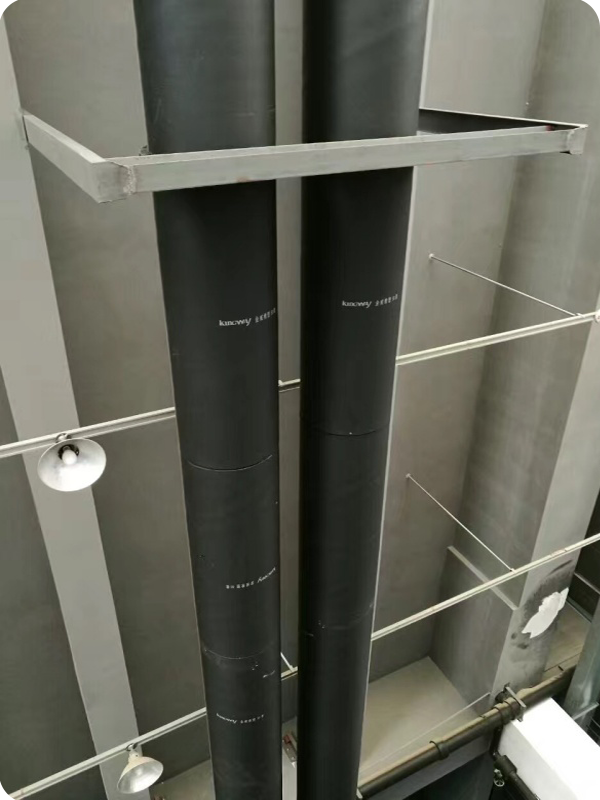
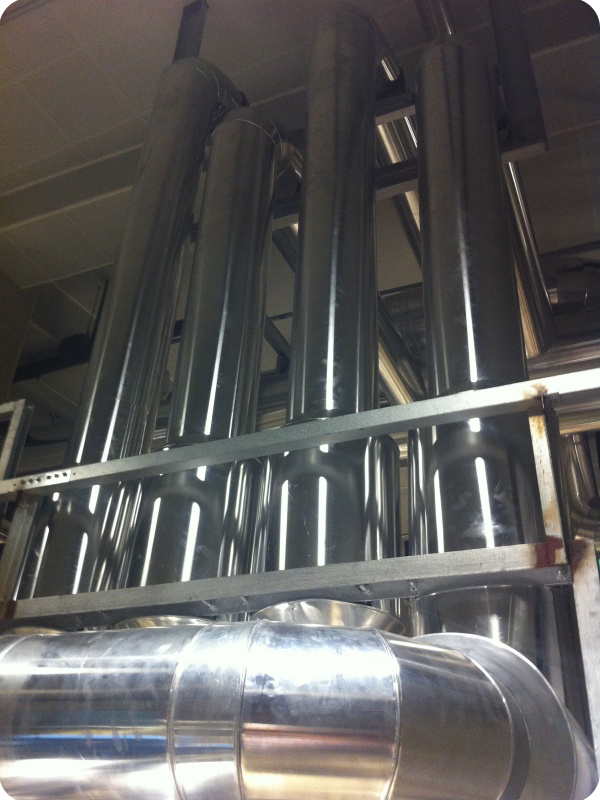
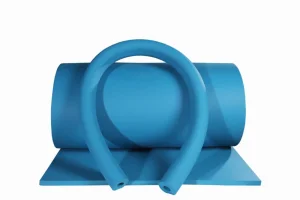
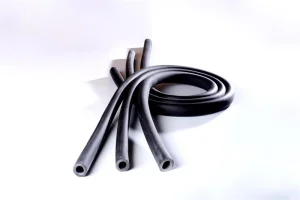
Below are the standard manufacturing tolerances and physical characteristics of Kingflex elastomeric foam sheets and tubes.
| Parameters | Standard Specification |
|---|---|
| Material Composition | NBR / PVC Nitrile Rubber Blend |
| Thickness Range | 6mm to 50mm |
| Bulk Density | 40 to 55 kg/m³ |
| Operating Temperature | -40℃ to 105℃ |
| Closed-Cell Ratio | > 98% |
| Compression Resilience | > 80% |
| Parameters | Standard Specification |
|---|---|
| Material Composition | NBR / PVC Nitrile Rubber Blend |
| Wall Thickness | 9mm to 40mm |
| Inside Diameter (ID) | 6mm to 114mm |
| Bulk Density | 40 to 55 kg/m³ |
| Operating Temperature | -40℃ to 105℃ |
| Coating Quality | Continuous automated pipe extrusion |
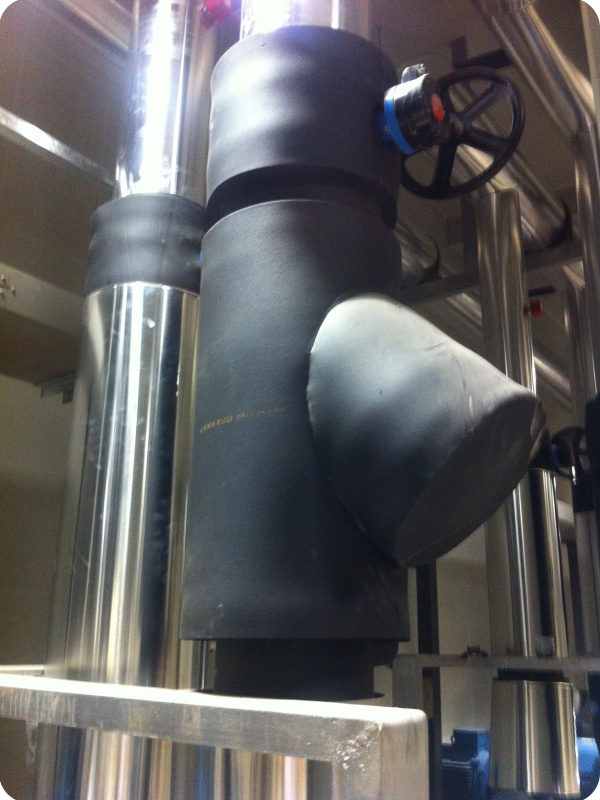
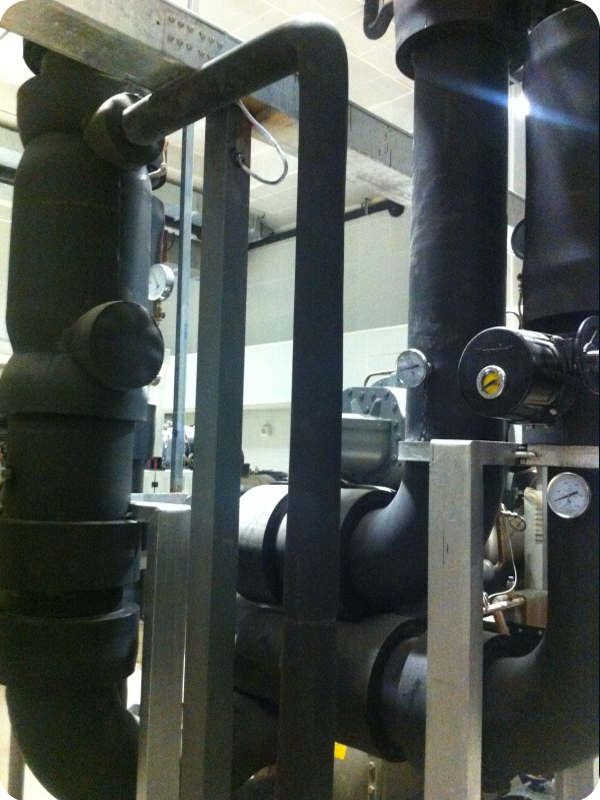
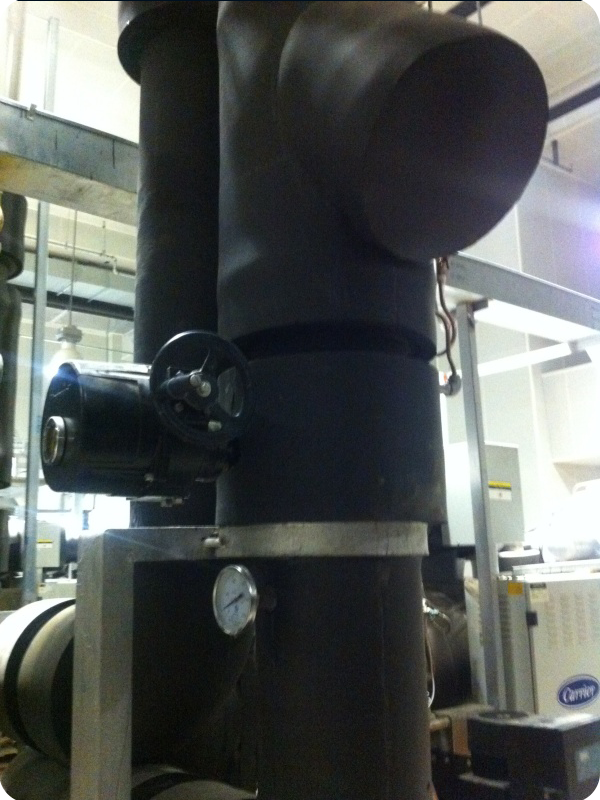
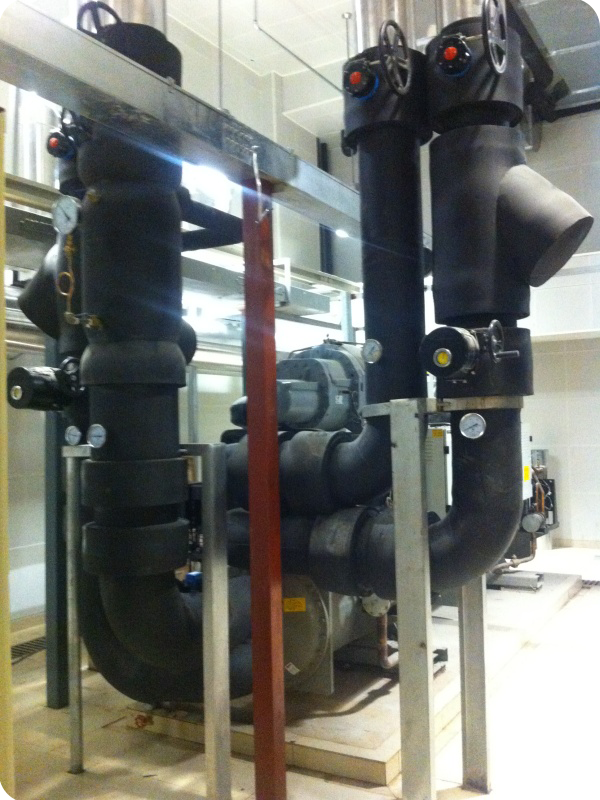
Closed-cell elastomeric insulation is used across various industrial and commercial installations.
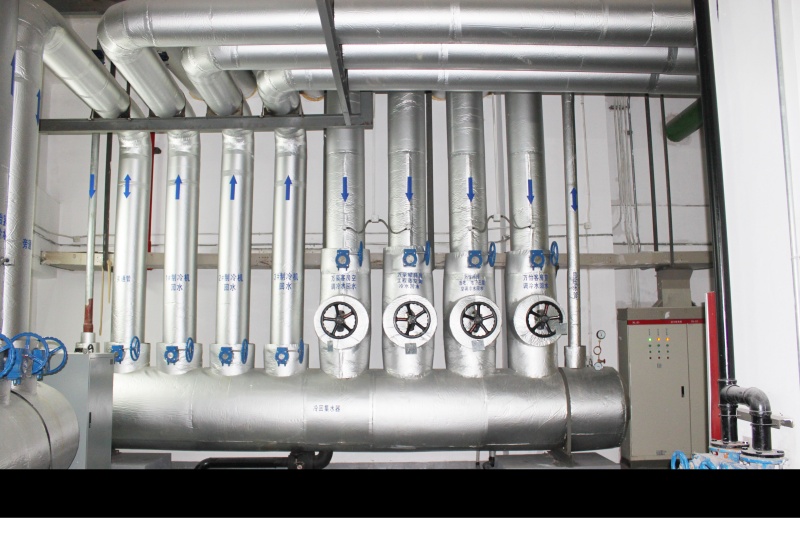
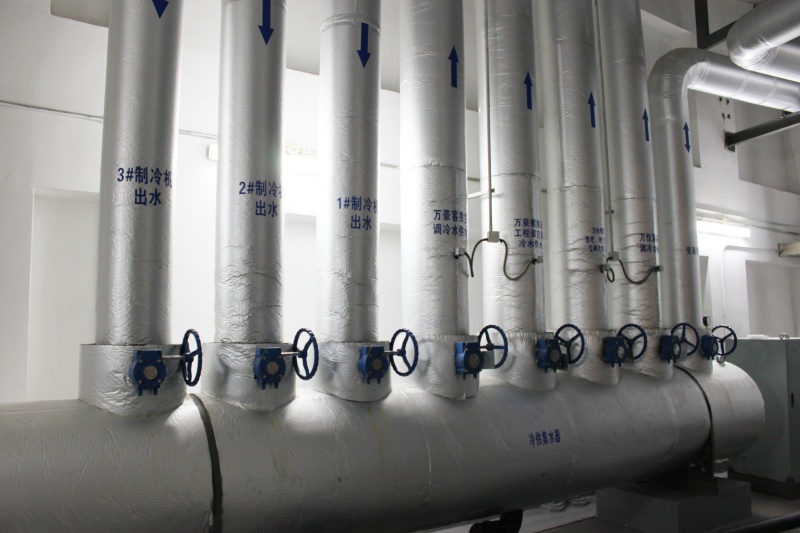
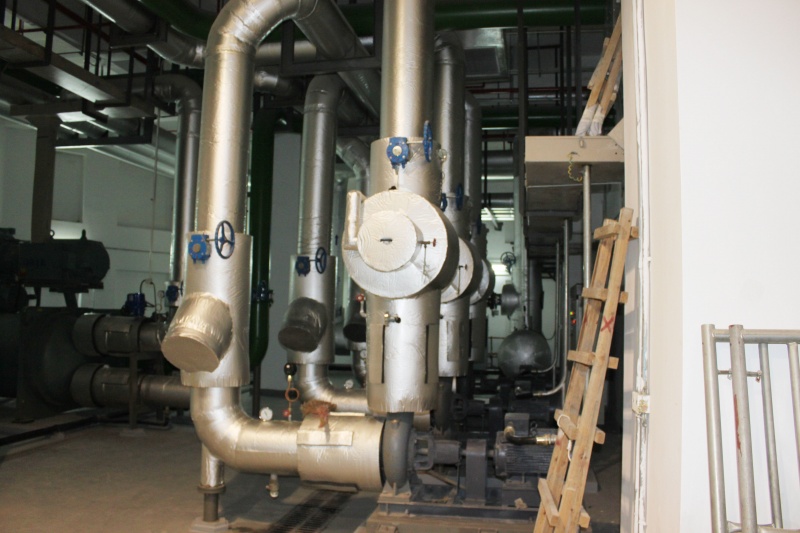
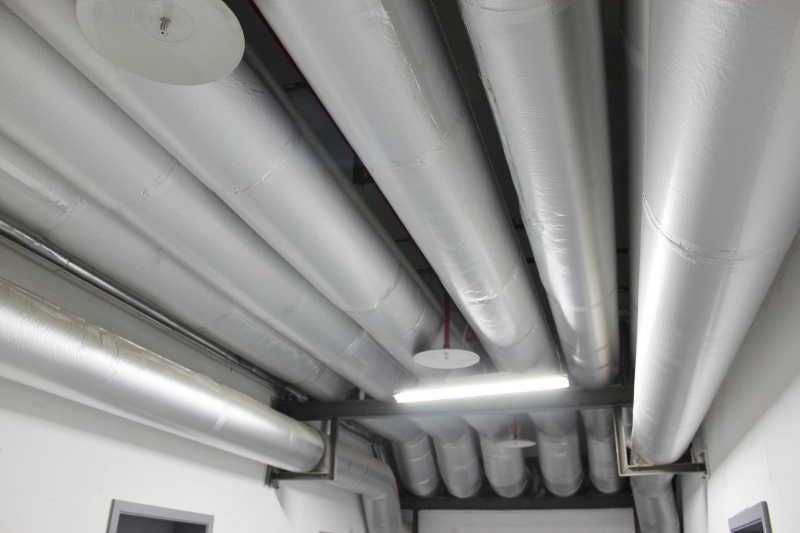
Used on chilled water lines and air ducts to control condensation and reduce heat transfer in hotels, commercial centers, and hospitals.
Provides thermal protection and corrosion control on steam pipes, storage tanks, and industrial chemical pipelines.
Engineered to handle extreme thermal contraction in low-temperature liquid gas operations and petrochemical installations.
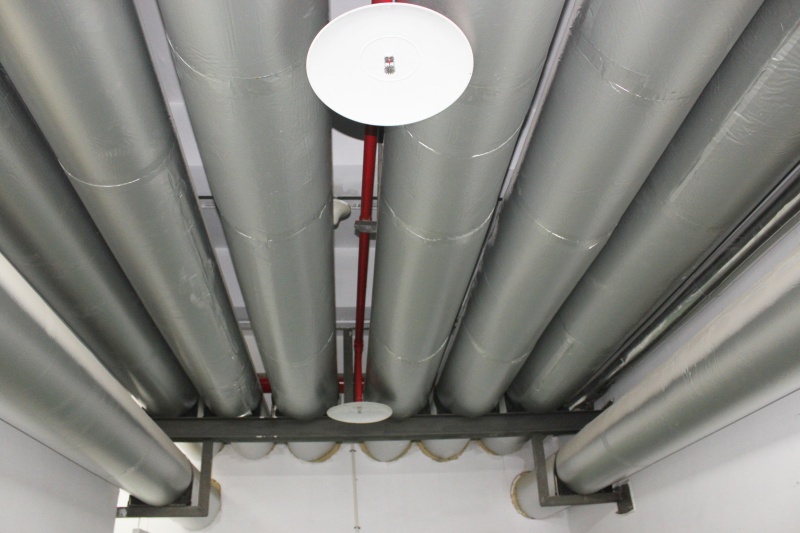
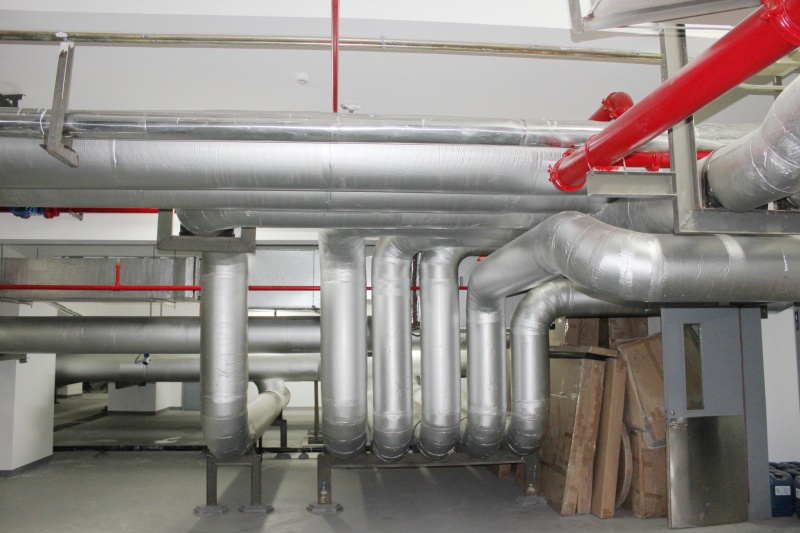
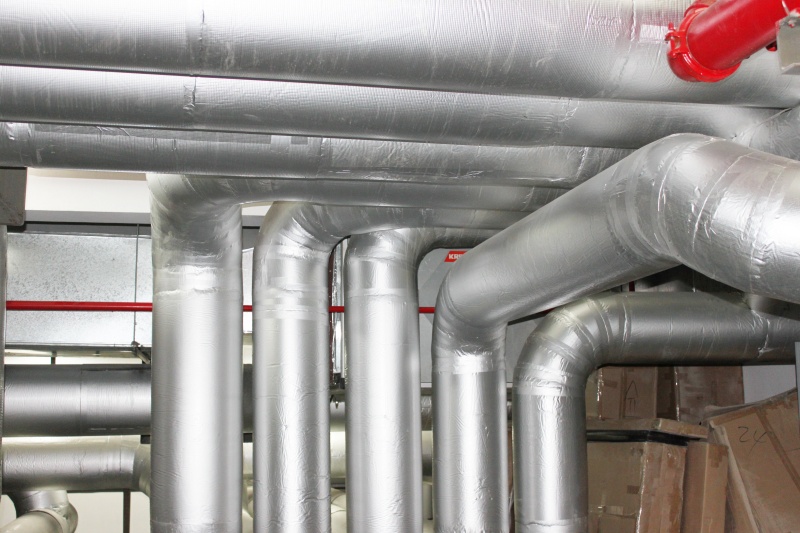
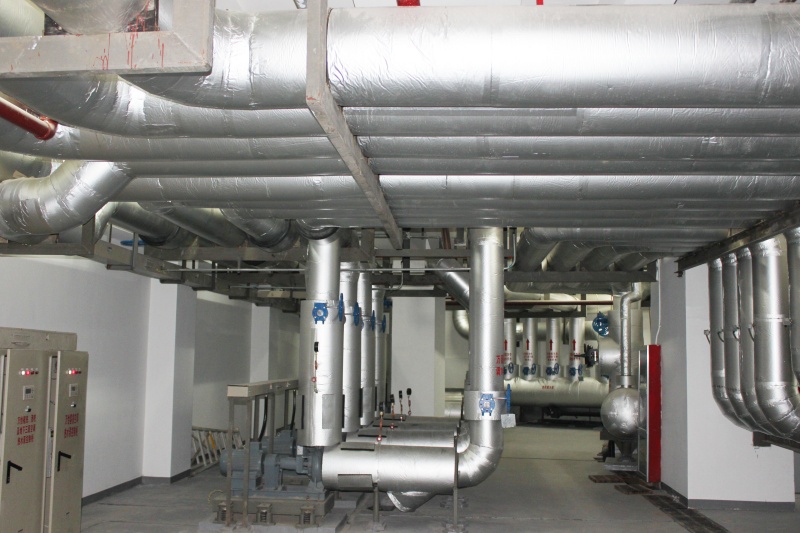
A visual overview of our manufacturing processes, testing procedures, and inventory management system.

Answers to technical and commercial questions about closed-cell elastomeric foam and rock wool insulation systems.
Elastomeric rubber foam is a flexible, closed-cell insulation designed to control condensation and reduce heat transfer. It is commonly used on HVAC ducts, chilled and hot water pipes, industrial pipelines, cold storage systems, and for acoustic damping in mechanical spaces.
Yes. Kingflex rubber foam insulation includes flame-retardant additives. It is tested to meet fire safety standards such as BS 476 (Class 0 and Class 1), UL 94 V-0, and ASTM E84, ensuring self-extinguishing performance and low smoke generation.
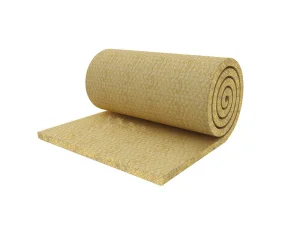
Rubber foam has a flexible, closed-cell structure with high moisture resistance ($\mu \geq 10,000$), making it suitable for cold water lines and HVAC systems where condensation control is critical. Rock wool is a rigid, fibrous mineral insulation with high heat resistance (up to 650°C), making it ideal for high-temperature industrial steam lines and strict fire barriers.
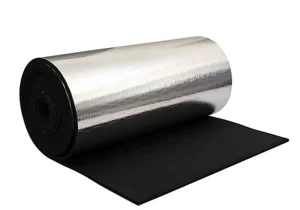
Yes. We support custom production (OEM/ODM services) to meet specific project demands. This includes custom wall thicknesses, internal diameters, factory-applied aluminum protective jackets, and self-adhesive backings.
Our production lines and products conform to major international evaluation schemes, including BS 476, CE, REACH, RoHS, UL 94, and ASTM C534. These certificates verify product performance and environmental safety for global markets.
Yes. Every production run undergoes quality checks, and each batch receives a tracking number. This allows us to trace raw materials, production details, and test records to ensure quality control.
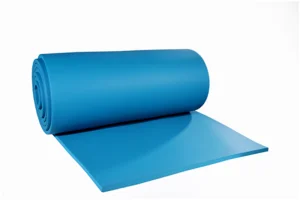
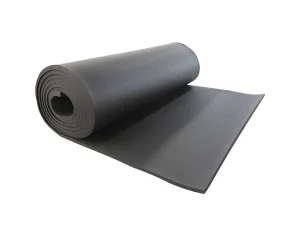
We produce rubber foam sheet rolls in thicknesses ranging from 6mm up to 50mm, allowing engineering teams to choose the correct thickness for their condensation control and thermal insulation calculations.
When installed correctly according to specifications and protected from mechanical wear, Kingflex closed-cell rubber foam insulation has an expected service life of 10 to 15 years in typical indoor and protected outdoor installations.
Our logistics hub maintains inventory levels of standard-size sheets and tubes to support project schedules.





Explore our full line of specialized insulation products, including cryogenic foams, aluminum-clad vapor barriers, and rock wool options.
Review technical specifications and design options for each product line below.
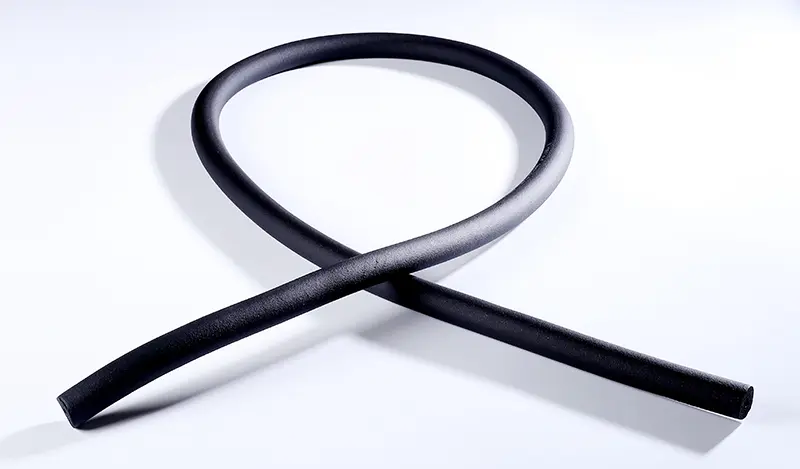
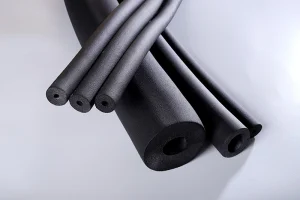
Rubber Elastomeric Foam Insulation Tube
Standard NBR/PVC flexible insulation tubing designed for hot and cold pipe applications.
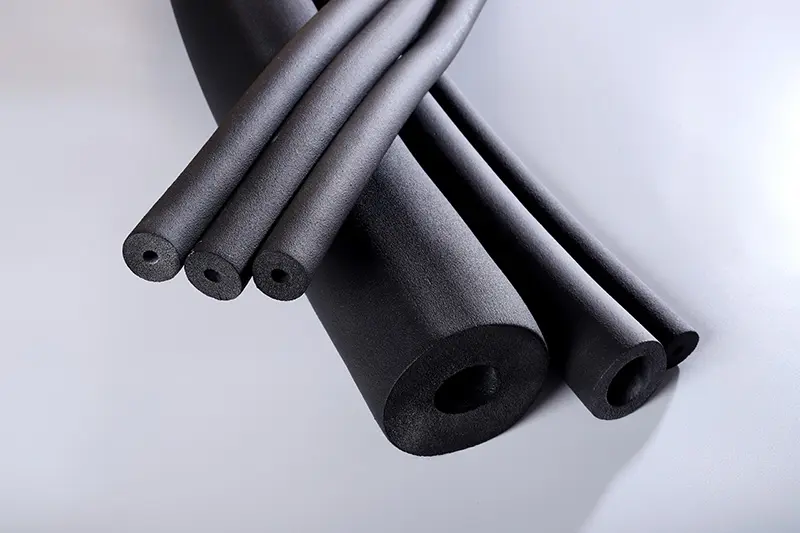
Corrosion Resistant Rubber Foam Insulation Tube
Formulated to protect industrial piping systems from Corrosion Under Insulation (CUI).

Elastic Rubber Foam Insulation Pipe
High-flexibility line insulation for rapid installation on curved piping sections.
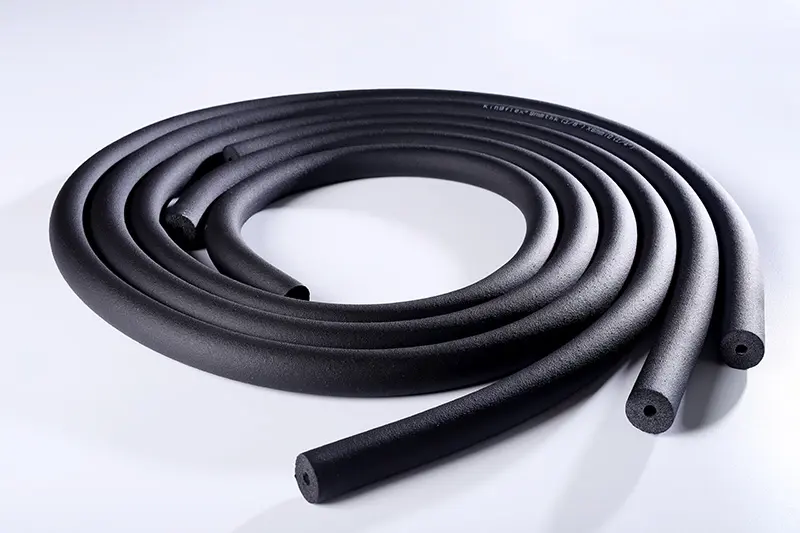
Black Rubber Foam Insulation Pipe
Nitrile rubber pipeline insulation for residential and commercial HVAC plumbing systems.
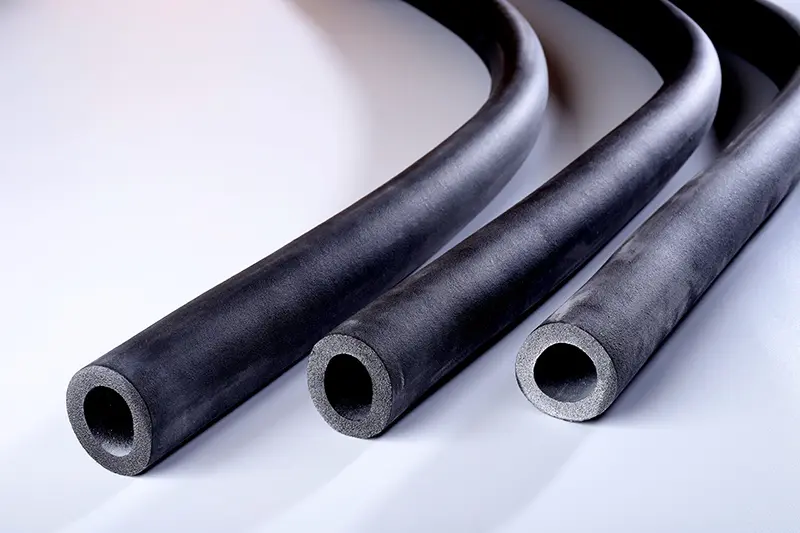
Foam Rubber Foam Insulation Tube
Low-density, highly flexible elastomeric pipe wraps for temperature control.
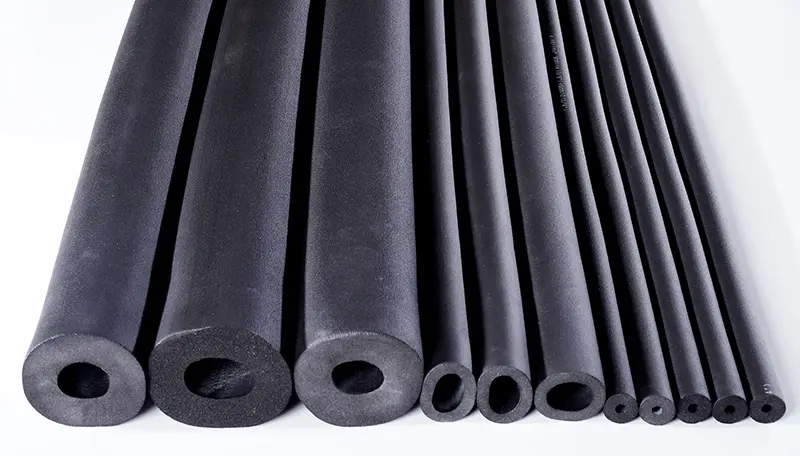
HVAC Rubber Foam Insulation Tube
Designed to control condensation on HVAC cooling lines and refrigeration equipment.
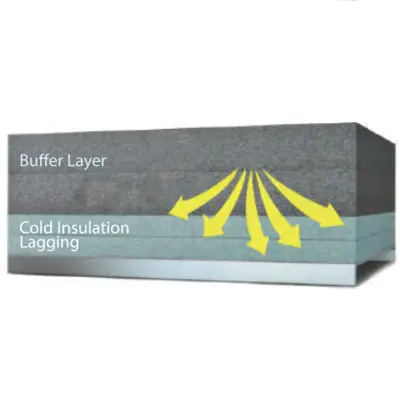
Elastomeric Rubber Foam Insulation System
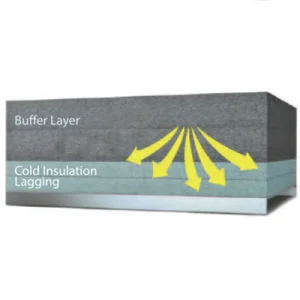
Multi-layered insulation system for ultra-low temperature cryogenic facilities.
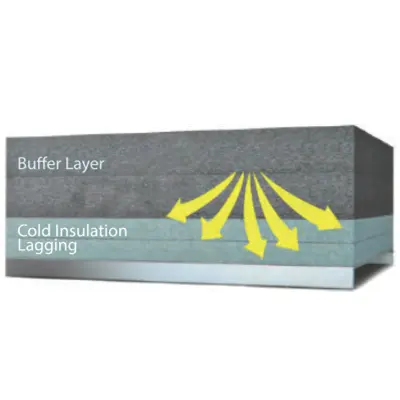
Kingflex Flexible Cryogenic Insulation
Specially formulated for cryogenic piping and liquid gas transport systems.
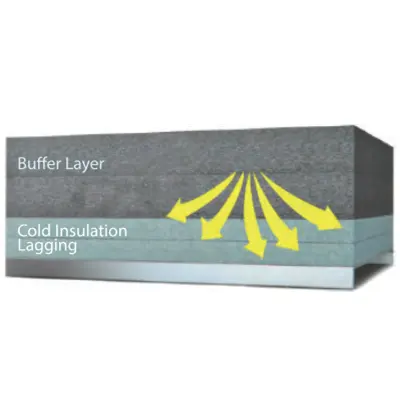
Cryogenic Rubber Foam Insulation
Maintains thermal barrier properties at low temperatures and high humidity.
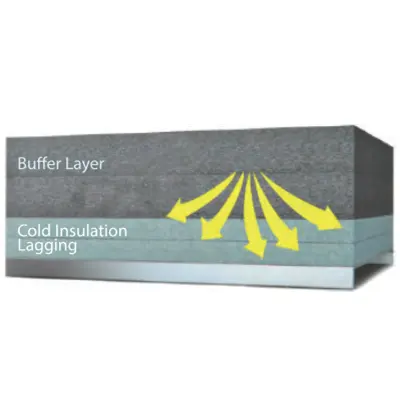
Elastomeric Cryogenic Insulation
Engineered for low-temperature environments to resist thermal shock and mechanical stress.
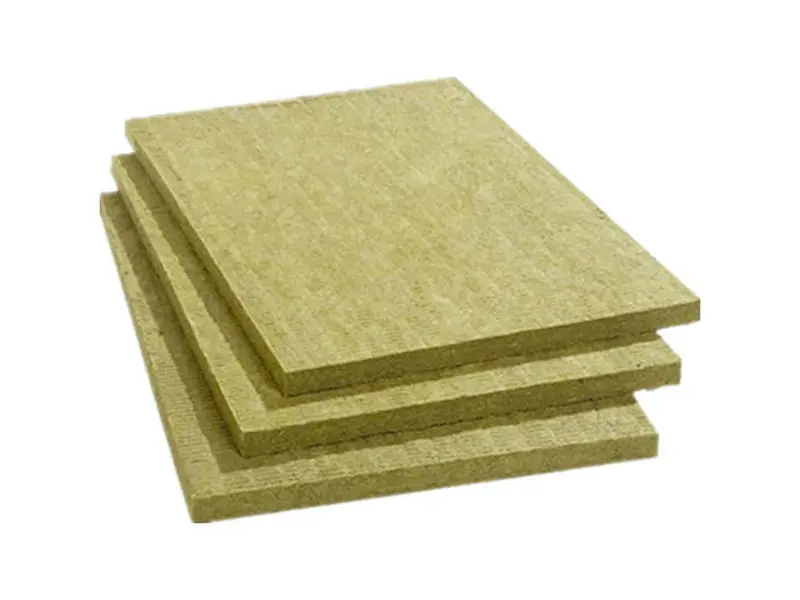
Rock Wool Insulation Board
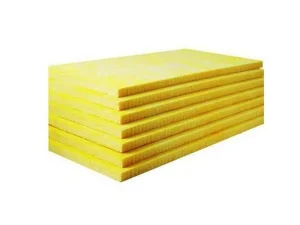
High-density stone wool boards for partition walls, mechanical rooms, and fire barriers.
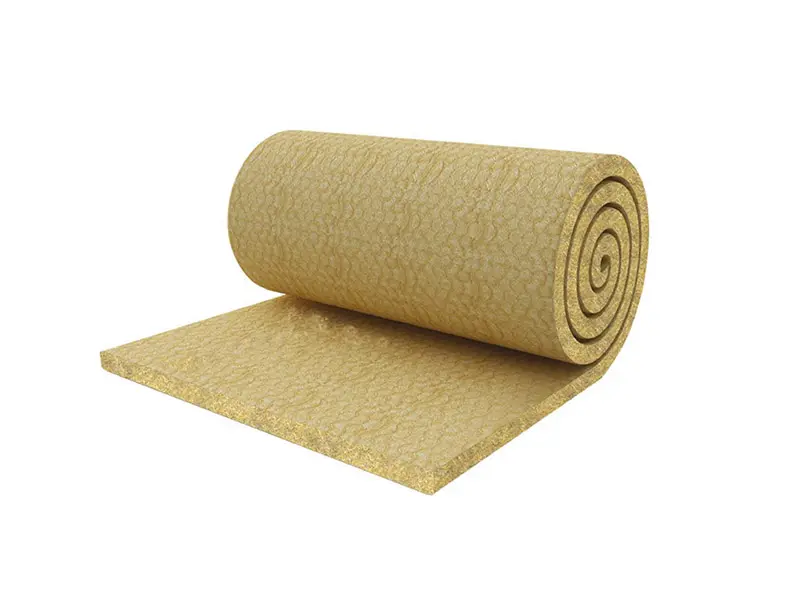
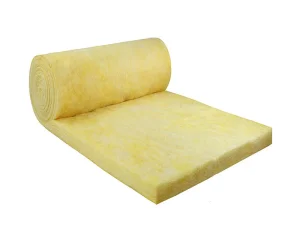
Rock Wool Thermal Insulation Blanket
Flexible mineral wool wrap for high-temperature vessels and industrial exhaust ducts.
Speak with a Kingflex technical specialist to confirm specifications, request certifications, and receive a customized wholesale quote based on your shipping requirements.
Contact Our Sales Office