 Kingflex
Kingflex
Kingflex
Direct wholesale pricing on engineered elastomeric and rock wool systems from China's industry-leading production base.
An authoritative analysis of thermal physics, material selection, and systemic reliability in deep-cold environments.
Cryogenic systems operate at temperatures below -150°C (-238°F), scaling down to absolute zero in extreme aerospace or laboratory setups. At these levels, the ambient thermodynamic driving force (the temperature difference between external air and the cryogenic fluid) is immense. Standard HVAC thermal insulation is fundamentally insufficient. Without specialized low-temperature barriers, rapid heat ingress causes cryogenic liquids (such as LNG, liquid oxygen, nitrogen, and hydrogen) to boil off, leading to system overpressurization, efficiency collapse, and severe pipe cracking.
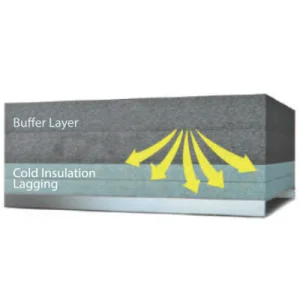
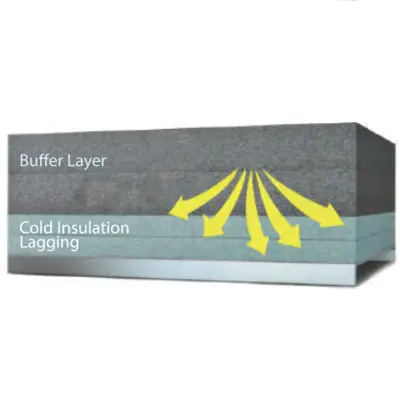
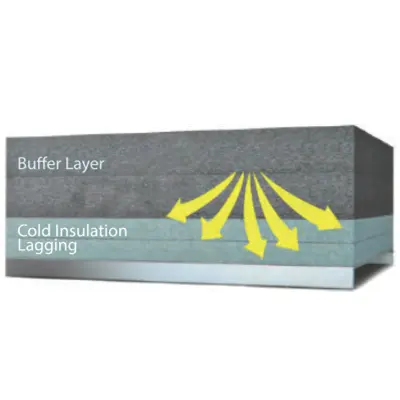
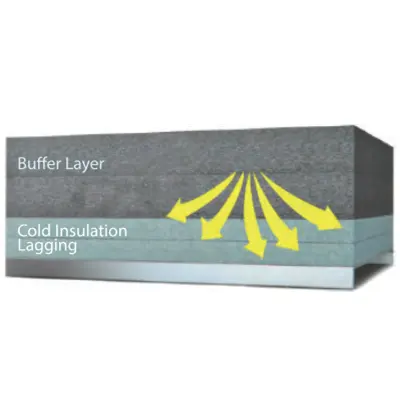
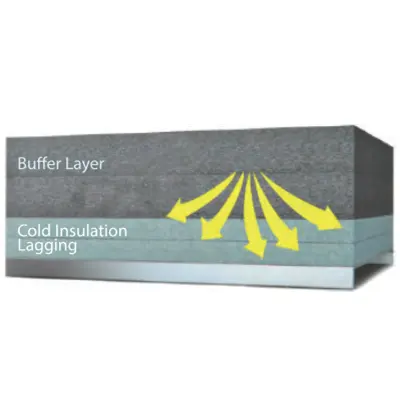
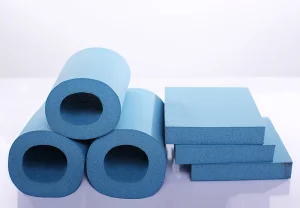
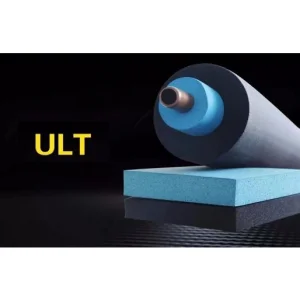
Effective cryogenic insulation must mitigate three critical vectors: conduction through structural contact, convection via surrounding gases, and radiation. For systems utilizing flexible elastomeric foam (such as our high-density NBR/PVC matrices), maintaining a highly uniform, micro-closed-cell structure is paramount. This keeps gas movement localized inside tiny, separate compartments, halting convective loops and keeping thermal conductivity ($\lambda$) consistently low.
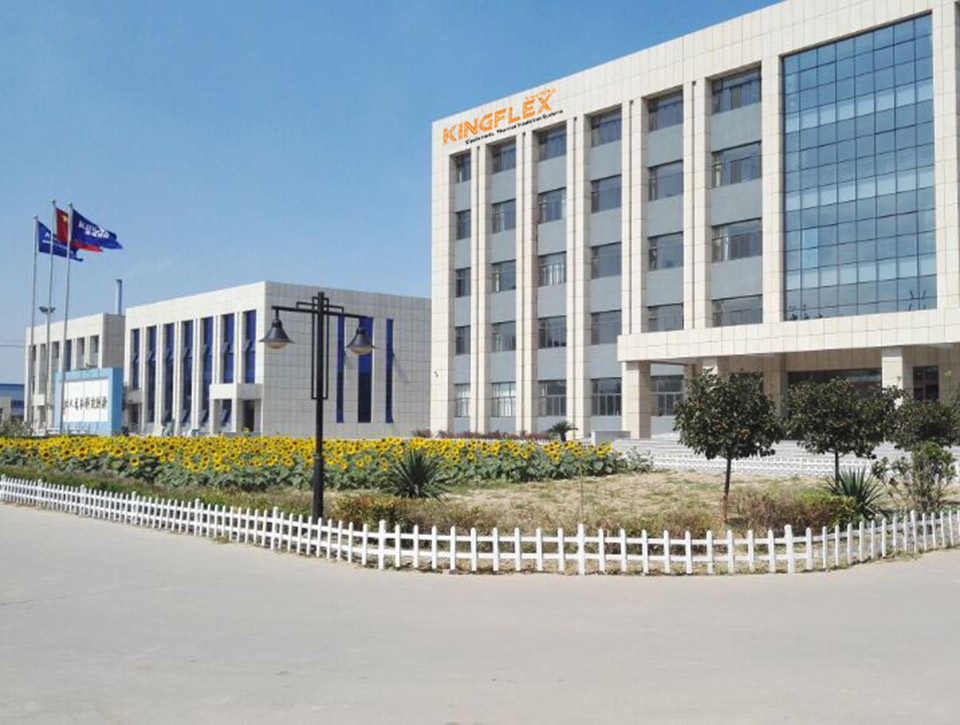
Backed by decades of material science innovation and heavy industrial support.
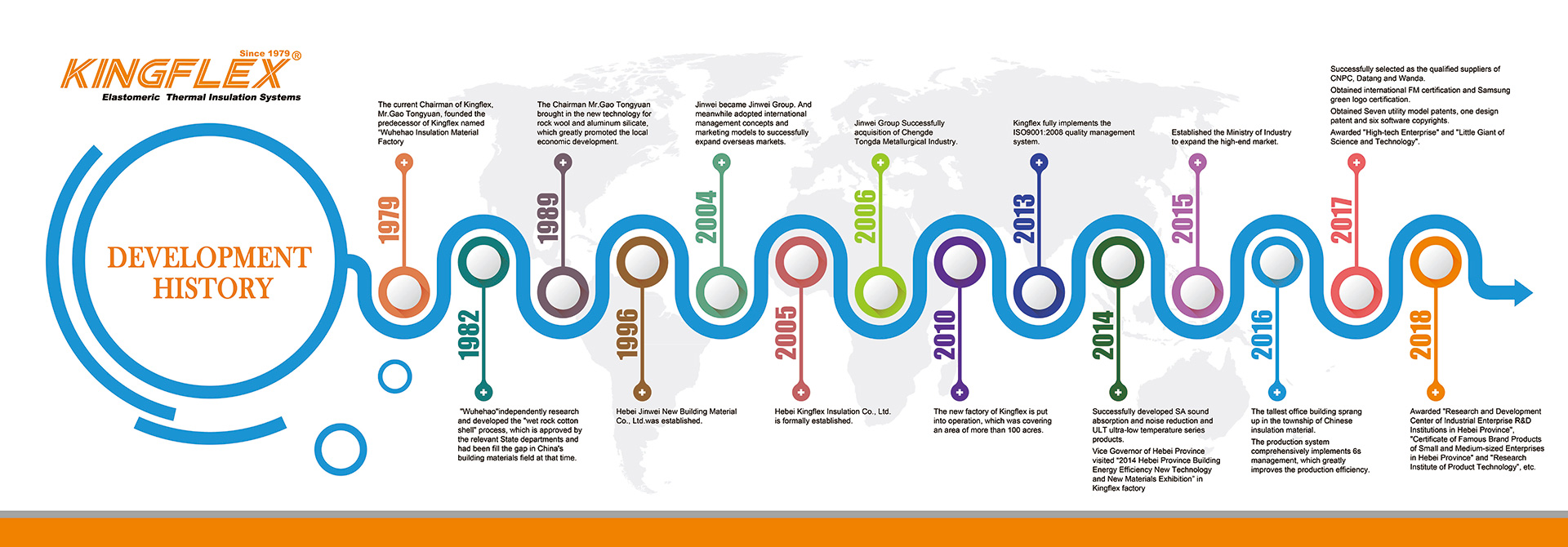
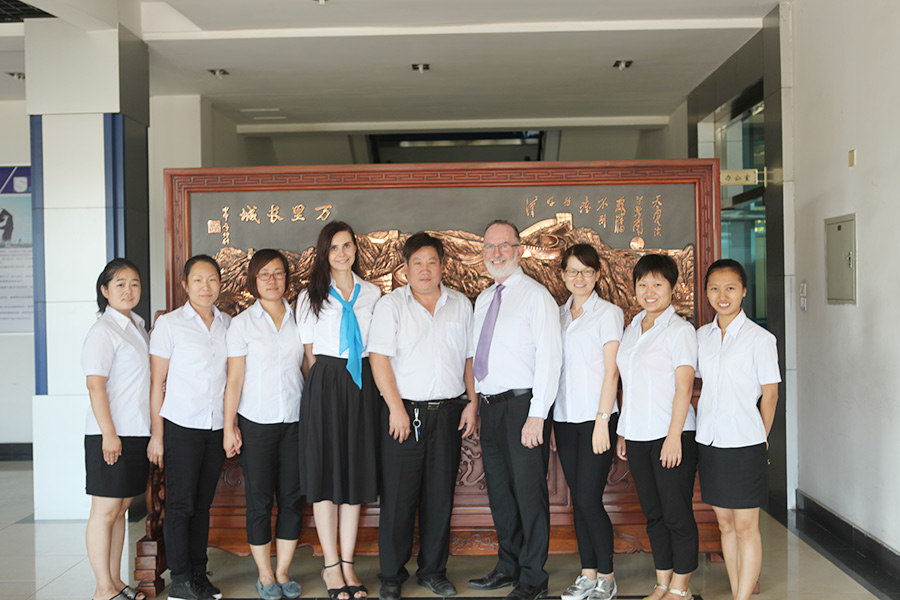
Kingflex Insulation Co., Ltd. is a professional manufacturing and trading combo for thermal insulation products. Kingflex was established by Jinwei/Kingway Group, which carries a rich history spanning more than 40 years. Established in 1979, the group was the first manufacturer of thermal insulation materials north of the Yangtze River. Today, we stand as a premier energy-saving, environmentally friendly enterprise concentrating on the research, development, production, and sales of high-performance cryogenic barriers.
Our dedicated R&D department houses 8 professional material engineers specializing in low-temperature elastomers. Operating in Dacheng, the green-building materials capital of China, our research is geared toward increasing cell density, improving fire ratings, and lowering vapor permeability. We take energy saving and consumption reduction as our core concept, developing next-generation solutions validated through rigorous test regimens.
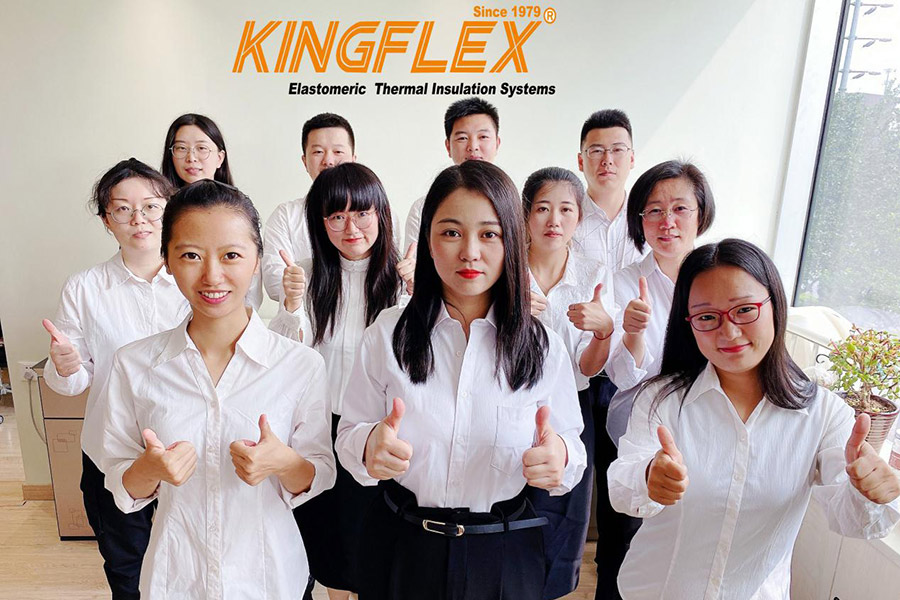
With 6 professional international sales specialists and 230 highly skilled workers across our advanced manufacturing facilities, Kingflex guarantees seamless logistics, precise technical consultations, installation guidance, and dedicated post-sales support for pipeline, chemical plant, and infrastructure operators worldwide.
Continuous production capability and advanced logistics integration to serve international markets.
At present, Kingflex operates 5 large automatic assembly lines utilizing smart Factory 4.0 protocols. This advanced manufacturing ecosystem provides an annual production capacity exceeding 600,000 cubic meters. Our facilities have been officially designated as a key manufacturing partner by the Ministry of Energy, the Ministry of Electric Power, and the Ministry of Chemical Industry in China.
This automated infrastructure offers major advantages for global purchasers:

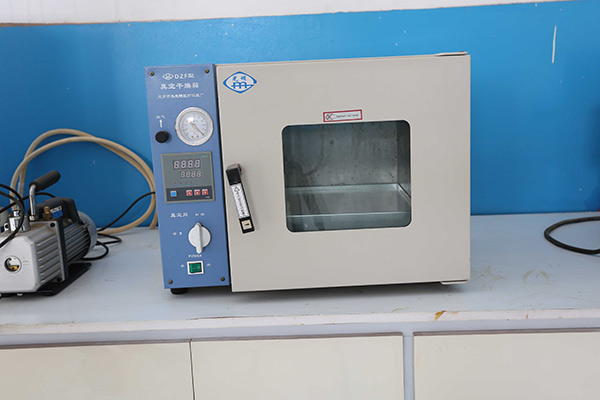
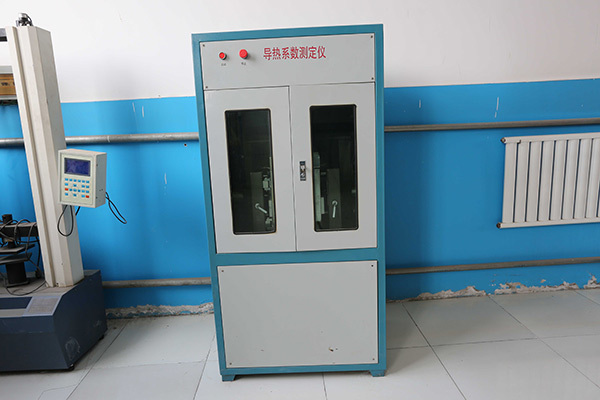
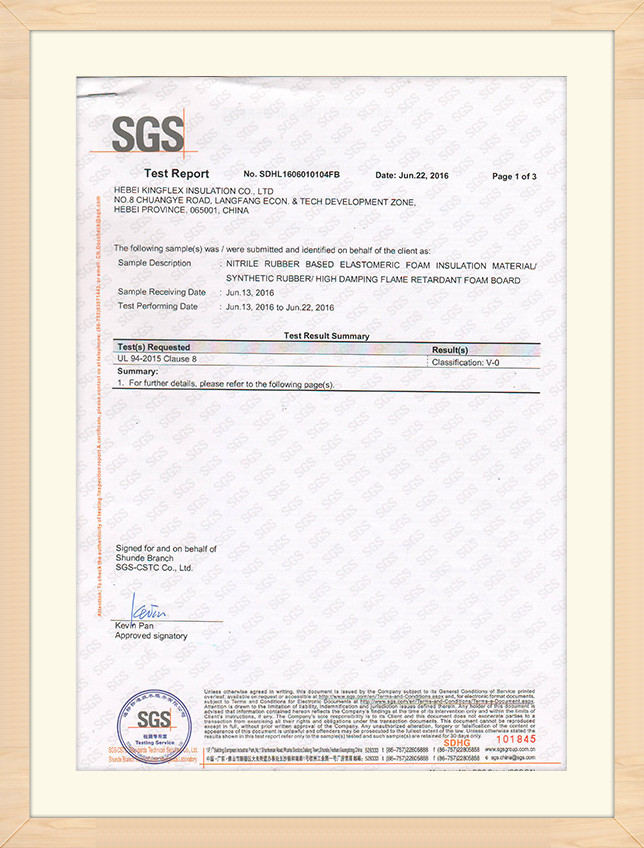
Verified physical and chemical specifications for Kingflex insulation systems.
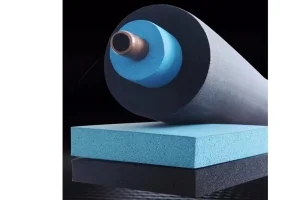
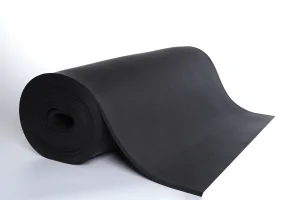
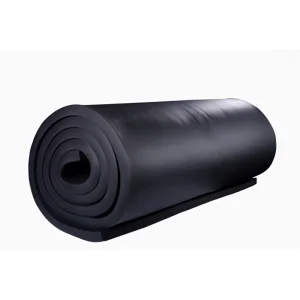
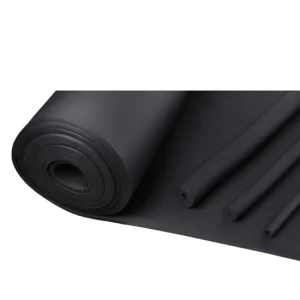
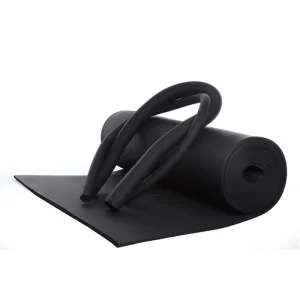
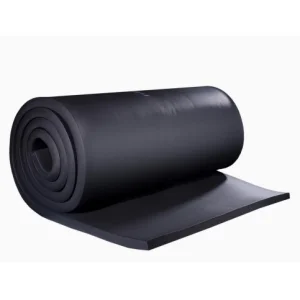
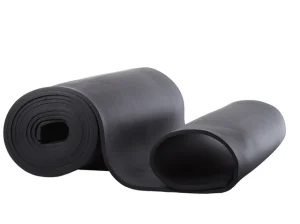
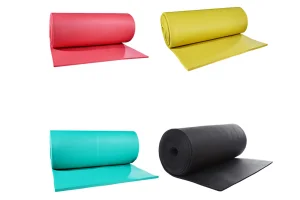
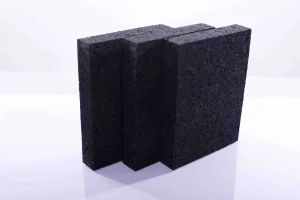
Material Structure: High-density NBR/PVC blend engineered for thermal optimization.
Thickness Range: 6mm to 50mm
Core Density: 40 to 55 kg/m³
Service Temperature Limits: -40℃ to 105℃ (Extended cryogenic ranges available with specialized multilayer configuration down to -180℃)
Key Performance Advantages:
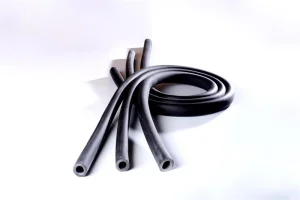
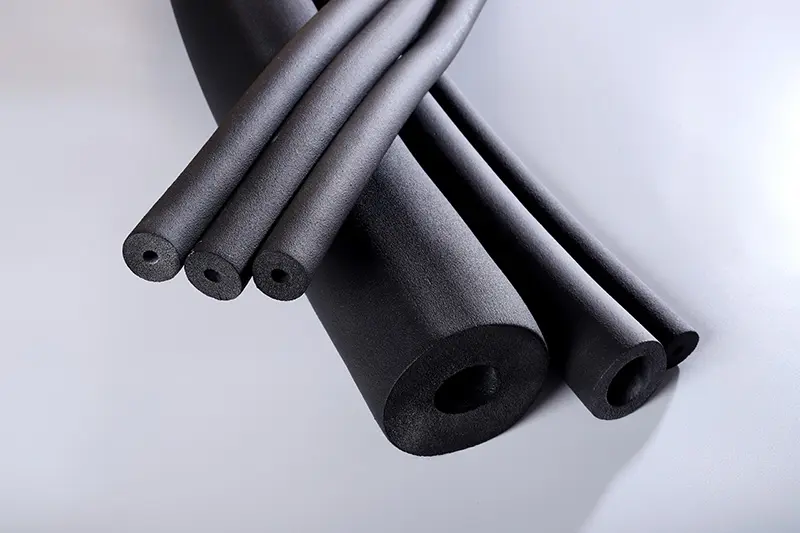
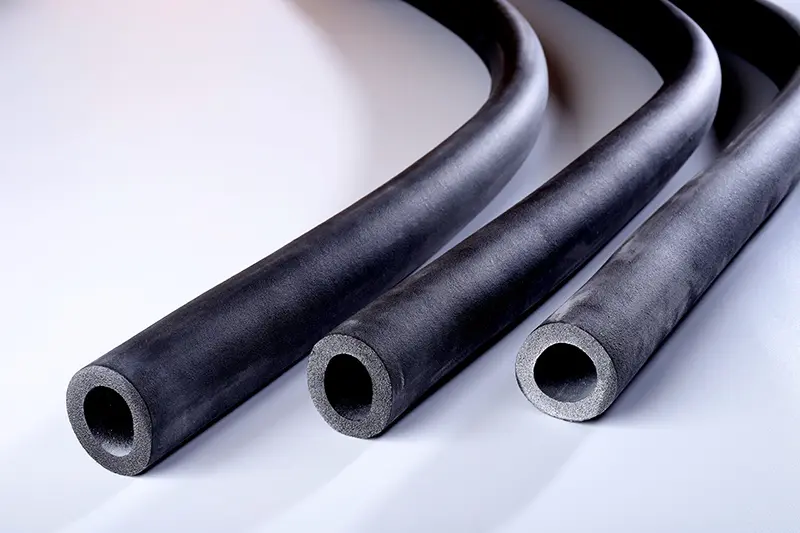
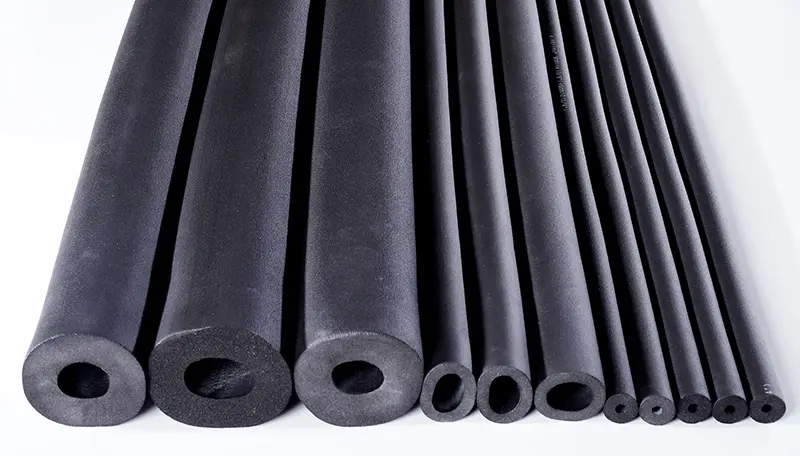
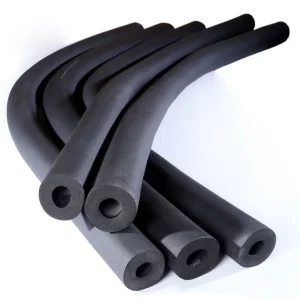
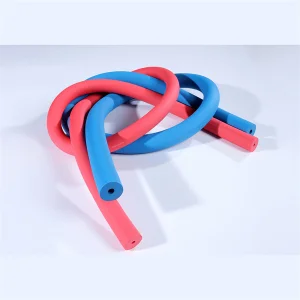
Material Structure: Extruded elastomeric foam tube with smooth protective skin.
Wall Thickness Range: 9mm to 40mm
Inner Diameter (ID) Range: 6mm to 114mm
Core Density: 40 to 55 kg/m³
Service Temperature Limits: -40℃ to 105℃
Key Performance Advantages:
| Physical Parameter | Standard Reference Value | Testing Protocol | Significance for Cryogenic/HVAC Use |
|---|---|---|---|
| Thermal Conductivity ($\lambda$) | ≤ 0.034 W/(m·K) at 0℃ | ASTM C518 / ISO 8301 | Directly determines heat leakage and insulation thickness requirements. |
| Water Vapor Permeability | ≥ 1.0 × 10¹¹ g/(m·s·Pa) ($\mu$ ≥ 10,000) | ASTM E96 / EN 12086 | Prevents water vapor ingress and ice buildup in sub-zero applications. |
| Fire Performance Rating | Class 0 / Class 1; V-0 Rating | BS 476 Part 6/7; UL 94 | Essential for meeting municipal building and safety regulations. |
| Dimensional Stability | ≤ 5% shrinkage under test thermal load | ASTM C534 | Prevents joint separation under temperature fluctuations. |
| Corrosive Ion Release | Zero detectable water-soluble chlorides/fluorides | ASTM C692 / DIN 1988 | Elastomeric formulation prevents Corrosion Under Insulation (CUI) on steel pipes. |
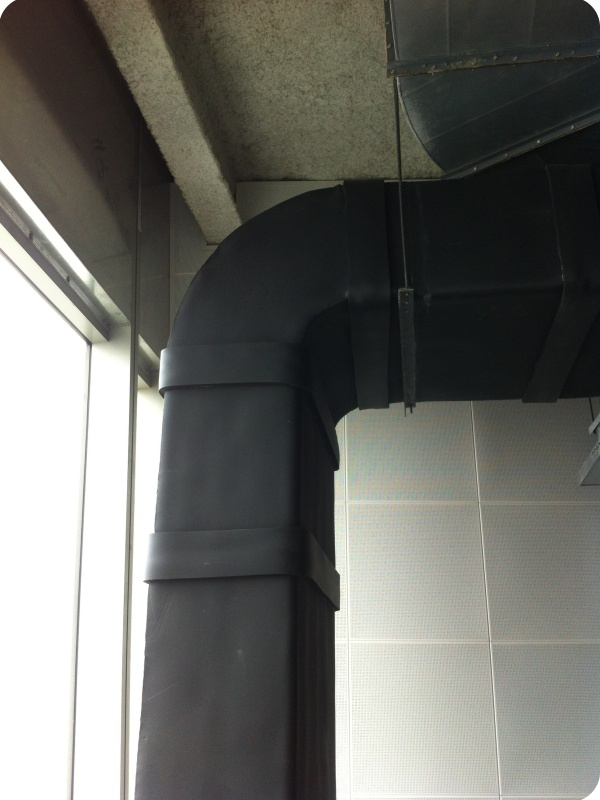
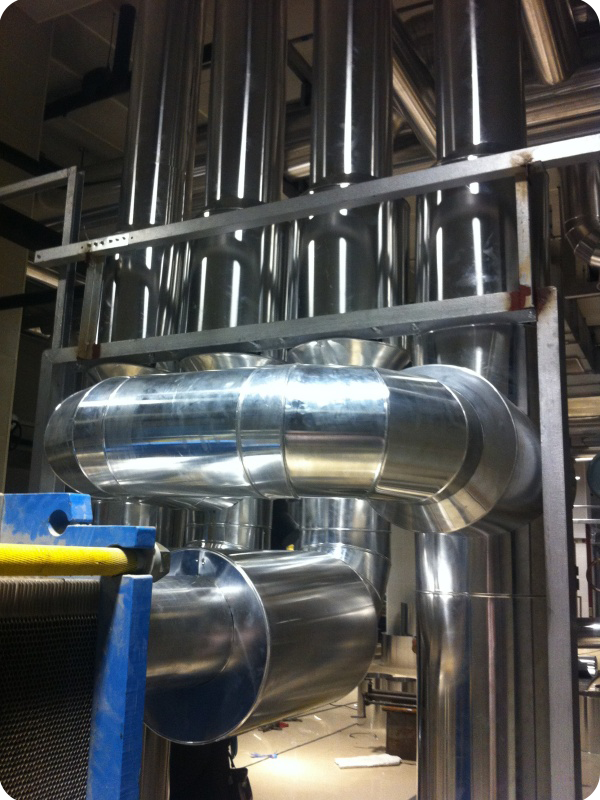
Kingflex materials in service across commercial complexes, heavy industrial plants, and processing complexes.
Industrial Cold Chain Infrastructure
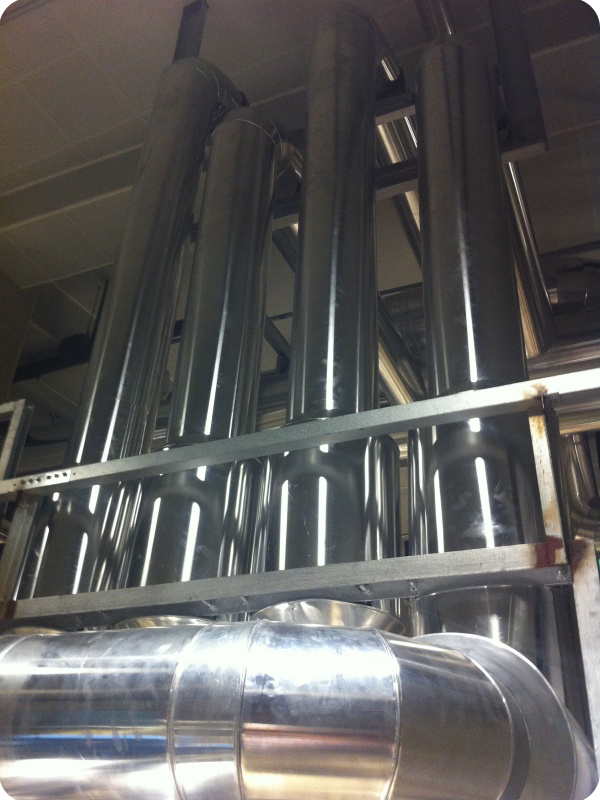
Large-Scale HVAC Duct Insulation
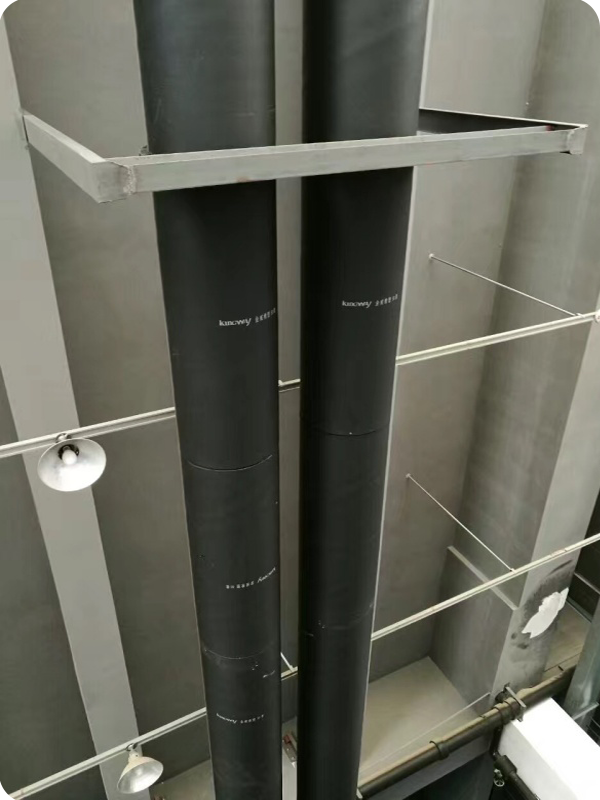
Petrochemical Cryogenic Piping
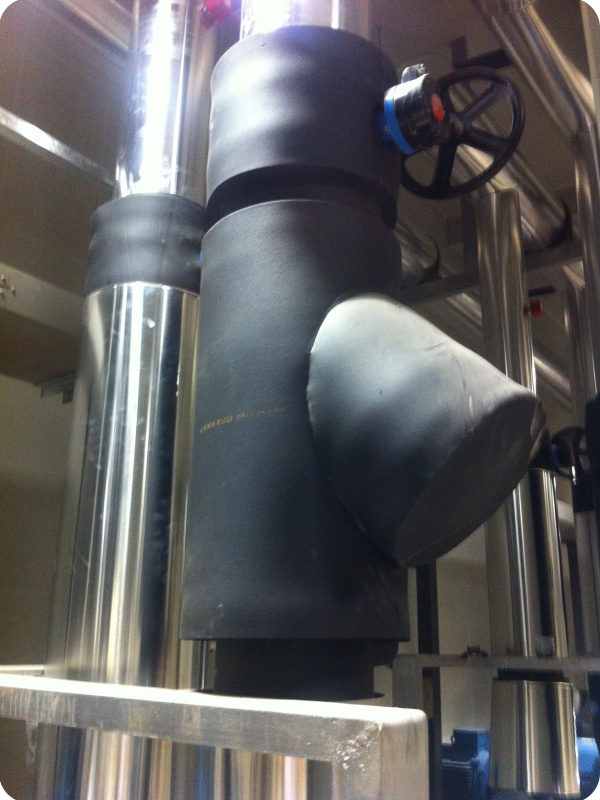
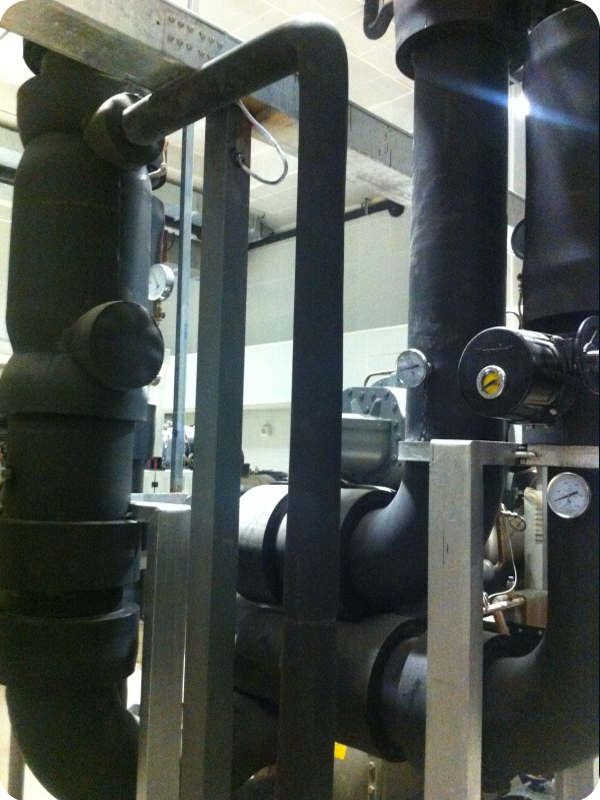
Chilled Water Piping Protection
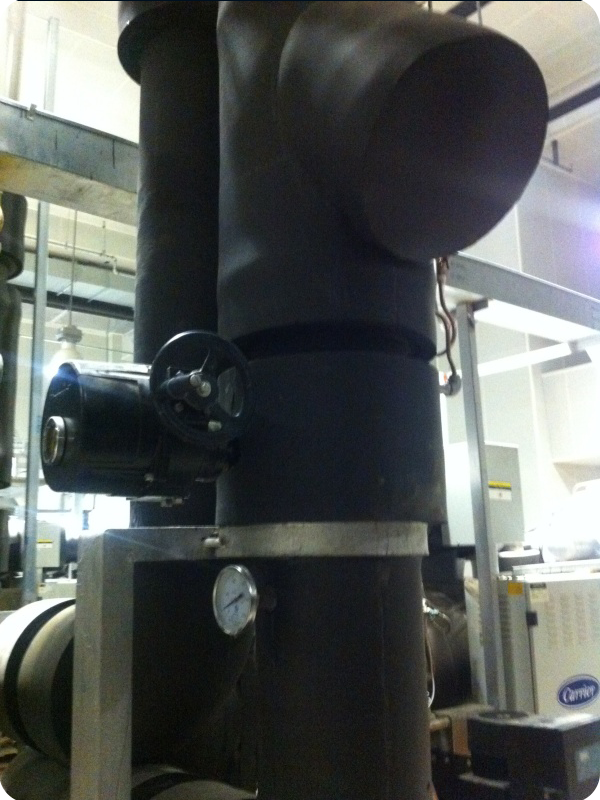
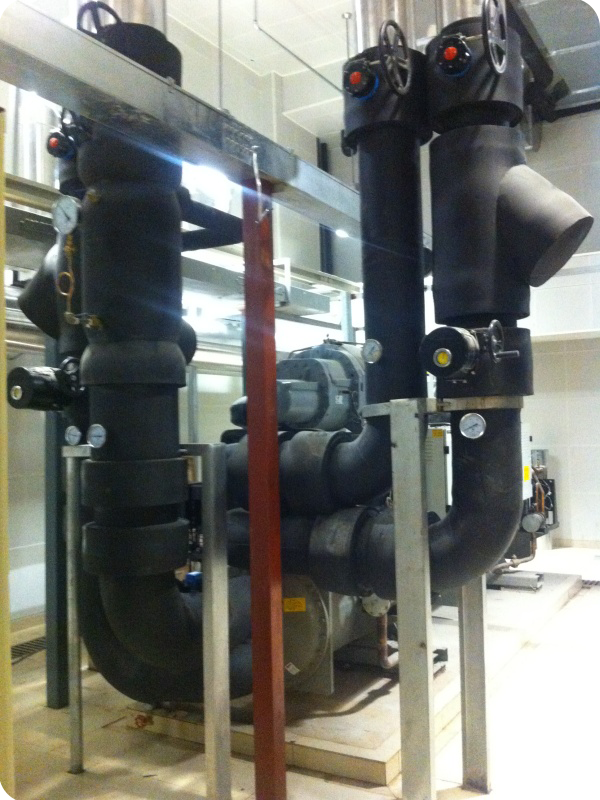
Optimizing energy structures across power plants, chemical industries, and large commercial hubs.
Modern industrial operations face mounting economic pressure to reduce carbon footprints while lowering operating costs. High-performance insulation plays a critical role in addressing these requirements. In petrochemical and gas liquefaction facilities, heat ingress translates directly to mechanical workload increases for refrigeration compressors. By preventing thermal energy transfer at the pipe surface, Kingflex systems significantly lower electric overhead and fuel consumption.
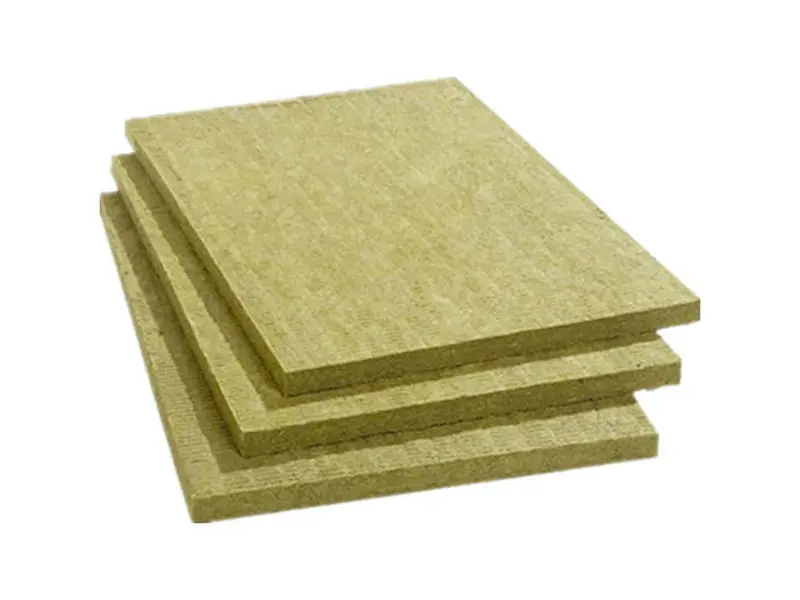
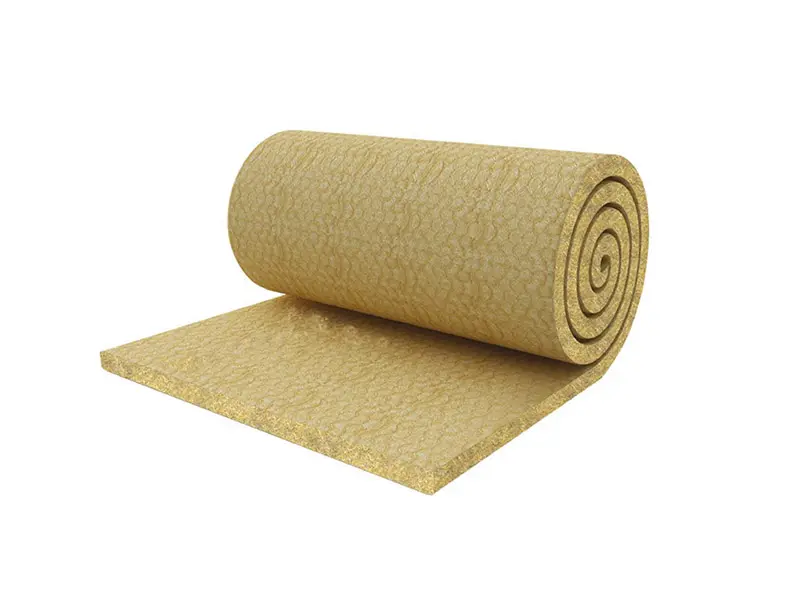
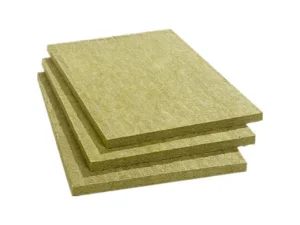
Furthermore, our elastomeric compounds mitigate Corrosion Under Insulation (CUI), a multi-billion dollar maintenance issue in heavy industry. Moisture buildup under conventional fiberglass or rock wool accelerates steel pipe degradation. The closed-cell barrier of Kingflex elastomeric foam prevents moisture from reaching the pipe substrate, extending equipment life cycles to 10–15 years and reducing system downtime.
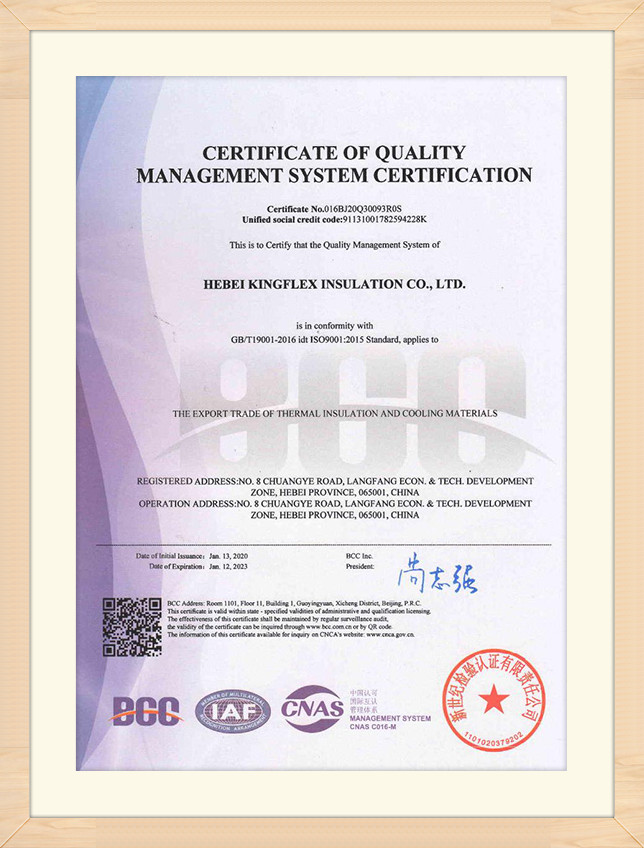
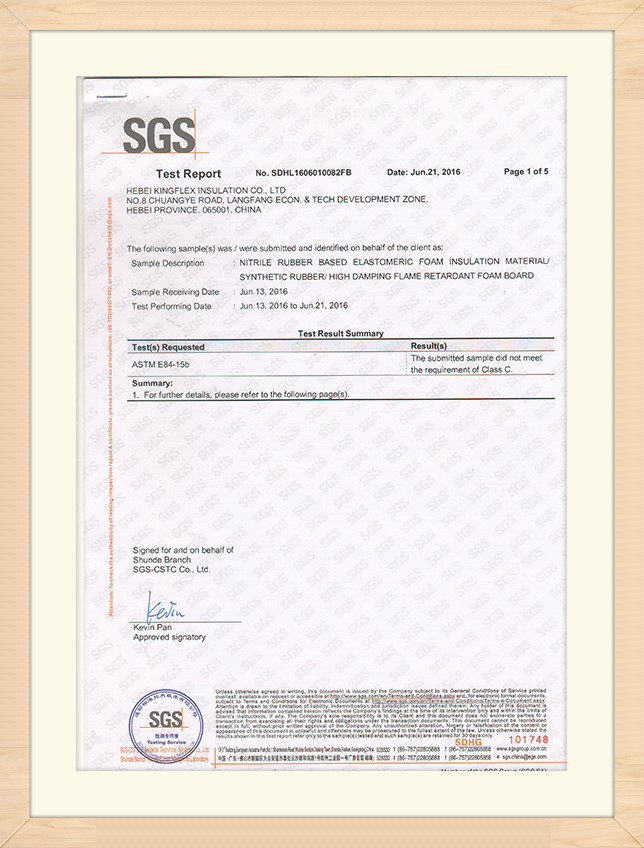
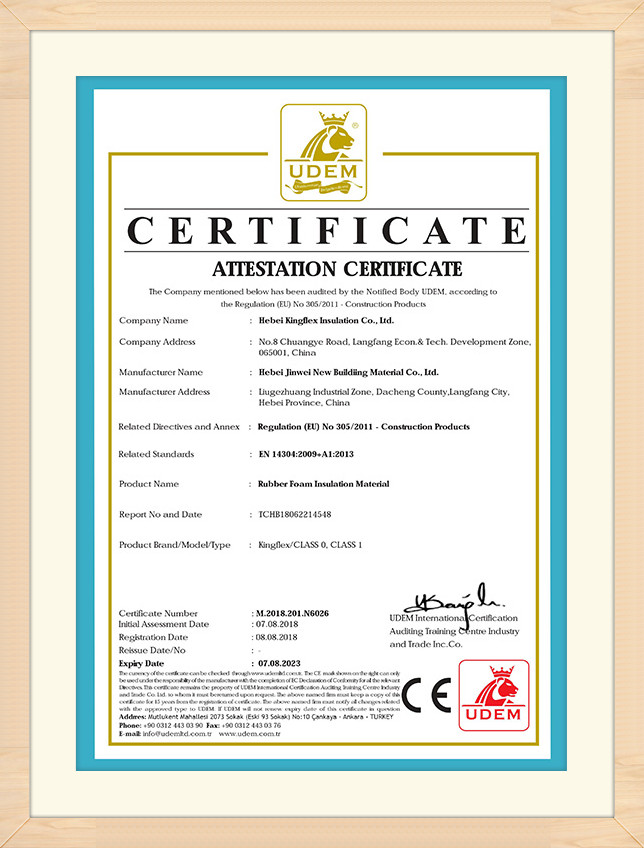
Our products have passed BS 476, CE, REACH, ROHS, UL94, ASTM and other international certifications, ensuring product quality and compliance with global standards.
Supporting international engineers and purchasers with tailored sizing and end-to-end supply chain transparency.
We provide full material traceability for every production run, including batch numbers, raw material testing logs, and cure-line telemetry records. This visibility is vital for critical infrastructure projects, such as airport terminals, hospital facilities, and petrochemical storage arrays, which require comprehensive compliance documentation.
Standard HVAC and cryogenic systems vary widely depending on regional configurations and operating pressures. To support custom specifications, our factories provide flexible OEM services, including custom tube wall thicknesses, custom inner diameters, prepasted self-adhesive backings, and exterior coatings to withstand harsh UV exposure.
Our sales teams work closely with global engineering clients. From design verification to final site delivery, we ensure our products meet or exceed design expectations.


Explore our main product offerings, engineered for high reliability in cryogenic and mechanical applications.
Addressing the shifting landscape of clean energy and sustainable, low-temperature systems.
The global shift toward liquid gas fuels, including liquefied natural gas (LNG) and liquid hydrogen (LH₂), has created a critical demand for advanced cryogenic insulation systems. Traditional polyisocyanurate (PIR) and polyurethane (PUF) materials can suffer from stress-cracking and dimensional shrinkage during thermal cycling. In response, next-generation solutions are transitioning toward flexible, micro-cellular elastomeric foam matrices.
Our long-term developmental roadmap focuses on three primary vectors:

Technical guidance and product support from our engineering department.
Secure direct wholesale pricing on elastomeric insulation materials. Contact our sales department to receive customized quotes.