Kingflex Kingflex

Wholesale Cryogenic Insulation Thickness Calculation Manufacturer & Factories

Providing thermal stability, energy management, and anti-condensation engineering solutions across extreme low-temperature industrial domains.

40+
Years of Manufacturing Heritage
600K m³
Annual Production Capacity
66+
Exporting Countries Worldwide
5
Advanced Automated Assembly Lines

Critical Science of Cryogenic Insulation Thickness Calculation

In cryogenic environments ranging from -40°C down to liquid helium temperatures at -269°C, standard insulation parameters fall short. Designing an effective containment framework requires specialized calculations to determine the exact cryogenic insulation thickness. This calculation is vital to prevent ambient heat influx, minimize liquid boil-off, and stop surface condensation in humid operating environments.

Key Thermodynamic Objective: The thickness calculations must maintain the outer cladding's surface temperature above the atmospheric dew point, preventing liquid water accumulation that leads to CUI (Corrosion Under Insulation) and thermal structural failures.

Fundamental Calculations and Governing Standards

The standard reference for calculating thermal properties in industrial pipe and equipment insulation is ASTM C680. The methodology relies on steady-state heat transfer through cylindrical and flat multi-layered surfaces. The primary equations consider:

  • Conduction through insulation layers ($Q_c$): Governed by the Fourier-Biot equation, requiring accurate variable analysis of thermal conductivity ($\lambda$, W/m·K) across a wide range of temperatures.
  • Convection ($h_c$) and Radiation ($h_r$) to the surrounding air: Relying on surface emissivity, wind velocity, and ambient humidity variables.
  • System Interface Resistance: Multi-layered installations (such as aerogels combined with high-grade elastomeric NBR/PVC foam) require accounting for interface thermal resistance.

Addressing Corrosion Under Insulation (CUI)

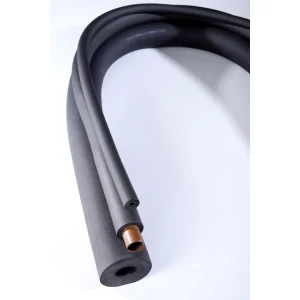
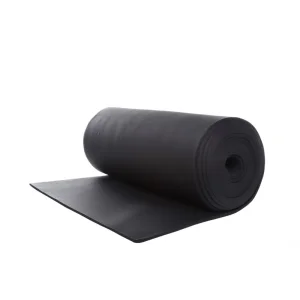
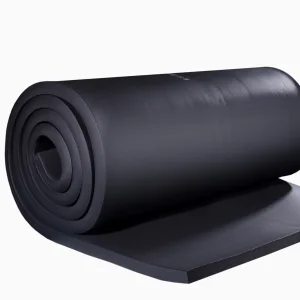
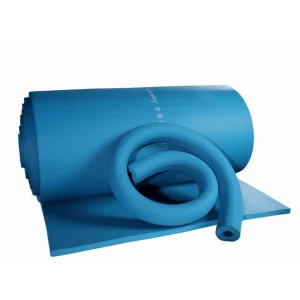
CUI is a leading cause of piping and structural failures in petrochemical plants. When cryogenic processes cycle or experience shutdowns, ambient moisture can penetrate open-cell insulation systems and condense on carbon steel pipes. Kingflex closed-cell elastomeric systems prevent this: the cell structure operates as an integrated, high-resistance moisture barrier, eliminating the capillary paths that pull water into the pipe surface.

Parameter Testing Protocol Standard Specifications
Thermal Conductivity ($\lambda$) ASTM C518 / ISO 8301 ≤ 0.034 W/(m·K) at 0°C
Water Vapor Permeability ASTM E96 / BS EN 12086 μ ≥ 10,000 (Built-in Vapor Barrier)
Closed-Cell Ratio GB/T 10799 ≥ 98%
Continuous Operating Limit ASTM C411 -40°C to +105°C (Extended system capabilities)

Macro Industry Solutions and Applications

Cryogenic insulation must perform across various settings, each with its own thermal challenges. Kingflex develops engineered, multi-layered solutions tailored for these specific applications:

LNG Processing and Supply Chain

LNG liquefaction and regasification occur at approximately -162°C. System components require calculated multi-layer insulation systems to prevent boil-off gas (BOG) losses and withstand cycles of thermal expansion and contraction.

Industrial Gas Infrastructure

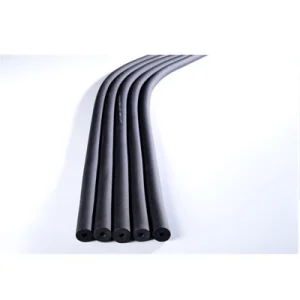
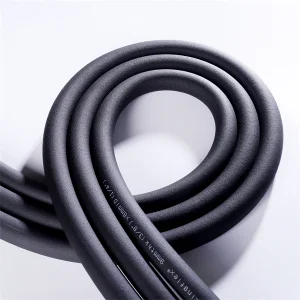
Liquid nitrogen, oxygen, and argon lines run under extreme pressure and cold. Standard flexible NBR/PVC structures with thermal vapor barriers provide the outer defense layers, stopping frosting and ambient heat load.

Aerospace Testing & Cryocoolers

For liquid hydrogen and oxygen propellant storage systems, lightweight, dust-free flexible insulation structures are required to maintain extreme thermal control inside test cells and launch sites.

The China Manufacturing Advantage: Quality, Scale & Precision

Sourcing cryogenic insulation from leading Chinese manufacturers like Kingflex provides strategic advantages for global EPC (Engineering, Procurement, and Construction) companies:
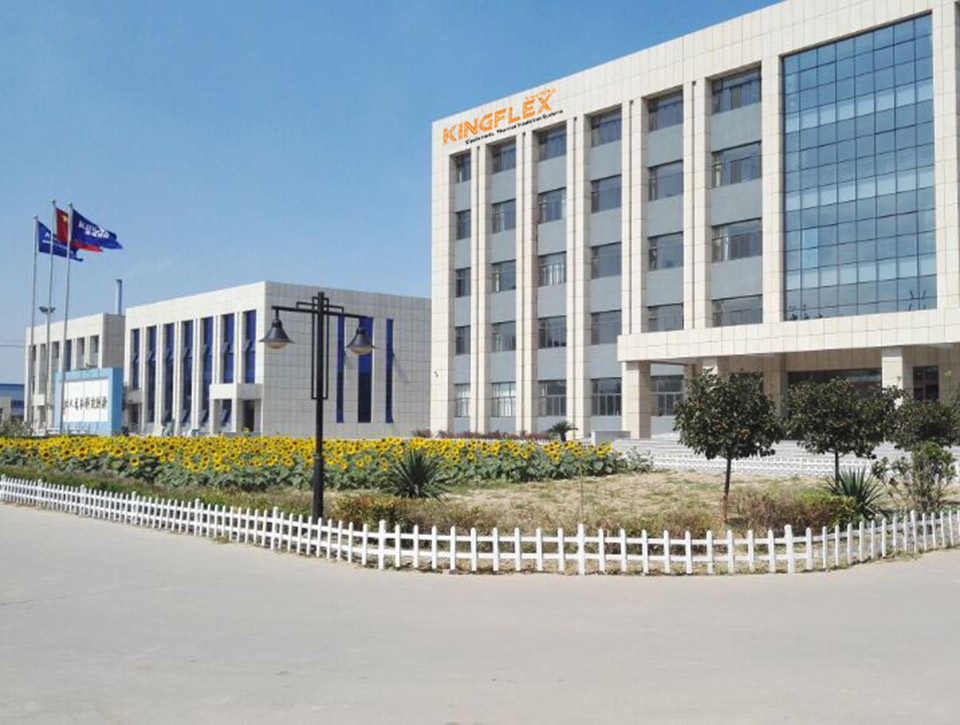
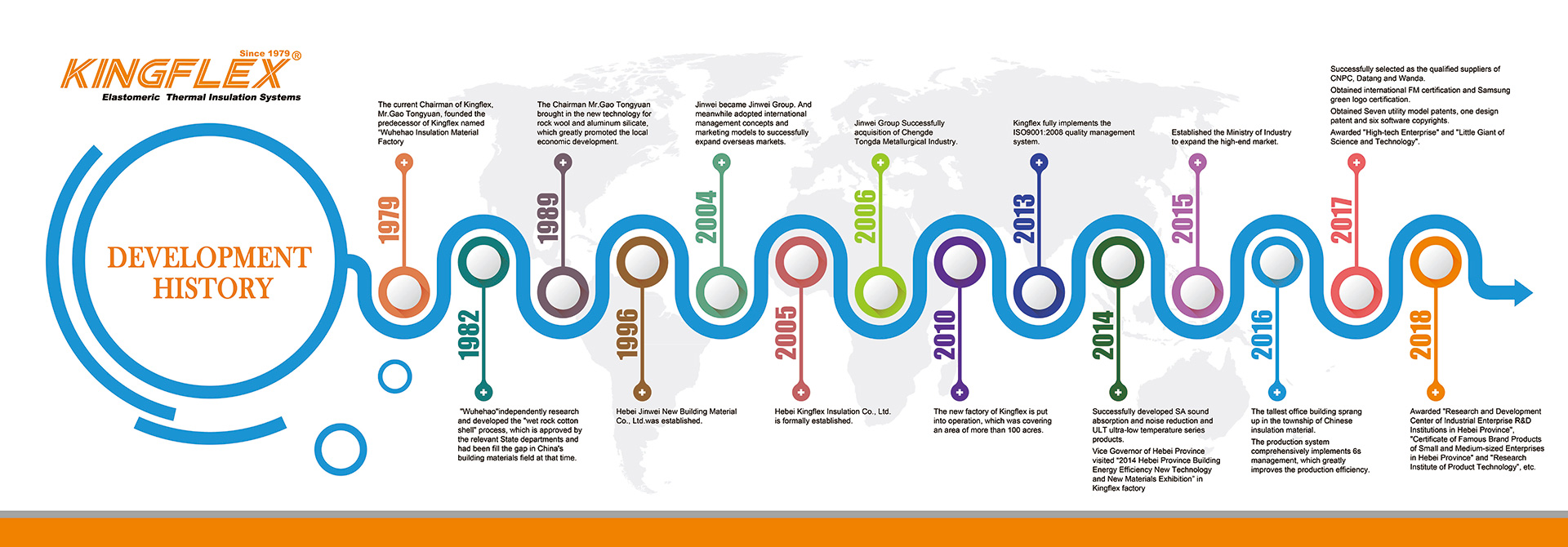
  • Dacheng Industrial Cluster: Kingflex's production and research divisions are located in Dacheng, China—a hub for green building materials. This proximity offers access to a shared raw material supply chain, lower logistics costs, and specialized manufacturing equipment.
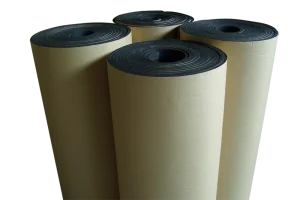
  • Advanced Automation: With 5 automated continuous line extrusion setups, we maintain batch consistency, control density, and deliver flat sheeting with dimensional accuracy.
  • Global Export Infrastructure: Over the last 16 years, we have exported to 66 countries. Our logistics network handles large maritime container deliveries, securing safe transport and packaging.

Manufacturing Scale & Testing Capabilities

Kingflex Manufacturing Facility Production Line

Our facility can produce over 600,000 cubic meters annually, qualifying us as an insulation supplier for the Ministry of Energy, the Ministry of Electric Power, and the Ministry of Chemical Industry.

R&D Excellence & Global Compliance

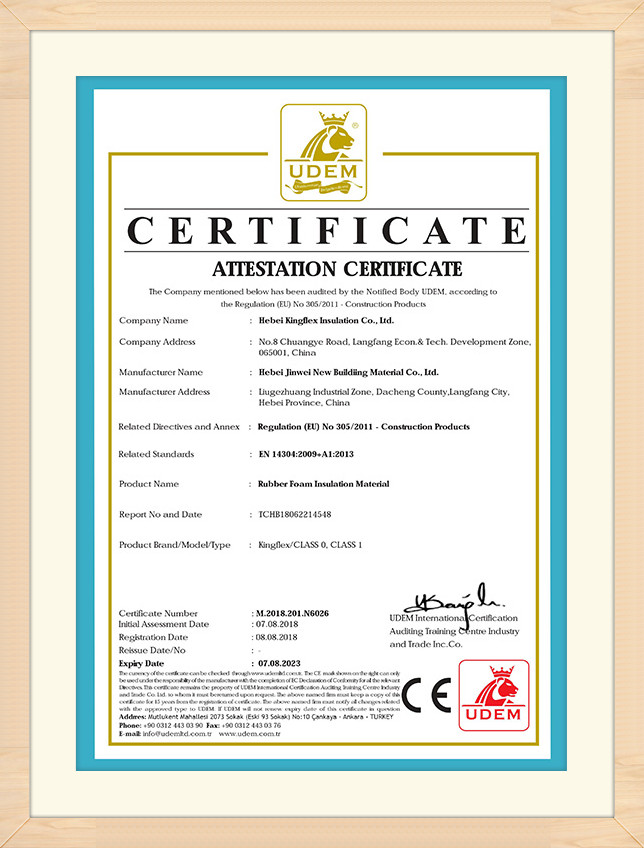
The Kingflex R&D department features 8 professional engineers dedicated to improving raw NBR/PVC polymer formulations and mechanical properties. This continuous development helps us achieve certification compliance under rigorous international frameworks:
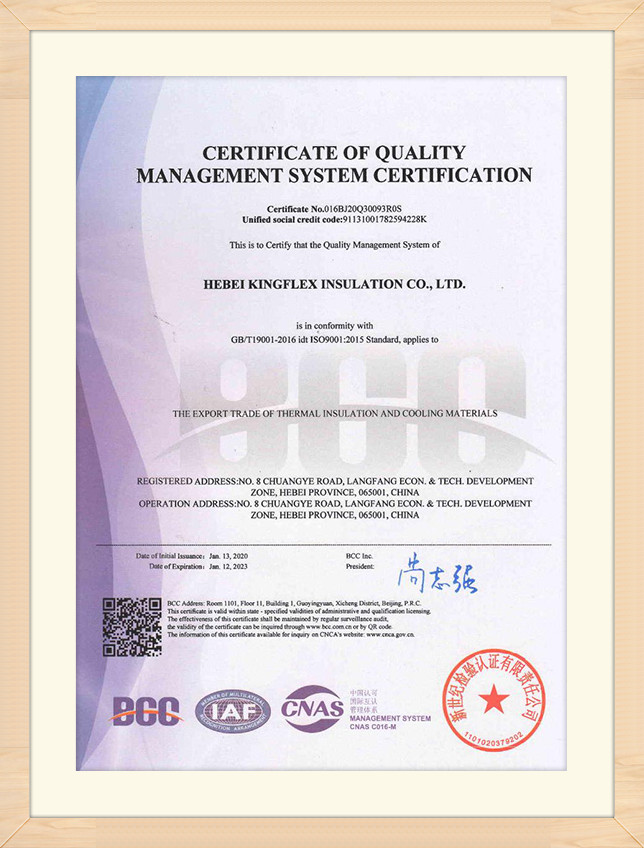
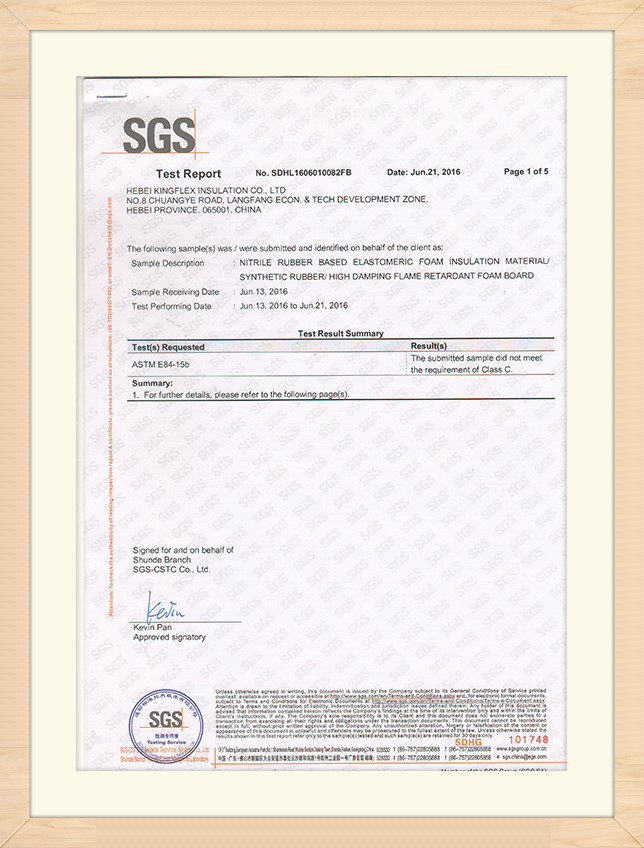
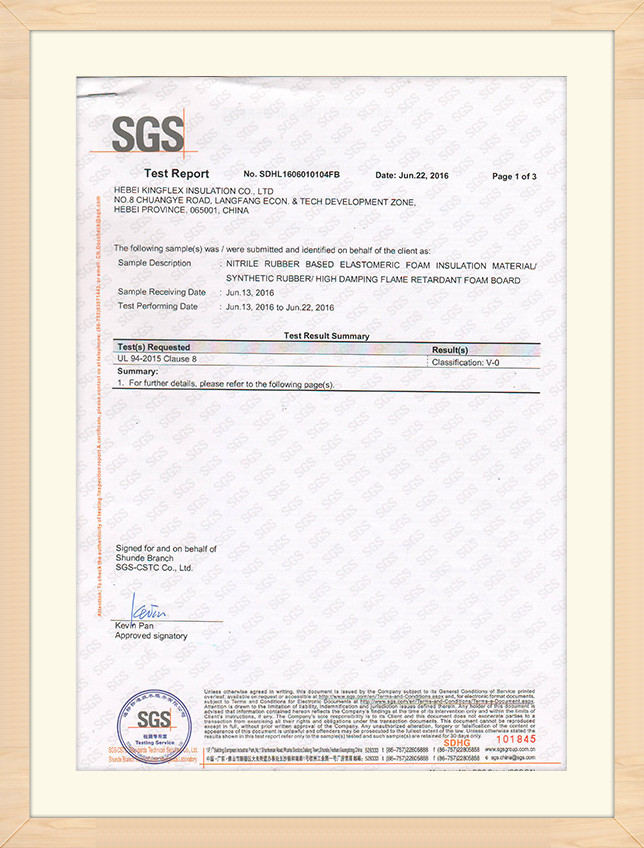
CE Standard Certificate ISO Quality Certificate ASTM Compliance Standard FM fire protection compliance

All items undergo fire propagation testing, vapor barrier evaluation, and density profiling to meet standards including BS 476, CE, REACH, ROHS, UL94, and ASTM.

Direct Navigation

Company History

Established by Jinwei Group with a history of over 40 years since 1979, Kingflex was the first manufacturer of thermal insulation materials north of the Yangtze River.

Team Strength

Our workforce includes 8 R&D engineers, 6 international sales agents, and 230 manufacturing workers, working together to deliver reliable service.

Frequently Asked Questions (FAQ)

Q1: What is elastomeric rubber foam insulation used for?
A1: It is mainly used for HVAC ducts, air conditioning pipes, building thermal insulation, industrial pipeline cold insulation, and sound insulation.
Q2: Is Kingflex rubber foam insulation fire resistant?
A2: Yes, our rubber foam insulation products are flame retardant, meeting the fire safety standards for building and industrial projects.
Q3: What is the difference between rubber foam and rock wool insulation?
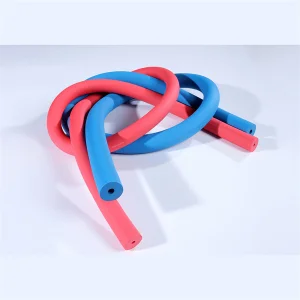
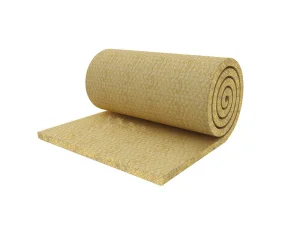
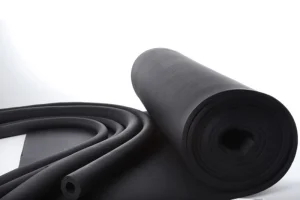
A3: Rubber foam is flexible, has a closed-cell structure, and offers high moisture resistance, making it suitable for HVAC and chilled water lines. Rock wool provides high-temperature resistance and fire protection, making it ideal for industrial steam pipelines.
Q4: Do you provide customized insulation products?
A4: Yes, we support OEM/ODM services, allowing adjustments to thickness, density, color, and adhesive backing to meet specific project needs.
Q5: What certifications do your products have?
A5: Our products have passed BS 476, CE, REACH, ROHS, UL94, ASTM, and other international certifications, ensuring compliance with global regulatory standards.
Q6: Does Kingflex products have traceability?
A6: Yes, all Kingflex production batches are coded and documented, enabling traceability from raw materials to final shipment.
Q7: What thickness of Rubber foam insulation sheet roll can you produce?
A7: We can produce thicknesses ranging from 6mm to 50mm on our continuous assembly lines.
Q8: What is the service life of rubber plastic pipe and board?
A8: Under standard operating conditions with proper installation, the expected service life is approximately 10 to 15 years.
Q9: How is the thickness calculation adjusted for cryogenic pipelines below -100°C?
A9: Calculations at these temperatures require a multi-layered design. This often combines a low-temperature layer (such as aerogel or PIR) with an outer elastomeric NBR/PVC layer. This configuration manages thermal contraction while keeping the outer layer above the atmospheric dew point.

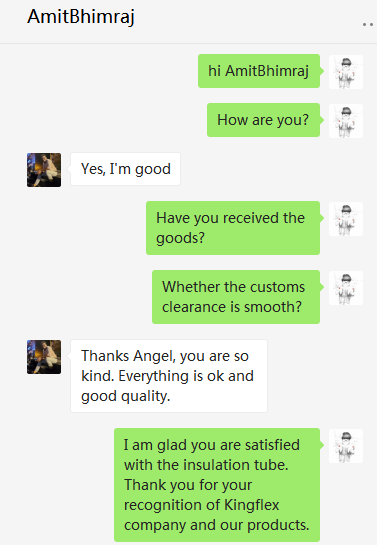
Global Client Communication & Trust

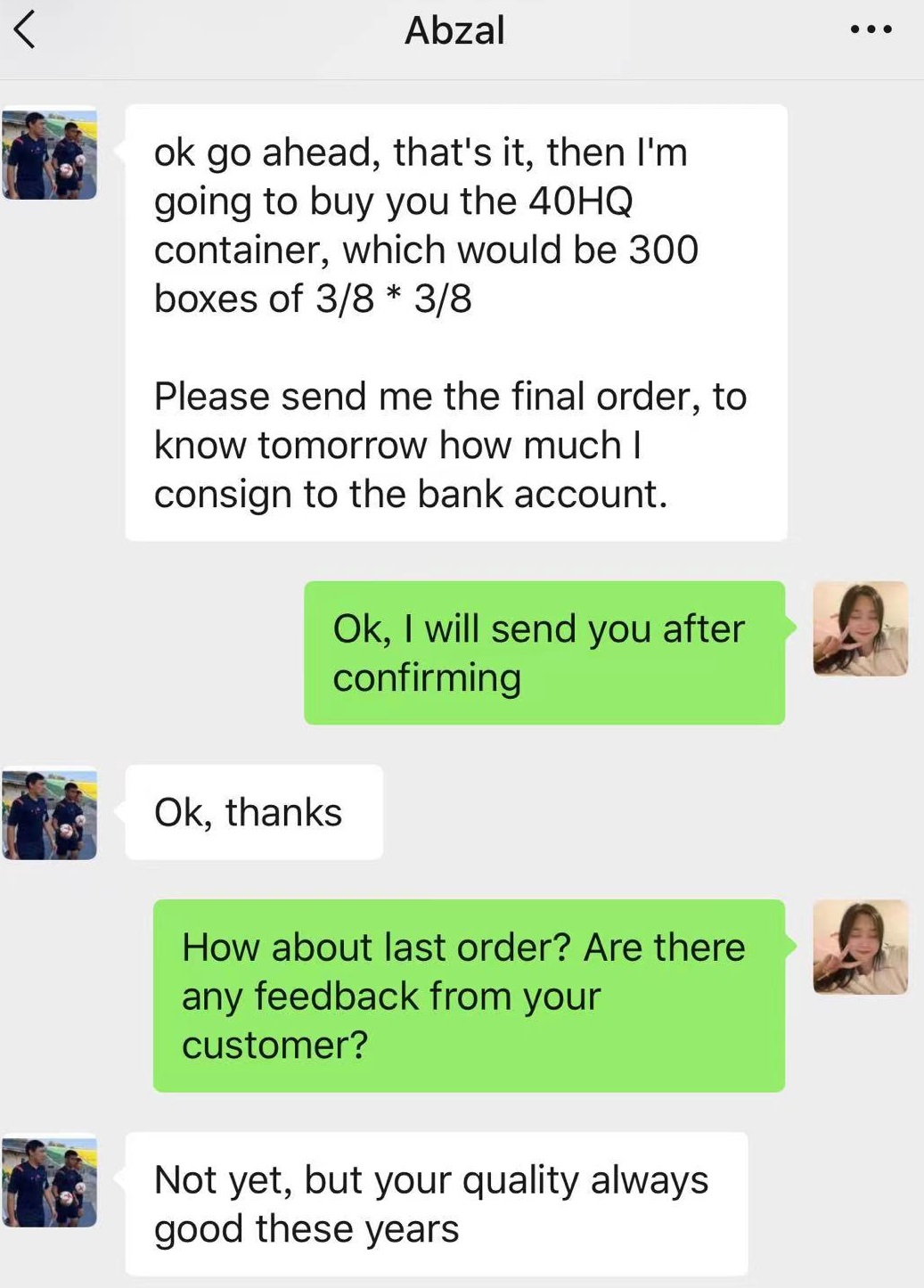
Customer Chat 1 Customer Chat 2 Customer Chat 3 Customer Chat 4