 Kingflex
Kingflex
Kingflex
Explore our industrial-grade NBR/PVC elastomeric rubber foam pipes, sheets, and cryogenic barrier systems.
Analyzing key structural trends, energy-saving dynamics, and modern application challenges in the global insulation supply chain.
In modern industrial engineering, thermal insulation is no longer evaluated solely by its initial resistance to heat flow. Global regulatory frameworks, including the EU’s Energy Performance of Buildings Directive (EPBD) and ASHRAE 90.1, have pushed industries to optimize long-term thermal efficiency under challenging environmental stresses.
Traditional open-cell insulation materials are highly susceptible to moisture ingress, which leads to corrosion under insulation (CUI) and a significant rise in thermal conductivity. Modern chemical processes require high-performance, closed-cell NBR/PVC elastomeric structures. The closed-cell profile functions as an integrated water vapor barrier, preserving a low k-value (thermal conductivity) over long lifecycles.
Additionally, cryogenic and liquified gas systems (such as LNG terminals operating down to -162°C or lower) require specialized elastomeric barriers. Under these extreme temperature drops, standard foams undergo glass transition, losing their flexibility and fracturing. This demands high-end elastomeric systems, such as Diolefin and Dienes-based rubber formulations, engineered specifically to retain mechanical compliance and thermal resistance under extreme temperature cycles.
| Insulation Metric | Elastomeric Foam (NBR/PVC) | Mineral/Rock Wool | EPDM Rubber |
|---|---|---|---|
| Closed-Cell Rate | ≥ 98% | N/A (Fibrous) | ≥ 90% |
| Vapor Permeability (μ) | ≥ 10,000 | ~ 1 (Very High Ingress) | ≥ 7,000 |
| Service Temp. Range | -40°C to 105°C (Cryo: -200°C) | Up to 650°C | -50°C to 150°C |
| Corrosion Resistance | Excellent (Prevents CUI) | Poor (Traps Moisture) | Excellent |
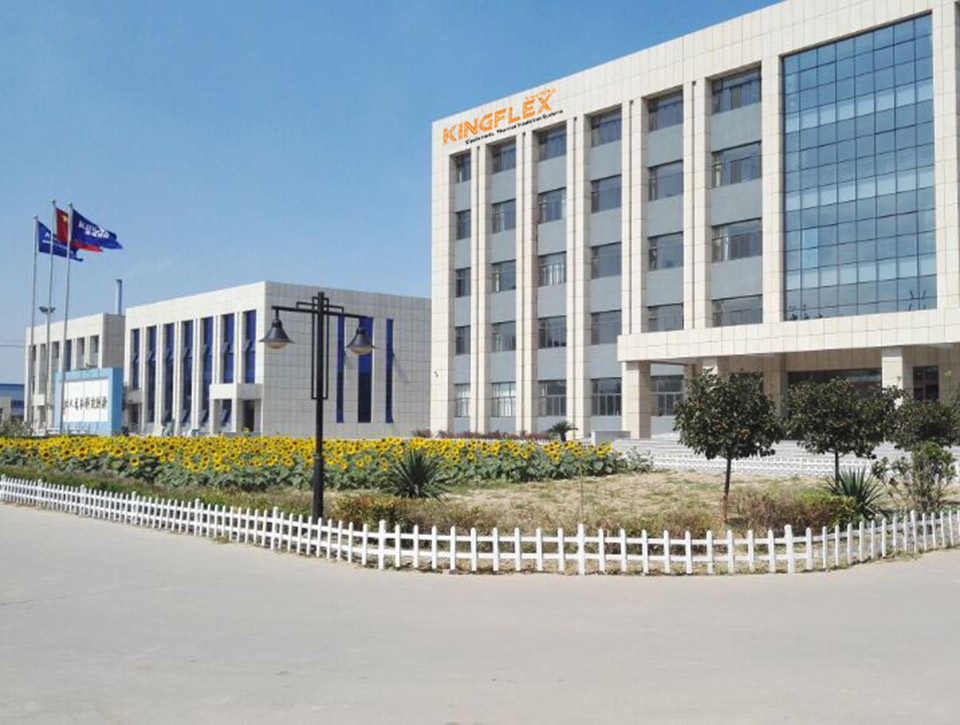
Located in Dacheng, China—a hub for green-building material production—Kingflex Insulation Co., Ltd. demonstrates the advantages of regional manufacturing clustering. Our facility features five automated assembly lines capable of outputting over 600,000 cubic meters of high-density elastomeric insulation each year.
This scale yields significant production benefits: continuous extrusion, automated curing, and precise temperature-programmed vulcanization. These processes result in a uniform cell structures that prevent localized thermal bridging. For global project managers, this translates to stable quality across massive bulk shipments, shorter lead times, and lower production costs compared to localized, low-capacity manufacturers.
Additionally, our vertical integration with regional raw material suppliers ensures consistent access to high-purity nitrile-butadiene rubber (NBR) and polyvinyl chloride (PVC) stabilizers. This helps insulate our clients from global supply chain disruptions and volatile raw material pricing.
Custom dimensions and high-performance material profiles for demanding commercial and industrial insulation projects.
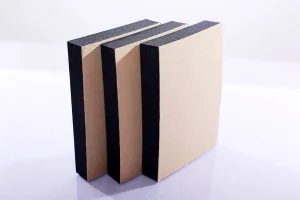
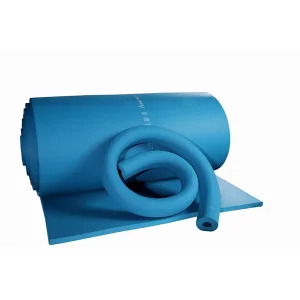
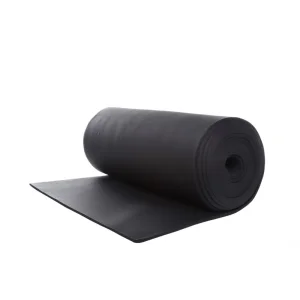
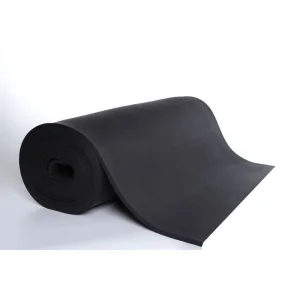
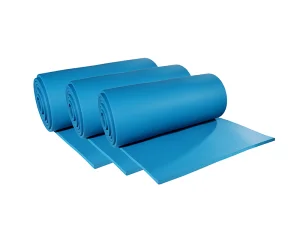
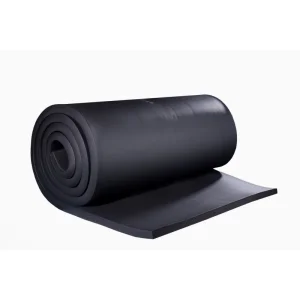
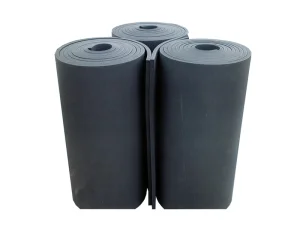
Material: Premium NBR/PVC Polymer Matrix
Thickness Range: 6mm to 50mm
Density Profile: 40 to 55 kg/m³
Service Temperature: -40°C to 105°C
Key Advantages: Uniform foaming structure, closed-cell rate exceeding 98%, excellent elasticity, structural compression resilience over 80%, and self-extinguishing flame-retardant properties.
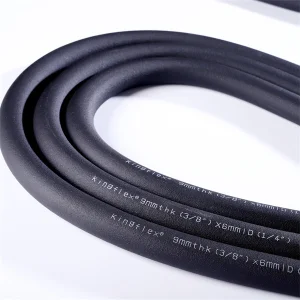
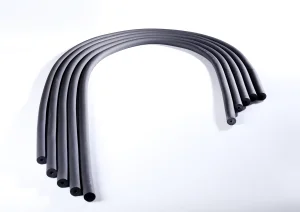
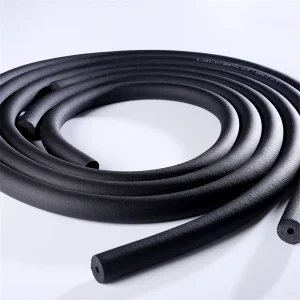
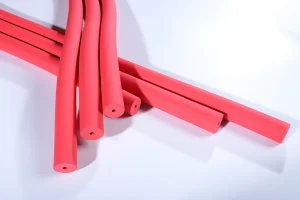
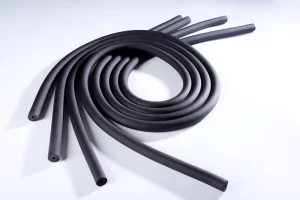
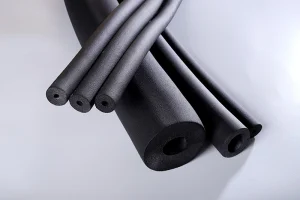
Material: Co-extruded Elastomeric Nitrile Matrix
Thickness Range: 9mm to 40mm
Inner Diameter (ID): 6mm to 114mm
Density Profile: 40 to 55 kg/m³
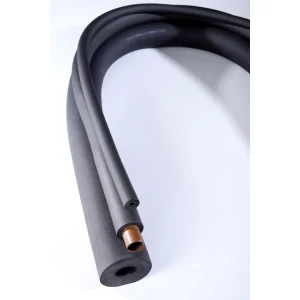
Application Focus: Tailored for rapid installation on HVAC copper lines, chilled water mains, and industrial process piping to reduce freezing and cracking risks.
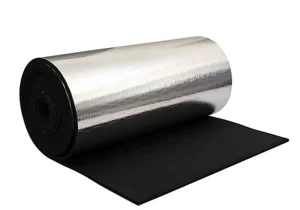
Composites: Class 0 Foil-Clad & Diolefin Layers
Target Environments: Extreme low-temp LNG plants, coastal high-humidity areas, and high-UV outdoor rooftops.
Mechanical Performance: High tear resistance, integrated vapor barrier protection, and exceptional weathering resistance against ozone cracking and solar exposure.
How engineered elastomeric insulation performs across diverse, demanding global environments.
In commercial high-rises, airports, and hospitals, maintaining clean indoor air quality (IAQ) is critical. Kingflex elastomeric sheet rolls prevent dust accumulation, fiber shedding, and mold growth in air ducts. Their high acoustic damping properties also reduce structural mechanical vibration noise.
Chemical processing plants and refineries operate under high humidity and chemical exposure. Specialized corrosion-resistant rubber foam insulation protects carbon steel pipes from corrosion under insulation (CUI) while reducing energy loss in high-temperature steam lines.
LNG transport lines and low-temperature refrigeration systems require high-performance insulation. Our Diolefin and Dienes elastomeric sheet systems prevent stress cracking at temperatures down to -200°C, blocking moisture ingress and ice formation.
A look at the legacy, capabilities, and technical quality standards behind Kingflex insulation.
Established by the Jinwei Group (Kingway Group)—which was founded in 1979 as the first major insulation manufacturer north of the Yangtze River—Kingflex draws on over 40 years of thermal material engineering experience.
We approach manufacturing with a focus on energy conservation, offering end-to-end consulting, material R&D, custom dimension design, installation support, and global logistics coordination.
Our dedicated R&D department features 8 professional engineers, supported by 6 international trade specialists and 230 manufacturing professionals. This team works to ensure compliance with strict international testing frameworks.
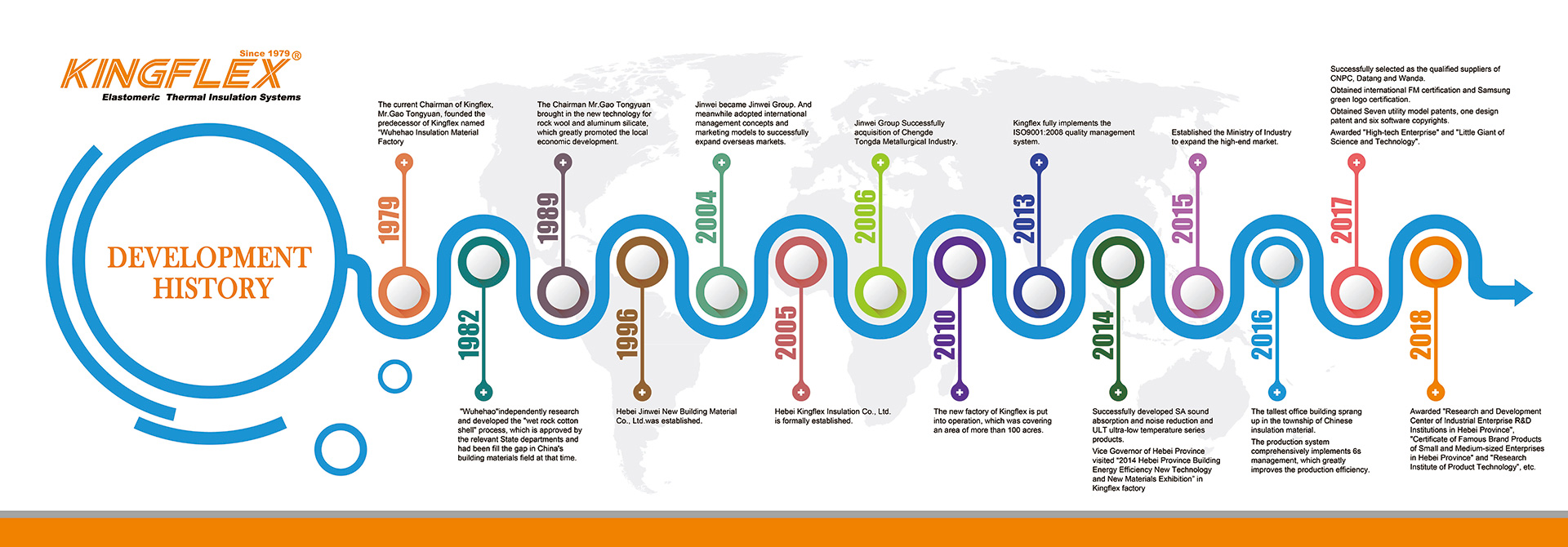
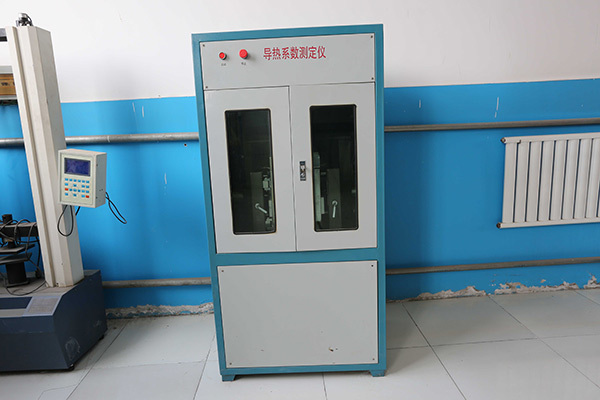
We run state-of-the-art testing labs to monitor material density, smoke toxicity, flame spread, thermal resistance, and water vapor transmission rates.

Kingflex insulation products are certified to meet major international standards, including BS 476, CE, REACH, ROHS, UL94, and ASTM. This ensures hassle-free import clearance and code compliance across North America, Europe, Asia-Pacific, and the Middle East.
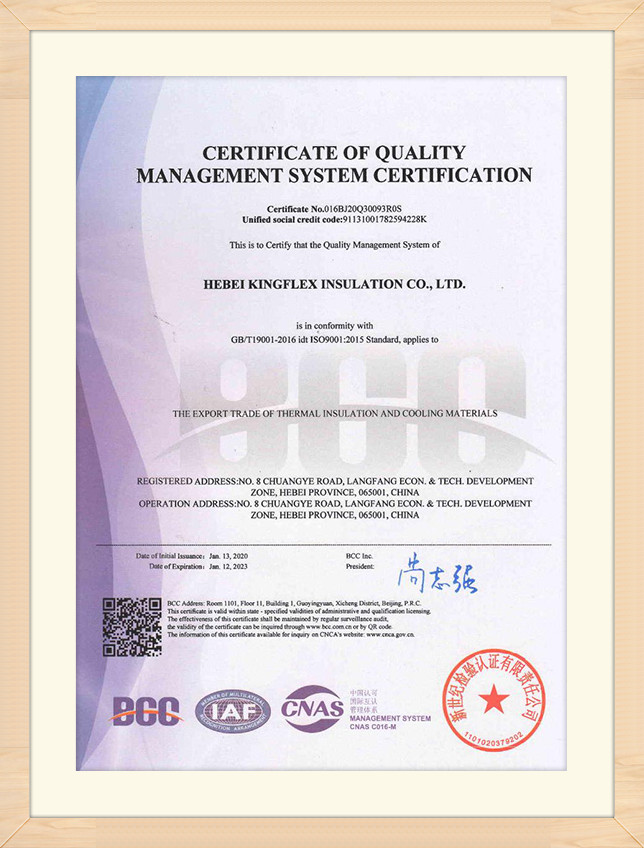
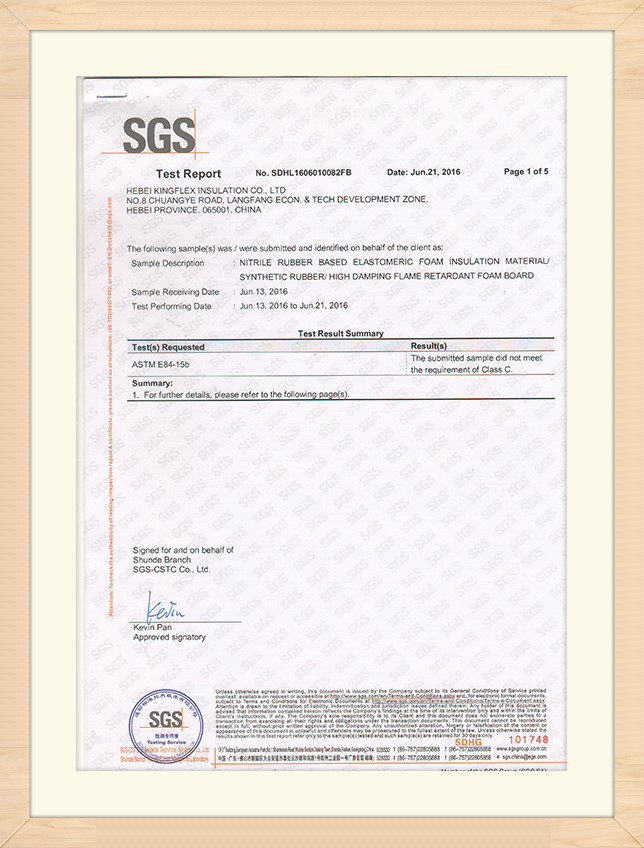
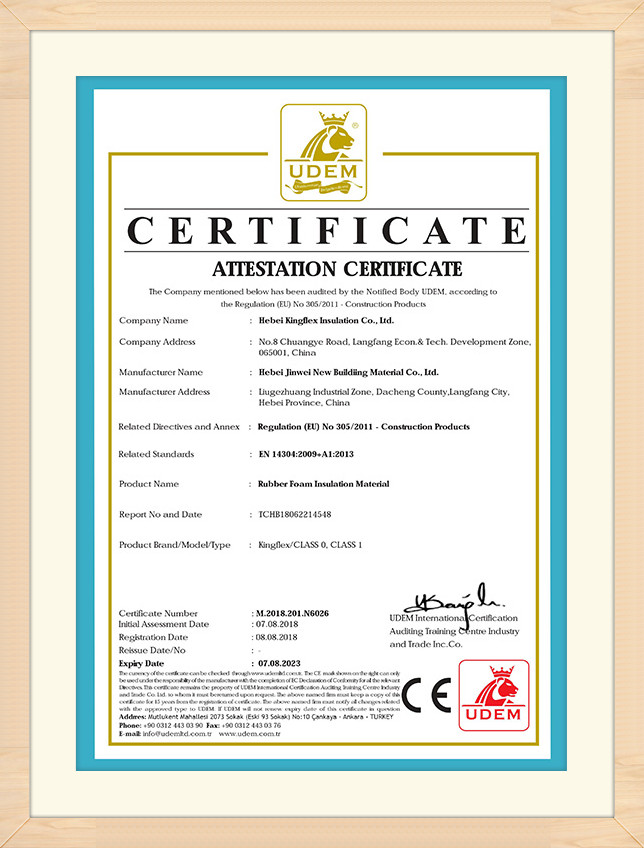
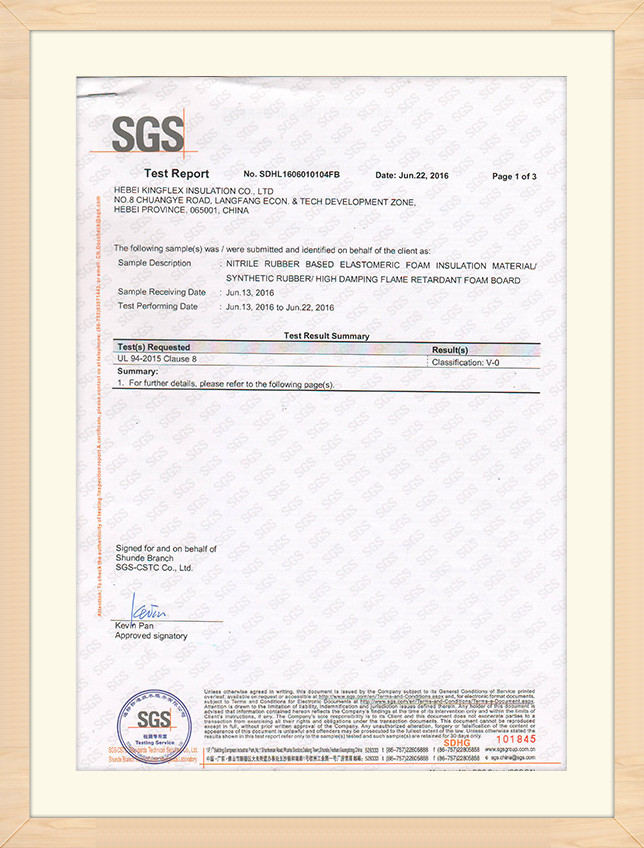
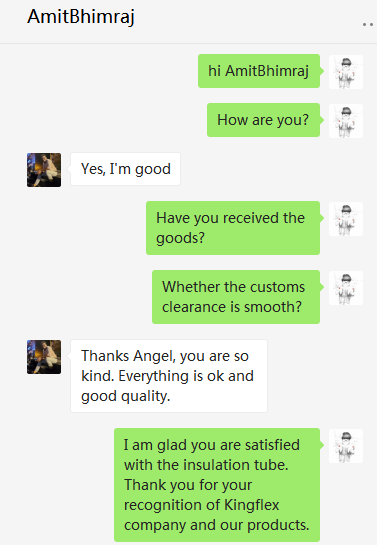
We work closely with global procurement offices, architectural specifiers, and distribution companies, providing transparent product verification and traceabilty.
This direct channel ensures transparent communication from raw-material testing to final container dispatch, helping minimize errors in custom dimensions, certifications, or logistical details.




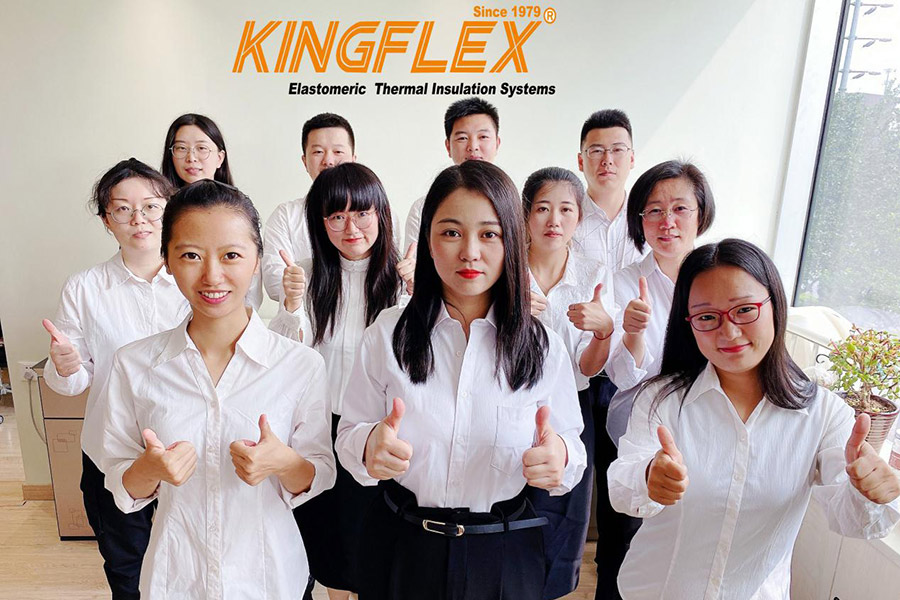

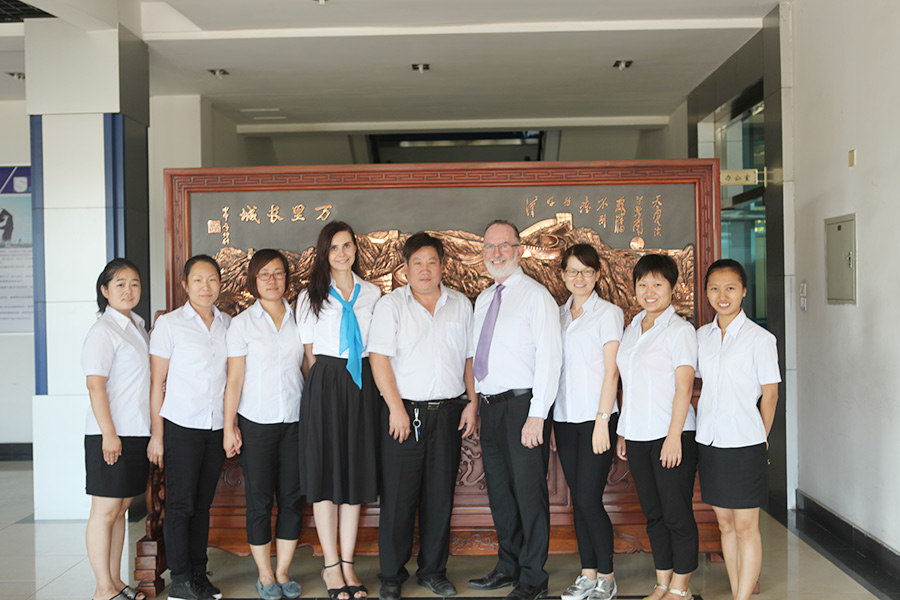
Our Team: At Kingflex, we combine technical R&D and international logistics expertise to deliver reliable industrial services. Our engineering and sales departments coordinate closely to resolve potential code compliance and dimension issues before production starts.
Specific data templates for engineering drawings and project specification sheets.
Composition: Nitrile-butadiene rubber (NBR) and polyvinyl chloride (PVC) formulation.
Material Thickness Options: 6mm, 9mm, 13mm, 15mm, 19mm, 25mm, 32mm, 40mm, 50mm.
Density: 40 to 55 kg/m³.
Thermal Conductivity: ≤ 0.034 W/m·K at 0°C.
Fire Performance: Class 0 (BS 476 Part 6/7), Class V-0 (UL94).
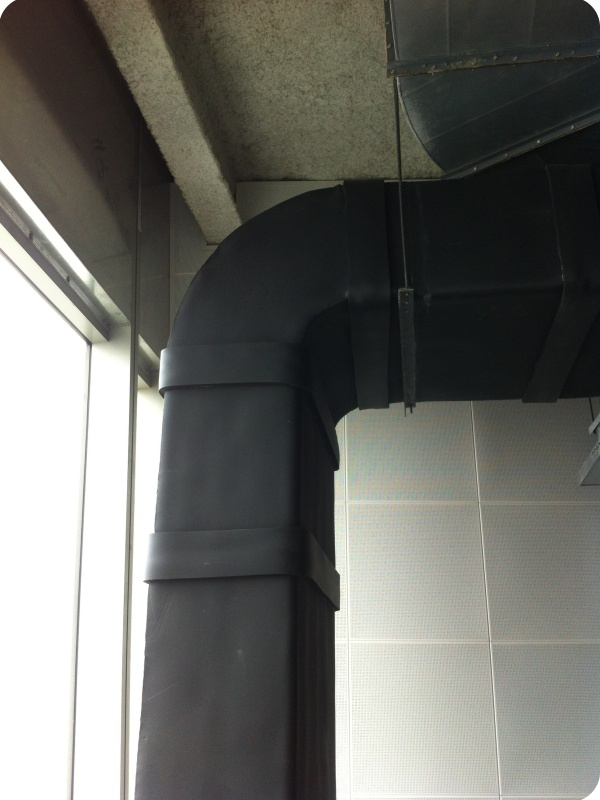
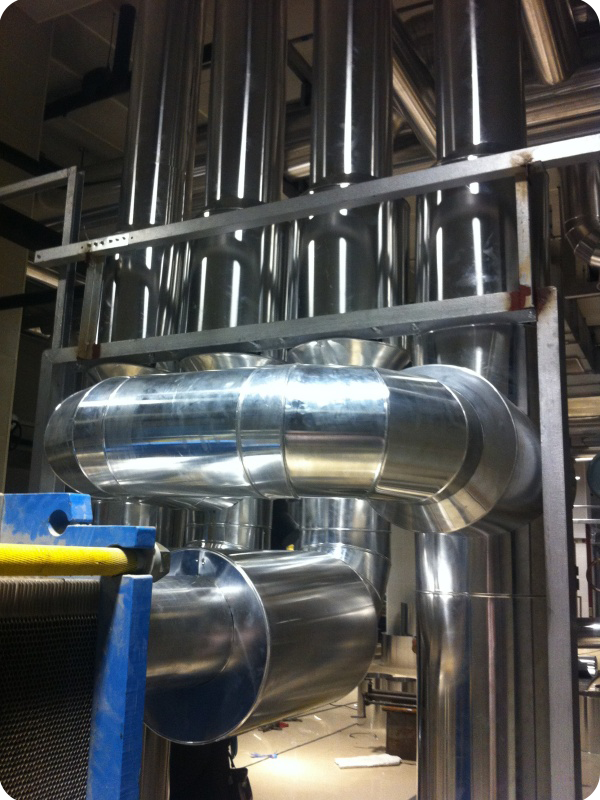
Application: Fasten fit insulation sleeve for piping networks.
Material Thickness Options: 9mm, 13mm, 19mm, 25mm, 32mm, 40mm.
Inner Diameters (ID): Fits copper/steel tubing from 6mm up to 114mm.
Structure: Fully closed cell with integrated self-vapor-seal layer.
Water Vapor Resistance Factor: μ ≥ 10,000.
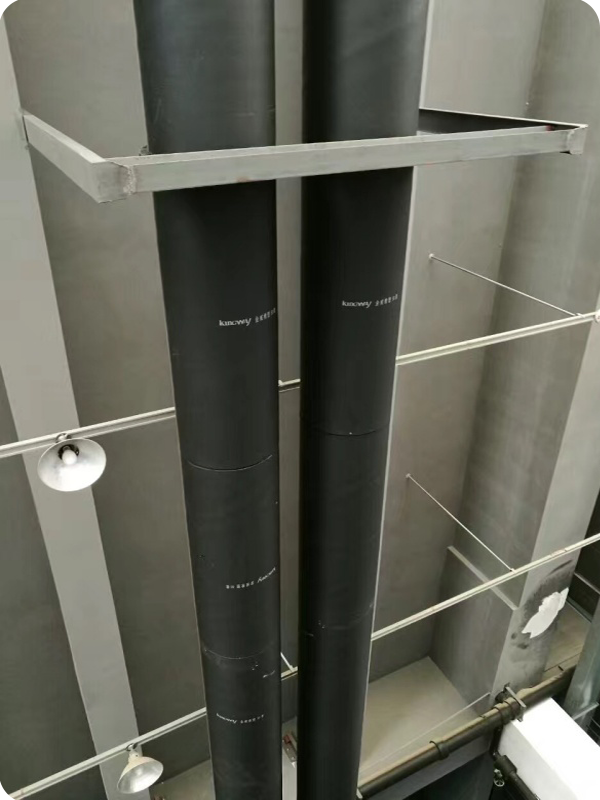
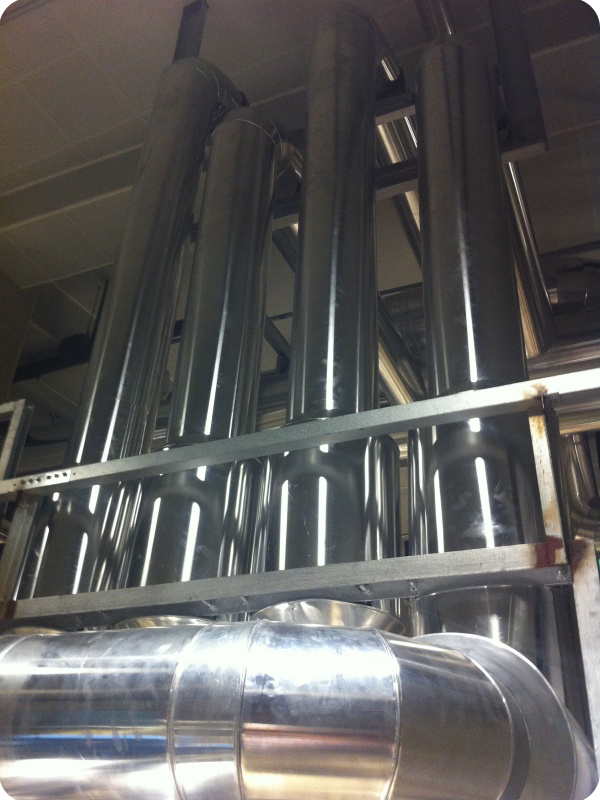
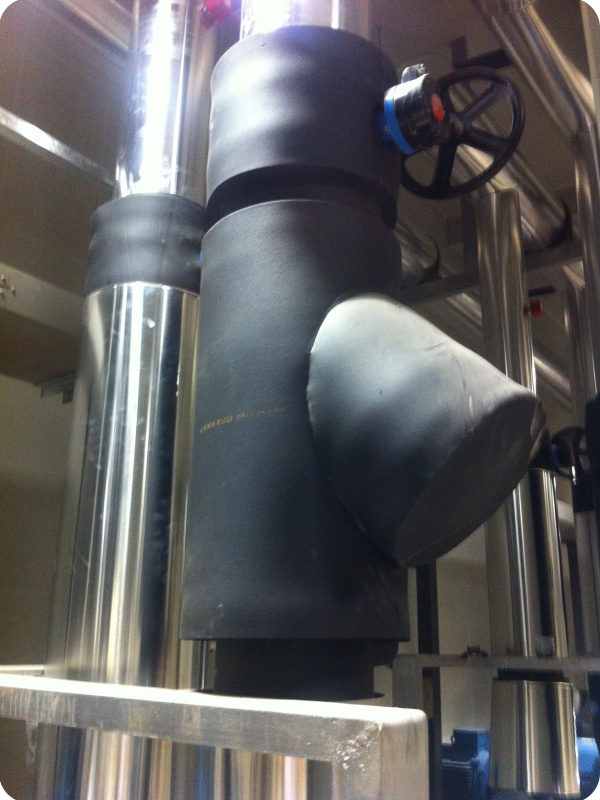
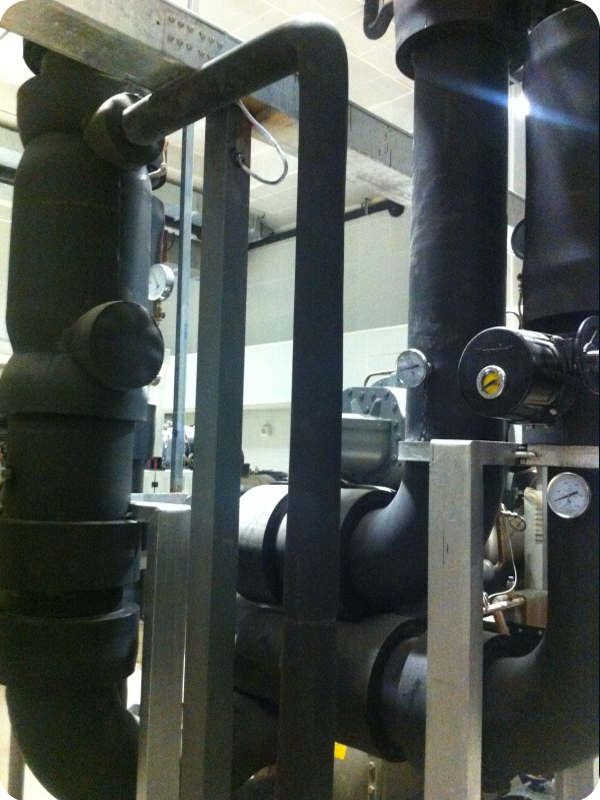
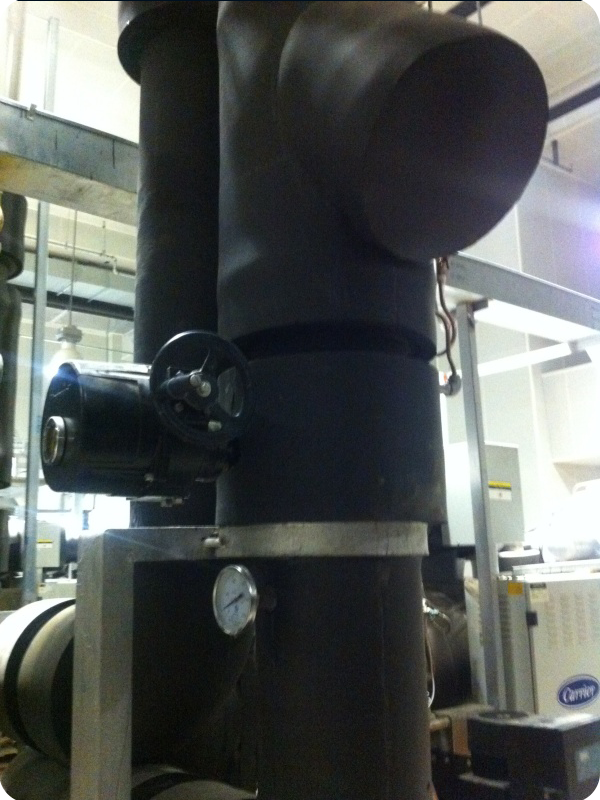
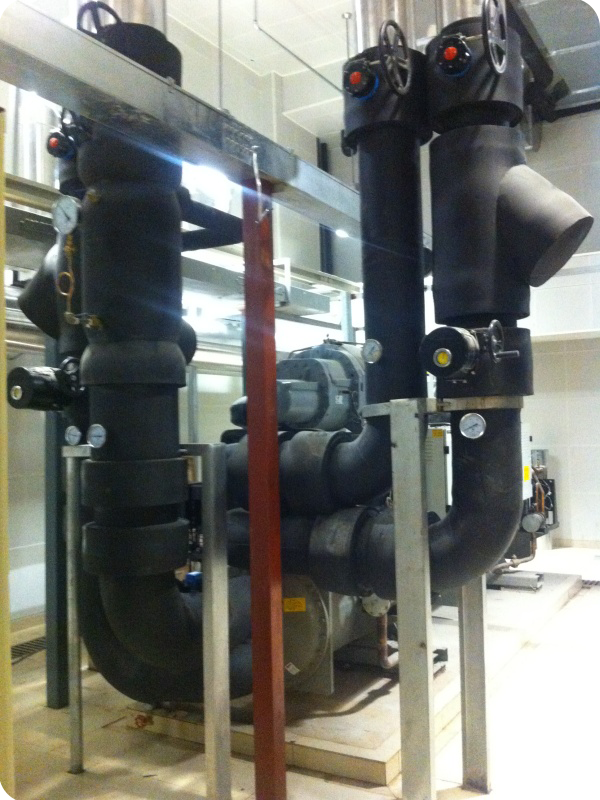
A visual gallery of our manufacturing operations, warehousing facilities, and global project applications.
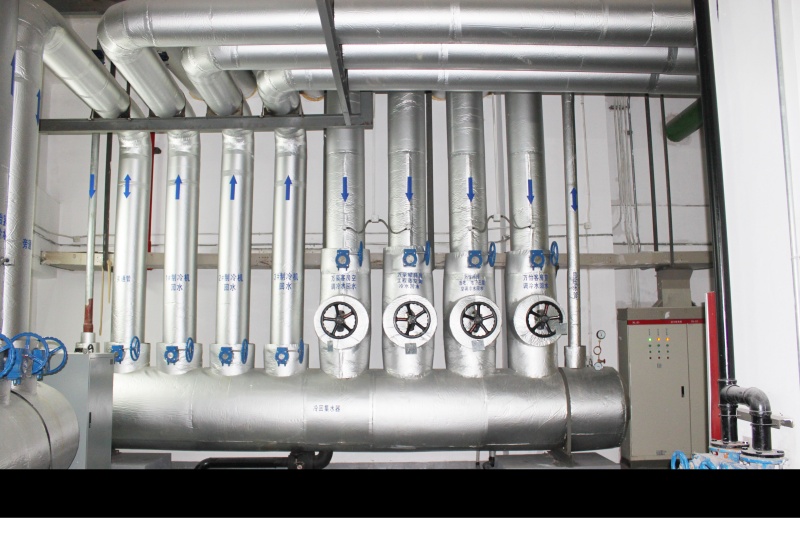
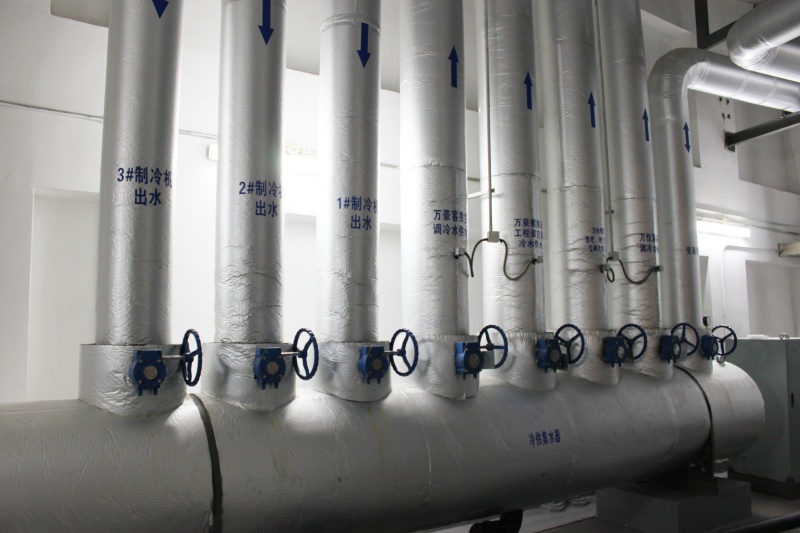

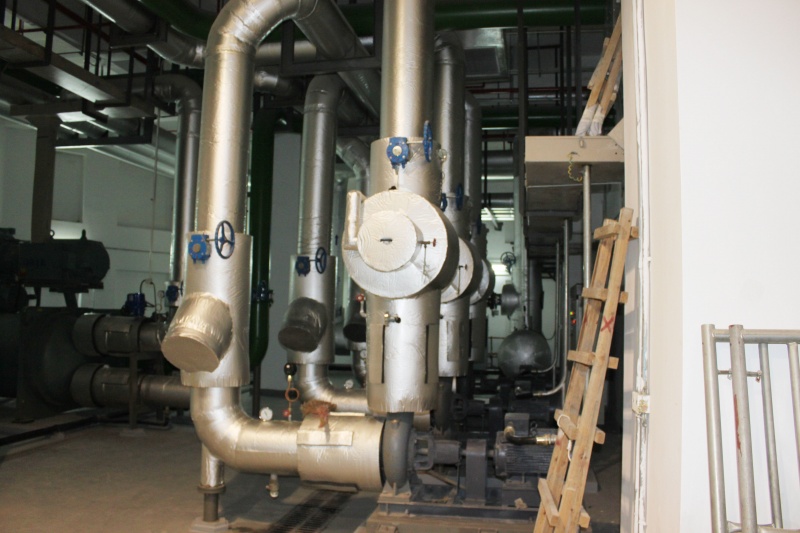
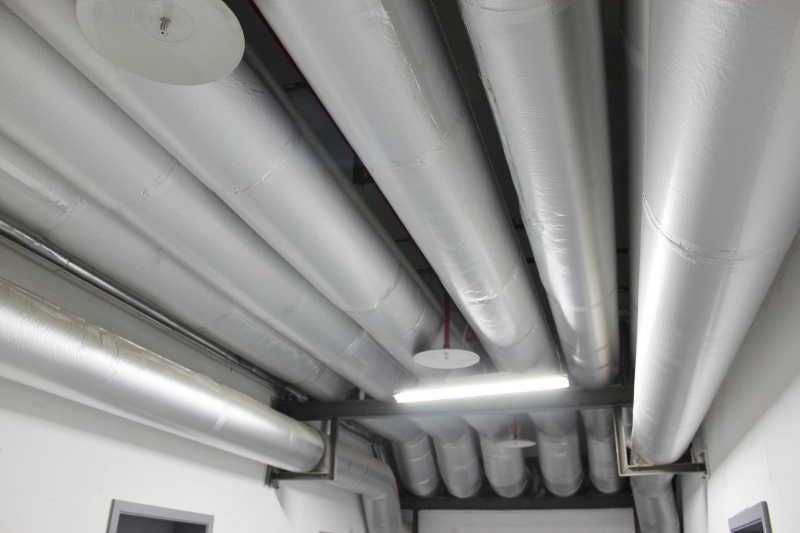
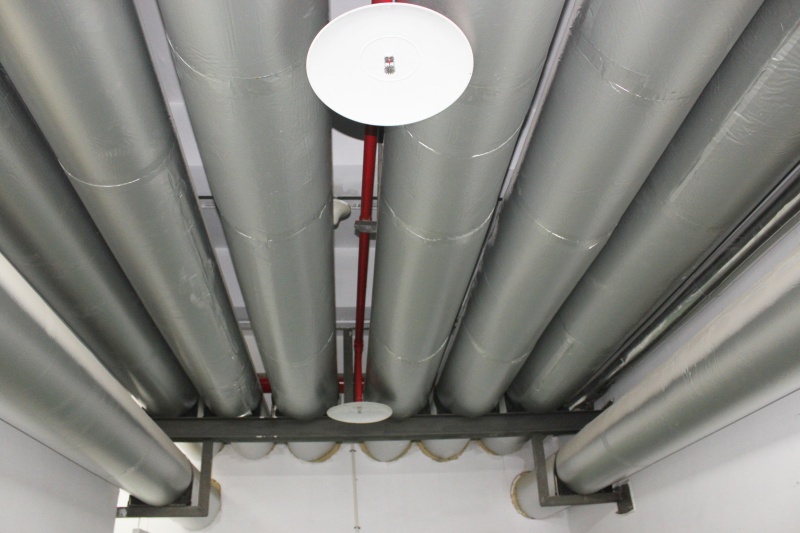
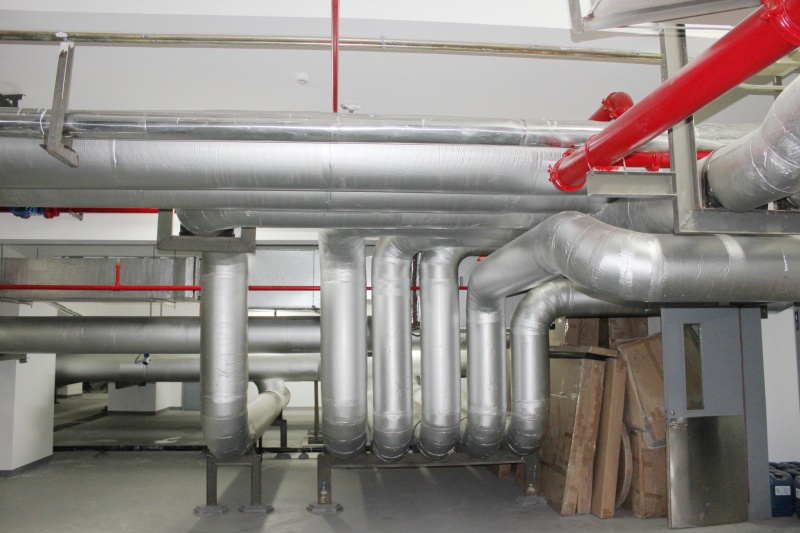
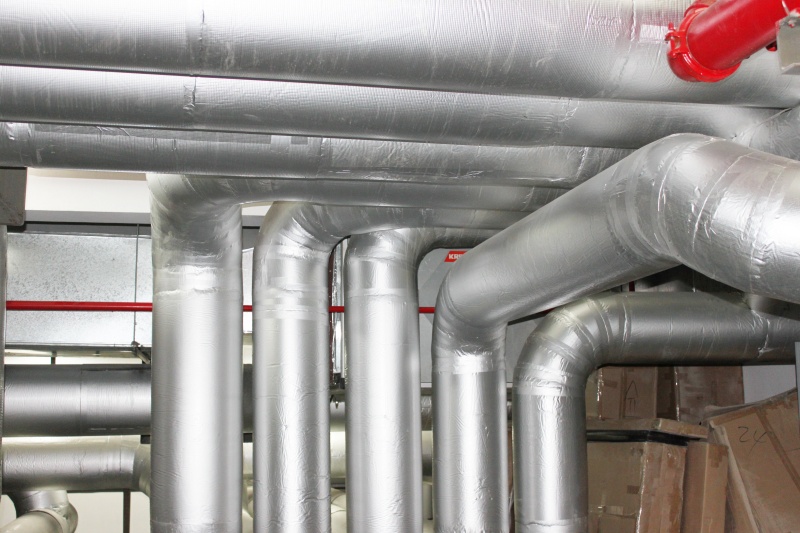
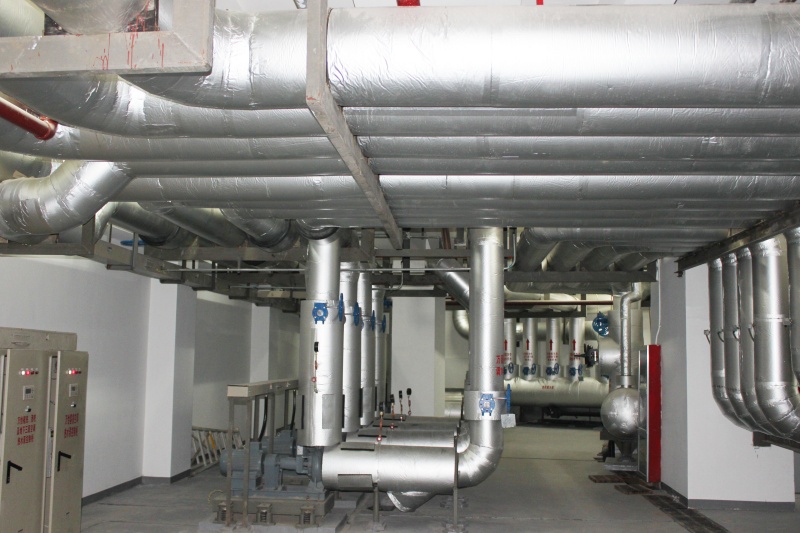
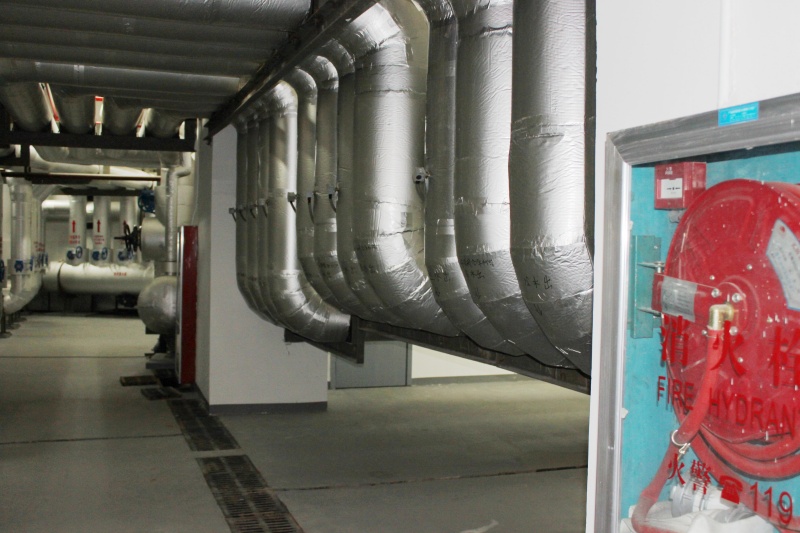
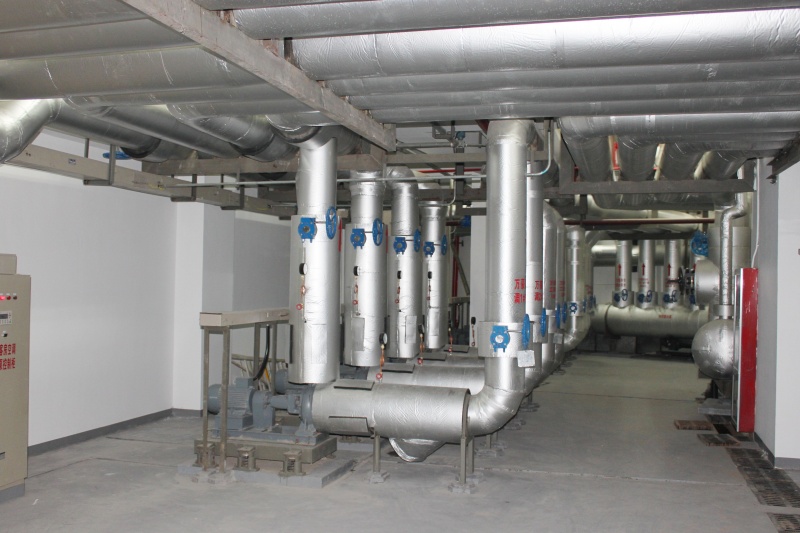
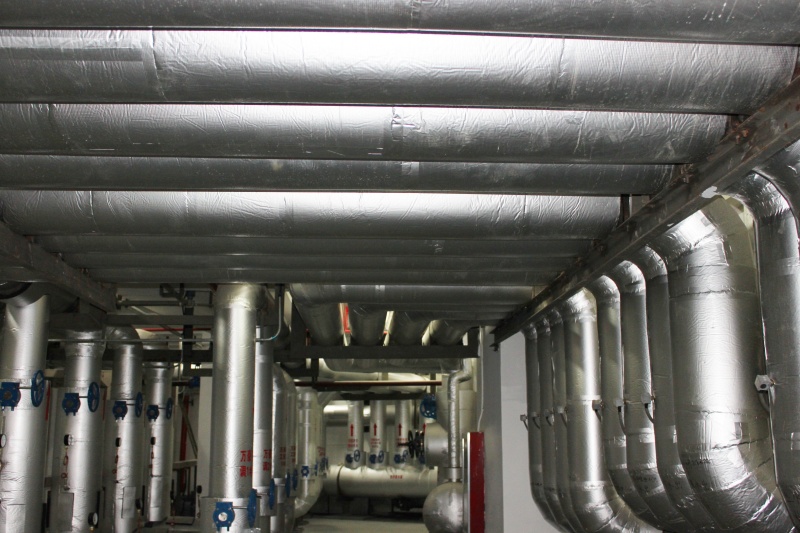
Specific product models, including NBR elastomeric systems and high-temperature mineral wool blankets.
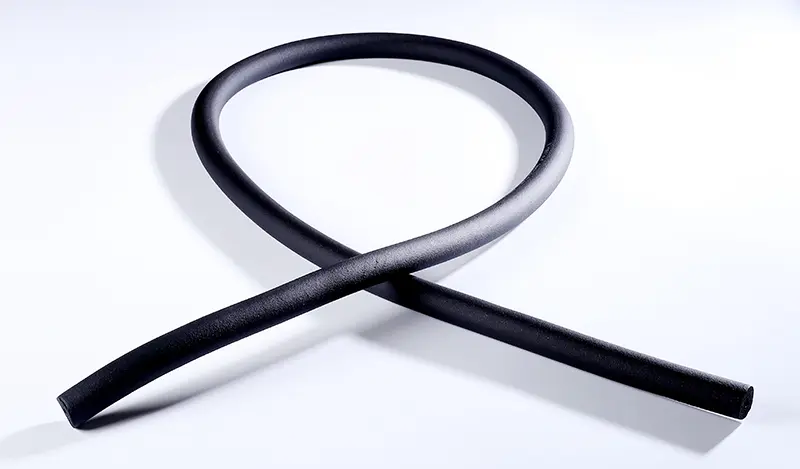
NBR co-polymer matrices designed for copper refrigeration pipelines and water supply lines.
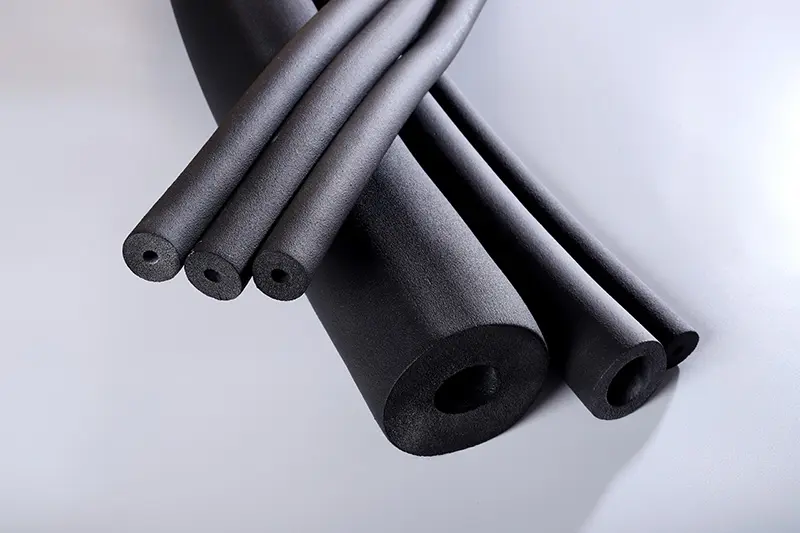
Chemically treated formulations that limit mechanical wear and corrosion under insulation (CUI).

Flexible sleeves designed for quick installation on complex pipeline bends and system layouts.
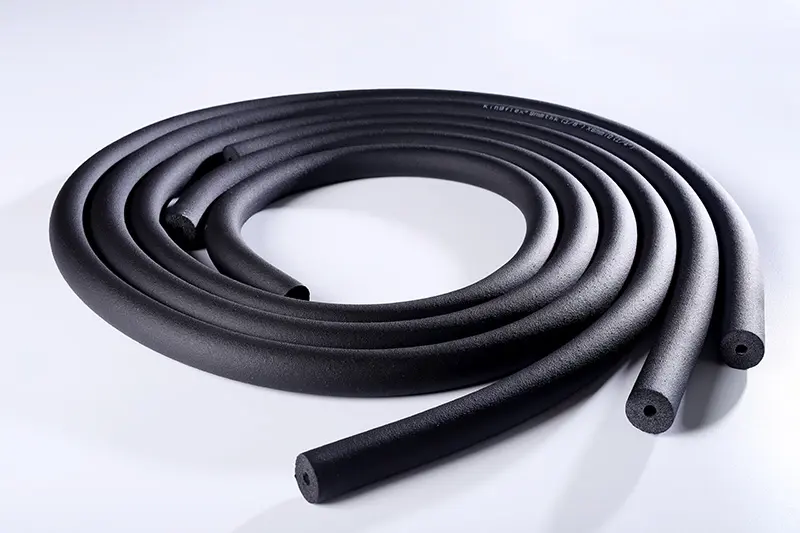
Standard mechanical insulation for high-volume commercial HVAC installations.
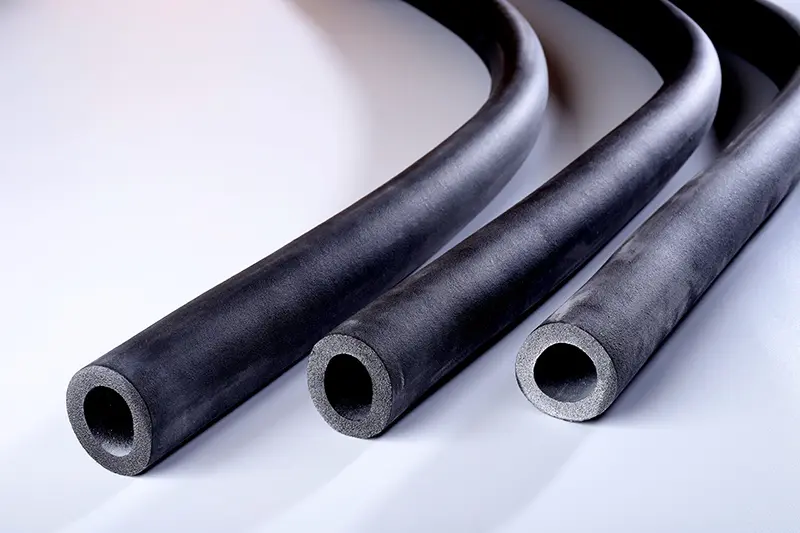
Low-density elastomeric sleeves for general air-conditioning lines.
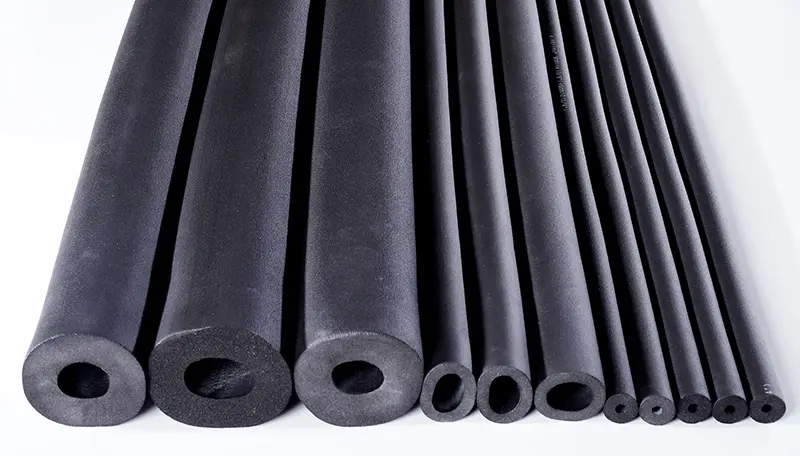
Engineered for condensation control in humid high-rise mechanical rooms.
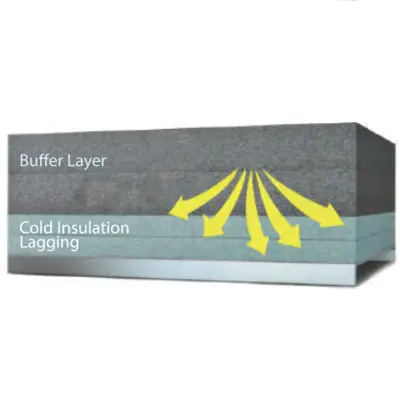
Integrated insulation configurations for complex underground chilled and hot water piping.
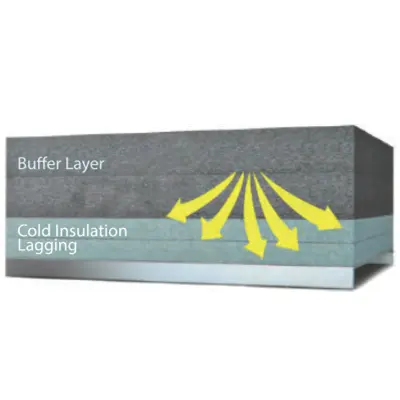
Multi-layered barrier systems designed to prevent cracking in low-temperature cryogenic systems.
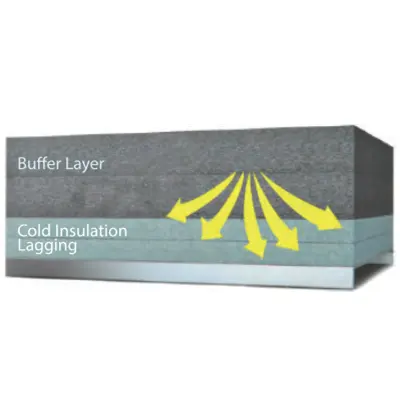
Diolefin formulation designed for LNG storage infrastructure and low-temperature process piping.
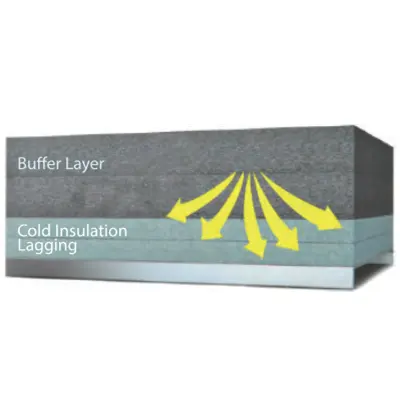
High-density cold barrier sleeves engineered for extreme industrial thermal gradients.
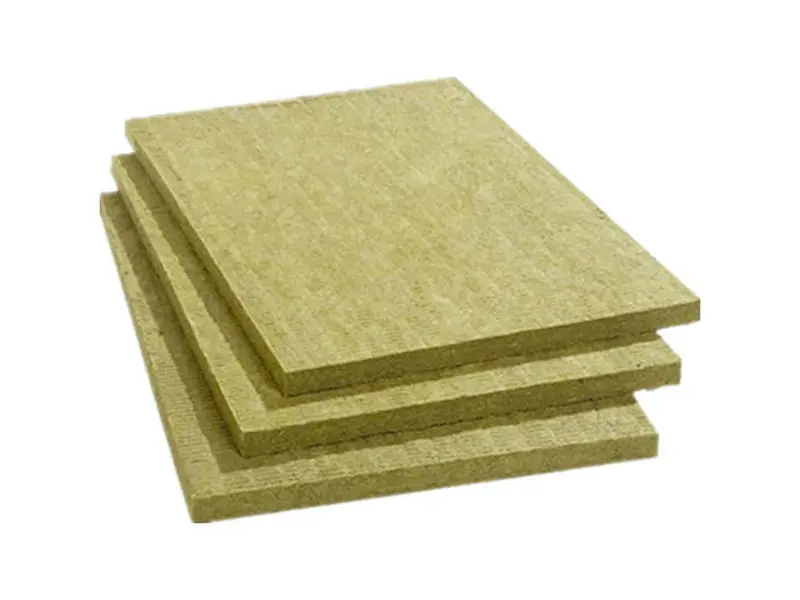
High-density basalt fibers for structural fire rated containment walls.
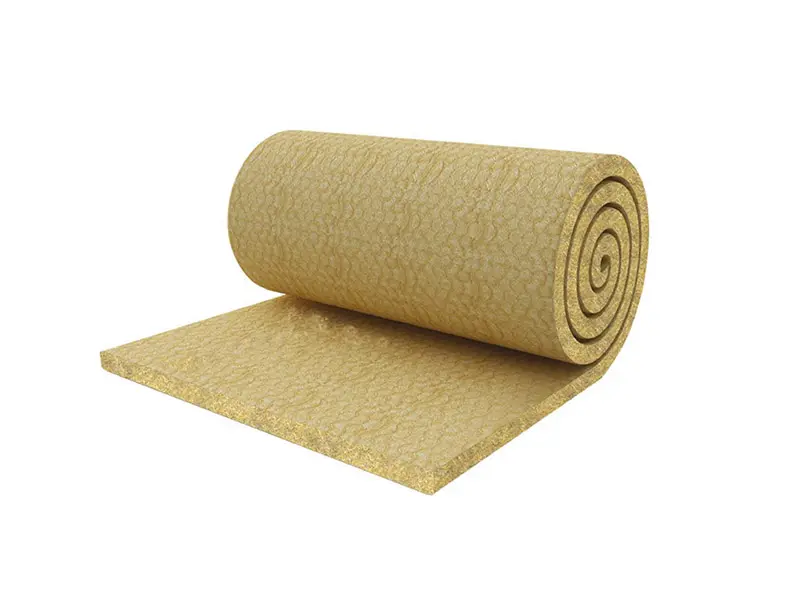
Flexible high-temperature insulation wrap designed for industrial furnaces and boilers.
A reference guide for industrial buyers, EPC contractors, and distribution networks importing high-volume thermal insulation systems.
When purchasing thermal insulation, look beyond the upfront price per cubic meter. Consider performance metrics like the long-term k-value, resistance to moisture ingress (which prevents CUI), and mechanical durability.
Our closed-cell NBR products help limit structural energy loss and reduce pipeline maintenance costs over a 15-year service life.
Thermal insulation has a high volume-to-weight ratio, meaning shipping costs can affect overall margins. To address this, we optimize packing configurations.
Our sheet rolls are compressed and shrink-wrapped using calibrated tensioning equipment, maximizing container load factors without damaging the cell structure or reducing recovery thickness upon unpacking.
We provide full raw material and batch traceability for high-spec commercial and industrial projects.
Every shipment is backed by laboratory certificates showing compliance with BS 476, CE, REACH, ROHS, UL94, and ASTM. This helps verify code compliance during building inspections and safety audits.
Technical guidance and product support for engineering, purchasing, and installation questions.
Elastomeric rubber foam is a closed-cell insulation material used for HVAC ducts, air conditioning lines, general building insulation, and cold insulation on industrial pipelines. Its closed-cell structure prevents moisture condensation on chilled water pipes and helps reduce system energy loss.
Yes. Kingflex rubber foam is formulated with fire-retardant additives, allowing it to meet safety standards like BS 476 Class 0 and UL94 V-0. This makes it suitable for commercial and industrial projects with strict building safety codes.
Rubber foam features a flexible, closed-cell structure that resists moisture, making it suitable for HVAC, refrigeration, and cryogenic applications. Rock wool has an open, fibrous structure with high temperature resistance, making it better suited for high-temperature industrial steam lines and structural fire walls.
Yes. We offer OEM and ODM services, allowing customers to customize wall thicknesses, inner diameters (ID) for specific piping, self-adhesive backings, and exterior protective aluminum foil cladding.
Our products have passed major international testing standards, including BS 476, CE, REACH, ROHS, UL94, and ASTM. This documentation supports global import clearance and compliance with building codes.
Yes. We trace all production runs back to the raw material batch and processing parameters, ensuring consistent quality and performance for large-scale construction projects.
We produce insulation sheets in thicknesses ranging from 6mm up to 50mm, allowing engineers to specify the exact thickness needed to meet thermal requirements and prevent condensation.
Under normal operating conditions and with proper installation, Kingflex products have a service life of 10 to 15 years, during which they maintain stable thermal conductivity and structure.





Select from our core product lines below to request pricing, specification sheets, or bulk freight quotes.