 Kingflex
Kingflex
Kingflex
Engineered high-density elastomeric and composite thermal barrier systems optimized for HVAC, cryogenic, and building infrastructure systems.
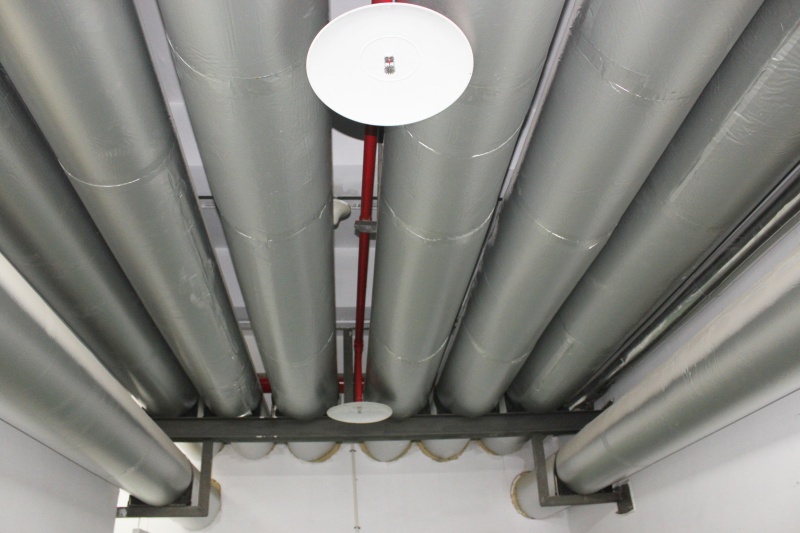
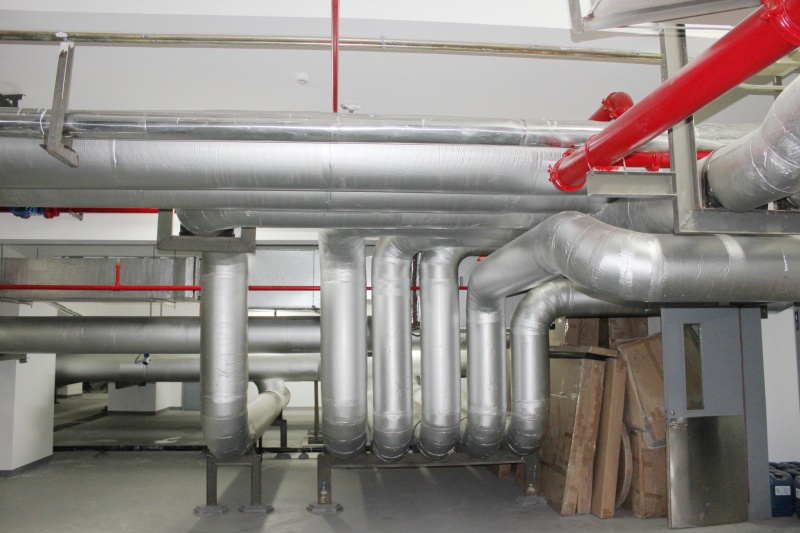
The global industrial and commercial construction sectors are facing unprecedented regulatory pressure to improve thermal efficiency while simultaneously lowering carbon emissions. Within this landscape, Glass Wool Insulation Blanket with FSK (Foil-Scrim-Kraft) facing has emerged as an industry-standard baseline for ductwork, mechanical systems, and large-scale industrial envelopes.
FSK facing serves a dual role: it provides a robust, flame-resistant vapor barrier while offering structural reinforcement to the underlying fiber glass wool substrate. In global markets, especially in regions with high humidity such as Southeast Asia, the Middle East, and coastal North America, preventing vapor transmission into thermal insulation is paramount. Undetected condensation within insulation fibers degrades thermal performance exponentially and leads to corrosion under insulation (CUI) in structural piping systems.
Delivering advanced thermal protection systems across building envelopes and extreme temperature applications globally.
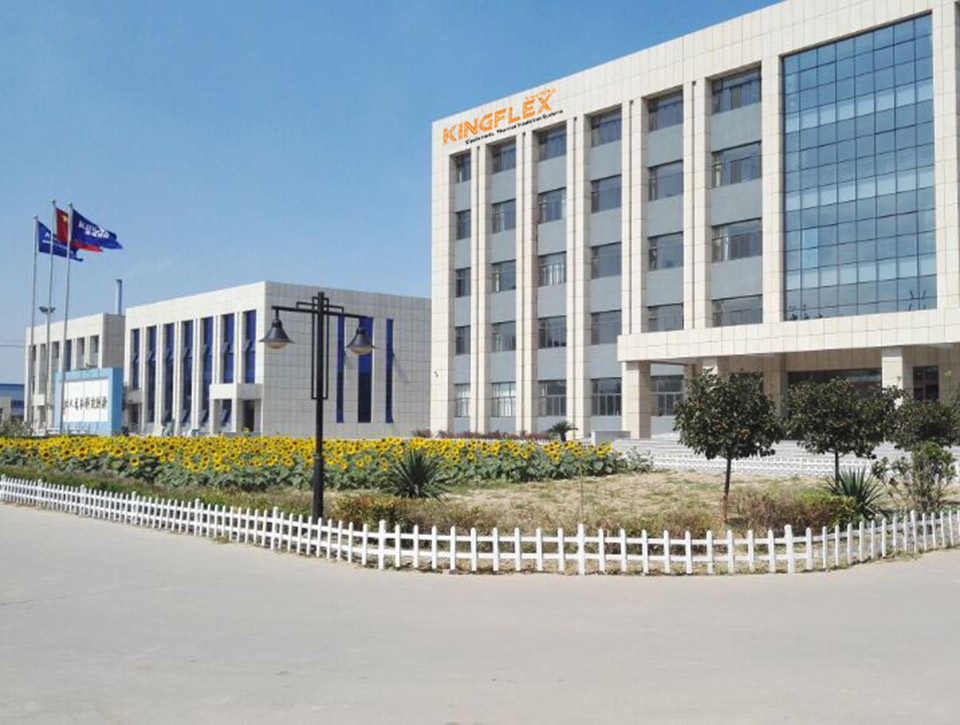
Our centralized manufacturing and R&D facility in Dacheng, China—historically recognized as the capital of green building materials—places us at the center of the world's most advanced supply chain ecosystem for insulation raw materials.
By integrating mineral smelting, high-speed fiber draw, automated in-line FSK lamination, and compression packing systems, our factory significantly minimizes material handling overhead. Our 5 automated lines allow continuous, multi-density runs of glass wool rolls and elastomeric materials with tight tolerance control. This technological integration enables Kingflex to deliver highly customized OEM density profiles and customized lengths at a lower cost base than decentralized regional operations.
From historical roots to leading-edge modern production capabilities.
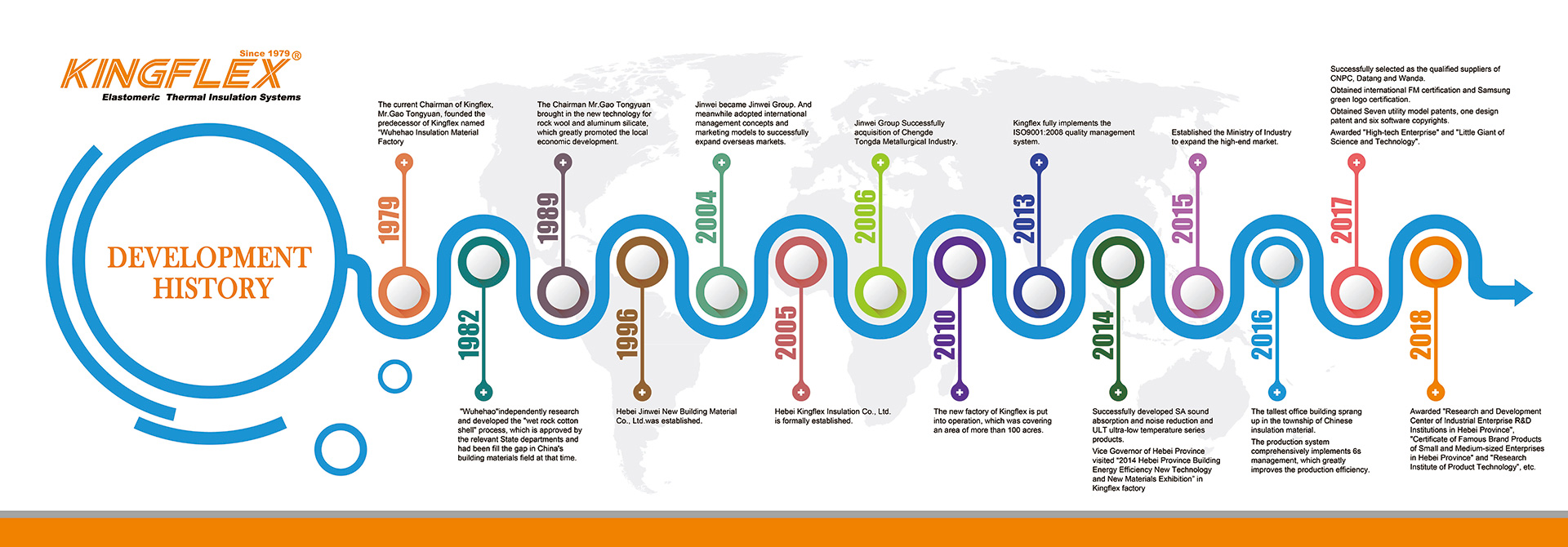
Kingflex was established by the Jinwei Group, which holds more than 40 years of industrial history. Founded in 1979, the group was the pioneer manufacturer of thermal insulation materials north of the Yangtze River, laying the foundation for modern regional standards.
Our workforce relies on strategic collaboration. Our specialized technical team consists of 8 senior R&D engineers, 6 international customer support representatives, and over 230 technicians in production departments executing rigorous quality controls.
We provide international engineering firms and developers with integrated thermal, acoustic, and cold insulation systems designed to minimize systemic operational energy consumption and environmental footprint.
Engineers must match the physical properties of insulation with specific system parameters to ensure long-term thermal efficiency. Below is an engineering overview of our product systems:
| Insulation System Type | Primary Material Basis | Density Range | Effective Temperature Range | Primary Application Fields |
|---|---|---|---|---|
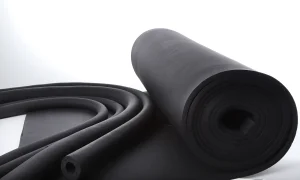
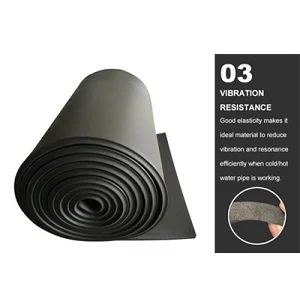
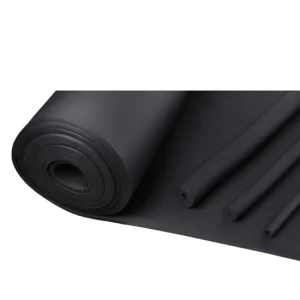
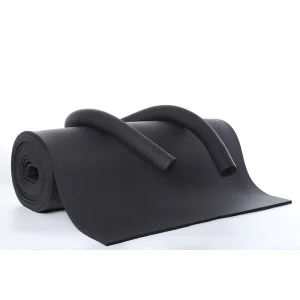
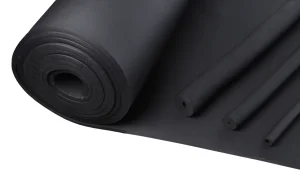
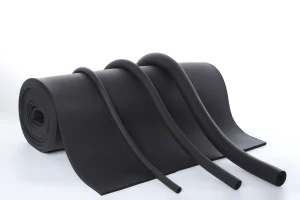
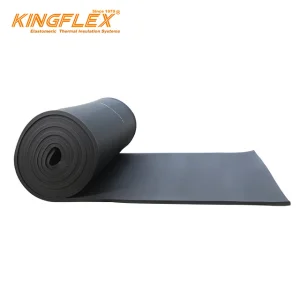
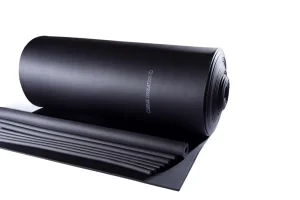
| Black Rubber Foam Sheet Roll | NBR/PVC Elastomeric Foam | 40 - 55 kg/m³ | -40℃ to 105℃ | Central HVAC systems, cleanroom ducting, and anti-condensation lines. |
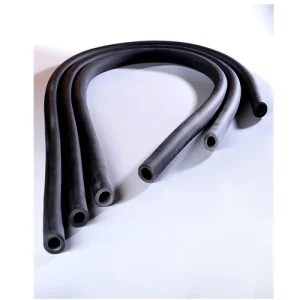
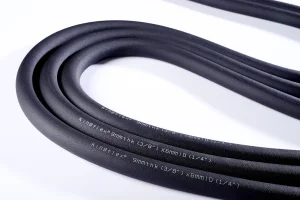
| Black Rubber Foam Pipe | Closed-Cell NBR/PVC | 40 - 55 kg/m³ | -40℃ to 105℃ | Chilled/hot water pipe systems and condensate lines. |
| Cryogenic Rubber Foam | Modified Elastomeric Polymer | 50 - 65 kg/m³ | Down to -200℃ | LNG pipelines, low-temperature petrochemical processing systems. |
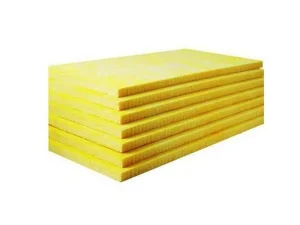
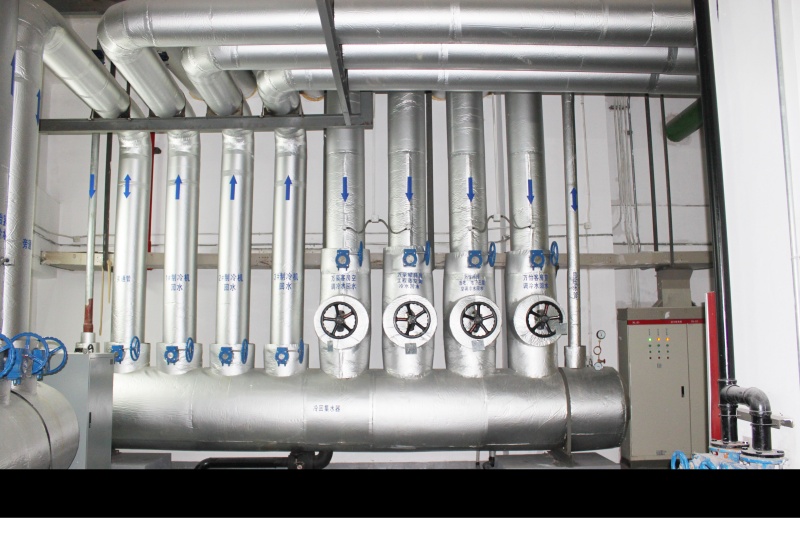
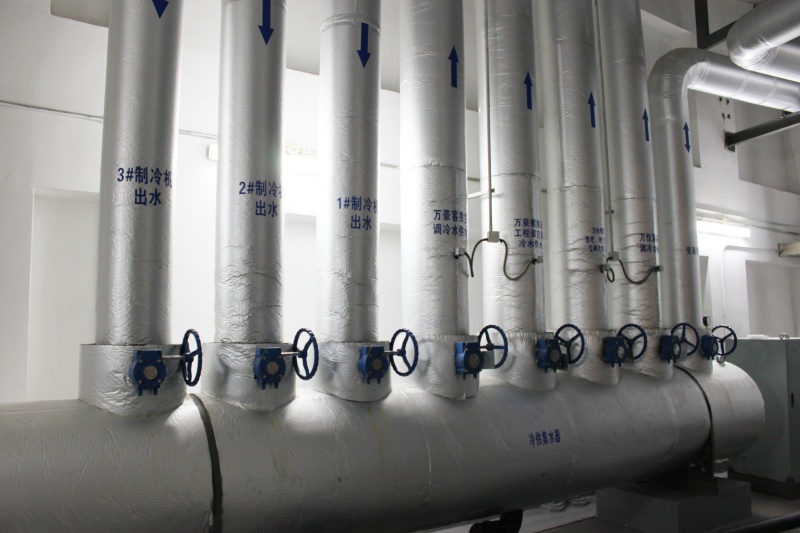
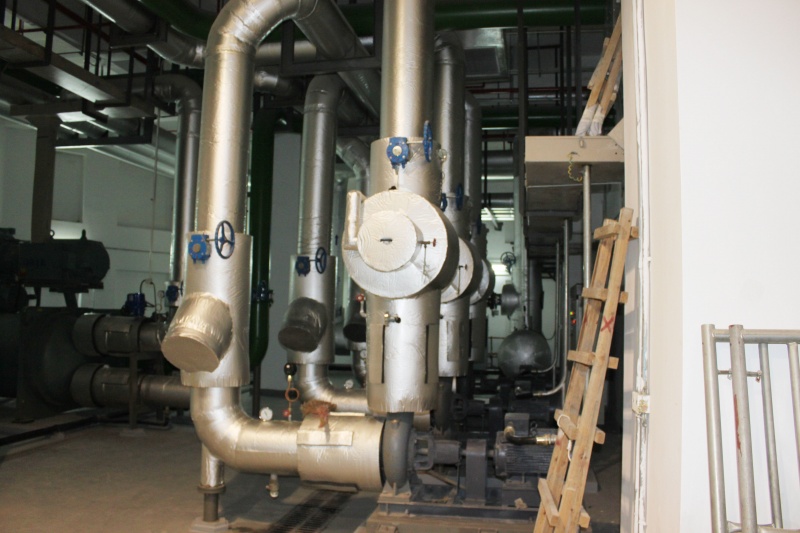
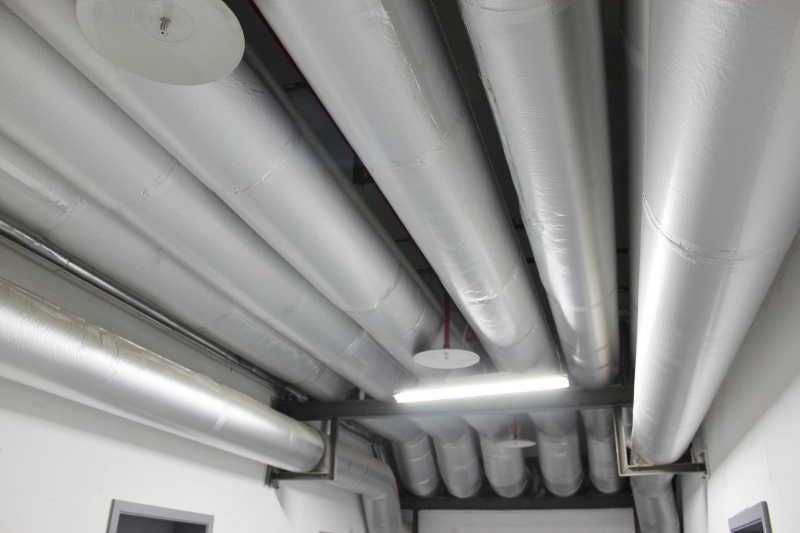
| Glass Wool Blanket with FSK | Centrifugal Fiber Glass | 16 - 48 kg/m³ | Up to 350℃ (substrate) | Commercial HVAC duct wraps, structural metal buildings, and acoustic walls. |
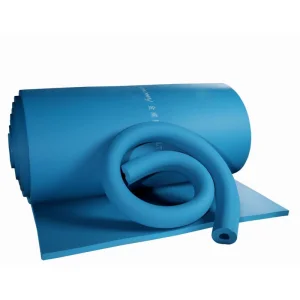
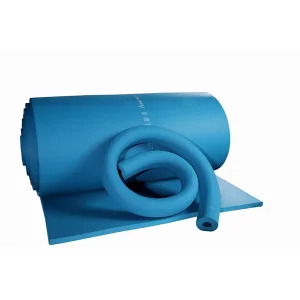
Standard Dimension Profiles: Thicknesses range from 6mm to 50mm, featuring a closed-cell rate exceeding 98%. This high density provides a stable barrier against water vapor transmission, rendering it ideal for anti-condensation protection on cooling lines.
Pre-formed Pipeline Sleeving: Inner Diameters (ID) range from 6mm up to 114mm, with wall thicknesses from 9mm to 40mm. Our automated extrusion process yields uniform cell configurations for consistent thermal distribution along pipeline systems.
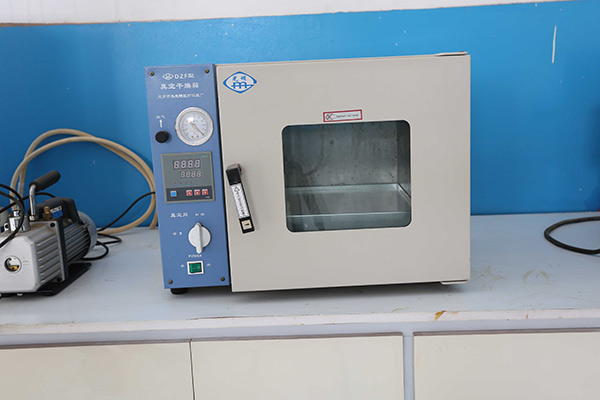
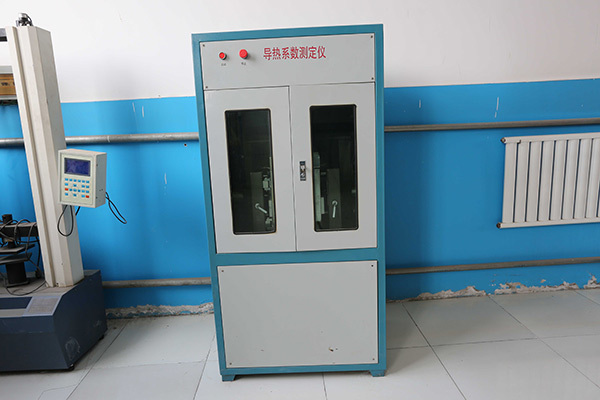
Continuous thermal efficiency is verified in our onsite laboratories. Every production run of glass wool with FSK and closed-cell elastomeric foam undergoes rigorous testing before shipment. We monitor fiber diameters, shot content, and facing bond strength to prevent delamination under thermal cycling.
Our commitment to quality is backed by recognized testing certifications, confirming that our materials comply with global thermal barrier standards, including BS 476, CE, REACH, RoHS, UL94, and ASTM. This compliance ensures project acceptance by mechanical inspectors worldwide.

We maintain comprehensive documentation for our export lines, enabling traceability from raw chemical input to shipped finished goods. This is crucial for large infrastructure projects requiring full system compliance documentation.
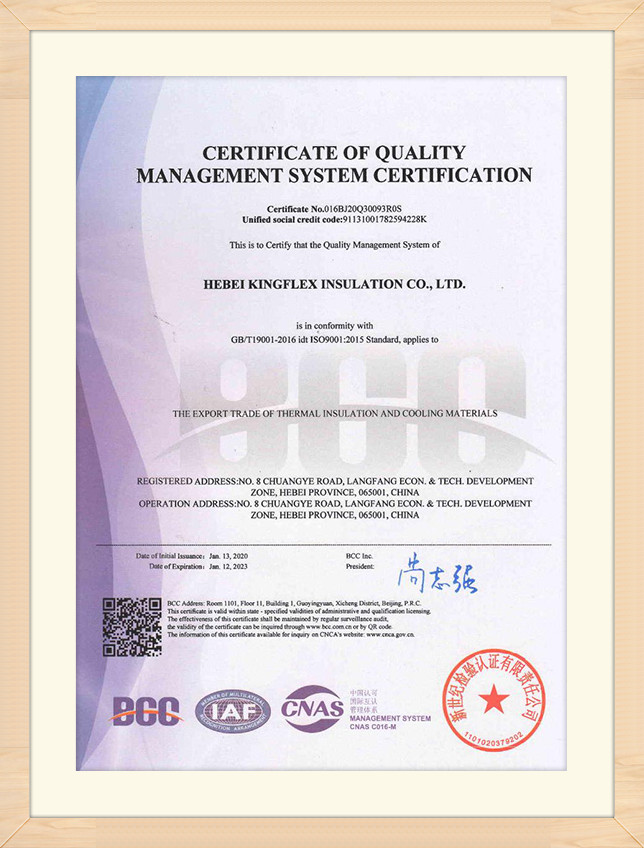
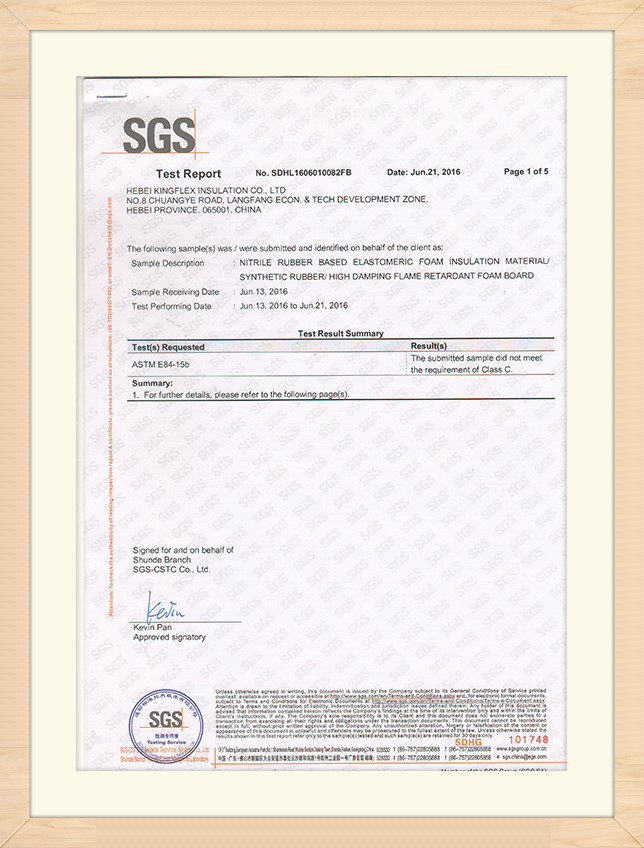
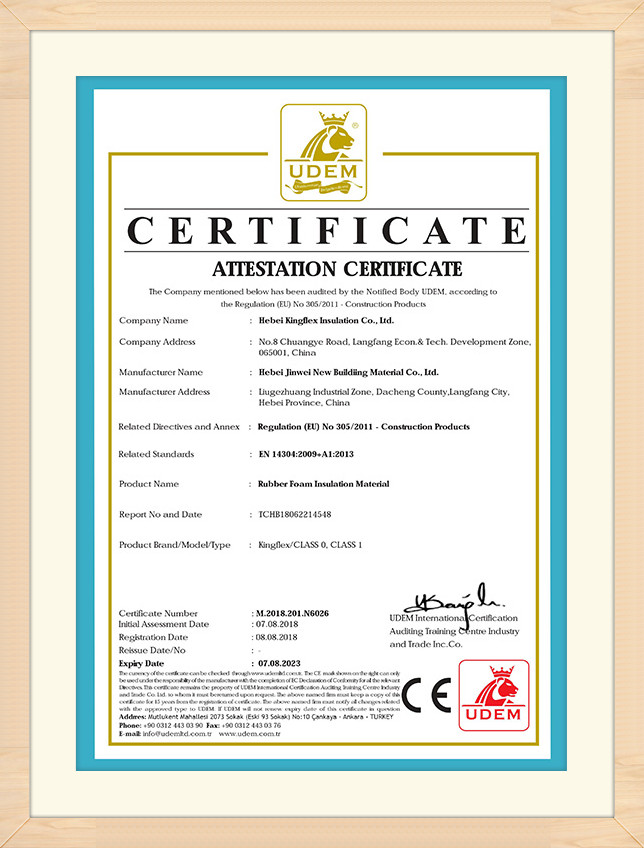
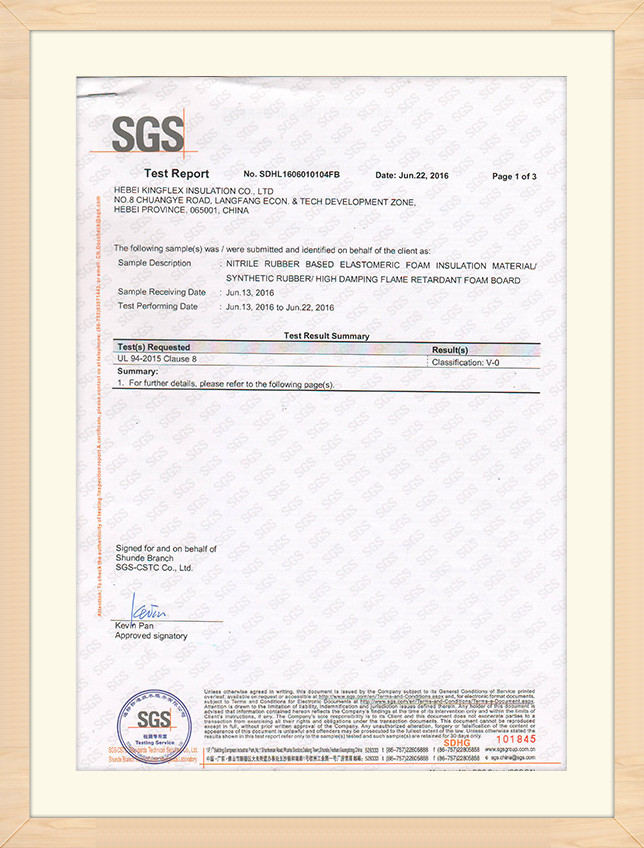
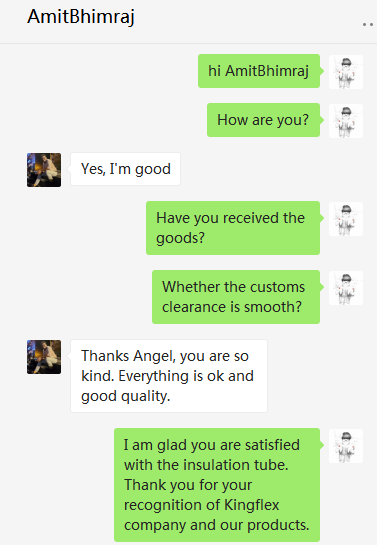
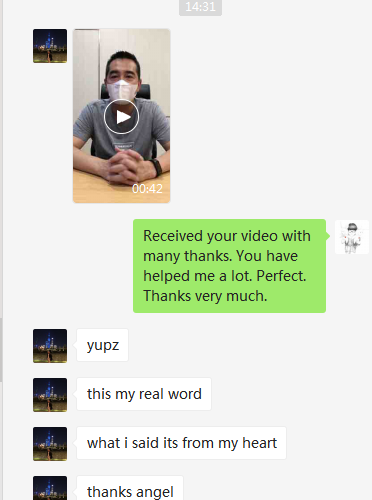
Transparent production records, customer transaction screenshots, and logistics updates confirming global supply chain reliability.




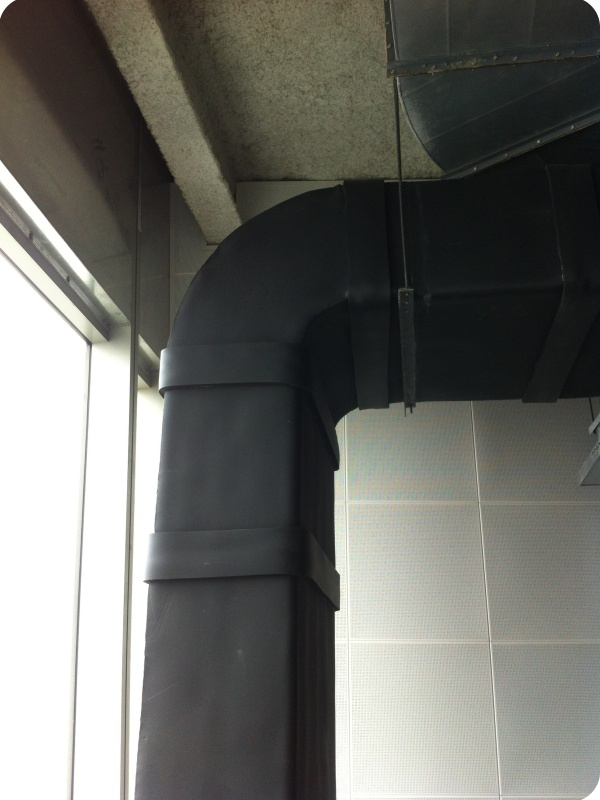
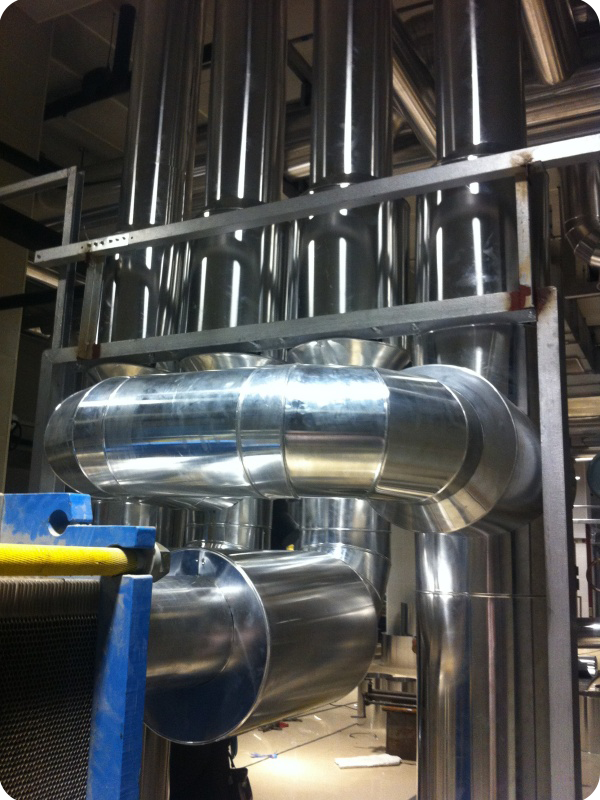
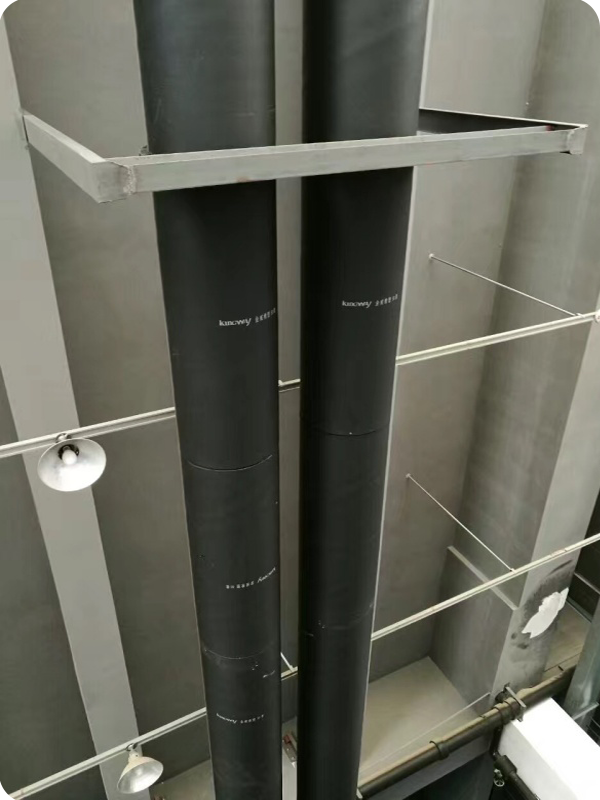
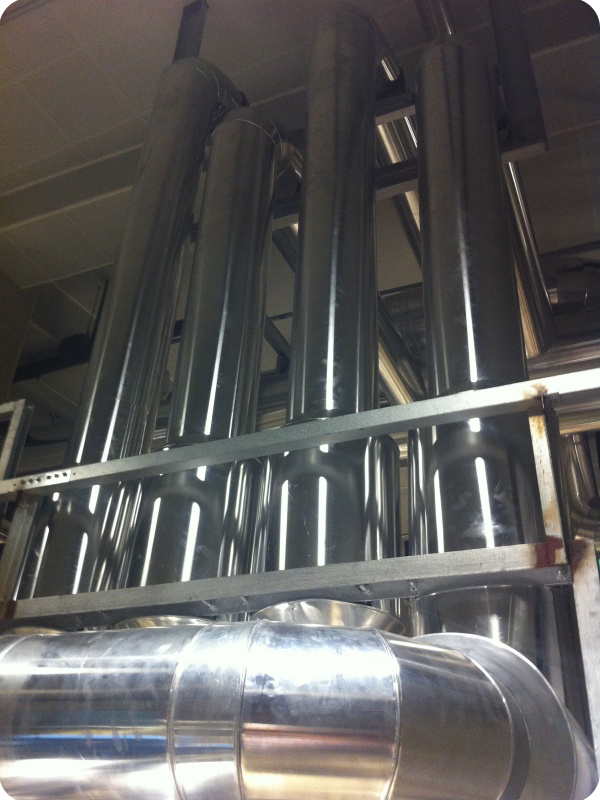
As green building rating tools such as LEED and BREEAM gain traction worldwide, procurement managers must evaluate more than just the initial cost per square meter of insulation. Today's procurement decisions are guided by three major trends:
Traditional formaldehyde-based binders are being phased out. Modern glass wool production utilizes bio-based binders that reduce off-gassing, ensuring indoor air quality in schools, hospitals, and residential spaces.
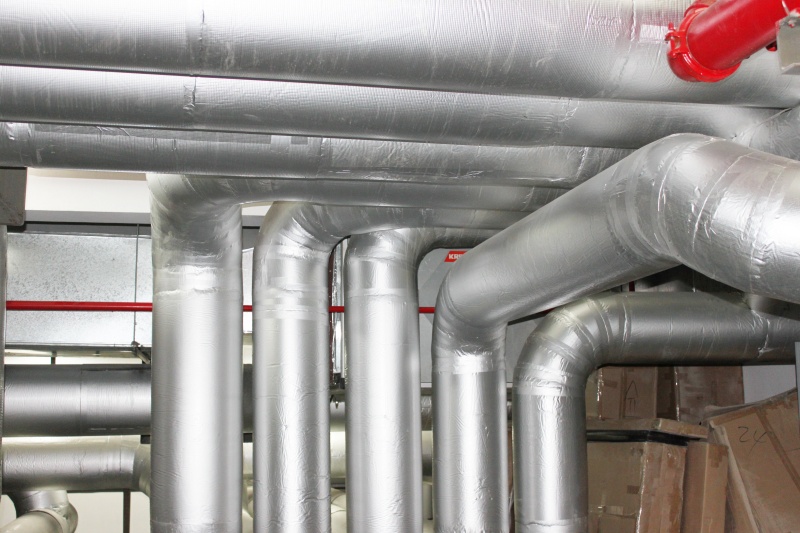
To speed up onsite installation and reduce waste, mechanical contractors demand multi-layer FSK facings that resist tearing during stretching and stapling, even when working around complex duct fittings.
Due to denser urban footprints, modern building codes require integrated acoustic performance. FSK Glass Wool blankets provide effective sound absorption alongside thermal insulation, dampening air-handler fan noise across HVAC installations.

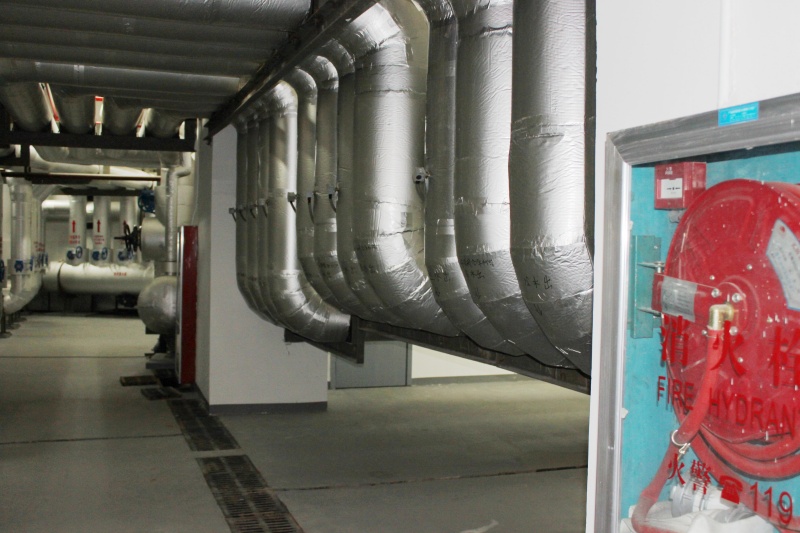
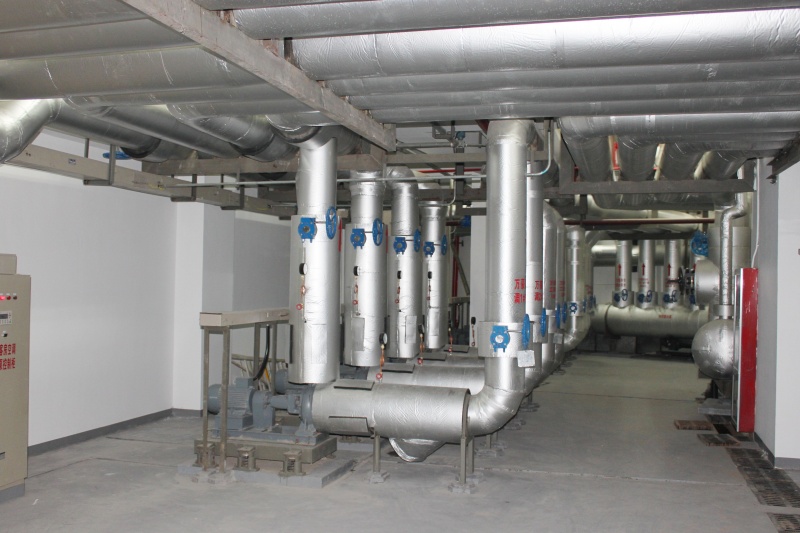
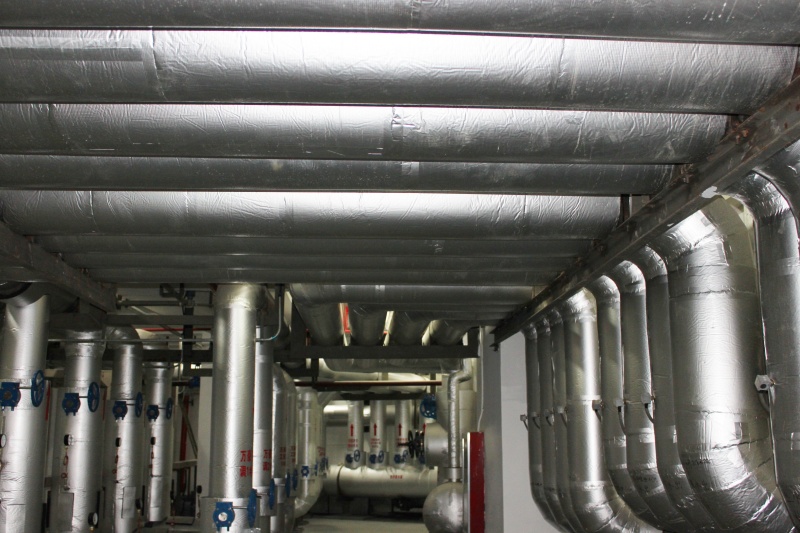
Providing direct, verifiable engineering answers regarding product selection, performance limits, and certifications.
A1: It is primarily used for HVAC ducts, air conditioning piping networks, building thermal barriers, and cryogenic cold-preservation. Its high resistance to moisture vapor makes it suitable for prevention of condensation on cold water piping lines.
A2: Yes, our rubber foam systems are formulated with active fire-retardants that meet global flame spread and smoke development safety parameters (including BS 476 Part 7 and UL94 standards) for commercial occupancy approvals.
A3: Rubber foam is a flexible, closed-cell insulation designed to prevent moisture ingress, making it ideal for HVAC cooling systems. Glass wool is a high-temperature resistant, fibrous material that provides thermal and acoustic insulation for hot ducts and structural walls.
A4: Yes, we provide full OEM service, adapting density, thickness, facing materials (such as reinforced FSK or specialized alu-foils), and dimensions to match specific project plans.
A5: Our products are certified under BS 476, CE, REACH, RoHS, UL94, and ASTM. This guarantees compliance with quality and fire safety guidelines globally.
A6: Yes, our QA/QC protocols require raw material and batch coding on finished roll labels, ensuring complete traceability back to the production run parameters.
A7: We run standard line settings producing thicknesses from 6mm up to 50mm to fit standard mechanical spaces.
A8: In standard indoor climates with correct installation, the expected service life ranges between 10 and 15 years, depending on environmental conditions.
Select from our certified thermal and cold-preservation materials optimized for global distribution.
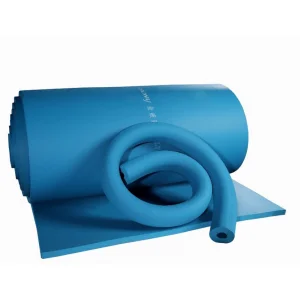
Proper installation is critical to the performance of Glass Wool blankets faced with FSK. Joints and seams must be sealed with matching FSK adhesive tape to maintain the vapor barrier's integrity. Any unsealed penetration allows warm, humid ambient air to reach the colder surface beneath, leading to condensation, thermal bridging, and potential moisture issues.
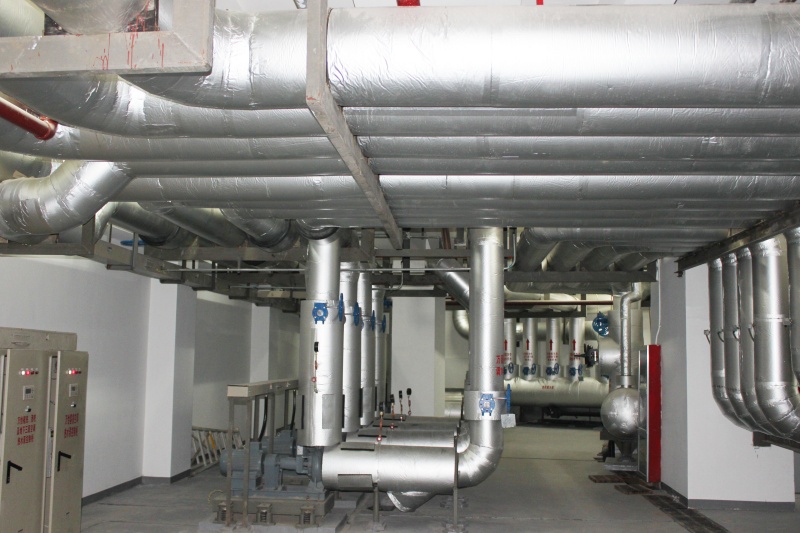
For high-traffic industrial areas, we recommend using higher-density glass wool blankets (e.g., 48 kg/m³) to maintain thermal thickness under mechanical stress. When combined with our closed-cell elastomeric foam tubes for direct pipe insulation, this creates a comprehensive thermal management system suitable for commercial buildings and industrial plants.
For targeted industrial designs, review the specific product categories produced in our Dacheng facility: