 Kingflex
Kingflex
Kingflex
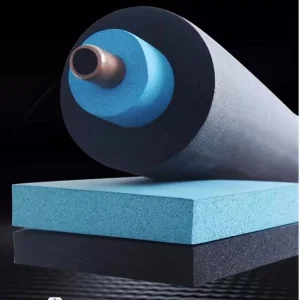
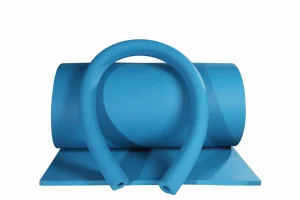
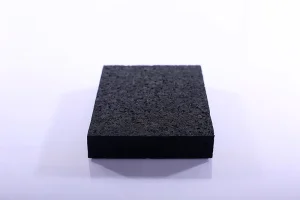
Analyzing market growth, regulatory compliance, and thermodynamic acoustic technology in structural design.
The global heating, ventilation, and air conditioning (HVAC) market is undergoing a structural transition. No longer is HVAC performance evaluated solely based on thermodynamic cooling or heating output. In modern sustainable architecture and heavy industrial complexes, acoustic pollution control has emerged as a key regulatory and operational metric. Sound transmission through metal air ducts—generated by high-capacity blowers, mechanical vibration, and turbulent airflow—impacts tenant health, workplace productivity, and acoustic privacy.
Advanced HVAC duct sound dampening materials have transitioned from optional comfort add-ons to essential design elements. According to ASTM and ISO architectural noise guidelines, interior decibel thresholds in commercial and hospital settings must remain strictly controlled. Elastomeric rubber foam, formulated from Nitrile Butadiene Rubber (NBR) and Polyvinyl Chloride (PVC), provides a high-density, flexible membrane matrix that excels in sound absorption and structure-borne vibration isolation.
Globally, urbanization, strict environmental noise directives (such as the EU Environmental Noise Directive and OSHA regulations in industrial production areas), and building certification frameworks like LEED and WELL drive the demand for high-performance sound-absorbing duct liners. The market is shifting from open-cell, moisture-vulnerable materials to hybrid, closed-cell elastomeric structures that provide simultaneous acoustic attenuation, thermal insulation, and moisture prevention.
China's manufacturing sector leads the global supply chain for building materials. Our Dacheng production hub, recognized as the capital of green-building materials, leverages deep industrial integration, vertical raw material supply lines, and advanced automation.
Kingflex Insulation Co., Ltd. operates in this ecosystem. By utilizing high-capacity, continuous vulcanization lines and electronic measurement controls, we produce NBR/PVC foam with consistent density (40-55 kg/m³), uniform micro-cell geometries, and precise thickness tolerances.
This automated system reduces raw material waste and energy consumption. This translates to cost-efficiency, allowing us to supply large-scale global projects with high-specification acoustic insulation at competitive bulk wholesale rates.
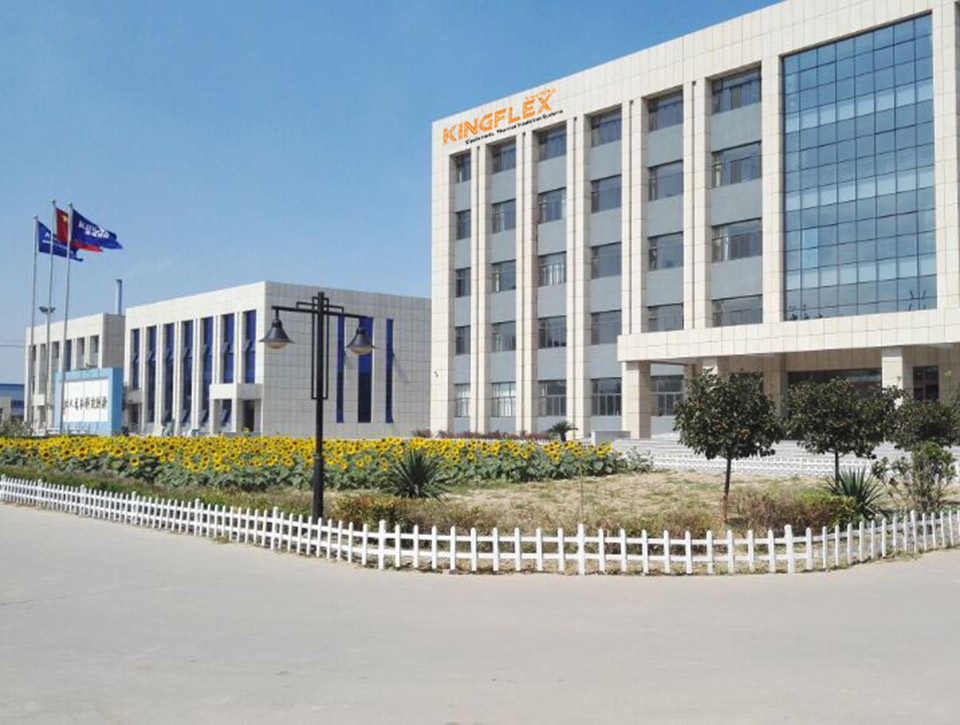
A professional manufacturing and trading combo for high-performance thermal and acoustic insulation products.
Kingflex Insulation Co., Ltd. is a professional manufacturing and trading combo for thermal insulation products. Kingflex research development and production department is located in the well-known capital of green-building materials in Dacheng, China. It is an energy-saving, environmental friendly enterprise concentrating on research and development, production, and sales. In operation, Kingflex takes energy saving and consumption reduction as its core concept. We provide insulation solutions by means of consultation, research and development, production, installation guidance, and post-sale service to lead the development of the global building materials industry.
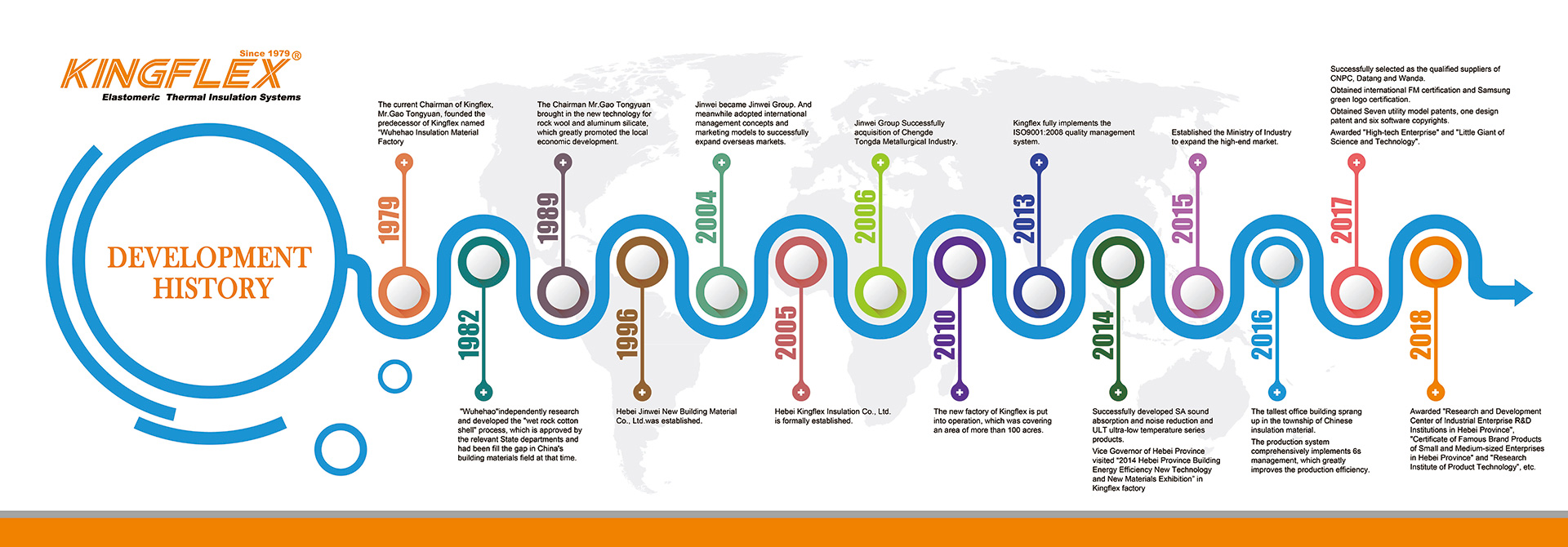
Established by Jinwei Group, which possesses more than 40 years of industrial history. Kingway Group, established in 1979, was the first manufacturer of thermal insulation materials north of the Yangtze River, paving the way for advanced acoustic and thermal engineering in China.
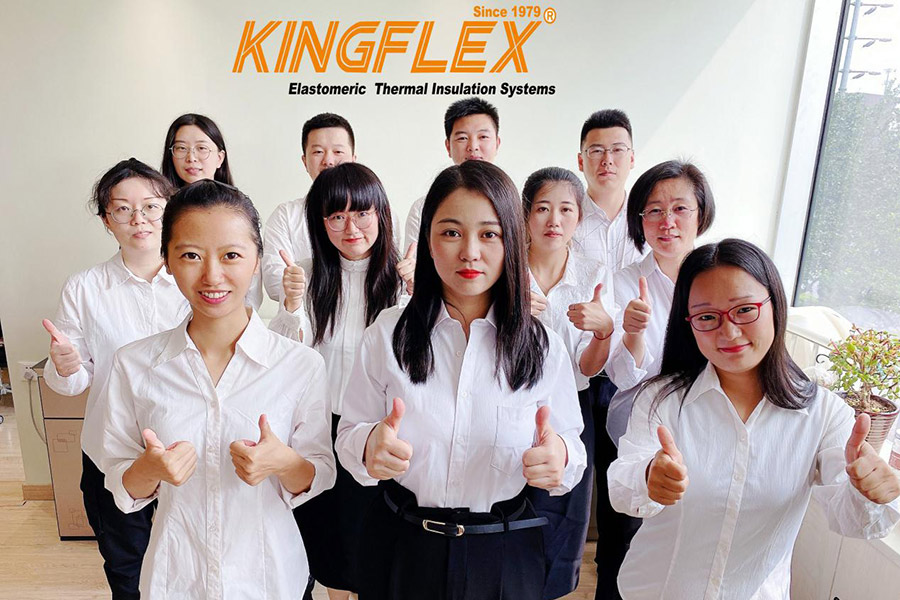
Our employees are amazing in their own right, but together they make Kingflex a rewarding place to work. We are a tight-knit, talented group with a shared vision of providing first-class service. Kingflex has 8 professional engineers in our R&D Department, 6 professional international sales specialists, and 230 skilled production workers.
Kingflex operates 5 large-scale automated assembly lines with an annual output capacity exceeding 600,000 cubic meters. We are a designated production enterprise certified by the Ministry of Energy, the Ministry of Electric Power, and the Ministry of Chemical Industry.

How HVAC sound dampening is applied across diverse climatic zones and structural configurations.
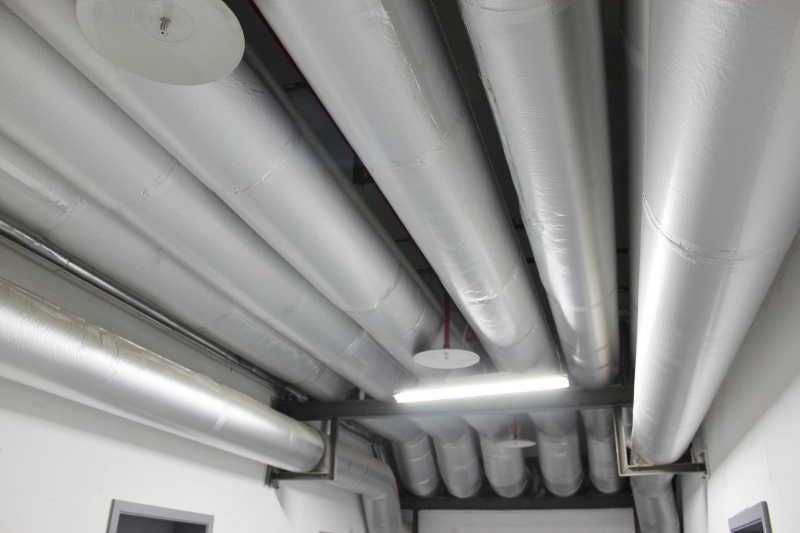
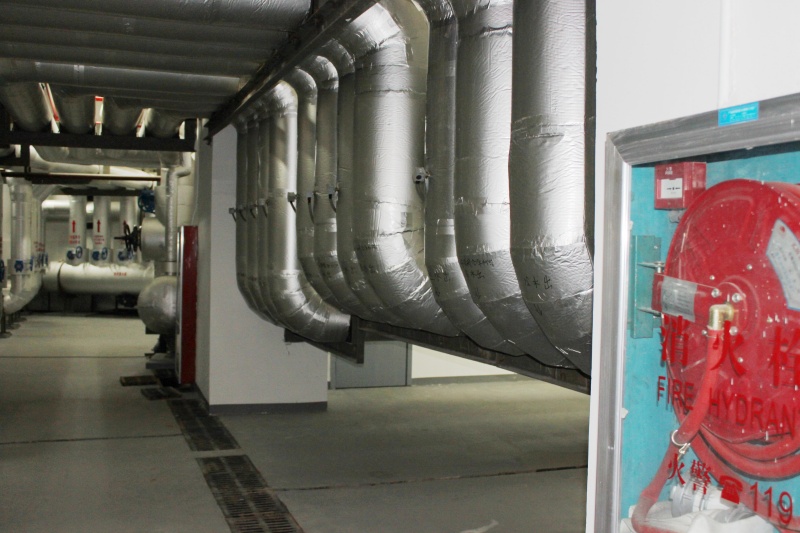
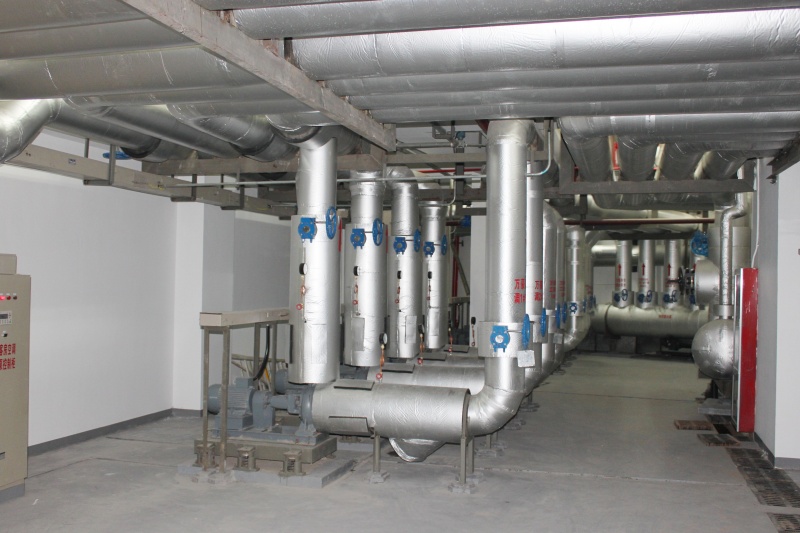
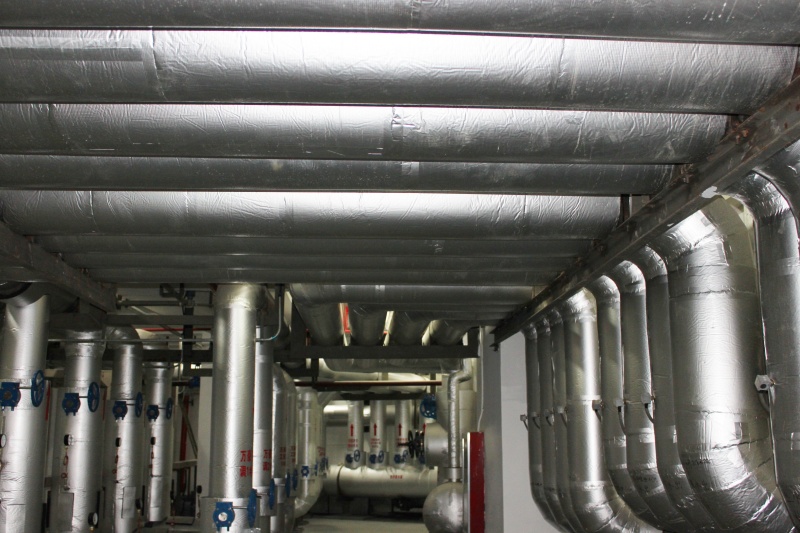
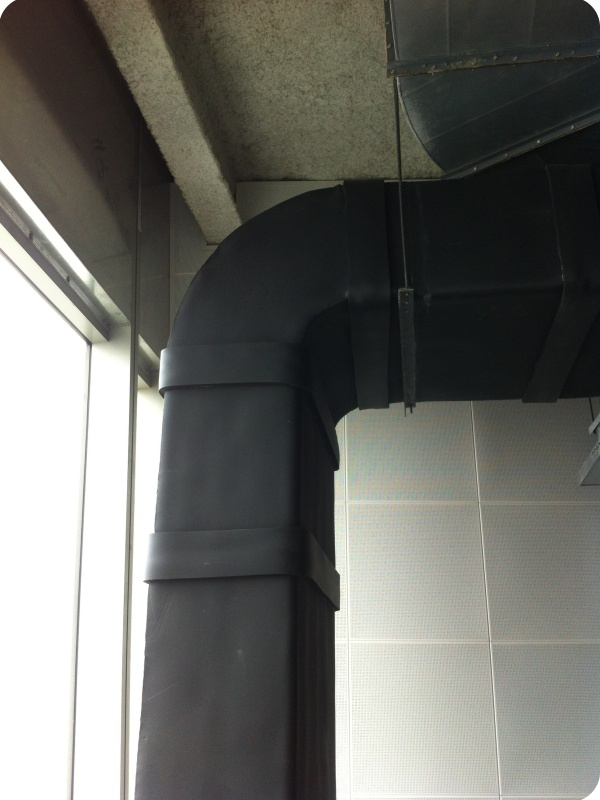
High-occupancy zones require low ambient noise levels. Applying closed-cell elastomeric sheets inside supply and return ducts reduces mechanical noise from fans without creating dust or fiber hazards, maintaining clean IAQ (Indoor Air Quality).
Coastal buildings and maritime vessels face high moisture and salt exposure. Traditional open-cell insulation easily absorbs moisture, leading to mold growth and loss of insulating performance. Our closed-cell structure blocks moisture ingress, ensuring stable performance.
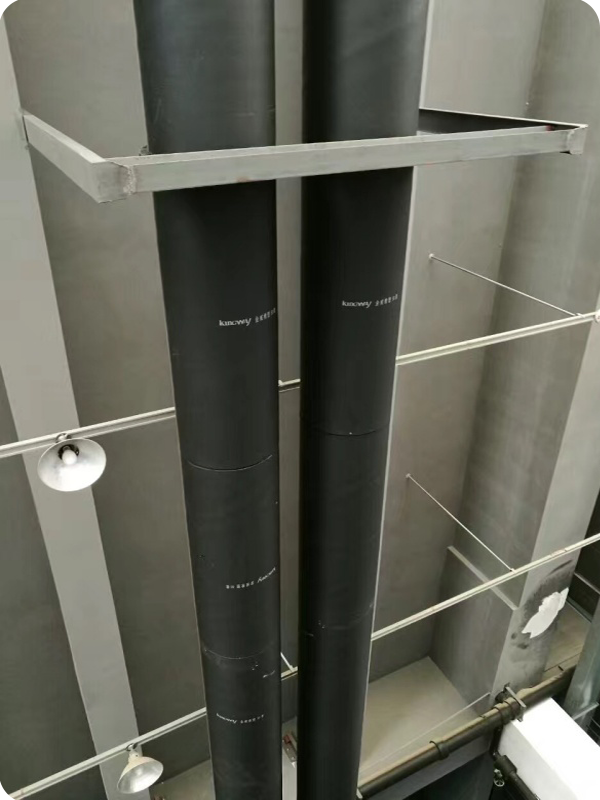
High-velocity extraction ducts generate high-frequency shear noise. Heavy-duty elastomeric rubber foam sheets with aluminum or protective outer layers resist chemical degradation while dampening acoustic vibrations along extensive outdoor duct routes.
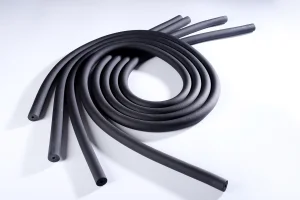
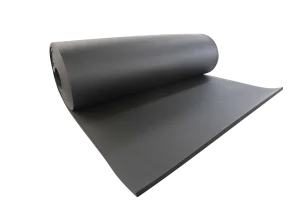
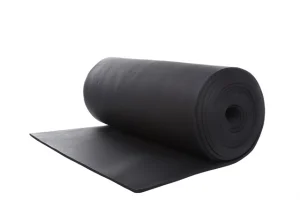
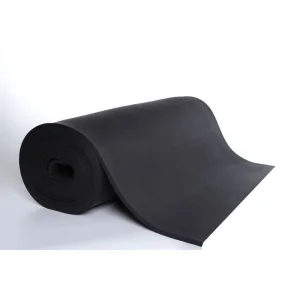
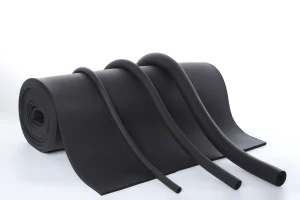
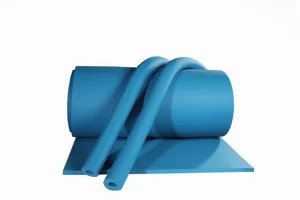
Standard parameters for Kingflex elastomeric closed-cell insulation sheet rolls and pipeline profiles.
| Specification Parameter | Value / Detail |
|---|---|
| Material base | Nitrile Butadiene Rubber / Polyvinyl Chloride (NBR/PVC) |
| Thickness Range | 6mm to 50mm |
| Apparent Density | 40 - 55 kg/m³ |
| Operational Temperature Limit | -40℃ to +105℃ |
| Acoustic Closed-Cell Rate | Over 98% |
| Flame Retardancy | Class 0 / Class 1 (BS 476), Self-extinguishing |
| Specification Parameter | Value / Detail |
|---|---|
| Material base | Nitrile Butadiene Rubber / Polyvinyl Chloride (NBR/PVC) |
| Thickness Range | 9mm to 40mm |
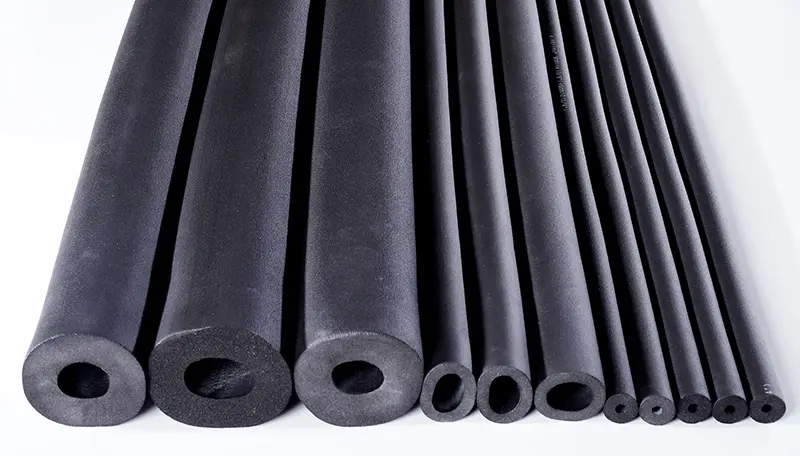
| Inside Diameter (ID) | 6mm to 114mm |
| Apparent Density | 40 - 55 kg/m³ |
| Water Vapor Permeability | High moisture resistance factor |
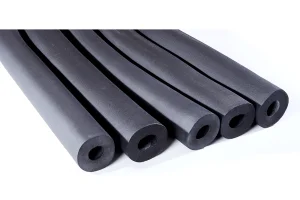
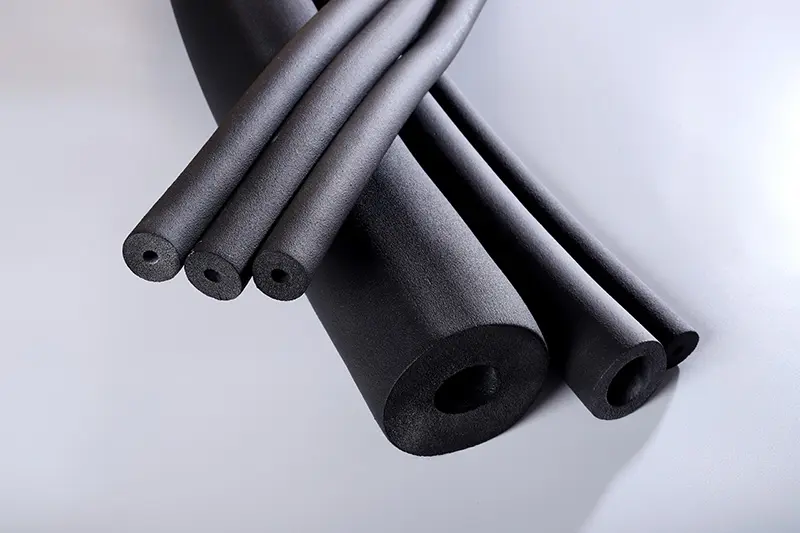
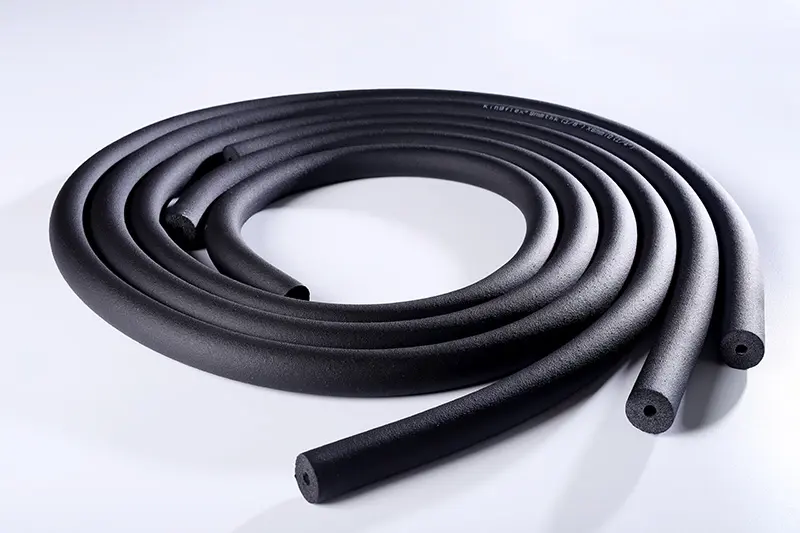
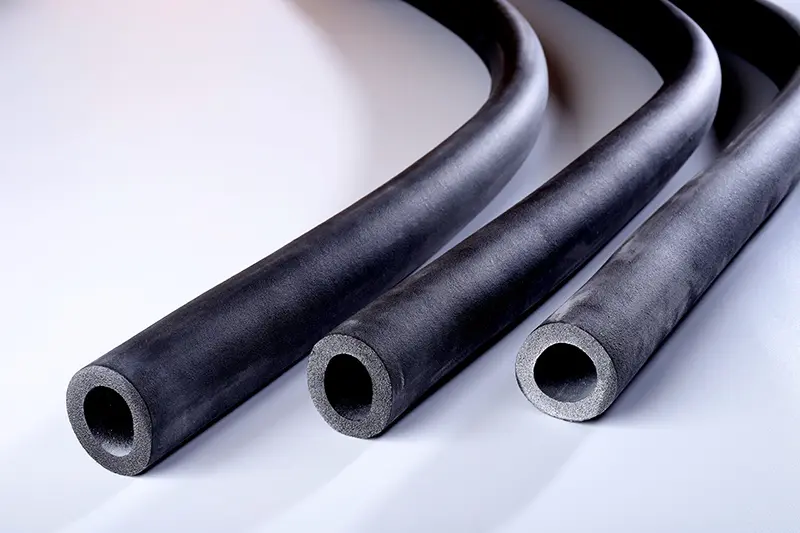
| Core Advantage | Reduces risk of pipe freezing, cracking, and sound transmission |
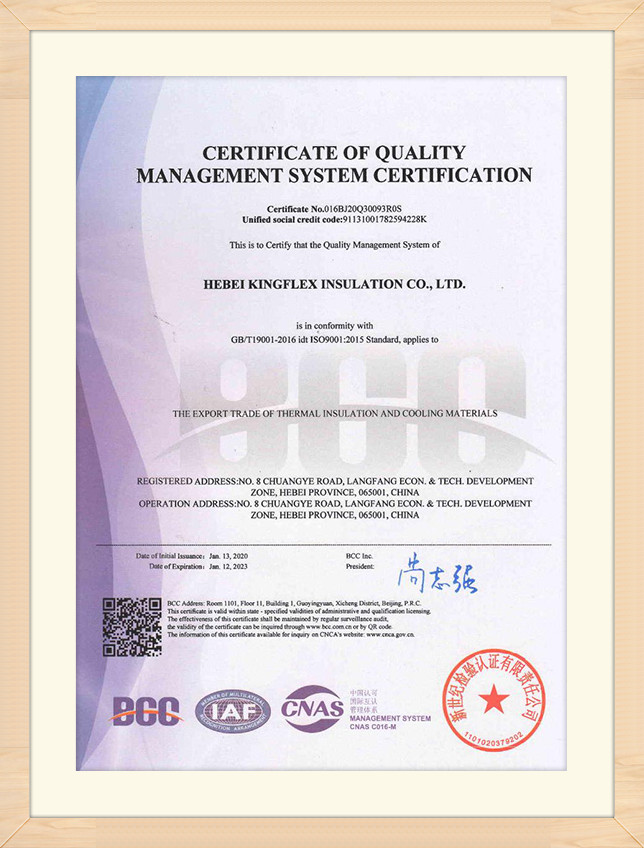
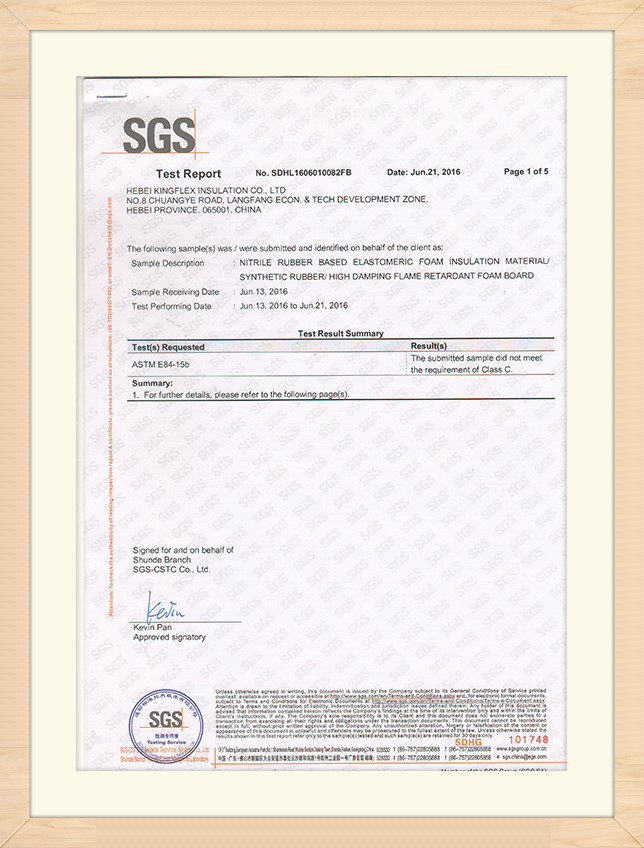
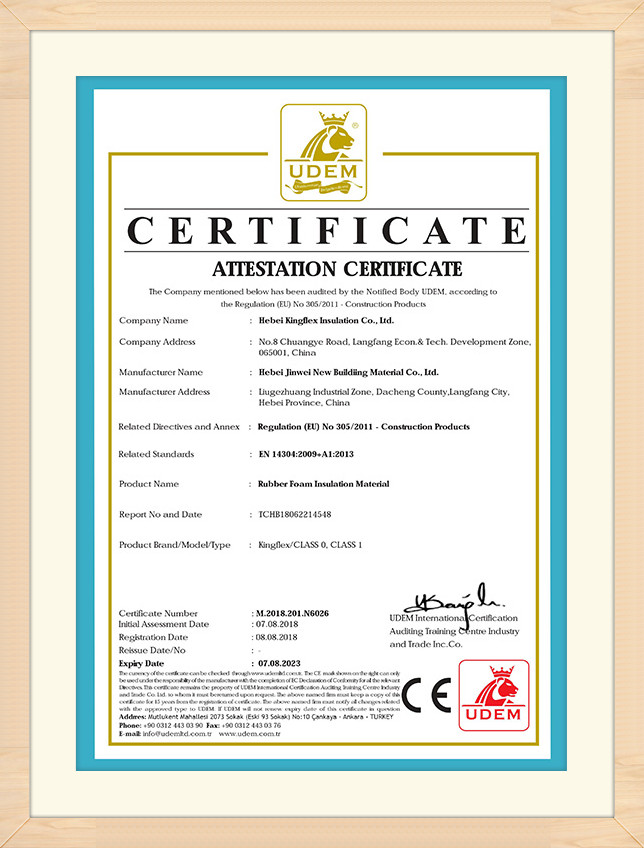
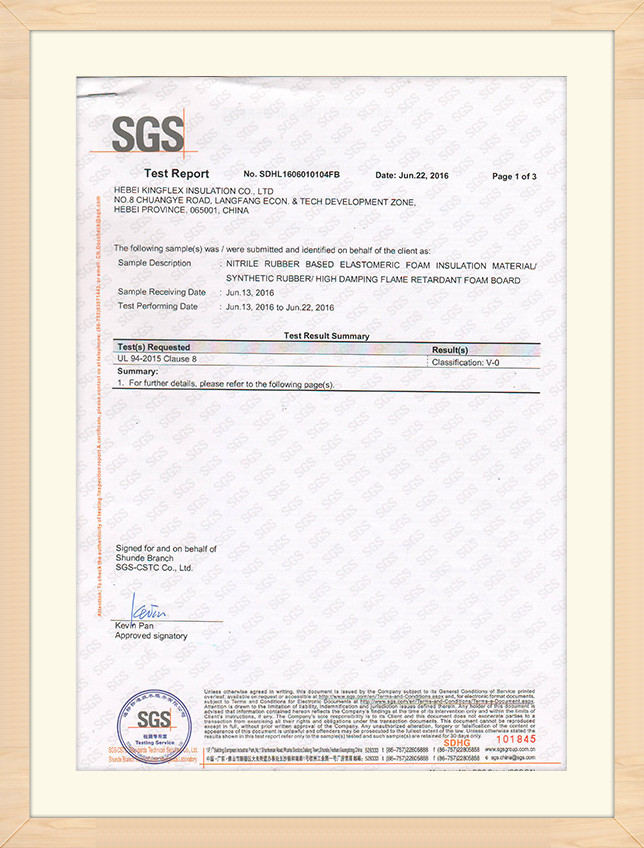
Kingflex products are manufactured under strict international regulatory compliance frameworks.





Navigating environmental targets, green building certifications, and total cost of ownership (TCO) considerations.
Indoor air quality standards, such as those defined by WELL and LEED, require low volatile organic compound (VOC) emissions. Closed-cell NBR/PVC elastomeric materials prevent particulate shedding and chemical outgassing, making them suitable for educational, medical, and commercial environments.
Thermal conductivity is directly related to acoustic control. By preventing condensation on duct walls, closed-cell structures protect the system from structural dampening loss caused by water accumulation, maintaining both thermal and acoustic performance.
Labor costs are a key factor in project budgets. Flexible elastomeric sheets with pressure-sensitive adhesive linings cut down install times, helping contractors complete duct soundproofing processes on schedule.
Technical clarifications on performance, application parameters, standards compliance, and purchasing.
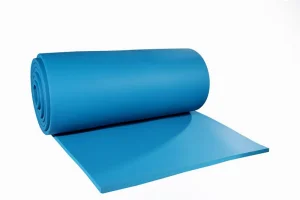
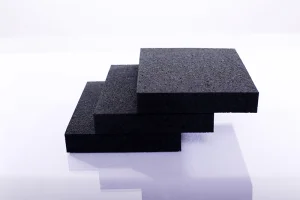
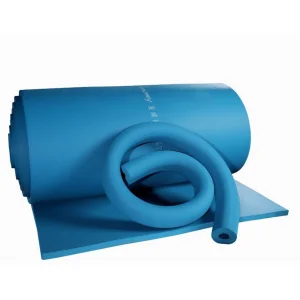
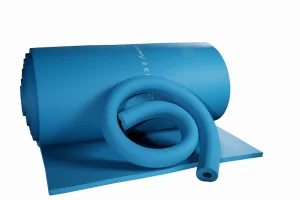
Product variations designed for custom acoustic engineering specifications.
Efficient stock management and high-volume delivery processing.