 Kingflex
Kingflex
Kingflex
Direct supply paths from Dacheng’s premier manufacturing base, certified for HVAC, petrochemical, and building envelope installations.
Thermal insulation is no longer just a building compliance requirement; it is a critical variable in global decarbonization, industrial process safety, and system-level energy efficiency.
As global energy resources remain volatile and carbon reduction mandates tighten (such as the EU's Energy Performance of Buildings Directive and international green building codes), selecting high-performance thermal insulation materials becomes paramount. For procurement officers, MEP engineers, and industrial contractors, securing reliable supplies of high-grade elastomeric rubber foam and rock wool materials is crucial to project success.
Kingflex Insulation Co., Ltd. bridges the gap between massive manufacturing capability and precise engineered specifications. By utilizing advanced elastomeric compositions and strict raw material control, we help prevent energy loss, stop surface condensation, and protect pipelines from corrosion under insulation (CUI) in 66 countries.
Understanding macro trends helps project managers balance material costs with performance lifecycles.
With global buildings accounting for 30% of global greenhouse emissions, thermal management is key. Specifiers are shifting to materials with proven longevity (10-15 years), high closed-cell ratios (>98%), and halogen-free compositions. This transition reduces long-term operational expenditures in HVAC systems.
Fluctuating shipping rates and material scarcities highlight the need for direct factory partnerships. By utilizing a "factory & trading combo," buyers bypass layers of middlemen, resulting in a 15-25% reduction in total procurement costs while securing stable supply guarantees.
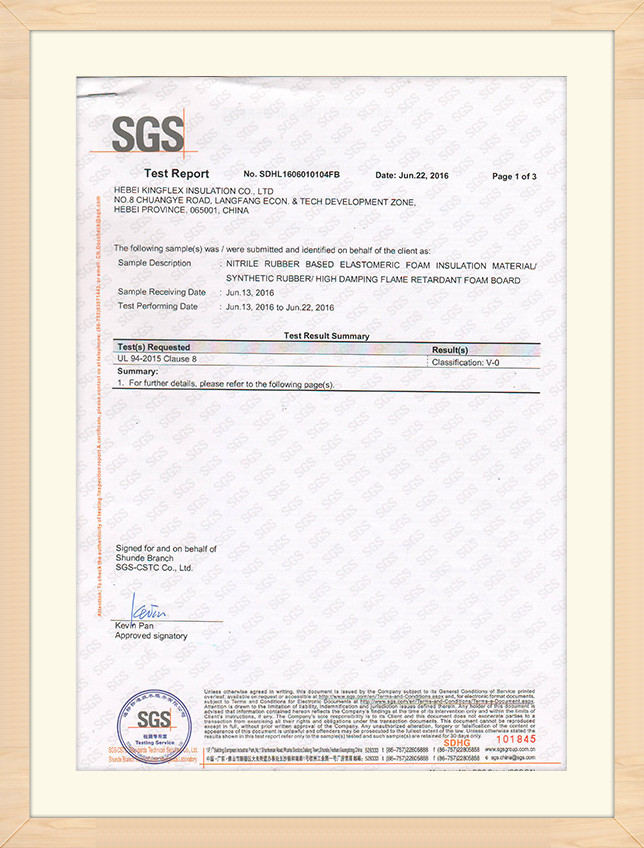
Cross-border infrastructure projects demand materials certified by leading testing bodies. Thermal insulation must pass fire safety tests (BS 476 Part 7 Class 1, ASTM E84, UL94) and toxic chemical checks (REACH, RoHS) to be accepted in markets like Western Europe, USA, and Oceania.
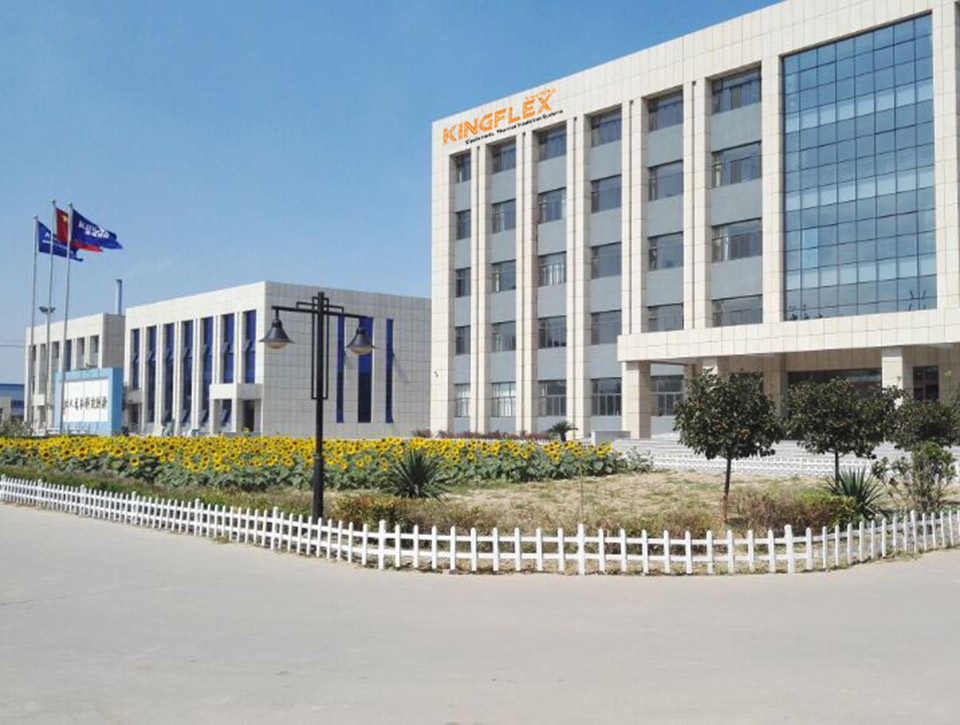
Kingflex Insulation Co., Ltd. operates from Dacheng, China—a global cluster for energy-saving green building materials.
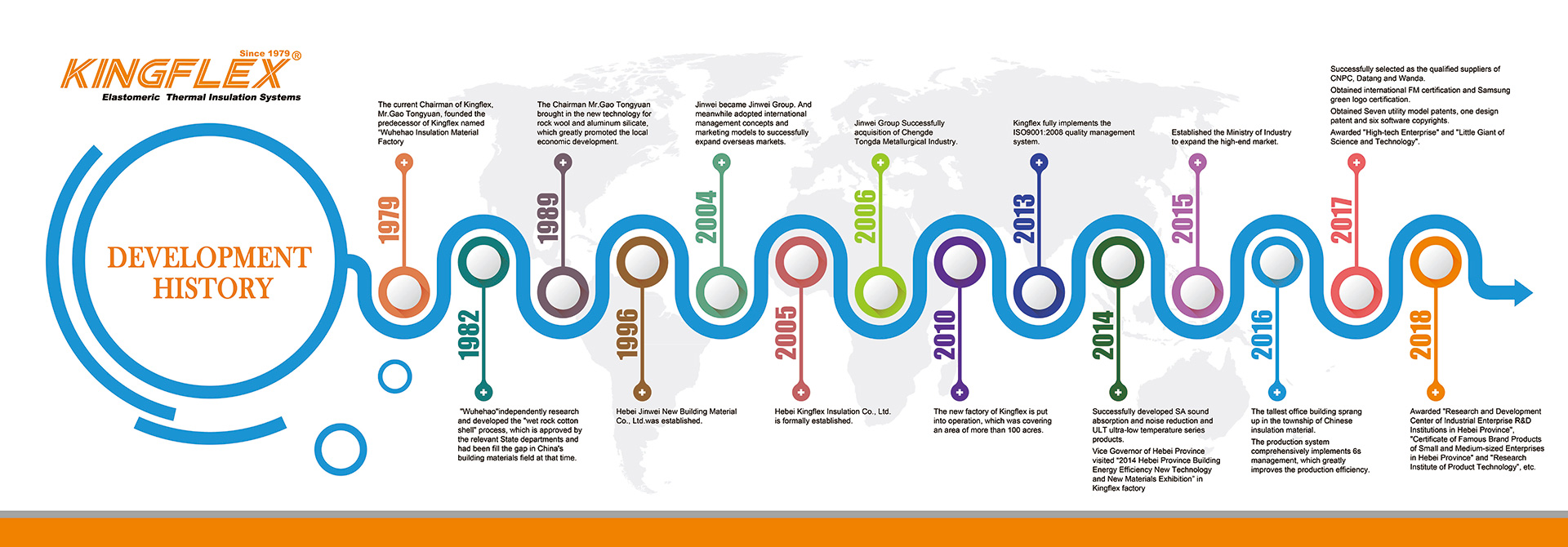
Established by the Jinwei Group, which holds over 40 years of market presence since its inception in 1979 as the first thermal insulation manufacturer north of the Yangtze River, Kingflex has modernized its production line.
With 5 large automatic assembly lines, we deliver an annual production capacity exceeding 600,000 cubic meters. This scale allows us to fulfill large-volume projects with short lead times, maintaining supply chain consistency when regional stock is constrained.
Engineered performance values verified by ISO-certified laboratory assessments.
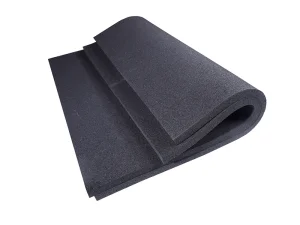
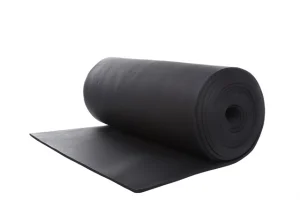
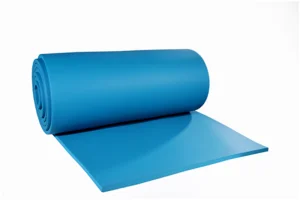
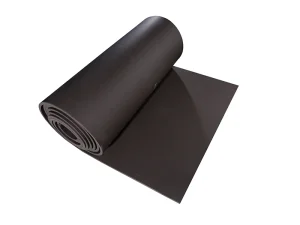
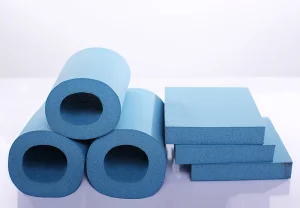
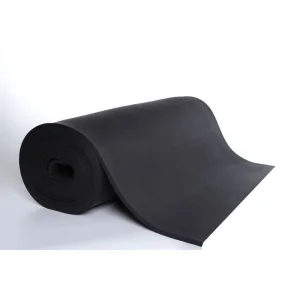
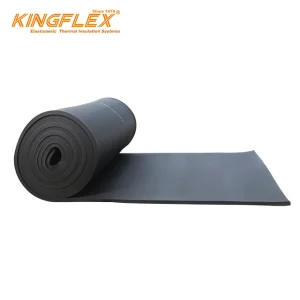
An ideal choice for large-diameter pipelines, duct systems, and structural envelopes. Formulated using premium nitrile butadiene rubber (NBR) and polyvinyl chloride (PVC) blends, it exhibits a uniform closed-cell matrix that resists moisture permeation.
| Parameters | Value / Specifications | Standard Reference |
|---|---|---|
| Material Base | Premium Nitrile Butadiene Rubber / Polyvinyl Chloride Blend (NBR/PVC) | Standard Industry Polymeric Formulation |
| Thickness Range | 6mm to 50mm | Available in custom sheets and rolls |
| Core Density | 40 to 55 kg/m³ | Ensures balanced thermal and acoustic limits |
| Operating Temperature | -40℃ to 105℃ | Extends down to cryogenic parameters on request |
| Closed-Cell Rate | >98% | Minimizes convection within material matrix |
| Compression Resilience | >80% | Maintains original thickness under compression |
| Flame Retardancy | Self-extinguishes upon flame removal | BS 476, UL94, ASTM Compliance |
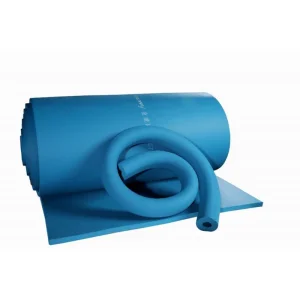
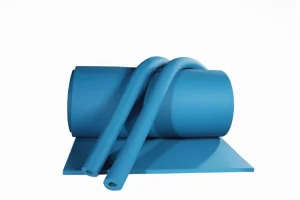
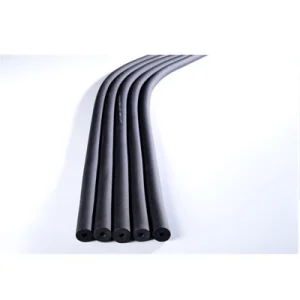
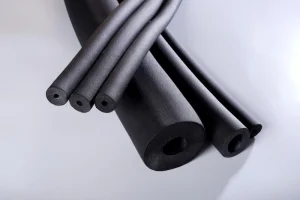
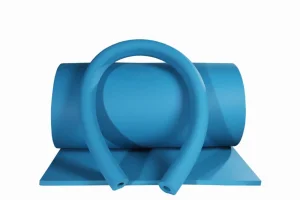
Specially configured for HVAC, water supply systems, and process piping networks. Pre-formed tubes ensure rapid fitment and secure sealing along longitudinal joints, reducing labor costs.
| Parameters | Value / Specifications | Standard Reference |
|---|---|---|
| Material Base | High-Grade Elastomeric NBR/PVC | Extruded for uniform thickness |
| Wall Thickness | 9mm to 40mm | Prevents outer surface condensation |
| Inside Diameter (ID) | 6mm to 114mm | Corresponds to standard copper and steel pipe sizes |
| Density | 40 to 55 kg/m³ | Balances mechanical strength and flexibility |
| Thermal Conductivity | ≤ 0.034 W/(m·K) at 0°C | High energy retention profile |
| Water Vapor Permeability | μ ≥ 10,000 | Built-in vapor barrier reduces CUI risk |
Adapting thermal insulation specifications to regional climates and design challenges.
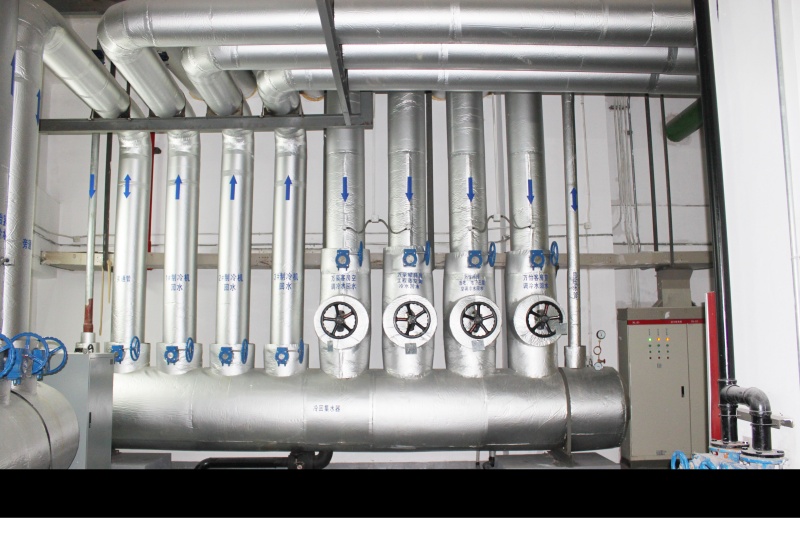
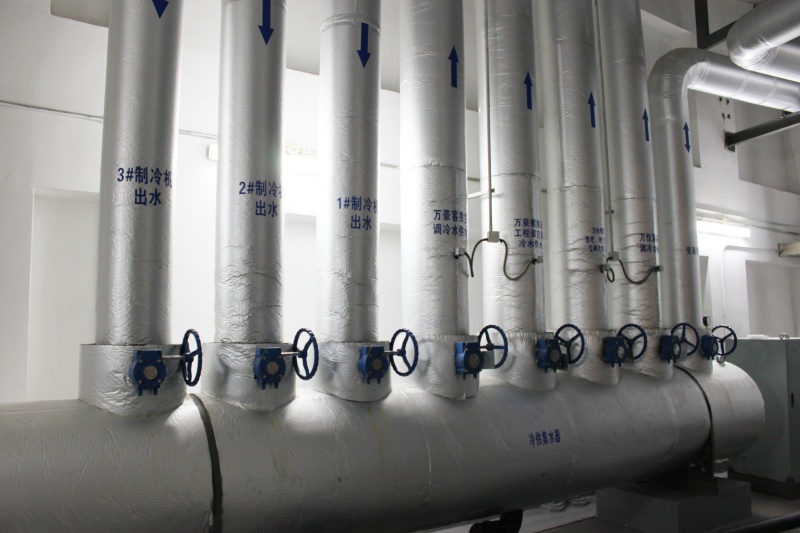
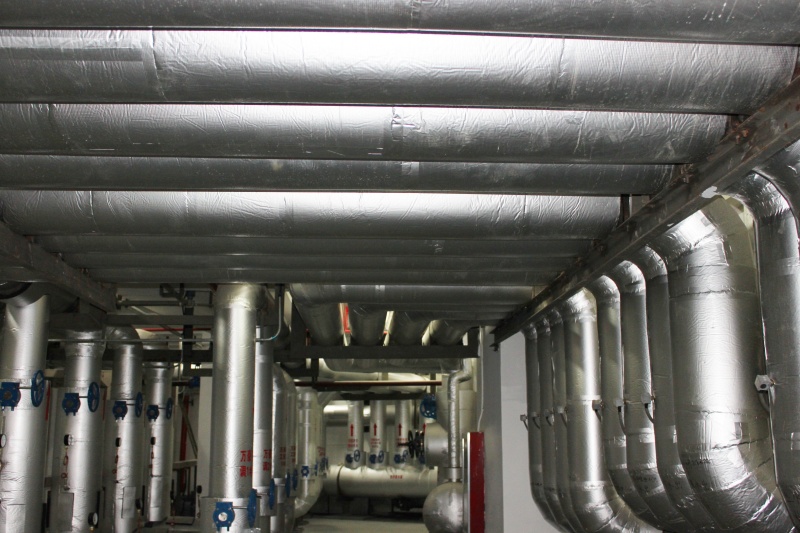
Chilled water pipes in central air conditioning systems are prone to condensation in humid climates. Our closed-cell rubber sheet and pipe insulation prevent moisture buildup and mold growth, protecting indoor air quality.
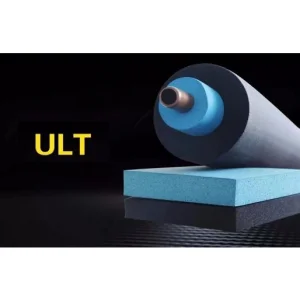
LNG storage, chemical processing, and ultra-low temperature (ULT) facilities require multi-layer systems. Kingflex flexible cryogenic insulation retains elasticity below -40°C, absorbing thermal expansion and contraction.
Used in hotels, hospitals, and commercial malls. High-density structures absorb airborne noise and dampen structural vibrations in mechanical equipment rooms and air handling units (AHUs).
Protects steam networks and chemical pipes from heat loss. High compression resistance ensures the insulation maintains its thickness and thermal value at pipe support brackets and hang points.
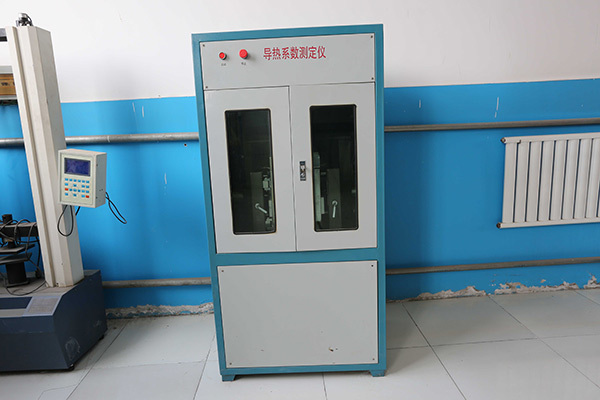
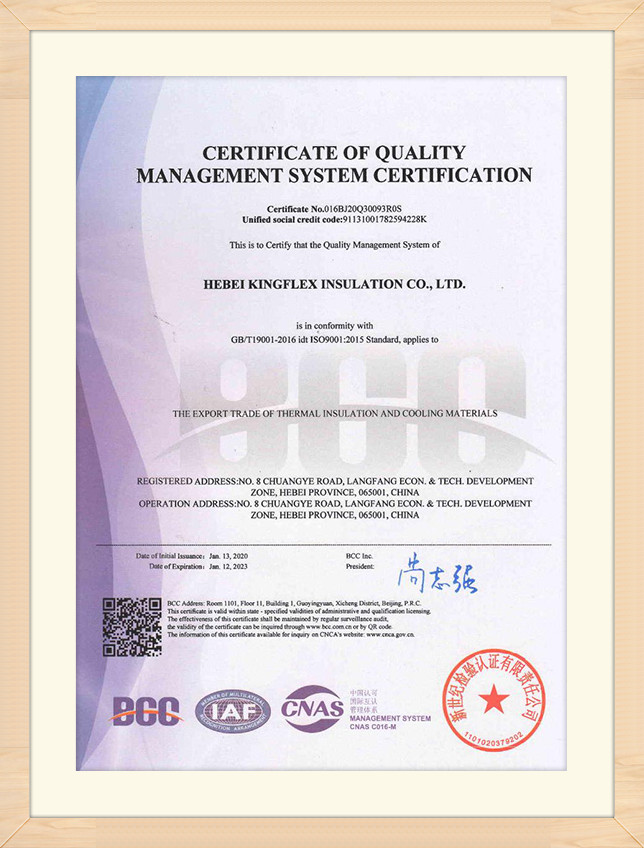
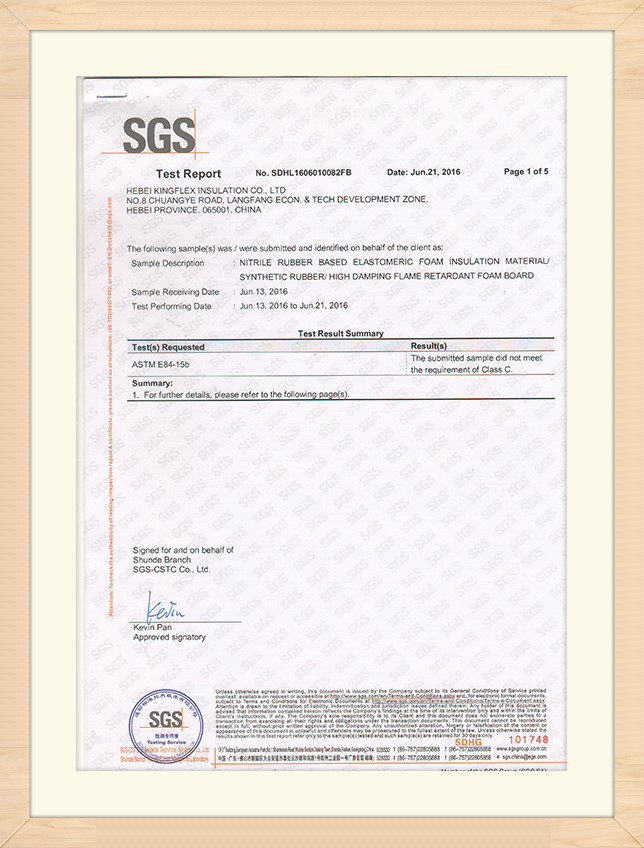
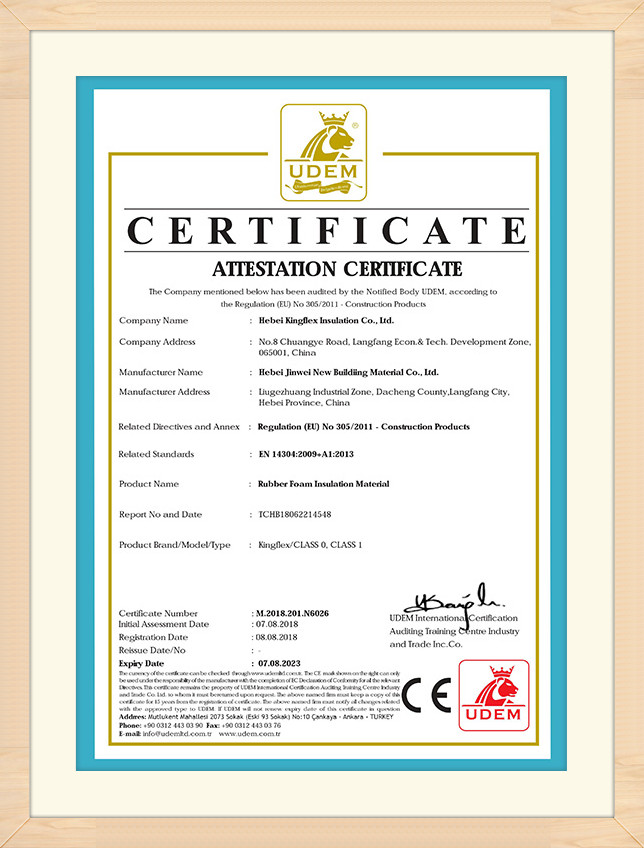
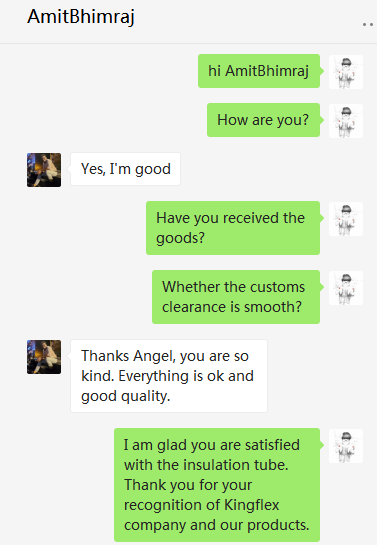
Our commitment to transparency, technical quality, and international compliance is verified by third-party testing.
Kingflex employs 8 professional engineers in our R&D Department, supported by 230 production line personnel and 6 dedicated international technical sales representatives.
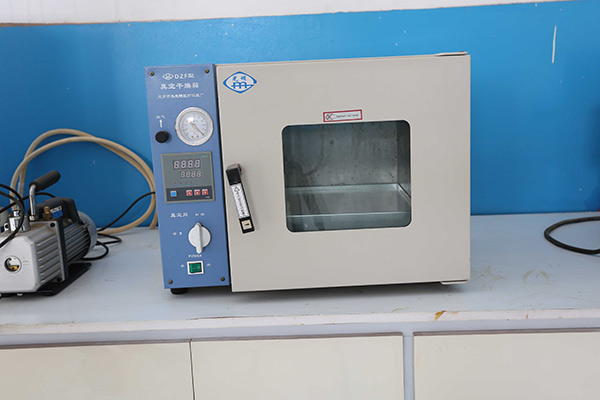
By controlling batch formulas and monitoring density profiles, our team delivers consistent quality. Kingflex insulation products undergo regular testing to meet global building standards.
International Certifications Held:





Technical answers to common questions about thermal insulation material selection and logistics.
A photographic record of our manufacturing processes, site deliveries, and installations.

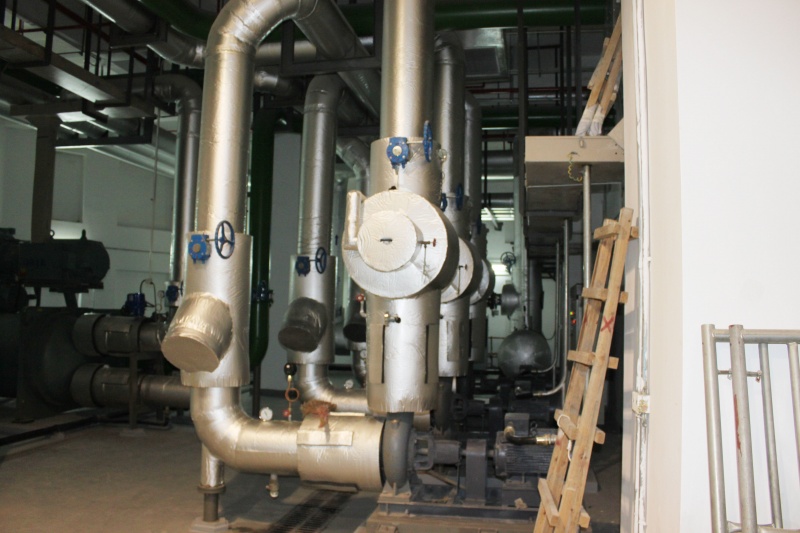
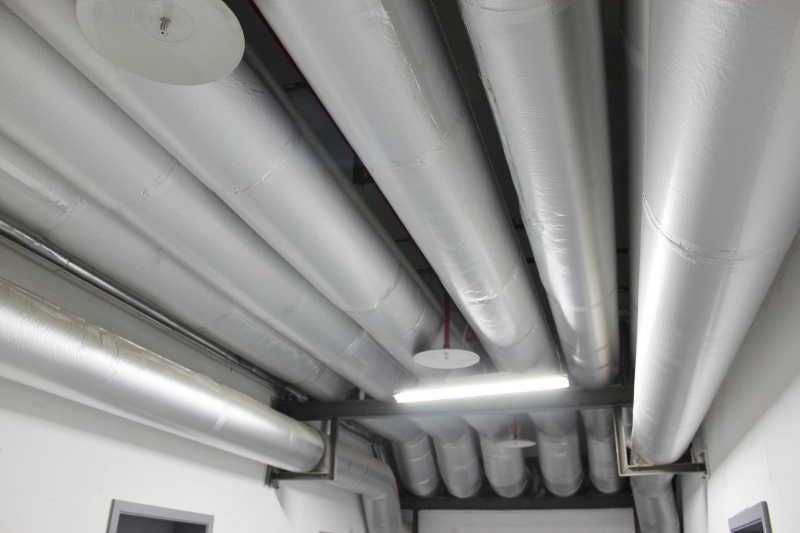
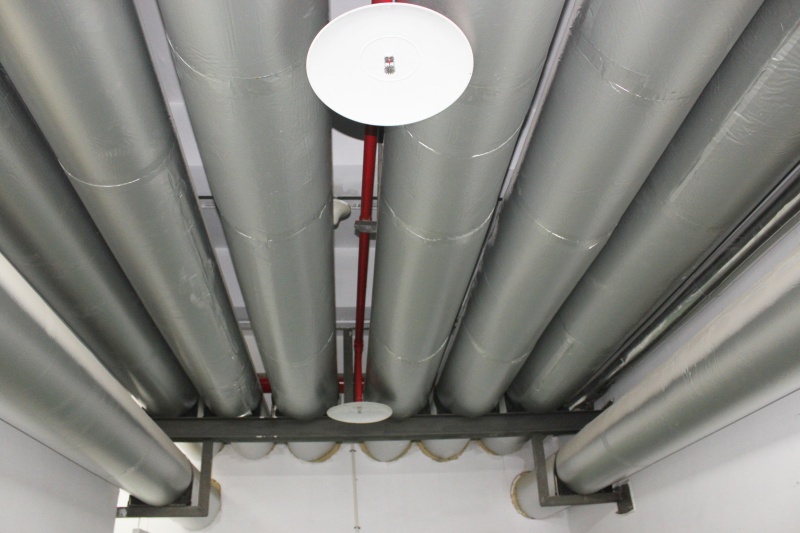
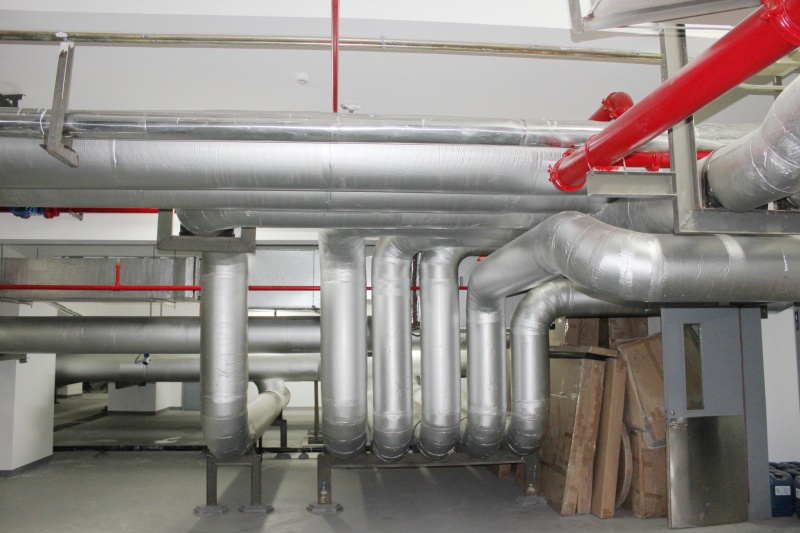
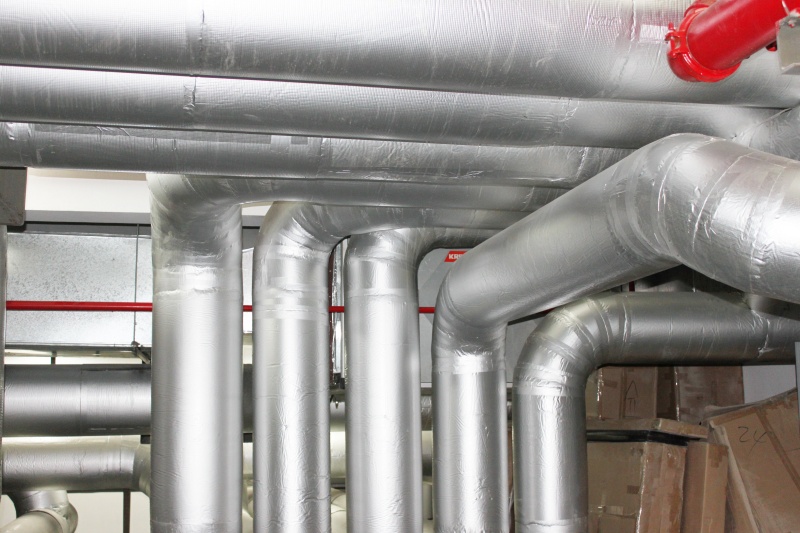
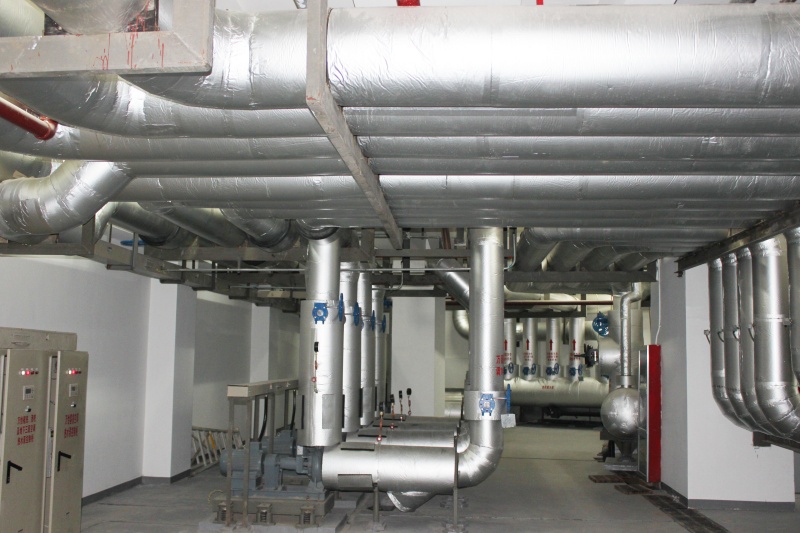
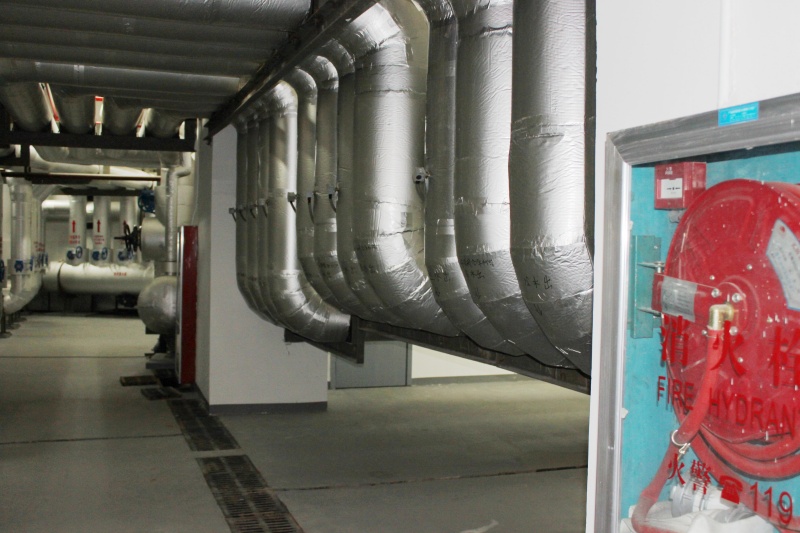
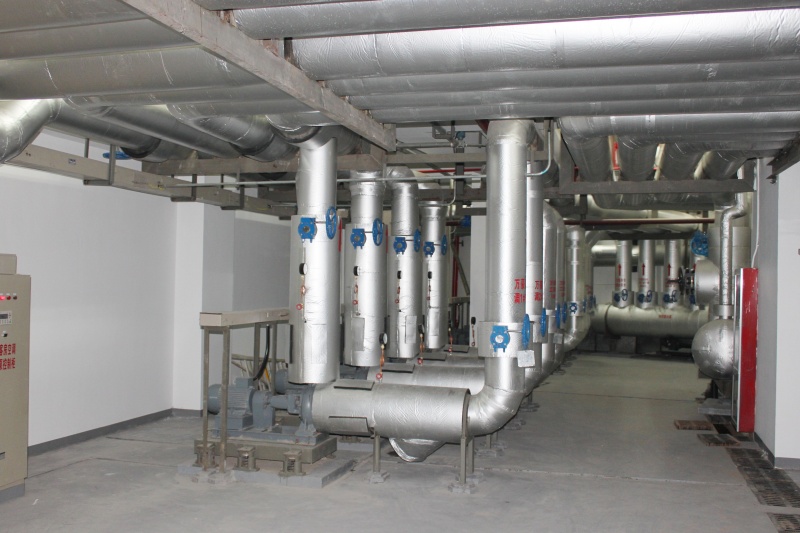
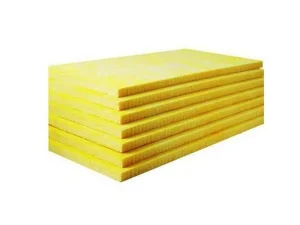
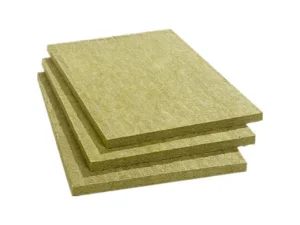
Specialty cryogenic compositions, high-density rock wool structural products, and thermal sheets.