 Kingflex
Kingflex
Kingflex
Examine our top-tier elastomer and NBR foam products designed for strict heat prevention and condensation control.

A deep white paper on thermodynamic calculations, materials science, and localized factory integration.
Preventing moisture condensation is critical. Proper calculations ensure the outer surface temperature remains above the local dew point under specified ambient conditions.
By computing precise surface area dimensions against energy cost coefficients, engineers balance capital expenditure against decades of operational energy savings.
Insulation materials must meet fire standards (such as BS 476 and UL94) while resisting chemical corrosion in high-humidity pipeline environments.
Determining the correct thickness for elastomeric rubber foam insulation is not a guessing game. It is a thermodynamic calculation governed by Fourier’s Law of Heat Conduction and convection parameters. To prevent condensation on pipes, the surface temperature of the insulation cladding must remain higher than the ambient dew point. The calculation formula for heat flow ($q$) through a cylindrical pipe layer is:
Where:
• λ (Lambda) represents the thermal conductivity of the NBR/PVC rubber foam (e.g., 0.034 W/(m·K) at 0°C).
• Tp is the operating pipeline temperature (varying from cryogenic cold -196°C up to hot water systems +105°C).
• Ts is the calculated target outer surface temperature.
• Dp & Ds refer to the internal pipe diameter and external insulation diameter respectively.
Using our Online Insulation Thickness Calculation tool, mechanical engineers can input project parameters such as relative humidity, ambient temperature, line temperature, and wind speed. This yields immediate thickness specifications that prevent condensation issues and help avoid corrosion under insulation (CUI).
Kingflex Insulation Co., Ltd. is located in Dacheng, China, known globally as the capital of green building materials. The regional concentration of raw materials, raw elastomer suppliers, and technical researchers provides a solid supply chain benefit. Our factory leverages this positioning to deliver high-quality products at competitive wholesale prices.
Our facility runs five large automated assembly lines, giving us an annual capacity of over 600,000 cubic meters. This scale allows us to source bulk raw materials, maintain consistent foaming density (40-55 kg/m³), and deliver high closed-cell ratios (>98%). We pass these efficiencies along as reliable project quotes for partners in the HVAC, industrial, and maritime sectors.
The industrial insulation market is shifting due to green building mandates, carbon emission taxes, and the expansion of the global cold chain. Here are the key trends affecting modern insulation selection:
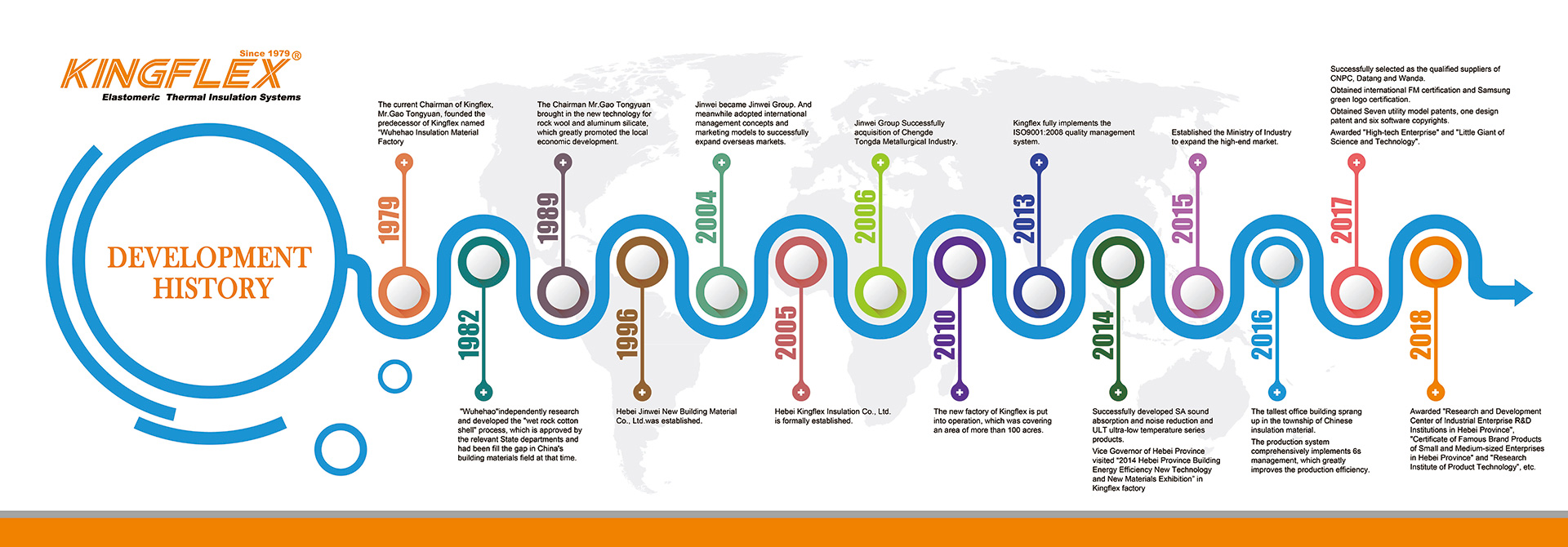
Established under the Jinwei Group, which dates back to 1979, Kingflex has built a long-standing reputation for quality. As a key thermal materials manufacturer north of the Yangtze River, we combine R&D with modern production facilities to support projects worldwide.
We provide full-system solutions, including consultation, sizing calculations, production, logistics, installation support, and after-sales service. We focus on energy conservation and consumption reduction in all our products, supporting green building goals across 66 countries.
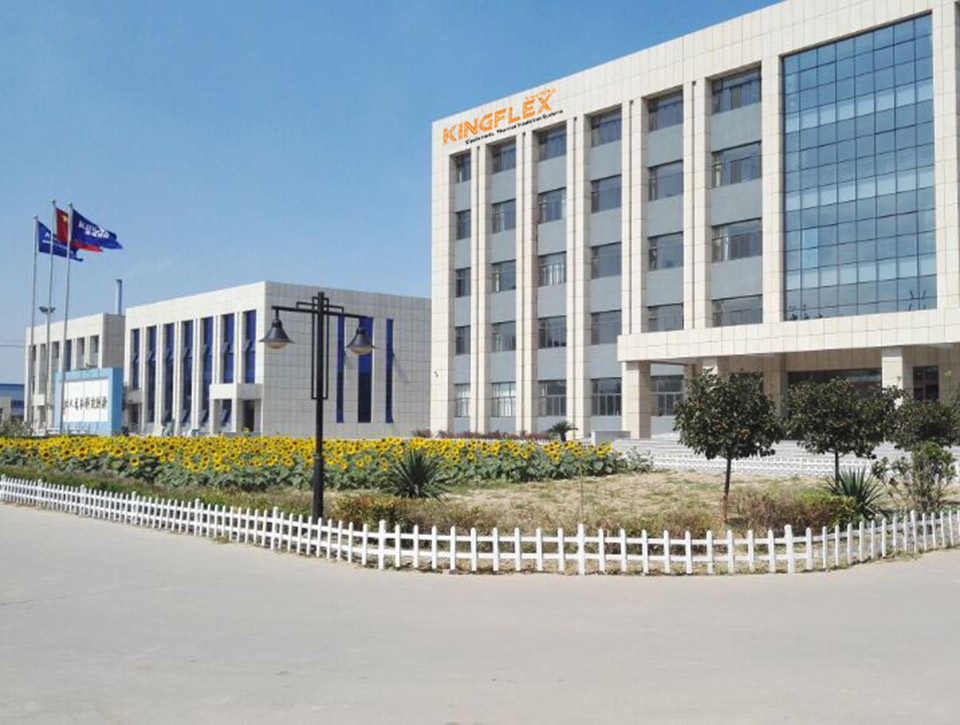 Our manufacturing and research headquarters in Dacheng, China.
How our elastomeric rubber foam functions across major mechanical environments.
High relative humidity in tropical air ducts can cause condensation and mold. Our closed-cell rubber foam prevents surface condensation and maintains indoor air quality (IAQ) without dust fibers.
At temperatures down to -196°C, moisture can freeze and damage equipment. Our multi-layer elastomeric cryogenic systems resist thermal contraction and maintain flexibility at low temperatures.
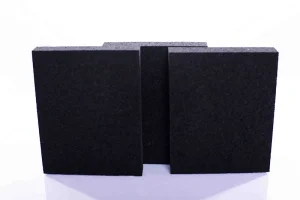
Heavy industries run high-temperature steam lines and high-velocity piping, which generate thermal loss and noise. Our high-density foam boards absorb vibration while keeping temperatures stable.
A review of our standard dimensions and material properties for engineering design.
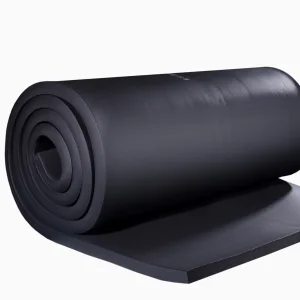
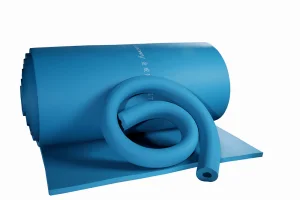
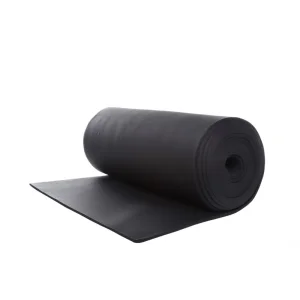
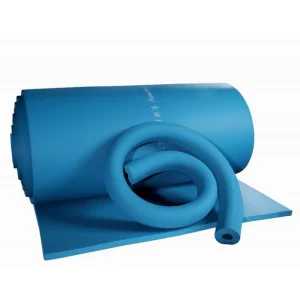
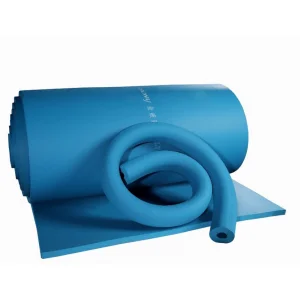
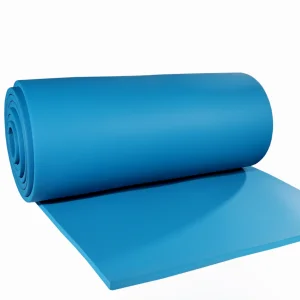
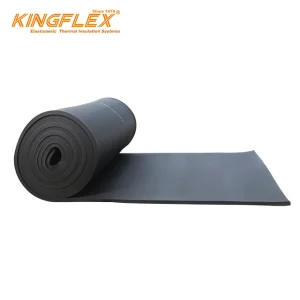
Key Advantages: Standardized cell structure, high moisture resistance, self-extinguishing fire performance, and flexible installation across large-diameter ducts and flat surfaces.
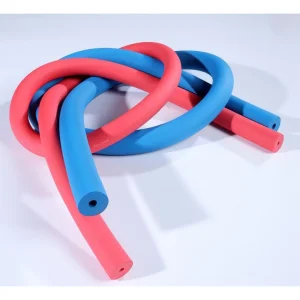
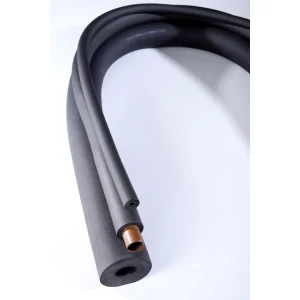
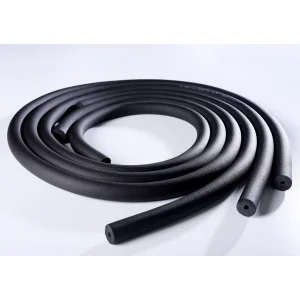
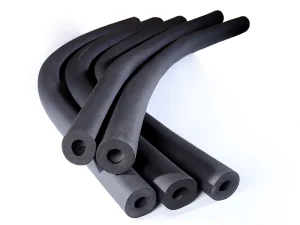
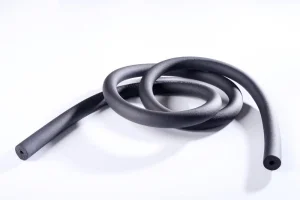
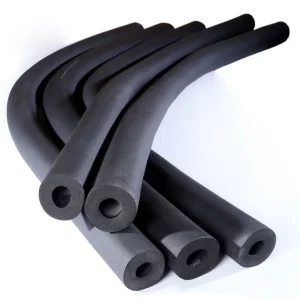
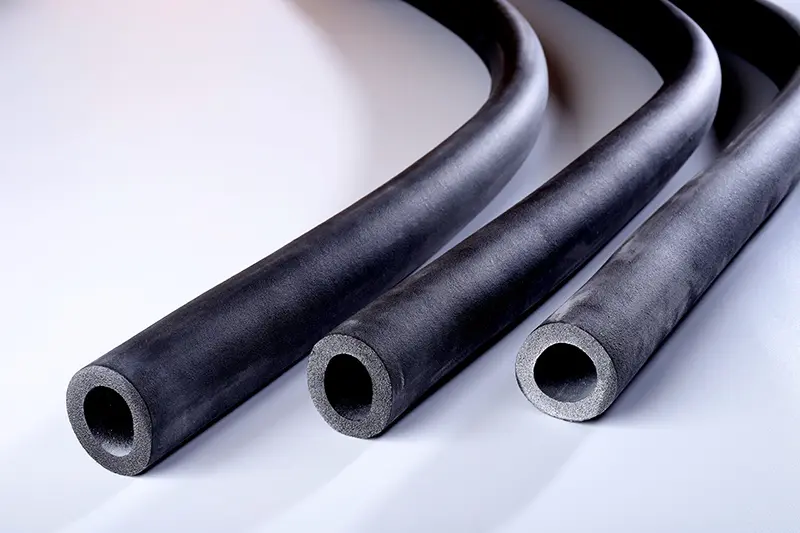
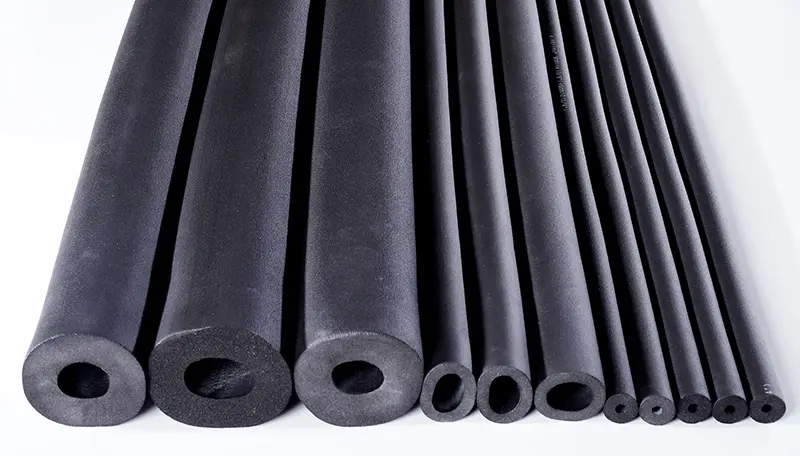
Key Advantages: Designed for slide-on or slit-and-glue pipe installations. Reduces thermal loss and helps prevent condensation on HVAC and domestic plumbing lines.
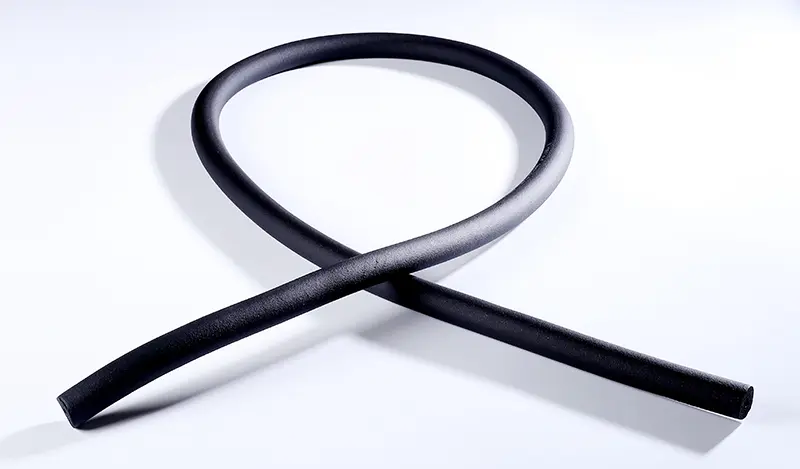
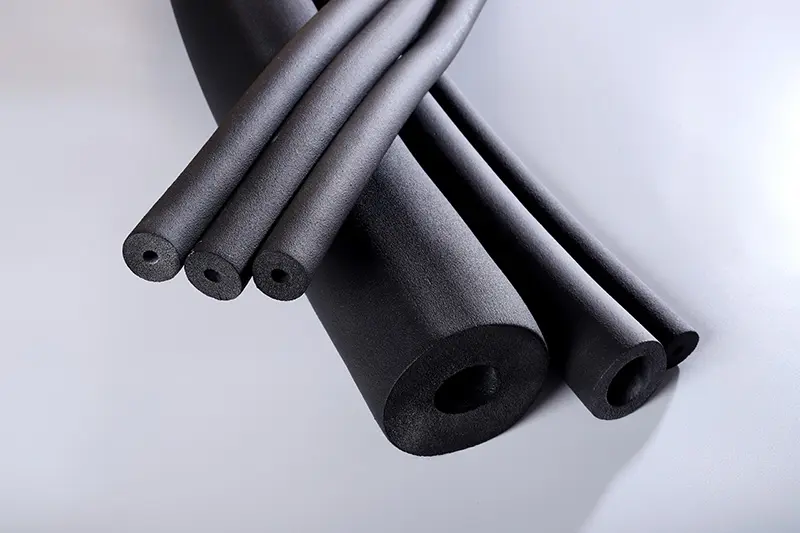

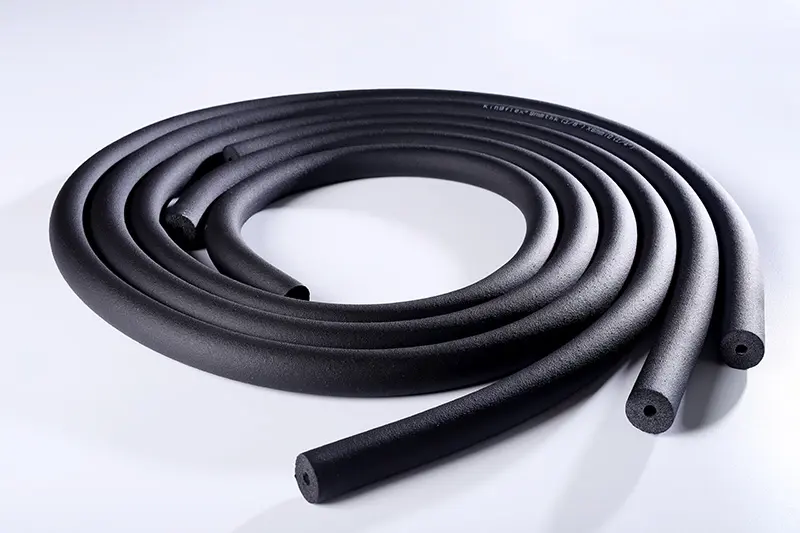
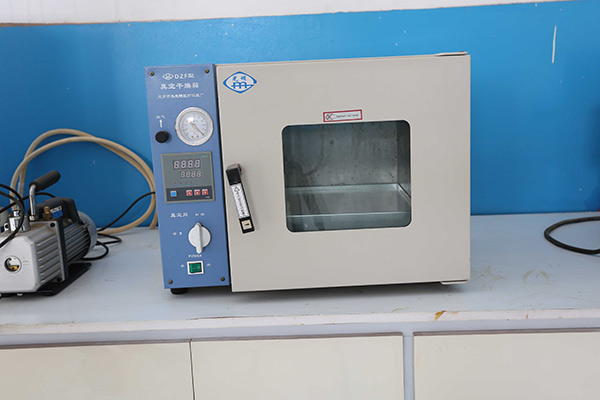
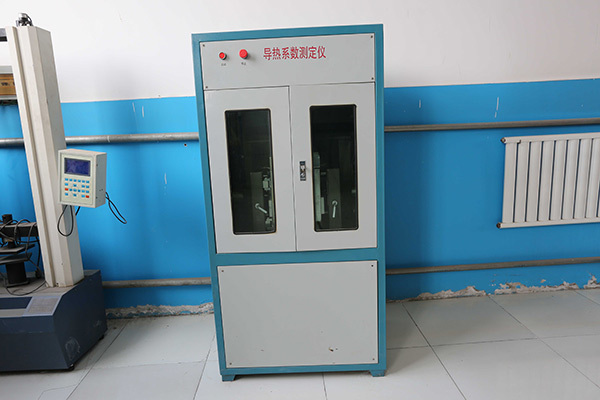
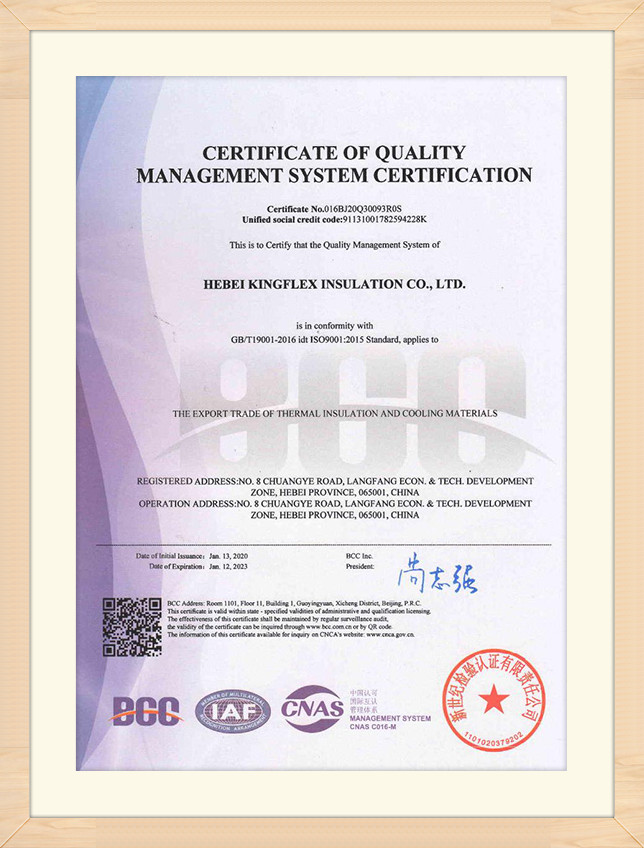
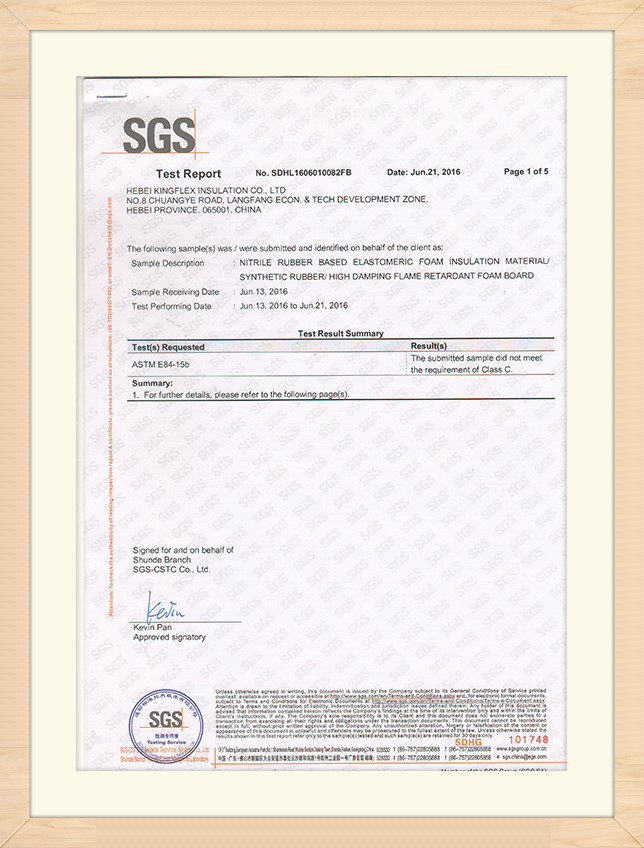
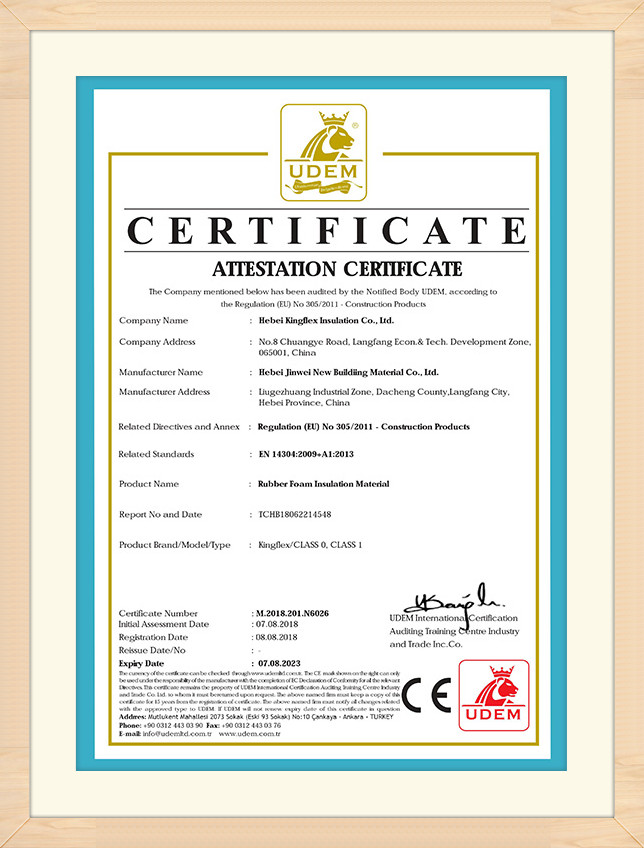
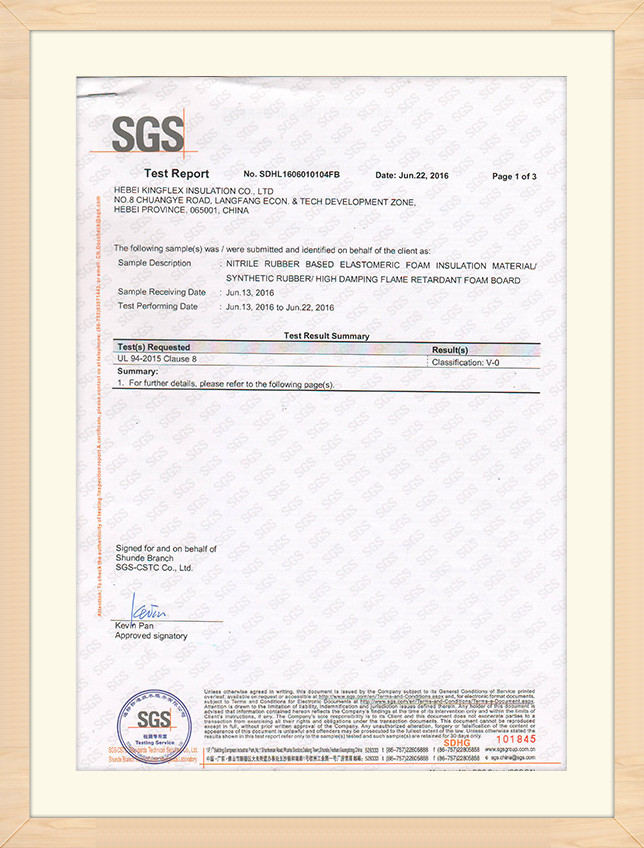
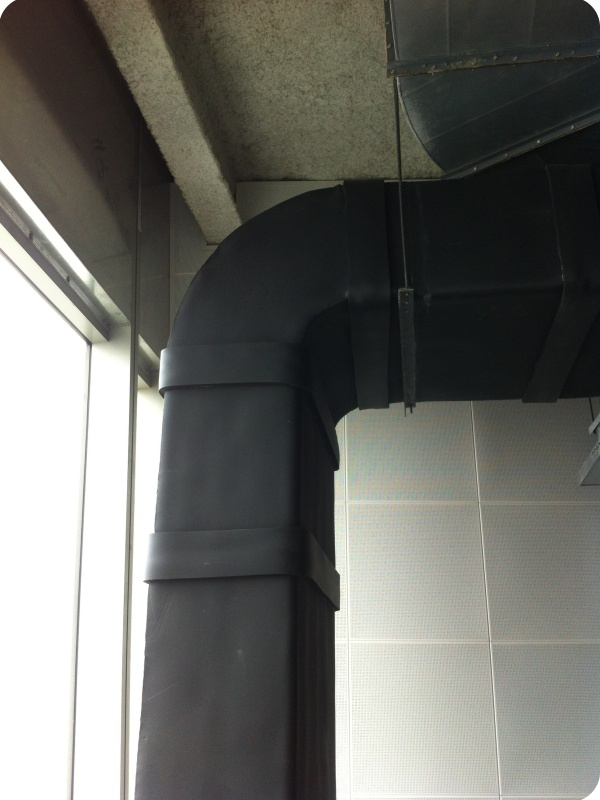
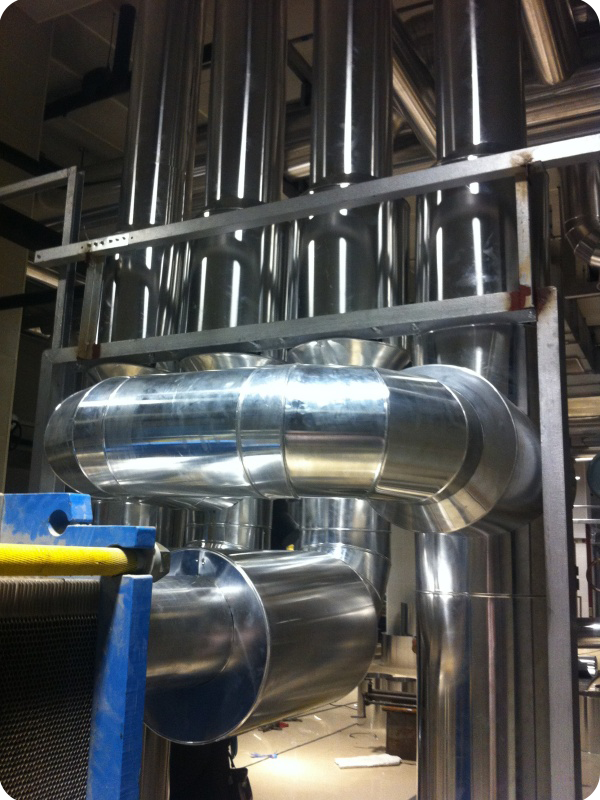
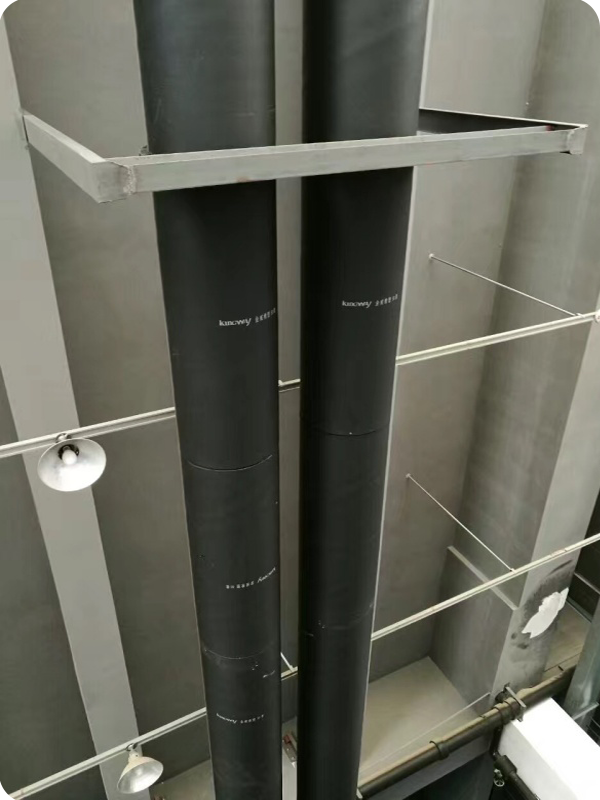
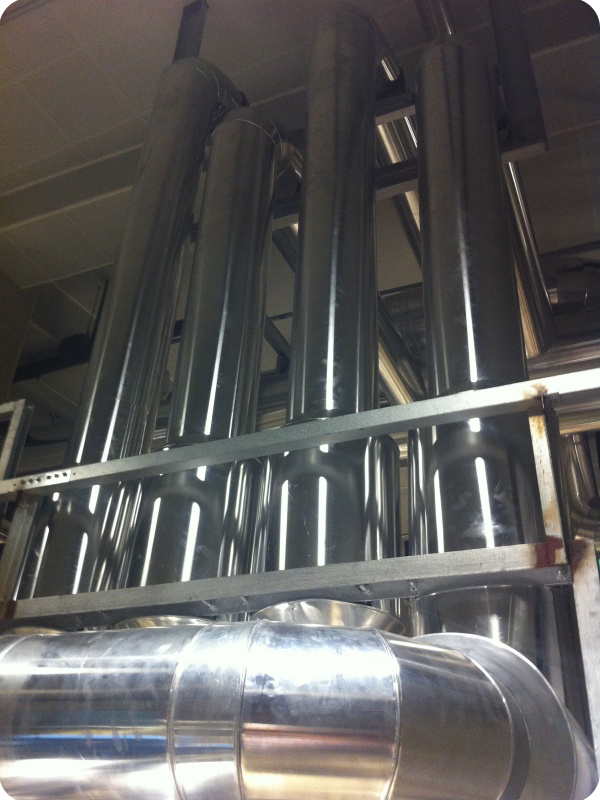
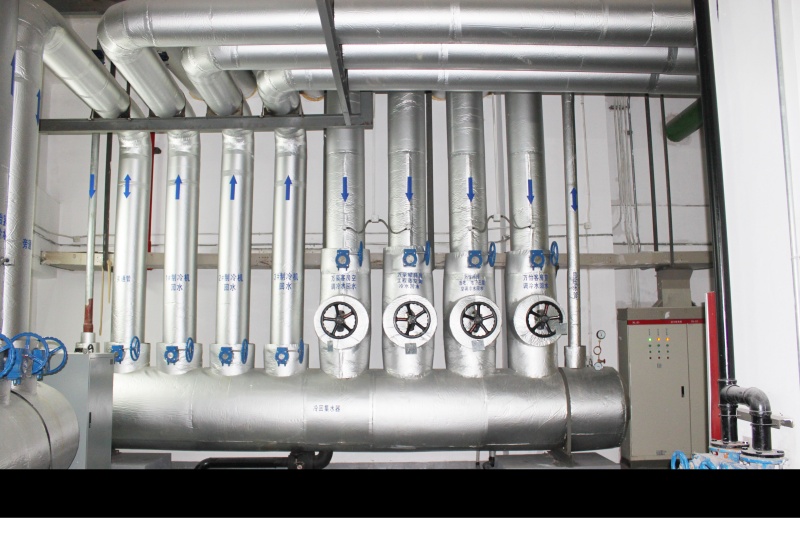
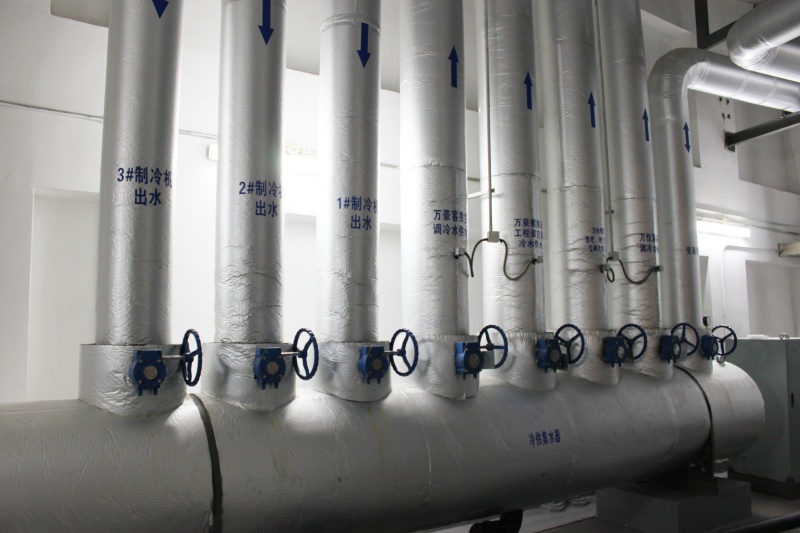
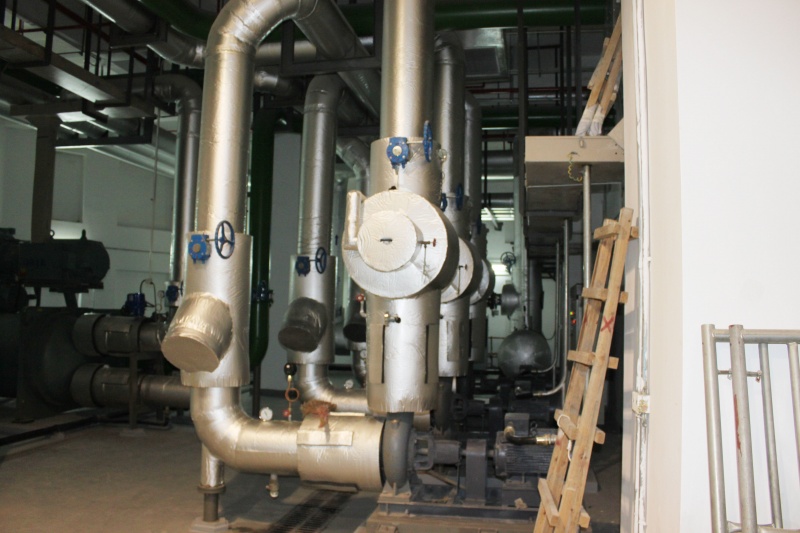
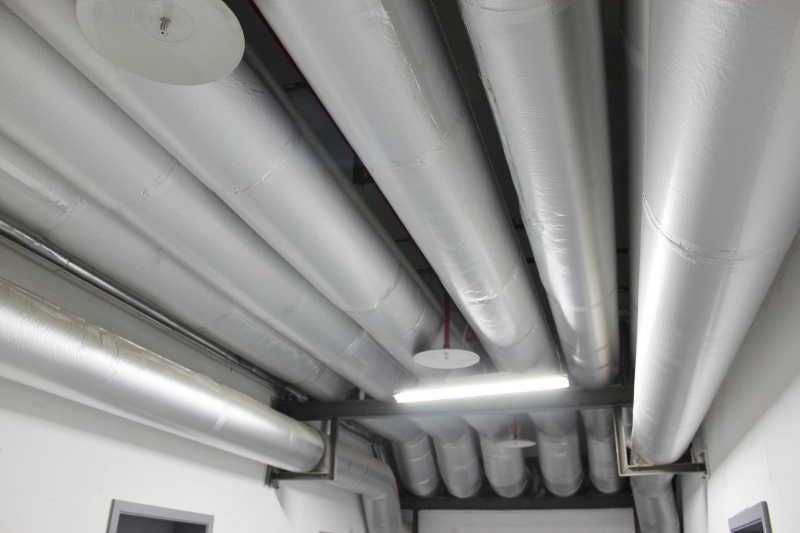
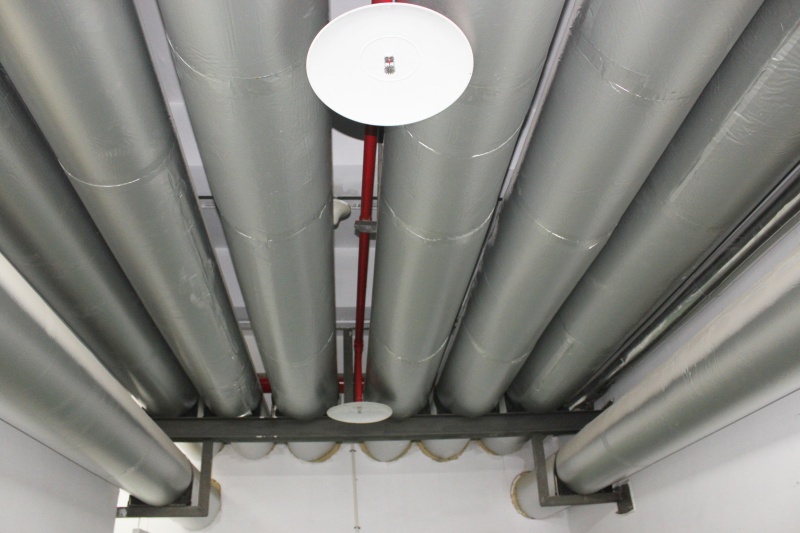
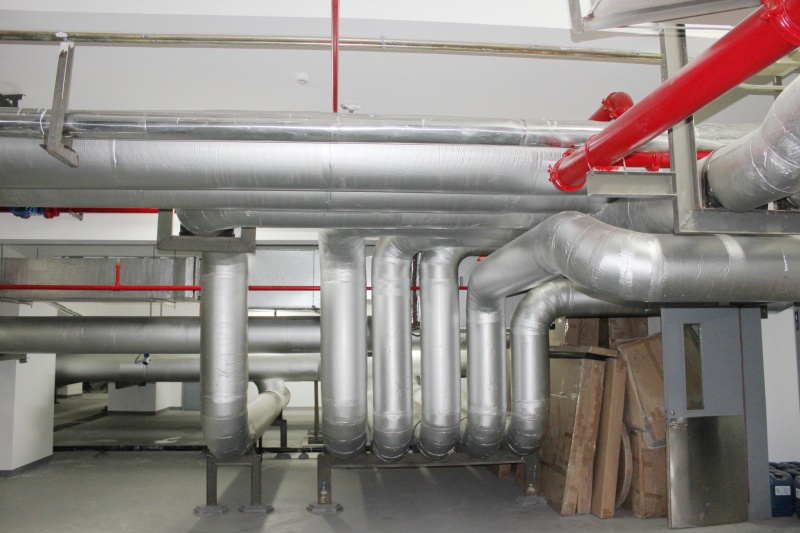
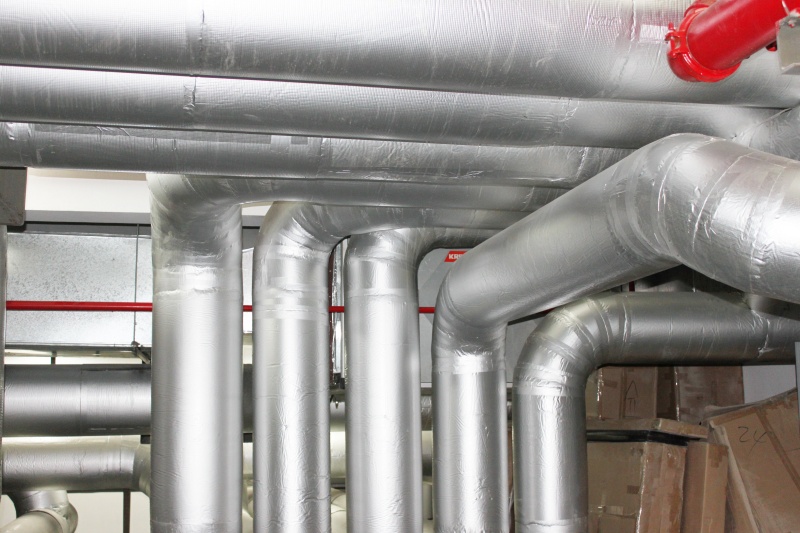
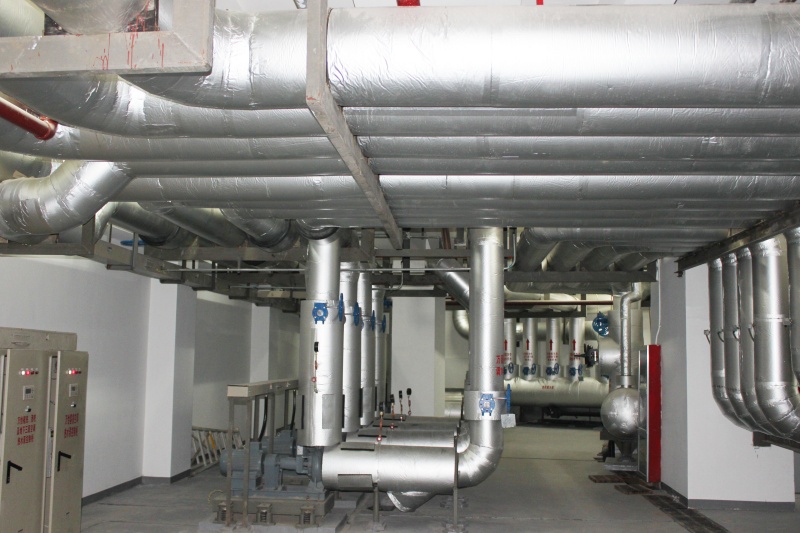
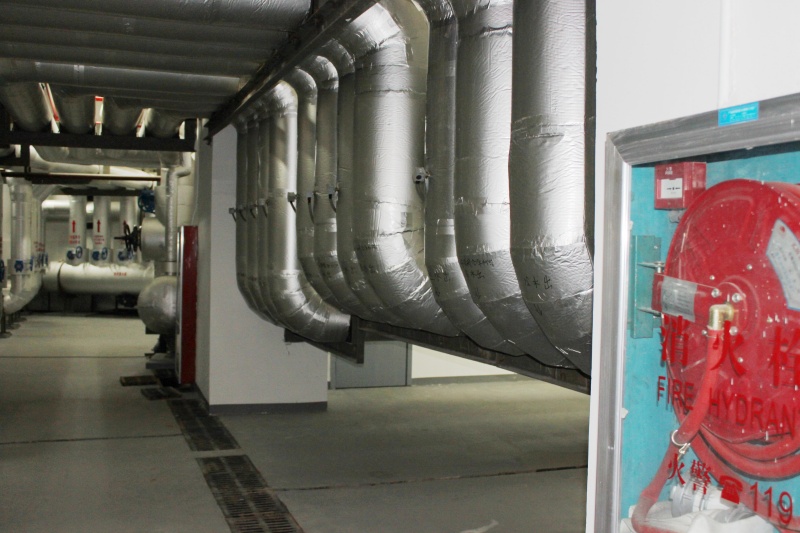
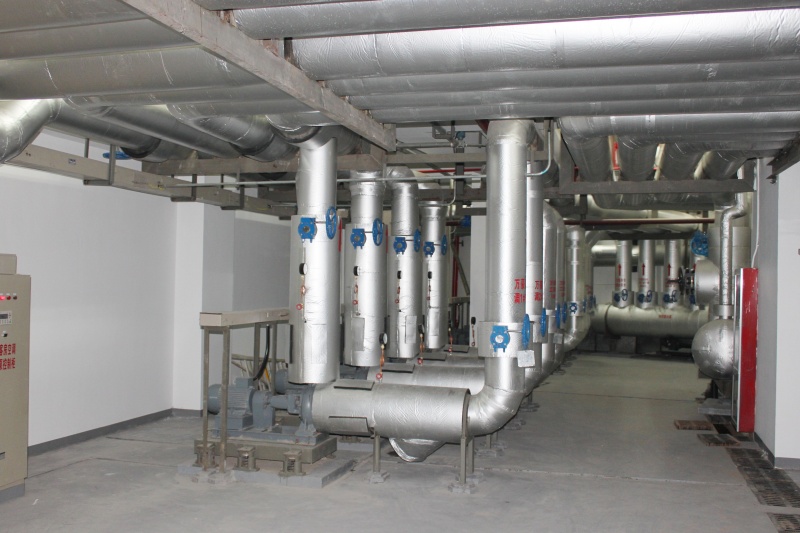
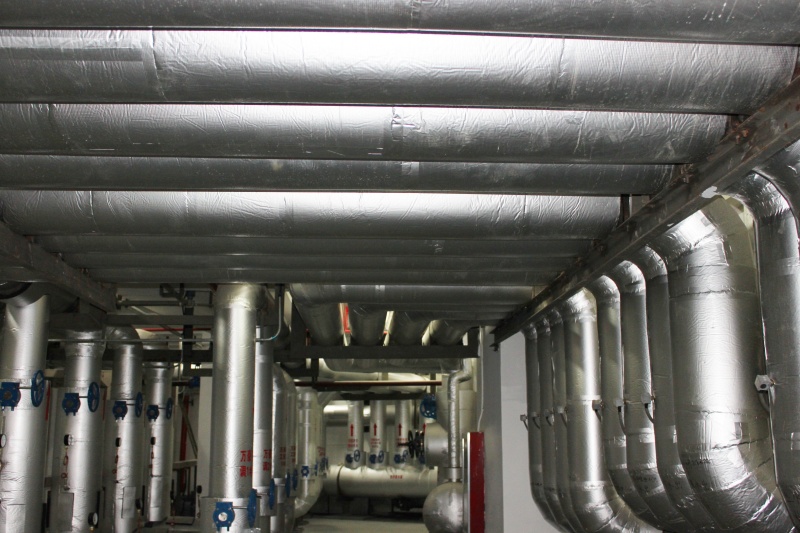
Images from our R&D testing labs, production floors, certification files, and project sites.








Common questions from engineers, buyers, and contractors.
Elastomeric rubber foam insulation is primarily used for insulating HVAC ducts, air conditioning lines, cold water systems, and industrial process piping. Its closed-cell structure helps prevent condensation and reduces energy loss, making it suitable for acoustic damping and cryogenic cold insulation.
Yes. Our rubber foam insulation includes flame-retardant additives. It meets safety standards like BS 476 (Class 0 and Class 1) and UL 94 (V-0 rating), which are required for commercial and industrial applications.
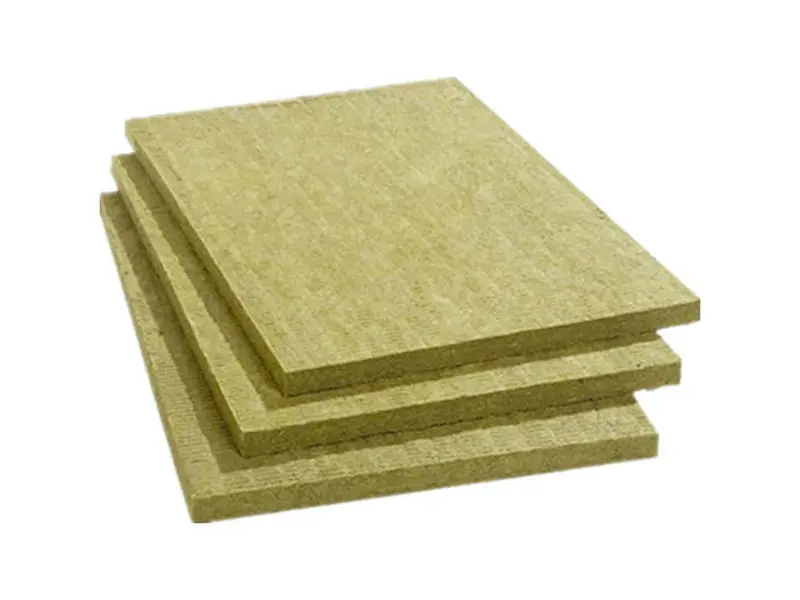
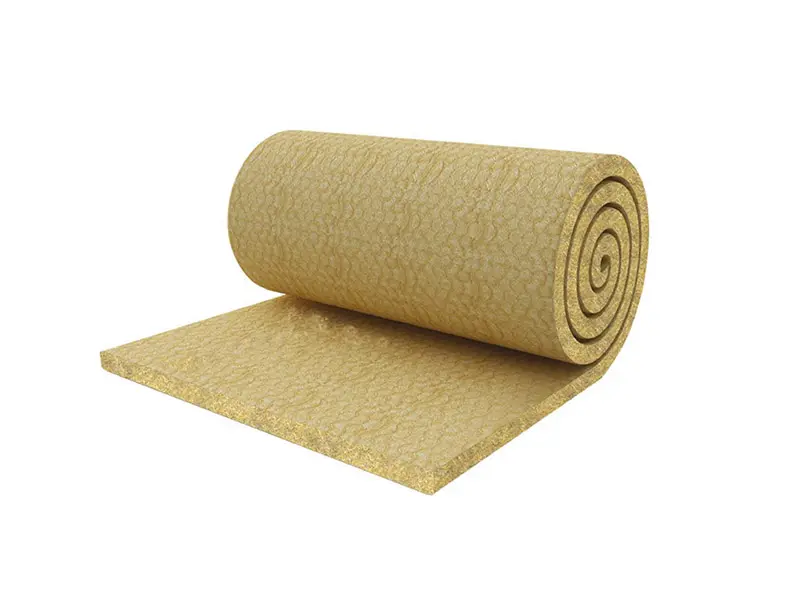
Rubber foam is a flexible, closed-cell material that is highly resistant to water vapor. This makes it suitable for HVAC, cold water systems, and cryogenic pipelines. Rock wool is a fibrous mineral insulation that can handle higher operating temperatures (often above 500°C), making it better suited for high-temperature steam lines and industrial ovens.
Yes, we provide OEM services. We can customize density, sheet thickness (from 6mm up to 50mm), pipe inner diameters, and supply specialized outer laminations (such as aluminum foil or glass cloth coatings) to match your project specifications.
Our products are tested and certified to international standards, including BS 476, CE, REACH, ROHS, UL94, and ASTM. This ensures compliance with local building codes and industrial import standards worldwide.
Yes. We track each batch from raw material processing through extrusion, foaming, cutting, and packaging. This allows us to trace product performance back to specific production runs.
We manufacture elastomeric foam sheets in thicknesses ranging from 6mm to 50mm. Thicker sheets can also be laminated together to meet specific low-temperature or cryogenic insulation requirements.
When properly installed and maintained under standard operating conditions, our elastomeric rubber foam has an expected service life of 10 to 15 years. Using outdoor protective claddings or UV-resistant coatings can help extend this lifespan in exposed environments.
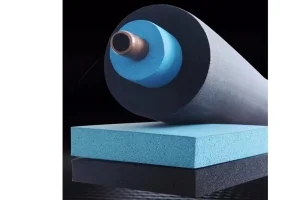
Browse additional products from our line, including cryogenic options and specialized elastomeric tubes.