 Kingflex
Kingflex
Kingflex
Explore our premium range of low thermal conductivity solutions manufactured to meet international standards for HVAC, cryogenic, and high-temperature environments.
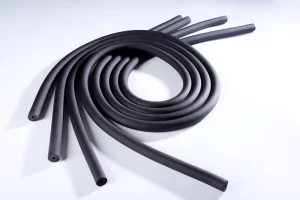
In industrial thermal management, thermal conductivity ($\lambda$) represents the fundamental yardstick of thermal efficiency. The lower the $\lambda$-value, the higher the material’s capacity to resist heat transfer. As a premier manufacturer, Kingflex engineers flexible elastomeric rubber foams that stabilize at $\le 0.034 \text{ W/(m}\cdot\text{K)}$ at $0^\circ\text{C}$. This thermal performance is achieved through our specialized closed-cell morphology.
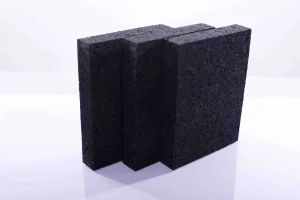
Our proprietary NBR/PVC matrix utilizes a micro-balloon cell structure where over 98% of the gas-entrained voids are securely sealed. This minimizes gaseous heat convection, limits solid-phase conduction, and provides an exceptionally high water vapor diffusion resistance factor ($\mu \ge 10,000$). For mechanical engineers, this prevents the migration of ambient humidity to cold pipelines, eliminating the risk of condensation, ice formation, and systemic Corrosion Under Insulation (CUI).
Understanding how clean energy policies, commercial requirements, and materials science drive the need for low thermal conductivity products.
Global standards, such as ASHRAE 90.1, EU EPBD, and domestic green building initiatives, require minimal thermal leakage across HVAC and hydronic piping systems. Low thermal conductivity materials are essential to achieving zero-emission performance.
Modern microelectronics, pharmaceuticals, and liquefied natural gas (LNG) systems require insulation that functions in sub-zero environments down to -200°C without fracturing. Specialized elastomeric compounds ensure structural stability under thermal contraction.
Civil infrastructure requires high fire resistance standards (e.g., BS 476 Part 7 Class 1, ASTM E84, and UL94 V-0). The NBR/PVC blend is formulated to release flame retardants that limit heat release and self-extinguish when exposed to fire.
Engineered for stability, chemical resistance, and long-term insulation efficiency.
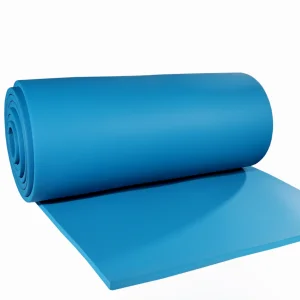
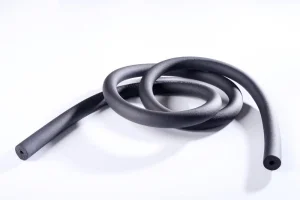
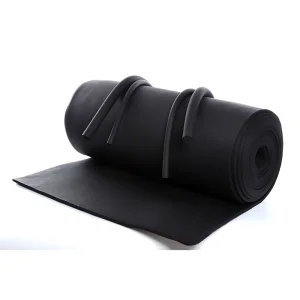
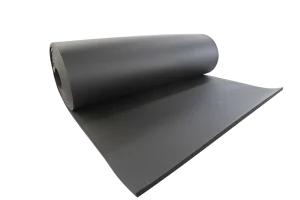
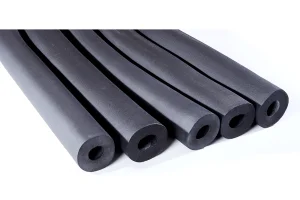
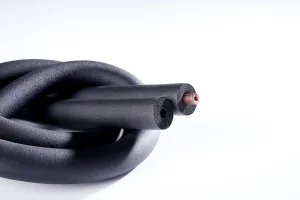
| Property / Characteristic | Kingflex Standard Sheet Rolls | Kingflex Premium Insulation Pipes |
|---|---|---|
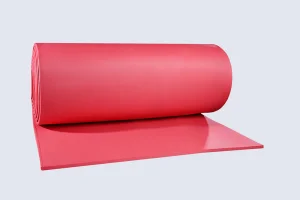
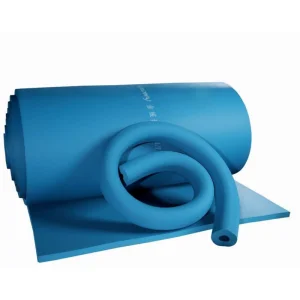
| Base Raw Material | Acrylonitrile Butadiene Rubber (NBR) / Polyvinyl Chloride (PVC) | NBR/PVC Elastomeric Co-polymer Matrix |
| Density Profile | 40 - 55 kg/m³ | 40 - 55 kg/m³ |
| Thermal Conductivity ($\lambda$) | ≤ 0.034 W/m·K at 0°C | ≤ 0.038 W/m·K at 40°C | ≤ 0.034 W/m·K at 0°C | ≤ 0.036 W/m·K at 40°C |
| Service Temperature Limit | -40°C to +105°C (Extended ranges for cryogenics available) | -40°C to +105°C (Ensuring mechanical elasticity) |
| Water Vapor Resistance ($\mu$) | ≥ 10,000 (Built-in continuous vapor barrier) | ≥ 10,000 (Prevents moisture condensation) |
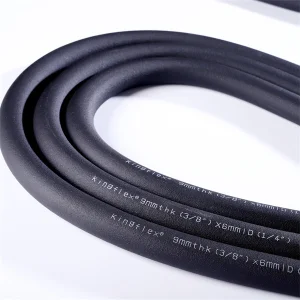
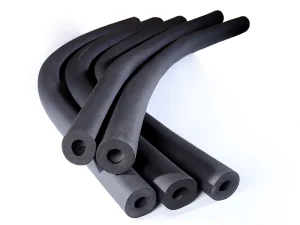
| Thickness Availability | 6mm to 50mm thickness range | 9mm to 40mm thickness / Inside Diameter: 6mm to 114mm |
| Fire Safety Rating | Flame retardant, self-extinguishing, BS 476 Class 0/1 | Self-extinguishing, low smoke index, ASTM/UL94 compliant |
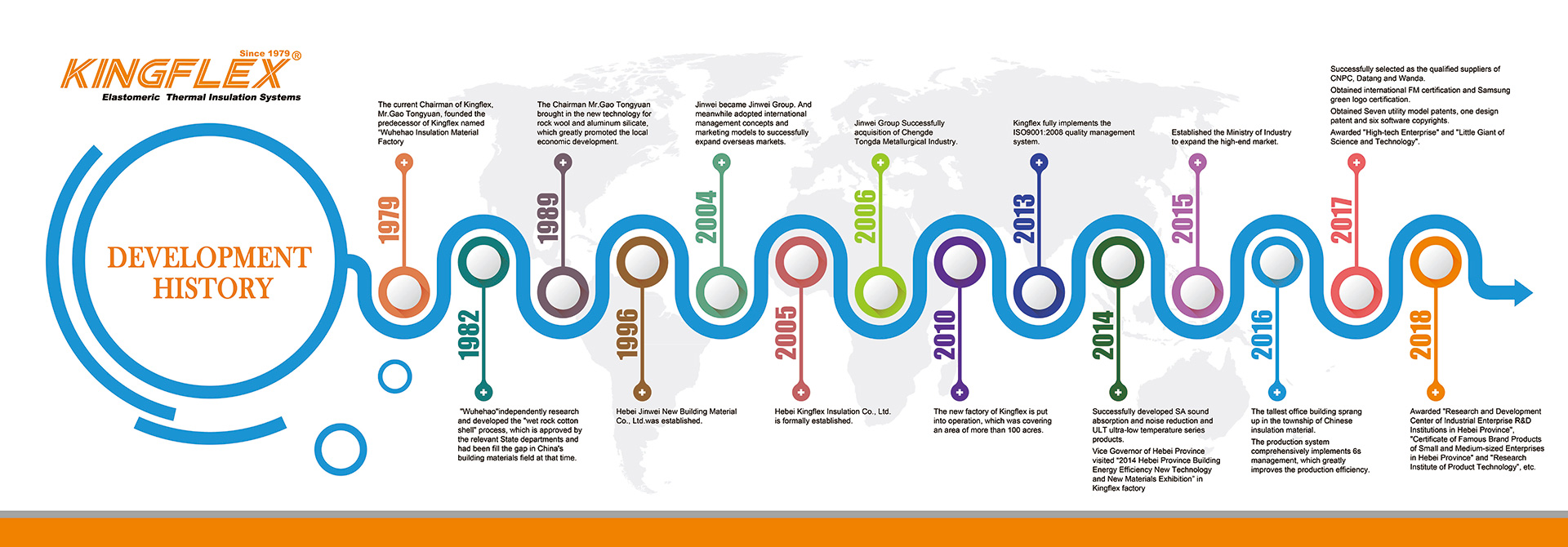
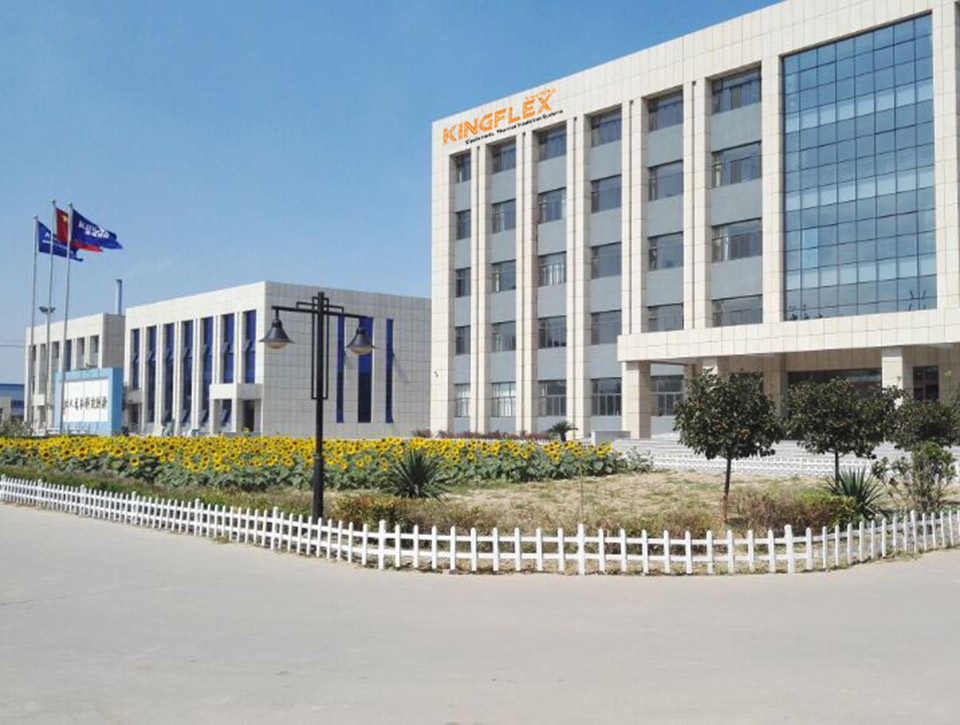
Established under the Jinwei Group, which dates back to 1979, Kingflex Insulation Co., Ltd. has developed into a leading manufacturer of thermal insulation materials north of the Yangtze River. Dacheng, China—the capital of green building materials—hosts our central R&D and automated production lines.
Today, Kingflex operates five large automated assembly lines, delivering an annual production capacity of over 600,000 cubic meters. Our facilities serve as a designated production site for chemical, electrical, and thermal insulation solutions, working closely with major energy and chemical infrastructure developers.
Over the past 16 years, our export business has delivered solutions to projects in 66 countries. We offer comprehensive services, including technical consultation, customized R&D, product manufacturing, installation guidance, and dedicated post-sales support.
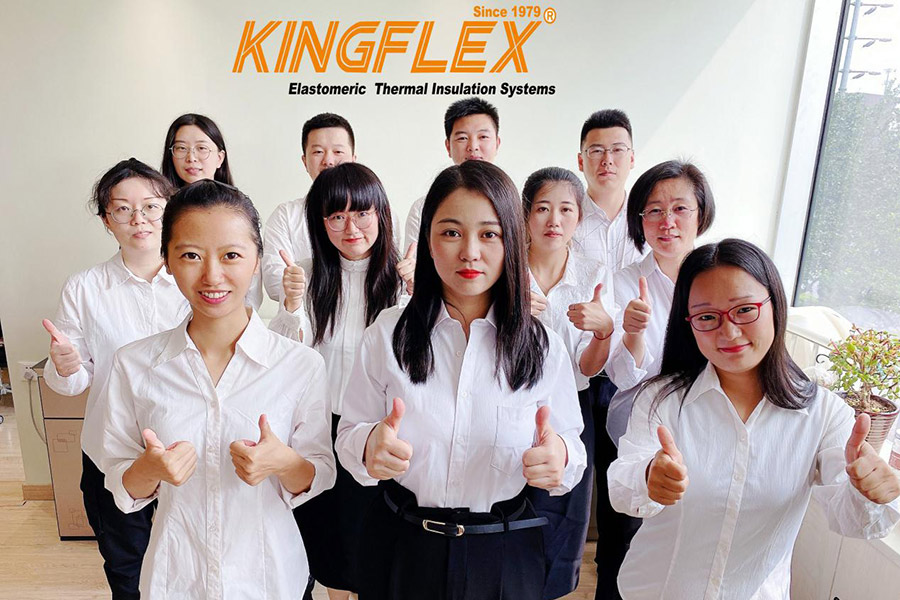
Our team consists of 8 professional engineers in our R&D Department, 6 international sales specialists, and 230 manufacturing specialists. They work together to maintain consistent product quality and provide customized support for complex construction projects.
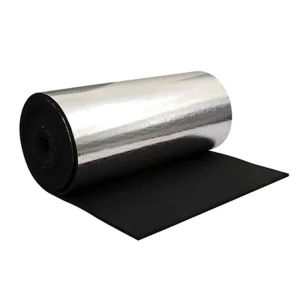
We offer full OEM and ODM services, allowing customers to customize thickness (from 6mm to 50mm), internal diameter ranges for piping, and layer finishes (such as high-tensile aluminum foil backing).
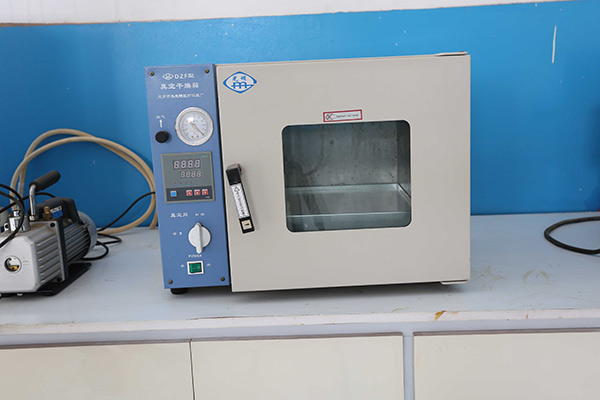
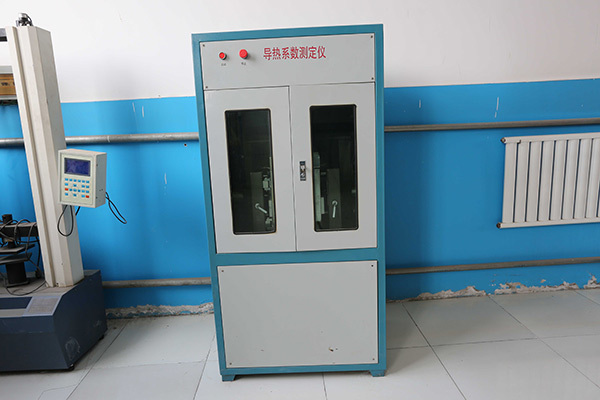
Each production run is monitored for density and thermal properties to ensure compliance with BS 476, CE, REACH, RoHS, UL94, and ASTM standards. This provides traceable material certification for complex engineering specifications.


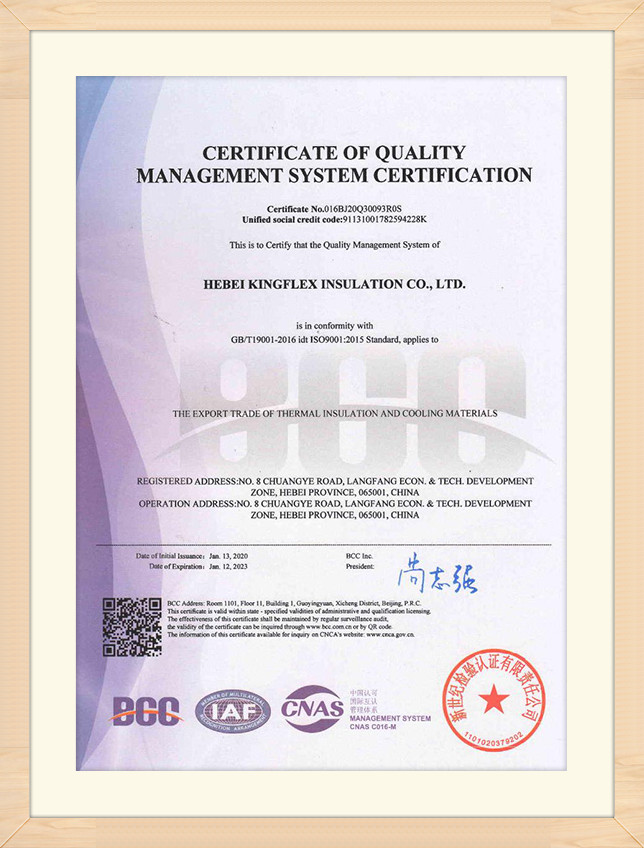
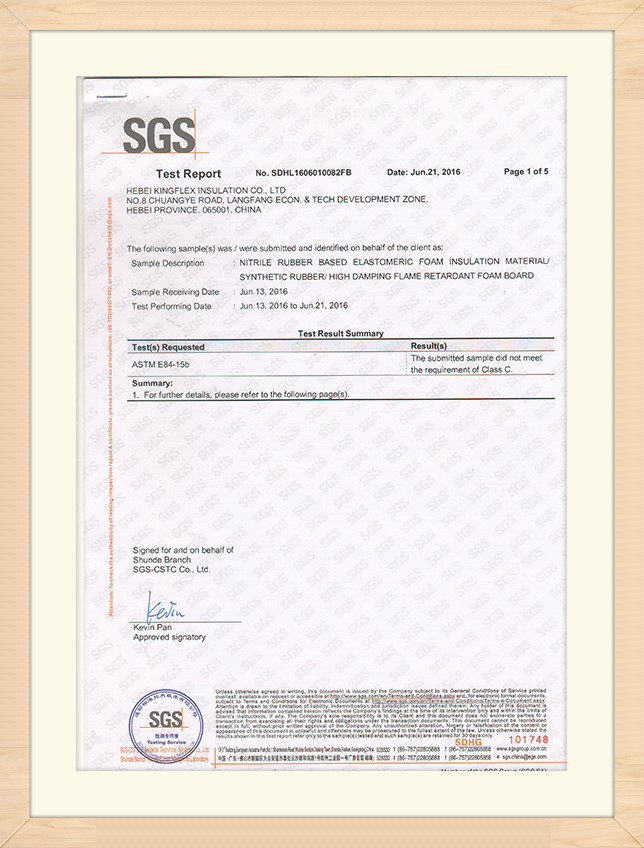
Our products conform to strict global standards for safety, thermal efficiency, and environmental compliance.
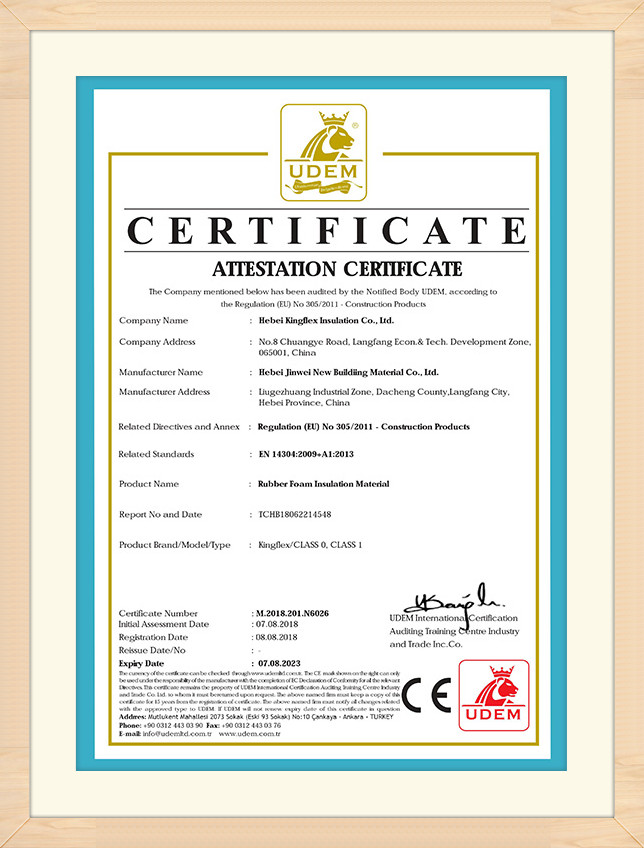
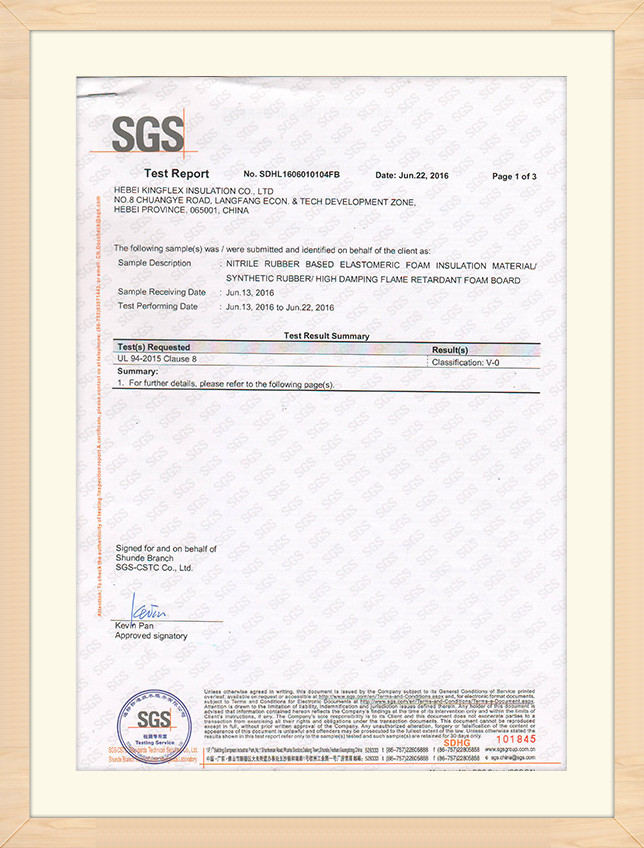
We implement environmental protection protocols in our raw material selection and processing. Our entire range is free of halogenated compounds, CFCs, HFCs, and PBDEs, ensuring compliance with REACH and RoHS guidelines. Our manufacturing processes include complete material traceability, with batch codes printed directly onto insulation rolls and tubes to simplify compliance checks for site inspectors.
We assist procurement officers by offering logistics solutions and project support. This includes customized packaging, multi-port dispatch options, and detailed technical documentation (MSDS, Technical Datasheets, Certificate of Origin). We ensure smooth container loading and on-site delivery for large-scale operations.
Moving from individual product supply to comprehensive energy-saving systems.
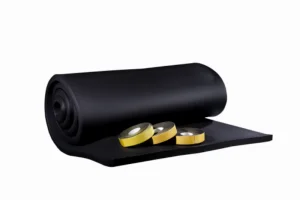
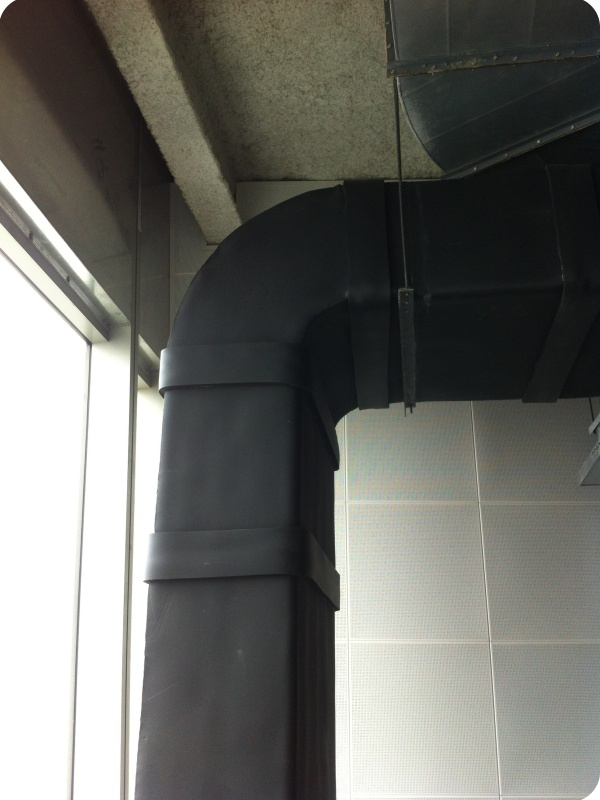
Our elastomeric sheets and adhesive-backed rolls help limit energy loss in central air conditioning ducts, preventing thermal loss and condensation on the duct surface.
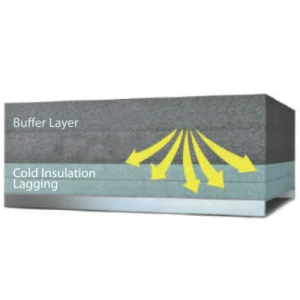
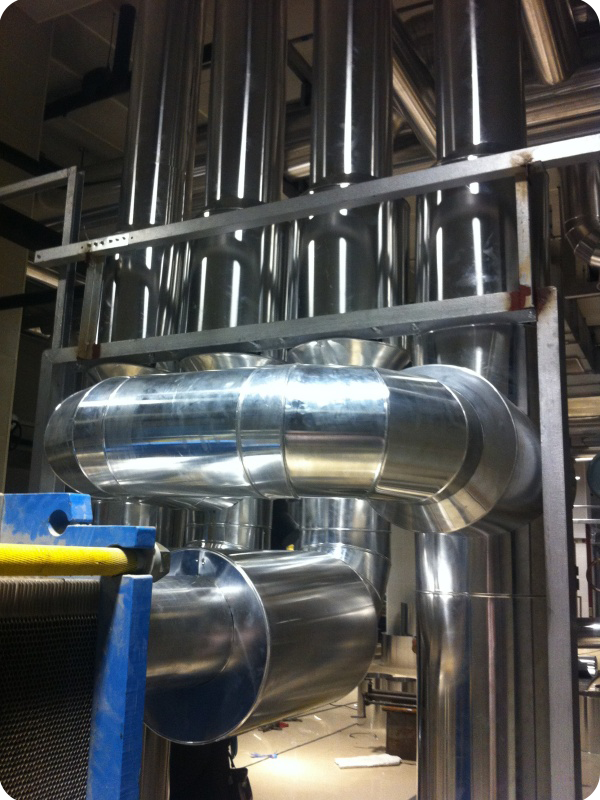
Multi-layered, high-density configurations designed for ultra-low temperature and refrigeration piping. These systems protect pipes from freezing, thermal shock, and icing.
Designed to withstand mechanical wear, chemical exposure, and temperature cycles in petroleum refineries, chemical processing plants, and food production facilities.



Improving the performance of thermal insulation materials through research and engineering.
We are researching the integration of silica aerogel structures into our elastomeric polymer matrix. This hybrid design aims to reduce thermal conductivity values down to $\lambda \le 0.022 \text{ W/(m}\cdot\text{K)}$, providing thinner profiles for confined industrial applications.
To support corporate decarbonization goals, our laboratories are developing NBR formulations derived from bio-based feedstock, reducing the carbon footprint of our manufacturing process without affecting physical properties or durability.
Our upcoming product lines will feature integrated, non-conductive sensor arrays that monitor humidity levels along the pipe substrate, alerting maintenance teams to potential issues before corrosion develops.
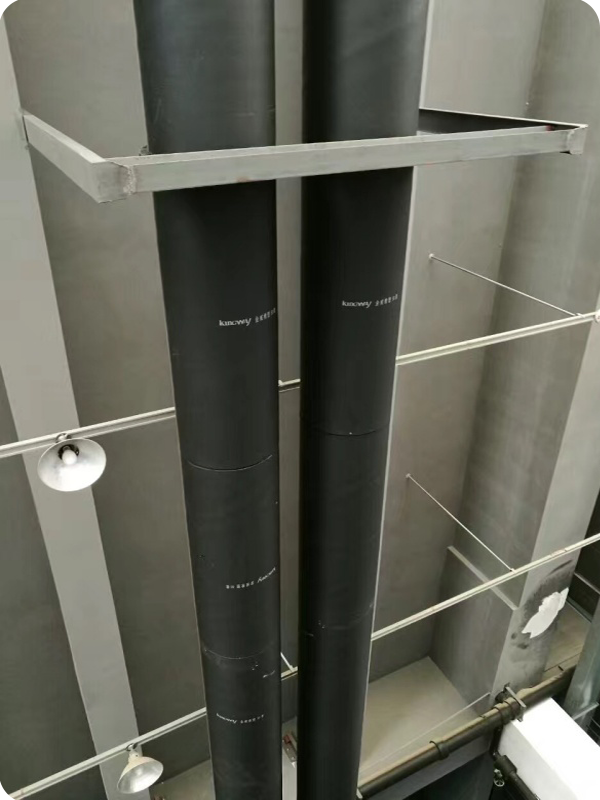
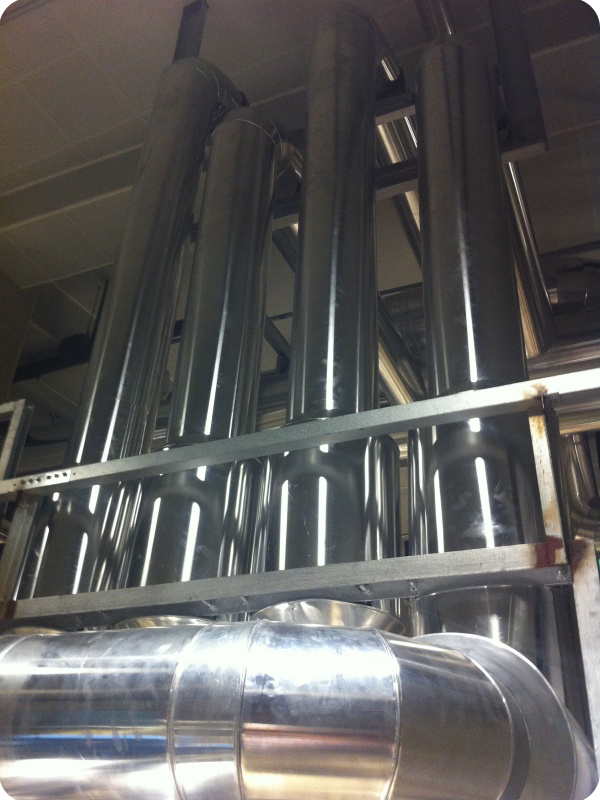
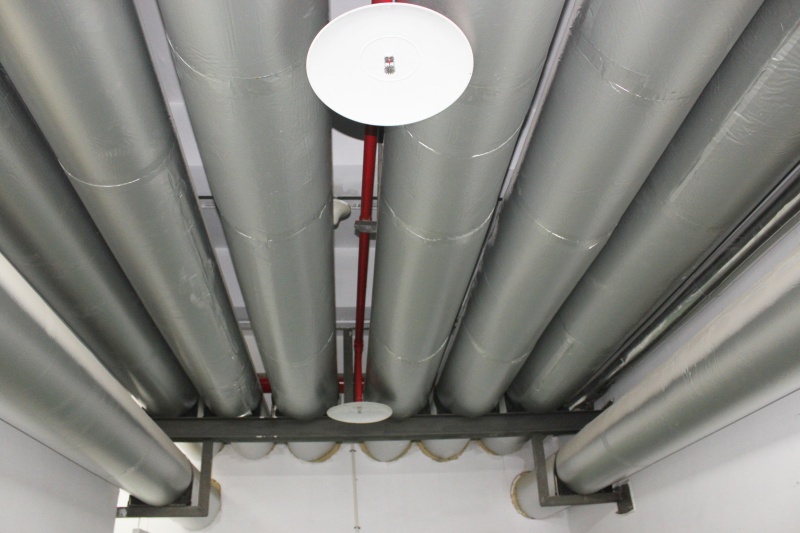
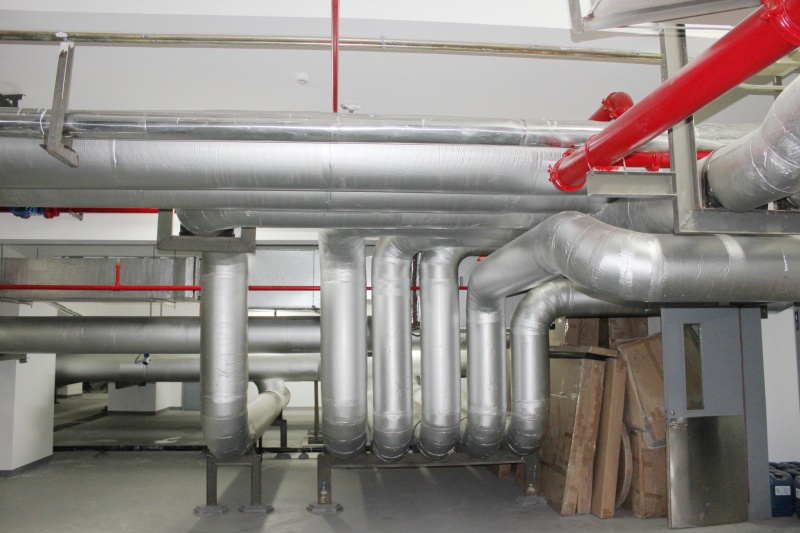
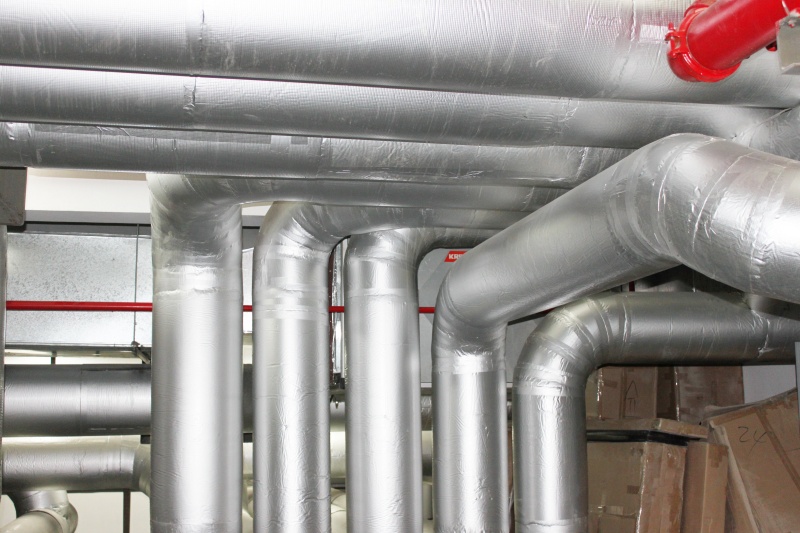
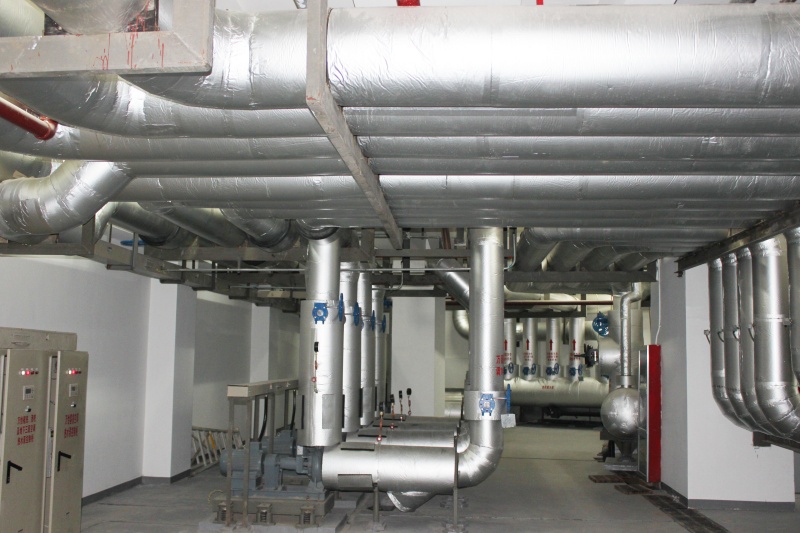
Kingflex insulation materials are used in airports, shopping malls, petrochemical plants, and district energy projects worldwide.
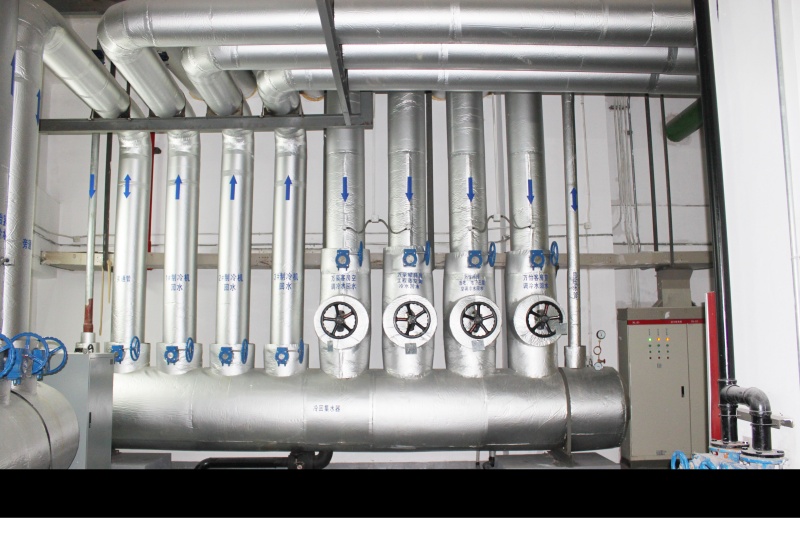
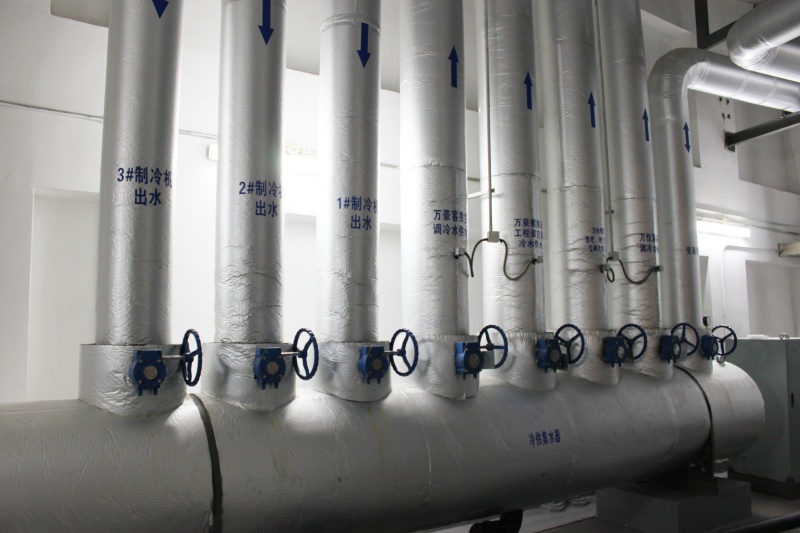

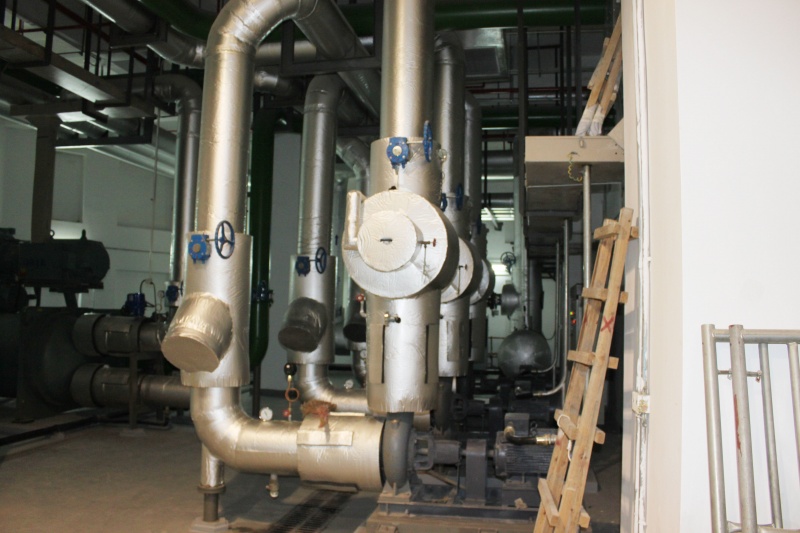
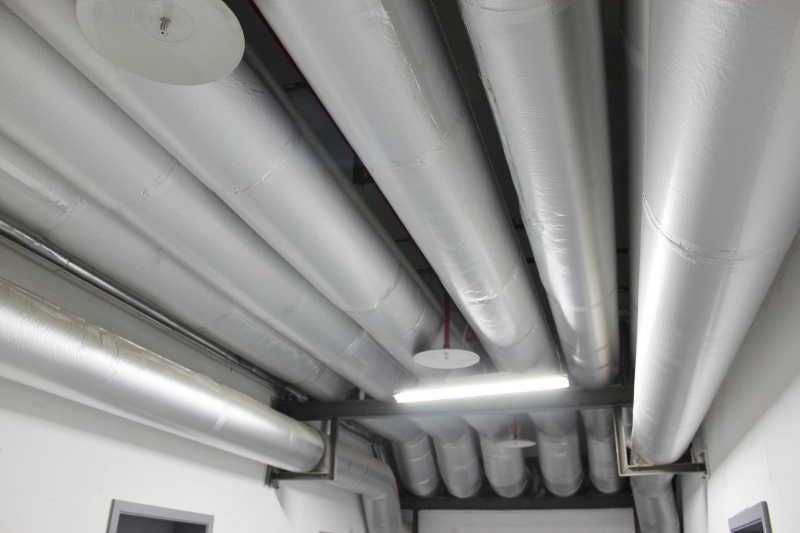
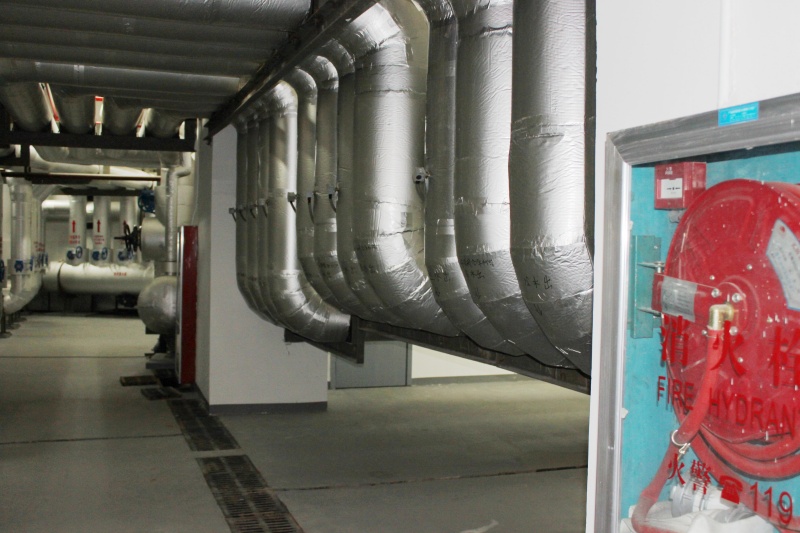
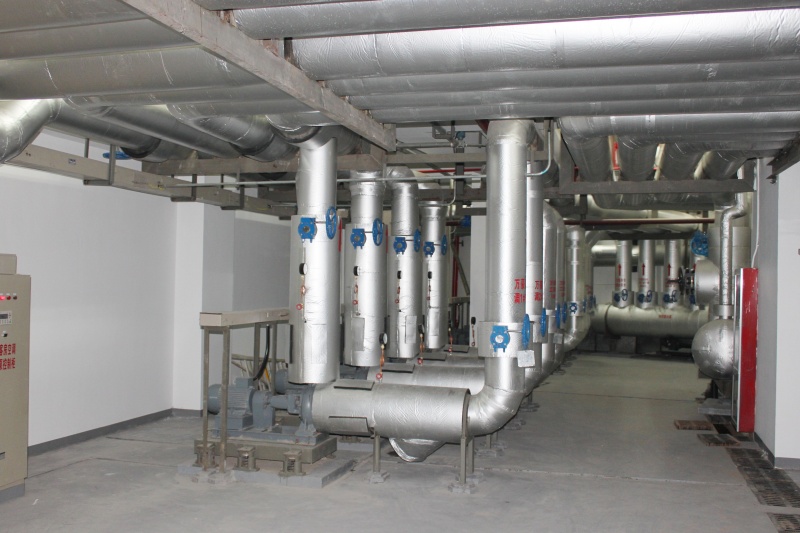
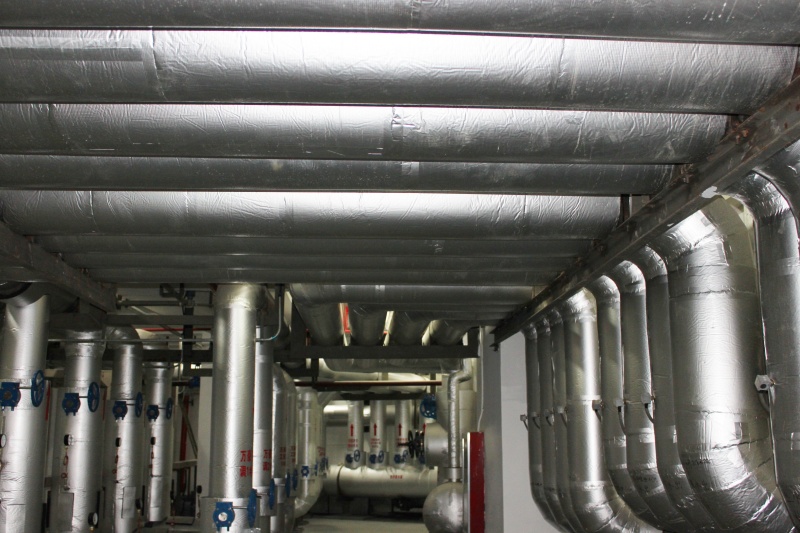
Technical guidance and product specifications for architects, mechanical designers, and procurement managers.
Explore our specialized range of high-performance insulation systems, including aluminum foil laminates and cryogenic insulation materials.